Search results
Search for "absorption" in Full Text gives 957 result(s) in Beilstein Journal of Organic Chemistry. Showing first 200.
Tying a knot between crown ethers and porphyrins
Beilstein J. Org. Chem. 2023, 19, 1630–1650, doi:10.3762/bjoc.19.120
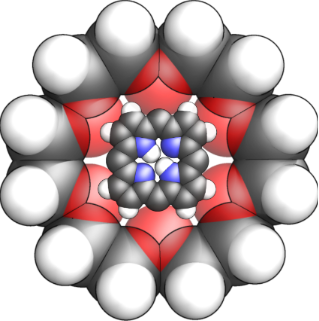
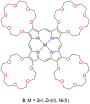
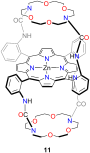
- alkali metals. Due to the presence of crown ether moieties, the receptors exhibited selective binding of K+, NH4+, and Ba2+. The pronounced changes in the absorption spectra of free-base ligands 1 and TriCP with adding K+, NH4+, and Ba2+ cations were observed, whereas Na+, Mg2+, and Ca2+ did not produce
- appreciable effects. Furthermore, zinc(II) porphyrins 1-Zn and TriCP-Zn bound potassium cations forming dimeric assemblies 2, as demonstrated by the absorption and 1H NMR spectra. Although DCP-Zn and MCP-Zn were also capable of forming dimers, the highest stability and the largest level of attraction between







Sulfur-containing spiroketals from Breynia disticha and evaluations of their anti-inflammatory effect
Beilstein J. Org. Chem. 2023, 19, 1604–1614, doi:10.3762/bjoc.19.117
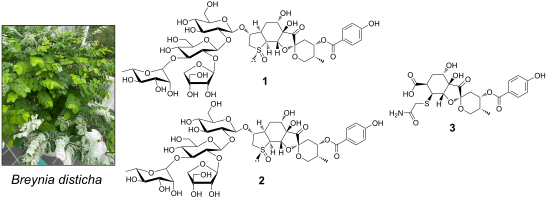
- formula of C45H64O28SNa (calcd 1107.3197). The IR spectrum showed absorption peaks corresponding to hydroxy groups (νmax = 3414 cm−1) and carbonyl groups (νmax = 1782 and 1695 cm−1). The 1H NMR signals (Table 1) were characteristic of a breynogenin moiety, namely, a methyl group [δH 0.92 (d, J = 6.9 Hz



Synthesis of 5-arylidenerhodanines in L-proline-based deep eutectic solvent
Beilstein J. Org. Chem. 2023, 19, 1537–1544, doi:10.3762/bjoc.19.110

- give a purple solution and present a strong absorption maximum at 517 nm. In the presence of an antioxidant compound DPPH is reduced forming DPPH-H and the color of the solution changes to yellow. The overall antioxidant capacity of compounds was measured after 30 minutes of incubation. We used the


Consecutive four-component synthesis of trisubstituted 3-iodoindoles by an alkynylation–cyclization–iodination–alkylation sequence
Beilstein J. Org. Chem. 2023, 19, 1379–1385, doi:10.3762/bjoc.19.99
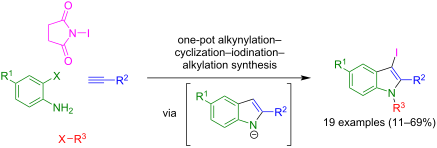
- absorption maximum of indole derivative 8b appears at 309 nm with an absorption coefficient ε = 10700 M−1 cm−1 and the emission maximum is found at 423 nm with a Stokes shift of 8700 cm−1 (Figure 1A). Moreover, compound 8b emits intensively blue in both the solid state and solution (Figure 1B). Conclusion In
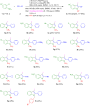
- , 6.29; N, 4.52. A: Absorption and emission spectra of 1-methyl-2-phenyl-3-(p-tolyl)-1H-indole (8b), recorded in dichloromethane, T = 298 K, λexc = 290 nm. B: Emission of compound 8b in the solid state (right) and in solution (left) (UV lamp, λexc = 365 nm. Consecutive alkynylation–cyclization–alkylation




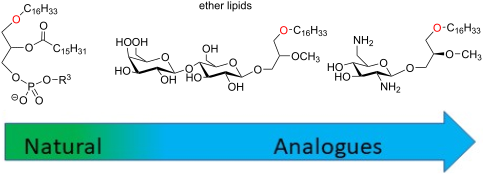
Synthesis of ether lipids: natural compounds and analogues
Beilstein J. Org. Chem. 2023, 19, 1299–1369, doi:10.3762/bjoc.19.96






Organic thermally activated delayed fluorescence material with strained benzoguanidine donor
Beilstein J. Org. Chem. 2023, 19, 1289–1298, doi:10.3762/bjoc.19.95
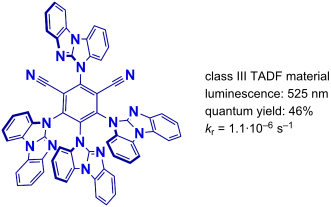
- for 4BGIPN are shown in Figure 4 and Figure 5 while data in various media is collected in Table 2 and Table 3, respectively. UV–vis absorption spectra of 4BGIPN show a strong π–π* intraligand transition (IL, benzoguanidine) at 290 nm with ε = 42000 M−1cm−1. Unlike 4CzIPN, we do not observe any
- vibronically resolved carbazole absorption peaks which are commonly present at 325 nm [15]. Similar to 4CzIPN [14][15], the UV–vis profile has two broad regions: localized charge transfer (loCT) over 320–380 nm region with ε up to 14000 M−1 cm−1 and a delocalized charge transfer (deCT) broad shoulder over the
- , equipped with an AFC-11 4-circle kappa goniometer, VariMAXTM microfocus optics, a Hypix-6000HE detector and an Oxford Cryosystems 800 plus nitrogen flow gas system, at a temperature of 100 K. Data were collected and reduced using CrysAlisPro v42 [21][22]. Absorption correction was performed using empirical


Unravelling a trichloroacetic acid-catalyzed cascade access to benzo[f]chromeno[2,3-h]quinoxalinoporphyrins
Beilstein J. Org. Chem. 2023, 19, 1216–1224, doi:10.3762/bjoc.19.89
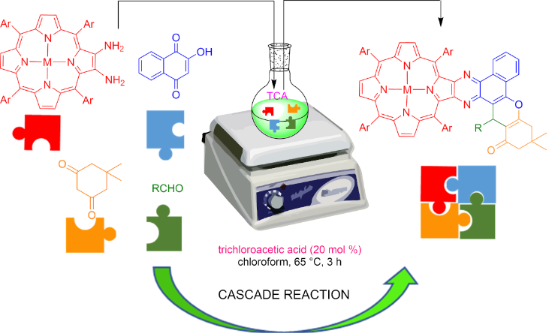
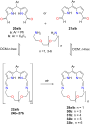
- ) porphyrins were transformed to the corresponding free base and zinc(II) benzo[f]chromeno[2,3-h]quinoxalinoporphyrins under standard demetallation and zinc insertion conditions. The absorption and emission properties of the obtained porphyrins were investigated by using UV–visible and fluorescence
- spectroscopy. The preliminary photophysical results revealed a significant red-shift in their absorption and emission spectra as compared to the meso-tetrakis(4-methylphenyl)porphyrins due to the extended π-conjugation. Keywords: bathochromic shift; benzo[f]chromeno[2,3-h]quinoxalinoporphyrins; catalysis
- other materials applications [4][5][6][7]. Among the previously synthesized synthetically modified porphyrinoids, β,β’-fused meso-tetraphenylporphyrins have gained a considerable importance because of their red-shifted absorption and emission due to the extended π-conjugation. In particular, β,β’-fused


Enabling artificial photosynthesis systems with molecular recycling: A review of photo- and electrochemical methods for regenerating organic sacrificial electron donors
Beilstein J. Org. Chem. 2023, 19, 1198–1215, doi:10.3762/bjoc.19.88

- considered: solubility in the chosen solvent, absorption spectrum, oxidation potential, and the reversibility of the sacrificial donor oxidation. As the sacrificial donor is a reactant in the photoreduction reaction of carbon dioxide, it needs to be highly soluble in the solvent used. It also needs to have a
- low absorption in the visible region to prevent side reactions and allow the photosensitizer to absorb as much light as possible. The oxidation potential of the sacrificial electron donor must be less positive than the reduction potential of the excited or oxidized photosensitizer for quenching or
- catalyst [56]. This allowed the electron to be promoted by 2 photon absorption events, making it a Z-scheme. It can be argued that the linking ruthenium chromophore was acting as a redox mediator. Rather than using water as the sacrificial donor in this work, they used methanol which can be produced by


Cyanothioacetamides as a synthetic platform for the synthesis of aminopyrazole derivatives
Beilstein J. Org. Chem. 2023, 19, 1191–1197, doi:10.3762/bjoc.19.87
- accomplished on the automated X-ray diffractometer «Xcalibur 3» with CCD detector following standard procedures (Mo Kα-irradiation, graphite monochromator, ω-scans with 1o step at T = 295(2) K). Empirical absorption correction was applied. The structure was solved using the intrinsic phases in ShelXT program




Exploring the role of halogen bonding in iodonium ylides: insights into unexpected reactivity and reaction control
Beilstein J. Org. Chem. 2023, 19, 1171–1190, doi:10.3762/bjoc.19.86
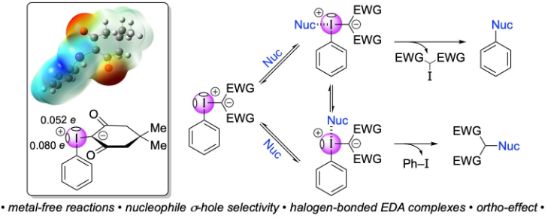
- potential to alter the physical properties (e.g., stability, solubility, UV–vis absorption) of an ylide, as well as bias a Lewis base’s σ-hole selectivity through σ-hole blocking, which represent emerging avenues for tuning an ylide’s reactivity and improving its reaction outcomes. Review 1 Halogen bonding
- to changes in an ylide’s UV–vis absorption profile, or to its overall basicity or nucleophilicity, both of which could lead new and unexpected reactivity. The first example that specifically invoked electron donor–acceptor complexes of iodonium ylides was reported in 2018 by Wang and co-workers [122
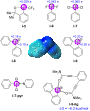
- a near identical mechanism to that of Wang (Figure 8). Strong evidence for formation of an initial EDA complex was found when measuring the UV–vis absorption spectra of 39, alone and in the presence of 32. The latter showed a significant absorption red shift, which implied a structural change in 39







New one-pot synthesis of 4-arylpyrazolo[3,4-b]pyridin-6-ones based on 5-aminopyrazoles and azlactones
Beilstein J. Org. Chem. 2023, 19, 1155–1160, doi:10.3762/bjoc.19.83
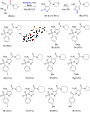
- . We recorded absorption and fluorescence spectra of ethanolic solutions of compounds 4a–i, 9a, and 10a. The emission and absorption spectra of all the compounds differ slightly from each other. Their spectral parameters are presented in Table 2. In the UV spectra of ethanolic solutions of compounds 4a
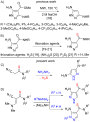
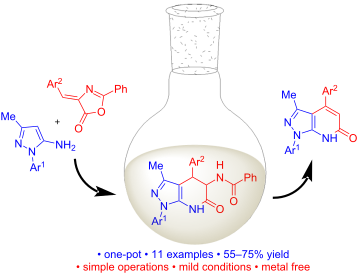
- -aminopyrazoles 1, 5, 6 and azlactones 2a–i, followed by heating the resulting intermediate in DMSO in the presence of t-BuOK. Photophysical properties of the obtained compounds were studied. Biologically active 4-arylpyrazolo[3,4-b]pyridin-6-ones. Normalized absorption and fluorescence spectra of solutions of
- compounds 4a–i, 9a, and 10a in EtOH. Methods for the synthesis of 4-arylpyrazolo[3,4-b]pyridin-6-ones. One-pot synthesis of 4-arylpyrazolo[3,4-b]pyridin-6-ones 4a–i, 9a, and 10a. Optimization of reaction conditionsa. Data of absorption and fluorescence spectra of compounds 4a–i, 9a, and 10a.a Supporting


Photoredox catalysis harvesting multiple photon or electrochemical energies
Beilstein J. Org. Chem. 2023, 19, 1055–1145, doi:10.3762/bjoc.19.81

- mentioned, the energy accessible for a PRC reaction relying on a single visible photon is limited and does not suffice for many desirable target organic substrates. Direct cumulative absorption of visible light photons by a given molecule is extremely challenging, since the short lifetimes of excited states
- ’ conPET, this Review will also cover deviating variants such as neutral (acridine) radical conPET as well as polysulfide or ‘tandem’ photoredox catalysis that similarly rely on the absorption of two photons to access activated catalyst states that engage redox-inert substrates. Other two-photon processes
- photoredox catalysis reaction setups, although it should be noted that since there are two photoactive species with often different absorption bands or different extinction coefficients at any given wavelength, it is necessary to use i) polychromatic wavelength which is less well-defined or ii) dual(/multi

























The effect of dark states on the intersystem crossing and thermally activated delayed fluorescence of naphthalimide-phenothiazine dyads
Beilstein J. Org. Chem. 2023, 19, 1028–1046, doi:10.3762/bjoc.19.79
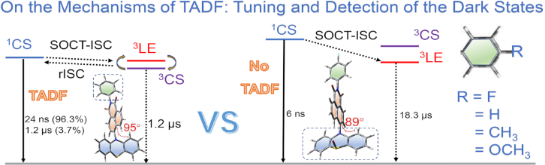
- capability of the PTZ and NI moieties, respectively, by oxidation of the PTZ unit, or by using different aryl substituents attached to the NI unit. This tuning effect was manifested in the UV–vis absorption and fluorescence emission spectra, e.g., in the change of the charge transfer absorption bands. TADF
- transient absorption spectra showed that the charge separation takes ca. 0.6 ps, and admixtures of locally excited (3LE) state and charge separated (1CS/3CS) states formed (in n-hexane). The subsequent charge recombination from the 1CS state takes ca. 7.92 ns. Upon oxidation of the PTZ unit, the beginning
- of charge separation is at 178 fs and formation of 3LE state takes 4.53 ns. Nanosecond transient absorption (ns-TA) spectra showed that both 3CS and 3LE states were observed for the dyads showing TADF, whereas only 3LE or 3CS states were observed for the systems lacking TADF. This is a rare but


CO2 complexation with cyclodextrins
Beilstein J. Org. Chem. 2023, 19, 1021–1027, doi:10.3762/bjoc.19.78
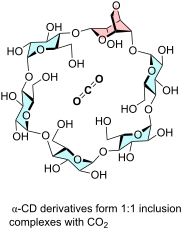
- characteristic water absorption at 3200–3600 cm−1 and the C=O band of CO2 at 2350 cm−1 during the both weigth losses but mainly CO2 at the first lump and predominantly water at the second loss. This also suggest a comparatively weak binding of the CO2. We determined the binding constant for CO2 to cyclodextrins
- equilibration for 2 hours, a change in the vis spectrum (Figure 4). The change was consistent with the displacement of 7 from the cavity by CO2 and change in the amount of azodye was used to calculate the amount of CO2 bound to the cyclodextrin. From the change in absorption at 370 nm as compared to the
- ). Final cell constants were obtained from least squares fits of several thousand strong reflections. Intensity data were corrected for absorption using intensities of redundant reflections with the program SADABS (Sheldrick, G. version 2008/2; University of Göttingen: Germany, 2003). The structures were


Cyclodextrins as building blocks for new materials
Beilstein J. Org. Chem. 2023, 19, 889–891, doi:10.3762/bjoc.19.66

- biocompatible. Thus, these supra-architectures have a multitude of uses in food, biomedicine, regenerative medicine, cosmetics, molecular electronics, polymer chemistry, gold recovery, gas absorption, depollution, biochemical material sciences, nanotechnology, self-healing materials, 3D printing, and so on [19
Light-responsive rotaxane-based materials: inducing motion in the solid state
Beilstein J. Org. Chem. 2023, 19, 873–880, doi:10.3762/bjoc.19.64
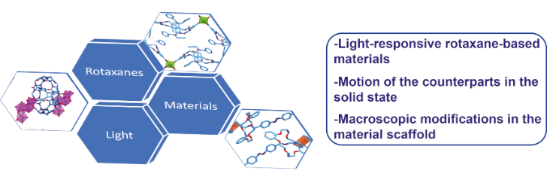
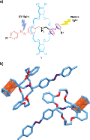
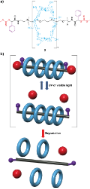
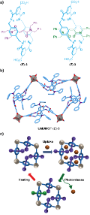
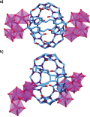
- different flexibility. The crown ether derivative acts as a chassis in order to fix the thread. A ferrocenyl group attached at one of the ends of the linear component serves as a photosensitizer allowing the absorption of visible light. The different substitution induced different types of deformations

A fluorescent probe for detection of Hg2+ ions constructed by tetramethyl cucurbit[6]uril and 1,2-bis(4-pyridyl)ethene
Beilstein J. Org. Chem. 2023, 19, 864–872, doi:10.3762/bjoc.19.63
- detection methods include atomic absorption spectroscopy, mass spectrometry, emission spectroscopy and electrochemical methods [4][5][6][7]. These detection methods are expensive and time-consuming, and the detection of samples becomes extremely difficult. Therefore, it is of great significance to construct
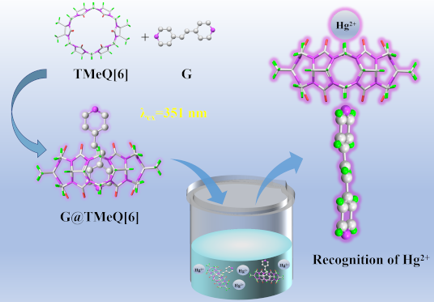
- absorption [39]. Because the N atom on the pyridine ring of the G molecule has lone-pair electrons, it can form coordination compounds with metal ions. At present, the host–guest fluorescent probes designed by G and Q[n]s have been rarely reported. Therefore, we constructed the host–guest fluorescent probes
- detection of heavy metal ions. Results and Discussion The interactions of G with TMeQ[6] UV–vis spectroscopy analysis The binding interaction between G and TMeQ[6] in aqueous solution was studied using UV–vis absorption spectroscopy. Figure 2a shows that the absorbance of G decreases with the addition of


Synthesis of substituted 8H-benzo[h]pyrano[2,3-f]quinazolin-8-ones via photochemical 6π-electrocyclization of pyrimidines containing an allomaltol fragment
Beilstein J. Org. Chem. 2023, 19, 778–788, doi:10.3762/bjoc.19.58
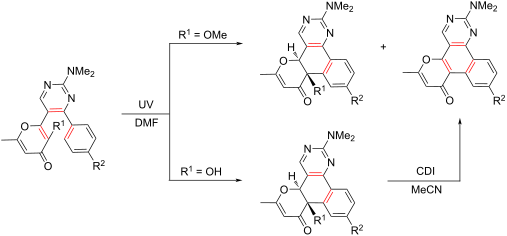
- proposed. Keywords: allomaltol; dihydrobenzo[h]pyrano[2,3-f]quinazolines; 6π-electrocyclization; photocyclization; pyrimidines; Introduction Photochemical processes involve absorption of UV light leading to the generation of molecules in the excited state and subsequent chemical transformations [1][2


Construction of hexabenzocoronene-based chiral nanographenes
Beilstein J. Org. Chem. 2023, 19, 736–751, doi:10.3762/bjoc.19.54
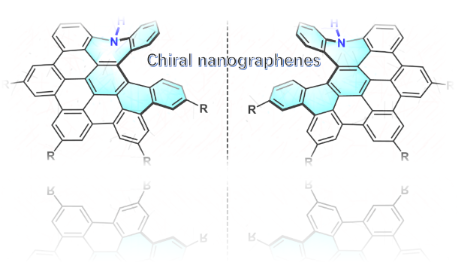
- –Alder reaction, yielded the polyphenylene precursor 124 in an overall 12% yield. At last, a Scholl oxidation, mediated by DDQ and TfOH, gave the target NG 125 in a 6% yield. Due to the extremely large conjugated structure, compound 125 shows an extraordinary panchromatic light absorption capability (ε


Synthesis, structure, and properties of switchable cross-conjugated 1,4-diaryl-1,3-butadiynes based on 1,8-bis(dimethylamino)naphthalene
Beilstein J. Org. Chem. 2023, 19, 674–686, doi:10.3762/bjoc.19.49
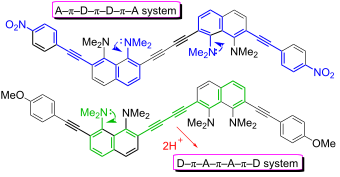
- the extent of π-conjugation and the efficiency of particular donor–acceptor conjugation path in these new compounds. X-ray structures and absorption spectra of doubly protonated tetrafluoroborate salts of the oligomers are also discussed. Keywords: 1,8-bis(dimethylamino)naphthalene; cross-conjugated
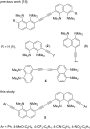
- 6 is identical to the “blue” one in oligomers 5 (Figure 7). Thus, the UV–vis spectra of compounds 1 and 6 were used for comparison (Table 3, Figure 8). The long-wave absorption maximum of the yellow-colored butadiyne 1 is observed at 429 nm (lg ε = 4.33) [15]. Compounds 5a‒с (R = H, OMe, CF3) are
- yellow, 5d (R = CN) is orange, and 5e (R = NO2) is a crimson crystalline substance. As can be seen from Table 3, compound 5b with electron-releasing methoxy groups shows the smallest λmax value, while the absorption maximum of the nitro derivative 5e is the most red-shifted in the series. There is a



Cassane diterpenoids with α-glucosidase inhibitory activity from the fruits of Pterolobium macropterum
Beilstein J. Org. Chem. 2023, 19, 658–665, doi:10.3762/bjoc.19.47
- enzyme responsible for the hydrolysis of carbohydrates in the body, is widely used for the management of type 2 diabetes. The agents, such as acarbose, miglitol, and voglibose, can retard the digestion and absorption of dietary carbohydrates [3][4]. Some cassane-type diterpenoids such as pulcherrimin C
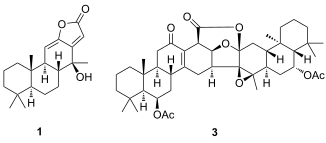
- revealed the presence of hydroxy (3429 cm−1) and carbonyl (1733 cm−1) groups. The UV absorption band maximum at λmax 283 nm and five downfield-shifted carbon signals at δC 169.8 (C-16), 163.8 (C-13), 149.3 (C-12), 111.6 (C-11), and 109.6 (C-15) in the 13C NMR data suggested the presence of the α,β
- colorless oil. The molecular formula was assigned to be C44H60O9 based on the HRESI–TOF–MS analysis with a [M + H]+ ion peak at m/z 733.4305 (calcd for C44H61O9, 733.4310) and NMR data, implying 15 degrees of unsaturation. The IR absorption band at 1724 cm−1 suggested the presence of α,β-unsaturated γ


Direct C2–H alkylation of indoles driven by the photochemical activity of halogen-bonded complexes
Beilstein J. Org. Chem. 2023, 19, 575–581, doi:10.3762/bjoc.19.42
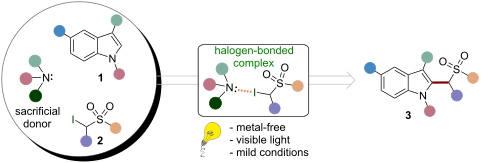
- charge transfer state which results in a bathochromic shift of the absorption towards the visible range [19][20]. Upon light irradiation, the EDA complex may undergo an intramolecular single-electron-transfer (SET) process to produce a radical ion pair (D•+, A•−). To avoid the occurrence of a back
- both UV–vis and nuclear magnetic resonance (NMR) spectroscopy [29]. In particular, the optical absorption spectra of substrate 2a (green dotted line), DABCO (red dotted line), and the solution containing both 2a and DABCO (blue line) were recorded in acetonitrile (Figure 2). Specifically, it was
- observed that the addition of DABCO to the solution of 2a induced a bathochromic shift of the absorption spectrum towards the visible region, thus indicating the formation of an EDA complex between these chemical species. Importantly, we also confirmed that indole 1a and 2a do not form a photoactive EDA


Phenanthridine–pyrene conjugates as fluorescent probes for DNA/RNA and an inactive mutant of dipeptidyl peptidase enzyme
Beilstein J. Org. Chem. 2023, 19, 550–565, doi:10.3762/bjoc.19.40
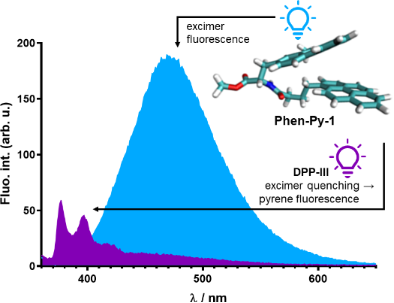
- decrease of the ε value [22][23][24], although this decrease was not an accurate measure of the shielding degree [25][26][27]. To determine the hypochromic effect (% H) at a single wavelength, the UV–vis absorption of the examined compounds was compared with the absorption of reference compounds (Scheme S2
- , Supporting Information File 1) that possessed the same chromophores [20][28][29]. Therefore, the UV–vis absorption of Phen-Py-1 and Phen-Py-2 was compared with the sum of the absorption of Phen-AA [11][19] (comprising phenanthridine unit, Scheme S2, Supporting Information File 1) and the absorption of 1
- , and then did TD-DFT calculations at the same level of theory. Solvent effects were modeled using the SMD implicit water solvation. The obtained vertical transitions corresponding to absorption maxima at pH 7.0 are 260 and 372 nm (Phen-Py-1), and 270 and 397 nm (Phen-Py-2). At pH 5.0 vertical




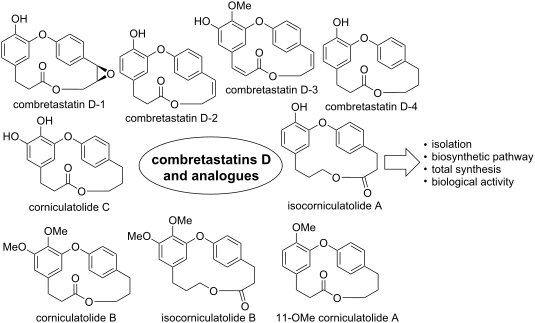
Combretastatins D series and analogues: from isolation, synthetic challenges and biological activities
Beilstein J. Org. Chem. 2023, 19, 399–427, doi:10.3762/bjoc.19.31
- glucose absorption by inhibiting the associated enzymes such as α-glucosidase, is one of the effective therapeutic methods in diabetes mellitus treatment [78]. Thus, Olanipekun and co-workers [19] evaluated the isolated corniculatolides and isocorniculatolides in their work against α-glucosidase from




Discrimination of β-cyclodextrin/hazelnut (Corylus avellana L.) oil/flavonoid glycoside and flavonolignan ternary complexes by Fourier-transform infrared spectroscopy coupled with principal component analysis
Beilstein J. Org. Chem. 2023, 19, 380–398, doi:10.3762/bjoc.19.30
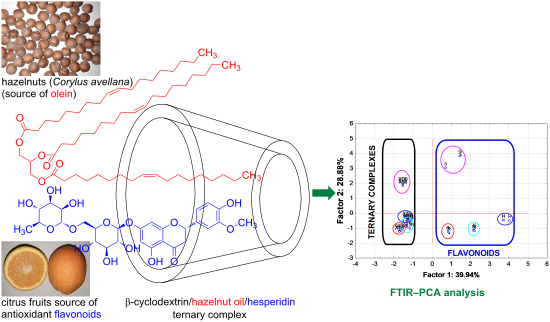
- -transform infrared spectroscopy (FTIR) of ternary complexes FTIR is a fast method that allows the evaluation of the presence of a compound in a complex through specific absorption bands. β-CD consists of seven 1→4-linked α-ᴅ-glucopyranose units forming a macrocycle. As a consequence, the FTIR specific bands