Search results
Search for "biosynthesis" in Full Text gives 323 result(s) in Beilstein Journal of Organic Chemistry. Showing first 200.
Latest development in the synthesis of ursodeoxycholic acid (UDCA): a critical review
Beilstein J. Org. Chem. 2018, 14, 470–483, doi:10.3762/bjoc.14.33
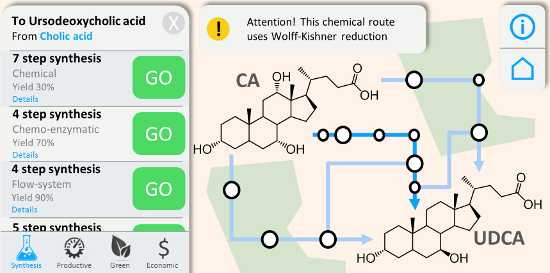
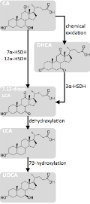
- biosynthesis takes place in the liver starting from cholesterol: 17 enzymes are involved in the production of these molecules. The final products are the so-called primary bile acids: CDCA and CA [23]. Subsequently, these bile acids can be modified by intestinal bacteria to form the secondary bile acids as


Recent developments in the asymmetric Reformatsky-type reaction
Beilstein J. Org. Chem. 2018, 14, 325–344, doi:10.3762/bjoc.14.21
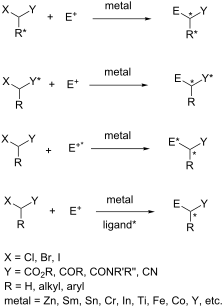
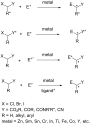
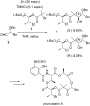
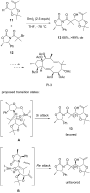
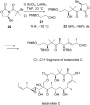
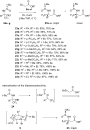
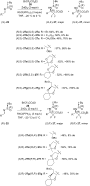
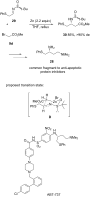
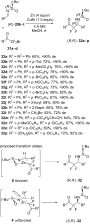
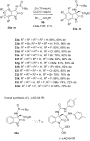
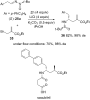
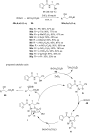
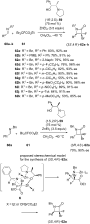
- undergo a Si attack through transition state A. A related methodology was also applied by Jiménez and Rodriguez to develop the first total synthesis of prepiscibactin, which is an intermediate in the biosynthesis of piscibactin [22]. Indeed, the sequence was based on the diastereoselective SmI2-mediated











Volatiles from the tropical ascomycete Daldinia clavata (Hypoxylaceae, Xylariales)
Beilstein J. Org. Chem. 2018, 14, 135–147, doi:10.3762/bjoc.14.9
- Nodulisporium spp. (shown in the box in Scheme 7) [28][39] that may be formed by a similar PKS. Further investigations are required to identify the PKSs for this family of metabolites and to confirm the hypothetical biosynthesis as shown in Scheme 7. The volatile 9, a compound emitted in small amounts by D
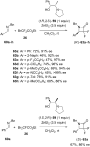
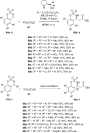
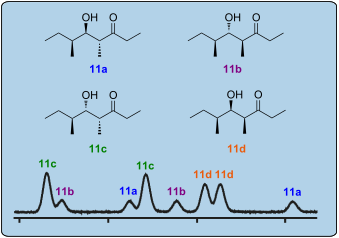
- 47436. Synthesis of manicone (10). Synthesis of a racemic mixture of all four diastereomers of 11. Enantioselective synthesis of (4R,5S,6S)-11c and (4S,5R,6S)-11d. Epimerisations of (4R,5S,6S)-11c and (4S,5R,6S)-11d under basic conditions. Proposed biosynthesis for (4R,5R,6S)-11a. Synthesis of 6-methyl








Aminosugar-based immunomodulator lipid A: synthetic approaches
Beilstein J. Org. Chem. 2018, 14, 25–53, doi:10.3762/bjoc.14.3
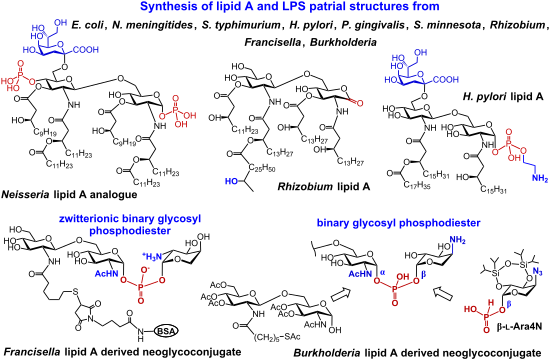
- micro-heterogeneous structure distinguished by three regions: the lipid A [5], the core oligosaccharide [6] and the O-antigen [7] (Figure 1B). The TLR4·MD-2 receptor complex senses picomolar amounts of LPS and initiates the biosynthesis of diverse mediators of inflammation (such as tumor necrosis factor
- esterified with a peculiar long chain fatty acid, 27-hydroxyoctacosanoate, which is not found in enteric Gram-negative bacteria [112]. The biosynthesis of lipid A in R. leguminosarum proceeds under the action of the same enzymes as in E. coli to generate the conserved phosphate containing precursor, Kdo2




Herpetopanone, a diterpene from Herpetosiphon aurantiacus discovered by isotope labeling
Beilstein J. Org. Chem. 2017, 13, 2458–2465, doi:10.3762/bjoc.13.242
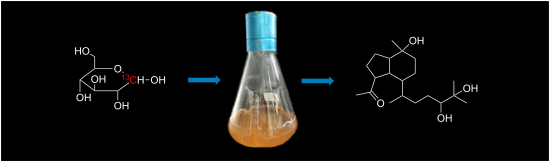
- Biology, Hans Knöll Institute, Beutenbergstr. 11a, 07745 Jena, Germany 10.3762/bjoc.13.242 Abstract The genome of the predatory bacterium Herpetosiphon aurantiacus 114-95T harbors a number of biosynthesis genes, including four terpene cyclase genes. To identify the terpenes biosynthesized from H
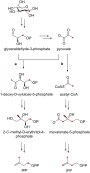
- labeling pattern in IPP and DMAPP (Figure 1) [8]. This feature has proven extremely useful to unravel complex cyclization cascades and carbon–carbon rearrangements in the biosynthesis of some terpenoids [9][10][11][12]. We anticipated that the resulting mass shifts could also be valuable in the field of
- increased production of carotenoids and it was hence speculated that VNY medium might also support the biosynthesis of other terpenoids. The cultivation was conducted for 7 days in the presence of [1-13C]-labeled D-glucose. Cultures supplemented with non-labeled D-glucose served as a control. Extracts from


Hydrolysis, polarity, and conformational impact of C-terminal partially fluorinated ethyl esters in peptide models
Beilstein J. Org. Chem. 2017, 13, 2442–2457, doi:10.3762/bjoc.13.241
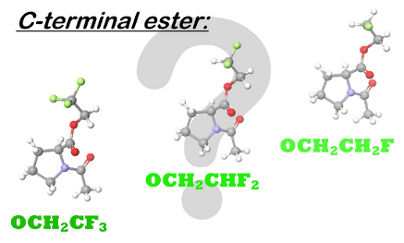
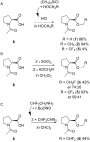
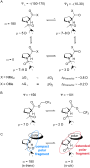
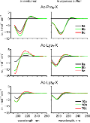
- experiments are remarkably sensitive [4]. Fluorine-containing groups can be incorporated into biopolymers by various approaches, including those that utilize biosynthesis [5][6][7], enzymatic conversion [8], chemical synthesis [9][10], and ligation reactions [11]. Depending on the research target, 19F NMR








Sulfation and amidinohydrolysis in the biosynthesis of giant linear polyenes
Beilstein J. Org. Chem. 2017, 13, 2408–2415, doi:10.3762/bjoc.13.238
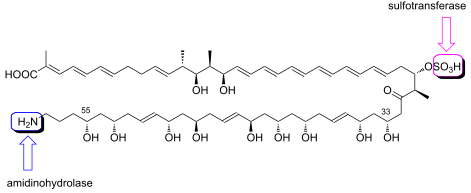
- as donor, efficiently converted mediomycin B to mediomycin A in vitro. Thus, in the final steps of mediomycin A biosynthesis deamidination and sulfotransfer can take place in either order. Keywords: amidinohydrolase; clethramycin; mediomycin; polyketide synthase; sulfotransferase; Introduction
- Streptomyces neyagawaensis (Scheme 1), is a potent inhibitor of the fibrinogen receptor, which suggests an even wider potential utility for such compounds [8][9]. We have previously shown that in the biosynthesis of giant macrocyclic antifungal polyketides (so-called marginolactones) compounds bearing a
- terminal amino moiety are formed by specific final-stage deamidination of a precursor bearing a guanidino substituent at this position [10]. The aim of the present study was to test whether the same "protective group" strategy is operating in the biosynthesis of the giant linear mediomycins. If true, then


Synthesis of ergostane-type brassinosteroids with modifications in ring A
Beilstein J. Org. Chem. 2017, 13, 2326–2331, doi:10.3762/bjoc.13.229
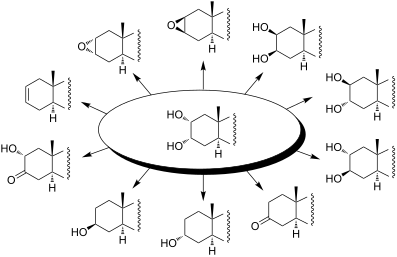
- naturally occurring BS (e.g., epibrassinolide [8]) have found practical application in agriculture and thus are commercially available and a cheap source for further chemical modifications. As a part of our programme aimed at the study of BS biosynthesis, we focussed in the present investigation on the


Phosphonic acid: preparation and applications
Beilstein J. Org. Chem. 2017, 13, 2186–2213, doi:10.3762/bjoc.13.219
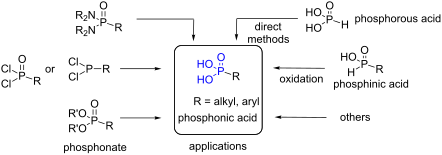
- simultaneously to the formation of phosphonic acid (section 6) or the oxidation of phosphinic acid (section 7). The last section (section 8) includes additional miscellaneous methods to prepare phosphonic acids. Of note, the biosynthesis of phosphonic acid, which is a dynamic field of research aiming to discover
- biosynthesis involves, as one of the key steps, the isomerization of phosphoenolpyruvate to phosphonopyruvate which is catalyzed by phosphopyruvate mutase [34]. Recent studies indicate that up to 25% of the phosphorus available in the ocean would consist of phosphorus species featuring one P–C bond [35
- applications in biology and medicine to mimic the phosphate group leading to antiretroviral drugs (e.g., tenofovir (1)) [39], isoprenoid biosynthesis inhibitors [40][41], antibiotics (e.g., fosfomycin (2)) [42], tyrosine phosphatase inhibitors 3 [43], antimalarial 4 [44], antihypertensive drugs (e.g., K4 5 and


Enzymatic synthesis of glycosides: from natural O- and N-glycosides to rare C- and S-glycosides
Beilstein J. Org. Chem. 2017, 13, 1857–1865, doi:10.3762/bjoc.13.180
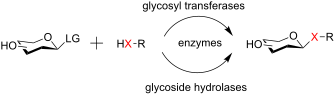
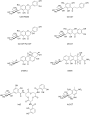
- acceptor. UGT74B1, involved in glucosinolate biosynthesis (see supra), was one of these 17 enzymes. Other studies have identified S-GT activities when assaying the catalytic promiscuity of O-GT with a wide range of aglycone acceptors (Figure 3). OleD from Streptomyces antibioticus has been the first
- Salmonella enterica and Escherichia coli [44][45][46] that are involved in the biosynthesis of siderophores, that were shown to be C-glycosylated enterobactins. In addition to these naturally occurring C-GTs, engineering of O-GT to C-GT were successfully performed in several studies [37][47][48], and
- -catalysed glycosylation. Desulfoglucosinolate biosynthesis by UGT74B1. Examples of thiol-containing acceptors used in the chemo-enzymatic biosynthesis of S-glycosides catalysed by S-GT. Examples of C-glycosylated products biosynthesized by natural C-GT. Compounds showed are formed by the action of C-GT




18-Hydroxydolabella-3,7-diene synthase – a diterpene synthase from Chitinophaga pinensis
Beilstein J. Org. Chem. 2017, 13, 1770–1780, doi:10.3762/bjoc.13.171
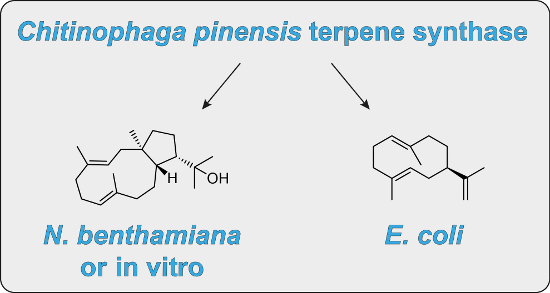
- , revealing that the expression of one and the same terpene synthase in different heterologous hosts may yield different terpene products. Keywords: biosynthesis; Chitinophaga pinensis; Nicotiana benthamiana; structure elucidation; terpenes; Introduction Terpene synthases convert a handful of simple linear
- the biosynthesis genes for all other natural products were deleted, allowing a relatively easy purification of the terpene synthase products from culture extracts [15][16]. The heterologous expression of terpene synthase genes in Escherichia coli is also frequently successful, resulting in the




Correction: Dynamic behavior of rearranging carbocations – implications for terpene biosynthesis
Beilstein J. Org. Chem. 2017, 13, 1669–1669, doi:10.3762/bjoc.13.161

The chemistry and biology of mycolactones
Beilstein J. Org. Chem. 2017, 13, 1596–1660, doi:10.3762/bjoc.13.159
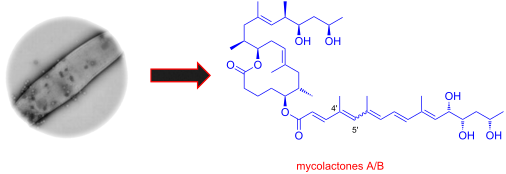
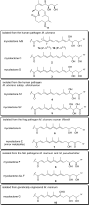
- activate TRAAK channels. In line with this mechanistic model, cyclooxygenase (COX) 1 and prostaglandin-E synthase 2, which are central for PGE2 biosynthesis from arachidonic acid, were found to be essential for mycolactone-mediated hyperpolarization; in contrast, genetic or chemical abrogation of COX2









A novel approach to oxoisoaporphine alkaloids via regioselective metalation of alkoxy isoquinolines
Beilstein J. Org. Chem. 2017, 13, 1564–1571, doi:10.3762/bjoc.13.156
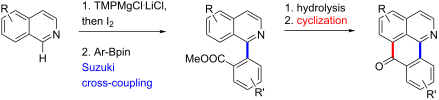
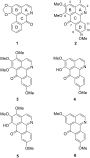
- , biosynthesis and pharmacology of benzylisoquinoline alkaloids have been reviewed recently by Hagel and Facchini [1]. The subgroup of aporphinoid alkaloids [2] consists of the aporphines and oxoaporphines (e.g., liriodenine (1)), as well as several truncated chemotypes like aristolactams and azafluoranthenes
- from 1-benzyltetrahydroisoquinoline intermediates, albeit a hypothesis of Kunitomo postulates a biosynthesis from a benzylisoquinoline precursor involving a rearrangement (Figure 1) [4]. Menisporphine (2), first isolated from Menispermum dauricum DC [4], shows antiangiogenic activity. Some, partly



A new member of the fusaricidin family – structure elucidation and synthesis of fusaricidin E
Beilstein J. Org. Chem. 2017, 13, 1430–1438, doi:10.3762/bjoc.13.140
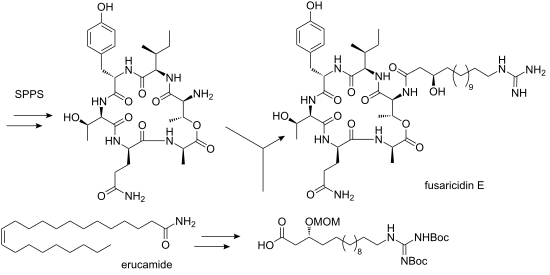
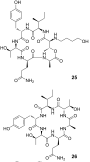
- chain is of key importance for the antibiotic activity of the fusaricidins and their selective inhibition of bacterial cells due to the interaction with phospholipid cell membranes [1]. Genetic analysis of the producing organisms suggests that the biosynthesis of this essential part of the fusaricidins



Strategies toward protecting group-free glycosylation through selective activation of the anomeric center
Beilstein J. Org. Chem. 2017, 13, 1239–1279, doi:10.3762/bjoc.13.123

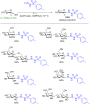
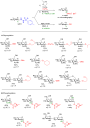
- saccharides. The interest in hexofuranoses is based on the arabinogalactan-rich membrane of Mycobacterium tuberculosis and other harmful microorganisms which consists of primarily Araf and Galf subunits [44]. One key step in the biosynthesis of these hexofuranoses is the isomerization of uridine 5′-diphospho




Strategies in megasynthase engineering – fatty acid synthases (FAS) as model proteins
Beilstein J. Org. Chem. 2017, 13, 1204–1211, doi:10.3762/bjoc.13.119
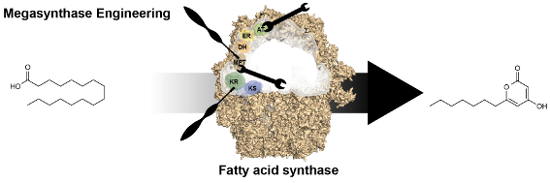
- biosynthesis as performed by fatty acid synthases (FAS). Synthesis by PKS is essentially similar, except a variation in the degree of β-carbon modification, and the variation in loading and exit transferases. Modular PKS perform one cycle per module before translocating the substrate to the next module


Characterization of non-heme iron aliphatic halogenase WelO5* from Hapalosiphon welwitschii IC-52-3: Identification of a minimal protein sequence motif that confers enzymatic chlorination specificity in the biosynthesis of welwitindolelinones
Beilstein J. Org. Chem. 2017, 13, 1168–1173, doi:10.3762/bjoc.13.115
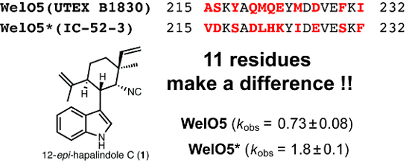
- welwitindolinone pathway in H. welwitschii IC-52-3 contains a unique protein coded by welU3 gene. We have recently characterized WelU3 protein by in vitro reconstitution and demonstrated it is a dedicated enzyme for the biosynthesis of 1 from 3-geranyl 3-(isocyanovinyl)indolenine [16], a common intermediate used


Glycoscience@Synchrotron: Synchrotron radiation applied to structural glycoscience
Beilstein J. Org. Chem. 2017, 13, 1145–1167, doi:10.3762/bjoc.13.114
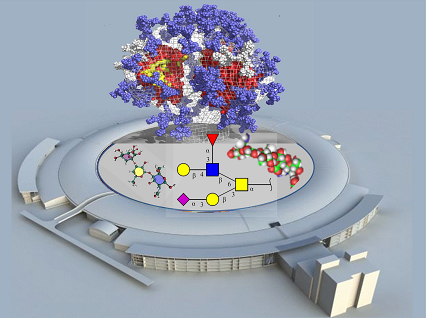
- interacting proteins The carbohydrate-mediated recognition events that have a high biological relevance give a pivotal role to the study of protein–carbohydrate interactions. Those interactions drive several distinct biological events, going from the enzymes involved in the biosynthesis, to the hydrolysis and
- have been solved over the last 25 years, with a particular emphasis on the number of structures determined at high resolution. Glycosyl transferases: The biosynthesis of oligosaccharides is performed by a ubiquitous class of enzymes: the glycosyl transferases (GTs). The catalytic mechanism underlying
- the biosynthesis of glycosidic linkage requires the transfer of a sugar residue from a donor to an acceptor [35]. Acceptor substrates are carbohydrates, proteins, lipids, DNA, flavonol, antibiotics and steroids. In contrast, glycosyl donor substrates are mostly sugar nucleotides, such as UDP-GlcNAc




From chemical metabolism to life: the origin of the genetic coding process
Beilstein J. Org. Chem. 2017, 13, 1119–1135, doi:10.3762/bjoc.13.111
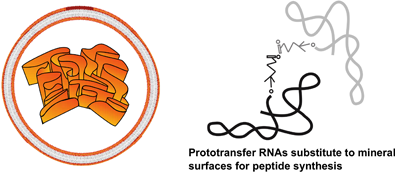
- convincing way [31]. Other coenzymes, possibly generated by such a swinging-arm thioester-dependent catalysis, may have been precursors of nucleotides, the essential building blocks of nucleic acids. As a matter of fact, extant biosynthesis of nucleotides (built on purine and pyrimidine carbon–nitrogen
- aromatic heterocycles) is based on the incorporation of amino acids in the core of nucleotide precursors. Pyrimidine nucleotide biosynthesis uses aspartate and combines together ubiquitous molecules, water, carbon dioxide, ammonium and phosphate (forming carbamoyl phosphate, also a precursor of arginine
- , an amino acid absent from the very first steps of prebiotic metabolism), while purine biosynthesis combines glycine and aspartate, together with phosphorylated derivatives of ribose. These pathways open up a major chemical challenge. Ribose is a very unstable metabolite. Any scenario that advances


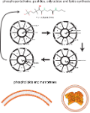

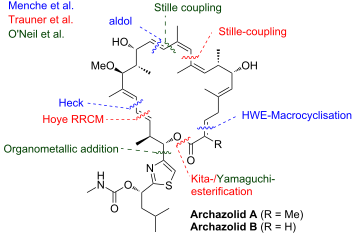
Total syntheses of the archazolids: an emerging class of novel anticancer drugs
Beilstein J. Org. Chem. 2017, 13, 1085–1098, doi:10.3762/bjoc.13.108
- of important cellular functions, including pH-control [17][18], membrane trafficking, protein degradation, release of neurotransmitters [18], urinary acidification [19], bone resorption [20], sperm maturation [21], cholesterol biosynthesis [22] and cytokine secretion [23]. In recent years, a key role


Opportunities and challenges for the sustainable production of structurally complex diterpenoids in recombinant microbial systems
Beilstein J. Org. Chem. 2017, 13, 845–854, doi:10.3762/bjoc.13.85
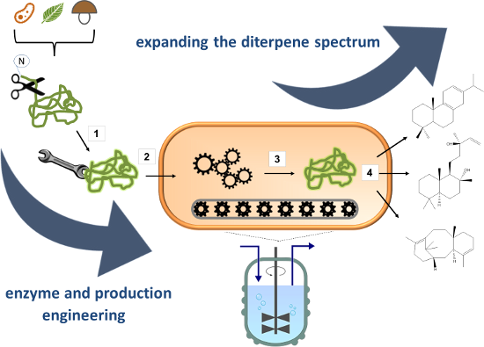
- with recombinant terpene biosynthesis modules, they are very suitable hosts for heterologous production of high value terpenes. Yet, in contrast to the number of extracted and characterized terpenes, little is known about the specific biosynthetic enzymes that are involved especially in the formation
- terpene producing Escherichia coli, this review shall give an insight in recent progresses regarding manipulation of mostly diterpene synthases. Keywords: enzyme engineering; heterologous production in E. coli; metabolic pathway optimization; modular biosynthesis; plant diterpenes; Introduction
- plant diterpenes in well-established recombinant hosts, such as Escherichia coli [21][22][23]. Recent developments in this field will be reviewed in this work. Review Biosynthesis of diterpenes and transfer to heterologous production system Integration of biosynthetic gene clusters from plants into a


Lipids: fatty acids and derivatives, polyketides and isoprenoids
Beilstein J. Org. Chem. 2017, 13, 793–794, doi:10.3762/bjoc.13.78
- African reed frog that are likely amphibian signaling compounds [1]. Sensu lato, and this is the definition relevant to this Thematic Series: lipids include all kinds of apolar (or less polar) primary and secondary metabolites, including molecules that are formed via fatty acid biosynthesis, the
- biosynthetically related polyketide pathways, and terpenoid biosynthesis. I hope that the present Thematic Series of the Beilstein Journal of Organic Chemistry on the interdisciplinary topic of “Lipids” will cover many topics of high interest to readers from chemistry, biochemistry, biophysics, medicine, pharmacy
N-Propargylamines: versatile building blocks in the construction of thiazole cores
Beilstein J. Org. Chem. 2017, 13, 625–638, doi:10.3762/bjoc.13.61
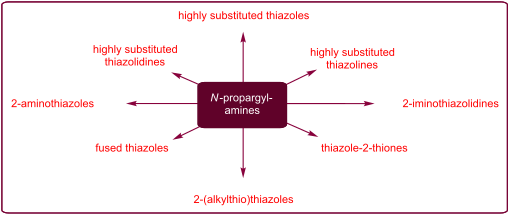
- prevent gout flare-ups [5][6][7]. Ritonavir (norvir), is an HIV protease inhibitor. It works by blocking the growth of HIV [8][9]. Tiazofurin is a C-nucleoside analogue with antineoplastic activity and acts by inhibition of the guanosine triphosphate (GTP) biosynthesis through a reduction of PI and PIP




Biosynthetic origin of butyrolactol A, an antifungal polyketide produced by a marine-derived Streptomyces
Beilstein J. Org. Chem. 2017, 13, 441–450, doi:10.3762/bjoc.13.47
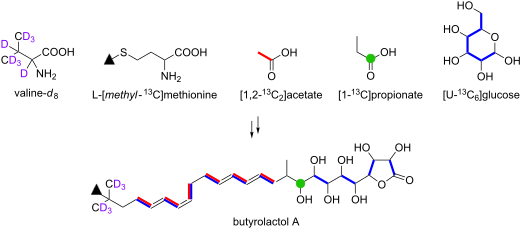
- valine and its C-methylation with methionine and the polyol carbons are derived from a glycolysis intermediate, possibly hydroxymalonyl-ACP. Keywords: biosynthesis; butyrolactol; contiguous polyol; hydroxymalonyl-ACP; polyketide; Streptomyces; tert-butyl; Introduction Actinomycetes produce structurally
- ] (Figure 2). Although no experimental evidence is available, pivaloyl-CoA (2,2-dimethylpropanoyl-CoA) is supposed to be a starter for its biosynthesis [15]. Additionally, trimethylation of malonyl-CoA is proposed for the synthesis of the tert-butyl starter in the biosynthesis of apratoxin A [16]. Another
- alternative alignment of the methylene and the oxygenated carbons. Meanwhile, a 1,2-diol in polyketides is known to be formed by hydroxylation of methylene carbons as seen in the biosynthesis of erythromycin or amphotericin B [17][18]. The contiguously hydroxylated carbon chain of 1 is quite unusual as a