


Search results
Search for "catalytic activity" in Full Text gives 326 result(s) in Beilstein Journal of Organic Chemistry. Showing first 200.
Synthesis of 1-indanones with a broad range of biological activity
- Marika Turek,
- Dorota Szczęsna,
- Marek Koprowski and
- Piotr Bałczewski
Beilstein J. Org. Chem. 2017, 13, 451–494, doi:10.3762/bjoc.13.48
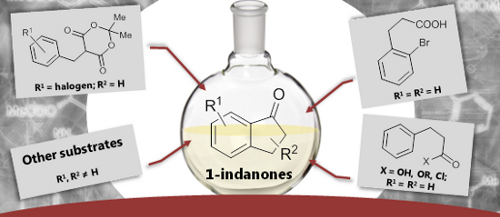
- obtain 1-indanones in good yields. Moreover, the metal triflate could be recovered and reused without loss of catalytic activity. Indatraline that blocks the action of cocaine contains moieties having antidepressant, antihistamine and blood pressure-lowering properties. Yun et al. [23] have developed a

Graphical Abstract

Figure 1: Biologically active 1-indanones and their structural analogues.

Figure 2: Number of papers about (a) 1-indanones, (b) synthesis of 1-indanones.

Scheme 1: Synthesis of 1-indanone (2) from hydrocinnamic acid (1).

Scheme 2: Synthesis of 1-indanone (2) from 3-(2-bromophenyl)propionic acid (3).

Scheme 3: Synthesis of 1-indanones 5 from 3-arylpropionic acids 4.

Scheme 4: Synthesis of kinamycin (9a) and methylkinamycin C (9b).

Scheme 5: Synthesis of trifluoromethyl-substituted arylpropionic acids 12, 1-indanones 13 and dihydrocoumarin...

Scheme 6: Synthesis of 1-indanones 16 from benzoic acids 15.

Scheme 7: Synthesis of 1-indanones 18 from arylpropionic and 3-arylacrylic acids 17.

Scheme 8: The NbCl5-induced one-step synthesis of 1-indanones 22.

Scheme 9: Synthesis of biologically active 1-indanone derivatives 26.

Scheme 10: Synthesis of enantiomerically pure indatraline ((−)-29).

Scheme 11: Synthesis of 1-indanone (2) from the acyl chloride 30.

Scheme 12: Synthesis of the mechanism-based inhibitors 33 of coelenterazine.

Scheme 13: Synthesis of the indane 2-imidazole derivative 37.

Scheme 14: Synthesis of fluorinated PAHs 41.

Scheme 15: Synthesis of 1-indanones 43 via transition metal complexes-catalyzed carbonylative cyclization of m...

Scheme 16: Synthesis of 6-methyl-1-indanone (46).

Scheme 17: Synthesis of 1-indanone (2) from ester 48.

Scheme 18: Synthesis of benzopyronaphthoquinone 51 from the spiro-1-indanone 50.

Scheme 19: Synthesis of the selective endothelin A receptor antagonist 55.

Scheme 20: Synthesis of 1-indanones 60 from methyl vinyl ketone (57).

Scheme 21: Synthesis of 1-indanones 64 from diethyl phthalate 61.

Scheme 22: Synthesis of 1-indanone derivatives 66 from various Meldrum’s acids 65.

Scheme 23: Synthesis of halo 1-indanones 69.

Scheme 24: Synthesis of substituted 1-indanones 71.

Scheme 25: Synthesis of spiro- and fused 1-indanones 73 and 74.

Scheme 26: Synthesis of spiro-1,3-indanodiones 77.

Scheme 27: Mechanistic pathway for the NHC-catalyzed Stetter–Aldol–Michael reaction.

Scheme 28: Synthesis of 2-benzylidene-1-indanone derivatives 88a–d.

Scheme 29: Synthesis of 1-indanone derivatives 90a–i.

Scheme 30: Synthesis of 1-indanones 96 from o-bromobenzaldehydes 93 and alkynes 94.

Scheme 31: Synthesis of 3-hydroxy-1-indanones 99.

Scheme 32: Photochemical preparation of 1-indanones 103 from ketones 100.

Scheme 33: Synthesis of chiral 3-aryl-1-indanones 107.

Scheme 34: Photochemical isomerization of 2-methylbenzil 108.

Scheme 35: Synthesis of 2-hydroxy-1-indanones 111a–c.

Scheme 36: Synthesis of 1-indanone derivatives 113 and 114 from η6-1,2-dioxobenzocyclobutene complex 112.

Scheme 37: Synthesis of nakiterpiosin (117).

Scheme 38: Synthesis of 2-alkyl-1-indanones 120.

Scheme 39: Synthesis of fluorine-containing 1-indanone derivatives 123.

Scheme 40: Synthesis of 2-benzylidene and 2-benzyl-1-indanones 126, 127 from the chalcone 124.

Scheme 41: Synthesis of 2-bromo-6-methoxy-3-phenyl-1-indanone (130).

Scheme 42: Synthesis of combretastatin A-4-like indanones 132a–s.

Figure 3: Chemical structures of investigated dienones 133 and synthesized cyclic products 134–137.

Figure 4: Chemical structures of 1-indanones and their heteroatom analogues 138–142.

Scheme 43: Synthesis of 2-phosphorylated and 2-non-phosphorylated 1-indanones 147 and 148 from β-ketophosphona...

Scheme 44: Photochemical synthesis of 1-indanone derivatives 150, 153a, 153b.

Scheme 45: Synthesis of polysubstituted-1-indanones 155, 157.

Scheme 46: Synthesis of 1-indanones 159a–g from α-arylpropargyl alcohols 158 using RhCl(PPh3)3 as a catalyst.

Scheme 47: Synthesis of optically active 1-indanones 162 via the asymmetric Rh-catalyzed isomerization of race...

Scheme 48: Mechanism of the Rh-catalyzed isomerization of α-arylpropargyl alcohols 161 to 1-indanones 162.

Figure 5: Chemical structure of abicoviromycin (168) and its new benzo derivative 169.

Scheme 49: Synthesis of racemic benzoabicoviromycin 172.

Scheme 50: Synthesis of [14C]indene 176.

Scheme 51: Synthesis of indanone derivatives 178–180.

Scheme 52: Synthesis of racemic pterosin A 186.

Scheme 53: Synthesis of trans-2,3-disubstituted 1-indanones 189.

Scheme 54: Synthesis of 3-aryl-1-indanone derivatives 192.

Scheme 55: Synthesis of 1-indanone derivatives 194 from 3-(2-iodoaryl)propanonitriles 193.

Scheme 56: Synthesis of 1-indanones 200–204 by cyclization of aromatic nitriles.

Scheme 57: Synthesis of 1,1’-spirobi[indan-3,3’-dione] derivative 208.

Scheme 58: Total synthesis of atipamezole analogues 211.

Scheme 59: Synthesis of 3-[4-(1-piperidinoethoxy)phenyl]spiro[indene-1,1’-indan]-5,5’-diol hydrochloride 216.

Scheme 60: Synthesis of 3-arylindan-1-ones 219.

Scheme 61: Synthesis of 2-hydroxy-1-indanones 222.

Scheme 62: Synthesis of the 1-indanone 224 from the THP/MOM protected chalcone epoxide 223.

Scheme 63: Synthesis of 1-indanones 227 from γ,δ-epoxy ketones 226.

Scheme 64: Synthesis of 2-hydroxy-2-methylindanone (230).

Scheme 65: Synthesis of 1-indanone derivatives 234 from cyclopropanol derivatives 233.

Scheme 66: Synthesis of substituted 1-indanone derivatives 237.

Scheme 67: Synthesis of 7-methyl substituted 1-indanone 241 from 1,3-pentadiene (238) and 2-cyclopentenone (239...

Scheme 68: Synthesis of disubstituted 1-indanone 246 from the siloxydiene 244 and 2-cyclopentenone 239.

Scheme 69: Synthesis of 5-hydroxy-1-indanone (250) via the Diels–Alder reaction of 1,3-diene 248 with sulfoxid...

Scheme 70: Synthesis of halogenated 1-indanones 253a and 253b.

Scheme 71: Synthesis of 1-indanones 257 and 258 from 2-bromocyclopentenones 254.

Scheme 72: Synthesis of 1-indanone 261 from 2-bromo-4-acetoxy-2-cyclopenten-1-one (260) and 1,2-dihydro-4-viny...

Scheme 73: Synthesis of 1-indanone 265 from 1,2-dihydro-7-methoxy-4-vinylnaphthalene (262) and bromo-substitut...

Scheme 74: Synthesis of 1-indanone 268 from dihydro-3-vinylphenanthrene 266 and 4-acetoxy-2-cyclopenten-1-one (...

Scheme 75: Synthesis of 1-indanone 271 from phenylselenyl-substituted cyclopentenone 268.

Scheme 76: Synthesis of 1-indanone 272 from the trienone 270.

Scheme 77: Synthesis of the 1-indanone 276 from the aldehyde 273.

Scheme 78: Synthesis of 1-indanones 278 and 279.

Scheme 79: Synthesis of 1-indanone 285 from octa-1,7-diyne (282) and cyclopentenone 239.

Scheme 80: Synthesis of benz[f]indan-1-one (287) from cyclopentenone 239 and o-bis(dibromomethyl)benzene (286)....

Scheme 81: Synthesis of 3-methyl-substituted benz[f]indan-1-one 291 from o-bis(dibromomethyl)benzene (286) and...

Scheme 82: Synthesis of benz[f]indan-1-one (295) from the anthracene epidioxide 292.

Scheme 83: Synthesis of 1-indanone 299 from homophthalic anhydride 298 and cyclopentynone 297.

Scheme 84: Synthesis of cyano-substituted 1-indanone derivative 301 from 2-cyanomethylbenzaldehyde (300) and c...

Scheme 85: Synthesis of 1-indanone derivatives 303–305 from ketene dithioacetals 302.

Scheme 86: Synthesis of 1-indanones 309–316.

Scheme 87: Mechanism of the hexadehydro-Diels–Alder (HDDA) reaction.

Scheme 88: Synthesis of 1-indenone 318 and 1-indanones 320 and 321 from tetraynes 317 and 319.

Scheme 89: Synthesis of 1-indanone 320 from the triyn 319.

Scheme 90: Synthesis 1-indanone 328 from 2-methylfuran 324.

Scheme 91: Synthesis of 1-indanones 330 and 331 from furans 329.

Scheme 92: Synthesis of 1-indanone 333 from the cycloadduct 332.

Scheme 93: Synthesis of (S)-3-arylindan-1-ones 335.

Scheme 94: Synthesis of (R)-2-acetoxy-1-indanone 338.

Figure 6: Chemical structures of obtained cyclopenta[α]phenanthrenes 339.

Scheme 95: Synthesis of the benzoindanone 343 from arylacetaldehyde 340 with 1-trimethylsilyloxycyclopentene (...
Adsorption of RNA on mineral surfaces and mineral precipitates
- Elisa Biondi,
- Yoshihiro Furukawa,
- Jun Kawai and
- Steven A. Benner
Beilstein J. Org. Chem. 2017, 13, 393–404, doi:10.3762/bjoc.13.42
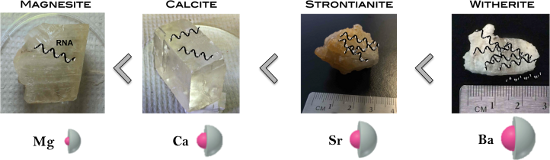
- . Adsorption of these onto mineral surfaces has been shown to slow that destruction [9], in some cases without greatly damaging the catalytic activity of those pre-biopolymers [10], in other cases with evolution [11]. As Hazen and Sverjensky remark [12], mineral environments are far more complex than the

Graphical Abstract

Figure 1: Adsorption of RNA on natural carbonate mineral samples.

Figure 2: Co-precipitation experiments on carbonate minerals for RNA-binding competition. The precipitated co...

Figure 3: RNA-induced calcium carbonate polymorphism. A: Feigl’s stain of CaCO3 precipitate formed by double ...
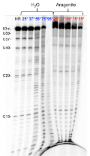
Figure 4: RNA adsorbed on aragonite is resistant to thermal degradation in aqueous solution. 18% denaturing P...
Highly bulky and stable geometry-constrained iminopyridines: Synthesis, structure and application in Pd-catalyzed Suzuki coupling of aryl chlorides
- Yi Lai,
- Zhijian Zong,
- Yujie Tang,
- Weimin Mo,
- Nan Sun,
- Baoxiang Hu,
- Zhenlu Shen,
- Liqun Jin,
- Wen-hua Sun and
- Xinquan Hu
Beilstein J. Org. Chem. 2017, 13, 213–221, doi:10.3762/bjoc.13.24
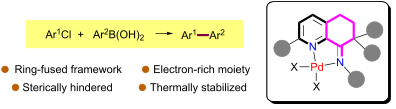
- up to 325 °C. With these sterically hindered iminopyridine–palladium complexes Pd1 to Pd5 in hand, we firstly investigated their catalytic activity directly in Suzuki cross-coupling reactions with chlorobenzene as the electrophile. The reactions were performed under the previously reported conditions

Graphical Abstract

Figure 1: The steric geometry-constrained iminopyridyl–palladium complexes.

Scheme 1: Preparation of the bulky iminopyridyl–palladium complexes.

Figure 2: ORTEP drawing of Pd2 with thermal ellipsoids at 30% probability level. Hydrogen atoms and the solve...
Interactions between photoacidic 3-hydroxynaphtho[1,2-b]quinolizinium and cucurbit[7]uril: Influence on acidity in the ground and excited state
- Jonas Becher,
- Daria V. Berdnikova,
- Darinka Dzubiel,
- Heiko Ihmels and
- Phil M. Pithan
Beilstein J. Org. Chem. 2017, 13, 203–212, doi:10.3762/bjoc.13.23
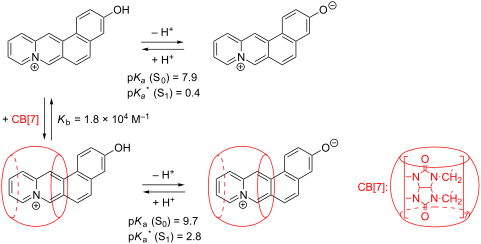
- acidity or basicity. In fact, it was shown that the pKa of organic acids and bases often shifts by orders of magnitude upon association with CB[n] [16][17][18][19][20][21][22][23][24], which may be used, e.g., to modify catalytic activity [6] or for sensing purposes [7]. Notably, the same effect was

Graphical Abstract

Figure 1: Structures of quinolizinium derivatives 1a–c and 2.

Scheme 1: Synthesis of 3-hydroxynaphtho[1,2-b]quinolizinium bromide (2).

Figure 2: Absorption (A, c = 100 µM) and normalized emission spectra (B, c = 10 µM or Abs. = 0.1 at λex) of d...

Figure 3: Photometric (A) and fluorimetric (B) acid–base titration (λex = 380 nm) of naphthoquinolizinium 2 (c...

Figure 4: Absorption spectra of 2 (c = 100 µM) in MeOH (A) and MeCN (B). Black lines: without additive, red: ...

Figure 5: Normalized emission spectra of 2 (c = 10 µM) in MeOH (A, λex = 400 nm) and MeCN (B, λex = 398 nm). ...

Figure 6: Photometric titration of CB[7] (c = 0.45 mM) to 2 (c = 15 µM) in BPE buffer (with 10% v/v DMSO) at ...

Figure 7: Photometric (A) and fluorimetric (B) acid–base titration (λex = 380 nm) of 2 (c = 15 µM) in the pre...

Scheme 2: Acid–base equilibrium of hydroxynaphthoquinolizinium 2.

Figure 8: Structures of quinolizinium derivatives 6–8.
Stabilization of nanosized titanium dioxide by cyclodextrin polymers and its photocatalytic effect on the degradation of wastewater pollutants
- Tamás Zoltán Agócs,
- István Puskás,
- Erzsébet Varga,
- Mónika Molnár and
- Éva Fenyvesi
Beilstein J. Org. Chem. 2016, 12, 2873–2882, doi:10.3762/bjoc.12.286
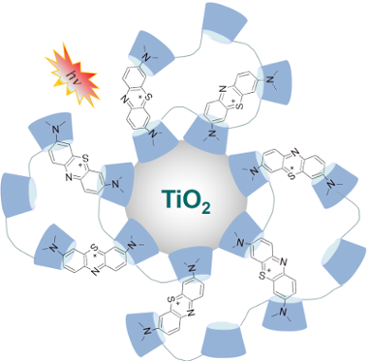
- catalytic activity. The aggregation is a slow process in distilled water, but happens instantly in the presence of salts, e.g., in tap water, surface waters and waste waters. β-CD can be used for stabilization of colloidal TiO2 systems [33] – at least in distilled water – as it is adsorbed on the surface of

Graphical Abstract

Figure 1: Adsorption of β-CD on the surface of nanoTiO2 [37].

Figure 2: Turbidity of nanoTiO2 dispersion (0.02%) in the presence of 1% HPBCD-P (green diamond) and 1% CMBCD...

Figure 3: Aggregation effect of 0.1% NaCl on 0.02% nanoTiO2 dispersion in the absence (green curve) and prese...

Figure 4: Aggregation effect of tap water on 0.02% nanoTiO2 dispersion in the absence (green curve) and prese...
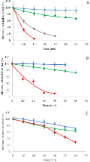
Figure 5: Photodegradation of MB in aqueous solutions: distilled water (A), 0.1% NaCl solution (B) and tap wa...

Figure 6: Photodegradation of IBR in distilled water examining the drug itself (blue circle), and in the pres...
New approaches to organocatalysis based on C–H and C–X bonding for electrophilic substrate activation
- Pavel Nagorny and
- Zhankui Sun
Beilstein J. Org. Chem. 2016, 12, 2834–2848, doi:10.3762/bjoc.12.283
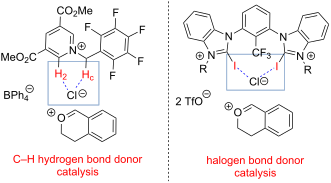
- one of the first examples of utilizing tetralkylammonium salts as hydrogen bond donor catalysts, the authors provided no mechanistic proposal for the catalytic activity of L7–L10, and the activation of the imine by the formation of a C–H···N hydrogen bond was proposed later by Maruoka and Shirakawa
- catalyst with X = I, and R = Oct promoted the reaction between 1-chloroisochroman and silyl enol ether at 0.5 mol % catalyst loadings (70% yield, 6 h). A good correlation was observed between the catalytic activity and halogen affinity, and the Ka of L22 with X = I, R = Oct with bromide anion was

Graphical Abstract

Figure 1: Electrophile Activation by Hydrogen Bond Donors [1-16].

Figure 2: Early examples of C–H hydrogen bonds and their recent use in supramolecular chemistry [18,19,32-34].

Scheme 1: Design of 1,2,3-triazole-based catalysts for trityl group transfer through chloride anion binding b...

Scheme 2: Examples of chiral triazole-based catalysts for anion activation designed by Mancheno and co-worker...

Scheme 3: Application of chiral triazole-based catalysts L3 and L4 for counterion activation of pyridinium, q...

Scheme 4: Ammonium salt anion binding via C–H hydrogen bonds in solid state [40-45,50,51].
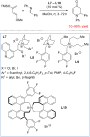
Scheme 5: Early examples of ammonium salts being used for electrophilic activation of imines in aza-Diels–Ald...
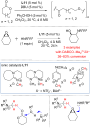
Scheme 6: Ammonium salts as hydrogen bond-donor catalysts by Bibal and co-workers [53,54].

Scheme 7: Tetraalkylammonium catalyst (L6)-catalyzed dearomatization of isoquinolinium salts [50].

Scheme 8: Tetraalkylammonium catalyst L6 complexation to halogen-containing substrates [51].

Scheme 9: Tetraalkylammonium-catalyzed aza-Diels–Alder reaction by Maruoka and co-workers [52].
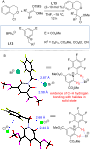
Scheme 10: (A) Alkylpyridinium catalysts L13-catalyzed reaction of 1-isochroman and silyl ketene acetals by Be...
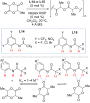
Scheme 11: Mixed N–H/C–H two hydrogen bond donors L14 and L15 as organocatalysts for ROP of lactide by Bibal a...

Scheme 12: Examples of stable complexes based on halogen bonding [68,69].

Scheme 13: Interaction between (−)-sparteine hydrobromide and (S)-1,2-dibromohexafluoropropane in the cocrysta...

Scheme 14: Iodine-catalyzed reactions that are computationally proposed to proceed through halogen bond to car...

Scheme 15: Transfer hydrogenation of phenylquinolines catalyzed by haloperfluoroalkanes by Bolm and co-workers ...

Scheme 16: Halogen bond activation of benzhydryl bromides by Huber and co-workers [82].

Scheme 17: Halogen bond-donor-catalyzed addition to oxocarbenium ions by Huber and co-workers [89].

Scheme 18: Halogen bond-donor activation of α,β-unsaturated carbonyl compounds in the [2 + 4] cycloaddition re...

Scheme 19: Halogen bond donor activation of imines in the [2 + 4] cycloaddition reaction of imine and Danishef...
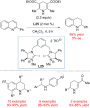
Scheme 20: Transfer hydrogenation catalyzed by a chiral halogen bond donor by Tan and co-workers [91].

Scheme 21: Allylation of benzylic alcohols by Takemoto and co-workers [92].

Scheme 22: NIS induced semipinacol rearrangement via C–X bond cleavage [93].
Electron-transfer-initiated benzoin- and Stetter-like reactions in packed-bed reactors for process intensification
- Anna Zaghi,
- Daniele Ragno,
- Graziano Di Carmine,
- Carmela De Risi,
- Olga Bortolini,
- Pier Paolo Giovannini,
- Giancarlo Fantin and
- Alessandro Massi
Beilstein J. Org. Chem. 2016, 12, 2719–2730, doi:10.3762/bjoc.12.268
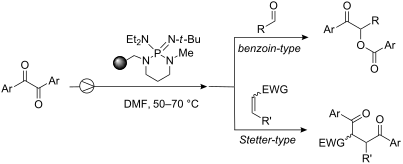
- 150 h. After the achievement of the steady-state regime (ca. 3 h), an almost full conversion of 1a (>95%) was maintained for ca. 120 h, while a progressive loss of catalytic activity was observed after that time. Continuous-flow Stetter-like reactions (Table 5) Microreactor R5 was fed with a DMF

Graphical Abstract

Figure 1: Electron-transfer initiated activation of α-diketones (background) and present study.

Scheme 1: Proposed dianionic pathway for the cross-benzoin-like reaction of benzils 1 with aldehydes 2 under ...

Scheme 2: Trapping experiment.

Figure 2: Conversion of the 1a/2a coupling in microreactor R5 operated for 150 h at 50 °C.
Catalytic Wittig and aza-Wittig reactions
- Zhiqi Lao and
- Patrick H. Toy
Beilstein J. Org. Chem. 2016, 12, 2577–2587, doi:10.3762/bjoc.12.253
- high yields. For these reactions, which required a higher operating temperature than before (110 °C compared to 80 °C), polymethylhydrosiloxane was used as the reductant, and 14 could be recovered and reused efficiently in numerous reaction cycles without loss of catalytic activity. At about the time

Graphical Abstract

Scheme 1: Prototypical Wittig reaction involving in situ phosphonium salt and phosphonium ylide formation.

Scheme 2: Bu3As-catalyzed Wittig-type reactions.

Scheme 3: Ph3As-catalyzed Wittig-type reactions using Fe(TCP)Cl and ethyl diazoacetate for arsonium ylide gen...

Figure 1: Recyclable polymer-supported arsine for catalytic Wittig-type reactions.

Scheme 4: Bu2Te-catalyzed Wittig-type reactions.

Scheme 5: Polymer-supported telluride catalyst cycling.

Scheme 6: Stable and odourless telluronium salt pre-catalyst for Wittig-type reactions.

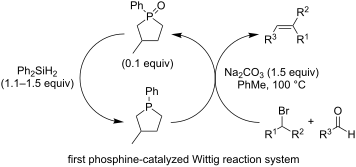
Scheme 7: Phosphine-catalyzed Wittig reactions.

Figure 2: Various phosphine oxides used as pre-catalysts.

Scheme 8: Enantioselective catalytic Wittig reaction reported by Werner.

Scheme 9: Base-free catalytic Wittig reactions reported by Werner.

Scheme 10: Catalytic Wittig reactions reported by Lin.

Scheme 11: Catalytic Wittig reactions reported by Plietker.

Scheme 12: Prototypical aza-Wittig reaction involving in situ iminophosphorane formation.

Scheme 13: First catalytic aza-Wittig reaction reported by Campbell.

Scheme 14: Intramolecular catalytic aza-Wittig reactions reported by Marsden.

Scheme 15: Catalytic aza-Wittig reactions in 1,4-benzodiazepin-5-one synthesis.

Scheme 16: Catalytic aza-Wittig reactions in benzimidazole synthesis.
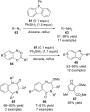
Scheme 17: Phosphine-catalyzed Staudinger and aza-Wittig reactions.

Scheme 18: Catalytic aza-Wittig reactions in 4(3H)-quinazolinone synthesis.

Scheme 19: Catalytic aza-Wittig reactions of in situ generated carboxylic acid anhydrides.

Scheme 20: Phosphine-catalyzed diaza-Wittig reactions.
Diels–Alder reactions in confined spaces: the influence of catalyst structure and the nature of active sites for the retro-Diels–Alder reaction
- Ángel Cantín,
- M. Victoria Gomez and
- Antonio de la Hoz
Beilstein J. Org. Chem. 2016, 12, 2181–2188, doi:10.3762/bjoc.12.208

- biofuels [34], it is important to get insight into the lack of catalytic activity of Beta for the retro-DAR, and elucidate whether this is a general effect with zeolites. Due to the diffusion limitations with Beta we have selected two extra-large pore zeolites, SSZ-53 (BET surface area = 377 m2/g) and SSZ

Graphical Abstract

Scheme 1: Distribution of products in the Diels–Alder reaction between cyclopentadiene and p-benzoquinone.

Figure 1: Conversion in the DAR catalysed by silica Beta zeolites and Aerosil.

Figure 2: Effect of Lewis and Brønsted acid sites in the conversion (a) and selectivity (b) of the DAR.

Figure 3: Effect of pore size in the conversion (a) and selectivity (b) of the DAR.

Figure 4: Comparison of conversion (a) and selectivity (b) of the DAR catalysed by Al-Beta zeolite and MCM-41....

Figure 5: Comparison of conversion (a) and selectivity (b) of the DAR catalysed extra-large pore 3D zeolites.

Figure 6: Effect of the Si/Al ratio in the conversion (a) and selectivity (b) of the DAR.

Figure 7: Effect of the reutilization of the catalysts in the conversion (a) and selectivity (b) of the DAR.
Silica-supported sulfonic acids as recyclable catalyst for esterification of levulinic acid with stoichiometric amounts of alcohols
- Raimondo Maggi,
- N. Raveendran Shiju,
- Veronica Santacroce,
- Giovanni Maestri,
- Franca Bigi and
- Gadi Rothenberg
Beilstein J. Org. Chem. 2016, 12, 2173–2180, doi:10.3762/bjoc.12.207
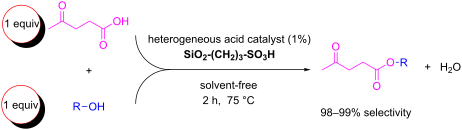
- of levulinic acid were stirred at 100 °C in a sealed tube for 2 h under air in the presence of the amount of a solid catalyst necessary to have 1 mol % of acid sites. The results are reported in Table 1. All of the prepared silica-supported sulfonic acids showed very good catalytic activity for the

Graphical Abstract
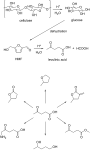
Scheme 1: Synthesis of levulinic acid from ligno-cellulosic feedstocks and its principal uses to access fine ...

Figure 1: Anchoring methodologies: a) impregnation; b) covalent binding.

Figure 2: Activity of the supported sulfonic acid catalyst within the first six cycles. Reaction conditions: ...
Chiral ammonium betaine-catalyzed asymmetric Mannich-type reaction of oxindoles
- Masahiro Torii,
- Kohsuke Kato,
- Daisuke Uraguchi and
- Takashi Ooi
Beilstein J. Org. Chem. 2016, 12, 2099–2103, doi:10.3762/bjoc.12.199
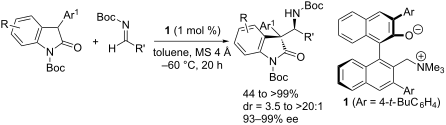
- extended steric hindrance over the catalytically active sites, eroded the catalytic activity and diastereocontrol (Table 1, entry 6). These observations demonstrated the superior capability of 1c in facilitating this stereoselective Mannich-type transformation, for which the loading was reduced to 1 mol

Graphical Abstract

Figure 1: Chiral ammonium betaines.
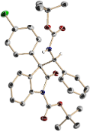
Figure 2: ORTEP diagram of 4ca (Ellipsoids displayed at 50% probability. Calculated hydrogen atoms except it ...
Ionic liquids as transesterification catalysts: applications for the synthesis of linear and cyclic organic carbonates
- Maurizio Selva,
- Alvise Perosa,
- Sandro Guidi and
- Lisa Cattelan
Beilstein J. Org. Chem. 2016, 12, 1911–1924, doi:10.3762/bjoc.12.181
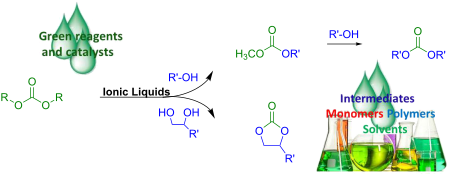
- including acetic, succinic, benzoic, and methacrylic acid and alcohols such as linear, branched and cyclic C1–C6 compounds. The PIL could be reused up to five times without any loss of catalytic activity and yields of various esters were always nearly quantitative. Applications of ILs: Organocatalysts find
- be recovered and reused to allow quantitative conversions even after several recycles. Moreover, the study highlighted that the catalytic activity increased with increasing acidity of the ILs and particularly with cations bearing SO3H anions (Scheme 5: ILs I, II, III, and IV). The same imidazolium
- of dimethyl carbonate with n-butanol has been accomplished using tetraethylammonium-based amino acid ionic liquids ([N2222][AA]) as homogeneous catalysts (Figure 3) [68]. [N2222][Pro] exhibited the best catalytic activity yielding an overall 72% yield of the dibutyl carbonate (DBC) product. Quantum

Graphical Abstract

Scheme 1: The transesterification of diethyl oxalate (DEO) with phenol catalyzed by MoO3/SiO2.

Scheme 2: Transesterification of a triglyceride (TG) with DMC for biodiesel production using KOH as the base ...

Scheme 3: Top: Green methylation of phosphines and amines by dimethyl carbonate (Q = N, P). Bottom: anion met...

Figure 1: Structures of some representative SILs and PILs systems. MCF is a silica-based mesostructured mater...

Scheme 4: Synthesis of the acid polymeric IL. EGDMA: ethylene glycol dimethacrylate.

Scheme 5: The transesterification of sec-butyl acetate with MeOH catalyzed by some acidic imidazolium ILs.

Figure 2: Representative examples of ionic liquids for biodiesel production.

Scheme 6: Top: phosgenation of methanol; middle: EniChem and Ube processes; bottom: Asahi process for the pro...

Scheme 7: The transesterification in the synthesis of organic carbonates.

Scheme 8: The transesterification of DMC with alcohols and diols.

Scheme 9: Transesterification of glycerol with DMC in the presence of 1-n-butyl-3-methylimidazolium-2-carboxy...

Scheme 10: Synthesis of the BMIM-2-CO2 catalyst from butylimidazole and DMC.

Scheme 11: Plausible cooperative (nucleophilic–electrophilic) mechanism for the transesterification of glycero...

Scheme 12: Synthesis of diazabicyclo[5.4.0]undec-7-ene-based ionic liquids.

Scheme 13: Synthesis of the DABCO–DMC ionic liquid.

Scheme 14: Cooperative mechanism of ionic liquid-catalyzed glycidol production.

Scheme 15: [TMA][OH]-catalyzed synthesis of glycidol (GD) from glycerol and dimethyl carbonate [46].

Scheme 16: [BMIM]OH-catalyzed synthesis of DPC from DMC and 1-pentanol.

Figure 3: Representative examples of ionic liquids for biodiesel production.

Figure 4: Acyclic non-symmetrical organic carbonates synthetized with 1-(trimethoxysilyl)propyl-3-methylimida...

Scheme 17: A simplified reaction mechanism for DMC production.

Scheme 18: [P8881][MeOCO2] metathesis with acetic acid and phenol.

Figure 5: Examples of carbonates obtained through transesterification using phosphonium salts as catalysts.

Scheme 19: Examples of carbonates obtained from different bio-based diols using [P8881][CH3OCO2] as catalyst.

Scheme 20: Ambiphilic catalysis for transesterification reactions in the presence of carbonate phosphonium sal...
Rearrangements of organic peroxides and related processes
- Ivan A. Yaremenko,
- Vera A. Vil’,
- Dmitry V. Demchuk and
- Alexander O. Terent’ev
Beilstein J. Org. Chem. 2016, 12, 1647–1748, doi:10.3762/bjoc.12.162
- ]. The Baeyer–Villiger oxidation of ketones 76 under the action of oxygen to the related esters 77 was performed using metal-free carbon (Ketjen Black) as a solid catalyst and benzaldehyde as the sacrificing agent. This metal-free carbon catalyst showed excellent catalytic activity and can be recycled

Graphical Abstract
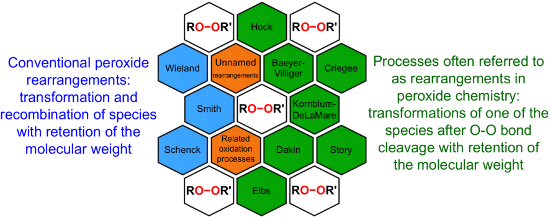
Figure 1: The named transformations considered in this review.

Scheme 1: The Baeyer–Villiger oxidation.

Scheme 2: The general mechanism of the peracid-promoted Baeyer–Villiger oxidation.

Scheme 3: General mechanism of the Lewis acid-catalyzed Baeyer–Villiger rearrangement.

Scheme 4: The theoretically studied mechanism of the BV oxidation reaction promoted by H2O2 and the Lewis aci...

Scheme 5: Proton movements in the transition states of the Baeyer–Villiger oxidation.

Scheme 6: The dependence of the course of the Baeyer–Villiger oxidation on the type of O–O-bond cleavage in t...
Scheme 7: The acid-catalyzed Baeyer–Villiger oxidation of cyclic epoxy ketones 22.

Scheme 8: Oxidation of isophorone oxide 29.

Scheme 9: Synthesis of acyl phosphate 32 from acyl phosphonate 31.

Scheme 10: Synthesis of aflatoxin B2 (36).

Scheme 11: The Baeyer–Villiger rearrangement of ketones 37 to lactones 38.

Scheme 12: Synthesis of 3,4-dimethoxybenzoic acid (40) via Baeyer–Villiger oxidation.

Scheme 13: Oxone transforms α,β-unsaturated ketones 43 into vinyl acetates 44.

Scheme 14: The Baeyer–Villiger oxidation of ketones 45 using diaryl diselenide and hydrogen peroxide.

Scheme 15: Baeyer–Villiger oxidation of (E)-2-methylenecyclobutanones.

Scheme 16: Oxidation of β-ionone (56) by H2O2/(BnSe)2 with formation of (E)-2-(2,6,6-trimethylcyclohex-1-en-1-...

Scheme 17: The mechanism of oxidation of ketones 58a–f by hydrogen peroxide in the presence of arsonated polys...

Scheme 18: Oxidation of ketone (58b) by H2O2 to 6-methylcaprolactone (59b) catalyzed by Pt complex 66·BF4.

Scheme 19: Oxidation of ketones 67 with H2O2 in the presence of [(dppb}Pt(µ-OH)]22+.

Scheme 20: The mechanism of oxidation of ketones 67 in the presence of [(dppb}Pt(µ-OH)]22+ and H2O2.

Scheme 21: Oxidation of benzaldehydes 69 in the presence of the H2O2/MeReO3 system.

Scheme 22: Oxidation of acetophenones 72 in the presence of the H2O2/MeReO3 system.

Scheme 23: Baeyer–Villiger oxidation of 2-adamantanone (45c) in the presence of Sn-containing mesoporous silic...

Scheme 24: Aerobic Baeyer–Villiger oxidation of ketones 76 using metal-free carbon.

Scheme 25: A regioselective Baeyer-Villiger oxidation of functionalized cyclohexenones 78 into a dihydrooxepin...

Scheme 26: The oxidation of aldehydes and ketones 80 by H2O2 catalyzed by Co4HP2Mo15V3O62.

Scheme 27: The cleavage of ketones 82 with hydrogen peroxide in alkaline solution.

Scheme 28: Oxidation of ketones 85 to esters 86 with H2O2–urea in the presence of KHCO3.

Scheme 29: Mechanism of the asymmetric oxidation of cyclopentane-1,2-dione 87a with the Ti(OiPr)4/(+)DET/t-BuO...

Scheme 30: The oxidation of cis-4-tert-butyl-2-fluorocyclohexanone (93) with m-chloroperbenzoic acid.

Scheme 31: The mechanism of the asymmetric oxidation of 3-substituted cyclobutanone 96a in the presence of chi...

Scheme 32: Enantioselective Baeyer–Villiger oxidation of cyclic ketones 98.

Scheme 33: Regio- and enantioselective Baeyer–Villiger oxidation of cyclic ketones 101.

Scheme 34: The proposed mechanism of the Baeyer–Villiger oxidation of acetal 105f.

Scheme 35: Synthesis of hydroxy-10H-acridin-9-one 117 from tetramethoxyanthracene 114.

Scheme 36: The Baeyer–Villiger oxidation of the fully substituted pyrrole 120.

Scheme 37: The Criegee rearrangement.

Scheme 38: The mechanism of the Criegee reaction of a peracid with a tertiary alcohol 122.

Scheme 39: Criegee rearrangement of decaline ethylperoxoate 127 into ketal 128.

Scheme 40: The ionic cleavage of 2-methoxy-2-propyl perester 129.

Scheme 41: The Criegee rearrangement of α-methoxy hydroperoxide 136.
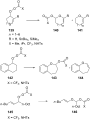
Scheme 42: Synthesis of enol esters and acetals via the Criegee rearrangement.

Scheme 43: Proposed mechanism of the transformation of 1-hydroperoxy-2-oxabicycloalkanones 147a–d.

Scheme 44: Transformation of 3-hydroxy-1,2-dioxolanes 151 into diketone derivatives 152.

Scheme 45: Criegee rearrangement of peroxide 153 with the mono-, di-, and tri-O-insertion.

Scheme 46: The sequential Criegee rearrangements of adamantanes 157a,b.

Scheme 47: Synthesis of diaryl carbonates 160a–d from triarylmethanols 159a–d through successive oxygen insert...

Scheme 48: The synthesis of sesquiterpenes 162 from ketone 161 with a Criegee rearrangement as one key step.

Scheme 49: Synthesis of trans-hydrindan derivatives 164, 165.

Scheme 50: The Hock rearrangement.

Scheme 51: The general scheme of the cumene process.

Scheme 52: The Hock rearrangement of aliphatic hydroperoxides.
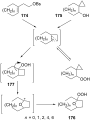
Scheme 53: The mechanism of solvolysis of brosylates 174a–c and spiro cyclopropyl carbinols 175a–c in THF/H2O2....

Scheme 54: The fragmentation mechanism of hydroperoxy acetals 178 to esters 179.

Scheme 55: The acid-catalyzed rearrangement of phenylcyclopentyl hydroperoxide 181.

Scheme 56: The peroxidation of tertiary alcohols in the presence of a catalytic amount of acid.

Scheme 57: The acid-catalyzed reaction of bicyclic secondary alcohols 192 with hydrogen peroxide.

Scheme 58: The photooxidation of 5,6-disubstituted 3,4-dihydro-2H-pyrans 196.

Scheme 59: The oxidation of tertiary alcohols 200a–g, 203a,b, and 206.

Scheme 60: Transformation of functional peroxide 209 leading to 2,3-disubstitued furans 210 in one step.

Scheme 61: The synthesis of carbazoles 213 via peroxide rearrangement.

Scheme 62: The construction of C–N bonds using the Hock rearrangement.

Scheme 63: The synthesis of moiety 218 from 217 which is a structural motif in the antitumor–antibiotic of CC-...

Scheme 64: The in vivo oxidation steps of cholesterol (219) by singlet oxygen.

Scheme 65: The proposed mechanism of the rearrangement of cholesterol-5α-OOH 220.

Scheme 66: Photochemical route to artemisinin via Hock rearrangement of 223.

Scheme 67: The Kornblum–DeLaMare rearrangement.

Scheme 68: Kornblum–DeLaMare transformation of 1-phenylethyl tert-butyl peroxide (225).

Scheme 69: The synthesis 4-hydroxyenones 230 from peroxide 229.

Scheme 70: The Kornblum–DeLaMare rearrangement of peroxide 232.

Scheme 71: The reduction of peroxide 234.

Scheme 72: The Kornblum–DeLaMare rearrangement of endoperoxide 236.

Scheme 73: The rearrangement of peroxide 238 under Kornblum–DeLaMare conditions.

Scheme 74: The proposed mechanism of rearrangement of peroxide 238.

Scheme 75: The Kornblum–DeLaMare rearrangement of peroxides 242a,b.

Scheme 76: The base-catalyzed rearrangements of bicyclic endoperoxides having electron-withdrawing substituent...

Scheme 77: The base-catalyzed rearrangements of bicyclic endoperoxides 249a,b having electron-donating substit...

Scheme 78: The base-catalyzed rearrangements of bridge-head substituted bicyclic endoperoxides 251a,b.

Scheme 79: The Kornblum–DeLaMare rearrangement of hydroperoxide 253.

Scheme 80: Synthesis of β-hydroxy hydroperoxide 254 from endoperoxide 253.

Scheme 81: The amine-catalyzed rearrangement of bicyclic endoperoxide 263.

Scheme 82: The base-catalyzed rearrangement of meso-endoperoxide 268 into 269.

Scheme 83: The photooxidation of 271 and subsequent Kornblum–DeLaMare reaction.

Scheme 84: The Kornblum–DeLaMare rearrangement as one step in the oxidation reaction of enamines.

Scheme 85: The Kornblum–DeLaMare rearrangement of 3,5-dihydro-1,2-dioxenes 284, 1,2-dioxanes 286, and tert-but...

Scheme 86: The Kornblum–DeLaMare rearrangement of epoxy dioxanes 290a–d.

Scheme 87: Rearrangement of prostaglandin H2 292.

Scheme 88: The synthesis of epicoccin G (297).

Scheme 89: The Kornblum–DeLaMare rearrangement used in the synthesis of phomactin A.

Scheme 90: The Kornblum–DeLaMare rearrangement in the synthesis of 3H-quinazolin-4-one 303.

Scheme 91: The Kornblum–DeLaMare rearrangement in the synthesis of dolabriferol (308).

Scheme 92: Sequential transformation of 3-substituted 2-pyridones 309 into 3-hydroxypyridine-2,6-diones 311 in...

Scheme 93: The Kornblum–DeLaMare rearrangement of peroxide 312 into hydroxy enone 313.

Scheme 94: The Kornblum–DeLaMare rearrangement in the synthesis of polyfunctionalized carbonyl compounds 317.

Scheme 95: The Kornblum–DeLaMare rearrangement in the synthesis of (Z)-β-perfluoroalkylenaminones 320.

Scheme 96: The Kornblum–DeLaMare rearrangement in the synthesis of γ-ketoester 322.

Scheme 97: The Kornblum–DeLaMare rearrangement in the synthesis of diterpenoids 326 and 328.

Scheme 98: The synthesis of natural products hainanolidol (331) and harringtonolide (332) from peroxide 329.

Scheme 99: The synthesis of trans-fused butyrolactones 339 and 340.

Scheme 100: The synthesis of leucosceptroid C (343) and leucosceptroid P (344) via the Kornblum–DeLaMare rearra...

Scheme 101: The Dakin oxidation of arylaldehydes or acetophenones.

Scheme 102: The mechanism of the Dakin oxidation.

Scheme 103: A solvent-free Dakin reaction of aromatic aldehydes 356.

Scheme 104: The organocatalytic Dakin oxidation of electron-rich arylaldehydes 358.

Scheme 105: The Dakin oxidation of electron-rich arylaldehydes 361.

Scheme 106: The Dakin oxidation of arylaldehydes 358 in water extract of banana (WEB).

Scheme 107: A one-pot approach towards indolo[2,1-b]quinazolines 364 from indole-3-carbaldehydes 363 through th...

Scheme 108: The synthesis of phenols 367a–c from benzaldehydes 366a-c via acid-catalyzed Dakin oxidation.

Scheme 109: Possible transformation paths of the highly polarized boric acid coordinated H2O2–aldehyde adduct 3...

Scheme 110: The Elbs oxidation of phenols 375 to hydroquinones.

Scheme 111: The mechanism of the Elbs persulfate oxidation of phenols 375 affording p-hydroquinones 376.

Scheme 112: Oxidation of 2-pyridones 380 under Elbs persulfate oxidation conditions.

Scheme 113: Synthesis of 3-hydroxy-4-pyridone (384) via an Elbs oxidation of 4-pyridone (382).

Scheme 114: The Schenck rearrangement.

Scheme 115: The Smith rearrangement.

Scheme 116: Three main pathways of the Schenck rearrangement.

Scheme 117: The isomerization of hydroperoxides 388 and 389.

Scheme 118: Trapping of dioxacyclopentyl radical 392 by oxygen.

Scheme 119: The hypothetical mechanism of the Schenck rearrangement of peroxide 394.

Scheme 120: The autoxidation of oleic acid (397) with the use of labeled isotope 18O2.

Scheme 121: The rearrangement of 18O-labeled hydroperoxide 400 under an atmosphere of 16O2.

Scheme 122: The rearrangement of the oleate-derived allylic hydroperoxides (S)-421 and (R)-425.

Scheme 123: Mechanisms of Schenck and Smith rearrangements.

Scheme 124: The rearrangement and cyclization of 433.

Scheme 125: The Wieland rearrangement.

Scheme 126: The rearrangement of bis(triphenylsilyl) 439 or bis(triphenylgermyl) 441 peroxides.

Scheme 127: The oxidative transformation of cyclic ketones.

Scheme 128: The hydroxylation of cyclohexene (447) in the presence of tungstic acid.

Scheme 129: The oxidation of cyclohexene (447) under the action of hydrogen peroxide.

Scheme 130: The reaction of butenylacetylacetone 455 with hydrogen peroxide.

Scheme 131: The oxidation of bridged 1,2,4,5-tetraoxanes.

Scheme 132: The proposed mechanism for the oxidation of bridged 1,2,4,5-tetraoxanes.

Scheme 133: The rearrangement of ozonides.

Scheme 134: The acid-catalyzed oxidative rearrangement of malondialdehydes 462 under the action of H2O2.

Scheme 135: Pathways of the Lewis acid-catalyzed cleavage of dialkyl peroxides 465 and ozonides 466.

Scheme 136: The mechanism of the transformation of (tert-butyldioxy)cyclohexanedienones 472.

Scheme 137: The synthesis of Vitamin K3 from 472a.

Scheme 138: Proposed mechanism for the transformation of 478d into silylated endoperoxide 479d.

Scheme 139: The rearrangement of hydroperoxide 485 to form diketone 486.

Scheme 140: The base-catalyzed rearrangement of cyclic peroxides 488a–g.

Scheme 141: Synthesis of chiral epoxides and aldols from peroxy hemiketals 491.

Scheme 142: The multistep transformation of (R)-carvone (494) to endoperoxides 496a–e.

Scheme 143: The decomposition of anthracene endoperoxide 499.

Scheme 144: Synthesis of esters 503 from aldehydes 501 via rearrangement of peroxides 502.

Scheme 145: Two possible paths for the base-promoted decomposition of α-azidoperoxides 502.

Scheme 146: The Story decomposition of cyclic diperoxide 506a.

Scheme 147: The Story decomposition of cyclic triperoxide 506b.

Scheme 148: The thermal rearrangement of endoperoxides A into diepoxides B.

Scheme 149: The transformation of peroxide 510 in the synthesis of stemolide (511).

Scheme 150: The possible mechanism of the rearrangement of endoperoxide 261g.

Scheme 151: The photooxidation of indene 517.

Scheme 152: The isomerization of ascaridole (523).

Scheme 153: The isomerization of peroxide 525.

Scheme 154: The thermal transformation of endoperoxide 355.

Scheme 155: The photooxidation of cyclopentadiene (529) at a temperature higher than 0 °C.

Scheme 156: The thermal rearrangement of endoperoxides 538a,b.

Scheme 157: The transformation of peroxides 541.

Scheme 158: The thermal rearrangements of strained cyclic peroxides.

Scheme 159: The thermal rearrangement of diacyl peroxide 551 in the synthesis of C4-epi-lomaiviticin B core 553....

Scheme 160: The 1O2 oxidation of tryptophan (554) and rearrangement of dioxetane intermediate 555.

Scheme 161: The Fe(II)-promoted cleavage of aryl-substituted bicyclic peroxides.

Scheme 162: The proposed mechanism of the Fe(II)-promoted rearrangement of 557a–c.

Scheme 163: The reaction of dioxolane 563 with Fe(II) sulfate.

Scheme 164: Fe(II)-promoted rearrangement of 1,2-dioxane 565.

Scheme 165: Fe(II) cysteinate-promoted rearrangement of 1,2-dioxolane 568.

Scheme 166: The transformation of 1,2-dioxanes 572a–c under the action of FeCl2.

Scheme 167: Fe(II) cysteinate-promoted transformation of tetraoxane 574.

Scheme 168: The CoTPP-catalyzed transformation of bicyclic endoperoxides 600a–d.

Scheme 169: The CoTPP-catalyzed transformation of epoxy-1,2-dioxanes.

Scheme 170: The Ru(II)-catalyzed reactions of 1,4-endoperoxide 261g.

Scheme 171: The Ru(II)-catalyzed transformation as a key step in the synthesis of elyiapyrone A (610) from 1,4-...

Scheme 172: Peroxides with antimalarial activity.

Scheme 173: The interaction of iron ions with artemisinin (616).

Scheme 174: The interaction of FeCl2 with 1,2-dioxanes 623, 624.

Scheme 175: The mechanism of reaction 623 and 624 with Fe(II)Cl2.

Scheme 176: The reaction of bicyclic natural endoperoxides G3-factors 631–633 with FeSO4.

Scheme 177: The transformation of terpene cardamom peroxide 639.
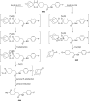
Scheme 178: The different ways of the cleavage of tetraoxane 643.

Scheme 179: The LC–MS analysis of interaction of tetraoxane 646 with iron(II)heme 647.

Scheme 180: The rearrangement of 3,6-epidioxy-1,10-bisaboladiene (EDBD, 649).

Scheme 181: Easily oxidized substrates.

Scheme 182: Biopathway of synthesis of prostaglandins.

Scheme 183: The reduction and rearrangements of isoprostanes.

Scheme 184: The partial mechanism for linoleate 658 oxidation.

Scheme 185: The transformation of lipid hydroperoxide.

Scheme 186: The acid-catalyzed cleavage of the product from free-radical oxidation of cholesterol (667).

Scheme 187: Two pathways of catechols oxidation.

Scheme 188: Criegee-like or Hock-like rearrangement of the intermediate hydroperoxide 675 in dioxygenase enzyme...

Scheme 189: Carotinoides 679 cleavage by carotenoid cleavage dioxygenases.
Dinuclear thiazolylidene copper complex as highly active catalyst for azid–alkyne cycloadditions
- Anne L. Schöffler,
- Ata Makarem,
- Frank Rominger and
- Bernd F. Straub
Beilstein J. Org. Chem. 2016, 12, 1566–1572, doi:10.3762/bjoc.12.151
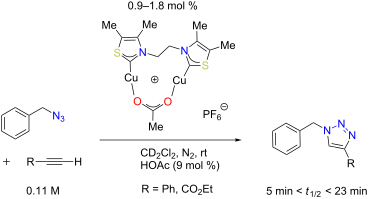
- . Results and Discussion We herein report the synthesis of an ethylene-linked bisthiazol-2-ylidene dicopper(I) complex 2 that features high catalytic activity in CuAAC reactions. The advantage of this new complex 2 in comparison to dicopper complexes previously described by our research group [40] is its
- dichloromethane at room temperature was used (Table 1 and Figure 2). Due to the highly exothermic nature of the triazole formation, a high dilution of the reaction mixture and low catalyst loadings are necessary to prevent a thermal runaway. In order to compare the catalytic activity of complex 2 with
- ], while CuOAc excels in heterogeneous catalysis and in cost-effectiveness [38]. The reaction with ethyl propiolate in the presence of 0.9 mol % catalyst is very slow with a half conversion time of more than nine hours (Table 1, entry 4, yellow diamonds). We attribute this poor catalytic activity to the

Graphical Abstract

Scheme 1: Disfavored mononuclear pathway and favored dinuclear pathway in the CuAAC click reaction, according...

Figure 1: Ball-and-stick model [42,43] of a single crystal X-ray structure of hexafluorophosphate salt 1b (CCDC 1472...

Scheme 2: Synthesis of dinuclear copper complex 2.

Figure 2: Time-conversion-diagram of the CuAAC reaction of benzyl azide with either phenylacetylene or ethyl ...
Molecular weight control in organochromium olefin polymerization catalysis by hemilabile ligand–metal interactions
- Stefan Mark,
- Hubert Wadepohl and
- Markus Enders
Beilstein J. Org. Chem. 2016, 12, 1372–1379, doi:10.3762/bjoc.12.131
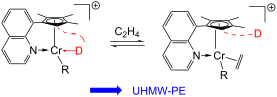
- polymerization. All complexes investigated show very high catalytic activity and the additional side arm minimizes chain-transfer reactions, leading to increase of molecular weights of the resulting polymers. Keywords: chromium single-site catalysts; olefin polymerization; ultra-high molecular weight
- produce without lowering their very high catalytic activity. Solid-state molecular structures of selected complexes 4, 7 and 8 (left, middle and right, respectively). Probability level: 50%. Hydrogen atoms and carbon labels are omitted for clarity. a) Calculated structures of cationic chromium complexes

Graphical Abstract

Scheme 1: Influencing catalyst stability, olefin coordination and chain-transfer reactions by hemilabile dono...

Scheme 2: Synthesis of ligands L1–L8 and chromium complexes 1–8.

Figure 1: Solid-state molecular structures of selected complexes 4, 7 and 8 (left, middle and right, respecti...

Figure 2: a) Calculated structures of cationic chromium complexes. Chromium–donor distances [Å]: 3a+ [2.21], ...

Figure 3: Comparison of GPC traces of polyethylene produced by 1/PMAO and 8/PMAO respectively (entries 1 and ...
NeoPHOX – a structurally tunable ligand system for asymmetric catalysis
- Jaroslav Padevět,
- Marcus G. Schrems,
- Robin Scheil and
- Andreas Pfaltz
Beilstein J. Org. Chem. 2016, 12, 1185–1195, doi:10.3762/bjoc.12.114
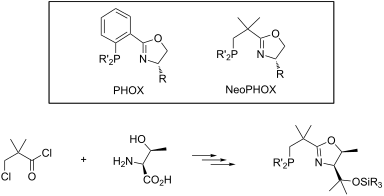
- the enantioselectivity and catalytic activity of the corresponding iridium complexes. Initial attempts to introduce a silyl or acetyl group by deprotonation with potassium hydride and subsequent reaction with silyl triflates or acetyl chloride failed. The NeoPHOX ligand 14 showed no reaction under
- oxazoline ring. Apparently, a polar potentially coordinating substituent near the metal center reduces or can even completely inhibit catalytic activity. The deactivating effect of a coordinating oxygen function could also explain the different conversions observed with the silyl ether-bearing catalysts

Graphical Abstract

Figure 1: Structural motifs of phospinooxazoline ligands.

Scheme 1: Retrosynthetic analysis for NeoPHOX ligands.

Scheme 2: Synthesis of 1st generation NeoPHOX Ir-complexes [19].

Figure 2: Asymmetric hydrogenation with iridium-NeoPHOX catalysts [19].

Figure 3: Employing L-valine as a starting material for C5 substituted oxazoline.

Scheme 3: Synthesis of a C(5)-disubstituted NeoPHOX-Ir complex.

Figure 4: Retrosynthetic analysis for NeoPHOX ligands derived from serine and threonine.

Scheme 4: Revisited synthetic strategy for the preparation of a threonine-based NeoPHOX ligand.

Scheme 5: Undesired β-lactam formation.

Scheme 6: Synthetic strategy for the synthesis of the serine-derived NeoPHOX ligand.

Scheme 7: Derivatization of the 2nd generation NeoPHOX ligands and formation of their iridium complexes.

Figure 5: Crystal structures of selected Ir-complexes. Hydrogen atoms, COD and BArF anions were omitted for c...

Scheme 8: Asymmetric palladium-catalyzed allylic substitution with rac-(E)-1,3-diphenylallyl acetate.

Scheme 9: Asymmetric palladium-catalyzed allylic substitution with rac-(E)-1,3-dimethylallyl acetate.

Scheme 10: Asymmetric palladium-catalyzed allylic substitution with a cyclic substrate.
Catalytic asymmetric synthesis of biologically important 3-hydroxyoxindoles: an update
- Bin Yu,
- Hui Xing,
- De-Quan Yu and
- Hong-Min Liu
Beilstein J. Org. Chem. 2016, 12, 1000–1039, doi:10.3762/bjoc.12.98
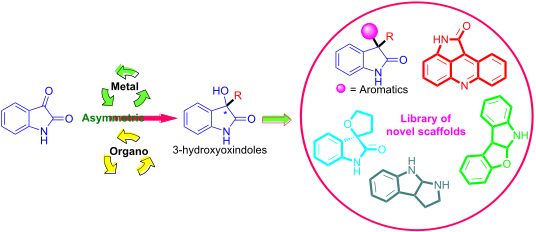
- ’-position of the BINOL backbone had a remarkable effect on the catalytic activity and enantioselectivity. Based on this method, the authors also achieved the synthesis of a key intermediate efficiently (99% yield and 93% ee), which had been used in the total synthesis of (+)-folicanthine [68]. The Zhang
- completely inhibited the catalytic activity. Interestingly, the authors found that the yields and enantioselectivities dramatically decreased

Graphical Abstract

Figure 1: 3-Hydroxyoxindole-containing natural products and biologically active molecules.

Scheme 1: Chiral CNN pincer Pd(II) complex 1 catalyzed asymmetric allylation of isatins.

Scheme 2: Asymmetric allylation of ketimine catalyzed by the chiral CNN pincer Pd(II) complex 2.

Scheme 3: Pd/L1 complex-catalyzed asymmetric allylation of 3-O-Boc-oxindoles.

Scheme 4: Cu(OTf)2-catalyzed asymmetric direct addition of acetonitrile to isatins.

Scheme 5: Chiral tridentate Schiff base/Cu complex catalyzed asymmetric Friedel–Crafts alkylation of isatins ...

Scheme 6: Guanidine/CuI-catalyzed asymmetric alkynylation of isatins with terminal alkynes.

Scheme 7: Asymmetric intramolecular direct hydroarylation of α-ketoamides.

Scheme 8: Plausible catalytic cycle for the direct hydroarylation of α-ketoamides.

Scheme 9: Ir-catalyzed asymmetric arylation of isatins with arylboronic acids.

Scheme 10: Enantioselective decarboxylative addition of β-ketoacids to isatins.

Scheme 11: Ruthenium-catalyzed hydrohydroxyalkylation of olefins and 3-hydroxy-2-oxindoles.

Scheme 12: Proposed catalytic mechanism and stereochemical model.

Scheme 13: In-catalyzed allylation of isatins with stannylated reagents.

Scheme 14: Modified protocol for the synthesis of allylated 3-hydroxyoxindoles.

Scheme 15: Hg-catalyzed asymmetric allylation of isatins with allyltrimethylsilanes.

Scheme 16: Enantioselective additions of organoborons to isatins.

Scheme 17: Asymmetric aldol reaction of isatins with cyclohexanone.

Scheme 18: Enantioselective aldol reactions of aliphatic aldehydes with isatin derivatives and the plausible t...

Scheme 19: Enantioselective aldol reaction of isatins and 2,2-dimethyl-1,3-dioxan-5-one.

Scheme 20: Asymmetric aldol reactions between ketones and isatins.

Scheme 21: Phenylalanine lithium salt-catalyzed asymmetric synthesis of 3-alkyl-3-hydroxyoxindoles.

Scheme 22: Aldolization between isatins and dihydroxyacetone derivatives.

Scheme 23: One-pot asymmetric synthesis of convolutamydine A.

Scheme 24: Asymmetric aldol reactions of cyclohexanone and acetone with isatins.

Scheme 25: Aldol reactions of acetone with isatins.

Scheme 26: Aldol reactions of ketones with isatins.

Scheme 27: Enantioselective allylation of isatins.

Scheme 28: Asymmetric aldol reaction of trifluoromethyl α-fluorinated β-keto gem-diols with isatins.

Scheme 29: Plausible mechanism proposed for the asymmetric aldol reaction.
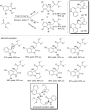
Scheme 30: Asymmetric aldol reaction of 1,1-dimethoxyacetone with isatins.

Scheme 31: Enantioselective Friedel-Crafts reaction of phenols with isatins.

Scheme 32: Enantioselective addition of 1-naphthols with isatins.

Scheme 33: Enantioselective aldol reaction between 3-acetyl-2H-chromen-2-ones and isatins.

Scheme 34: Stereoselective Mukaiyama–aldol reaction of fluorinated silyl enol ethers with isatins.

Scheme 35: Asymmetric vinylogous Mukaiyama–aldol reaction between 2-(trimethylsilyloxy)furan and isatins.

Scheme 36: β-ICD-catalyzed MBH reactions of isatins with maleimides.

Scheme 37: β-ICD-catalyzed MBH reactions of 7-azaisatins with maleimides and activated alkenes.

Scheme 38: Enantioselective aldol reaction of isatins with ketones.

Scheme 39: Direct asymmetric vinylogous aldol reactions of allyl ketones with isatins.

Scheme 40: Enantioselective aldol reactions of ketones with isatins.

Scheme 41: The MBH reaction of isatins with α,β-unsaturated γ-butyrolactam.

Scheme 42: Reactions of tert-butyl hydrazones with isatins followed by oxidation.

Scheme 43: Aldol reactions of isatin derivatives with ketones.

Scheme 44: Enantioselective decarboxylative cyanomethylation of isatins.

Scheme 45: Catalytic kinetic resolution of 3-hydroxy-3-substituted oxindoles.

Scheme 46: Lewis acid catalyzed Friedel–Crafts alkylation of 3-hydroxy-2-oxindoles with electron-rich phenols.

Scheme 47: Lewis acid catalyzed arylation of 3-hydroxyoxindoles with aromatics.

Scheme 48: Synthetic application of 3-arylated disubstituted oxindoles in the construction of core structures ...

Scheme 49: CPA-catalyzed dearomatization and arylation of 3-indolyl-3-hydroxyoxindoles with tryptamines and 3-...

Scheme 50: CPA-catalyzed enantioselective decarboxylative alkylation of β-keto acids with 3-hydroxy-3-indolylo...

Scheme 51: BINOL-derived imidodiphosphoric acid-catalyzed enantioselective Friedel–Crafts reactions of indoles...

Scheme 52: CPA-catalyzed enantioselective allylation of 3-indolylmethanols.

Scheme 53: 3-Indolylmethanol-based substitution and cycloaddition reactions.

Scheme 54: CPA-catalyzed asymmetric [3 + 3] cycloaddtion reactions of 3-indolylmethanols with azomethine ylide...

Scheme 55: CPA-catalyzed three-component cascade Michael/Pictet–Spengler reactions of 3-indolylmethanols and a...

Scheme 56: Acid-promoted chemodivergent and stereoselective synthesis of diverse indole derivatives.

Scheme 57: CPA-catalyzed asymmetric formal [3 + 2] cycloadditions.

Scheme 58: CPA-catalyzed enantioselective cascade reactions for the synthesis of C7-functionlized indoles.

Scheme 59: Lewis acid-promoted Prins cyclization of 3-allyl-3-hydroxyoxindoles with aldehydes.

Scheme 60: Ga(OTf)3-catalyzed reactions of allenols and phenols.

Scheme 61: I2-catalyzed construction of pyrrolo[2.3.4-kl]acridines from enaminones and 3-indolyl-3-hydroxyoxin...

Scheme 62: CPA-catalyzed asymmetric aza-ene reaction of 3-indolylmethanols with cyclic enaminones.

Scheme 63: Asymmetric α-alkylation of aldehydes with 3-indolyl-3-hydroxyoxindoles.

Scheme 64: Organocatalytic asymmetric α-alkylation of enolizable aldehydes with 3-indolyl-3-hydroxyoxindoles a...
Bi- and trinuclear copper(I) complexes of 1,2,3-triazole-tethered NHC ligands: synthesis, structure, and catalytic properties
- Shaojin Gu,
- Jiehao Du,
- Jingjing Huang,
- Huan Xia,
- Ling Yang,
- Weilin Xu and
- Chunxin Lu
Beilstein J. Org. Chem. 2016, 12, 863–873, doi:10.3762/bjoc.12.85
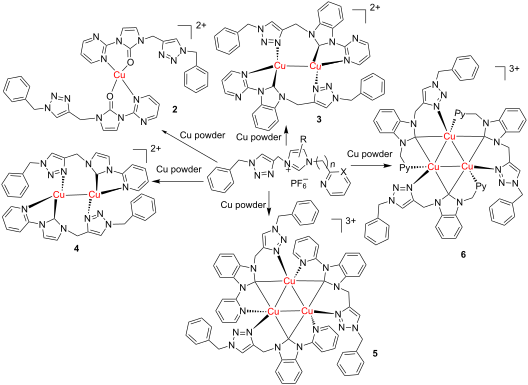
- Inspired by the catalytic activity of Cu(I) species supported by NHC ligand in Cu-catalyzed azide–alkyne cycloaddition (CuAAC) reaction under mild conditions, copper complexes 2–6 were investigated in the CuAAC reaction of azide and phenylacetylene. Firstly, we compared the catalytic activity of different
- reaction with low catalyst loading results in incomplete conversion. Subsequently the catalytic activity of different solvents was tested at a Cu loading of 0.5 mol % (Table 1). Moderate catalytic activities were obtained for DMSO or without solvent. When CH3CN was used, the reaction gave an excellent

Graphical Abstract

Scheme 1: Synthesis of copper complexes 2–6.

Figure 1: X-ray diffraction structure of copper(II) complex 2 with thermal ellipsoids drawn at 30% probabilit...

Figure 2: ORTEP the cationic section of [Cu2(L2)2](PF6)2 (3). Thermal ellipsoids are drawn at the 30% probabi...

Figure 3: ORTEP drawing of [Cu2(L3)2](PF6)2 (4). Thermal ellipsoids are drawn at the 30% probability level. H...

Figure 4: ORTEP drawing of [Cu3(L4)3](PF6)3 (5). Thermal ellipsoids are drawn at the 30% probability level. H...
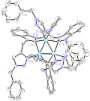
Figure 5: ORTEP drawing of [Cu3(L5)3](PF6)3 (6). Thermal ellipsoids are drawn at the 30% probability level. H...

Figure 6: Yield vs reaction time of different copper complex. The reaction was carried out in acetonitrile-d3...
Muraymycin nucleoside-peptide antibiotics: uridine-derived natural products as lead structures for the development of novel antibacterial agents
- Daniel Wiegmann,
- Stefan Koppermann,
- Marius Wirth,
- Giuliana Niro,
- Kristin Leyerer and
- Christian Ducho
Beilstein J. Org. Chem. 2016, 12, 769–795, doi:10.3762/bjoc.12.77
- within the superfamily of polyisoprenyl-phosphate N-acetyl hexosamine 1-phosphate transferases (PNPT). Mutation of these three aspartate residues (D115, D116 and D267 in the E. coli protein) resulted in a complete loss of catalytic activity. This led to a proposed model for the active site of MraY in

Graphical Abstract
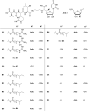
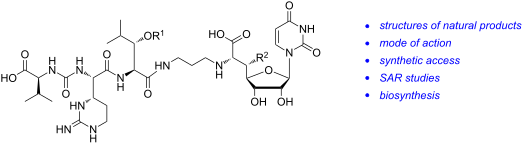
Figure 1: Structures of the naturally occurring muraymycins isolated by McDonald et al. [22].
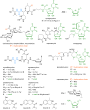
Figure 2: Structures of selected classes of nucleoside antibiotics. Similarities to the muraymycins are highl...

Figure 3: Structure of peptidoglycan. Long chains of glycosides (alternating GlcNAc (green) and MurNAc (blue)...

Figure 4: Schematic representation of bacterial cell wall biosynthesis.
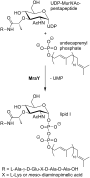
Figure 5: Translocase I (MraY) catalyses the reaction of UDP-MurNAc-pentapeptide with undecaprenyl phosphate ...

Figure 6: Proposed mechanisms for the MraY-catalysed reaction. A: Two-step mechanism postulated by Heydanek e...

Scheme 1: First synthetic access towards simplified muraymycin analogues as reported by Yamashita et al. [76].

Scheme 2: Synthesis of (+)-caprazol (19) reported by Ichikawa, Matsuda et al. [92].

Scheme 3: Synthesis of the epicapreomycidine-containing urea dipeptide via C–H activation [96,97].

Scheme 4: Synthesis of muraymycin D2 and its epimer reported by Ichikawa, Matsuda et al. [96,97].

Scheme 5: Synthesis of the urea tripeptide unit as a building block for muraymycins reported by Kurosu et al. ...

Scheme 6: Synthesis of the uridine-derived core structure of naturally occuring muraymycins reported by Ducho...
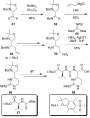
Scheme 7: Synthesis of the epicapreomycidine-containing urea dipeptide from Garner's aldehyde reported by Duc...

Scheme 8: Synthesis of a hydroxyleucine-derived aldehyde building block reported by Ducho et al. [107].

Scheme 9: Synthesis of 5'-deoxy muraymycin C4 (65) as a closely related natural product analogue [78,109,110].

Figure 7: Summary of modifications on semisynthetic muraymycin analogues tested by Lin et al. [86]. Most active c...

Figure 8: Bioactive muraymycin analogues identified by Yamashita et al. [76].

Figure 9: Muraymycin D2 and several non-natural lipidated analogues 91a–d [77,114].
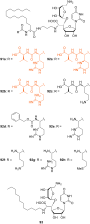
Figure 10: Non-natural muraymycin analogues with varying peptide structures [77,114].

Figure 11: SAR results for several structural variations of the muraymycin scaffold.

Figure 12: Muraymycin analogues designed for potential anti-Pseudomonas activity (most active analogues are hi...

Scheme 10: Proposed outline pathway for muraymycin biosynthesis based on the analysis of the biosynthetic gene...

Scheme 11: Biosynthesis of the nucleoside core structure of A-90289 antibiotics (which is identical to the mur...

Scheme 12: Transaldolase-catalysed formation of the key intermediate GlyU 101 in the biosynthesis of muraymyci...
Supported bifunctional thioureas as recoverable and reusable catalysts for enantioselective nitro-Michael reactions
- José M. Andrés,
- Miriam Ceballos,
- Alicia Maestro,
- Isabel Sanz and
- Rafael Pedrosa
Beilstein J. Org. Chem. 2016, 12, 628–635, doi:10.3762/bjoc.12.61
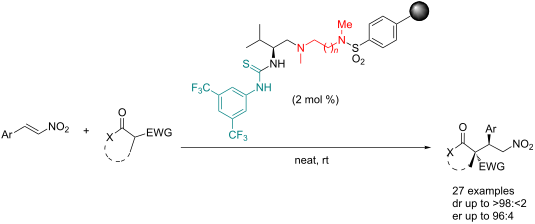
- Jose M. Andres Miriam Ceballos Alicia Maestro Isabel Sanz Rafael Pedrosa Instituto CINQUIMA and Departamento de Química Orgánica, Facultad de Ciencias, Universidad de Valladolid, Paseo de Belén 7, 47011-Valladolid, Spain 10.3762/bjoc.12.61 Abstract The catalytic activity of different supported

Graphical Abstract

Figure 1: Parent and supported bifunctional thioureas used in this work.

Scheme 1: Reaction of nitrostyrene with diethyl malonate and 2-ethoxycarbonyl cyclopentanone.

Scheme 2: Reaction of nitrostyrenes with malonates and β-diketones.

Scheme 3: Reaction of nitrostyrenes with β-keto esters and β-dicarbonyl compounds.

Scheme 4: Reaction of nitrostyrenes with α-nitrocyclohexanone and ethyl α-nitropropionate.
Biosynthesis of α-pyrones
- Till F. Schäberle
Beilstein J. Org. Chem. 2016, 12, 571–588, doi:10.3762/bjoc.12.56
- distinct modules reduce the keto group in a stepwise manner to the hydroxy group and the C=C double bond. Subsequently, the KR present in the terminal module catalyzes the reduction of the β-keto group to an L-hydroxy group. This hydroxy is then further reduced by the catalytic activity of the DH in the
- bound substrate (Figure 25). Indeed, the exchange of this glutamate against an alanine residue resulted in an inactive version of the protein. Further an arginine residue, which could be involved in dimerization, was mutated to an aspartate. Also this mutant lost its catalytic activity, indicating that
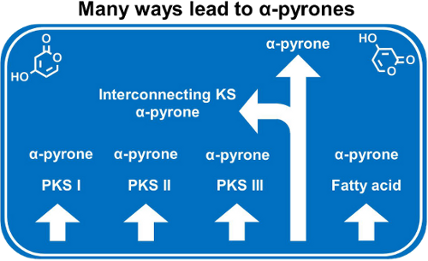
- -tethered chains are interconnected by the catalytic activity of a free-standing KS. In the second step the lactonization takes place, facilitated by the keto–enol tautomerism. Thereby the α-pyrone 78 is formed. Structures of csypyrones. Schematic drawing of the T-shaped catalytic cavities of the related

Graphical Abstract

Figure 1: Selected monocyclic and monobenzo α-pyrone structures.

Figure 2: The basic core structure of dibenzo-α-pyrones.

Figure 3: Selected dibenzo-α-pyrones.

Figure 4: Structure of ellagic acid and of the urolithins, the latter metabolized from ellagic acid by intest...
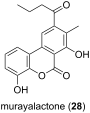
Figure 5: Structure of murayalactone, the only dibenzo-α-pyrone described from bacteria.

Figure 6: Structures of the 6-pentyl-2-pyrone (29) and of trichopyrone (30). Only 29 showed antifungal activi...

Figure 7: Selected monocyclic α-pyrones.

Figure 8: Structures of the gibepyrones A–F.

Figure 9: Structures of the phomenins A and B.

Figure 10: Structures of monocyclic α-pyrones showing pheromone (47) and antitumor activity (48), respectively....

Figure 11: Structures of 6-alkyl (alkoxy or alkylthio)-4-aryl-3-(4-methanesulfonylphenyl)pyrones.

Figure 12: Structures of kavalactones.

Figure 13: Strutures of germicins.

Figure 14: Structures of the pseudopyronines.

Figure 15: The structures of the monobenzo-α-pyrone anticoagulant drugs warfarin and phenprocoumon.

Figure 16: Structures of selected monobenzo-α-pyrones.
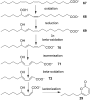
Figure 17: Hypothetical pathway of 29 generation from linoleic acid [34].

Figure 18: Proposed biosynthetic pathway of alternariol (modified from [77]). Malonyl-CoA building blocks are appl...

Figure 19: Structures of phenylnannolones and of enterocin, both biosynthesized via polyketide synthase system...

Figure 20: Pyrone ring formation. Examples for the three types of PKS systems are shown in A–C. In D the mecha...

Figure 21: Structures of csypyrones.

Figure 22: Schematic drawing of the T-shaped catalytic cavities of the related enzymes CorB and MxnB. The two ...

Figure 23: Stereo representation of the CorB binding situation (modified from [89]). The substrate mimic (dark vio...

Figure 24: Proposed mechanism for the CsyB enzymatic reaction. A) Coupling reaction of the β-keto fatty acyl i...
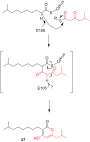
Figure 25: Proposed biosynthesis of photopyrone D (37) by the enzyme PpyS from P. luminescens (modified from [63])...
The aminoindanol core as a key scaffold in bifunctional organocatalysts
- Isaac G. Sonsona,
- Eugenia Marqués-López and
- Raquel P. Herrera
Beilstein J. Org. Chem. 2016, 12, 505–523, doi:10.3762/bjoc.12.50
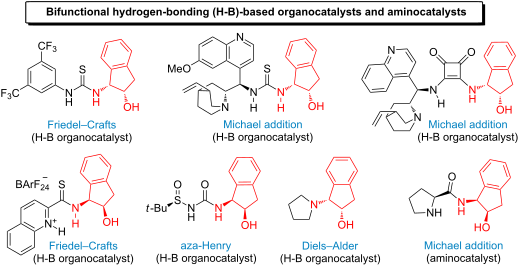
- (Figure 1). Some examples of these properties are rigidity, disposition of the two stereogenic centers, ability of the hydroxy and amino groups to coordinate to some metals or to act as hydrogen-bond donors/acceptors, the different catalytic activity of these chemical groups and their possible
- have exhibited efficient catalytic activity in the asymmetric Mannich reaction. In fact, the use of simple trans-(1R,2R)-aminoindanol (1c) as an efficient organocatalyst in the enantioselective synthesis of natural products as the TMC-954 core [12][13], has been recently reported. These examples show
- -type acceptor, by weak hydrogen-bonding interaction between the oxygen atom of the hydroxy group and the indolic proton (Figure 5). Recently, the conjugated addition of indole derivatives to β,γ-unsaturated α-ketoesters was explored [40]. To this end, the catalytic activity of several chiral thioureas

Graphical Abstract

Figure 1: Different configurations of 1,2-aminoindanol 1a–d.

Scheme 1: Asymmetric F–C alkylation catalyzed by thiourea 4.

Figure 2: Results for the F–C reaction carried out with catalyst 4 and the structurally modified analogues, 4'...

Figure 3: (a) Transition state TS1 originally proposed for the F–C reaction catalyzed by thiourea 4 [18]. (b) Tra...

Scheme 2: Asymmetric F–C alkylation catalyzed by thiourea ent-4 in the presence of D-mandelic acid as a Brøns...

Figure 4: Transition state TS2 proposed for the activation of the thiourea-based catalyst ent-4 by an externa...

Scheme 3: Friedel–Crafts alkylation of indoles catalyzed by the chiral thioamide 6.

Scheme 4: Scalable tandem C2/C3-annulation of indoles, catalyzed by the thioamide ent-6.

Scheme 5: Plausible tandem process mechanism for the sequential, double Friedel–Crafts alkylation, which invo...

Scheme 6: One-pot multisequence process that allows the synthesis of interesting compounds 14. The pharmacolo...

Scheme 7: Reaction pathway proposed for the preparation of the compounds 14.

Scheme 8: The enantioselective synthesis of cis-vicinal-substituted indane scaffolds 21, catalyzed by ent-6.

Scheme 9: Asymmetric domino procedure (Michael addition/Henry cyclization), catalyzed by the thioamide ent-6 ...

Scheme 10: The enantioselective addition of indoles 2 to α,β-unsaturated acyl phosphonates 24, a) screening of...

Figure 5: Proposed transition state TS7 for the Friedel–Crafts reaction of indole and α,β-unsaturated acyl ph...

Scheme 11: Study of aliphatic β,γ-unsaturated α-ketoesters 26 as substrates in the F–C alkylation of indoles c...

Figure 6: Possible transition states TS8 and TS9 in the asymmetric addition of indoles 2 to the β,γ-unsaturat...

Figure 7: Transition state TS10 proposed for the asymmetric addition of dialkylhydrazone 28 to the β,γ-unsatu...

Scheme 12: Different β-hydroxylamino-based catalysts tested in a Michael addition, and the transition state TS...

Scheme 13: Enantioselective addition of acetylacetone (36a) to nitroalkenes 3, catalyzed by 37 and the propose...

Scheme 14: Addition of 3-oxindoles 39 to 2-amino-1-nitroethenes 40, catalyzed by 41.

Scheme 15: Michael addition of 1,3-dicarbonyl compounds 36 to the nitroalkenes 3 catalyzed by the squaramide 43...

Scheme 16: Asymmetric aza-Henry reaction catalyzed by the aminoindanol-derived sulfinyl urea 50.

Figure 8: Results for the aza-Henry reaction carried out with the structurally modified catalysts 50–50''.

Scheme 17: Diels–Alder reaction catalyzed by the aminoindanol derivative ent-41.

Scheme 18: Asymmetric Michael addition of 3-pentanone (55a) to the nitroalkenes 3 through aminocatalysis.

Scheme 19: Substrate scope extension for the asymmetric Michael addition between the ketones 55 and the nitroa...

Scheme 20: A possible reaction pathway in the presence of the catalyst 56 and the plausible transition state T...
Recent advances in N-heterocyclic carbene (NHC)-catalysed benzoin reactions
- Rajeev S. Menon,
- Akkattu T. Biju and
- Vijay Nair
Beilstein J. Org. Chem. 2016, 12, 444–461, doi:10.3762/bjoc.12.47
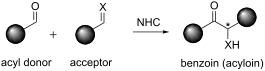
- of reports, mainly focusing on their catalytic activity, appeared in the literature [6][7]. The original mechanistic proposal by Breslow for the thiazolium salt-catalysed benzoin reaction can be delineated as follows (Scheme 1) [3]. Lapworth had suggested how the cyanide anion functions first as a

Graphical Abstract
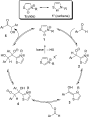
Scheme 1: Breslow’s proposal on the mechanism of the benzoin condensation.

Scheme 2: Imidazolium carbene-catalysed homo-benzoin condensation.

Scheme 3: Homo-benzoin condensation in aqueous medium.

Scheme 4: Homobenzoin condensation catalysed by bis(benzimidazolium) salt 8.

Scheme 5: List of assorted chiral NHC-catalysts used for asymmetric homobenzoin condensation.

Scheme 6: A rigid bicyclic triazole precatalyst 15 in an efficient enantioselective benzoin reaction.

Scheme 7: Inoue’s report of cross-benzoin reactions.

Scheme 8: Cross-benzoin reactions catalysed by thiazolium salt 17.

Scheme 9: Catalyst-controlled divergence in cross-benzoin reactions.

Scheme 10: Chemoselective cross-benzoin reactions catalysed by a bulky NHC.

Scheme 11: Selective intermolecular cross-benzoin condensation reactions of aromatic and aliphatic aldehydes.

Scheme 12: Chemoselective cross-benzoin reaction of aliphatic and aromatic aldehydes.

Scheme 13: Cross-benzoin reactions of trifluoromethyl ketones developed by Enders.

Scheme 14: Cross-benzoin reactions of aldehydes and α-ketoesters.

Scheme 15: Enantioselective cross-benzoin reactions of aliphatic aldehydes and α-ketoesters.

Scheme 16: Dynamic kinetic resolution of β-halo-α-ketoesters via cross-benzoin reaction.

Scheme 17: Enantioselective benzoin reaction of aldehydes and alkynones.

Scheme 18: Aza-benzoin reaction of aldehydes and acylimines.

Scheme 19: NHC-catalysed diastereoselective synthesis of cis-2-amino 3-hydroxyindanones.

Scheme 20: Cross-aza-benzoin reactions of aldehydes with aromatic imines.

Scheme 21: Enantioselective cross aza-benzoin reaction of aliphatic aldehydes with N-Boc-imines.

Scheme 22: Chemoselective cross aza-benzoin reaction of aldehydes with N-PMP-imino esters.

Scheme 23: NHC-catalysed coupling reaction of acylsilanes with imines.

Scheme 24: Thiazolium salt-mediated enantioselective cross-aza-benzoin reaction.

Scheme 25: Aza-benzoin reaction of enals with activated ketimines.

Scheme 26: Isatin derived ketimines as electrophiles in cross aza-benzoin reaction with enals.

Scheme 27: Aza-benzoin reaction of aldehydes and phosphinoylimines catalysed by the BAC-carbene.

Scheme 28: Nitrosoarenes as the electrophilic component in benzoin-initiated cascade reaction.

Scheme 29: One-pot synthesis of hydroxamic esters via aza-benzoin reaction.

Scheme 30: Cookson and Lane’s report of intramolecular benzoin condensation.

Scheme 31: Intramolecular cross-benzoin condensation between aldehyde and ketone moieties.

Scheme 32: Intramolecular crossed aldehyde-ketone benzoin reactions.

Scheme 33: Enantioselective intramolecular crossed aldehyde-ketone benzoin reaction.

Scheme 34: Chromanone synthesis via enantioselective intramolecular cross-benzoin reaction.

Scheme 35: Intramolecular cross-benzoin reaction of chalcones.

Scheme 36: Synthesis of bicyclic tertiary alcohols by intramolecular benzoin reaction.

Scheme 37: A multicatalytic Michael–benzoin cascade process for cyclopentanone synthesis.

Scheme 38: Enamine-NHC dual-catalytic, Michael–benzoin cascade reaction.

Scheme 39: Iminium-cross-benzoin cascade reaction of enals and β-oxo sulfones.

Scheme 40: Intramolecular benzoin condensation of carbohydrate-derived dialdehydes.

Scheme 41: Enantioselective intramolecular benzoin reactions of N-tethered keto-aldehydes.

Scheme 42: Asymmetric cross-benzoin reactions promoted by camphor-derived catalysts.

Scheme 43: NHC-Brønsted base co-catalysis in a benzoin–Michael–Michael cascade.

Scheme 44: Divergent catalytic dimerization of 2-formylcinnamates.

Scheme 45: One-pot, multicatalytic asymmetric synthesis of tetrahydrocarbazole derivatives.

Scheme 46: NHC-chiral secondary amine co-catalysis for the synthesis of complex spirocyclic scaffolds.
Interactions of cyclodextrins and their derivatives with toxic organophosphorus compounds
- Sophie Letort,
- Sébastien Balieu,
- William Erb,
- Géraldine Gouhier and
- François Estour
Beilstein J. Org. Chem. 2016, 12, 204–228, doi:10.3762/bjoc.12.23
- an accurate correlation with the dissociation constant of the inclusion complex (Kd, Table 2) but it seems that the different inclusion depths of the pesticides into the CD cavity could explain these variable results (αin, Table 2). It was reported that the catalytic activity is affected by the
- inclusion complexes is essential to get a catalytic activity. Stereospecificity, both in the formation of the inclusion complex and in the nucleophilic reaction, are also observed to some extent. According to the authors, the (S)-(+)-sarin (14b, Figure 5) forms a more stable inclusion complex than the (R

Graphical Abstract

Figure 1: Structure of NOPs.

Figure 2: Examples of structures of NOPs.

Figure 3: Structures of pesticides studied in the literature as guest to form an inclusion complex with CDs.

Figure 4: Structures of pesticides sensitive to the presence of CDs.

Scheme 1: The hydrolysis mechanism of substrate (S) in presence of a cyclodextrin (CD).

Figure 5: Structures of the different stereoisomers of G agents.

Scheme 2: Reaction mechanism of CD accelerated decomposition of organophosphorus compound (PX).

Scheme 3: Proposed degradation mechanism of cyclosarin by β-CD [72].
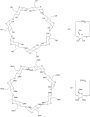
Figure 6: Schematic representations of β-CD and TRIMEB.
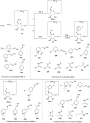
Scheme 4: Synthetic pathways to 6-monosubstituted CD derivatives.

Scheme 5: Synthetic pathways to 2-monosubstituted CD by an iodosobenzoate group.

Scheme 6: Synthetic pathways to 2-monosubstituted CDs with N–OH derivatives.
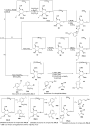
Scheme 7: Synthetic pathways to 3-monosubstituted CDs.

Scheme 8: Synthetic pathways to 3-homodisubstituted CDs.

Scheme 9: Synthetic pathways to 2,3-heterodisubstituted CDs.
Scope and limitations of the dual-gold-catalysed hydrophenoxylation of alkynes
- Adrián Gómez-Suárez,
- Yoshihiro Oonishi,
- Anthony R. Martin and
- Steven P. Nolan
Beilstein J. Org. Chem. 2016, 12, 172–178, doi:10.3762/bjoc.12.19
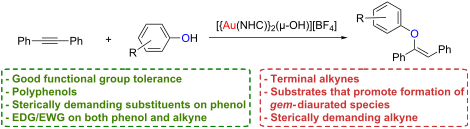
- have a dramatic effect on the reactivity. More importantly, we have observed that the use of substrates that facilitate the formation of diaurated species such as gem-diaurated or σ,π-digold–acetylide species, hinder the catalytic activity. Moreover, we have identified that the use of directing groups
- [24][25]. This transformation proceeds through the interaction of the gold centres with both the phenol and the alkyne motifs, thus generating a synergistic effect that produces unique catalytic activity (Scheme 1) [24][25]. In addition, this reaction is highly stereoselective and only the Z-isomer
- due to formation of the corresponding gem-diaurated aryl species, by reaction of catalyst [{Au(IPr)}2(µ-OH)][BF4] with the boronic ester [30], thus inhibiting the catalytic activity. The electronic properties of the phenol were also examined. If the electron density on the phenol is decreased, its

Graphical Abstract

Scheme 1: Dual-gold-catalysed hydrophenoxylation of alkynes.
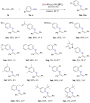
Scheme 2: Exploring the functional group tolerance. Reaction conditions: 1a (0.50 mmol, 1 equiv), 2a–o (0.55 ...

Scheme 3: Hydrophenoxylation using polyphenols. Reaction conditions: 1a (1 mmol, 2 equiv), 2p–s (0.50 mmol, 1...

Scheme 4: Hydrophenoxylation of (un)symmetrical alkynes. Reaction conditions: 1b–k (0.50 mmol, 1 equiv), 2t (...

Scheme 5: Regioselective hydrophenoxylation of unsymmetrical alkynes. Reaction conditions: 1l–p (1 equiv), 2a...



