


Search results
Search for "chiral" in Full Text gives 1074 result(s) in Beilstein Journal of Organic Chemistry. Showing first 200.
α-(Aminomethyl)acrylates as acceptors in radical–polar crossover 1,4-additions of dialkylzincs: insights into enolate formation and trapping
- Angel Palillero-Cisneros,
- Paola G. Gordillo-Guerra,
- Fernando García-Alvarez,
- Olivier Jackowski,
- Franck Ferreira,
- Fabrice Chemla,
- Joel L. Terán and
- Alejandro Perez-Luna
Beilstein J. Org. Chem. 2023, 19, 1443–1451, doi:10.3762/bjoc.19.103
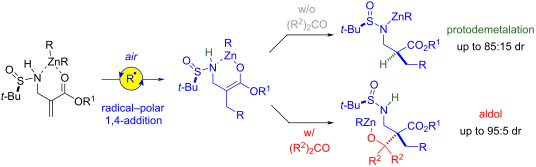
- levels of chiral induction, paving the way to enantioenriched β2-amino acids and β2,2-amino acids. Keywords: β-amino acids; tandem reactions; radical–polar crossover; tert-butanesulfinamide; zinc radical transfer; Introduction Dialkylzinc reagents react in aerobic medium with a range of α,β-unsaturated
- thus the sense of chiral induction for the 1,4-addition reactions reported in Table 2. Tandem 1,4-addition–aldol condensation reactions We then went on to consider tandem 1,4-addition–aldol condensation reactions (Scheme 6), which offer the interesting prospect of generating an all-carbon quaternary
- chiral induction. It should be mentioned here that our attempts to trap the intermediate enolate with a carbon electrophile other than carbonyl acceptors (i.e., iodomethane) were not successful and protodemetalation of the enolate outcompeted methylation. Conclusion In conclusion, we have demonstrated

Graphical Abstract

Scheme 1: Air-promoted radical chain reaction of dialkylzinc reagents with α,β-unsaturated carbonyl compounds....
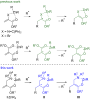
Scheme 2: Enolate formation by zinc radical transfer (SH2 on dialkylzinc reagents).

Scheme 3: Preparation of α-(aminomethyl)acrylate 10.

Scheme 4: Reaction of α-(aminomethyl)acrylate 10 with Et2Zn in the presence of air.

Scheme 5: Chemical correlation to determine the configuration of the major diastereomer of (RS)-14b.
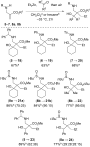
Scheme 6: Air-promoted tandem 1,4-addition–aldol condensation reactions of Et2Zn with α-(aminomethyl)acrylate...

Scheme 7: Diagnostic experiments for a radical mechanism and for enolate formation.

Scheme 8: Diagnostic experiments with N-benzyl enoate 10.

Scheme 9: Reactivity manifolds for the air-promoted tandem 1,4-addition–electrophilic substitution reaction b...
Application of N-heterocyclic carbene–Cu(I) complexes as catalysts in organic synthesis: a review
- Nosheen Beig,
- Varsha Goyal and
- Raj K. Bansal
Beilstein J. Org. Chem. 2023, 19, 1408–1442, doi:10.3762/bjoc.19.102
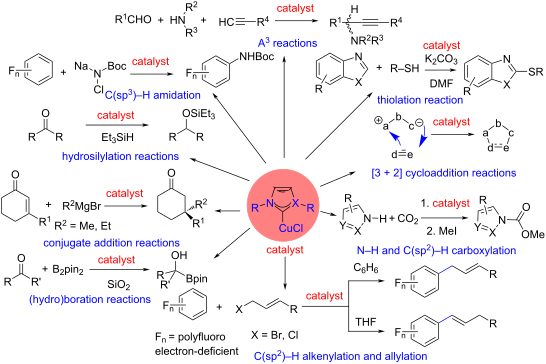
- ,b from the reaction of chiral NHC precursors based on a phenoxyimine-imidazolium motif with Cu2O in THF in >90% yield. The reaction solvent was found to be important; in dichloromethane, interactable products were formed in contrast to the excellent yields obtained in THF. Furthermore, the NHC–CuBr
- enantioselectivity, using NHC–Cu(I) complexes generated in situ from chiral imidazolium salts containing possible chelating functional group(s). For example, the conjugate addition of Grignard reagents to 3-methyl- and 3-ethylcyclohexenones in the presence of the C2-symmetric chiral NHC–copper complex catalyst
- were accomplished by using 5 mol % of a chiral monodentate NHC–Cu complex derived from the readily available C1-symmetric imidazolium salt 115 and employing commercially available bis(pinacolato)diboron, B2(pin)2. The desired β-borylcarbonyls were obtained in 60–98% yield and >98:2 er. Following a

Graphical Abstract

Scheme 1: In situ generation of imidazolylidene carbene.

Scheme 2: Hg(II) complex of NHC.

Scheme 3: Isolable and bottlable carbene reported by Arduengo [3].

Scheme 4: First air-stable carbene synthesized by Arduengo in 1992 [5].

Figure 1: General structure of an NHC.

Figure 2: Stabilization of an NHC by donation of the lone pair electrons into the vacant p-orbital (LUMO) at ...

Figure 3: Abnormal NHC reported by Bertrand [8,9].

Figure 4: Cu(d) orbital to σ*C-N(NHC) interactions in NHC–CuX complexes computed at the B3LYP/def2-SVP level ...
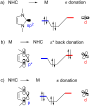
Figure 5: Molecular orbital contributions to the NHC–metal bond.

Scheme 5: Synthesis of NHC–Cu(I) complexes by deprotonation of NHC precursors with a base.

Scheme 6: Synthesis of [NHC–CuX] complexes.

Scheme 7: Synthesis of [(ICy)CuX] and [(It-Bu)CuX] complexes.

Scheme 8: Synthesis of iodido-bridged copper–NHC complexes by deprotonation of benzimidazolium salts reported...

Scheme 9: Synthesis of copper complexes by deprotonation of triazolium salts.

Scheme 10: Synthesis of thiazolylidene–Cu(I) complex by deprotonation with KOt-Bu.

Scheme 11: Preparation of NHC–Cu(I) complexes.

Scheme 12: Synthesis of methylmalonic acid-derived anionic [(26a,b)CuCl]Li(THF)2 and zwitterionic (28) heterol...

Scheme 13: Synthesis of diaminocarbene and diamidocarbene (DAC)–Cu(I) complexes.

Scheme 14: Synthesis of the cationic (NHC)2Cu(I) complex 39 from benzimidazolium salts 38 with tetrakis(aceton...

Scheme 15: Synthesis of NHC and ADC (acyclic diamino carbenes) Cu(I) hexamethyldisilazide complexes reported b...

Scheme 16: Synthesis of NHC–copper(I) complexes using an acetylacetonate-functionalized imidazolium zwitterion...

Scheme 17: Synthesis of NHC–Cu(I) complexes through deprotonation of azolium salts with Cu2O.

Scheme 18: Synthesis of NHC–CuBr complex through deprotonation with Cu2O reported by Kolychev [31].

Scheme 19: Synthesis of chiral NHC–CuBr complexes from phenoxyimine-imidazolium salts reported by Douthwaite a...

Scheme 20: Preparation of linear neutral NHC–CuCl complexes through the use of Cu2O. For abbreviations, please...

Scheme 21: Synthesis of abnormal-NHC–copper(I) complexes by Bertrand, Cazin and co-workers [35].

Scheme 22: Microwave-assisted synthesis of thiazolylidene/benzothiazolylidene–CuBr complexes by Bansal and co-...

Scheme 23: Synthesis of NHC–CuX complexes through transmetallation.

Scheme 24: Preparation of six- or seven-membered NHC–Cu(I) complexes through transmetalation from Ag(I) comple...

Scheme 25: Synthesis of 1,2,3-triazolylidene–CuCl complexes through transmetallation of Ag(I) complexes genera...

Scheme 26: Synthesis of NHC–copper complexes having both Cu(I) and Cu(II) units through transmetalation report...

Scheme 27: Synthesis of new [(IPr(CH2)3Si(OiPr)3)CuX] complexes and anchoring on MCM-41.

Scheme 28: Synthesis of bis(trimethylsilyl)phosphide–Cu(I)–NHC complexes through ligand displacement.

Scheme 29: Synthesis of silyl- and stannyl [(NHC)Cu−ER3] complexes.

Scheme 30: Synthesis of amido-, phenolato-, thiophenolato–Cu(NHC) complexes.

Scheme 31: Synthesis of first isolable NHC–Cu–difluoromethyl complexes reported by Sanford et al. [44].

Scheme 32: Synthesis of NHC–Cu(I)–bifluoride complexes reported by Riant, Leyssens and co-workers [45].

Scheme 33: Conjugate addition of Et2Zn to enones catalyzed by an NHC–Cu(I) complex reported by Woodward in 200...

Scheme 34: Hydrosilylation of a carbonyl group.

Scheme 35: NHC–Cu(I)-catalyzed hydrosilylation of ketones reported by Nolan et al. [48,49].

Scheme 36: Application of chiral NHC–CuCl complex 104 for the enantioselective hydrosilylation of ketones.

Scheme 37: Hydrosilylation reactions catalyzed by NHC–Cu(Ot-Bu) complexes.

Scheme 38: NHC–CuCl catalyzed carbonylative silylation of alkyl halides.

Scheme 39: Nucleophilic conjugate addition to an activated C=C bond.

Figure 6: Molecular electrostatic potential maps (MESP) of two NHC–CuX complexes computed at the B3LYP/def2-S...

Scheme 40: Conjugate addition of Grignard reagents to 3-alkyl-substituted cyclohexenones catalyzed by a chiral...

Scheme 41: NHC–copper complex-catalyzed conjugate addition of Grignard reagent to 3-substituted hexenone repor...

Scheme 42: Conjugate addition or organoaluminum reagents to β-substituted cyclic enones.

Scheme 43: Conjugate addition of boronates to acyclic α,β-unsaturated carboxylic esters, ketones, and thioeste...

Scheme 44: NHC–Cu(I)-catalyzed hydroboration of an allene reported by Hoveyda [63].

Scheme 45: Conjugate addition of Et2Zn to cyclohexenone catalyzed by NHC–Cu(I) complex derived from benzimidaz...

Scheme 46: Asymmetric conjugate addition of diethylzinc to 3-nonen-2-one catalyzed by NHC–Cu complexes derived...

Scheme 47: General scheme of a [3 + 2] cycloaddition reaction.

Scheme 48: [3 + 2] Cycloaddition of azides with alkynes catalyzed by NHC–Cu(I) complexes reported by Diez-Gonz...

Scheme 49: Application of NHC–CuCl/N-donor combination to catalyze the [3 + 2] cycloaddition of benzyl azide w...

Scheme 50: [3 + 2] Cycloaddition of azides with acetylenes catalyzed by bis(NHC)–Cu complex 131 and mixed NHC–...
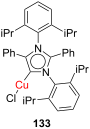
Figure 7: NHC–CuCl complex 133 as catalyst for the [3 + 2] cycloaddition of alkynes with azides at room tempe...

Scheme 51: [3 + 2] Cycloaddition of a bulky azide with an alkynylpyridine using [(NHC)Cu(μ-I)2Cu(NHC)] copper ...

Scheme 52: [3 + 2] Cycloaddition of benzyl azide with phenylacetylene under homogeneous and heterogeneous cata...

Scheme 53: [3 + 2] Cycloaddition of benzyl azide with acetylenes catalyzed by bisthiazolylidene dicopper(I) co...
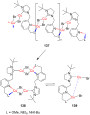
Figure 8: Copper (I)–NHC linear coordination polymer 137 and its conversion into tetranuclear (138) and dinuc...

Scheme 54: An A3 reaction.

Scheme 55: Synthesis of SiO2-immobilized NHC–Cu(I) catalyst 141 and its application in the A3-coupling reactio...

Scheme 56: Preparation of dual-purpose Ru@SiO2–[(NHC)CuCl] catalyst system 142 developed by Bordet, Leitner an...

Scheme 57: Application of the catalyst system Ru@SiO2–[Cu(NHC)] 142 to the one-pot tandem A3 reaction and hydr...

Scheme 58: A3 reaction of phenylacetylene with secondary amines and aldehydes catalyzed by benzothiazolylidene...

Figure 9: Kohn–Sham HOMOs of phenylacetylene and NHC–Cu(I)–phenylacetylene complex computed at the B3LYP/def2...

Figure 10: Energies of the FMOs of phenylacetylene, iminium ion, and NHC–Cu(I)–phenylacetylene complex compute...

Scheme 59: NHC–Cu(I) catalyzed diboration of ketones 147 by reacting with bis(pinacolato)diboron (148) reporte...

Scheme 60: Protoboration of terminal allenes catalyzed by NHC–Cu(I) complexes reported by Hoveyda and co-worke...

Scheme 61: NHC–CuCl-catalyzed borylation of α-alkoxyallenes to give 2-boryl-1,3-butadienes.

Scheme 62: Regioselective hydroborylation of propargylic alcohols and ethers catalyzed by NHC–CuCl complexes 1...

Scheme 63: NHC–CuOt-Bu-catalyzed semihydrogenation and hydroborylation of alkynes.

Scheme 64: Enantioselective NHC–Cu(I)-catalyzed hydroborations of 1,1-disubstituted aryl olefins reported by H...

Scheme 65: Enantioselective NHC–Cu(I)-catalyzed hydroboration of exocyclic 1,1-disubstituted alkenes reported ...

Scheme 66: Markovnikov-selective NHC–CuOH-catalyzed hydroboration of alkenes and alkynes reported by Jones et ...

Scheme 67: Dehydrogenative borylation and silylation of styrenes catalyzed by NHC–CuOt-Bu complexes developed ...

Scheme 68: N–H/C(sp2)–H carboxylation catalyzed by NHC–CuOH complexes.

Scheme 69: C–H Carboxylation of benzoxazole and benzothiazole derivatives with CO2 using a 1,2,3-triazol-5-yli...

Scheme 70: Use of Cu(I) complex derived from diethylene glycol-functionalized imidazo[1,5,a] pyridin-3-ylidene...

Scheme 71: Allylation and alkenylation of polyfluoroarenes and heteroarenes catalyzed by NHC–Cu(I) complexes r...

Scheme 72: Enantioselective C(sp2)–H allylation of (benz)oxazoles and benzothiazoles with γ,γ-disubstituted pr...

Scheme 73: C(sp2)–H arylation of arenes catalyzed by dual NHC–Cu/NHC–Pd catalytic system.

Scheme 74: C(sp2)–H Amidation of (hetero)arenes with N-chlorocarbamates/N-chloro-N-sodiocarbamates catalyzed b...

Scheme 75: NHC–CuI catalyzed thiolation of benzothiazoles and benzoxazoles.
Synthesis of ether lipids: natural compounds and analogues
- Marco Antônio G. B. Gomes,
- Alicia Bauduin,
- Chloé Le Roux,
- Romain Fouinneteau,
- Wilfried Berthe,
- Mathieu Berchel,
- Hélène Couthon and
- Paul-Alain Jaffrès
Beilstein J. Org. Chem. 2023, 19, 1299–1369, doi:10.3762/bjoc.19.96
- tosylation of the primary alcohol produced 4.8. The epoxidation of 4.8 occurred by reaction with t-BuOK in THF, thus producing 4.9 as a chiral electrophile. The regioselective opening of the epoxide is achieved by adding the octadecanol sodium salt. The intermediate was debenzylated by catalytic
- produces the diester 4.12 with an inversion of the configuration of the chiral carbon atom. Then, 4.12 was hydrolyzed in the presence of KOH to produce 4.10. The installation of the phosphocholine group was achieved following two schemes: a) Starting from the diol 4.10 (Figure 4C), tritylation and
- amine with acetic anhydride. It is worth noticing that acetamido-PAF 17.13 was previously reported following a different synthesis scheme starting from serine as chiral precursor [96][105]. Recently, is was reported that the acetamido-PAF 17.13 is an activator of the TRPV2 channel leading to

Graphical Abstract

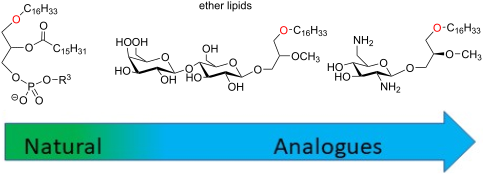
Figure 1: Chemical structure of some natural ether lipids (ELs).

Figure 2: Synthesis of lyso-PAF and PAF from 1-O-alkylglycerol [64].

Figure 3: Synthesis of lyso-PAF from 1,3-benzylideneglycerol 3.1 [69].
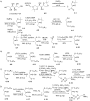
Figure 4: A) Synthesis of the two enantiomers of octadecylglycerol (4.6 and 4.10) from ᴅ-mannitol (4.1); B) s...

Figure 5: Four-step synthesis of PAF 5.6 from (S)-glycidol [73].

Figure 6: Synthesis of 1-O-alkylglycerol A) from solketal, B) from ᴅ- or ʟ-tartaric acid and the intermediate ...

Figure 7: Synthesis of EL building blocks starting from substituted glycidol 7.1a–c [82].

Figure 8: Synthesis of PAF 8.5 by using phosphoramidite 8.2 [86].

Figure 9: Synthesis of oleyl-PAF 9.7 from ʟ-serine [88].

Figure 10: Synthesis of racemic analogues of lyso-PAF 10.8 and PAF 10.9 featuring a phenyl group between the g...

Figure 11: Synthesis of racemic deoxy-lyso-PAF 11.7 and deoxy-PAF 11.8 [91].

Figure 12: Synthesis of racemic thio-PAF 12.8 [93].

Figure 13: Racemic synthesis of 13.6 to illustrate the modification of the glycerol backbone by adding a methy...

Figure 14: Racemic synthesis of 14.5 as an illustration of the introduction of methyl substituents on the glyc...

Figure 15: Synthesis of functionalized sn-2-acyl chains of PC-EL; A) Steglich esterification or acylation reac...

Figure 16: Synthesis of racemic mc-PAF (16.3), a carbamate analogue of PAF [102].

Figure 17: A) Synthesis of (R)-17.2 and (S)-17.6 starting from (S)-solketal (17.1); B) synthesis of N3-PAF (17...

Figure 18: Modification of the phosphocholine polar head to produce PAF analogues [81].

Figure 19: Racemic PAF analogues 19.3 and 19.5 characterized by the absence of the phosphate group [107].

Figure 20: Synthesis of PIP3-PAF (20.7) [108].

Figure 21: Large-scale synthesis of C18-edelfosine (21.8) [116].

Figure 22: Synthesis of C16-edelfosine (22.10) starting from isopropylidene-ʟ-glyceric acid methyl ester (22.1...

Figure 23: Phosphocholine moiety installation by the use of chlorophosphite 23.2 as key reagent [119].

Figure 24: Synthesis of rac-1-alkyl-2-O-methylglycerol (AMG) [120].

Figure 25: Synthesis of stereocontrolled 1-alkyl-2-O-methyl glycerol 25.9 (AMG) from dimethyl ᴅ-tartrate [81].

Figure 26: A) Racemic synthesis of thioether 26.4 [129,130], B) structure of sulfone analogue 26.5 [129].

Figure 27: Stereocontrolled synthesis of C18-edelfosine thioether analogue 27.8 [118].

Figure 28: Synthesis of thioether 28.4 that include a thiophosphate function [134].

Figure 29: Synthesis of ammonium thioether 29.4 and 29.6 [135].

Figure 30: Synthesis of the N-methylamino analogue of edelfosine 30.6 (BN52211) [138].

Figure 31: Synthesis of 1-desoxy analogues of edelfosine; A) with a saturated alkyl chain; B) synthesis of the...

Figure 32: Stereocontrolled synthesis of edelfosine analogue (S)-32.8 featuring a C18:1 lipid chain [142].

Figure 33: Synthesis of edelfosine analogues with modulation of the lipid chain; A) illustration with the synt...

Figure 34: Synthesis of phospholipid featuring a carbamate function to link the lipid chain to the glycerol un...

Figure 35: Synthesis of sesquiterpene conjugates of phospho glycero ether lipids [148].

Figure 36: Racemic synthesis of methyl-substituted glycerol analogues 36.7 and 36.10: A) synthesis of diether ...

Figure 37: Racemic synthesis of ilmofosine (37.6) [155,156].

Figure 38: A) Stereoselective synthesis of 38.5 via a stereoselective hydroboration reaction; B) synthesis of ...

Figure 39: Racemic synthesis of SRI62-834 (39.6) featuring a spiro-tetrahydrofurane heterocycle in position 2 ...

Figure 40: Racemic synthesis of edelfosine analogue 40.5 featuring an imidazole moiety in sn-2 position [160].

Figure 41: Racemic synthesis of fluorine-functionalized EL: A) Synthesis of 41.6 and B) synthesis of 41.8 [161-163].

Figure 42: A) Synthesis of the β-keto-ester 42.6 that also features a decyl linker between the phosphate and t...

Figure 43: Synthesis of phosphonate-based ether lipids; A) edelfosine phosphonate analogue 43.7 and B) thioeth...

Figure 44: Enantioselective synthesis of phosphonates 44.3 and 44.4 [171].

Figure 45: Racemic synthesis of phosphinate-based ether lipid 45.10 [172].

Figure 46: Racemic synthesis of edelfosine arsonium analogue 46.5 [173].

Figure 47: Synthesis of edelfosine dimethylammonium analogue 47.2 [118].

Figure 48: Synthesis of rac-C18-edelfosine methylammonium analogue 48.4 [176].

Figure 49: A) Synthesis of edelfosine N-methylpyrrolidinium analogue 49.2 or N-methylmorpholinium analogue 49.3...

Figure 50: A) Synthesis of edelfosine’s analogue 50.4 with a PE polar group; B) illustration of a pyridinium d...

Figure 51: A) Synthesis of 51.4 featuring a thiazolium cationic moiety; B) synthesis of thiazolium-based EL 51...

Figure 52: Synthesis of cationic ether lipids 52.3, 52.4 and 52.6 [135,183].

Figure 53: Synthesis of cationic carbamate ether lipid 53.5 [184].

Figure 54: Synthesis of cationic sulfonamide 54.5 [185].

Figure 55: Chemical structure of ONO-6240 (55.1) and SRI-63-119 (55.2).

Figure 56: Synthesis of non-ionic ether lipids 56.2–56.9 [188].

Figure 57: Synthesis of ether lipid conjugated to foscarnet 57.6 [189].

Figure 58: A) Synthesis of ether lipid conjugated to arabinofuranosylcytosine; B) synthesis of AZT conjugated ...

Figure 59: Synthesis of quercetin conjugate to edelfosine [191].

Figure 60: Synthesis of 60.8 (Glc-PAF) [194].

Figure 61: A) Synthesis of amino ether lipid 61.7 functionalized with a rhamnose unit and its amide analogue 6...

Figure 62: A) Synthesis of glucose ether lipid 62.4; B) structure of ether lipid 62.5 possessing a maltose uni...

Figure 63: A) Synthesis of glucuronic methyl ester 63.8; B) structure of cellobiose 63.9 and maltose 63.10 ana...

Figure 64: A) Synthesis of maltosyl glycerolipid 64.7; B) structure of lactose analogue 64.8 prepared followin...

Figure 65: A) Asymmetric synthesis of the aglycone moiety starting from allyl 4-methoxyphenyl ether; B) glycos...

Figure 66: A) Synthesis of ohmline possessing a lactose moiety. B) Structure of other glyco glycero lipids pre...

Figure 67: A) Synthesis of lactose-glycerol ether lipid 67.5; B) analogues possessing a maltose (67.6) or meli...

Figure 68: Synthesis of digalactosyl EL 68.6, A) by using trityl, benzyl and acetyl protecting groups, B) by u...

Figure 69: A) Synthesis of α-ohmline; B) structure of disaccharide ether lipids prepared by using similar meth...

Figure 70: Synthesis of lactose ether lipid 70.3 and its analogue 70.6 featuring a carbamate function as linke...

Figure 71: Synthesis of rhamnopyranoside diether 71.4 [196].

Figure 72: Synthesis of 1-O-hexadecyl-2-O-methyl-3-S-(α-ᴅ-1'-thioglucopyranosyl)-sn-glycerol (72.5) [225].

Figure 73: A) Preparation of lipid intermediate 73.4; B) synthesis of 2-desoxy-C-glycoside 73.10 [226].

Figure 74: Synthesis of galactose-pyridinium salt 74.3 [228].

Figure 75: Synthesis of myo-inositol derivative Ino-C2-PAF (75.10) [230].

Figure 76: A) Synthesis of myo-inositol phosphate building block 76.7; B) synthesis of myo-inositolphosphate d...

Figure 77: A) Synthesis of phosphatidyl-3-desoxy-inositol 77.4; B) synthesis of phosphono-3-desoxyinositol 77.9...

Figure 78: A) Structure of diether phosphatidyl-myo-inositol-3,4-diphosphate 78.1; B) synthesis of phosphatidy...

Figure 79: A) Synthesis of diether-phosphatidyl derivative 79.4 featuring a hydroxymethyl group in place of a ...

Figure 80: Synthesis of Glc-amine-PAF [78].

Figure 81: Synthesis of glucosamine ether lipid 81.4 and its analogues functionalized in position 3 of the ami...

Figure 82: Synthesis of fully deprotected aminoglucoside ether lipid 82.5 [246].

Figure 83: Synthesis of C-aminoglycoside 83.12 using Ramberg–Bäcklund rearrangement as a key step [250].

Figure 84: A) List of the most important glyco lipids and amino glyco lipids included in the study of Arthur a...

Figure 85: Synthesis of mannosamine ether lipid 85.6 [254].
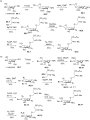
Figure 86: A) Synthesis of glucosamine ether lipids with a non-natural ʟ-glucosamine moiety; B) synthesis of e...

Figure 87: A) Structure of the most efficient anticancer agents 87.1–87.4 featuring a diamino glyco ether lipi...

Figure 88: A) Synthesis of diamino glyco ether lipid 87.4; B) synthesis of bis-glycosylated ether lipid 88.10 [256]....

Figure 89: Synthesis of triamino ether lipid 89.4 [260].

Figure 90: Synthesis of chlorambucil conjugate 90.7 [261].

Figure 91: Three main methods for the preparation of glycerol ether lipid 91.3; A) from solketal and via a tri...

Figure 92: Four different methods for the installation of the phosphocholine polar head group; A) method using...

Figure 93: Illustration of two methods for the installation of saccharides or aminosaccharides; A) O-glycosyla...
Organic thermally activated delayed fluorescence material with strained benzoguanidine donor
- Alexander C. Brannan,
- Elvie F. P. Beaumont,
- Nguyen Le Phuoc,
- George F. S. Whitehead,
- Mikko Linnolahti and
- Alexander S. Romanov
Beilstein J. Org. Chem. 2023, 19, 1289–1298, doi:10.3762/bjoc.19.95
- dichloromethane solution for 4BGIPN at room temperature (Figure 2). The title compound crystallizes with two independent molecules in the unit cell of the triclinic (P−1, Figure 2c, yellow plates) and monoclinic chiral space group P21 (Figure 2a,b,d, yellow blocks). Due to very weak reflection data, the structure
- presence of a glide plane in the data supporting the refinement in the chiral P21 space group. The structure was refined as a two-component inversion twin; the crystal structure as a whole is a racemic mixture of both orientations. The Cbenzene–Nbenzoguanidine bond length varies within the error of the
- benzoguanidine donor ligands around the central 4,6-dicyanobenzene core. Unlike the 4CzIPN compound, the 4BGIPN emitter can crystallize in a chiral P21 space group due to the parallel and antiparallel orientation of the benzoguanidine donors with respect to each other, lack of C2 rotational symmetry and extended

Graphical Abstract

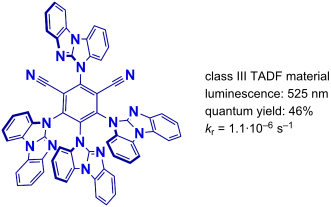
Figure 1: The molecular structures of the title compound 4BGIPN and the benchmark TADF emitter 4CzIPN.

Figure 2: Crystal structure for compound 4BGIPN in monoclinic form ((a) top view and (b) side view) where bla...

Figure 3: Full range cyclic voltammogram for 4BGIPN. Recorded using a glassy carbon electrode in THF solution...

Figure 4: UV–vis absorption spectra for compound 4BGIPN in various solvents.

Figure 5: Photoluminescence spectra for 4BGIPN at 295 and 77 K in (top left) MCH solution; (bottom left) Zeon...

Figure 6: Energy state diagram and natural transition orbitals HONTO and LUNTO for compound 4BGIPN in excited...
Non-noble metal-catalyzed cross-dehydrogenation coupling (CDC) involving ether α-C(sp3)–H to construct C–C bonds
- Hui Yu and
- Feng Xu
Beilstein J. Org. Chem. 2023, 19, 1259–1288, doi:10.3762/bjoc.19.94
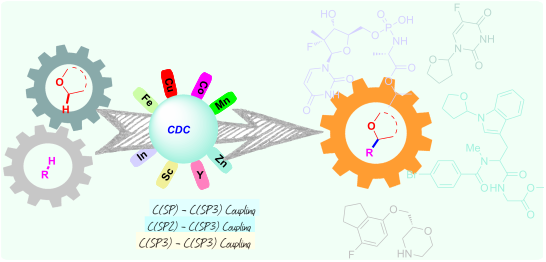
- reaction conditions are base-free and mild (60 °C), allowing the preservation of chiral centers. The developed approach enables the synthesis of various α-functionalized glycine derivatives, which play a crucial role in proteomics. The work offers a novel perspective on cobalt-catalyzed C–H
- with aldehydes. Cu-catalyzed CDC of (a) unactivated C(sp3)–H ethers with simple ketones and (b) double C(sp3)−H functionalization reaction of α-aminocarbonyl compounds with 2-alkyl-1,3-dioxolanes. Cu-catalyzed CDC of C(sp3)–H/C(sp3)–H bonds. Cu-catalyzed synthesis of chiral 2-substituted

Graphical Abstract
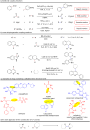
Scheme 1: Research progress of coupling reactions and active compounds containing α-C(sp3)-functionalized eth...

Scheme 2: Transition-metal-catalyzed CDC pathways.

Scheme 3: CDC of active methylene compounds in the α-C(sp3) position of ethers.

Scheme 4: InCl3/Cu(OTf)2/NHPI co-catalyzed CDC reaction.

Scheme 5: CDC of cyclic benzyl ethers with aldehydes.
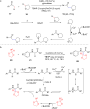
Scheme 6: Cu-catalyzed CDC of (a) unactivated C(sp3)–H ethers with simple ketones and (b) double C(sp3)−H fun...
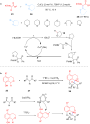
Scheme 7: Cu-catalyzed CDC of C(sp3)–H/C(sp3)–H bonds.

Scheme 8: Cu-catalyzed synthesis of chiral 2-substituted tetrahydropyrans.

Scheme 9: CDC of thiazole with cyclic ethers.

Scheme 10: Cu(I)-catalyzed oxidative alkenylation of simple ethers.

Scheme 11: Cross-dehydrogenation coupling of isochroman C(sp3)–H bonds with anisole C(sp2)–H bonds.

Scheme 12: Pd(OAc)2/Cu(OTf)2-catalyzed arylation of α-C(sp3)–H bonds of ethers.
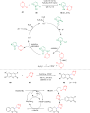
Scheme 13: Cu-catalyzed C(sp3)–H/C(sp2)–H activation strategies to construct C(sp3)–C(sp2) bonds.

Scheme 14: Cu(I)-catalyzed C(sp2)–H alkylation.
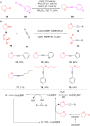
Scheme 15: Cu-catalyzed C(sp3)–H/C(sp)–H activation to construct C(sp3)–C(sp) bonds (H2BIP: 2,6-bis(benzimidaz...

Scheme 16: Fe-catalyzed CDC reaction pathways.

Scheme 17: Fe2(CO)9-catalyzed functionalization of C–H bonds.

Scheme 18: Ligand-promoted Fe-catalyzed CDC reaction of N-methylaniline with ethers.

Scheme 19: Fe-catalyzed CDC of C(sp3)–H/C(sp3)–H bonds.

Scheme 20: Fe-catalyzed hydroalkylation of α,β-unsaturated ketones with ethers.

Scheme 21: Solvent-free Fe(NO3)3-catalyzed CDC of C(sp3)–H/C(sp2)–H bonds.

Scheme 22: Alkylation of disulfide compounds to afford tetrasubstituted alkenes.

Scheme 23: Fe-catalyzed formation of 1,1-bis-indolylmethane derivatives.

Scheme 24: Alkylation of coumarins and flavonoids.

Scheme 25: Direct CDC α-arylation of azoles with ethers.

Scheme 26: CDC of terminal alkynes with C(sp3)–H bonds adjacent to oxygen, sulfur or nitrogen atoms.

Scheme 27: Alkylation of terminal alkynes.

Scheme 28: Co-catalyzed functionalization of glycine esters.
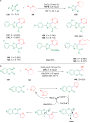
Scheme 29: Co-catalyzed construction of C(sp2)–C(sp3) bonds.

Scheme 30: Co-catalyzed CDC of imidazo[1,2-a]pyridines with isochroman.

Scheme 31: Co-catalyzed C–H alkylation of (benz)oxazoles with ethers.

Scheme 32: Cobalt-catalyzed CDC between unactivated C(sp2)–H and C(sp3)–H bonds.

Scheme 33: MnO2-catalyzed CDC of the inactive C(sp3)-H.

Scheme 34: Oxidative cross-coupling of ethers with enamides.

Scheme 35: Ni(II)-catalyzed CDC of indoles with 1,4-dioxane.

Scheme 36: Chemo- and regioselective ortho- or para-alkylation of pyridines.

Scheme 37: Asymmetric CDC of 3,6-dihydro-2H-pyrans with aldehydes.

Scheme 38: CDC of heterocyclic aromatics with ethers.

Scheme 39: Indium-catalyzed alkylation of DHPs with 1,3-dicarbonyl compounds.

Scheme 40: Rare earth-metal-catalyzed CDC reaction.

Scheme 41: Visible-light-driven CDC of cycloalkanes with benzazoles.

Scheme 42: Photoinduced alkylation of quinoline with cyclic ethers.

Scheme 43: Photocatalyzed CDC reactions between α-C(sp3)–H bonds of ethers and C(sp2)–H bonds of aromatics.
Acetaldehyde in the Enders triple cascade reaction via acetaldehyde dimethyl acetal
- Alessandro Brusa,
- Debora Iapadre,
- Maria Edith Casacchia,
- Alessio Carioscia,
- Giuliana Giorgianni,
- Giandomenico Magagnano,
- Fabio Pesciaioli and
- Armando Carlone
Beilstein J. Org. Chem. 2023, 19, 1243–1250, doi:10.3762/bjoc.19.92
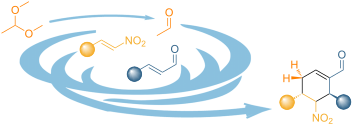
- reaction for the synthesis of polyfunctionalized cyclohexenes bearing multiple stereocenters. The reaction is promoted by a chiral secondary amine, which is capable of catalyzing each step of the process activating the substrates through enamine and iminium ion catalysis towards a Michael/Michael/aldol
- process. The ingenious crafting of the reaction lies in the selection of the reactivity of the different nucleophiles and electrophiles present in the mixture, both as reagents and as intermediates. First, the chiral aminocatalyst 1 activates the saturated aldehyde 2 via enamine intermediate A, which
- intercepts the nitroalkene 3 in a Michael-type addition forming intermediate B. Hydrolysis regenerates catalyst 1 that can then selectively condense with the α,β-unsaturated aldehyde 4 to form chiral iminium ion intermediate C. Iminium ion C reacts with intermediate B in a further Michael-type reaction. The

Graphical Abstract

Scheme 1: Original triple organocatalytic cascade reaction developed by Enders.

Figure 1: Approaches based on the original Enders cascade reaction to access trisubstituted cyclohexene carba...

Scheme 2: Acetaldehyde dimethyl acetal (6) as an acetaldehyde surrogate to effect a triple organocatalytic ca...

Figure 2: Scope of the cascade reaction using 6 as an acetaldehyde equivalent. Reaction conditions: 3 (0.5 mm...
Selective construction of dispiro[indoline-3,2'-quinoline-3',3''-indoline] and dispiro[indoline-3,2'-pyrrole-3',3''-indoline] via three-component reaction
- Ziying Xiao,
- Fengshun Xu,
- Jing Sun and
- Chao-Guo Yan
Beilstein J. Org. Chem. 2023, 19, 1234–1242, doi:10.3762/bjoc.19.91
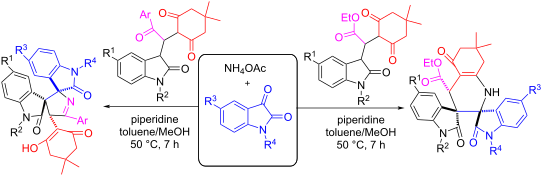
- spirooxindoles, in which the in situ-generated Michael adduct of 3-ethoxycarbonylmethyleneoxindole underwent a Mannich reaction and annulation reaction with in situ-generated aldimines (reaction 1 in Scheme 1) [50][51]. Tanaka reported chiral quinidine derivative-catalyzed Michael–Henry cascade reactions of
- structures of the obtained dispiro compounds 3a–m were fully characterized by IR, HRMS, 1H and 13C NMR spectroscopy. Because of the three chiral carbon atoms in the product, several diastereomers might be formed in the reaction. However, TLC monitoring and 1H NMR spectra of the crude products clearly

Graphical Abstract
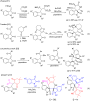
Scheme 1: Representative cascade reactions of Michael adducts of 3-methyleneoxindoles.

Figure 1: Crystal structure of dispiro compound 3a.

Figure 2: Crystal structure of compound 4a.

Scheme 2: Proposed reaction mechanism.
Selective and scalable oxygenation of heteroatoms using the elements of nature: air, water, and light
- Damiano Diprima,
- Hannes Gemoets,
- Stefano Bonciolini and
- Koen Van Aken
Beilstein J. Org. Chem. 2023, 19, 1146–1154, doi:10.3762/bjoc.19.82
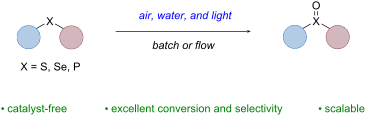
- phosphine oxide, and selenides to selenoxides. Sulfoxide, phosphine oxide, and selenoxide-containing molecules have diverse applications in the pharmaceutical industry [10], as chiral auxiliaries or as ligands for asymmetric metal catalysis [11], and in materials such as polymers [12][13] and flame

Graphical Abstract
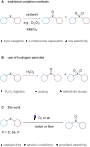
Scheme 1: Oxidation of heteroatoms.

Scheme 2: Graphical representation comparing A electrochemistry and B photoredox catalysis using a semiconduc...

Figure 1: Study of additives. A) Effect of the addition of 1 equiv of various acids and bases to the standard...
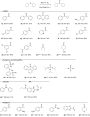
Scheme 3: Substrate scope with reaction times and isolated yields. 1 mmol (1 equiv) substrate was reacted in ...

Scheme 4: Setup used in the flow experiment for the triphenylphosphine oxidation.

Scheme 5: Proposed extra alternative pathway.
Photoredox catalysis harvesting multiple photon or electrochemical energies
- Mattia Lepori,
- Simon Schmid and
- Joshua P. Barham
Beilstein J. Org. Chem. 2023, 19, 1055–1145, doi:10.3762/bjoc.19.81
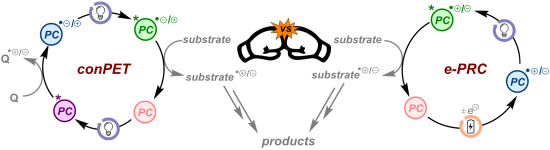

Graphical Abstract

Figure 1: Oxidative and reductive activations of organic compounds harvesting photoredox catalysis.

Figure 2: General catalytic cycles of radical ion conPET (left) and radical ion e-PRC (right).
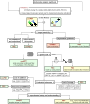
Figure 3: “Beginner’s guide”: comparison between advantages, capacities, and prospectives of conPET and PEC.
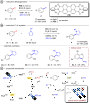
Figure 4: A) conPET reductive dehalogenation of aryl halides with PDI. B) Reductive C–H arylation with pyrrol...
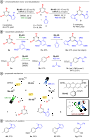
Figure 5: A) Chromoselective mono- and disubstitution or polybrominated pyrimidines with pyrroles. B) Sequent...

Figure 6: A) Synthesis of pyrrolo[1,2-a]quinolines. B) Synthesis of ullazines.

Figure 7: A) Reductive phosphorylation of aryl halides via conPET. B) Selected examples from the substrate sc...
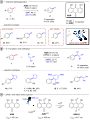
Figure 8: A) Reductive dehalogenation of aryl halides via conPET and selected examples from the substrate sco...
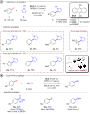
Figure 9: A) Reductive C–H arylation of aryl halides via conPET (top) and selected examples from the substrat...
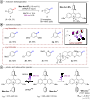
Figure 10: A) Reductive hydrodehalogenation of aryl halides with Mes-Acr-BF4. B) Selected examples from the su...
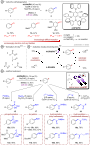
Figure 11: A) Reductive hydrodechlorination of aryl chlorides with 4-DPAIPN. B) Proposed formation of CO2•−. C...
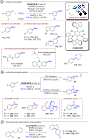
Figure 12: A) Reductive conPET borylation with 3CzEPAIPN (top) and selected examples from the substrate scope ...

Figure 13: Scale-up of conPET phosphorylation with 3CzEPAIPN.
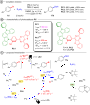
Figure 14: A) Borylation of 1d. B) Characteristics and structure of PC1 with green and red parts showing the l...
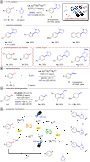
Figure 15: A) Reductive C–H arylation scope with polysulfide conPET (top) and selected examples from the subst...

Figure 16: Scale-up of A) C–H arylation and B) dehaloborylation with polysulfide photocatalysis in continuous-...

Figure 17: A) Formation of [Ir1]0 and [Ir2]0 upon PET between [Ir1]+ and Et3N. B) Mechanism of multi-photon ta...

Figure 18: A) Reductive hydrodehalogenation of aryl halides via multi-photon tandem photocatalysis. B) Selecte...

Figure 19: A) Carbonylative amidation of aryl halides in continuous flow. B) Selected examples from the substr...
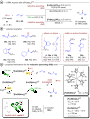
Figure 20: A) General scheme for reductive (RQ) and oxidative quenching (OQ) protocols using [FeIII(btz)3](PF6)...
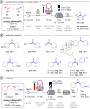
Figure 21: A) Carbonylative amidation of alkyl iodides with [IrIII(ppy)2(dtbbpy)]PF6. B) Selected examples fro...
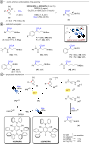
Figure 22: A) Carboxylative C–N bond cleavage in cyclic amines. B) Selected examples from the substrate scope....
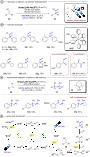
Figure 23: A) Formal reduction of alkenes to alkanes via transfer hydrogenation. B) Selected examples from the...
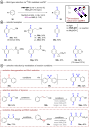
Figure 24: A) Birch-type reduction of benzenes with PMP-BPI. B) Selected examples from the substrate scope (sc...

Figure 25: Proposed mechanism of the OH− mediated conPET Birch-type reduction of benzene via generation of sol...

Figure 26: Reductive detosylation of N-tosylated amides with Mes-Acr-BF4. B) Selected examples from the substr...
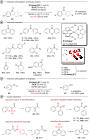
Figure 27: A) Reductive detosylation of N-tosyl amides by dual PRC. B) Selected examples from the substrate sc...

Figure 28: A) Mechanism of the dual PRC based on PET between [Cu(dap)2]+ and DCA. B) Mechanism of the dual PRC...
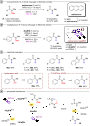
Figure 29: A) N–O bond cleavage in Weinreb amides with anthracene. B) N–O bond cleavage in Weinreb amides rely...
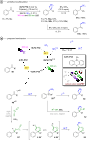
Figure 30: A) Pentafluorosulfanylation and fluoride elimination. B) Mechanism of the pentafluorosulfanylation ...
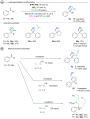
Figure 31: A) α-Alkoxypentafluorosulfanylation (top) and selected examples from the substrate scope (bottom). ...
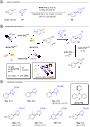
Figure 32: A) Oxidative amination of arenes with azoles catalyzed by N-Ph PTZ. B) Selected examples from the s...

Figure 33: A) C(sp3)–H bond activation by HAT via chloride oxidation by *N-Ph PTZ•+. B) Proposed mechanism for...

Figure 34: A) Recycling e-PRC C–H azolation of electron-rich arenes with pyrazoles using Mes-Acr+ as a photoca...

Figure 35: A) Radical ion e-PRC direct oxidation of unactivated arenes using TAC+ as an electro-activated phot...

Figure 36: A) Radical ion e-PRC direct oxidation of unactivated arenes using TPA as an electro-activated photo...

Figure 37: Proposed mechanism (top) and mode of preassembly (bottom).

Figure 38: A) Possible preassemblies of reactive (left) vs unreactive (right) arenes. B) Calculated spin densi...
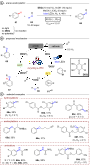
Figure 39: A) Recycling e-PRC C(sp2 )–H acetoxylation of arenes using DDQ as a photocatalyst. B) Proposed cata...

Figure 40: Gram scale hydroxylation of benzene in a recirculated flow setup.
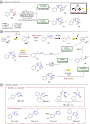
Figure 41: A) Radical ion e-PRC vicinal diamination of alkylarenes using TAC+ as an electro-activated photocat...
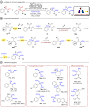
Figure 42: A) Sequential oxygenation of multiple adjacent C–H bonds under radical ion e-PRC using TAC+ as an e...

Figure 43: A) Enantioselective recycling e-PRC cyanation of benzylic C–H bonds using ADQS as photocatalyst. B)...

Figure 44: Proposed tandem mechanism by Xu and co-workers.
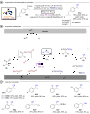
Figure 45: A) Enantioselective recycling e-PRC decarboxylative cyanation using Cu(acac)2, Ce(OTf)3 and a box l...

Figure 46: A) Enantioselective recycling e-PRC benzylic cyanation using Cu(MeCN)4BF4, box ligand and anthraqui...

Figure 47: A) Radical ion e-PRC acetoxyhydroxylation of aryl olefins using TAC+ as an electro-activated photoc...

Figure 48: Selected examples from the substrate scope.

Figure 49: Photoelectrochemical acetoxyhydroxylation in a recirculated flow setup.
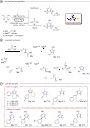
Figure 50: A) Radical ion e-PRC aminooxygenation of aryl olefins using TAC+ as an electro-activated photocatal...
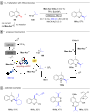
Figure 51: A) Recycling e-PRC C–H alkylation of heteroarenes with organic trifluoroborates using Mes-Acr+ as p...

Figure 52: A) Recycling e-PRC decarboxylative C–H alkylation of heteroarenes using CeCl3·7H2O as catalyst. B) ...

Figure 53: A) Recycling e-PRC decarboxylative C–H alkylation of heteroarenes using Fe(NH4)2(SO4)2·6H2O as cata...
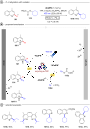
Figure 54: A) Recycling e-PRC C–H alkylation of heteroarenes with alkyl oxalates and 4CzIPN as photocatalyst. ...
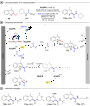
Figure 55: A) Recycling e-PRC decarboxylative C–H carbamoylation of heteroarenes using 4CzIPN as photocatalyst...
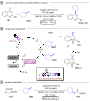
Figure 56: A) Photoelectrochemical HAT-mediated hydrocarbon activation via the chlorine radical. B) Proposed m...

Figure 57: A) Selected examples from the substrate scope. B) Gram and decagram scale semi-continuous flow PEC ...

Figure 58: A) Photoelectrochemical HAT-mediated dehydrogenative coupling of benzothiazoles with aliphatic C–H ...

Figure 59: A) Photoelectrochemical HAT activation of ethers using electro-activated TAC+ as photocatalyst. B) ...

Figure 60: Selected examples from the substrate scope.
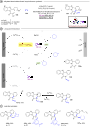
Figure 61: A) Photoelectrochemical HAT-mediated synthesis of alkylated benzimidazo-fused isoquinolinones using...

Figure 62: A) Decoupled photoelectrochemical cerium-catalyzed oxydichlorination of alkynes using CeCl3 as cata...

Figure 63: Proposed decoupled photoelectrochemical mechanism.

Figure 64: A) Decoupled photoelectrochemical ring-opening bromination of tertiary cycloalkanols using MgBr2 as...

Figure 65: A) Recycling e-PRC ring-opening functionalization of cycloalkanols using CeCl3 as catalyst. B) Prop...

Figure 66: Selected examples from the substrate scope of the PEC ring-opening functionalization.

Figure 67: A) Radical ion e-PRC reduction of chloro- and bromoarenes using DCA as catalyst and various accepto...
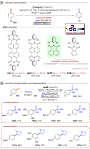
Figure 68: A) Screening of different phthalimide derivatives as catalyst for the e-PRC reduction of aryl halid...

Figure 69: Screening of different organic catalysts for the e-PRC reduction of trialkylanilium salts.

Figure 70: A) e-PRC reduction of phosphonated phenols and anilinium salts. B) Selected examples from the subst...

Figure 71: A) ConPET and e-PRC reduction of 4-bromobenzonitrile using a naphthalene diimide (NDI) precatalyst ...

Figure 72: A) Radical ion e-PRC reduction of phosphinated aliphatic alcohols with n-BuO-NpMI as catalyst. B) C...

Figure 73: Selected examples from the substrate scope.

Figure 74: A) Recycling e-PRC reductive dimerization of benzylic chlorides using a [Cu2] catalyst. B) Proposed...

Figure 75: A) Decoupled photoelectrochemical C–H alkylation of heteroarenes through deamination of Katritzky s...

Figure 76: Proposed mechanism by Chen and co-workers.
Five new sesquiterpenoids from agarwood of Aquilaria sinensis
- Hong Zhou,
- Xu-Yang Li,
- Hong-Bin Fang,
- He-Zhong Jiang and
- Yong-Xian Cheng
Beilstein J. Org. Chem. 2023, 19, 998–1007, doi:10.3762/bjoc.19.75
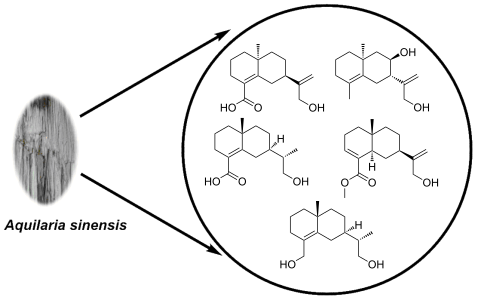
- configurations of chiral centers in 3 apart from C-11 were assigned. To determine the configuration of C-11 we performed NMR calculations. The results disclose that 3 has likely the configuration of (7R*,10R*,11S*)-3 based on the DP4+ probability analysis and the correlation coefficient. To clarify the absolute

Graphical Abstract

Figure 1: Structures of compounds 1–10.

Figure 2: Key 1H,1H-COSY and HMBC correlations for 1–5.

Figure 3: Key ROESY correlations for 2–5.

Figure 4: The calculated and experimental ECD spectra of 1–5.
The unique reactivity of 5,6-unsubstituted 1,4-dihydropyridine in the Huisgen 1,4-diploar cycloaddition and formal [2 + 2] cycloaddition
- Xiu-Yu Chen,
- Hui Zheng,
- Ying Han,
- Jing Sun and
- Chao-Guo Yan
Beilstein J. Org. Chem. 2023, 19, 982–990, doi:10.3762/bjoc.19.73
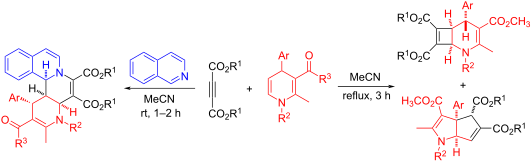
- crystal structure of compound 4k (Figure 1, CCDC 2059918). Though there are four chiral centers in the product structure of the isoquinolino[1,2-f][1,6]naphthyridine, the 1H NMR spectra of the products all showed that only one diastereomer was produced in the reaction, which showed that this reaction has

Graphical Abstract

Scheme 1: Various cycloaddition reactions of 5,6-unsymmetric 1,4-dihydropyridines.

Figure 1: Single crystal structure of the compound 4k.

Figure 2: Single crystal structure of compound 5a.

Figure 3: Single crystal structure of compound 6f.

Scheme 2: Plausible reaction mechanism for the various products 4, 5, and 6.
Aromatic C–H bond functionalization through organocatalyzed asymmetric intermolecular aza-Friedel–Crafts reaction: a recent update
- Anup Biswas
Beilstein J. Org. Chem. 2023, 19, 956–981, doi:10.3762/bjoc.19.72

- reactions include mild reaction conditions and the use of a sole catalyst without the need of other chiral ligands [4][5]. In these reactions, stereoinduction in the products is achieved by the chiral environment present in the catalyst itself. Depending upon the reactivities, organocatalysts can be
- categorized into two major divisions: 1) covalent bonding and 2) noncovalent bonding catalysts. A covalent bonding organocatalyst reacts with a substrate to form an activated chiral intermediate which undergoes a stereoselective reaction with another reagent. A noncovalent bonding catalyst usually assembles
- components, asymmetric products containing a nitrogen-substituted stereocenter can be obtained. Chiral organocatalysts can easily influence asymmetric aza-Friedel–Crafts reactions. The asymmetric induction is attributed to the formation of a chiral complex through a noncovalent interaction with the imine

Graphical Abstract

Scheme 1: First organocatalyzed asymmetric aza-Friedel–Crafts reaction.

Scheme 2: Aza-Friedel–Crafts reaction between indoles and cyclic ketimines.

Scheme 3: Aza-Friedel–Crafts reaction utilizing trifluoromethyldihydrobenzoazepinoindoles as electrophiles.

Scheme 4: Aza-Friedel–Crafts reaction utilizing cyclic N-sulfimines as electrophiles.

Scheme 5: Aza-Friedel–Crafts reaction involving N-unprotected imino ester as electrophile.

Scheme 6: Aza-Friedel–Crafts and lactonization cascade.

Scheme 7: One-pot oxidation and aza-Friedel–Crafts reaction.

Scheme 8: C1 and C2-symmetric phosphoric acids as catalysts.

Scheme 9: Aza-Friedel–Crafts reaction using Nps-iminophosphonates as electrophiles.

Scheme 10: Aza-Friedel–Crafts reaction between indole and α-iminophosphonate.

Scheme 11: [2.2]-Paracyclophane-derived chiral phosphoric acids as catalyst.

Scheme 12: Aza-Friedel–Crafts reaction through ring opening of sulfamidates.

Scheme 13: Isoquinoline-1,3(2H,4H)-dione scaffolds as electrophiles.

Scheme 14: Functionalization of the carbocyclic ring of substituted indoles.

Scheme 15: Aza-Friedel–Crafts reaction between unprotected imines and aza-heterocycles.

Scheme 16: Anilines and α-naphthols as potential nucleophiles.

Scheme 17: Solvent-controlled regioselective aza-Friedel–Crafts reaction.
Scheme 18: Generating central and axial chirality via aza-Friedel–Crafts reaction.

Scheme 19: Reaction between indoles and racemic 2,3-dihydroisoxazol-3-ol derivatives.

Scheme 20: Exploiting 5-aminoisoxazoles as nucleophiles.

Scheme 21: Reaction between unsubstituted indoles and 3-alkynylated 3-hydroxy-1-oxoisoindolines.

Scheme 22: Synthesis of unnatural amino acids bearing an aza-quaternary stereocenter.

Scheme 23: Atroposelective aza-Friedel–Crafts reaction.

Scheme 24: Coupling of 5-aminopyrazole and 3H-indol-3-ones.

Scheme 25: Pyrophosphoric acid-catalyzed aza-Friedel–Crafts reaction on phenols.

Scheme 26: Squaramide-assisted aza-Friedel–Crafts reaction.

Scheme 27: Thiourea-catalyzed aza-Friedel–Crafts reaction.

Scheme 28: Squaramide-catalyzed reaction between β-naphthols and benzothiazolimines.

Scheme 29: Thiourea-catalyzed reaction between β-naphthol and isatin-derived ketamine.

Scheme 30: Quinine-derived molecule as catalyst.

Scheme 31: Cinchona alkaloid as catalyst.

Scheme 32: aza-Friedel–Crafts reaction by phase transfer catalyst.

Scheme 33: Disulfonamide-catalyzed reaction.

Scheme 34: Heterogenous thiourea-catalyzed aza-Friedel–Crafts reaction.

Scheme 35: Total synthesis of (+)-gracilamine.

Scheme 36: Total synthesis of (−)-fumimycin.
Clauson–Kaas pyrrole synthesis using diverse catalysts: a transition from conventional to greener approach
- Dileep Kumar Singh and
- Rajesh Kumar
Beilstein J. Org. Chem. 2023, 19, 928–955, doi:10.3762/bjoc.19.71
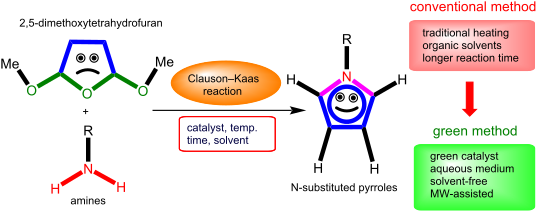
- afford various N-substituted pyrroles 27 in 89–94% yields (Scheme 12). A major advantage of this protocol is that in the case of chiral amines, pyrrole formation proceeds without detectable epimerization. In 2013 Azizi et al. [66] have demonstrated a simple and environmentally friendly protocol for the

Graphical Abstract

Figure 1: Various pyrrole containing molecules.
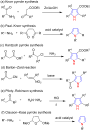
Scheme 1: Various synthestic protocols for the synthesis of pyrroles.

Figure 2: A tree-diagram showing various conventional and green protocols for Clauson-Kaas pyrrole synthesis.

Scheme 2: A general reaction of Clauson–Kaas pyrrole synthesis and proposed mechanism.

Scheme 3: AcOH-catalyzed synthesis of pyrroles 5 and 7.

Scheme 4: Synthesis of N-substituted pyrroles 9.

Scheme 5: P2O5-catalyzed synthesis of N-substituted pyrroles 11.

Scheme 6: p-Chloropyridine hydrochloride-catalyzed synthesis of pyrroles 13.

Scheme 7: TfOH-catalyzed synthesis of N-sulfonylpyrroles 15, N-sulfonylindole 16, N-sulfonylcarbazole 17.

Scheme 8: Scandium triflate-catalyzed synthesis of N-substituted pyrroles 19.

Scheme 9: MgI2 etherate-catalyzed synthesis and proposed mechanism of N-arylpyrrole derivatives 21.

Scheme 10: Nicotinamide catalyzed synthesis of pyrroles 23.

Scheme 11: ZrOCl2∙8H2O catalyzed synthesis and proposed mechanism of pyrrole derivatives 25.

Scheme 12: AcONa catalyzed synthesis of N-substituted pyrroles 27.

Scheme 13: Squaric acid-catalyzed synthesis and proposed mechanism of N-substituted pyrroles 29.

Figure 3: Reusability of catalyst γ-Fe2O3@SiO2-Sb-IL in six cycles.

Scheme 14: Magnetic nanoparticle-supported antimony catalyst used in the synthesis of N-substituted pyrroles 31...

Scheme 15: Iron(III) chloride-catalyzed synthesis of N-substituted pyrroles 33.

Scheme 16: Copper-catalyzed Clauson–Kaas synthesis and mechanism of pyrroles 35.

Scheme 17: β-CD-SO3H-catalyzed synthesis and proposed mechanism of pyrroles 37.

Figure 4: Recyclability of β-cyclodextrin-SO3H.

Scheme 18: Solvent-free and catalyst-free synthesis and plausible mechanism of N-substituted pyrroles 39.

Scheme 19: Nano-sulfated TiO2-catalyzed synthesis of N-substituted pyrroles 41.

Figure 5: Plausible mechanism for the formation of N-substituted pyrroles catalyzed by nano-sulfated TiO2 cat...

Scheme 20: Copper nitrate-catalyzed Clauson–Kaas synthesis and mechanism of N-substituted pyrroles 43.

Scheme 21: Synthesis of N-substituted pyrroles 45 by using Co catalyst Co/NGr-C@SiO2-L.

Scheme 22: Zinc-catalyzed synthesis of N-arylpyrroles 47.

Scheme 23: Silica sulfuric acid-catalyzed synthesis of pyrrole derivatives 49.

Scheme 24: Bismuth nitrate-catalyzed synthesis of pyrroles 51.

Scheme 25: L-(+)-tartaric acid-choline chloride-catalyzed Clauson–Kaas synthesis and plausible mechanism of py...

Scheme 26: Microwave-assisted synthesis of N-substituted pyrroles 55 in AcOH or water.

Scheme 27: Synthesis of pyrrole derivatives 57 using a nano-organocatalyst.

Figure 6: Nano-ferric supported glutathione organocatalyst.

Scheme 28: Microwave-assisted synthesis of N-substituted pyrroles 59 in water.

Scheme 29: Iodine-catalyzed synthesis and proposed mechanism of pyrroles 61.

Scheme 30: H3PW12O40/SiO2-catalyzed synthesis of N-substituted pyrroles 63.

Scheme 31: Fe3O4@-γ-Fe2O3-SO3H-catalyzed synthesis of pyrroles 65.

Scheme 32: Mn(NO3)2·4H2O-catalyzed synthesis and proposed mechanism of pyrroles 67.

Scheme 33: p-TsOH∙H2O-catalyzed (method 1) and MW-assisted (method 2) synthesis of N-sulfonylpyrroles 69.

Scheme 34: ([hmim][HSO4]-catalyzed Clauson–Kaas synthesis of pyrroles 71.

Scheme 35: Synthesis of N-substituted pyrroles 73 using K-10 montmorillonite catalyst.

Scheme 36: CeCl3∙7H2O-catalyzed Clauson–Kaas synthesis of pyrroles 75.

Scheme 37: Synthesis of N-substituted pyrroles 77 using Bi(NO3)3∙5H2O.

Scheme 38: Oxone-catalyzed synthesis and proposed mechanism of N-substituted pyrroles 79.
Cyclodextrins as building blocks for new materials
- Miriana Kfoury and
- Sophie Fourmentin
Beilstein J. Org. Chem. 2023, 19, 889–891, doi:10.3762/bjoc.19.66
- solubilizers, stabilizers, permeation enhancers, cryoprotectors, sequestrants of toxic compounds, taste and odor maskers, coating materials of solid surfaces, and chiral receptors has been successfully explored in food, packaging, cosmetics, textiles, separation processes, environmental remediation, extraction
Asymmetric tandem conjugate addition and reaction with carbocations on acylimidazole Michael acceptors
- Brigita Mudráková,
- Renata Marcia de Figueiredo,
- Jean-Marc Campagne and
- Radovan Šebesta
Beilstein J. Org. Chem. 2023, 19, 881–888, doi:10.3762/bjoc.19.65

- 10.3762/bjoc.19.65 Abstract We present here a stereoselective tandem reaction based on the asymmetric conjugate addition of dialkylzinc reagents to unsaturated acylimidazoles followed by trapping of the intermediate zinc enolate with carbocations. The use of a chiral NHC ligand provides chiral zinc
- obtained by other conjugate addition reactions. Keywords: acylimidazole; asymmetric catalysis; carbocation; conjugate addition; enolate; Introduction Asymmetric metal-catalyzed conjugate additions provide access to numerous chiral scaffolds. This type of C–C bond formation efficiently enables the
- products [20]. A salient feature of conjugate additions of organometallic reagents is that they generate reactive metal enolates as primary products. These enolates can be used in a variety of subsequent transformations [21]. Chiral enolates generated by conjugate additions react with carbonyl compounds

Graphical Abstract

Scheme 1: Concept of this work.

Scheme 2: Initial experiments for the trapping of the intermediate enolate Enl-1a with tropylium NTf2.
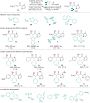
Scheme 3: The reaction scope.

Figure 1: Comparison of DFT-calculated and experimental ECD of (2R,3R)-4 and (2S,3R)-4.

Figure 2: DFT calculated (ωB97X-D4/def2-TZVPPD//PBEh-3c/def2-mSVP) HOMO energies and NBO charges for represen...
A fluorescent probe for detection of Hg2+ ions constructed by tetramethyl cucurbit[6]uril and 1,2-bis(4-pyridyl)ethene
- Xiaoqian Chen,
- Naqin Yang,
- Yue Ma,
- Xinan Yang and
- Peihua Ma
Beilstein J. Org. Chem. 2023, 19, 864–872, doi:10.3762/bjoc.19.63
- chiral space group P-1. Figure 4a shows that the basic crystal structure of complex 1 contains a TMeQ[6] molecule, a G molecule, a free water molecule and a [ZnCl4]2− anion. It can be clearly seen that one pyridyl group of the G molecule enters the cavity of TMeQ[6], whereas the other pyridyl group is

Graphical Abstract

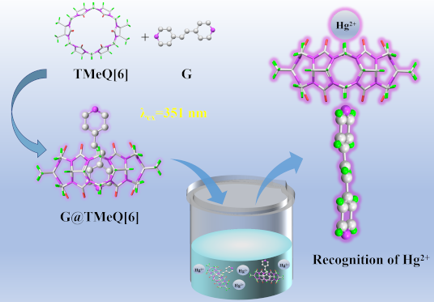
Figure 1: Supramolecular assembly of TMeQ[6] and 1,2-bis(4-pyridyl)ethene (G).

Figure 2: (a) UV–vis titration of G (3.0 × 10⁻⁵ mol·L−1, pH 6.5) in aqueous solution with the increase of TMe...

Figure 3: (a) Fluorescence spectra (U = 550 V, pH 6.5) of G (3.0 × 10⁻⁵ mol·L−1) in aqueous solution with inc...

Figure 4: (a) Crystal structure of complex 1; (b) and (c) the binding mode of G with TMeQ[6]; (d) the supramo...

Figure 5: (a) Fluorescence response of G (3.0 × 10⁻⁵ mol·L−1) to metal cations in aqueous solution; (b) fluor...

Figure 6: Influence of coexisting ions on Hg2+ detection by G@TMeQ[6].

Figure 7: (a) Fluorescence titration curve (U = 500 V, pH 6.5) of probe G@TMeQ[6] (3.0 × 10⁻⁵ mol·L−1) to Hg2+...

Figure 8: (A) Titration 1H NMR spectra (400 MHz) obtained for TMeQ[6] with (a) 0.00, (b) 0.50, (c) 1.00 and (...
Pyridine C(sp2)–H bond functionalization under transition-metal and rare earth metal catalysis
- Haritha Sindhe,
- Malladi Mounika Reddy,
- Karthikeyan Rajkumar,
- Akshay Kamble,
- Amardeep Singh,
- Anand Kumar and
- Satyasheel Sharma
Beilstein J. Org. Chem. 2023, 19, 820–863, doi:10.3762/bjoc.19.62
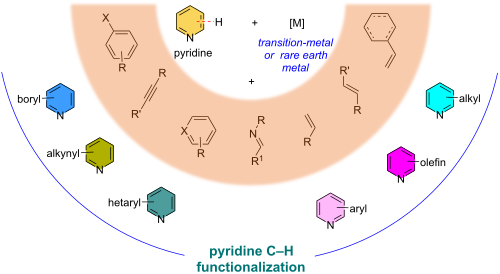
- imines 25 (Scheme 6). The authors also demonstrated the enantioselective aminoalkylation, using chiral diamines as ligands. The introduction of chiral diamines in the metal complex produced the aminoalkylated products enantioselectivity with good ratio of enantiomeric excess. The plausible mechanism
- metals inhibits the metal–chiral ligand coordination, thus making the C–H alkylation of pyridine substrates challenging. In addition, transition-metal-catalyzed enantioselective C–H alkylation reactions of pyridine still remain a great challenge. In this regard, in 2022, Ye and co-workers [60] reported
- for the first time an enantioselective C-2 alkylation of pyridine using a chiral phosphine oxide-ligated Ni–Al bimetallic catalyst system and the protocol was found effective for a wide range of pyridines including unsubstituted pyridines, C2, C3 and C4-substituted pyridines and complex pyridines

Graphical Abstract

Figure 1: Representative examples of bioactive natural products and FDA-approved drugs containing a pyridine ...

Scheme 1: Classical and traditional methods for the synthesis of functionalized pyridines.

Scheme 2: Rare earth metal (Ln)-catalyzed pyridine C–H alkylation.

Scheme 3: Pd-catalyzed C–H alkylation of pyridine N-oxide.

Scheme 4: CuI-catalyzed C–H alkylation of N-iminopyridinium ylides with tosylhydrazones (A) and a plausible r...
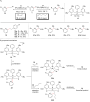
Scheme 5: Zirconium complex-catalyzed pyridine C–H alkylation.

Scheme 6: Rare earth metal-catalyzed pyridine C–H alkylation with nonpolar unsaturated substrates.

Scheme 7: Heterobimetallic Rh–Al complex-catalyzed ortho-C–H monoalkylation of pyridines.

Scheme 8: Mono(phosphinoamido)-rare earth complex-catalyzed pyridine C–H alkylation.

Scheme 9: Rhodium-catalyzed pyridine C–H alkylation with acrylates and acrylamides.

Scheme 10: Ni–Al bimetallic system-catalyzed pyridine C–H alkylation.

Scheme 11: Iridium-catalyzed pyridine C–H alkylation.
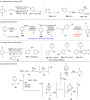
Scheme 12: para-C(sp2)–H Alkylation of pyridines with alkenes.

Scheme 13: Enantioselective pyridine C–H alkylation.

Scheme 14: Pd-catalyzed C2-olefination of pyridines.

Scheme 15: Ru-catalyzed C-6 (C-2)-propenylation of 2-arylated pyridines.
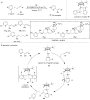
Scheme 16: C–H addition of allenes to pyridines catalyzed by half-sandwich Sc metal complex.

Scheme 17: Pd-catalyzed stereodivergent synthesis of alkenylated pyridines.

Scheme 18: Pd-catalyzed ligand-promoted selective C3-olefination of pyridines.

Scheme 19: Mono-N-protected amino acids in Pd-catalyzed C3-alkenylation of pyridines.

Scheme 20: Amide-directed and rhodium-catalyzed C3-alkenylation of pyridines.

Scheme 21: Bimetallic Ni–Al-catalyzed para-selective alkenylation of pyridine.

Scheme 22: Arylboronic ester-assisted pyridine direct C–H arylation.
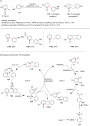
Scheme 23: Pd-catalyzed C–H arylation/benzylation with toluene.

Scheme 24: Pd-catalyzed pyridine C–H arylation with potassium aryl- and heteroaryltrifluoroborates.

Scheme 25: Transient activator strategy in pyridine C–H biarylation.
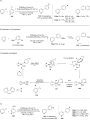
Scheme 26: Ligand-promoted C3-arylation of pyridine.

Scheme 27: Pd-catalyzed arylation of nicotinic and isonicotinic acids.

Scheme 28: Iron-catalyzed and imine-directed C–H arylation of pyridines.

Scheme 29: Pd–(bipy-6-OH) cooperative system-mediated direct pyridine C3-arylation.

Scheme 30: Pd-catalyzed pyridine N-oxide C–H arylation with heteroarylcarboxylic acids.

Scheme 31: Pd-catalyzed C–H cross-coupling of pyridine N-oxides with five-membered heterocycles.

Scheme 32: Cu-catalyzed dehydrative biaryl coupling of azine(pyridine) N-oxides and oxazoles.

Scheme 33: Rh(III)-catalyzed cross dehydrogenative C3-heteroarylation of pyridines.

Scheme 34: Pd-catalyzed C3-selective arylation of pyridines.
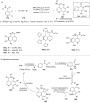
Scheme 35: Rhodium-catalyzed oxidative C–H annulation of pyridines to quinolines.
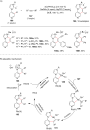
Scheme 36: Rhodium-catalyzed and NHC-directed C–H annulation of pyridine.

Scheme 37: Ni/NHC-catalyzed regio- and enantioselective C–H cyclization of pyridines.

Scheme 38: Rare earth metal-catalyzed intramolecular C–H cyclization of pyridine to azaindolines.

Scheme 39: Rh-catalyzed alkenylation of bipyridine with terminal silylacetylenes.

Scheme 40: Rollover cyclometallation in Rh-catalyzed pyridine C–H functionalization.

Scheme 41: Rollover pathway in Rh-catalyzed C–H functionalization of N,N,N-tridentate chelating compounds.

Scheme 42: Pd-catalyzed rollover pathway in bipyridine-6-carboxamides C–H arylation.
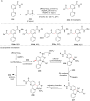
Scheme 43: Rh-catalyzed C3-acylmethylation of bipyridine-6-carboxamides with sulfoxonium ylides.

Scheme 44: Rh-catalyzed C–H functionalization of bipyridines with alkynes.

Scheme 45: Rh-catalyzed C–H acylmethylation and annulation of bipyridine with sulfoxonium ylides.

Scheme 46: Iridium-catalyzed C4-borylation of pyridines.

Scheme 47: C3-Borylation of pyridines.

Scheme 48: Pd-catalyzed regioselective synthesis of silylated dihydropyridines.
Construction of hexabenzocoronene-based chiral nanographenes
- Ranran Li,
- Di Wang,
- Shengtao Li and
- Peng An
Beilstein J. Org. Chem. 2023, 19, 736–751, doi:10.3762/bjoc.19.54
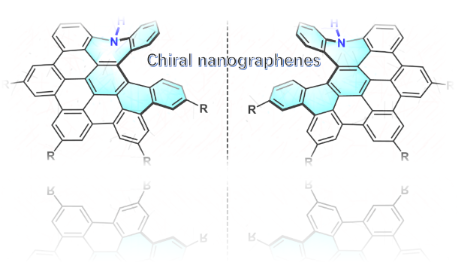
- Ranran Li Di Wang Shengtao Li Peng An School of Chemical Science and Technology, Yunnan University, Kunming 650500, P. R. China 10.3762/bjoc.19.54 Abstract The past decade witnessed remarkable success in synthetic molecular nanographenes. Encouraged by the widespread application of chiral
- nanomaterials, the design, and construction of chiral nanographenes is a hot topic recently. As a classic nanographene unit, hexa-peri-hexabenzocoronene generally serves as the building block for nanographene synthesis. This review summarizes the representative examples of hexa-peri-hexabenzocoronene-based
- chiral nanographenes. Keywords: chiral nanographene; helicene; racemization barrier; Scholl reaction; single-crystal X-ray diffractometry; Introduction Graphene, an allotrope of carbon, has captured widespread attention since it was first experimentally demonstrated as a monolayer of carbon atoms [1

Graphical Abstract

Scheme 1: Construction of HBC by Scholl reaction from hexaphenylbenzene.

Scheme 2: Synthesis of seco-HBC-based chiral nanographenes.

Scheme 3: Synthesis of nitrogen-doped, seco-HBC-based chiral nanographenes.

Scheme 4: Synthesis of π-extended [7]- and [9]helicene containing chiral nanographenes.

Scheme 5: Synthesis of “HBC-dimer”-based chiral nanographenes.

Scheme 6: Synthesis of “HBC-dimer”-based chiral nanographenes.

Scheme 7: Synthesis of axis-based chiral nanographenes.

Scheme 8: Synthesis of “HBC-trimers”-based nanoribbons.

Scheme 9: Synthesis of “HBC-trimers”-based, triangle-shaped chiral nanographenes.

Scheme 10: Synthesis of “HBC-trimers”-based, triangle-shaped chiral nanographenes.

Scheme 11: Synthesis of HBC-based multilayer nanographenes.

Scheme 12: Synthesis of a chiral nanographene constructed by “HBC-tetramers”.

Scheme 13: Synthesis of a triskelion-shaped nanographene constructed by four HBCs.

Scheme 14: Synthesis of a three-dimensional nanographene bearing four HBCs.

Scheme 15: Synthesis of a chiral nanographene constructed by five HBC units.

Scheme 16: Synthesis of a chiral nanographene constructed by seven HBC units.
Palladium-catalyzed enantioselective three-component synthesis of α-arylglycine derivatives from glyoxylic acid, sulfonamides and aryltrifluoroborates
- Bastian Jakob,
- Nico Schneider,
- Luca Gengenbach and
- Georg Manolikakes
Beilstein J. Org. Chem. 2023, 19, 719–726, doi:10.3762/bjoc.19.52
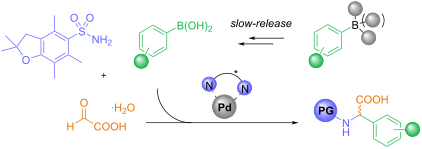
- electrophilic iminium carbon, leading to the amine product as racemic mixture. Consequently, examples for asymmetric Petasis borono-Mannich reactions are rare [13] and usually rely on the utilization of chiral amine components in stoichiometric amounts [10][11]. As part of our research program utilizing the in

Graphical Abstract

Figure 1: Biologically active molecules containing α-arylglycine motifs (highlighted in green and blue).
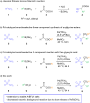
Scheme 1: The Petasis reaction – fundamental reactivities and recent developments.
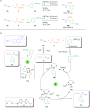
Scheme 2: Observations from previous studies and mechanistic rationale.

Scheme 3: Initial experiments.

Scheme 4: Reaction scope – aryltrifluoroborates (yields and enantiomeric ratios in parentheses refer to our p...

Scheme 5: Synthesis of both enantiomers of arylglycine building block 18.
Synthesis of medium and large phostams, phostones, and phostines
- Jiaxi Xu
Beilstein J. Org. Chem. 2023, 19, 687–699, doi:10.3762/bjoc.19.50
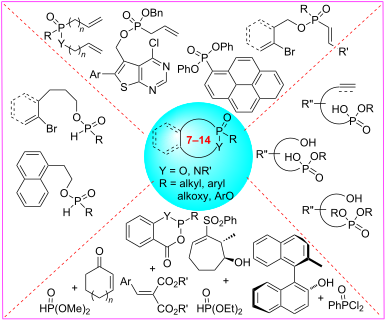
- the catalytic antibody [24]. They are also potential chiral ligands in asymmetric catalysis [25] (Figure 1). Cyclizations and annulations are two major strategies for the synthesis of medium and large phostam, phostone, and phostine derivatives. The cyclizations have been applied in the construction
- –elimination. Both they are potential chiral phosphorus ligands (Scheme 20) [25]. When Fuchs and co-workers investigated the conversion of cyclic vinyl sulfones to vinylphosphonates, they found that the reaction of (1S,2R)-2-methyl-3-(phenylsulfonyl)cyclohept-3-en-1-ol (100) and diethyl phosphonate generated
- because the P–O bond is more stable than the corresponding P–N bond. Much attention should be paid to the synthesis of different ring size phostams in the future. Biologically active agents and chiral ligands containing medium and large phostams, phostones, and phostines. Synthetic strategies for the

Graphical Abstract

Figure 1: Biologically active agents and chiral ligands containing medium and large phostams, phostones, and ...

Figure 2: Synthetic strategies for the preparation of medium and large phostams, phostones, and phostines.

Scheme 1: Synthesis of 1,2-azaphosphepine 2-oxide, 1,2-azaphosphocine 2-oxide, 1,2-azaphosphepane 2-oxide, an...

Scheme 2: Synthesis of bis[1,2]oxaphosphepine 2-oxide from tert-butyl 2-(bis(allyloxy)phosphoryl)pent-4-enoat...

Scheme 3: Synthesis of 2-ethoxy-5H-benzo[f][1,2]oxaphosphepine 2-oxides from 2-allylphenyl ethyl vinylphospho...

Scheme 4: Synthesis of 2-ethoxy-3,6-dihydrobenzo[g][1,2]oxaphosphocine 2-oxides from 2-allylphenyl ethyl ally...

Scheme 5: Synthesis of benzothiophene-fused 2-hydroxy-1,2-oxaphosphecane 2-oxide from (4-allyl-2-(4-methylphe...

Scheme 6: Synthesis of benzothiophene-fused 2-hydroxy-1,2-oxaphosphecane 2-oxide from benzyl hydrogen ((4-all...

Scheme 7: Synthesis of benzothiophene-fused 2-hydroxy-1-oxa-2-phosphacycloundecane 2-oxide from benzyl hydrog...

Scheme 8: Synthesis of 5,6,7-trihydro-1,2-oxaphosphepine 2-oxide and its benzo derivatives from 3-bromobut-3-...

Scheme 9: Synthesis of thieno[2,3-d]pyrimidine-fused 2-hydroxy-1,2-oxaphosphonane 2-oxide from benzyl hydroge...

Scheme 10: Synthesis of 3-phenoxybenzo[f]pyreno[1,10-cd][1,2]oxaphosphepine 3-oxide from diphenyl pyren-1-ylph...

Scheme 11: Synthesis of 1,2-oxaphosphepane 2-oxides and 1,2-oxaphosphocane 2-oxide from hydrogen methyl hex-5-...

Scheme 12: Synthesis of 2-methoxy-1,2-oxaphosphinane 2-oxides, 1,2-oxaphosphepine 2-oxides, 1,2-oxaphosphepane...

Scheme 13: Synthesis of 1,2-azaphosphepane 2-oxide and its benzo derivatives from 5-bromohex-5-en-1-yl methylp...

Scheme 14: Synthesis of 4-phenyl-1,2-dihydronaphtho[2,1-c][1,2]oxaphosphinine 4-oxide and 1-phenyl-3,4-dihydro...

Scheme 15: Synthesis of 2-alkoxy-3,5-dimethylene-1,2-oxaphosphepane 2-oxides from dialkyl 2-bromo-1-methylethy...

Scheme 16: Synthesis of 14-methyl-2-phenoxy-1-oxa-2-phosphacyclotetradecane 2-oxide from phenyl hydrogen (12-h...

Scheme 17: Synthesis of 5-oxo-1,3,5-trihydrobenzo[f][1,2]azaphosphepine 2-oxides from 1,2-dihydro-4H-benzo[d][...

Scheme 18: Synthesis of 3-hydrobenzo[f][1,2]oxaphosphepin-5(4H)-one 2-oxides from 2-phenyl/alkoxy-4H-benzo[d][...

Scheme 19: Synthesis of bicyclic seven- and eight-membered phosphotones from cycloalk-2-enones and dimethyl ph...

Scheme 20: Synthesis of binaphthylene-fused phosphotones from (M)-2'-methyl-[1,1'-binaphthalen]-2-ol and pheny...

Scheme 21: Synthesis of bicyclic phosphotone from (1S,2R)-2-methyl-3-(phenylsulfonyl)cyclohept-3-en-1-ol and d...
Enolates ambushed – asymmetric tandem conjugate addition and subsequent enolate trapping with conventional and less traditional electrophiles
- Péter Kisszékelyi and
- Radovan Šebesta
Beilstein J. Org. Chem. 2023, 19, 593–634, doi:10.3762/bjoc.19.44
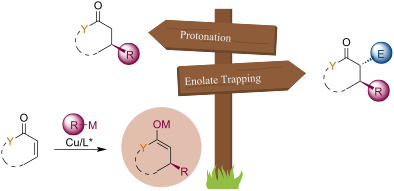
- organic synthetic transformations. Chiral metal enolates obtained by asymmetric conjugate additions of organometallic reagents are structurally complex intermediates that can be employed in many transformations. In this review, we describe this burgeoning field that is reaching maturity after more than 25
- . Short information on applications in total synthesis is also given. Keywords: asymmetric catalysis; conjugate addition; electrophile; enolate; tandem reaction; Introduction The formation of complex chiral molecules is a crucial task of organic synthesis that enables the synthesis of pharmaceuticals
- stereogenic information, thus leading to chiral products. Enolate species are uniquely positioned for reactivity with a broad array of electrophiles and thus allowing quick and efficient construction of highly complex structures from readily available starting materials. Various polar organometallic reagents

Graphical Abstract

Scheme 1: General scheme depicting tandem reactions based on an asymmetric conjugate addition followed by an ...

Scheme 2: Cu-catalyzed tandem conjugate addition of R2Zn/aldol reaction with chiral acetals.

Scheme 3: Cu-catalyzed asymmetric desymmetrization of cyclopentene-1,3-diones using a tandem conjugate additi...

Scheme 4: Stereocontrolled assembly of dialkylzincs, cyclic enones, and sulfinylimines utilizing a Cu-catalyz...

Scheme 5: Cu-catalyzed tandem conjugate addition/Mannich reaction (A). Access to chiral isoindolinones and tr...

Scheme 6: Cu-catalyzed tandem conjugate addition/nitro-Mannich reaction (A) with syn–anti or syn–syn selectiv...

Figure 1: Various chiral ligands utilized for the tandem conjugate addition/Michael reaction sequences.
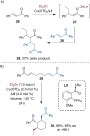
Scheme 7: Cu-catalyzed tandem conjugate addition/Michael reaction: side-product formation with chalcone (A) a...

Scheme 8: Zn enolate trapping using allyl iodides (A), Stork–Jung vinylsilane reagents (B), and allyl bromide...

Scheme 9: Cu-catalyzed tandem conjugate addition/acylation through Li R2Zn enolate (A). A four-component coup...

Scheme 10: Selected examples for the Cu-catalyzed tandem conjugate addition/trifluoromethylthiolation sequence....

Scheme 11: Zn enolates trapped by vinyloxiranes: synthesis of allylic alcohols.

Scheme 12: Stereoselective cyclopropanation of Mg enolates formed by ACA of Grignard reagents to chlorocrotona...

Scheme 13: Domino aldol reactions of Mg enolates formed from coumarin and chromone.

Scheme 14: Oxidative coupling of ACA-produced Mg enolates.

Scheme 15: Tandem ACA of Grignard reagents to enones and Mannich reaction.

Scheme 16: Diastereodivergent Mannich reaction of Mg enolates with differently N-protected imines.

Scheme 17: Tandem Grignard–ACA–Mannich using Taddol-based phosphine-phosphite ligands.

Scheme 18: Tandem reaction of Mg enolates with aminomethylating reagents.

Scheme 19: Tandem reaction composed of Grignard ACA to alkynyl enones.

Scheme 20: Rh/Cu-catalyzed tandem reaction of diazo enoates leading to cyclobutanes.

Scheme 21: Tandem Grignard-ACA of cyclopentenones and alkylation of enolates.

Scheme 22: Tandem ACA of Grignard reagents followed by enolate trapping reaction with onium compounds.

Scheme 23: Mg enolates generated from unsaturated lactones in reaction with activated alkenes.

Scheme 24: Lewis acid mediated ACA to amides and SN2 cyclization of a Br-appended enolate.

Scheme 25: Trapping reactions of aza-enolates with Michael acceptors.

Scheme 26: Si enolates generated by TMSOTf-mediated ACA of Grignard reagents and enolate trapping reaction wit...

Scheme 27: Trapping reactions of enolates generated from alkenyl heterocycles (A) and carboxylic acids (B) wit...

Scheme 28: Reactions of heterocyclic Mg enolates with onium compounds.

Scheme 29: Synthetic transformations of cycloheptatrienyl and benzodithiolyl substituents.

Scheme 30: Aminomethylation of Al enolates generated by ACA of trialkylaluminum reagents.

Scheme 31: Trapping reactions of enolates with activated alkenes.

Scheme 32: Alkynylation of racemic aluminum or magnesium enolates.

Scheme 33: Trapping reactions of Zr enolates generated by Cu-ACA of organozirconium reagents.

Scheme 34: Chloromethylation of Zr enolates using the Vilsmeier–Haack reagent.

Scheme 35: Tandem conjugate borylation with subsequent protonation or enolate trapping by an electrophile.

Scheme 36: Tandem conjugate borylation/aldol reaction of cyclohexenones.

Scheme 37: Selected examples for the tandem asymmetric borylation/intramolecular aldol reaction; synthesis of ...

Scheme 38: Cu-catalyzed tandem methylborylation of α,β-unsaturated phosphine oxide in the presence of (R,Sp)-J...

Scheme 39: Cu-catalyzed tandem transannular conjugated borylation/aldol cyclization of macrocycles containing ...

Scheme 40: Stereoselective tandem conjugate borylation/Mannich cyclization: selected examples (A) and a multi-...

Scheme 41: Some examples of Cu-catalyzed asymmetric tandem borylation/aldol cyclization (A). Application to di...

Scheme 42: Atropisomeric P,N-ligands used in tandem conjugate borylation/aldol cyclization sequence.

Scheme 43: Selected examples for the enantioselective Cu-catalyzed borylation/intramolecular Michael addition ...

Scheme 44: Selected examples for the preparation of enantioenriched spiroindanes using a Cu-catalyzed tandem c...
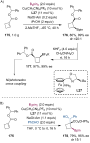
Scheme 45: Enantioselective conjugate borylation of cyclobutene-1-carboxylic acid diphenylmethyl ester 175 wit...

Scheme 46: Cu-catalyzed enantioselective tandem conjugate silylation of α,β-unsaturated ketones with subsequen...

Scheme 47: Cu-catalyzed enantioselective tandem conjugate silylation of α,β-unsaturated ketones with subsequen...
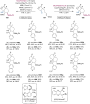
Scheme 48: Cu-catalyzed tandem conjugate silylation/aldol condensation. The diastereoselectivity is controlled...

Scheme 49: Chiral Ru-catalyzed three-component coupling reaction.

Scheme 50: Rh-Phebox complex-catalyzed reductive cyclization and subsequent reaction with Michael acceptors th...

Scheme 51: Rh-catalyzed tandem asymmetric conjugate alkynylation/aldol reaction (A) and subsequent spiro-cycli...

Scheme 52: Rh-bod complex-catalyzed tandem asymmetric conjugate arylation/intramolecular aldol addition (A). S...

Scheme 53: Co-catalyzed C–H-bond activation/asymmetric conjugate addition/aldol reaction.

Scheme 54: (Diisopinocampheyl)borane-promoted 1,4-hydroboration of α,β-unsaturated morpholine carboxamides and...

Figure 2: Some examples of total syntheses that have been recently reviewed.

Scheme 55: Stereoselective synthesis of antimalarial prodrug (+)-artemisinin utilizing a tandem conjugate addi...

Scheme 56: Amphilectane and serrulatane diterpenoids: preparation of chiral starting material via asymmetric t...

Scheme 57: Various asymmetric syntheses of pleuromutilin and related compounds based on a tandem conjugate add...
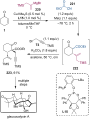
Scheme 58: Total synthesis of glaucocalyxin A utilizing a tandem conjugate addition/acylation reaction sequenc...
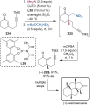
Scheme 59: Installation of the exocyclic double bond using a tandem conjugate addition/aminomethylation sequen...
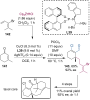
Scheme 60: Synthesis of the taxol core using a tandem conjugate addition/enolate trapping sequence with Vilsme...
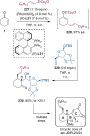
Scheme 61: Synthesis of the tricyclic core of 12-epi-JBIR-23/24 utilizing a Rh-catalyzed asymmetric conjugate ...
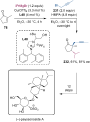
Scheme 62: Total synthesis of (−)-peyssonoside A utilizing a Cu-catalyzed enantioselective tandem conjugate ad...
A new oxidatively stable ligand for the chiral functionalization of amino acids in Ni(II)–Schiff base complexes
- Alena V. Dmitrieva,
- Oleg A. Levitskiy,
- Yuri K. Grishin and
- Tatiana V. Magdesieva
Beilstein J. Org. Chem. 2023, 19, 566–574, doi:10.3762/bjoc.19.41
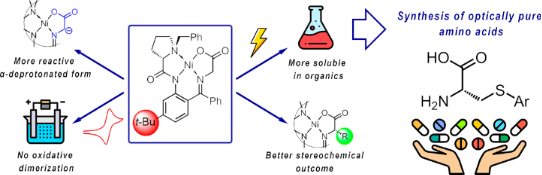
- complex. Solubility of the t-Bu-containing ligand and its Schiff base complexes is increased, facilitating scaling-up the reaction procedure and isolation of the functionalized amino acid. Keywords: asymmetric synthesis; chiral auxiliaries; cysteine derivatives; Ni–Schiff base complexes; voltammetry
- employing chiral auxiliaries [4][5] and asymmetric phase-transfer catalysis [6][7]. The former approach is commonly based on the application of chiral derivatives of glycine containing structurally diverse chiral auxiliaries, both cyclic [8][9][10][11] and acyclic [12][13]. Transition-metal complexes
- )) and includes a chiral auxiliary, an amino acid, and a bifunctional linker capable to arrange the components in the Schiff base complex. Such templates provide a significant C–H acidity at the α-amino acid carbon and a possibility for recycling of the chiral auxiliaries (for reviews see [5][14][15][16

Graphical Abstract

Scheme 1: Selected examples of the chiral ligands used for synthesis of the Ni(II)–Schiff base complexes.

Scheme 2: Synthesis of the chiral ligand L7 and its Ni(II) complexes with glycine, serine, dehydroalanine, an...

Figure 1: Fragment of the NOESY spectrum of the ʟ-(oBrCysNi)L7 complex indicating the correlation between the...

Figure 2: Low-gradient isosurfaces with low densities (blue color of the isosurface corresponds to the hydrog...
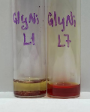
Figure 3: Saturated solutions of (GlyNi)L1 (left) and (GlyNi)L7 (right) in diethyl ether.

Figure 4: The CV curves observed for (GlyNi)L7 and (ΔAlaNi)L7 in the anodic and cathodic regions (Pt, CH3CN, ...
Phenanthridine–pyrene conjugates as fluorescent probes for DNA/RNA and an inactive mutant of dipeptidyl peptidase enzyme
- Josipa Matić,
- Tana Tandarić,
- Marijana Radić Stojković,
- Filip Šupljika,
- Zrinka Karačić,
- Ana Tomašić Paić,
- Lucija Horvat,
- Robert Vianello and
- Lidija-Marija Tumir
Beilstein J. Org. Chem. 2023, 19, 550–565, doi:10.3762/bjoc.19.40
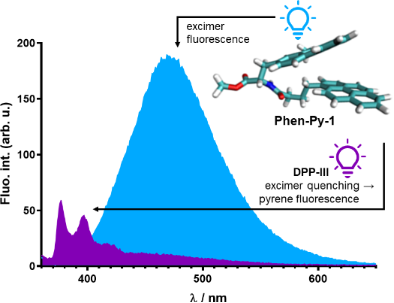
- the pyrene unit as well as combinations of pyrene with other aromatic fluorophores could improve the properties [7]. Recently, Takaishi et al. reported chiral exciplex dyes having pyrenyl, perylenyl, and 4-(dimethylamino)phenyl groups incorporated in their structure, which showed circularly polarized
- were built using chiral amino acid building blocks and consequently have an intrinsic CD spectrum. While changes of poly rA–poly rU spectra upon titration with Phen-Py-1 and Phen-Py-2 were negligible (Figures S20 and S21, Supporting Information File 1), the addition of Phen-Py-1 and Phen-Py-2 to the ct
- by a distortion of polynucleotide helicity upon addition of Phen-Py-1, or this change was a result of uniform orientation of the dye with respect to DNA chiral axis. Binding of Phen-Py-1 to enzyme dipeptidyl peptidase III in an aqueous medium Binding of Phen-Py-1 to dipeptidyl peptidase (DPPIII

Graphical Abstract

Scheme 1: Novel pyrene–phenanthridine conjugates Phen-Py-1 (longer, flexible linker) and Phen-Py-2 (shorter, ...

Scheme 2: Synthesis of Phen-Py-1 and Phen-Py-2 by amide formation; Reagents and conditions: 1. TFA–H2O mixtur...

Figure 1: 2D (left) and 3D (right) representation of fluorescence emission spectra of Phen-Py-1 (c = 2 × 10⁻⁶...
Figure 2: Most representative structures of the conjugates Phen-Py-1 and Phen-Py-2 at different pH conditions...

Figure 3: UV–vis titration of Phen-Py-1 with ct-DNA,; changes in the UV–vis spectra of Phen-Py-1 at λ = 350 n...

Figure 4: . Experimental (■) and calculated (–) (by Scatchard equation Table 2) fluorescence intensities of compound ...

Figure 5: Comparison of spectra of DNA-dye complex (r = 0.5, black) and sum of DNA and dye spectra (red) of a...

Figure 6: Fluorimetric titration of Phen-Py-1, λexc = 352 nm, c = 1 × 10⁻⁶ mol dm−3 with dipeptidyl peptidase...
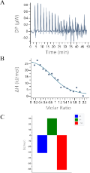
Figure 7: A: ITC titration: raw titration data from the experimental injections of human DPP III enzyme mutan...
Transition-metal-catalyzed domino reactions of strained bicyclic alkenes
- Austin Pounder,
- Eric Neufeld,
- Peter Myler and
- William Tam
Beilstein J. Org. Chem. 2023, 19, 487–540, doi:10.3762/bjoc.19.38
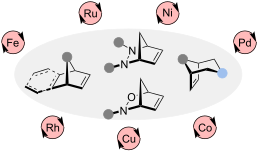
- used directly which showed comparable yields. The authors also reported preliminary results for an asymmetric variant of the reaction using (R,R)-Ph-BPE as a chiral ligand. Although the use of the chiral phosphine ligand resulted in slightly diminished yields, the authors were able to achieve ees up to
- yields. Mono- and disubstituted bridgehead variants were applicable, but with reduced efficacy with the former producing a dihydronaphthofuran 107i as the major product. In 2019, the Cramer group continued studying this reaction and developed an enantioselective variant utilizing a chiral Cp* derivative

Graphical Abstract

Figure 1: Ring-strain energies of homobicyclic and heterobicyclic alkenes in kcal mol−1. a) [2.2.1]-Bicyclic ...
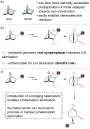
Figure 2: a) Exo and endo face descriptions of bicyclic alkenes. b) Reactivity comparisons for different β-at...

Scheme 1: Ni-catalyzed ring-opening/cyclization cascade of heterobicyclic alkenes 1 with alkyl propiolates 2 ...
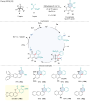
Scheme 2: Ni-catalyzed ring-opening/cyclization cascade of heterobicyclic alkenes 8 with β-iodo-(Z)-propenoat...

Scheme 3: Ni-catalyzed two- and three-component difunctionalizations of norbornene derivatives 15 with alkyne...

Scheme 4: Ni-catalyzed intermolecular three-component difunctionalization of oxabicyclic alkenes 1 with alkyn...

Scheme 5: Ni-catalyzed intermolecular three-component carboacylation of norbornene derivatives 15.

Scheme 6: Photoredox/Ni dual-catalyzed coupling of 4-alkyl-1,4-dihydropyridines 31 with heterobicyclic alkene...

Scheme 7: Photoredox/Ni dual-catalyzed coupling of α-amino radicals with heterobicyclic alkenes 30.

Scheme 8: Cu-catalyzed rearrangement/allylic alkylation of 2,3-diazabicyclo[2.2.1]heptenes 47 with Grignard r...
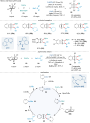
Scheme 9: Cu-catalyzed aminoboration of bicyclic alkenes 1 with bis(pinacolato)diboron (B2pin2) (53) and O-be...

Scheme 10: Cu-catalyzed borylalkynylation of oxabenzonorbornadiene (30b) with B2pin2 (53) and bromoalkynes 62.

Scheme 11: Cu-catalyzed borylacylation of bicyclic alkenes 1.

Scheme 12: Cu-catalyzed diastereoselective 1,2-difunctionalization of oxabenzonorbornadienes 30 for the synthe...

Scheme 13: Fe-catalyzed carbozincation of heterobicyclic alkenes 1 with arylzinc reagents 74.

Scheme 14: Co-catalyzed addition of arylzinc reagents of norbornene derivatives 15.

Scheme 15: Co-catalyzed ring-opening/dehydration of oxabicyclic alkenes 30 via C–H activation of arenes.

Scheme 16: Co-catalyzed [3 + 2] annulation/ring-opening/dehydration domino reaction of oxabicyclic alkenes 1 w...

Scheme 17: Co-catalyzed enantioselective carboamination of bicyclic alkenes 1 via C–H functionalization.

Scheme 18: Ru-catalyzed cyclization of oxabenzonorbornene derivatives with propargylic alcohols for the synthe...

Scheme 19: Ru-catalyzed coupling of oxabenzonorbornene derivatives 30 with propargylic alcohols and ethers 106...

Scheme 20: Ru-catalyzed ring-opening/dehydration of oxabicyclic alkenes via the C–H activation of anilides.

Scheme 21: Ru-catalyzed of azabenzonorbornadiene derivatives with arylamides.

Scheme 22: Rh-catalyzed cyclization of bicyclic alkenes with arylboronate esters 118.

Scheme 23: Rh-catalyzed cyclization of bicyclic alkenes with dienyl- and heteroaromatic boronate esters.

Scheme 24: Rh-catalyzed domino lactonization of doubly bridgehead-substituted oxabicyclic alkenes with seconda...

Scheme 25: Rh-catalyzed domino carboannulation of diazabicyclic alkenes with 2-cyanophenylboronic acid and 2-f...

Scheme 26: Rh-catalyzed synthesis of oxazolidinone scaffolds 147 through a domino ARO/cyclization of oxabicycl...

Scheme 27: Rh-catalyzed oxidative coupling of salicylaldehyde derivatives 151 with diazabicyclic alkenes 130a.

Scheme 28: Rh-catalyzed reaction of O-acetyl ketoximes with bicyclic alkenes for the synthesis of isoquinoline...

Scheme 29: Rh-catalyzed domino coupling reaction of 2-phenylpyridines 165 with oxa- and azabicyclic alkenes 30....

Scheme 30: Rh-catalyzed domino dehydrative naphthylation of oxabenzonorbornadienes 30 with N-sulfonyl 2-aminob...

Scheme 31: Rh-catalyzed domino dehydrative naphthylation of oxabenzonorbornadienes 30 with arylphosphine deriv...

Scheme 32: Rh-catalyzed domino ring-opening coupling reaction of azaspirotricyclic alkenes using arylboronic a...

Scheme 33: Tandem Rh(III)/Sc(III)-catalyzed domino reaction of oxabenzonorbornadienes 30 with alkynols 184 dir...

Scheme 34: Rh-catalyzed asymmetric domino cyclization and addition reaction of 1,6-enynes 194 and oxa/azabenzo...

Scheme 35: Rh/Zn-catalyzed domino ARO/cyclization of oxabenzonorbornadienes 30 with phosphorus ylides 201.

Scheme 36: Rh-catalyzed domino ring opening/lactonization of oxabenzonorbornadienes 30 with 2-nitrobenzenesulf...

Scheme 37: Rh-catalyzed domino C–C/C–N bond formation of azabenzonorbornadienes 30 with aryl-2H-indazoles 210.

Scheme 38: Rh/Pd-catalyzed domino synthesis of indole derivatives with 2-(phenylethynyl)anilines 212 and oxabe...

Scheme 39: Rh-catalyzed domino carborhodation of heterobicyclic alkenes 30 with B2pin2 (53).

Scheme 40: Rh-catalyzed three-component 1,2-carboamidation reaction of bicyclic alkenes 30 with aromatic and h...

Scheme 41: Pd-catalyzed diarylation and dialkenylation reactions of norbornene derivatives.

Scheme 42: Three-component Pd-catalyzed arylalkynylation reactions of bicyclic alkenes.

Scheme 43: Three-component Pd-catalyzed arylalkynylation reactions of norbornene and DFT mechanistic study.

Scheme 44: Pd-catalyzed three-component coupling N-tosylhydrazones 236, aryl halides 66, and norbornene (15a).

Scheme 45: Pd-catalyzed arylboration and allylboration of bicyclic alkenes.

Scheme 46: Pd-catalyzed, three-component annulation of aryl iodides 66, alkenyl bromides 241, and bicyclic alk...

Scheme 47: Pd-catalyzed double insertion/annulation reaction for synthesizing tetrasubstituted olefins.

Scheme 48: Pd-catalyzed aminocyclopropanation of bicyclic alkenes 1 with 5-iodopent-4-enylamine derivatives 249...

Scheme 49: Pd-catalyzed, three-component coupling of alkynyl bromides 62 and norbornene derivatives 15 with el...
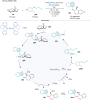
Scheme 50: Pd-catalyzed intramolecular cyclization/ring-opening reaction of heterobicyclic alkenes 30 with 2-i...

Scheme 51: Pd-catalyzed dimer- and trimerization of oxabenzonorbornadiene derivatives 30 with anhydrides 268.

Scheme 52: Pd-catalyzed Catellani-type annulation and retro-Diels–Alder of norbornadiene 15b yielding fused xa...

Scheme 53: Pd-catalyzed hydroarylation and heteroannulation of urea-derived bicyclic alkenes 158 and aryl iodi...

Scheme 54: Access to fused 8-membered sulfoximine heterocycles 284/285 via Pd-catalyzed Catellani annulation c...

Scheme 55: Pd-catalyzed 2,2-bifunctionalization of bicyclic alkenes 1 generating spirobicyclic xanthone deriva...

Scheme 56: Pd-catalyzed Catellani-type annulation and retro-Diels–Alder of norbornadiene (15b) producing subst...

Scheme 57: Pd-catalyzed [2 + 2 + 1] annulation furnishing bicyclic-fused indanes 281 and 283.
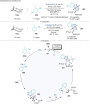
Scheme 58: Pd-catalyzed ring-opening/ring-closing cascade of diazabicyclic alkenes 130a.

Scheme 59: Pd-NHC-catalyzed cyclopentannulation of diazabicyclic alkenes 130a.

Scheme 60: Pd-catalyzed annulation cascade generating diazabicyclic-fused indanones 292 and indanols 294.

Scheme 61: Pd-catalyzed skeletal rearrangement of spirotricyclic alkenes 176 towards large polycyclic benzofur...

Scheme 62: Pd-catalyzed oxidative annulation of aromatic enamides 298 and diazabicyclic alkenes 130a.

Scheme 63: Accessing 3,4,5-trisubstituted cyclopentenes 300, 301, 302 via the Pd-catalyzed domino reaction of ...

Scheme 64: Palladacycle-catalyzed ring-expansion/cyclization domino reactions of terminal alkynes and bicyclic...

Scheme 65: Pd-catalyzed carboesterification of norbornene (15a) with alkynes, furnishing α-methylene γ-lactone...
Computational studies of Brønsted acid-catalyzed transannular cycloadditions of cycloalkenone hydrazones
- Manuel Pedrón,
- Jana Sendra,
- Irene Ginés,
- Tomás Tejero,
- Jose L. Vicario and
- Pedro Merino
Beilstein J. Org. Chem. 2023, 19, 477–486, doi:10.3762/bjoc.19.37
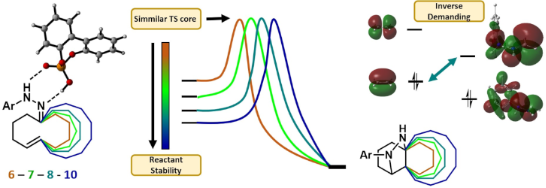
- alkenes under chiral BINOL-derived Brønsted acid catalysis has been studied by Houk and Rueping in 2014 [33]. These authors established the origin of the enantioselectivity and the differences between the catalyzed and uncatalyzed reactions, suggesting that the catalyzed reaction is, actually, a so-called

Graphical Abstract
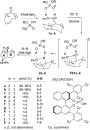
Scheme 1: Experimental data (series a–d, k) and non-studied examples (series e–j) for transannular cycloaddit...

Figure 1: Optimized (m062x/6-31G(d)) geometries for the transition structures of series a–f.
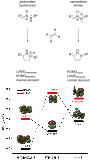
Figure 2: Top: Cycloaddition of protonated hydrazones as inverse-demand reaction of cycloaddition of azomethi...

Figure 3: Global electron density transfer (GEDT). Dashed black line indicates both TS.

Figure 4: ELF analysis for the reaction of series b leading to a system 6-6. Black trace corresponds to IRC. ...

Figure 5: Quantitative NCI analysis [36] for the reaction of series a–f leading to fused cyclohexanes. The result...

Figure 6: (a) Transannular cycloadditons of compounds 1a–k. (b) Houk’s distortion model applied to the reacti...

Scheme 2: Reaction with simple models.



