


Search results
Search for "enzymes" in Full Text gives 505 result(s) in Beilstein Journal of Organic Chemistry. Showing first 200.
Photocatalytic trifluoromethoxylation of arenes and heteroarenes in continuous-flow
Beilstein J. Org. Chem. 2020, 16, 1305–1312, doi:10.3762/bjoc.16.111
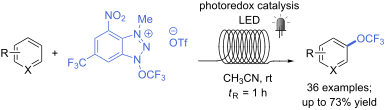
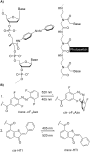
- (Scheme 1A). This property might be responsible for stronger binding affinities of trifluoromethoxylated compounds with the active sites in enzymes, proteins, or other biomolecules [8][9]. Several procedures for the synthesis of trifluoromethyl aryl ethers were reported from the mid-1900s, mostly based on

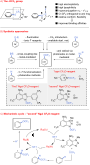

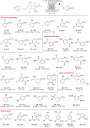

Synthesis, antiinflammatory activity, and molecular docking studies of bisphosphonic esters as potential MMP-8 and MMP-9 inhibitors
Beilstein J. Org. Chem. 2020, 16, 1277–1287, doi:10.3762/bjoc.16.108
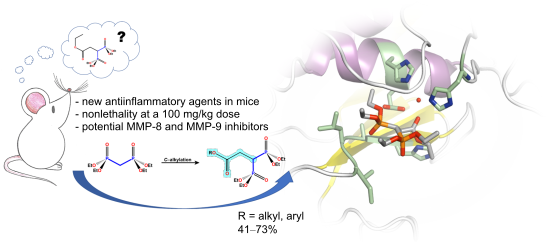
- molecular docking analysis led us to propose MMP-8 and MMP-9 inhibition as the possible action mechanism of 3–6 due to the good correlation between the antiinflammatory activity of the bisphosphonic esters and the interaction energy with these enzymes (especially MMP-8). Also, a good correlation between the
- biological effects and interaction of the compounds with the Zn2+ cofactor of these enzymes was observed. Previously reported antiinflammatory bisphosphonates 1 and 2. edema inhibition (in %, carrageenan model, 50 mg/kg) for 1: 7.0; for 2: 22.2. Designed bisphosphonic esters as antiinflammatory agents
- the test compounds was used.a Antiinflammatory activity of 3–6 with a carrageenan oral model. Test compounds: 25 mg/kg.a Molecular properties of the compounds 3–6. MolDock Score and LE1 values (kcal/mol) for the docking experiments of the molecules 3–6 with MMP-8 and MMP-9 enzymes and the


Fluorinated phenylalanines: synthesis and pharmaceutical applications
Beilstein J. Org. Chem. 2020, 16, 1022–1050, doi:10.3762/bjoc.16.91
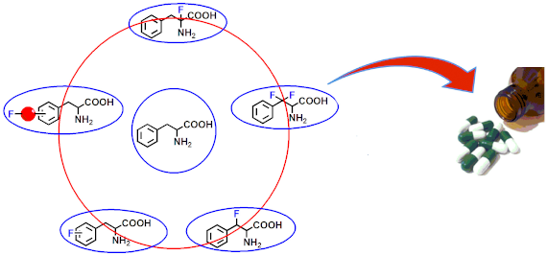
- protein–protein and protein–ligand interactions and consequently metabolic processes [20][21]. Fluorinated phenylalanines (FPhe) have been incorporated into various proteins and enzymes [22][23][24][25] with advantageous biophysical, chemical, and biological properties, and their effect on the stability
- and activity of peptides in therapeutic vaccines and enzymes has been studied [19][26][27][28][29][30][31][32][33]. In this review we provide an overview for the various syntheses of FPhes and analogues. Five different categories of FPhe are represented and are classified I–V according to the position


Fabclavine diversity in Xenorhabdus bacteria
Beilstein J. Org. Chem. 2020, 16, 956–965, doi:10.3762/bjoc.16.84
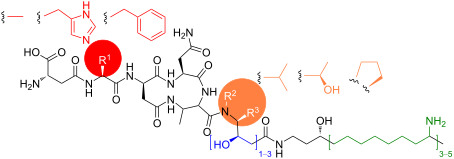
- the anterior midgut of larvae [43]. Consequently, this mode of action could also be possible for fabclavines. Conclusion This study revealed a large chemical diversity for fabclavine derivatives among different Xenorhabdus strains, which is achieved by the promiscuity of single enzymes or domains


Copper catalysis with redox-active ligands
Beilstein J. Org. Chem. 2020, 16, 858–870, doi:10.3762/bjoc.16.77
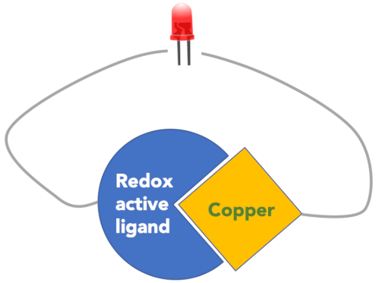
- -abundant metals, such as copper, with radical ligands is originally known from biological systems such as metalloenzymes [1]. Among the myriad of existing enzymes, galactose oxidase (GAO) is a copper-based enzyme performing the two-electron oxidation of galactose through a mechanism involving the metal and
- . Among other tasks, copper enzymes are known to be actively involved in electron transfer as exemplified by blue copper enzymes, which have captured the interest of chemists and biochemists. Copper can also cooperate with iron to perform activation of O2 and nitrogen oxides (NOx) in cytochrome c oxidases
- could be circumvented through ligand modification. Phenol oxidation is ubiquitous in biological systems as demonstrated by the involvement of the copper enzymes tyrosinases (type III) in the melanogenesis process. The regioselectivity and reactivity of the oxidation of phenols are strongly dependent on



Recent advances in Cu-catalyzed C(sp3)–Si and C(sp3)–B bond formation
Beilstein J. Org. Chem. 2020, 16, 691–737, doi:10.3762/bjoc.16.67
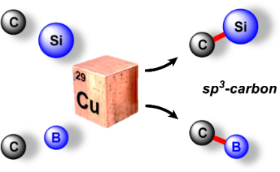
- boron can lead to dative bond formation with enzymes, and therefore increase binding affinity. As shown in Scheme 1, several silicon [9][10][11][12] and boron-containing [13][14][15][16] drugs have already entered the market, or are currently in the drug development pipeline. As the number of drugs


Design and synthesis of diazine-based panobinostat analogues for HDAC8 inhibition
Beilstein J. Org. Chem. 2020, 16, 628–637, doi:10.3762/bjoc.16.59
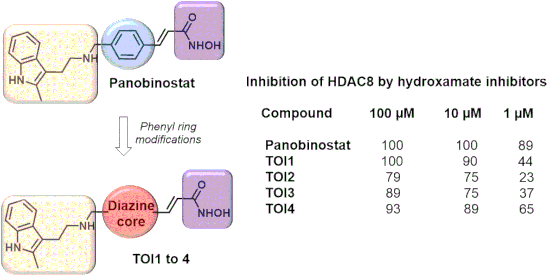
- involve acetylation/deacetylation of histone proteins by histone deacetylases (HDACs) [1]. HDACs belong to an important family of enzymes consisting of 18 isozymes. They control protein acetylation, which is a change that occurs after translation. In addition, they regulate gene transcription, cell




Synthesis and herbicidal activities of aryloxyacetic acid derivatives as HPPD inhibitors
Beilstein J. Org. Chem. 2020, 16, 233–247, doi:10.3762/bjoc.16.25
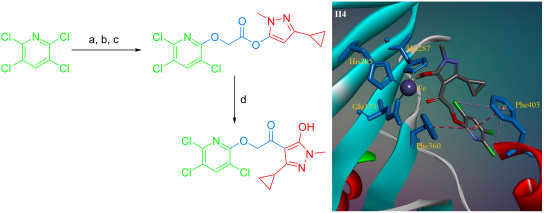
- . Keywords: aryloxyacetic acid; herbicidal activity; 4-hydroxyphenylpyruvate dioxygenase; modification; synthesis; Introduction 4-Hydroxyphenylpyruvate dioxygenase (EC 1.13.11.27, HPPD), which belongs to the family of non-heme FeII-containing enzymes, is a vital enzyme for tyrosine catabolism. This enzyme




Reversible photoswitching of the DNA-binding properties of styrylquinolizinium derivatives through photochromic [2 + 2] cycloaddition and cycloreversion
Beilstein J. Org. Chem. 2020, 16, 111–124, doi:10.3762/bjoc.16.13
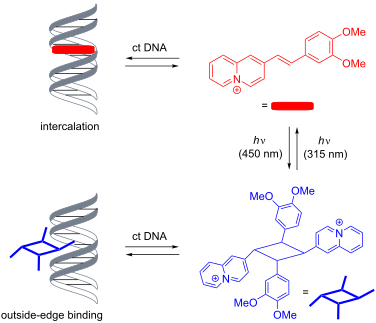
- structural changes of the nucleic acid. In turn, both of these processes interfere with biologically relevant recognition processes between DNA and enzymes, e.g., topoisomerase [10]. Therefore, many potential lead structures of chemotherapeutic anticancer drugs exhibit DNA-binding properties [1][2][3][4][5




Understanding the role of active site residues in CotB2 catalysis using a cluster model
Beilstein J. Org. Chem. 2020, 16, 50–59, doi:10.3762/bjoc.16.7
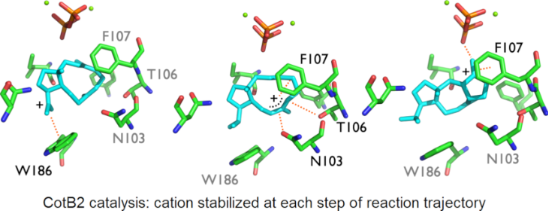
- cascade can provide important information towards a biosynthetic strategy for cyclooctatin and the biomanufacturing of related terpene structures. Keywords: active site; CotB2 cyclase; diterpene; mechanism; quantum mechanics; Introduction Enzymes catalyze numerous complex biochemical reactions in
- reactivity of the isolated species and provided crucial mechanistic insights, the biorelevant mechanism cannot be fully understood without taking into account the enzyme–solvent environment. A common problem when studying these enzymes is the lack of high-resolution crystal structures that are biologically


Functionalization of the imidazo[1,2-a]pyridine ring in α-phosphonoacrylates and α-phosphonopropionates via microwave-assisted Mizoroki–Heck reaction
Beilstein J. Org. Chem. 2020, 16, 15–21, doi:10.3762/bjoc.16.3

- composed of both, an imidazo[1,2-a]pyridine ring and the phosphoryl group. The combination of these functional groups can be found in bisphosphonates and phosphonocarboxylates [8][9][10] – inhibitors of the therapeutically important enzymes, farnesyl pyrophosphate synthase (FPPS) and Rab geranylgeranyl


Synthesis of C-glycosyl phosphonate derivatives of 4-amino-4-deoxy-α-ʟ-arabinose
Beilstein J. Org. Chem. 2020, 16, 9–14, doi:10.3762/bjoc.16.2
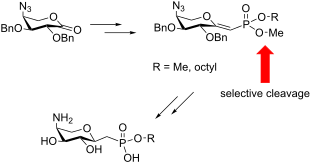
- ; lipopolysaccharide; Introduction Glycosyltransferases are important enzymes that accomplish the transfer of activated sugar phosphates onto their respective acceptor molecules [1]. In most cases, nucleotide diphosphate sugars serve as the reactive species, but lipid-linked diphosphate derivatives are equally
- were inactive towards enzyme upstream of the biosynthetic pathway to undecaprenyl Ara4N, the peracetylated 4-azido derivative showed modest reduction of Ara4N incorporation into the lipid A part of Salmonella typhimurium [8]. We have recently set out to study the substrate specificity of ArnT enzymes


Regioselectivity of glycosylation reactions of galactose acceptors: an experimental and theoretical study
Beilstein J. Org. Chem. 2019, 15, 2982–2989, doi:10.3762/bjoc.15.294
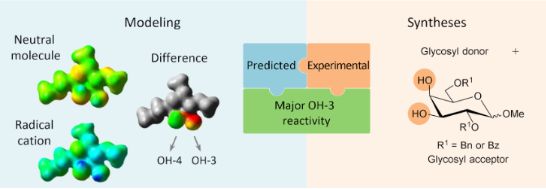
- with more than one free hydroxy group allows reducing the usage of protecting groups, and thus developing simpler reaction sequences for the synthesis of oligosaccharides and glycoconjugates. A current alternative is the use of biocatalysts [4][5], although limited specific enzymes are available


Bacterial terpene biosynthesis: challenges and opportunities for pathway engineering
Beilstein J. Org. Chem. 2019, 15, 2889–2906, doi:10.3762/bjoc.15.283
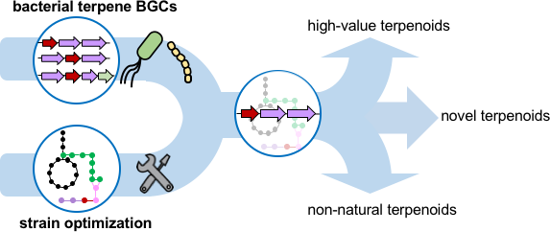
- potential with molecular structure is severely restricted. The canonical terpene biosynthetic pathway uses a single enzyme to form a cyclized hydrocarbon backbone followed by modifications with a suite of tailoring enzymes that can generate dozens of different products from a single backbone. This
- can be further modified by tailoring enzymes, but the core structure can be inferred from the organization of the biosynthetic genes and the modular architecture of the associated proteins [7][8]. Terpene biosynthesis has a very different logic. Five-carbon units called isoprenes are joined to create
- . Biosynthetic core enzymes of well-characterized classes of natural products, such as modular thiotemplate assembly lines (NRPSs, PKSs), are usually highly specific and produce only a few closely related natural product analogs. Adenylation domains in NRPSs [26][27][28], acyltransferase (AT) domains in cis-AT


Emission and biosynthesis of volatile terpenoids from the plasmodial slime mold Physarum polycephalum
Beilstein J. Org. Chem. 2019, 15, 2872–2880, doi:10.3762/bjoc.15.281
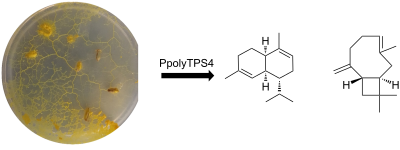
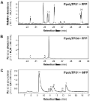
- synthases (TPSs) are pivotal enzymes for the production of diverse terpenes, including monoterpenes, sesquiterpenes, and diterpenes. In our recent studies, dictyostelid social amoebae, also known as cellular slime molds, were found to contain TPS genes for making volatile terpenes. For comparison, here we
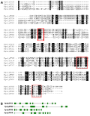
- note that under our standard assay conditions, neither PpolyTPS2 nor PpolyTPS3 showed activity with either GPP or FPP. Because catalytic motifs are present in both TPSs (Figure 2), the inactivity is somehow puzzling. Some efforts are needed to discern whether they are instable enzymes, active with



Palladium-catalyzed synthesis and nucleotide pyrophosphatase inhibition of benzo[4,5]furo[3,2-b]indoles
Beilstein J. Org. Chem. 2019, 15, 2830–2839, doi:10.3762/bjoc.15.276
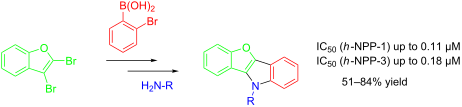
- NPP3, while compounds 5b, 5d, and 5h were more active against NPP3 than NPP1. Compounds 5j and 5i, containing aliphatic groups, were found to be much less active against both of the two enzymes. Compounds 6b and 6c with fluorinated functional groups (F-C6H4 and CF3C6H4) proved to be highly selective
- ']diindoles 6 exhibited an even stronger activity than derivatives 5 which might be caused by their bigger heterocyclic moiety. All compounds 5 and 6 were active to inhibit enzymes h-NPP-3, which suggests that the furoindole core structure is the main pharmacophore for the inhibition against h-NPP, while
- changes of the substitution pattern allow for a modification of the selectivity and activity of these compounds to these enzymes. Docking studies of h-ENPP1 inhibitors Molecular docking of the most potent compounds 5c and 6a (for ENPP1) and for 6e (exhibiting dual inhibition for both isozymes) were


Diversity-oriented synthesis of spirothiazolidinediones and their biological evaluation
Beilstein J. Org. Chem. 2019, 15, 2774–2781, doi:10.3762/bjoc.15.269
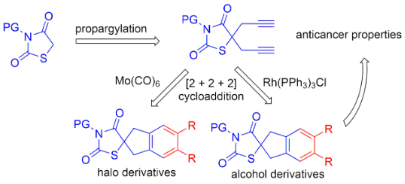
- × 105 cells per 24 well plates in RPMI with 10% FBS. MTT Assay: The MTT assay is a colorimetric assay for evaluation of cell metabolic activity. The NADPH-dependent cellular oxidoreductases present in the living cell can reflect, under certain conditions, the cell viability. These enzymes can reduce the


A review of asymmetric synthetic organic electrochemistry and electrocatalysis: concepts, applications, recent developments and future directions
Beilstein J. Org. Chem. 2019, 15, 2710–2746, doi:10.3762/bjoc.15.264
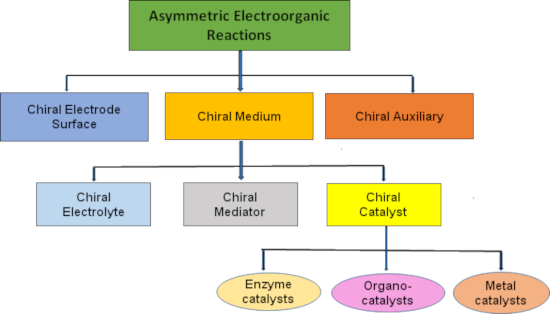
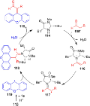
- to the corresponding amino acid via electrochemical reduction of FAD in AOx by electron mediator ADPy. It should be noted that the authors also reported the limitation of this electrochemical method in terms of substrate selectivity of the enzymes used [44]. Electrochemical asymmetric oxidation using
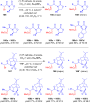
- potentiostatic electrolysis, styrene derivatives 143 could be transformed into their asymmetric epoxides 144 via direct electrochemical regeneration of FADH2. The authors claimed that this method is superior with respect to substitution of the complex native regeneration cycle, which consists of three enzymes
- chloroperoxidase catalyst. H2O2 generated in situ from the cathodic reduction of oxygen was proposed to be responsible for the enzyme-mediated thiol ether oxidation (Scheme 47) [82]. Vitamin B12-dependent enzymes are an exciting representative in the family of chiral inductors for electroorganic chemistry. These






Nanangenines: drimane sesquiterpenoids as the dominant metabolite cohort of a novel Australian fungus, Aspergillus nanangensis
Beilstein J. Org. Chem. 2019, 15, 2631–2643, doi:10.3762/bjoc.15.256
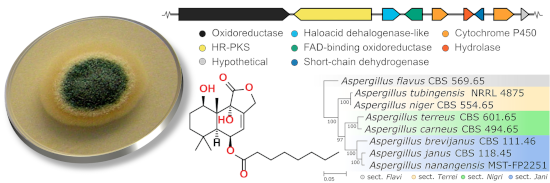
- analyses above, a biosynthetic pathway to the nanangenines was proposed (Figure 3). Unlike the ast cluster, where there are multiple HAD-like enzymes encoded (one terpene synthase and two phosphatases), the putative nanangenine cluster only encodes one such enzyme, FE257_006542. However, given that


A toolbox of molecular photoswitches to modulate the CXCR3 chemokine receptor with light
Beilstein J. Org. Chem. 2019, 15, 2509–2523, doi:10.3762/bjoc.15.244
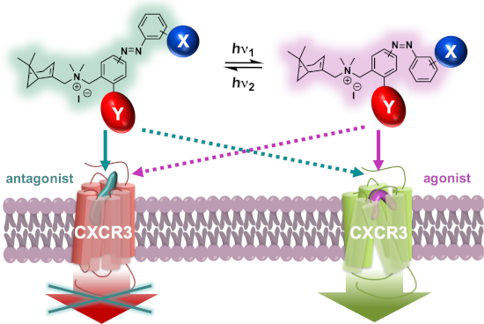
- activity and physiological events with light. A number of protein targets have been explored with photochromic small-molecule ligands, such as ion channels, microtubules, enzymes and GPCRs (G protein-coupled receptors) [1][10]. We focus our photopharmacology research on GPCRs [3][7][11], which constitute a



In search of visible-light photoresponsive peptide nucleic acids (PNAs) for reversible control of DNA hybridization
Beilstein J. Org. Chem. 2019, 15, 2500–2508, doi:10.3762/bjoc.15.243
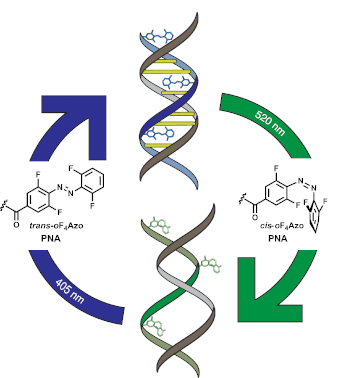
- switching capacities and duplex formation were analyzed. Our group has recently demonstrated that photoresponsive peptides can affect the transcription of genes via inhibition of histone-modifying enzymes [37]. Repression of enzymes is achievable at nucleic acid level too. Therefore, in this project we




Current understanding and biotechnological application of the bacterial diterpene synthase CotB2
Beilstein J. Org. Chem. 2019, 15, 2355–2368, doi:10.3762/bjoc.15.228
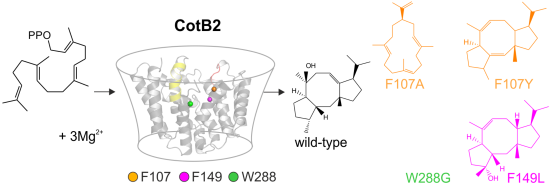
- MI614-43F2 comprises four enzymes: GGDP synthase (CotB1), a diterpene cyclase (CotB2) and two P450 cytochromes (Figure 1) [31]. The cyclization of GGDP 3 to cyclooctat-9-en-7-ol (4) is performed by the TPS CotB2. Compound 4 is further decorated with two hydroxy functions introduced by two P450
- enzymes that is widely distributed among plants, fungi and bacteria. CotB2 has evolved to convert the acyclic, achiral substrate GGDP to the 5–8–5 ring motif of cyclooctat-9-en-7-ol that contains six chiral stereocenters. Hence, CotB2 has been fine tuned to perform a highly specific regio- and
- acyclic substrate GGDP (3) is stereospecifically cyclized by CotB2 to cyclooctat-9-en-7-ol (4), with a fusicoccane 5–8–5 fused ring system. Two cytochrome P450 enzymes, CotB3 and CotB4, subsequently functionalize cyclooctat-9-en-7-ol (4) to the bioactive compound cyclooctatin (5). The bacterial diterpene


Genome mining in Trichoderma viride J1-030: discovery and identification of novel sesquiterpene synthase and its products
Beilstein J. Org. Chem. 2019, 15, 2052–2058, doi:10.3762/bjoc.15.202
- three types based on their amino acid sequence. Type I TPSs are metal-dependent enzymes that initiate cyclisation by the elimination of diphosphate groups from precursors and carbocation formation, and type II TPSs initiate the catalytic process by the protonation of an olefinic double bond [7]. The
- structurally diverse (poly)cyclic core skeletons [3][12]. A set of post-modification enzymes can transform core sesquiterpene skeletons into different kinds of sesquiterpenoids with potential anticancer, cytotoxic and antibiotic functions [13]. More than 121 skeleton structures derived from the sesquiterpene
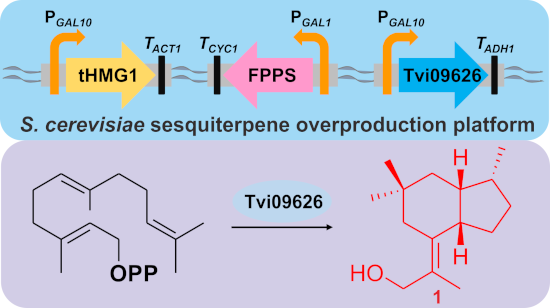
- of 89.66% and 85.23% with the enzymes from the strain T. virens Gv29-8 [27] and T. reesei QM6a [28], respectively, with only predicted functions. Thereafter, an amino acid sequence alignment with several known terpene synthases showed that Tvi09626 had the typical highly conserved 128DDxxD/E


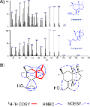

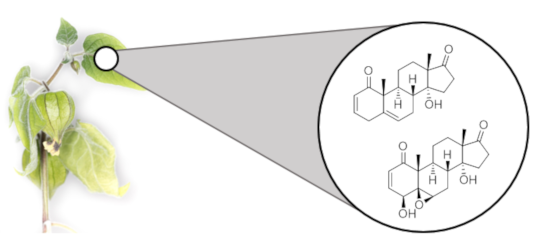
Isolation and characterisation of irinans, androstane-type withanolides from Physalis peruviana L.
Beilstein J. Org. Chem. 2019, 15, 2003–2012, doi:10.3762/bjoc.15.196
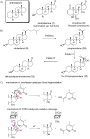
- [27]. Then, the bifunctional P450c17 acts as a 17α-hydroxylase and 17,20-lyase to give rise to androstanes [27]. Related enzymes have not been reported from plants. We searched transcriptome data of P. peruviana for putative homologues of these enzymes [28]. The best hits only had amino acid sequence
- identities of 22–28%, indicating that no P450 enzymes of these clans exist in P. peruviana. Although enzymes with similar catalytic activity might have evolved convergently in plants, the different substitution pattern in the side chain suggests that a side-chain cleavage mechanism distinct from mammals is
- directly linked to the known withanolides 4ß-hydroxywithanolide E (1), withanolide F (5) and withanolide S [23], respectively (Figure S20, Supporting Information File 1). If the fragmentation occurred early in the biosynthesis, this would imply that several biosynthetic enzymes have to tolerate substrates



Complexation of 2,6-helic[6]arene and its derivatives with 1,1′-dimethyl-4,4′-bipyridinium salts and protonated 4,4'-bipyridinium salts: an acid–base controllable complexation
Beilstein J. Org. Chem. 2019, 15, 1795–1804, doi:10.3762/bjoc.15.173
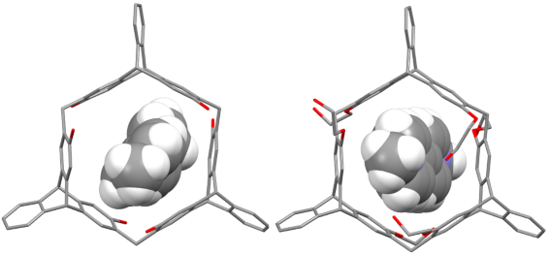
- are also the epitome of complex-binding pockets of enzymes [3]. Macrocyclic arenes including calixarenes [4][5], resorcinarenes [6], cyclotriveratrylenes [7][8], pillararenes [9], biphen[n]arenes [10] and others [11][12] are all composed of hydroxy-substituted aromatic rings bridged by methylene or





