Search results
Search for "pH" in Full Text gives 1056 result(s) in Beilstein Journal of Organic Chemistry. Showing first 200.
Synthesis and reactivity of azole-based iodazinium salts
Beilstein J. Org. Chem. 2023, 19, 317–324, doi:10.3762/bjoc.19.27
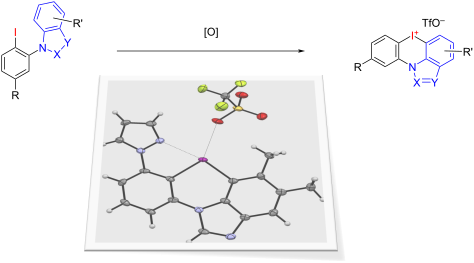
- used to create dicationic iodonium salts. The N-Me and N-Ph-iodonium-benzimidazolium salts 5av and 5aw were obtained in 47% and 36% yield, respectively. The introduction of additional ortho-methyl groups resulted in the formation of the σ-hole-protected N-substituted salts 5ax–az in up to 97% yield
- TsNH2 in combination with NaOCl as an oxidant was investigated next. Under these conditions, the N-Me salts 5ax and 12 gave the desired products 14a and 14b in 55% and 26% yield, respectively. The corresponding N-Ph- and N-Mes-derivatives 5ay and 5az failed to give products 14c and 14d and only




Recommendations for performing measurements of apparent equilibrium constants of enzyme-catalyzed reactions and for reporting the results of these measurements
Beilstein J. Org. Chem. 2023, 19, 303–316, doi:10.3762/bjoc.19.26
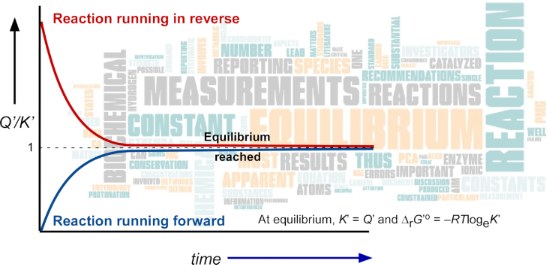
- number of hydrogen ions produced (or consumed) in the reaction. Thus, if protons are produced or absorbed, the pH will change. A chemical reaction equation must balance all elements including hydrogen, magnesium, and calcium as well as electric charge and has an equilibrium constant denoted by K. An
- pH and ionic strength, and, if Mg2+ or Ca2+ are involved in the reaction, at constant pMg and pCa. Consequently, the apparent equilibrium constant K’ is defined in terms of total (sum) concentrations and it depends on pH, pCa, pMg, and ionic strength I, whereas the equilibrium constant K defined in
- the conservation matrix for a biochemical reaction equation and these atoms are conserved. Thus, since the pH is constrained by the use of a buffer, hydrogen atoms are not included in the conservation matrix [10]. Similarly, as pMg or pCa are constrained (i.e., constant pMg or pCa), they, too, are not

Synthesis, α-mannosidase inhibition studies and molecular modeling of 1,4-imino-ᴅ-lyxitols and their C-5-altered N-arylalkyl derivatives
Beilstein J. Org. Chem. 2023, 19, 282–293, doi:10.3762/bjoc.19.24
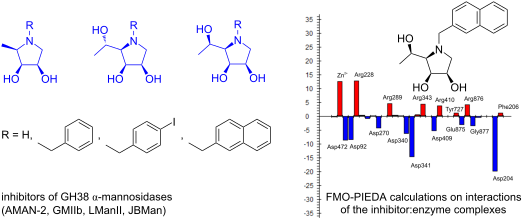
- α-mannosidase (LMan, GH38 family, E.C.3.2.1.24) [17] due to structural similarities between the active sites of GMII and LMan. Lysosomal α-mannosidases operate at a lower pH value (pH 4.5) compared to Golgi-type mannosidases (pH 6) and have a significantly broader substrate specificity. Another type
- of lysosomal α-mannosidase is Jack bean α-mannosidase from Canavalia enciformis (JBMan, GH38 family, E.C.3.2.1.24) which operates in the pH range 4–5. This class II mannosidase is inhibited by swainsonine very effectively (IC50 = 1–5 × 10⁻⁷ M) [18] and is frequently used as an acidic α-mannosidase
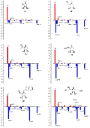
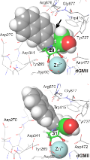
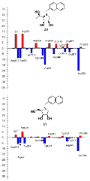
- geometries of the resulting inhibitor:dGMII complexes (for 10, 20, 28–30 and DIM) were optimized at the hybrid QM/MM level (BP86/LACVP*:OPLS2005). Based on the previous pKa calculations [22] of DIM, 30 and 31 bound at the active site of dGMII (their pKa = 4.9–5.4 at pH 6 of Golgi), all imino-ᴅ-lyxitol


Sequential hydrozirconation/Pd-catalyzed cross coupling of acyl chlorides towards conjugated (2E,4E)-dienones
Beilstein J. Org. Chem. 2023, 19, 176–185, doi:10.3762/bjoc.19.17
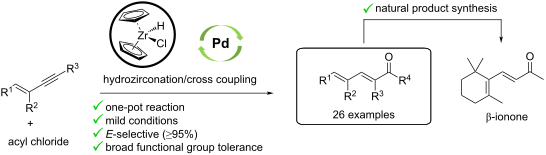
- sequential reaction, different enynes 25 and acid chlorides 26 were studied (Table 4). Fortunately, all desired products 27 were formed in ≥95% (2E,4E)-configuration (via 1H NMR). First, phenylenyne 25a (R1 = Ph) was chosen as the starting material and reacted with different acid chlorides 26a–s (Table 4



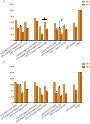
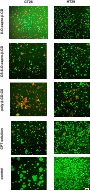
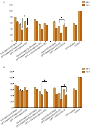
Insight into oral amphiphilic cyclodextrin nanoparticles for colorectal cancer: comprehensive mathematical model of drug release kinetic studies and antitumoral efficacy in 3D spheroid colon tumors
Beilstein J. Org. Chem. 2023, 19, 139–157, doi:10.3762/bjoc.19.14
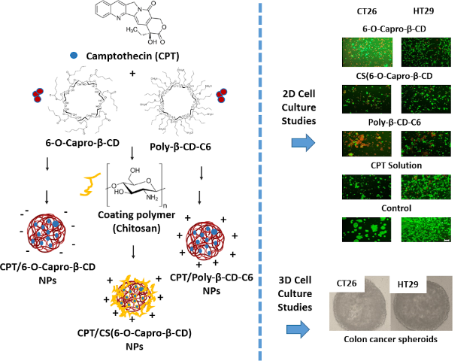
- structure is one of the biggest problems for researchers [6][7][8][9]. In the gastrointestinal environment, self-assembled nanoparticles are envisioned to protect the active ingredient from pH, enzymatic degradation, and efflux pumps in the intestines. Furthermore, the release profiles of the drug molecules
- , and small cell lung cancer. It still has not been used clinically for CRC treatment due to its physiological instability and clinical inefficacy due to its physicochemical structure and hydrolytic degradation potential [9][13][15]. While the active lactone form of CPT is present at acidic pH, it is
- hydrolyzed to the ineffective carboxylate form at basic pH, resulting in decreased clinical efficacy and increased drug-related toxicity. As only the lactone structure of CPT can be transferred through cellular membranes and inhibit topoisomerase I, it is the functional component of CPT lactone form that is




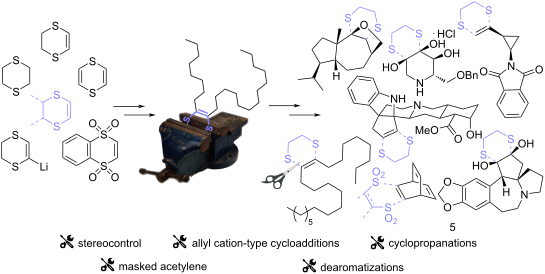
1,4-Dithianes: attractive C2-building blocks for the synthesis of complex molecular architectures
Beilstein J. Org. Chem. 2023, 19, 115–132, doi:10.3762/bjoc.19.12
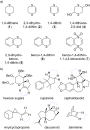
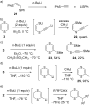
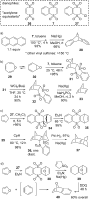
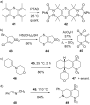
- that no standard set of conditions will suffice to achieve the desired transformations [42][58][59]. This is certainly our own experience in our lab. The optimal reaction times, additives, pH, solvents, and reagents (including reagent grades) can be surprisingly substrate dependent. Nevertheless, given










Preparation of β-cyclodextrin/polysaccharide foams using saponin
Beilstein J. Org. Chem. 2023, 19, 78–88, doi:10.3762/bjoc.19.7
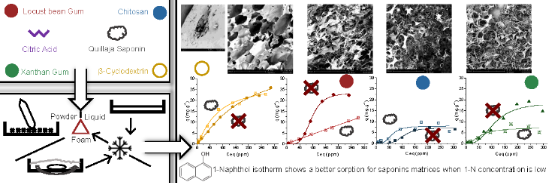
- . Phenolphthalein and 1-naphthol (≥99%) were obtained from Merck (Germany). Methods Synthesis procedures: Firstly, citric acid (1.3 g) is dissolved into 100 mL of deionized water (acidic pH is required for chitosan) with 1.5 g of polysaccharide (either xanthan, or locust bean gum, or chitosan) and/or β-cyclodextrin
- -cyclodextrin/polysaccharides (blue curves for chitosan, red for locust bean gum, green for xanthan gum) with saponin (yellow curves correspond to cyclodextrin matrices, without polysaccharide). Sorption of phenols (V, vanillin; Ph, phenol; m-c, m-cresol; 4eP, 4-ethylphenol; Eu, eugenol) in β-cyclodextrin



Improving the accuracy of 31P NMR chemical shift calculations by use of scaling methods
Beilstein J. Org. Chem. 2023, 19, 36–56, doi:10.3762/bjoc.19.4
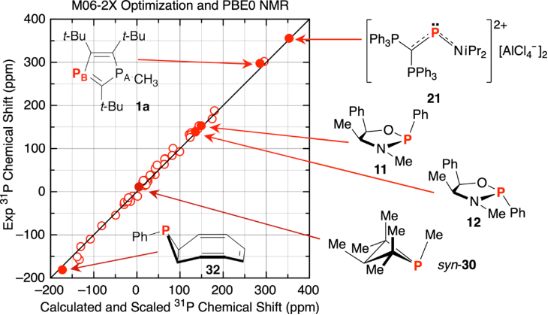
- set of 13 compounds (with 14 different phosphorus atoms) was chosen, including PY4+ (Y = H, Me, Ph, OMe, OPh), Y3P=O (Y = Me, Ph), O=P(OCH2)3P=O, Y2P(O)H (Y = MeO, iOPr), Y2P(O)Me (Y = MeO, iOPr), and EtOP(O)Me2. Despite spanning a chemical shift range of only about 150 ppm, this set exhibited a wider
- instance, two of the highest field experimental chemical shifts are listed in the Latypov report [37] as −162.6 ppm for (H2P)2PH and −203.6 ppm for (H2P)2 [59]. Problems include (a) the Latypov group did not specify whether the PH or PH2 moiety is the one exhibiting the peak at −162.6 ppm in (H2P)2PH, (b




Inline purification in continuous flow synthesis – opportunities and challenges
Beilstein J. Org. Chem. 2022, 18, 1720–1740, doi:10.3762/bjoc.18.182
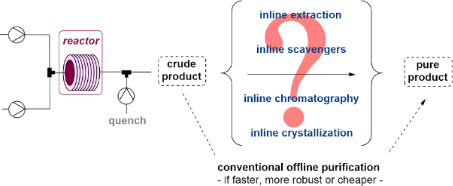
- membrane-based liquid–liquid separators the ability to gradually adjust the pH of the crude material stands out as an option to enable continuous purification. Though this approach does not apply to all substrates, it allows for tuning of parameters and sequential removal of impurities. Thorough
- [52]. After three sequential liquid–liquid extractions and a passage through a scavenger resin, atropine was obtained in >98% purity, after solvent evaporation as the only off-line operation. This was achieved due to careful pH control that enabled the separation of all byproducts, some of which
- having very similar structures. To purify a mixture by tuning its pH, the target compound must be ionizable. Recently, Blacker and co-workers developed an autonomous system for screening liquid–liquid extraction conditions using a Zaiput membrane [53]. The system is monitored by both online and inline




Total synthesis of grayanane natural products
Beilstein J. Org. Chem. 2022, 18, 1707–1719, doi:10.3762/bjoc.18.181
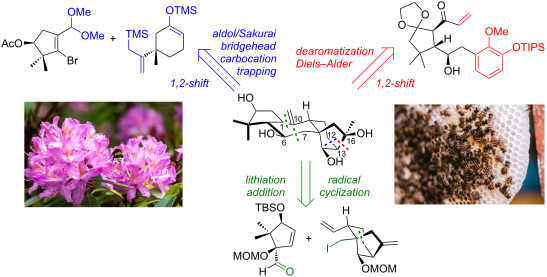
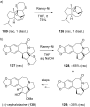
- alcohol on the A ring in 75% yield. The C3 epimer was also obtained in 4% yield and confirmed by X-ray diffraction. Hydrogenation of the sterically hindered C1–C2 alkene was accomplished using a combination of Mn(dpm)3 and Ph(iPrO)SiH2, providing grayanotoxin III in 51% yield. The authors also achieved




Redox-active molecules as organocatalysts for selective oxidative transformations – an unperceived organocatalysis field
Beilstein J. Org. Chem. 2022, 18, 1672–1695, doi:10.3762/bjoc.18.179
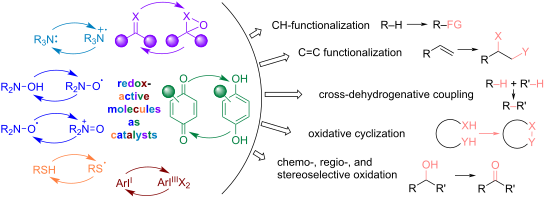
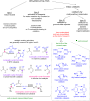
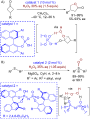
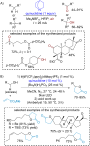
- transfer between the C-centered radical and (SPyf)2, whereas for Me-, CF3-, Ph-, and C6F5-derived thiols and disulfides HAT is more favorable than thiyl group transfer [123]. Quinone catalysis Quinones are well known as redox-active cofactors in biochemical processes and have found wide synthetic











Synthesis of (−)-halichonic acid and (−)-halichonic acid B
Beilstein J. Org. Chem. 2022, 18, 1629–1635, doi:10.3762/bjoc.18.174
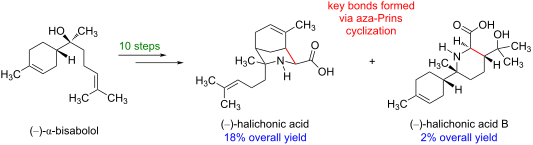
- hydrolysis of compounds 8 and 9 to form the corresponding amino acids. Thus, treating bicycle 8 with aqueous lithium hydroxide resulted in hydrolysis of the ethyl ester, and subsequent neutralization with pH 7 phosphate buffer afforded halichonic acid ((−)-1) in 88% yield after purification by column
- oxocarbenium ion 16. Subsequent loss of the ethyl group (either as ethyl formate upon solvolysis with the formic acid co-solvent or as ethanol upon aqueous workup) gives lactone 9, which features a strained trans-fused 6/5 ring system. Although this lactone survives aqueous workup at neutral pH, it is rapidly


One-pot double annulations to confer diastereoselective spirooxindolepyrrolothiazoles
Beilstein J. Org. Chem. 2022, 18, 1607–1616, doi:10.3762/bjoc.18.171
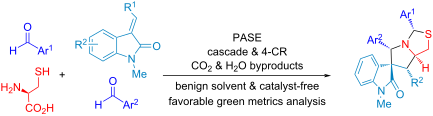
- different R1 was employed for the synthesis to give 7f with COMe in a trace amount and no product 7g with a Ph group. The following reactions with aliphatic aldehydes gave 7h and 7i as complex mixtures [54][55][56][57][58][59][71]. The reaction mechanism of the double annulations for sequential N,S


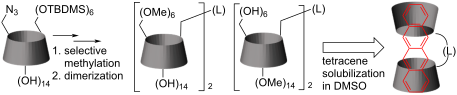
Preparation of β-cyclodextrin-based dimers with selectively methylated rims and their use for solubilization of tetracene
Beilstein J. Org. Chem. 2022, 18, 1596–1606, doi:10.3762/bjoc.18.170
- adding any solvent. The DIPEA can be effectively replaced by another relatively weak organic base, such as TEA, TBA, or 2,6-lutidine. The reaction proceeds at 100 °C and is usually finished in 10–12 hours, yielding compound 8. However, it demands a steady pH control because the basicity of the reaction


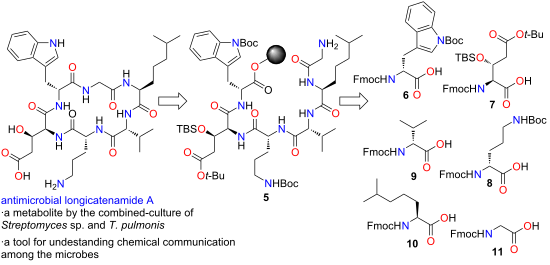
Solid-phase total synthesis and structural confirmation of antimicrobial longicatenamide A
Beilstein J. Org. Chem. 2022, 18, 1560–1566, doi:10.3762/bjoc.18.166
- ][27][28][29], such as concentration, pH, and purity. Thus, analyses of the NMR spectra of peptides sometimes lead to incorrect structural determination even though total synthesis of the proposed structures is successful [30]. In this study, synthesized and natural 1 were compared by collecting LC–MS



Comparison of crystal structure and DFT calculations of triferrocenyl trithiophosphite’s conformance
Beilstein J. Org. Chem. 2022, 18, 1499–1504, doi:10.3762/bjoc.18.157
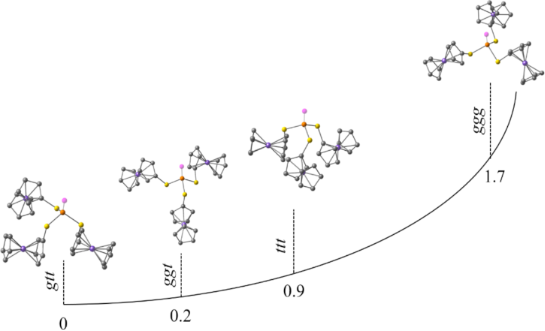
- interactions differ noticeably from each other. At the same time one should underline the role of the ferrocene moiety for the crystal structure of the (FcS)3P. The related (PhS)3P molecule with Ph rings instead of Fc units exist in the propeller-like gauche-gauche-gauche configuration [21], forming the C–H


Design, synthesis, and evaluation of chiral thiophosphorus acids as organocatalysts
Beilstein J. Org. Chem. 2022, 18, 1471–1478, doi:10.3762/bjoc.18.154
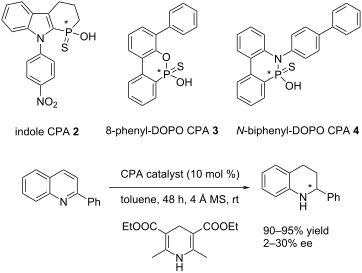
- are currently under investigation and results will be shared in due course. Chiral phosphorus acids (CPAs) derived from BINOL, VAPOL, and SPINOL. R = H, Ph, 4-PhC6H4-, 4-β-naphthylphenyl, 9-anthryl, 3,5-dimesitylphenyl, 3,5-diphenylphenyl, 4-MeC6H4-, 4-CF3C6H4-, 4-t-BuC6H4-, β-naphthyl, 3,5-t-Bu2C6H3


Synthesis of the biologically important dideuterium-labelled adenosine triphosphate analogue ApppI(d2)
Beilstein J. Org. Chem. 2022, 18, 1466–1470, doi:10.3762/bjoc.18.153
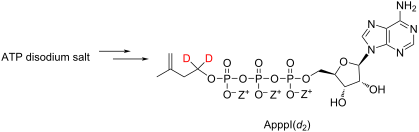
- added, and the reaction mixture was stirred at 0–3 °C for 1 h. The reaction mixture was made basic by adding an appropriate volume of 4 M NaOH with stirring (pH value measured by pH paper), and acetone was removed by evaporation in vacuum. The remaining mixture was acidified by addition of 6 M HCl and


Naphthalimide-phenothiazine dyads: effect of conformational flexibility and matching of the energy of the charge-transfer state and the localized triplet excited state on the thermally activated delayed fluorescence
Beilstein J. Org. Chem. 2022, 18, 1435–1453, doi:10.3762/bjoc.18.149
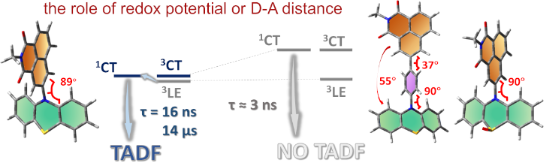
- minimal impacts on the geometry and the 3LE state energy in the dyad, was rarely explored [8]. We also modified the energy of the CT states by increasing the distance between the electron donor and acceptor by using an intervening phenyl linker between the NI and the PTZ moieties (NI-Ph-PTZ and NI-PhMe2
- -PTZ) [36]. The electronic coupling between the NI and PTZ units differ these two dyads. Finally, in NI-PhMe2-PTZ with methyl substituents, the phenyl linker adopts an orthogonal geometry with respect to the NI moiety, inducing a weaker coupling than that in NI-Ph-PTZ. The photophysical properties of
- , confirming that the CT absorption band strongly depends on the electron-donating ability of the donor. In both NI-Ph-PTZ and NI-PhMe2-PTZ, the CT band is negligible, due to the large separation between the NI and PTZ moieties. Note that in NI-Ph-PTZ, the electronic coupling between the NI and the phenyl
Preparation of an advanced intermediate for the synthesis of leustroducsins and phoslactomycins by heterocycloaddition
Beilstein J. Org. Chem. 2022, 18, 1385–1395, doi:10.3762/bjoc.18.143
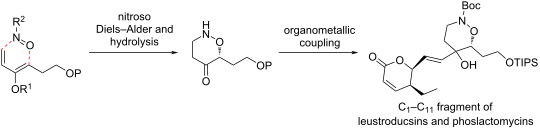
- (981 mg, 2.06 mmol, 2 equiv), calcium carbonate (206 mg, 2.06 mmol, 2 equiv) and water (40 µL, 2.06 mmol, 2 equiv) in isopropanol (1.8 mL). The mixture was stirred at rt for 30 h. Water (0.75 mL) was added and the solution stirred for additional 1 h. The pH was adjusted to 8 by addition of saturated


Cyclodextrin-based Schiff base pro-fragrances: Synthesis and release studies
Beilstein J. Org. Chem. 2022, 18, 1346–1354, doi:10.3762/bjoc.18.140
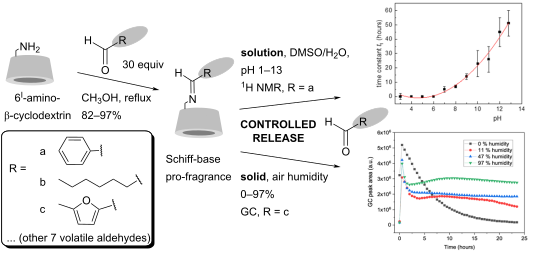
- – cinnamaldehyde, cyclamen aldehyde, lilial, benzaldehyde, anisaldehyde, vanillin, hexanal, heptanal, citral, and 5-methylfurfural. Subsequently, the rate of release of the volatile compound from selected pro-fragrances, as a function of the environment (solvent, pH), was studied by 1H NMR spectroscopy (for
- benzaldehyde) and static headspace-gas chromatography (for benzaldehyde, heptanal, and 5-methylfurfural). The aldehyde release rate from the imine was shown to depend substantially on the pH from the solution and the air humidity from the solid state. Keywords: aldehyde; controlled release; cyclodextrin
- industry, the covalent bond that links the fragrance to its substrate must be cleaved under environmental conditions found in everyday life, and the substrate should be non-volatile and non-toxic [17]. Typical triggers that may be used for mild chemical reactions are temperature, enzymatic or pH-dependent
Computational model predicts protein binding sites of a luminescent ligand equipped with guanidiniocarbonyl-pyrrole groups
Beilstein J. Org. Chem. 2022, 18, 1322–1331, doi:10.3762/bjoc.18.137
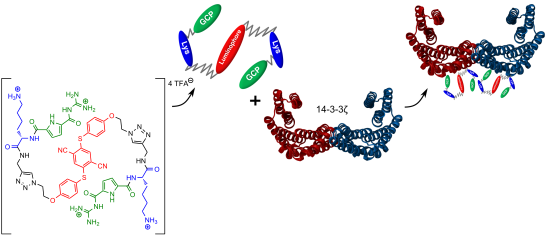
- ). Additionally, fluorescence- and UV-titration experiments suggested a dissociation constant in the low micromolar range (5.0 ± 0.9 µM/7.5 ± 1.1 µM, respectively) in buffered aqueous solution (25 mM HEPES, 150 mM NaCl, 10 mM MgCl2, 0.5 mM TCEP, pH 6.5) (Supporting Information File 1, Figures S26 and S28
- , [20]) was refined with MODELLER [31] as described in reference [26]. Charges, van der Waals radii and missing hydrogen atoms were added by PDB2PQR v2.0.0 [27][28] at pH 6.5 with the Amber force field option (values are provided as a table in Supporting Information File 2 and in Supporting Information




Make or break: the thermodynamic equilibrium of polyphosphate kinase-catalysed reactions
Beilstein J. Org. Chem. 2022, 18, 1278–1288, doi:10.3762/bjoc.18.134
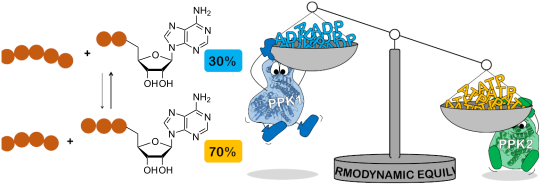
- [33][34]. Under physiological conditions as well as in an in vitro system the actual ΔG may be different by coordination of cations and the ionic strength, temperature and pH of the reaction solution [29][35][36]. Compared to other ATP synthesis reactions very little is known about the thermodynamics
- between different PPKs [10][15]. First experiments were conducted with the “model PPKs” EcPPK1 and SmPPK2. At 37 °C and pH 8, each enzyme was incubated with either ADP or ATP and polyP as co-substrate; the resulting nucleotide distributions were analysed by HPLC as a function of time (Figure 4). In all
- started with ADP catalysed by a) SmPPK2 and b) EcPPK1. Time courses of reactions started with ATP catalysed by c) SmPPK2 and d) EcPPK1. The nucleotide concentration was 2 mM, the reaction was carried out at pH 8.0 and 37 °C. Grey = AMP, blue = ADP, orange = ATP; the nucleotide composition is given in mol


Enantioselective total synthesis of putative dihydrorosefuran, a monoterpene with an unique 2,5-dihydrofuran structure
Beilstein J. Org. Chem. 2022, 18, 1264–1269, doi:10.3762/bjoc.18.132
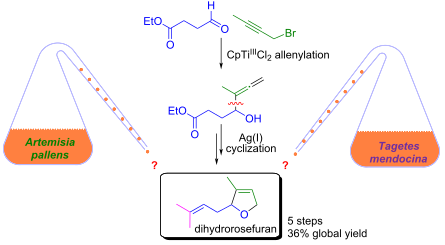
- is performed with stoichiometric amounts of CpTiCl3 or if catalytic amounts are used [12]. However, using the particular substrates in this approach, the allenic compound 3 was exclusively formed, in a satisfactory 81% yield [14]. It is also important to control the pH during the reaction workup, as
- some contamination of the product with lactone 5 can arise at low pH values, which goes in detriment of the yield. The 2,5-dihydrofuran ring in target compound 1 was obtained through a Ag(I)-mediated intramolecular addition of the hydroxy to the allene group, a process that transformed allene 3 into
- compound 2. The isopropenyl residue of the target compound 1 was assembled through a two-step sequence. The first one was the addition of an excess of methylmagnesium bromide to the ester 2, that completed the carbon skeleton. The second step was the pH-controlled regioselective dehydration of the tertiary


Lewis acid-catalyzed Pudovik reaction–phospha-Brook rearrangement sequence to access phosphoric esters
Beilstein J. Org. Chem. 2022, 18, 1188–1194, doi:10.3762/bjoc.18.123
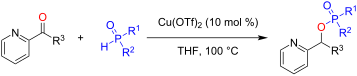
- . However, no clear trend regarding electronic effects could be observed since α-pyridinealdehydes bearing either an electron-donating group (e.g., Me, MeO, Ph) or electron-withdrawing group (e.g., F, Cl, Br, CF3, CO2Me) in position 5 were all well tolerated, and the desired products were generally obtained