


Search results
Search for "asymmetric total synthesis" in Full Text gives 24 result(s) in Beilstein Journal of Organic Chemistry.
Total synthesis of natural products based on hydrogenation of aromatic rings
- Haoxiang Wu and
- Xiangbing Qi
Beilstein J. Org. Chem. 2026, 22, 88–122, doi:10.3762/bjoc.22.4
- collective synthesis of matrine-type alkaloids. Asymmetric total synthesis of senepodine F by Ishikawa, 2023 Lycopodium alkaloids, isolated from plants of the Lycopodium genus (Lycopodiaceae family), represent a vast and structurally diverse family of natural products. To date, over 500 members of this
- and co-workers reported the first asymmetric total synthesis of (−)-senepodine F, a tetracyclic Lycopodium alkaloid (Scheme 29) [100]. The synthesis commenced with a stereoselective Diels–Alder reaction between compounds 194 and 195 under asymmetric amine catalysis, directly affording the bicyclic
- , isoquinoline, pyridine, and related substrates can now be reduced with high efficiency and stereoselectivity, providing efficient access to saturated and partially saturated architectures vital to synthetic chemistry. Furthermore, catalytic asymmetric aromatic hydrogenation has facilitated the asymmetric total

Graphical Abstract

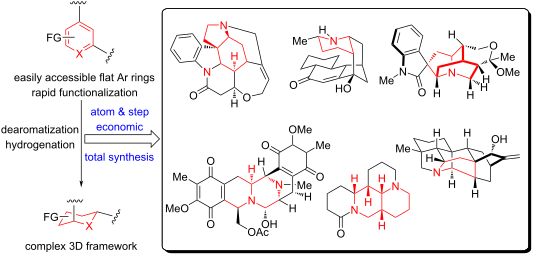
Scheme 1: The association between dearomatization and natural product synthesis.

Scheme 2: Key challenges in hydrogenation of aromatic rings.
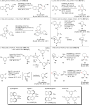
Scheme 3: Hydrogenation of heterocyclic aromatic rings.
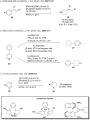
Scheme 4: Hydrogenation of the carbocyclic aromatic rings.
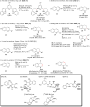
Scheme 5: Hydrogenation of the heterocycle part in bicyclic aromatic rings.
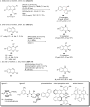
Scheme 6: Hydrogenation of the heterocycle part in bicyclic aromatic rings.
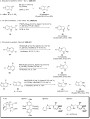
Scheme 7: Hydrogenation of benzofuran, indole, and their analogues.
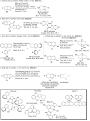
Scheme 8: Hydrogenation of benzofuran, indole, and their analogues.

Scheme 9: Total synthesis of (±)-keramaphidin B by Baldwin and co-workers.

Scheme 10: Total synthesis of (±)-LSD by Vollhardt and co-workers.

Scheme 11: Total synthesis of (±)-dihydrolysergic acid by Boger and co-workers.

Scheme 12: Total synthesis of (±)-lysergic acid by Smith and co-workers.

Scheme 13: Hydrogenation of (−)-tabersonine to (−)-decahydrotabersonine by Catherine Dacquet and co-workers.

Scheme 14: Total synthesis of (±)-nominine by Natsume and co-workers.
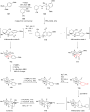
Scheme 15: Total synthesis of (+)-nominine by Gin and co-workers.

Scheme 16: Total synthesis of (±)-lemonomycinone and (±)-renieramycin by Magnus.

Scheme 17: Total synthesis of GB13 by Sarpong and co-workers.

Scheme 18: Total synthesis of GB13 by Shenvi and co-workers.

Scheme 19: Total synthesis of (±)-corynoxine and (±)-corynoxine B by Xia and co-workers.
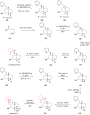
Scheme 20: Total synthesis of (+)-serratezomine E and the putative structure of huperzine N by Bonjoch and co-...

Scheme 21: Total synthesis of (±)-serralongamine A and the revised structure of huperzine N and N-epi-huperzin...

Scheme 22: Early attempts to indenopiperidine core.

Scheme 23: Homogeneous hydrogenation and completion of the synthesis.
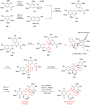
Scheme 24: Total synthesis of jorunnamycin A and jorumycin by Stoltz and co-workers.

Scheme 25: Early attempt towards (−)-finerenone by Aggarwal and co-workers.

Scheme 26: Enantioselective synthesis towards (−)-finerenone.

Scheme 27: Total synthesis of (+)-N-methylaspidospermidine by Smith, Grigolo and co-workers.

Scheme 28: Dearomatization approach towards matrine-type alkaloids.

Scheme 29: Asymmetric total synthesis to (−)-senepodine F via an asymmetric hydrogenation of pyridine.

Scheme 30: Selective hydrogenation of indole derivatives and application.
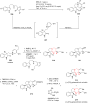
Scheme 31: Synthetic approaches to the oxindole alkaloids by Qi and co-workers.

Scheme 32: Total synthesis of annotinolide B by Smith and co-workers.
Recent advances in total synthesis of illisimonin A
- Juan Huang and
- Ming Yang
Beilstein J. Org. Chem. 2025, 21, 2571–2583, doi:10.3762/bjoc.21.199
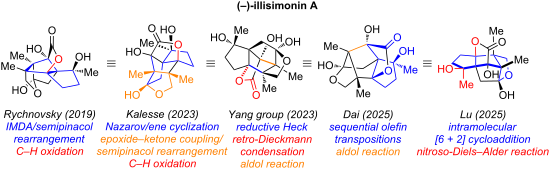
- hydroxy group could be responsible for this reversal in selectivity. Dai’s asymmetric synthesis of (−)-illisimonin A In 2025, Dai and co-workers accomplished an asymmetric total synthesis of (−)-illisimonin A in 16 steps from (S)-carvone (67) using a pattern-recognition strategy and five sequential olefin
- configuration. Kalesse and co-workers accomplished the first asymmetric total synthesis of (−)-illisimonin A based on strategies involving spiro substructure assembly and rearrangement. Consideration of the biosynthetic pathway of illisimonin A inspired Yang and co-workers to develop a bioinspired synthetic
- route. Employing a pattern-recognition strategy, Dai and co-workers achieved the second asymmetric total synthesis of (−)-illisimonin A in 16 steps. Lu and co-workers realized the shortest and gram-scale total synthesis of racemic illisimonin A in 15 steps by leveraging a higher-order cycloaddition

Graphical Abstract

Figure 1: The categorization of Illicium sesquiterpenes and representative natural products.

Figure 2: The original assigned (−)-illisimonin A, revised (−)-illisimonin A, and their different draws.

Scheme 1: Proposed biosynthetic pathway of illisimonin A by Yu et al.

Scheme 2: Rychnovsky’s racemic synthesis of illisimonin A (1).

Scheme 3: The absolute configuration revision of (−)-illisimonin A.
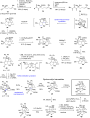
Scheme 4: Kalesse’s asymmetric synthesis of (−)-illisimonin A.

Scheme 5: Yang group proposed biosynthetic pathway of illisimonin A.

Scheme 6: Yang’s bioinspired synthesis of illisimonin A.
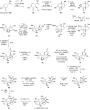
Scheme 7: Dai’s asymmetric synthesis of (–)-illisimonin A.

Scheme 8: Lu’s total synthesis of illisimonin A.

Scheme 9: Initial efforts toward the total synthesis of illisimonin A by the Lu Group.

Scheme 10: Suzuki’s synthetic effort towards illisimonin A.
Total syntheses of highly oxidative Ryania diterpenoids facilitated by innovations in synthetic strategies
- Zhi-Qi Cao,
- Jin-Bao Qiao and
- Yu-Ming Zhao
Beilstein J. Org. Chem. 2025, 21, 2553–2570, doi:10.3762/bjoc.21.198
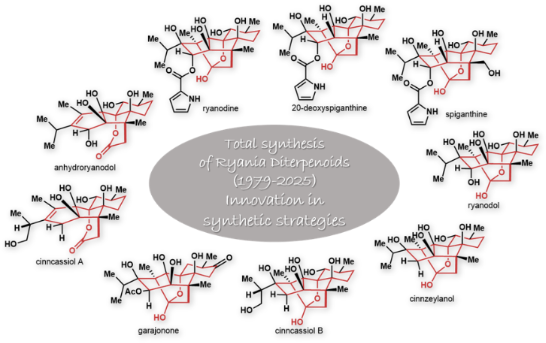
- core, successfully completing the first asymmetric total synthesis of ryanodol (4) in 41 steps. To elucidate the role of the C15 hemiacetal hydroxy group in ryanodine (1)-type diterpenoid natural products in binding to ryanodine receptors, the authors initially proposed reducing the lactone moiety in
- ). Furthermore, from intermediate 57, the introduction of an isopropyl group at C2 and subsequent deprotection furnished cinnzeylanol (6). Reisman’s total synthesis of (+)-ryanodine (1), (+)-20-deoxyspiganthine (2), and (+)-ryanodol (4) In 2016, the Reisman group at Caltech reported an asymmetric total synthesis
- , epoxidation of the C1–C2 double bond, and Li/NH3-promoted reductive cyclization to construct the core E ring, completing the asymmetric total synthesis of (+)-ryanodol (4). The 800-fold greater binding affinity of (+)-ryanodine (1) for cardiac ryanodine receptors (RyRs) compared to its hydrolysis product

Graphical Abstract

Scheme 1: Representative Ryania diterpenoids and their derivatives.
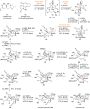
Scheme 2: Deslongchamps’s total synthesis of ryanodol (4).

Scheme 3: Deslongchamps’s total synthesis of 3-epi-ryanodol (5).
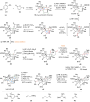
Scheme 4: Inoue’s total synthesis of ryanodol (4).

Scheme 5: Inoue’s total synthesis of ryanodine (1) from ryanodol (4).
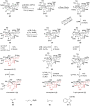
Scheme 6: Inoue’s total synthesis of cinncassiol A (9), cinncassiol B (7), cinnzeylanol (6), and 3-epi-ryanod...

Scheme 7: Reisman’s total synthesis of (+)-ryanodol (4).

Scheme 8: Reisman’s total synthesis of (+)-ryanodine (1) and (+)-20-deoxyspiganthine (2).

Scheme 9: Micalizio’s formal total synthesis of ryanodol (4).
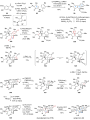
Scheme 10: Zhao’s total synthesis of garajonone (8).

Scheme 11: Zhao’s formal total synthesis of ryanodol (4) and ryanodine (1).
Recent advances in Norrish–Yang cyclization and dicarbonyl photoredox reactions for natural product synthesis
- Peng-Xi Luo,
- Jin-Xuan Yang,
- Shao-Min Fu and
- Bo Liu
Beilstein J. Org. Chem. 2025, 21, 2315–2333, doi:10.3762/bjoc.21.177
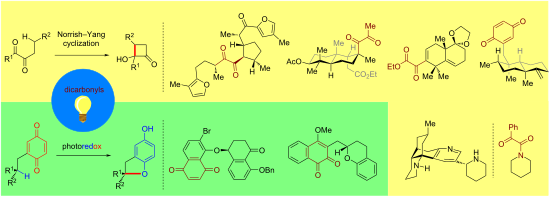
- . Asymmetric total synthesis of lycoplatyrine A. Photoreaction of pyrrolidine-derived phenyl keto amide. Photoredox reactions of naphthoquinones. Synthetic study toward γ-rubromycin. Substituent-dependent conformational preferences. Total synthesis of preussomerins EG1, EG2, and EG3. Acknowledgements This

Graphical Abstract

Scheme 1: a) The mechanism of Norrish type II reaction and Norrish–Yang cyclization; b) The mechanism of the ...

Scheme 2: Total synthesis of (+)-cyclobutastellettolide B.

Scheme 3: Norrish–Yang cyclization and 1,2-methyl migration.

Scheme 4: Synthetic study toward phainanoids.

Scheme 5: a) Mitsunobu reaction of the C9 ketal; b) Norrish–Yang cyclization of the saturated C5–C6; c) calcu...

Scheme 6: Total synthesis of avarane-type meroterpenoids.

Scheme 7: Total synthesis of gracilisoid A.
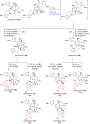
Scheme 8: Divergent total synthesis of gracilisoids B–I.

Scheme 9: Mechanism of the late-stage biomimetic photooxidation.

Scheme 10: Asymmetric total synthesis of lycoplatyrine A.

Scheme 11: Photoreaction of pyrrolidine-derived phenyl keto amide.

Scheme 12: Photoredox reactions of naphthoquinones.

Scheme 13: Synthetic study toward γ-rubromycin.

Scheme 14: Substituent-dependent conformational preferences.

Scheme 15: Total synthesis of preussomerins EG1, EG2, and EG3.
The application of desymmetric enantioselective reduction of cyclic 1,3-dicarbonyl compounds in the total synthesis of terpenoid and alkaloid natural products
- Dong-Xing Tan and
- Fu-She Han
Beilstein J. Org. Chem. 2025, 21, 2085–2102, doi:10.3762/bjoc.21.164
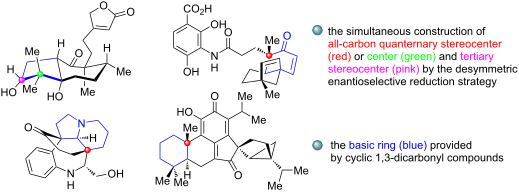
- shortage of natural product sources. Nevertheless, the asymmetric total synthesis of terpenoid and alkaloid natural products presents significant challenges due to their complex and diverse ring systems and the presence of multiple stereocenters, including all-carbon quaternary stereocenters. Consequently
- , the development of novel methods and strategies to achieve efficient asymmetric total synthesis of complex terpenoid and alkaloid natural products has drawn considerable attention from synthetic chemists. Over the past decades, the development of desymmetric enantioselective reduction strategy of
- co-workers accomplished the first asymmetric total synthesis of (+)-aplysiasecosterol A (6) by employing a desymmetric enantioselective reduction strategy of 1,3-cyclopentanedione derivative as the key transformation [14]. Their synthesis features a highly efficient desymmetric enantioselective

Graphical Abstract

Figure 1: Several representative terpenoid and alkaloid natural products synthesized by applying desymmetric ...
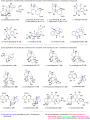
Figure 2: Selected terpenoid and alkaloid natural products synthesized by applying desymmetric enantioselecti...

Scheme 1: The total synthesis of (+)-aplysiasecosterol A (6) by Li [14].

Scheme 2: The total synthesis of (−)-cyrneine A by Han [31].

Scheme 3: The total syntheses of three cyrneine diterpenoids by Han [31,32].

Scheme 4: The total synthesis of (−)-hamigeran B and (−)-4-bromohamigeran B by Han [51].

Scheme 5: The total synthesis of (+)-randainin D by Baudoin [53].
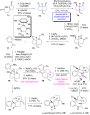
Scheme 6: The total synthesis of (−)-hunterine A and (−)-aspidospermidine by Stoltz [58].

Scheme 7: The total synthesis of (+)-toxicodenane A by Han [65,66].
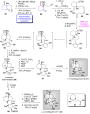
Scheme 8: The formal total synthesis of (−)-conidiogeone B and total synthesis of (−)-conidiogeone F by Lee a...

Scheme 9: The total syntheses of four conidiogenones natural products by Lee and Han [72].

Scheme 10: The total synthesis of (−)-platensilin by Lou and Xu [82].

Scheme 11: The total synthesis of (−)-platencin and (−)-platensimycin by Lou and Xu [82].

Scheme 12: The total synthesis of (+)-isochamaecydin and (+)-chamaecydin by Han [86].
Bioinspired total syntheses of natural products: a personal adventure
- Zhengyi Qin,
- Yuting Yang,
- Nuran Yan,
- Xinyu Liang,
- Zhiyu Zhang,
- Yaxuan Duan,
- Huilin Li and
- Xuegong She
Beilstein J. Org. Chem. 2025, 21, 2048–2061, doi:10.3762/bjoc.21.160
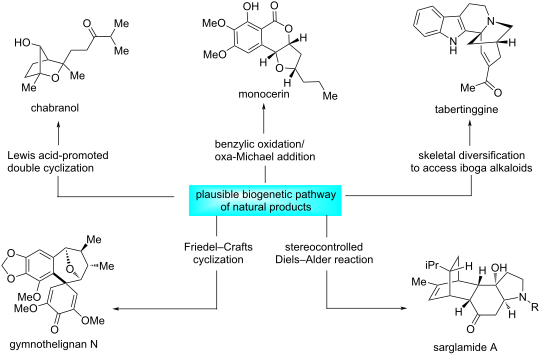
- powerful routes to the asymmetric total synthesis of these bioactive molecules. The precursors of the key bioinspired transformations 36, 38 and 40 were efficiently synthesized from simple fragments aryl aldehyde 42 or 43, phenylboronic acid 44 and chiral auxiliary-containing building block 45, through

Graphical Abstract

Figure 1: Representative natural products with biomimetic total synthesis.

Scheme 1: Bioinspired total synthesis of chabranol (2010).

Scheme 2: Proposed biosynthetic pathway of monocerin-family natural products.

Scheme 3: Bioinspired total synthesis of monocerin-family molecules (2013).
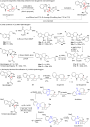
Scheme 4: Bioinspired skeletal diversification of (12-MeO-)tabertinggine (2016).

Scheme 5: Structures and our proposed biosynthetic pathway of gymnothelignans.

Scheme 6: Bioinspired total synthesis of gymnothelignans (2014–2025).
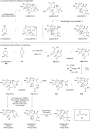
Scheme 7: Bioinspired total synthesis of sarglamides (2025).
Asymmetric total synthesis of tricyclic prostaglandin D2 metabolite methyl ester via oxidative radical cyclization
- Miao Xiao,
- Liuyang Pu,
- Qiaoli Shang,
- Lei Zhu and
- Jun Huang
Beilstein J. Org. Chem. 2025, 21, 1964–1972, doi:10.3762/bjoc.21.152
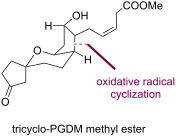
- synthesis of tricyclic-PGDM methyl ester in 9 steps and 8% overall yield. Keywords: asymmetric total synthesis; oxidative radical cyclization; tricyclic prostaglandin D2 metabolite methyl ester; Introduction Prostaglandins (PGs), a family of hormone-like lipid compounds, are ubiquitous natural products
- ring system with the appropriate functional groups in place for attaching the remaining groups is a highly important task for the asymmetric total synthesis of PGs and analogues [10][11][12][13]. The groups of Aggarwal [14], Hayashi [15], and Zhang [16] have reported bond-disconnection strategies for
- stereoselectively access the syn-anti-cyclopentanol ring system with three vicinal stereogenic centers at C11, C12, and C8 via the oxidative radical cyclization that led to the asymmetric total synthesis of compound 4. Results and Discussion First generation asymmetric total synthesis of tricyclic-PGDM methyl ester

Graphical Abstract
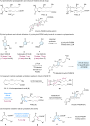
Scheme 1: Representative prostaglandins and general synthetic strategy toward PGDM methyl ester 4.

Scheme 2: Retrosynthetic analysis for the first generation synthesis of PGDM methyl ester 4.

Scheme 3: Synthesis of bicyclic ketal 25.

Scheme 4: Retrosynthetic analysis for the second-generation synthesis of tricyclic PGDM methyl ester 4.
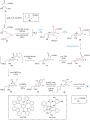
Scheme 5: Asymmetric total synthesis of tricyclic-PGDM methyl ester 4.
Ceratinadin G, a new psammaplysin derivative possessing a cyano group from a sponge of the genus Pseudoceratina
- Shin-ichiro Kurimoto,
- Kouta Inoue,
- Taito Ohno and
- Takaaki Kubota
Beilstein J. Org. Chem. 2024, 20, 3215–3220, doi:10.3762/bjoc.20.267
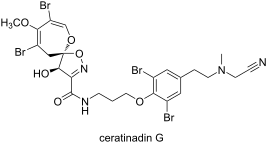
- , the first asymmetric total synthesis of psammaplysin A was accomplished by Smith and Morrow, and the absolute configuration of compound 1 was also confirmed through organic synthesis [7]. In our ongoing research focused on uncovering new bioactive secondary metabolites from Okinawan marine sponges, we

Graphical Abstract

Figure 1: Structures of ceratinadin G (1) and psammaplysin F (2).

Figure 2: Selected 2D NMR correlations for ceratinadin G (1).

Figure 3: ECD spectra of ceratinadin G (1) and psammaplysin F (2) in MeOH.
Enolates ambushed – asymmetric tandem conjugate addition and subsequent enolate trapping with conventional and less traditional electrophiles
- Péter Kisszékelyi and
- Radovan Šebesta
Beilstein J. Org. Chem. 2023, 19, 593–634, doi:10.3762/bjoc.19.44
- successfully treated by artemisinin combination therapy (ACT). Artemisinin can be isolated from the Artemisia annua (sweet wormwood) plant. This sesquiterpene lactone bearing a peroxide is a prodrug of the biologically active dihydroartemisinin. In 2012, Zhu and Cook developed a gram-scale asymmetric total
- synthesis of (+)-artemisinin (Scheme 55) [102]. Using the commercially available and cheap cyclohexenone 1 as starting material, they have demonstrated an economic synthesis plan in only five steps. In the first step, the Cu-catalyzed conjugate addition of Me2Zn is followed by alkylation with 1-bromobut-2

Graphical Abstract

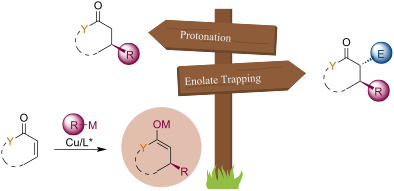
Scheme 1: General scheme depicting tandem reactions based on an asymmetric conjugate addition followed by an ...

Scheme 2: Cu-catalyzed tandem conjugate addition of R2Zn/aldol reaction with chiral acetals.

Scheme 3: Cu-catalyzed asymmetric desymmetrization of cyclopentene-1,3-diones using a tandem conjugate additi...

Scheme 4: Stereocontrolled assembly of dialkylzincs, cyclic enones, and sulfinylimines utilizing a Cu-catalyz...

Scheme 5: Cu-catalyzed tandem conjugate addition/Mannich reaction (A). Access to chiral isoindolinones and tr...

Scheme 6: Cu-catalyzed tandem conjugate addition/nitro-Mannich reaction (A) with syn–anti or syn–syn selectiv...

Figure 1: Various chiral ligands utilized for the tandem conjugate addition/Michael reaction sequences.
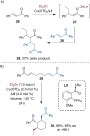
Scheme 7: Cu-catalyzed tandem conjugate addition/Michael reaction: side-product formation with chalcone (A) a...

Scheme 8: Zn enolate trapping using allyl iodides (A), Stork–Jung vinylsilane reagents (B), and allyl bromide...

Scheme 9: Cu-catalyzed tandem conjugate addition/acylation through Li R2Zn enolate (A). A four-component coup...

Scheme 10: Selected examples for the Cu-catalyzed tandem conjugate addition/trifluoromethylthiolation sequence....

Scheme 11: Zn enolates trapped by vinyloxiranes: synthesis of allylic alcohols.

Scheme 12: Stereoselective cyclopropanation of Mg enolates formed by ACA of Grignard reagents to chlorocrotona...

Scheme 13: Domino aldol reactions of Mg enolates formed from coumarin and chromone.

Scheme 14: Oxidative coupling of ACA-produced Mg enolates.

Scheme 15: Tandem ACA of Grignard reagents to enones and Mannich reaction.

Scheme 16: Diastereodivergent Mannich reaction of Mg enolates with differently N-protected imines.

Scheme 17: Tandem Grignard–ACA–Mannich using Taddol-based phosphine-phosphite ligands.

Scheme 18: Tandem reaction of Mg enolates with aminomethylating reagents.

Scheme 19: Tandem reaction composed of Grignard ACA to alkynyl enones.

Scheme 20: Rh/Cu-catalyzed tandem reaction of diazo enoates leading to cyclobutanes.

Scheme 21: Tandem Grignard-ACA of cyclopentenones and alkylation of enolates.

Scheme 22: Tandem ACA of Grignard reagents followed by enolate trapping reaction with onium compounds.

Scheme 23: Mg enolates generated from unsaturated lactones in reaction with activated alkenes.

Scheme 24: Lewis acid mediated ACA to amides and SN2 cyclization of a Br-appended enolate.

Scheme 25: Trapping reactions of aza-enolates with Michael acceptors.

Scheme 26: Si enolates generated by TMSOTf-mediated ACA of Grignard reagents and enolate trapping reaction wit...

Scheme 27: Trapping reactions of enolates generated from alkenyl heterocycles (A) and carboxylic acids (B) wit...

Scheme 28: Reactions of heterocyclic Mg enolates with onium compounds.

Scheme 29: Synthetic transformations of cycloheptatrienyl and benzodithiolyl substituents.

Scheme 30: Aminomethylation of Al enolates generated by ACA of trialkylaluminum reagents.

Scheme 31: Trapping reactions of enolates with activated alkenes.

Scheme 32: Alkynylation of racemic aluminum or magnesium enolates.

Scheme 33: Trapping reactions of Zr enolates generated by Cu-ACA of organozirconium reagents.

Scheme 34: Chloromethylation of Zr enolates using the Vilsmeier–Haack reagent.

Scheme 35: Tandem conjugate borylation with subsequent protonation or enolate trapping by an electrophile.

Scheme 36: Tandem conjugate borylation/aldol reaction of cyclohexenones.

Scheme 37: Selected examples for the tandem asymmetric borylation/intramolecular aldol reaction; synthesis of ...

Scheme 38: Cu-catalyzed tandem methylborylation of α,β-unsaturated phosphine oxide in the presence of (R,Sp)-J...

Scheme 39: Cu-catalyzed tandem transannular conjugated borylation/aldol cyclization of macrocycles containing ...

Scheme 40: Stereoselective tandem conjugate borylation/Mannich cyclization: selected examples (A) and a multi-...

Scheme 41: Some examples of Cu-catalyzed asymmetric tandem borylation/aldol cyclization (A). Application to di...

Scheme 42: Atropisomeric P,N-ligands used in tandem conjugate borylation/aldol cyclization sequence.

Scheme 43: Selected examples for the enantioselective Cu-catalyzed borylation/intramolecular Michael addition ...

Scheme 44: Selected examples for the preparation of enantioenriched spiroindanes using a Cu-catalyzed tandem c...
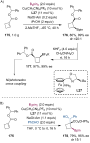
Scheme 45: Enantioselective conjugate borylation of cyclobutene-1-carboxylic acid diphenylmethyl ester 175 wit...

Scheme 46: Cu-catalyzed enantioselective tandem conjugate silylation of α,β-unsaturated ketones with subsequen...

Scheme 47: Cu-catalyzed enantioselective tandem conjugate silylation of α,β-unsaturated ketones with subsequen...
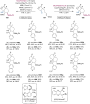
Scheme 48: Cu-catalyzed tandem conjugate silylation/aldol condensation. The diastereoselectivity is controlled...

Scheme 49: Chiral Ru-catalyzed three-component coupling reaction.

Scheme 50: Rh-Phebox complex-catalyzed reductive cyclization and subsequent reaction with Michael acceptors th...

Scheme 51: Rh-catalyzed tandem asymmetric conjugate alkynylation/aldol reaction (A) and subsequent spiro-cycli...

Scheme 52: Rh-bod complex-catalyzed tandem asymmetric conjugate arylation/intramolecular aldol addition (A). S...

Scheme 53: Co-catalyzed C–H-bond activation/asymmetric conjugate addition/aldol reaction.

Scheme 54: (Diisopinocampheyl)borane-promoted 1,4-hydroboration of α,β-unsaturated morpholine carboxamides and...

Figure 2: Some examples of total syntheses that have been recently reviewed.

Scheme 55: Stereoselective synthesis of antimalarial prodrug (+)-artemisinin utilizing a tandem conjugate addi...

Scheme 56: Amphilectane and serrulatane diterpenoids: preparation of chiral starting material via asymmetric t...

Scheme 57: Various asymmetric syntheses of pleuromutilin and related compounds based on a tandem conjugate add...
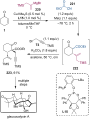
Scheme 58: Total synthesis of glaucocalyxin A utilizing a tandem conjugate addition/acylation reaction sequenc...
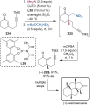
Scheme 59: Installation of the exocyclic double bond using a tandem conjugate addition/aminomethylation sequen...
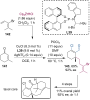
Scheme 60: Synthesis of the taxol core using a tandem conjugate addition/enolate trapping sequence with Vilsme...
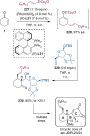
Scheme 61: Synthesis of the tricyclic core of 12-epi-JBIR-23/24 utilizing a Rh-catalyzed asymmetric conjugate ...
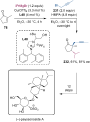
Scheme 62: Total synthesis of (−)-peyssonoside A utilizing a Cu-catalyzed enantioselective tandem conjugate ad...
Strategies to access the [5-8] bicyclic core encountered in the sesquiterpene, diterpene and sesterterpene series
- Cécile Alleman,
- Charlène Gadais,
- Laurent Legentil and
- François-Hugues Porée
Beilstein J. Org. Chem. 2023, 19, 245–281, doi:10.3762/bjoc.19.23
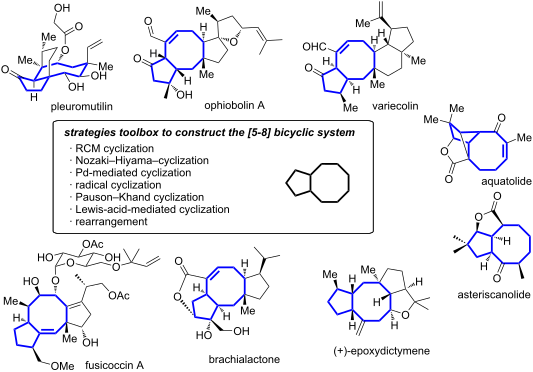
- Cav3.1 calcium channel. From a chemical point of view, hypoestin A (177) presents a complex structure: it is composed of a [5-8-5-3] tetracyclic core skeleton, with five stereogenic centers, whose four of them are contiguous. Before their work, no asymmetric total synthesis of hypoestin A (177) has been
- reported. During this study, they also looked into the asymmetric total synthesis of albolic acid (178) and ceroplastol II (179). Only one paper reported their total synthesis, using a reductive coupling of aldehydes for the synthesis of the eight-membered ring with an excellent yield of 96% [82]. However

Graphical Abstract

Figure 1: Examples of terpenes containing a bicyclo[3.6.0]undecane motif.

Figure 2: Commercially available first and second generation Grubbs and Hoveyda–Grubbs catalysts.

Figure 3: Examples of strategies to access the fusicoccan and ophiobolin tricyclic core structure by RCM.

Scheme 1: Synthesis of bicyclic core structure 12 of ophiobolin M (13) and cycloaraneosene (14).

Scheme 2: Synthesis of the core structure 21 of ophiobolins and fusicoccanes.

Scheme 3: Ring-closing metathesis attempts starting from thioester 22.

Scheme 4: Total synthesis of ent-fusicoauritone (28).

Figure 4: General structure of ophiobolins and congeners.

Scheme 5: Total synthesis of (+)-ophiobolin A (8).

Scheme 6: Investigation of RCM for the synthesis of ophiobolin A (8). Path A) RCM with TBDPS-protected alcoho...

Scheme 7: Synthesis of the core structure of cotylenin A aglycon, cotylenol (50).

Scheme 8: Synthesis of tricyclic core structure of fusicoccans.

Scheme 9: Total synthesis of (−)-teubrevin G (59).

Scheme 10: Synthesis of the core skeleton 63 of the basmane family.

Scheme 11: Total synthesis of (±)-schindilactone A (68).

Scheme 12: Total synthesis of dactylol (72).

Scheme 13: Ring-closing metathesis for the total synthesis of (±)-asteriscanolide (2).

Scheme 14: Synthesis of the simplified skeleton of pleuromutilin (1).

Scheme 15: Total synthesis of (−)-nitidasin (93) using a ring-closing metathesis to construct the eight-member...

Scheme 16: Total synthesis of (±)-naupliolide (97).

Scheme 17: Synthesis of the A-B ring structure of fusicoccane (101).

Scheme 18: First attempts of TRCM of dienyne substrates.

Scheme 19: TRCM on optimized substrates towards the synthesis of ophiobolin A (8).

Scheme 20: Tandem ring-closing metathesis for the synthesis of variecolin intermediates 114 and 115.

Scheme 21: Synthesis of poitediol (118) using the allylsilane ring-closing metathesis.

Scheme 22: Access to scaffold 122 by a NHK coupling reaction.

Scheme 23: Key step to construct the [5-8] bicyclooctanone core of aquatolide (4).

Scheme 24: Initial strategy to access aquatolide (4).

Scheme 25: Synthetic plan to cotylenin A (130).

Scheme 26: [5-8] Bicyclic structure of brachialactone (7) constructed by a Mizoroki–Heck reaction.

Scheme 27: Influence of the replacement of the allylic alcohol moiety.

Scheme 28: Formation of variecolin intermediate 140 through a SmI2-mediated Barbier-type reaction.

Scheme 29: SmI2-mediated ketyl addition. Pleuromutilin (1) eight-membered ring closure via C5–C14 bond formati...

Scheme 30: SmI2-mediated dialdehyde cyclization cascade of [5-8-6] pleuromutilin scaffold 149.

Scheme 31: A) Modular synthetic route to mutilin and pleuromutilin family members by Herzon’s group. B) Scaffo...

Scheme 32: Photocatalyzed oxidative ring expansion in pleuromutilin (1) total synthesis.

Scheme 33: Reductive radical cascade cyclization route towards (−)-6-epi-ophiobolin N (168).

Scheme 34: Reductive radical cascade cyclization route towards (+)-6-epi-ophiobolin A (173).

Scheme 35: Radical 8-endo-trig-cyclization of a xanthate precursor.

Figure 5: Structural representations of hypoestin A (177), albolic acid (178), and ceroplastol II (179) beari...

Scheme 36: Synthesis of the common [5-8-5] tricyclic intermediate of hypoestin A (177), albolic acid (178), an...

Scheme 37: Asymmetric synthesis of hypoestin A (177), albolic acid (178), and ceroplastol II (179).

Figure 6: Scope of the Pauson–Khand reaction.

Scheme 38: Nazarov cyclization revealing the fusicoauritone core structure 192.

Scheme 39: Synthesis of fusicoauritone (28) through Nazarov cyclization.

Scheme 40: (+)-Epoxydictymene (5) synthesis through a Nicholas cyclization followed by a Pauson–Khand reaction...

Scheme 41: Synthesis of aquatolide (4) by a Mukaiyama-type aldolisation.

Scheme 42: Tandem Wolff/Cope rearrangement furnishing the A-B bicyclic moiety 204 of variecolin.

Scheme 43: Asymmetric synthesis of the A-B bicyclic core 205 and 206 of variecolin.

Scheme 44: Formation of [5-8]-fused rings by cyclization under thermal activation.

Scheme 45: Construction of the [5-8-6] tricyclic core structure of variecolin (3) by Diels–Alder reaction.

Scheme 46: Synthesis of the [6-4-8-5]-tetracyclic skeleton by palladium-mediated cyclization.

Scheme 47: Access to the [5-8] bicyclic core structure of asteriscanolide (227) through rhodium-catalyzed cycl...

Scheme 48: Total syntheses of asterisca-3(15),6-diene (230) and asteriscanolide (2) with a Rh-catalyzed cycliz...

Scheme 49: Photocyclization of 2-pyridones to access the [5-8-5] backbone of fusicoccanes.

Scheme 50: Total synthesis of (+)-asteriscunolide D (245) and (+)-aquatolide (4) through photocyclization.

Scheme 51: Biocatalysis pathway to construct the [5-8-5] tricyclic scaffold of brassicicenes.

Scheme 52: Influence of the CotB2 mutant over the cyclization’s outcome of GGDP.
Recent advances in organocatalytic asymmetric aza-Michael reactions of amines and amides
- Pratibha Sharma,
- Raakhi Gupta and
- Raj K. Bansal
Beilstein J. Org. Chem. 2021, 17, 2585–2610, doi:10.3762/bjoc.17.173
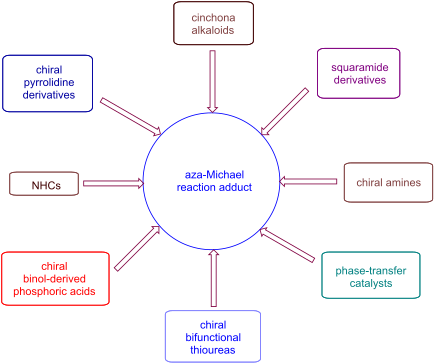
- tertiary amine-thiourea catalyst (cat. 82). This cascade reaction afforded aza-Michael adducts in 77–92% yields with high ee (up to 90%) (Table 19) [55]. Du et al. developed an enantioselective catalytic tandem aminolysis/aza-Michael addition for the asymmetric total synthesis of two natural Apocynaceae

Graphical Abstract

Scheme 1: Asymmetric aza-Michael addition catalyzed by cinchona alkaloid derivatives.

Scheme 2: Intramolecular 6-exo-trig aza-Michael addition reaction.

Scheme 3: Asymmetric aza-Michael/Michael addition cascade reaction of 2-nitrobenzofurans and 2-nitrobenzothio...

Scheme 4: Asymmetric aza-Michael addition of para-dienone imide to benzylamine.

Scheme 5: Asymmetric synthesis of chiral N-functionalized heteroarenes.
Advances in mercury(II)-salt-mediated cyclization reactions of unsaturated bonds
- Sumana Mandal,
- Raju D. Chaudhari and
- Goutam Biswas
Beilstein J. Org. Chem. 2021, 17, 2348–2376, doi:10.3762/bjoc.17.153
- efficiently utilized for the synthesis of highly strained tricyclo[5.2.1.01,6]decene intermediate 214 containing a cyclobutane ring (Scheme 64). Compound 213 is an important precursor for the asymmetric total synthesis of solanoeclepin A. The formation of β-hydroxyketone 213 was achieved by Hg(TFA)2-mediated

Graphical Abstract

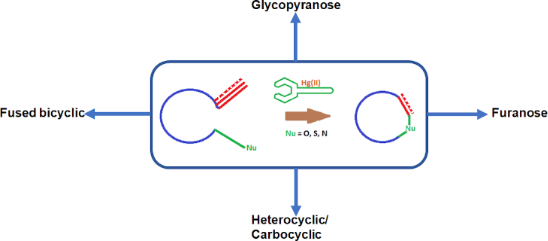
Scheme 1: Schematic representation of Hg(II)-mediated addition to an unsaturated bond.

Scheme 2: First report of Hg(II)-mediated synthesis of 2,5-dioxane derivatives from allyl alcohol.

Scheme 3: Stepwise synthesis of 2,6-distubstituted dioxane derivatives.

Scheme 4: Cyclization of carbohydrate alkene precursor.

Scheme 5: Hg(II)-mediated synthesis of C-glucopyranosyl derivatives.

Scheme 6: Synthesis of C-glycosyl amino acid derivative using Hg(TFA)2.

Scheme 7: Hg(OAc)2-mediated synthesis of α-ᴅ-ribose derivative.

Scheme 8: Synthesis of β-ᴅ-arabinose derivative 18.

Scheme 9: Hg(OAc)2-mediated synthesis of tetrahydrofuran derivatives.

Scheme 10: Synthesis of Hg(TFA)2-mediated bicyclic nucleoside derivative.

Scheme 11: Synthesis of pyrrolidine and piperidine derivatives.

Scheme 12: HgCl2-mediated synthesis of diastereomeric pyrrolidine derivatives.

Scheme 13: HgCl2-mediated cyclization of alkenyl α-aminophosphonates.

Scheme 14: Cyclization of 4-cycloocten-1-ol with Hg(OAc)2 forming fused bicyclic products.

Scheme 15: trans-Amino alcohol formation through Hg(II)-salt-mediated cyclization.

Scheme 16: Hg(OAc)2-mediated 2-aza- or 2-oxa-bicyclic ring formations.

Scheme 17: Hg(II)-salt-induced cyclic peroxide formation.

Scheme 18: Hg(OAc)2-mediated formation of 1,2,4-trioxanes.

Scheme 19: Endocyclic enol ether derivative formation through Hg(II) salts.

Scheme 20: Synthesis of optically active cyclic alanine derivatives.

Scheme 21: Hg(II)-salt-mediated formation of tetrahydropyrimidin-4(1H)-one derivatives.

Scheme 22: Cyclization of ether derivatives to form stereoselective oxazolidine derivatives.

Scheme 23: Cyclization of amide derivatives induced by Hg(OAc)2.

Scheme 24: Hg(OAc)2/Hg(TFA)2-promoted cyclization of salicylamide-derived amidal auxiliary derivatives.

Scheme 25: Hg(II)-salt-mediated cyclization to form dihydrobenzopyrans.

Scheme 26: HgCl2-induced cyclization of acetylenic silyl enol ether derivatives.

Scheme 27: Synthesis of exocyclic and endocyclic enol ether derivatives.

Scheme 28: Cyclization of trans-acetylenic alcohol by treatment with HgCl2.

Scheme 29: Synthesis of benzofuran derivatives in presence of HgCl2.

Scheme 30: a) Hg(II)-salt-mediated cyclization of 4-hydroxy-2-alkyn-1-ones to furan derivatives and b) its mec...
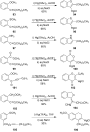
Scheme 31: Cyclization of arylacetylenes to synthesize carbocyclic and heterocyclic derivatives.

Scheme 32: Hg(II)-salt-promoted cyclization–rearrangement to form heterocyclic compounds.

Scheme 33: a) HgCl2-mediated cyclization reaction of tethered alkyne dithioacetals; and b) proposed mechanism.

Scheme 34: Cyclization of aryl allenic ethers on treatment with Hg(OTf)2.

Scheme 35: Hg(TFA)2-mediated cyclization of allene.

Scheme 36: Hg(II)-catalyzed intramolecular trans-etherification reaction of 2-hydroxy-1-(γ-methoxyallyl)tetrah...
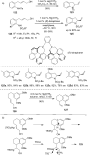
Scheme 37: a) Cyclization of alkene derivatives by catalytic Hg(OTf)2 salts and b) mechanism of cyclization.

Scheme 38: a) Synthesis of 1,4-dihydroquinoline derivatives by Hg(OTf)2 and b) plausible mechanism of formatio...

Scheme 39: Synthesis of Hg(II)-salt-catalyzed heteroaromatic derivatives.

Scheme 40: Hg(II)-salt-catalyzed synthesis of dihydropyranone derivatives.

Scheme 41: Hg(II)-salt-catalyzed cyclization of alkynoic acids.

Scheme 42: Hg(II)-salt-mediated cyclization of alkyne carboxylic acids and alcohol to furan, pyran, and spiroc...

Scheme 43: Hg(II)-salt-mediated cyclization of 1,4-dihydroxy-5-alkyne derivatives.

Scheme 44: Six-membered morpholine derivative formation by catalytic Hg(II)-salt-induced cyclization.

Scheme 45: Hg(OTf)2-catalyzed hydroxylative carbocyclization of 1,6-enyne.
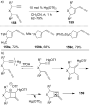
Scheme 46: a) Hg(OTf)2-catalyzed hydroxylative carbocyclization of 1,6-enyne. b) Proposed mechanism.

Scheme 47: a) Synthesis of carbocyclic derivatives using a catalytic amount of Hg(II) salt. b) Proposed mechan...

Scheme 48: Cyclization of 1-alkyn-5-ones to 2-methylfuran derivatives.

Scheme 49: Hg(NO3)2-catalyzed synthesis of 2-methylenepiperidine.

Scheme 50: a) Preparation of indole derivatives through cycloisomerization of 2-ethynylaniline and b) its mech...
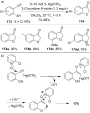
Scheme 51: a) Hg(OTf)2-catalyzed synthesis of 3-indolinones and 3-coumaranones and b) simplified mechanism.

Scheme 52: a) Hg(OTf)2-catalyzed one pot cyclization of nitroalkyne and b) its plausible mechanism.

Scheme 53: Synthesis of tricyclic heterocyclic scaffolds.

Scheme 54: HgCl2-mediated cyclization of 2-alkynylphenyl alkyl sulfoxide.

Scheme 55: a) Hg(OTf)2-catalyzed cyclization of allenes and alkynes. b) Proposed mechanism of cyclization.

Scheme 56: Stereoselective synthesis of tetrahydropyran derivatives.
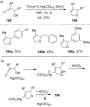
Scheme 57: a) Hg(ClO4)2-catalyzed cyclization of α-allenol derivatives. b) Simplified mechanism.

Scheme 58: Hg(TFA)2-promoted cyclization of a γ-hydroxy alkene derivative.

Scheme 59: Synthesis Hg(II)-salt-mediated cyclization of allyl alcohol for the construction of ventiloquinone ...

Scheme 60: Hg(OAc)2-mediated cyclization as a key step for the synthesis of hongconin.

Scheme 61: Examples of Hg(II)-salt-mediated cyclized ring formation in the syntheses of (±)-fastigilin C and (...

Scheme 62: Formal synthesis of (±)-thallusin.

Scheme 63: Total synthesis of hippuristanol and its analog.

Scheme 64: Total synthesis of solanoeclepin A.

Scheme 65: a) Synthesis of Hg(OTf)2-catalyzed azaspiro structure for the formation of natural products. b) Pro...
Copper-catalyzed enantioselective conjugate addition of organometallic reagents to challenging Michael acceptors
- Delphine Pichon,
- Jennifer Morvan,
- Christophe Crévisy and
- Marc Mauduit
Beilstein J. Org. Chem. 2020, 16, 212–232, doi:10.3762/bjoc.16.24
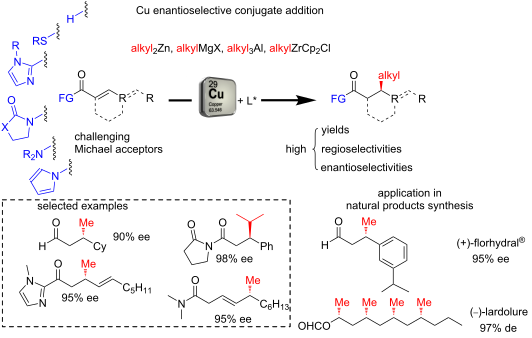
- Grignard reagents to α,β-unsaturated thioesters and their application in the asymmetric total synthesis of (–)-lardolure. Improved Cu ECA of Grignard reagents to α,β-unsaturated thioesters, and their application in the asymmetric total synthesis of (−)-mintlactone. Catalytic enantioselective synthesis of

Graphical Abstract

Scheme 1: Competitive side reactions in the Cu ECA of organometallic reagents to α,β-unsaturated aldehydes.
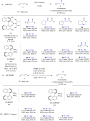
Scheme 2: Cu-catalyzed ECA of α,β-unsaturated aldehydes with phosphoramidite- (a) and phosphine-based ligands...

Scheme 3: One-pot Cu-catalyzed ECA/organocatalyzed α-substitution of enals.

Scheme 4: Combination of copper and amino catalysis for enantioselective β-functionalizations of enals.

Scheme 5: Optimized conditions for the Cu ECAs of R2Zn, RMgBr, and AlMe3 with α,β-unsaturated aldehydes.

Scheme 6: CuECA of Grignard reagents to α,β-unsaturated thioesters and their application in the asymmetric to...

Scheme 7: Improved Cu ECA of Grignard reagents to α,β-unsaturated thioesters, and their application in the as...

Scheme 8: Catalytic enantioselective synthesis of vicinal dialkyl arrays via Cu ECA of Grignard reagents to γ...

Scheme 9: 1,6-Cu ECA of MeMgBr to α,β,γ,δ-bisunsaturated thioesters: an iterative approach to deoxypropionate...

Scheme 10: Tandem Cu ECA/intramolecular enolate trapping involving 4-chloro-α,β-unsaturated thioester 22.

Scheme 11: Cu ECA of Grignard reagents to 3-boronyl α,β-unsaturated thioesters.

Scheme 12: Cu ECA of alkylzirconium reagents to α,β-unsaturated thioesters.

Scheme 13: Conversion of acylimidazoles into aldehydes, ketones, acids, esters, amides, and amines.

Scheme 14: Cu ECA of dimethyl malonate to α,β-unsaturated acylimidazole 31 with triazacyclophane-based ligand ...

Scheme 15: Cu/L13-catalyzed ECA of alkylboranes to α,β-unsaturated acylimidazoles.

Scheme 16: Cu/hydroxyalkyl-NHC-catalyzed ECA of dimethylzinc to α,β-unsaturated acylimidazoles.

Scheme 17: Stereocontrolled synthesis of 3,5,7-all-syn and anti,anti-stereotriads via iterative Cu ECAs.

Scheme 18: Stereocontrolled synthesis of anti,syn- and anti,anti-3,5,7-(Me,OR,Me) units via iterative Cu ECA/B...

Scheme 19: Cu-catalyzed ECA of dialkylzinc reagents to α,β-unsaturated N-acyloxazolidinones.

Scheme 20: Cu/phosphoramidite L16-catalyzed ECA of dialkylzincs to α,β-unsaturated N-acyl-2-pyrrolidinones.

Scheme 21: Cu/(R,S)-Josiphos (L9)-catalyzed ECA of Grignard reagents to α,β-unsaturated amides.

Scheme 22: Cu/Josiphos (L9)-catalyzed ECA of Grignard reagents to polyunsaturated amides.

Scheme 23: Cu-catalyzed ECA of trimethylaluminium to N-acylpyrrole derivatives.
A review of asymmetric synthetic organic electrochemistry and electrocatalysis: concepts, applications, recent developments and future directions
- Munmun Ghosh,
- Valmik S. Shinde and
- Magnus Rueping
Beilstein J. Org. Chem. 2019, 15, 2710–2746, doi:10.3762/bjoc.15.264

Graphical Abstract

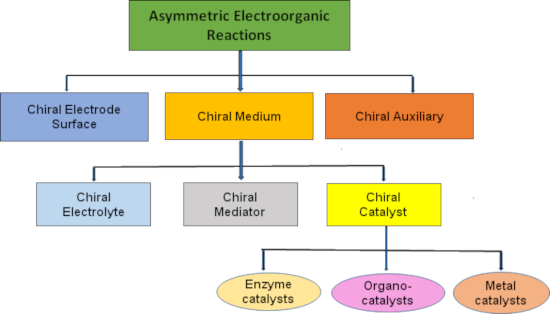
Figure 1: General classification of asymmetric electroorganic reactions.

Scheme 1: Asymmetric reduction of 4-acetylpyridine using a modified graphite cathode.

Scheme 2: Asymmetric hydrogenation of ketones using Raney nickel powder electrodes modified with optically ac...

Scheme 3: Asymmetric reduction of prochiral activated olefins with a poly-ʟ-valine-coated graphite cathode.

Scheme 4: Asymmetric reduction of prochiral carbonyl compounds, oximes and gem-dibromides on a poly-ʟ-valine-...

Scheme 5: Asymmetric hydrogenation of prochiral ketones with poly[RuIII(L)2Cl2]+-modified carbon felt cathode...

Scheme 6: Asymmetric hydrogenation of α-keto esters using chiral polypyrrole film-coated cathode incorporated...

Scheme 7: Quinidine and cinchonidine alkaloid-induced asymmetric electroreduction of acetophenone.

Scheme 8: Asymmetric electroreduction of 4- and 2-acetylpyridines at a mercury cathode in the presence of a c...

Scheme 9: Enantioselective reduction of 4-methylcoumarin in the presence of catalytic yohimbine.

Scheme 10: Cinchonine-induced asymmetric electrocarboxylation of 4-methylpropiophenone.

Scheme 11: Enantioselective hydrogenation of methyl benzoylformate using an alkaloid entrapped silver cathode.

Scheme 12: Alkaloid-induced enantioselective hydrogenation using a Cu nanoparticle cathode.

Scheme 13: Alkaloid-induced enantioselective hydrogenation of aromatic ketones using a bimetallic Pt@Cu cathod...

Scheme 14: Enantioselective reduction of ketones at mercury cathode using N,N'-dimethylquininium tetrafluorobo...

Scheme 15: Asymmetric synthesis of an amino acid using an electrode modified with amino acid oxidase and elect...

Scheme 16: Asymmetric oxidation of p-tolyl methyl sulfide using chemically modified graphite anode.

Scheme 17: Asymmetric oxidation of unsymmetric sulfides using poly(amino acid)-coated electrodes.

Scheme 18: Enantioselective, electocatalytic oxidative coupling on TEMPO-modified graphite felt electrode in t...

Scheme 19: Asymmetric electrocatalytic oxidation of racemic alcohols on a TEMPO-modified graphite felt electro...

Scheme 20: Asymmetric electrocatalytic lactonization of diols on TEMPO-modified graphite felt electrodes.

Scheme 21: Asymmetric electrochemical pinacolization in a chiral solvent.

Scheme 22: Asymmetric electroreduction using a chiral supporting electrolyte.

Scheme 23: Asymmetric anodic oxidation of enol acetates using chiral supporting electrolytes.

Scheme 24: Kinetic resolution of primary amines using a chiral N-oxyl radical mediator.

Scheme 25: Chiral N-oxyl-radical-mediated kinetic resolution of secondary alcohols via electrochemical oxidati...

Scheme 26: Chiral iodoarene-mediated asymmetric electrochemical lactonization.

Scheme 27: Os-catalyzed electrochemical asymmetric dihydroxylation of olefins using the Sharpless ligand and i...

Scheme 28: Asymmetric electrochemical epoxidation of olefins catalyzed by a chiral Mn-salen complex.

Scheme 29: Asymmetric electrooxidation of 1,2-diols, and amino alcohols using a chiral copper catalyst.

Scheme 30: Mechanism of asymmetric electrooxidation of 1,2-diols, and amino alcohols using a chiral copper cat...

Scheme 31: Enantioselective electrocarboxylation catalyzed by an electrogenerated chiral [CoI(salen)]− complex....

Scheme 32: Asymmetric oxidative cross coupling of 2-acylimidazoles with silyl enol ethers.

Scheme 33: Ni-catalyzed asymmetric electroreductive cleavage of allylic β-keto ester 89.

Scheme 34: Asymmetric alkylation using a combination of electrosynthesis and a chiral Ni catalyst.

Scheme 35: Mechanism of asymmetric alkylation using a combination of electrosynthesis and a chiral Ni catalyst....

Scheme 36: Asymmetric epoxidation by electrogenerated percarbonate and persulfate ions in the presence of chir...

Scheme 37: α-Oxyamination of aldehydes via anodic oxidation catalyzed by chiral secondary amines.

Scheme 38: The α-alkylation of aldehydes via anodic oxidation catalyzed by chiral secondary amines.
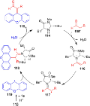
Scheme 39: Mechanism of α-alkylation of aldehydes via anodic oxidation catalyzed by chiral secondary amines.

Scheme 40: Electrochemical chiral secondary amine-catalyzed intermolecular α-arylation of aldehydes.

Scheme 41: Mechanism of electrochemical chiral secondary amine-catalyzed intermolecular α-arylation of aldehyd...

Scheme 42: Asymmetric cross-dehydrogenative coupling of tertiary amines with simple ketones via an electrochem...

Scheme 43: Electroenzymatic asymmetric reduction using enoate reductase.

Scheme 44: Assymetric reduction using alcohol dehydrogenase as the electrocatalyst.

Scheme 45: Asymmetric electroreduction catalyzed by thermophilic NAD-dependent alcohol dehydrogenase.

Scheme 46: Asymmetric epoxidation of styrene by electrochemical regeneration of flavin-dependent monooxygenase....

Scheme 47: Asymmetric electroreduction using a chloroperoxidase catalyst.

Scheme 48: Asymmetric electrochemical transformation mediated by hydrophobic vitamin B12.

Scheme 49: Diastereoselective cathodic reduction of phenylglyoxalic acids substituted with amines as chiral au...

Scheme 50: Ni-catalyzed asymmetric electroreductive cross coupling of aryl halides with α-chloropropanoic acid...

Scheme 51: Electrochemical Mannich addition of silyloxyfuran to in situ-generated N-acyliminium ions.

Scheme 52: Stereoselective electroreductive homodimerization of cinnamates attached to a camphor-derived chira...
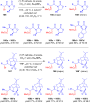
Scheme 53: Diastereoselective electrochemical carboxylation of chiral α-bromocarboxylic acid derivatives.

Scheme 54: Electrocatalytic stereoselective conjugate addition of chiral β-dicarbonyl compounds to methyl viny...

Scheme 55: Stereoselective electrochemical carboxylation of chiral cinnamic acid derivatives under a CO2 atmos...

Scheme 56: Electrochemical diastereoselective α-alkylation of pyrrolidines attached with phosphorus-derived ch...

Scheme 57: Electrogenerated cyanomethyl anion-induced synthesis of chiral cis-β-lactams from amides bearing ch...

Scheme 58: Diastereoselective anodic oxidation followed by intramolecular cyclization of ω-hydroxyl amides bea...

Scheme 59: Electrochemical deprotonation of Ni(II) glycinate containing (S)-BPB as a chiral auxiliary: diaster...

Scheme 60: Enantioselective electroreductive coupling of diaryl ketones with α,β-unsaturated carbonyl compound...

Scheme 61: Asymmetric total synthesis of ropivacaine and its analogues using a electroorganic reaction as a ke...

Scheme 62: Asymmetric total synthesis of (−)-crispine A and its natural enantiomer via anodic cyanation of tet...

Scheme 63: Asymmetric oxidative electrodimerization of cinnamic acid derivatives as key step for the synthesis...
Synthesis of acremines A, B and F and studies on the bisacremines
- Nils Winter and
- Dirk Trauner
Beilstein J. Org. Chem. 2019, 15, 2271–2276, doi:10.3762/bjoc.15.219

- isolated from fungi of the genus Acremonium. Here, we present the asymmetric total synthesis of acremine F which hinges on a modestly enantioselective dihydroxylation and a subsequent kinetic resolution via a highly selective asymmetric reduction. Chemoselective oxidation of acremine F gave access to

Graphical Abstract

Figure 1: Selected members of the acremine family [3-5].

Scheme 1: Retrosynthetic analysis of acremine F (5).

Scheme 2: Total synthesis of acremine F (5).

Scheme 3: Synthesis of acremines A and B through selective oxidation of acremine F.

Scheme 4: Proposed biomimetic dimerization of 5.

Scheme 5: Attempted intramolecular cyclization of 23.

Scheme 6: Attempted photochemical cyclization of 25.
A review of the total syntheses of triptolide
- Xiang Zhang,
- Zaozao Xiao and
- Hongtao Xu
Beilstein J. Org. Chem. 2019, 15, 1984–1995, doi:10.3762/bjoc.15.194
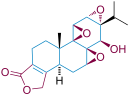
- the reported procedure finalized the synthesis of triptolide. Overall, the first asymmetric total synthesis of (−)-triptonide (19 steps, 0.06% yield) and formal synthesis of triptolide were realized from ʟ-dehydroabietic acid (26). Although the overall yield of the synthesis is very low, the authors

Graphical Abstract

Figure 1: Structures of triptolide (1), triptonide (2), tripdiolide (3), 16-hydroxytriptolide (4), triptrioli...

Figure 2: Syntheses of triptolide.

Scheme 1: Berchtold’s synthesis of triptolide.

Scheme 2: Li’s formal synthesis of triptolide.

Scheme 3: van Tamelen’s asymmetric synthesis of triptonide and triptolide.

Scheme 4: Van Tamelen’s (method II) formal synthesis of triptolide.

Scheme 5: Sherburn’s formal synthesis of triptolide.

Scheme 6: van Tamelen’s biogenetic type total synthesis of triptolide.

Scheme 7: Yang’s total synthesis of triptolide.

Scheme 8: Key intermediates or transformations of routes J–N.
Stereo- and regioselectivity of the hetero-Diels–Alder reaction of nitroso derivatives with conjugated dienes
- Lucie Brulíková,
- Aidan Harrison,
- Marvin J. Miller and
- Jan Hlaváč
Beilstein J. Org. Chem. 2016, 12, 1949–1980, doi:10.3762/bjoc.12.184
- de values of more than 95% in both cases [65]. Kibayashi prepared a set of optically active acylnitroso arylmenthol derivatives 142 (Scheme 27) that were subsequently reacted with 1,3-cyclohexadiene (120) to give the hetero-Diels–Alder products 143, serving as intermediates for an asymmetric total
- synthesis of (−)-epibatidine [5][124]. The stereoselectivity of the reaction was affected by the substituent on the menthol group. The introduction of a phenyl and a 4-methoxyphenyl substituent gave the products with de values of >85%, but this could be improved to up to 91% for the 2-napthyl, 4-bromophenyl

Graphical Abstract

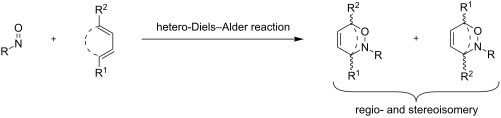
Scheme 1: Nitroso hetero-Diels–Alder reaction.

Scheme 2: The hetero-Diels–Alder reaction between thebaine (4) and an acylnitroso dienophile 5.

Figure 1: Examples of nitroso dienophiles frequently used in hetero-Diels–Alder reaction studies.

Scheme 3: Synthesis of arylnitroso species by substitution of a trifluoroborate group [36].
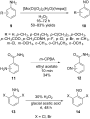
Scheme 4: Synthesis of arylnitroso compounds by amine oxidation.

Scheme 5: Synthesis of arylnitroso compounds by hydroxylamine oxidation.

Scheme 6: Synthesis of chloronitroso compounds by the treatment of a nitronate anion with oxalyl chloride.

Scheme 7: Non-oxidative routes to acylnitroso species.

Figure 2: RB3LYP/6-31G* computed energies (in kcal·mol−1) and bond lengths for exo and endo-transition states...

Scheme 8: Hetero-Diels–Alder cycloadditions of diene 28 and nitroso dienophiles 29.

Figure 3: Relative reactivity (ΔE#) and regioselectivity (Δ) for hetero-Diels–Alder of 28 and nitroso dienoph...

Scheme 9: Reaction of chiral 1-phosphono-1,3-butadiene 31 with nitroso dienophiles 32.

Scheme 10: Hetero-Diels–Alder reactions of hydroxamic acids 35 with various dienes 37.

Scheme 11: General regioselectivity of the nitroso hetero-Diels–Alder reaction observed with unsymmetrical die...

Scheme 12: Effect of the nitroso species on the regioselectivity for weakly directing 2-substituted dienes.

Scheme 13: Regioselectivity of 1,4-disubstituted dienes 51.

Scheme 14: Nitroso hetero-Diels–Alder reaction between Boc-nitroso compound 54 and dienes 55.

Scheme 15: Nitroso hetero-Diels–Alder reaction between Wightman reagent 58 and dienes 59.

Scheme 16: Regioselective reaction of 3-dienyl-2-azetidinones 62 with nitrosobenzene (47).

Scheme 17: The regioselective reaction of 1,3-butadienes 65 with various nitroso heterodienophiles 66.

Scheme 18: Catalysis of the nitroso hetero-Diels–Alder reaction by vanadium in the presence of the oxidant CHP...

Figure 4: 1,2-Oxazines synthesized in solution with moderate to high regioselectivity, showing the favored re...

Figure 5: 1,2-Oxazines synthesized in the solid phase with moderate to high regioselectivity, showing the fav...

Scheme 19: Regioselectivity of solution-phase nitroso hetero-Diels–Alder reaction with acyl and aryl nitroso d...

Scheme 20: Favored regioisomeric outcome for the solution and solid-phase reactions, giving hetero-Diels–Alder...

Figure 6: Favored regioisomers and regioisomeric ratios for 1,2-oxazines synthesized in solid phase (91, 93, ...

Scheme 21: Regiocontrol of the reaction between 3-dienyl-2-azetidinones and nitrosobenzene due to change in a ...

Scheme 22: Regiocontrol of the reaction between diene 111 and 2-methyl-6-nitrosopyridine (112) due to metal co...

Scheme 23: Asymmetric hetero-Diels–Alder reactions reported by Vasella [56].

Scheme 24: Asymmetric hetero-Diels–Alder reaction of cyclohexa-1,3-diene (120) with acylnitroso dienophile 119....

Scheme 25: Asymmetric induction with L-proline derivatives 124–126.

Scheme 26: Asymmetric cycloaddition of the acylnitroso compound 136 to diene 135.

Scheme 27: Asymmetric induction with arylmenthol-based nitroso dienophiles 142.

Scheme 28: Cycloaddition of silyloxycyclohexadiene 145 to the acylnitroso dienophile derived from (+)-camphors...

Scheme 29: Asymmetric reaction of O-isopropylidene-protected cis-cyclohexa-3,5-diene-1,2-diol 147 with mannofu...

Scheme 30: Synthesis of synthon 152 from 2-methoxyphenol 150 and chiral auxiliary 151.

Scheme 31: Asymmetric nitroso hetero-Diels–Alder reaction with Wightman chloronitroso reagent 58.

Scheme 32: Asymmetric 1,2-oxazine synthesis using chiral cyclic diene 157 and the application of this reaction...

Scheme 33: Asymmetric 1,2-oxazine synthesis using a chiral diene reported by Jones et al. [75]. aRegioisomeric rat...

Scheme 34: The nitroso hetero-Diels–Alder reaction of acyclic oxazolidine-substituted diene 170 and chiral 1-s...

Scheme 35: The nitroso hetero-Diels–Alder reaction of acyclic lactam-substituted diene 176 with various acylni...

Scheme 36: The hetero-Diels–Alder reaction of acylnitroso dienophile.

Scheme 37: The hetero-Diels–Alder reaction of arylnitroso dienophiles using Lewis acids.

Scheme 38: Asymmetric hetero-Diels–Alder reactions of chiral alkyl N-dienylpyroglutamates.

Scheme 39: Catalytic asymmetric arylnitroso reaction between mono-substituted 1,3-cyclohexadiene 196 and disub...

Figure 7: Plausible chelate intermediate complexes formed during the hetero-Diels–Alder reaction to give 1,2-...

Scheme 40: Catalytic asymmetric nitroso hetero-Diels–Alder between cyclic dienes and 2-nitrosopyridine.

Scheme 41: The reason for the increased enantioselectivity of stereoisomer 212 compared with stereoisomer 213.

Scheme 42: The copper-catalyzed nitroso hetero-Diels–Alder reaction of 6-methyl-2-nitrosopyridine (199) with p...

Scheme 43: Asymmetric nitroso hetero-Diels–Alder reaction of nitrosoarenes with dienylcarbamates catalyzed by ...

Scheme 44: The enantioselective hetero-Diels–Alder reaction between nitrosobenzene and (E)-2,4-pentadien-1-ol (...

Scheme 45: Asymmetric nitroso hetero-Diels–Alder reaction using tartaric acid ester chelation of the diene and...
Cupreines and cupreidines: an established class of bifunctional cinchona organocatalysts
- Laura A. Bryant,
- Rossana Fanelli and
- Alexander J. A. Cobb
Beilstein J. Org. Chem. 2016, 12, 429–443, doi:10.3762/bjoc.12.46
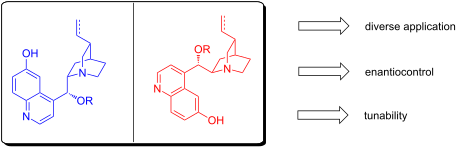
- oxidative coupling – initially between 3-methoxycatechol (100) and tert-butyl 1-oxoindan-2-carboxylate (101) using an adamantane derivative of cupreidine CPD-102 to give the corresponding adduct 103 in 84% yield and 81% ee (Scheme 24a) [69]. An attempt to develop this methodology towards an asymmetric total
- synthesis of buphanidrine (104) and powelline (105) led to the bespoke development of another cupreidine catalyst CPN-107. Unfortunately, although the resulting adduct 108 (after alkylation of the catechol) was produced in a 70% enantiomeric excess (Scheme 24b), subsequent steps that had worked with the

Graphical Abstract

Figure 1: The structural diversity of the cinchona alkaloids, along with cupreine, cupreidine, β-isoquinidine...

Scheme 1: The original 6’-OH cinchona alkaloid organocatalytic MBH process, showing how the free 6’-OH is ess...

Scheme 2: Use of β-ICPD in an aza-MBH reaction.

Scheme 3: (a) The isatin motif is a common feature for MBH processes catalyzed by β-ICPD, as demonstrated by ...

Scheme 4: (a) Chen’s asymmetric MBH reaction. Good selectivity was dependent upon the presence of (R)-BINOL (...

Scheme 5: Lu and co-workers synthesis of a spiroxindole.

Scheme 6: Kesavan and co-workers’ synthesis of spiroxindoles.

Scheme 7: Frontier’s Nazarov cyclization catalyzed by β-ICPD.

Scheme 8: The first asymmetric nitroaldol process catalyzed by a 6’-OH cinchona alkaloid.

Scheme 9: A cupreidine derived catalyst induces a dynamic kinetic asymmetric transformation.

Scheme 10: Cupreine derivative 38 has been used in an organocatalytic asymmetric Friedel–Crafts reaction.

Scheme 11: Examples of 6’-OH cinchona alkaloid catalyzed processes include: (a) Deng’s addition of dimethyl ma...

Scheme 12: A diastereodivergent sulfa-Michael addition developed by Melchiorre and co-workers.

Scheme 13: Melchiorre’s vinylogous Michael addition.

Scheme 14: Simpkins’s TKP conjugate addition reactions.

Scheme 15: Hydrocupreine catalyst HCPN-59 can be used in an asymmetric cyclopropanation.

Scheme 16: The hydrocupreine and hydrocupreidine-based catalysts HCPN-65 and HCPD-67 demonstrate the potential...

Scheme 17: Jørgensen’s oxaziridination.

Scheme 18: Zhou’s α-amination using β-ICPD.

Scheme 19: Meng’s cupreidine catalyzed α-hydroxylation.

Scheme 20: Shi’s biomimetic transamination process for the synthesis of α-amino acids.

Scheme 21: β-Isocupreidine catalyzed [4 + 2] cycloadditions.

Scheme 22: β-Isocupreidine catalyzed [2+2] cycloaddition.

Scheme 23: A domino reaction catalyst by cupreidine catalyst CPD-30.

Scheme 24: (a) Dixon’s 6’-OH cinchona alkaloid catalyzed oxidative coupling. (b) An asymmetric oxidative coupl...
Heronapyrrole D: A case of co-inspiration of natural product biosynthesis, total synthesis and biodiscovery
- Jens Schmidt,
- Zeinab Khalil,
- Robert J. Capon and
- Christian B. W. Stark
Beilstein J. Org. Chem. 2014, 10, 1228–1232, doi:10.3762/bjoc.10.121
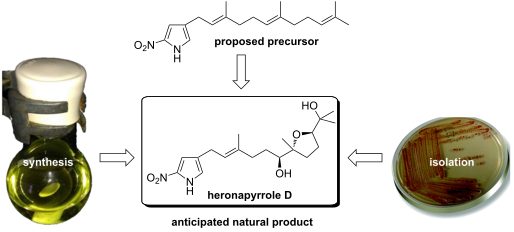
- unprecedented heterocyclic core (2-nitro-4-farnesylpyrrole) with closely related levels of oxidative functionalization of the farnesyl side chain. In 2012 Stark et al. employed a biomimetic strategy to deliver the first asymmetric total synthesis of heronapyrrole C, confirming its constitution and establishing

Graphical Abstract

Figure 1: Known heronapyrroles A–C and nitropyrrolins A–E.

Scheme 1: Plausible biosynthesis of heronapyrroles A–D.

Scheme 2: Synthesis of heronapyrrole D.
Asymmetric total synthesis of a putative sex pheromone component from the parasitoid wasp Trichogramma turkestanica
- Danny Geerdink,
- Jeffrey Buter,
- Teris A. van Beek and
- Adriaan J. Minnaard
Beilstein J. Org. Chem. 2014, 10, 761–766, doi:10.3762/bjoc.10.71
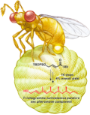
Graphical Abstract

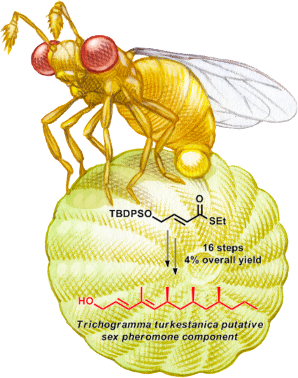
Figure 1: Originally proposed structures A and B and revised structures 1 and 2 of putative sex pheromone com...

Scheme 1: Application of the iterative conjugate addition protocol for the preparation of 8.

Scheme 2: Deoxygenation and desilylation of 8.

Scheme 3: Vinylogous Horner–Wadsworth–Emmons olefination.

Scheme 4: Synthesis of α,β-unsaturated ester 15 using a Wittig reaction.

Scheme 5: Completion of the synthesis of the putative sex pheromone 2.
Total synthesis of (−)-epimyrtine by a gold-catalyzed hydroamination approach
- Thi Thanh Huyen Trinh,
- Khanh Hung Nguyen,
- Patricia de Aguiar Amaral and
- Nicolas Gouault
Beilstein J. Org. Chem. 2013, 9, 2042–2047, doi:10.3762/bjoc.9.242
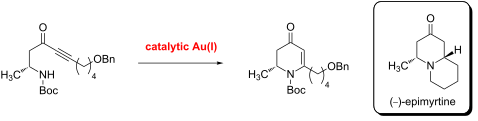
- steps in a 25% overall yield starting from N-Boc-D-alanine. The spectroscopic data and optical rotation are in agreement with the literature [6]. Conclusion In conclusion, we have achieved the asymmetric total synthesis of (−)- epimyrtine in six steps and with a good overall yield. We have demonstrated

Graphical Abstract

Scheme 1: Previously reported approach from β-aminoynones for the synthesis of pyridones.

Scheme 2: Retrosynthetic analysis of (−)-epimyrtine.

Scheme 3: Synthesis of (−)-epimyrtine.
Asymmetric total synthesis of smyrindiol employing an organocatalytic aldol key step
- Dieter Enders,
- Jeanne Fronert,
- Tom Bisschops and
- Florian Boeck
Beilstein J. Org. Chem. 2012, 8, 1112–1117, doi:10.3762/bjoc.8.123
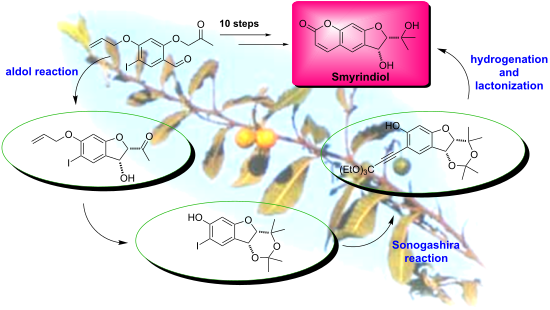
- retrosynthetic analysis. Attempted proline catalyzed aldol reaction. Second retrosynthetic analysis. Asymmetric total synthesis of smyrindiol (1). Supporting Information Supporting Information File 77: Experimental procedures and characterization of compounds. Supporting Information File 78: NMR-spectra and

Graphical Abstract

Figure 1: Furocoumarins.

Scheme 1: Synthesis of smyrindiol (1) by Grande et al.

Scheme 2: Synthesis of smyrindiol by Snider et al.

Scheme 3: Proline-catalyzed intramolecular aldol reaction of O-acetonyl-salicylaldehydes.

Scheme 4: First retrosynthetic analysis.

Scheme 5: Attempted proline catalyzed aldol reaction.

Scheme 6: Second retrosynthetic analysis.

Scheme 7: Asymmetric total synthesis of smyrindiol (1).
A new phenylethyl alkyl amide from the Ambrostoma quadriimpressum Motschulsky
- Guolei Zhao,
- Chao Yang,
- Bing Li and
- Wujiong Xia
Beilstein J. Org. Chem. 2011, 7, 1342–1346, doi:10.3762/bjoc.7.158
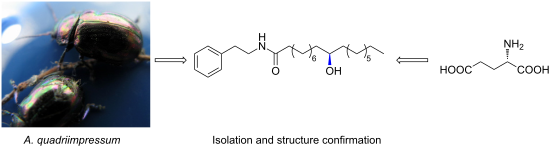
- -phenethyloctadecanamide (1), was isolated from the beetle Ambrostoma quadriimpressum Motschulsky. The structure of the amide was determined by NMR and MS. The absolute configuration of compound 1 was confirmed by an asymmetric total synthesis, which was started from L-glutamic acid. The construction of the aliphatic
- positive optical rotation ([α]20D +38.5 (c 0.13, CHCl3)). To confirm the absolute configuration at C(10), an asymmetric total synthesis was performed. Synthesis of (10R)-10-hydroxy-N-phenethyloctadecanamide (1) The retrosynthetic analysis of compound 1 is outlined in Scheme 2. The target molecule is

Graphical Abstract

Scheme 1: Chemical structure of compound 1 and mass spectral analysis.

Scheme 2: Retrosynthetic analysis of (R)-1.

Scheme 3: (a) BnOH, H2SO4; NaNO2, AcOH; CH2N2, 35% in 3 steps. (b) TBDPSCl, imidazole, 100%. (c) Pd/C, H2; BH3...

Scheme 4: (a) 5% NaOH, 100%. (b) PBr3, 82%. (c) PPh3, 98%.

Scheme 5: (a) PCC, 96%. (b) LDA, 15, 72%. (c) DCC, DMAP, phenylethylamine, 80%. (d) Pd/C, H2, 100%. (e) TBAF,...
Metathesis access to monocyclic iminocyclitol-based therapeutic agents
- Ileana Dragutan,
- Valerian Dragutan,
- Carmen Mitan,
- Hermanus C.M. Vosloo,
- Lionel Delaude and
- Albert Demonceau
Beilstein J. Org. Chem. 2011, 7, 699–716, doi:10.3762/bjoc.7.81

- position of hydroxy substituents is critical for selectivity. In the seminal work by Lebreton and coworkers [73], the first asymmetric total synthesis of (+)-adenophorine was achieved in 14 steps (3.5% overall yield, Scheme 23), starting from the Garner’s aldehyde 69. RCM is essential for construction of

Graphical Abstract

Scheme 1: Well-defined Mo- and Ru-alkylidene metathesis catalysts.

Scheme 2: Representative pyrrolidine-based iminocyclitols.

Scheme 3: Synthesis of (±)-(2R*,3R*,4S*)-2-hydroxymethylpyrrolidin-3,4-diol (18), (±)-2-hydroxymethylpyrrolid...

Scheme 4: Synthesis of enantiopure iminocyclitol (−)-(2S,3R,4S,5S)-2,5-dihydroxymethylpyrrolidin-3,4-diol (23...

Scheme 5: Synthesis of 1,4-dideoxy-1,4-imino-D-allitol (29) and formal synthesis of (2S,3R,4S)-3,4-dihydroxyp...

Scheme 6: Synthesis of iminocyclitols 35 and 36.

Scheme 7: Total synthesis of iminocyclitols 40 and 44.

Scheme 8: Synthesis of 2,5-dideoxy-2,5-imino-D-mannitol [(+)-DMDP] (49) and (−)-bulgecinine (50).

Scheme 9: Synthesis of (+)-broussonetine G (53).
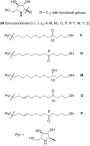
Scheme 10: Structural features of broussonetines 54.

Scheme 11: Synthesis of broussonetines by cross-metathesis.
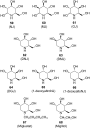
Scheme 12: Representative piperidine-based iminocyclitols.

Scheme 13: Total synthesis of 1-deoxynojirimycin (62) and 1-deoxyaltronojirimycin (65).

Scheme 14: Synthesis by RCM of 1-deoxymannonojirimycin (63) and 1-deoxyallonojirimycin (66).

Scheme 15: Total synthesis of (+)-1-deoxynojirimycin (62).

Scheme 16: Synthesis of ent-1,6-dideoxynojirimycin (83) and 5-amino-1,5,6-trideoxyaltrose (84).

Scheme 17: Synthesis of 1-deoxygalactonojirimycin (64), 1-deoxygulonojirimycin (91) and 1-deoxyidonojirimycin (...

Scheme 18: Synthesis of L-1-deoxyaltronojirimycin (96).

Scheme 19: Synthesis of 1-deoxymannonojirimycin (63) and 1-deoxyaltronojirimycin (65).

Scheme 20: Synthesis of 5-des(hydroxymethyl)-1-deoxymannonojirimycin (111) and 5-des(hydroxymethyl)-1-deoxynoj...

Scheme 21: Synthesis of D-1-deoxygulonojirimycin (91) and L-1-deoxyallonojirimycin (122).

Scheme 22: Total synthesis of fagomine (129), 3-epi-fagomine (126) and 3,4-di-epi-fagomine (130).

Scheme 23: Total synthesis of (+)-adenophorine (135).

Scheme 24: Total synthesis of (+)-5-deoxyadenophorine (138) and analogues 142–145.

Scheme 25: Synthesis by RCM of 1,6-dideoxy-1,6-iminoheptitols 148 and 149.

Scheme 26: Synthesis by RCM of oxazolidinyl azacycles 152 and 154.

Scheme 27: Representative azepane-based iminocyclitols.

Scheme 28: Synthesis of hydroxymethyl-1-(4-methylphenylsulfonyl)azepane 3,4,5-triol (169).

Scheme 29: Synthesis by RCM of tetrahydropyridin-3-ol 171 and tetrahydroazepin-3-ol 173.



