Search results
Search for "room temperature" in Full Text gives 2200 result(s) in Beilstein Journal of Organic Chemistry. Showing first 200.
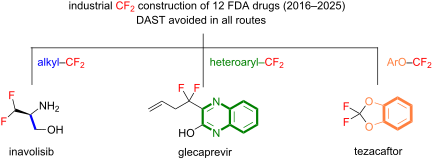
Construction of CF2 moieties in FDA-approved drugs (2016–2025): industrial routes, mechanisms, and scale-up considerations
Beilstein J. Org. Chem. 2026, 22, 1122–1150, doi:10.3762/bjoc.22.91
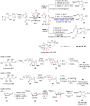
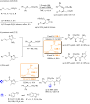
- by silica gel column chromatography (65% yield), followed by stirring with Dowex 50W-X12 resin at room temperature for 4 days to form the furanose ring (94% yield). Subsequent TBS protection (92% yield) and diisobutylaluminium hydride (DIBAL-H) reduction at −65 °C (79% yield) afforded 48
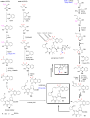
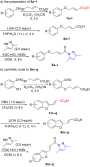
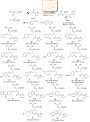
- antimony catalysis at room temperature and 0.4 MPa, giving a yield of 97.2% and a purity of 99.6% [33]. Using 69 as the starting material, there are four routes for the synthesis of 11: either 69 can be used directly, or first converted to the corresponding bromide or chloride, followed by radical addition






Controlled supramolecular assemblies of luminescent tridentate cyclometalated alkynylgold(III) amphiphiles in aqueous media
Beilstein J. Org. Chem. 2026, 22, 1097–1106, doi:10.3762/bjoc.22.88
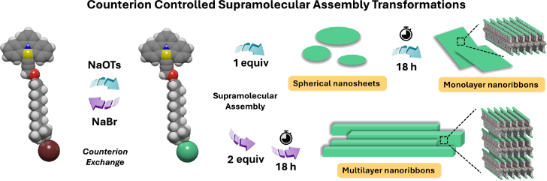
- %) was annealed at 50.0 °C for 5 min and cooled to room temperature as the stock solution. The stock solution of GA was subsequently diluted into a range of concentrations from 0.01 to 1.0 mM, in estimating the critical aggregation concentration (CAC) by static light scattering measurements (SLS). The
- , 2.59 mmol) was added dropwise to the mixture solution and stirred at room temperature for 16 h. The resulting mixture was washed with brine (25 mL × 1), water (25 mL × 2), and brine (25 mL × 1). The organic layer was dried over sodium sulfate. The solvent was evaporated under vacuum and the residue
- dichloromethane (20 mL) was stirred at room temperature for 3 h. The resulting mixture was dried under vacuum and subjected to column chromatography on silica gel (hexane/dichloromethane 1:2 (v/v, Rf = 0.5) to afford compound 3 as yellow solid (109 mg, 0.16 mmol) in 71% yield. 1H NMR (400 MHz, CDCl3) δ 7.98 (d, J


Synthesis and acaricidal activity against Varroa destructor of α- and γ-costic acid dimers
Beilstein J. Org. Chem. 2026, 22, 1088–1096, doi:10.3762/bjoc.22.87
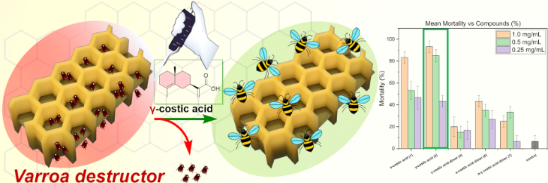
- successively added. After stirring the solution for 5 minutes at 0 °C, ethylene glycol (1.0 equiv) was added to the resulting whitish suspension and the reaction mixture was allowed to warm to room temperature overnight. The white precipitate was removed by filtration and rinsed with CH2Cl2. The solvent was
- room temperature and stirred overnight. The white precipitate was removed by filtration and rinsed with CH2Cl2. The solvent was then removed under reduced pressure. The crude residue was purified by column chromatography (eluent: petroleum ether/EtOAc 8:2) to afford α-costic acid diester 6 (79%). 1H
- suspension and the reaction mixture was allowed to warm to room temperature overnight. The white precipitate was removed by filtration and rinsed with CH2Cl2. The solvent was then removed under reduced pressure. The crude was purified by column chromatography (eluent: petroleum ether/AcOEt 8:2) to afford the


Synthesis of functionalized, 13-alkyl-substituted coralyne derivatives and investigation of their interactions with duplex and abasic site-containing DNA
Beilstein J. Org. Chem. 2026, 22, 1057–1066, doi:10.3762/bjoc.22.84
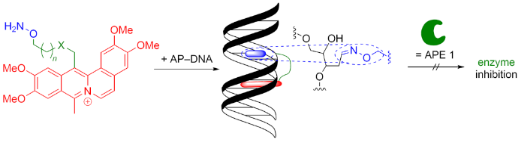
- : Enzymes (UNG, APE1, NEIL1, NTHL1, NEIL3, OGG1) and mutants were produced as reported previously [59]. General methods The reaction mixtures were stirred with a magnetic stirrer equipped with a stirring bar. The average room temperature (rt) was 22–24 °C. If not stated otherwise, operations were conducted
- at room temperature. Temperatures given in the experimental procedures refer to the medium that surrounds the reaction vessel. Solvents were removed at reduced pressure with a rotary evaporator. DMF was distilled from CaH2 and stored with added molecular sieves (4 Å). THF was distilled from sodium


Synthesis of novel 1,2,4-oxadiazole-isoxazoline hybrids and their in silico potential with adenosine receptors
Beilstein J. Org. Chem. 2026, 22, 1033–1047, doi:10.3762/bjoc.22.82
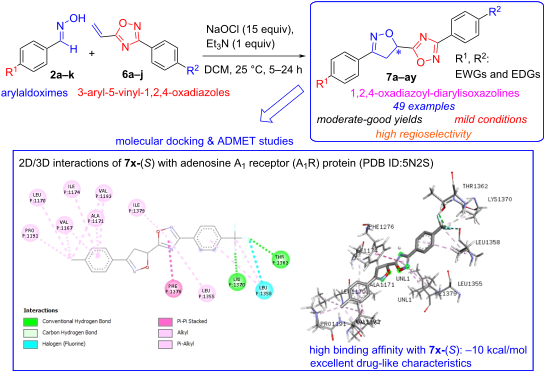
- 2). As a result of these optimization studies, the target compound 7a was obtained in moderate yield under the optimized conditions using 1.0 equivalent of 2e, 1.5 equivalents of 6d, 15 equivalents of sodium hypochlorite, and 1.0 equivalent of triethylamine in dichloromethane at room temperature


Semisynthesis, characterisation, and antibacterial evaluation of a novel lecanoric acid-derived amide library
Beilstein J. Org. Chem. 2026, 22, 1023–1032, doi:10.3762/bjoc.22.81
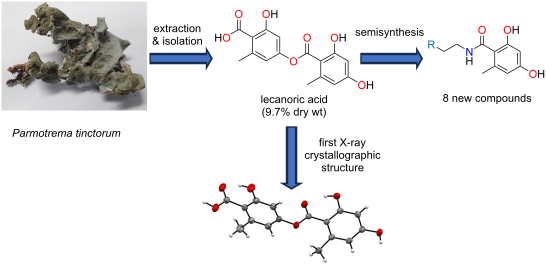
- under UV light at 254 nm. The raw lichen material was extracted with solvents at 200 rpm using an IKA™ KS 125 Basic® orbital shaker operating at room temperature. Solvents were removed from lichen-derived crude extracts with a Büchi R-300 rotary evaporator. A GeneVac HT-4X centrifugal evaporator was
- private property in Holland Park, Queensland, Australia on the 5th of April 2023. Patrick McCarthy and Jack Elix performed the taxonomic identification of the lichen. The freshly collected lichen was air-dried at room temperature for one month prior to the extraction and isolation chemistry. A voucher
- Information File 1, pp S22–S24 for 1D/2D NMR data in CDCl3; LRMS–ESI(+) (m/z): 183 [M + H]+. Synthesis of the amide library Trial amidation chemistry. Isopentylamine (72 equiv, 500 µL, 4.31 mmol) was added to the depside scaffold 1 (20 mg, 0.06 mmol) and the mixture was stirred at room temperature under three


Z-Selective semihydrogenation of alkynes via Ni/Lewis acid synergistic catalyzed system using DMF as hydrogen source and solvent
Beilstein J. Org. Chem. 2026, 22, 1004–1012, doi:10.3762/bjoc.22.79
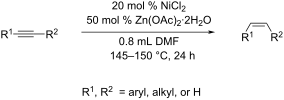
- complete consumption of the starting material, heating was discontinued. After cooling to room temperature, the volatiles were removed under reduced pressure. The resulting crude residue was purified by flash column chromatography on silica gel (eluent: petroleum ether) to afford pure (Z)-stilbene (2a) as



The role of spacer length and flexibility in peptide self-assembly
Beilstein J. Org. Chem. 2026, 22, 986–996, doi:10.3762/bjoc.22.77
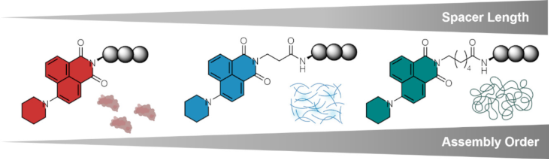
- 1A) [40]. The peptide stock solutions prepared in TFE (10 mM) were diluted in PBS (50 mM, pH 7.4) to obtain 100 µM peptide samples (1% TFE). The mixtures were then incubated at room temperature for 24 h to promote self-assembly. Corresponding samples in methanol (1% TFE) were prepared in parallel and
- swollen in DMF (15 mL) at room temperature for one hour before transferring it into the peptide synthesizer. In the peptide synthesizer, DMF was removed through the draining process and DMF (3.5 mL) was added prior to the coupling. Prior to every coupling, the Fmoc-protecting group was cleaved by one
- 100 μM in PBS (50 mM, pH 7.4, 1% TFE) and 100 μM in MeOH (1% TFE). The samples were incubated at room temperature for 24 h. Then, the samples were filtered through a syringe filter (0.2 µm) and diluted with an internal standard, tyramine (200 µM in MeOH, 1:1, v/v). Conversion rate measurements were


Synthesis of sterically shielded piperidine nitroxides via acid-catalyzed heterocyclization of β-aminoketone derivatives with ketones
Beilstein J. Org. Chem. 2026, 22, 948–954, doi:10.3762/bjoc.22.74
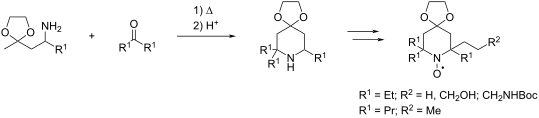
- proteins by the PELDOR method at room temperature [2]. Piperidine nitroxyl biradicals form the basis of the most efficient commercial agents for dynamic nuclear polarization (DNP) in NMR studies of biomolecules and solid samples [3]. They are also employed as contrast agents for magnetic resonance imaging


Recent advances in copper-catalyzed direct hydroamination of alkenes with (hetero)aromatic amines
Beilstein J. Org. Chem. 2026, 22, 925–947, doi:10.3762/bjoc.22.73
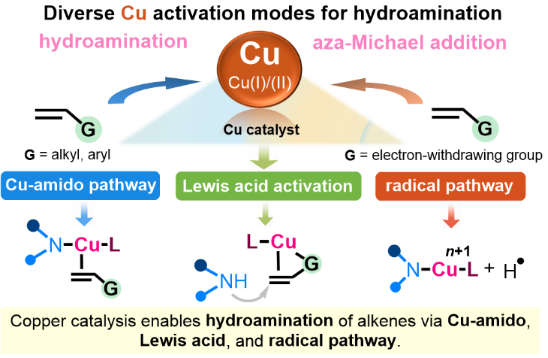
- ) were subsequently evaluated by adding aniline to activated olefins (Scheme 3) [35][36]. Using 5 mol % of the copper–amido catalyst at room temperature, the α,β-unsaturated substrates including acrylonitrile, methyl vinyl ketone, methyl acrylate, and cyclic enones were converted to the corresponding β
- that under conditions A, copper nanoparticles (CuNPs, 1.2 mol %) efficiently promoted the aza-Michael addition of anilines to activated alkenes at room temperature (Scheme 11a) [49]. In this system, the nanoparticulate copper surface acts as a Lewis acid to activate the Michael acceptor 33 through
- -supported copper nanocomplex, Cu(0)NC@PHA, derived from cellulose-based poly(hydroxamic acid) ligands [50]. The supported Cu(0) NPs catalyzed aza-Michael addition reactions of aromatic amines with various α,β-unsaturated esters 33 in ethanol at room temperature. The heterogeneous catalyst exhibited high







A practical CO2-mediated synthesis of 5,6-carboxylated silicon-rhodamines for targeted probe development
Beilstein J. Org. Chem. 2026, 22, 915–924, doi:10.3762/bjoc.22.72
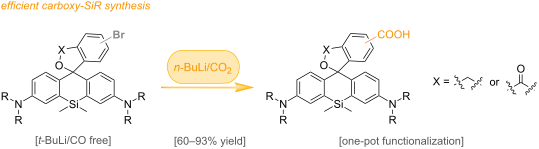
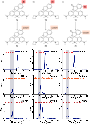
- 1a–c were treated with 2.5 equiv of n-BuLi in anhydrous THF at −78 °C under a nitrogen atmosphere to generate the corresponding aryllithium intermediates, followed by introduction of CO2 via a balloon. The reaction mixture was then allowed to warm to room temperature and stirred overnight to ensure



Cascade transformation of 2-(diazoacetyl)-2H-azirines to 2-aroyl-3-hydroxy-1H-pyrroles via condensation with aromatic aldehydes
Beilstein J. Org. Chem. 2026, 22, 897–904, doi:10.3762/bjoc.22.70
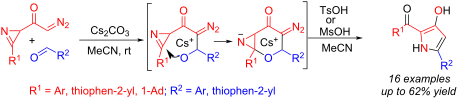
- MeCN) for the reaction of azirine 1a and benzaldehyde (2c, Scheme 3). Calculations indicate that condensation and subsequent cyclization should readily occur at room temperature, with only the diastereoisomer (1RR,3SR,6RR)-Phe-C (with the Ph group from benzaldehyde in the equatorial position


Chiral cyclopropenimine-catalyzed enantioselective Michael reactions of phenol and benzofuran-derived α,β-unsaturated pyrazolamides with benzophenone-imine of glycine esters
Beilstein J. Org. Chem. 2026, 22, 888–896, doi:10.3762/bjoc.22.69
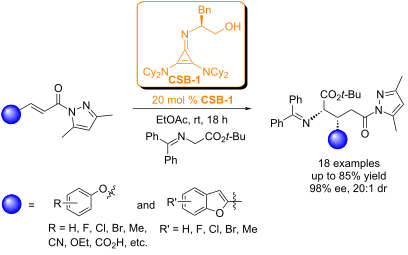
- the catalytic effect of CSB-1. Based on these results, the optimal reaction conditions are listed in Table 1, entry 1. The reactions between 2 and 5 were carried out in EtOAc by using 20 mol % of CSB-1 as a catalyst at room temperature. With the optimal conditions in hand, the asymmetric Michael






Diastereodivergent electrophilic trapping of α-boryl lithium derivatives
Beilstein J. Org. Chem. 2026, 22, 882–887, doi:10.3762/bjoc.22.68
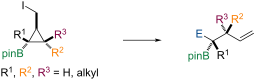
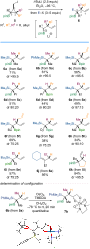
- moderate yields with good diastereoselectivity. Reaction with cyclohexanone led to partial elimination, which proceeded to completion upon warming the reaction mixture to room temperature, affording the bora-Wittig product 6j in moderate yield [39]. Furthermore, an intramolecular reaction was investigated




Site-specific labelling of native peptides and proteins: chemical and enzymatic strategies
Beilstein J. Org. Chem. 2026, 22, 857–881, doi:10.3762/bjoc.22.67
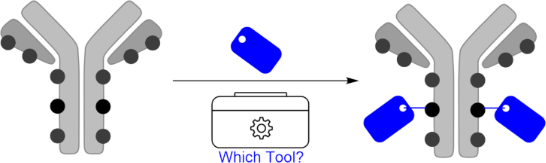
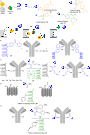
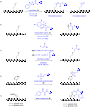
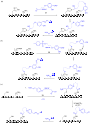
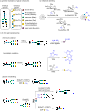
- modification. The chemical or enzymatic steps are generally mild (room temperature, aqueous buffer) yet highly specific. However, the main limitation is that only glycosylated proteins (especially IgGs) can be targeted. Intrinsic glycan heterogeneity can also lead to incomplete functionalisation. Biological








The trans-influence in gold chemistry from a catalytic perspective
Beilstein J. Org. Chem. 2026, 22, 838–856, doi:10.3762/bjoc.22.66
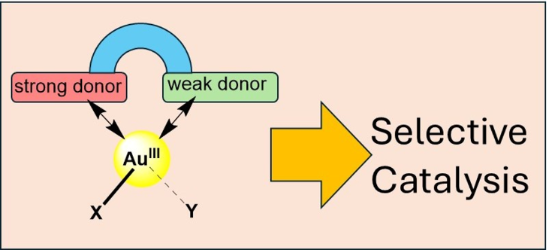
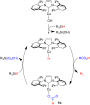
- (II) congener, K[PtCl3(ethylene)] [28], as well as the first examples of gold(III) alkyne [29], CO [30], hydride [31] and σ-complexes [32] (Scheme 3). The olefin complexes were isolated as microcrystalline powders which as dry solids are fairly stable in air at room temperature. The olefin bonding is
- ^C^N complex 12 (H trans to C) is stable in THF solution at −20 °C but decomposes at room temperature. This instability of 12 may in part also be due to the tendency of the pyridine arm to dissociate; for example, on addition of LiHBEt3 the pyridine is displaced to give the dihydrido complex Li[(N–C
- ^C)AuH2] [50]. Goldberg’s complex 13, on the other hand, which is stabilised by two strongly donating P(t-Bu)2 moieties, is stable at room temperature and could be crystallographically characterised [53]. A gold hydride of type 12 has been postulated as an intermediate in the thermal decomposition of


Unsymmetrical sulfoxides with sterically hindered catechol fragment: synthesis, structure, electrochemical properties, and antiradical activity
Beilstein J. Org. Chem. 2026, 22, 828–837, doi:10.3762/bjoc.22.65
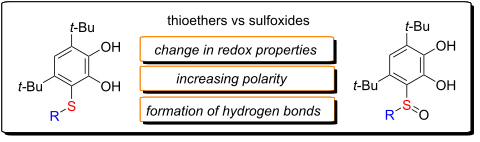
- , frequently employed as a model system to study the activity of catechol oxidase and tyrosinase. Although hydrogen peroxide is a strong oxidant, its reaction with 3,5-DTBC is often slow at room temperature in the absence of a catalyst, typically requiring metal ions such as Cu2+, Fe3+, or Co2+ [43]. Moreover
- {1H} NMR spectroscopy (Figures S1–S20), HRMS (Figures S21–S26) in Supporting Information File 1, and elemental analysis. X-ray data The X-ray suitable crystals of 1a, 4a–7a were grown by slow recrystallization of the compounds from acetonitrile or chloroform (for 7a) solutions at room temperature. The


Synthesis and structural elucidation of a novel bis-spirooxindole from isatin and ethylenediamine
Beilstein J. Org. Chem. 2026, 22, 813–820, doi:10.3762/bjoc.22.63
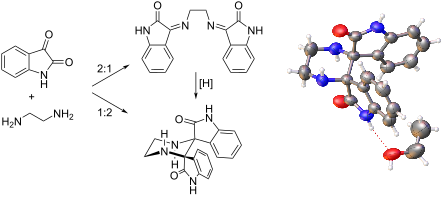
- ). Reduction of 24 with NaBH4. NaBH₄ (95 mg, 2.52 mmol, 2 equiv) was added in portions to a stirred solution of 24 (0.40 g, 1.26 mmol, 1 equiv) in MeOH (15 mL) at room temperature. The mixture was stirred for 2 h, poured onto ice, and the resulting yellow precipitate of 25 was collected by filtration (295 mg


Knoevenagel condensation of 4,5- and 1,8-diazafluorenes
Beilstein J. Org. Chem. 2026, 22, 803–812, doi:10.3762/bjoc.22.62
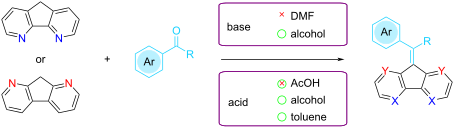
- ), ammonium acetate (60.5 mg, 0.79 mmol), and aldehyde (0.20 mmol) in glacial acetic acid (5 mL) was heated to 110 °C with stirring for 12 h. The resultant solution was cooled to room temperature and neutralized with aqueous ammonia solution (25%) to pH 6. The precipitate of a product was filtered off and
- toluene (5 mL) was heated to 110 °C with stirring for 12 h. The resultant solution was cooled to room temperature and neutralized with aqueous ammonia solution (25%) to pH 6. The precipitated compounds (see Table 1) were isolated by filtration followed by washing sequentially with portions of water
- stirred at room temperature for 2 h and then poured into water and extracted with chloroform. The extract was dried over MgSO4 and concentrated under reduced pressure. The products were purified by column chromatography on silica gel using ethyl acetate as eluent. General method (B2) for the condensation




Synthetic study of vic-bromination of diarylacetylenes, easy purification and separation
Beilstein J. Org. Chem. 2026, 22, 795–802, doi:10.3762/bjoc.22.61
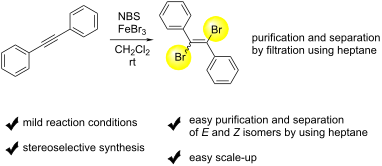
- heated by a heating gun. After cooled to room temperature, the flask was filled with N2. FeBr3 (154.2 mg, 0.52 mmol) and NBS (N-bromosuccinimide, 196.0 mg, 1.10 mmol) were added to the glass flask. Then, CH2Cl2 (dry, 2.0 mL) and 1,2-diphenylacetylene (1a, 89.4 mg, 0.502 mmol) were added and the mixture
- was stirred at room temperature for 2 hours. A 10% aqueous solution of Na2S2O3 (20 mL) was added to stop the reaction. The mixture was extracted with CH2Cl2 (20 mL × 1), and separated. The aqueous phase was extracted with CH2Cl2 (20 mL × 2). The combined organic phase was washed with H2O (20 mL) and

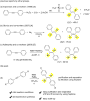


Rongalite addition to dienones: diastereoselectivity in cyclic sulfone synthesis; stereochemical rationalization and prospects as a general conjugate nucleophile
Beilstein J. Org. Chem. 2026, 22, 742–752, doi:10.3762/bjoc.22.56

- -methyl groups cannot freely rotate past the nearby sulfone oxygen atoms. Calculations suggested a rotation barrier of 18 kcal/mol, consistent with it being insurmountable at room temperature, vs only 4 kcal/mol for the unsubstituted phenyl ring (see Supporting Information File 1). The combined results of
- sulfinates. In contrast, performing the competition experiment at room temperature gave a different product profile in which a good yield of 26 (62%) precipitated from the reaction mixture. No other products were observed in either the precipitate or the extracted filtrate from that reaction. The high
- selectivity for formation of 26 at room temperature suggests a profile that is more reflective of kinetic control, such that we can argue that 26 forms between 1 and 2 orders of magnitude more rapidly than cyclic products 1a and 1b, such that they are not detectable in the 1H NMR spectra. Further anecdotal


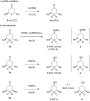


Synthesis of heterocycles based on azomethine ylides from α-amino acids (or amines) and carbonyl compounds
Beilstein J. Org. Chem. 2026, 22, 705–741, doi:10.3762/bjoc.22.55
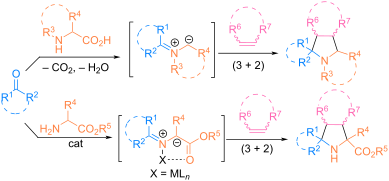
- )benzylamine (92) as an azomethine ylide precursor in (3 + 2)-dipolar cycloaddition reactions with electron-deficient exo-cyclic 93 and endo-cyclic alkenes 94 (Scheme 36) [77][78][79]. To generate the azomethine ylide from reagent 92, TFA in methylene chloride at room temperature or LiF in acetonitrile with


Anti-invasive and cytotoxic evaluation of a (+)-pinoresinol-based semisynthetic library against glioblastoma
Beilstein J. Org. Chem. 2026, 22, 691–704, doi:10.3762/bjoc.22.54
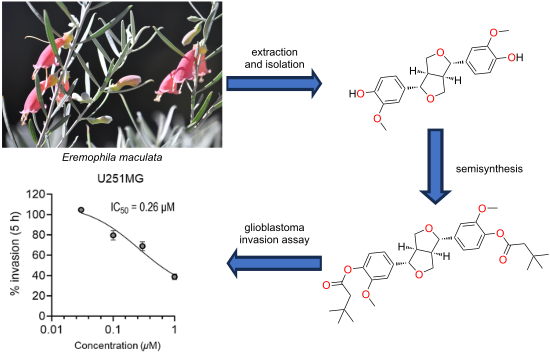
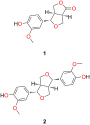
- reaction using N-bromosuccinimide (NBS) in CH2Cl2 at room temperature (1 h), we produced 5 as a single enantiomer (i.e., (+)-5,5'-dibromopinoresinol). Herein, we report the full spectroscopic and spectrometric characterization of this molecule. Furthermore, analogues 6 and 7 are new semisynthetic molecules
- plates were used for TLC and analyzed under UV light at 254 and 365 nm. For large-scale studies, the plant material was extracted at room temperature using an Edwards Instrument Company Bio-line orbital shaker set to 200 rpm. All chemical reagents used throughout the experiments were purchased from Sigma
- (+)-pinoresinol derivatives 3–7 Methylation of (+)-pinoresinol (2) (+)-Pinoresinol (2, 15.8 mg, 0.044 mmol) was dissolved in MeOH/CH2Cl2 1:1 (250 μL) before (trimethylsilyl)diazomethane (2.0 M in diethyl ether, 150 μL) was added dropwise. The reaction mixture was stirred for 20 min at room temperature and then



Photoorganocatalytic trifluoromethylation of (het)arenes in green conditions
Beilstein J. Org. Chem. 2026, 22, 662–671, doi:10.3762/bjoc.22.50
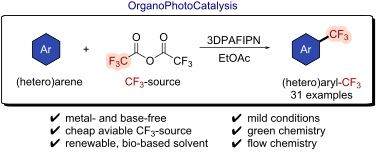
- -trimethoxybenzene (TMB) as the substrate and 3 equivalents of TFAA as the CF3 source, over 6 hours at room temperature (25 °C). Initially, white light irradiation was selected owing to its broad coverage of the visible spectrum (Supporting Information File 1, Figure S6). Screening of various organic photocatalysts
- reaction conditions were established as follows: 2 mol % 3DPAFIPN in EtOAc under blue-light irradiation (450 nm) at room temperature (23 °C) for 6 h under an argon atmosphere. Using the optimized conditions, the scope of the developed protocol was evaluated with a range of arenes and heteroarenes (Scheme 2




Hydrogen production from formic acid catalyzed by NHC–Cu complexes
Beilstein J. Org. Chem. 2026, 22, 620–627, doi:10.3762/bjoc.22.48
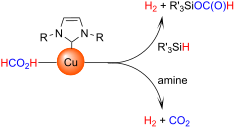
- our delight, upon reacting in toluene equimolar amounts of FA and PhSiH3, efficiency increased (Figure 2). Indeed, by using 1a and its tert-butoxide congener 1c ([Cu] = 10 mol %) a violent evolution of gas was observed at room temperature, resulting into a considerable increase of pressure which
- experiments were carried out (Scheme 2). By reacting FA and PhSiH3 (1:1 molar ratio) in the presence of 10 mol % of 1a, in deuterated toluene at room temperature under D2 atmosphere (1 atm), no H–D scrambling was observed (Scheme 2a). Furthermore, the 1a-catalyzed reaction of FA labeled at the acidic position