


Search results
Search for "cell viability" in Full Text gives 188 result(s) in Beilstein Journal of Nanotechnology.
Engineered superparamagnetic iron oxide nanoparticles (SPIONs) for dual-modality imaging of intracranial glioblastoma via EGFRvIII targeting
Beilstein J. Nanotechnol. 2019, 10, 1860–1872, doi:10.3762/bjnano.10.181
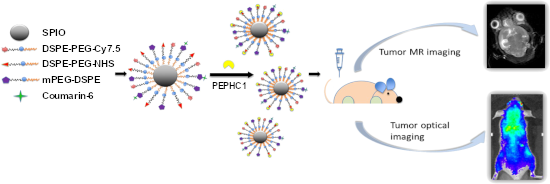
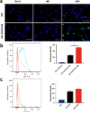
- is a primary consideration for clinical application. Therefore, the viability of U87MG and U87MG-EGFRvIII cells treated with NPs and PNPs with different concentrations was investigated using the MTT assays. Even at a high Fe concentration of 200 µg/mL, more than 95% of cell viability was found




Toxicity and safety study of silver and gold nanoparticles functionalized with cysteine and glutathione
Beilstein J. Nanotechnol. 2019, 10, 1802–1817, doi:10.3762/bjnano.10.175
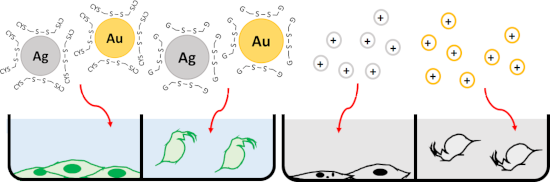
- biocompatibility and fate of nanoparticles in biological systems. A systematic and comprehensive analysis revealed that the preparation of AgNPs and AuNPs in the presence of biothiols leads to nanoparticles stabilized with oxidized forms of biothiols. Their safety was tested by evaluation of cell viability
- reduces or increases their safety. For this purpose, the efficiency of NP uptake, cell viability, apoptosis induction, oxidative stress response and genotoxicity parameters of L929 cells treated with prepared NPs were determined and compared with control cells. A range of NP concentrations were tested for
- results, as presented in Figure 4, demonstrated dose-dependent toxic effects of CYS- and GSH-coated AgNPs, while AuNPs showed no toxicity in the tested concentration range (1–300 mg Au L−1). However, GSH-coated AuNPs decreased cell viability by 20% at a dose of 300 mg Au L−1. The GSH-coated AgNPs


Doxorubicin-loaded human serum albumin nanoparticles overcome transporter-mediated drug resistance in drug-adapted cancer cells
Beilstein J. Nanotechnol. 2019, 10, 1707–1715, doi:10.3762/bjnano.10.166
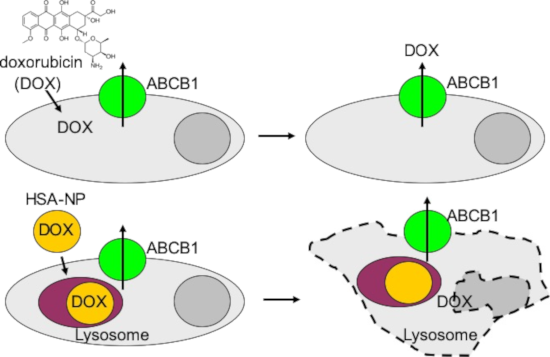
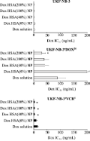
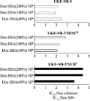
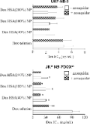
- , Supporting Information File 1, Table S1). Effects of doxorubicin-loaded nanoparticles on neuroblastoma cells The effects of doxorubicin applied in solution or incorporated into HSA (0%), HSA (40%), HSA (100%), or HSA (200%) nanoparticles on neuroblastoma cell viability are shown in Figure 3. The numerical
- values are presented in Supporting Information File 1, Table S1. Empty control nanoparticles did not affect cell viability in the investigated concentrations. In the neuroblastoma cell line UKF-NB-3, the nanoparticle preparations displayed similar activity as doxorubicin solution, with doxorubicin-loaded
- cultured in the presence of the indicated drug concentrations. The cells were routinely tested for mycoplasma contamination and authenticated by short tandem repeat profiling. Cell viability assay Cell viability was determined by 3-(4,5-dimethylthiazol-2-yl)-2,5-diphenyltetrazolium bromide (MTT) assay


Scavenging of reactive oxygen species by phenolic compound-modified maghemite nanoparticles
Beilstein J. Nanotechnol. 2019, 10, 1073–1088, doi:10.3762/bjnano.10.108
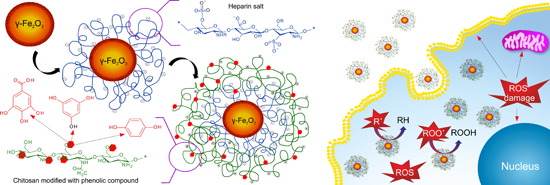
- nanoparticles (MNPcell) and cell viability were determined after incubation of γ-Fe2O3, γ-Fe2O3@Hep, γ-Fe2O3@Hep-CS-G, γ-Fe2O3@Hep-CS-H, or γ-Fe2O3@Hep-CS-P nanoparticles (100 μg/mL) with L-929 or LN-229 cells for 3 h (Figure 5a,b). In the absence of a magnetic field, the heparin coating enhanced the MNPcell
- , suggesting an increase in the cellular ROS level. Compared to non-treated cells (Figure 6a,h), treatment with H2O2 affected cell viability and resulted in an increase in cell debris (Figure 6b,i). The internalized phenolic compound-modified nanoparticles reduced the cellular ROS level significantly in both L
- presence of the NdFeB magnet. The cells were then washed with PBS and incubated with CCK-8 solution-containing medium (10%) for an additional hour. The optical density (OD) of each sample was determined with a VICTOR3 Multilabel plate reader at a wavelength of 450 nm. The percentage of cell viability was





Effects of gold and PCL- or PLLA-coated silica nanoparticles on brain endothelial cells and the blood–brain barrier
Beilstein J. Nanotechnol. 2019, 10, 941–954, doi:10.3762/bjnano.10.95
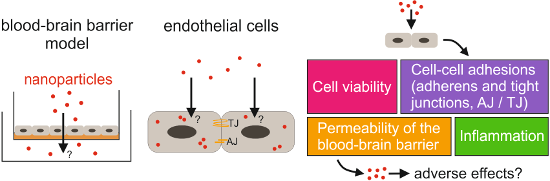
- –brain barrier using rat brain capillary endothelial cells (rBCEC4). All types of nanoparticles were taken up time-dependently by the rBCEC4 cells, albeit to a different extent, causing a time- and concentration-dependent decrease in cell viability. Nanoparticle exposure did not change cell proliferation
- and lysosomes in microglia [10]. None of the NPs investigated resulted in cytotoxicity, decreased cell viability, apoptosis, autophagy or inflammation. However, exposure to NPs led to oxidative stress via depletion of cellular glutathione and to a downregulation of neuronal differentiation markers in
- neurons [11]. Kamikobu et al. reported that the effect of Si-NPs on cell viability of embryonic kidney cells and primary hippocampal cultures depended on concentration, size and surface charge of the particles. Notably, neuronal cells were shown to be more sensitive to NP exposure compared to embryonic



The systemic effect of PEG-nGO-induced oxidative stress in vivo in a rodent model
Beilstein J. Nanotechnol. 2019, 10, 901–911, doi:10.3762/bjnano.10.91
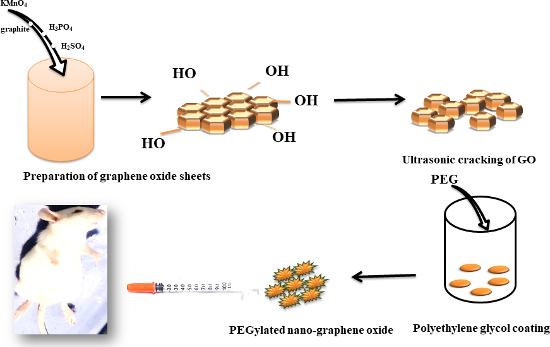
- and found that treatment with GO can extract phospholipid and cholesterol from the plasma membrane of human alveolar epithelial A549 cells, producing surface pores [50][51]. This effect greatly reduced the cell viability and results in cellular damage and apoptosis, and long-term exposure could cause


Tungsten disulfide-based nanocomposites for photothermal therapy
Beilstein J. Nanotechnol. 2019, 10, 811–822, doi:10.3762/bjnano.10.81
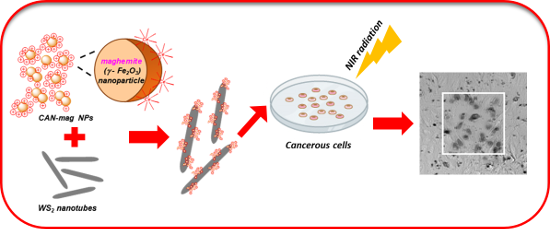
- of 157 µm × 157 µm in the middle of each frame was irradiated with a 700 nm laser (Chameleon Vision II) at 123 mW for 1 min. The same frames were then imaged again. A dye exclusion test of cell viability was performed, using Trypan Blue for staining. A mixture of 0.5 wt % trypan blue solution and PBS
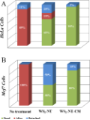
- -NT-CM composite as a photothermal therapy agent. Figure 5 shows optical microscope images taken from a cell viability test of HeLa cells incubated for 10 min with WS2-NTs (d–f), with WS2-NT-CM (g–i), and without any addition (a–c) for reference. Figure 6 shows the percentage of alive, dead, and
- with WS2-NT-CM. However, cell death is more accentuated after addition of the latter (Figure 5i). This is also expressed in higher percentages of dead HeLa cells. For MCF7 cells, the cell viability results are less conclusive compared to HeLa cell results (see Supporting Information File 1). While a






Polydopamine-coated Au nanorods for targeted fluorescent cell imaging and photothermal therapy
Beilstein J. Nanotechnol. 2019, 10, 794–803, doi:10.3762/bjnano.10.79
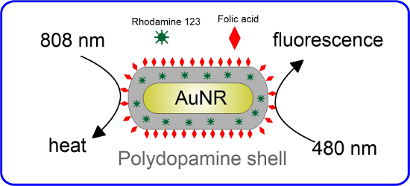
- demonstrated insignificant cell toxicity (Figure 2A,B) for particle concentrations up to 2.5 × 10¹⁰ mL−1. At very high concentrations and after 48 h of incubation time the cell viability decreased to 83% and 76% only for AuNRs-PDA-R123-folate. We attributed this effect to a better uptake of targeted
- the bulk temperature of the solution of sample 3 measured directly in the wells. Thus, a possible influence of NIR irradiation on the cell viability can be attributed to the local heating effect [49] rather than to the total increase of the solution temperature. Depending on the experimental
- ) dyes, coloring live cells in green and apoptotic cells in red (Figure 4B–D). To quantify the efficiency of treatment the cell viability was estimated by using the resazurin assay. After irradiation with the NIR laser for 200 s, HeLa cells treated with AuNR-PDA-R123-folate exhibited a dose-dependent


Surface plasmon resonance enhancement of photoluminescence intensity and bioimaging application of gold nanorod@CdSe/ZnS quantum dots
Beilstein J. Nanotechnol. 2019, 10, 22–31, doi:10.3762/bjnano.10.3
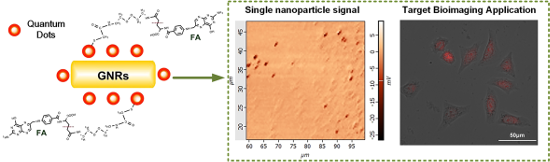
- . Photoluminescence lifetime spectrum of CdSe/ZnS and GNR@CdSe/ZnS. The colloidal stability of GNR@CdSe/ZnS@FA. Microscopy images of MCF-7 breast cancer cell labelled with CdSe/ZnS@FA and GNR@CdSe/ZnS@FA. Lifetime data of the samples. Supporting Information Supporting Information File 2: Relative cell viability of


Characterization and influence of hydroxyapatite nanopowders on living cells
Beilstein J. Nanotechnol. 2018, 9, 3079–3094, doi:10.3762/bjnano.9.286
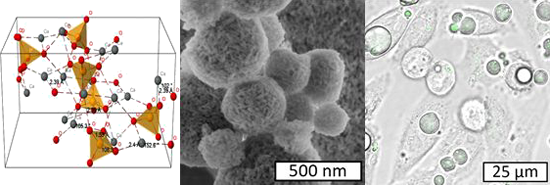
- , interactions between nanoparticles (NPs) and the biological environment are not yet fully understood. Structures such as human skin or lungs are in constant contact with the environment and are thus exposed to nanoobjects. Lack of knowledge about nanoparticle effects on cell viability is a significant barrier
- culture dish for 24 h, then washed with PBS and moved to 96-well dish, after which cell viability was evaluated. The numbers of living cells measured are presented as a percentage relative to the negative control (100%), as determined using the WST-8 assay. Results above 100% are taken to show a
- [47]. To evaluate the manufacturing methods and to analyse the interaction mechanisms of HAp with living cells, simple statistical correlations and regressions of physicochemical properties with biological activity expressed by cell viability were made (significance [p] set at α = 0.05). Results and

![[Graphic 1]](/bjnano/content/inline/2190-4286-9-286-i2.svg?max-width=637&scale=1.18182) .
.



Hybrid Au@alendronate nanoparticles as dual chemo-photothermal agent for combined cancer treatment
Beilstein J. Nanotechnol. 2018, 9, 2947–2952, doi:10.3762/bjnano.9.273
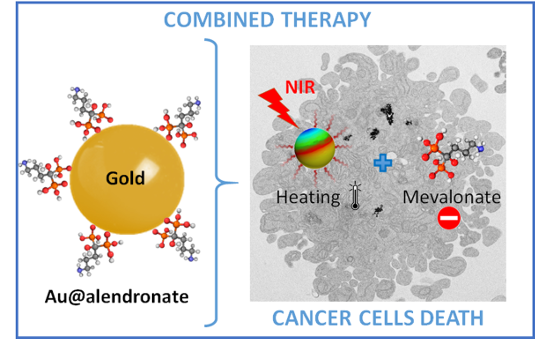
- assay the half maximal inhibitory concentration (IC50 value) can be determined. This value is a good indicator of the effectiveness of a compound for inhibiting biological or biochemical functions. Free alendronate and Au@alendronate gold NPs reduced cell viability in a concentration-dependent manner
- treatment by using a 680 nm laser calibrated to illuminate cells at 1.7 W/cm2. The metabolic activity on PC3 cells incubated with Au@alendronate NPs in presence or absence of laser irradiation is compared in Figure 3b. At extracellular concentrations of alendronate below 1 µM, similar cell viability was
- observed in absence or presence of laser irradiation. This could be related to the low dose of internalized gold NPs and indicates that the laser power is sufficiently low to avoid nonspecific biological damage. At extracellular concentrations of alendronate over 1 µM, cell viability was considerably


Comparative biological effects of spherical noble metal nanoparticles (Rh, Pd, Ag, Pt, Au) with 4–8 nm diameter
Beilstein J. Nanotechnol. 2018, 9, 2763–2774, doi:10.3762/bjnano.9.258
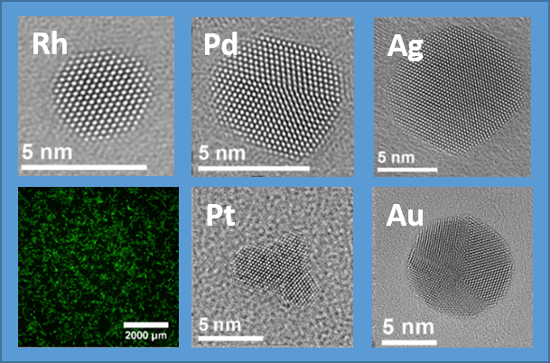
- solution, 50 µL was added per mL of sample to achieve the final metal concentrations of 50, 25, 10, 5.0 and 2.5 mg L−1 (ppm) Adherent hMSC cells were then incubated in the presence or absence of different nanoparticle concentrations for 24 h in RPMI1640/10% FCS at 37 °C and 5% CO2. The cell viability and
- (Olympus MVX10, Olympus, Hamburg, Germany). The quantification of cell viability was performed by phase analysis (CellSens Dimensions, Olympus, Hamburg, Germany) of calcein-positive fluorescence signals calculating the fluorescent area. For calculating the phase analysis data, a threshold was set which
- cell culture medium and no agglomeration or sedimentation was observed. Only silver nanoparticles had a discernible effect on the viability of hMSC after 24 h of exposure (Figure 6). They had a cytotoxic effect starting at 25 µg mL−1. The cell viability further decreased with increasing silver


Size-selected Fe3O4–Au hybrid nanoparticles for improved magnetism-based theranostics
Beilstein J. Nanotechnol. 2018, 9, 2684–2699, doi:10.3762/bjnano.9.251
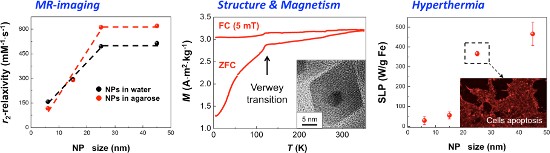
- , which resulted in heating up to 46 ± 1 °C. Preincubation of the cells with the hybrid NPs for 6 h further decreased the cell viability and led to complete (100%) cell death. Such multifunctional Fe3O4–Au Janus NPs combine the best characteristics for MRI and MPH and offer the highest potential for
- , resulting in the same hydrodynamic size as in water (Table S1, Supporting Information File 1) and added to 4T1 cells. The specimen was immediately exposed to 261–393 kHz, 25 mT AMF. The frequency is adjusted to keep the temperature constant at 46 ± 1 °C for 15 or 30 min. Afterwards, the cell viability is
- species (ROS) (Figures S5 and S7, Supporting Information File 1). The ROS excess level is known to induce apoptosis [86][87][88]. The applied combination of techniques enables us to draw definite conclusions about the effect of NPs on cell viability [89]. In our experiments, 15 min AMF exposure of 4T1


Cytotoxicity of doxorubicin-conjugated poly[N-(2-hydroxypropyl)methacrylamide]-modified γ-Fe2O3 nanoparticles towards human tumor cells
Beilstein J. Nanotechnol. 2018, 9, 2533–2545, doi:10.3762/bjnano.9.236
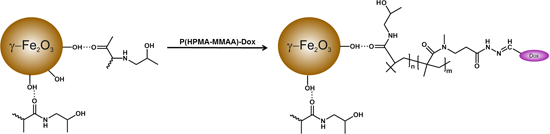
- Multiscan FC instrument (Thermo Fisher Scientific; Vantaa, Finland) at 570 nm. The absorption of solution above the incubated cells was normalized to that of control (untreated) cells, indicating the relative level of cell viability. Each concentration of the studied compounds was run in triplicate and
- /dead viability/cytotoxicity assay for mammalian cells (Invitrogen; Carlsbad, CA, USA) to evaluate the cell viability. Calcein AM and ethidium homodimer-1 (EthD-1) working solution (150 μL) was added to the cells, which were subsequently incubated at 37 °C for 30 min and imaged by a Keyence Biorevo BZ
- -9000 fluorescence microscope. The live/dead kit determined the cell viability based on the cell membrane integrity. Living cells were stained by calcein AM, which emits green fluorescence (517 nm) after excitation by blue light (494 nm), whereas dead cells were stained by EthD-1, which emits red


Non-agglomerated silicon–organic nanoparticles and their nanocomplexes with oligonucleotides: synthesis and properties
Beilstein J. Nanotechnol. 2018, 9, 2516–2525, doi:10.3762/bjnano.9.234
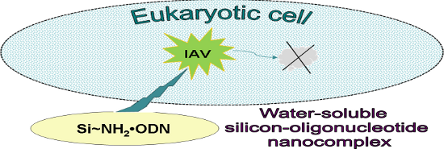
- blue) and 488 nm (for fluorescein-labeled samples, green) were used. The results are shown in Figure 5. Cell viability assays The experiments were carried out similarly as described in [20]. In short: Two days after the formation of a continuous monolayer of MDCK cells at 37 °C and 5% CO2, the cells


Enhanced antineoplastic/therapeutic efficacy using 5-fluorouracil-loaded calcium phosphate nanoparticles
Beilstein J. Nanotechnol. 2018, 9, 2499–2515, doi:10.3762/bjnano.9.233
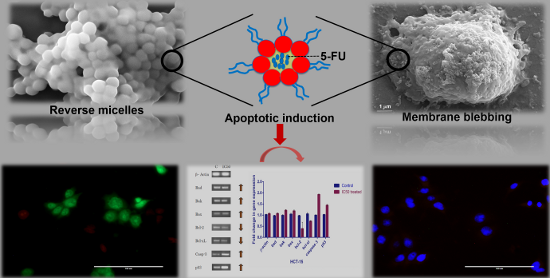
- extended using free drug (no NPs) and the CaP@5-FU NPs sample at the same concentration and time as previously mentioned. In the free drug test (i.e., 5-FU), we observed a great reduction in cell viability in both cancer models (HCT-15 and A549 cells), whereas it was less effective in the normal cell line
- 5-FU has an IC50 of 4.2 µg/mL, whereas incubation at an increased concentration of 100 µg/mL resulted in 17.44% survival of cells (Figure S3, Supporting Information File 1). Unloaded CaP NPs resulted in a 76.24% cell viability at 100 µg/mL treatment. Conversely, CaP@5-FU NPs showed a survival of
- purple formazan was confirmed by microscopic observation and 100 µL DMSO was added to dissolve the formazan crystals. The formazan crystal formation was spectroscopically characterized using a multimode microplate reader (Cytation3, Biotek) at 570 nm absorbance. The percent of cell viability was


Nanocellulose: Recent advances and its prospects in environmental remediation
Beilstein J. Nanotechnol. 2018, 9, 2479–2498, doi:10.3762/bjnano.9.232


Fabrication of photothermally active poly(vinyl alcohol) films with gold nanostars for antibacterial applications
Beilstein J. Nanotechnol. 2018, 9, 2040–2048, doi:10.3762/bjnano.9.193
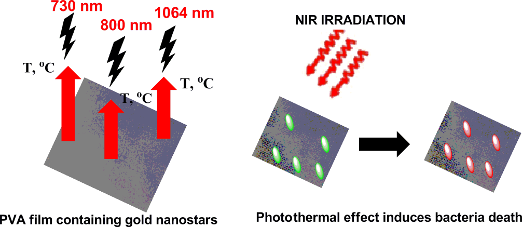
- monitored over time by spectrophotometric measurements at 600 nm. Figure 6b shows similar bacteria growth from non-irradiated PVA or PVA-GNS films, meaning that the presence of GNS itself does not impact cell viability. By contrast, strong differences in the bacteria growth were observed in the case of PVA


Biomimetic and biodegradable cellulose acetate scaffolds loaded with dexamethasone for bone implants
Beilstein J. Nanotechnol. 2018, 9, 1986–1994, doi:10.3762/bjnano.9.189
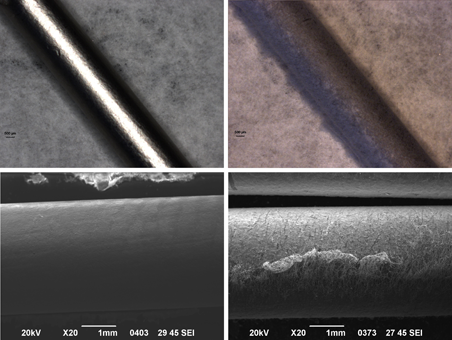
- of PBS was added. Methylene blue is commonly used for the identification of cell viability as it stains the nuclei of living cells, making them more observable. The protocol for staining with methylene blue initially involves the addition of methanol to the samples, which were in the well-plates for


Preparation of micro/nanopatterned gelatins crosslinked with genipin for biocompatible dental implants
Beilstein J. Nanotechnol. 2018, 9, 1735–1754, doi:10.3762/bjnano.9.165
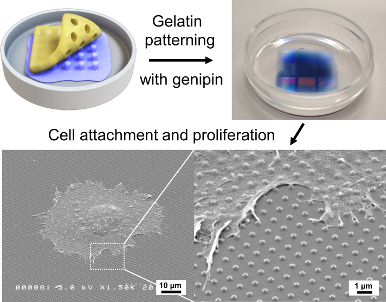
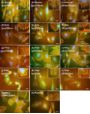
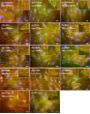
- change was observed at the highest concentration of genipin (20 mM). Because of its high stability in cell culture medium, we used gelatin patterned using 20 mM genipin as a crosslinker to subsequently examine cell attachment and proliferation. Live/dead cell viability assay of Saos-2 cells on gelatin
- patterns The cell viability of Saos-2 cells on the gelatin crosslinked with 20 mM genipin was easily estimated with live/dead double staining (Figure 4). The gelatin pillars, with diameters of 500 nm and heights of 500 nm, were used as gelatin patterns. The high ratio of green-stained cells on gelatin
- attachment. Moreover, the live/dead cell viability assay demonstrated that gelatin crosslinked with genipin showed low cytotoxicity (Figure 4). The low cytotoxicity for Saos-2 cells on our gelatin patterns was in agreement with the low cytotoxicity for fibroblasts on genipin-crosslinked gelatin [66






Green synthesis of fluorescent carbon dots from spices for in vitro imaging and tumour cell growth inhibition
Beilstein J. Nanotechnol. 2018, 9, 530–544, doi:10.3762/bjnano.9.51
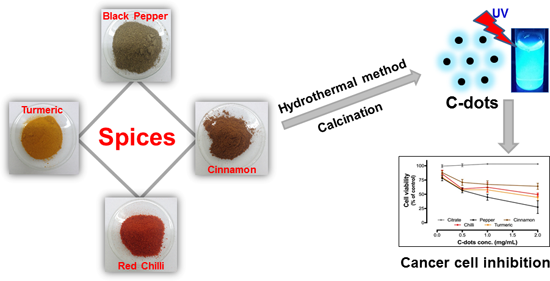
- -dots in the cancer cultures compared to the non-cancerous cells. Results showed that the spice-derived C-dots inhibited cell viability dose-dependently after a 24 h incubation period, displaying a higher toxicity in LN-229, than in HK-2 cells. As a control, C-dots synthesized from citric acid did not
- yield among all of the spice-derived C-dots. A summary of the characteristic parameters studied for each spice C-dot is collected in Table 1. Cell viability measurements and cell imaging using the C-dots Concentrations varying from 0.1 mg·mL−1 to 2 mg·mL−1 (and up to 4 mg·mL−1 in the case of black
- during the in vitro cell viability studies match very well with those assayed in previous works using other types of carbon dots [27]. The highest tested C-dot concentrations correspond to approximately 15% of water; in all cases, cell death due to the water vehicle was excluded by testing cell viability


Nanoparticle delivery to metastatic breast cancer cells by nanoengineered mesenchymal stem cells
Beilstein J. Nanotechnol. 2018, 9, 321–332, doi:10.3762/bjnano.9.32
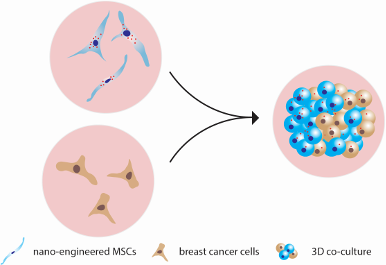
- -dependent endocytosis, whereas the clathrin/caveolae-dependent pathway dominated in MDA-MB-231 cells in monocultures (Supporting Information File 1, Figure S2). Cell viability in 3D culture Cells in a 3D culture formed floating and dense spheroids. Therefore, we sought to analyse the effect of the 3D
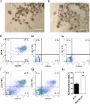
- culture conditions on cell viability (Figure 5). MSC and breast cancer cell populations were distinguished by CD90 expression, thus allowing viability estimations in each cell type separately. Cell viability in 2D culture was greater than 95% (data not shown). MSCs cultivated in 3D monocultures were fully
- viable after 24 h; nevertheless, a distinct decrease in viability of 26% was observed after 48 h (Figure 5A). MCF7 and MDA-MB-231 cell viability was not changed after 24 h. However, after 48 h, the viability of MCF7 cells was reduced by 31% (Figure 5A). The viability of MDA-MB-231 cells remained



Co-reductive fabrication of carbon nanodots with high quantum yield for bioimaging of bacteria
Beilstein J. Nanotechnol. 2018, 9, 137–145, doi:10.3762/bjnano.9.16
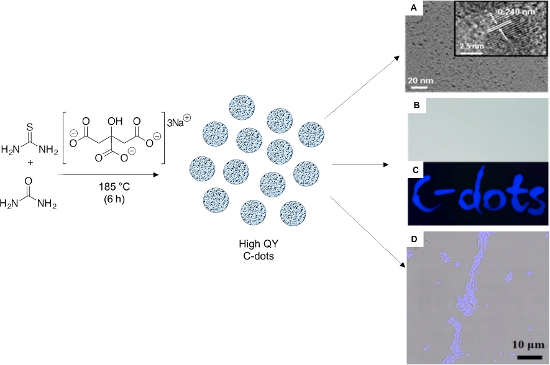
- . Different concentrations of C-dots (0, 2.5, 5.0, 10 and 20 μg mL−1) were added into Erlenmeyer flasks and shaken for 2 min at 180 rpm. Furthermore, 0.2 mL of culture broth was collected at different time points (0–72 h) and their optical density was measured at 600 nm in order to calculate the cell
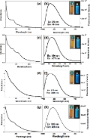
- viability. Quantification is reported as relative values to the negative control, where the negative control (untreated) is set to 100% viability. TEM and HRTEM (inset) images of (A) Sa, (B) Sb, (C) Se samples, and corresponding size (diameter) distribution ranges for (D) Sa, (E) Sb, and (F) Se. (A–C) UV


Involvement of two uptake mechanisms of gold and iron oxide nanoparticles in a co-exposure scenario using mouse macrophages
Beilstein J. Nanotechnol. 2017, 8, 2396–2409, doi:10.3762/bjnano.8.239
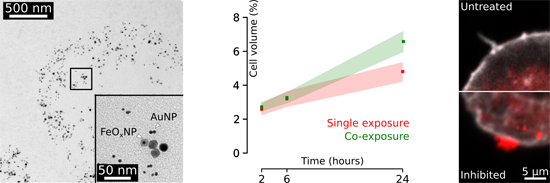
- environment and if so, on which time scale. None of the exposure conditions impaired the cell viability of J774A.1 after 24 h as shown by the LDH and trypan blue exclusion assays (Figure S15 and Figure S16, Supporting Information File 1). Live-cell LSM data revealed that both particle types appeared



Evaluating the toxicity of TiO2-based nanoparticles to Chinese hamster ovary cells and Escherichia coli: a complementary experimental and computational approach
Beilstein J. Nanotechnol. 2017, 8, 2171–2180, doi:10.3762/bjnano.8.216
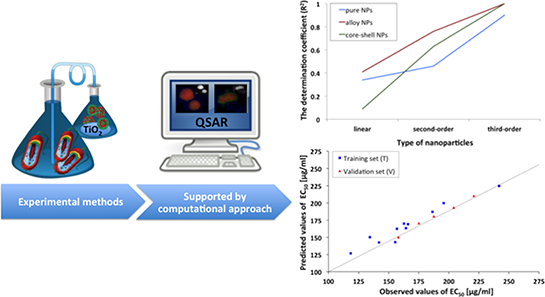
- preliminary experiment. CHO-K1 proved to be the most sensitive, allowed for the determination of EC50 values for all tested nanomaterials and therefore was selected for the main experiment. A colorimetric assay with WST-8 reagent was used for the cell viability tests: CHO-K1 cells were pre-cultured in F12
- . Because Au nanoparticles absorb light in the visible region, the plates were centrifuged to avoid interference with the assay. At the next step, 100 µL of medium from each cell culture was transferred to a 96-well plate and the absorbance at 450 nm was measured. Cell viability was calculated as means of





