


Search results
Search for "tunneling" in Full Text gives 316 result(s) in Beilstein Journal of Nanotechnology. Showing first 200.
Imaging the surface potential at the steps on the rutile TiO2(110) surface by Kelvin probe force microscopy
Beilstein J. Nanotechnol. 2019, 10, 1228–1236, doi:10.3762/bjnano.10.122
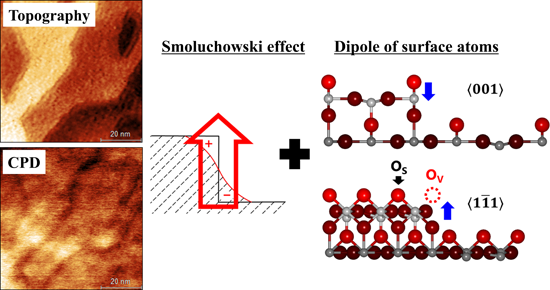
- observed with a lateral resolution of several nanometers by Kelvin probe force microscopy (KPFM) [29][30]. However, the dependence of surface potential on direction and structure of steps such as [001], and has not yet been clarified. In scanning tunneling microscopy (STM) [31] studies, three typical
- several factors can be considered: a phantom force derived from the flow of a tunneling current [48][49], the local adsorption of molecules, the localization of defect states [55][56], the induced dipole moment [50], the unintentional change in tip–sample distance [57], the electron redistribution due to
- orbital splitting [18] and the Smoluchowski effect [58]. First, we analyze the influence of a tunneling current flowing between the tip and the sample, i.e., a phantom force. The probability of tunneling depends on the atomic site. This may influence the observed CPD value, but it should be excluded as
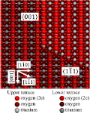
![[Graphic 16]](/bjnano/content/inline/2190-4286-10-122-i16.svg?max-width=637&scale=1.18182) and
and ![[Graphic 17]](/bjnano/content/inline/2190-4286-10-122-i17.svg?max-width=637&scale=1.18182) .
.
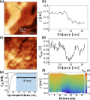

![[Graphic 38]](/bjnano/content/inline/2190-4286-10-122-i38.svg?max-width=637&scale=1.18182) and
and ![[Graphic 39]](/bjnano/content/inline/2190-4286-10-122-i39.svg?max-width=637&scale=1.18182) steps. (a) Topographic image...
steps. (a) Topographic image...


![[Graphic 72]](/bjnano/content/inline/2190-4286-10-122-i72.svg?max-width=637&scale=1.18182) , b)
, b) ![[Graphic 73]](/bjnano/content/inline/2190-4286-10-122-i73.svg?max-width=637&scale=1.18182) , c) reduced
, c) reduced ![[Graphic 74]](/bjnano/content/inline/2190-4286-10-122-i74.svg?max-width=637&scale=1.18182) , and d)
, and d) ![[Graphic 75]](/bjnano/content/inline/2190-4286-10-122-i75.svg?max-width=637&scale=1.18182) steps. B...
steps. B...
Pure and mixed ordered monolayers of tetracyano-2,6-naphthoquinodimethane and hexathiapentacene on the Ag(100) surface
Beilstein J. Nanotechnol. 2019, 10, 1188–1199, doi:10.3762/bjnano.10.118
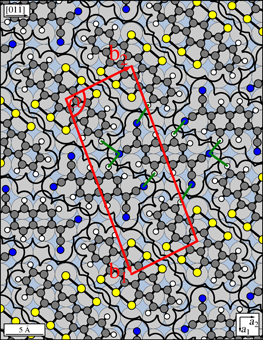
- structures are formed on a surface by molecules that are otherwise typically used for the synthesis of bulk charge-transfer materials. The layers were obtained by vacuum deposition on the Ag(100) surface and analyzed by low-energy electron diffraction (LEED) and scanning tunneling microscopy (STM). The
- a planar orientation on the surface. We discuss the influence of intermolecular charge transfer on the ordering in the mixed structure. Keywords: charge transfer; low-energy electron diffraction; hexathiapentacene; scanning tunneling microscopy; tetracyano-2,6-naphthoquinodimethane; Introduction
- :1 stoichiometry. Experimental The experiments were conducted in an ultra-high vacuum (UHV) chamber with a base pressure of 10−10 mbar. The chamber was equipped with a variable-temperature scanning tunneling microscope STM (type RHK UHV 300) from RHK Technologies and a multi-channel plate (MCP) low


In situ AFM visualization of Li–O2 battery discharge products during redox cycling in an atmospherically controlled sample cell
Beilstein J. Nanotechnol. 2019, 10, 930–940, doi:10.3762/bjnano.10.94
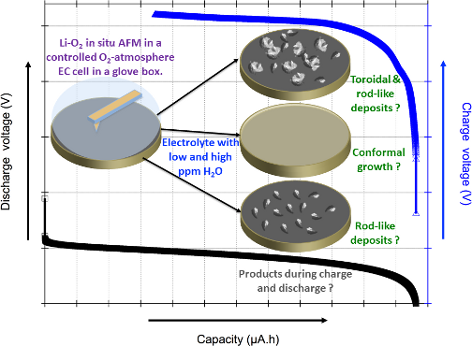
- these redox materials at the micrometer and nanometer scales. Gewirth et al. [2] reviewed the use of scanning tunneling microscopy (STM) and atomic force microscopy (AFM) investigations of phenomena such as reconstructions, restructuring and adsorption of ions. Phenomena such as under-potential


Capillary force-induced superlattice variation atop a nanometer-wide graphene flake and its moiré origin studied by STM
Beilstein J. Nanotechnol. 2019, 10, 804–810, doi:10.3762/bjnano.10.80
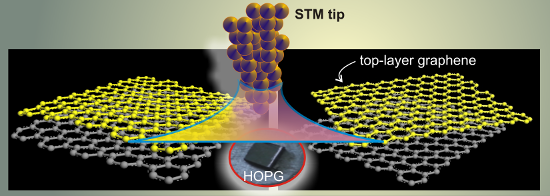
- superlattices on graphite by imaging a live transition from one superlattice to another with concurrent and direct measurement of the orientation angle before and after rotation using scanning tunneling microscopy (STM). This has been possible due to a fortuitous observation of a superlattice on a nanometer


Coexisting spin and Rabi oscillations at intermediate time regimes in electron transport through a photon cavity
Beilstein J. Nanotechnol. 2019, 10, 606–616, doi:10.3762/bjnano.10.61
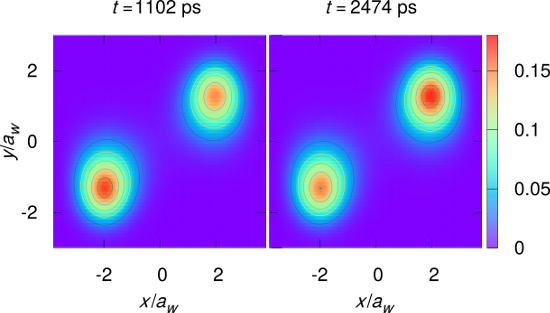
- coexisting radiative transitions and photon-assisted tunneling [9]. The characteristic time of the transient and the intermediate regime depends on the the ratio of the system lead coupling and the electron–photon coupling in addition to the shape or geometry of the central system and the photon energy [13
- ]. The formation of very slow Rabi-like spin-flip transitions promoted by the interplay of tunneling and spin orbit interactions in a system of double quantum dots has been studied by Khomitsky et al. [14]. In earlier publications we have shown how a Rabi oscillation can be detected in the transport of
- approximately one effective magnetic length aw into each subsystem. This approach describing a weak tunneling coupling of the central system and the leads allows for full coupling between the quantum dots and the rest of the central system, like in a scattering approach [21]. Moreover, it conserves parity of


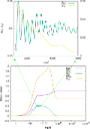
![[Graphic 40]](/bjnano/content/inline/2190-4286-10-61-i49.svg?max-width=637&scale=1.418184) and photon
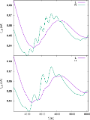
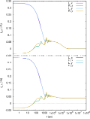
and photon ![[Graphic 41]](/bjnano/content/inline/2190-4286-10-61-i50.svg?max-width=637&scale=1.418184) content in the open central system as a function of time. In additio...
content in the open central system as a function of time. In additio...
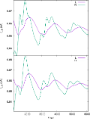
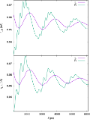

![[Graphic 60]](/bjnano/content/inline/2190-4286-10-61-i69.svg?max-width=637&scale=1.418184)
![[Graphic 61]](/bjnano/content/inline/2190-4286-10-61-i70.svg?max-width=637&scale=1.418184)
![[Graphic 62]](/bjnano/content/inline/2190-4286-10-61-i71.svg?max-width=637&scale=1.418184) and
and ![[Graphic 63]](/bjnano/content/inline/2190-4286-10-61-i72.svg?max-width=637&scale=1.418184) i...
i...
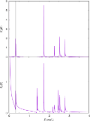
![[Graphic 76]](/bjnano/content/inline/2190-4286-10-61-i85.svg?max-width=637&scale=1.418184) in the steady state. The cavity pho...
in the steady state. The cavity pho...
Polymorphic self-assembly of pyrazine-based tectons at the solution–solid interface
Beilstein J. Nanotechnol. 2019, 10, 494–499, doi:10.3762/bjnano.10.50
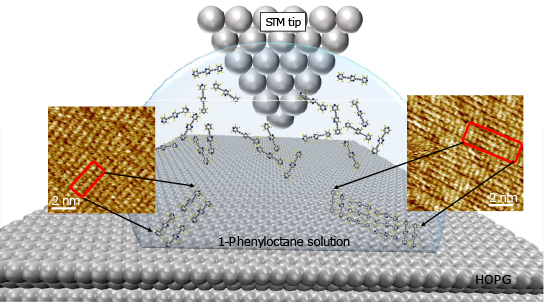
- supramolecular structures is crucial for realizing surface-supported functional molecular devices. Here, we report on the synthesis and surface self-assembly of a new pyrazine-derived molecule with pyridine pendants. Ambient scanning tunneling microscopy investigation at the solution–solid interface reveals
- ); organic molecules; pyrazine; pyridines; scanning tunneling microscopy; self-assembly; Introduction Molecular materials are attracting considerable attention for the fabrication of next-generation functional devices owing to their high density and low power requirements. Several recent studies have
- –HOPG interface using scanning tunneling microscopy (STM) technique under ambient conditions. The molecules belong to a new class of pyrazine/triazine-based molecules, containing two or more pyridine pendant units, and can act as a precursor to several two- and three-dimensional supramolecular


Transport signatures of an Andreev molecule in a quantum dot–superconductor–quantum dot setup
Beilstein J. Nanotechnol. 2019, 10, 363–378, doi:10.3762/bjnano.10.36
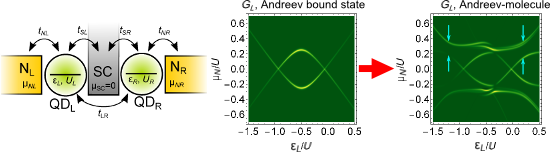
- experiments is to understand the various tunneling-induced non-local interaction mechanisms that are present in the devices, namely crossed Andreev reflection, elastic co-tunneling, and direct interdot tunneling. Here, we provide a theoretical study of a simple device that consists of two quantum dots and a
- experiments and applications. Keywords: Andreev bound state; crossed Andreev reflection; elastic co-tunneling; quantum dot; Introduction Superconducting hybrid nanodevices provide a promising platform for quantum architectures. While superconductors (SCs) allow for a spatially extended coherent state
- quasiparticle states, via the so-called elastic co-tunneling (EC) process [21][23][56][57][58][59][60][61][62][63][64][65][66][67][68]. Furthermore, if there is direct tunnel coupling between the dots, as in certain experimental realizations [69][70], then this interdot coupling (IT) also influences the



Intuitive human interface to a scanning tunnelling microscope: observation of parity oscillations for a single atomic chain
Beilstein J. Nanotechnol. 2019, 10, 337–348, doi:10.3762/bjnano.10.33
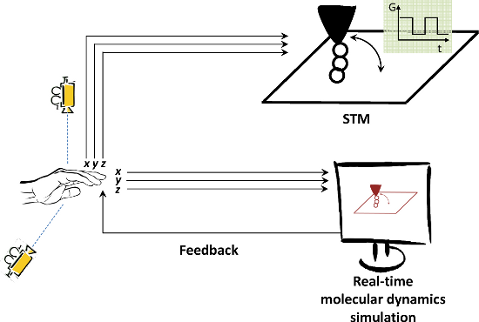
- adatom, at a height corresponding to 0.4 μA tunneling current at 100 mV bias, which corresponds to a tunnel gap of 1.2 Å and around 250 kΩ tunnel resistance. Then, the tip is moved towards the adatom under feedback-off conditions while keeping Z constant. Similar to the jump to contact phenomenon that




Nitrous oxide as an effective AFM tip functionalization: a comparative study
Beilstein J. Nanotechnol. 2019, 10, 315–321, doi:10.3762/bjnano.10.30
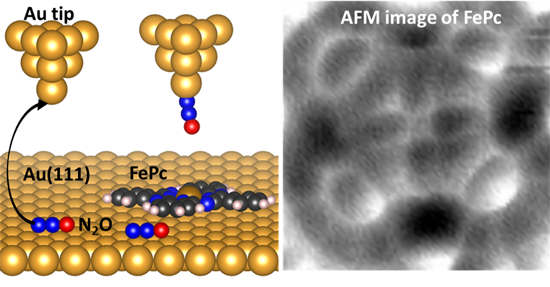
- spectroscopy measurements, i.e., the interaction energy toward different atomic species in force spectroscopy, the contact potential difference in Kelvin probe force microscopy (KPFM) [9][29] and vibrational levels of inelastic tunneling spectroscopy (IETS) [30][31]. A particular termination of the tip may be
- shows the four peripheral benzene rings, the inner pyrrole groups and a signature of the metal atom at the center. In the STM images both tips detect a dominating electron tunneling contribution of the central Fe molecular orbital at the Fermi level [31] and also the overall shape of the molecule. The
- AFM image taken with the N2O tip exhibits slightly lower resolution, in comparison to the CO tip termination, with a strong directionality of the submolecular features within the peripheral benzene rings. The tunneling current image also reveals a significant shadow cast in the same direction as the


Apparent tunneling barrier height and local work function of atomic arrays
Beilstein J. Nanotechnol. 2018, 9, 3048–3052, doi:10.3762/bjnano.9.283
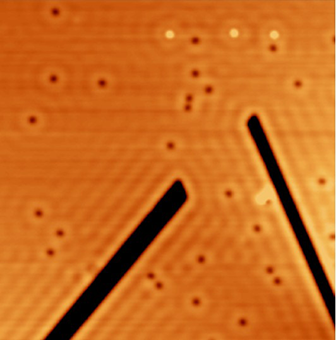
- Neda Noei Alexander Weismann Richard Berndt Institut für Experimentelle und Angewandte Physik, Christian-Albrechts-Universität zu Kiel, 24098 Kiel, Germany 10.3762/bjnano.9.283 Abstract Spatially resolved measurements of the apparent tunneling barrier height Φapp in scanning tunneling microscopy
- have been used to estimate variations of the local work function Φ of surface structures. We experimentally show that Φapp can fail as a measure of Φ. The discrepancies are attributed to a kinetic-energy contribution to Φapp. This contribution depends on the lateral extent of the tunneling current
- filament and, consequently, on the local surface structure. Keywords: scanning tunneling microscopy; tunneling barrier height; work function; Findings The work function of a metal surface [1], the work required at temperature T = 0 K to move an electron from the metal to infinity, is relevant for, e.g


Investigation of CVD graphene as-grown on Cu foil using simultaneous scanning tunneling/atomic force microscopy
Beilstein J. Nanotechnol. 2018, 9, 2953–2959, doi:10.3762/bjnano.9.274
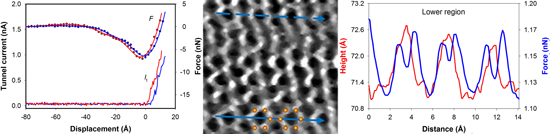
- Majid Fazeli Jadidi Umut Kamber Oguzhan Gurlu H. Ozgur Ozer Department of Physics Engineering, İstanbul Technical University, 34469, İstanbul, Turkey 10.3762/bjnano.9.274 Abstract Scanning tunneling microscopy (STM) and atomic force microscopy (AFM) images of graphene reveal either a triangular
- array with maxima located in between the two carbon atoms was acquired in STM topography. Keywords: atomic force microscopy; CVD graphene; scanning tunneling microscopy; simultaneous operation; small amplitude; Introduction Graphene has been widely studied because of its potential use in future
- scanning tunneling microscopy (STM) and atomic force microscopy (AFM) by various groups [3]. The interaction of graphene with its substrate affects the STM measurements and that casts doubts on its electronic structure. Having the possibility to make simultaneous STM and AFM measurements, on the same area


Charged particle single nanometre manufacturing
Beilstein J. Nanotechnol. 2018, 9, 2855–2882, doi:10.3762/bjnano.9.266
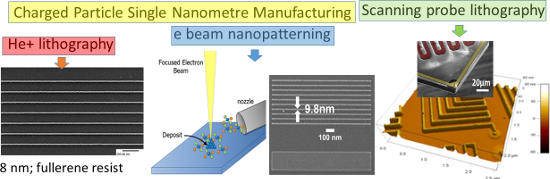
- lithography, FE-eSPL. This has been developed out of scanning tunneling microscopy using lower-energy electrons (tens of electronvolts rather than the tens of kiloelectronvolts of the other techniques). It has the considerable advantage of being employed without the need for a vacuum system, in ambient air
- , the second approach, also stems from microscopy in the form of scanning tunneling microscopy and atomic force microscopy; the corresponding lithography techniques include scanning tunneling lithography and field-emission scanning probe lithography. The electron microscope evolved from the use of
- capable of writing with 8 nm feature resolution over a 200 mm wafer substrate [8]. The state of the art for lithography using scanning proximity probes is the Zyvector system from Zyvex Labs [9]. It provides atomic resolution – the removal of a single atom – using scanning tunneling lithography, but the


Variation of the photoluminescence spectrum of InAs/GaAs heterostructures grown by ion-beam deposition
Beilstein J. Nanotechnol. 2018, 9, 2794–2801, doi:10.3762/bjnano.9.261
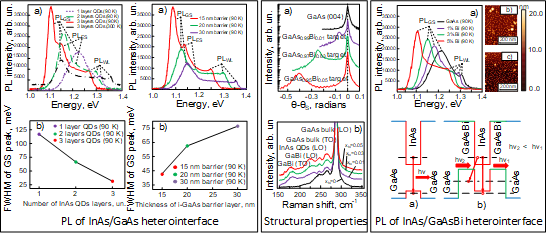
- -GaAs layer thickness, on the one hand, limits the fluctuation of QD heights in vertically stacked arrays and stabilizes them and, on the other hand, improves the charge transfer due to the resonant tunneling between the vertical InAs QD layers. Photoluminescence properties of InAs/GaAsBi


Low cost tips for tip-enhanced Raman spectroscopy fabricated by two-step electrochemical etching of 125 µm diameter gold wires
Beilstein J. Nanotechnol. 2018, 9, 2718–2729, doi:10.3762/bjnano.9.254
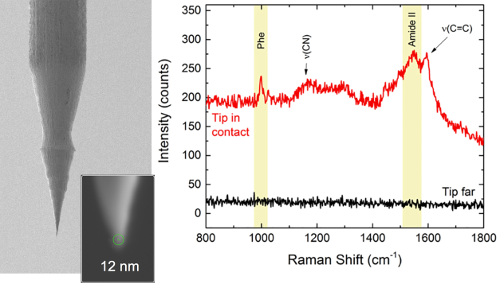
- ]. The tips efficiently enhance and confine the electromagnetic field at the nanoscale [8][9] or even at sub-nanometer levels [10]. TERS has a sensitivity that can reach the single molecule level [11][12]. TERS setups based on atomic force microscopy (AFM) [1][13], scanning tunneling microscopy (STM) [14
- if excited at energies below the sp/d interband transition. Enhanced inelastic electron tunneling through the gap seems to be the origin of photon emission [52][55], leading to electronic Raman scattering (ERS) of the laser photons [53] which is at the origin of the background observed in TERS and


Two-dimensional semiconductors pave the way towards dopant-based quantum computing
Beilstein J. Nanotechnol. 2018, 9, 2668–2673, doi:10.3762/bjnano.9.249
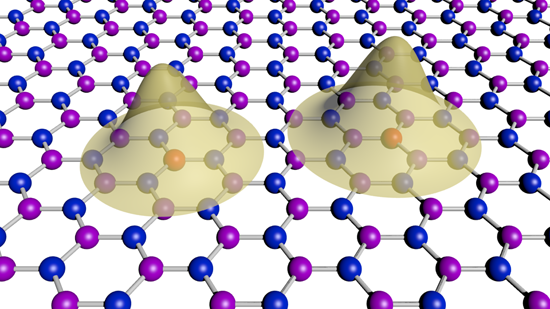
- unsolved, namely the control over exchange interactions and tunneling between two donors, which presents a peculiar oscillatory behavior as the dopants relative positions vary at the scale of the lattice parameter. Such behavior is due to the valley degeneracy in the conduction band of silicon, and does


![[Graphic 7]](/bjnano/content/inline/2190-4286-9-249-i7.svg?max-width=637&scale=1.18182) and energy for one electron bound to a donor pair
and energy for one electron bound to a donor pair ![[Graphic 8]](/bjnano/content/inline/2190-4286-9-249-i8.svg?max-width=637&scale=1.18182) as a function of R. For R = 2a*, ...
as a function of R. For R = 2a*, ...

High-temperature magnetism and microstructure of a semiconducting ferromagnetic (GaSb)1−x(MnSb)x alloy
Beilstein J. Nanotechnol. 2018, 9, 2457–2465, doi:10.3762/bjnano.9.230
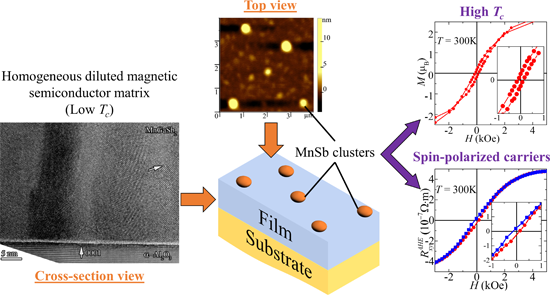
- interaction is affected by the appearance of Schottky barriers at the MnSb/GaSb boundaries. Basically, these type of barriers appear on the semiconductor/metal interfaces providing a tunneling charge transfer across the boundary, if the barrier is high enough. In the present case, Schottky barriers may appear
- the same nature. At 50 K we observe a local minimum in both curves. The increase above 50 K can be related to the presence of Schottky barriers. If both AHE and nMR correspond to the interaction with MnSb inclusions, then their amplitudes are defined by the tunneling intensity, which increases with



Directional light beams by design from electrically driven elliptical slit antennas
Beilstein J. Nanotechnol. 2018, 9, 2361–2371, doi:10.3762/bjnano.9.221
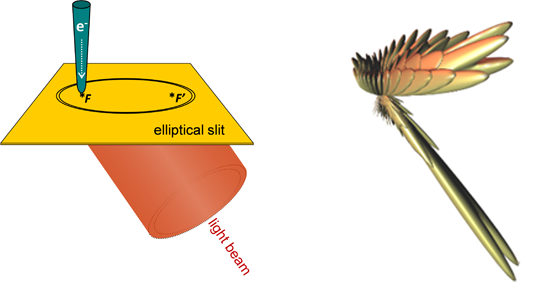
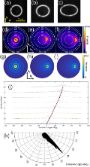
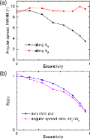
- is located at one focus of the ellipse. In this study, SPPs are generated through inelastic electron tunneling between a gold surface and the tip of a scanning tunneling microscope. Keywords: elliptical antenna; inelastic electron tunneling; optical antenna; plasmonics; scanning tunneling microscopy
- nanosource can be a nanoscale tunnel junction where the emission process relies on inelastic electron tunneling effects [20]. A central issue for miniaturized electrical light sources is the control of their emission direction, especially given that SPP excitation with electrons results in a broad power
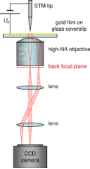
- spread of the emitted beam is inversely proportional to the length of the ellipse axes. Results and Discussion Figure 1 shows schematics of the experiment performed in this study. All experiments are carried out in air and at room temperature using a scanning tunneling microscope (STM) head mounted on





Spin-coated planar Sb2S3 hybrid solar cells approaching 5% efficiency
Beilstein J. Nanotechnol. 2018, 9, 2114–2124, doi:10.3762/bjnano.9.200
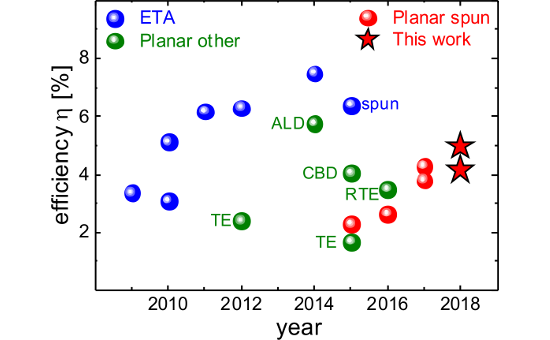
- ] since charges are quickly extracted from the absorber. However, the benefits are restricted by recombination via trap-assisted tunneling [24] which must be compensated by increasing the absorber thickness for optimized performance. A major challenge in the processing of ETA solar cells is the improper
- MoOx forms a tunneling junction with the HTM is typical for organic solar cells in an n-i-p configuration. The cell area was 0.16 cm2. Layer and device characterization: The scanning electron microscope was a Zeiss (Leo) Gemini 1550 with Shottky field-emission cathode and an in-lens detector. The


A variable probe pitch micro-Hall effect method
Beilstein J. Nanotechnol. 2018, 9, 2032–2039, doi:10.3762/bjnano.9.192
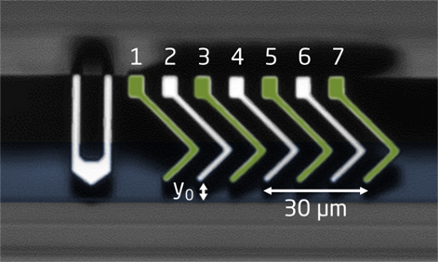
- four electrodes has been developed [11][12]. Similar strategies using variable probe pitch multi-point probes have been used for other systems, including current-in-plane tunneling measurements [13], junction-leakage measurements [14] and surface-conductivity measurements of bulk materials [15][16]. In


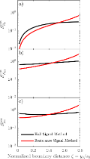
![[Graphic 11]](/bjnano/content/inline/2190-4286-9-192-i25.svg?max-width=637&scale=1.18182) for a) R0, b) NHS and c) μH when in- and off-line errors are present during ...
for a) R0, b) NHS and c) μH when in- and off-line errors are present during ...

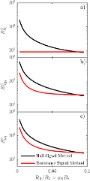
![[Graphic 15]](/bjnano/content/inline/2190-4286-9-192-i29.svg?max-width=637&scale=1.18182) for the sheet resistance, Hall mobility and Hall sheet carrier density, due ...
for the sheet resistance, Hall mobility and Hall sheet carrier density, due ...
Metal-free catalysis based on nitrogen-doped carbon nanomaterials: a photoelectron spectroscopy point of view
Beilstein J. Nanotechnol. 2018, 9, 2015–2031, doi:10.3762/bjnano.9.191
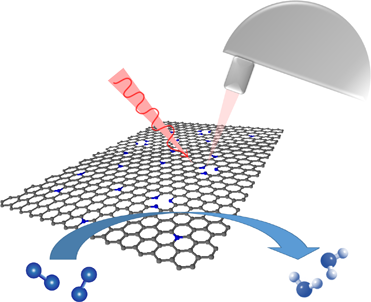
- the electronic states of graphene. In general, point defects generate localized states at the Fermi level, easily identifiable as protrusion by scanning tunneling microscopy (STM) [56], while carbon vacancies are responsible for an opening of the energy gap [57]. The increase in the density of states


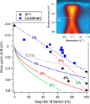


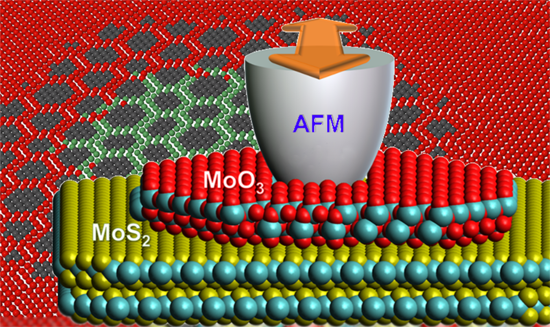
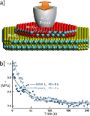
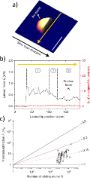
Recent highlights in nanoscale and mesoscale friction
Beilstein J. Nanotechnol. 2018, 9, 1995–2014, doi:10.3762/bjnano.9.190
- by the action of a probing tip along a track of 100 nm on a Au(111) surface (Figure 8). The method to move the molecules is based on inelastic tunneling through which the electrons induce molecular vibrations, which then lead to increased diffusion. Depending on the polarity of the applied bias


Electromigrated electrical optical antennas for transducing electrons and photons at the nanoscale
Beilstein J. Nanotechnol. 2018, 9, 1964–1976, doi:10.3762/bjnano.9.187
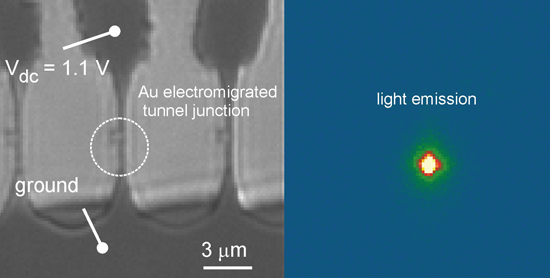
- for producing these functional units based upon the electromigration of metal constrictions. Results: We combine multiple nanofabrication steps to realize in-plane tunneling junctions made of two gold electrodes, separated by a sub-nanometer gap acting as the feedgap of an optical antenna. We
- electrically characterize the transport properties of the junctions in the light of the Fowler–Nordheim representation and the Simmons model for electron tunneling. We demonstrate light emission from the feedgap upon electron injection and show examples of how this nanoscale light source can be coupled to
- waveguiding structures. Conclusion: Electromigrated in-plane tunneling optical antennas feature interesting properties with their unique functionality enabling interfacing electrons and photons at the atomic scale and with the same device. This technology may open new routes for device-to-device communication


![[Graphic 32]](/bjnano/content/inline/2190-4286-9-187-i38.svg?max-width=637&scale=1.18182) and
and ![[Graphic 33]](/bjnano/content/inline/2190-4286-9-187-i39.svg?max-width=637&scale=1.18182) are...
are...


The role of the Ge mole fraction in improving the performance of a nanoscale junctionless tunneling FET: concept and scaling capability
Beilstein J. Nanotechnol. 2018, 9, 1856–1862, doi:10.3762/bjnano.9.177
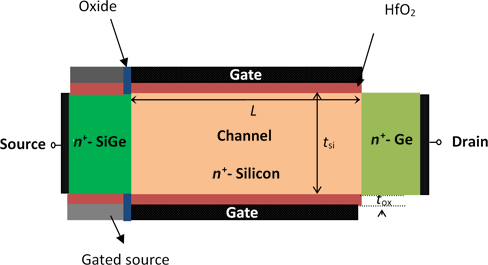
- Hichem Ferhati Faycal Djeffal Toufik Bentrcia LEA, Department of Electronics, University Mostefa Benboulaid-Batna 2, Batna 05000, Algeria LEPCM, University of Batna 1, Batna 05000, Algeria 10.3762/bjnano.9.177 Abstract In this paper, a new nanoscale double-gate junctionless tunneling field-effect
- , where the optimized design exhibits an improved switching behavior at the nanoscale level. These results make the optimized device suitable for designing digital circuit for high-performance nanoelectronic applications. Keywords: ambipolar conduction; heterojunctions; junctionless tunneling field
- transistors (MOSFETs) and their complements in nanoelectronic circuit designs [1][2][3][4]. In this context, small swing-switch devices such as double-gate tunneling field-effect transistors (DG TFETs) are gaining attention because of their good subthreshold characteristics, high scalability and low OFF



Tunable fractional Fourier transform implementation of electronic wave functions in atomically thin materials
Beilstein J. Nanotechnol. 2018, 9, 1828–1833, doi:10.3762/bjnano.9.174
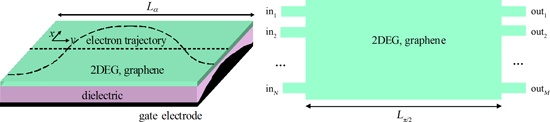
- function does not need to be of plane-wave type, i.e., it can also be spatially divergent or convergent. In particular, divergent wave functions, as in [17], can be produced by localized electron sources/sharp tunneling conductive tips. In general, the shape of the transverse wave function can be tuned via


A zero-dimensional topologically nontrivial state in a superconducting quantum dot
Beilstein J. Nanotechnol. 2018, 9, 1705–1714, doi:10.3762/bjnano.9.162
- electron dispersion in the two superconducting leads. In the following we furthermore assume that the bare electron dispersion varies in the interval [−D,D] and that the density of states is ρ0 = 1/(2D) with 2D the total bandwidth. The tunneling between the dot and the leads is described by the tunnel
- Hamiltonians, which read where t = tL = tR is the transparency of the dot–lead tunneling. We assume that the junction is symmetric and that the tunneling amplitudes do not depend on the electron momenta (wide band limit approximation). In the limit of a large superconducting gap, i.e., when the gap is larger
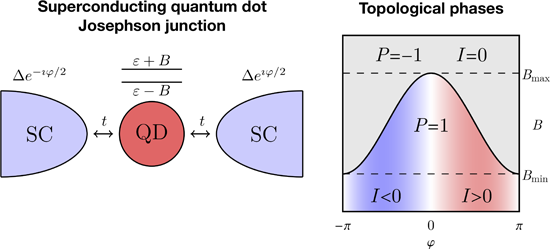
- in a magnetic field B and electric gate ε coupled with two superconducting leads. The two energy levels are respectively ε ± B. The dot is coupled to the superconducting leads via tunneling junctions with transparency t. The Josephson current Iφ through the dot depends on the gauge-invariant phase





