


Search results
Search for "lithiation" in Full Text gives 106 result(s) in Beilstein Journal of Organic Chemistry.
Synthesis and applications of alkenyl chlorides (vinyl chlorides): a review
- Daniel S. Müller
Beilstein J. Org. Chem. 2026, 22, 1–63, doi:10.3762/bjoc.22.1
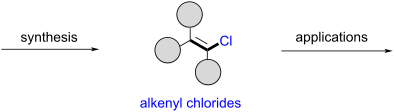

Graphical Abstract
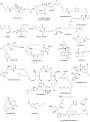
Figure 1: Representative alkenyl chloride motifs in natural products. References: Pinnaic acid [8], haterumalide ...

Figure 2: Representative alkenyl chloride motifs in pharmaceuticals and pesticides. References: clomifene [25], e...
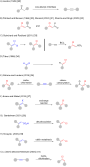
Figure 3: Graphical overview of previously published reviews addressing the synthesis of alkenyl chlorides.

Figure 4: Classification of synthetic approaches to alkenyl chlorides.

Scheme 1: Early works by Friedel, Henry, and Favorsky.

Scheme 2: Product distribution obtained by H NMR integration of crude compound as observed by Kagan and co-wo...

Scheme 3: Side reactions observed for the reaction of 14 with PCl5.

Scheme 4: Only compounds 15 and 18 were observed in the presence of Hünig’s base.

Scheme 5: Efficient synthesis of dichloride 15 at low temperatures.
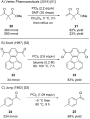
Scheme 6: Various syntheses of alkenyl chlorides on larger scale.

Scheme 7: Scope of the reaction of ketones with PCl5 in boiling cyclohexane.

Scheme 8: Side reactions occur when using excess amounts of PCl5.

Scheme 9: Formation of versatile β-chlorovinyl ketones.

Scheme 10: Mixture of PCl5 and PCl3 used for the synthesis of 49.

Scheme 11: Catechol–PCl3 reagents for the synthesis of alkenyl chlorides.

Scheme 12: (PhO)3P–halogen-based reagents for the synthesis of alkenyl halides.

Scheme 13: Preparation of alkenyl chlorides from alkenyl phosphates.

Scheme 14: Preparation of alkenyl chlorides by treatment of ketones with the Vilsmeier reagent.

Scheme 15: Preparation of electron-rich alkenyl chlorides by treatment of ketones with the Vilsmeier reagent.

Scheme 16: Cu-promoted synthesis of alkenyl chlorides from ketones and POCl3.

Figure 5: GC yield of 9 depending on time and reaction temperature.

Figure 6: Broken reaction flask after attempts to clean the polymerized residue.

Figure 7: GC yield of 9 depending on the amount of CuCl and time.

Scheme 17: Treatment of 4-chromanones with PCl3.

Scheme 18: Synthesis of alkenyl chlorides from the reaction of ketones with acyl chlorides.

Scheme 19: ZnCl2-promoted alkenyl chloride synthesis.
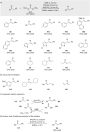
Scheme 20: Regeneration of acid chlorides by triphosgene.

Scheme 21: Alkenyl chlorides from ketones and triphosgene.
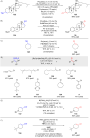
Scheme 22: Various substitution reactions.

Scheme 23: Vinylic Finkelstein reactions reported by Evano and co-workers.

Scheme 24: Challenge of selective monohydrochlorination of alkynes.

Scheme 25: Sterically encumbered internal alkynes furnish the hydrochlorination products in high yield.

Scheme 26: Recent work by Kropp with HCl absorbed on alumina.

Scheme 27: High selectivities for monhydrochlorination with nitromethane/acetic acid as solvent.

Figure 8: Functionalized alkynes which typically afford the monhydrochlorinated products.
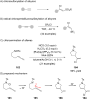
Scheme 28: Related chorosulfonylation and chloroamination reactions.
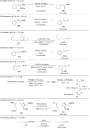
Scheme 29: Reaction of organometallic reagents with chlorine electrophiles.

Scheme 30: Elimination reactions of dichlorides to furnish alkenyl chlorides.

Scheme 31: Elimination reactions of allyl chloride 182 to furnish alkenyl chloride 183.

Scheme 32: Detailed studies by Schlosser on the elimination of dichloro compounds.

Scheme 33: Stereoselective variation caused by change of solvent.

Scheme 34: Elimination of gem-dichloride 189 to afford alkene 190.

Scheme 35: Oxidation of enones to dichlorides and in situ elimination thereof.

Scheme 36: Oxidation of allylic alcohols to dichlorides and in situ elimination thereof.

Scheme 37: Chlorination of styrenes with SOCl2 and elimination thereof.

Scheme 38: Chlorination of styrenes with SOCl2 and elimination thereof.

Scheme 39: Fluorine–chlorine exchange followed by elimination.

Scheme 40: Intercepting cations with alkynes and trapping of the alkenyl cation intermediate with chloride.

Scheme 41: Investigations by Mayr and co-workers.

Scheme 42: In situ activation of benzyl alcohol 230 with BCl3.

Scheme 43: In situ activation of benzylic alcohols with TiCl4.
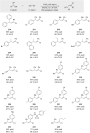
Scheme 44: In situ activation of benzylic alcohols with FeCl3.

Scheme 45: In situ activation of benzylic alcohols with FeCl3.

Scheme 46: In situ activation of aliphatic chlorides and alcohols with ZnCl2, InCl3, and FeCl3.

Scheme 47: In situ generation of benzylic cations and trapping thereof with alkynes.
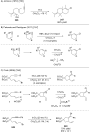
Scheme 48: Intramolecular trapping reactions affording alkenyl halides.

Scheme 49: Intramolecular trapping reactions affording alkenyl chlorides.

Scheme 50: Intramolecular trapping reactions of oxonium and iminium ions affording alkenyl chlorides.
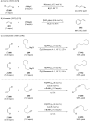
Scheme 51: Palladium and nickel-catalyzed coupling reactions to afford alkenyl chlorides.

Scheme 52: Rhodium-catalyzed couplings of 1,2-trans-dichloroethene with arylboronic esters.

Scheme 53: First report on monoselective coupling reactions for 1,1-dichloroalkenes.

Scheme 54: Negishi’s and Barluenga’s contributions.

Scheme 55: First mechanistic investigation by Johnson and co-workers.

Scheme 56: First successful cross-metathesis with choroalkene 260.

Scheme 57: Subsequent studies by Johnson.
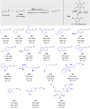
Scheme 58: Hoveyda and Schrock’s work on stereoretentive cross-metathesis with molybdenum-based catalysts.
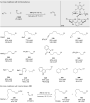
Scheme 59: Related work with (Z)-dichloroethene.
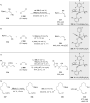
Scheme 60: Further ligand refinement and traceless protection of functional groups with HBpin.

Scheme 61: Alkenyl chloride synthesis by Wittig reaction.

Scheme 62: Alkenyl chloride synthesis by Julia olefination.

Scheme 63: Alkenyl chloride synthesis by reaction of ketones with Mg/TiCl4 mixture.

Scheme 64: Frequently used allylic substitution reactions which lead to alkenyl chlorides.
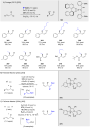
Scheme 65: Enantioselective allylic substitutions.

Scheme 66: Synthesis of alkenyl chlorides bearing an electron-withdrawing group.

Scheme 67: Synthesis of α-nitroalkenyl chlorides from aldehydes.

Scheme 68: Synthesis of alkenyl chlorides via elimination of an in situ generated geminal dihalide.

Scheme 69: Carbenoid approach reported by Pace.

Scheme 70: Carbenoid approach reported by Pace.

Scheme 71: Ring opening of cyclopropenes in the presence of MgCl2.

Scheme 72: Electrophilic chlorination of alkenyl MIDA boronates to Z- or E-alkenyl chlorides.

Scheme 73: Hydroalumination and hydroboration of alkynyl chlorides.

Scheme 74: Carbolithiation of chloroalkynes.

Scheme 75: Chlorination of enamine 420.

Scheme 76: Alkyne synthesis by elimination of alkenyl chlorides.

Scheme 77: Reductive lithiation of akenyl chlorides.

Scheme 78: Reactions of alkenyl chlorides with organolithium reagents.

Scheme 79: Reactions of alkenyl chlorides with organolithium reagents.

Scheme 80: Addition–elimination reaction of alkenyl chloride 9 with organolithium reagents.

Scheme 81: C–H insertions of lithiumcarbenoids.
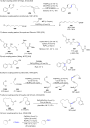
Scheme 82: Pd-catalyzed coupling reactions with alkenyl chlorides as coupling partner.

Scheme 83: Ni-catalyzed coupling of alkenylcopper reagent with alkenyl chloride 183.

Scheme 84: Ni-catalyzed coupling of heterocycle 472 with alkenyl chloride 473.

Scheme 85: Synthesis of α-chloroketones by oxidation of alkenyl chlorides.

Scheme 86: Tetrahalogenoferrate(III)-promoted oxidation of alkenyl chlorides.

Scheme 87: Chlorine–deuterium exchange promoted by a palladium catalyst.

Scheme 88: Reaction of alkenyl chlorides with thiols in the presence of AIBN (azobisisobutyronitrile).

Scheme 89: Chloroalkene annulation.
Recent advancements in the synthesis of Veratrum alkaloids
- Morwenna Mögel,
- David Berger and
- Philipp Heretsch
Beilstein J. Org. Chem. 2025, 21, 2657–2693, doi:10.3762/bjoc.21.206

Graphical Abstract

Scheme 1: Representatives of steroid alkaloid classes. Marked in blue is the steroidal cholestane framework, ...

Scheme 2: Subclasses of Veratrum alkaloids: jervanine, veratramine and cevanine-type [8].

Scheme 3: Flow chart presentation of the synthesis of (−)-englerin A developed by the Christmann group [10].
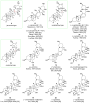
Scheme 4: Structures and year of synthesis of the three types of Veratrum alkaloids reported in the literatur...
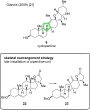
Scheme 5: Key step in the synthesis of cyclopamine (6) by the Giannis group [21].

Scheme 6: Overview of the semisynthesis of cyclopamine (6) reported by the Giannis group in 2009 [21].
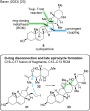
Scheme 7: Key steps in the synthesis of cyclopamine (6) by the Baran group [23].

Scheme 8: Overview of the total synthesis of cyclopamine (6) by the Baran group in 2023 [23].
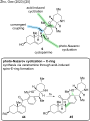
Scheme 9: Key steps in the synthesis of cyclopamine (6) by the Zhu/Gao group [25].
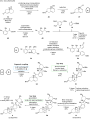
Scheme 10: Overview of the total synthesis of cyclopamine (6) by the group of Zhao/Gao in 2023 [25].
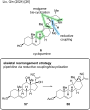
Scheme 11: Key steps in the synthesis of cyclopamine (6) by the Liu/Qin group [26].

Scheme 12: Overview of the semisynthesis of cyclopamine (6) by the Liu/Qin group in 2024 [26].
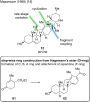
Scheme 13: Key steps in the synthesis of jervine (12) by the Masamune group [14].

Scheme 14: Overview of the total synthesis of jervine (12) by the Masamune group in 1968 [14].

Scheme 15: Color-coded schemes of the presented cyclopamine (6) syntheses by Giannis, Baran, Zhu/Gao, and Liu/...
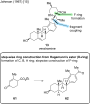
Scheme 16: Key steps in the total synthesis of veratramine (13) by the Johnson group [15].

Scheme 17: Overview of the total synthesis of veratramine (13) by the Johnson group in 1967 [15].
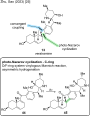
Scheme 18: Key steps in the synthesis of veratramine (13) by the Zhu/Gao group [25].

Scheme 19: Shortened overview of the total synthesis of veratramine (13) by the Zhu/Gao group in 2023 [25].
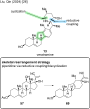
Scheme 20: Key steps in the synthesis of veratramine by the Liu/Qin group [26].

Scheme 21: Overview of the semisynthesis of veratramine (13) by the Liu/Qin group in 2024 [26].
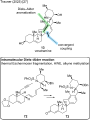
Scheme 22: Key steps in the synthesis of veratramine (13) by the Trauner group [27].

Scheme 23: Overview of the total synthesis of veratramine (13) by the Trauner group in 2025 [27].
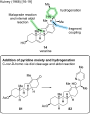
Scheme 24: Key steps in the synthesis of verarine (14) by the Kutney group [16-19].

Scheme 25: Overview of the total synthesis of verarine (14) by the Kutney group reported 1962–1968 [16-19].

Scheme 26: Color-coded schemes of the presented veratramine-type alkaloid synthesis of Zhu/Gao, Liu/Qin and Tr...
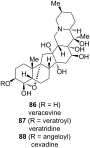
Scheme 27: Structures of veracevine (86), veratridine (87), and cevadine (88).

Scheme 28: Key step in the semisynthesis of verticine (15) by the Kutney group (1977) [20,46].

Scheme 29: Overview of the semisynthesis of verticine (15) by the Kutney group (1977) [20,46].

Scheme 30: Key step of the total synthesis of (±)-4-methylenegermine (17) by the Stork group (2017) [22].

Scheme 31: Overview of the total synthesis of (±)-4-methylenegermine (17) by the Stork group (2017) [22].

Scheme 32: Key step of the total synthesis of heilonine (16) by Cassaidy and Rawal (2021) [24].

Scheme 33: Overview of the total synthesis of heilonine (16) by Cassaidy and Rawal (2021) [24]. FGI: functional gr...
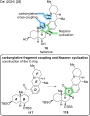
Scheme 34: Key steps of the synthesis of heilonine (16) by Dai and co-workers (2024) [28].

Scheme 35: Overview of the total synthesis of heilonine (16) by Dai and co-workers (2024) [28].
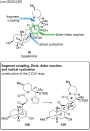
Scheme 36: Key steps of the total synthesis of zygadenine (18) reported by Luo and co-workers [29].
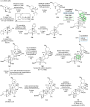
Scheme 37: Overview of the total synthesis of zygadenine (18) by Luo and co-workers (2023) [29].
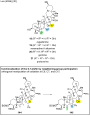
Scheme 38: Key step of the divergent total syntheses of highly oxidized cevanine-type alkaloids by Luo and co-...
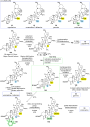
Scheme 39: Divergent syntheses of highly oxidized cevanine-type alkaloids by Luo and co-workers (2024) [30].
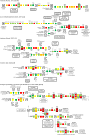
Scheme 40: Color-coded overview of the presented cevanine-type alkaloid syntheses [10,20,22,24,28-30,46]. LLS: longest linear sequen...
Negishi-coupling-enabled synthesis of α-heteroaryl-α-amino acid building blocks for DNA-encoded chemical library applications
- Matteo Gasparetto,
- Balázs Fődi and
- Gellért Sipos
Beilstein J. Org. Chem. 2024, 20, 1922–1932, doi:10.3762/bjoc.20.168
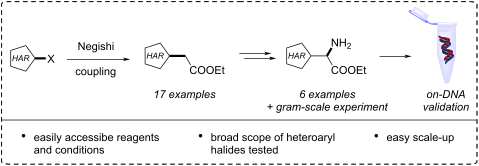
- acids with high enantiomeric purity [23]. The synthesis of formally glycine-derived tertiary α-aryl-amino acids is much less developed. The most common strategy for obtaining these substrates is by lithiation of an aromatic ring followed by coupling with a glycine derivative (Scheme 1a). For example

Graphical Abstract

Scheme 1: Known and improved synthetic strategies to access α-(hetero)aryl-amino acids.

Scheme 2: Reformatsky reagent production.

Scheme 3: Scope of ethyl heteroarylacetates. Isolated yields are given. *Dark reactions were carried out for ...

Scheme 4: Telescoped flow synthesis of heteroarylacetates.

Scheme 5: Potential routes for the preparation of oximes.

Scheme 6: Oxime group insertion step.

Scheme 7: Amino ester production: general scheme, scope and gram scale experiment. The numbers in brackets re...

Scheme 8: Reactions scheme and results for the on-DNA experiments. The reported values represent the normaliz...
Competing electrophilic substitution and oxidative polymerization of arylamines with selenium dioxide
- Vishnu Selladurai and
- Selvakumar Karuthapandi
Beilstein J. Org. Chem. 2024, 20, 1221–1235, doi:10.3762/bjoc.20.105
- interest [12][13]. The various approaches used for selenation of aromatic compounds include directed lithiation [14][15], copper-catalyzed selenation [16][17][18], and aromatic nucleophilic substitution reactions [19][20][21][22]. Electrophilic selenium reagents (e.g., phenylselenenyl bromide) have often

Graphical Abstract

Scheme 1: Reported synthetic methods for the selenation of aromatic compounds.

Scheme 2: Reaction of selenium dioxide with aniline.

Scheme 3: Reaction of selenium dioxide with o-anisidine.

Scheme 4: Reaction of methyl anthranilate with SeO2.

Scheme 5: Reaction mechanism for the formation of diaryl monoselenides.

Scheme 6: Reaction mechanism for the formation of oxamides.

Scheme 7: Reaction mechanism for the formation of quinone 10.

Figure 1: Molecular structure of 3. Thermal ellipsoids drawn at 50% probability. Selected bond lengths (Å): O...

Figure 2: Molecular structure of 9. Thermal ellipsoids drawn at 50% probability. Selected bond lengths (Å): O...

Figure 3: Molecular structure of 13. Thermal ellipsoids drawn at 50% probability. Selected bond lengths (Å): ...

Figure 4: Molecular structure of 10. Thermal ellipsoids drawn at 50% probability. Selected bond lengths (Å) a...

Figure 5: Molecular structure of 11. Thermal ellipsoids drawn at 50% probability. Selected bond angles (°): C...

Figure 6: Molecular structure of 12. Thermal ellipsoids drawn at 50% probability. Selected bond angles (°): C...

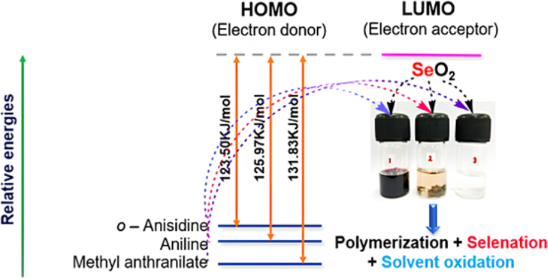
Figure 7: Relative energy levels of arylamines and SeO2.

Figure 8: Computationally optimized structure of aniline (a), o-anisidine (b), and methyl anthranilate (c), w...

Scheme 8: Resonance structures for the delocalization of the nitrogen lone pair into the π-system.
(E,Z)-1,1,1,4,4,4-Hexafluorobut-2-enes: hydrofluoroolefins halogenation/dehydrohalogenation cascade to reach new fluorinated allene
- Nataliia V. Kirij,
- Andrey A. Filatov,
- Yurii L. Yagupolskii,
- Sheng Peng and
- Lee Sprague
Beilstein J. Org. Chem. 2024, 20, 452–459, doi:10.3762/bjoc.20.40
- . Although olefin 3 has been available for many decades, only one paper describes its lithiation with methyllithium and the subsequent reaction of the lithium compound with trifluoroacetophenone [27]. We began our research on the reactivity of the bromobutenes 3a,b with isopropylmagnesium chloride (iPrMgCl
- increase the lithiation reaction time. Based on the results obtained, it was logical to assume that the reaction can be carried out with a mixture of 3a,b. We found that the reaction of 3a,b with 1.2 equivalents of BuLi in heptane at −80 °C for 1 hour, followed by warming to room temperature, led to the

Graphical Abstract

Scheme 1: Synthesis of 2,3-dibromo-1,1,1,4,4,4-hexafluorobutane (2).

Scheme 2: Synthesis of (E)-butene 3a.

Scheme 3: Isomerization reaction of (E)-butene 3a to (Z)-butene 3b.

Scheme 4: Synthesis of 2-chloro-3-iodo-1,1,1,4,4,4-hexafluorobutane (5).

Scheme 5: Dehydrohalogenation reaction of 2-chloro-3-iodo-1,1,1,4,4,4-hexafluorobutane (5).

Scheme 6: The reaction of silane 8 with I2/KF.

Scheme 7: The reaction of 3a with iPrMgCl and 4-fluorobenzaldehyde (9).

Scheme 8: The reaction of olefin 3a with iPrMgCl.

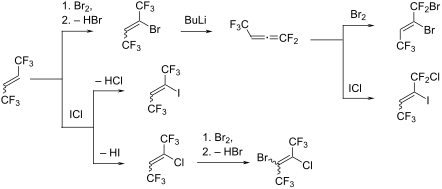
Scheme 9: The reaction of (E)-butene 3a with BuLi.

Scheme 10: The reaction of allene 11 with bromine.

Scheme 11: The reaction of allene 11 with ICl.

Scheme 12: Synthesis of 2,3-dibromo-2-chloro-1,1,1,4,4,4-hexafluorobutane (16).

Scheme 13: Synthesis of (Z, E)-2-bromo-3-chloro-1,1,1,4,4,4-hexafluorobut-2-enes (17a,b).

Scheme 14: The reaction of olefins 17a,b with BuLi.
Synthesis of π-conjugated polycyclic compounds by late-stage extrusion of chalcogen fragments
- Aissam Okba,
- Pablo Simón Marqués,
- Kyohei Matsuo,
- Naoki Aratani,
- Hiroko Yamada,
- Gwénaël Rapenne and
- Claire Kammerer
Beilstein J. Org. Chem. 2024, 20, 287–305, doi:10.3762/bjoc.20.30
- between carboranes and chalcogen-doped π-conjugated heterocycles, Yang and co-workers devised a two-step strategy for the synthesis of carborane-fused thiophene 43 (Scheme 11, bottom) [72]. Double lithiation of carboranyl indole 41 was followed by trapping with disulfur dichloride as chalcogen source to

Graphical Abstract

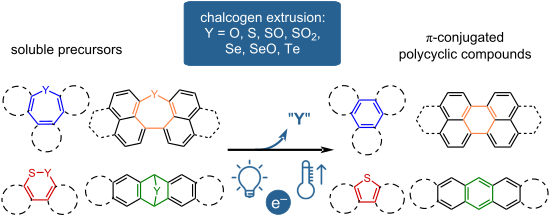
Scheme 1: “Precursor approach” for the synthesis of π-conjugated polycyclic compounds, with the thermally- or...

Scheme 2: Valence isomerization of chalcogen heteropines and subsequent cheletropic extrusion in the case of ...

Scheme 3: Early example of phenanthrene synthesis via a chemically-induced S-extrusion (and concomitant decar...

Scheme 4: Top: Conversion of dinaphthothiepine bisimides 3a,b and their sulfoxide analogues 4a,b into PBIs 6a,...

Figure 1: Top view (a) and side view (b) of the X-ray crystal structure of thiepine 3b showing its bent confo...

Scheme 5: Modular synthetic route towards dinaphthothiepines 3a–f and the corresponding S-oxides 4a–d, incorp...

Scheme 6: Top: Conversion of dithienobenzothiepine monomeric units into dithienonaphthalenes, upon S-extrusio...

Scheme 7: Synthesis of S-doped extended triphenylene derivative 22 from 3-bromothiophene (17) with the therma...
Scheme 8: Top: Synthesis of thermally-stable O-doped HBC 26a. Bottom: Synthesis of S- and Se-based soluble pr...

Scheme 9: Synthesis of dinaphthooxepine bisimide 33 and conversion into PBI 6f by O-extrusion triggered by el...

Figure 2: Cyclic voltammogram of dinaphthooxepine 33, evidencing the irreversibility of the reduction process...

Scheme 10: Top: Early example of 6-membered ring contraction with concomitant S-extrusion leading to dinaphtho...

Scheme 11: Examples of S-extrusion from annelated 1,2-dithiins under photoactivation (top) or thermal activati...

Scheme 12: Synthesis of dibenzo[1,4]dithiapentalene upon photoextrusion of SO2 [78].

Scheme 13: Extrusion of SO in naphthotrithiin-2-oxides for the synthesis of 2,5-dihydrothiophene 1-oxides [79].

Scheme 14: SO-extrusion as a key step in the synthesis of fullerenes (C60 and C70) encapsulating H2 molecules [80,82]....

Scheme 15: Synthesis of diepoxytetracene precursor 56 and its on-surface conversion into tetracene upon O-extr...

Scheme 16: Soluble precursors of hexacene, decacene and dodecacene incorporating 1,4-epoxides in their hydroca...

Scheme 17: Synthesis of tetraepoxide 59 as soluble precursor of decacene [85].

Figure 3: Constant-height STM measurement of decacene on Au(111) using a CO-functionalized tip (sample voltag...
Biphenylene-containing polycyclic conjugated compounds
- Cagatay Dengiz
Beilstein J. Org. Chem. 2023, 19, 1895–1911, doi:10.3762/bjoc.19.141
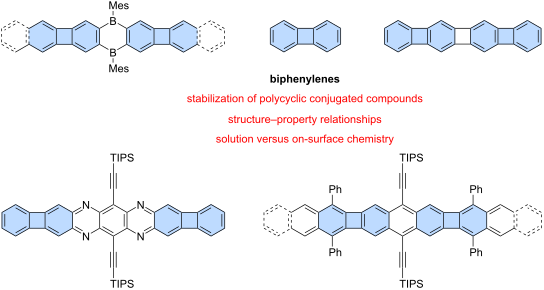
- -dibora-2,5-cyclohexadiene structure (Scheme 16) in addition to a π-extended linear POA (Scheme 17) [50]. The preparation of v- and z-shaped POAs 77 and 78 was carried out starting from 2-bromobiphenylene (74). Initial steps involved ortho-directed lithiation and subsequent treatment with Me3SiCl

Graphical Abstract
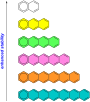
Figure 1: The correlation between stability and Clar's rule in acenes.

Scheme 1: General synthetic strategies to access the biphenylene core 1.

Figure 2: [N]Phenylenes 7–12 with different topologies.

Scheme 2: Synthesis of POAs 15a and 15b via reactions of BBD 13 and bis(cyanomethyl) compounds 14a and 14b.

Scheme 3: Synthesis of benzo[b]biphenylene (18).

Scheme 4: Synthesis of benzobiphenylene 18 and POA 21.

Scheme 5: Synthesis of symmetric POAs 25a and 25b.

Scheme 6: Synthesis of POA 29 via palladium-catalyzed annulation/aromatization reaction.

Scheme 7: Synthesis of bisphenylene-containing structures 34a–c.

Scheme 8: Synthesis of curved PAH 38 via Pd-catalyzed annulation and Ir-catalyzed cycloaddition reactions.

Scheme 9: Synthesis of [3]naphthylenes.

Scheme 10: Sequential Pd-catalyzed annulation reactions.

Scheme 11: Synthesis of biphenylene-containing unsymmetrical azaacenes 54a–c.

Scheme 12: Synthesis of biphenylene containing symmetrical azaacenes 58a,b.

Scheme 13: Synthesis of azaacene analogues 62–64.

Scheme 14: Synthesis of POA-type structure 69.

Scheme 15: Synthesis of boron-doped POA 73.

Scheme 16: Synthesis of “v”- and “z”-shaped B-POAs 77 and 78.

Scheme 17: Synthesis of boron-doped extended POA 84.

Scheme 18: Ag(111) surface-catalyzed synthesis of POA 87.

Scheme 19: Au(100) and Au(111) surface-catalyzed synthesis of POA 91.

Scheme 20: Au(111) on-surface synthesis of POA 87.
Thienothiophene-based organic light-emitting diode: synthesis, photophysical properties and application
- Recep Isci and
- Turan Ozturk
Beilstein J. Org. Chem. 2023, 19, 1849–1857, doi:10.3762/bjoc.19.137
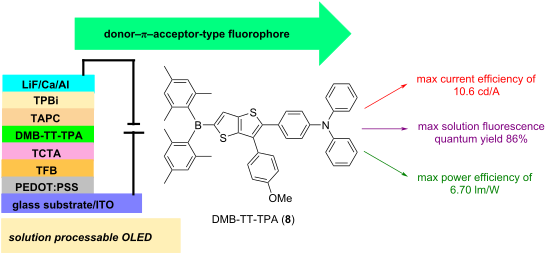
- polyphosphoric acid (PPA) in refluxing chlorobenzene to give 3 (TT) in 86% yield. The brominated TT 4 was obtained through selective monobromination of compound 3 using NBS at −10 °C in DMF in 88% yield. The boronated triphenylamine 6 was constructed in a one-pot two-step reaction in 77% yield, by lithiation of
- lithiation of 7 and following reaction with dimesitylboron fluoride in 85% yield (Scheme 1). Photophysical properties The UV–vis absorption and fluorescence spectra of DMB-TT-TPA (8) were recorded in THF (Figure 1 and Table 1) [38]. It showed maximum absorption and emission wavelengths of 411 and 520 nm

Graphical Abstract

Scheme 1: Synthesis of DMB-TT-TPA (8).

Figure 1: Absorption and emission of DMB-TT-TPA (8) in THF. Figure 1 was adapted with permission of Institution of Ch...

Figure 2: (a) Current efficiency–luminance, (b) current efficiency–voltage, (c) luminance–voltage, and (d) cu...

Figure 3: (a) Power efficiency–luminance, (b) external quantum efficiency–luminescence, (c) electroluminescen...

Figure 4: Thermal gravimetric analyses (TGA) of DMB-TT-TPA (8).
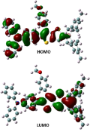
Figure 5: HOMO and LUMO diagrams calculated at the B3LYP/6-31G (d,p) level of theory.
α-(Aminomethyl)acrylates as acceptors in radical–polar crossover 1,4-additions of dialkylzincs: insights into enolate formation and trapping
- Angel Palillero-Cisneros,
- Paola G. Gordillo-Guerra,
- Fernando García-Alvarez,
- Olivier Jackowski,
- Franck Ferreira,
- Fabrice Chemla,
- Joel L. Terán and
- Alejandro Perez-Luna
Beilstein J. Org. Chem. 2023, 19, 1443–1451, doi:10.3762/bjoc.19.103
- allylation of lithium (trimethylsilyl)amides prepared in situ from the parent amines by a lithiation/silylation/lithiation sequence (Table 1). Using this protocol, α-(aminomethyl)acrylates 5 and 6 derived from benzhydrylamine and aniline were prepared in high yields (Table 1, entries 1 and 2). The procedure

Graphical Abstract

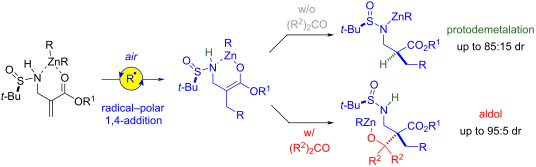
Scheme 1: Air-promoted radical chain reaction of dialkylzinc reagents with α,β-unsaturated carbonyl compounds....
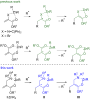
Scheme 2: Enolate formation by zinc radical transfer (SH2 on dialkylzinc reagents).

Scheme 3: Preparation of α-(aminomethyl)acrylate 10.

Scheme 4: Reaction of α-(aminomethyl)acrylate 10 with Et2Zn in the presence of air.

Scheme 5: Chemical correlation to determine the configuration of the major diastereomer of (RS)-14b.
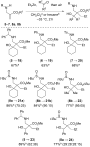
Scheme 6: Air-promoted tandem 1,4-addition–aldol condensation reactions of Et2Zn with α-(aminomethyl)acrylate...

Scheme 7: Diagnostic experiments for a radical mechanism and for enolate formation.

Scheme 8: Diagnostic experiments with N-benzyl enoate 10.

Scheme 9: Reactivity manifolds for the air-promoted tandem 1,4-addition–electrophilic substitution reaction b...
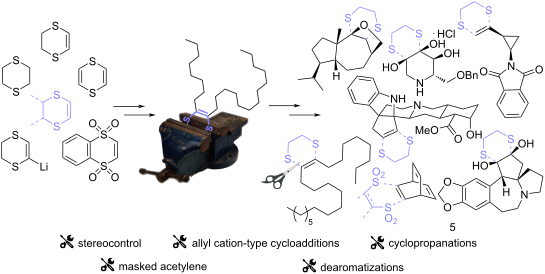
1,4-Dithianes: attractive C2-building blocks for the synthesis of complex molecular architectures
- Bram Ryckaert,
- Ellen Demeyere,
- Frederick Degroote,
- Hilde Janssens and
- Johan M. Winne
Beilstein J. Org. Chem. 2023, 19, 115–132, doi:10.3762/bjoc.19.12
- 21 cannot be lithiated to give a stable vinyllithium species, and immediately expel a sulfide anion to afford phenylthioacetylene (Scheme 6a) [40], Brandsma showed that the lithiated derivatives of 1,4-dithiin (3) can be generated by ‘ortho-lithiation’-type reactions at −110 °C in THF (Scheme 6d) [41
- opens up options for Corey–Seebach-type alkylation reactivity with a wider range of electrophiles. The method is demonstrated by the smooth lithiation and subsequent alkylation of the acetophenone-derived dithiin 50 (Scheme 10a) [42]. Palumbo’s elegant overall approach to dihydrodithiin-mediated
- ]. The alkylation of dihydrodithiins via lithiation and reaction with electrophiles is quite versatile, as shown by the examples above, but is still limited in scope, especially compared to 1,3-dithianes. This is mainly due to the still limited stability of the lithiated species (vide supra), limiting

Graphical Abstract

Scheme 1: 1,3-Dithianes as useful synthetic building blocks: a) general synthetic utility (in Corey–Seebach-t...

Scheme 2: Metalation of other saturated heterocycles is often problematic due to β-elimination [16,17].

Scheme 3: Thianes as synthetic building blocks in the construction of complex molecules [18].
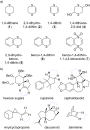
Figure 1: a) 1,4-Dithiane-type building blocks that can serve as C2-synthons and b) examples of complex targe...

Scheme 4: Synthetic availability of 1,4-dithiane-type building blocks.

Scheme 5: Dithiins and dihydrodithiins as pseudoaryl groups [36-39].
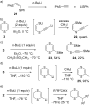
Scheme 6: Metalation of other saturated heterocycles is often problematic due to β-elimination [40-42].

Figure 2: Reactive conformations leading to β-fragmentation for lithiated 1,4-dithianes and 1,4-dithiin.

Scheme 7: Mild metalation of 1,4-dithiins affords stable heteroaryl-magnesium and heteroaryl-zinc-like reagen...
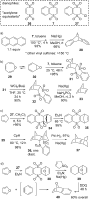
Scheme 8: Dithiin-based dienophiles and their use in synthesis [33,49-54].
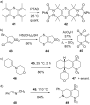
Scheme 9: Dithiin-based dienes and their use in synthesis [55-57].

Scheme 10: Stereoselective 5,6-dihydro-1,4-dithiin-based synthesis of cis-olefins [42,58].

Scheme 11: Addition to aldehydes and applications in stereoselective synthesis.

Figure 3: Applications in the total synthesis of complex target products with original attachment place of 1,...

Scheme 12: Direct C–H functionalization methods for 1,4-dithianes [82,83].

Scheme 13: Known cycloaddition reactivity modes of allyl cations [84-100].

Scheme 14: Cycloadditions of 1,4-dithiane-fused allyl cations derived from dihydrodithiin-methanol 90 [101-107].

Scheme 15: Dearomative [3 + 2] cycloadditions of unprotected indoles with 1,4-dithiane-fused allyl alcohol 90 [30]....

Scheme 16: Comparison of reactivity of dithiin-fused allyl alcohols and similar non-cyclic sulfur-substituted ...
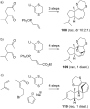
Scheme 17: Applications of dihydrodithiins in the rapid assembly of polycyclic terpenoid scaffolds [108,109].
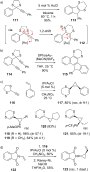
Scheme 18: Dihydrodithiin-mediated allyl cation and vinyl carbene cycloadditions via a gold(I)-catalyzed 1,2-s...

Scheme 19: Activation mode of ethynyldithiolanes towards gold-coordinated 1,4-dithiane-fused allyl cation and ...
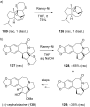
Scheme 20: Desulfurization problems.

Scheme 21: oxidative decoration strategies for 1,4-dithiane scaffolds.
Synthetic strategies for the preparation of γ-phostams: 1,2-azaphospholidine 2-oxides and 1,2-azaphospholine 2-oxides
- Jiaxi Xu
Beilstein J. Org. Chem. 2022, 18, 889–915, doi:10.3762/bjoc.18.90
- the Ortiz group investigated the directed ortho-lithiation of aminophosphazenes, they realized one example synthesis of (R)-1-phenyl-2-((R)-1-phenylethyl)-2-hydrobenzo[c][1,2]azaphosphol-3-one 1-oxide (239) from methyl (R)-(diphenyl((1-phenylethyl)amino)-λ5-phosphanylidene)carbamate (237) via the
- ortho-directed lithiation with tert-butyllithium with carbamate as the directing group followed by electrophilic quench with methyl chloroformate and intramolecular aminolysis. Finally, hydrolysis removed the directing group, affording the final product 239 in 50% yield (Scheme 38) [59]. Structurally
- of (R)-1-phenyl-2-((R)-1-phenylethyl)-2-hydrobenzo[c][1,2]azaphosphol-3-one 1-oxide (239) from methyl (R)-(diphenyl((1-phenylethyl)amino)-λ5-phosphanylidene)carbamate (237) via ortho-directed lithiation followed by electrophilic quench and intramolecular aminolysis. Synthesis of dihydro[1,2

Graphical Abstract

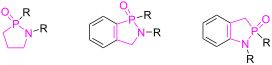
Figure 1: Biologically active 1,2-azaphospholine 2-oxide derivatives.

Figure 2: Diverse synthetic strategies for the preparation of 1,2-azaphospholidine and 1,2-azaphospholine 2-o...

Scheme 1: Synthesis of 1-phenyl-2-phenylamino-γ-phosphonolactam (2) from N,N’-diphenyl 3-chloropropylphosphon...

Scheme 2: Synthesis of 2-ethoxy-1-methyl-γ-phosphonolactam (6) from ethyl N-methyl-(3-bromopropyl)phosphonami...

Scheme 3: Synthesis of 2-aryl-1-methyl-2,3-dihydrobenzo[c][1,2]azaphosphole 1-oxides 13 from N-aryl-2-chlorom...

Scheme 4: Synthesis of 2,3-dihydrobenzo[c][1,2]azaphosphole 1-oxides from alkylarylphosphinyl or diarylphosph...

Scheme 5: Synthesis of 3-arylmethylidene-2,3-dihydrobenzo[c][1,2]azaphosphole 1-oxides via the TBAF-mediated ...
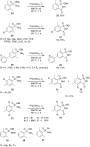
Scheme 6: Synthesis of 2-hydrobenzo[c][1,2]azaphosphol-3-one 1-oxides via the metal-free intramolecular oxida...

Scheme 7: Synthesis of 1,3-dihydrobenzo[d][1,2]azaphosphole 2-oxides 42 and 44 from ethyl/benzyl 2-bromobenzy...

Scheme 8: Synthesis of azaphospholidine 2-oxides/sulfide from 1,2-oxaphospholane 2-oxides/sulfides and 1,2-th...

Scheme 9: Synthesis of 1,3-dihydrobenzo[d][1,2]azaphosphole 2-oxides/sulfides from 2-aminobenzyl(phenyl)phosp...

Scheme 10: Synthesis of 1,3-dihydrobenzo[d][1,2]azaphosphole 2-sulfide (59) from zwitterionic 2-aminobenzyl(ph...

Scheme 11: Synthesis of 1,3-dihydrobenzo[d][1,2]azaphosphole 2-oxides from 2-aminobenzyl(methyl/phenyl)phosphi...

Scheme 12: Synthesis of ethyl 2-methyl-1,2-azaphospholidine-5-carboxylate 2-oxide 69 from 2-amino-4-(hydroxy(m...

Scheme 13: Synthesis of 2-methoxy-1,3-dihydrobenzo[d][1,2]azaphosphole 2-oxide 71 from dimethyl 2-(methylamino...

Scheme 14: Synthesis of tricyclic γ-phosphonolactams via formation of the P–C bond.

Scheme 15: Synthesis of γ-phosphonolactams 85 from ethyl 2-(3-chloropropyl)aminoalkanoates with diethyl chloro...

Scheme 16: Synthesis of N-phosphoryl- and N-thiophosphoryl-1,2-azaphospholidine 2-oxides 90/2-sulfides 91 from...

Scheme 17: Synthesis of 1-methyl-1,3-dihydrobenzo[d][1,2]azaphosphole 2-oxides 56a and 93 from P-(chloromethyl...

Scheme 18: Synthesis of 2-allylamino-1,5-dihydro-1,2-azaphosphole 2-oxides from N,N’-diallyl-vinylphosphonodia...

Scheme 19: Diastereoselective synthesis of 2-allylamino-1,5-dihydro-1,2-azaphosphole 2-oxides from N,N’-dially...

Scheme 20: Synthesis of 1-alkyl-3-benzoyl-2-ethoxy-1,3-dihydrobenzo[d][1,2]azaphosphole 2-oxides 106 from ethy...

Scheme 21: Synthesis of cyclohexadiene-fused γ-phosphinolactams from diphenyl-N-benzyl-N-methylphosphinamide (...

Scheme 22: Synthesis of cyclohexadiene-fused γ-phosphinolactams from diphenyl-N-alkyl-N-benzylphosphinamides.
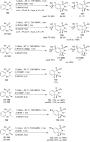
Scheme 23: Synthesis of cyclohexadiene-fused γ-phosphinolactams from diphenyl-N-methyl-N-(1-phenylethyl)phosph...
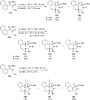
Scheme 24: Synthesis of benzocyclohexadiene-fused γ-phosphinolactams from dinaphth-1-yl-N-alkyl-N-benzylphosph...
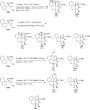
Scheme 25: Synthesis of benzocyclohexadiene-fused γ-phosphinolactams from dinaphth-1-yl-N-benzyl-N-methylphosp...

Scheme 26: Synthesis of carbonyl-containing benzocyclohexadiene-fused γ-phosphinolactams from dinaphth-1-yl-N-...

Scheme 27: Synthesis of benzocyclohexadiene-fused γ-phosphinolactams from dinaphthyl-N-benzyl-N-methylphosphin...
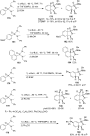
Scheme 28: Synthesis of cyclohexadiene-fused 1-(N-benzyl-N-methyl)amino-γ-phosphinolactams from aryl-N,N’-dibe...

Scheme 29: Synthesis of bis(cyclohexadiene-fused γ-phosphinolactam)s from bis(diphenyl-N-benzylphosphinamide)s....

Scheme 30: Synthesis of bis(hydroxymethyl-derived cyclohexadiene-fused γ-phosphinolactam)s from tetramethylene...

Scheme 31: Synthesis of 2-aryl/dimethylamino-1-ethoxy-2-hydrobenzo[c][1,2]azaphosphol-3-one 1-oxides from ethy...

Scheme 32: Synthesis of ethyl 2-ethoxy-1,2-azaphospholidine-4-carboxylate 2-oxides from ethyl 2-((chloro(ethox...

Scheme 33: Synthesis of (1S,3R)-2-(tert-butyldiphenylsilyl)-3-methyl-1-phenyl-2,3-dihydrobenzo[c][1,2]azaphosp...

Scheme 34: Synthesis of 2,3,3a,9a-tetrahydro-4H-1,2-azaphospholo[5,4-b]chromen-4-one (215) from 3-(phenylamino...

Scheme 35: Synthesis of quinoline-fused 1,2-azaphospholine 2-oxides from 2-azidoquinoline-3-carbaldehydes and ...

Scheme 36: Synthesis of 1-hydro-1,2-azaphosphol-5-one 2-oxide from cyanoacetohydrazide with phosphonic acid an...

Scheme 37: Synthesis of chromene-fused 5-oxo-1,2-azaphospolidine 2-oxides.

Scheme 38: Synthesis of (R)-1-phenyl-2-((R)-1-phenylethyl)-2-hydrobenzo[c][1,2]azaphosphol-3-one 1-oxide (239)...

Scheme 39: Synthesis of dihydro[1,2]azaphosphole 1-oxides from aryl/vinyl-N-phenylphosphonamidates and aryl-N-...

Scheme 40: Synthesis of 1,3-dihydro-[1,2]azaphospholo[5,4-b]pyridine 2-oxides.
Allylic alcohols and amines by carbenoid eliminative cross-coupling using epoxides or aziridines
- Matthew J. Fleming and
- David M. Hodgson
Beilstein J. Org. Chem. 2021, 17, 2385–2389, doi:10.3762/bjoc.17.155

- alkoxide. Keywords: alkenes; aziridines; epoxides; lithiation; synthetic methods; Introduction Methods for the convergent generation of alkenes can be of significant utility in organic synthesis [1]. A relatively under-examined approach is through the interaction of two carbenoids [2]. Dimerisation of
- alkene 12 (30%) could be formed from terminal epoxide 5, using cyclopropylstannane 11 [16] (Scheme 5); in this case the presence of LTMP was also necessary as epoxide 5 was recovered (>80%) in its absence. A silyl-stabilised methoxymethyllithium, available by direct lithiation of (methoxymethyl
- )trimethylsilane (13) [17], gave vinylsilane 14 (26%, E/Z = 81:19) on reaction with terminal epoxide 5 in the presence of LTMP (Scheme 6); the allylic alcohol 6 was also isolated (20%), suggesting that in our hands lithium–trimethylsilyl exchange competes with lithiation of (methoxymethyl)trimethylsilane (13

Graphical Abstract

Scheme 1: Dimerisation of α-lithio epoxides or aziridines [3-5].

Scheme 2: Proposed eliminative cross-coupling of carbenoids to allylic alcohols (X = O) or allylic amines (X ...

Scheme 3: Allylic alcohol 6 by one-carbon homologation from epoxide 5.

Scheme 4: Internal allylic alcohols from epoxides and stannane 7.

Scheme 5: Cyclopropylidene synthesis from epoxide 5.

Scheme 6: Synthesis of vinylsilane 14.

Scheme 7: Allylic alcohol 8 from epoxide 5 and sulfone 15.

Scheme 8: Allylic amines from aziridine 17.

Scheme 9: Cyclopropylidene synthesis from aziridine 20.

Scheme 10: Cinnamylamine 23 synthesis from aziridine 17.

Scheme 11: Cinnamylamine 23 synthesis from isopropyl or neopentyl benzylic ethers 26 and 27.
Cascade intramolecular Prins/Friedel–Crafts cyclization for the synthesis of 4-aryltetralin-2-ols and 5-aryltetrahydro-5H-benzo[7]annulen-7-ols
- Jie Zheng,
- Shuyu Meng and
- Quanrui Wang
Beilstein J. Org. Chem. 2021, 17, 1481–1489, doi:10.3762/bjoc.17.104
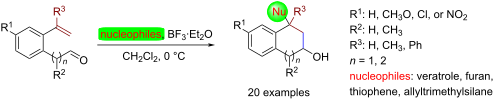
- Scheme 3 consisting of the following steps: (i) Wittig reaction of 2-bromobenzaldehyde with methyltriphenylphosphonium iodide ylide, (ii) lithiation of the resultant o-bromostyrene with n-BuLi and reaction of the aryl lithium species with ethylene oxide, and (iii) oxidation of the resultant primary

Graphical Abstract

Figure 1: Parent structure of 2,4-disubstituted tetralins (1) and selected medicinally useful derivatives 2–4....

Scheme 1: Reported strategies for the synthesis of tetralin-2-ol ring systems.

Scheme 2: Designed cascade reactions to 4-substituted tetralin-2-ols.

Scheme 3: The documented synthesis of 2-(2-vinylphenyl)acetaldehyde (13a).

Scheme 4: Modified synthesis of 2-(2-vinylphenyl)acetaldehydes 13a–g and 1-vinyl-2-naphthaldehyde (13h).

Scheme 5: Lewis acid-catalyzed Prins/Friedel–Crafts reaction of 13a with veratrole.
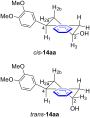
Figure 2: The speculated stereostructures of compound cis-14aa and trans-14aa.

Scheme 6: Use of different nucleophiles for the cascade reaction with 13a. Reaction conditions: a mixture of ...

Scheme 7: Reaction of aldehydes 13b–h with veratrole or furan. Reaction conditions: a mixture of 13b–h (1.40 ...

Scheme 8: Synthesis of 5-aryltetrahydro-5H-benzo[7]annulen-7-ols 20a, b.

Scheme 9: Conversion of 2-hydroxy-4-(2-furyl)tetralin (14af) into PAT analogue 22.

Figure 3: Crystal structure of the tosylate 21. The displacement ellipsoids are drawn at the 30% probability ...
A comprehensive review of flow chemistry techniques tailored to the flavours and fragrances industries
- Guido Gambacorta,
- James S. Sharley and
- Ian R. Baxendale
Beilstein J. Org. Chem. 2021, 17, 1181–1312, doi:10.3762/bjoc.17.90
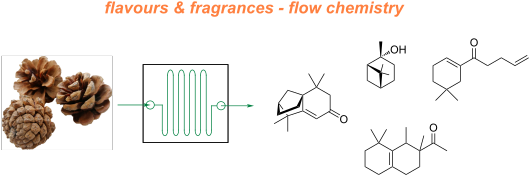

Graphical Abstract

Figure 1: Representative shares of the global F&F market (2018) segmented on their applications [1].

Figure 2: General structure of an international fragrance company [2].

Figure 3: The Michael Edwards fragrance wheel.

Figure 4: Examples of oriental (1–3), woody (4–7), fresh (8–10), and floral (11 and 12) notes.

Figure 5: A basic depiction of batch vs flow.

Scheme 1: Examples of reactions for which flow processing outperforms batch.

Scheme 2: Some industrially important aldol-based transformations.

Scheme 3: Biphasic continuous aldol reactions of acetone and various aldehydes.

Scheme 4: Aldol synthesis of 43 in flow using LiHMDS as the base.

Scheme 5: A semi-continuous synthesis of doravirine (49) involving a key aldol reaction.

Scheme 6: Enantioselective aldol reaction using 5-(pyrrolidin-2-yl)tetrazole (51) as catalyst in a microreact...

Scheme 7: Gröger's example of asymmetric aldol reaction in aqueous media.

Figure 6: Immobilised reagent column reactor types.

Scheme 8: Photoinduced thiol–ene coupling preparation of silica-supported 5-(pyrrolidin-2-yl)tetrazole 63 and...

Scheme 9: Continuous-flow approach for enantioselective aldol reactions using the supported catalyst 67.

Scheme 10: Ötvös’ employment of a solid-supported peptide aldol catalyst in flow.

Scheme 11: The use of proline tetrazole packed in a column for aldol reaction between cyclohexanone (65) and 2...

Scheme 12: Schematic diagram of an aminosilane-grafted Si-Zr-Ti/PAI-HF reactor for continuous-flow aldol and n...

Scheme 13: Continuous-flow condensation for the synthesis of the intermediate 76 to nabumetone (77) and Microi...

Scheme 14: Synthesis of ψ-Ionone (80) in continuous-flow via aldol condensation between citral (79) and aceton...

Scheme 15: Synthesis of β-methyl-ionones (83) from citral (79) in flow. The steps are separately described, an...

Scheme 16: Continuous-flow synthesis of 85 from 84 described by Gavriilidis et al.

Scheme 17: Continuous-flow scCO2 apparatus for the synthesis of 2-methylpentanal (87) and the self-condensed u...

Scheme 18: Chen’s two-step flow synthesis of coumarin (90).

Scheme 19: Pechmann condensation for the synthesis of 7-hydroxyxcoumarin (93) in flow. The setup extended to c...

Scheme 20: Synthesis of the dihydrojasmonate 35 exploiting nitro derivative proposed by Ballini et al.

Scheme 21: Silica-supported amines as heterogeneous catalyst for nitroaldol condensation in flow.

Scheme 22: Flow apparatus for the nitroaldol condensation of p-hydroxybenzaldehyde (102) to nitrostyrene 103 a...

Scheme 23: Nitroaldol reaction of 64 to 105 employing a quaternary ammonium functionalised PANF.

Scheme 24: Enantioselective nitroaldol condensation for the synthesis of 108 under flow conditions.

Scheme 25: Enatioselective synthesis of 1,2-aminoalcohol 110 via a copper-catalysed nitroaldol condensation.

Scheme 26: Examples of Knoevenagel condensations applied for fragrance components.

Scheme 27: Flow apparatus for Knoevenagel condensation described in 1989 by Venturello et al.

Scheme 28: Knoevenagel reaction using a coated multichannel membrane microreactor.

Scheme 29: Continuous-flow apparatus for Knoevenagel condensation employing sugar cane bagasse as support deve...

Scheme 30: Knoevenagel reaction for the synthesis of 131–135 in flow using an amine-functionalised silica gel. ...

Scheme 31: Continuous-flow synthesis of compound 137, a key intermediate for the synthesis of pregabalin (138)...
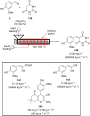
Scheme 32: Continuous solvent-free apparatus applied for the synthesis of compounds 140–143 using a TSE. Throu...

Scheme 33: Lewis et al. developed a spinning disc reactor for Darzens condensation of 144 and a ketone to furn...

Scheme 34: Some key industrial applications of conjugate additions in the F&F industry.

Scheme 35: Continuous-flow synthesis of 4-(2-hydroxyethyl)thiomorpholine 1,1-dioxide (156) via double conjugat...

Scheme 36: Continuous-flow system for Michael addition using CsF on alumina as the catalyst.

Scheme 37: Calcium chloride-catalysed asymmetric Michael addition using an immobilised chiral ligand.

Scheme 38: Continuous multistep synthesis for the preparation of (R)-rolipram (173). Si-NH2: primary amine-fun...

Scheme 39: Continuous-flow Michael addition using ion exchange resin Amberlyst® A26.

Scheme 40: Preparation of the heterogeneous catalyst 181 developed by Paixão et al. exploiting Ugi multicompon...

Scheme 41: Continuous-flow system developed by the Paixão’s group for the preparation of Michael asymmetric ad...

Scheme 42: Continuous-flow synthesis of nitroaldols catalysed by supported catalyst 184 developed by Wennemers...

Scheme 43: Heterogenous polystyrene-supported catalysts developed by Pericàs and co-workers.

Scheme 44: PANF-supported pyrrolidine catalyst for the conjugate addition of cyclohexanone (65) and trans-β-ni...

Scheme 45: Synthesis of (−)-paroxetine precursor 195 developed by Ötvös, Pericàs, and Kappe.

Scheme 46: Continuous-flow approach for the 5-step synthesis of (−)-oseltamivir (201) as devised by Hayashi an...

Scheme 47: Continuous-flow enzyme-catalysed Michael addition.

Scheme 48: Continuous-flow copper-catalysed 1,4 conjugate addition of Grignard reagents to enones. Reprinted w...

Scheme 49: A collection of commonly encountered hydrogenation reactions.

Figure 7: The ThalesNano H-Cube® continuous-flow hydrogenator.

Scheme 50: Chemoselective reduction of an α,β-unsaturated ketone using the H-Cube® reactor.

Scheme 51: Incorporation of Lindlar’s catalyst into the H-Cube® reactor for the reduction of an alkyne.

Scheme 52: Continuous-flow semi-hydrogenation of alkyne 208 to 209 using SACs with H-Cube® system.

Figure 8: The standard setups for tube-in-tube gas–liquid reactor units.

Scheme 53: Homogeneous hydrogenation of olefins using a tube-in-tube reactor setup.
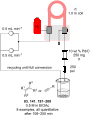
Scheme 54: Recyclable heterogeneous flow hydrogenation system.

Scheme 55: Leadbeater’s reverse tube-in-tube hydrogenation system for olefin reductions.

Scheme 56: a) Hydrogenation using a Pd-immobilised microchannel reactor (MCR) and b) a representation of the i...

Scheme 57: Hydrogenation of alkyne 238 exploiting segmented flow in a Pd-immobilised capillary reactor.

Scheme 58: Continuous hydrogenation system for the preparation of cyrene (241) from (−)-levoglucosenone (240).

Scheme 59: Continuous hydrogenation system based on CSMs developed by Hornung et al.

Scheme 60: Chemoselective reduction of carbonyls (ketones over aldehydes) in flow.

Scheme 61: Continuous system for the semi-hydrogenation of 256 and 258, developed by Galarneau et al.

Scheme 62: Continuous synthesis of biodiesel fuel 261 from lignin-derived furfural acetone (260).

Scheme 63: Continuous synthesis of γ-valerolacetone (263) via CTH developed by Pineda et al.

Scheme 64: Continuous hydrogenation of lignin-derived biomass (products 265, 266, and 267) using a sustainable...

Scheme 65: Ru/C or Rh/C-catalysed hydrogenation of arene in flow as developed by Sajiki et al.

Scheme 66: Polysilane-immobilized Rh–Pt-catalysed hydrogenation of arenes in flow by Kobayashi et al.

Scheme 67: High-pressure in-line mixing of H2 for the asymmetric reduction of 278 at pilot scale with a 73 L p...
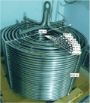
Figure 9: Picture of the PFR employed at Eli Lilly & Co. for the continuous hydrogenation of 278 [287]. Reprinted ...

Scheme 68: Continuous-flow asymmetric hydrogenation using Oppolzer's sultam 280 as chiral auxiliary.
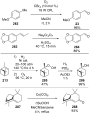
Scheme 69: Some examples of industrially important oxidation reactions in the F&F industry. CFL: compact fluor...

Scheme 70: Gold-catalysed heterogeneous oxidation of alcohols in flow.
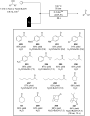
Scheme 71: Uozumi’s ARP-Pt flow oxidation protocol.

Scheme 72: High-throughput screening of aldehyde oxidation in flow using an in-line GC.

Scheme 73: Permanganate-mediated Nef oxidation of nitroalkanes in flow with the use of in-line sonication to p...

Scheme 74: Continuous-flow aerobic anti-Markovnikov Wacker oxidation.

Scheme 75: Continuous-flow oxidation of 2-benzylpyridine (312) using air as the oxidant.

Scheme 76: Continuous-flow photo-oxygenation of monoterpenes.

Scheme 77: A tubular reactor design for flow photo-oxygenation.

Scheme 78: Glucose oxidase (GOx)-mediated continuous oxidation of glucose using compressed air and the FFMR re...

Scheme 79: Schematic continuous-flow sodium hypochlorite/TEMPO oxidation of alcohols.

Scheme 80: Oxidation using immobilised TEMPO (344) was developed by McQuade et al.

Scheme 81: General protocol for the bleach/catalytic TBAB oxidation of aldehydes and alcohols.

Scheme 82: Continuous-flow PTC-assisted oxidation using hydrogen peroxide. The process was easily scaled up by...

Scheme 83: Continuous-flow epoxidation of cyclohexene (348) and in situ preparation of m-CPBA.

Scheme 84: Continuous-flow epoxidation using DMDO as oxidant.

Scheme 85: Mukayama aerobic epoxidation optimised in flow mode by the Favre-Réguillon group.

Scheme 86: Continuous-flow asymmetric epoxidation of derivatives of 359 exploiting a biomimetic iron catalyst.

Scheme 87: Continuous-flow enzymatic epoxidation of alkenes developed by Watts et al.

Scheme 88: Engineered multichannel microreactor for continuous-flow ozonolysis of 366.

Scheme 89: Continuous-flow synthesis of the vitamin D precursor 368 using multichannel microreactors. MFC: mas...

Scheme 90: Continuous ozonolysis setup used by Kappe et al. for the synthesis of various substrates employing ...

Scheme 91: Continuous-flow apparatus for ozonolysis as developed by Ley et al.

Scheme 92: Continuous-flow ozonolysis for synthesis of vanillin (2) using a film-shear flow reactor.

Scheme 93: Examples of preparative methods for ajoene (386) and allicin (388).

Scheme 94: Continuous-flow oxidation of thioanisole (389) using styrene-based polymer-supported peroxytungstat...

Scheme 95: Continuous oxidation of thiosulfinates using Oxone®-packed reactor.

Scheme 96: Continuous-flow electrochemical oxidation of thioethers.

Scheme 97: Continuous-flow oxidation of 400 to cinnamophenone (235).

Scheme 98: Continuous-flow synthesis of dehydrated material 401 via oxidation of methyl dihydrojasmonate (33).

Scheme 99: Some industrially important transformations involving Grignard reagents.

Scheme 100: Grachev et al. apparatus for continuous preparation of Grignard reagents.

Scheme 101: Example of fluidized Mg bed reactor with NMR spectrometer as on-line monitoring system.

Scheme 102: Continuous-flow synthesis of Grignard reagents and subsequent quenching reaction.

Figure 10: Membrane-based, liquid–liquid separator with integrated pressure control [52]. Adapted with permission ...

Scheme 103: Continuous-flow synthesis of 458, an intermediate to fluconazole (459).

Scheme 104: Continuous-flow synthesis of ketones starting from benzoyl chlorides.

Scheme 105: A Grignard alkylation combining CSTR and PFR technologies with in-line infrared reaction monitoring....

Scheme 106: Continuous-flow preparation of 469 from Grignard addition of methylmagnesium bromide.

Scheme 107: Continuous-flow synthesis of Grignard reagents 471.

Scheme 108: Preparation of the Grignard reagent 471 using CSTR and the continuous process for synthesis of the ...

Scheme 109: Continuous process for carboxylation of Grignard reagents in flow using tube-in-tube technology.

Scheme 110: Continuous synthesis of propargylic alcohols via ethynyl-Grignard reagent.

Scheme 111: Silica-supported catalysed enantioselective arylation of aldehydes using Grignard reagents in flow ...

Scheme 112: Acid-catalysed rearrangement of citral and dehydrolinalool derivatives.

Scheme 113: Continuous stilbene isomerisation with continuous recycling of photoredox catalyst.

Scheme 114: Continuous-flow synthesis of compound 494 as developed by Ley et al.

Scheme 115: Selected industrial applications of DA reaction.

Scheme 116: Multistep flow synthesis of the spirocyclic structure 505 via employing DA cycloaddition.

Scheme 117: Continuous-flow DA reaction developed in a plater flow reactor for the preparation of the adduct 508...

Scheme 118: Continuous-flow DA reaction using a silica-supported imidazolidinone organocatalyst.

Scheme 119: Batch vs flow for the DA reaction of (cyclohexa-1,5-dien-1-yloxy)trimethylsilane (513) with acrylon...

Scheme 120: Continuous-flow DA reaction between 510 and 515 using a shell-core droplet system.

Scheme 121: Continuous-flow synthesis of bicyclic systems from benzyne precursors.

Scheme 122: Continuous-flow synthesis of bicyclic scaffolds 527 and 528 for further development of potential ph...

Scheme 123: Continuous-flow inverse-electron hetero-DA reaction to pyridine derivatives such as 531.

Scheme 124: Comparison between batch and flow for the synthesis of pyrimidinones 532–536 via retro-DA reaction ...

Scheme 125: Continuous-flow coupled with ultrasonic system for preparation of ʟ-ascorbic acid derivatives 539 d...

Scheme 126: Two-step continuous-flow synthesis of triazole 543.

Scheme 127: Continuous-flow preparation of triazoles via CuAAC employing 546-based heterogeneous catalyst.

Scheme 128: Continuous-flow synthesis of compounds 558 through A3-coupling and 560 via AgAAC both employing the...

Scheme 129: Continuous-flow photoinduced [2 + 2] cycloaddition for the preparation of bicyclic derivatives of 5...

Scheme 130: Continuous-flow [2 + 2] and [5 + 2] cycloaddition on large scale employing a flow reactor developed...

Scheme 131: Continuous-flow preparation of the tricyclic structures 573 and 574 starting from pyrrole 570 via [...

Scheme 132: Continuous-flow [2 + 2] photocyclization of cinnamates.

Scheme 133: Continuous-flow preparation of cyclobutane 580 on a 5-plates photoreactor.

Scheme 134: Continuous-flow [2 + 2] photocycloaddition under white LED lamp using heterogeneous PCN as photocat...

Figure 11: Picture of the parallel tube flow reactor (PTFR) "The Firefly" developed by Booker-Milburn et al. a...

Scheme 135: Continuous-flow acid-catalysed [2 + 2] cycloaddition between silyl enol ethers and acrylic esters.

Scheme 136: Continuous synthesis of lactam 602 using glass column reactors.

Scheme 137: In situ generation of ketenes for the Staudinger lactam synthesis developed by Ley and Hafner.

Scheme 138: Application of [2 + 2 + 2] cycloadditions in flow employed by Ley et al.

Scheme 139: Examples of FC reactions applied in F&F industry.

Scheme 140: Continuous-flow synthesis of ibuprofen developed by McQuade et al.

Scheme 141: The FC acylation step of Jamison’s three-step ibuprofen synthesis.

Scheme 142: Synthesis of naphthalene derivative 629 via FC acylation in microreactors.

Scheme 143: Flow system for rapid screening of catalysts and reaction conditions developed by Weber et al.

Scheme 144: Continuous-flow system developed by Buorne, Muller et al. for DSD optimisation of the FC acylation ...

Scheme 145: Continuous-flow FC acylation of alkynes to yield β-chlorovinyl ketones such as 638.

Scheme 146: Continuous-flow synthesis of tonalide (619) developed by Wang et al.

Scheme 147: Continuous-flow preparation of acylated arene such as 290 employing Zr4+-β-zeolite developed by Kob...

Scheme 148: Flow system applied on an Aza-FC reaction catalysed by the thiourea catalyst 648.

Scheme 149: Continuous hydroformylation in scCO2.

Scheme 150: Two-step flow synthesis of aldehyde 655 through a sequential Heck reaction and subsequent hydroform...

Scheme 151: Single-droplet (above) and continuous (below) flow reactors developed by Abolhasani et al. for the ...

Scheme 152: Continuous hydroformylation of 1-dodecene (655) using a PFR-CSTR system developed by Sundmacher et ...

Scheme 153: Continuous-flow synthesis of the aldehyde 660 developed by Eli Lilly & Co. [32]. Adapted with permissio...

Scheme 154: Continuous asymmetric hydroformylation employing heterogenous catalst supported on carbon-based sup...

Scheme 155: Examples of acetylation in F&F industry: synthesis of bornyl (S,R,S-664) and isobornyl (S,S,S-664) ...

Scheme 156: Continuous-flow preparation of bornyl acetate (S,R,S-664) employing the oscillating flow reactor.

Scheme 157: Continuous-flow synthesis of geranyl acetate (666) from acetylation of geraniol (343) developed by ...

Scheme 158: 12-Ttungstosilicic acid-supported silica monolith-catalysed acetylation in flow.

Scheme 159: Continuous-flow preparation of cyclopentenone 676.

Scheme 160: Two-stage synthesis of coumarin (90) via acetylation of salicylaldehyde (88).

Scheme 161: Intensification process for acetylation of 5-methoxytryptamine (677) to melatonin (678) developed b...

Scheme 162: Examples of macrocyclic musky odorants both natural (679–681) and synthetic (682 and 683).

Scheme 163: Flow setup combined with microwave for the synthesis of macrocycle 686 via RCM.

Scheme 164: Continuous synthesis of 2,5-dihydro-1H-pyrroles via ring-closing metathesis.

Scheme 165: Continuous-flow metathesis of 485 developed by Leadbeater et al.

Figure 12: Comparison between RCM performed using different routes for the preparation of 696. On the left the...

Scheme 166: Continuous-flow RCM of 697 employed the solid-supported catalyst 698 developed by Grela, Kirschning...

Scheme 167: Continuous-flow RORCM of cyclooctene employing the silica-absorbed catalyst 700.

Scheme 168: Continuous-flow self-metathesis of methyl oleate (703) employing SILP catalyst 704.

Scheme 169: Flow apparatus for the RCM of 697 using a nanofiltration membrane for the recovery and reuse of the...

Scheme 170: Comparison of loadings between RCMs performed with different routes for the synthesis of 709.
Progress in the total synthesis of inthomycins
- Bidyut Kumar Senapati
Beilstein J. Org. Chem. 2021, 17, 58–82, doi:10.3762/bjoc.17.7
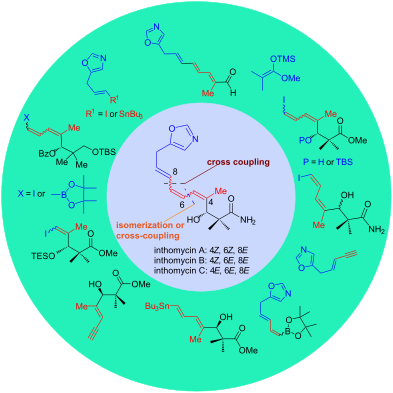
- vinylogous Mukaiyama aldol reaction to produce the desired aldehyde (rac)-118 in 81% yield. Meanwhile, the TIPS protection of oxazole 119 and then subsequent lithiation at the C-5 position and quenching in situ with allyl bromide furnished oxazole derivative 121 in 90% yield (Scheme 16). An attempted cross

Graphical Abstract

Figure 1: The inthomycins A–C (1–3) and structurally closely related compounds.

Figure 2: Syntheses of inthomycins A–C (1–3).
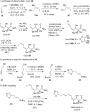
Scheme 1: The first total synthesis of racemic inthomycin A (rac)-1 by Whiting.

Scheme 2: Moloney’s synthesis of the phenyl analogue of inthomycin C ((rac)-3).
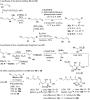
Scheme 3: Moloney’s synthesis of phenyl analogues of inthomycins A (rac-1) and B (rac-2).

Scheme 4: The first total synthesis of inthomycin B (+)-2 by R. J. K. Taylor.

Scheme 5: R. J. K. Taylor’s total synthesis of racemic inthomycin A (rac)-1.
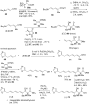
Scheme 6: The first total synthesis of inthomycin C ((+)-3) by R. J. K. Taylor.

Scheme 7: The first total synthesis of naturally occurring inthomycin C ((–)-3) by Ryu et al.

Scheme 8: Preparation of E,E-iododiene (+)-84 and Z,E- iododiene 85a.

Scheme 9: Hatakeyama’s total synthesis of inthomycin A (+)-1 and inthomycin B (+)-2.

Scheme 10: Hatakeyama’s total synthesis of inthomycin C ((–)-3).

Scheme 11: Maulide’s formal synthesis of racemic inthomycin C ((rac)-3).
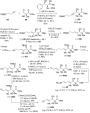
Scheme 12: Hale’s synthesis of dienylstannane (+)-69 and enyne (+)-82b intermediates.

Scheme 13: Hale’s total synthesis of inthomycin C ((+)-3).

Scheme 14: Hale and Hatakeyama’s resynthesis of (3R)-inthomycin C (−)-3 Mosher esters.

Scheme 15: Reddy’s formal syntheses of inthomycin C (+)-3 and inthomycin C ((−)-3).

Scheme 16: Synthesis of the cross-metathesis precursors (rac)-118 and 121.

Scheme 17: Donohoe’s total synthesis of inthomycin C ((−)-3).

Scheme 18: Synthesis of dienylboronic ester (E,E)-128.

Scheme 19: Synthesis of the alkenyl iodides (Z)- and (E)-130.

Scheme 20: Burton’s total synthesis of inthomycin B ((+)-2).

Scheme 21: Burton’s total synthesis of inthomycin C ((−)-3).

Scheme 22: Burton’s total synthesis of inthomycin A ((+)-1).

Scheme 23: Synthesis of common intermediate (Z)-(+)-143a.

Scheme 24: Synthesis of (Z)-and (E)-selective fragments (+)-145a–c.

Scheme 25: Kim’s total synthesis of inthomycins A (+)-1 and B (+)-2.

Scheme 26: Completion of total synthesis of inthomycin C ((–)-3) by Kim.
Synthesis and characterization of S,N-heterotetracenes
- Astrid Vogt,
- Florian Henne,
- Christoph Wetzel,
- Elena Mena-Osteritz and
- Peter Bäuerle
Beilstein J. Org. Chem. 2020, 16, 2636–2644, doi:10.3762/bjoc.16.214

- -dibromothiophene 6 and Pd(dppf)Cl2 as catalyst to give the corresponding dibromide 7 in a yield of 70%. Organozinc species 6 was obtained from 2,3-dibromothiophene by lithiation with n-BuLi and reaction with zink dichloride. Annulation to TIPS-protected SN4-Hex 8 was achieved in 87% yield by a tandem Buchwald
- step, an azide group was introduced to 10 by lithiation with n-BuLi followed by the reaction with tosyl azide giving azide 11 in an excellent yield of 92%. Thermally induced ring-closure under release of nitrogen and formation of a nitrene intermediate was achieved by refluxing azide 11 in
- -substituted thienopyrrole 26, saponification to carbonic acid 27, and subsequent Cu-mediated decarboxylation in quinoline resulted in thienopyrrole 28 in more than 80% yield over three steps. Lithiation of 28 with n-BuLi and reaction with TIPS chloride selectively occurred at the thiophene α-position to give

Graphical Abstract

Figure 1: Heteroacenes: tetrathienoacene (TTA), S,N-heteroacenes SN4, SN4', and SN4''.

Scheme 1: Synthesis of fused S,N-heterotetracene SN4 9 starting from thieno[3,2-b]thiophene (1).

Scheme 2: Synthesis of parent H-SN4 13 via the azide route.

Scheme 3: Synthesis of tetracyclic H-SN4 13 via the Cadogan route.

Scheme 4: Synthesis of tetracyclic indole derivative 19 via the Cadogan route.

Scheme 5: Synthesis of hexacyclic heteroacene SN4' 22 via the Cadogan route.

Scheme 6: Synthesis of heterotetracene SN4'' 33 via the azide and Buchwald–Hartwig amination route.

Figure 2: UV–vis absorption spectra of TTA, Hex-SN4 9, Pr-SN4'' 33 and fluorescence spectrum of 33 in THF at ...

Figure 3: Energy diagram of the frontier molecular orbitals of heterotetracenes TTA, 9, 13, 19, 22, and 33, a...
Synthetic approaches to bowl-shaped π-conjugated sumanene and its congeners
- Shakeel Alvi and
- Rashid Ali
Beilstein J. Org. Chem. 2020, 16, 2212–2259, doi:10.3762/bjoc.16.186


Graphical Abstract
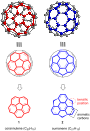
Figure 1: Representation of corannulene (1) and sumanene (2), the subunits of fullerene (C60).

Scheme 1: Mehta’s unsuccessful effort for the synthesis of sumanene scaffold 2.

Scheme 2: First synthesis of sumanene 2 by Sakurai et al. from norbornadiene 10.

Scheme 3: Synthesis of trimethylsumanene 28 from easily accessible norbornadiene (10).

Scheme 4: Generation of anions 29–31 and the preparation of tris(trimethylsilyl)sumanene 32.

Scheme 5: Synthesis of tri- and hexa-substituted sumanene derivatives.

Scheme 6: Synthesis of bowl-shaped π-extended sumanene derivatives 37a–f.

Scheme 7: Synthesis of monooxasumanene 38, trioxosumanene 40 along with imination of them.

Scheme 8: Synthesis of trimethylsumanenetrione 46 and exo-functionalized products 45a,b.

Scheme 9: Synthesis of bisumanenylidene 47 and sumanene dimer 48 from 2.

Scheme 10: The mono-substitution of 2 to generate diverse mono-sumanene derivatives 49a–d.

Scheme 11: Synthesis of sumanene building block 53 useful for further extension.

Scheme 12: Synthesis of hexafluorosumanene derivative 55 by Sakurai and co-workers.

Scheme 13: Preparation of sumanene-based carbene 60 and its reaction with cyclohexane.

Scheme 14: Barton–Kellogg reaction for the synthesis of sterically hindered alkenes.

Scheme 15: Synthesis of hydroxysumanene 68 by employing Baeyer–Villiger oxidation.

Scheme 16: Synthesis of sumanene derivatives having functionality at an internal carbon.

Scheme 17: Mechanism for nucleophilic substitution reaction at the internal carbon.

Scheme 18: Synthesis of diverse monosubstituted sumanene derivatives.
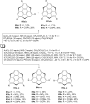
Scheme 19: Synthesis of di- and trisubstituted sumanene derivatives from sumanene (2).

Scheme 20: Preparation of monochlorosumanene 88 and hydrogenation of sumanene (2).

Scheme 21: The dimer 90 and bissumanenyl 92 achieved from halosumannes.

Scheme 22: Pyrenylsumanene 93 involving the Suzuki-coupling as a key transformation.
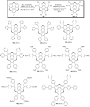
Scheme 23: Synthesis of various hexaarylsumanene derivatives using the Suzuki-coupling reaction.

Scheme 24: Synthesis of hexasubstituted sumanene derivatives 96 and 97.

Scheme 25: Synthesis of thioalkylsumanenes via an aromatic nucleophilic substitution reaction.

Scheme 26: Synthesis of tris(ethoxycarbonylethenyl)sumanene derivative 108.
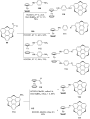
Scheme 27: Synthesis of ferrocenyl-based sumanene derivatives.

Scheme 28: Synthesis of sumanenylferrocene architectures 118 and 119 via Negishi coupling.

Scheme 29: Diosmylation and the synthesis of phenylboronate ester 121 of sumanene.

Scheme 30: Synthesis of the iron-complex of sumanene.

Scheme 31: Synthesis of tri- and mononuclear sumanenyl zirconocene complexes.

Scheme 32: Synthesis of [CpRu(η6-sumanene)]PF6.

Scheme 33: Preparation of sumanene-based porous coordination networks 127 (spherical tetramer units) and 128 (...

Scheme 34: Synthesis of sumanenylhafnocene complexes 129 and 130.

Scheme 35: Synthesis of 134 and 135 along with PdII coordination complex 136.

Scheme 36: Synthesis of alkali metals sumanene complex K7(C21H102−)2(C21H93−)·8THF (137) containing di- and tr...

Scheme 37: The encapsulation of a Cs+ ion between two sumanenyl anions.

Scheme 38: Synthesis of monothiasumanene 140 and dithiasumanene 141 from 139.

Scheme 39: Synthesis of trithiasumanene 151 by Otsubo and his co-workers.

Scheme 40: Synthesis of trithiasumanene derivatives 155 and 156.

Scheme 41: Synthetic route towards hexathiolated trithiasumanenes 158.

Scheme 42: Synthesis of triselenasumanene 160 by Shao and teammates.

Scheme 43: Synthesis of tritellurasumanene derivatives from triphenylene skeletons.
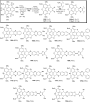
Scheme 44: Synthesis of pyrazine-fused sumanene architectures through condensation reaction.

Scheme 45: Treatment of the trichalcogenasumanenes with diverse oxidative reagents.

Scheme 46: Ring-opening reaction with H2O2 and oxone of heterasumanenes 178 and 179.

Scheme 47: Synthesis of polycyclic compounds from sumanene derivatives.

Scheme 48: Synthesis of diimide-based heterocycles reported by Shao’s and co-workers.

Scheme 49: Synthesis of pristine trichalcogenasumanenes, 151, 205, and 206.

Scheme 50: Synthesis of trichalcogenasumanenes via hexaiodotriphenylene precursor 208.

Scheme 51: Synthesis of trisilasumanenes 214 and 215.

Scheme 52: Synthesis of trisilasumanene derivatives 218 and 219.

Scheme 53: Synthesis of novel trigermasumanene derivative 223.

Scheme 54: An attempt towards the synthesis of tristannasumanene derivative 228.

Scheme 55: Synthesis of triphosphasumanene trisulfide 232 from commercially available 229.

Scheme 56: The doping of sumanene derivatives with chalcogens (S, Se, Te) and phosphorus.

Scheme 57: Synthesis of heterasumanene containing three different heteroatoms.

Scheme 58: Synthesis of trichalcogenasumanene derivatives 240 and 179.

Scheme 59: Preparation of trichalcogenasumanenes 245 and 248.

Scheme 60: Design and synthesis of trichalcogenasumanene derivatives 252 and 178.

Scheme 61: Synthesis of spirosumanenes 264–269 and non-spiroheterasumanenes 258–263.

Scheme 62: Synthesis of sumanene-type hetero polycyclic compounds.

Scheme 63: Synthesis of triazasumanenes 288 and its sulfone congener 287.

Scheme 64: Synthesis of C3-symmetric chiral triaryltriazasumanenes via cross-coupling reaction.

Scheme 65: Synthesis of mononaphthosumanene 293 using Suzuki coupling as a key step.

Scheme 66: Synthesis of di- and trinaphthosumanene derivatives 302–304.

Scheme 67: Synthesis of hemifullerene skeletons by Hirao’s group.

Scheme 68: Design and construction of C70 fragment from a C60 sumanene fragment.
Synthesis of 6,13-difluoropentacene
- Matthias W. Tripp and
- Ulrich Koert
Beilstein J. Org. Chem. 2020, 16, 2136–2140, doi:10.3762/bjoc.16.181
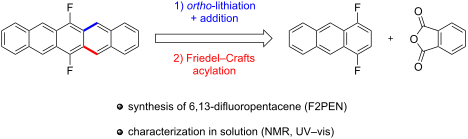
- subsequent reduction of the anthraquinone gave 1,4-difluoroanthracene. After ortho-lithiation and reaction with phthalic anhydride a carboxylic acid was obtained whose Friedel–Crafts acylation and subsequent reductive removal of the oxygen-functionalities resulted in the formation of the target compound. The
- HOMO–LUMO gap of 6,13-difluoropentacene was determined via UV–vis spectroscopy and compared to other fluorinated pentacenes. Keywords: fluorinated acenes; Friedel–Crafts reaction; ortho-lithiation; synthesis; Introduction Pentacenes are a prototype in the field of organic semiconductors due to their
- acid precursor could be prepared by reaction of the anthracenyllithium 7 with phthalic anhydride (8). Intermediate 7 could be accessed by ortho-lithiation of anthracene 9. The synthesis of 9 by two consecutive Friedel–Crafts acylation reactions and reduction of the resulting anthraquinone could start

Graphical Abstract
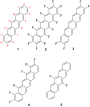
Figure 1: Structures of pentacene and fluorinated pentacenes.

Scheme 1: Retrosynthetic analysis of F2PEN 5.

Scheme 2: Synthesis of F2PEN 5.

Scheme 3: Decomposition of diol 13 in solution.

Figure 2: UV–vis spectrum of F2PEN 5 in CH2Cl2.
Clickable azide-functionalized bromoarylaldehydes – synthesis and photophysical characterization
- Dominik Göbel,
- Marius Friedrich,
- Enno Lork and
- Boris J. Nachtsheim
Beilstein J. Org. Chem. 2020, 16, 1683–1692, doi:10.3762/bjoc.16.139
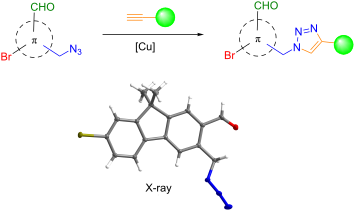
- -methylbenzaldehyde). Bromofluorenecarbaldehyde 5 The synthetic route to azide-functionalized 7-bromofluorene-2-carbaldehyde 5 started from unfunctionalized fluorene. Double bromination to 14, followed by double methylation of the methylene bridge to 15 and a lithiation/formylation sequence afforded 7-bromofluorene-2

Graphical Abstract

Scheme 1: a) Schematic depiction of the Jablonski diagram. b) Schematic representation of El-Sayed’s rule.

Figure 1: Top: literature examples of organic compounds showing RTP in the crystalline state (a) and in solut...

Scheme 2: Reaction conditions for para-bromobenzaldehyde 3: a) 1) 2-amino-2-methylpropan-1-ol, 4 Å MS, CH2Cl2...

Scheme 3: Reaction conditions: a) Br2, Fe powder, CHCl3, 0 °C, 4 h, 99%; b) KOH, KI, MeI, DMSO, 25 °C, 18 h, ...

Scheme 4: Reaction conditions: a) 1) NaH, THF, 0 °C, 30 min; 2) MeI, THF, 0 °C to 25 °C, 2 h, 99%; b) 1) MeOT...

Scheme 5: a) CuAAC reactions of azide-functionalized bromocarbaldehydes 3, 4 and 5 with terminal alkynes to t...

Figure 2: a) Normalized UV–vis absorption spectra of 3 (blue line), 34 (olive line), 4 (green line) and 38 (r...

Figure 3: a) Normalized UV–vis absorption spectra of 5 (blue line), 16 (green line), 42 (olive line) and 45 (...
Rearrangement of o-(pivaloylaminomethyl)benzaldehydes: an experimental and computational study
- Csilla Hargitai,
- Györgyi Koványi-Lax,
- Tamás Nagy,
- Péter Ábrányi-Balogh,
- András Dancsó,
- Gábor Tóth,
- Judit Halász,
- Angéla Pandur,
- Gyula Simig and
- Balázs Volk
Beilstein J. Org. Chem. 2020, 16, 1636–1648, doi:10.3762/bjoc.16.136
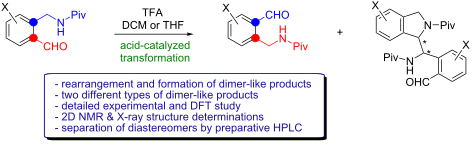
- of the two functional groups cannot be observed in this case, we could focus on the formation of the dimer-like products. Treatment of unsubstituted derivative 1e (prepared from bromo derivative 21 [26] by formylation via lithiation) in DCM in the presence of a catalytic amount (0.1 equiv) of TFA for

Graphical Abstract

Scheme 1: Rearrangement of methylenedioxy-substituted aminoaldehyde 1a to regioisomer 2a and formation of the...

Scheme 2: Synthesis of 1-arylisoindoles 6 and formation of dimers 5.

Scheme 3: Rearrangement of aminoaldehydes 1 to regioisomers 2 and formation of dimer-like products 3 and 8.

Figure 1: X-ray structures of compounds 3b (left) and 8b (right).

Scheme 4: Proposed mechanism of the isomerization of aldehydes 1 via isoindoles 4.

Scheme 5: Proposed mechanism of the formation of dimer-like products 3a,b.

Scheme 6: Proposed mechanism for the formation of dimer-like products 8a,b.

Scheme 7: Dimerization of indole under acidic conditions.

Figure 2: Gibbs free energy diagram for the 1→2 rearrangement.

Scheme 8: Reaction of o-(pivaloylaminomethyl)benzaldehyde (1e) to give dimer-like products 23a and 23b.

Figure 3: X-ray structures of compounds 23a (left) and 23b (right).

Figure 4: Structures of the minimal energy conformer of stereoisomer 23a and those of two minimal energy conf...
Facile synthesis of 7-alkyl-1,2,3,4-tetrahydro-1,8-naphthyridines as arginine mimetics using a Horner–Wadsworth–Emmons-based approach
- Rhys A. Lippa,
- John A. Murphy and
- Tim N. Barrett
Beilstein J. Org. Chem. 2020, 16, 1617–1626, doi:10.3762/bjoc.16.134
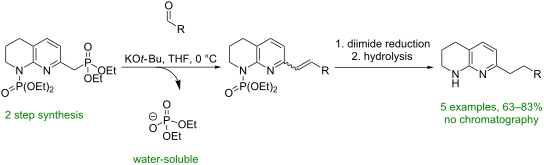
- . Optimisation of the use of this base was then investigated further (Table 2). An optimal deprotonation and phosphorylation was found to occur when an excess (3 equiv) of base was used at −42 °C (Table 2, entry 4), with a lithiation time of 20 min. The addition of TMEDA was detrimental to this conversion with a
- with CD3OD by 1H and 13C NMR spectroscopy indicated the formation of the monolabelled compound 17 as the major product, demonstrating that lithiation only occurs at a single position of compound 13 (Scheme 6). When performed on a multigram scale, phosphonate 7 was isolated in 68% yield after
- phosphoramidate protecting group, which was superior to the more commonly applied Boc protecting group which was unstable to the lithiation. This synthetic route replaces traditional Wittig and tandem alkylation/reduction methodologies, which suffer from complications arising from troublesome byproducts and

Graphical Abstract
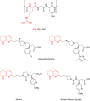
Figure 1: The Arg–Gly–Asp tripeptide sequence and examples of tetrahydro-1,8-naphthyridine-containing integri...

Scheme 1: Commonly used synthetic routes to tetrahydro-1,8-naphthyridine moieties by hydrogenation of saturat...

Scheme 2: Previous synthetic route to fluoropyrrolidine 6 utilising a Wittig reaction and the novel, higher y...

Scheme 3: Synthesis of phosphoramidate 9 from tetrahydro-1,8-naphthyridine 8. Conditions: s-BuLi (3 equiv), d...

Scheme 4: Mono- and diphosphorylation of tetrahydro-1,8-naphthyridine 11. Conditions: (i) s-BuLi (2 equiv), d...

Scheme 5: Synthesis of amine 6 from phosphonate 7 and aldehyde 5. Conditions: (i) T3P® (50% w/w in DCM, 3 equ...

Scheme 6: Monodeuteration of 13 as observed by 1H and 13C NMR. Conditions: s-BuLi (3 equiv), THF, −42 °C, 20 ...

Scheme 7: Sequential diphosphorylation of tetrahydronaphthyridine 11. Conditions: (i) iPrMgCl (1.5 equiv), TH...

Scheme 8: Possible mechanistic pathways for the formation of dimer 28. Conditions: KOt-Bu, THF, 1 h, 68% yiel...

Scheme 9: Alkylation of phosphoramidate 13 by iodide 29 to afford compound 30 and byproducts alcohol 31 and d...
Architecture and synthesis of P,N-heterocyclic phosphine ligands
- Wisdom A. Munzeiwa,
- Bernard Omondi and
- Vincent O. Nyamori
Beilstein J. Org. Chem. 2020, 16, 362–383, doi:10.3762/bjoc.16.35
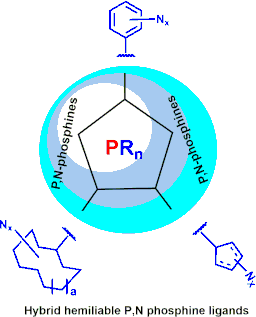
- 57. Coupling of 57 with Ph2PCl·BH3 resulted in the boron-protected ligand 58, which was deprotected with Et3N. Alternatively, 1,1’-bis(diphenylphosphino)ferrocene (dppf) with palladium(II) acetate was used to catalyze the reduction of 55 generating the pyridine scaffold 57. Subsequent lithiation and
- magnesium-containing triazoles 66 which, upon quenching with ammonium chloride, afforded the triazoles 67. Lithiation followed by coupling with the appropriate chlorophosphines resulted in the desired 1,5-disubstitued triazolylphosphine ligands 68. The procedure could be performed in one pot by directly
- is dependent on the inductive and/or steric effects of the substituents present on the backbone [75][76]. The α-phosphorus methylene lithiation presents more prospects for the development of modified 1,3,5-triaaza-7-phosphaadamantane (PTA) ligands [77][78]. A chiral center is also introduced adjacent

Graphical Abstract

Scheme 1: Synthesis of pyridylphosphine ligands.

Figure 1: Pyridylphosphine ligands.

Scheme 2: Synthesis of piperidyl- and oxazinylphosphine ligands.

Scheme 3: Synthesis of linear multi-chelate pyridylphosphine ligands.

Scheme 4: Synthesis of chiral acetal pyridylphosphine ligands.

Scheme 5: Synthesis of diphenylphosphine-substituted triazine ligands.
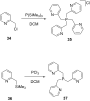
Scheme 6: Synthesis of (pyridine-2-ylmethyl)phosphine ligands.

Scheme 7: Synthesis of diphosphine pyrrole ligands.

Scheme 8: Synthesis of 4,5-diazafluorenylphosphine ligands.

Scheme 9: Synthesis of thioether-containing pyridyldiphosphine ligands starting from ethylene sulfide and dip...

Scheme 10: Synthesis of monoterpene-derived phosphine pyridine ligands.

Scheme 11: Synthesis of N-phenylphosphine-substituted imidazole ligands.

Scheme 12: Synthesis of triazol-4-ylphosphine ligands.

Scheme 13: Synthesis of phosphanyltriazolopyridines and product selectivity depending on the substituents’ eff...

Scheme 14: Synthesis of PTA-phosphine ligands.

Scheme 15: Synthesis of isomeric phosphine dipyrazole ligands by varying the reaction temperature.

Scheme 16: Synthesis of N-tethered phosphine imidazolium ligands (route A) and diphosphine imidazolium ligands...

Scheme 17: Synthesis of {1-[2-(pyridin-2-yl)- (R = CH) and {1-[2-(pyrazin-2-yl)quinazolin-4-yl]naphthalen-2-yl...

Scheme 18: Synthesis of oxazolylindolylphosphine ligands 102.

Scheme 19: Synthesis of pyrrolylphosphine ligands.

Scheme 20: Synthesis of phosphine guanidinium ligands.

Scheme 21: Synthesis of a polydentate aminophosphine ligand.

Scheme 22: Synthesis of quinolylphosphine ligands.

Scheme 23: Synthesis of N-(triazolylmethyl)phosphanamine ligands.

Figure 2: Triazolylphosphanamine ligands synthesized by Wassenaar’s method [22].

Scheme 24: Synthesis of oxazaphosphorines.

Scheme 25: Synthesis of paracyclophane pyridylphosphine ligands.

Scheme 26: Synthesis of triazolylphosphine ligands.

Figure 3: Click-phosphine ligands.

Scheme 27: Ferrocenyl pyridylphosphine imine ligands.

Scheme 28: Synthesis of phosphinooxazolines (PHOX).

Scheme 29: Synthesis of ferrocenylphosphine oxazoles.
A green, economical synthesis of β-ketonitriles and trifunctionalized building blocks from esters and lactones
- Daniel P. Pienaar,
- Kamogelo R. Butsi,
- Amanda L. Rousseau and
- Dean Brady
Beilstein J. Org. Chem. 2019, 15, 2930–2935, doi:10.3762/bjoc.15.287
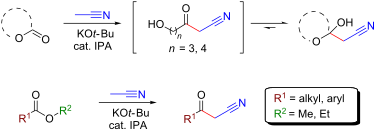
- cyclohexyl 15 (68%) analogues. We were pleased to obtain the highly versatile and synthetically useful cinnamoylacetonitrile 17 [20] from renewable ethyl cinnamate in 64% yield, as this yield was comparable to more expensive and hazardous lithiation protocols [7]. Finally, we attempted method optimization

Graphical Abstract

Scheme 1: Proposed retrosynthesis of the free diol 1.

Scheme 2: Preparation of O-unprotected, trifunctionalized synthons from lactones.
A new approach to silicon rhodamines by Suzuki–Miyaura coupling – scope and limitations
- Thines Kanagasundaram,
- Antje Timmermann,
- Carsten S. Kramer and
- Klaus Kopka
Beilstein J. Org. Chem. 2019, 15, 2569–2576, doi:10.3762/bjoc.15.250
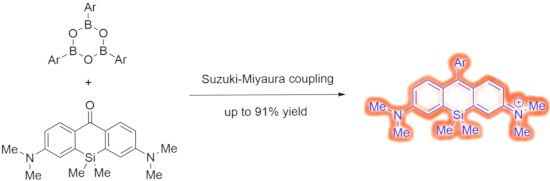
- 30b to rhodamine 30c clearly outperforms the addition of lithiated 2-bromothiophene to xanthone 12 since 2-bromothiophene might also undergo lithiation in 5-position in competition to the halogen metal exchange (in general multiple halogenated aryls are problematic nucleophiles for these addition

Graphical Abstract

Scheme 1: Different synthetic approaches to silicon rhodamine dyes.

Scheme 2: Previous work from Calitree [29] and Urano [22,28] on the Suzuki–Miyaura coupling of triflates, derived from x...

Scheme 3: Optimization of cross-coupling conditions of triflate 21, derived from Si-xanthone 12, with boron s...

Scheme 4: Coupling reactions of silicon xanthone 12 with different boron species (23b–30b, 31).
Synthesis of a dihalogenated pyridinyl silicon rhodamine for mitochondrial imaging by a halogen dance rearrangement
- Jessica Matthias,
- Thines Kanagasundaram,
- Klaus Kopka and
- Carsten S. Kramer
Beilstein J. Org. Chem. 2019, 15, 2333–2343, doi:10.3762/bjoc.15.226
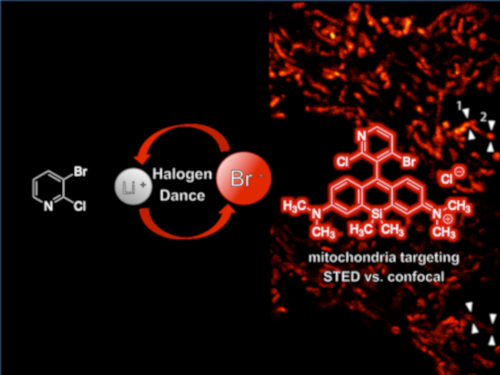
- initiate the HD reaction, 3-bromo-2-chloropyridine (19) had first to be lithiated. After 30 min at −78 °C, the silicon xanthone 17 was added at the same temperature and the reaction mixture was subsequently warmed up to room temperature and stirred for varying time periods. By using t-BuLi as a lithiation
- of the base is used for the lithiation, while a second equivalent base eliminates hydrogen bromide from the resulting t-BuBr. Therefore, entries 2 and 3 (Table 2) represent the use of approx. 0.5 equiv base for 1 equiv of 19. After lithiation of 19, the metallated intermediate (2-chloropyridin-3-yl

Graphical Abstract

Scheme 1: Comparison of optical properties of different silicon rhodamines.

Scheme 2: Retrosynthetic analysis of the proposed small molecule bimodal probe [18F]16 for both optical and P...

Scheme 3: Optimization of the HD rearrangement of 19 and subsequent reaction with xanthone 17 to the silicon ...
Figure 1: (a) Absorption and fluorescence emission spectra of dye 15 measured in PBS buffer pH 7.4. (b, c) Co...
Figure 2: STED and confocal images of the mitochondrial network in living HeLa cells stained with 1 µM SiR dy...

Figure 3: Exemplary holographic image sequence of two cell divisions of U2OS cells treated with 1 µM of dye 15...



