


Search results
Search for "carbonyl compounds" in Full Text gives 275 result(s) in Beilstein Journal of Organic Chemistry. Showing first 200.
Advances in radical peroxidation with hydroperoxides
- Oleg V. Bityukov,
- Pavel Yu. Serdyuchenko,
- Andrey S. Kirillov,
- Gennady I. Nikishin,
- Vera A. Vil’ and
- Alexander O. Terent’ev
Beilstein J. Org. Chem. 2024, 20, 2959–3006, doi:10.3762/bjoc.20.249
- leads to the formation of the target product 139. Later, iron-catalyzed three-component reactions of α,β-unsaturated carbonyl compounds 140, aldehydes 141, and TBHP leading to α-ester-β-keto peroxides 142 have been developed (Scheme 45b) [106][107][108]. Radical coupling of arylaldehydes 144 with α,β

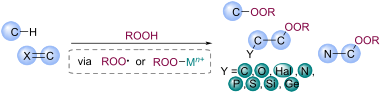
Graphical Abstract

Scheme 1: Organic peroxide initiators in polymer chemistry.

Scheme 2: Synthesis of organic peroxides.

Scheme 3: Richness of radical cascades with species formed from hydroperoxides in redox conditions.
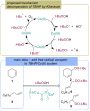
Scheme 4: Co-catalyzed allylic peroxidation of alkenes 1 and 3 by TBHP.

Scheme 5: Allylic peroxidation of alkenes 6 by Pd(II)TBHP.
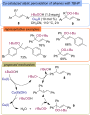
Scheme 6: Cu(I)-catalyzed allylic peroxidation.

Scheme 7: Enantioselective peroxidation of alkenes 10 with TBHP in the presence of copper(I) compounds.

Scheme 8: Oxidation of α-pinene (12) by the Cu(I)/TBHP system.

Scheme 9: Introduction of the tert-butylperoxy fragment into the α-position of cyclic ketones 15 and 17.
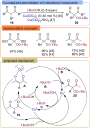
Scheme 10: α-Peroxidation of β-dicarbonyl compounds 19 using the Cu(II)/TBHP system.
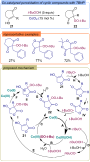
Scheme 11: Co-catalyzed peroxidation of cyclic compounds 21 with TBHP.

Scheme 12: Co-, Mn- and Fe-catalyzed peroxidation of 2-oxoindoles 23, barbituric acids 25, and 4-hydroxycoumar...

Scheme 13: Cu-catalyzed and metal-free peroxidation of barbituric acid derivatives 31 and 3,4-dihydro-1,4-benz...

Scheme 14: Electrochemical peroxidation of 1,3-dicarbonyl compounds 35.

Scheme 15: Peroxidation of β-dicarbonyl compounds, cyanoacetic esters and malonic esters 37 by the TBAI/TBHP s...
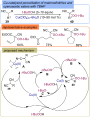
Scheme 16: Cu-catalyzed peroxidation of malonodinitriles and cyanoacetic esters 39 with TBHP.

Scheme 17: Mn-catalyzed remote peroxidation via trifluromethylation of double bond.

Scheme 18: Cu-catalyzed remote peroxidation via trifluromethylthiolation of double bond.

Scheme 19: Fe-, Mn-, and Ru-catalyzed peroxidation of alkylaromatics 45, 47, 49, and 51 with TBHP.

Scheme 20: Cu-catalyzed peroxidation of diphenylacetonitrile (53) with TBHP.
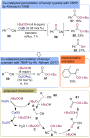
Scheme 21: Cu-catalyzed peroxidation of benzyl cyanides 60 with TBHP.
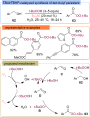
Scheme 22: Synthesis of tert-butylperoxy esters 63 from benzyl alcohols 62 using the TBAI/TBHP system.

Scheme 23: Enantioselective peroxidation of 2-phenylbutane (64) with TBHP and chiral Cu(I) complex.
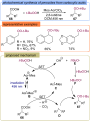
Scheme 24: Photochemical synthesis of peroxides 67 from carboxylic acids 66.
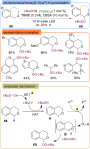
Scheme 25: Photochemical peroxidation of benzylic C(sp3)–H.

Scheme 26: Cu- and Ru-catalyzed peroxidation of alkylamines with TBHP.

Scheme 27: Peroxidation of amides 76 with the TBAI/TBHP system.
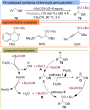
Scheme 28: Fe-catalyzed functionalization of ethers 78 with TBHP.

Scheme 29: Synthesis of 4-(tert-butylperoxy)-5-phenyloxazol-2(3H)-ones 82 from benzyl alcohols 80 and isocyana...

Scheme 30: Fe- and Co-catalyzed peroxidation of alkanes with TBHP.
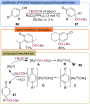
Scheme 31: Rh-catalyzed tert-butylperoxy dienone synthesis with TBHP.

Scheme 32: Rh- and Cu-catalyzed phenolic oxidation with TBHP.

Scheme 33: Metal-free peroxidation of phenols 94.

Scheme 34: Cu-catalyzed alkylation–peroxidation of acrylonitrile.

Scheme 35: Cu-catalyzed cycloalkylation–peroxidation of coumarins 99.

Scheme 36: Metal-free cycloalkylation–peroxidation of coumarins 102.

Scheme 37: Difunctionalization of indene 104 with tert-butylperoxy and alkyl groups.

Scheme 38: Acid-catalyzed radical addition of ketones (108, 111) and TBHP to alkenes 107 and acrylates 110.

Scheme 39: Cu-catalyzed alkylation–peroxidation of alkenes 113 with TBHP and diazo compounds 114.

Scheme 40: Cobalt(II)-catalyzed addition of TBHP and 1,3-dicarbonyl compound 116 to alkenes 117.

Scheme 41: Cu(0)- or Co(II)-catalyzed addition of TBHP and alcohols 120 to alkenes 119.

Scheme 42: Fe-catalyzed functionalization of allenes 122 with TBHP.

Scheme 43: Fe-catalyzed alkylation–peroxidation of alkenes 125 and 127.

Scheme 44: Fe- and Co-catalyzed alkylation–peroxidation of alkenes 130, 133 and 134 with TBHP and aldehydes as...
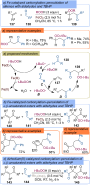
Scheme 45: Carbonylation–peroxidation of alkenes 137, 140, 143 with hydroperoxides and aldehydes.

Scheme 46: Carbamoylation–peroxidation of alkenes 146 with formamides and TBHP.

Scheme 47: TBAB-catalyzed carbonylation–peroxidation of alkenes.

Scheme 48: VOCl2-catalyzed carbonylation–peroxidation of alkenes 152.
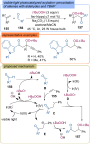
Scheme 49: Acylation–peroxidation of alkenes 155 with aldehydes 156 and TBHP using photocatalysis.
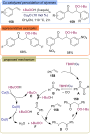
Scheme 50: Cu-catalyzed peroxidation of styrenes 158.

Scheme 51: Fe-catalyzed acylation-peroxidation of alkenes 161 with carbazates 160 and TBHP.

Scheme 52: Difunctionalization of alkenes 163, 166 with TBHP and (per)fluoroalkyl halides.

Scheme 53: Difunctionalization of alkenes 169 and 172 with hydroperoxides and sodium (per)fluoromethyl sulfina...
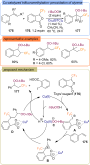
Scheme 54: Trifluoromethylation–peroxidation of styrenes 175 using MOF Cu3(BTC)2 as a catalyst.
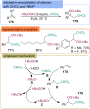
Scheme 55: Difunctionalization of alkenes 178 with tert-butylperoxy and dihalomethyl fragments.

Scheme 56: Difunctionalization of alkenes 180 with the tert-butylperoxy and dihalomethyl moieties.
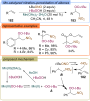
Scheme 57: The nitration–peroxidation of alkenes 182 with t-BuONO and TBHP.
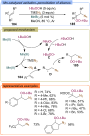
Scheme 58: Azidation–peroxidation of alkenes 184 with TMSN3 and TBHP.

Scheme 59: Co-catalyzed bisperoxidation of butadiene 186.

Scheme 60: Bisperoxidation of styrene (189) and acrylonitrile (192) with TBHP by Minisci.

Scheme 61: Mn-catalyzed synthesis of bis(tert-butyl)peroxides 195 from styrenes 194.

Scheme 62: Bisperoxidation of arylidene-9H-fluorenes 196 and 3-arylidene-2-oxoindoles 198 with TBHP under Mn-c...

Scheme 63: Synthesis of bisperoxides from styrenes 200 and 203 using the Ru and Rh catalysis.
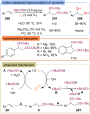
Scheme 64: Iodine-catalyzed bisperoxidation of styrenes 206.
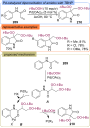
Scheme 65: Synthesis of di-tert-butylperoxyoxoindoles 210 from acrylic acid anilides 209 using a Pd(II)/TBHP o...

Scheme 66: Pinolation/peroxidation of styrenes 211 catalyzed by Cu(I).
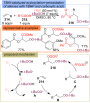
Scheme 67: TBAI-catalyzed acyloxylation–peroxidation of alkenes 214 with carboxylic acids and TBHP.

Scheme 68: Difunctionalization of alkenes 217 with TBHP and water or alcohols.

Scheme 69: TBAI-catalyzed hydroxyperoxidation of 1,3-dienes 220.

Scheme 70: Hydroxyperoxidation of 1,3-dienes 220.

Scheme 71: Iodination/peroxidation of alkenes 223 with I2 and hydroperoxides.

Scheme 72: The reactions of cyclic enol ethers 226 and 228 with I2/ROOH system.

Scheme 73: Synthesis of 1-(tert-butylperoxy)-2-iodoethanes 231.

Scheme 74: Synthesis of 1-iodo-2-(tert-butylperoxy)ethanes 233.
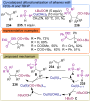
Scheme 75: Cu-catalyzed phosphorylation–peroxidation of alkenes 234.
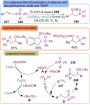
Scheme 76: Co-catalyzed phosphorylation–peroxidation of alkenes 237.
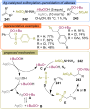
Scheme 77: Ag-catalyzed sulfonylation–peroxidation of alkenes 241.

Scheme 78: Co-catalyzed sulfonylation–peroxidation of alkenes 244.

Scheme 79: Synthesis of α/β-peroxysulfides 248 and 249 from styrenes 247.

Scheme 80: Cu-catalyzed trifluoromethylthiolation–peroxidation of alkenes 250 and allenes 252.

Scheme 81: Photocatalytic sulfonyl peroxidation of alkenes 254 via deamination of N-sulfonyl ketimines 255.

Scheme 82: Photoredox-catalyzed 1,4-peroxidation–sulfonylation of enynones 257.

Scheme 83: Cu-catalyzed silylperoxidation of α,β-unsaturated compounds 260 and enynes 261.

Scheme 84: Fe-catalyzed silyl peroxidation of alkenes.

Scheme 85: Cu-catalyzed germyl peroxidation of alkenes 267.
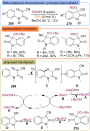
Scheme 86: TBAI-catalyzed intramolecular cyclization of diazo compounds 269 with further peroxidation.

Scheme 87: Co-catalyzed three-component coupling of benzamides 271, diazo compounds 272 and TBHP.

Scheme 88: Co-catalyzed esterification-peroxidation of diazo compounds 274 with TBHP and carboxylic acids 275.

Scheme 89: Cu-catalyzed alkylation–peroxidation of α-carbonylimines 277 or ketones 280.

Scheme 90: Mn-catalyzed ring-opening peroxidation of cyclobutanols 282 with TBHP.

Scheme 91: Peroxycyclization of tryptamines 284 with TBHP.

Scheme 92: Radical cyclization–peroxidation of homotryptamines 287.
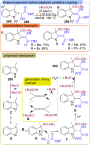
Scheme 93: Iodine-catalyzed oxidative coupling of indoles 288, cyanoacetic esters and TBHP.

Scheme 94: Summary of metal-catalyzed peroxidation processes.
Synthesis of fluoroalkenes and fluoroenynes via cross-coupling reactions using novel multihalogenated vinyl ethers
- Yukiko Karuo,
- Keita Hirata,
- Atsushi Tarui,
- Kazuyuki Sato,
- Kentaro Kawai and
- Masaaki Omote
Beilstein J. Org. Chem. 2024, 20, 2691–2703, doi:10.3762/bjoc.20.226

- blocks. When using them as nucleophilic reagents [15][16][17][18][19][20], the reaction between anion species, such as fluorine-containing Horner–Wadsworth–Emmons reagents, and carbonyl compounds led to E-selective olefination (Scheme 1A) [15]. On the other hand, some reactions with electrophilic

Graphical Abstract

Scheme 1: Synthesis of monofluoroalkenes using fluorine-containing building blocks.
A review of recent advances in electrochemical and photoelectrochemical late-stage functionalization classified by anodic oxidation, cathodic reduction, and paired electrolysis
- Nian Li,
- Ruzal Sitdikov,
- Ajit Prabhakar Kale,
- Joost Steverlynck,
- Bo Li and
- Magnus Rueping
Beilstein J. Org. Chem. 2024, 20, 2500–2566, doi:10.3762/bjoc.20.214

Graphical Abstract

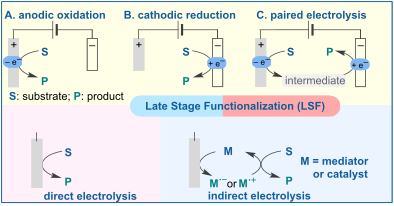
Figure 1: Classification of LSF reactions in this review.

Scheme 1: C(sp2)–H trifluoromethylation of heteroarenes.
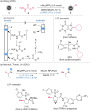
Scheme 2: C(sp2)–H and C(sp3)–H alkylation of complex molecules.

Scheme 3: Electrochemical oxidation-induced intermolecular aromatic C–H sulfonamidation.

Scheme 4: Bioconjugation of tyrosine with (a) phenothiazine and (b) urazole derivatives.

Scheme 5: Electrochemical iodoamination of indoles using unactivated amines.

Scheme 6: Allylic C(sp3)–H aminations with sulfonamides.

Scheme 7: Electrochemical benzylic oxidation of C–H bonds.
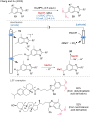
Scheme 8: Site-selective electrooxidation of methylarenes to aromatic acetals.

Scheme 9: Electrochemical activation of C–H by electron-deficient W2C nanocrystals.

Scheme 10: α-Acyloxy sulfide preparation via C–H/OH cross-dehydrogenative coupling.

Scheme 11: Aromatic C–H-bond thiolation.

Scheme 12: C(sp2)–H functionalization for the installation of sulfonamide groups.

Scheme 13: Preparation of (hetero)aryl chlorides and vinyl chloride with 1,2-dichloroethane. aCu(OAc)2 (0.05 e...

Scheme 14: Electrochemical dual-oxidation enables access to α-chlorosulfoxides.

Scheme 15: Regio- and chemoselective formyloxylation–bromination/chlorination/trifluoromethylation of alkenes.

Scheme 16: Aziridine formation by coupling amines and alkenes.

Scheme 17: Formation of iminosulfide ethers via difunctionalization of an isocyanide.

Scheme 18: Synthesis of 1,3-difunctionalized molecules via C–C-bond cleavage of arylcyclopropane.

Scheme 19: Electrooxidative amino- and oxyselenation of alkenes. VBImBr = 1-butyl-3-vinylimidazolium bromide.

Scheme 20: Electrooxidative dehydrogenative [4 + 2] annulation of indole derivatives.

Scheme 21: Electrochemical cyclization combined with alkoxylation of triticonazole.

Scheme 22: Electrochemically tuned oxidative [4 + 2] annulation of olefins with hydroxamic acids.

Scheme 23: Electrosynthesis of indole derivatives via cyclization of 2-ethynylanilines.

Scheme 24: Allylic C–H oxidation of mono-, di-, and sesquiterpenes.

Scheme 25: Oxidation of unactivated C–H bonds.

Scheme 26: Fluorination of C(sp3)–H bonds. rAP = rapid alternating polarity.

Scheme 27: C(sp3)–H α-cyanation of secondary piperidines.
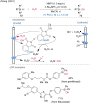
Scheme 28: Selective electrochemical hydrolysis of hydrosilanes to silanols.

Scheme 29: Organocatalytic electrochemical amination of benzylic C–H bonds.

Scheme 30: Iodide ion-initiated anodic oxidation reactions.

Scheme 31: Mn(III/IV) electro-catalyzed C(sp3)–H azidation.
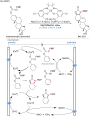
Scheme 32: Tailored cobalt–salen complexes enable electrocatalytic intramolecular allylic C–H functionalizatio...

Scheme 33: Cobalt–salen complexes-induced electrochemical (cyclo)additions.

Scheme 34: Electrochemical 1,2-diarylation of alkenes enabled by direct dual C–H functionalization of electron...

Scheme 35: Cobalt-electrocatalyzed atroposelective C–H annulation.

Scheme 36: Nickel-electrocatalyzed C(sp2)–H alkoxylation with secondary alcohols.

Scheme 37: Nickel-catalyzed electrochemical enantioselective amination.
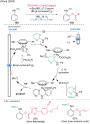
Scheme 38: Ruthenium-electrocatalyzed C(sp2)–H mono- and diacetoxylation.
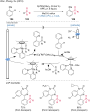
Scheme 39: Rhodium(III)-catalyzed aryl-C–H phosphorylation enabled by anodic oxidation-induced reductive elimi...

Scheme 40: Asymmetric Lewis-acid catalysis for the synthesis of non-racemic 1,4-dicarbonyl compounds.

Scheme 41: Electrochemical enantioselective C(sp3)–H alkenylation.

Scheme 42: Palladium-catalyzed electrochemical dehydrogenative cross-coupling.
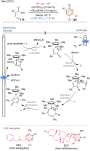
Scheme 43: Ir-electrocatalyzed vinylic C(sp2)–H activation for the annulation between acrylic acids and alkyne...

Scheme 44: Electrochemical gold-catalyzed C(sp3)–C(sp) coupling of alkynes and arylhydrazines.

Scheme 45: Photoelectrochemical alkylation of C–H heteroarenes using organotrifluoroborates.

Scheme 46: Mn-catalyzed photoelectro C(sp3)–H azidation.

Scheme 47: Photoelectrochemical undirected C–H trifluoromethylations of (Het)arenes.

Scheme 48: Photoelectrochemical dehydrogenative cross-coupling of heteroarenes with aliphatic C–H bonds.
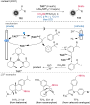
Scheme 49: C–H amination via photoelectrochemical Ritter-type reaction.

Scheme 50: Photoelectrochemical multiple oxygenation of C–H bonds.

Scheme 51: Accelerated C(sp3)–H heteroarylations by the f-EPC system.

Scheme 52: Photoelectrochemical cross-coupling of amines.

Scheme 53: Birch electroreduction of arenes. GSW = galvanized steel wire.

Scheme 54: Electroreductive deuterations.

Scheme 55: Chemoselective electrosynthesis using rapid alternating polarity.

Scheme 56: Electroreductive olefin–ketone coupling.

Scheme 57: Electroreductive approach to radical silylation.

Scheme 58: Electrochemical borylation of alkyl halides. CC = carbon close.

Scheme 59: Radical fluoroalkylation of alkenes.
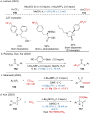
Scheme 60: Electrochemical defluorinative hydrogenation/carboxylation.

Scheme 61: Electrochemical decarboxylative olefination.

Scheme 62: Electrochemical decarboxylative Nozaki–Hiyama–Kishi coupling.
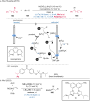
Scheme 63: Nickel-catalyzed electrochemical reductive relay cross-coupling.

Scheme 64: Electrochemical chemo- and regioselective difunctionalization of 1,3-enynes.

Scheme 65: Electrocatalytic doubly decarboxylative crosscoupling.

Scheme 66: Electrocatalytic decarboxylative crosscoupling with aryl halides.

Scheme 67: Nickel-catalyzed electrochemical reductive coupling of halides.

Scheme 68: Nickel-electrocatalyzed enantioselective carboxylation with CO2.

Scheme 69: Reductive electrophotocatalysis for borylation.
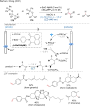
Scheme 70: Electromediated photoredox catalysis for selective C(sp3)–O cleavages of phosphinated alcohols to c...

Scheme 71: Stereoselective electro-2-deoxyglycosylation from glycals. MFE = methyl nonafluorobutyl ether.

Scheme 72: Electrochemical peptide modifications.

Scheme 73: Electrochemical α-deuteration of amides.

Scheme 74: Electrochemical synthesis of gem-diselenides.

Scheme 75: Site-selective electrochemical aromatic C–H amination.

Scheme 76: Electrochemical coupling of heteroarenes with heteroaryl phosphonium salts.
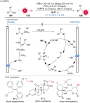
Scheme 77: Redox-neutral strategy for the dehydroxyarylation reaction.
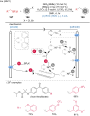
Scheme 78: Nickel-catalyzed electrochemical C(sp3)–C(sp2) cross-coupling of benzyl trifluoroborate and halides....
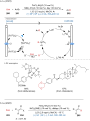
Scheme 79: Paired electrocatalysis for C(sp3)–C(sp2) coupling.

Scheme 80: Redox-neutral strategy for amination of aryl bromides.

Scheme 81: Redox-neutral cross-coupling of aryl halides with weak N-nucleophiles. aProtocol with (+) RVC | RVC...

Scheme 82: Nickel-catalyzed N-arylation of NH-sulfoximines with aryl halides.

Scheme 83: Esterification of carboxylic acids with aryl halides.

Scheme 84: Electrochemically promoted nickel-catalyzed carbon–sulfur-bond formation. GFE = graphite felt elect...

Scheme 85: Electrochemical deoxygenative thiolation by Ni-catalysis. GFE = graphite felt electrode; NFE = nick...
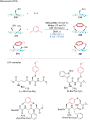
Scheme 86: Electrochemical coupling of peptides with aryl halides.

Scheme 87: Paired electrolysis for the phosphorylation of aryl halides. GFE = graphite felt electrode, FNE = f...

Scheme 88: Redox-neutral alkoxyhalogenation of alkenes.
Synthesis, electrochemical properties, and antioxidant activity of sterically hindered catechols with 1,3,4-oxadiazole, 1,2,4-triazole, thiazole or pyridine fragments
- Daria A. Burmistrova,
- Andrey Galustyan,
- Nadezhda P. Pomortseva,
- Kristina D. Pashaeva,
- Maxim V. Arsenyev,
- Oleg P. Demidov,
- Mikhail A. Kiskin,
- Andrey I. Poddel’sky,
- Nadezhda T. Berberova and
- Ivan V. Smolyaninov
Beilstein J. Org. Chem. 2024, 20, 2378–2391, doi:10.3762/bjoc.20.202
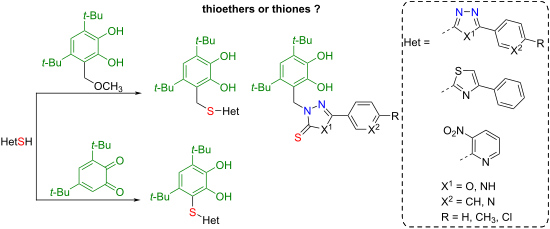
- heterocycle substitute at the sulfur atom [49][50][54]. Non-enzymatic process of the rat (Wistar) liver homogenate lipid peroxidation (LP) in the presence of additives of target compounds 1–9 was studied in vitro. The concentration of the carbonyl compounds forming in the reaction of the lipid peroxidation

Graphical Abstract

Scheme 1: Synthesis of catechol-containing compounds 1–9.

Figure 1: The X-ray structure of catechol 5 (the thermal ellipsoids of 50% probability). The hydrogen atoms e...
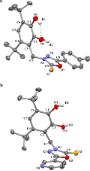
Figure 2: The X-ray structures of catechols 6 (a) and 8 (b) (the thermal ellipsoids of 50% probability). The ...

Figure 3: Fragment of the pack of catechol 5 in crystal (the H-bonds and π–π interactions are shown as dotted...

Figure 4: The interactions in pair of independent molecules A and B of 6 in crystal 6·0.5CH3CN (the H-bonds a...

Figure 5: Fragment of the pack of catechol 8 in crystal (the H-bonds and π–π interactions are shown as dotted...

Scheme 2: Electrochemical transformations of compounds 1–3.

Figure 6: The CV curve of 2 at the potential range from −0.50 to 1.60 V (CH3CN, GC electrode, Ag/AgCl/KCl(sat...

Figure 7: The CV curves of 3 at the potential ranges from –0.5 to 1.2 V (curve 1); from –0.5 to 2.0 V (curve ...

Figure 8: The CV curves of 7 at the potential ranges from –0.5 to 1.3 V (curve 1); from –0.5 to 1.8 V (curve ...

Scheme 3: Proposed mechanism of an electrooxidation of compounds 6–8.

Figure 9: The level of TBARS in rat liver homogenates in vitro, in the presence of compounds 1–9, Trolox, and...
Multicomponent syntheses of pyrazoles via (3 + 2)-cyclocondensation and (3 + 2)-cycloaddition key steps
- Ignaz Betcke,
- Alissa C. Götzinger,
- Maryna M. Kornet and
- Thomas J. J. Müller
Beilstein J. Org. Chem. 2024, 20, 2024–2077, doi:10.3762/bjoc.20.178

- blocks or their transformation with additional components besides hydrazines is a logical entry to MCR syntheses of pyrazoles. Therefore, 1,3-dielectrophiles encompass 1,3-dicarbonyl compounds and α,β-unsaturated carbonyl compounds, including alkenoyl and alkynoyl systems, across various oxidation states
- , 3,4,5-substituted pyrazoles 5 are formed (Scheme 2) [45]. The Lewis acid catalyst accelerates the reaction via participation in the formation of β-diketonate complexes. Other carbonyl compounds suitable for pyrazole synthesis are 2,4-diketoesters 13. These intermediates can be prepared from diethyl
- serves a dual role as a Lewis acid and an oxidizing agent. However, a significant limitation of the method is that it only tolerates aliphatic 1,3-dicarbonyl compounds, as the reaction with aromatic carbonyl compounds leads to very low yields. Improved yields for the latter can be achieved by isolating

Graphical Abstract

Scheme 1: Consecutive three-component synthesis of pyrazoles 1 via in situ-formed 1,3-diketones 2 [44].

Scheme 2: Consecutive three-component synthesis of 4-ethoxycarbonylpyrazoles 5 via SmCl3-catalyzed acylation ...

Scheme 3: Consecutive four-component synthesis of 1-(thiazol-2-yl)pyrazole-3-carboxylates 8 [51].

Scheme 4: Three-component synthesis of thiazolylpyrazoles 17 via in situ formation of acetoacetylcoumarins 18 ...

Scheme 5: Consecutive pseudo-four-component and four-component synthesis of pyrazoles 21 from sodium acetylac...

Scheme 6: Consecutive three-component synthesis of 1-substituted pyrazoles 24 from boronic acids, di(Boc)diim...

Scheme 7: Consecutive three-component synthesis of N-arylpyrazoles 25 via in situ formation of aryl-di(Boc)hy...

Scheme 8: Consecutive three-component synthesis of 1,3,4-substituted pyrazoles 27 and 28 from methylhydrazine...

Scheme 9: Consecutive three-component synthesis of 4-allylpyrazoles 32 via oxidative allylation of 1,3-dicarb...

Scheme 10: Pseudo-five-component synthesis of tris(pyrazolyl)methanes 35 [61].

Scheme 11: Pseudo-three-component synthesis of 5-(indol-3-yl)pyrazoles 39 from 1,3,5-triketones 38 [64].

Scheme 12: Three-component synthesis of thiazolylpyrazoles 43 [65].

Scheme 13: Three-component synthesis of triazolo[3,4-b]-1,3,4-thiadiazin-3-yl substituted 5-aminopyrazoles 47 [67]....

Scheme 14: Consecutive three-component synthesis of 5-aminopyrazoles 49 via formation of β-oxothioamides 50 [68].
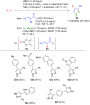
Scheme 15: Synthesis of 3,4-biarylpyrazoles 52 from aryl halides, α-bromocinnamaldehyde, and tosylhydrazine vi...

Scheme 16: Consecutive three-component synthesis of 3,4-substituted pyrazoles 57 from iodochromones 55 by Suzu...

Scheme 17: Pseudo-four-component synthesis of pyrazolyl-2-pyrazolines 59 by ring opening/ring closing cyclocon...

Scheme 18: Consecutive three-component synthesis of pyrazoles 61 [77].

Scheme 19: Three-component synthesis of pyrazoles 62 from malononitrile, aldehydes, and hydrazines [78-90].

Scheme 20: Four-component synthesis of pyrano[2,3-c]pyrazoles 63 [91].

Scheme 21: Three-component synthesis of persubstituted pyrazoles 65 from aldehydes, β-ketoesters, and hydrazin...

Scheme 22: Three-component synthesis of pyrazol-4-carbodithioates 67 [100].

Scheme 23: Regioselective three-component synthesis of persubstituted pyrazoles 68 catalyzed by ionic liquid [...

Scheme 24: Consecutive three-component synthesis of 4-halopyrazoles 69 and anellated pyrazoles 70 [102].

Scheme 25: Three-component synthesis of 2,2,2-trifluoroethyl pyrazole-5-carboxylates 72 [103].

Scheme 26: Synthesis of pyrazoles 75 in a one-pot process via carbonylative Heck coupling and subsequent cycli...

Scheme 27: Copper-catalyzed three-component synthesis of 1,3-substituted pyrazoles 76 [105].

Scheme 28: Pseudo-three-component synthesis of bis(pyrazolyl)methanes 78 by ring opening-ring closing cyclocon...

Scheme 29: Three-component synthesis of 1,4,5-substituted pyrazoles 80 [107].

Scheme 30: Consecutive three-component synthesis of 3,5-bis(fluoroalkyl)pyrazoles 83 [111].

Scheme 31: Consecutive three-component synthesis of difluoromethanesulfonyl-functionalized pyrazole 88 [114].

Scheme 32: Consecutive three-component synthesis of perfluoroalkyl-substituted fluoropyrazoles 91 [115].

Scheme 33: Regioselective consecutive three-component synthesis of 1,3,5-substituted pyrazoles 93 [116].

Scheme 34: Three-component synthesis of pyrazoles 96 mediated by trimethyl phosphite [117].

Scheme 35: One-pot synthesis of pyrazoles 99 via Liebeskind–Srogl cross-coupling/cyclocondensation [118].

Scheme 36: Synthesis of 1,3,5-substituted pyrazoles 101 via domino condensation/Suzuki–Miyaura cross-coupling ...

Scheme 37: Consecutive three-component synthesis of 1,3,5-trisubstituted pyrazoles 102 and 103 by Sonogashira ...

Scheme 38: Polymer analogous consecutive three-component synthesis of pyrazole-based polymers 107 [132].

Scheme 39: Synthesis of 1,3,5-substituted pyrazoles 108 by sequentially Pd-catalyzed Kumada–Sonogashira cycloc...

Scheme 40: Consecutive four-step one-pot synthesis of 1,3,4,5-substituted pyrazoles 110 [137].

Scheme 41: Four-component synthesis of pyrazoles 113, 115, and 117 via Sonogashira coupling and subsequent Suz...

Scheme 42: Consecutive four- or five-component synthesis for the preparation of 4-pyrazoly-1,2,3-triazoles 119...

Scheme 43: Four-component synthesis of pyrazoles 121 via alkynone formation by carbonylative Pd-catalyzed coup...

Scheme 44: Preparation of 3-azulenyl pyrazoles 124 by glyoxylation, decarbonylative Sonogashira coupling, and ...

Scheme 45: Four-component synthesis of a 3-indoloylpyrazole 128 [147].

Scheme 46: Two-step synthesis of 5-acylpyrazoles 132 via glyoxylation-Stephen–Castro sequence and subsequent c...

Scheme 47: Copper on iron mediated consecutive three-component synthesis of 3,5-substituted pyrazoles 136 [150].

Scheme 48: Consecutive three-component synthesis of 3-substituted pyrazoles 141 by Sonogashira coupling and su...

Scheme 49: Consecutive three-component synthesis of pyrazoles 143 initiated by Cu(I)-catalyzed carboxylation o...

Scheme 50: Consecutive three-component synthesis of benzamide-substituted pyrazoles 146 starting from N-phthal...

Scheme 51: Consecutive three-component synthesis of 1,3,5-substituted pyrazoles 148 [156].

Scheme 52: Three-component synthesis of 4-ninhydrin-substituted pyrazoles 151 [158].

Scheme 53: Consecutive four-component synthesis of 4-(oxoindol)-1-phenylpyrazole-3-carboxylates 155 [159].

Scheme 54: Three-component synthesis of pyrazoles 160 [160].

Scheme 55: Consecutive three-component synthesis of pyrazoles 165 [162].

Scheme 56: Consecutive three-component synthesis of 3,5-disubstituted and 3-substituted pyrazoles 168 and 169 ...

Scheme 57: Three-component synthesis of 3,4,5-substituted pyrazoles 171 via 1,3-dipolar cycloaddition of vinyl...

Scheme 58: Three-component synthesis of pyrazoles 173 and 174 from aldehydes, tosylhydrazine, and vinylidene c...

Scheme 59: Three-component synthesis of pyrazoles 175 from glyoxyl hydrates, tosylhydrazine, and electron-defi...

Scheme 60: Pseudo-four-component synthesis of pyrazoles 177 from glyoxyl hydrates, tosylhydrazine, and aldehyd...

Scheme 61: Consecutive three-component synthesis of pyrazoles 179 via Knoevenagel-cycloaddition sequence [179].

Scheme 62: Three-component synthesis of 5-dimethylphosphonate substituted pyrazoles 182 from aldehydes, the Be...

Scheme 63: Consecutive three-component synthesis of 5-(dimethyl phosphonate)-substituted pyrazoles 185 from al...

Scheme 64: Three-component synthesis of 5-(dimethyl phosphonate)-substituted pyrazoles 187 from aldehydes, the...

Scheme 65: Three-component synthesis of 5-diethylphosphonate/5-phenylsulfonyl substituted pyrazoles 189 from a...

Scheme 66: Pseudo-three-component synthesis of 3-(dimethyl phosphonate)-substituted pyrazoles 190 [185].

Scheme 67: Three-component synthesis of 3-trifluoromethylpyrazoles 193 [186].

Scheme 68: Consecutive three-component synthesis of 5-stannyl-substituted 4-fluoropyrazole 197 [191,192].

Scheme 69: Pseudo-three-component synthesis of 3,5-diacyl-4-arylpyrazoles 199 [195].

Scheme 70: Three-component synthesis of pyrazoles 204 via nitrilimines [196].

Scheme 71: Three-component synthesis of 1,3,5-substituted pyrazoles 206 via formation of nitrilimines and sali...

Scheme 72: Pseudo four-component synthesis of pyrazoles 209 from acetylene dicarboxylates 147, hydrazonyl chlo...

Scheme 73: Consecutive three-component synthesis of pyrazoles 213 via syndnones 214 [200].

Scheme 74: Consecutive three-component synthesis of pyrazoles 216 via in situ-formed diazomethinimines 217 [201].

Scheme 75: Consecutive three-component synthesis of 3-methylthiopyrazoles 219 from aldehydes, hydrazine, and 1...

Scheme 76: Three-component synthesis of 1,3,5-substituted pyrazoles 220 from aldehydes, hydrazines, and termin...

Scheme 77: Three-component synthesis of 1,3,4,5-substituted pyrazoles 222 from aldehydes, hydrazines, and DMAD ...

Scheme 78: Pseudo three-component synthesis of pyrazoles 224 from sulfonyl hydrazone and benzyl acrylate under...

Scheme 79: Titanium-catalyzed consecutive four-component synthesis of pyrazoles 225 via enamino imines 226 [211]. a...

Scheme 80: Titanium-catalyzed three-component synthesis of pyrazoles 227 via enhydrazino imine complex interme...

Scheme 81: Pseudo-three-component synthesis of pyrazoles 229 via Glaser coupling of terminal alkynes and photo...

Scheme 82: Copper(II)acetate-mediated three-component synthesis of pyrazoles 232 [216].

Scheme 83: Copper-catalyzed three-component synthesis of 1,3,4-substituted pyrazole 234 from oxime acetates, a...

Scheme 84: Three-component synthesis of 3-trifluoroethylpyrazoles 239 [218].

Scheme 85: Pseudo-three-component synthesis of 1,4-bisulfonyl-substituted pyrazoles 242 [219].

Scheme 86: Three-component synthesis of 4-hydroxypyrazole 246 [221].
Harnessing the versatility of hydrazones through electrosynthetic oxidative transformations
- Aurélie Claraz
Beilstein J. Org. Chem. 2024, 20, 1988–2004, doi:10.3762/bjoc.20.175
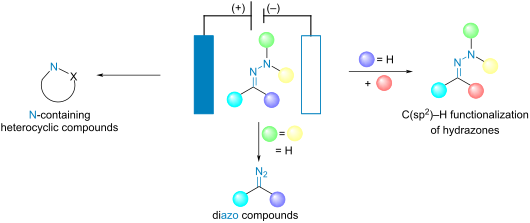
- electron donor to furnish the olefin product 148. In the cathodic chamber, reduction of the acidic proton of TFA counterbalance the overall transformation. A wide range of carbonyl compounds including aromatic and aliphatic aldehydes and ketones as well as various alkene partners were compatible. Of note

Graphical Abstract

Scheme 1: Synthesis of triazolopyridinium salts [34-36].

Scheme 2: Synthesis of pyrazoles [37].
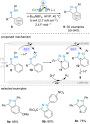
Scheme 3: Synthesis of indazoles from ketone-derived hydrazones [38].
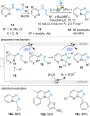
Scheme 4: Intramolecular C(sp2)–H functionalization of aldehyde-derived N-(2-pyridinyl)hydrazones for the syn...

Scheme 5: Synthesis of pyrazolo[4,3-c]quinoline derivatives [40].
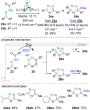
Scheme 6: Synthesis of 1,3,4-oxadiazoles and Δ3-1,3,4-oxadiazolines [41].
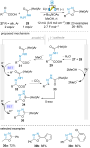
Scheme 7: Synthesis of 1,3,4-oxadiazoles [43].
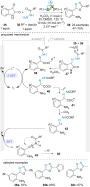
Scheme 8: Synthesis of 2-(1,3,4-oxadiazol-2-yl)anilines [44].
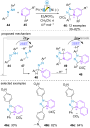
Scheme 9: Synthesis of fused s-triazolo perchlorates [45].
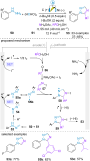
Scheme 10: Synthesis of 1-aryl and 1,5-disubstitued 1,2,4-triazoles [49].
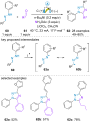
Scheme 11: Synthesis of 1,3,5-trisubstituted 1,2,4-triazoles [50].

Scheme 12: Alternative synthesis of 1,3,5-trisubstituted 1,2,4-triazoles [51].

Scheme 13: Synthesis of 5-amino 1,2,4-triazoles [55].
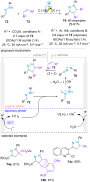
Scheme 14: Synthesis of 1-arylpyrazolines [58].
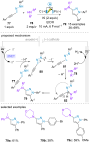
Scheme 15: Synthesis of 3‑aminopyrazoles [60].

Scheme 16: Synthesis of [1,2,4]triazolo[4,3-a]quinolines [61].·
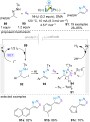
Scheme 17: Synthesis of 1,2,3-thiadiazoles [64].
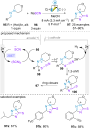
Scheme 18: Synthesis of 5-thioxo-1,2,4-triazolium inner salts [65].
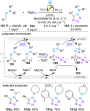
Scheme 19: Synthesis of 1-aminotetrazoles [66].
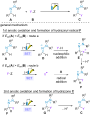
Scheme 20: C(sp2)–H functionalization of aldehyde-derived hydrazones: general mechanisms.

Scheme 21: C(sp2)–H functionalization of benzaldehyde diphenyl hydrazone [68,69].

Scheme 22: Phosphorylation of aldehyde-derived hydrazones [70].

Scheme 23: Azolation of aldehyde-derived hydrazones [72].

Scheme 24: Thiocyanation of benzaldehyde-derived hydrazone 122 [73].

Scheme 25: Sulfonylation of aromatic aldehyde-derived hydrazones [74].

Scheme 26: Trifluoromethylation of aromatic aldehyde-derived hydrazones [76].

Scheme 27: Electrooxidation of benzophenone hydrazones [77].

Scheme 28: Electrooxidative coupling of benzophenone hydrazones and alkenes [77].

Scheme 29: Electrosynthesis of α-diazoketones [78].
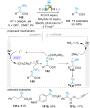
Scheme 30: Electrosynthesis of stable diazo compounds [80].
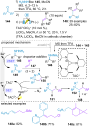
Scheme 31: Photoelectrochemical synthesis of alkenes through in situ generation of diazo compounds [81].

Scheme 32: Synthesis of nitriles [82].
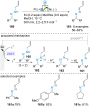
Scheme 33: Electrochemical oxidation of ketone-derived NH-allylhydrazone [83].
The Groebke–Blackburn–Bienaymé reaction in its maturity: innovation and improvements since its 21st birthday (2019–2023)
- Cristina Martini,
- Muhammad Idham Darussalam Mardjan and
- Andrea Basso
Beilstein J. Org. Chem. 2024, 20, 1839–1879, doi:10.3762/bjoc.20.162
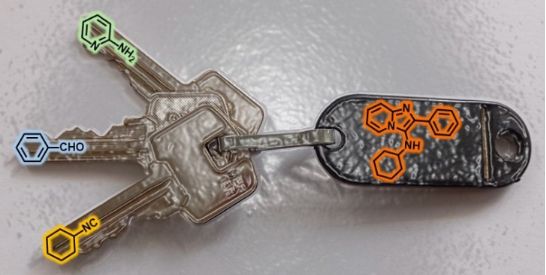
- series of novel building blocks, mainly carbonyl derivatives, have been used as starting materials. 2.1 Novel aldehydes Carbonyl compounds are among the most common starting materials for multicomponent reactions: aldehydes play a central role also in the GBB-3CR. Several experiments have demonstrated

Graphical Abstract

Scheme 1: Mechanism of the GBB reaction.

Scheme 2: Comparison of the performance of Sc(OTf)3 with some RE(OTf)3 in a model GBB reaction. Conditions: a...

Scheme 3: Comparison of the performance of various Brønsted acid catalysts in the synthesis of GBB adduct 6. ...

Scheme 4: Synthesis of Brønsted acidic ionic liquid catalyst 7. Conditions: a) neat, 60 °C, 24 h; b) TfOH, DC...

Scheme 5: Aryliodonium derivatives as organic catalysts in the GBB reaction. In the box the proposed binding ...

Scheme 6: DNA-encoded GBB reaction in micelles made of amphiphilic polymer 13. Conditions: a) 13 (50 equiv), ...

Scheme 7: GBB reaction catalyzed by cyclodextrin derivative 14. Conditions: a) 14 (1 mol %), water, 100 °C, 4...

Scheme 8: Proposed mode of activation of CALB. a) activation of the substrates; b) activation of the imine; c...

Scheme 9: One-pot GBB reaction–Suzuki coupling with a bifunctional hybrid biocatalyst. Conditions: a) Pd(0)-C...

Scheme 10: GBB reaction employing 5-HMF (23) as carbonyl component. Conditions: a) TFA (20 mol %), EtOH, 60 °C...

Scheme 11: GBB reaction with β-C-glucopyranosyl aldehyde 26. Conditions: a) InCl3 (20 mol %), MeOH, 70 °C, 2–3...

Scheme 12: GBB reaction with diacetylated 5-formyldeoxyuridine 29, followed by deacetylation of GBB adduct 30....

Scheme 13: GBB reaction with glycal aldehydes 32. Conditions: a) HFIP, 25 °C, 2–4 h.

Scheme 14: Vilsmeier–Haack formylation of 6-β-acetoxyvouacapane (34) and subsequent GBB reaction. Conditions: ...

Scheme 15: GBB reaction of 4-formlyl-PCP 37. Conditions: a) HOAc or HClO4, MeOH/DCM (2:3), rt, 3 d.

Scheme 16: GBB reaction with HexT-aldehyde 39. Conditions: a) 39 (20 nmol) and amidine (20 μmol), MeOH, rt, 6 ...

Scheme 17: GBB reaction of 2,4-diaminopirimidine 41. Conditions: a) Sc(OTf)3 (20 mol %), MeCN, 120 °C (MW), 1 ...

Scheme 18: Synthesis of N-edited guanine derivatives from 3,6-diamine-1,2,4-triazin-5-one 44. Conditions: a) S...

Scheme 19: Synthesis of 2-aminoimidazoles 49 by a Mannich-3CR followed by a one-pot intramolecular oxidative a...

Scheme 20: On DNA Suzuki–Miyaura reaction followed by GBB reaction. Conditions: a) CsOH, sSPhos-Pd-G2; b) AcOH...

Scheme 21: One-pot cascade synthesis of 5-iminoimidazoles. Conditions: a) Na2SO4, DMF, 220 °C (MW).

Scheme 22: GBB reaction of 5-amino-1H-imidazole-4-carbonile 57. Conditions: a) HClO4 (5 mol %), MeOH, rt, 24 h....

Scheme 23: One-pot cascade synthesis of indole-imidazo[1,2,a]pyridine hybrids. In blue the structural motif in...

Scheme 24: One-pot cascade synthesis of fused polycyclic indoles 67 or 69 from indole-3-carbaldehyde. Conditio...

Scheme 25: One-pot cascade synthesis of linked- and bridged polycyclic indoles from indole-2-carbaldehyde (70)...

Scheme 26: One-pot cascade synthesis of pentacyclic dihydroisoquinolines (X = N or CH). In blue the structural...

Scheme 27: One-pot stepwise synthesis of imidazopyridine-fused benzodiazepines 85. Conditions: a) p-TsOH (20 m...

Scheme 28: One-pot stepwise synthesis of benzoxazepinium-fused imidazothiazoles 89. Conditions: a) Yb(OTf)3 (2...

Scheme 29: One-pot stepwise synthesis of fused imidazo[4,5,b]pyridines 95. Conditions: a) HClO4, MeOH, rt, ove...

Scheme 30: Synthesis of heterocyclic polymers via the GBB reaction. Conditions: a) p-TsOH, EtOH, 70 °C, 24 h.
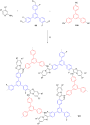
Scheme 31: One-pot multicomponent reaction towards the synthesis of covalent organic frameworks via the GBB re...
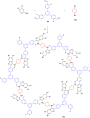
Scheme 32: One-pot multicomponent reaction towards the synthesis of covalent organic frameworks via the GBB re...

Scheme 33: GBB-like multicomponent reaction towards the synthesis of benzothiazolpyrroles (X = S) and benzoxaz...

Scheme 34: GBB-like multicomponent reaction towards the formation of imidazo[1,2,a]pyridines. Conditions: a) I2...

Scheme 35: Post-functionalization of GBB products via Ugi reaction. Conditions a) HClO4, DMF, rt, 24 h; b) MeO...

Scheme 36: Post-functionalization of GBB products via Click reaction. Conditions: a) solvent-free, 150 °C, 24 ...

Scheme 37: Post-functionalization of GBB products via cascade alkyne–allene isomerization–intramolecular nucle...

Scheme 38: Post-functionalization of GBB products via metal-catalyzed intramolecular N-arylation. In red and b...

Scheme 39: Post-functionalization of GBB products via isocyanide insertion (X = N or CH). Conditions: a) HClO4...

Scheme 40: Post-functionalization of GBB products via intramolecular nucleophilic addition to nitriles. Condit...

Scheme 41: Post-functionalization of GBB products via Pictet–Spengler cyclization. Conditions: a) 4 N HCl/diox...

Scheme 42: Post-functionalization of GBB products via O-alkylation. Conditions: a) TFA (20 mol %), EtOH, 120 °...

Scheme 43: Post-functionalization of GBB products via macrocyclization (X = -CH2CH2O-, -CH2-, -(CH2)4-). Condi...
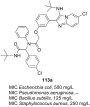
Figure 1: Antibacterial activity of GBB-Ugi adducts 113 on both Gram-negative and Gram-positive strains.

Scheme 44: GBB multicomponent reaction using trimethoprim as the precursor. Conditions: a) Yb(OTf)3 or Y(OTf)3...

Figure 2: Antibacterial activity of GBB adducts 152 against MRSA and VRE; NA = not available.

Figure 3: Antibacterial activity of GBB adduct 153 against Leishmania amazonensis promastigotes and amastigot...

Figure 4: Antiviral and anticancer evaluation of the GBB adducts 154a and 154b. In vitro antiproliferative ac...

Figure 5: Anticancer activity of the GBB-furoxan hybrids 145b, 145c and 145d determined through antiprolifera...

Scheme 45: Synthesis and anticancer activity of the GBB-gossypol conjugates. Conditions: a) Sc(OTf)3 (10 mol %...

Figure 6: Anticancer activity of polyheterocycles 133a and 136a against human neuroblastoma. Clonogenic assay...

Figure 7: Development of GBB-adducts 158a and 158b as PD-L1 antagonists. HTRF assays were carried out against...

Figure 8: Development of imidazo[1,2-a]pyridines and imidazo[1,2-a]pyrazines as TDP1 inhibitors. The SMM meth...

Figure 9: GBB adducts 164a–c as anticancer through in vitro HDACs inhibition assays. Additional cytotoxic ass...

Figure 10: GBB adducts 165, 166a and 166b as anti-inflammatory agents through HDAC6 inhibition; NA = not avail...

Scheme 46: GBB reaction of triphenylamine 167. Conditions: a) NH4Cl (10 mol %), MeOH, 80 °C (MW), 1 h.

Scheme 47: 1) Modified GBB-3CR. Conditions: a) TMSCN (1.0 equiv), Sc(OTf)3 (0.2 equiv), MeOH, 140 °C (MW), 20 ...

Scheme 48: GBB reaction to assemble imidazo-fused heterocycle dimers 172. Conditions: a) Sc(OTf)3 (20 mol %), ...

Figure 11: Model compounds 173 and 174, used to study the acid/base-triggered reversible fluorescence response...
Benzylic C(sp3)–H fluorination
- Alexander P. Atkins,
- Alice C. Dean and
- Alastair J. J. Lennox
Beilstein J. Org. Chem. 2024, 20, 1527–1547, doi:10.3762/bjoc.20.137

- demonstrating their suitability, as precursors for further functionalisation. Reviews on the broad area of C–H fluorination have been written [11][12][21][22][23][24][25][26][27][28][29] with the focus varying, for example between aliphatic fluorination [23], α-fluorination of carbonyl compounds [30

Graphical Abstract

Figure 1: A) Benzylic fluorides in bioactive compounds, with B) the relative BDEs of different benzylic C–H b...
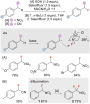
Figure 2: Base-mediated benzylic fluorination with Selectfluor.

Figure 3: Sonochemical base-mediated benzylic fluorination with Selectfluor.
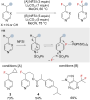
Figure 4: Mono- and difluorination of nitrogen-containing heteroaromatic benzylic substrates.

Figure 5: Palladium-catalysed benzylic C–H fluorination with N-fluoro-2,4,6-trimethylpyridinium tetrafluorobo...

Figure 6: Palladium-catalysed, PIP-directed benzylic C(sp3)–H fluorination of α-amino acids and proposed mech...

Figure 7: Palladium-catalysed monodentate-directed benzylic C(sp3)–H fluorination of α-amino acids.

Figure 8: Palladium-catalysed bidentate-directed benzylic C(sp3)–H fluorination.

Figure 9: Palladium-catalysed benzylic fluorination using a transient directing group approach. Ratio refers ...

Figure 10: Outline for benzylic C(sp3)–H fluorination via radical intermediates.

Figure 11: Iron(II)-catalysed radical benzylic C(sp3)–H fluorination using Selectfluor.

Figure 12: Silver and amino acid-mediated benzylic fluorination.

Figure 13: Copper-catalysed radical benzylic C(sp3)–H fluorination using NFSI.

Figure 14: Copper-catalysed C(sp3)–H fluorination of benzylic substrates with electrochemical catalyst regener...

Figure 15: Iron-catalysed intramolecular fluorine-atom-transfer from N–F amides.

Figure 16: Vanadium-catalysed benzylic fluorination with Selectfluor.

Figure 17: NDHPI-catalysed radical benzylic C(sp3)–H fluorination with Selectfluor.

Figure 18: Potassium persulfate-mediated radical benzylic C(sp3)–H fluorination with Selectfluor.

Figure 19: Benzylic fluorination using triethylborane as a radical chain initiator.

Figure 20: Heterobenzylic C(sp3)–H radical fluorination with Selectfluor.

Figure 21: Benzylic fluorination of phenylacetic acids via a charge-transfer complex. NMR yields in parenthese...

Figure 22: Oxidative radical photochemical benzylic C(sp3)–H strategies.

Figure 23: 9-Fluorenone-catalysed photochemical radical benzylic fluorination with Selectfluor.

Figure 24: Xanthone-photocatalysed radical benzylic fluorination with Selectfluor II.

Figure 25: 1,2,4,5-Tetracyanobenzene-photocatalysed radical benzylic fluorination with Selectfluor.

Figure 26: Xanthone-catalysed benzylic fluorination in continuous flow.

Figure 27: Photochemical phenylalanine fluorination in peptides.

Figure 28: Decatungstate-photocatalyzed versus AIBN-initiated selective benzylic fluorination.

Figure 29: Benzylic fluorination using organic dye Acr+-Mes and Selectfluor.
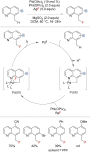
Figure 30: Palladium-catalysed benzylic C(sp3)–H fluorination with nucleophilic fluoride.

Figure 31: Manganese-catalysed benzylic C(sp3)–H fluorination with AgF and Et3N·3HF and proposed mechanism. 19...

Figure 32: Iridium-catalysed photocatalytic benzylic C(sp3)–H fluorination with nucleophilic fluoride and N-ac...

Figure 33: Iridium-catalysed photocatalytic benzylic C(sp3)–H fluorination with TBPB HAT reagent.

Figure 34: Silver-catalysed, amide-promoted benzylic fluorination via a radical-polar crossover pathway.

Figure 35: General mechanism for oxidative electrochemical benzylic C(sp3)–H fluorination.

Figure 36: Electrochemical benzylic C(sp3)–H fluorination with HF·amine reagents.

Figure 37: Electrochemical benzylic C(sp3)–H fluorination with 1-ethyl-3-methylimidazolium trifluoromethanesul...

Figure 38: Electrochemical benzylic C(sp3)–H fluorination of phenylacetic acid esters with HF·amine reagents.

Figure 39: Electrochemical benzylic C(sp3)–H fluorination of triphenylmethane with PEG and CsF.

Figure 40: Electrochemical benzylic C(sp3)–H fluorination with caesium fluoride and fluorinated alcohol HFIP.

Figure 41: Electrochemical secondary and tertiary benzylic C(sp3)–H fluorination. GF = graphite felt. DCE = 1,...
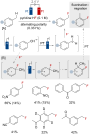
Figure 42: Electrochemical primary benzylic C(sp3)–H fluorination of electron-poor toluene derivatives. Ring f...

Figure 43: Electrochemical primary benzylic C(sp3)–H fluorination utilizing pulsed current electrolysis.
Primary amine-catalyzed enantioselective 1,4-Michael addition reaction of pyrazolin-5-ones to α,β-unsaturated ketones
- Pooja Goyal,
- Akhil K. Dubey,
- Raghunath Chowdhury and
- Amey Wadawale
Beilstein J. Org. Chem. 2024, 20, 1518–1526, doi:10.3762/bjoc.20.136
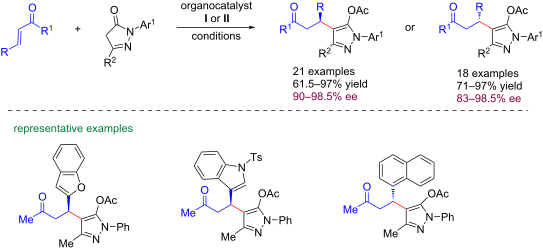
- -covalent catalysis via bifunctional hydrogen-bonding organocatalysts. The C-4 nucleophilicity of pyrazolin-5-ones was also explored in enantioselective reactions with α,β-unsaturated carbonyl compounds through covalent catalysis with chiral amine-based catalysts; however, it has achieved limited success

Graphical Abstract

Figure 1: Selected examples of drugs and bioactive molecules bearing a pyrazole core.

Scheme 1: Representative examples of asymmetric organocatalytic conjugate addition of pyrazolin-5-ones to α,β...
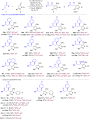
Scheme 2: Scope of substrates. Reaction conditions: 1 (0.3 mmol), 2 (0.2 mmol), 15 mol % of catalyst I, 30 mo...

Scheme 3: Synthesis of pyrazole-benzofuran and pyrazole–indole hybrid molecules. Reaction conditions: 1m or 1n...

Scheme 4: Synthesis of 3aa on preparative scale.

Figure 2: Single crystal X-ray structure of ent-3ba (CCDC 2234286).

Scheme 5: Proposed reaction mechanism.
Tetrabutylammonium iodide-catalyzed oxidative α-azidation of β-ketocarbonyl compounds using sodium azide
- Christopher Mairhofer,
- David Naderer and
- Mario Waser
Beilstein J. Org. Chem. 2024, 20, 1510–1517, doi:10.3762/bjoc.20.135
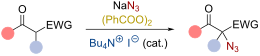
- Christopher Mairhofer David Naderer Mario Waser Institute of Organic Chemistry, Johannes Kepler University Linz, Altenbergerstrasse 69, 4040 Linz, Austria 10.3762/bjoc.20.135 Abstract We herein report the oxidative α-azidation of carbonyl compounds by using NaN3 in the presence of dibenzoyl
- carbonyl compounds (Scheme 1A). Hereby different strategies using different quaternary ammonium iodide derivatives and different azide sources were investigated and especially Uyanik’s and Ishihara’s recent approach using NaN3 in combination with the carefully designed achiral catalyst C1 represents a
- briefly tested whether this concept can be extended to an analogous α-nitration approach. Different strategies for α-nitrations of carbonyl compounds have been reported [45][46][47][48][49][50], but the use of NaNO2 under simple oxidative conditions has so far received relatively little attention [51

Graphical Abstract

Scheme 1: General illustration of the oxidative α-azidation of carbonyl derivatives using quaternary ammonium...

Scheme 2: Proposed mechanistic scenario.

Scheme 3: Application scope.

Scheme 4: Proof-of-concept for the analogous oxidative α-nitration.
Domino reactions of chromones with activated carbonyl compounds
- Peter Langer
Beilstein J. Org. Chem. 2024, 20, 1256–1269, doi:10.3762/bjoc.20.108
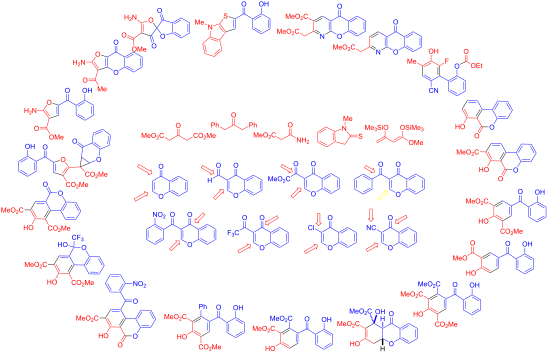
- carbonyl compounds, such as dimethyl acetone-1,3-dicarboxylate and 1,3-diphenylacetone, and with 1,3-bis(silyloxy)-1,3-butadienes, electroneutral equivalents of 1,3-dicarbonyl dianions, allow for a convenient synthesis of a great variety of products. The regioselectivity and course of the reaction depends
- , we studied also cyclization reactions of chromones with heterocyclic enamines [30][31]. The present review aims to provide a personalized account of our work related to domino reactions of various types of chromones with carbonyl compounds, such as 3 and 4, and with 1,3-bis(silyloxy)-1,3-butadienes
- for long chained 2-fluoro-1,3-bis(silyloxy)-1,3-butadienes. In conclusion, the interaction of activated carbonyl compounds with chromones offer a great variety of different reaction pathways leading to various types of products with potential applications in materials science and medicinal chemistry

Graphical Abstract

Scheme 1: Structures of carbonyl compounds 1, 2, 3, and 4, dianion 7, phosphorane 8 and synthesis of 1,3-bis(...

Scheme 2: Structures of chromones with different substituents located at carbon C-3 and atom numbering scheme...

Scheme 3: Synthesis of 17. Conditions: i, DBU (1.3 equiv), THF, 20 °C, 12 h.
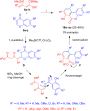
Scheme 4: Synthesis of 18a–ac. Conditions: i, 1) 9a–j, Me3SiOTf (1.3 equiv), 20 °C, 1 h; 2) 6a–h (1.3 equiv),...

Scheme 5: Synthesis of 19a–d. Conditions: i, DBU (1.3 equiv), THF, 20 °C, 12 h.

Scheme 6: Synthesis of 20a–ag. Conditions: i, 1) 10a–i, Me3SiOTf (0.3 equiv), 20 °C, 10 min; 2) 6a–h (1.3 equ...

Scheme 7: Synthesis of 21a–g. Conditions: i, DBU (1.3 equiv), dioxane, 20 °C, 12 h.

Scheme 8: Synthesis of 22a,b. Conditions: i, DBU (1.3 equiv), dioxane, 20 °C, 12 h.

Scheme 9: Synthesis of 23a–j. Conditions: i, 1) 11a–c, Me3SiOTf (0.3 equiv), 20 °C, 1 h; 2) 6a–h (1.3 equiv),...

Scheme 10: Synthesis of 24a–w. Conditions: i, 1) 13a–c, Me3SiOTf (0.3 equiv), 20 °C, 1 h; 2) 6a–r (1.3 equiv),...

Scheme 11: Synthesis of 25a–f. Conditions: i, DBU (1.3 equiv), dioxane, 20 °C, 12 h.

Scheme 12: Synthesis of 26a–e. Conditions: i, DBU (1.3 equiv), dioxane, 20 °C, 12 h.
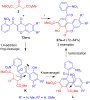
Scheme 13: Synthesis of 27a–c. Conditions: i, DBU (1.3 equiv), dioxane, 20 °C, 12 h.

Scheme 14: Synthesis of 28a–c. Conditions: i, DBU (1.3 equiv), dioxane, 20 °C, 12 h.

Scheme 15: Synthesis of 29a–n and 30. Conditions: i, DBU (1.3 equiv), dioxane, 20 °C, 12 h; ii, 1) KOH, MeOH; ...

Scheme 16: Synthesis of 32a,b. Conditions: i, 1) 31, Me3SiOTf (2.0 equiv), 20 °C, 1 h; 2) 6a,b (3.0 equiv), CH2...
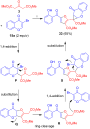
Scheme 17: Synthesis of 33. Conditions: i, DBU (1.3 equiv), THF, 20 °C, 12 h.

Scheme 18: Synthesis of 35a–x. Conditions: i, DBU (1.3 equiv), 1,4-dioxane, 20 °C, 12 h.
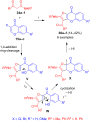
Scheme 19: Synthesis of 36a–f. Conditions: i, 1) DBU (1.3 equiv), 1,4-dioxane, 20 °C, 12 h; 2) I2 (2 equiv), D...

Scheme 20: Synthesis of 37a,b. Conditions: i, 1) DBU (1.3 equiv), 1,4-dioxane, 20 °C, 12 h; 2) I2 (2 equiv), D...

Scheme 21: Synthesis of 39a–i. Conditions: i, method A: DBU (1.3 equiv), 1,4-dioxane, 20 °C; method B: K2CO3 (...

Scheme 22: Synthesis of 40. Conditions: i, piperidine, MeOH, CHCl3, reflux, 3 h.

Scheme 23: Synthesis of 41a–am. Conditions: i, Me3SiOTf, CH2Cl2, 20 °C, 12 h, then: HCl (10%); ii, NEt3, EtOH ...
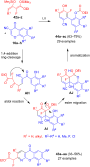
Scheme 24: Synthesis of 43a–aa and 44a–ac. Conditions: i, Me3SiOTf, CH2Cl2, 20 °C, 12 h, then: HCl (10%); ii, ...
Mechanistic investigations of polyaza[7]helicene in photoredox and energy transfer catalysis
- Johannes Rocker,
- Till J. B. Zähringer,
- Matthias Schmitz,
- Till Opatz and
- Christoph Kerzig
Beilstein J. Org. Chem. 2024, 20, 1236–1245, doi:10.3762/bjoc.20.106
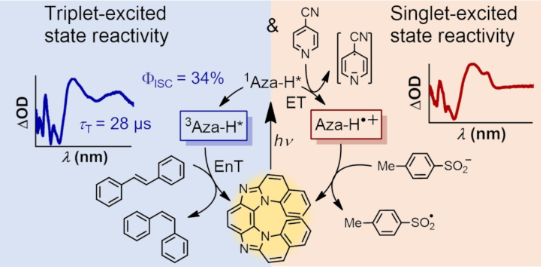
- ]. Prominent examples include: (i) carbonyl compounds such as benzophenone [31][32] and thioxanthone [33][34][35], (ii) TADF emitters with small singlet-triplet energy splitting [8][36], (iii) substitution with heavy atoms such as sulphur [37] and halides [38] for fast ISC, or a combination of the above

Graphical Abstract

Scheme 1: Left: Reaction mechanism of the 3-CR with Aza-H as the photocatalyst. Potentials are given vs SCE. ...
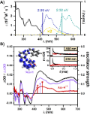
Figure 1: A) Room-temperature absorption (black) and emission (yellow) spectra of Aza-H recorded in MeCN/H2O ...

Figure 2: Mechanistic LFP experiments of 25 µM Aza-H with 4CP in MeCN/H2O (9:1) after 355 nm laser pulses. A)...

Figure 3: Mechanistic investigations of Aza-H with TsNa by LFP studies. A) Transient absorption measurements ...

Figure 4: Data sets employed for the calculation ΦISC of Aza-H based on the ground state bleach of Rubpy as t...

Figure 5: Stilbene isomerization and additional energy transfer experiments. A) and B) Triplet quenching expe...
Manganese-catalyzed C–C and C–N bond formation with alcohols via borrowing hydrogen or hydrogen auto-transfer
- Mohd Farhan Ansari,
- Atul Kumar Maurya,
- Abhishek Kumar and
- Saravanakumar Elangovan
Beilstein J. Org. Chem. 2024, 20, 1111–1166, doi:10.3762/bjoc.20.98
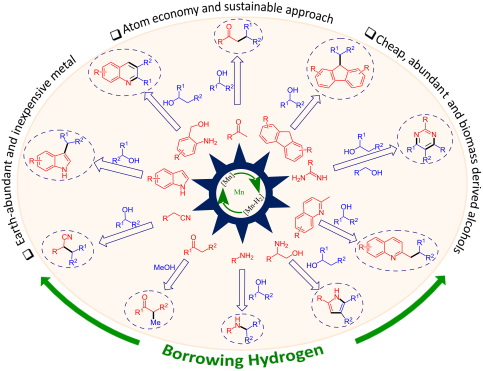
- commonly used reaction in synthetic chemistry [50][51]. The selective α-functionalization of carbonyl compounds with organohalides in the presence of bases is one of the most fundamental reactions. This methodology usually suffers from the use of stoichiometric amounts of bases and the use of halides
- corresponding alkylated ketones or alcohols. As depicted in the general Scheme 23, in the first step, the manganese-catalyzed dehydrogenation of alcohols delivers carbonyl compounds, which condense with other carbonyl compounds in the presence of a base to afford unsaturated intermediate compounds. In the final
- synthesize β-branched carbonyl compounds [67]. The reaction conditions were optimized by treating the 2,3,4,5,6-pentamethylacetophenone with cyclohexanol by different manganese complexes. Among all the complexes, 2 mol % of Mn13 and one equiv of t-BuOK as base in toluene at 140 °C for 24 h under an argon

Graphical Abstract

Scheme 1: General scheme of the borrowing hydrogen (BH) or hydrogen auto-transfer (HA) methodology.

Scheme 2: General scheme for C–N bond formation. A) Traditional cross-couplings with alkyl or aryl halides. B...

Figure 1: Manganese pre-catalysts used for the N-alkylation of amines with alcohols.

Scheme 3: Manganese(I)-pincer complex Mn1 used for the N-alkylation of amines with alcohols and methanol.

Scheme 4: N-Methylation of amines with methanol using Mn2.

Scheme 5: C–N-Bond formation with amines and methanol using PN3P-Mn complex Mn3 reported by Sortais et al. [36]. a...

Scheme 6: Base-assisted synthesis of amines and imines with Mn4. Reaction assisted by A) t-BuOK and B) t-BuON...

Scheme 7: Coupling of alcohols and hydrazine via the HB approach reported by Milstein et al. [38]. aReaction time...

Scheme 8: Proposed mechanism for the coupling of alcohols and hydrazine catalyzed by Mn5.

Scheme 9: Phosphine-free manganese catalyst for N-alkylation of amines with alcohols reported by Balaraman an...

Scheme 10: N-Alkylation of sulfonamides with alcohols.

Scheme 11: Mn–NHC catalyst Mn6 applied for the N-alkylation of amines with alcohols. a3 mol % of Mn6 were used....

Scheme 12: N-Alkylation of amines with primary and secondary alcohols. a80 °C, b100 °C.

Scheme 13: Manganese(III)-porphyrin catalyst for synthesis of tertiary amines.

Scheme 14: Proposed mechanism for the alcohol dehydrogenation with Mn(III)-porphyrin complex Mn7.

Scheme 15: N-Methylation of nitroarenes with methanol using catalyst Mn3.
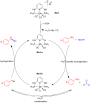
Scheme 16: Mechanism of manganese-catalyzed methylation of nitroarenes using Mn3 as the catalyst.

Scheme 17: Bidentate manganese complex Mn8 applied for the N-alkylation of primary anilines with alcohols. aOn...

Scheme 18: N-Alkylation of amines with alcohols in the presence of manganese salts and triphenylphosphine as t...

Scheme 19: N-Alkylation of diazo compounds with alcohols using catalyst Mn9.

Scheme 20: Proposed mechanism for the amination of alcohols with diazo compounds catalyzed by catalyst Mn9.

Scheme 21: Mn1 complex-catalyzed synthesis of polyethyleneimine from ethylene glycol and ethylenediamine.

Scheme 22: Bis-triazolylidene-manganese complex Mn10 for the N-alkylation of amines with alcohols.

Figure 2: Manganese complexes applied for C-alkylation reactions of ketones with alcohols.

Scheme 23: General scheme for the C–C bond formation with alcohols and ketones.

Scheme 24: Mn1 complex-catalyzed α-alkylation of ketones with primary alcohols.
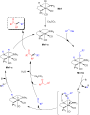
Scheme 25: Mechanism for the Mn1-catalyzed alkylation of ketones with alcohols.

Scheme 26: Phosphine-free in situ-generated manganese catalyst for the α-alkylation of ketones with primary al...
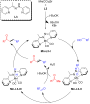
Scheme 27: Plausible mechanism for the Mn-catalyzed α-alkylation of ketones with alcohols.

Scheme 28: α-Alkylation of esters, ketones, and amides using alcohols catalyzed by Mn11.

Scheme 29: Mono- and dialkylation of methylene ketones with primary alcohols using the Mn(acac)2/1,10-phenanth...

Scheme 30: Methylation of ketones with methanol and deuterated methanol.

Scheme 31: Methylation of ketones and esters with methanol. a50 mol % of t-BuOK were used, bCD3OD was used ins...
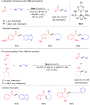
Scheme 32: Alkylation of ketones and secondary alcohols with primary alcohols using Mn4.

Scheme 33: Bidentate manganese-NHC complex Mn6 applied for the synthesis of alkylated ketones using alcohols.

Scheme 34: Mn1-catalyzed synthesis of substituted cycloalkanes by coupling diols and secondary alcohols or ket...
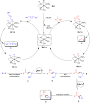
Scheme 35: Proposed mechanism for the synthesis of cycloalkanes via BH method.

Scheme 36: Synthesis of various cycloalkanes from methyl ketones and diols catalyze by Mn13. aReaction time wa...

Scheme 37: N,N-Amine–manganese complex (Mn13)-catalyzed alkylation of ketones with alcohols.

Scheme 38: Naphthyridine‑N‑oxide manganese complex Mn14 applied for the alkylation of ketones with alcohols. a...
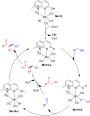
Scheme 39: Proposed mechanism of the naphthyridine‑N‑oxide manganese complex (Mn14)-catalyzed alkylation of ke...

Scheme 40: α-Methylation of ketones and indoles with methanol using Mn15.

Scheme 41: α-Alkylation of ketones with primary alcohols using Mn16. aNMR yield.

Figure 3: Manganese complexes used for coupling of secondary and primary alcohols.
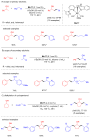
Scheme 42: Alkylation of secondary alcohols with primary alcohols catalyzed by phosphine-free catalyst Mn17. a...

Scheme 43: PNN-Manganese complex Mn18 for the alkylation of secondary alcohols with primary alcohols.
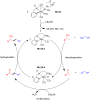
Scheme 44: Mechanism for the Mn-pincer catalyzed C-alkylation of secondary alcohols with primary alcohols.

Scheme 45: Upgrading of ethanol with methanol for isobutanol production.

Scheme 46: Mn-Pincer catalyst Mn19 applied for the β-methylation of alcohols with methanol. a2.0 mol % of Mn19...

Scheme 47: Functionalized ketones from primary and secondary alcohols catalyzed by Mn20. aMn20 (5 mol %), NaOH...
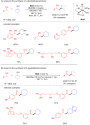
Scheme 48: Synthesis of γ-disubstituted alcohols and β-disubstituted ketones through Mn9-catalyzed coupling of...
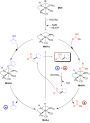
Scheme 49: Proposed mechanism for the Mn9-catalyzed synthesis of γ-disubstituted alcohols and β-disubstituted ...

Scheme 50: Dehydrogenative coupling of ethylene glycol and primary alcohols catalyzed by Mn4.

Scheme 51: Mn18-cataylzed C-alkylation of unactivated esters and amides with alcohols.

Scheme 52: Alkylation of amides and esters using Mn21.

Scheme 53: α-Alkylation of nitriles with primary alcohols using in situ-generated manganese catalyst.

Scheme 54: Proposed mechanism for the α-alkylation of nitriles with primary alcohols.

Scheme 55: Mn9-catalyzed α-alkylation of nitriles with primary alcohols. a1,4-Dioxane was used as solvent, 24 ...

Figure 4: Manganese complexes used for alkylation of heterocyclic compounds.

Scheme 56: Aminomethylation of aromatic compounds with secondary amines and methanol catalyzed by Mn22.
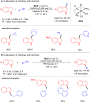
Scheme 57: Regioselective alkylation of indolines with alcohols catalyzed by Mn9. aMn9 (4 mol %), 48 h.

Scheme 58: Proposed mechanism for the C- and N-alkylation of indolines with alcohols.

Scheme 59: C-Alkylation of methyl N-heteroarenes with primary alcohols catalyzed by Mn1. aTime was 60 h.

Scheme 60: C-Alkylation of oxindoles with secondary alcohols.
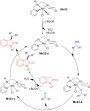
Scheme 61: Plausible mechanism for the Mn23-catalyzed C-alkylation of oxindoles with secondary alcohols.

Scheme 62: Synthesis of C-3-alkylated products by coupling alcohols with indoles and aminoalcohols.

Scheme 63: C3-Alkylation of indoles using Mn1.

Scheme 64: C-Methylation of indoles with Mn15 and methanol.

Scheme 65: α-Alkylation of 2-oxindoles with primary and secondary alcohols catalyzed by Mn25. aReaction carrie...

Scheme 66: Dehydrogenative alkylation of indolines with Mn1. aMn1 (5.0 mol %) was used.

Scheme 67: Synthesis of bis(indolyl)methane derivatives from indoles and alcohols catalyzed by Mn26. aMn26 (5....

Scheme 68: One-pot synthesis of pyrimidines via BH.

Scheme 69: Synthesis of pyrroles from alcohols and aminoalcohols using Mn4.

Scheme 70: Synthesis of pyrroles via multicomponent reaction catalyzed by Mn12.

Scheme 71: Friedländer quinoline synthesis using an in situ-generated phosphine-free manganese catalyst.

Scheme 72: Quinoline synthesis using bis-N-heterocyclic carbene-manganese catalyst Mn6.

Scheme 73: Quinoline synthesis using manganese(III)-porphyrin catalyst Mn7.

Scheme 74: Manganese-catalyzed tetrahydroquinoline synthesis via borrowing BH.

Scheme 75: Proposed mechanism for the manganese-catalyzed tetrahydroquinoline synthesis.

Scheme 76: Synthesis of C3-alkylated indoles using Mn24.

Scheme 77: Synthesis of C-3-alkylated indoles using Mn1.

Scheme 78: C–C Bond formation by coupling of alcohols and ylides.

Scheme 79: C-Alkylation of fluorene with alcohols catalyzed by Mn24.
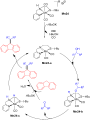
Scheme 80: Proposed mechanism for the C-alkylation of fluorene with alcohols catalyzed by Mn24.

Scheme 81: α-Alkylation of sulfones using Mn-PNN catalyst Mn28.
Novel route to enhance the thermo-optical performance of bicyclic diene photoswitches for solar thermal batteries
- Akanksha Ashok Sangolkar,
- Rama Krishna Kadiyam and
- Ravinder Pawar
Beilstein J. Org. Chem. 2024, 20, 1053–1068, doi:10.3762/bjoc.20.93
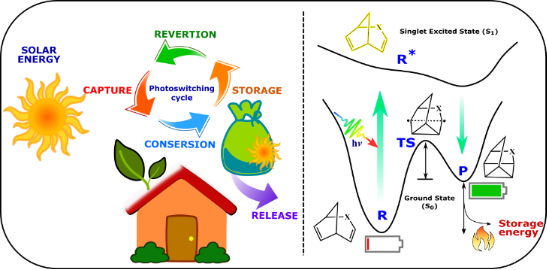
- pathway, however the energetic stability of the parent diene favours the reversible photoswitching. Extending the unsaturated bridge of the bicyclic diene with an –O– unit promotes the thermal degradation of the photoproduct to the carbonyl compounds. Among the studied systems, the bicyclic diene

Graphical Abstract

Figure 1: (a) Previously studied BBD-based photoswitches, (b) recently reported protocol to synthesize a BBD ...

Figure 2: Energy storage capacities and barrier for back conversion of the photoproduct to the diene in the g...

Figure 3: (a) Optimized geometry along with the important geometrical parameters of the TS obtained for the t...

Figure 4: Photophysical properties of the studied BBD photoswitches with elongated unsaturated bridges. (a) O...

Figure 5: Effect of solvation on the thermochemical properties of the studied BBD photoswitches considering t...

Figure 6: Effect of solvation on the photophysical properties of the studied BBD photoswitches. (a) Optical s...

Figure 7: The undesired degradation competing the thermal back conversion of the photoproduct. (a) The therma...

Figure 8: Relative energy profiles for the conversion of the photoproducts into the parent dienes and undesir...
Green and sustainable approaches for the Friedel–Crafts reaction between aldehydes and indoles
- Periklis X. Kolagkis,
- Eirini M. Galathri and
- Christoforos G. Kokotos
Beilstein J. Org. Chem. 2024, 20, 379–426, doi:10.3762/bjoc.20.36
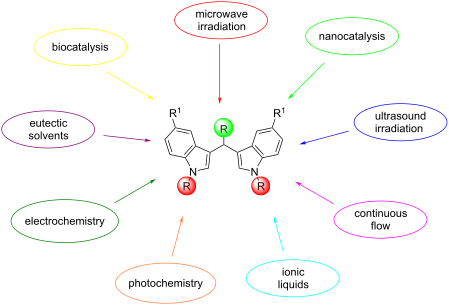
- . demonstrated an unexpected Br2-catalyzed synthesis of BIMs from indole and carbonyl compounds in water (Scheme 9) [92]. First, the reaction took place in acetonitrile with a low catalyst loading (2 mol %), proving sufficient to achieve optimal product yields of up to 98% after just 1 minute, when the reaction
- organocatalyst (Scheme 13) [95]. Haloalkynes have the ability to form strong, directional and selective halogen bonds, which makes them a good choice for the synthesis of BIMs [95]. Several substituted carbonyl compounds, as well as indoles, were screened in the optimum reaction conditions as seen in Scheme 13
- –isatin Schiff base complex, only trace amounts of product were observed, which further underlined the importance of its presence in the reaction mixture. The biggest benefit, however, of this approach is its generality, since all types of substituted carbonyl compounds and indoles, provided conversion

Graphical Abstract

Scheme 1: Examples of BIMs used for their medicinal properties.

Scheme 2: Mechanisms for the synthesis of BIMs using protic or Lewis acids as catalysts.

Scheme 3: Synthesis of bis(indolyl)methanes using DBDMH.

Scheme 4: Competition experiments and synthesis of bis(indolyl)methanes using DBDMH.

Scheme 5: Proposed mechanism for formation of BIM of using DBDMH.

Scheme 6: Synthesis of bis(indolyl)methanes using I2.

Scheme 7: General reaction mechanism upon halogen bonding.

Scheme 8: Synthesis of bis(indolyl)methanes using I2, introduced by Ji.

Scheme 9: Synthesis of bis(indolyl)methanes using Br2 in CH3CN.

Scheme 10: Βidentate halogen-bond donors.

Scheme 11: Synthesis of bis(indolyl)methanes using bidentate halogen-bond donor 26.

Scheme 12: Proposed reaction mechanism.

Scheme 13: Synthesis of bis(indolyl)methanes using iodoalkyne as catalyst.

Scheme 14: Proposed reaction mechanism.

Scheme 15: Optimized reaction conditions used by Ramshini.

Scheme 16: Activation of the carbonyl group by HPA/TPI-Fe3O4.

Scheme 17: Synthesis of BIMs in the presence of nanoAg-Pt/SiO2-doped silicate.

Scheme 18: Mechanism of action proposed by Khalafi-Nezhad et al.

Scheme 19: Activation of the carbonyl group by the Cu–isatin Schiff base complex.

Scheme 20: Optimum reaction conditions published by Jain.

Scheme 21: Organocatalytic protocol utilizing nanoparticles introduced by Bankar.
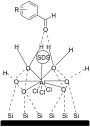
Scheme 22: Activation of the carbonyl group by the AlCl3·6H2O-SDS-SiO2 complex.

Scheme 23: Optimal reaction conditions for the aforementioned nano-Fe3O4 based catalysts.

Scheme 24: Nanocatalytic protocol proposed by Kaur et al.

Scheme 25: Microwave approach introduced by Yuan.

Scheme 26: Microwave approach introduced by Zahran et al.

Scheme 27: Microwave irradiation protocol introduced by Bindu.

Scheme 28: Silica-supported microwave irradiation protocol.

Scheme 29: Proposed mechanism for formation of BIM by Nongkhlaw.

Scheme 30: Microwave-assisted synthesis of BIMs catalyzed by succinic acid.

Scheme 31: Proposed mechanism of action of MMO-4.

Scheme 32: Catalytic approach introduced by Muhammadpoor-Baltork et al.

Scheme 33: Reaction conditions used by Xiao-Ming.

Scheme 34: Ultrasonic irradiation-based protocol published by Saeednia.

Scheme 35: Pyruvic acid-mediated synthesis of BIMs proposed by Thopate.

Scheme 36: Synthesis of BIMs using [bmim]BF4 or [bmim]PF6 ionic liquids.

Scheme 37: Synthesis of BIMs utilizing In(OTf)3 in octylmethylimidazolium hexafluorophosphate as ionic liquid.

Scheme 38: FeCl3·6H2O-catalyzed synthesis of BIMs with use of ionic liquid.

Scheme 39: Synthesis of BIMs utilizing the [hmim]HSO4/EtOH catalytic system.

Scheme 40: Synthesis of BIMs utilizing acidic ionic liquid immobilized on silica gel (ILIS-SO2Cl).

Scheme 41: The [bmim][MeSO4]-catalyzed reaction of indole with various aldehydes.

Scheme 42: The role of [bmim][MeSO4] in catalyzing the reaction of indole with aldehydes.

Scheme 43: Synthesis of BIMs utilizing FeCl3-based ionic liquid ([BTBAC]Cl-FeCl3) as catalyst.

Scheme 44: Synthesis of BIMs using [Msim]Cl at room temperature.

Scheme 45: [Et3NH][H2PO4]-catalyzed synthesis of bis(indolyl)methanes.

Scheme 46: PILs-catalyzed synthesis of bis(indolyl)methanes.

Scheme 47: FSILs-mediated synthesis of bis(indolyl)methanes.

Scheme 48: Possible “release and catch” catalytic process.

Scheme 49: Synthesis of bis(indolyl)methanes by [DABCO-H][HSO4].

Scheme 50: Synthesis of bis(indolyl)methanes by [(THA)(SO4)].

Scheme 51: Synthesis of BBSI-Cl and BBSI-HSO4.

Scheme 52: Synthesis of BIMs in the presence of BBSI-Cl and BBSI-HSO4.

Scheme 53: Chemoselectivity of the present method.

Scheme 54: Synthesis of BIMs catalyzed by chitosan-supported ionic liquid.

Scheme 55: Proposed mechanism of action of CSIL.

Scheme 56: Optimization of the reaction in DESs.

Scheme 57: Synthesis of BIMs using ChCl/SnCl2 as DES.

Scheme 58: Synthesis of BIMs derivatives in presence of DES.

Scheme 59: BIMs synthesis in choline chloride/urea (CC/U).

Scheme 60: Flow chemistry-based synthesis of BIMs by Ley.

Scheme 61: Flow chemistry-based synthesis of BIMs proposed by Nam et al.

Scheme 62: Amino-catalyzed reaction of indole with propionaldehyde.

Scheme 63: Aminocatalytic synthesis of BIMs.

Scheme 64: Proposed mechanism for the aminocatalytic synthesis of BIMs.

Scheme 65: Enzymatic reaction of indole with aldehydes.

Scheme 66: Proposed mechanism for the synthesis of BIMs catalyzed by TLIM.

Scheme 67: Proposed reaction mechanism by Badsara.

Scheme 68: Mechanism proposed by D’Auria.

Scheme 69: Photoinduced thiourea catalysis.

Scheme 70: Proposed mechanism of photoacid activation.

Scheme 71: Proposed mechanism of action for CF3SO2Na.

Scheme 72: Proposed mechanism for the synthesis of BIMs by Mandawad.

Scheme 73: Proposed mechanism for the (a) acid generation and (b) synthesis of BIMs.

Scheme 74: a) Reaction conditions employed by Khaksar and b) activation of the carbonyl group by HFIP.

Scheme 75: Activation of the carbonyl group by the PPy@CH2Br through the formation of a halogen bond.

Scheme 76: Reaction conditions utilized by Mhaldar et al.

Scheme 77: a) Reaction conditions employed by López and b) activation of the carbonyl group by thiourea.

Scheme 78: Infrared irradiation approach introduced by Luna-Mora and his research group.

Scheme 79: Synthesis of BIMs with the use of the Fe–Zn BMOF.
1-Butyl-3-methylimidazolium tetrafluoroborate as suitable solvent for BF3: the case of alkyne hydration. Chemistry vs electrochemistry
- Marta David,
- Elisa Galli,
- Richard C. D. Brown,
- Marta Feroci,
- Fabrizio Vetica and
- Martina Bortolami
Beilstein J. Org. Chem. 2023, 19, 1966–1981, doi:10.3762/bjoc.19.147
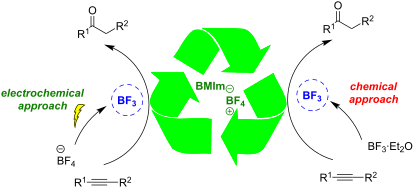
- well-known and useful reaction in organic chemistry, affording carbonyl compounds based on an atom-economical approach. Indeed, the addition of water to the triple bond of a terminal alkyne leads to the formation of the corresponding methyl ketone or aldehyde, in the case of Markovnikov or anti

Graphical Abstract

Figure 1: Comparison of the hydration reactions of different alkynes in BMIm-BF4 catalysed by BF3·Et2O (blue)...

Scheme 1: Anodic oxidation of tetrafluoroborate anion.
Trifluoromethylated hydrazones and acylhydrazones as potent nitrogen-containing fluorinated building blocks
- Zhang Dongxu
Beilstein J. Org. Chem. 2023, 19, 1741–1754, doi:10.3762/bjoc.19.127
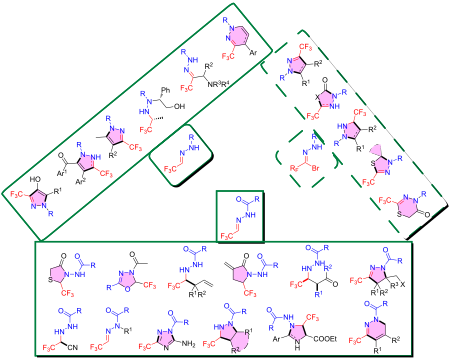
- ], trifluorinated α-methylene-γ-lactams [99][100], and β-trifluoromethyl-β-acylhydrazonyl carbonyl compounds [101] (Scheme 15). Among these fluorinated products, the trifluoromethylated homoallylic acylhydrazines were easily transformed to CF3-substituted pyrazolines and 1,6-dihydropyridazines via a cascade

Graphical Abstract

Scheme 1: Synthesis of trifluoromethylpyrazoles from trifluoroacetaldehyde hydrazones.

Scheme 2: Synthesis of polysubstituted pyrazolidines and pyrazolines.

Scheme 3: Asymmetric synthesis of 3-trifluoromethyl-1,4-dihydropyridazines reported by Rueping et al. [39].

Scheme 4: Synthesis of 3-trifluoromethyl-1,4-dihydropyridazine with Brønsted acid-assisted Lewis base catalys...

Scheme 5: Synthesis of CF3-pyrazoles and CF3-1,6-dihydropyridazines.

Scheme 6: Asymmetric reactions of trifluoromethylimines with organometallic reagents.

Scheme 7: Mannich-type reaction of trifluoroacetaldehyde hydrazones.

Scheme 8: Synthesis of trifluoromethylated hydrazonoyl halides.

Scheme 9: Early work of trifluoromethylated hydrazonoyl halides.

Scheme 10: [3 + 2]/[3 + 3] Cycloadditions of trifluoromethylated hydrazonoyl halides.

Scheme 11: Substrate scope for [3 + 2] cycloadditions with trifluoroacetonitrile imines reported by Jasiński’s...

Scheme 12: Synthesis of trifluoromethylated 1,2,4-triazole and 1,2,4-triazine derivatives.

Scheme 13: [3 + 2] Cycloadditions of difluoromethylated hydrazonoyl halides.

Scheme 14: Preparation and early applications of trifluoromethylated acylhydrazones.

Scheme 15: 1,2-Nucleophilic addition reactions of trifluoromethylated acylhydrazones.

Scheme 16: Cascade oxidation/cyclization reactions of trifluoromethylated homoallylic acylhydrazines.

Scheme 17: Synthesis of trifluoromethylated cyanohydrazines and 3-trifluoromethyl-1,2,4-triazolines.

Scheme 18: N-Arylation and N-alkylation of trifluoromethyl acylhydrazones.

Scheme 19: [3 + 2]-Cycladditions of trifluoromethyl acylhydrazones.
Decarboxylative 1,3-dipolar cycloaddition of amino acids for the synthesis of heterocyclic compounds
- Xiaofeng Zhang,
- Xiaoming Ma and
- Wei Zhang
Beilstein J. Org. Chem. 2023, 19, 1677–1693, doi:10.3762/bjoc.19.123
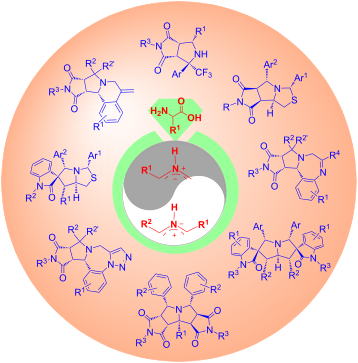
- ][50][51]. However, to the best of our knowledge, there are only few examples on the reactions of N–H-type semi-stabilized AMYs B3 or B4 which were either derived from special carbonyl compounds (such as isatin) [52][53][54][55] or the AMYs were reacted with uncommon alkenes as the 1,3-dipolarophiles

Graphical Abstract

Figure 1: Classification of AMYs.
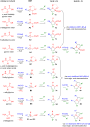
Scheme 1: Aminoester- and amino acid-based AMYs for single and double [3+2] cycloadditions.

Scheme 2: Formation of semi-stabilized AMYs B1 from pyrrolidines.

Scheme 3: Cyclic amine-based AMYs A3 and B1 for [3 + 2] cycloadditions.

Scheme 4: Proposed double cycloaddition reactions involving semi-stabilized AMYs.

Scheme 5: [3 + 2] Cycloaddition for the synthesis of trifluoromethylated pyrrolidines 9.

Figure 2: Biologically interesting pyrrolizidines.

Scheme 6: Double cycloadditions with glycine for the synthesis of products 10 (dr > 9:1).

Scheme 7: Double cycloadditions with α-substituted amino acids leading to products 11 (≈8.5:1 dr).

Scheme 8: Stereochemistry for the formation of products 10 or 11.

Scheme 9: One-pot and stepwise double cycloadditions. Conditions: i) MeCN (0.02 M), 90 °C, 6 h; ii) then AcOH...

Figure 3: Biologically interesting spirooxindole-pyrrolizidines.

Scheme 10: Double cycloadditions for the synthesis of bis[spirooxindole-pyrrolizidine]s.

Scheme 11: Mechanism for the diastereoselective synthesis of bis[spirooxindole-pyrrolizidine]s.

Scheme 12: Stepwise synthesis of triazolobenzodiazepine 21a.

Scheme 13: One-pot synthesis of triazolobenzodiazepines.

Figure 4: Bioactive triazolobenzodiazepine derivatives.

Scheme 14: One-pot synthesis of tetrahydropyrroloquinazolines.

Scheme 15: One-pot synthesis of tetrahydropyrrolobenzodiazepines.

Figure 5: Bioactive pyrroloquinazolines and pyrrolobenzodiazepines.

Scheme 16: Stepwise synthesis of pyrrolo[2,1-a]isoquinolines.

Figure 6: Bioactive pyrrolo[2,1-a]isoquinolines and hexahydropyrrolo[2,1-a]isoquinolines.

Figure 7: Bioactive tetrahydropyrrolothiazoles.

Scheme 17: Pseudo-four-component reaction for the synthesis of tetrahydropyrrolothiazoles 29 and 30 (>4:1 dr).

Scheme 18: One-pot two-step synthesis of spirooxindole-pyrrolothiazoles 31 (>4:1 dr).
N-Sulfenylsuccinimide/phthalimide: an alternative sulfenylating reagent in organic transformations
- Fatemeh Doraghi,
- Seyedeh Pegah Aledavoud,
- Mehdi Ghanbarlou,
- Bagher Larijani and
- Mohammad Mahdavi
Beilstein J. Org. Chem. 2023, 19, 1471–1502, doi:10.3762/bjoc.19.106
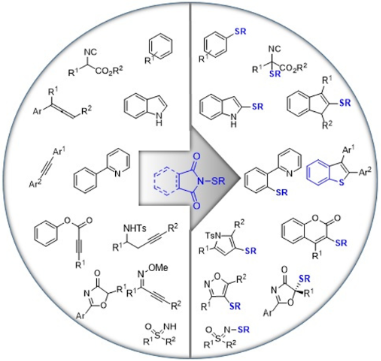
- carbonyl compounds 168 can be achieved with N-thiophthalimides 14 and diaryl disulfides 47, respectively (Scheme 73) [104]. They remarked that the presence of B2pin2 was essential in the coupling reaction of disulfides with α,β-unsaturated carbonyl compounds 168. The sulfenylation involved a 1,4-addition
- HCl-promoted 1,2-thiofunctionalization of aromatic alkenes. Coupling reaction of diazo compounds with N-sulfenylsuccinimides. Multicomponent reactions of disulfides with isocyanides and other nucleophiles. α-Sulfenylation and β-sulfenylation of α,β-unsaturated carbonyl compounds.

Graphical Abstract

Scheme 1: Sulfur-containing bioactive molecules.

Scheme 2: Scandium-catalyzed synthesis of thiosulfonates.

Scheme 3: Palladium-catalyzed aryl(alkyl)thiolation of unactivated arenes.

Scheme 4: Catalytic cycle for Pd-catalyzed aryl(alkyl)thiolation of unactivated arenes.

Scheme 5: Iron- or boron-catalyzed C–H arylthiation of substituted phenols.

Scheme 6: Iron-catalyzed azidoalkylthiation of alkenes.

Scheme 7: Plausible mechanism for iron-catalyzed azidoalkylthiation of alkenes.

Scheme 8: BF3·Et2O‑mediated electrophilic cyclization of aryl alkynoates.

Scheme 9: Tentative mechanism for BF3·Et2O‑mediated electrophilic cyclization of aryl alkynoates.

Scheme 10: Construction of 6-substituted benzo[b]thiophenes.

Scheme 11: Plausible mechanism for construction of 6-substituted benzo[b]thiophenes.

Scheme 12: AlCl3‑catalyzed cyclization of N‑arylpropynamides with N‑sulfanylsuccinimides.

Scheme 13: Synthetic utility of AlCl3‑catalyzed cyclization of N‑arylpropynamides with N‑sulfanylsuccinimides.

Scheme 14: Sulfenoamination of alkenes with sulfonamides and N-sulfanylsuccinimides.

Scheme 15: Lewis acid/Brønsted acid controlled Pd-catalyzed functionalization of aryl C(sp2)–H bonds.

Scheme 16: Possible mechanism for Lewis acid/Brønsted acid controlled Pd-catalyzed functionalization of aryl C...

Scheme 17: FeCl3-catalyzed carbosulfenylation of unactivated alkenes.

Scheme 18: Copper-catalyzed electrophilic thiolation of organozinc halides.

Scheme 19: h-BN@Copper(II) nanomaterial catalyzed cross-coupling reaction of sulfoximines and N‑(arylthio)succ...

Scheme 20: AlCl3‑mediated cyclization and sulfenylation of 2‑alkyn-1-one O‑methyloximes.

Scheme 21: Lewis acid-promoted 2-substituted cyclopropane 1,1-dicarboxylates with sulfonamides and N-(arylthio...

Scheme 22: Lewis acid-mediated cyclization of β,γ-unsaturated oximes and hydrazones with N-(arylthio/seleno)su...

Scheme 23: Credible pathway for Lewis acid-mediated cyclization of β,γ-unsaturated oximes with N-(arylthio)suc...

Scheme 24: Synthesis of 4-chalcogenyl pyrazoles via chalcogenation/cyclization of α,β-alkynic hydrazones.

Scheme 25: Controllable synthesis of 3-thiolated pyrroles and pyrrolines.

Scheme 26: Possible mechanism for controllable synthesis of 3-thiolated pyrroles and pyrrolines.

Scheme 27: Co-catalyzed C2-sulfenylation and C2,C3-disulfenylation of indole derivatives.

Scheme 28: Plausible catalytic cycle for Co-catalyzed C2-sulfenylation and C2,C3-disulfenylation of indoles.

Scheme 29: C–H thioarylation of electron-rich arenes by iron(III) triflimide catalysis.

Scheme 30: Difunctionalization of alkynyl bromides with thiosulfonates and N-arylthio succinimides.·

Scheme 31: Suggested mechanism for difunctionalization of alkynyl bromides with thiosulfonates and N-arylthio ...

Scheme 32: Synthesis of thioesters, acyl disulfides, ketones, and amides by N-thiohydroxy succinimide esters.

Scheme 33: Proposed mechanism for metal-catalyzed selective acylation and acylthiolation.

Scheme 34: AlCl3-catalyzed synthesis of 3,4-bisthiolated pyrroles.

Scheme 35: α-Sulfenylation of aldehydes and ketones.

Scheme 36: Acid-catalyzed sulfetherification of unsaturated alcohols.

Scheme 37: Enantioselective sulfenylation of β-keto phosphonates.

Scheme 38: Organocatalyzed sulfenylation of 3‑substituted oxindoles.

Scheme 39: Sulfenylation and chlorination of β-ketoesters.

Scheme 40: Intramolecular sulfenoamination of olefins.

Scheme 41: Plausible mechanism for intramolecular sulfenoamination of olefins.

Scheme 42: α-Sulfenylation of 5H-oxazol-4-ones.

Scheme 43: Metal-free C–H sulfenylation of electron-rich arenes.

Scheme 44: TFA-promoted C–H sulfenylation indoles.
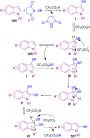
Scheme 45: Proposed mechanism for TFA-promoted C–H sulfenylation indoles.

Scheme 46: Organocatalyzed sulfenylation and selenenylation of 3-pyrrolyloxindoles.

Scheme 47: Organocatalyzed sulfenylation of S-based nucleophiles.

Scheme 48: Conjugate Lewis base Brønsted acid-catalyzed sulfenylation of N-heterocycles.

Scheme 49: Mechanism for activation of N-sulfanylsuccinimide by conjugate Lewis base Brønsted acid catalyst.

Scheme 50: Sulfenylation of deconjugated butyrolactams.

Scheme 51: Intramolecular sulfenofunctionalization of alkenes with phenols.

Scheme 52: Organocatalytic 1,3-difunctionalizations of Morita–Baylis–Hillman carbonates.

Scheme 53: Organocatalytic sulfenylation of β‑naphthols.

Scheme 54: Acid-promoted oxychalcogenation of o‑vinylanilides with N‑(arylthio/arylseleno)succinimides.

Scheme 55: Lewis base/Brønsted acid dual-catalytic C–H sulfenylation of aryls.

Scheme 56: Lewis base-catalyzed sulfenoamidation of alkenes.

Scheme 57: Cyclization of allylic amide using a Brønsted acid and tetrabutylammonium chloride.

Scheme 58: Catalytic electrophilic thiocarbocyclization of allenes with N-thiosuccinimides.

Scheme 59: Suggested mechanism for electrophilic thiocarbocyclization of allenes with N-thiosuccinimides.

Scheme 60: Chiral chalcogenide-catalyzed enantioselective hydrothiolation of alkenes.

Scheme 61: Proposed mechanism for chalcogenide-catalyzed enantioselective hydrothiolation of alkenes.

Scheme 62: Organocatalytic sulfenylation for synthesis a diheteroatom-bearing tetrasubstituted carbon centre.

Scheme 63: Thiolative cyclization of yne-ynamides.

Scheme 64: Synthesis of alkynyl and acyl disulfides from reaction of thiols with N-alkynylthio phthalimides.

Scheme 65: Oxysulfenylation of alkenes with 1-(arylthio)pyrrolidine-2,5-diones and alcohols.

Scheme 66: Arylthiolation of arylamines with (arylthio)-pyrrolidine-2,5-diones.

Scheme 67: Catalyst-free isothiocyanatoalkylthiation of styrenes.

Scheme 68: Sulfenylation of (E)-β-chlorovinyl ketones toward 3,4-dimercaptofurans.

Scheme 69: HCl-promoted intermolecular 1, 2-thiofunctionalization of aromatic alkenes.

Scheme 70: Possible mechanism for HCl-promoted 1,2-thiofunctionalization of aromatic alkenes.

Scheme 71: Coupling reaction of diazo compounds with N-sulfenylsuccinimides.

Scheme 72: Multicomponent reactions of disulfides with isocyanides and other nucleophiles.

Scheme 73: α-Sulfenylation and β-sulfenylation of α,β-unsaturated carbonyl compounds.
α-(Aminomethyl)acrylates as acceptors in radical–polar crossover 1,4-additions of dialkylzincs: insights into enolate formation and trapping
- Angel Palillero-Cisneros,
- Paola G. Gordillo-Guerra,
- Fernando García-Alvarez,
- Olivier Jackowski,
- Franck Ferreira,
- Fabrice Chemla,
- Joel L. Terán and
- Alejandro Perez-Luna
Beilstein J. Org. Chem. 2023, 19, 1443–1451, doi:10.3762/bjoc.19.103
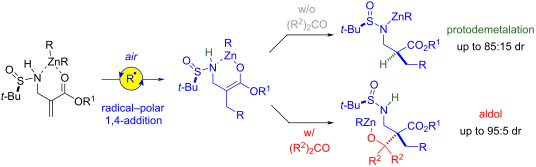
- carbonyl compounds to provide the corresponding zinc enolates (Scheme 1) [1][2]. While simple, this reaction offers attractive features: 1) it proceeds under mild conditions in the absence of any transition-metal catalyst; 2) the 1,4-addition step can be combined with condensation reactions of the zinc
- reaction of dialkylzinc reagents with α,β-unsaturated carbonyl compounds. Enolate formation by zinc radical transfer (SH2 on dialkylzinc reagents). Preparation of α-(aminomethyl)acrylate 10. Reaction of α-(aminomethyl)acrylate 10 with Et2Zn in the presence of air. Chemical correlation to determine the

Graphical Abstract

Scheme 1: Air-promoted radical chain reaction of dialkylzinc reagents with α,β-unsaturated carbonyl compounds....
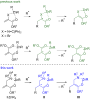
Scheme 2: Enolate formation by zinc radical transfer (SH2 on dialkylzinc reagents).

Scheme 3: Preparation of α-(aminomethyl)acrylate 10.

Scheme 4: Reaction of α-(aminomethyl)acrylate 10 with Et2Zn in the presence of air.

Scheme 5: Chemical correlation to determine the configuration of the major diastereomer of (RS)-14b.
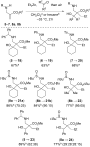
Scheme 6: Air-promoted tandem 1,4-addition–aldol condensation reactions of Et2Zn with α-(aminomethyl)acrylate...

Scheme 7: Diagnostic experiments for a radical mechanism and for enolate formation.

Scheme 8: Diagnostic experiments with N-benzyl enoate 10.

Scheme 9: Reactivity manifolds for the air-promoted tandem 1,4-addition–electrophilic substitution reaction b...
Application of N-heterocyclic carbene–Cu(I) complexes as catalysts in organic synthesis: a review
- Nosheen Beig,
- Varsha Goyal and
- Raj K. Bansal
Beilstein J. Org. Chem. 2023, 19, 1408–1442, doi:10.3762/bjoc.19.102
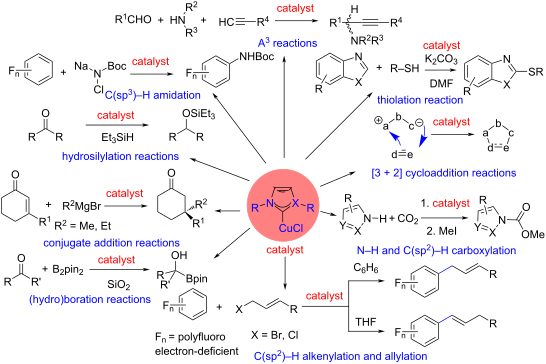
- ]. Later in 2003, Buchwald, Sadighi and Jurkauskas [47] succeeded in the application of [(IPr)CuCl] as NHC–Cu(I) complex to catalyze the conjugate reduction of α,β-unsaturated carbonyl compounds. In the decade following these initial reports, the field has blossomed and NHC–Cu(I) complexes have been
- been found to be highly efficient catalysts in this transformation. Nolan and co-workers reported the catalytic activity of [Cu(IPr)Cl] in the hydrosilylation of carbonyl compounds to form silyl ethers in high yield [48][49]. A series of bis-NHC–copper complexes was synthesized and the compounds were
- , have also been employed in conjugate addition reactions. These reagents are less reactive than organolithium and Grignard reagents but can still add to a range of α,β-unsaturated carbonyl compounds, including enones, acrylates, and imines. In 2011 Sakaguchi and co-worker [64] accomplished the conjugate

Graphical Abstract

Scheme 1: In situ generation of imidazolylidene carbene.

Scheme 2: Hg(II) complex of NHC.

Scheme 3: Isolable and bottlable carbene reported by Arduengo [3].

Scheme 4: First air-stable carbene synthesized by Arduengo in 1992 [5].

Figure 1: General structure of an NHC.

Figure 2: Stabilization of an NHC by donation of the lone pair electrons into the vacant p-orbital (LUMO) at ...

Figure 3: Abnormal NHC reported by Bertrand [8,9].

Figure 4: Cu(d) orbital to σ*C-N(NHC) interactions in NHC–CuX complexes computed at the B3LYP/def2-SVP level ...
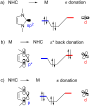
Figure 5: Molecular orbital contributions to the NHC–metal bond.

Scheme 5: Synthesis of NHC–Cu(I) complexes by deprotonation of NHC precursors with a base.

Scheme 6: Synthesis of [NHC–CuX] complexes.

Scheme 7: Synthesis of [(ICy)CuX] and [(It-Bu)CuX] complexes.

Scheme 8: Synthesis of iodido-bridged copper–NHC complexes by deprotonation of benzimidazolium salts reported...

Scheme 9: Synthesis of copper complexes by deprotonation of triazolium salts.

Scheme 10: Synthesis of thiazolylidene–Cu(I) complex by deprotonation with KOt-Bu.

Scheme 11: Preparation of NHC–Cu(I) complexes.

Scheme 12: Synthesis of methylmalonic acid-derived anionic [(26a,b)CuCl]Li(THF)2 and zwitterionic (28) heterol...

Scheme 13: Synthesis of diaminocarbene and diamidocarbene (DAC)–Cu(I) complexes.

Scheme 14: Synthesis of the cationic (NHC)2Cu(I) complex 39 from benzimidazolium salts 38 with tetrakis(aceton...

Scheme 15: Synthesis of NHC and ADC (acyclic diamino carbenes) Cu(I) hexamethyldisilazide complexes reported b...

Scheme 16: Synthesis of NHC–copper(I) complexes using an acetylacetonate-functionalized imidazolium zwitterion...

Scheme 17: Synthesis of NHC–Cu(I) complexes through deprotonation of azolium salts with Cu2O.

Scheme 18: Synthesis of NHC–CuBr complex through deprotonation with Cu2O reported by Kolychev [31].

Scheme 19: Synthesis of chiral NHC–CuBr complexes from phenoxyimine-imidazolium salts reported by Douthwaite a...

Scheme 20: Preparation of linear neutral NHC–CuCl complexes through the use of Cu2O. For abbreviations, please...

Scheme 21: Synthesis of abnormal-NHC–copper(I) complexes by Bertrand, Cazin and co-workers [35].

Scheme 22: Microwave-assisted synthesis of thiazolylidene/benzothiazolylidene–CuBr complexes by Bansal and co-...

Scheme 23: Synthesis of NHC–CuX complexes through transmetallation.

Scheme 24: Preparation of six- or seven-membered NHC–Cu(I) complexes through transmetalation from Ag(I) comple...

Scheme 25: Synthesis of 1,2,3-triazolylidene–CuCl complexes through transmetallation of Ag(I) complexes genera...

Scheme 26: Synthesis of NHC–copper complexes having both Cu(I) and Cu(II) units through transmetalation report...

Scheme 27: Synthesis of new [(IPr(CH2)3Si(OiPr)3)CuX] complexes and anchoring on MCM-41.

Scheme 28: Synthesis of bis(trimethylsilyl)phosphide–Cu(I)–NHC complexes through ligand displacement.

Scheme 29: Synthesis of silyl- and stannyl [(NHC)Cu−ER3] complexes.

Scheme 30: Synthesis of amido-, phenolato-, thiophenolato–Cu(NHC) complexes.

Scheme 31: Synthesis of first isolable NHC–Cu–difluoromethyl complexes reported by Sanford et al. [44].

Scheme 32: Synthesis of NHC–Cu(I)–bifluoride complexes reported by Riant, Leyssens and co-workers [45].

Scheme 33: Conjugate addition of Et2Zn to enones catalyzed by an NHC–Cu(I) complex reported by Woodward in 200...

Scheme 34: Hydrosilylation of a carbonyl group.

Scheme 35: NHC–Cu(I)-catalyzed hydrosilylation of ketones reported by Nolan et al. [48,49].

Scheme 36: Application of chiral NHC–CuCl complex 104 for the enantioselective hydrosilylation of ketones.

Scheme 37: Hydrosilylation reactions catalyzed by NHC–Cu(Ot-Bu) complexes.

Scheme 38: NHC–CuCl catalyzed carbonylative silylation of alkyl halides.

Scheme 39: Nucleophilic conjugate addition to an activated C=C bond.

Figure 6: Molecular electrostatic potential maps (MESP) of two NHC–CuX complexes computed at the B3LYP/def2-S...

Scheme 40: Conjugate addition of Grignard reagents to 3-alkyl-substituted cyclohexenones catalyzed by a chiral...

Scheme 41: NHC–copper complex-catalyzed conjugate addition of Grignard reagent to 3-substituted hexenone repor...

Scheme 42: Conjugate addition or organoaluminum reagents to β-substituted cyclic enones.

Scheme 43: Conjugate addition of boronates to acyclic α,β-unsaturated carboxylic esters, ketones, and thioeste...

Scheme 44: NHC–Cu(I)-catalyzed hydroboration of an allene reported by Hoveyda [63].

Scheme 45: Conjugate addition of Et2Zn to cyclohexenone catalyzed by NHC–Cu(I) complex derived from benzimidaz...

Scheme 46: Asymmetric conjugate addition of diethylzinc to 3-nonen-2-one catalyzed by NHC–Cu complexes derived...

Scheme 47: General scheme of a [3 + 2] cycloaddition reaction.

Scheme 48: [3 + 2] Cycloaddition of azides with alkynes catalyzed by NHC–Cu(I) complexes reported by Diez-Gonz...

Scheme 49: Application of NHC–CuCl/N-donor combination to catalyze the [3 + 2] cycloaddition of benzyl azide w...

Scheme 50: [3 + 2] Cycloaddition of azides with acetylenes catalyzed by bis(NHC)–Cu complex 131 and mixed NHC–...
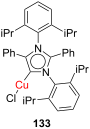
Figure 7: NHC–CuCl complex 133 as catalyst for the [3 + 2] cycloaddition of alkynes with azides at room tempe...

Scheme 51: [3 + 2] Cycloaddition of a bulky azide with an alkynylpyridine using [(NHC)Cu(μ-I)2Cu(NHC)] copper ...

Scheme 52: [3 + 2] Cycloaddition of benzyl azide with phenylacetylene under homogeneous and heterogeneous cata...

Scheme 53: [3 + 2] Cycloaddition of benzyl azide with acetylenes catalyzed by bisthiazolylidene dicopper(I) co...
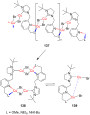
Figure 8: Copper (I)–NHC linear coordination polymer 137 and its conversion into tetranuclear (138) and dinuc...

Scheme 54: An A3 reaction.

Scheme 55: Synthesis of SiO2-immobilized NHC–Cu(I) catalyst 141 and its application in the A3-coupling reactio...

Scheme 56: Preparation of dual-purpose Ru@SiO2–[(NHC)CuCl] catalyst system 142 developed by Bordet, Leitner an...

Scheme 57: Application of the catalyst system Ru@SiO2–[Cu(NHC)] 142 to the one-pot tandem A3 reaction and hydr...

Scheme 58: A3 reaction of phenylacetylene with secondary amines and aldehydes catalyzed by benzothiazolylidene...

Figure 9: Kohn–Sham HOMOs of phenylacetylene and NHC–Cu(I)–phenylacetylene complex computed at the B3LYP/def2...

Figure 10: Energies of the FMOs of phenylacetylene, iminium ion, and NHC–Cu(I)–phenylacetylene complex compute...

Scheme 59: NHC–Cu(I) catalyzed diboration of ketones 147 by reacting with bis(pinacolato)diboron (148) reporte...

Scheme 60: Protoboration of terminal allenes catalyzed by NHC–Cu(I) complexes reported by Hoveyda and co-worke...

Scheme 61: NHC–CuCl-catalyzed borylation of α-alkoxyallenes to give 2-boryl-1,3-butadienes.

Scheme 62: Regioselective hydroborylation of propargylic alcohols and ethers catalyzed by NHC–CuCl complexes 1...

Scheme 63: NHC–CuOt-Bu-catalyzed semihydrogenation and hydroborylation of alkynes.

Scheme 64: Enantioselective NHC–Cu(I)-catalyzed hydroborations of 1,1-disubstituted aryl olefins reported by H...

Scheme 65: Enantioselective NHC–Cu(I)-catalyzed hydroboration of exocyclic 1,1-disubstituted alkenes reported ...

Scheme 66: Markovnikov-selective NHC–CuOH-catalyzed hydroboration of alkenes and alkynes reported by Jones et ...

Scheme 67: Dehydrogenative borylation and silylation of styrenes catalyzed by NHC–CuOt-Bu complexes developed ...

Scheme 68: N–H/C(sp2)–H carboxylation catalyzed by NHC–CuOH complexes.

Scheme 69: C–H Carboxylation of benzoxazole and benzothiazole derivatives with CO2 using a 1,2,3-triazol-5-yli...

Scheme 70: Use of Cu(I) complex derived from diethylene glycol-functionalized imidazo[1,5,a] pyridin-3-ylidene...

Scheme 71: Allylation and alkenylation of polyfluoroarenes and heteroarenes catalyzed by NHC–Cu(I) complexes r...

Scheme 72: Enantioselective C(sp2)–H allylation of (benz)oxazoles and benzothiazoles with γ,γ-disubstituted pr...

Scheme 73: C(sp2)–H arylation of arenes catalyzed by dual NHC–Cu/NHC–Pd catalytic system.

Scheme 74: C(sp2)–H Amidation of (hetero)arenes with N-chlorocarbamates/N-chloro-N-sodiocarbamates catalyzed b...

Scheme 75: NHC–CuI catalyzed thiolation of benzothiazoles and benzoxazoles.
Non-noble metal-catalyzed cross-dehydrogenation coupling (CDC) involving ether α-C(sp3)–H to construct C–C bonds
- Hui Yu and
- Feng Xu
Beilstein J. Org. Chem. 2023, 19, 1259–1288, doi:10.3762/bjoc.19.94
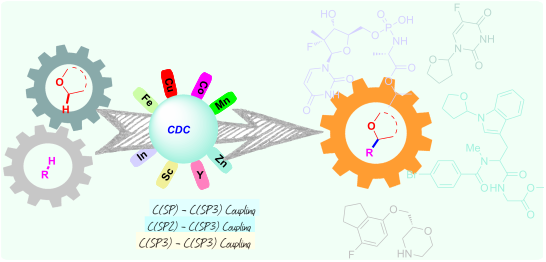
- form the coupling product. However, this method is only applicable to cyclic ethers. In the same year, Correa et al. established a double C(sp3)–H functionalization reaction of α-amino carbonyl compounds and 2-alkyl-1,3-dioxolanes in the presence of Cu(I) (Scheme 6b) [55]. This method allows the
- ]. The current synthesis method depends on the reaction of organic borane with epoxy carbonyl compounds. Using the CDC reaction can save some synthesis steps [105]. Based on DDQ-mediated oxidative C–H functionalization of benzyl ethers, the mechanism can be described as a single electron transfer (SET

Graphical Abstract
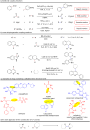
Scheme 1: Research progress of coupling reactions and active compounds containing α-C(sp3)-functionalized eth...

Scheme 2: Transition-metal-catalyzed CDC pathways.

Scheme 3: CDC of active methylene compounds in the α-C(sp3) position of ethers.

Scheme 4: InCl3/Cu(OTf)2/NHPI co-catalyzed CDC reaction.

Scheme 5: CDC of cyclic benzyl ethers with aldehydes.
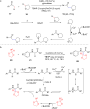
Scheme 6: Cu-catalyzed CDC of (a) unactivated C(sp3)–H ethers with simple ketones and (b) double C(sp3)−H fun...
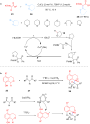
Scheme 7: Cu-catalyzed CDC of C(sp3)–H/C(sp3)–H bonds.

Scheme 8: Cu-catalyzed synthesis of chiral 2-substituted tetrahydropyrans.

Scheme 9: CDC of thiazole with cyclic ethers.

Scheme 10: Cu(I)-catalyzed oxidative alkenylation of simple ethers.

Scheme 11: Cross-dehydrogenation coupling of isochroman C(sp3)–H bonds with anisole C(sp2)–H bonds.

Scheme 12: Pd(OAc)2/Cu(OTf)2-catalyzed arylation of α-C(sp3)–H bonds of ethers.
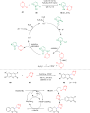
Scheme 13: Cu-catalyzed C(sp3)–H/C(sp2)–H activation strategies to construct C(sp3)–C(sp2) bonds.

Scheme 14: Cu(I)-catalyzed C(sp2)–H alkylation.
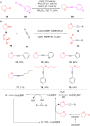
Scheme 15: Cu-catalyzed C(sp3)–H/C(sp)–H activation to construct C(sp3)–C(sp) bonds (H2BIP: 2,6-bis(benzimidaz...

Scheme 16: Fe-catalyzed CDC reaction pathways.

Scheme 17: Fe2(CO)9-catalyzed functionalization of C–H bonds.

Scheme 18: Ligand-promoted Fe-catalyzed CDC reaction of N-methylaniline with ethers.

Scheme 19: Fe-catalyzed CDC of C(sp3)–H/C(sp3)–H bonds.

Scheme 20: Fe-catalyzed hydroalkylation of α,β-unsaturated ketones with ethers.

Scheme 21: Solvent-free Fe(NO3)3-catalyzed CDC of C(sp3)–H/C(sp2)–H bonds.

Scheme 22: Alkylation of disulfide compounds to afford tetrasubstituted alkenes.

Scheme 23: Fe-catalyzed formation of 1,1-bis-indolylmethane derivatives.

Scheme 24: Alkylation of coumarins and flavonoids.

Scheme 25: Direct CDC α-arylation of azoles with ethers.

Scheme 26: CDC of terminal alkynes with C(sp3)–H bonds adjacent to oxygen, sulfur or nitrogen atoms.

Scheme 27: Alkylation of terminal alkynes.

Scheme 28: Co-catalyzed functionalization of glycine esters.
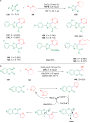
Scheme 29: Co-catalyzed construction of C(sp2)–C(sp3) bonds.

Scheme 30: Co-catalyzed CDC of imidazo[1,2-a]pyridines with isochroman.

Scheme 31: Co-catalyzed C–H alkylation of (benz)oxazoles with ethers.

Scheme 32: Cobalt-catalyzed CDC between unactivated C(sp2)–H and C(sp3)–H bonds.

Scheme 33: MnO2-catalyzed CDC of the inactive C(sp3)-H.

Scheme 34: Oxidative cross-coupling of ethers with enamides.

Scheme 35: Ni(II)-catalyzed CDC of indoles with 1,4-dioxane.

Scheme 36: Chemo- and regioselective ortho- or para-alkylation of pyridines.

Scheme 37: Asymmetric CDC of 3,6-dihydro-2H-pyrans with aldehydes.

Scheme 38: CDC of heterocyclic aromatics with ethers.

Scheme 39: Indium-catalyzed alkylation of DHPs with 1,3-dicarbonyl compounds.

Scheme 40: Rare earth-metal-catalyzed CDC reaction.

Scheme 41: Visible-light-driven CDC of cycloalkanes with benzazoles.

Scheme 42: Photoinduced alkylation of quinoline with cyclic ethers.

Scheme 43: Photocatalyzed CDC reactions between α-C(sp3)–H bonds of ethers and C(sp2)–H bonds of aromatics.
Enabling artificial photosynthesis systems with molecular recycling: A review of photo- and electrochemical methods for regenerating organic sacrificial electron donors
- Grace A. Lowe
Beilstein J. Org. Chem. 2023, 19, 1198–1215, doi:10.3762/bjoc.19.88
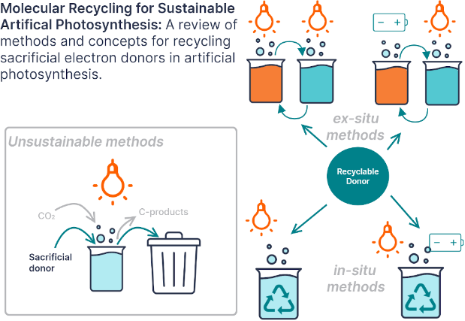
- sacrificial donors [40]. More recently, other groups have published the electrochemical hydrogenation of carbonyl compounds using more earth-abundant electrocatalysts. For instance, Siewert and co-worker used a manganese complex as an electrocatalyst for the chemoselective carbonyl hydrogenation [41

Graphical Abstract

Figure 1: Diagram comparing the two reaction pathways for sacrificial electron donors (SD) in photocatalyzed ...

Figure 2: Diagram showing water-splitting systems developed by Girault, Scanlon, and co-workers that employ i...

Figure 3: Diagram illustrating the transfer of electrons in a photocatalytic particulate suspensions Z-scheme...

Figure 4: A. Structures of the molecules represented in part B. The numbers in brackets correspond to the com...

Figure 5: A. Structures of the molecules represented in part B. The numbers in brackets correspond to the com...
Asymmetric tandem conjugate addition and reaction with carbocations on acylimidazole Michael acceptors
- Brigita Mudráková,
- Renata Marcia de Figueiredo,
- Jean-Marc Campagne and
- Radovan Šebesta
Beilstein J. Org. Chem. 2023, 19, 881–888, doi:10.3762/bjoc.19.65

- products [20]. A salient feature of conjugate additions of organometallic reagents is that they generate reactive metal enolates as primary products. These enolates can be used in a variety of subsequent transformations [21]. Chiral enolates generated by conjugate additions react with carbonyl compounds

Graphical Abstract

Scheme 1: Concept of this work.

Scheme 2: Initial experiments for the trapping of the intermediate enolate Enl-1a with tropylium NTf2.
Scheme 3: The reaction scope.

Figure 1: Comparison of DFT-calculated and experimental ECD of (2R,3R)-4 and (2S,3R)-4.

Figure 2: DFT calculated (ωB97X-D4/def2-TZVPPD//PBEh-3c/def2-mSVP) HOMO energies and NBO charges for represen...
Pyridine C(sp2)–H bond functionalization under transition-metal and rare earth metal catalysis
- Haritha Sindhe,
- Malladi Mounika Reddy,
- Karthikeyan Rajkumar,
- Akshay Kamble,
- Amardeep Singh,
- Anand Kumar and
- Satyasheel Sharma
Beilstein J. Org. Chem. 2023, 19, 820–863, doi:10.3762/bjoc.19.62
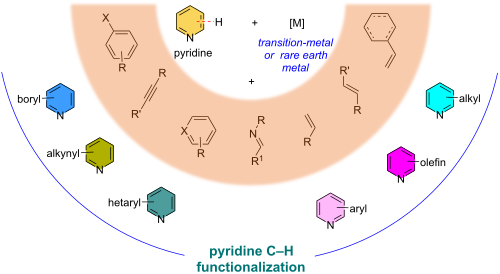
- pyridine syntheses have relied on the condensation of carbonyl compounds and amines for a very long time [11]. The classical methods for the synthesis of functionalized pyridine include the Hantzsch pyridine synthesis and the Bohlmann–Rahtz synthesis (Scheme 1a and b). Furthermore, alternative

Graphical Abstract

Figure 1: Representative examples of bioactive natural products and FDA-approved drugs containing a pyridine ...

Scheme 1: Classical and traditional methods for the synthesis of functionalized pyridines.

Scheme 2: Rare earth metal (Ln)-catalyzed pyridine C–H alkylation.

Scheme 3: Pd-catalyzed C–H alkylation of pyridine N-oxide.

Scheme 4: CuI-catalyzed C–H alkylation of N-iminopyridinium ylides with tosylhydrazones (A) and a plausible r...
Scheme 5: Zirconium complex-catalyzed pyridine C–H alkylation.

Scheme 6: Rare earth metal-catalyzed pyridine C–H alkylation with nonpolar unsaturated substrates.

Scheme 7: Heterobimetallic Rh–Al complex-catalyzed ortho-C–H monoalkylation of pyridines.

Scheme 8: Mono(phosphinoamido)-rare earth complex-catalyzed pyridine C–H alkylation.

Scheme 9: Rhodium-catalyzed pyridine C–H alkylation with acrylates and acrylamides.

Scheme 10: Ni–Al bimetallic system-catalyzed pyridine C–H alkylation.

Scheme 11: Iridium-catalyzed pyridine C–H alkylation.
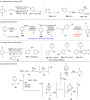
Scheme 12: para-C(sp2)–H Alkylation of pyridines with alkenes.

Scheme 13: Enantioselective pyridine C–H alkylation.

Scheme 14: Pd-catalyzed C2-olefination of pyridines.

Scheme 15: Ru-catalyzed C-6 (C-2)-propenylation of 2-arylated pyridines.
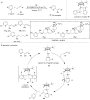
Scheme 16: C–H addition of allenes to pyridines catalyzed by half-sandwich Sc metal complex.

Scheme 17: Pd-catalyzed stereodivergent synthesis of alkenylated pyridines.

Scheme 18: Pd-catalyzed ligand-promoted selective C3-olefination of pyridines.

Scheme 19: Mono-N-protected amino acids in Pd-catalyzed C3-alkenylation of pyridines.

Scheme 20: Amide-directed and rhodium-catalyzed C3-alkenylation of pyridines.

Scheme 21: Bimetallic Ni–Al-catalyzed para-selective alkenylation of pyridine.

Scheme 22: Arylboronic ester-assisted pyridine direct C–H arylation.
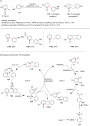
Scheme 23: Pd-catalyzed C–H arylation/benzylation with toluene.

Scheme 24: Pd-catalyzed pyridine C–H arylation with potassium aryl- and heteroaryltrifluoroborates.

Scheme 25: Transient activator strategy in pyridine C–H biarylation.
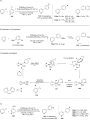
Scheme 26: Ligand-promoted C3-arylation of pyridine.

Scheme 27: Pd-catalyzed arylation of nicotinic and isonicotinic acids.

Scheme 28: Iron-catalyzed and imine-directed C–H arylation of pyridines.

Scheme 29: Pd–(bipy-6-OH) cooperative system-mediated direct pyridine C3-arylation.

Scheme 30: Pd-catalyzed pyridine N-oxide C–H arylation with heteroarylcarboxylic acids.

Scheme 31: Pd-catalyzed C–H cross-coupling of pyridine N-oxides with five-membered heterocycles.

Scheme 32: Cu-catalyzed dehydrative biaryl coupling of azine(pyridine) N-oxides and oxazoles.

Scheme 33: Rh(III)-catalyzed cross dehydrogenative C3-heteroarylation of pyridines.

Scheme 34: Pd-catalyzed C3-selective arylation of pyridines.
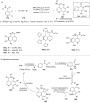
Scheme 35: Rhodium-catalyzed oxidative C–H annulation of pyridines to quinolines.
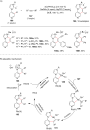
Scheme 36: Rhodium-catalyzed and NHC-directed C–H annulation of pyridine.

Scheme 37: Ni/NHC-catalyzed regio- and enantioselective C–H cyclization of pyridines.

Scheme 38: Rare earth metal-catalyzed intramolecular C–H cyclization of pyridine to azaindolines.

Scheme 39: Rh-catalyzed alkenylation of bipyridine with terminal silylacetylenes.

Scheme 40: Rollover cyclometallation in Rh-catalyzed pyridine C–H functionalization.

Scheme 41: Rollover pathway in Rh-catalyzed C–H functionalization of N,N,N-tridentate chelating compounds.

Scheme 42: Pd-catalyzed rollover pathway in bipyridine-6-carboxamides C–H arylation.
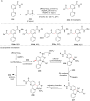
Scheme 43: Rh-catalyzed C3-acylmethylation of bipyridine-6-carboxamides with sulfoxonium ylides.

Scheme 44: Rh-catalyzed C–H functionalization of bipyridines with alkynes.

Scheme 45: Rh-catalyzed C–H acylmethylation and annulation of bipyridine with sulfoxonium ylides.

Scheme 46: Iridium-catalyzed C4-borylation of pyridines.

Scheme 47: C3-Borylation of pyridines.

Scheme 48: Pd-catalyzed regioselective synthesis of silylated dihydropyridines.



