


Search results
Search for "flow reactor" in Full Text gives 114 result(s) in Beilstein Journal of Organic Chemistry.
Photoredox catalysis in nickel-catalyzed C–H functionalization
- Lusina Mantry,
- Rajaram Maayuri,
- Vikash Kumar and
- Parthasarathy Gandeepan
Beilstein J. Org. Chem. 2021, 17, 2209–2259, doi:10.3762/bjoc.17.143
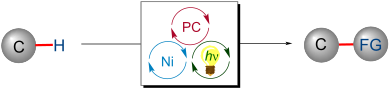
- process in a continuous-flow reactor. The mechanistic studies indicated that a nickel hydride intermediate generated with C(sp3)–H as the hydride source is involved in this catalytic transformation. The hydronickelation step results in the sterically less hindered vinylnickel intermediate 15-I, which

Graphical Abstract

Scheme 1: Nickel-catalyzed cross-coupling versus C‒H activation.

Figure 1: Oxidative and reductive quenching cycles of a photocatalyst. [PC] = photocatalyst, A = acceptor, D ...

Scheme 2: Photoredox nickel-catalyzed C(sp3)–H arylation of dimethylaniline (1a).
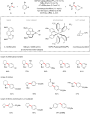
Scheme 3: Photoredox nickel-catalyzed arylation of α-amino, α-oxy and benzylic C(sp3)‒H bonds with aryl bromi...

Figure 2: Proposed catalytic cycle for the photoredox-mediated HAT and nickel catalysis enabled C(sp3)‒H aryl...

Scheme 4: Photoredox arylation of α-amino C(sp3)‒H bonds with aryl iodides.

Figure 3: Proposed mechanism for photoredox nickel-catalyzed α-amino C‒H arylation with aryl iodides.

Scheme 5: Nickel-catalyzed α-oxy C(sp3)−H arylation of cyclic and acyclic ethers.

Figure 4: Proposed catalytic cycle for the C(sp3)−H arylation of cyclic and acyclic ethers.

Scheme 6: Photochemical nickel-catalyzed C–H arylation of ethers.

Figure 5: Proposed catalytic cycle for the nickel-catalyzed arylation of ethers with aryl bromides.

Scheme 7: Nickel-catalyzed α-amino C(sp3)‒H arylation with aryl tosylates.
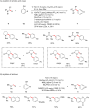
Scheme 8: Arylation of α-amino C(sp3)‒H bonds by in situ generated aryl tosylates from phenols.

Scheme 9: Formylation of aryl chlorides through redox-neutral 2-functionalization of 1,3-dioxolane (13).

Scheme 10: Photochemical C(sp3)–H arylation via a dual polyoxometalate HAT and nickel catalytic manifold.
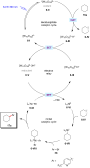
Figure 6: Proposed mechanism for C(sp3)–H arylation through dual polyoxometalate HAT and nickel catalytic man...

Scheme 11: Photochemical nickel-catalyzed α-hydroxy C‒H arylation.

Scheme 12: Photochemical synthesis of fluoxetine (21).

Scheme 13: Photochemical nickel-catalyzed allylic C(sp3)‒H arylation with aryl bromides.

Figure 7: Proposed mechanism for the photochemical nickel-catalyzed allylic C(sp3)‒H arylation with aryl brom...

Scheme 14: Photochemical C(sp3)‒H arylation by the synergy of ketone HAT catalysis and nickel catalysis.

Figure 8: Proposed mechanism for photochemical C(sp3)‒H arylation by the synergy of ketone HAT catalysis and ...

Scheme 15: Benzophenone- and nickel-catalyzed photoredox benzylic C–H arylation.

Scheme 16: Benzaldehyde- and nickel-catalyzed photoredox C(sp3)–H arylation.

Scheme 17: Photoredox and nickel-catalyzed enantioselective benzylic C–H arylation.

Figure 9: Proposed mechanism for the photoredox and nickel-catalyzed enantioselective benzylic C–H arylation.

Scheme 18: Photoredox nickel-catalyzed α-(sp3)‒H arylation of secondary benzamides with aryl bromides.

Scheme 19: Enantioselective sp3 α-arylation of benzamides.

Scheme 20: Nickel-catalyzed decarboxylative vinylation/C‒H arylation of cyclic oxalates.

Figure 10: Proposed mechanism for the nickel-catalyzed decarboxylative vinylation/C‒H arylation of cyclic oxal...

Scheme 21: C(sp3)−H arylation of bioactive molecules using mpg-CN photocatalysis and nickel catalysis.

Figure 11: Proposed mechanism for the mpg-CN/nickel photocatalytic C(sp3)–H arylation.

Scheme 22: Nickel-catalyzed synthesis of 1,1-diarylalkanes from alkyl bromides and aryl bromides.

Figure 12: Proposed mechanism for photoredox nickel-catalyzed C(sp3)–H alkylation via polarity-matched HAT.

Scheme 23: Photoredox nickel-catalyzed C(sp3)‒H alkylation via polarity-matched HAT.

Scheme 24: Benzaldehyde- and nickel-catalyzed photoredox C(sp3)‒H alkylation of ethers.

Scheme 25: Benzaldehyde- and nickel-catalyzed photoredox C(sp3)‒H alkylation of amides and thioethers.

Scheme 26: Photoredox and nickel-catalyzed C(sp3)‒H alkylation of benzamides with alkyl bromides.

Scheme 27: CzIPN and nickel-catalyzed C(sp3)‒H alkylation of ethers with alkyl bromides.

Figure 13: Proposed mechanism for the CzIPN and nickel-catalyzed C(sp3)‒H alkylation of ethers.

Scheme 28: Nickel/photoredox-catalyzed methylation of (hetero)aryl chlorides and acid chlorides using trimethy...

Figure 14: Proposed catalytic cycle for the nickel/photoredox-catalyzed methylation of (hetero)aryl chlorides ...
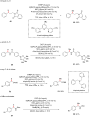
Scheme 29: Photochemical nickel-catalyzed C(sp3)–H methylations.

Scheme 30: Photoredox nickel catalysis-enabled alkylation of unactivated C(sp3)–H bonds with alkyl bromides.

Scheme 31: Photochemical C(sp3)–H alkenylation with alkenyl tosylates.

Scheme 32: Photoredox nickel-catalyzed hydroalkylation of internal alkynes.

Figure 15: Proposed mechanism for the photoredox nickel-catalyzed hydroalkylation of internal alkynes.

Scheme 33: Photoredox nickel-catalyzed hydroalkylation of activated alkynes with C(sp3)−H bonds.

Scheme 34: Allylation of unactivated C(sp3)−H bonds with allylic chlorides.

Scheme 35: Photochemical nickel-catalyzed α-amino C(sp3)–H allylation of secondary amides with trifluoromethyl...

Scheme 36: Photoredox δ C(sp3)‒H allylation of secondary amides with trifluoromethylated alkenes.

Scheme 37: Photoredox nickel-catalyzed acylation of α-amino C(sp3)‒H bonds of N-arylamines.

Figure 16: Proposed mechanism for the photoredox nickel-catalyzed acylation of α-amino C(sp3)–H bonds of N-ary...

Scheme 38: Photocatalytic α‑acylation of ethers with acid chlorides.

Figure 17: Proposed mechanism for the photocatalytic α‑acylation of ethers with acid chlorides.

Scheme 39: Photoredox and nickel-catalyzed C(sp3)‒H esterification with chloroformates.

Scheme 40: Photoredox nickel-catalyzed dehydrogenative coupling of benzylic and aldehydic C–H bonds.

Figure 18: Proposed reaction pathway for the photoredox nickel-catalyzed dehydrogenative coupling of benzylic ...

Scheme 41: Photoredox nickel-catalyzed enantioselective acylation of α-amino C(sp3)–H bonds with carboxylic ac...

Scheme 42: Nickel-catalyzed C(sp3)‒H acylation with N-acylsuccinimides.

Figure 19: Proposed mechanism for the nickel-catalyzed C(sp3)–H acylation with N-acylsuccinimides.

Scheme 43: Nickel-catalyzed benzylic C–H functionalization with acid chlorides 45.

Scheme 44: Photoredox nickel-catalyzed benzylic C–H acylation with N-acylsuccinimides 84.

Scheme 45: Photoredox nickel-catalyzed acylation of indoles 86 with α-oxoacids 87.

Scheme 46: Nickel-catalyzed aldehyde C–H functionalization.

Figure 20: Proposed catalytic cycle for the photoredox nickel-catalyzed aldehyde C–H functionalization.

Scheme 47: Photoredox carboxylation of methylbenzenes with CO2.

Figure 21: Proposed mechanism for the photoredox carboxylation of methylbenzenes with CO2.

Scheme 48: Decatungstate photo-HAT and nickel catalysis enabled alkene difunctionalization.

Figure 22: Proposed catalytic cycle for the decatungstate photo-HAT and nickel catalysis enabled alkene difunc...

Scheme 49: Diaryl ketone HAT catalysis and nickel catalysis enabled dicarbofunctionalization of alkenes.

Figure 23: Proposed catalytic mechanism for the diaryl ketone HAT catalysis and nickel catalysis enabled dicar...

Scheme 50: Overview of photoredox nickel-catalyzed C–H functionalizations.
A comprehensive review of flow chemistry techniques tailored to the flavours and fragrances industries
- Guido Gambacorta,
- James S. Sharley and
- Ian R. Baxendale
Beilstein J. Org. Chem. 2021, 17, 1181–1312, doi:10.3762/bjoc.17.90
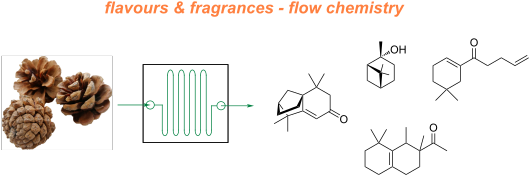
- mixing elements, reactor residence coils, heating/cooling segments and additional downstream components such as phase separators, quenching stages and crystallisers. A typical flow reactor will comprise two or more pumps (isocratic/peristaltic/syringe) that feed an HPLC manifold (into which samples may
- flow [86]. Due to the inherently low active volumes of reactants that are processed in the reaction zone within a continuous-flow reactor, the safety risks associated with critical event are greatly diminished. In addition, process reliance and sustainability are further improved by adding extra safety
- %) over 10 hours of continuous runtime [155]. As such a simple chromatographic column can be exploited as flow reactor to perform initial feasibility tests. As with all condensation reactions, the main problem when performed in flow is the elimination of water. Yeung et al. provided a solution using a

Graphical Abstract

Figure 1: Representative shares of the global F&F market (2018) segmented on their applications [1].

Figure 2: General structure of an international fragrance company [2].

Figure 3: The Michael Edwards fragrance wheel.

Figure 4: Examples of oriental (1–3), woody (4–7), fresh (8–10), and floral (11 and 12) notes.

Figure 5: A basic depiction of batch vs flow.

Scheme 1: Examples of reactions for which flow processing outperforms batch.

Scheme 2: Some industrially important aldol-based transformations.

Scheme 3: Biphasic continuous aldol reactions of acetone and various aldehydes.

Scheme 4: Aldol synthesis of 43 in flow using LiHMDS as the base.

Scheme 5: A semi-continuous synthesis of doravirine (49) involving a key aldol reaction.

Scheme 6: Enantioselective aldol reaction using 5-(pyrrolidin-2-yl)tetrazole (51) as catalyst in a microreact...

Scheme 7: Gröger's example of asymmetric aldol reaction in aqueous media.

Figure 6: Immobilised reagent column reactor types.

Scheme 8: Photoinduced thiol–ene coupling preparation of silica-supported 5-(pyrrolidin-2-yl)tetrazole 63 and...

Scheme 9: Continuous-flow approach for enantioselective aldol reactions using the supported catalyst 67.

Scheme 10: Ötvös’ employment of a solid-supported peptide aldol catalyst in flow.

Scheme 11: The use of proline tetrazole packed in a column for aldol reaction between cyclohexanone (65) and 2...

Scheme 12: Schematic diagram of an aminosilane-grafted Si-Zr-Ti/PAI-HF reactor for continuous-flow aldol and n...

Scheme 13: Continuous-flow condensation for the synthesis of the intermediate 76 to nabumetone (77) and Microi...

Scheme 14: Synthesis of ψ-Ionone (80) in continuous-flow via aldol condensation between citral (79) and aceton...

Scheme 15: Synthesis of β-methyl-ionones (83) from citral (79) in flow. The steps are separately described, an...

Scheme 16: Continuous-flow synthesis of 85 from 84 described by Gavriilidis et al.

Scheme 17: Continuous-flow scCO2 apparatus for the synthesis of 2-methylpentanal (87) and the self-condensed u...

Scheme 18: Chen’s two-step flow synthesis of coumarin (90).

Scheme 19: Pechmann condensation for the synthesis of 7-hydroxyxcoumarin (93) in flow. The setup extended to c...

Scheme 20: Synthesis of the dihydrojasmonate 35 exploiting nitro derivative proposed by Ballini et al.

Scheme 21: Silica-supported amines as heterogeneous catalyst for nitroaldol condensation in flow.

Scheme 22: Flow apparatus for the nitroaldol condensation of p-hydroxybenzaldehyde (102) to nitrostyrene 103 a...

Scheme 23: Nitroaldol reaction of 64 to 105 employing a quaternary ammonium functionalised PANF.

Scheme 24: Enantioselective nitroaldol condensation for the synthesis of 108 under flow conditions.

Scheme 25: Enatioselective synthesis of 1,2-aminoalcohol 110 via a copper-catalysed nitroaldol condensation.

Scheme 26: Examples of Knoevenagel condensations applied for fragrance components.

Scheme 27: Flow apparatus for Knoevenagel condensation described in 1989 by Venturello et al.

Scheme 28: Knoevenagel reaction using a coated multichannel membrane microreactor.

Scheme 29: Continuous-flow apparatus for Knoevenagel condensation employing sugar cane bagasse as support deve...

Scheme 30: Knoevenagel reaction for the synthesis of 131–135 in flow using an amine-functionalised silica gel. ...

Scheme 31: Continuous-flow synthesis of compound 137, a key intermediate for the synthesis of pregabalin (138)...
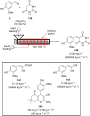
Scheme 32: Continuous solvent-free apparatus applied for the synthesis of compounds 140–143 using a TSE. Throu...

Scheme 33: Lewis et al. developed a spinning disc reactor for Darzens condensation of 144 and a ketone to furn...

Scheme 34: Some key industrial applications of conjugate additions in the F&F industry.

Scheme 35: Continuous-flow synthesis of 4-(2-hydroxyethyl)thiomorpholine 1,1-dioxide (156) via double conjugat...

Scheme 36: Continuous-flow system for Michael addition using CsF on alumina as the catalyst.

Scheme 37: Calcium chloride-catalysed asymmetric Michael addition using an immobilised chiral ligand.

Scheme 38: Continuous multistep synthesis for the preparation of (R)-rolipram (173). Si-NH2: primary amine-fun...

Scheme 39: Continuous-flow Michael addition using ion exchange resin Amberlyst® A26.

Scheme 40: Preparation of the heterogeneous catalyst 181 developed by Paixão et al. exploiting Ugi multicompon...

Scheme 41: Continuous-flow system developed by the Paixão’s group for the preparation of Michael asymmetric ad...

Scheme 42: Continuous-flow synthesis of nitroaldols catalysed by supported catalyst 184 developed by Wennemers...

Scheme 43: Heterogenous polystyrene-supported catalysts developed by Pericàs and co-workers.

Scheme 44: PANF-supported pyrrolidine catalyst for the conjugate addition of cyclohexanone (65) and trans-β-ni...

Scheme 45: Synthesis of (−)-paroxetine precursor 195 developed by Ötvös, Pericàs, and Kappe.

Scheme 46: Continuous-flow approach for the 5-step synthesis of (−)-oseltamivir (201) as devised by Hayashi an...

Scheme 47: Continuous-flow enzyme-catalysed Michael addition.

Scheme 48: Continuous-flow copper-catalysed 1,4 conjugate addition of Grignard reagents to enones. Reprinted w...

Scheme 49: A collection of commonly encountered hydrogenation reactions.

Figure 7: The ThalesNano H-Cube® continuous-flow hydrogenator.

Scheme 50: Chemoselective reduction of an α,β-unsaturated ketone using the H-Cube® reactor.

Scheme 51: Incorporation of Lindlar’s catalyst into the H-Cube® reactor for the reduction of an alkyne.

Scheme 52: Continuous-flow semi-hydrogenation of alkyne 208 to 209 using SACs with H-Cube® system.

Figure 8: The standard setups for tube-in-tube gas–liquid reactor units.

Scheme 53: Homogeneous hydrogenation of olefins using a tube-in-tube reactor setup.
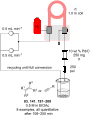
Scheme 54: Recyclable heterogeneous flow hydrogenation system.

Scheme 55: Leadbeater’s reverse tube-in-tube hydrogenation system for olefin reductions.

Scheme 56: a) Hydrogenation using a Pd-immobilised microchannel reactor (MCR) and b) a representation of the i...

Scheme 57: Hydrogenation of alkyne 238 exploiting segmented flow in a Pd-immobilised capillary reactor.

Scheme 58: Continuous hydrogenation system for the preparation of cyrene (241) from (−)-levoglucosenone (240).

Scheme 59: Continuous hydrogenation system based on CSMs developed by Hornung et al.

Scheme 60: Chemoselective reduction of carbonyls (ketones over aldehydes) in flow.

Scheme 61: Continuous system for the semi-hydrogenation of 256 and 258, developed by Galarneau et al.

Scheme 62: Continuous synthesis of biodiesel fuel 261 from lignin-derived furfural acetone (260).

Scheme 63: Continuous synthesis of γ-valerolacetone (263) via CTH developed by Pineda et al.

Scheme 64: Continuous hydrogenation of lignin-derived biomass (products 265, 266, and 267) using a sustainable...

Scheme 65: Ru/C or Rh/C-catalysed hydrogenation of arene in flow as developed by Sajiki et al.

Scheme 66: Polysilane-immobilized Rh–Pt-catalysed hydrogenation of arenes in flow by Kobayashi et al.

Scheme 67: High-pressure in-line mixing of H2 for the asymmetric reduction of 278 at pilot scale with a 73 L p...
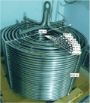
Figure 9: Picture of the PFR employed at Eli Lilly & Co. for the continuous hydrogenation of 278 [287]. Reprinted ...

Scheme 68: Continuous-flow asymmetric hydrogenation using Oppolzer's sultam 280 as chiral auxiliary.
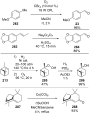
Scheme 69: Some examples of industrially important oxidation reactions in the F&F industry. CFL: compact fluor...

Scheme 70: Gold-catalysed heterogeneous oxidation of alcohols in flow.
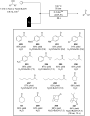
Scheme 71: Uozumi’s ARP-Pt flow oxidation protocol.

Scheme 72: High-throughput screening of aldehyde oxidation in flow using an in-line GC.

Scheme 73: Permanganate-mediated Nef oxidation of nitroalkanes in flow with the use of in-line sonication to p...

Scheme 74: Continuous-flow aerobic anti-Markovnikov Wacker oxidation.

Scheme 75: Continuous-flow oxidation of 2-benzylpyridine (312) using air as the oxidant.

Scheme 76: Continuous-flow photo-oxygenation of monoterpenes.

Scheme 77: A tubular reactor design for flow photo-oxygenation.

Scheme 78: Glucose oxidase (GOx)-mediated continuous oxidation of glucose using compressed air and the FFMR re...

Scheme 79: Schematic continuous-flow sodium hypochlorite/TEMPO oxidation of alcohols.

Scheme 80: Oxidation using immobilised TEMPO (344) was developed by McQuade et al.

Scheme 81: General protocol for the bleach/catalytic TBAB oxidation of aldehydes and alcohols.

Scheme 82: Continuous-flow PTC-assisted oxidation using hydrogen peroxide. The process was easily scaled up by...

Scheme 83: Continuous-flow epoxidation of cyclohexene (348) and in situ preparation of m-CPBA.

Scheme 84: Continuous-flow epoxidation using DMDO as oxidant.

Scheme 85: Mukayama aerobic epoxidation optimised in flow mode by the Favre-Réguillon group.

Scheme 86: Continuous-flow asymmetric epoxidation of derivatives of 359 exploiting a biomimetic iron catalyst.

Scheme 87: Continuous-flow enzymatic epoxidation of alkenes developed by Watts et al.

Scheme 88: Engineered multichannel microreactor for continuous-flow ozonolysis of 366.

Scheme 89: Continuous-flow synthesis of the vitamin D precursor 368 using multichannel microreactors. MFC: mas...

Scheme 90: Continuous ozonolysis setup used by Kappe et al. for the synthesis of various substrates employing ...

Scheme 91: Continuous-flow apparatus for ozonolysis as developed by Ley et al.

Scheme 92: Continuous-flow ozonolysis for synthesis of vanillin (2) using a film-shear flow reactor.

Scheme 93: Examples of preparative methods for ajoene (386) and allicin (388).

Scheme 94: Continuous-flow oxidation of thioanisole (389) using styrene-based polymer-supported peroxytungstat...

Scheme 95: Continuous oxidation of thiosulfinates using Oxone®-packed reactor.

Scheme 96: Continuous-flow electrochemical oxidation of thioethers.

Scheme 97: Continuous-flow oxidation of 400 to cinnamophenone (235).

Scheme 98: Continuous-flow synthesis of dehydrated material 401 via oxidation of methyl dihydrojasmonate (33).

Scheme 99: Some industrially important transformations involving Grignard reagents.

Scheme 100: Grachev et al. apparatus for continuous preparation of Grignard reagents.

Scheme 101: Example of fluidized Mg bed reactor with NMR spectrometer as on-line monitoring system.

Scheme 102: Continuous-flow synthesis of Grignard reagents and subsequent quenching reaction.

Figure 10: Membrane-based, liquid–liquid separator with integrated pressure control [52]. Adapted with permission ...

Scheme 103: Continuous-flow synthesis of 458, an intermediate to fluconazole (459).

Scheme 104: Continuous-flow synthesis of ketones starting from benzoyl chlorides.

Scheme 105: A Grignard alkylation combining CSTR and PFR technologies with in-line infrared reaction monitoring....

Scheme 106: Continuous-flow preparation of 469 from Grignard addition of methylmagnesium bromide.

Scheme 107: Continuous-flow synthesis of Grignard reagents 471.

Scheme 108: Preparation of the Grignard reagent 471 using CSTR and the continuous process for synthesis of the ...

Scheme 109: Continuous process for carboxylation of Grignard reagents in flow using tube-in-tube technology.

Scheme 110: Continuous synthesis of propargylic alcohols via ethynyl-Grignard reagent.

Scheme 111: Silica-supported catalysed enantioselective arylation of aldehydes using Grignard reagents in flow ...

Scheme 112: Acid-catalysed rearrangement of citral and dehydrolinalool derivatives.

Scheme 113: Continuous stilbene isomerisation with continuous recycling of photoredox catalyst.

Scheme 114: Continuous-flow synthesis of compound 494 as developed by Ley et al.

Scheme 115: Selected industrial applications of DA reaction.

Scheme 116: Multistep flow synthesis of the spirocyclic structure 505 via employing DA cycloaddition.

Scheme 117: Continuous-flow DA reaction developed in a plater flow reactor for the preparation of the adduct 508...

Scheme 118: Continuous-flow DA reaction using a silica-supported imidazolidinone organocatalyst.

Scheme 119: Batch vs flow for the DA reaction of (cyclohexa-1,5-dien-1-yloxy)trimethylsilane (513) with acrylon...

Scheme 120: Continuous-flow DA reaction between 510 and 515 using a shell-core droplet system.

Scheme 121: Continuous-flow synthesis of bicyclic systems from benzyne precursors.

Scheme 122: Continuous-flow synthesis of bicyclic scaffolds 527 and 528 for further development of potential ph...

Scheme 123: Continuous-flow inverse-electron hetero-DA reaction to pyridine derivatives such as 531.

Scheme 124: Comparison between batch and flow for the synthesis of pyrimidinones 532–536 via retro-DA reaction ...

Scheme 125: Continuous-flow coupled with ultrasonic system for preparation of ʟ-ascorbic acid derivatives 539 d...

Scheme 126: Two-step continuous-flow synthesis of triazole 543.

Scheme 127: Continuous-flow preparation of triazoles via CuAAC employing 546-based heterogeneous catalyst.

Scheme 128: Continuous-flow synthesis of compounds 558 through A3-coupling and 560 via AgAAC both employing the...

Scheme 129: Continuous-flow photoinduced [2 + 2] cycloaddition for the preparation of bicyclic derivatives of 5...

Scheme 130: Continuous-flow [2 + 2] and [5 + 2] cycloaddition on large scale employing a flow reactor developed...

Scheme 131: Continuous-flow preparation of the tricyclic structures 573 and 574 starting from pyrrole 570 via [...

Scheme 132: Continuous-flow [2 + 2] photocyclization of cinnamates.

Scheme 133: Continuous-flow preparation of cyclobutane 580 on a 5-plates photoreactor.

Scheme 134: Continuous-flow [2 + 2] photocycloaddition under white LED lamp using heterogeneous PCN as photocat...

Figure 11: Picture of the parallel tube flow reactor (PTFR) "The Firefly" developed by Booker-Milburn et al. a...

Scheme 135: Continuous-flow acid-catalysed [2 + 2] cycloaddition between silyl enol ethers and acrylic esters.

Scheme 136: Continuous synthesis of lactam 602 using glass column reactors.

Scheme 137: In situ generation of ketenes for the Staudinger lactam synthesis developed by Ley and Hafner.

Scheme 138: Application of [2 + 2 + 2] cycloadditions in flow employed by Ley et al.

Scheme 139: Examples of FC reactions applied in F&F industry.

Scheme 140: Continuous-flow synthesis of ibuprofen developed by McQuade et al.

Scheme 141: The FC acylation step of Jamison’s three-step ibuprofen synthesis.

Scheme 142: Synthesis of naphthalene derivative 629 via FC acylation in microreactors.

Scheme 143: Flow system for rapid screening of catalysts and reaction conditions developed by Weber et al.

Scheme 144: Continuous-flow system developed by Buorne, Muller et al. for DSD optimisation of the FC acylation ...

Scheme 145: Continuous-flow FC acylation of alkynes to yield β-chlorovinyl ketones such as 638.

Scheme 146: Continuous-flow synthesis of tonalide (619) developed by Wang et al.

Scheme 147: Continuous-flow preparation of acylated arene such as 290 employing Zr4+-β-zeolite developed by Kob...

Scheme 148: Flow system applied on an Aza-FC reaction catalysed by the thiourea catalyst 648.

Scheme 149: Continuous hydroformylation in scCO2.

Scheme 150: Two-step flow synthesis of aldehyde 655 through a sequential Heck reaction and subsequent hydroform...

Scheme 151: Single-droplet (above) and continuous (below) flow reactors developed by Abolhasani et al. for the ...

Scheme 152: Continuous hydroformylation of 1-dodecene (655) using a PFR-CSTR system developed by Sundmacher et ...

Scheme 153: Continuous-flow synthesis of the aldehyde 660 developed by Eli Lilly & Co. [32]. Adapted with permissio...

Scheme 154: Continuous asymmetric hydroformylation employing heterogenous catalst supported on carbon-based sup...

Scheme 155: Examples of acetylation in F&F industry: synthesis of bornyl (S,R,S-664) and isobornyl (S,S,S-664) ...

Scheme 156: Continuous-flow preparation of bornyl acetate (S,R,S-664) employing the oscillating flow reactor.

Scheme 157: Continuous-flow synthesis of geranyl acetate (666) from acetylation of geraniol (343) developed by ...

Scheme 158: 12-Ttungstosilicic acid-supported silica monolith-catalysed acetylation in flow.

Scheme 159: Continuous-flow preparation of cyclopentenone 676.

Scheme 160: Two-stage synthesis of coumarin (90) via acetylation of salicylaldehyde (88).

Scheme 161: Intensification process for acetylation of 5-methoxytryptamine (677) to melatonin (678) developed b...

Scheme 162: Examples of macrocyclic musky odorants both natural (679–681) and synthetic (682 and 683).

Scheme 163: Flow setup combined with microwave for the synthesis of macrocycle 686 via RCM.

Scheme 164: Continuous synthesis of 2,5-dihydro-1H-pyrroles via ring-closing metathesis.

Scheme 165: Continuous-flow metathesis of 485 developed by Leadbeater et al.

Figure 12: Comparison between RCM performed using different routes for the preparation of 696. On the left the...

Scheme 166: Continuous-flow RCM of 697 employed the solid-supported catalyst 698 developed by Grela, Kirschning...

Scheme 167: Continuous-flow RORCM of cyclooctene employing the silica-absorbed catalyst 700.

Scheme 168: Continuous-flow self-metathesis of methyl oleate (703) employing SILP catalyst 704.

Scheme 169: Flow apparatus for the RCM of 697 using a nanofiltration membrane for the recovery and reuse of the...

Scheme 170: Comparison of loadings between RCMs performed with different routes for the synthesis of 709.
[2 + 1] Cycloaddition reactions of fullerene C60 based on diazo compounds
- Yuliya N. Biglova
Beilstein J. Org. Chem. 2021, 17, 630–670, doi:10.3762/bjoc.17.55
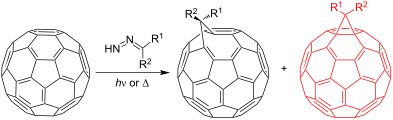
- cholesterol 44 and histamine 45. Scientific literature [97] reports a three-step continuous synthesis of [6,6]-tert-butyl phenyl-C61-butyrate 47 based on tert-butyl 4-benzoylbutyrate hydrazone in a microstructured flow reactor that eliminates the need for stage-by-stage isolation of intermediate products and
A sustainable strategy for the straightforward preparation of 2H-azirines and highly functionalized NH-aziridines from vinyl azides using a single solvent flow-batch approach
- Michael Andresini,
- Leonardo Degannaro and
- Renzo Luisi
Beilstein J. Org. Chem. 2021, 17, 203–209, doi:10.3762/bjoc.17.20

- reaction crudes were re-introduced into the flow reactor under the same conditions, azirines 2h–j were obtained quantitatively (2h, 98%; 2i, 97%; 2j, 97%). Pursuing in our aim to develop a green approach to prepare substituted NH-aziridines from vinyl azides in a single procedure, the solution of 2a from

Graphical Abstract

Scheme 1: Flow generation and transformation of 2H-azirines.

Scheme 2: Flow synthesis of 2H-azirines from vinyl azides. aThe solution of vinyl azide was re-introduced twi...

Scheme 3: Mixed flow-batch approach for the preparation of functionalized NH-aziridines from vinyl azides.
Dawn of a new era in industrial photochemistry: the scale-up of micro- and mesostructured photoreactors
- Emine Kayahan,
- Mathias Jacobs,
- Leen Braeken,
- Leen C.J. Thomassen,
- Simon Kuhn,
- Tom van Gerven and
- M. Enis Leblebici
Beilstein J. Org. Chem. 2020, 16, 2484–2504, doi:10.3762/bjoc.16.202
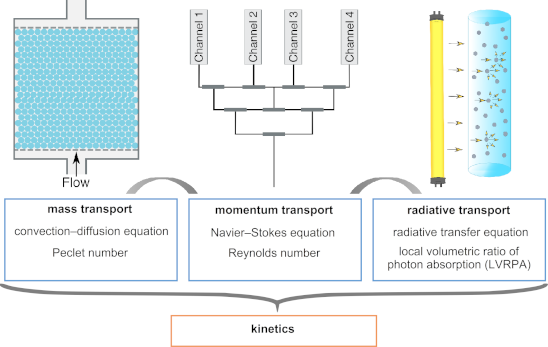

Graphical Abstract

Figure 1: The momentum transport affects the mass transfer and the light field. All transport phenomena need ...

Figure 2: Common photomicroreactor designs: (a) Straight channel, (b) serpentine channel, (c) square serpenti...

Figure 3: Benchmarked photoreactors: (a) Microcapillaries in parallel, (b) microcapillaries in series, (c) fl...
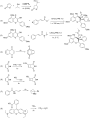
Figure 4: Photochemical reactions that are detailed in Table 1.

Figure 5: Structured reactors designed for enhancing the mass transfer: (a) Packed bed photoreactor, (b) mono...

Figure 6: Comparison of the LED board designs of photomicroreactors: (a) CC array design, (b) MC array design...

Figure 7: Illustration of the light scattering phenomenon inside a photocatalytic flow reactor.

Figure 8: Efficiency of the absorption process in scattering situations with respect to pure absorption situa...

Figure 9: Different types of distributors: (a) Traditional or consecutive manifold, (b) bifurcation unit dist...
Photosensitized direct C–H fluorination and trifluoromethylation in organic synthesis
- Shahboz Yakubov and
- Joshua P. Barham
Beilstein J. Org. Chem. 2020, 16, 2151–2192, doi:10.3762/bjoc.16.183
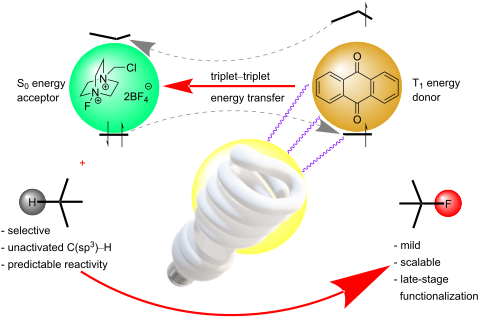
- through small-diameter (μm–mm) channels. Lectka and co-workers reported the processing of their benzil-photosensitized enone-directed C(sp3)–H fluorination in a custom-built flow reactor, comprised of a syringe pump, a coil of fluorinated ethylene propylene (FEP) tubing (7.5 m; inner diameter 1.6 mm

Graphical Abstract

Figure 1: Fluorine-containing drugs.

Figure 2: Fluorinated agrochemicals.

Scheme 1: Selectivity of fluorination reactions.

Scheme 2: Different mechanisms of photocatalytic activation. Sub = substrate.

Figure 3: Jablonski diagram showing visible-light-induced energy transfer pathways: a) absorption, b) IC, c) ...

Figure 4: Schematic illustration of TTET.
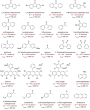
Figure 5: Organic triplet PSCats.
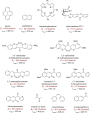
Figure 6: Additional organic triplet PSCats.

Figure 7: A) Further organic triplet PSCats and B) transition metal triplet PSCats.

Figure 8: Different fluorination reagents grouped by generation.

Scheme 3: Synthesis of Selectfluor®.

Scheme 4: General mechanism of PS TTET C(sp3)–H fluorination.

Scheme 5: Selective benzylic mono- and difluorination using 9-fluorenone and xanthone PSCats, respectively.

Scheme 6: Chen’s photosensitized monofluorination: reaction scope.

Scheme 7: Chen’s photosensitized benzylic difluorination reaction scope.

Scheme 8: Photosensitized monofluorination of ethylbenzene on a gram scale.

Scheme 9: Substrate scope of Tan’s AQN-photosensitized C(sp3)–H fluorination.

Scheme 10: AQN-photosensitized C–H fluorination reaction on a gram scale.

Scheme 11: Reaction mechanism of the AQN-assisted fluorination.

Figure 9: 3D structures of the singlet ground and triplet excited states of Selectfluor®.

Scheme 12: Associated transitions for the activation of acetophenone by violet light.

Scheme 13: Ethylbenzene C–H fluorination with various PSCats and conditions.

Scheme 14: Effect of different PSCats on the C(sp3)–H fluorination of cyclohexane (39).

Scheme 15: Reaction scope of Chen’s acetophenone-photosensitized C(sp3)–H fluorination reaction.

Figure 10: a) Site-selectivity of Chen’s acetophenone-photosensitized C–H fluorination reaction [201]. b) Site-sele...

Scheme 16: Formation of the AQN–Selectfluor® exciplex Int1.

Scheme 17: Generation of the C3 2° pentane radical and the Selectfluor® N-radical cation from the exciplex.

Scheme 18: Hydrogen atom abstraction by the Selectfluor® N-radical cation from pentane to give the C3 2° penta...

Scheme 19: Fluorine atom transfer from Selectfluor® to the C3 2° pentane radical to yield 3-fluoropentane and ...

Scheme 20: Barrierless fluorine atom transfer from Int1 to the C3 2° pentane radical to yield 3-fluoropentane,...

Scheme 21: Ketone-directed C(sp3)–H fluorination.

Scheme 22: Ketone-directed fluorination through a 5- and a 6-membered transition state, respectively.

Scheme 23: Effect of different PSCats on the photosensitized C(sp3)–H fluorination of 47.

Scheme 24: Substrate scope of benzil-photoassisted C(sp3)–H fluorinations.

Scheme 25: A) Benzil-photoassisted enone-directed C(sp3)–H fluorination. B) Classification of the reaction mod...

Scheme 26: A) Xanthone-photoassisted ketal-directed C(sp3)–H fluorination. B) Substrate scope. C) C–H fluorina...

Scheme 27: Rationale for the selective HAT at the C2 C–H bond of galactose acetonide.

Scheme 28: Photosensitized C(sp3)–H benzylic fluorination of a peptide using different PSCats.

Scheme 29: Peptide scope of 5-benzosuberenone-photoassisted C(sp3)–H fluorinations.

Scheme 30: Continuous flow PS TTET monofluorination of 72.

Scheme 31: Photosensitized C–H fluorination of N-butylphthalimide as a PSX.

Scheme 32: Substrate scope and limitations of the PSX C(sp3)–H monofluorination.

Scheme 33: Substrate crossover monofluorination experiment.

Scheme 34: PS TTET mechanism proposed by Hamashima and co-workers.

Scheme 35: Photosensitized TFM of 78 to afford α-trifluoromethylated ketone 80.

Scheme 36: Substrate scope for photosensitized styrene TFM to give α-trifluoromethylated ketones.

Scheme 37: Control reactions for photosensitized TFM of styrenes.

Scheme 38: Reaction mechanism for photosensitized TFM of styrenes to afford α-trifluoromethylated ketones.

Scheme 39: Reaction conditions for TFMs to yield the cis- and the trans-product, respectively.

Scheme 40: Substrate scope of trifluoromethylated (E)-styrenes.

Scheme 41: Strategies toward trifluoromethylated (Z)-styrenes.

Scheme 42: Substrate scope of trifluoromethylated (Z)-styrenes.

Scheme 43: Reaction mechanism for photosensitized TFM of styrenes to afford E- or Z-products.
Heterogeneous photocatalysis in flow chemical reactors
- Christopher G. Thomson,
- Ai-Lan Lee and
- Filipe Vilela
Beilstein J. Org. Chem. 2020, 16, 1495–1549, doi:10.3762/bjoc.16.125
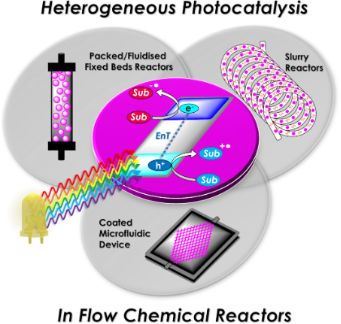
- the molar attenuation coefficient of the photocatalyst (ε), its concentration (c), and the optical path length (l). This also applies to immobilising an HPCat in a flow reactor, which generally confines and concentrates the material within a transparent vessel with high surface-to-volume ratio
- conjugated polymer and applied the material for singlet oxygen photosensitisation [131]. Both of these were applied as HPCats in a commercial flow reactor for photocatalysis. Whilst flow chemistry is generally used to enhance the efficiency of HPC processes, we recently demonstrated that it can also enhance

Graphical Abstract

Figure 1: A) Bar chart of the publications per year for the topics “Photocatalysis” (49,662 instances) and “P...

Figure 2: A) Professor Giacomo Ciamician and Dr. Paolo Silber on their roof laboratory at the University of B...

Scheme 1: PRC trifluoromethylation of N-methylpyrrole (1) using hazardous gaseous CF3I safely in a flow react...

Figure 3: A) Unit cells of the three most common crystal structures of TiO2: rutile, brookite, and anatase. R...

Figure 4: Illustration of the key semiconductor photocatalysis events: 1) A photon with a frequency exceeding...

Figure 5: Photocatalytic splitting of water by oxygen vacancies on a TiO2(110) surface. Reprinted with permis...

Figure 6: Proposed adsorption modes of A) benzene, B) chlorobenzene, C) toluene, D) phenol, E) anisole, and F...

Figure 7: Structures of the sulfonate-containing organic dyes RB5 (3) and MX-5B (4) and the adsorption isothe...

Figure 8: Idealised triclinic unit cell of a g-C3N4 type polymer, displaying possible hopping transport scena...

Figure 9: Idealised structure of a perfect g-C3N4 sheet. The central unit highlighted in red represents one t...

Figure 10: Timeline of the key processes of charge transport following the photoexcitation of g-C3N4, leading ...

Scheme 2: Photocatalytic bifunctionalisation of heteroarenes using mpg-C3N4, with the selected examples 5 and ...

Figure 11: A) Structure of four linear conjugated polymer photocatalysts for hydrogen evolution, displaying th...

Figure 12: Graphical representation of the common methods used to immobilise molecular photocatalysts (PC) ont...

Figure 13: Wireless light emitter-supported TiO2 (TiO2@WLE) HPCat spheres powered by resonant inductive coupli...

Figure 14: Graphical representation of zinc–perylene diimide (Zn-PDI) supramolecular assembly photocatalysis v...

Scheme 3: Upconversion of NIR photons to the UV frequency by NaYF4:Yb,Tm nanocrystals sequentially coated wit...

Figure 15: Types of reactors employed in heterogeneous photocatalysis in flow. A) Fixed bed reactors and the s...

Figure 16: Electrochemical potential of common semiconductor, transition metal, and organic dye-based photocat...

Scheme 4: Possible mechanisms of an immobilised molecular photoredox catalyst by oxidative or reductive quenc...
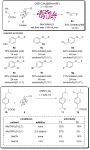
Scheme 5: Scheme of the CMB-C3N4 photocatalytic decarboxylative fluorination of aryloxyacetic acids, with the...

Scheme 6: Scheme of the g-C3N4 photocatalytic desilylative coupling reaction in flow and proposed mechanism [208].

Scheme 7: Proposed mechanism of the radical cyclisation of unsaturated alkyl 2-bromo-1,3-dicarbonyl compounds...

Scheme 8: N-alkylation of benzylamine and schematic of the TiO2-coated microfluidic device [213].

Scheme 9: Proposed mechanism of the Pt@TiO2 photocatalytic deaminitive cyclisation of ʟ-lysine (23) to ʟ-pipe...

Scheme 10: A) Proposed mechanism for the photocatalytic oxidation of phenylboronic acid (24). B) Photos and SE...

Scheme 11: Proposed mechanism for the DA-CMP3 photocatalytic aza-Henry reaction performed in a continuous flow...

Scheme 12: Proposed mechanism for the formation of the cyclic product 32 by TiO2-NC HPCats in a slurry flow re...

Scheme 13: Reaction scheme for the photocatalytic synthesis of homo and hetero disulfides in flow and scope of...

Scheme 14: Reaction scheme for the MoOx/TiO2 HPCat oxidation of cyclohexane (34) to benzene. The graph shows t...

Scheme 15: Proposed mechanism of the TiO2 HPC heteroarene C–H functionalisation via aryl radicals generated fr...

Scheme 16: Scheme of the oxidative coupling of benzylamines with the HOTT-HATN HPCat and selected examples of ...
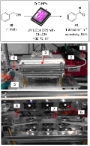
Scheme 17: Photocatalysis oxidation of benzyl alcohol (40) to benzaldehyde (41) in a microflow reactor coated ...

Figure 17: Mechanisms of Dexter and Forster energy transfer.
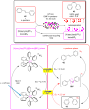
Scheme 18: Continuous flow process for the isomerisation of alkenes with an ionic liquid-immobilised photocata...

Scheme 19: Singlet oxygen synthetic step in the total synthesis of canataxpropellane [265].

Scheme 20: Scheme and proposed mechanism of the singlet oxygen photosensitisation by CMP_X HPCats, with the st...

Scheme 21: Structures of CMP HPCat materials applied by Vilela and co-workers for the singlet oxygen photosens...
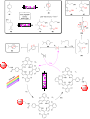
Scheme 22: Polyvinylchloride resin-supported TDCPP photosensitisers applied for singlet oxygen photosensitisat...

Scheme 23: Structure of the ionically immobilised TPP photosensitiser on amberlyst-15 ion exchange resins (TPP...

Scheme 24: Photosensitised singlet oxygen oxidation of citronellol (46) in scCO2, with automatic phase separat...

Scheme 25: Schematic of PS-Est-BDP-Cl2 being applied for singlet oxygen photosensitisation in flow. A) Pseudo-...

Scheme 26: Reaction scheme of the singlet oxygen oxidation of furoic acid (54) using a 3D-printed microfluidic...

Figure 18: A) Photocatalytic bactericidal mechanism by ROS oxidative cleavage of membrane lipids (R = H, amino...

Figure 19: A) Suggested mechanisms for the aqueous pollutant degradation by TiO2 in a slurry flow reactor [284-287]. B)...

Figure 20: Schematic of the flow system used for the degradation of aqueous oxytetracycline (56) solutions [215]. M...
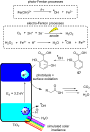
Scheme 27: Degradation of a salicylic acid (57) solution by a coupled solar photoelectro-Fenton (SPEF) process...

Figure 21: A) Schematic flow diagram using the TiO2-coated NETmix microfluidic device for an efficient mass tr...
Disposable cartridge concept for the on-demand synthesis of turbo Grignards, Knochel–Hauser amides, and magnesium alkoxides
- Mateo Berton,
- Kevin Sheehan,
- Andrea Adamo and
- D. Tyler McQuade
Beilstein J. Org. Chem. 2020, 16, 1343–1356, doi:10.3762/bjoc.16.115
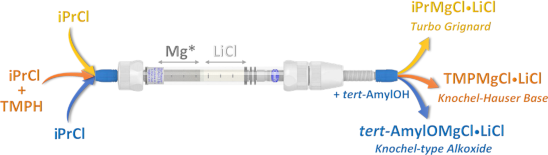
- fresh organomagnesium reagents on a discovery scale and will do so independent from the operator’s experience in flow and/or organometallic chemistry. Keywords: Knochel–Hauser base; lithium chloride; magnesium; on-demand; packed-bed reactors; plug and flow reactor; synthesizer; turbo Grignard reagent

Graphical Abstract

Figure 1: Comparing on-demand coffee and turbo Grignard pod-style machines.

Figure 2: Ranking of the 20 most cited Grignard reagents (SciFinder March 26, 2019).

Figure 3: On-demand prototype. A) Inside view of the pump with a flexible bag containing a yellow liquid layi...

Figure 4: Temperature evolution measured with thermocouples along the column outer surface at three different...

Figure 5: Stratified bicomponent column (Diba Omnifit EZ Solvent Plus) composed of magnesium (chips/powder, 1...

Scheme 1: Continuous flow synthesis of TMPMgCl⋅LiCl with a stratified packed-bed column of activated magnesiu...

Scheme 2: Continuous flow synthesis of TMPMgCl⋅LiBr with a stratified packed-bed column of activated magnesiu...

Scheme 3: Continuous flow synthesis of t-AmylOMgCl⋅LiCl with a stratified packed-bed column of activated magn...

Figure 6: Steady-state concentration stability during the conversion of iPrCl in THF (56 mL, 2.2 M) into iPrM...

Scheme 4: Synthesis of iPrMgCl⋅LiCl on the ODR prototype.

Scheme 5: Synthesis of HMDSMgCl⋅LiCl on the ODR prototype.
A method to determine the correct photocatalyst concentration for photooxidation reactions conducted in continuous flow reactors
- Clemens R. Horn and
- Sylvain Gremetz
Beilstein J. Org. Chem. 2020, 16, 871–879, doi:10.3762/bjoc.16.78
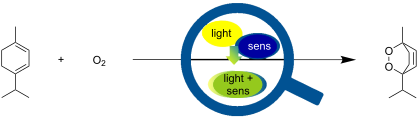
- centered on the combination of light with continuous flow reactors [1][2][3][4][5][6]. The reason for this increased interest is that continuous flow photochemical reactors can overcome various limitations that occur when the same reaction run in batch reactors [7]. For example, the flow reactor can
- , which, for a flow reactor, is the product of the light intensity and time [27][28][29]. The light intensity can be considered as the limiting factor in a flow setup as the space around the reaction channel is limited, as is the power of the light source. The exposure time has less limitations as it is
- reagent uses the Bouguer–Lambert–Beer law as a starting point to estimate a concentration close to the optimum. The law in its basic definition is not entirely applicable to a flow reactor but will nevertheless provide a convenient starting point [30][31]. The analysis of the required concentration of the

Graphical Abstract

Figure 1: Reaction setup (FC: flow controller, BPR: back pressure regulator).

Scheme 1: Photocatalysts A–I screened for the oxidation of citronellol.

Figure 2: Conversion and transmission at fixed reaction conditions (0.5 N citronellol, 1 mL/min,1 mol % catal...

Figure 3: Measured transmission spectrum of a 5 mmol/L (1 mol %) solution of TPP (H) in dichloromethane with ...

Figure 4: Transmission spectra of rose bengal (D) and the emission spectrum of an LED with a maximum at 524 n...

Figure 5: Transmission spectra of dimethylanthracene (Gb) and emission spectra of LEDs with maxima at 365, 37...

Figure 6: Transmission spectra of TPP (H) and emission spectra of LEDs with maxima at 407 and 424 nm, respect...

Scheme 2: Photooxidation of alpha-terpinene.

Figure 7: Conversion of alpha-terpinene using the wavelength-adapted TPP (H) concentrations.

Figure 8: Conversion of alpha-terpinene at different TPP (H) concentrations.

Figure 9: Conversion of alpha-terpinene (0.5 N) as a function of the wavelength using DMA (Gb) as the catalys...

Figure 10: Conversion of citronellol at different concentrations of rose bengal (D).

Figure 11: Conversion of citronellol as a function of the light power (0.5 mol/L of citronellol, 1.34 mmol/L r...
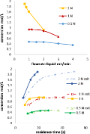
Figure 12: Absolute conversion of various concentrations of alpha-terpinene at 407 nm using 0.32 mmol/L of TPP...
Recent advances in photocatalyzed reactions using well-defined copper(I) complexes
- Mingbing Zhong,
- Xavier Pannecoucke,
- Philippe Jubault and
- Thomas Poisson
Beilstein J. Org. Chem. 2020, 16, 451–481, doi:10.3762/bjoc.16.42
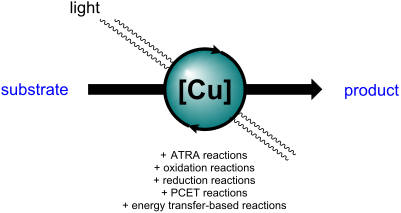
- and propylene oxide as a proton scavenger under flow conditions (0.05 mL/min; residence time = 20 h). The use of flow conditions drastically enhanced the kinetics of the reaction, moving from 120 h reaction time in batch to 20 h using a continuous flow reactor. The reaction allowed the synthesis of a

Graphical Abstract

Scheme 1: [Cu(I)(dap)2]Cl-catalyzed ATRA reaction under green light irradiation.

Scheme 2: Photocatalytic allylation of α-haloketones.

Scheme 3: [Cu(I)(dap)2]Cl-photocatalyzed chlorosulfonylation and chlorotrifluoromethylation of alkenes.

Scheme 4: Photocatalytic perfluoroalkylchlorination of electron-deficient alkenes using the Sauvage catalyst.

Scheme 5: Photocatalytic synthesis of fluorinated sultones.
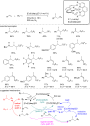
Scheme 6: Photocatalyzed haloperfluoroalkylation of alkenes and alkynes.
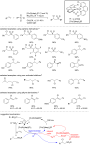
Scheme 7: Chlorosulfonylation of alkenes catalyzed by [Cu(I)(dap)2]Cl. aNo Na2CO3 was added. b1 equiv of Na2CO...

Scheme 8: Copper-photocatalyzed reductive allylation of diaryliodonium salts.

Scheme 9: Copper-photocatalyzed azidomethoxylation of olefins.

Scheme 10: Benzylic azidation initiated by [Cu(I)(dap)2]Cl.

Scheme 11: Trifluoromethyl methoxylation of styryl derivatives using [Cu(I)(dap)2]PF6. All redox potentials ar...

Scheme 12: Trifluoromethylation of silyl enol ethers.

Scheme 13: Synthesis of annulated heterocycles upon oxidation with the Sauvage catalyst.

Scheme 14: Oxoazidation of styrene derivatives using [Cu(dap)2]Cl as a precatalyst.

Scheme 15: [Cu(I)(dpp)(binc)]PF6-catalyzed ATRA reaction.

Scheme 16: Allylation reaction of α-bromomalonate catalyzed by [Cu(I)(dpp)(binc)]PF6 following an ATRA mechani...

Scheme 17: Bromo/tribromomethylation reaction using [Cu(I)(dmp)(BINAP)]PF6.

Scheme 18: Chlorotrifluoromethylation of alkenes catalyzed by [Cu(I)(N^N)(xantphos)]PF6.

Scheme 19: Chlorosulfonylation of styrene and alkyne derivatives by ATRA reactions.

Scheme 20: Reduction of aryl and alkyl halides with the complex [Cu(I)(bcp)(DPEPhos)]PF6. aIrradiation was car...
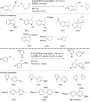
Scheme 21: Meerwein arylation of electron-rich aromatic derivatives and 5-exo-trig cyclization catalyzed by th...

Scheme 22: [Cu(I)(bcp)(DPEPhos)]PF6-photocatalyzed synthesis of alkaloids. aYield over two steps (cyclization ...

Scheme 23: Copper-photocatalyzed decarboxylative amination of NHP esters.

Scheme 24: Photocatalytic decarboxylative alkynylation using [Cu(I)(dq)(binap)]BF4.
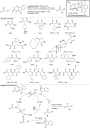
Scheme 25: Copper-photocatalyzed alkylation of glycine esters.

Scheme 26: Copper-photocatalyzed borylation of organic halides. aUnder continuous flow conditions.

Scheme 27: Copper-photocatalyzed α-functionalization of alcohols with glycine ester derivatives.

Scheme 28: δ-Functionalization of alcohols using [Cu(I)(dmp)(xantphos)]BF4.

Scheme 29: Photocatalytic synthesis of [5]helicene and phenanthrene.

Scheme 30: Oxidative carbazole synthesis using in situ-formed [Cu(I)(dmp)(xantphos)]BF4.

Scheme 31: Copper-photocatalyzed functionalization of N-aryl tetrahydroisoquinolines.

Scheme 32: Bicyclic lactone synthesis using a copper-photocatalyzed PCET reaction.

Scheme 33: Photocatalytic Pinacol coupling reaction catalyzed by [Cu(I)(pypzs)(BINAP)]BF4. The ligands of the ...

Scheme 34: Azide photosensitization using a Cu-based photocatalyst.
Visible-light-induced addition of carboxymethanide to styrene from monochloroacetic acid
- Kaj M. van Vliet,
- Nicole S. van Leeuwen,
- Albert M. Brouwer and
- Bas de Bruin
Beilstein J. Org. Chem. 2020, 16, 398–408, doi:10.3762/bjoc.16.38
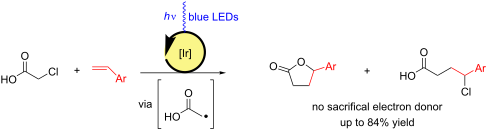
- shell. We anticipated that in a flow setup using tubing with a small internal diameter (0.71 mm) the photocatalyzed reaction pathways could be more efficient. However, in this case, performing the reaction under flow conditions did not lead to better results. The reaction performed in a flow reactor led

Graphical Abstract

Figure 1: A part of the industry around monochloroacetic acid.

Scheme 1: Redox based activation of haloacetic acid.

Figure 2: Cyclic voltammogram of monochloroacetic acid and ferrocene with 0.1 M [TBA][PF6] in MeCN. The poten...

Scheme 2: Initial attempts for lactone formation by photoredox catalysis.

Scheme 3: The photoredox reaction of TEMPO with monochloroacetic acid catalyzed by fac-[Ir(ppy)3].

Figure 3: EPR spectra measured (black) and simulated (red) based on the structure of the oxidized photoredox ...

Scheme 4: Two possible acid-assisted, reductive activation pathways of monochloroacetic acid (A–H = acid).

Figure 4: Reaction mixtures after overnight irradiation of (A) 4-chloro-4-phenylbutanoic acid (3) and fac-[Ir...

Scheme 5: Substrate scope of styrene derivatives in the photoredox reaction with monochloroacetic acid. Yield...

Scheme 6: Proposed reaction mechanism.

Scheme 7: The photoredox formation of 1-(chloromethoxy)-2,2,6,6-tetramethylpiperidine.
Safe and highly efficient adaptation of potentially explosive azide chemistry involved in the synthesis of Tamiflu using continuous-flow technology
- Cloudius R. Sagandira and
- Paul Watts
Beilstein J. Org. Chem. 2019, 15, 2577–2589, doi:10.3762/bjoc.15.251
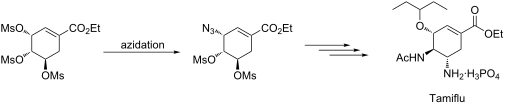
- reaction was quenched within the flow reactor using aqueous HCl (0.11 M, 1.1 equiv) when necessary. Samples were collected and analysed using HPLC resulting in 4.84 min retention time for azide 5. For characterisation, an appropriate amount of toluene and water was added to the reaction mixture after

Graphical Abstract

Scheme 1: Handling of azide chemistry in Tamiflu synthesis by Hayashi and co-workers [14].

Figure 1: Synthesis of compound 2 from acyl chloride 1 via Curtius rearrangement using a continuous-flow syst...

Scheme 2: Azide chemistry in the synthesis of Tamiflu.

Scheme 3: Azidation of mesyl shikimate 5.

Figure 2: Continuous-flow system for C-3 azidation of mesyl shikimate using aqueous sodium azide.

Figure 3: Mesyl shikimate azidation conversion in a continuous-flow system using NaN3.

Figure 4: Desired azide 5 selectivity in a continuous-flow system using NaN3.

Figure 5: Effect of NaN3 concentration on mesyl shikimate 4 conversion and azide 5 selectivity.

Figure 6: Regio- and stereospecific nucleophilic -N3 group attack.

Figure 7: Continuous-flow system for C-3 azidation of mesyl shikimate using DPPA or TMSA.

Figure 8: Mesyl shikimate azidation conversion in a continuous-flow system using DPPA.

Figure 9: Desired azide 5 selectivity in a continuous-flow system using DPPA.

Scheme 4: DPPA azidating mechanism in the presence of a base.

Figure 10: Effect of TEA concentration on the reaction selectivity.

Figure 11: Mesyl shikimate azidation conversion in a continuous-flow system using TMSA.

Figure 12: Desired azide 5 selectivity in a continuous-flow system using TMSA.

Figure 13: Continuous-flow system for C-3 azidation of mesyl shikimate using TBAA.

Figure 14: Continuous-flow system for C-3 azidation of mesyl shikimate using TBAA.

Scheme 5: C-5 azidation of acetamide 6 in our proposed route.

Figure 15: Continuous flow system for C-5 azidation of acetamide 6 using NaN3.

Figure 16: Continuous-flow C-5 azidation of acetamide 6 using NaN3.

Figure 17: Continuous flow C-5 azidation of acetamide 6 using various azidating agents.

Figure 18: Continuous flow synthesis of azide 7 from acetamide 6 using various azidating agents.
Tuning the stability of alkoxyisopropyl protection groups
- Zehong Liang,
- Henna Koivikko,
- Mikko Oivanen and
- Petri Heinonen
Beilstein J. Org. Chem. 2019, 15, 746–751, doi:10.3762/bjoc.15.70
- ., 8a (Figure 2). Recently, the same kind of enol ether formation was considered in connection to an optimization of the conditions for MIP protection on secondary and benzylic hydroxy groups of mandelonitrile derivatives in a flow reactor process [9]. All of the studied acetals are stable toward basic

Graphical Abstract

Figure 1: Reagents for acetal protections.

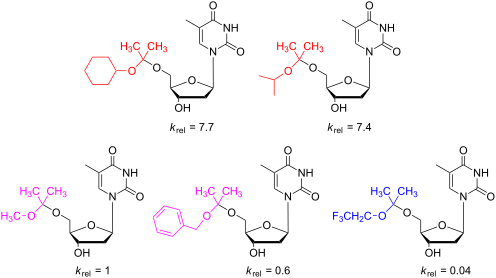
Scheme 1: Synthesis of 2-alkoxyprop-2-yl-protected thymidines. Reagents and conditions (i) 7 equiv 1a–e, 0.5 ...
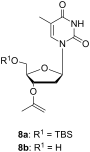
Figure 2: Enol ether 8a: R1 = TBS and 8b: R1 = H.

Scheme 2: Proposed acetal hydrolysis pathways.
Low-budget 3D-printed equipment for continuous flow reactions
- Jochen M. Neumaier,
- Amiera Madani,
- Thomas Klein and
- Thomas Ziegler
Beilstein J. Org. Chem. 2019, 15, 558–566, doi:10.3762/bjoc.15.50
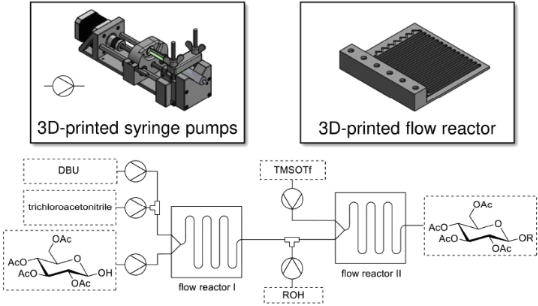
- in flow chemistry. We developed a rack of four syringe pumps controlled by one Arduino computer, which can be manufactured with a commonly available 3D printer and readily available parts. Also, we printed various flow reactor cells, which are fully customizable for each individual reaction. With
- systems is the low chemical resistance of the used printing materials towards most organic solvents [11]. For the development and construction of our flow reactor we had to print and design numerous devices in order to find the most suitable parameters. All reactors were printed with a filament flow of
- performed under batch conditions according to the literature [38] (Scheme 3). The following conversion of glucose 4 into trichloroacetimidate 5 was done in a flow reactor type R1 with a reaction time of 3.5 min. This way, a yield of 67% was obtained for this glycosylation step. Once again we found that

Graphical Abstract

Figure 1: a) CAD drawing of the reactor R1. b) 3D-printed reactor R1 from the CAD drawing. The reactor is fil...

Figure 2: a) L-shaped rail made of PLA with the mounted reactor R3. The small picture shows the fixed reactor...

Figure 3: a) Microreactor R4 with a reactor volume of 12 µL filled with a blue dye solution. b) Magnification...

Figure 4: CAD drawing of two CSTR with three (a) and two inlets (b) with in-printed screw nuts 1/4’’ – 28 thr...

Figure 5: a) Unassembled parts used for one syringe pump. b) Assembled pump with controller.

Scheme 1: Preparation of acetobromo-α-D-glucose 2.

Figure 6: a) Schematic diagram for the continuous-flow synthesis of acetobromo-α-D-glucose 2. b) Photograph o...

Scheme 2: Flow Koenigs–Knorr reaction to methyl glycoside 3 with silver triflate.

Scheme 3: Preparation of glycosyl donor 5.

Scheme 4: Two-step glycosylation reactions starting from pyranose 3.

Scheme 5: Synthesis of azide-functionalized glycopyranoside 8.
Assessing the possibilities of designing a unified multistep continuous flow synthesis platform
- Mrityunjay K. Sharma,
- Roopashri B. Acharya,
- Chinmay A. Shukla and
- Amol A. Kulkarni
Beilstein J. Org. Chem. 2018, 14, 1917–1936, doi:10.3762/bjoc.14.166
- a flow reactor tube of required length and diameter or a microchannel reactor having various geometries or a static mixer) or a continuous stirred tank reactor or a fixed bed reactor or other intensified process equipment viz. spinning disc reactor, impinging jet reactor etc.) and a thermostat which
- , multiple temperature zones can also be provided if required. The reactor module also includes mixers (M1–M9) that are commonly used in flow chemistry [64][65]. The continuous flow reactor can also be equipped with in-line static mixing elements [63]. The second module includes the intermediate storage

Graphical Abstract

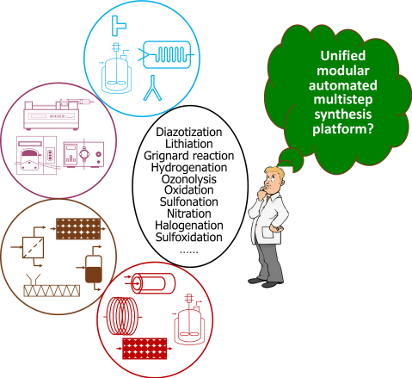
Figure 1: Key features of different approaches for unified multistep synthesis platform.

Figure 2: Schematic representation of a unified platform for the flow synthesis (P1–P14 pumps, PBR packed bed...
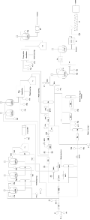
Figure 3: Layout of a unified synthesis platform (including all the component) for multiple drug molecules (a...
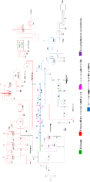
Figure 4: Layout for synthesis of 4 molecules on a single platform (approach 2).

Scheme 1: The overall process for the synthesis of diphenhydramine hydrochloride.
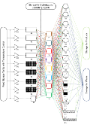
Figure 5: Approach 3 for a unified platform for multistep synthesis. M1–M9 = mixers, R1–R4 = tubular reactors...
Mild and selective reduction of aldehydes utilising sodium dithionite under flow conditions
- Nicole C. Neyt and
- Darren L. Riley
Beilstein J. Org. Chem. 2018, 14, 1529–1536, doi:10.3762/bjoc.14.129
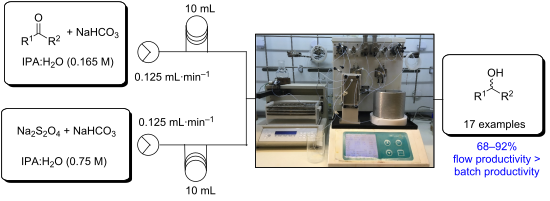
- %, respectively. Flow-based reduction of aldehydes and ketones In developing a flow protocol a Uniqsis FlowSyn Stainless Steel Flow reactor with a Multi X automated sampler was utilized. The reactor set-up (Figure 1) involved the use of two HPLC pumps, a 2 mL mixing chip connected in series to a 14 mL HT PTFE
- process can be run continuously with minimal loss in reactor productivity. Uniqsis FlowSyn Stainless Steel Flow reactor. Flow reactor configuration for the reduction of aldehydes and ketones. NMR spectra showing the optimisation of the dithionite reduction for the reduction of benzaldehyde. Selective
- reduction of an aldehyde in the presence of a ketone. Flow reactor set-up for the continuous reduction of aldehydes. Sodium dithionite-mediated reductions under basic conditions. Reduction of aldehydes and ketones under batch and flow conditions. Optimization of the reduction of benzaldehyde under flow

Graphical Abstract

Scheme 1: Sodium dithionite-mediated reductions under basic conditions.

Figure 1: Uniqsis FlowSyn Stainless Steel Flow reactor.

Figure 2: Flow reactor configuration for the reduction of aldehydes and ketones.

Figure 3: NMR spectra showing the optimisation of the dithionite reduction for the reduction of benzaldehyde.

Figure 4: Selective reduction of an aldehyde in the presence of a ketone.

Figure 5: Flow reactor set-up for the continuous reduction of aldehydes.
Cobalt–metalloid alloys for electrochemical oxidation of 5-hydroxymethylfurfural as an alternative anode reaction in lieu of oxygen evolution during water splitting
- Jonas Weidner,
- Stefan Barwe,
- Kirill Sliozberg,
- Stefan Piontek,
- Justus Masa,
- Ulf-Peter Apfel and
- Wolfgang Schuhmann
Beilstein J. Org. Chem. 2018, 14, 1436–1445, doi:10.3762/bjoc.14.121
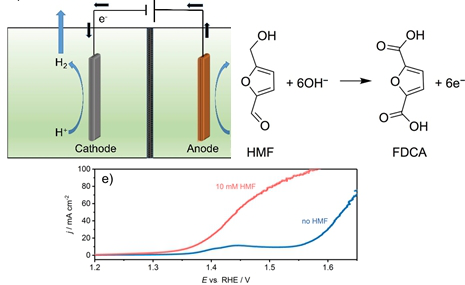
- of the various cobalt–metalloid alloys supported on Ni RDE electrodes revealed CoB to be the most efficient HMF oxidation catalyst. Using a CoB modified Ni foam as anode material, and Ni foam as the cathode in a continuous flow reactor with an anion exchange membrane separating the anodic and
- of the activities of all investigated CoX-based catalysts (X = B, Si, P, As and Te) is highlighted in Table 1. HMF oxidation in a continuous flow reactor The surprisingly high HMF oxidation activity of CoB made it especially interesting to further study the product distribution and FDCA yield in a
- continuous mode. For this, a flow reactor was employed which contains two nickel foam (NF) electrodes separated by an anion exchange membrane (Supporting Information File 1, Figure S2). The NF anode (1 cm × 1 cm) was modified with CoB by means of spray coating while pure NF was used as cathode material. The

Graphical Abstract
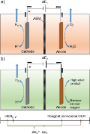
Scheme 1: Conventional water electrolyzer (a) and electrolyzer using an alternative anode reaction (b) in alk...

Figure 1: XRD patterns of Co2Si, CoTe, CoAs. Cobalt is indicated by (+) and signals corresponding to the desi...

Figure 2: Linear sweep voltammograms of CoP, CoB, CoTe, Co2Si, CoAs modified and blank Ni RDEs for the OER (a...

Figure 3: SEM micrographs of bare (a, b) and CoB-modified (c, d) NF with 1000× or 20000× magnification, respe...

Figure 4: a) Reaction pathways of HMF oxidation; b) chromatograms at various times during constant potential ...

Figure 5: Concentration vs time curve for HMF, HMFCA, DFF, FFCA and FDCA (a); bar diagram of the faradaic eff...
[3 + 2]-Cycloaddition reaction of sydnones with alkynes
- Veronika Hladíková,
- Jiří Váňa and
- Jiří Hanusek
Beilstein J. Org. Chem. 2018, 14, 1317–1348, doi:10.3762/bjoc.14.113
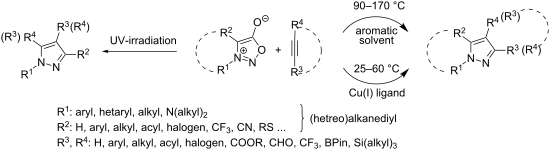
- solid-supported CuSAC reaction in batch or flow reactor.

Graphical Abstract

Scheme 1: Thermal reaction of sydnones with symmetrical alkynes.

Scheme 2: Reaction of sydnones with strained cycloalkynes.

Scheme 3: Reaction of sydnones with didehydrobenzenes.

Scheme 4: Formation of isomeric pyrazole dicarboxylates.

Scheme 5: Mechanism of thermal cycloaddition between sydnones and alkynes.

Scheme 6: Mechanism of photochemical reaction of sydnones with symmetrical alkynes.

Scheme 7: HOMO–LUMO diagram for thermal [3 + 2]-cycloaddition of sydnones with alkynes.

Scheme 8: Synthetic strategy leading to 1,2-disubstituted pyrazoles.

Scheme 9: Unsuccessful reaction with phenylpropiolic acid.

Scheme 10: Synthetic strategy leading to 1,4,5-trisubstituted pyrazoles.

Scheme 11: Reaction of sydnones carrying in position 4- six-membered 2-N-heterocyclic ring.

Scheme 12: Strain-promoted sydnone alkyne cycloaddition (SPSAC).

Scheme 13: Synthesis of a key intermediate of niraparib.

Scheme 14: Reaction of sydnones with 1,3-/1,4-benzdiyne equivalents.

Scheme 15: Reaction of sydnones with heterocyclic strained cycloalkynes.

Scheme 16: Mono-copper catalyzed cycloaddition reaction.

Scheme 17: Di-copper catalyzed cycloaddition reaction.
Biocatalytic synthesis of the Green Note trans-2-hexenal in a continuous-flow microreactor
- Morten M. C. H. van Schie,
- Tiago Pedroso de Almeida,
- Gabriele Laudadio,
- Florian Tieves,
- Elena Fernández-Fueyo,
- Timothy Noël,
- Isabel W. C. E. Arends and
- Frank Hollmann
Beilstein J. Org. Chem. 2018, 14, 697–703, doi:10.3762/bjoc.14.58
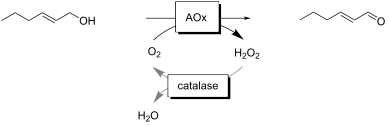
- overcome by conducting the reaction in a flow-reactor setup reaching unpreceded catalytic activities for the enzyme in terms of turnover frequency (up to 38 s−1) and turnover numbers (more than 300000) pointing towards preparative usefulness of the proposed reaction scheme. Keywords: alcohol oxidase
- reactor enzymatic oxidation Next, we performed the PeAAOx-catalysed oxidation of trans-hex-2-enol in a slug-flow reactor setup (Supporting Information File 1, Figure S1 and Figures S9–S11). In a first set of experiments we systematically varied the residence time of the reaction mixture in the flow
- decreasing the flow rates and using a longer flow reactor (6 mL volume instead of 3 mL). Pleasingly, already in these first experiments a TN for the enzyme of more than 300000 was observed at long residence times. This also underlines the robustness of the enzyme under the flow conditions. Compared to Figure

Graphical Abstract

Scheme 1: Enzymatic reaction schemes for the selective oxidation of trans-hex-2-enol. A: Alcohol dehydrogenas...

Figure 1: Michaelis–Menten kinetics of the PeAAOx-catalysed oxidation of trans-hex-2-enol. Conditions: 50 mM ...

Figure 2: The influence of the residence time on the conversion of trans-hex-2-enol (red squares) to trans-2-...

Figure 3: Increasing the PeAAOx turnover numbers (TN) by increasing the residence time. Conditions: 6 mL flow...
High-yielding continuous-flow synthesis of antimalarial drug hydroxychloroquine
- Eric Yu,
- Hari P. R. Mangunuru,
- Nakul S. Telang,
- Caleb J. Kong,
- Jenson Verghese,
- Stanley E. Gilliland III,
- Saeed Ahmad,
- Raymond N. Dominey and
- B. Frank Gupton
Beilstein J. Org. Chem. 2018, 14, 583–592, doi:10.3762/bjoc.14.45
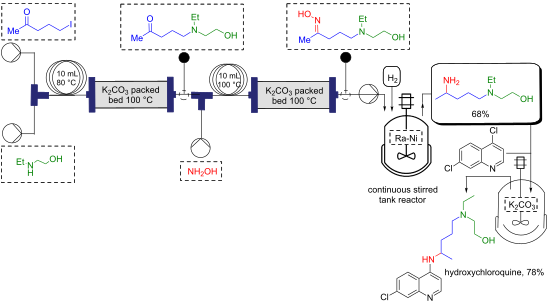
- resonance of residual CHCl3 (or 0 ppm of TMS) for proton spectra and the 77.23 ppm resonance of CDCl3 for carbon spectra were used as internal references. Continuous-flow experiments were carried out using the E-series flow reactor instrument purchased from Vapourtec Ltd. PFA tubing (1/16 OD × 1 mm ID) was
- ); 13C NMR (125 MHz, CDCl3) δ 207.4, 44.0, 30.3, 27.2, 6.7. Spectra were obtained in accordance with those previously reported [3]. Synthesis of 5-(ethyl(2-hydroxyethyl)amino)pentan-2-one (6) Telescope of compound 6: Prior to the start of the experiment, the flow reactor unit was rinsed with dry THF and
- previously reported [38][39]. Synthesis of (E)-5-(ethyl(2-hydroxyethyl)amino)pentan-2-one oxime (11) Flow: Prior to the start of the experiment, the flow reactor unit was rinsed with dry THF and flushed with nitrogen gas. At room temperature, the stock solutions of 5-iodopentan-2-one (10, 1.0 M) and 2

Graphical Abstract

Figure 1: Commercially available antimalarial drugs.

Scheme 1: Current batch syntheses of the key intermediate 5-(ethyl(2-hydroxyethyl)amino)pentan-2-one (6).

Scheme 2: Retrosynthetic strategy to hydroxychloroquine (1).

Scheme 3: Schematic representation for continuous in-line extraction of 10.

Scheme 4: Optimization of the flow process for the synthesis of 12.
Continuous multistep synthesis of 2-(azidomethyl)oxazoles
- Thaís A. Rossa,
- Nícolas S. Suveges,
- Marcus M. Sá,
- David Cantillo and
- C. Oliver Kappe
Beilstein J. Org. Chem. 2018, 14, 506–514, doi:10.3762/bjoc.14.36
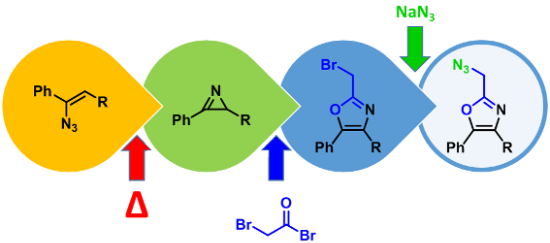
- reactors for each step were setup, the reaction conditions re-optimized when necessary, and finally all the steps integrated in a single continuous stream. The thermolysis of vinyl azide 1 was performed in a continuous flow reactor consisting of a perfluoroalkoxy (PFA) coil (0.5 mL, 0.8 mm i.d.) immersed
- phase. Decomposition of 2-(bromomethyl)oxazoles 6 was successfully avoided by further integrating into the continuous-flow reactor the final nucleophilic halide displacement step with NaN3. The resulting 2-(azidomethyl)oxazole derivatives 7 presented higher stability and could be isolated without
- to give the desired product. After optimization of all individual steps in batch and continuous-flow mode, the complete sequence has been integrated in a single continuous-flow reactor, in which the vinyl azide is fed as substrate and the final 2-(azidomethyl)oxazole is formed and collected from the

Graphical Abstract
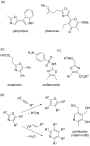
Figure 1: Examples of naturally occurring oxazoles (a); some drugs containing oxazole as the active moiety (b...

Scheme 1: Synthesis of oxazoles 4 by addition of acyl chlorides to azirines 2, as described by Hassner et al. ...

Scheme 2: Preparation of 2-functionalized oxazoles 7 from 2-(chloromethyl)oxazoles 6 and their application to...

Scheme 3: Integrated continuous-flow synthesis of 2-(azidomethyl)oxazoles 7.

Scheme 4: Side products generated during the reaction of azirine 2a with bromoacyl bromide at room temperatur...

Figure 2: HPLC monitoring of the formation of 2-(azidomethyl)oxazole 7a.

Figure 3: Continuous sequential thermolysis of vinyl azides 1 and ring expansion of azirines 2 with bromoacet...

Figure 4: Continuous-flow three-step sequential synthesis of 2-(azidomethyl)oxazoles 7a–c from vinyl azides 1a...
Latest development in the synthesis of ursodeoxycholic acid (UDCA): a critical review
- Fabio Tonin and
- Isabel W. C. E. Arends
Beilstein J. Org. Chem. 2018, 14, 470–483, doi:10.3762/bjoc.14.33
- production of UDCA. Different chemical, chemoenzymatic and enzymatic routes will be considered. In addition, the precursors availability as well as the substrate loading in the process and the requisites for potential new routes will be discussed. Furthermore, the potential benefits of a flow reactor setup
- dehydroxylation reactions are highlighted with a red, blue and green arrow, respectively. Names of compounds are indicated in the box. The general stereoinformation of steroid scaffold is shown in Figure 2. R = 4-pentanoic acid. Schematic representation of the flow reactor for the continuous conversion of CDCA to

Graphical Abstract

Figure 1: Chemical structure of UDCA.

Figure 2: Chemical structures of bile acids and salts.

Figure 3: Comparison between Wolff–Kishner and Mozingo reduction. Notably the overall chemical reaction is th...

Figure 4: Reaction catalysed by the 12α-HSDH; the 12-OH group of CA or UCA is oxidized yielding 12-oxo-CDCA o...

Figure 5: Epimerization reaction catalysed by the 7α-HSDH and 7β-HSDH; the 7α-OH group of CA (R = OH) or CDCA...

Figure 6: Overview of the chemoenzymatic process for the production of UDCA from CA: The oxidation, reduction...

Figure 7: Schematic representation of the flow reactor for the continuous conversion of CDCA to UDCA [93].
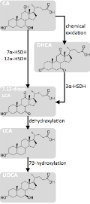
Figure 8: Chemoenzymatic pathways for the formation of UDCA from CA that profit by the C7 hydroxylation activ...
Continuous-flow retro-Diels–Alder reaction: an efficient method for the preparation of pyrimidinone derivatives
- Imane Nekkaa,
- Márta Palkó,
- István M. Mándity and
- Ferenc Fülöp
Beilstein J. Org. Chem. 2018, 14, 318–324, doi:10.3762/bjoc.14.20
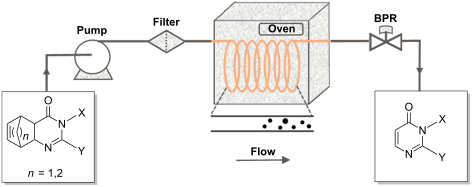
- were selected on the basis of the solubility of the starting materials. A schematic representation of the flow reactor setup is illustrated in Figure 1. Products 9–14 thus prepared were identified by means of HPLC–MS and NMR spectroscopic analysis. All physical and spectroscopic data of pyrimidinones 9
- our system. Surprisingly, however, we could detect traces of di-endo-3-phenyl-4a,5,8,8a-tetrahydro-5,8-ethanoquinazolin-4(3H)-one (15b), resulting from desulfurisation of 8b (Scheme 2). This observation prompted us to investigate whether desulfurisation can occur under the flow reactor conditions. In
- requiring harsh conditions in batch methods. A simple, efficient and scalable production was implemented with a short processing time, which might open up new horizons for a potential CF industrial synthesis of heterocycles. Schematic outline of the continuous-flow reactor. Flow synthesis for the

Graphical Abstract

Scheme 1: Flow synthesis for the preparation of fused pyrimidinones 9–14 by rDA reaction. Solvent and conditi...

Figure 1: Schematic outline of the continuous-flow reactor.

Scheme 2: Synthesis of tricyclic ethanoquinazolin-4(3H)-one 15b; (i) MeCN, FR = 0.5 mL min−1, 220–250 °C; (ii...
CF3SO2X (X = Na, Cl) as reagents for trifluoromethylation, trifluoromethylsulfenyl-, -sulfinyl- and -sulfonylation. Part 1: Use of CF3SO2Na
- Hélène Guyon,
- Hélène Chachignon and
- Dominique Cahard
Beilstein J. Org. Chem. 2017, 13, 2764–2799, doi:10.3762/bjoc.13.272
- trifluoromethylation with CF3SO2Na are highly efficient, the original Langlois’ conditions were nevertheless applied to a series of heteroarenes. Li and co-workers reported the synthesis of 3-trifluoromethylcoumarins 64 by Cu(I)-catalysed trifluoromethylation with CF3SO2Na and t-BuOOH in a continuous-flow reactor [61
- ]. After optimisation of the reaction conditions in batch, the optimal reaction conditions were established in a continuous-flow reactor at a flow rate of 100 µL min−1 at 60 °C for 40 min. The substrate scope was evaluated on 11 coumarins and showed that both electron-rich and electron-deficient functional

Graphical Abstract

Scheme 1: Trifluoromethylation of enol acetates by Langlois.

Scheme 2: Trifluoromethylation of (het)aryl enol acetates.

Scheme 3: Mechanism for the trifluoromethylation of enol acetates.

Scheme 4: Oxidative trifluoromethylation of unactivated olefins and mechanistic pathway.
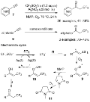
Scheme 5: Oxidative trifluoromethylation of acetylenic substrates.

Scheme 6: Metal free trifluoromethylation of styrenes.

Scheme 7: Synthesis of α-trifluoromethylated ketones by oxytrifluoromethylation of heteroatom-functionalised ...
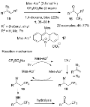
Scheme 8: Catalysed photoredox trifluoromethylation of vinyl azides.

Scheme 9: Oxidative difunctionalisation of alkenyl MIDA boronates.

Scheme 10: Synthesis of β-trifluoromethyl ketones from cyclopropanols.

Scheme 11: Aryltrifluoromethylation of allylic alcohols.

Scheme 12: Cascade multicomponent synthesis of nitrogen heterocycles via azotrifluoromethylation of alkenes.

Scheme 13: Photocatalytic azotrifluoromethylation of alkenes with aryldiazonium salts and CF3SO2Na.

Scheme 14: Copper-promoted intramolecular aminotrifluoromethylation of alkenes with CF3SO2Na.

Scheme 15: Oxytrifluoromethylation of alkenes with CF3SO2Na and hydroxamic acid.

Scheme 16: Manganese-catalysed oxytrifluoromethylation of styrene derivatives.

Scheme 17: Oxytrifluoromethylation of alkenes with NMP/O2 and CF3SO2Na.

Scheme 18: Intramolecular oxytrifluoromethylation of alkenes.

Scheme 19: Hydrotrifluoromethylation of styrenyl alkenes and unactivated aliphatic alkenes.

Scheme 20: Hydrotrifluoromethylation of electron-deficient alkenes.

Scheme 21: Hydrotrifluoromethylation of alkenes by iridium photoredox catalysis.

Scheme 22: Iodo- and bromotrifluoromethylation of alkenes by CF3SO2Na/I2O5 or CF3SO2Na / NaBrO3.

Scheme 23: N-methyl-9-mesityl acridinium and visible-light-induced chloro-, bromo- and SCF3 trifluoromethylati...

Scheme 24: Carbotrifluoromethylation of N-arylacrylamides with CF3SO2Na / TBHP by Lipshutz.

Scheme 25: Carbotrifluoromethylation of N-arylacrylamides with CF3SO2Na/TBHP reported by Lei.

Scheme 26: Carbotrifluoromethylation of N-arylacrylamides with CF3SO2Na/(NH4)2S2O8.

Scheme 27: Metal-free carbotrifluoromethylation of N-arylacrylamides with CF3SO2Na/K2S2O8 reported by Wang.

Scheme 28: Metal-free carbotrifluoromethylation of N-arylacrylamides with CF3SO2Na/PIDA reported by Fu.

Scheme 29: Metal-free cascade trifluoromethylation/cyclisation of N-arylmethacrylamides (a) and enynes (b) wit...

Scheme 30: Trifluoromethylation/cyclisation of N-arylcinnamamides: Synthesis of 3,4-disubstituted dihydroquino...

Scheme 31: Trifluoromethylation/cyclisation of aromatic-containing unsaturated ketones.

Scheme 32: Chemo- and regioselective cascade trifluoromethylation/heteroaryl ipso-migration of unactivated alk...

Scheme 33: Copper-mediated 1,2-bis(trifluoromethylation) of alkenes.

Scheme 34: Trifluoromethylation of aromatics with CF3SO2Na reported by Langlois.

Scheme 35: Baran’s oxidative C–H trifluoromethylation of heterocycles.

Scheme 36: Trifluoromethylation of acetanilides and anilines.

Scheme 37: Trifluoromethylation of heterocycles in water.

Scheme 38: Trifluoromethylation of coumarins in a continuous-flow reactor.

Scheme 39: Oxidative trifluoromethylation of coumarins, quinolines and pyrimidinones.

Scheme 40: Oxidative trifluoromethylation of pyrimidinones and pyridinones.

Scheme 41: Phosphovanadomolybdic acid-catalysed direct C−H trifluoromethylation.

Scheme 42: Oxidative trifluoromethylation of imidazopyridines and imidazoheterocycles.

Scheme 43: Oxidative trifluoromethylation of imidazoheterocycles and imidazoles in ionic liquid/water.
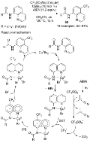
Scheme 44: Oxidative trifluoromethylation of 8-aminoquinolines.

Scheme 45: Oxidative trifluoromethylation of various 8-aminoquinolines using the supported catalyst CS@Cu(OAc)2...

Scheme 46: Oxidative trifluoromethylation of the naphthylamide 70.

Scheme 47: Oxidative trifluoromethylation of various arenes in the presence of CF3SO2Na and sodium persulfate.
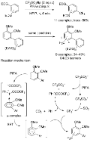
Scheme 48: Trifluoromethylation of electron-rich arenes and unsymmetrical biaryls with CF3SO2Na in the presenc...

Figure 1: Trifluoromethylated coumarin and flavone.

Scheme 49: Metal-free trifluoromethylation catalysed by a photoredox organocatalyst.

Scheme 50: Quinone-mediated trifluoromethylation of arenes and heteroarenes.

Scheme 51: Metal- and oxidant-free photochemical trifluoromethylation of arenes.

Scheme 52: Copper-mediated trifluoromethylation of arenediazonium tetrafluoroborates.

Scheme 53: Oxidative trifluoromethylation of aryl- and heteroarylboronic acids.
Scheme 54: Oxidative trifluoromethylation of aryl- and vinylboronic acids.

Scheme 55: Oxidative trifluoromethylation of unsaturated potassium organotrifluoroborates.

Scheme 56: Oxidative trifluoromethylation of (hetero)aryl- and vinyltrifluoroborates.

Scheme 57: Copper−catalysed decarboxylative trifluoromethylation of cinnamic acids.

Scheme 58: Iron-mediated decarboxylative trifluoromethylation of α,β-unsaturated carboxylic acids.

Scheme 59: Cu/Ag-catalysed decarboxylative trifluoromethylation of cinnamic acids.

Scheme 60: I2O5-Promoted decarboxylative trifluoromethylation of cinnamic acids.

Scheme 61: Silver(I)-catalysed denitrative trifluoromethylation of β-nitrostyrenes.
Scheme 62: Copper-catalysed direct trifluoromethylation of styrene derivatives.
Scheme 63: Transition-metal-free synthesis of β-trifluoromethylated enamines.

Scheme 64: I2O5-mediated iodotrifluoromethylation of alkynes.

Scheme 65: Silver-catalysed tandem trifluoromethylation/cyclisation of aryl isonitriles.

Scheme 66: Photoredox trifluoromethylation of 2-isocyanobiphenyls.

Scheme 67: Trifluoromethylation of potassium alkynyltrifluoroborates with CF3SO2Na.
Scheme 68: N-trifluoromethylation of nitrosoarenes with CF3SO2Na (SQ: semiquinone).

Scheme 69: Trifluoromethylation of disulfides with CF3SO2Na.

Scheme 70: Trifluoromethylation of thiols with CF3SO2Na/I2O5.
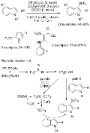
Scheme 71: Electrophilic trifluoromethylsulfenylation by means of CF3SO2Na/(EtO)2P(O)H/CuCl/DMSO.

Scheme 72: Electrophilic trifluoromethylsulfenylation by means of CF3SO2Na/(EtO)2P(O)H/TMSCl.
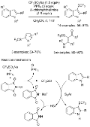
Scheme 73: Electrophilic trifluoromethylsulfenylation by means of CF3SO2Na/PPh3/N-chlorophthalimide.

Scheme 74: Electrophilic trifluoromethylsulfenylation by means of CF3SO2Na/PCl3.

Scheme 75: Electrophilic trifluoromethylsulfenylation by means of CF3SO2Na/PCl3.

Scheme 76: Trifluoromethylsulfenylation of aryl iodides with in situ generated CuSCF3 (DMI: 1,3-dimethyl-2-imi...

Scheme 77: Pioneering trifluoromethylsulfinylation of N, O, and C-nucleophiles.

Scheme 78: Trifluoromethylsulfinylation of (1R,2S)-ephedrine (Im: imidazole; DIEA: N,N-diisopropylethylamine).

Scheme 79: Trifluoromethylsulfinylation of substituted benzenes with CF3SO2Na/CF3SO3H.

Scheme 80: Trifluoromethylsulfinylation of indoles with CF3SO2Na/P(O)Cl3.

Scheme 81: Trifluoromethylsulfinylation of indoles with CF3SO2Na/PCl3.

Scheme 82: Formation of triflones from benzyl bromides (DMA: dimethylacetamide).

Scheme 83: Formation of α-trifluoromethylsulfonyl ketones, esters, and amides.

Scheme 84: Allylic trifluoromethanesulfonylation of aromatic allylic alcohols.

Scheme 85: Copper-catalysed couplings of aryl iodonium salts with CF3SO2Na.

Scheme 86: Palladium-catalysed trifluoromethanesulfonylation of aryl triflates and chlorides with CF3SO2Na.

Scheme 87: Copper-catalysed coupling of arenediazonium tetrafluoroborates with CF3SO2Na.

Scheme 88: Synthesis of phenyltriflone via coupling of benzyne with CF3SO2Na.

Scheme 89: Synthesis of 1-trifluoromethanesulfonylcyclopentenes from 1-alkynyl-λ3-bromanes and CF3SO2Na.

Scheme 90: One-pot synthesis of functionalised vinyl triflones.

Scheme 91: Regioselective synthesis of vinyltriflones from styrenes.

Scheme 92: Trifluoromethanesulfonylation of alkynyl(phenyl) iodonium tosylates by CF3SO2Na.

Scheme 93: Synthesis of thio- and selenotrifluoromethanesulfonates.
A concise flow synthesis of indole-3-carboxylic ester and its derivatisation to an auxin mimic
- Marcus Baumann,
- Ian R. Baxendale and
- Fabien Deplante
Beilstein J. Org. Chem. 2017, 13, 2549–2560, doi:10.3762/bjoc.13.251
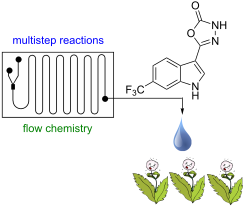
- ). EtOAc was promising and made extraction very easy but during the reactions small quantities of a dark red, sticky, precipitate were observed (Table 1, entry 12). This was considered problematic for processing in a meso flow reactor due to the potential for causing blockages. It was however found that
- cyclisation products 12 and 14, assigned structure of byproduct 15. Synthetic strategy towards desired indole product 8. Initial flow reactor setup for the synthesis of intermediate 11. Coflore ACR setup for the synthesis of intermediate 11. Quenching and work-up of the reaction stream from the Coflore ACR

Graphical Abstract

Figure 1: Natural indole containing molecules 1–7 of biological importance and synthetic auxin analogue 8 req...

Scheme 1: Synthetic strategy towards desired indole product 8.

Scheme 2: Initial flow reactor setup for the synthesis of intermediate 11.

Scheme 3: Coflore ACR setup for the synthesis of intermediate 11.

Scheme 4: Quenching and work-up of the reaction stream from the Coflore ACR for the synthesis intermediate 11....

Figure 2: X-ray structure of intermediate 11, and reductive cyclisation products 12 and 14, assigned structur...

Scheme 5: Stepwise reduction of intermediate 11 under hydrogenation conditions. * Indicates potential tautome...

Scheme 6: Flow sequence for the construction of product 8.

Scheme 7: Assembled process for flow synthesis of product 8 with yields and throughputs.



