


Search results
Search for "acidic conditions" in Full Text gives 400 result(s) in Beilstein Journal of Organic Chemistry. Showing first 200.
Synthetic applications of the Cannizzaro reaction
- Bhaskar Chatterjee,
- Dhananjoy Mondal and
- Smritilekha Bera
Beilstein J. Org. Chem. 2024, 20, 1376–1395, doi:10.3762/bjoc.20.120
- , formed the product 93 in 36–59% yield along with the overoxidized compound 95, and the dimer 94 as byproducts. However, upon reaction with methanol under acidic conditions, the product 93 and the dimer 94 underwent a smooth transformation to the methyl acetal in high yields. Similar exposure of the

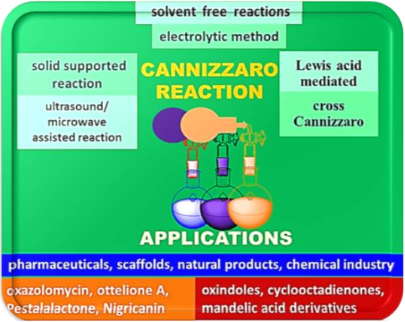
Graphical Abstract
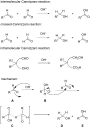
Figure 1: Types and mechanism of the Cannizzaro reaction.

Figure 2: Various approaches of the Cannizzaro reaction.

Figure 3: Representative molecules synthesized via the Cannizzaro reaction.

Scheme 1: Intramolecular Cannizzaro reaction of aryl glyoxal hydrates using TOX catalysts.
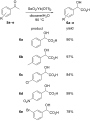
Scheme 2: Intramolecular Cannizzaro reaction of aryl methyl ketones using ytterbium triflate/selenium dioxide....

Scheme 3: Intramolecular Cannizzaro reaction of aryl glyoxals using Cr(ClO4)3 as catalyst.
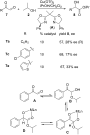
Scheme 4: Cu(II)-PhBox-catalyzed asymmetric Cannizzaro reaction.
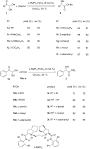
Scheme 5: FeCl3-based chiral catalyst applied for the enantioselective intramolecular Cannizzaro reaction rep...

Scheme 6: Copper bis-oxazoline-catalysed intramolecular Cannizzaro reaction and proposed mechanism.

Scheme 7: Chiral Fe catalysts-mediated enantioselective Cannizzaro reaction.
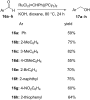
Scheme 8: Ruthenium-catalyzed Cannizzaro reaction of aromatic aldehydes.

Scheme 9: MgBr2·Et2O-assisted Cannizzaro reaction of aldehydes.

Scheme 10: LiBr-catalyzed intermolecular Cannizzaro reaction of aldehydes.

Scheme 11: γ-Alumina as a catalyst in the Cannizzaro reaction.

Scheme 12: AlCl3-mediated Cannizzaro disproportionation of aldehydes.

Scheme 13: Ru–N-heterocyclic carbene catalyzed dehydrogenative synthesis of carboxylic acids.

Figure 4: Proposed catalytic cycle for the dehydrogenation of alcohols.

Scheme 14: Intramolecular desymmetrization of tetraethylene glycol.

Scheme 15: Desymmetrization of oligoethylene glycol dialdehydes.

Scheme 16: Intramolecular Cannizzaro reaction of calix[4]arene dialdehydes.

Scheme 17: Desymmetrization of dialdehydes of symmetrical crown ethers using Ba(OH)2.

Scheme 18: Synthesis of ottelione A (proposed) via intramolecular Cannizzaro reaction.

Scheme 19: Intramolecular Cannizzaro reaction for the synthesis of pestalalactone.

Scheme 20: Synthetic strategy towards nigricanin involving an intramolecular Cannizzaro reaction.

Scheme 21: Spiro-β-lactone-γ-lactam part of oxazolomycins via aldol crossed-Cannizzaro reaction.

Scheme 22: Synthesis of indole alkaloids via aldol crossed-Cannizzaro reaction.

Scheme 23: Aldol and crossed-Cannizzaro reaction towards the synthesis of ertuliflozin.

Scheme 24: Synthesis of cyclooctadieneones using a Cannizzaro reaction.

Scheme 25: Microwave-assisted crossed-Cannizzaro reaction for the synthesis of 3,3-disubstituted oxindoles.

Scheme 26: Synthesis of porphyrin-based rings using the Cannizzaro reaction.

Scheme 27: Synthesis of phthalides and pestalalactone via Cannizarro–Tishchenko-type reaction.

Scheme 28: Synthesis of dibenzoheptalene bislactones via a double intramolecular Cannizzaro reaction.
Computation-guided scaffold exploration of 2E,6E-1,10-trans/cis-eunicellanes
- Zining Li,
- Sana Jindani,
- Volga Kojasoy,
- Teresa Ortega,
- Erin M. Marshall,
- Khalil A. Abboud,
- Sandra Loesgen,
- Dean J. Tantillo and
- Jeffrey D. Rudolf
Beilstein J. Org. Chem. 2024, 20, 1320–1326, doi:10.3762/bjoc.20.115

- -induced cyclization of the eunicellane skeleton (Figure 2). When 1 and 2 were individually subjected to acidic conditions (i.e., TFA in CHCl3), both cyclized into 6/6/6-tricyclic skeletons via a selective C2–C7 cyclization after protonation at C6 to give trans-BC ring systems (i.e., cis,trans-6/6/6 for 1

Graphical Abstract

Figure 1: Eunicellane diterpenoids and their biosyntheses. (A) The 6/10-bicyclic hydrocarbon framework is con...

Figure 2: Protonation-mediated cyclization of trans- and cis-eunicellanes. (A) The 2E-trans- and 2E-cis-eunic...

Figure 3: Cope rearrangement in trans-eunicellanes. (A) The 2E-trans-eunicellane undergoes thermal Cope rearr...

Figure 4: Scaffold exploration of the 2E-trans-eunicellane skeleton.
Synthesis and characterization of water-soluble C60–peptide conjugates
- Yue Ma,
- Lorenzo Persi and
- Yoko Yamakoshi
Beilstein J. Org. Chem. 2024, 20, 777–786, doi:10.3762/bjoc.20.71
- and subsequent deprotection of the t-Bu group under acidic conditions, without affecting the C60 cage (Figure 1b). Challenges in this step included finding suitable conditions to conjugate one C60 moiety and two peptide anchors on the resin. Preliminarily, the reaction conditions were optimized using

Graphical Abstract
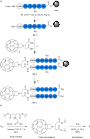
Figure 1: a) Synthesis of C60–oligopeptide conjugates 5a–c and b) synthesis of compound 3. Fulleropyrrolidine...

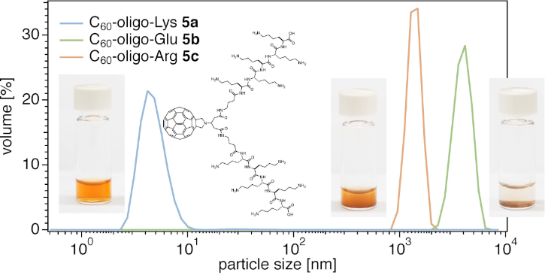
Figure 2: Structure of C60–oligo-Lys (5a), C60–oligo-Glu (5b), and C60–oligo-Arg (5c) and images of dissolved...

Figure 3: DLS diagrams of C60–peptide conjugates 5a (1 mM, in Milli-Q® water), 5b (1 mM, in Milli-Q® water or...
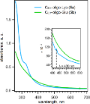
Figure 4: UV–vis spectra of C60–peptide conjugates 5a and 5b (20 μM in Milli-Q® water for 5a and in pH 9.0 TR...

Figure 5: 1H NMR spectrum of C60–peptide conjugate 5a in D2O (above) and of the precursor monoadduct in CDCl3...
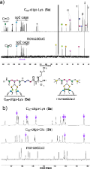
Figure 6: 13C NMR spectrum of C60–peptide conjugate 5a in D2O and of the precursor monoadduct in CDCl3 at 150...
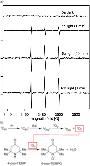
Figure 7: a) X-band ESR spectra of the 4-oxo-TEMP adduct with 1O2 generated by C60–oligo-Lys (5a) and rose be...
A new analog of dihydroxybenzoic acid from Saccharopolyspora sp. KR21-0001
- Rattiya Janthanom,
- Yuta Kikuchi,
- Hiroki Kanto,
- Tomoyasu Hirose,
- Arisu Tahara,
- Takahiro Ishii,
- Arinthip Thamchaipenet and
- Yuki Inahashi
Beilstein J. Org. Chem. 2024, 20, 497–503, doi:10.3762/bjoc.20.44
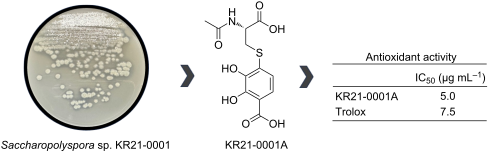
- flowthrough fraction was adjusted to 3 with formic acid (FA) and chromatographed again on HP20 column. Now, 1 was retained in the resin and eluted by 50% MeOH with 0.05% FA. Then 1 was purified by silica gel and ODS column chromatography, and ethyl acetate extraction under acidic conditions. As the result of

Graphical Abstract

Figure 1: Neighbor-joining tree based on 16S rRNA gene sequences between KR21-0001 and members of the genus S...
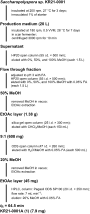
Scheme 1: Fermentation of Saccharopolyspora sp. KR21-0001 and isolation procedure of KR21-0001A (1).

Figure 2: Structure of KR21-0001A (1). (a) 1H,1H COSY and HMBC correlations and (b) absolute configuration.
Ligand effects, solvent cooperation, and large kinetic solvent deuterium isotope effects in gold(I)-catalyzed intramolecular alkene hydroamination
- Ruichen Lan,
- Brock Yager,
- Yoonsun Jee,
- Cynthia S. Day and
- Amanda C. Jones
Beilstein J. Org. Chem. 2024, 20, 479–496, doi:10.3762/bjoc.20.43
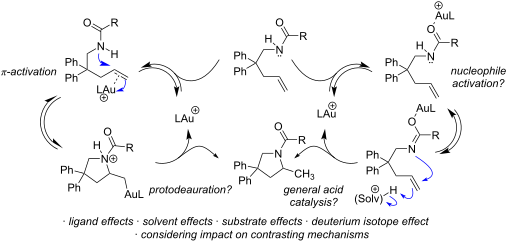
- generally acidic conditions that initiate cyclization [34][35]. These observations are critical for informing future discussion and experiments related to this important reaction. Results Ligand effect To examine the catalytic activity of gold with ligands of different electronic properties, we used our

Graphical Abstract
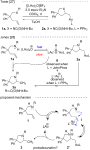
Scheme 1: Proposed mechanism and observation of alkylgold intermediates.

Figure 1: First order alkene decay for urea alkene 1a (0.05 M) hydroamination with [JPhosAu(NCCH3)]SbF6 (5, 2...

Figure 2: Cooperative effect of mixed CD2Cl2/MeOH on alkene 1a → 3a conversion with catalyst 5 (2.5 mol %). E...

Figure 3: Different additive impact on rate of 1a → 3a depending upon catalyst and co-solvent. The data for J...
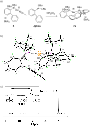
Figure 4: (a) Schematic for synthesis of [L–Au–L]SbF6 where L = JPhos. (b) Perspective drawing of the cation ...

Figure 5: (a) kobs for reaction of urea 1a (0.05 M) in DCM with catalyst 5 and titrated CH3OH/CH3OD. Data for...

Figure 6: Rate of urea 1a (0.05 M) hydroamination with JPhosAu(NCCH3)SbF6 (2.5 mol %) in CH2Cl2 with 5, 25, a...
Figure 7: Observed rates for the reaction of carbamate 1b (0.03–0.24 M) with JackiephosAuNTf2 (0.0013 M, 6a) ...

Figure 8: Influence of catalyst 5 concentration on rate of 1a (0.05 M in CH2Cl2 with 0, 10 μL MeOH). Error ba...

Scheme 2: Proposed alternate mechanism.
Optimizations of lipid II synthesis: an essential glycolipid precursor in bacterial cell wall synthesis and a validated antibiotic target
- Milandip Karak,
- Cian R. Cloonan,
- Brad R. Baker,
- Rachel V. K. Cochrane and
- Stephen A. Cochrane
Beilstein J. Org. Chem. 2024, 20, 220–227, doi:10.3762/bjoc.20.22
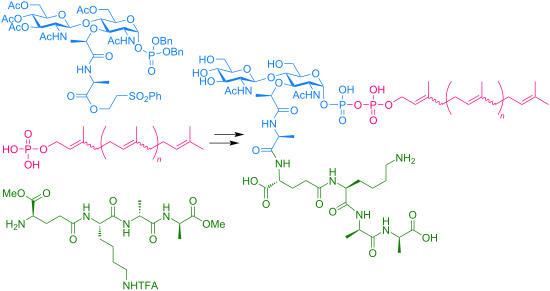
- -phosphoryl GlcNAc-MurNAc-pentapeptide 7, based on established protocols with minor adjustments was completed (Scheme 1) [10][11]. After the successful glycosylation reaction, disaccharide 3a, protected with C2-Troc and C6-benzyl groups, was efficiently deprotected under acidic conditions using ZnCl2/Zn

Graphical Abstract

Figure 1: Structure of lipid II, with variable positions shown in red and antimicrobial-binding motifs highli...

Figure 2: List of i) glycosyl donors and ii) glycosyl acceptors used in this study.

Scheme 1: Synthesis of disaccharide pentapeptide core 7.

Scheme 2: Synthesis of lipid II (11) and its analogues 8–10.
Tandem Hock and Friedel–Crafts reactions allowing an expedient synthesis of a cyclolignan-type scaffold
- Viktoria A. Ikonnikova,
- Cristina Cheibas,
- Oscar Gayraud,
- Alexandra E. Bosnidou,
- Nicolas Casaretto,
- Gilles Frison and
- Bastien Nay
Beilstein J. Org. Chem. 2024, 20, 162–169, doi:10.3762/bjoc.20.15
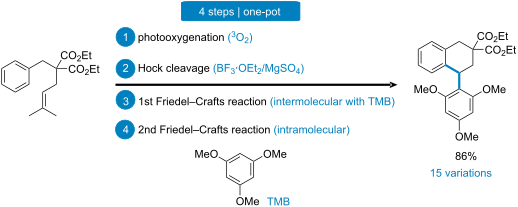
- Hock cleavage step under acidic conditions (Scheme 2 and Table 1). In the presence of trifluoroacetic acid (TFA, 1 equiv; Table 1, entry 1) or BF3·OEt2 (1 equiv; Table 1, entry 2), the rearrangement of 2 and 2’ led to a complex mixture of products including aldehyde 3, the typical product of the Hock
- reactions. Highly nucleophilic arenes like 1,3,5-trimethoxybenzene react easily under mild conditions and result in a stabilized benzylic cation in acidic conditions, allowing a second intramolecular Friedel–Crafts reaction involving the aryl substituent of the substrate. These reactions are favored by π

Graphical Abstract

Scheme 1: The Hock rearrangement: (a) General mechanism (substituents are omitted); (b) Example of previous t...

Scheme 2: One-pot conversion of substrate 1 into dihydronaphthalene 4.

Scheme 3: One-pot conversion of substrate 1 into 1-aryltetraline structure 6, and the proposed mechanism for ...
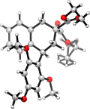
Figure 1: X-ray crystallographic structure of product 6 (CCDC 2301977). The structure shows one disordered et...

Scheme 4: Free-energy profile of the hypothesized [1,5]-sigmatropic hydrogen shift between 7 and 7’, (IEFPCM(...

Figure 2: Examples of cyclolignan natural products [25-27].

Scheme 5: Scope of substrates and aromatic nucleophiles in the one-pot transformation. aNot determined (mixtu...
Facile access to pyridinium-based bent aromatic amphiphiles: nonionic surface modification of nanocarbons in water
- Lorenzo Catti,
- Shinji Aoyama and
- Michito Yoshizawa
Beilstein J. Org. Chem. 2024, 20, 32–40, doi:10.3762/bjoc.20.5
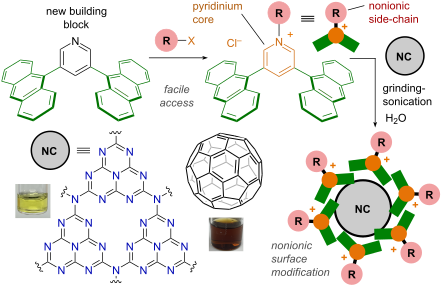
- -CNT)m and (PA-Im)n·(C60)m under neutral/acidic conditions [23]. Supporting Information Supporting Information File 28: General information, experimental procedures, characterization data, and copies of spectra. Acknowledgements Zeta potential measurements were performed with the help of Prof

Graphical Abstract

Figure 1: a) Previous methods for the water-solubilization and modification of nanocarbons (NCs). b) Bent aro...

Figure 2: a) Synthetic route toward prePA and PA-CH3, including the optimized structure (DFT) of PA-CH3. b) S...

Figure 3: 1H NMR spectra (500 MHz, rt, 0.5 mM and 1.0 mM based on PA-CH3 and PA-OCH3, respectively, TMS in CD...
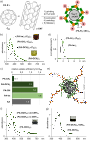
Figure 4: a) General protocol for the noncovalent encircling of C60 and s-CNT by PA-R. b) UV–visible spectra ...

Figure 5: 1H NMR spectra (500 MHz, D2O, rt, 0.5 mM based on PA-Im) of (PA-Im)n·(C60)m a) before and b) after ...

Figure 6: a) Protocol for the noncovalent encircling of g-C3N4 by PA-OCH3 and subsequent deposit of g-C3N4 on...
Biphenylene-containing polycyclic conjugated compounds
- Cagatay Dengiz
Beilstein J. Org. Chem. 2023, 19, 1895–1911, doi:10.3762/bjoc.19.141
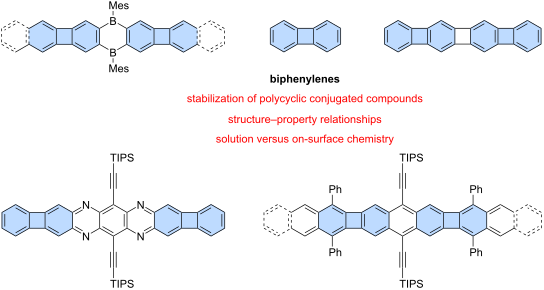
- )2C6H3, (c) H), followed by aromatization in acidic conditions, resulted in the formation of three [3]naphthalene regioisomers 43a–c, 44a–c, and 45a–c with excellent yields of up to 94%. The synthesized PAHs 43a, 44a, and 45a with diverse geometries exhibited interesting absorption and emission
- successfully obtained in 30% yield. In the final step, the target POA-type structure containing naphthazarin 69 was synthesized by aromatization under acidic conditions. The attempts to conduct complexation experiments using BF3·OEt2 to obtain a stable BF2 complex were unsuccessful, primarily due to solubility

Graphical Abstract
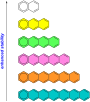
Figure 1: The correlation between stability and Clar's rule in acenes.

Scheme 1: General synthetic strategies to access the biphenylene core 1.

Figure 2: [N]Phenylenes 7–12 with different topologies.

Scheme 2: Synthesis of POAs 15a and 15b via reactions of BBD 13 and bis(cyanomethyl) compounds 14a and 14b.

Scheme 3: Synthesis of benzo[b]biphenylene (18).

Scheme 4: Synthesis of benzobiphenylene 18 and POA 21.

Scheme 5: Synthesis of symmetric POAs 25a and 25b.

Scheme 6: Synthesis of POA 29 via palladium-catalyzed annulation/aromatization reaction.

Scheme 7: Synthesis of bisphenylene-containing structures 34a–c.

Scheme 8: Synthesis of curved PAH 38 via Pd-catalyzed annulation and Ir-catalyzed cycloaddition reactions.

Scheme 9: Synthesis of [3]naphthylenes.

Scheme 10: Sequential Pd-catalyzed annulation reactions.

Scheme 11: Synthesis of biphenylene-containing unsymmetrical azaacenes 54a–c.

Scheme 12: Synthesis of biphenylene containing symmetrical azaacenes 58a,b.

Scheme 13: Synthesis of azaacene analogues 62–64.

Scheme 14: Synthesis of POA-type structure 69.

Scheme 15: Synthesis of boron-doped POA 73.

Scheme 16: Synthesis of “v”- and “z”-shaped B-POAs 77 and 78.

Scheme 17: Synthesis of boron-doped extended POA 84.

Scheme 18: Ag(111) surface-catalyzed synthesis of POA 87.

Scheme 19: Au(100) and Au(111) surface-catalyzed synthesis of POA 91.

Scheme 20: Au(111) on-surface synthesis of POA 87.
Trifluoromethylated hydrazones and acylhydrazones as potent nitrogen-containing fluorinated building blocks
- Zhang Dongxu
Beilstein J. Org. Chem. 2023, 19, 1741–1754, doi:10.3762/bjoc.19.127
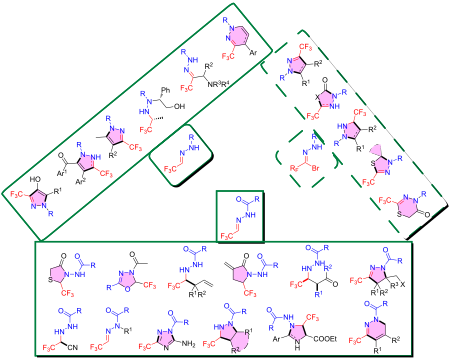
- trifluoroacetaldehyde hydrazones. Jasiński et al. demonstrated that the CF3 group offered an appropriate electronic balance through experimental spectral analysis and computational DFT methods, and the hydrazones could be readily used to provide convenient access to azo tautomers under the acidic conditions [43]. The C

Graphical Abstract

Scheme 1: Synthesis of trifluoromethylpyrazoles from trifluoroacetaldehyde hydrazones.

Scheme 2: Synthesis of polysubstituted pyrazolidines and pyrazolines.

Scheme 3: Asymmetric synthesis of 3-trifluoromethyl-1,4-dihydropyridazines reported by Rueping et al. [39].

Scheme 4: Synthesis of 3-trifluoromethyl-1,4-dihydropyridazine with Brønsted acid-assisted Lewis base catalys...

Scheme 5: Synthesis of CF3-pyrazoles and CF3-1,6-dihydropyridazines.

Scheme 6: Asymmetric reactions of trifluoromethylimines with organometallic reagents.

Scheme 7: Mannich-type reaction of trifluoroacetaldehyde hydrazones.

Scheme 8: Synthesis of trifluoromethylated hydrazonoyl halides.

Scheme 9: Early work of trifluoromethylated hydrazonoyl halides.

Scheme 10: [3 + 2]/[3 + 3] Cycloadditions of trifluoromethylated hydrazonoyl halides.

Scheme 11: Substrate scope for [3 + 2] cycloadditions with trifluoroacetonitrile imines reported by Jasiński’s...

Scheme 12: Synthesis of trifluoromethylated 1,2,4-triazole and 1,2,4-triazine derivatives.

Scheme 13: [3 + 2] Cycloadditions of difluoromethylated hydrazonoyl halides.

Scheme 14: Preparation and early applications of trifluoromethylated acylhydrazones.

Scheme 15: 1,2-Nucleophilic addition reactions of trifluoromethylated acylhydrazones.

Scheme 16: Cascade oxidation/cyclization reactions of trifluoromethylated homoallylic acylhydrazines.

Scheme 17: Synthesis of trifluoromethylated cyanohydrazines and 3-trifluoromethyl-1,2,4-triazolines.

Scheme 18: N-Arylation and N-alkylation of trifluoromethyl acylhydrazones.

Scheme 19: [3 + 2]-Cycladditions of trifluoromethyl acylhydrazones.
Tying a knot between crown ethers and porphyrins
- Maksym Matviyishyn and
- Bartosz Szyszko
Beilstein J. Org. Chem. 2023, 19, 1630–1650, doi:10.3762/bjoc.19.120
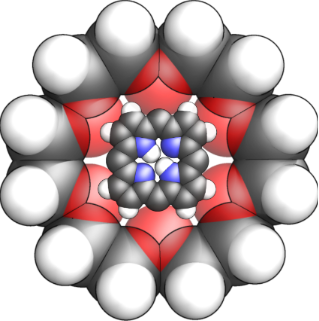
- alternative approach towards crown ether–porphyrin hybrids. They have introduced the crown ether segment by exploiting a dicarbinol 38, which, once subjected to the reaction with pyrrole, formed 39 [68]. The latter reacted with arylaldehydes under acidic conditions yielding 40 (Scheme 11). Protonation of 40

Graphical Abstract

Figure 1: Porphyrin and crown ether.

Figure 2: Timeline demonstrating the contributions into the crown ether–porphyrin chemistry.

Figure 3: Tetra-crowned porphyrin 1 and dimer 2 formed upon K+ binding.

Figure 4: meso-Crowned 25-oxasmaragdyrins 3a–c and their boron(III) complexes (3a–c)-BF2.

Scheme 1: CsF ion-pair binding of 4. The molecular structure of 4-CsF is shown on the right [101].

Figure 5: CsF ion pair binding by 5. The molecular structure of 5-CsF is shown on the right [102].

Scheme 2: Ion-pair binding by 6. The molecular structure of (6-CsCl)2 is shown on the right [103].

Scheme 3: Hydrated fluoride binding by 7 [104].
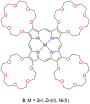
Figure 6: β-Crowned porphyrin 8.
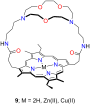
Figure 7: Crown ether-capped porphyrins 9.

Figure 8: The capped porphyrin 10 and complex [10-PQ](PF6)2.
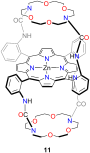
Figure 9: The double-capped porphyrin 11.

Figure 10: Selected examples of iminoporphyrinoids [58,122].

Scheme 4: The synthesis of 13.

Scheme 5: Tripyrrane-based crown ether-embedding porphyrinoid 15.

Figure 11: Macrocycles 16–19 and their coordination compounds.

Scheme 6: The flexibility of 16-Co [66].

Figure 12: Hexagonal wheel composed of six 16-Co(III) monomers [66].

Scheme 7: The synthesis of 16-V [67].

Figure 13: The molecular structure of dimers [16-Mn]2 [67].
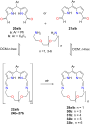
Scheme 8: Synthesis of crownphyrins 28–33. Compounds 23a/b and 29a/b were obtained from 4,7,10-trioxa-1,13-tr...

Figure 14: The molecular structures of 22a, 34a·(HCl)2, and 29b [69].

Figure 15: Molecular structures of 22a-Pb and (29b)2-Zn [69].

Scheme 9: Reactivity of 29a/b.

Scheme 10: Synthesis of 36 and 37 [131].

Scheme 11: Synthesis of 40–45.

Figure 16: Potential applications of porphyrin-crown ether hybrids.
Synthesis and biological evaluation of Argemone mexicana-inspired antimicrobials
- Jessica Villegas,
- Bryce C. Ball,
- Katelyn M. Shouse,
- Caleb W. VanArragon,
- Ashley N. Wasserman,
- Hannah E. Bhakta,
- Allen G. Oliver,
- Danielle A. Orozco-Nunnelly and
- Jeffrey M. Pruet
Beilstein J. Org. Chem. 2023, 19, 1511–1524, doi:10.3762/bjoc.19.108
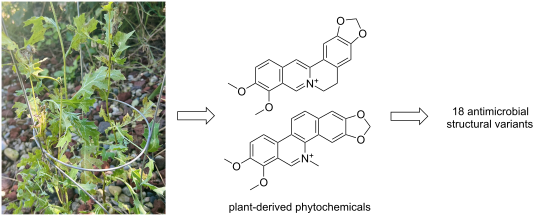
- nevertheless successful, albeit in low yields after an extended reaction time. We explored KOH and NH3 as alternatives to NaOH for this amide cleavage, and found the resulting yields less satisfactory. We also explored the amide hydrolysis under acidic conditions as well, though this resulted to almost

Graphical Abstract

Figure 1: Zones of inhibition for 1 mg of evaporated methanolic (MeOH) extracts from various parts of the A. ...

Scheme 1: General route to berberine variants, displaying the numbering system for the berberine ring.

Scheme 2: Synthesis of new berberine variants. Reductive amination to a secondary amine was followed by cycli...

Figure 2: X-ray crystal structures of the oxidation byproducts a) B4 (CCDC 2271457) and b) B6 (CCDC 2271458; ...

Scheme 3: Direct modification of the original berberine structure.

Scheme 4: Preparation of non-cyclic charged variants of B1.

Scheme 5: Partial reduction of compound B1 to B14.

Figure 3: Kirby–Bauer zones of inhibition for all variants B1–B14 compared to original berberine (B). Mean zo...

Scheme 6: Synthesis of the substituted 2-bromoaminonaphthalenes 9 and 10.

Scheme 7: Completion of the synthesis of variants C1–C4.

Figure 4: Kirby–Bauer zones of inhibition for variants C1–C4 compared to original chelerythrine (C). Mean zon...

Figure 5: Effects of original berberine and all variants against T84 human colon cancer cells. Cells were tre...

Figure 6: Effects of original chelerythrine and all variants against T84 human colon cancer. Cells were treat...
N-Sulfenylsuccinimide/phthalimide: an alternative sulfenylating reagent in organic transformations
- Fatemeh Doraghi,
- Seyedeh Pegah Aledavoud,
- Mehdi Ghanbarlou,
- Bagher Larijani and
- Mohammad Mahdavi
Beilstein J. Org. Chem. 2023, 19, 1471–1502, doi:10.3762/bjoc.19.106
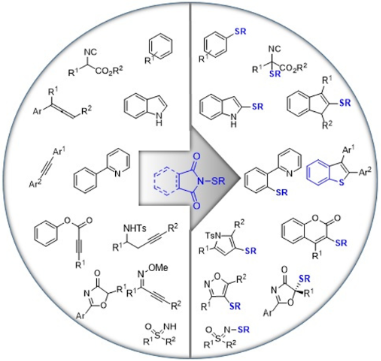
- Nef reaction in MeNO2 under acidic conditions. In the meantime, 1 was activated by AlCl3 to form sulfenium cation I, which induced an intramolecular cyclization of 60 to produce pyrroline 62. In MeCN solvent, 3-thiolated pyrroline 62 was stable and could be isolated, but in MeNO2, in the presence of

Graphical Abstract

Scheme 1: Sulfur-containing bioactive molecules.

Scheme 2: Scandium-catalyzed synthesis of thiosulfonates.

Scheme 3: Palladium-catalyzed aryl(alkyl)thiolation of unactivated arenes.

Scheme 4: Catalytic cycle for Pd-catalyzed aryl(alkyl)thiolation of unactivated arenes.

Scheme 5: Iron- or boron-catalyzed C–H arylthiation of substituted phenols.

Scheme 6: Iron-catalyzed azidoalkylthiation of alkenes.

Scheme 7: Plausible mechanism for iron-catalyzed azidoalkylthiation of alkenes.

Scheme 8: BF3·Et2O‑mediated electrophilic cyclization of aryl alkynoates.

Scheme 9: Tentative mechanism for BF3·Et2O‑mediated electrophilic cyclization of aryl alkynoates.

Scheme 10: Construction of 6-substituted benzo[b]thiophenes.

Scheme 11: Plausible mechanism for construction of 6-substituted benzo[b]thiophenes.

Scheme 12: AlCl3‑catalyzed cyclization of N‑arylpropynamides with N‑sulfanylsuccinimides.

Scheme 13: Synthetic utility of AlCl3‑catalyzed cyclization of N‑arylpropynamides with N‑sulfanylsuccinimides.

Scheme 14: Sulfenoamination of alkenes with sulfonamides and N-sulfanylsuccinimides.

Scheme 15: Lewis acid/Brønsted acid controlled Pd-catalyzed functionalization of aryl C(sp2)–H bonds.

Scheme 16: Possible mechanism for Lewis acid/Brønsted acid controlled Pd-catalyzed functionalization of aryl C...

Scheme 17: FeCl3-catalyzed carbosulfenylation of unactivated alkenes.

Scheme 18: Copper-catalyzed electrophilic thiolation of organozinc halides.

Scheme 19: h-BN@Copper(II) nanomaterial catalyzed cross-coupling reaction of sulfoximines and N‑(arylthio)succ...

Scheme 20: AlCl3‑mediated cyclization and sulfenylation of 2‑alkyn-1-one O‑methyloximes.

Scheme 21: Lewis acid-promoted 2-substituted cyclopropane 1,1-dicarboxylates with sulfonamides and N-(arylthio...

Scheme 22: Lewis acid-mediated cyclization of β,γ-unsaturated oximes and hydrazones with N-(arylthio/seleno)su...

Scheme 23: Credible pathway for Lewis acid-mediated cyclization of β,γ-unsaturated oximes with N-(arylthio)suc...

Scheme 24: Synthesis of 4-chalcogenyl pyrazoles via chalcogenation/cyclization of α,β-alkynic hydrazones.

Scheme 25: Controllable synthesis of 3-thiolated pyrroles and pyrrolines.

Scheme 26: Possible mechanism for controllable synthesis of 3-thiolated pyrroles and pyrrolines.

Scheme 27: Co-catalyzed C2-sulfenylation and C2,C3-disulfenylation of indole derivatives.

Scheme 28: Plausible catalytic cycle for Co-catalyzed C2-sulfenylation and C2,C3-disulfenylation of indoles.

Scheme 29: C–H thioarylation of electron-rich arenes by iron(III) triflimide catalysis.

Scheme 30: Difunctionalization of alkynyl bromides with thiosulfonates and N-arylthio succinimides.·

Scheme 31: Suggested mechanism for difunctionalization of alkynyl bromides with thiosulfonates and N-arylthio ...

Scheme 32: Synthesis of thioesters, acyl disulfides, ketones, and amides by N-thiohydroxy succinimide esters.

Scheme 33: Proposed mechanism for metal-catalyzed selective acylation and acylthiolation.

Scheme 34: AlCl3-catalyzed synthesis of 3,4-bisthiolated pyrroles.

Scheme 35: α-Sulfenylation of aldehydes and ketones.

Scheme 36: Acid-catalyzed sulfetherification of unsaturated alcohols.

Scheme 37: Enantioselective sulfenylation of β-keto phosphonates.

Scheme 38: Organocatalyzed sulfenylation of 3‑substituted oxindoles.

Scheme 39: Sulfenylation and chlorination of β-ketoesters.

Scheme 40: Intramolecular sulfenoamination of olefins.

Scheme 41: Plausible mechanism for intramolecular sulfenoamination of olefins.

Scheme 42: α-Sulfenylation of 5H-oxazol-4-ones.

Scheme 43: Metal-free C–H sulfenylation of electron-rich arenes.

Scheme 44: TFA-promoted C–H sulfenylation indoles.
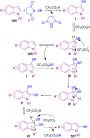
Scheme 45: Proposed mechanism for TFA-promoted C–H sulfenylation indoles.

Scheme 46: Organocatalyzed sulfenylation and selenenylation of 3-pyrrolyloxindoles.

Scheme 47: Organocatalyzed sulfenylation of S-based nucleophiles.

Scheme 48: Conjugate Lewis base Brønsted acid-catalyzed sulfenylation of N-heterocycles.

Scheme 49: Mechanism for activation of N-sulfanylsuccinimide by conjugate Lewis base Brønsted acid catalyst.

Scheme 50: Sulfenylation of deconjugated butyrolactams.

Scheme 51: Intramolecular sulfenofunctionalization of alkenes with phenols.

Scheme 52: Organocatalytic 1,3-difunctionalizations of Morita–Baylis–Hillman carbonates.

Scheme 53: Organocatalytic sulfenylation of β‑naphthols.

Scheme 54: Acid-promoted oxychalcogenation of o‑vinylanilides with N‑(arylthio/arylseleno)succinimides.

Scheme 55: Lewis base/Brønsted acid dual-catalytic C–H sulfenylation of aryls.

Scheme 56: Lewis base-catalyzed sulfenoamidation of alkenes.

Scheme 57: Cyclization of allylic amide using a Brønsted acid and tetrabutylammonium chloride.

Scheme 58: Catalytic electrophilic thiocarbocyclization of allenes with N-thiosuccinimides.

Scheme 59: Suggested mechanism for electrophilic thiocarbocyclization of allenes with N-thiosuccinimides.

Scheme 60: Chiral chalcogenide-catalyzed enantioselective hydrothiolation of alkenes.

Scheme 61: Proposed mechanism for chalcogenide-catalyzed enantioselective hydrothiolation of alkenes.

Scheme 62: Organocatalytic sulfenylation for synthesis a diheteroatom-bearing tetrasubstituted carbon centre.

Scheme 63: Thiolative cyclization of yne-ynamides.

Scheme 64: Synthesis of alkynyl and acyl disulfides from reaction of thiols with N-alkynylthio phthalimides.

Scheme 65: Oxysulfenylation of alkenes with 1-(arylthio)pyrrolidine-2,5-diones and alcohols.

Scheme 66: Arylthiolation of arylamines with (arylthio)-pyrrolidine-2,5-diones.

Scheme 67: Catalyst-free isothiocyanatoalkylthiation of styrenes.

Scheme 68: Sulfenylation of (E)-β-chlorovinyl ketones toward 3,4-dimercaptofurans.

Scheme 69: HCl-promoted intermolecular 1, 2-thiofunctionalization of aromatic alkenes.

Scheme 70: Possible mechanism for HCl-promoted 1,2-thiofunctionalization of aromatic alkenes.

Scheme 71: Coupling reaction of diazo compounds with N-sulfenylsuccinimides.

Scheme 72: Multicomponent reactions of disulfides with isocyanides and other nucleophiles.

Scheme 73: α-Sulfenylation and β-sulfenylation of α,β-unsaturated carbonyl compounds.
Synthesis of ether lipids: natural compounds and analogues
- Marco Antônio G. B. Gomes,
- Alicia Bauduin,
- Chloé Le Roux,
- Romain Fouinneteau,
- Wilfried Berthe,
- Mathieu Berchel,
- Hélène Couthon and
- Paul-Alain Jaffrès
Beilstein J. Org. Chem. 2023, 19, 1299–1369, doi:10.3762/bjoc.19.96
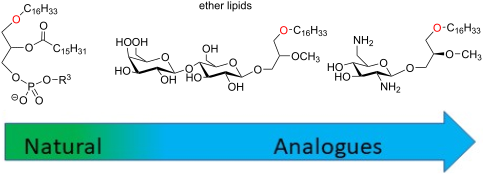
- of the secondary alcohol produced 2.3. The primary alcohol was deprotected in acidic conditions to produce 2.4. The installation of the phosphocholine polar head group was achieved in two steps starting with the reaction of 2.4 with bromoethyl dichlorophosphate (2.5) to produce the phosphate
- benzylation produced 4.13. Then, the deprotection of the primary alcohol in acidic conditions allows introducing the phosphocholine polar head group by using POCl3 and the choline tosylate salt as reagents to yield 4.14. Finally, the debenzylation of the secondary alcohol and its acylation produce PAF 4.15. b
- intermediate 6.3 (ᴅ- or ʟ-threitol) that was then alkylated with mesityl lipid alcohol to produce 6.4 [80][81]. The acetal protecting group was removed in acidic conditions and then the intermediate 6.5 was subjected to oxidative cleavage to yield an aldehyde that was reduced with NaBH4 to produce 6.6a,b

Graphical Abstract

Figure 1: Chemical structure of some natural ether lipids (ELs).

Figure 2: Synthesis of lyso-PAF and PAF from 1-O-alkylglycerol [64].

Figure 3: Synthesis of lyso-PAF from 1,3-benzylideneglycerol 3.1 [69].
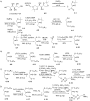
Figure 4: A) Synthesis of the two enantiomers of octadecylglycerol (4.6 and 4.10) from ᴅ-mannitol (4.1); B) s...

Figure 5: Four-step synthesis of PAF 5.6 from (S)-glycidol [73].

Figure 6: Synthesis of 1-O-alkylglycerol A) from solketal, B) from ᴅ- or ʟ-tartaric acid and the intermediate ...

Figure 7: Synthesis of EL building blocks starting from substituted glycidol 7.1a–c [82].

Figure 8: Synthesis of PAF 8.5 by using phosphoramidite 8.2 [86].

Figure 9: Synthesis of oleyl-PAF 9.7 from ʟ-serine [88].

Figure 10: Synthesis of racemic analogues of lyso-PAF 10.8 and PAF 10.9 featuring a phenyl group between the g...

Figure 11: Synthesis of racemic deoxy-lyso-PAF 11.7 and deoxy-PAF 11.8 [91].

Figure 12: Synthesis of racemic thio-PAF 12.8 [93].

Figure 13: Racemic synthesis of 13.6 to illustrate the modification of the glycerol backbone by adding a methy...

Figure 14: Racemic synthesis of 14.5 as an illustration of the introduction of methyl substituents on the glyc...

Figure 15: Synthesis of functionalized sn-2-acyl chains of PC-EL; A) Steglich esterification or acylation reac...

Figure 16: Synthesis of racemic mc-PAF (16.3), a carbamate analogue of PAF [102].

Figure 17: A) Synthesis of (R)-17.2 and (S)-17.6 starting from (S)-solketal (17.1); B) synthesis of N3-PAF (17...

Figure 18: Modification of the phosphocholine polar head to produce PAF analogues [81].

Figure 19: Racemic PAF analogues 19.3 and 19.5 characterized by the absence of the phosphate group [107].

Figure 20: Synthesis of PIP3-PAF (20.7) [108].

Figure 21: Large-scale synthesis of C18-edelfosine (21.8) [116].

Figure 22: Synthesis of C16-edelfosine (22.10) starting from isopropylidene-ʟ-glyceric acid methyl ester (22.1...

Figure 23: Phosphocholine moiety installation by the use of chlorophosphite 23.2 as key reagent [119].

Figure 24: Synthesis of rac-1-alkyl-2-O-methylglycerol (AMG) [120].

Figure 25: Synthesis of stereocontrolled 1-alkyl-2-O-methyl glycerol 25.9 (AMG) from dimethyl ᴅ-tartrate [81].

Figure 26: A) Racemic synthesis of thioether 26.4 [129,130], B) structure of sulfone analogue 26.5 [129].

Figure 27: Stereocontrolled synthesis of C18-edelfosine thioether analogue 27.8 [118].

Figure 28: Synthesis of thioether 28.4 that include a thiophosphate function [134].

Figure 29: Synthesis of ammonium thioether 29.4 and 29.6 [135].

Figure 30: Synthesis of the N-methylamino analogue of edelfosine 30.6 (BN52211) [138].

Figure 31: Synthesis of 1-desoxy analogues of edelfosine; A) with a saturated alkyl chain; B) synthesis of the...

Figure 32: Stereocontrolled synthesis of edelfosine analogue (S)-32.8 featuring a C18:1 lipid chain [142].

Figure 33: Synthesis of edelfosine analogues with modulation of the lipid chain; A) illustration with the synt...

Figure 34: Synthesis of phospholipid featuring a carbamate function to link the lipid chain to the glycerol un...

Figure 35: Synthesis of sesquiterpene conjugates of phospho glycero ether lipids [148].

Figure 36: Racemic synthesis of methyl-substituted glycerol analogues 36.7 and 36.10: A) synthesis of diether ...

Figure 37: Racemic synthesis of ilmofosine (37.6) [155,156].

Figure 38: A) Stereoselective synthesis of 38.5 via a stereoselective hydroboration reaction; B) synthesis of ...

Figure 39: Racemic synthesis of SRI62-834 (39.6) featuring a spiro-tetrahydrofurane heterocycle in position 2 ...

Figure 40: Racemic synthesis of edelfosine analogue 40.5 featuring an imidazole moiety in sn-2 position [160].

Figure 41: Racemic synthesis of fluorine-functionalized EL: A) Synthesis of 41.6 and B) synthesis of 41.8 [161-163].

Figure 42: A) Synthesis of the β-keto-ester 42.6 that also features a decyl linker between the phosphate and t...

Figure 43: Synthesis of phosphonate-based ether lipids; A) edelfosine phosphonate analogue 43.7 and B) thioeth...

Figure 44: Enantioselective synthesis of phosphonates 44.3 and 44.4 [171].

Figure 45: Racemic synthesis of phosphinate-based ether lipid 45.10 [172].

Figure 46: Racemic synthesis of edelfosine arsonium analogue 46.5 [173].

Figure 47: Synthesis of edelfosine dimethylammonium analogue 47.2 [118].

Figure 48: Synthesis of rac-C18-edelfosine methylammonium analogue 48.4 [176].

Figure 49: A) Synthesis of edelfosine N-methylpyrrolidinium analogue 49.2 or N-methylmorpholinium analogue 49.3...

Figure 50: A) Synthesis of edelfosine’s analogue 50.4 with a PE polar group; B) illustration of a pyridinium d...

Figure 51: A) Synthesis of 51.4 featuring a thiazolium cationic moiety; B) synthesis of thiazolium-based EL 51...

Figure 52: Synthesis of cationic ether lipids 52.3, 52.4 and 52.6 [135,183].

Figure 53: Synthesis of cationic carbamate ether lipid 53.5 [184].

Figure 54: Synthesis of cationic sulfonamide 54.5 [185].

Figure 55: Chemical structure of ONO-6240 (55.1) and SRI-63-119 (55.2).

Figure 56: Synthesis of non-ionic ether lipids 56.2–56.9 [188].

Figure 57: Synthesis of ether lipid conjugated to foscarnet 57.6 [189].

Figure 58: A) Synthesis of ether lipid conjugated to arabinofuranosylcytosine; B) synthesis of AZT conjugated ...

Figure 59: Synthesis of quercetin conjugate to edelfosine [191].

Figure 60: Synthesis of 60.8 (Glc-PAF) [194].

Figure 61: A) Synthesis of amino ether lipid 61.7 functionalized with a rhamnose unit and its amide analogue 6...

Figure 62: A) Synthesis of glucose ether lipid 62.4; B) structure of ether lipid 62.5 possessing a maltose uni...

Figure 63: A) Synthesis of glucuronic methyl ester 63.8; B) structure of cellobiose 63.9 and maltose 63.10 ana...

Figure 64: A) Synthesis of maltosyl glycerolipid 64.7; B) structure of lactose analogue 64.8 prepared followin...

Figure 65: A) Asymmetric synthesis of the aglycone moiety starting from allyl 4-methoxyphenyl ether; B) glycos...

Figure 66: A) Synthesis of ohmline possessing a lactose moiety. B) Structure of other glyco glycero lipids pre...

Figure 67: A) Synthesis of lactose-glycerol ether lipid 67.5; B) analogues possessing a maltose (67.6) or meli...

Figure 68: Synthesis of digalactosyl EL 68.6, A) by using trityl, benzyl and acetyl protecting groups, B) by u...

Figure 69: A) Synthesis of α-ohmline; B) structure of disaccharide ether lipids prepared by using similar meth...

Figure 70: Synthesis of lactose ether lipid 70.3 and its analogue 70.6 featuring a carbamate function as linke...

Figure 71: Synthesis of rhamnopyranoside diether 71.4 [196].

Figure 72: Synthesis of 1-O-hexadecyl-2-O-methyl-3-S-(α-ᴅ-1'-thioglucopyranosyl)-sn-glycerol (72.5) [225].

Figure 73: A) Preparation of lipid intermediate 73.4; B) synthesis of 2-desoxy-C-glycoside 73.10 [226].

Figure 74: Synthesis of galactose-pyridinium salt 74.3 [228].

Figure 75: Synthesis of myo-inositol derivative Ino-C2-PAF (75.10) [230].

Figure 76: A) Synthesis of myo-inositol phosphate building block 76.7; B) synthesis of myo-inositolphosphate d...

Figure 77: A) Synthesis of phosphatidyl-3-desoxy-inositol 77.4; B) synthesis of phosphono-3-desoxyinositol 77.9...

Figure 78: A) Structure of diether phosphatidyl-myo-inositol-3,4-diphosphate 78.1; B) synthesis of phosphatidy...

Figure 79: A) Synthesis of diether-phosphatidyl derivative 79.4 featuring a hydroxymethyl group in place of a ...

Figure 80: Synthesis of Glc-amine-PAF [78].

Figure 81: Synthesis of glucosamine ether lipid 81.4 and its analogues functionalized in position 3 of the ami...

Figure 82: Synthesis of fully deprotected aminoglucoside ether lipid 82.5 [246].

Figure 83: Synthesis of C-aminoglycoside 83.12 using Ramberg–Bäcklund rearrangement as a key step [250].

Figure 84: A) List of the most important glyco lipids and amino glyco lipids included in the study of Arthur a...

Figure 85: Synthesis of mannosamine ether lipid 85.6 [254].
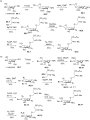
Figure 86: A) Synthesis of glucosamine ether lipids with a non-natural ʟ-glucosamine moiety; B) synthesis of e...

Figure 87: A) Structure of the most efficient anticancer agents 87.1–87.4 featuring a diamino glyco ether lipi...

Figure 88: A) Synthesis of diamino glyco ether lipid 87.4; B) synthesis of bis-glycosylated ether lipid 88.10 [256]....

Figure 89: Synthesis of triamino ether lipid 89.4 [260].

Figure 90: Synthesis of chlorambucil conjugate 90.7 [261].

Figure 91: Three main methods for the preparation of glycerol ether lipid 91.3; A) from solketal and via a tri...

Figure 92: Four different methods for the installation of the phosphocholine polar head group; A) method using...

Figure 93: Illustration of two methods for the installation of saccharides or aminosaccharides; A) O-glycosyla...
Enabling artificial photosynthesis systems with molecular recycling: A review of photo- and electrochemical methods for regenerating organic sacrificial electron donors
- Grace A. Lowe
Beilstein J. Org. Chem. 2023, 19, 1198–1215, doi:10.3762/bjoc.19.88
- decoupled water-splitting studies are re-reduced using protons from water in acidic conditions, and are used to transport hydrogen equivalents across membranes and between reactors. Some examples have been used as recyclable reductants [58]. These particular quinones have low enough oxidation potentials for

Graphical Abstract

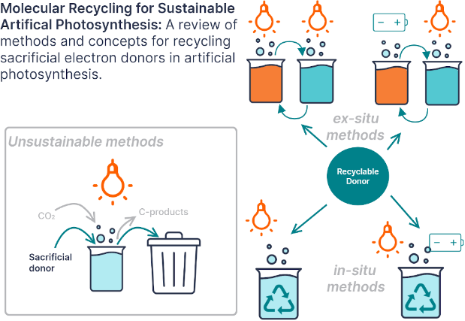
Figure 1: Diagram comparing the two reaction pathways for sacrificial electron donors (SD) in photocatalyzed ...

Figure 2: Diagram showing water-splitting systems developed by Girault, Scanlon, and co-workers that employ i...

Figure 3: Diagram illustrating the transfer of electrons in a photocatalytic particulate suspensions Z-scheme...

Figure 4: A. Structures of the molecules represented in part B. The numbers in brackets correspond to the com...

Figure 5: A. Structures of the molecules represented in part B. The numbers in brackets correspond to the com...
Photoredox catalysis harvesting multiple photon or electrochemical energies
- Mattia Lepori,
- Simon Schmid and
- Joshua P. Barham
Beilstein J. Org. Chem. 2023, 19, 1055–1145, doi:10.3762/bjoc.19.81

Graphical Abstract

Figure 1: Oxidative and reductive activations of organic compounds harvesting photoredox catalysis.

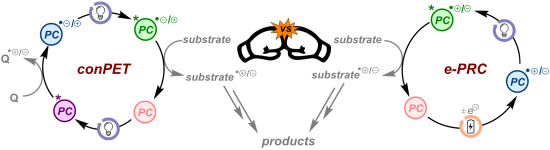
Figure 2: General catalytic cycles of radical ion conPET (left) and radical ion e-PRC (right).
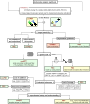
Figure 3: “Beginner’s guide”: comparison between advantages, capacities, and prospectives of conPET and PEC.
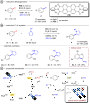
Figure 4: A) conPET reductive dehalogenation of aryl halides with PDI. B) Reductive C–H arylation with pyrrol...
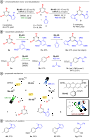
Figure 5: A) Chromoselective mono- and disubstitution or polybrominated pyrimidines with pyrroles. B) Sequent...

Figure 6: A) Synthesis of pyrrolo[1,2-a]quinolines. B) Synthesis of ullazines.

Figure 7: A) Reductive phosphorylation of aryl halides via conPET. B) Selected examples from the substrate sc...
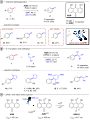
Figure 8: A) Reductive dehalogenation of aryl halides via conPET and selected examples from the substrate sco...
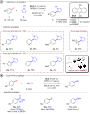
Figure 9: A) Reductive C–H arylation of aryl halides via conPET (top) and selected examples from the substrat...
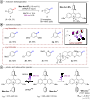
Figure 10: A) Reductive hydrodehalogenation of aryl halides with Mes-Acr-BF4. B) Selected examples from the su...
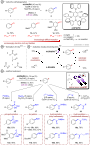
Figure 11: A) Reductive hydrodechlorination of aryl chlorides with 4-DPAIPN. B) Proposed formation of CO2•−. C...
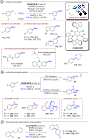
Figure 12: A) Reductive conPET borylation with 3CzEPAIPN (top) and selected examples from the substrate scope ...

Figure 13: Scale-up of conPET phosphorylation with 3CzEPAIPN.
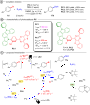
Figure 14: A) Borylation of 1d. B) Characteristics and structure of PC1 with green and red parts showing the l...
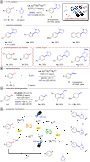
Figure 15: A) Reductive C–H arylation scope with polysulfide conPET (top) and selected examples from the subst...

Figure 16: Scale-up of A) C–H arylation and B) dehaloborylation with polysulfide photocatalysis in continuous-...

Figure 17: A) Formation of [Ir1]0 and [Ir2]0 upon PET between [Ir1]+ and Et3N. B) Mechanism of multi-photon ta...

Figure 18: A) Reductive hydrodehalogenation of aryl halides via multi-photon tandem photocatalysis. B) Selecte...

Figure 19: A) Carbonylative amidation of aryl halides in continuous flow. B) Selected examples from the substr...
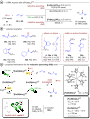
Figure 20: A) General scheme for reductive (RQ) and oxidative quenching (OQ) protocols using [FeIII(btz)3](PF6)...
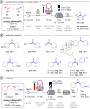
Figure 21: A) Carbonylative amidation of alkyl iodides with [IrIII(ppy)2(dtbbpy)]PF6. B) Selected examples fro...
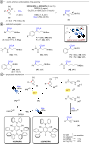
Figure 22: A) Carboxylative C–N bond cleavage in cyclic amines. B) Selected examples from the substrate scope....
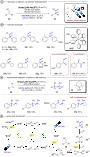
Figure 23: A) Formal reduction of alkenes to alkanes via transfer hydrogenation. B) Selected examples from the...
Figure 24: A) Birch-type reduction of benzenes with PMP-BPI. B) Selected examples from the substrate scope (sc...

Figure 25: Proposed mechanism of the OH− mediated conPET Birch-type reduction of benzene via generation of sol...

Figure 26: Reductive detosylation of N-tosylated amides with Mes-Acr-BF4. B) Selected examples from the substr...
Figure 27: A) Reductive detosylation of N-tosyl amides by dual PRC. B) Selected examples from the substrate sc...

Figure 28: A) Mechanism of the dual PRC based on PET between [Cu(dap)2]+ and DCA. B) Mechanism of the dual PRC...
Figure 29: A) N–O bond cleavage in Weinreb amides with anthracene. B) N–O bond cleavage in Weinreb amides rely...
Figure 30: A) Pentafluorosulfanylation and fluoride elimination. B) Mechanism of the pentafluorosulfanylation ...
Figure 31: A) α-Alkoxypentafluorosulfanylation (top) and selected examples from the substrate scope (bottom). ...
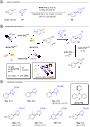
Figure 32: A) Oxidative amination of arenes with azoles catalyzed by N-Ph PTZ. B) Selected examples from the s...

Figure 33: A) C(sp3)–H bond activation by HAT via chloride oxidation by *N-Ph PTZ•+. B) Proposed mechanism for...

Figure 34: A) Recycling e-PRC C–H azolation of electron-rich arenes with pyrazoles using Mes-Acr+ as a photoca...

Figure 35: A) Radical ion e-PRC direct oxidation of unactivated arenes using TAC+ as an electro-activated phot...

Figure 36: A) Radical ion e-PRC direct oxidation of unactivated arenes using TPA as an electro-activated photo...

Figure 37: Proposed mechanism (top) and mode of preassembly (bottom).

Figure 38: A) Possible preassemblies of reactive (left) vs unreactive (right) arenes. B) Calculated spin densi...
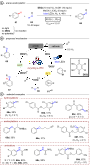
Figure 39: A) Recycling e-PRC C(sp2 )–H acetoxylation of arenes using DDQ as a photocatalyst. B) Proposed cata...

Figure 40: Gram scale hydroxylation of benzene in a recirculated flow setup.
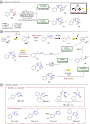
Figure 41: A) Radical ion e-PRC vicinal diamination of alkylarenes using TAC+ as an electro-activated photocat...
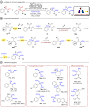
Figure 42: A) Sequential oxygenation of multiple adjacent C–H bonds under radical ion e-PRC using TAC+ as an e...

Figure 43: A) Enantioselective recycling e-PRC cyanation of benzylic C–H bonds using ADQS as photocatalyst. B)...

Figure 44: Proposed tandem mechanism by Xu and co-workers.
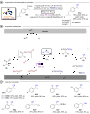
Figure 45: A) Enantioselective recycling e-PRC decarboxylative cyanation using Cu(acac)2, Ce(OTf)3 and a box l...

Figure 46: A) Enantioselective recycling e-PRC benzylic cyanation using Cu(MeCN)4BF4, box ligand and anthraqui...

Figure 47: A) Radical ion e-PRC acetoxyhydroxylation of aryl olefins using TAC+ as an electro-activated photoc...

Figure 48: Selected examples from the substrate scope.

Figure 49: Photoelectrochemical acetoxyhydroxylation in a recirculated flow setup.
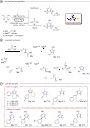
Figure 50: A) Radical ion e-PRC aminooxygenation of aryl olefins using TAC+ as an electro-activated photocatal...
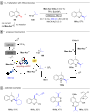
Figure 51: A) Recycling e-PRC C–H alkylation of heteroarenes with organic trifluoroborates using Mes-Acr+ as p...

Figure 52: A) Recycling e-PRC decarboxylative C–H alkylation of heteroarenes using CeCl3·7H2O as catalyst. B) ...

Figure 53: A) Recycling e-PRC decarboxylative C–H alkylation of heteroarenes using Fe(NH4)2(SO4)2·6H2O as cata...
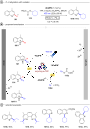
Figure 54: A) Recycling e-PRC C–H alkylation of heteroarenes with alkyl oxalates and 4CzIPN as photocatalyst. ...
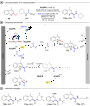
Figure 55: A) Recycling e-PRC decarboxylative C–H carbamoylation of heteroarenes using 4CzIPN as photocatalyst...
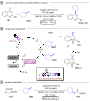
Figure 56: A) Photoelectrochemical HAT-mediated hydrocarbon activation via the chlorine radical. B) Proposed m...

Figure 57: A) Selected examples from the substrate scope. B) Gram and decagram scale semi-continuous flow PEC ...

Figure 58: A) Photoelectrochemical HAT-mediated dehydrogenative coupling of benzothiazoles with aliphatic C–H ...

Figure 59: A) Photoelectrochemical HAT activation of ethers using electro-activated TAC+ as photocatalyst. B) ...

Figure 60: Selected examples from the substrate scope.
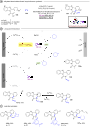
Figure 61: A) Photoelectrochemical HAT-mediated synthesis of alkylated benzimidazo-fused isoquinolinones using...

Figure 62: A) Decoupled photoelectrochemical cerium-catalyzed oxydichlorination of alkynes using CeCl3 as cata...

Figure 63: Proposed decoupled photoelectrochemical mechanism.

Figure 64: A) Decoupled photoelectrochemical ring-opening bromination of tertiary cycloalkanols using MgBr2 as...

Figure 65: A) Recycling e-PRC ring-opening functionalization of cycloalkanols using CeCl3 as catalyst. B) Prop...

Figure 66: Selected examples from the substrate scope of the PEC ring-opening functionalization.

Figure 67: A) Radical ion e-PRC reduction of chloro- and bromoarenes using DCA as catalyst and various accepto...
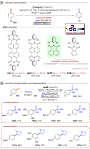
Figure 68: A) Screening of different phthalimide derivatives as catalyst for the e-PRC reduction of aryl halid...

Figure 69: Screening of different organic catalysts for the e-PRC reduction of trialkylanilium salts.

Figure 70: A) e-PRC reduction of phosphonated phenols and anilinium salts. B) Selected examples from the subst...

Figure 71: A) ConPET and e-PRC reduction of 4-bromobenzonitrile using a naphthalene diimide (NDI) precatalyst ...

Figure 72: A) Radical ion e-PRC reduction of phosphinated aliphatic alcohols with n-BuO-NpMI as catalyst. B) C...

Figure 73: Selected examples from the substrate scope.

Figure 74: A) Recycling e-PRC reductive dimerization of benzylic chlorides using a [Cu2] catalyst. B) Proposed...

Figure 75: A) Decoupled photoelectrochemical C–H alkylation of heteroarenes through deamination of Katritzky s...

Figure 76: Proposed mechanism by Chen and co-workers.
Synthesis of tetrahydrofuro[3,2-c]pyridines via Pictet–Spengler reaction
- Elena Y. Mendogralo and
- Maxim G. Uchuskin
Beilstein J. Org. Chem. 2023, 19, 991–997, doi:10.3762/bjoc.19.74
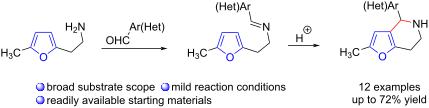
- ]pyridines, substantial tarring of reaction mixtures in acidic conditions and a limited number of cyclization examples might constrain its wide application. Diverse bioactivities and prevalence of hydrogenated furo[3,2-c]pyridines in nature prompted us to develop an approach to substituted tetrahydrofuro[3,2

Graphical Abstract

Figure 1: Examples of natural and bioactive hydrogenated furo[3,2-c]pyridines.

Scheme 1: The described approaches to tetrahydrofuro[3,2-c]pyridines and our work.

Scheme 2: The synthesis of tetrahydrofuro[3,2-c]pyridines 4. Conditions: athe reaction was performed at 1 mmo...

Scheme 3: The acid-catalyzed reversible transformation of tetrahydrofuro[3,2-c]pyridine 4a and 3-(2-oxopropyl...

Scheme 4: Synthesis of tetrahydropyrrolo[3,2-c]pyridine 6a.

Scheme 5: Reactivity of tetrahydrofuro[3,2-c]pyridine 4a.
Phenanthridine–pyrene conjugates as fluorescent probes for DNA/RNA and an inactive mutant of dipeptidyl peptidase enzyme
- Josipa Matić,
- Tana Tandarić,
- Marijana Radić Stojković,
- Filip Šupljika,
- Zrinka Karačić,
- Ana Tomašić Paić,
- Lucija Horvat,
- Robert Vianello and
- Lidija-Marija Tumir
Beilstein J. Org. Chem. 2023, 19, 550–565, doi:10.3762/bjoc.19.40
- Synthesis The phenanthridine derivative of the amino acid alanine (Phen-AA) has been prepared according to the procedure described earlier [19]. Phen-AA was deprotected under acidic conditions (TFA–H2O) at room temperature for 20 hours. The amide coupling reaction was performed in anhydrous acetonitrile
- protonated in weakly acidic conditions (pH 5) [20][21]. The volume ratio of DMSO was less than 1% in all measurements. The absorbance of aqueous solutions for compounds Phen-Py-1 and Phen-Py-2 was proportional to their concentrations up to c = 1–2 × 10⁻⁵ mol dm−3. In contrast to the Lambert–Beer law, a
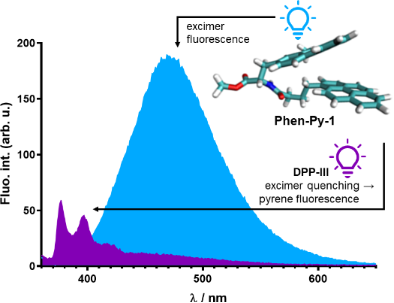
- 48% for Phen-Py-1 and Phen-Py-2, respectively). The phenanthridine nitrogen was protonated under weakly acidic conditions, which made the phenanthridinium moiety relatively electron deficient compared to the electron-rich pyrene moiety that favored intramolecular stacking. Molecular dynamics

Graphical Abstract

Scheme 1: Novel pyrene–phenanthridine conjugates Phen-Py-1 (longer, flexible linker) and Phen-Py-2 (shorter, ...

Scheme 2: Synthesis of Phen-Py-1 and Phen-Py-2 by amide formation; Reagents and conditions: 1. TFA–H2O mixtur...

Figure 1: 2D (left) and 3D (right) representation of fluorescence emission spectra of Phen-Py-1 (c = 2 × 10⁻⁶...
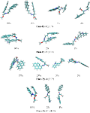
Figure 2: Most representative structures of the conjugates Phen-Py-1 and Phen-Py-2 at different pH conditions...

Figure 3: UV–vis titration of Phen-Py-1 with ct-DNA,; changes in the UV–vis spectra of Phen-Py-1 at λ = 350 n...

Figure 4: . Experimental (■) and calculated (–) (by Scatchard equation Table 2) fluorescence intensities of compound ...

Figure 5: Comparison of spectra of DNA-dye complex (r = 0.5, black) and sum of DNA and dye spectra (red) of a...

Figure 6: Fluorimetric titration of Phen-Py-1, λexc = 352 nm, c = 1 × 10⁻⁶ mol dm−3 with dipeptidyl peptidase...
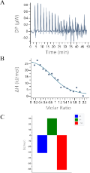
Figure 7: A: ITC titration: raw titration data from the experimental injections of human DPP III enzyme mutan...
Transition-metal-catalyzed domino reactions of strained bicyclic alkenes
- Austin Pounder,
- Eric Neufeld,
- Peter Myler and
- William Tam
Beilstein J. Org. Chem. 2023, 19, 487–540, doi:10.3762/bjoc.19.38
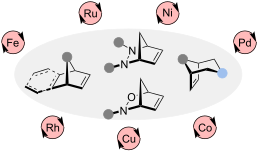
- derivatives 85 (Scheme 15) [51]. In contrast to Cheng’s report, it’s noted the addition of AcOH rather than CsOAc enabled the same ring-opening/dehydration cascade to occur; however, acidic conditions seem to require less energy to drive the dehydration step. In 2019, the Zhai Group investigated the Co

Graphical Abstract

Figure 1: Ring-strain energies of homobicyclic and heterobicyclic alkenes in kcal mol−1. a) [2.2.1]-Bicyclic ...
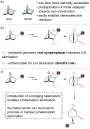
Figure 2: a) Exo and endo face descriptions of bicyclic alkenes. b) Reactivity comparisons for different β-at...

Scheme 1: Ni-catalyzed ring-opening/cyclization cascade of heterobicyclic alkenes 1 with alkyl propiolates 2 ...
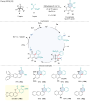
Scheme 2: Ni-catalyzed ring-opening/cyclization cascade of heterobicyclic alkenes 8 with β-iodo-(Z)-propenoat...

Scheme 3: Ni-catalyzed two- and three-component difunctionalizations of norbornene derivatives 15 with alkyne...

Scheme 4: Ni-catalyzed intermolecular three-component difunctionalization of oxabicyclic alkenes 1 with alkyn...

Scheme 5: Ni-catalyzed intermolecular three-component carboacylation of norbornene derivatives 15.

Scheme 6: Photoredox/Ni dual-catalyzed coupling of 4-alkyl-1,4-dihydropyridines 31 with heterobicyclic alkene...

Scheme 7: Photoredox/Ni dual-catalyzed coupling of α-amino radicals with heterobicyclic alkenes 30.

Scheme 8: Cu-catalyzed rearrangement/allylic alkylation of 2,3-diazabicyclo[2.2.1]heptenes 47 with Grignard r...
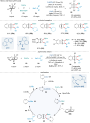
Scheme 9: Cu-catalyzed aminoboration of bicyclic alkenes 1 with bis(pinacolato)diboron (B2pin2) (53) and O-be...

Scheme 10: Cu-catalyzed borylalkynylation of oxabenzonorbornadiene (30b) with B2pin2 (53) and bromoalkynes 62.

Scheme 11: Cu-catalyzed borylacylation of bicyclic alkenes 1.

Scheme 12: Cu-catalyzed diastereoselective 1,2-difunctionalization of oxabenzonorbornadienes 30 for the synthe...

Scheme 13: Fe-catalyzed carbozincation of heterobicyclic alkenes 1 with arylzinc reagents 74.

Scheme 14: Co-catalyzed addition of arylzinc reagents of norbornene derivatives 15.

Scheme 15: Co-catalyzed ring-opening/dehydration of oxabicyclic alkenes 30 via C–H activation of arenes.

Scheme 16: Co-catalyzed [3 + 2] annulation/ring-opening/dehydration domino reaction of oxabicyclic alkenes 1 w...

Scheme 17: Co-catalyzed enantioselective carboamination of bicyclic alkenes 1 via C–H functionalization.

Scheme 18: Ru-catalyzed cyclization of oxabenzonorbornene derivatives with propargylic alcohols for the synthe...

Scheme 19: Ru-catalyzed coupling of oxabenzonorbornene derivatives 30 with propargylic alcohols and ethers 106...

Scheme 20: Ru-catalyzed ring-opening/dehydration of oxabicyclic alkenes via the C–H activation of anilides.

Scheme 21: Ru-catalyzed of azabenzonorbornadiene derivatives with arylamides.

Scheme 22: Rh-catalyzed cyclization of bicyclic alkenes with arylboronate esters 118.

Scheme 23: Rh-catalyzed cyclization of bicyclic alkenes with dienyl- and heteroaromatic boronate esters.

Scheme 24: Rh-catalyzed domino lactonization of doubly bridgehead-substituted oxabicyclic alkenes with seconda...

Scheme 25: Rh-catalyzed domino carboannulation of diazabicyclic alkenes with 2-cyanophenylboronic acid and 2-f...

Scheme 26: Rh-catalyzed synthesis of oxazolidinone scaffolds 147 through a domino ARO/cyclization of oxabicycl...

Scheme 27: Rh-catalyzed oxidative coupling of salicylaldehyde derivatives 151 with diazabicyclic alkenes 130a.

Scheme 28: Rh-catalyzed reaction of O-acetyl ketoximes with bicyclic alkenes for the synthesis of isoquinoline...

Scheme 29: Rh-catalyzed domino coupling reaction of 2-phenylpyridines 165 with oxa- and azabicyclic alkenes 30....

Scheme 30: Rh-catalyzed domino dehydrative naphthylation of oxabenzonorbornadienes 30 with N-sulfonyl 2-aminob...

Scheme 31: Rh-catalyzed domino dehydrative naphthylation of oxabenzonorbornadienes 30 with arylphosphine deriv...

Scheme 32: Rh-catalyzed domino ring-opening coupling reaction of azaspirotricyclic alkenes using arylboronic a...

Scheme 33: Tandem Rh(III)/Sc(III)-catalyzed domino reaction of oxabenzonorbornadienes 30 with alkynols 184 dir...

Scheme 34: Rh-catalyzed asymmetric domino cyclization and addition reaction of 1,6-enynes 194 and oxa/azabenzo...

Scheme 35: Rh/Zn-catalyzed domino ARO/cyclization of oxabenzonorbornadienes 30 with phosphorus ylides 201.

Scheme 36: Rh-catalyzed domino ring opening/lactonization of oxabenzonorbornadienes 30 with 2-nitrobenzenesulf...

Scheme 37: Rh-catalyzed domino C–C/C–N bond formation of azabenzonorbornadienes 30 with aryl-2H-indazoles 210.

Scheme 38: Rh/Pd-catalyzed domino synthesis of indole derivatives with 2-(phenylethynyl)anilines 212 and oxabe...

Scheme 39: Rh-catalyzed domino carborhodation of heterobicyclic alkenes 30 with B2pin2 (53).

Scheme 40: Rh-catalyzed three-component 1,2-carboamidation reaction of bicyclic alkenes 30 with aromatic and h...

Scheme 41: Pd-catalyzed diarylation and dialkenylation reactions of norbornene derivatives.

Scheme 42: Three-component Pd-catalyzed arylalkynylation reactions of bicyclic alkenes.

Scheme 43: Three-component Pd-catalyzed arylalkynylation reactions of norbornene and DFT mechanistic study.

Scheme 44: Pd-catalyzed three-component coupling N-tosylhydrazones 236, aryl halides 66, and norbornene (15a).

Scheme 45: Pd-catalyzed arylboration and allylboration of bicyclic alkenes.

Scheme 46: Pd-catalyzed, three-component annulation of aryl iodides 66, alkenyl bromides 241, and bicyclic alk...

Scheme 47: Pd-catalyzed double insertion/annulation reaction for synthesizing tetrasubstituted olefins.

Scheme 48: Pd-catalyzed aminocyclopropanation of bicyclic alkenes 1 with 5-iodopent-4-enylamine derivatives 249...

Scheme 49: Pd-catalyzed, three-component coupling of alkynyl bromides 62 and norbornene derivatives 15 with el...
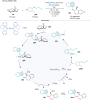
Scheme 50: Pd-catalyzed intramolecular cyclization/ring-opening reaction of heterobicyclic alkenes 30 with 2-i...

Scheme 51: Pd-catalyzed dimer- and trimerization of oxabenzonorbornadiene derivatives 30 with anhydrides 268.

Scheme 52: Pd-catalyzed Catellani-type annulation and retro-Diels–Alder of norbornadiene 15b yielding fused xa...

Scheme 53: Pd-catalyzed hydroarylation and heteroannulation of urea-derived bicyclic alkenes 158 and aryl iodi...

Scheme 54: Access to fused 8-membered sulfoximine heterocycles 284/285 via Pd-catalyzed Catellani annulation c...

Scheme 55: Pd-catalyzed 2,2-bifunctionalization of bicyclic alkenes 1 generating spirobicyclic xanthone deriva...

Scheme 56: Pd-catalyzed Catellani-type annulation and retro-Diels–Alder of norbornadiene (15b) producing subst...

Scheme 57: Pd-catalyzed [2 + 2 + 1] annulation furnishing bicyclic-fused indanes 281 and 283.
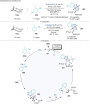
Scheme 58: Pd-catalyzed ring-opening/ring-closing cascade of diazabicyclic alkenes 130a.

Scheme 59: Pd-NHC-catalyzed cyclopentannulation of diazabicyclic alkenes 130a.

Scheme 60: Pd-catalyzed annulation cascade generating diazabicyclic-fused indanones 292 and indanols 294.

Scheme 61: Pd-catalyzed skeletal rearrangement of spirotricyclic alkenes 176 towards large polycyclic benzofur...

Scheme 62: Pd-catalyzed oxidative annulation of aromatic enamides 298 and diazabicyclic alkenes 130a.

Scheme 63: Accessing 3,4,5-trisubstituted cyclopentenes 300, 301, 302 via the Pd-catalyzed domino reaction of ...

Scheme 64: Palladacycle-catalyzed ring-expansion/cyclization domino reactions of terminal alkynes and bicyclic...

Scheme 65: Pd-catalyzed carboesterification of norbornene (15a) with alkynes, furnishing α-methylene γ-lactone...
CuAAC-inspired synthesis of 1,2,3-triazole-bridged porphyrin conjugates: an overview
- Dileep Kumar Singh
Beilstein J. Org. Chem. 2023, 19, 349–379, doi:10.3762/bjoc.19.29
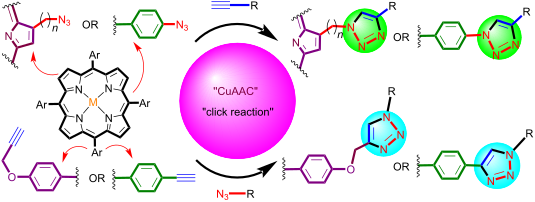
- 6–10 in the presence of CuSO4·5H2O and ascorbic acid in DMF at 80 °C (Scheme 2). Further, the corresponding free-base porphyrins 11b–20b were obtained in good yields after demetallation of copper and zinc porphyrins under acidic conditions. Also, their zinc analogues 11c–15c were obtained by the
- , the click reaction was performed between copper azidoporphyrin 4 or zinc porphyrin 5 with various alkyne-substituted xanthones 21a–c and 22 for the construction of porphyrins 23a–29a. Furthermore, these metalated porphyrins underwent demetallation under acidic conditions to give the corresponding free

Graphical Abstract

Figure 1: Alkyne–azide "click reaction".

Figure 2: β- and meso-triazole-linked porphyrin.

Scheme 1: Synthesis of β-triazole-linked porphyrins 3a–c.

Scheme 2: Synthesis of β-triazole-bridged porphyrin-coumarin conjugates 11–20.

Scheme 3: Synthesis of β-triazole-bridged porphyrin-xanthone conjugates 23–27 and xanthone-bridged β-triazolo...

Scheme 4: Synthesis of meso-triazoloporphyrins 32a–c and triazole-bridged diporphyrins 34.

Scheme 5: Synthesis of meso-triazole-linked porphyrin-ferrocene conjugates 37a–d.

Scheme 6: Synthesis of meso-triazole-linked porphyrin conjugates 40a,b and 41a,b.

Scheme 7: Synthesis of meso-triazole-linked glycoporphyrins 43a–c.

Scheme 8: Synthesis of meso-triazole-linked porphyrin-coumarin conjugates 44–48.

Scheme 9: Synthesis of meso-triazole-bridged porphyrin-DNA conjugate 50.

Scheme 10: Synthesis of meso-linked porphyrin-triazole conjugates 53 and 57.

Scheme 11: Synthesis of meso-triazole-linked porphyrin-corrole conjugate 60.
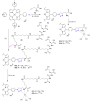
Scheme 12: Synthesis of porphyrin conjugates 64a,b and 67a,b. Reaction conditions: (i) CuSO4, sodium ascorbate...

Scheme 13: Synthesis of meso-triazole-bridged porphyrin-quinolone conjugates 70a–e.

Scheme 14: Synthesis of meso-triazole-linked porphyrin-fluorescein dyad 73.

Scheme 15: Synthesis of meso-triazole-linked porphyrin-carborane conjugates 76a,b.

Scheme 16: Synthesis of meso-triazole-bridged porphyrin-BODIPY conjugates 78 and 80.

Scheme 17: Synthesis of meso-triazole-linked cationic porphyrin conjugates 85 and 87. Reaction conditions: (i)...

Scheme 18: Synthesis of meso-triazole-cobalt-porphyrin diimine-dioxime conjugate 91. Reactions conditions: (i)...

Scheme 19: Synthesis of triazole-linked porphyrin-bearing N-doped graphene hybrid 96.

Scheme 20: Synthesis of meso-triazole-linked porphyrin-fullerene dyads 100a–d and 104a,b.

Scheme 21: Synthesis of meso-triazole-bridged diporphyrin conjugates 107 and 108.

Scheme 22: Synthesis of porphyrin-ruthenium (II) conjugates 112a,b and 116a,b. Reaction conditions: (i) Zn(OAc)...

Scheme 23: Synthesis of meso-triazole-linked porphyrin dyad 119 and triad 121.

Scheme 24: Synthesis of di-triazole-bridged porphyrin-β-CD conjugate 126.

Scheme 25: Synthesis of meso-triazole-bridged porphyrin star trimer 129.

Scheme 26: Synthesis of 1,2,3-triazole-linked porphyrin-β-CD conjugates 131a,b.

Scheme 27: Synthesis of tritriazole-bridged porphyrin-lantern-DNA sequence 134.

Scheme 28: Synthesis of meso-triazole-linked porphyrin-polymer conjugates 137 and 139.

Scheme 29: Synthesis of triazole-linked capped porphyrin 142; Reaction conditions: method A: 10% H2O in THF, C...

Scheme 30: Synthesis of meso-tetratriazole-linked porphyrin-maleimine conjugates 145a–c.

Scheme 31: Synthesis of meso-tetratriazole-linked porphyrin-cholic acid complex 148a,b.

Scheme 32: Synthesis of meso-tetratriazole-linked porphyrin conjugates 151–153.

Scheme 33: Synthesis of meso-tetratrizole-porphyrin-carborane conjugates 155, 156 and 158a–c.

Scheme 34: Synthesis of meso-tetratriazole-porphyrin-cardanol conjugates 160 and 162.

Scheme 35: Synthesis of meso-tetratriazole-linked porphyrin-BODIPY conjugate 164.

Scheme 36: Synthesis of meso-tetratriazole-linked porphyrin-β-CD conjugates 166a,b.

Scheme 37: Synthesis of tetratriazole-bridged meso-arylporphyrins 171a–c and 172a–c.

Scheme 38: Synthesis of octatriazole-bridged porphyrin-β-CD conjugate 174 and porphyrin-adamantane conjugates ...
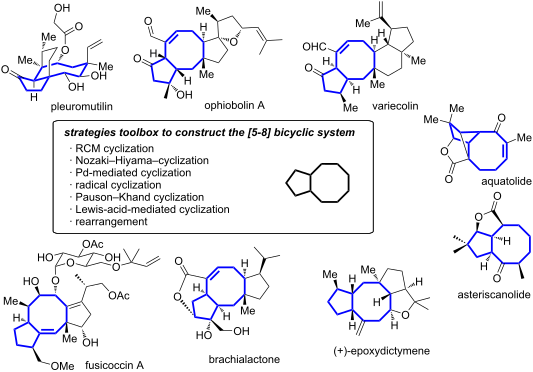
Strategies to access the [5-8] bicyclic core encountered in the sesquiterpene, diterpene and sesterterpene series
- Cécile Alleman,
- Charlène Gadais,
- Laurent Legentil and
- François-Hugues Porée
Beilstein J. Org. Chem. 2023, 19, 245–281, doi:10.3762/bjoc.19.23

Graphical Abstract

Figure 1: Examples of terpenes containing a bicyclo[3.6.0]undecane motif.

Figure 2: Commercially available first and second generation Grubbs and Hoveyda–Grubbs catalysts.

Figure 3: Examples of strategies to access the fusicoccan and ophiobolin tricyclic core structure by RCM.

Scheme 1: Synthesis of bicyclic core structure 12 of ophiobolin M (13) and cycloaraneosene (14).

Scheme 2: Synthesis of the core structure 21 of ophiobolins and fusicoccanes.

Scheme 3: Ring-closing metathesis attempts starting from thioester 22.

Scheme 4: Total synthesis of ent-fusicoauritone (28).

Figure 4: General structure of ophiobolins and congeners.

Scheme 5: Total synthesis of (+)-ophiobolin A (8).

Scheme 6: Investigation of RCM for the synthesis of ophiobolin A (8). Path A) RCM with TBDPS-protected alcoho...

Scheme 7: Synthesis of the core structure of cotylenin A aglycon, cotylenol (50).

Scheme 8: Synthesis of tricyclic core structure of fusicoccans.

Scheme 9: Total synthesis of (−)-teubrevin G (59).

Scheme 10: Synthesis of the core skeleton 63 of the basmane family.

Scheme 11: Total synthesis of (±)-schindilactone A (68).

Scheme 12: Total synthesis of dactylol (72).

Scheme 13: Ring-closing metathesis for the total synthesis of (±)-asteriscanolide (2).

Scheme 14: Synthesis of the simplified skeleton of pleuromutilin (1).

Scheme 15: Total synthesis of (−)-nitidasin (93) using a ring-closing metathesis to construct the eight-member...

Scheme 16: Total synthesis of (±)-naupliolide (97).

Scheme 17: Synthesis of the A-B ring structure of fusicoccane (101).

Scheme 18: First attempts of TRCM of dienyne substrates.

Scheme 19: TRCM on optimized substrates towards the synthesis of ophiobolin A (8).

Scheme 20: Tandem ring-closing metathesis for the synthesis of variecolin intermediates 114 and 115.

Scheme 21: Synthesis of poitediol (118) using the allylsilane ring-closing metathesis.

Scheme 22: Access to scaffold 122 by a NHK coupling reaction.

Scheme 23: Key step to construct the [5-8] bicyclooctanone core of aquatolide (4).

Scheme 24: Initial strategy to access aquatolide (4).

Scheme 25: Synthetic plan to cotylenin A (130).

Scheme 26: [5-8] Bicyclic structure of brachialactone (7) constructed by a Mizoroki–Heck reaction.

Scheme 27: Influence of the replacement of the allylic alcohol moiety.

Scheme 28: Formation of variecolin intermediate 140 through a SmI2-mediated Barbier-type reaction.

Scheme 29: SmI2-mediated ketyl addition. Pleuromutilin (1) eight-membered ring closure via C5–C14 bond formati...

Scheme 30: SmI2-mediated dialdehyde cyclization cascade of [5-8-6] pleuromutilin scaffold 149.

Scheme 31: A) Modular synthetic route to mutilin and pleuromutilin family members by Herzon’s group. B) Scaffo...

Scheme 32: Photocatalyzed oxidative ring expansion in pleuromutilin (1) total synthesis.

Scheme 33: Reductive radical cascade cyclization route towards (−)-6-epi-ophiobolin N (168).

Scheme 34: Reductive radical cascade cyclization route towards (+)-6-epi-ophiobolin A (173).

Scheme 35: Radical 8-endo-trig-cyclization of a xanthate precursor.

Figure 5: Structural representations of hypoestin A (177), albolic acid (178), and ceroplastol II (179) beari...

Scheme 36: Synthesis of the common [5-8-5] tricyclic intermediate of hypoestin A (177), albolic acid (178), an...

Scheme 37: Asymmetric synthesis of hypoestin A (177), albolic acid (178), and ceroplastol II (179).

Figure 6: Scope of the Pauson–Khand reaction.

Scheme 38: Nazarov cyclization revealing the fusicoauritone core structure 192.

Scheme 39: Synthesis of fusicoauritone (28) through Nazarov cyclization.

Scheme 40: (+)-Epoxydictymene (5) synthesis through a Nicholas cyclization followed by a Pauson–Khand reaction...

Scheme 41: Synthesis of aquatolide (4) by a Mukaiyama-type aldolisation.

Scheme 42: Tandem Wolff/Cope rearrangement furnishing the A-B bicyclic moiety 204 of variecolin.

Scheme 43: Asymmetric synthesis of the A-B bicyclic core 205 and 206 of variecolin.

Scheme 44: Formation of [5-8]-fused rings by cyclization under thermal activation.

Scheme 45: Construction of the [5-8-6] tricyclic core structure of variecolin (3) by Diels–Alder reaction.

Scheme 46: Synthesis of the [6-4-8-5]-tetracyclic skeleton by palladium-mediated cyclization.

Scheme 47: Access to the [5-8] bicyclic core structure of asteriscanolide (227) through rhodium-catalyzed cycl...

Scheme 48: Total syntheses of asterisca-3(15),6-diene (230) and asteriscanolide (2) with a Rh-catalyzed cycliz...

Scheme 49: Photocyclization of 2-pyridones to access the [5-8-5] backbone of fusicoccanes.

Scheme 50: Total synthesis of (+)-asteriscunolide D (245) and (+)-aquatolide (4) through photocyclization.

Scheme 51: Biocatalysis pathway to construct the [5-8-5] tricyclic scaffold of brassicicenes.

Scheme 52: Influence of the CotB2 mutant over the cyclization’s outcome of GGDP.
Practical synthesis of isocoumarins via Rh(III)-catalyzed C–H activation/annulation cascade
- Qian-Ci Gao,
- Yi-Fei Li,
- Jun Xuan and
- Xiao-Qiang Hu
Beilstein J. Org. Chem. 2023, 19, 100–106, doi:10.3762/bjoc.19.10
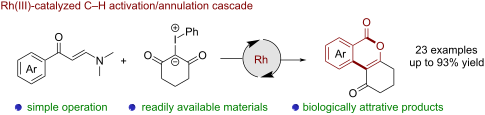
- , which undergoes a rapid migratory insertion to give intermediate 1-C. The protonation of 1-C produces the intermediate 1-D with the regeneration of the active Rh catalyst for the next catalytic cycle. Under acidic conditions, the further protonation of compound 1-D delivers an imine intermediate 1-E

Graphical Abstract

Scheme 1: Significance of isocoumarins (a), classic methods for the synthesis of isocoumarins (b) and reactio...

Scheme 2: Scope of enaminones.

Scheme 3: Scope of iodonium ylides.

Scheme 4: Gram-scale reaction (a) and synthetic transformation (b).

Scheme 5: Proposed mechanism.
Two-step continuous-flow synthesis of 6-membered cyclic iodonium salts via anodic oxidation
- Julian Spils,
- Thomas Wirth and
- Boris J. Nachtsheim
Beilstein J. Org. Chem. 2023, 19, 27–32, doi:10.3762/bjoc.19.2
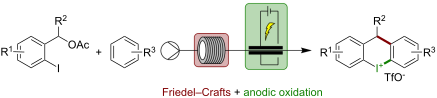
- (Table 1, entry 5). After establishing the optimized reaction conditions for batch, we wanted to find conditions for a flow procedure. It was observed that plastic parts made out of PEEK did not tolerate the acidic conditions in HFIP, and the solvent was changed back to TFE. This worked surprisingly well

Graphical Abstract

Scheme 1: Synthesis of acyclic (DIS) and cyclic (CDIS) diaryliodonium salts.

Figure 1: Substrate scope using the optimized conditions of Table 3. Yield is based on collecting for 3 h 20 min (2....
Combining the best of both worlds: radical-based divergent total synthesis
- Kyriaki Gennaiou,
- Antonios Kelesidis,
- Maria Kourgiantaki and
- Alexandros L. Zografos
Beilstein J. Org. Chem. 2023, 19, 1–26, doi:10.3762/bjoc.19.1
- –cyclization of common synthetic intermediates 94 and 95 (Scheme 8). Compound 94 was obtained in three steps, with the key step being the Suzuki–Miyaura coupling of appropriately functionalized precursors 91 and 92 using Romo and co-worker’s protocol [52]. Reaction of 94 under PPTS acidic conditions initiated

Graphical Abstract
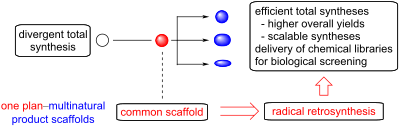
Scheme 1: The power of radical retrosynthesis and the tactic of divergent total synthesis.

Figure 1: Evolution of radical chemistry for organic synthesis.

Scheme 2: Divergent total synthesis of α-pyrone-diterpenoids (Baran).

Scheme 3: Divergent synthesis of pyrone diterpenoids by merged chemoenzymatic and radical synthesis (part I, ...

Scheme 4: Divergent synthesis of pyrone diterpenoids by merged chemoenzymatic and radical synthesis (part II,...

Scheme 5: Divergent synthesis of drimane-type hydroquinone meroterpenoids (Li).

Scheme 6: Divergent synthesis of natural products isolated from Dysidea avara (Lu).

Scheme 7: Divergent synthesis of kaurene-type terpenoids (Lei).

Scheme 8: Divergent synthesis of 6-oxabicyclo[3.2.1]octane meroterpenoids (Lou).

Scheme 9: Divergent synthesis of crinipellins by radical-mediated Dowd–Backwith rearrangement (Xie and Ding).

Scheme 10: Divergent total synthesis of Galbulimima alkaloids (Shenvi).
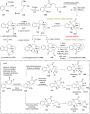
Scheme 11: Divergent synthesis of eburnane alkaloids (Qin).

Scheme 12: Divergent synthesis of Aspidosperma alkaloids (Boger).

Scheme 13: Photoredox based synthesis of (−)-FR901483 (160) and (+)-TAN1251C (162, Gaunt).
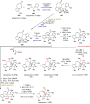
Scheme 14: Divergent synthesis of bipolamines (Maimone).

Scheme 15: Flow chemistry divergency between aporphine and morphinandione alkaloids (Felpin).
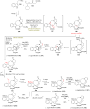
Scheme 16: Divergent synthesis of pyrroloazocine natural products (Echavarren).

Scheme 17: Using TEMPO to stabilize radicals for the divergent synthesis of pyrroloindoline natural products (...

Scheme 18: Radical pathway for preparation of lignans (Zhu).

Scheme 19: Divergent synthesis of DBCOD lignans (Lumb).
Total synthesis of grayanane natural products
- Nicolas Fay,
- Rémi Blieck,
- Cyrille Kouklovsky and
- Aurélien de la Torre
Beilstein J. Org. Chem. 2022, 18, 1707–1719, doi:10.3762/bjoc.18.181
- )-mediated radical cyclization, an approach which had been previously reported by Jia and co-workers during the synthesis of glaucocalyxin A [42]. After treatment with Mn(OAc)3, the desired 5-exo-dig cyclization product 77 was obtained in 43% yield as an E/Z mixture. The TMS group was removed under acidic
- conditions. Then, a wide range of reducing agents was explored for the stereoselective ketone reduction. However, only the undesired diastereomer was obtained. Knowing that the correct diastereomer could be obtained in the presence of a primary alcohol instead of the ester moiety, as described by Newhouse

Graphical Abstract

Figure 1: General structure of grayanane natural products.

Scheme 1: Grayanane biosynthesis.
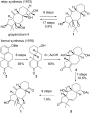
Scheme 2: Matsumoto’s relay approach.

Scheme 3: Shirahama’s total synthesis of (–)-grayanotoxin III.

Scheme 4: Newhouse’s syntheses of fragments 25 and 29.

Scheme 5: Newhouse’s total synthesis of principinol D.

Scheme 6: Ding’s total synthesis of rhodomolleins XX and XXII.

Scheme 7: First key step of Luo’s strategy.

Scheme 8: Luo’s total synthesis of grayanotoxin III.

Scheme 9: Synthesis of principinol E and rhodomollein XX.

Scheme 10: William’s synthetic effort towards pierisformaside C.

Scheme 11: Hong’s synthetic effort towards rhodojaponin III.

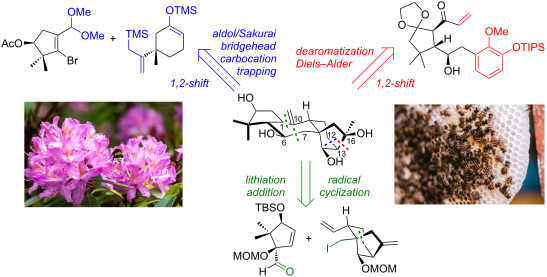
Scheme 12: Recent strategies for grayanane synthesis.



