


Search results
Search for "hydrazine" in Full Text gives 218 result(s) in Beilstein Journal of Organic Chemistry. Showing first 200.
First series of N-alkylamino peptoid homooligomers: solution phase synthesis and conformational investigation
- Maxime Pypec,
- Laurent Jouffret,
- Claude Taillefumier and
- Olivier Roy
Beilstein J. Org. Chem. 2022, 18, 845–854, doi:10.3762/bjoc.18.85
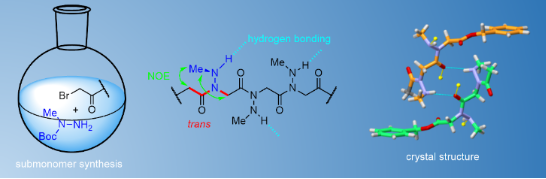
- starting bromoacetate at rt or on heating to 50 °C. The further substitution reactions, during peptoid elongation, were carried out in a 1:1 MeOH/H2O mixture (1.25 M) at 60 °C, using three equivalents of the Boc-protected hydrazine reagent. These distinct substitution conditions, together with standard
- substitution step, due to the close polarities of the products and starting hydrazine reagent. So we turned our attention to a fragment-based coupling approach for synthesizing the hexamer peptoid 6. Thus, several coupling methods were evaluated, initially starting from the hydrazine and acid monomers 1a and
- to the mixed anhydride activating method using isobutyl chloroformate (IBCF) in the presence of N-methylmorpholine (NMM) at 0 °C in DMF for 10 min, followed by the addition of hydrazine 1a [43][44]. The best results were obtained with two equivalents of preformed mixed anhydride, pure dimer 2d being

Graphical Abstract

Figure 1: (A) Summary of the main side chains exerting significant steric and/or electronic effects and influ...

Figure 2: Solution-phase synthesis of N-(methylamino)glycine oligomers using N-Boc-N-methylhydrazine as a sub...

Scheme 1: Submonomer synthesis used for the construction of peptoids 1–5 containing N-methylamino side chains...

Scheme 2: Evaluation of the efficiency of mixed anhydride methods by coupling of 1a and 1c.

Scheme 3: (3 + 3) segment coupling of trimers 3-OH onto trimer hydrazine 3a.

Figure 3: X-ray crystal structure of peptoid dimer 2: (A) single molecule; (B) unit cell, view along b axis (...

Figure 4: NOE effect interaction observed in the 2D-NOESY spectra of monomer 1 and dimer 2 in DMSO-d6.

Figure 5: Comparison of monomers A and B with respect to their ability to form intramolecular and intermolecu...

Figure 6: Model structure of N-(NMe)glycine peptoid. (A) dimer in the repeating (pp) conformation; (B) dimer ...
New synthesis of a late-stage tetracyclic key intermediate of lumateperone
- Mátyás Milen,
- Bálint Nyulasi,
- Tamás Nagy,
- Gyula Simig and
- Balázs Volk
Beilstein J. Org. Chem. 2022, 18, 653–659, doi:10.3762/bjoc.18.66
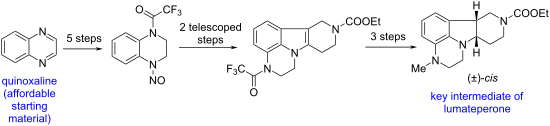
- to the hydrazine derivative 4, followed by a Fischer indole synthesis with ethyl 4-oxopiperidine-1-carboxylate (5) provided tetracyclic compound 6. Its reduction with sodium cyanoborohydride in trifluoroacetic acid (TFA) to cis-indoline derivative (±)-7, followed by N-methylation [(±)-8] and
- chiral chromatography. Later, alternate syntheses of lumateperone were described, also by the researchers of the originator company [8][9][10] (Scheme 2). The reaction of (2-bromophenyl)hydrazine (12) with 4-piperidone monohydrate hydrochloride (13) gave pyrido[4,3-b]indole congener 14, which was reduced
- transformed into N-nitroso derivative 32 by treatment with sodium nitrite in aqueous acetic acid. The next two steps, reduction of the nitroso group to hydrazine derivative 33 and its coupling with piperidinone 5 in a Fischer indole synthesis, were telescoped to form tetracyclic product 34. The latter was

Graphical Abstract

Figure 1: Structure of lumateperone.

Scheme 1: First synthetic route leading to lumateperone (1).

Scheme 2: Alternate synthesis of lumateperone.

Scheme 3: Alternate synthetic approaches leading to racemic lumateperone ((±)-1)).

Scheme 4: Planned new synthesis of key intermediate (±)-9a.

Scheme 5: New synthesis of key intermediate (±)-9a.

Scheme 6: Trifluoroacetylation of tetrahydroquinoxaline (37).
Menadione: a platform and a target to valuable compounds synthesis
- Acácio S. de Souza,
- Ruan Carlos B. Ribeiro,
- Dora C. S. Costa,
- Fernanda P. Pauli,
- David R. Pinho,
- Matheus G. de Moraes,
- Fernando de C. da Silva,
- Luana da S. M. Forezi and
- Vitor F. Ferreira
Beilstein J. Org. Chem. 2022, 18, 381–419, doi:10.3762/bjoc.18.43
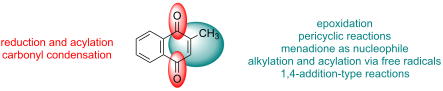
- ]. Examining a broad range of hydrazides in the condensation reaction with menadione, Bouhadir and co-workers reported the synthesis of various menadione acylhydrazone derivatives [126]. In this work, various acylhydrazides prepared by reaction of hydrazine hydrate with different esters were reacted with

Graphical Abstract

Figure 1: Natural bioactive naphthoquinones.

Figure 2: Chemical structures of vitamins K.

Figure 3: Redox cycle of menadione.

Scheme 1: Selected approaches for menadione synthesis using silver(I) as a catalyst.

Scheme 2: Methylation approaches for the preparation of menadione from 1,4-naphthoquinone using tert-butyl hy...

Scheme 3: Methylation approach of 1,4-naphthoquinone using i) rhodium complexes/methylboronic acid and ii) bi...

Scheme 4: Synthesis of menadione (10) from itaconic acid.

Scheme 5: Menadione synthesis via Diels–Alder reaction.

Scheme 6: Synthesis of menadione (10) using p-cresol as a synthetic precursor.

Scheme 7: Synthesis of menadione (10) via demethoxycarbonylating annulation of methyl methacrylate.

Scheme 8: Furan 34 used as a diene in a Diels–Alder reaction for the synthesis of menadione (10).

Scheme 9: o-Toluidine as a dienophile in a Diels–Alder reaction for the synthesis of menadione (10).

Scheme 10: Representation of electrochemical synthesis of menadione.

Figure 4: Reaction sites and reaction types of menadione as substrate.

Scheme 11: DBU-catalyzed epoxidation of menadione (10).

Scheme 12: Phase-transfer catalysis for the epoxidation of menadione.

Scheme 13: Menadione epoxidation using a hydroperoxide derived from (+)-norcamphor.

Scheme 14: Enantioselective Diels–Alder reaction for the synthesis of asymmetric quinone 50 catalyzed by a chi...

Scheme 15: Optimized reaction conditions for the synthesis of anthra[9,1-bc]pyranone.

Scheme 16: Synthesis of anthra[9,1-bc]furanone, anthra[9,1-bc]pyridine, and anthra[9,1-bc]pyrrole derivatives.

Scheme 17: Synthesis of derivatives employing protected trienes.

Scheme 18: Synthesis of cyclobutene derivatives of menadione.

Scheme 19: Menadione reduction reactions using sodium hydrosulfite.

Scheme 20: Green methodology for menadiol synthesis and pegylation.

Scheme 21: Menadione reduction by 5,6-O-isopropylidene-ʟ-ascorbic acid under UV light irradiation.

Scheme 22: Selected approaches of menadione hydroacetylation to diacetylated menadiol.

Scheme 23: Thiele–Winter reaction catalyzed by Bi(OTf)3.

Scheme 24: Carbonyl condensation of menadione using resorcinol and a hydrazone derivative.

Scheme 25: Condensation reaction of menadione with thiosemicarbazide.

Scheme 26: Condensation reaction of menadione with acylhydrazides.

Scheme 27: Menadione derivatives functionalized with organochalcogens.

Scheme 28: Synthesis of selenium-menadione conjugates derived from chloromethylated menadione 84.

Scheme 29: Menadione alkylation by the Kochi–Anderson method.

Scheme 30: Menadione alkylation by diacids.

Scheme 31: Menadione alkylation by heterocycles-substituted carboxylic acids.

Scheme 32: Menadione alkylation by bromoalkyl-substituted carboxylic acids.

Scheme 33: Menadione alkylation by complex carboxylic acids.

Scheme 34: Kochi–Anderson method variations for the menadione alkylation via oxidative decarboxylation of carb...

Scheme 35: Copper-catalyzed menadione alkylation via free radicals.

Scheme 36: Nickel-catalyzed menadione cyanoalkylation.

Scheme 37: Iron-catalyzed alkylation of menadione.

Scheme 38: Selected approaches to menadione alkylation.

Scheme 39: Menadione acylation by photo-Friedel–Crafts acylation reported by Waske and co-workers.

Scheme 40: Menadione acylation by Westwood procedure.

Scheme 41: Synthesis of 3-benzoylmenadione via metal-free TBAI/TBHP system.

Scheme 42: Michael-type addition of amines to menadione reported by Kallmayer.

Scheme 43: Synthesis of amino-menadione derivatives using polyalkylamines.

Scheme 44: Selected examples for the synthesis of different amino-substituted menadione derivatives.

Scheme 45: Selected examples of Michael-type addition of complex amines to menadione (10).

Scheme 46: Addition of different natural α-amino acids to menadione.

Scheme 47: Michael-type addition of amines to menadione using silica-supported perchloric acid.

Scheme 48: Indolylnaphthoquinone or indolylnaphthalene-1,4-diol synthesis reported by Yadav et al.

Scheme 49: Indolylnaphthoquinone synthesis reported by Tanoue and co-workers.

Scheme 50: Indolylnaphthoquinone synthesis from menadione by Escobeto-González and co-workers.

Scheme 51: Synthesis of menadione analogues functionalized with thiols.

Scheme 52: Synthesis of menadione-derived symmetrical derivatives through reaction with dithiols.

Scheme 53: Mercaptoalkyl acids as nucleophiles in Michael-type addition reaction to menadione.

Scheme 54: Reactions of menadione (10) with cysteine derivatives for the synthesis of quinoproteins.

Scheme 55: Synthesis of menadione-glutathione conjugate 152 by Michael-type addition.
Flow synthesis of oxadiazoles coupled with sequential in-line extraction and chromatography
- Kian Donnelly and
- Marcus Baumann
Beilstein J. Org. Chem. 2022, 18, 232–239, doi:10.3762/bjoc.18.27
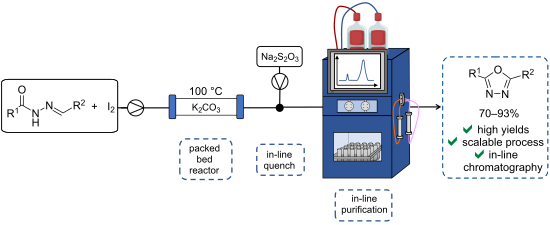
- following treatment of acid 5 with hydrazine hydrate, followed by hydrazone formation with the corresponding aldehyde. When subjected to the reaction conditions, oxadiazoles 2k and 2l were obtained in low yield over this multi-step sequence. While unsuitable for large scale reactions, this methodology may

Graphical Abstract

Scheme 1: Methods for accessing 1,3,4-oxadiazoles.

Scheme 2: Synthesis of acyl hydrazones 1a–j.

Scheme 3: Iodine-mediated cyclisation of hydrazones 1a–j yielding oxadiazoles 2a–j. Reaction conditions: 1a–j...

Scheme 4: Synthesis of complex oxadiazoles.

Scheme 5: Continuous flow scale-up reaction with in-line quench and extraction.

Scheme 6: Continuous flow setup equipped with in-line extraction and purification.
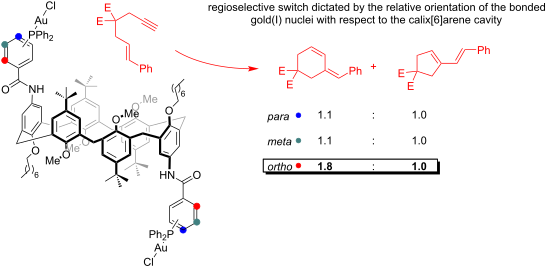
Diametric calix[6]arene-based phosphine gold(I) cavitands
- Gabriele Giovanardi,
- Andrea Secchi,
- Arturo Arduini and
- Gianpiero Cera
Beilstein J. Org. Chem. 2022, 18, 190–196, doi:10.3762/bjoc.18.21
- attempted starting from the known dioctyloxydinitro derivative DN (Scheme 1) [33]. Reduction of the nitro groups with hydrazine, in the presence of catalytic amounts of Pd/C (10 mol %) led to the corresponding diamino intermediate. This latter could be subsequently reacted with the desired phosphino benzoic

Graphical Abstract

Figure 1: Selected examples of: a) calix[4]arene-; b) resorcin[4]arene-; c) calix[6]arene-gold(I) macrocyclic...

Scheme 1: i) NH2NH2∙H2O, Pd/C in EtOH, 80 °C (quant.); ii) diphenylphosphinobenzoic acid, EDC∙HCl, DMAP (cat....

Figure 2: Stacked-plot, mid-field expanded region of the 1H NMR spectrum (400 MHz, 298 K) of A(AuCl)2, B(AuCl)...

Figure 3: Stacked plot 1H NMR (tetrachloroethane-d2) of A(AuCl)2 at variable temperature.
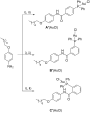
Scheme 2: Synthesis of the monomeric gold catalyst analogues A’,B’,C’(AuCl). Conditions: i) diphenylphosphino...
Ready access to 7,8-dihydroindolo[2,3-d][1]benzazepine-6(5H)-one scaffold and analogues via early-stage Fischer ring-closure reaction
- Irina Kuznetcova,
- Felix Bacher,
- Daniel Vegh,
- Hsiang-Yu Chuang and
- Vladimir B. Arion
Beilstein J. Org. Chem. 2022, 18, 143–151, doi:10.3762/bjoc.18.15
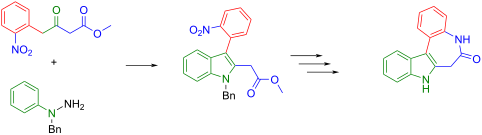
- two steps by following known protocols [36]. Fischer indole reaction of this precursor with 1-benzyl-1-phenylhydrazine in acetic acid gave 1a in 55% yield (Scheme 6). The protecting group on the hydrazine moiety is necessary in this case, otherwise amide bond formation would occur after the initial
- methyl 4-(2-nitrophenyl)-3-oxobutanoate [36] and 1-benzyl-1-(4-bromophenyl)hydrazine in the presence of sodium acetate and sulfuric acid in glacial acetic acid affording 1b in 55% yield. It is of note that the treatment of 1b with hydrogen in the presence of Pd/C as catalyst led not only to reduction of

Graphical Abstract

Figure 1: Paullone related indolobenzazepinone isomers. 7,12-Dihydroindolo[3,2-d][1]benzazepin-6(5H)-one or p...

Scheme 1: Investigated retrosynthetic pathways to scaffold C.
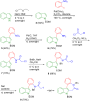
Scheme 2: Attempted synthesis of scaffold C by route (a).
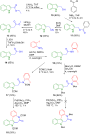
Scheme 3: Attempted synthesis of C by route (b).

Scheme 4: Attempted synthesis of N-benzylated indole-2-acetic acid.

Scheme 5: Attempt to obtain open-chain precursor N-(2-bromophenyl)-2-(1H-indol-2-yl)acetamide.
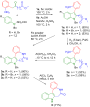
Scheme 6: Synthesis of scaffold C and analogues by route (c).

Figure 2: ORTEP view of 1a with thermal ellipsoids drawn at the 50% probability level.

Figure 3: ORTEP view of 3a with thermal ellipsoids drawn at the 50% probability level.

Scheme 7: Attempted Ullmann cross-coupling of 23 with o-bromo-nitrobenzene.
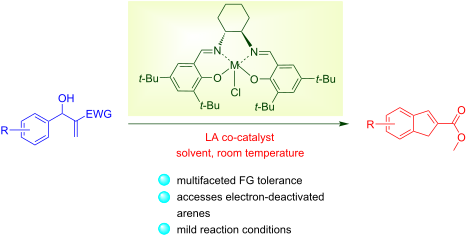
Facile and innovative catalytic protocol for intramolecular Friedel–Crafts cyclization of Morita–Baylis–Hillman adducts: Synergistic combination of chiral (salen)chromium(III)/BF3·OEt2 catalysis
- Karthikeyan Soundararajan,
- Helen Ratna Monica Jeyarajan,
- Raju Subimol Kamarajapurathu and
- Karthik Krishna Kumar Ayyanoth
Beilstein J. Org. Chem. 2021, 17, 2186–2193, doi:10.3762/bjoc.17.140
- -ium-2-ide (7a) was synthesised at room temperature by treating methyl acrylate, hydrazine hydrate and benzaldehyde in a yield of 67%. On treating the synthesised azomethine imine 7a (1.2 mM) and 2-substituted-1H-indenes 6b and 6c (1 mM) in toluene at 70 °C affords 8a and 8b via [3 + 2] cycloaddition
- ; found, 174.0706 Synthesis of 1-benzylidene-3-oxopyrazolidin-1-ium-2-ide (7a) A methyl acrylate (0.0225 mol) solution was added drop-wise to the solution of hydrazine monohydrate (0.0205 mol) in 20 mL of ethanol. This solution was stirred at 78 °C for 4 hours; the solvent was evaporated and the residue

Graphical Abstract

Scheme 1: Literature-reported approaches to synthesise indene from MBH adducts [10-14].

Scheme 2: Proposed model for the intramolecular Friedel–Crafts cyclization.

Scheme 3: Reactions of azomethine imine 7a with 2-substituted 1H-indenes 6a and 6b.
Progress and challenges in the synthesis of sequence controlled polysaccharides
- Giulio Fittolani,
- Theodore Tyrikos-Ergas,
- Denisa Vargová,
- Manishkumar A. Chaube and
- Martina Delbianco
Beilstein J. Org. Chem. 2021, 17, 1981–2025, doi:10.3762/bjoc.17.129
- were removed with hydrazine under reflux and the free amino groups were acetylated to obtain the fully N-acetylated COS [255]. Control over the pattern of N-acetylation was for the first time achieved using two monosaccharides bearing an azido (N3) and a N-Phth moieties as precursors of the free and N

Graphical Abstract

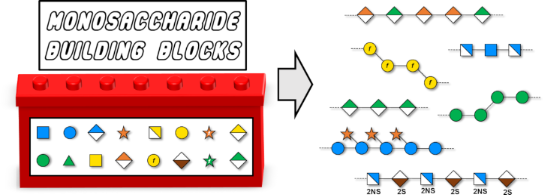
Figure 1: Overview of the methods available for the synthesis of polysaccharides. For each method, advantages...

Figure 2: Overview of the classes of polysaccharides discussed in this review. Each section deals with polysa...

Scheme 1: Enzymatic and chemical polymerization approaches provide cellulose oligomers with a non-uniform dis...

Scheme 2: AGA of a collection of cellulose analogues obtained using BBs 6–9. Specifically placed modification...

Figure 3: Chemical structure of the different branches G, X, L, F commonly found in XGs. Names are given foll...

Scheme 3: AGA of XG analogues with defined side chains. The AGA cycle includes coupling (TMSOTf), Fmoc deprot...

Figure 4: Synthetic strategies and issues associated to the formation of the β(1–3) linkage.
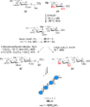
Scheme 4: Convergent synthesis of β(1–3)-glucans using a regioselective glycosylation strategy.

Scheme 5: DMF-mediated 1,2-cis glycosylation. A) General mechanism and B) examples of α-glucans prepared usin...

Scheme 6: Synergistic glycosylation strategy employing a nucleophilic modulation strategy (TMSI and Ph3PO) in...

Scheme 7: Different approaches to produce xylans. A) Polymerization techniques including ROP, and B) enzymati...

Scheme 8: A) Synthesis of arabinofuranosyl-decorated xylan oligosaccharides using AGA. Representative compoun...

Scheme 9: Chemoenzymatic synthesis of COS utilizing a lysozyme-catalyzed transglycosylation reaction followed...
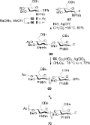
Scheme 10: Synthesis of COS using an orthogonal glycosylation strategy based on the use of two different LGs.
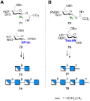
Scheme 11: Orthogonal N-PGs permitted the synthesis of COS with different PA.

Scheme 12: AGA of well-defined COS with different PA using two orthogonally protected BBs. The AGA cycle inclu...

Scheme 13: A) AGA of β(1–6)-N-acetylglucosamine hexasaccharide and dodecasaccharide. AGA includes cycles of co...

Figure 5: ‘Double-faced’ chemistry exemplified for ᴅ-Man and ʟ-Rha. Constructing β-Man linkages is considerab...

Figure 6: Implementation of a capping step after each glycosylation cycle for the AGA of a 50mer oligomannosi...

Scheme 14: AGA enabled the synthesis of a linear α(1–6)-mannoside 100mer 93 within 188 h and with an average s...

Scheme 15: The 151mer branched polymannoside was synthesized by a [30 + 30 + 30 + 30 + 31] fragment coupling. ...

Figure 7: PG stereocontrol strategy to obtain β-mannosides. A) The mechanism of the β-mannosylation reaction ...
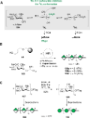
Scheme 16: A) Mechanism of 1,2-cis stereoselective glycosylation using ManA donors. Once the ManA donor is act...

Figure 8: A) The preferred 4H3 conformation of the gulosyl oxocarbenium ion favors the attack of the alcohol ...

Scheme 17: AGA of type I rhamnans up to 16mer using disaccharide BB 115 and CNPiv PG. The AGA cycle includes c...

Figure 9: Key BBs for the synthesis of the O-antigen of Bacteroides vulgatus up to a 128mer (A) and the CPS o...

Figure 10: Examples of type I and type II galactans synthesized to date.

Figure 11: A) The DTBS PG stabilizes the 3H4 conformation of the Gal oxocarbenium ion favoring the attack of t...

Figure 12: Homogalacturonan oligosaccharides synthesized to date. Access to different patterns of methyl-ester...

Figure 13: GlfT2 from Mycobacterium tuberculosis catalyzes the sequential addition of UPD-Galf donor to a grow...

Figure 14: The poor reactivity of acceptor 137 hindered a stepwise synthesis of the linear galactan backbone a...

Scheme 18: AGA of a linear β(1–5) and β(1–6)-linked galactan 20mer. The AGA cycle includes coupling (NIS/TfOH)...

Figure 15: The 92mer arabinogalactan was synthesized using a [31 + 31 + 30] fragment coupling between a 31mer ...

Scheme 19: Synthesis of the branched arabinofuranose fragment using a six component one-pot synthesis. i) TTBP...

Figure 16: A) Chemical structure and SNFG of the representative disaccharide units forming the GAG backbones, ...

Figure 17: Synthetic challenges associated to the H/HS synthesis.

Scheme 20: Degradation of natural heparin and heparosan generated valuable disaccharides 150 and 151 that can ...

Scheme 21: A) The one-step conversion of cyanohydrin 156 to ʟ-iduronamide 157 represent the key step for the s...
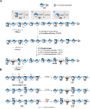
Scheme 22: A) Chemoenzymatic synthesis of heparin structures, using different types of UDP activated natural a...

Scheme 23: Synthesis of the longest synthetic CS chain 181 (24mer) using donor 179 and acceptor 180 in an iter...

Scheme 24: AGA of a collection of HA with different lengths. The AGA cycle includes coupling (TfOH) and Lev de...
Double-headed nucleosides: Synthesis and applications
- Vineet Verma,
- Jyotirmoy Maity,
- Vipin K. Maikhuri,
- Ritika Sharma,
- Himal K. Ganguly and
- Ashok K. Prasad
Beilstein J. Org. Chem. 2021, 17, 1392–1439, doi:10.3762/bjoc.17.98

Graphical Abstract

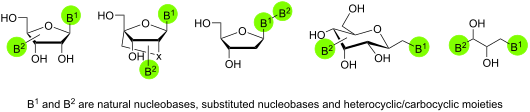
Figure 1: Double-headed nucleosides. B1 and B2 = nucleobases or heterocyclic/carbocyclic moieties; L = linker....

Scheme 1: Synthesis of 2′-(pyrimidin-1-yl)methyl- or 2′-(purin-9-yl)methyl-substituted double-headed nucleosi...

Scheme 2: Synthesis of double-headed nucleoside 7 having two cytosine moieties.

Scheme 3: Synthesis of double-headed nucleoside 2′-deoxy-2′-C-(2-(thymine-1-yl)ethyl)-uridine (11).

Scheme 4: Double-headed nucleosides 14 and 15 obtained by click reaction.

Scheme 5: Synthesis of the double-headed nucleoside 19.

Scheme 6: Synthesis of the double-headed nucleosides 24 and 25.

Scheme 7: Synthesis of double-headed nucleosides 28 and 29.

Scheme 8: Synthesis of double-headed nucleoside 33.

Scheme 9: Synthesis of double-headed nucleoside 37.

Scheme 10: Synthesis of the double-headed nucleoside 1-(5′-O-(4,4′-dimethoxytrityl)-2′-C-((4-(pyren-1-yl)-1,2,...

Scheme 11: Synthesis of triazole-containing double-headed ribonucleosides 46a–c and 50a–e.

Scheme 12: Synthesis of double-headed nucleosides 54a–g.

Scheme 13: Synthesis of double-headed nucleosides 59 and 60.

Scheme 14: Synthesis of the double-headed nucleosides 63 and 64.

Scheme 15: Synthesis of double-headed nucleosides 66a–c.

Scheme 16: Synthesis of benzoxazole-containing double-headed nucleosides 69 and 71 from 5′-amino-5′-deoxynucle...

Scheme 17: Synthesis of 4′-C-((N6-benzoyladenin-9-yl)methyl)thymidine (75) and 4′-C-((thymin-1-yl)methyl)thymi...

Scheme 18: Synthesis of double-headed nucleosides 5′-(adenine-9-yl)-5′-deoxythymidine (79) and 5′-(adenine-9-y...

Scheme 19: Synthesis of double-headed nucleosides 85–87 via reversed nucleosides methodology.

Scheme 20: Double-headed nucleosides 91 and 92 derived from ω-terminal-acetylenic sugar derivatives 90a,b.

Scheme 21: Synthesis of double-headed nucleosides 96a–g.

Scheme 22: Synthesis of double-headed nucleosides 100 and 103.

Scheme 23: Double-headed nucleosides 104 and 105 with a triazole motif.

Scheme 24: Synthesis of the double-headed nucleosides 107 and 108.

Scheme 25: Synthesis of double-headed nucleoside 110 with additional nucleobase in 5′-(S)-C-position joined th...

Scheme 26: Synthesis of double-headed nucleosides 111–113 with additional nucleobases in the 5′-(S)-C-position...

Scheme 27: Synthesis of double-headed nucleoside 114 by click reaction.

Scheme 28: Synthesis of double-headed nucleosides 118 with an additional nucleobase at the 5′-(S)-C-position.

Scheme 29: Synthesis of bicyclic double-headed nucleoside 122.

Scheme 30: Synthesis of double-headed nucleosides 125a–c derived from 2′-amino-LNA.

Scheme 31: Double-headed nucleoside 127 obtained by click reaction.

Scheme 32: Synthesis of double-headed nucleoside 130.

Scheme 33: Double-headed nucleosides 132a–d and 134a–d synthesized by Sonogashira cross coupling reaction.

Scheme 34: Synthesis of double-headed nucleosides 137 and 138 via Suzuki coupling.

Scheme 35: Synthesis of double-headed nucleosides 140 and 141 via Sonogashira cross coupling reaction.

Scheme 36: Synthesis of double-headed nucleoside 143.

Scheme 37: Synthesis of the double-headed nucleoside 146.

Scheme 38: Synthesis of 5-C-alkynyl-functionalized double-headed nucleosides 151a–d.

Scheme 39: Synthesis of 5-C-triazolyl-functionalized double-headed nucleosides 154a, b.

Scheme 40: Synthesis of double-headed nucleosides 157a–c.

Scheme 41: Synthesis of double-headed nucleoside 159, phosphoramidite 160 and the corresponding nucleotide mon...

Scheme 42: Synthesis of double-headed nucleoside 163, phosphoramidite 164 and the corresponding nucleotide mon...

Scheme 43: Synthesis of double-headed nucleoside 167, phosphoramidite 168, and the corresponding nucleotide mo...

Scheme 44: Synthesis of double-headed nucleoside 171, phosphoramidite 172, and the corresponding nucleotide mo...

Scheme 45: Synthesis of double-headed nucleoside 175, phosphoramidite 176, and the corresponding nucleotide mo...

Scheme 46: Synthesis of double-headed nucleoside 178.

Scheme 47: Synthesis of the double-headed nucleosides 181 and 183.

Scheme 48: Alternative synthesis of the double-headed nucleoside 183.

Scheme 49: Synthesis of double-headed nucleoside 188 through thermal [2 + 3] sydnone–alkyne cycloaddition reac...

Scheme 50: Synthesis of the double-headed nucleosides 190 and 191.

Scheme 51: Synthesis of 1-((5S)-2,3,4-tri-O-acetyl-5-(2,6-dichloropurin-9-yl)-β-ᴅ-xylopyranosyl)uracil (195).

Scheme 52: Synthesis of hexopyranosyl double-headed pyrimidine homonucleosides 200a–c.

Figure 2: 3′-C-Ethynyl-β-ᴅ-allopyranonucleoside derivatives 201a–f.

Scheme 53: Synthesis of 3′-C-(1,4-disubstituted-1,2,3-triazolyl)-double-headed pyranonucleosides 203–207.

Scheme 54: Synthesis of 3′-C-(1,4-disubstituted-1,2,3-triazolyl)-double-headed pyranonucleosides 208 and 209.

Scheme 55: Synthesis of 3′-C-(1,4-disubstituted-1,2,3-triazolyl)-double-headed pyranonucleoside 210.

Scheme 56: Synthesis of double-headed acyclic nucleosides (2S,3R)-1,4-bis(thymine-1-yl)butane-2,3-diol (213a) ...

Scheme 57: Synthesis of double-headed acyclic nucleosides (2R,3S)-1,4-bis(thymine-1-yl)butane-2,3-diol (213c) ...

Scheme 58: Synthesis of double-headed acetylated 1,3,4-oxadiazino[6,5-b]indolium-substituted C-nucleosides 218b...

Scheme 59: Synthesis of double-headed acyclic nucleoside 222.
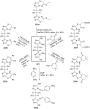
Scheme 60: Synthesis of functionalized 1,2-bis(1,2,4-triazol-3-yl)ethane-1,2-diols 223a–f.

Scheme 61: Synthesis of acyclic double-headed 1,2,4-triazino[5,6-b]indole C-nucleosides 226–231.
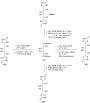
Scheme 62: Synthesis of double-headed 1,3,4-thiadiazoline, 1,3,4-oxadiazoline, and 1,2,4-triazoline acyclo C-n...

Scheme 63: Synthesis of double-headed acyclo C-nucleosides 240–242.

Scheme 64: Synthesis of double-headed acyclo C-nucleoside 246.

Scheme 65: Synthesis of acyclo double-headed nucleoside 250.

Scheme 66: Synthesis of acyclo double-headed nucleoside 253.

Scheme 67: Synthesis of acyclo double-headed nucleosides 259a–d.

Scheme 68: Synthesis of acyclo double-headed nucleoside 261.
Synthetic accesses to biguanide compounds
- Oleksandr Grytsai,
- Cyril Ronco and
- Rachid Benhida
Beilstein J. Org. Chem. 2021, 17, 1001–1040, doi:10.3762/bjoc.17.82

Graphical Abstract

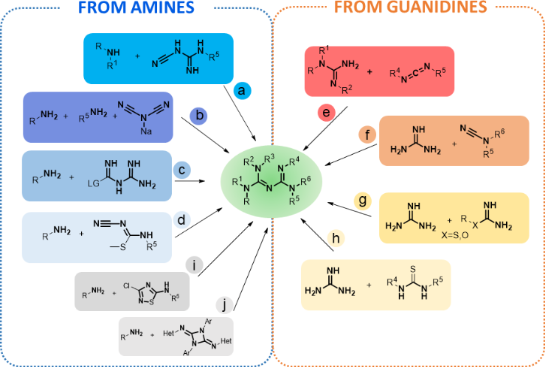
Figure 1: Tautomeric forms of biguanide.

Figure 2: Illustrations of neutral, monoprotonated, and diprotonated structures biguanide.

Figure 3: The main approaches for the synthesis of biguanides. The core structure is obtained via the additio...

Scheme 1: The three main preparations of biguanides from cyanoguanidine.

Scheme 2: Synthesis of butylbiguanide using CuCl2 [16].

Scheme 3: Synthesis of biguanides by the direct fusion of cyanoguanidine and amine hydrochlorides [17,18].

Scheme 4: Synthesis of ethylbiguanide and phenylbiguanide as reported by Smolka and Friedreich [14].

Scheme 5: Synthesis of arylbiguanides through the reaction of cyanoguanidine with anilines in water [19].

Scheme 6: Synthesis of aryl- and alkylbiguanides by adaptations of Cohn’s procedure [20,21].

Scheme 7: Microwave-assisted synthesis of N1-aryl and -dialkylbiguanides [22,23].

Scheme 8: Synthesis of aryl- and alkylbiguanides by trimethylsilyl activation [24,26].

Scheme 9: Synthesis of phenformin analogs by TMSOTf activation [27].

Scheme 10: Synthesis of N1-(1,2,4-triazolyl)biguanides [28].

Scheme 11: Synthesis of 2-guanidinobenzazoles by addition of ortho-substituted anilines to cyanoguanidine [30,32] and...

Scheme 12: Synthesis of 2,4-diaminoquinazolines by the addition of 2-cyanoaniline to cyanoguanidine and from 3...

Scheme 13: Reactions of anthranilic acid and 2-mercaptobenzoic acid with cyanoguanidine [24,36,37].

Scheme 14: Synthesis of disubstituted biguanides with Cu(II) salts [38].

Scheme 15: Synthesis of an N1,N2,N5-trisubstituted biguanide by fusion of an amine hydrochloride and 2-cyano-1...

Scheme 16: Synthesis of N1,N5-disubstituted biguanides by the addition of anilines to cyanoguanidine derivativ...

Scheme 17: Microwave-assisted additions of piperazine and aniline hydrochloride to substituted cyanoguanidines ...

Scheme 18: Synthesis of N1,N5-alkyl-substituted biguanides by TMSOTf activation [27].

Scheme 19: Additions of oxoamines hydrochlorides to dimethylcyanoguanidine [49].

Scheme 20: Unexpected cyclization of pyridylcyanoguanidines under acidic conditions [50].

Scheme 21: Example of industrial synthesis of chlorhexidine [51].

Scheme 22: Synthesis of symmetrical N1,N5-diarylbiguanides from sodium dicyanamide [52,53].

Scheme 23: Synthesis of symmetrical N1,N5-dialkylbiguanides from sodium dicyanamide [54-56].

Scheme 24: Stepwise synthesis of unsymmetrical N1,N5-trisubstituted biguanides from sodium dicyanamide [57].

Scheme 25: Examples for the synthesis of unsymmetrical biguanides [58].

Scheme 26: Examples for the synthesis of an 1,3-diaminobenzoquinazoline derivative by the SEAr cyclization of ...

Scheme 27: Major isomers formed by the SEAr cyclization of symmetric biguanides derived from 2- and 3-aminophe...

Scheme 28: Lewis acid-catalyzed synthesis of 8H-pyrrolo[3,2-g]quinazoline-2,4-diamine [63].

Scheme 29: Synthesis of [1,2,4]oxadiazoles by the addition of hydroxylamine to dicyanamide [49,64].

Scheme 30: Principle of “bisamidine transfer” and analogy between the reactions with N-amidinopyrazole and N-a...

Scheme 31: Representative syntheses of N-amidino-amidinopyrazole hydrochloride [68,69].

Scheme 32: First examples of biguanide syntheses using N-amidino-amidinopyrazole [66].

Scheme 33: Example of “biguanidylation” of a hydrazide substrate [70].

Scheme 34: Example for the synthesis of biguanides using S-methylguanylisothiouronium iodide as “bisamidine tr...

Scheme 35: Synthesis of N-substituted N1-cyano-S-methylisothiourea precursors.

Scheme 36: Addition routes on N1-cyano-S-methylisothioureas.

Scheme 37: Synthesis of an hydroxybiguanidine from N1-cyano-S-methylisothiourea [77].

Scheme 38: Synthesis of an N1,N2,N3,N4,N5-pentaarylbiguanide from the corresponding triarylguanidine and carbo...

Scheme 39: Reactions of N,N,N’,N’-tetramethylguanidine (TMG) with carbodiimides to synthesize hexasubstituted ...

Scheme 40: Microwave-assisted addition of N,N,N’,N’-tetramethylguanidine to carbodiimides [80].

Scheme 41: Synthesis of N1-aryl heptasubstituted biguanides via a one-pot biguanide formation–copper-catalyzed ...

Scheme 42: Formation of 1,2-dihydro-1,3,5-triazine derivatives by the reaction of guanidine with excess carbod...

Scheme 43: Plausible mechanism for the spontaneous cyclization of triguanides [82].

Scheme 44: a) Formation of mono- and disubstituted (iso)melamine derivatives by the reaction of biguanides and...

Scheme 45: Reactions of 2-aminopyrimidine with carbodiimides to synthesize 2-guanidinopyrimidines as “biguanid...

Scheme 46: Non-catalyzed alternatives for the addition of 2-aminopyrimidine derivatives to carbodiimides. A) h...

Scheme 47: Addition of guanidinomagnesium halides to substituted cyanamides [90].

Scheme 48: Microwave-assisted synthesis of [11C]metformin by the reaction of 11C-labelled dimethylcyanamide an...

Scheme 49: Formation of 4-amino-6-dimethylamino[1,3,5]triazin-2-ol through the reaction of Boc-guanidine and d...

Scheme 50: Formation of 1,3,5-triazine derivatives via the addition of guanidines to substituted cyanamides [92].

Scheme 51: Synthesis of biguanide by the reaction of O-alkylisourea and guanidine [93].

Scheme 52: Aromatic nucleophilic substitution of guanidine on 2-O-ethyl-1,3,5-triazine [95].

Scheme 53: Synthesis of N1,N2-disubstituted biguanides by the reaction of guanidine and thioureas in the prese...

Scheme 54: Cyclization reactions involving condensations of guanidine(-like) structures with thioureas [97,98].

Scheme 55: Condensations of guanidine-like structures with thioureas [99,100].

Scheme 56: Condensations of guanidines with S-methylisothioureas [101,102].

Scheme 57: Addition of 2-amino-1,3-diazaaromatics to S-alkylisothioureas [103,104].

Scheme 58: Addition of guanidines to 2-(methylsulfonyl)pyrimidines [105].

Scheme 59: An example of a cyclodesulfurization reaction to a fused 3,5-diamino-1,2,4-triazole [106].

Scheme 60: Ring-opening reactions of 1,3-diaryl-2,4-bis(arylimino)-1,3-diazetidines [107].

Scheme 61: Formation of 3,5-diamino-1,2,4-triazole derivatives via addition of hydrazines to 1,3-diazetidine-2...

Scheme 62: Formation of a biguanide via the addition of aniline to 1,2,4-thiadiazol-3,5-diamines, ring opening...

Figure 4: Substitution pattern of biguanides accessible by synthetic pathways a–h.
Hydrazides in the reaction with hydroxypyrrolines: less nucleophilicity – more diversity
- Dmitrii A. Shabalin,
- Evgeniya E. Ivanova,
- Igor A. Ushakov,
- Elena Yu. Schmidt and
- Boris A. Trofimov
Beilstein J. Org. Chem. 2021, 17, 319–324, doi:10.3762/bjoc.17.29
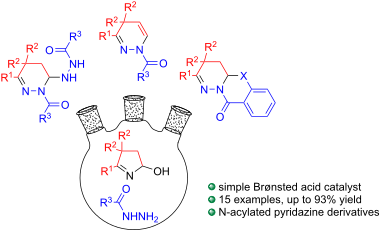
- emphasis on the nature of hydrazine derivatives still remains obscure. Meeting this challenge becomes particularly important in view of the significance of the less nucleophilic hydrazides as N–N-bond containing starting materials in drug discovery [13][14][15][16]. Herein, we report how a lower
- formation of 1,4-dihydropyridazine 4. Conclusion In summary, an acid-catalyzed recyclization of hydroxypyrrolines (easily synthesized from ketoximes and acetylene) with hydrazides was studied. The reduced nucleophilicity of the hydrazides in comparison with other hydrazine derivatives constitutes the basis
- . Recyclization of hydroxypyrrolines with hydrazine derivatives. Synthesis of tetrahydropyridazines 3. Synthesis of dihydropyridazines 4. Recyclization of hydroxypyrroline 1a with hydrazides 2d and 2e. A proposed mechanism for the recyclization of hydroxypyrrolines 1 with hydrazides 2. A study of the model

Graphical Abstract

Figure 1: Biologically active di- and tetrahydropyridazines.

Scheme 1: Recyclization of hydroxypyrrolines with hydrazine derivatives.

Scheme 2: Synthesis of tetrahydropyridazines 3.

Scheme 3: Synthesis of dihydropyridazines 4.

Scheme 4: Recyclization of hydroxypyrroline 1a with hydrazides 2d and 2e.

Scheme 5: A proposed mechanism for the recyclization of hydroxypyrrolines 1 with hydrazides 2.
Synthesis of imidazo[1,5-a]pyridines via cyclocondensation of 2-(aminomethyl)pyridines with electrophilically activated nitroalkanes
- Dmitrii A. Aksenov,
- Nikolai A. Arutiunov,
- Vladimir V. Maliuga,
- Alexander V. Aksenov and
- Michael Rubin
Beilstein J. Org. Chem. 2020, 16, 2903–2910, doi:10.3762/bjoc.16.239
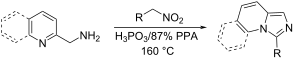
- colorless crystals of intermediate 2-((6-bromoquinolin-2-yl)methyl)isoindoline-1,3-dione. This material (3.05 g, 8.3 mmol) was suspended in ethanol, and hydrazine hydrate (50%, 1.0 g, 10 mmol) was added. The reaction mixture was refluxed for 5 h and then cooled down to 0 °C. The precipitated phthalyl

Graphical Abstract

Figure 1: Biologically active imidazo[1,5-a]pyridines.

Scheme 1: Activation of nitroalkanes towards nucleophilic attack by amines.

Scheme 2: Mechanistic rationale.

Scheme 3: Reaction of the N-tosylate 17 with electrophilic nitroalkanes.

Scheme 4: Reaction of 2-(aminomethyl)pyridine (12) with electrophilic nitroalkanes.

Scheme 5: Reaction of the 2-(aminomethyl)quinolines 18 with electrophilic nitroalkanes.
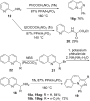
Scheme 6: Reactivity of α-nitroacetophenone (1h) and α-nitroacetic ester (1i).
Nocarimidazoles C and D, antimicrobial alkanoylimidazoles from a coral-derived actinomycete Kocuria sp.: application of 1JC,H coupling constants for the unequivocal determination of substituted imidazoles and stereochemical diversity of anteisoalkyl chains in microbial metabolites
- Md. Rokon Ul Karim,
- Enjuro Harunari,
- Amit Raj Sharma,
- Naoya Oku,
- Kazuaki Akasaka,
- Daisuke Urabe,
- Mada Triandala Sibero and
- Yasuhiro Igarashi
Beilstein J. Org. Chem. 2020, 16, 2719–2727, doi:10.3762/bjoc.16.222
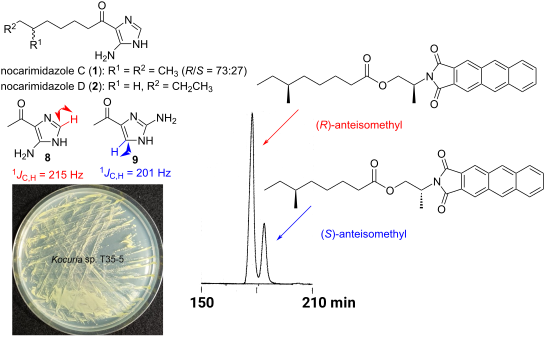
- with 1-chloropropan-2-one to give 3-acetylimidazo[1,2-a]pyrimidine, which, following degradation of the pyridimine ring with hydrazine, yielded 9. The coupled HSQC experiments measured 1JC,H = 215 Hz for the H-2/C-2 pair in 8 (Figure S26, Supporting Information File 1) and 201 Hz for H-5/C-5 in 9

Graphical Abstract

Figure 1: Structure of the nocarimidazoles 1–4 and the bulbimidazoles 5–7.

Figure 2: COSY and key HMBC correlations for 1 and 2.

Scheme 1: Synthesis of the model compounds 8 and 9.
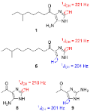
Figure 3: 1JC,H coupling constant for the imidazole ring of the natural products 1 and 5 and the model compou...
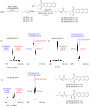
Figure 4: Determination of the absolute configuration of 1 (a), 4 (b), and 5 (c) by the Ohrui–Akasaka method.

Figure 5: Stereochemical diversity of the anteiso-chain chirality in microbial metabolites.
Design and synthesis of a bis-macrocyclic host and guests as building blocks for small molecular knots
- Elizabeth A. Margolis,
- Rebecca J. Keyes,
- Stephen D. Lockey IV and
- Edward E. Fenlon
Beilstein J. Org. Chem. 2020, 16, 2314–2321, doi:10.3762/bjoc.16.192
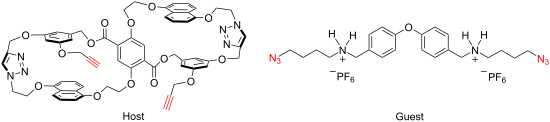
- bromide in 1-bromo-4-chlorobutane (16) with sodium azide to give azide 17 in 52% yield (Scheme 5). Treatment of 17 with potassium phthalimide and catalytic potassium iodide was followed by hydrazine unmasking to give the desired aminoazide 18 in 37% over the two steps. Reductive amination of 18 with dial

Graphical Abstract

Figure 1: Structures of electron-rich bis-macrocyclic host 1, and electron-poor guests bis(ammonium) 2, and b...

Figure 2: (a) Hunter’s 77 backbone-atom trefoil knot–metal complex [9]. (b) The world’s smallest knot: Leigh’s 7...

Figure 3: Schematic representation of the second-generation TLC approach to a 73 backbone atom trefoil knot.

Scheme 1: Two routes to azidobromide 6.

Scheme 2: Initial route to core diester 13. aLigand = tris(2-benzimidazolylmethyl)amine.

Scheme 3: Better yielding route to core diester 13. aLigand = tris(2-benzimidazolylmethyl)amine.

Scheme 4: Saponification of 13 and bis-macrocyclization to form host 1.

Scheme 5: Synthesis of 23 backbone-atom bis(ammonium) guest 2.

Scheme 6: Synthesis of 25 backbone-atom bis(pyridinium) guest 3.
Synthetic approaches to bowl-shaped π-conjugated sumanene and its congeners
- Shakeel Alvi and
- Rashid Ali
Beilstein J. Org. Chem. 2020, 16, 2212–2259, doi:10.3762/bjoc.16.186

- the chemistry of the sumanene and its congeners, quite recently the same group has also prepared sumanene-based carbene 60 starting from monosumanenone 38 by reacting it with hydrazine hydrate to provide the corresponding hydrazone 58 which on further oxidation with MnO2 followed by irradiation using

Graphical Abstract
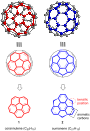
Figure 1: Representation of corannulene (1) and sumanene (2), the subunits of fullerene (C60).

Scheme 1: Mehta’s unsuccessful effort for the synthesis of sumanene scaffold 2.

Scheme 2: First synthesis of sumanene 2 by Sakurai et al. from norbornadiene 10.

Scheme 3: Synthesis of trimethylsumanene 28 from easily accessible norbornadiene (10).

Scheme 4: Generation of anions 29–31 and the preparation of tris(trimethylsilyl)sumanene 32.

Scheme 5: Synthesis of tri- and hexa-substituted sumanene derivatives.

Scheme 6: Synthesis of bowl-shaped π-extended sumanene derivatives 37a–f.

Scheme 7: Synthesis of monooxasumanene 38, trioxosumanene 40 along with imination of them.

Scheme 8: Synthesis of trimethylsumanenetrione 46 and exo-functionalized products 45a,b.

Scheme 9: Synthesis of bisumanenylidene 47 and sumanene dimer 48 from 2.

Scheme 10: The mono-substitution of 2 to generate diverse mono-sumanene derivatives 49a–d.

Scheme 11: Synthesis of sumanene building block 53 useful for further extension.

Scheme 12: Synthesis of hexafluorosumanene derivative 55 by Sakurai and co-workers.

Scheme 13: Preparation of sumanene-based carbene 60 and its reaction with cyclohexane.

Scheme 14: Barton–Kellogg reaction for the synthesis of sterically hindered alkenes.

Scheme 15: Synthesis of hydroxysumanene 68 by employing Baeyer–Villiger oxidation.

Scheme 16: Synthesis of sumanene derivatives having functionality at an internal carbon.

Scheme 17: Mechanism for nucleophilic substitution reaction at the internal carbon.

Scheme 18: Synthesis of diverse monosubstituted sumanene derivatives.
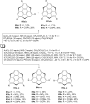
Scheme 19: Synthesis of di- and trisubstituted sumanene derivatives from sumanene (2).

Scheme 20: Preparation of monochlorosumanene 88 and hydrogenation of sumanene (2).

Scheme 21: The dimer 90 and bissumanenyl 92 achieved from halosumannes.

Scheme 22: Pyrenylsumanene 93 involving the Suzuki-coupling as a key transformation.
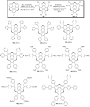
Scheme 23: Synthesis of various hexaarylsumanene derivatives using the Suzuki-coupling reaction.

Scheme 24: Synthesis of hexasubstituted sumanene derivatives 96 and 97.

Scheme 25: Synthesis of thioalkylsumanenes via an aromatic nucleophilic substitution reaction.

Scheme 26: Synthesis of tris(ethoxycarbonylethenyl)sumanene derivative 108.
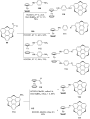
Scheme 27: Synthesis of ferrocenyl-based sumanene derivatives.

Scheme 28: Synthesis of sumanenylferrocene architectures 118 and 119 via Negishi coupling.

Scheme 29: Diosmylation and the synthesis of phenylboronate ester 121 of sumanene.

Scheme 30: Synthesis of the iron-complex of sumanene.

Scheme 31: Synthesis of tri- and mononuclear sumanenyl zirconocene complexes.

Scheme 32: Synthesis of [CpRu(η6-sumanene)]PF6.

Scheme 33: Preparation of sumanene-based porous coordination networks 127 (spherical tetramer units) and 128 (...

Scheme 34: Synthesis of sumanenylhafnocene complexes 129 and 130.

Scheme 35: Synthesis of 134 and 135 along with PdII coordination complex 136.

Scheme 36: Synthesis of alkali metals sumanene complex K7(C21H102−)2(C21H93−)·8THF (137) containing di- and tr...

Scheme 37: The encapsulation of a Cs+ ion between two sumanenyl anions.

Scheme 38: Synthesis of monothiasumanene 140 and dithiasumanene 141 from 139.

Scheme 39: Synthesis of trithiasumanene 151 by Otsubo and his co-workers.

Scheme 40: Synthesis of trithiasumanene derivatives 155 and 156.

Scheme 41: Synthetic route towards hexathiolated trithiasumanenes 158.

Scheme 42: Synthesis of triselenasumanene 160 by Shao and teammates.

Scheme 43: Synthesis of tritellurasumanene derivatives from triphenylene skeletons.
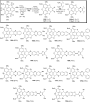
Scheme 44: Synthesis of pyrazine-fused sumanene architectures through condensation reaction.

Scheme 45: Treatment of the trichalcogenasumanenes with diverse oxidative reagents.

Scheme 46: Ring-opening reaction with H2O2 and oxone of heterasumanenes 178 and 179.

Scheme 47: Synthesis of polycyclic compounds from sumanene derivatives.

Scheme 48: Synthesis of diimide-based heterocycles reported by Shao’s and co-workers.

Scheme 49: Synthesis of pristine trichalcogenasumanenes, 151, 205, and 206.

Scheme 50: Synthesis of trichalcogenasumanenes via hexaiodotriphenylene precursor 208.

Scheme 51: Synthesis of trisilasumanenes 214 and 215.

Scheme 52: Synthesis of trisilasumanene derivatives 218 and 219.

Scheme 53: Synthesis of novel trigermasumanene derivative 223.

Scheme 54: An attempt towards the synthesis of tristannasumanene derivative 228.

Scheme 55: Synthesis of triphosphasumanene trisulfide 232 from commercially available 229.

Scheme 56: The doping of sumanene derivatives with chalcogens (S, Se, Te) and phosphorus.

Scheme 57: Synthesis of heterasumanene containing three different heteroatoms.

Scheme 58: Synthesis of trichalcogenasumanene derivatives 240 and 179.

Scheme 59: Preparation of trichalcogenasumanenes 245 and 248.

Scheme 60: Design and synthesis of trichalcogenasumanene derivatives 252 and 178.

Scheme 61: Synthesis of spirosumanenes 264–269 and non-spiroheterasumanenes 258–263.

Scheme 62: Synthesis of sumanene-type hetero polycyclic compounds.

Scheme 63: Synthesis of triazasumanenes 288 and its sulfone congener 287.

Scheme 64: Synthesis of C3-symmetric chiral triaryltriazasumanenes via cross-coupling reaction.

Scheme 65: Synthesis of mononaphthosumanene 293 using Suzuki coupling as a key step.

Scheme 66: Synthesis of di- and trinaphthosumanene derivatives 302–304.

Scheme 67: Synthesis of hemifullerene skeletons by Hirao’s group.

Scheme 68: Design and construction of C70 fragment from a C60 sumanene fragment.
Photosensitized direct C–H fluorination and trifluoromethylation in organic synthesis
- Shahboz Yakubov and
- Joshua P. Barham
Beilstein J. Org. Chem. 2020, 16, 2151–2192, doi:10.3762/bjoc.16.183
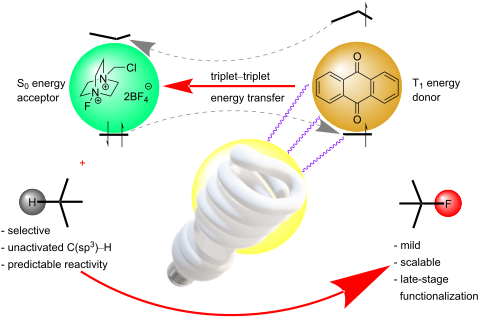

Graphical Abstract

Figure 1: Fluorine-containing drugs.

Figure 2: Fluorinated agrochemicals.

Scheme 1: Selectivity of fluorination reactions.

Scheme 2: Different mechanisms of photocatalytic activation. Sub = substrate.

Figure 3: Jablonski diagram showing visible-light-induced energy transfer pathways: a) absorption, b) IC, c) ...

Figure 4: Schematic illustration of TTET.
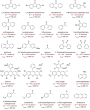
Figure 5: Organic triplet PSCats.
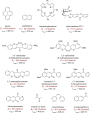
Figure 6: Additional organic triplet PSCats.

Figure 7: A) Further organic triplet PSCats and B) transition metal triplet PSCats.

Figure 8: Different fluorination reagents grouped by generation.

Scheme 3: Synthesis of Selectfluor®.

Scheme 4: General mechanism of PS TTET C(sp3)–H fluorination.

Scheme 5: Selective benzylic mono- and difluorination using 9-fluorenone and xanthone PSCats, respectively.

Scheme 6: Chen’s photosensitized monofluorination: reaction scope.

Scheme 7: Chen’s photosensitized benzylic difluorination reaction scope.

Scheme 8: Photosensitized monofluorination of ethylbenzene on a gram scale.

Scheme 9: Substrate scope of Tan’s AQN-photosensitized C(sp3)–H fluorination.

Scheme 10: AQN-photosensitized C–H fluorination reaction on a gram scale.

Scheme 11: Reaction mechanism of the AQN-assisted fluorination.

Figure 9: 3D structures of the singlet ground and triplet excited states of Selectfluor®.

Scheme 12: Associated transitions for the activation of acetophenone by violet light.

Scheme 13: Ethylbenzene C–H fluorination with various PSCats and conditions.

Scheme 14: Effect of different PSCats on the C(sp3)–H fluorination of cyclohexane (39).

Scheme 15: Reaction scope of Chen’s acetophenone-photosensitized C(sp3)–H fluorination reaction.

Figure 10: a) Site-selectivity of Chen’s acetophenone-photosensitized C–H fluorination reaction [201]. b) Site-sele...

Scheme 16: Formation of the AQN–Selectfluor® exciplex Int1.

Scheme 17: Generation of the C3 2° pentane radical and the Selectfluor® N-radical cation from the exciplex.

Scheme 18: Hydrogen atom abstraction by the Selectfluor® N-radical cation from pentane to give the C3 2° penta...

Scheme 19: Fluorine atom transfer from Selectfluor® to the C3 2° pentane radical to yield 3-fluoropentane and ...

Scheme 20: Barrierless fluorine atom transfer from Int1 to the C3 2° pentane radical to yield 3-fluoropentane,...

Scheme 21: Ketone-directed C(sp3)–H fluorination.

Scheme 22: Ketone-directed fluorination through a 5- and a 6-membered transition state, respectively.

Scheme 23: Effect of different PSCats on the photosensitized C(sp3)–H fluorination of 47.

Scheme 24: Substrate scope of benzil-photoassisted C(sp3)–H fluorinations.

Scheme 25: A) Benzil-photoassisted enone-directed C(sp3)–H fluorination. B) Classification of the reaction mod...

Scheme 26: A) Xanthone-photoassisted ketal-directed C(sp3)–H fluorination. B) Substrate scope. C) C–H fluorina...

Scheme 27: Rationale for the selective HAT at the C2 C–H bond of galactose acetonide.

Scheme 28: Photosensitized C(sp3)–H benzylic fluorination of a peptide using different PSCats.

Scheme 29: Peptide scope of 5-benzosuberenone-photoassisted C(sp3)–H fluorinations.

Scheme 30: Continuous flow PS TTET monofluorination of 72.

Scheme 31: Photosensitized C–H fluorination of N-butylphthalimide as a PSX.

Scheme 32: Substrate scope and limitations of the PSX C(sp3)–H monofluorination.

Scheme 33: Substrate crossover monofluorination experiment.

Scheme 34: PS TTET mechanism proposed by Hamashima and co-workers.

Scheme 35: Photosensitized TFM of 78 to afford α-trifluoromethylated ketone 80.

Scheme 36: Substrate scope for photosensitized styrene TFM to give α-trifluoromethylated ketones.

Scheme 37: Control reactions for photosensitized TFM of styrenes.

Scheme 38: Reaction mechanism for photosensitized TFM of styrenes to afford α-trifluoromethylated ketones.

Scheme 39: Reaction conditions for TFMs to yield the cis- and the trans-product, respectively.

Scheme 40: Substrate scope of trifluoromethylated (E)-styrenes.

Scheme 41: Strategies toward trifluoromethylated (Z)-styrenes.

Scheme 42: Substrate scope of trifluoromethylated (Z)-styrenes.

Scheme 43: Reaction mechanism for photosensitized TFM of styrenes to afford E- or Z-products.
Efficient [(NHC)Au(NTf2)]-catalyzed hydrohydrazidation of terminal and internal alkynes
- Maximillian Heidrich and
- Herbert Plenio
Beilstein J. Org. Chem. 2020, 16, 2080–2086, doi:10.3762/bjoc.16.175
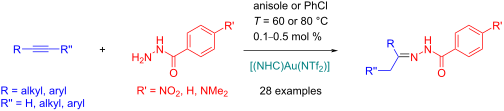
- (Scheme 1) [7] such as water or alcohol [8][9][10][11][12][13][14][15][16][17][18][19][20][21][22], primary or secondary amines [23][24][25][26][27][28], or hydrazine [29][30][31]. These reactions are synthetically useful since gold catalysis is characterized by a good functional group tolerance for

Graphical Abstract

Scheme 1: Simplified mechanism of the hydrohydrazidation (NuH= ArCONHNH2) of alkynes.

Scheme 2: [(NHC)Au(NTf2)] complexes tested in hydrohydrazidation reactions of phenylacetylene.

Scheme 3: Hydrohydrazidation of terminal alkynes in chlorobenzene and anisole using complex 1 (first line sol...

Scheme 4: Hydrohydrazidation of internal alkynes in chlorobenzene and anisole using complex 1. Reaction tempe...
Synthesis of monophosphorylated lipid A precursors using 2-naphthylmethyl ether as a protecting group
- Jundi Xue,
- Ziyi Han,
- Gen Li,
- Khalisha A. Emmanuel,
- Cynthia L. McManus,
- Qiang Sui,
- Dongmian Ge,
- Qi Gao and
- Li Cai
Beilstein J. Org. Chem. 2020, 16, 1955–1962, doi:10.3762/bjoc.16.162
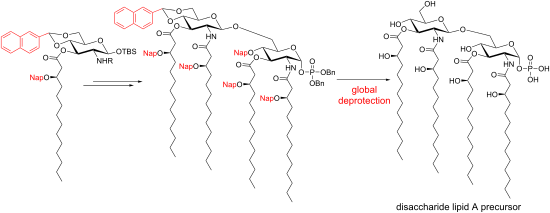
- ) group under basic conditions followed by peracetylation afforded compound 10 on a ≈150 g scale. The regioselective anomeric deacetylation with hydrazine and reprotection of the anomeric hydroxy group as tert-butyldimethylsilyl ether (TBS) led to compound 12. Compound 12 was then treated with sodium

Graphical Abstract

Figure 1: Chemical structures of hexa-acylated Escherichia coli lipid A, monophosphorylated lipid X (the redu...

Scheme 1: Enantioselective synthesis of Nap-protected (R)-3-hydroxytetradecanoic acid (7). Conditions: (a) Me...

Scheme 2: Synthesis of monoacylated glucosamine building blocks. Conditions: (a) NaHCO3, TrocCl, H2O, 0 °C, 9...

Scheme 3: Synthesis of lipid X monosaccharide 1. Conditions: (a) Zn, AcOH, CH2Cl2, rt; (b) acid 7, EDC·HCl, D...
Scheme 4: Synthesis of the disaccharide lipid A precursor 2. Conditions: (a) TfOH, 4 Å MS, dry CH2Cl2, 94%; (...
Tuneable access to indole, indolone, and cinnoline derivatives from a common 1,4-diketone Michael acceptor
- Dalel El-Marrouki,
- Sabrina Touchet,
- Abderrahmen Abdelli,
- Hédi M’Rabet,
- Mohamed Lotfi Efrit and
- Philippe C. Gros
Beilstein J. Org. Chem. 2020, 16, 1722–1731, doi:10.3762/bjoc.16.144
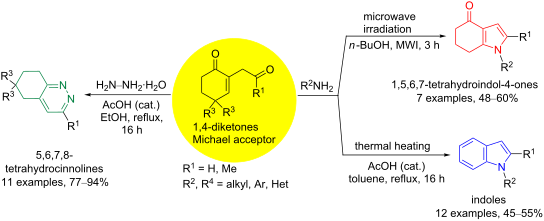
- of the intermediately formed imine to the Michael acceptor (Scheme 3). We then investigated the synthesis of cinnoline derivatives by mixing the diketone 5a and hydrazine monohydrate under various conditions (Table 2). We first investigated the reactivity in ethanol, as a protic solvent, at room

Graphical Abstract

Figure 1: Examples of bioactive nitrogen-containing heterocycles (indole [9], indolone [10], and cinnoline [11] derivati...

Scheme 1: General strategy to access indole, indolone, and cinnoline derivatives from 1,4-diketones.
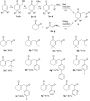
Scheme 2: Synthesis of the 1,4-diketones 5a–k via the Nef reaction or the Wittig reaction. i) HCHO (aq), DMAP...

Scheme 3: Mechanism of the formation of indole and indolone derivatives.

Scheme 4: Synthesis of the indoles 6a–f and the corresponding side product indolones 7a–f.

Scheme 5: Reaction of 5b with a diamine.

Scheme 6: Synthesis of the indoles 6h–l.

Scheme 7: Synthesis of the indolone derivatives 7b, 7d, and 7g–k.

Scheme 8: Synthesis of the cinnoline derivatives 8a–k.

Scheme 9: Proposed mechanism for the preparation of the compounds 6, 7, and 8.
Photocatalyzed syntheses of phenanthrenes and their aza-analogues. A review
- Alessandra Del Tito,
- Havall Othman Abdulla,
- Davide Ravelli,
- Stefano Protti and
- Maurizio Fagnoni
Beilstein J. Org. Chem. 2020, 16, 1476–1488, doi:10.3762/bjoc.16.123
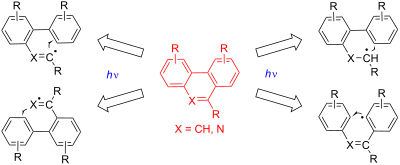
- developed, starting from sulfonyl hydrazines in place of sulfonyl chlorides. In this case, the RuII-based photocatalyst was able to reduce tert-butyl peroxybenzoate, triggering the release of a tert-butoxyl radical. This was in turn able to oxidize the hydrazine, allowing the liberation of the desired

Graphical Abstract

Figure 1: Bioactive phenanthridine and phenanthridinium derivatives.

Scheme 1: Synthesis of phenanthrenes by a photo-Pschorr reaction.

Scheme 2: Synthesis of phenanthrenes by a benzannulation reaction.

Scheme 3: Photocatalytic cyclization of α-bromochalcones for the synthesis of phenanthrenes.

Figure 2: Carbon-centered and nitrogen-centered radicals used for the synthesis of phenanthridines.

Scheme 4: General scheme describing the synthesis of phenanthridines from isocyanides via imidoyl radicals.

Scheme 5: Synthesis of substituted phenanthridines involving the intermediacy of electrophilic radicals.

Scheme 6: Photocatalyzed synthesis of 6-β-ketoalkyl phenanthridines.

Scheme 7: Synthesis of 6-substituted phenanthridines through the addition of trifluoromethyl (path a), phenyl...

Scheme 8: Synthesis of 6-(trifluoromethyl)-7,8-dihydrobenzo[k]phenanthridine.

Scheme 9: Phenanthridine syntheses by using photogenerated radicals formed through a C–H bond homolytic cleav...

Scheme 10: Trifluoroacetimidoyl chlorides as starting substrates for the synthesis of 6-(trifluoromethyl)phena...

Scheme 11: Synthesis of phenanthridines via aryl–aryl-bond formation.

Scheme 12: Oxidative conversion of N-biarylglycine esters to phenanthridine-6-carboxylates.

Scheme 13: Photocatalytic synthesis of benzo[f]quinolines from 2-heteroaryl-substituted anilines and heteroary...

Scheme 14: Synthesis of noravicine (14.2a) and nornitidine (14.2b) alkaloids.

Scheme 15: Gram-scale synthesis of the alkaloid trisphaeridine (15.3).

Scheme 16: Synthesis of phenanthridines starting from vinyl azides.

Scheme 17: Synthesis of pyrido[4,3,2-gh]phenanthridines 17.5a–d through the radical trifluoromethylthiolation ...

Scheme 18: The direct oxidative C–H amidation involving amidyl radicals for the synthesis of phenanthridones.
Recent synthesis of thietanes
- Jiaxi Xu
Beilstein J. Org. Chem. 2020, 16, 1357–1410, doi:10.3762/bjoc.16.116
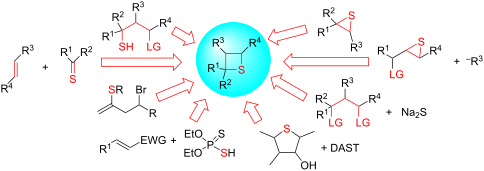

Graphical Abstract

Figure 1: Examples of biologically active thietane-containing molecules.

Figure 2: The diverse methods for the synthesis of thietanes.

Scheme 1: Synthesis of 1-(thietan-2-yl)ethan-1-ol (10) from 3,5-dichloropentan-2-ol (9).

Scheme 2: Synthesis of thietanose nucleosides 2,14 from 2,2-bis(bromomethyl)propane-1,3-diol (11).

Scheme 3: Synthesis of methyl 3-vinylthietane-3-carboxylate (19).

Scheme 4: Synthesis of 1,6-thiazaspiro[3.3]heptane (24).

Scheme 5: Synthesis of 6-amino-2-thiaspiro[3.3]heptane hydrochloride (28).

Scheme 6: Synthesis of optically active thietane 31 from vitamin C.

Scheme 7: Synthesis of an optically active thietane nucleoside from diethyl L-tartrate (32).

Scheme 8: Synthesis of thietane-containing spironucleoside 40 from 5-aldo-3-O-benzyl-1,2-O-isopropylidene-α-D...

Scheme 9: Synthesis of optically active 2-methylthietane-containing spironucleoside 43.

Scheme 10: Synthesis of a double-linked thietane-containing spironucleoside 48.

Scheme 11: Synthesis of two diastereomeric thietanose nucleosides via 2,4-di(benzyloxymethyl)thietane (49).

Scheme 12: Synthesis of the thietane-containing PI3k inhibitor candidate 54.

Scheme 13: Synthesis of the spirothietane 57 as the key intermediate to Nuphar sesquiterpene thioalkaloids.

Scheme 14: Synthesis of spirothietane 61 through a direct cyclic thioetherification of 3-mercaptopropan-1-ol.

Scheme 15: Synthesis of thietanes 66 from 1,3-diols 62.

Scheme 16: Synthesis of thietanylbenzimidazolone 75 from (iodomethyl)thiazolobenzimidazole 70.

Scheme 17: Synthesis of 2-oxa-6-thiaspiro[3.3]heptane (80) from bis(chloromethyl)oxetane 76 and thiourea.

Scheme 18: Synthesis of the thietane-containing glycoside, 2-O-p-toluenesulfonyl-4,6-thioanhydro-α-D-gulopyran...

Scheme 19: Synthesis of methyl 4,6-thioanhydro-α-D-glucopyranoside (89).

Scheme 20: Synthesis of thietane-fused α-D-galactopyranoside 93.

Scheme 21: Synthesis of thietane-fused α-D-gulopyranoside 100.

Scheme 22: Synthesis of 3,5-anhydro-3-thiopentofuranosides 104.

Scheme 23: Synthesis of anhydro-thiohexofuranosides 110, 112 and 113 from from 1,2:4,5-di-O-isopropylidene D-f...

Scheme 24: Synthesis of optically active thietanose nucleosides from D- and L-xyloses.

Scheme 25: Synthesis of thietane-fused nucleosides.

Scheme 26: Synthesis of 3,5-anhydro-3-thiopentofuranosides.

Scheme 27: Synthesis of 2-amino-3,5-anhydro-3-thiofuranoside 141.

Scheme 28: Synthesis of thietane-3-ols 145 from (1-chloromethyl)oxiranes 142 and hydrogen sulfide.

Scheme 29: Synthesis of thietane-3-ol 145a from chloromethyloxirane (142a).

Scheme 30: Synthesis of thietane-3-ols 145 from 2-(1-haloalkyl)oxiranes 142 and 147 with ammonium monothiocarb...
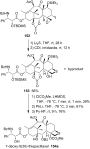
Scheme 31: Synthesis of 7-deoxy-5(20)thiapaclitaxel 154a, a thietane derivative of taxoids.

Scheme 32: Synthesis of 5(20)-thiadocetaxel 158 from 10-deacetylbaccatin III (155).

Scheme 33: Synthesis of thietane derivatives 162 as precursors for deoxythiataxoid synthesis through oxiraneme...

Scheme 34: Synthesis of 7-deoxy 5(20)-thiadocetaxel 154b.

Scheme 35: Mechanism for the formation of the thietane ring in 171 from oxiranes with vicinal leaving groups 1...

Scheme 36: Synthesis of cis-2,3-disubstituted thietane 175 from thiirane-2-methanol 172.

Scheme 37: Synthesis of a bridged thietane 183 from aziridine cyclohexyl tosylate 179 and ammonium tetrathiomo...
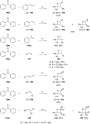
Scheme 38: Synthesis of thietanes via the photochemical [2 + 2] cycloaddition of thiobenzophenone 184a with va...
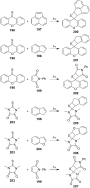
Scheme 39: Synthesis of spirothietanes through the photo [2 + 2] cycloaddition of cyclic thiocarbonyls with ol...

Scheme 40: Photochemical synthesis of spirothietane-thioxanthenes 210 from thioxanthenethione (208) and butatr...

Scheme 41: Synthesis of thietanes 213 from 2,4,6-tri(tert-butyl)thiobenzaldehyde (211) with substituted allene...

Scheme 42: Photochemical synthesis of spirothietanes 216 and 217 from N-methylthiophthalimide (214) with olefi...

Scheme 43: Synthesis of fused thietanes from quadricyclane with thiocarbonyl derivatives 219.
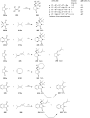
Scheme 44: Synthesis of tricyclic thietanes via the photo [2 + 2] cycloaddition of N-methyldithiosuccinimides ...
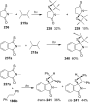
Scheme 45: Synthesis of tricyclic thietanes via the photo [2 + 2] cycloaddition of N-methylthiosuccinimide/thi...

Scheme 46: Synthesis of tricyclic thietanes via the photo [2 + 2] cycloaddition of N-alkylmonothiophthalimides...

Scheme 47: Synthesis of spirothietanes from dithiosuccinimides 223 with 2,3-dimethyl-2-butene (215a).

Scheme 48: Synthesis of thietanes 248a,b from diaryl thione 184b and ketene acetals 247a,b.

Scheme 49: Photocycloadditions of acridine-9-thiones 249 and pyridine-4(1H)-thione (250) with 2-methylacrynitr...

Scheme 50: Synthesis of thietanes via the photo [2 + 2] cycloaddition of mono-, di-, and trithiobarbiturates 2...

Scheme 51: Synthesis of spirothietanes via the photo [2 + 2] cycloaddition of 1,1,3-trimethyl-2-thioxo-1,2-dih...

Scheme 52: Synthesis of spirothietanes via the photo [2 + 2] cycloaddition of thiocoumarin 286 with olefins.

Scheme 53: Photochemical synthesis of thietanes 296–299 from semicyclic and acyclic thioimides 292–295 and 2,3...

Scheme 54: Photochemical synthesis of spirothietane 301 from 1,3,3-trimethylindoline-2-thione (300) and isobut...

Scheme 55: Synthesis of spirobenzoxazolethietanes 303 via the photo [2 + 2] cycloaddition of alkyl and aryl 2-...

Scheme 56: Synthesis of spirothietanes from tetrahydrothioxoisoquinolines 306 and 307 with olefins.

Scheme 57: Synthesis of spirothietanes from 1,3-dihydroisobenzofuran-1-thiones 311 and benzothiophene-1-thione...

Scheme 58: Synthesis of 2-triphenylsilylthietanes from phenyl triphenylsilyl thioketone (316) with electron-po...

Scheme 59: Diastereoselective synthesis of spiropyrrolidinonethietanes 320 via the photo [2 + 2] cycloaddition...

Scheme 60: Synthesis of bicyclic thietane 323 via the photo [2 + 2] cycloaddition of 2,4-dioxo-3,4-dihydropyri...

Scheme 61: Photo-induced synthesis of fused thietane-2-thiones 325 and 326 from silacyclopentadiene 324 and ca...

Scheme 62: Synthesis of highly strained tricyclic thietanes 328 via the intramolecular photo [2 + 2] cycloaddi...

Scheme 63: Synthesis of tri- and pentacyclic thietanes 330 and 332, respectively, through the intramolecular p...

Scheme 64: Synthesis of tricyclic thietanes 334 via the intramolecular photo [2 + 2] cycloaddition of N-vinylt...

Scheme 65: Synthesis of tricyclic thietanes 336 via the intramolecular photo [2 + 2] cycloaddition of N-but-3-...

Scheme 66: Synthesis of tricyclic thietanes via the intramolecular photo [2 + 2] cycloaddition of N-but-3-enyl...

Scheme 67: Synthesis of tetracyclic thietane 344 through the intramolecular photo [2 + 2] cycloaddition of N-[...
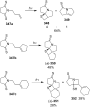
Scheme 68: Synthesis of tri- and tetracyclic thietanes 348, 350, and 351, through the intramolecular photo [2 ...

Scheme 69: Synthesis of tetracyclic fused thietane 354 via the photo [2 + 2] cycloaddition of vinyl 2-thioxo-3H...

Scheme 70: Synthesis of highly rigid thietane-fused β-lactams via the intramolecular photo [2 + 2] cycloadditi...

Scheme 71: Asymmetric synthesis of a highly rigid thietane-fused β-lactam 356a via the intramolecular photo [2...

Scheme 72: Diastereoselective synthesis of the thietane-fused β-lactams via the intramolecular photo [2 + 2] c...

Scheme 73: Asymmetric synthesis of thietane-fused β-lactams 356 via the intramolecular photo [2 + 2] cycloaddi...

Scheme 74: Synthesis of the bridged bis(trifluoromethyl)thietane from 2,2,4,4-tetrakis(trifluoromethyl)-1,3-di...

Scheme 75: Synthesis of the bridged-difluorothietane 368 from 2,2,4,4-tetrafluoro-1,3-dithietane (367) and qua...

Scheme 76: Synthesis of bis(trifluoromethyl)thietanes from 2,2,4,4-tetrakis(trifluoromethyl)-1,3-dithietane (3...

Scheme 77: Synthesis of 2,2-dimethylthio-4,4-di(trifluoromethyl)thietane (378) from 2,2,4,4-tetrakis(trifluoro...

Scheme 78: Formation of bis(trifluoromethyl)thioacetone (381) through nucleophilic attack of dithietane 363 by...

Scheme 79: Synthesis of 2,2-bis(trifluoromethyl)thietanes from 2,2,4,4-tetrakis(trifluoromethyl)-1,3-dithietan...

Scheme 80: Synthesis of the bridged bis(trifluoromethyl)thietane 364 from of 2,2,4,4-tetrakis(trifluoromethyl)...

Scheme 81: Synthesis of 2,4-diiminothietanes 390 from alkenimines and 4-methylbenzenesulfonyl isothiocyanate (...

Scheme 82: Synthesis of arylidene 2,4-diiminothietanes 393 starting from phosphonium ylides 391 and isothiocya...

Scheme 83: Synthesis of thietane-2-ylideneacetates 397 through a DABCO-catalyzed formal [2 + 2] cycloaddition ...

Scheme 84: Synthesis of 3-substituted thietanes 400 from (1-chloroalkyl)thiiranes 398.

Scheme 85: Synthesis of N-(thietane-3-yl)azaheterocycles 403 and 404 through reaction of chloromethylthiirane (...

Scheme 86: Synthesis of 3-sulfonamidothietanes 406 from sulfonamides and chloromethylthiirane (398a).

Scheme 87: Synthesis of N-(thietane-3-yl)isatins 408 from chloromethylthiirane (398a) and isatins 407.

Scheme 88: Synthesis of 3-(nitrophenyloxy)thietanes 410 from nitrophenols 409 and chloromethylthiirane (398a).

Scheme 89: Synthesis of N-aryl-N-(thietane-3-yl)cyanamides 412 from N-arylcyanamides 411 and chloromethylthiir...

Scheme 90: Synthesis of 1-(thietane-3-yl)pyrimidin-2,4(1H,3H)-diones 414 from chloromethylthiirane (398a) and ...

Scheme 91: Synthesis of 2,4-diiminothietanes 418 from 2-iminothiiranes 416 and isocyanoalkanes 415.

Scheme 92: Synthesis of 2-vinylthietanes 421 from thiiranes 419 and 3-chloroallyl lithium (420).

Scheme 93: Synthesis of thietanes from thiiranes 419 and trimethyloxosulfonium iodide 424.

Scheme 94: Mechanism for synthesis of thietanes 425 from thiiranes 419 and trimethyloxosulfonium iodide 424.

Scheme 95: Synthesis of functionalized thietanes from thiiranes and dimethylsulfonium acylmethylides.

Scheme 96: Mechanism for the rhodium-catalyzed synthesis of functionalized thietanes 429 from thiiranes 419 an...

Scheme 97: Synthesis of 3-iminothietanes 440 through thermal isomerization from 4,5-dihydro-1,3-oxazole-4-spir...

Scheme 98: Synthesis of thietanes 443 from 3-chloro-2-methylthiolane (441) through ring contraction.

Scheme 99: Synthesis of an optically active thietanose 447 from D-xylose involving a ring contraction.

Scheme 100: Synthesis of optically thietane 447 via the DAST-mediated ring contraction of 448.

Scheme 101: Synthesis of the optically thietane nucleoside 451 via the ring contraction of thiopentose in 450.

Scheme 102: Synthesis of spirothietane 456 from 3,3,5,5-tetramethylthiolane-2,4-dithione (452) and benzyne (453...

Scheme 103: Synthesis of thietanes 461 via photoisomerization of 2H,6H-thiin-3-ones 459.

Scheme 104: Phosphorodithioate-mediated synthesis of 1,4-diarylthietanes 465.

Scheme 105: Mechanism of the phosphorodithioate-mediated synthesis of 1,4-diarylthietanes 465.

Scheme 106: Phosphorodithioate-mediated synthesis of trisubstituted thietanes (±)-470.

Scheme 107: Mechanism on the phosphorodithioate-mediated synthesis of trisubstituted thietanes.

Scheme 108: Phosphorodithioate-mediated synthesis of thietanes (±)-475.

Scheme 109: Phosphorodithioate-mediated synthesis of 1,2-disubstituted thietanes from aldehydes 476 and acrylon...

Scheme 110: Phosphorodithioate-mediated synthesis of 1,2-disubstituted thietanes via a one-pot three-component ...

Scheme 111: Mechanism for the phosphorodithioate-mediated synthesis of 1,2-disubstituted thietanes via three-co...

Scheme 112: Phosphorodithioate-mediated synthesis of substituted 3-nitrothietanes.

Scheme 113: Mechanism on the phosphorodithioate-mediated synthesis of 1,2-disubstituted thietanes (±)-486.

Scheme 114: Asymmetric synthesis of (S)-2-phenylthietane (497).

Scheme 115: Asymmetric synthesis of optically active 2,4-diarylthietanes.

Scheme 116: Synthesis of 3-acetamidothietan-2-one 503 via the intramolecular thioesterification of 3-mercaptoal...

Scheme 117: Synthesis of 4-substituted thietan-2-one via the intramolecular thioesterification of 3-mercaptoalk...

Scheme 118: Synthesis of 4,4-disubstituted thietan-2-one 511 via the intramolecular thioesterification of the 3...

Scheme 119: Synthesis of a spirothietan-2-one 514 via the intramolecular thioesterification of 3-mercaptoalkano...

Scheme 120: Synthesis of thiatetrahydrolipstatin starting from (S)-(−)-epichlorohydrin ((S)-142a).

Scheme 121: Synthesis of 2-phenethyl-4-(propan-2-ylidene)thietane (520) from 5-bromo-6-methyl-1-phenylhept-5-en...

Scheme 122: Synthesis of 2-phenethyl-4-(propan-2-ylidene)thietane (520) directly from S-(5-bromo-6-methyl-1-phe...

Scheme 123: Synthesis of 2-alkylidenethietanes from S-(2-bromoalk-1-en-4-yl)thioacetates.

Scheme 124: Synthesis of 2-alkylidenethietanes from S-(2-bromo/chloroalk-1-en-4-yl)thiols.

Scheme 125: Synthesis of spirothietan-3-ol 548 from enone 545 and ammonium hydrosulfide.

Scheme 126: Asymmetric synthesis of the optically active thietanoside from cis-but-2-ene-1,4-diol (47).
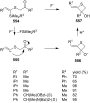
Scheme 127: Synthesis of 2-alkylidenethietan-3-ols 557 via the fluoride-mediated cyclization of thioacylsilanes ...

Scheme 128: Synthesis of 2-iminothietanes via the reaction of propargylbenzene (558) and isothiocyanates 560 in...

Scheme 129: Synthesis of 2-benzylidenethietane 567 via the nickel complex-catalyzed electroreductive cyclizatio...

Scheme 130: Synthesis of 2-iminothietanes 569 via the photo-assisted electrocyclic reaction of N-monosubstitute...

Scheme 131: Synthesis of ethyl 3,4-diiminothietane-2-carboxylates from ethyl thioglycolate (570) and bis(imidoy...
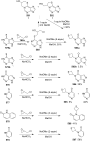
Scheme 132: Synthesis of N-(thietan-3-yl)-α-oxoazaheterocycles from azaheterocyclethiones and chloromethyloxira...

Scheme 133: Synthesis of thietan-3-yl benzoate (590) via the nickel-catalyzed intramolecular reductive thiolati...

Scheme 134: Synthesis of 2,2-bis(trifluoromethyl)thietane from 3,3-bis(trifluoromethyl)-1,2-dithiolane.

Scheme 135: Synthesis of thietanes from enamines and sulfonyl chlorides.

Scheme 136: Synthesis of spirothietane 603 via the [2 + 3] cycloaddition of 2,2,4,4-tetramethylcyclobutane-1,3-...

Scheme 137: Synthesis of thietane (605) from 1-bromo-3-chloropropane and sulfur.
Synthesis of 4-amino-5-fluoropyrimidines and 5-amino-4-fluoropyrazoles from a β-fluoroenolate salt
- Tobias Lucas,
- Jule-Philipp Dietz and
- Till Opatz
Beilstein J. Org. Chem. 2020, 16, 445–450, doi:10.3762/bjoc.16.41
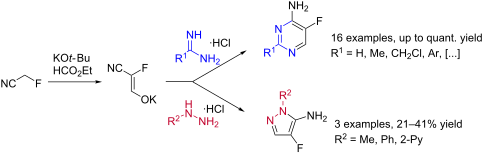
- hydrazine on the more reactive carbon atom of the fluoroenolate in a Michael-type addition. The cyclization did not require a deprotonation of the RNH moiety. Conclusion In summary, a synthesis of fluorinated pyrimidines under mild conditions using fluoroenolate 8 and amidines in a cyclocondensation was

Graphical Abstract

Figure 1: The structures of 5-fluorouracil (1), 5-fluorocytosine (2), emtricitabine (3) and capecitabine (4).

Scheme 1: Synthesis of potassium (Z)-2-cyano-2-fluoroethenolate (8) by Dietz et al. [36].

Scheme 2: Scope of the cyclization reaction. All yields are those of the purified products. aNo further purif...

Scheme 3: Cyclization with phenylhydrazine (12a) to obtain the desired pyrazole 13a and the byproducts 13b an...
Architecture and synthesis of P,N-heterocyclic phosphine ligands
- Wisdom A. Munzeiwa,
- Bernard Omondi and
- Vincent O. Nyamori
Beilstein J. Org. Chem. 2020, 16, 362–383, doi:10.3762/bjoc.16.35
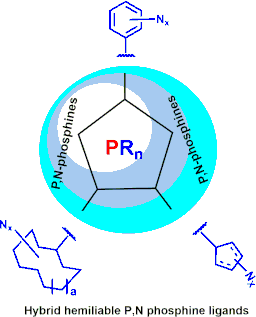
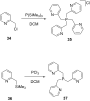
- to a dichloromethane solution of 2,6-aminopyridine (110) afforded the multidentate ligand 111 in an excellent yield (97%) within 2 h. This in contrast to a method reported by Gaw et al. where the reaction took several days in diethyl ether [104]. Phosphine hydrazine P–N and N–N bonds are labile and

Graphical Abstract

Scheme 1: Synthesis of pyridylphosphine ligands.

Figure 1: Pyridylphosphine ligands.

Scheme 2: Synthesis of piperidyl- and oxazinylphosphine ligands.

Scheme 3: Synthesis of linear multi-chelate pyridylphosphine ligands.

Scheme 4: Synthesis of chiral acetal pyridylphosphine ligands.

Scheme 5: Synthesis of diphenylphosphine-substituted triazine ligands.
Scheme 6: Synthesis of (pyridine-2-ylmethyl)phosphine ligands.

Scheme 7: Synthesis of diphosphine pyrrole ligands.

Scheme 8: Synthesis of 4,5-diazafluorenylphosphine ligands.

Scheme 9: Synthesis of thioether-containing pyridyldiphosphine ligands starting from ethylene sulfide and dip...

Scheme 10: Synthesis of monoterpene-derived phosphine pyridine ligands.

Scheme 11: Synthesis of N-phenylphosphine-substituted imidazole ligands.

Scheme 12: Synthesis of triazol-4-ylphosphine ligands.

Scheme 13: Synthesis of phosphanyltriazolopyridines and product selectivity depending on the substituents’ eff...

Scheme 14: Synthesis of PTA-phosphine ligands.

Scheme 15: Synthesis of isomeric phosphine dipyrazole ligands by varying the reaction temperature.

Scheme 16: Synthesis of N-tethered phosphine imidazolium ligands (route A) and diphosphine imidazolium ligands...

Scheme 17: Synthesis of {1-[2-(pyridin-2-yl)- (R = CH) and {1-[2-(pyrazin-2-yl)quinazolin-4-yl]naphthalen-2-yl...

Scheme 18: Synthesis of oxazolylindolylphosphine ligands 102.

Scheme 19: Synthesis of pyrrolylphosphine ligands.

Scheme 20: Synthesis of phosphine guanidinium ligands.

Scheme 21: Synthesis of a polydentate aminophosphine ligand.

Scheme 22: Synthesis of quinolylphosphine ligands.

Scheme 23: Synthesis of N-(triazolylmethyl)phosphanamine ligands.

Figure 2: Triazolylphosphanamine ligands synthesized by Wassenaar’s method [22].

Scheme 24: Synthesis of oxazaphosphorines.

Scheme 25: Synthesis of paracyclophane pyridylphosphine ligands.

Scheme 26: Synthesis of triazolylphosphine ligands.

Figure 3: Click-phosphine ligands.

Scheme 27: Ferrocenyl pyridylphosphine imine ligands.

Scheme 28: Synthesis of phosphinooxazolines (PHOX).

Scheme 29: Synthesis of ferrocenylphosphine oxazoles.
Convenient synthesis of the pentasaccharide repeating unit corresponding to the cell wall O-antigen of Escherichia albertii O4
- Tapasi Manna,
- Arin Gucchait and
- Anup Kumar Misra
Beilstein J. Org. Chem. 2020, 16, 106–110, doi:10.3762/bjoc.16.12
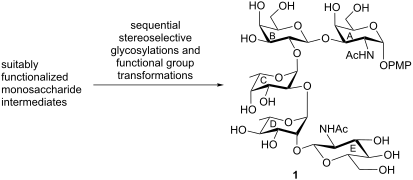
- subjected to a sequence of reactions consisting of (i) reductive transformation of the azido group into an acetamido group by the treatment with thioacetic acid [34]; (ii) transformation of the N-phthalimido group into acetamido group using hydrazine hydrate followed by selective N-acetylation [35]; (iii

Graphical Abstract
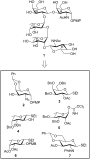
Figure 1: Structure of the pentasaccharide repeating unit corresponding to the cell wall O-antigen of Escheri...

Scheme 1: (a) NIS, HClO4/SiO2, MS 4 Å, CH2Cl2, −45 °C, 1 h, 79%; (b) 0.1 M CH3ONa, CH3OH, room temperature, 2...
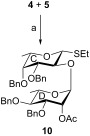
Scheme 2: (a) HClO4/SiO2, CH2Cl2, −10 °C, 1 h, 76%.
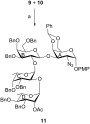
Scheme 3: (a) NIS, HClO4/SiO2, MS 4 Å, CH2Cl2, −40 °C, 1 h, 22%.

Scheme 4: (a) NIS, HClO4/SiO2, MS 4 Å, CH2Cl2, −45 °C, 1 h, 74%; (b) BnBr, NaOH, TBAB, THF, room temperature,...
Starazo triple switches – synthesis of unsymmetrical 1,3,5-tris(arylazo)benzenes
- Andreas H. Heindl and
- Hermann A. Wegner
Beilstein J. Org. Chem. 2020, 16, 22–31, doi:10.3762/bjoc.16.4
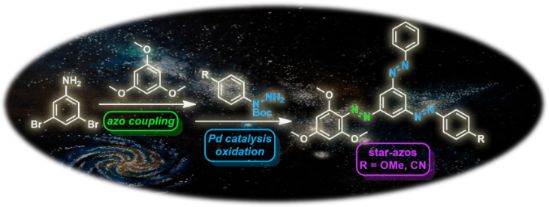
- , 126.2, 123.5, 123.1, 91.5, 56.3, 55.8; HRESIMS (m/z): [M + H]+ calcd for C15H1579Br2N2O3, 428.9444; found, 428.9448. tert-Butyl (E)-2-(3-bromo-5-((2,4,6-trimethoxyphenyl)diazenyl)phenyl)-1-(4-cyanophenyl)hydrazine-1-carboxylate (16a): In a nitrogen-filled glovebox, an oven-dried Schlenk tube was charged
- with a 1.61 M solution of P(t-Bu)3 (395 µL, 636 µmol, 15 mol %) in dry toluene. All following operations were carried out in a fume hood under Schlenk conditions. tert-Butyl 1-(4-cyanophenyl)hydrazine-1-carboxylate (1.00 g, 4.25 mmol, 1.00 equiv), 15 (1.82 g, 4.24 mmol, 1.00 equiv), Pd(OAc)2 (144 mg
- C27H2879BrN5O5Na, 604.1166; found, 604.1167. tert-Butyl (E)-2-(3-bromo-5-((2,4,6-trimethoxyphenyl)diazenyl)phenyl)-1-(4-methoxyphenyl)hydrazine-1-carboxylate (16b): In a nitrogen-filled glovebox, an oven-dried Schlenk tube was charged with P(t-Bu)3 (155 µL, 628 µmol, 15 mol %). All following operations were

Graphical Abstract

Figure 1: 1,3,5-Tris(arylazo)benzenes as individually switchable multistate photoswitches: previous [11,12] and pres...

Scheme 1: Synthetic strategy towards 1,3,5-tris(arylazo)benzenes 3 based on consecutive Baeyer–Mills reaction...

Scheme 2: Preparation of tris(arylazo)benzenes 3 by Pd-catalyzed cross-coupling reactions of N-Boc-arylhydraz...

Scheme 3: Synthesis of azobenzene building block 8.

Scheme 4: Synthesis of 1,3-bis(4-methoxyphenylazo)-5-phenylazobenzene (14).

Scheme 5: Synthesis of unsymmetrical tris(arylazo)benzenes 3a/3b using Pd-catalyzed coupling reactions and Cu...

Scheme 6: Coupling reactions of 15 with the corresponding arylhydrazides to access monocoupled (16a/16b) and ...

Figure 2: a) UV–vis spectra of tris(arylazo)benzenes 3a/3b in ethanol. b) Reversible photoisomerization of 3a...



