


Search results
Search for "hydride" in Full Text gives 505 result(s) in Beilstein Journal of Organic Chemistry. Showing first 200.
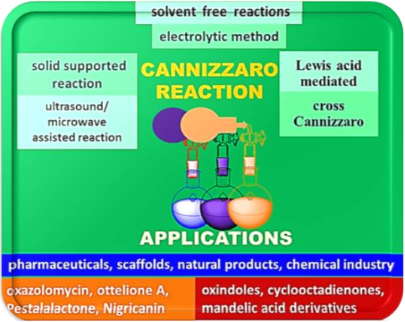
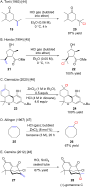
Synthetic applications of the Cannizzaro reaction
Beilstein J. Org. Chem. 2024, 20, 1376–1395, doi:10.3762/bjoc.20.120
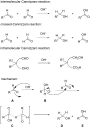
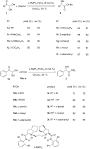
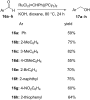
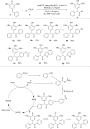
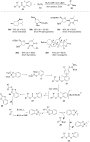
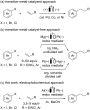
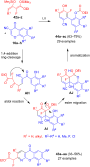
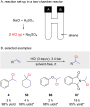
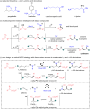
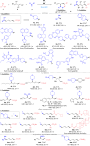
- of a hydride ion from a tetracoordinated intermediate (B), which is formed upon hydroxide addition to the aldehyde (A). The primary pathway of the reaction entails the rate-determining step of hydride ion transfer via either a linear or bent transition state (C) to a second molecule of aldehyde
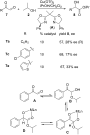
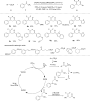
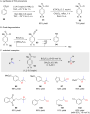
- transformation of the aryl glyoxals is outlined below (Scheme 4), which depicts the coordination of the hemiacetal B with the metal catalyst to give C, followed by hydride transfer to form the metal-coordinated Cannizzaro product D. Another intramolecular asymmetric Cannizzaro reaction was reported by Wu et al
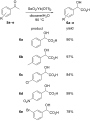
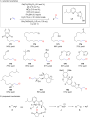
- in the appropriate vicinity for the reaction to take place in appreciably good yields (84%). The barium cation template is the key for the reaction, as is the base concentration for effective hydride transfer (Scheme 14) [29]. They also extended the scope of the intramolecular Cannizzaro reaction to








Generation of alkyl and acyl radicals by visible-light photoredox catalysis: direct activation of C–O bonds in organic transformations
Beilstein J. Org. Chem. 2024, 20, 1348–1375, doi:10.3762/bjoc.20.119
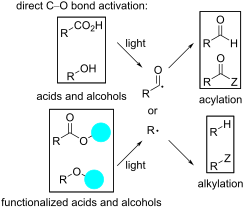
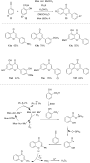
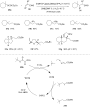
- , C–C, and C–heteroatom bond formations. The best known technique for the creation of alkyl radicals is the homolytic cleavage of the C–X bond of alkyl halides by toxic tin hydride [17]. Later, various efforts have been made to replace toxic tin hydrides with other reagents [33][34][35][36][37][38][39








Transition-metal-catalyst-free electroreductive alkene hydroarylation with aryl halides under visible-light irradiation
Beilstein J. Org. Chem. 2024, 20, 1327–1333, doi:10.3762/bjoc.20.116
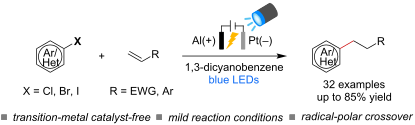
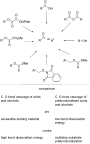
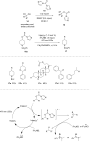
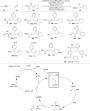
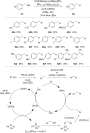
- a hydride donor [5][6][7][8]. On the other hand, aryl radical-involved hydroarylation would be a promising alternative for the synthesis of alkylarenes with high anti-Markovnikov selectivity [9][10]. Aryl halides have received increased attention as ideal radical precursors because of their
- intermediates through a single-electron transfer process [26][27][28][29][30][31]. In particular, electroreductive transformations have recently received renewed attention from modern synthetic chemists as a safer protocol than conventional methods using chemical reductants such as metal hydride species [32][33


Domino reactions of chromones with activated carbonyl compounds
Beilstein J. Org. Chem. 2024, 20, 1256–1269, doi:10.3762/bjoc.20.108
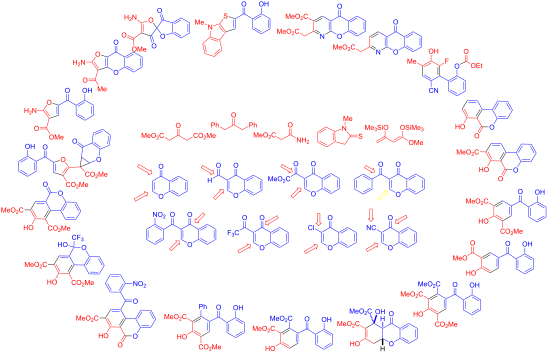
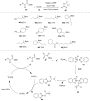
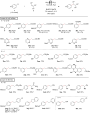
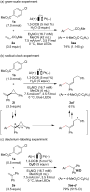
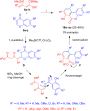
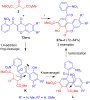
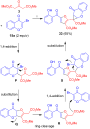
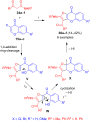
- ][11][12]. For example, 2 can be transformed to its dianion 7 by action of two equivalents of LDA or by sequential addition of sodium hydride and n-butyllithium (Scheme 1). In contrast to 2, dianion 7 reacts with electrophiles at its terminal carbon atom. 1,3-Bis(silyloxy)-1,3-butadienes, containing









Stability trends in carbocation intermediates stemming from germacrene A and hedycaryol
Beilstein J. Org. Chem. 2024, 20, 1189–1197, doi:10.3762/bjoc.20.101
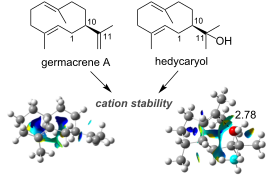
- isoprenoid allylic carbocation has the capability to engage in standard carbocation reactions, including cyclization via intramolecular olefin attack at the positively charged center, Wagner–Meerwein rearrangements, and hydride or proton shifts. This sequence concludes either through deprotonation, resulting
- diols by addition of water. For each of these intermediates, simple deprotonation or nucleophilic attack by water are possible. Also, hydride shifts can occur first, which widens the chemical space of possible products. Additionally, the presence of multiple stereocenters adds to the rich


Manganese-catalyzed C–C and C–N bond formation with alcohols via borrowing hydrogen or hydrogen auto-transfer
Beilstein J. Org. Chem. 2024, 20, 1111–1166, doi:10.3762/bjoc.20.98
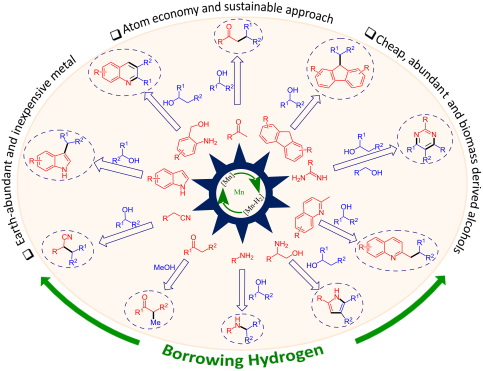
- to the scientific community [10][11][12]. In this process, first, the metal-catalyzed dehydrogenation of the alcohol provides a reactive substrate for coupling with nucleophiles and the active metal hydride species. Later, the borrowed hydrogen is used in the final step to reduce unsaturated
- aldehydes or ketones, undergo base-assisted condensation reactions with amines providing the corresponding imines. In the last step, the active manganese hydride complexes reduce the imine compounds and afford the desired alkylated amine products (Scheme 2B). Several well-defined manganese complexes have
- indicates that the cation-coordinative interaction with the catalyst plays a significant role. Moreover, the mechanistic investigation suggested that the observed selectivity is due to the more reactive potassium manganate hydride towards the hydrogenation of imines to amines than the sodium manganate























Enantioselective synthesis of β-aryl-γ-lactam derivatives via Heck–Matsuda desymmetrization of N-protected 2,5-dihydro-1H-pyrroles
Beilstein J. Org. Chem. 2024, 20, 940–949, doi:10.3762/bjoc.20.84
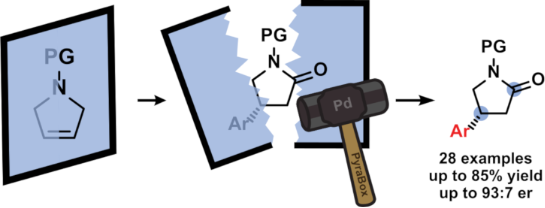
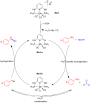
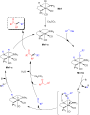
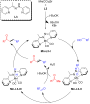
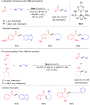
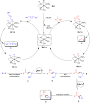
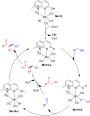
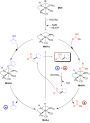
- palladium(II)–N,N-ligand complex (II), to which the pyrrolidine substrate coordinates (III). Next, migratory insertion takes place generating the alkylpalladium species (IV), which upon a sequence of β-elimination (V) and hydride insertion leads to alkylpalladium intermediate (VI). Finally, upon




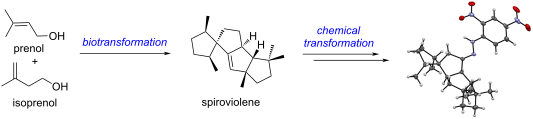
Confirmation of the stereochemistry of spiroviolene
Beilstein J. Org. Chem. 2024, 20, 852–858, doi:10.3762/bjoc.20.77
- deoxyconidiogenol (4, Scheme 1A) by several terpene cyclases from fungus (PcCS, PchDS, PrDS) [15][16], which involves a 1,11-10,14 cyclization of GGPP, followed by 1,2-alkyl shift and a 2,10-cyclization, to give the key C3 cationic intermediate IM-1. A key 1,2-hydride shift from C2 to C3, which was observed in the
- IM-7. A key 1,3-hydride shift of IM-7 from the β-face, followed by deprotonation of the formed C2-cation IM-8, would deliver the originally proposed structure 1' [6]. However, no related natural products that would be derived from the intermediates of this pathway have been found so far. A third


Advancements in hydrochlorination of alkenes
Beilstein J. Org. Chem. 2024, 20, 787–814, doi:10.3762/bjoc.20.72
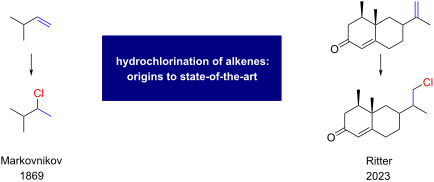
- alkene reactivity is essential. Two reactivity scales for alkenes are available in the literature, one considering the reactivity of the alkene itself (Mayr scale) [25] and the other the stability of the corresponding cation after protonation (hydride affinities) [26]. In the polar hydrochlorination
- . Thermodynamic and theoretical data provide hydride affinities, which correspond to the negative heat of formation for the combination of a hydride anion with a given cation in the gas phase (Figure 2) [26][29]. It is noteworthy that, in contrast to the hydride affinity scale, the Mayr scale considers energetic
- a mixture of E- and Z-octene (67) (Scheme 10). They also mentioned in a footnote that 2-chlorooctane (41) was contaminated by "some 3-chlorooctane” (68). The formation of regioisomers through hydride or alkyl shifts is a common occurrence in hydrochlorination reactions involving secondary cations






Genome mining of labdane-related diterpenoids: Discovery of the two-enzyme pathway leading to (−)-sandaracopimaradiene in the fungus Arthrinium sacchari
Beilstein J. Org. Chem. 2024, 20, 714–720, doi:10.3762/bjoc.20.65
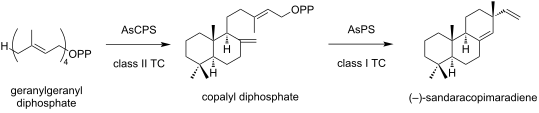
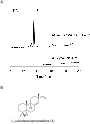
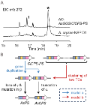
- stereoisomers, ent-CPP and syn-CPP. Class II TCs can also generate further structural diversity through hydride shifts, methyl shifts, and/or skeletal rearrangement of the labdadienyl+ diphosphate intermediate which is formed by the initial bicyclization. Following this class II TC-mediated cyclization, class I



Palladium-catalyzed three-component radical-polar crossover carboamination of 1,3-dienes or allenes with diazo esters and amines
Beilstein J. Org. Chem. 2024, 20, 661–671, doi:10.3762/bjoc.20.59
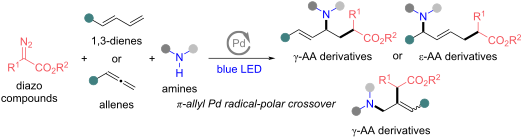
- , hydride shift process, and photoinduced homolytic cleavage of the C–Pd bond, furnishing hybrid α-ester alkylpalladium radical I. In path b, upon irradiation with blue light, photoexcited Pd(0)Ln* reduces ethyl diazoacetate (1a) to Pd-radical species I by a proton-coupled electron transfer (PCET) process



Development of a chemical scaffold for inhibiting nonribosomal peptide synthetases in live bacterial cells
Beilstein J. Org. Chem. 2024, 20, 445–451, doi:10.3762/bjoc.20.39
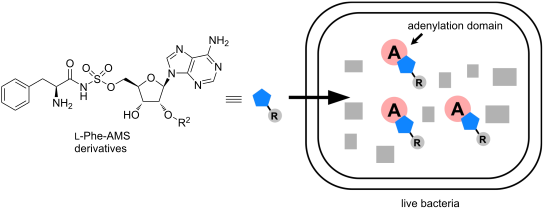
- cyanomethyl (7) groups at the 2′-OH. The synthetic routes to compounds 4–9 are shown in Scheme 1. The 2′-OH of adenosine was alkylated with several alkyl halides in the presence of sodium hydride (NaH). Both the 3′-OH and 5′-OH groups of compounds 10a–e were protected by a TBS group, followed by the selective


Synthesis of π-conjugated polycyclic compounds by late-stage extrusion of chalcogen fragments
Beilstein J. Org. Chem. 2024, 20, 287–305, doi:10.3762/bjoc.20.30
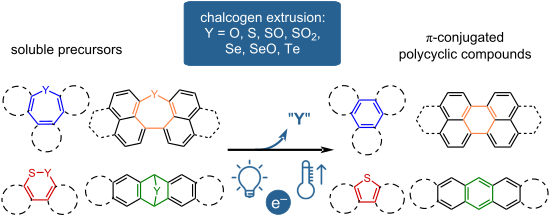
- hydride resulted in the formation of the oxepine ring by a double substitution reaction, to yield the desired dinaphthooxepine 33. The non-planar character of dinaphthooxepine bisimides was confirmed by X-ray crystal structure, and stability towards thermal or photoactivation was also established. Cyclic




Substitution reactions in the acenaphthene analog of quino[7,8-h]quinoline and an unusual synthesis of the corresponding acenaphthylenes by tele-elimination
Beilstein J. Org. Chem. 2024, 20, 243–253, doi:10.3762/bjoc.20.24
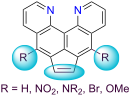
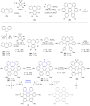
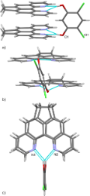
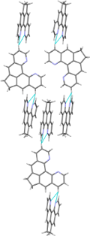
- acenaphthylene 8) or as a result of double protodebromination (giving acenaphthene 5). Overall, the observed process resembles a redox transformation. Benzyl-type anions, which have hydride mobility and are formed in an alkaline environment from 15, may act as a reducing agent here. We tried to stop this




Identification of the p-coumaric acid biosynthetic gene cluster in Kutzneria albida: insights into the diazotization-dependent deamination pathway
Beilstein J. Org. Chem. 2024, 20, 1–11, doi:10.3762/bjoc.20.1
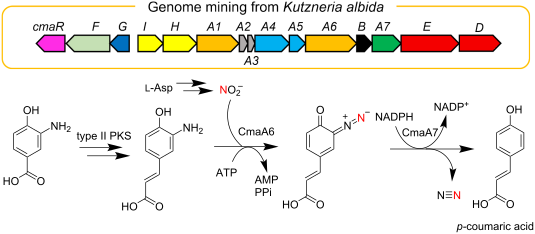
- finally substituted for a hydride derived from NADPH by AvaA7. Interestingly, there are more than 100 BGCs that possess a set of ava gene homologs in the genome database, suggesting that these BGCs are responsible for the biosynthesis of avenalumic acid or its derivatives [13]. In this study, we focused


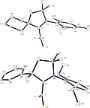
Aldiminium and 1,2,3-triazolium dithiocarboxylate zwitterions derived from cyclic (alkyl)(amino) and mesoionic carbenes
Beilstein J. Org. Chem. 2023, 19, 1947–1956, doi:10.3762/bjoc.19.145
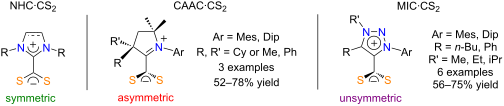
- of charges (Figure 1) [13][14][15][16]. Crabtree and co-workers first reported the abnormal binding of an imidazolium salt to an iridium hydride at the C4 carbon atom instead of C2 in 2001 [17][18]. Since then, many other metal complexes bearing imidazol-4-ylidene ligands (F) have been reported [7


Aromatic systems with two and three pyridine-2,6-dicarbazolyl-3,5-dicarbonitrile fragments as electron-transporting organic semiconductors exhibiting long-lived emissions
Beilstein J. Org. Chem. 2023, 19, 1867–1880, doi:10.3762/bjoc.19.139
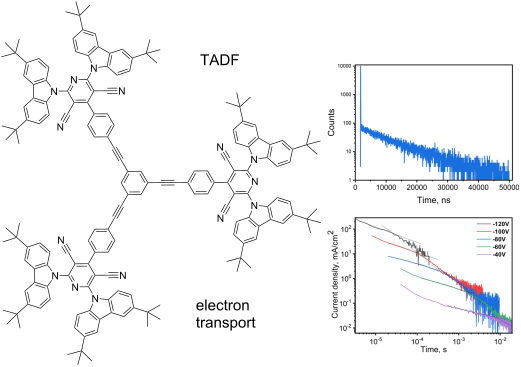
- –7.79 (m, 2H), 7.63–7.50 (m, 2H); GC–MS: 442 [M]+. 2,6-Bis(3,6-di-tert-butylcarbazol-9-yl)-4-(4-bromophenyl)pyridine-3,5-dicarbonitrile (4). Sodium hydride (60% oil dispersion, 180 mg, 5.36 mmol, 3.2 equiv) was added to THF (15 mL) under Ar atmosphere. Then, 3,6-di-tert-butyl-9H-carbazole (1.40 g, 5.3


Selectivity control towards CO versus H2 for photo-driven CO2 reduction with a novel Co(II) catalyst
Beilstein J. Org. Chem. 2023, 19, 1766–1775, doi:10.3762/bjoc.19.129
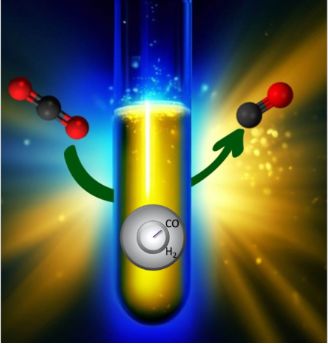
- (versus NHE), respectively [3]. However, the molecular hydrogen evolution might compete, as it occurs at a more favorable reduction potential, lowering the selectivity of the catalytic system. While the addition of a proton source is beneficial to lower the overpotential, a metal-hydride (M–H
- possible. In some cases, this metal hydride favors the production of formate [51]. However, it may induce the concomitant formation of H2. This might have been the case of the photo-driven catalysis by complex 1 in DMA/TEOA (Table 2, entries 2–4), where upon decreasing the concentration of TEOA down to


Benzoimidazolium-derived dimeric and hydride n-dopants for organic electron-transport materials: impact of substitution on structures, electrochemistry, and reactivity
Beilstein J. Org. Chem. 2023, 19, 1651–1663, doi:10.3762/bjoc.19.121
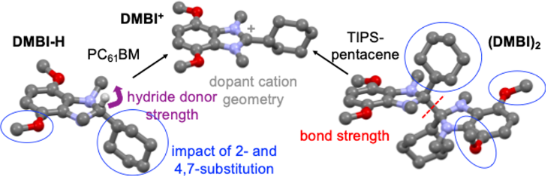
- strength and their reactivity with organic semiconductors (SC) does not depend solely on the SC reduction potential, since the first step, at least in many cases, is a hydride transfer rather than an electron transfer [8][9]. Moreover, as well forming the desired semiconductor radical anion SC•−, and the
- strong dopants, reacting with semiconductors more rapidly and predictably than hydride donors such as the corresponding 1H species [8], cleanly only to give SC•– and the corresponding monomeric cations. However, 12 dopants offer the possibility of more planar dopant ions than the organometallic dimers
- counterparts, while there has also been limited effort on examining the effects of substituents on the benzimidazole 6-membered ring in either class of reductant [16][24]. Furthermore, there has been little work on Y = 2-thienyl 1H derivatives. Here, we report two new dimers (1g2 and 1h2) and three new hydride


Tying a knot between crown ethers and porphyrins
Beilstein J. Org. Chem. 2023, 19, 1630–1650, doi:10.3762/bjoc.19.120
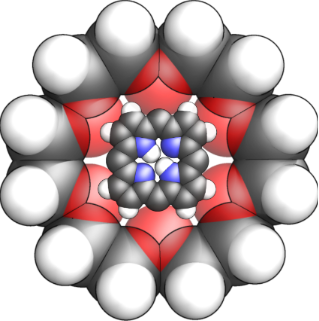
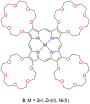
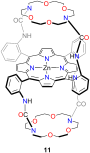
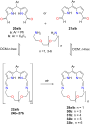
- synthesis of these compounds involved the condensation of a meso-disubstituted dipyrromethane with diamines incorporating the crown ether/azacrown segment in the presence of boron trifluoride diethyl etherate as a catalyst [66]. The treatment of compound 16 with potassium hydride yielded 16-K2, a suitable







Radical chemistry in polymer science: an overview and recent advances
Beilstein J. Org. Chem. 2023, 19, 1580–1603, doi:10.3762/bjoc.19.116
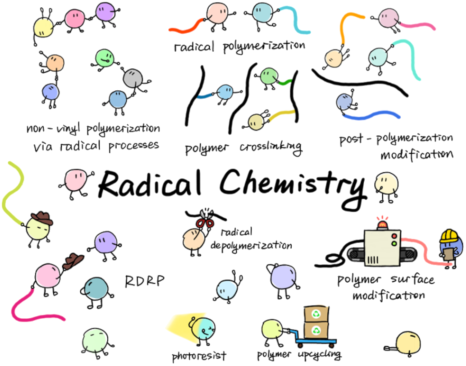
- , and monomers [127][128][129]. Polysiloxanes are another class of crosslinkable polymers. Modern silicone industry typically uses Pt-catalyzed hydrosilylation to crosslink multi-vinyl polysiloxane with silicon hydride compounds to manufacture silicone rubbers [130]. However, hydrosilylation may also be


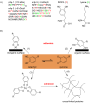


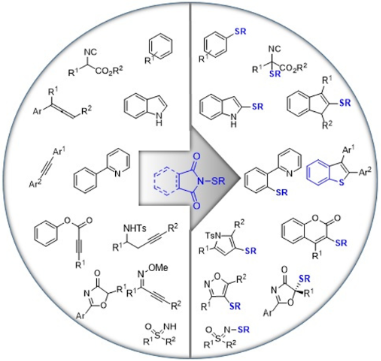
N-Sulfenylsuccinimide/phthalimide: an alternative sulfenylating reagent in organic transformations
Beilstein J. Org. Chem. 2023, 19, 1471–1502, doi:10.3762/bjoc.19.106
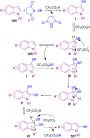
- form intermediate I with the assistance of the Lewis acid. Intermediate I reduced by Et3SiH 139 to give thiol. Through the reaction of thiol with I, disulfide as a byproduct was formed, and intermediate II was generated by the reaction of I with 138. Product 140 was obtained via direct hydride
- reduction of II by silane. On the other hand, most of II were converted to intermediate III, which underwent hydride reduction to render product 140 (Scheme 61). Another organocatalysis system was disclosed by Liu and co-workers for sulfenylation of α-fluoro-β-ketoamides 143 and azlactones 145 (Scheme 62




Functional characterisation of twelve terpene synthases from actinobacteria
Beilstein J. Org. Chem. 2023, 19, 1386–1398, doi:10.3762/bjoc.19.100
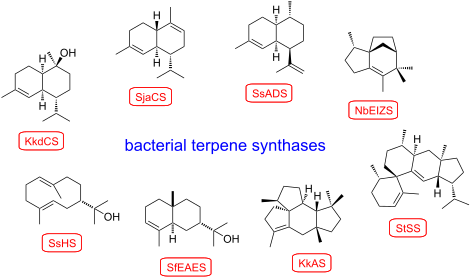
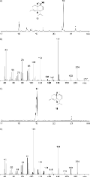
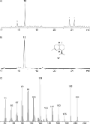
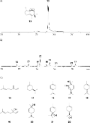
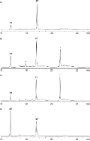
- either through diphosphate abstraction (for type I terpene synthases) or protonation of the substrate (type II terpene synthases). The resulting cationic species can then react in a cascade reaction via a series of cationic intermediates involving cyclisations, hydride or proton shifts, and skeletal




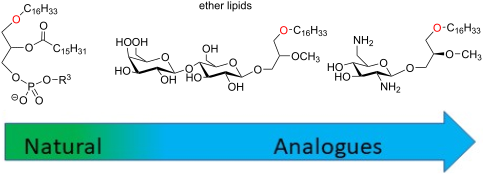
Synthesis of ether lipids: natural compounds and analogues
Beilstein J. Org. Chem. 2023, 19, 1299–1369, doi:10.3762/bjoc.19.96
- also achieved in the last step (Figure 5) [73]. DIBALH (diisobutylaluminium hydride) in toluene was added to hexadecanol in dichloromethane at 0 °C (Figure 5) to form in situ a lithium alcoholate. Then, S-glycidol was added at rt to produce in 50% yield the diol 5.2 after a regioselective opening of
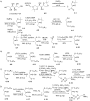
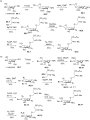
- precursor. The reaction started with the S-alkylation of thioglycerol by bromo- or iodoalkyl chains as previously reported [131]. Then, the primary alcohol was protected with a trityl group to form 26.1 (Figure 26A). The secondary alcohol was first deprotonated with sodium hydride and alkylated with
- presence of dimethylaminopyridine (DMAP). Then, 27.2 reacted with potassium thioacetate to produce the thioester 27.3. Its reduction with lithium aluminium hydride produced the free thiol 27.4 that was used as nucleophile on octadecyl iodide to install the C18 lipid chain. The deprotection of the primary






Organic thermally activated delayed fluorescence material with strained benzoguanidine donor
Beilstein J. Org. Chem. 2023, 19, 1289–1298, doi:10.3762/bjoc.19.95
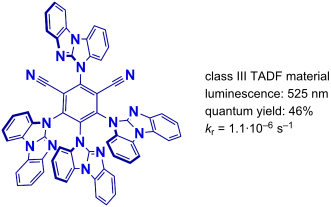
- deprotonation the latter with sodium hydride base. The compound shows poor solubility in most common organic solvents with moderate solubility in dichloromethane, 1,2-dichlorobenzene and dimethyl sulfoxide (DMSO). Compound 4BGIPN was characterized by high-resolution mass spectrometry (HRMS), elemental analysis
- particular isomer that could show superior photophysical TADF characteristics important for fabricating TADF OLED devices with improved operating stability. Experimental General considerations All reactions were performed under a N2 atmosphere. Solvents were dried as required. Sodium hydride was washed from





