


Search results
Search for "ionization" in Full Text gives 366 result(s) in Beilstein Journal of Organic Chemistry. Showing first 200.
Photochromic derivatives of indigo: historical overview of development, challenges and applications
Beilstein J. Org. Chem. 2024, 20, 228–242, doi:10.3762/bjoc.20.23
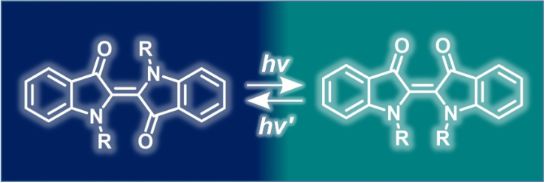
- lifetimes, radiative and non-radiative relaxation pathways of the indigo chromophore [26][27][30][31][32][33][34][35] as well as to estimate ionization potentials and electronic structures [28][29], singlet oxygen generation capacity [31], QSAR properties [25], and others. In both solution and solid state





Comparison of glycosyl donors: a supramer approach
Beilstein J. Org. Chem. 2024, 20, 181–192, doi:10.3762/bjoc.20.18
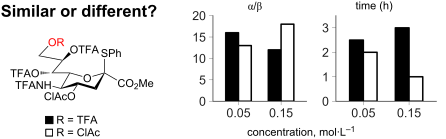
- CFCl3 (δF 0.0). Assignments of the signals in the NMR spectra were performed using 2D-spectroscopy (COSY, HSQC, HMBC) and DEPT-135 experiments. For the copies of NMR spectra for all new compounds see Supporting Information File 1. High resolution mass spectra (electrospray ionization, HRESIMS) were



Electron-beam-promoted fullerene dimerization in nanotubes: insights from DFT computations
Beilstein J. Org. Chem. 2024, 20, 92–100, doi:10.3762/bjoc.20.10
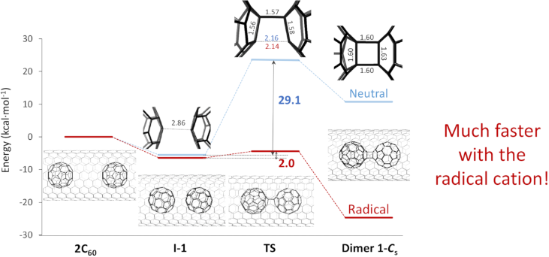
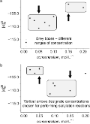
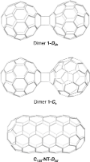
- + C60 to assess the effect ionization produced by the electron beam has in the process. Before the reaction takes place, a stabilizing van der Waals complex between the two C60 molecules was formed (Figure 2), with an interdimer distance around 3 Å (slightly larger for the neutral profile). For dimer 1




Identification of the p-coumaric acid biosynthetic gene cluster in Kutzneria albida: insights into the diazotization-dependent deamination pathway
Beilstein J. Org. Chem. 2024, 20, 1–11, doi:10.3762/bjoc.20.1
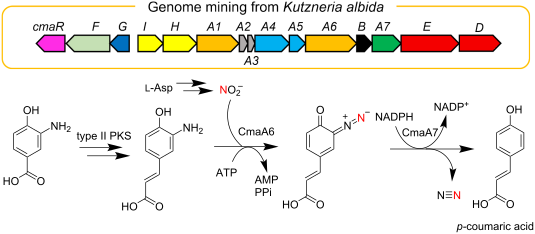
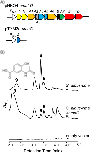
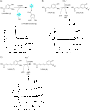
- and evaporated completely in vacuo. The residual materials were dissolved in 200 µL of methanol. The obtained samples were analyzed by liquid chromatography–electrospray ionization mass spectrometry (LC–ESIMS) using an LC-2040C 3D Plus system (Shimazu Corp., Kyoto, Japan) equipped with a COSMOCORE


Aromatic systems with two and three pyridine-2,6-dicarbazolyl-3,5-dicarbonitrile fragments as electron-transporting organic semiconductors exhibiting long-lived emissions
Beilstein J. Org. Chem. 2023, 19, 1867–1880, doi:10.3762/bjoc.19.139
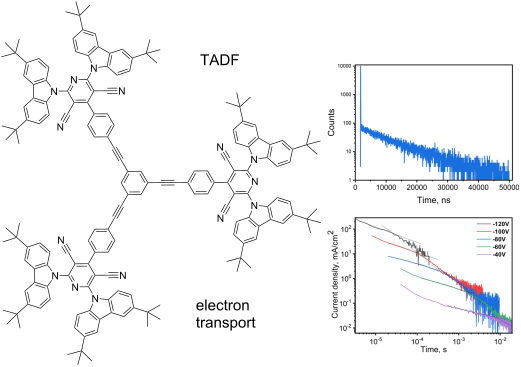
- of the compounds are sensitive to the medium. Cyclic voltammetry measurements indicate good hole-blocking and electron-injecting properties due to their high ionization potentials. Photoelectron spectroscopy and time-of-flight measurements reveal good electron-transporting properties for one of the
- results of CV measurements were used to obtain the ionization potential (IPCV) and electron affinity (EACV) values of the compounds 6–9. These values were obtained using the following equations: IPCV = e (Eonset,red − Fconset + 4.8), EACV = e (Eonset,ox − Fconset + 4.8) [7]. The IPCV values fall in a
- range of 5.80–5.90 eV, while the electron affinities (EACV) vary from 3.20 to 3.33 eV (Table 1). The obtained values are comparable to the corresponding ionization potentials (IPPE) and electron affinities (EAPE) obtained for the films by photoelectron emission spectrometry, presented and discussed in


Controlling the reactivity of La@C82 by reduction: reaction of the La@C82 anion with alkyl halide with high regioselectivity
Beilstein J. Org. Chem. 2023, 19, 1858–1866, doi:10.3762/bjoc.19.138

- , such as alkyl halides. In this study, the thermal reaction of the La@C2v-C82 anion with benzyl bromide derivatives 1 at 110 °C afforded single-bonded adducts 2–5 with high regioselectivity. The products were characterized by matrix-assisted laser desorption/ionization time-of-flight mass spectrometry
- -electron reduction of Gd@C2v-C82 for the addition reaction to occur at room temperature [22]. Supporting Information File 1, Figure S1 depicts the three HPLC separation steps including recycling for the isolation. The matrix-assisted laser desorption/ionization time-of-flight (MALDI–TOF) mass spectra of 2a
- reduction of La@C2v-C82 is an easy and effective method for controlling its reactivity and selectivity via ionization for the production of La@C2v-C82 derivatives. Experimental General: All chemicals and solvents were obtained from Wako, TCI, and Aldrich and were used without further purification unless


Thienothiophene-based organic light-emitting diode: synthesis, photophysical properties and application
Beilstein J. Org. Chem. 2023, 19, 1849–1857, doi:10.3762/bjoc.19.137
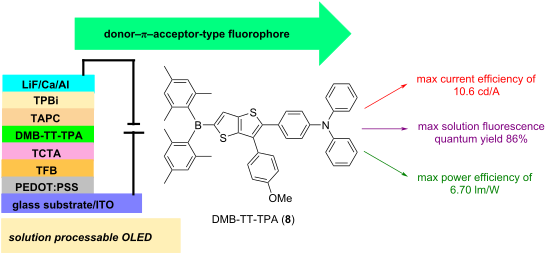
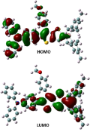
- (OFETs) [26][27][28], capacitors [29][30], hybrid films [31], and photosensitizers [32][33][34]. Another important π-conjugated unit is triphenylamine (TPA), having an ionization potential of 6.80 eV, which is lower compared to many other organic cores, thus providing a strong electron-donating ability


Substituent-controlled construction of A4B2-hexaphyrins and A3B-porphyrins: a mechanistic evaluation
Beilstein J. Org. Chem. 2023, 19, 1832–1840, doi:10.3762/bjoc.19.135
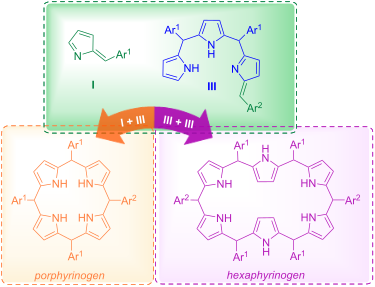
- reaction mechanism of the presented method was studied on model reactions by electrospray-ionization time-of-flight (HRESI–TOF) mass spectral analysis in a timely manner. The analytical results indicated that the observed azafulvene-ended di- and tripyrrolic intermediates are responsible for the formation
- product formation, mass spectral analyses of model reactions were investigated by time-dependent electrospray-ionization time-of-flight (HRESI–TOF) technique. Results and Discussion Reactions of meso-pentafluorophenyl-substituted A2-tripyrrane 1 and N-tosylimines 2 were performed in the presence of Cu(OTf
- certain time intervals within 2 hours and examined by ESI LC–MS. Throughout the high-resolution electrospray-ionization time-of-flight (HRESI–TOF) mass analysis of the reaction mixture at 0 °C, the following peaks were observed: m/z = 246.0366 ([M + H]+ calcd for C11H5F5N, 246.0337), m/z = 857.1468 ([M



A novel recyclable organocatalyst for the gram-scale enantioselective synthesis of (S)-baclofen
Beilstein J. Org. Chem. 2023, 19, 1811–1824, doi:10.3762/bjoc.19.133

- ionization. HPLC–MS was performed on an HPLC system using a Shimadzu LCMS-2020 (Shimadzu Corp., Japan) device equipped with a Reprospher (Altmann Analytik Corp., Germany) 100 Å C18 (5 µm; 100 × 3 mm) column and a positive/negative double ion source with a quadrupole MS analyzer in the range of 50–1000 m/z


Selectivity control towards CO versus H2 for photo-driven CO2 reduction with a novel Co(II) catalyst
Beilstein J. Org. Chem. 2023, 19, 1766–1775, doi:10.3762/bjoc.19.129
- otherwise specified. Gaseous products were determined by a gas chromatograph equipped with two barrier discharge ionization detectors (GC–BID). Typically, the concentrations used for the first screening were: 1 mM for PS, 0.1 mM for catalyst 1, and 20 mM for BIH, and the bases used were either
- from Shimadzu (GC-2030) equipped with two barrier discharge ionization detectors (BID). Every test was repeated at least twice. The photon flux was evaluated with actinometry, according to a previously published procedure [42], and it was 0.025 µE s−1. Therefore, an apparent photoluminescent quantum


Benzoimidazolium-derived dimeric and hydride n-dopants for organic electron-transport materials: impact of substitution on structures, electrochemistry, and reactivity
Beilstein J. Org. Chem. 2023, 19, 1651–1663, doi:10.3762/bjoc.19.121
- wide range of semiconductors, they must exhibit low ionization energies and thus air sensitivity. One approach to circumvent this issue is to identify systems where the electron-transfer process is coupled to other chemical reactions, increasing the kinetic stability of the dopant to air, and thus
- their Y = cyclohexyl counterparts, 1e+/1e• and 1h+/1h•, respectively. These differences are also similar to those previously seen in the comparison of Y = metallocenyl systems 1c+/1c• and 1d+/1d• with 1e+/1e• (and in the DFT-calculated ionization energies of 1c–e•) [14][50] and are perhaps surprising


Sulfur-containing spiroketals from Breynia disticha and evaluations of their anti-inflammatory effect
Beilstein J. Org. Chem. 2023, 19, 1604–1614, doi:10.3762/bjoc.19.117
- electrospray ionization HRESIMS analysis, and quantum chemical electronic CD calculations. Furthermore, the absolute configurations of sugar residues were determined by derivatization of the hydrolysates with ʟ-cysteine methyl ester and o-tolyl isothiocyanate followed by HPLC analysis. The anti-inflammatory



Radical chemistry in polymer science: an overview and recent advances
Beilstein J. Org. Chem. 2023, 19, 1580–1603, doi:10.3762/bjoc.19.116

- , emitted from the surface of polymers [178]. When a high-energy photon impacts an atomic electron, part of the photon energy is transferred to the electron leading to excitation or ionization and radical formation, and a deflected photon with lower energy is emitted, ready to impact another electron. This




Two new lanostanoid glycosides isolated from a Kenyan polypore Fomitopsis carnea
Beilstein J. Org. Chem. 2023, 19, 1161–1169, doi:10.3762/bjoc.19.84
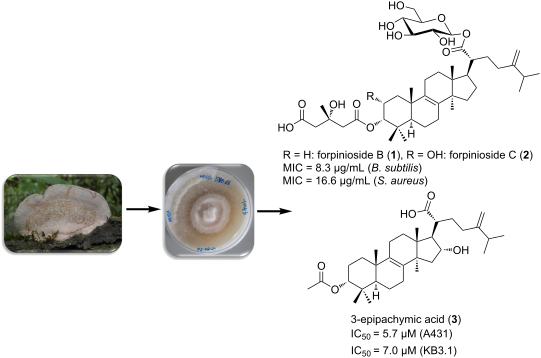
- speed ETD ion trap mass spectrometer (Bruker Daltonics, Bremen, Germany) for HPLC-DAD/MS in positive and negative ionization modes. The HPLC (Dionex UltiMate 3000 UHPLC, Thermo Fisher Scientific Inc., Waltham, MA, USA) system’s stationary phase was composed of a C18 Acquity UPLC BEH column (Waters
- at 0.6 mL/min and the UV–vis detection made at 210 nm and 190–600 nm. The isolates were analyzed on a MaXis ESI-TOF (time-of-flight) mass spectrometer (Bruker Daltonics) for the HRESIMS data, in the positive ionization mode. This was coupled to an Agilent 1260 series HPLC–UV system (Agilent


Synthesis of aliphatic nitriles from cyclobutanone oxime mediated by sulfuryl fluoride (SO2F2)
Beilstein J. Org. Chem. 2023, 19, 901–908, doi:10.3762/bjoc.19.68
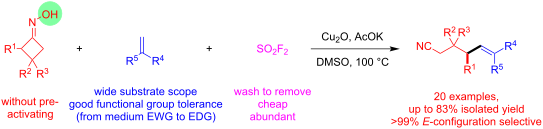
- nitriles 3ba–da in excellent yields. Interestingly, when the loading of CH3COOK was reduced to 2 equivalents, we obtained a mixture of unsaturated nitrile 3aa and saturated nitrile 4 after column chromatography (Scheme 4). We speculated that the reduction of the base equivalent may induce the ionization of


Recommendations for performing measurements of apparent equilibrium constants of enzyme-catalyzed reactions and for reporting the results of these measurements
Beilstein J. Org. Chem. 2023, 19, 303–316, doi:10.3762/bjoc.19.26
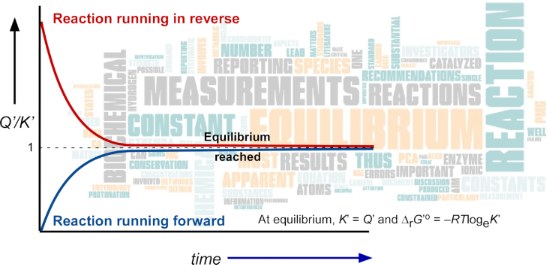
- has occurred at a microscopic level and from both directions of reaction. Binding, ionization, and reactions that involve the formation of complexes often proceed rapidly. In such cases, the assumption is generally made that equilibrium has been achieved. In any case, any assumption regarding the

Investigation of cationic ring-opening polymerization of 2-oxazolines in the “green” solvent dihydrolevoglucosenone
Beilstein J. Org. Chem. 2023, 19, 217–230, doi:10.3762/bjoc.19.21
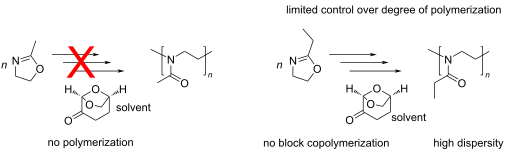
- . Size exclusion chromatography and matrix-assisted laser desorption/ionization time-of-flight mass spectrometry were performed to determine the molar mass of the resulting polymers. Our work shows clearly that the solvent is not inert under the conditions typically used for the cationic ring-opening
- polymerization process. Further work will be necessary to establish whether a living polymerization can be achieved by additional adjustments. Keywords: 2-alkyl-2-oxazolines; matrix-assisted laser desorption/ionization mass spectrometry; nuclear magnetic resonance; polymerization kinetics; Introduction
- ). Obtained data were processed with Win-GPC software. Matrix-assisted laser desorption/ionization time-of-flight mass spectra (MALDI-TOF MS) were recorded on an Autoflex II (Bruker Daltonics, Bremen, Germany) using an N2 laser (λ = 337 nm). All spectra were recorded in positive reflector mode. Detection was


Improving the accuracy of 31P NMR chemical shift calculations by use of scaling methods
Beilstein J. Org. Chem. 2023, 19, 36–56, doi:10.3762/bjoc.19.4
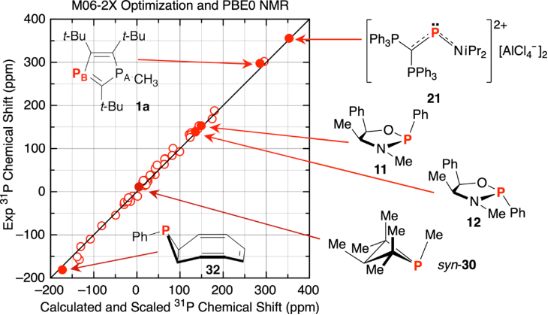
- complicated by water solvation, as well as ionization or aggregation of the phosphoric acid in water, and calculation as a gas-phase chemical shift is also unreasonable [51]. Because of these issues, other studies have used PH3 as an alternative theoretical reference standard [18][19], despite the fact that




Digyalipopeptide A, an antiparasitic cyclic peptide from the Ghanaian Bacillus sp. strain DE2B
Beilstein J. Org. Chem. 2022, 18, 1763–1771, doi:10.3762/bjoc.18.185
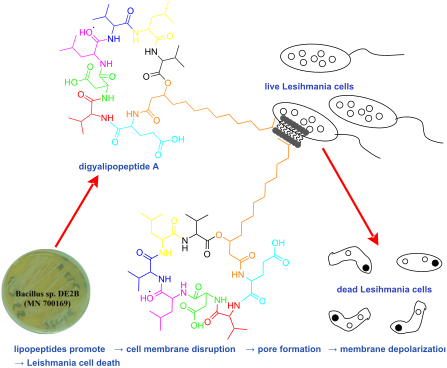
- to be C51H89N7O13 based on the high resolution electrospray ionization mass spectrometry (HRESIMSMS) at m/z 1008.6610 for [M + H]+ similar to the calculated value of m/z 1008.6591 with Δ = −1.9 ppm. The molecular formula indicated 11 degrees of unsaturation and the analyses of the 13C NMR spectrum
- and NOESY correlations for compound 1. Liquid chromatography high resolution electrospray ionization mass spectrometry (LC–HRESIMS) sequence tags for compound 1. The absolute stereochemistry of compound 1. Global natural products social molecular networking (GNPS). 1H NMR and 13C NMR spectroscopic


Synthesis of the biologically important dideuterium-labelled adenosine triphosphate analogue ApppI(d2)
Beilstein J. Org. Chem. 2022, 18, 1466–1470, doi:10.3762/bjoc.18.153
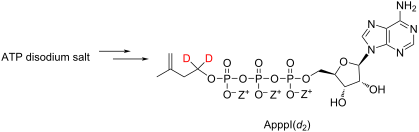
- for the purification of ApppI(d2) [21]. HRMS spectra were recorded on a qTOF mass spectrometer using electrospray ionization (ESI) in negative mode. The purity of the products was determined from the 1H and 31P NMR spectra to be ≥95%, unless stated otherwise. ApppI(d2)⋅3.25 and ⋅5.25 TBA salts: ATP


Characterization of a new fusicoccane-type diterpene synthase and an associated P450 enzyme
Beilstein J. Org. Chem. 2022, 18, 1396–1402, doi:10.3762/bjoc.18.144
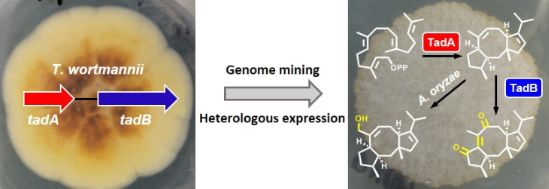
- ionization mass spectrometry (HRESIMS), the molecular formula of 1 was deduced as C20H32, indicating that 1 has five degrees of unsaturation. The 13C NMR spectrum showed that there are four olefinic carbons (δC 153.2, 137.4, 125.1, 118.6) in 1. We thus reasoned that 1 features a tricyclic system



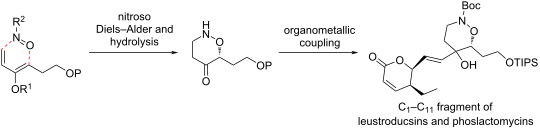
Preparation of an advanced intermediate for the synthesis of leustroducsins and phoslactomycins by heterocycloaddition
Beilstein J. Org. Chem. 2022, 18, 1385–1395, doi:10.3762/bjoc.18.143
- solvent using residual chloroform (7.26 ppm) as an internal reference. 13C NMR spectra were measured at 62.5, 75 or 90 MHz using residual chloroform (77.1 ppm) as an internal reference. High-resolution mass spectrometry (HRMS) analyses were conducted with electro spray ionization (ESI). 6


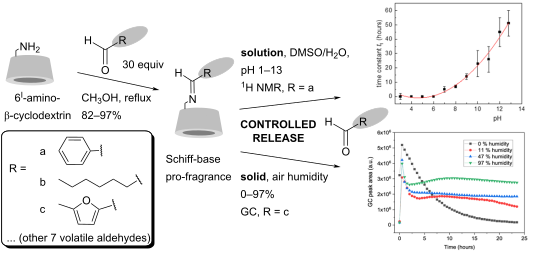
Cyclodextrin-based Schiff base pro-fragrances: Synthesis and release studies
Beilstein J. Org. Chem. 2022, 18, 1346–1354, doi:10.3762/bjoc.18.140
- equipped with a flame-ionization detector using a DB624 column). The GC settings were set as follows: detector temperature, 250 °C; column temperature: 160 °C for benzaldehyde and 5-methylfurfural and 120 °C for heptanal. The retention times under the given conditions were 2.1 min for benzaldehyde (2d) and
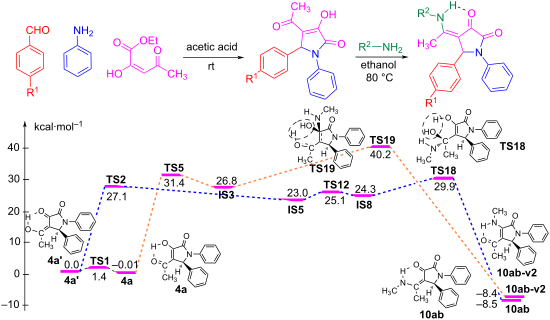
Experimental and theoretical studies on the synthesis of 1,4,5-trisubstituted pyrrolidine-2,3-diones
Beilstein J. Org. Chem. 2022, 18, 1140–1153, doi:10.3762/bjoc.18.118
- spectrometer (Synapt G2 HDMS, Waters, Milford, MA). Samples were infused at 3 μL/min and spectra were obtained in positive (or negative) ionization mode with a resolution of 15000 (FWHM) using leucine enkephalin as lock mass. Besides, exact mass measurements were also recorded on a SCIEX X500 QTOF with
- electrospray ionization (ESI) source in a positive mode. The temperatures of the source were set at 300 °C. Curtain gas (25 psi) chambers were filled with high-purity nitrogen. The capillary voltage was constantly kept at 5500 V. Collision energies was set at 10 V and zero collision energy spread. IDA mode was


Synthesis of N-phenyl- and N-thiazolyl-1H-indazoles by copper-catalyzed intramolecular N-arylation of ortho-chlorinated arylhydrazones
Beilstein J. Org. Chem. 2022, 18, 1079–1087, doi:10.3762/bjoc.18.110
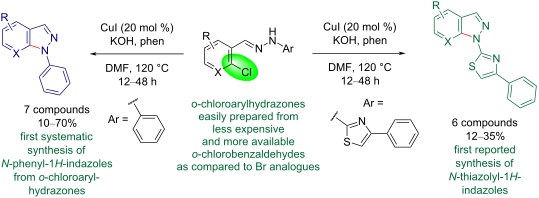
- electrospray ionization (ESI) source (MicrOTOF-QII, Bruker Scientific) in positive mode. The compounds were individually dissolved in a solution of 50% chromatographic grade MeCN and 50% deionized H2O + 0.1% formic acid. General experimental procedure for the synthesis of hydrazones 1a–i In a 100 mL round





