


Search results
Search for "antibiotic" in Full Text gives 280 result(s) in Beilstein Journal of Organic Chemistry. Showing first 200.
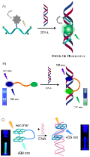
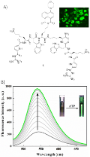
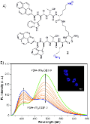
Selected peptide-based fluorescent probes for biological applications
Beilstein J. Org. Chem. 2020, 16, 2971–2982, doi:10.3762/bjoc.16.247

- antibiotic, is used for the treatment of resistant bacterial infections. Its interaction with a small peptidic segment of the bacteria cell wall is a classic example of molecular recognition [6][7]. Peptides are often substrates for protease enzymes [8][9]. Enzymologists have studied the chemical principles



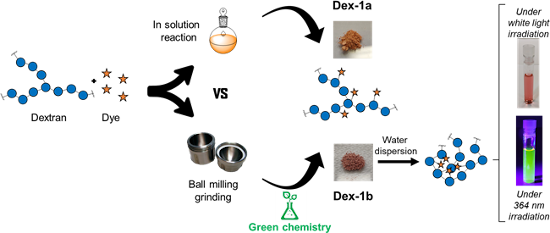
The B & B approach: Ball-milling conjugation of dextran with phenylboronic acid (PBA)-functionalized BODIPY
Beilstein J. Org. Chem. 2020, 16, 2272–2281, doi:10.3762/bjoc.16.188
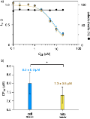
- dissolved in 1.0 mL of water to obtain a final concentration of 4.4 × 10⁻⁸ M. Cell culture Human lung adenocarcinoma (A549) cells were cultured in RPMI 1640 medium supplemented with 10% (v/v) fetal bovine serum (FBS) and 1% (v/v) antibiotic solution (100 units/mL penicillin, 100 mg/mL streptomycin, P/S


Muyocopronones A and B: azaphilones from the endophytic fungus Muyocopron laterale
Beilstein J. Org. Chem. 2020, 16, 2100–2107, doi:10.3762/bjoc.16.177
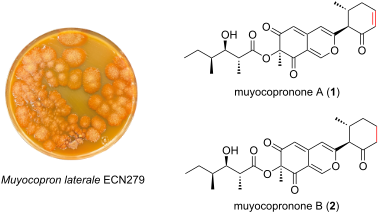
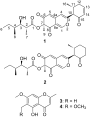
- ), methicillin-resistant S. aureus (PAGU 841, MRSA), S. epidermidis (PAGU 283T), Enterococcus faecalis (PAGU 102T), and vancomycin-resistant E. faecalis (PAGU 100). Although muyocopronone B (2) exhibited an antibacterial activity against both antibiotic-resistant and antibiotic-susceptible strains, with minimum
- containing 6-membered rings at the C-3 position of the azaphilone core and have a 2,4-dimethyl-3-hydroxyhexanoate moiety. Muyocopronone B (2) exhibited very weak antibacterial activity against both antibiotic-resistant and antibiotic-susceptible strains of Gram-positive bacteria. Experimental General



Convenient access to pyrrolidin-3-ylphosphonic acids and tetrahydro-2H-pyran-3-ylphosphonates with multiple contiguous stereocenters from nonracemic adducts of a Ni(II)-catalyzed Michael reaction
Beilstein J. Org. Chem. 2020, 16, 2073–2079, doi:10.3762/bjoc.16.174
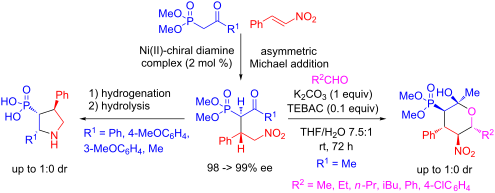
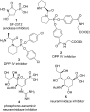
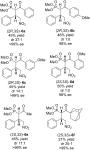
- ; tetrahydropyranes; Introduction Сhiral phosphonates [1][2] and phosphoryl-substituted heterocycles [2][3][4] have received significant attention in recent years due to their wide range of biological activity. For example, SF-2312 (1) is a natural antibiotic – an enolase inhibitor produced by the actinomycete



Automated high-content imaging for cellular uptake, from the Schmuck cation to the latest cyclic oligochalcogenides
Beilstein J. Org. Chem. 2020, 16, 2007–2016, doi:10.3762/bjoc.16.167
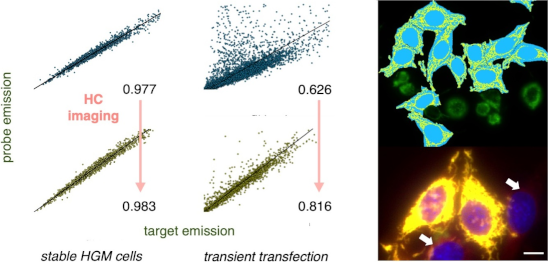
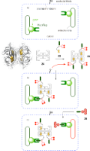
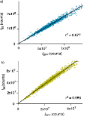
- an endosomal pathway. The low pKa value of the four GCP moieties could result in an improved buffering capacity, which could facilitate endosomal escape by the proton-sponge effect [28]. Significant inhibition of DNA transfection by bafilomycin (a macrolide antibiotic that can block the endosomal




One-pot synthesis of oxazolidinones and five-membered cyclic carbonates from epoxides and chlorosulfonyl isocyanate: theoretical evidence for an asynchronous concerted pathway
Beilstein J. Org. Chem. 2020, 16, 1805–1819, doi:10.3762/bjoc.16.148
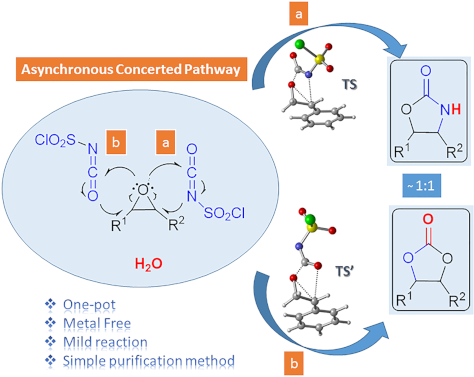
- (trade name Sivextro), which exhibits antibiotic activity is another oxazolidinone drug approved by the FDA in 2014 [11]. Befloxatone and toloxatone, N-substituted phenyloxazolidinone derivatives, are reversible inhibitors of monoamine oxidase (MAO) [12][13]. N-Aryloxazolidinedione compounds, which are


An overview on disulfide-catalyzed and -cocatalyzed photoreactions
Beilstein J. Org. Chem. 2020, 16, 1418–1435, doi:10.3762/bjoc.16.118
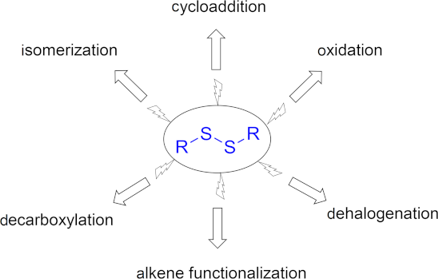
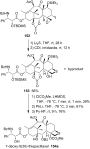
- presence of PhSSPh, the new isomer 73 could also be converted to the desired (E,E)-isomer 71. In the total synthesis of the macrocyclic antibiotic antitumor agent (+)-hitachimycin, Smith used a disulfide-catalyzed isomerization [32] to synthesize the intermediate 75 with an E-configuration, which was




















Anthelmintic drug discovery: target identification, screening methods and the role of open science
Beilstein J. Org. Chem. 2020, 16, 1203–1224, doi:10.3762/bjoc.16.105
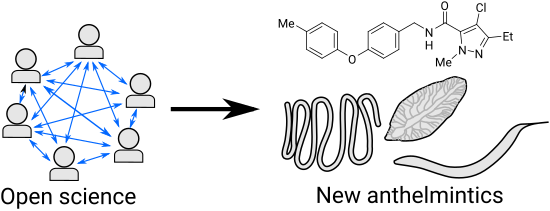
- bringing new molecules through to clinical practice. At an earlier stage of development, the anti-Wolbachia (A·WOL) consortium, a partnership including the Liverpool School of Tropical Medicine and AbbVie discovered ABBV-4083 (12), an antibiotic effective in preclinical models as a macrofilaricide by


Fabclavine diversity in Xenorhabdus bacteria
Beilstein J. Org. Chem. 2020, 16, 956–965, doi:10.3762/bjoc.16.84
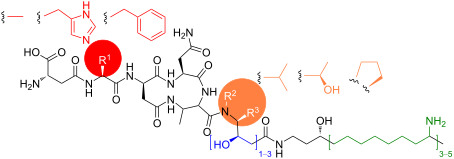
- global threat of multiresistant pathogens has to be answered by the development of novel antibiotics. Established antibiotic applications are often based on so-called secondary or specialized metabolites (SMs), identified in large screening approaches. To continue this successful strategy, new sources
- of fabclavines as major antibiotics in several entomopathogenic strains, our work lays the foundation for the rapid fabclavine identification and dereplication as the basis for future work of this widespread and bioactive SM class. Keywords: antibiotic; fabclavine; NRPS-PKS hybrid; secondary
- class, and the corresponding study revealed that fabclavines alone are the major bioactive compound class in X. szentirmaii [15]. In combination with our bioactivity data of fabclavine-producing mutants, it is obvious that this class of compounds is the major driver for the overall antibiotic activity


Combining enyne metathesis with long-established organic transformations: a powerful strategy for the sustainable synthesis of bioactive molecules
Beilstein J. Org. Chem. 2020, 16, 738–755, doi:10.3762/bjoc.16.68
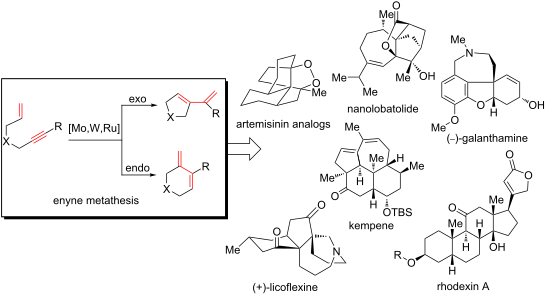
- ) as the final product. Kempene diterpenes The first enantioselective synthesis of kempene diterpenes 14a–c, natural compounds exhibiting a significant antibiotic activity against B. subtilis, relying on the domino enyne metathesis of the adequate dienyne precursors as a key step, was disclosed by Metz




Towards the total synthesis of chondrochloren A: synthesis of the (Z)-enamide fragment
Beilstein J. Org. Chem. 2020, 16, 670–673, doi:10.3762/bjoc.16.64
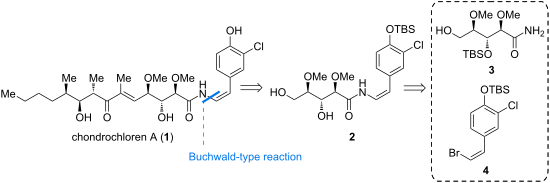
- (Cmc5) by the groups of Höfle and Reichenbach in 2003 [12]. This PKS/NRPS-derived natural product shows only weak antibiotic effects in agar diffusion tests against Micrococcus luteus, Schizosaccharomyces pombe, Bacillus subtilis and Staphylococcus aureus [12]. The relative and absolute stereochemistry


Microwave-assisted efficient and facile synthesis of tetramic acid derivatives via a one-pot post-Ugi cascade reaction
Beilstein J. Org. Chem. 2020, 16, 663–669, doi:10.3762/bjoc.16.63
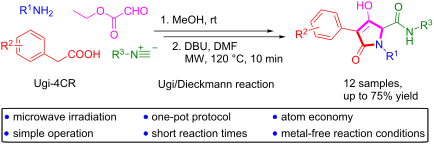
- exhibit a wide range of biological activities, including antibiotic [8], antiviral [9], antifungal [10], phytotoxic [11], cytotoxic [12][13], and enzyme inhibitory activities against bacterial DNA-directed RNA polymerase [14]. The wide range of biological activity and structural variation of this class of


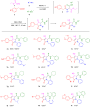

p-Pyridinyl oxime carbamates: synthesis, DNA binding, DNA photocleaving activity and theoretical photodegradation studies
Beilstein J. Org. Chem. 2020, 16, 337–350, doi:10.3762/bjoc.16.33
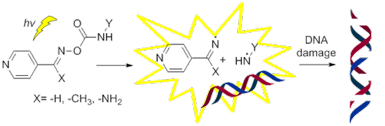
- action via its combination with the photosensitizer. It is worth mentioning that, mainly in dermatology, even UVB irradiation is considered of therapeutic use [16][17][18]. Besides the anticancer activities of photosensitizers [19][20][21], “post-antibiotic era” is experimenting with photosensitizers as


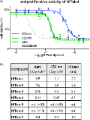
Potent hemithioindigo-based antimitotics photocontrol the microtubule cytoskeleton in cellulo
Beilstein J. Org. Chem. 2020, 16, 125–134, doi:10.3762/bjoc.16.14
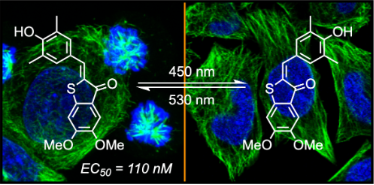
- applied, photopharmacology has drawn great interest for studies of crucial biological processes in a range of fields, from neuroscience [5][6] and G-protein-coupled receptor (GPCR) function [7][8] to antibiotic research [9]. Particularly in the context of MT biology, photopharmacology is an attractive




Light-controllable dithienylethene-modified cyclic peptides: photoswitching the in vivo toxicity in zebrafish embryos
Beilstein J. Org. Chem. 2020, 16, 39–49, doi:10.3762/bjoc.16.6
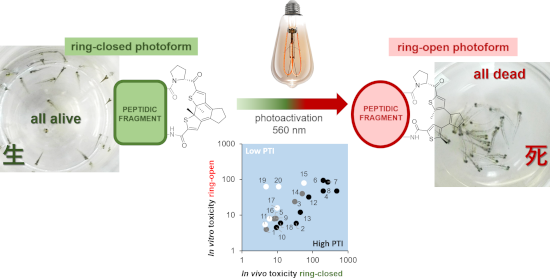
- targets [2][7][8]. As a result, the market for peptide drugs (e.g., hormones, receptor antagonists, anticancer, or antibiotic agents) grows faster than that of many other chemotherapeutics [9]. Significant general disadvantages of peptides as pharmacological agents are their poor oral bioavailability, low


Synthesis of C-glycosyl phosphonate derivatives of 4-amino-4-deoxy-α-ʟ-arabinose
Beilstein J. Org. Chem. 2020, 16, 9–14, doi:10.3762/bjoc.16.2
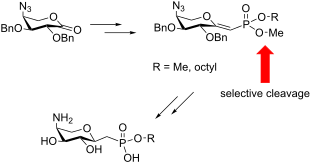
- derivatives. These intermediates will be of value for their future conversion into transition state analogues as well as for the introduction of various lipid extensions at the anomeric phosphonate moiety. Keywords: antibiotic resistance; glycosyl phosphonate; glycosyl transferase; lipid A
- the looming antibiotic crisis [5]. 4-Amino-4-deoxy-ʟ-arabinose units are activated as the phosphodiester-linked undecaprenyl derivative [6], which is then transferred by the action of several Ara4N transferases (ArnT, Figure 1) [7]. The synthesis of potential inhibitors of the biosynthesis of Ara4N


Pigmentosins from Gibellula sp. as antibiofilm agents and a new glycosylated asperfuran from Cordyceps javanica
Beilstein J. Org. Chem. 2019, 15, 2968–2981, doi:10.3762/bjoc.15.293
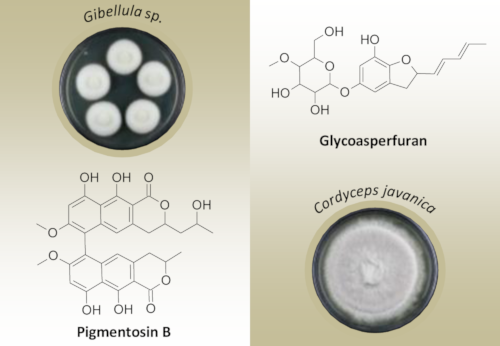
- -floating) cells, leading to an occurrence of reinfection once the antibiotic therapy is terminated [3][4][5]. In recent years, efforts to find new molecules that can selectively inhibit biofilms have steadily increased, based on the hypothesis that new agents can effectively disrupt biofilm formation and
- leave target microbes vulnerable to antibiotics [6]. A complementary approach of using a combination of an antibiotic with a biofilm inhibitor appears to be a promising solution to control biofilm-associated pathogens, as based on the evidence that traditional antibiotics were more effective when used


Chemical synthesis of tripeptide thioesters for the biotechnological incorporation into the myxobacterial secondary metabolite argyrin via mutasynthesis
Beilstein J. Org. Chem. 2019, 15, 2922–2929, doi:10.3762/bjoc.15.286
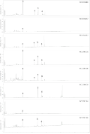
- Saarbrücken, Germany 10.3762/bjoc.15.286 Abstract The argyrins are secondary metabolites from myxobacteria with antibiotic activity against Pseudomonas aeruginosa. Studying their structure–activity relationship is hampered by the complexity of the chemical total synthesis. Mutasynthesis is a promising
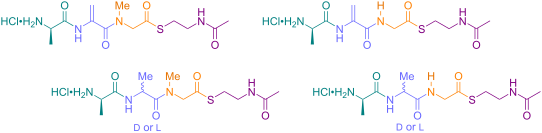
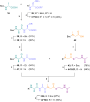
- sarcosine (Sar) and derivatives. Chemical synthesis of the native sequence ᴅ-Ala-Dha-Sar thioester required revision of the sequential peptide synthesis into a convergent strategy where the thioester with sarcosine was formed before coupling to the Dha-containing dipeptide. Keywords: antibiotic; argyrin
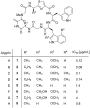
- resistances in clinically used bacterial targets, innovative antiinfective strategies comprising new antibiotic classes and virulence-attenuating compounds have been developed [3][4]. The argyrins 1–8 are a family of 8 naturally occurring cyclic peptides isolated by Sasse, Höfle and co-workers from the



Synthesis of novel sulfide-based cyclic peptidomimetic analogues to solonamides
Beilstein J. Org. Chem. 2019, 15, 2544–2551, doi:10.3762/bjoc.15.247
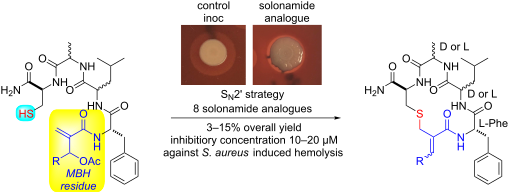
- determining the minimum inhibitory concentration against two antibiotic-susceptible reference strains of S. aureus, S. aureus ATCC 25923 and S. aureus ATCC 29213 (see Supporting Information File 1, assay 1) [41]. Two-fold serial dilutions were performed, allowing to test several concentrations within the


Current understanding and biotechnological application of the bacterial diterpene synthase CotB2
Beilstein J. Org. Chem. 2019, 15, 2355–2368, doi:10.3762/bjoc.15.228
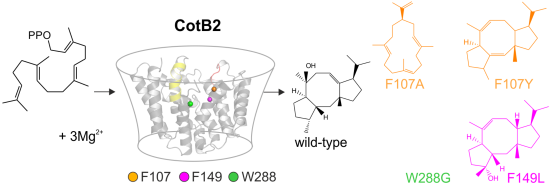
- , antibiotic, neuroprotective and even insecticidal activities, which makes these compounds high-value commercial targets for the chemical and pharmaceutical industry [9][10]. Structural diversity of diterpenes is created by the terpene synthase (TPS) enzyme family, which use acyclic isoprenoid precursors to
- -dolabellatriene (12) possesses a mainly weak antibiotic activity against different types of Staphylococcus aureus strains (two epidemic MRSA strains, a macrolide-resistant variant and two multidrug-resistant efluxing strains) [72]. By contrast, 3,7,18-dolabellatriene (12, Scheme 3), only altered at C14 with a
- substances, in addition to being key flavor ingredients [78], play a major role in the defence against insects, pathogenic microbes and herbivores [79]. Furthermore, β-CBT 17 showed additional antibiotic activity against multidrug resistant S. aureus strains, [80], as well as neuroprotective activity [81


Isolation of fungi using the diffusion chamber device FIND technology
Beilstein J. Org. Chem. 2019, 15, 2191–2203, doi:10.3762/bjoc.15.216
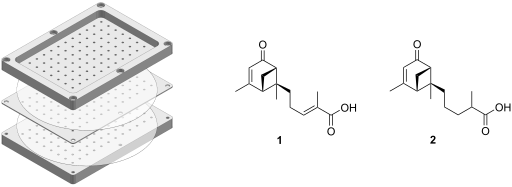
- -stimulating, and anticancer activities [2]. Since the World Health Organization (WHO) declared antibiotic resistance a global threat and urged the search for new antibiotics, the interest in fungal metabolites increased recently. In order to find new structural types, novel source organisms have to be
- laboratory [4]. E. terrae produced a novel antibiotic called teixobactin with no detectable resistance, as it interacts with key functions of cell wall synthesis that do not undergo fast evolutionary changes [5]. Inspired by this approach we developed the Fungal one-step IsolatioN Device (FIND), in order to
- axenic. From experiment 1, 39 isolates were microscopically identified as belonging to genera common in soil, e.g., Fusarium, Penicillium or Trichoderma and thus were not further processed. The addition of antibiotics prevented bacterial contamination in all marine samples. However, a few antibiotic


Cyclopropanation–ring expansion of 3-chloroindoles with α-halodiazoacetates: novel synthesis of 4-quinolone-3-carboxylic acid and norfloxacin
Beilstein J. Org. Chem. 2019, 15, 2156–2160, doi:10.3762/bjoc.15.212
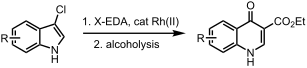
- efficient way of synthesizing two synthetically versatile 4-quinolone-3-carboxylate building blocks by cyclopropanation-ring expansion of 3-chloroindoles with α-halodiazoacetates as the key step. This novel transformation was applied towards the synthesis of the antibiotic drug norfloxacin. Keywords
- compounds with biological activities ranging from antitumor, antiviral, antibiotic and antiparasitic to cannabinoid receptor modulating [22][23][24][25][26][27][28]. Despite the attractive features of the quinolone-3-carboxylate scaffold, there are only four reported routes towards this valuable structural
- ]. Norfloxacin (1) is considered to be the first broad band antibiotic and its structurally related cousin ciprofloxacin (2) is one of the most prescribed antibiotics even after 20 years of clinical use. We elected 1 as a synthetic target for our novel approach towards FQs (Scheme 4). Chlorination of


Genome mining in Trichoderma viride J1-030: discovery and identification of novel sesquiterpene synthase and its products
Beilstein J. Org. Chem. 2019, 15, 2052–2058, doi:10.3762/bjoc.15.202
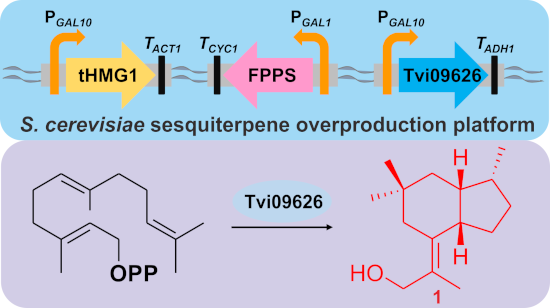
- structurally diverse (poly)cyclic core skeletons [3][12]. A set of post-modification enzymes can transform core sesquiterpene skeletons into different kinds of sesquiterpenoids with potential anticancer, cytotoxic and antibiotic functions [13]. More than 121 skeleton structures derived from the sesquiterpene



N-(1-Phenylethyl)aziridine-2-carboxylate esters in the synthesis of biologically relevant compounds
Beilstein J. Org. Chem. 2019, 15, 1722–1757, doi:10.3762/bjoc.15.168






