


Search results
Search for "bromination" in Full Text gives 240 result(s) in Beilstein Journal of Organic Chemistry. Showing first 200.
Low-budget 3D-printed equipment for continuous flow reactions
- Jochen M. Neumaier,
- Amiera Madani,
- Thomas Klein and
- Thomas Ziegler
Beilstein J. Org. Chem. 2019, 15, 558–566, doi:10.3762/bjoc.15.50
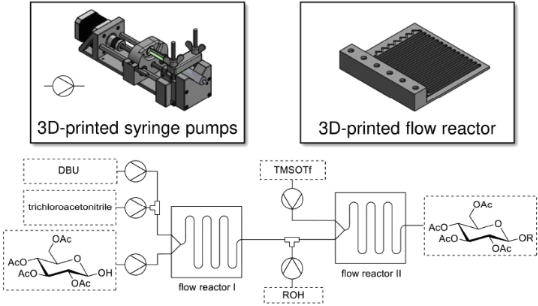
- reagent (Ag2CO3 on Celite) [36][37]. The bromination and glycosylation reaction steps had to be performed in separate reactions. Therefore, we also investigated glycosylations with the respective imidate glycosyl donor 5. First, the cleavage of the anomeric acetyl group with hydrazine acetate was

Graphical Abstract

Figure 1: a) CAD drawing of the reactor R1. b) 3D-printed reactor R1 from the CAD drawing. The reactor is fil...

Figure 2: a) L-shaped rail made of PLA with the mounted reactor R3. The small picture shows the fixed reactor...

Figure 3: a) Microreactor R4 with a reactor volume of 12 µL filled with a blue dye solution. b) Magnification...

Figure 4: CAD drawing of two CSTR with three (a) and two inlets (b) with in-printed screw nuts 1/4’’ – 28 thr...

Figure 5: a) Unassembled parts used for one syringe pump. b) Assembled pump with controller.

Scheme 1: Preparation of acetobromo-α-D-glucose 2.

Figure 6: a) Schematic diagram for the continuous-flow synthesis of acetobromo-α-D-glucose 2. b) Photograph o...

Scheme 2: Flow Koenigs–Knorr reaction to methyl glycoside 3 with silver triflate.

Scheme 3: Preparation of glycosyl donor 5.

Scheme 4: Two-step glycosylation reactions starting from pyranose 3.

Scheme 5: Synthesis of azide-functionalized glycopyranoside 8.
Syntheses and chemical properties of β-nicotinamide riboside and its analogues and derivatives
- Mikhail V. Makarov and
- Marie E. Migaud
Beilstein J. Org. Chem. 2019, 15, 401–430, doi:10.3762/bjoc.15.36
- + chemistry. Finally, Lee et al. [27] studied in detail the regiochemical outcomes of the synthesis of the bromosugars 7a and 7b of the glycosylation of Nam (1a) with these bromosugars as well as the deprotection of the acylated nucleosides 8a,b. It was observed that the bromination of 2a with HBr gas in
- β/α mixture was obtained when 2a was reacted with neat bromotrimethylsilane at room temperature. Bromination of 2b yielded a 10:1 β/α mixture of the anomeric bromide 7b [27]. The reaction between Nam (1a) and the bromide 7a was carried out in liquid SO2 and proceeded in high yields with the

Graphical Abstract

Figure 1: Structural formulas of Nam, NA, NR+, NMN, and NAD+.

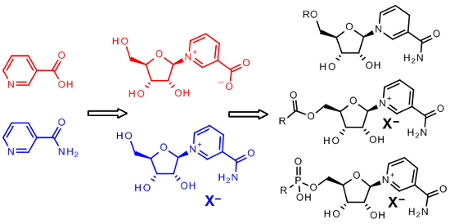
Figure 2: Main synthetic routes to nicotinamide riboside (NR+X−).

Scheme 1: Synthesis of NR+Cl− based on the reaction of peracylated chlorosugars with Nam.

Figure 3: Predominant formation of β-anomer over α-anomer of NR+X−.

Scheme 2: Synthesis of NR+Cl− by reacting 3,5-di-O-benzoyl-D-ribofuranosyl chloride (5) with Nam (1a).

Figure 4: Mechanism of the formation of the β-anomer of the glycosylated product in the case of the reaction ...

Scheme 3: Synthesis of NR+Br− by reacting bromosugars with Nam (1a).

Scheme 4: Synthesis of NR+OTf− based on the glycosylation of Nam (1a) with tetra-O-acetyl-β-D-ribofuranose (2a...

Scheme 5: Improved synthesis of NR+OTfˉ and NAR+OTfˉ based on the glycosylation of pre-silylated Nam or NA wi...

Scheme 6: Synthesis of triacetylated NAR+OTf− by glycosylation of nicotinic acid trimethylsilyl ester with te...

Scheme 7: Synthesis of NR+Cl− from NR+OTf− by means of ion exchange with sodium chloride solution.

Scheme 8: Synthesis of acylated NR+OTf− by means of ion exchange with sodium chloride.

Scheme 9: Synthesis of triacetylated derivatives of NAR+ by glycosylation of nicotinic acid esters with ribos...

Scheme 10: Synthesis of NR+OTf− from the triflate salt of ethyl nicotinate-2,3,5-triacetyl-β-D-riboside in met...

Scheme 11: Reaction of 2,3,5-tri-O-acetyl-β-phenyl nicotinate riboside triflate salt with secondary and tertia...

Scheme 12: Synthesis of NMN based on the Zincke reaction of N-(2,4-dinitrophenyl)-3-carbamoylpyridinium chlori...

Scheme 13: Synthesis of NMN based on the Zincke reaction of N-(2,4-dinitrophenyl)-3-carbamoylpyridinium chlori...

Scheme 14: Efficacious protection of 2′,3′-hydroxy groups of NR+X−.

Scheme 15: Protection of the 2′,3′-hydroxy groups of NR+Cl– with a mesitylmethylene acetal group.

Figure 5: Reduction of derivatives of NR+Xˉ into corresponding 1,2-; 1,4-; 1,6-NRH derivatives.

Figure 6: Mechanism of the reduction of the pyridinium core with dithionite as adapted from [67].

Scheme 16: Reduction of triacylated NR+OTf– derivatives by sodium dithionite followed by complete removal of a...

Figure 7: Structural formulas of iridium and rhodium catalysts (a)–(d) for regeneration of NAD(P)H from NAD(P)...

Figure 8: Two approaches to synthesis of 5′-derivatives of NR+.

Scheme 17: Synthesis of NMN starting from NR+ salt.

Scheme 18: Efficient synthesis of NMN by phosphorylation of 2′,3′-O-isopropylidene-NR+ triflate followed by re...
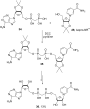
Scheme 19: Synthesis of a bisphosphonate analogue of β-NAD+ based on DCC-induced conjugation of 2′,3′-O-isopro...

Scheme 20: Synthesis of 5′-acyl and 2′,3′,5′-triacyl derivatives of NR+.

Figure 9: Structural formulas of NMN analogues 39–41.
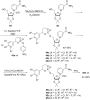
Scheme 21: Synthesis of 5′-phosphorylated derivatives of NR+ using a “reduction–modification–oxidation” approa...

Scheme 22: Synthesis of 5′-phosphorylated derivatives of NR+ using a “reduction–modification–reoxidation” appr...

Figure 10: Structural formulas of 5′-phosphorylated derivatives of NR+.

Scheme 23: Synthesis of 5′-phosphorylated derivatives of NR+ using a direct NR+ phosphorylation approach.

Figure 11: Structural formulas of amino acid NR+ conjugates.

Scheme 24: Synthesis of amino acid NR+ conjugates using NRH and protected amino acid under CDI-coupling condit...

Figure 12: Chemical structures of known isotopically labelled NR+ analogues and derivatives.

Scheme 25: Synthesis of [2′-3H]-NR+ and [2′-3H]-NMN.

Scheme 26: Synthesis of α- and β-anomers of [1′-2H]-NMN.
Oxidative radical ring-opening/cyclization of cyclopropane derivatives
- Yu Liu,
- Qiao-Lin Wang,
- Zan Chen,
- Cong-Shan Zhou,
- Bi-Quan Xiong,
- Pan-Liang Zhang,
- Chang-An Yang and
- Quan Zhou
Beilstein J. Org. Chem. 2019, 15, 256–278, doi:10.3762/bjoc.15.23
- carried out with inexpensive reagents and can also be applied to the distal bromination of cycloalkanols. The possible mechanism is outlined in Scheme 28. The cycloalkoxy radical 98 is generated from cyclopropanol 91 under the action of the metastable Ag(II) species, which is formed by the interaction of

Graphical Abstract

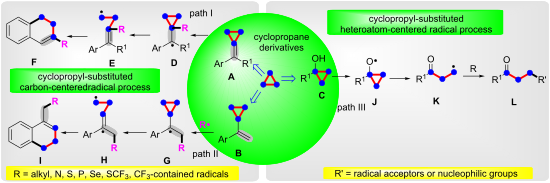
Scheme 1: The oxidative radical ring-opening/cyclization of cyclopropane derivatives.

Scheme 2: Mn(OAc)3-mediated oxidative radical ring-opening and cyclization of MCPs with malonates.

Scheme 3: Mn(III)-mediated oxidative radical ring-opening and cyclization of MCPs with 1,3-dicarbonyl compoun...

Scheme 4: Heat-promoted ring-opening/cyclization of MCPs with elemental chalgogens.

Scheme 5: Copper(II) acetate-mediated oxidative radical ring-opening and cyclization of MCPs with diphenyl di...

Scheme 6: AIBN-promoted oxidative radical ring-opening and cyclization of MCPs with benzenethiol.

Scheme 7: AIBN-mediated oxidative radical ring-opening and cyclization of MCPs with diethyl phosphites.

Scheme 8: Organic-selenium induced radical ring-opening and cyclization of MCPs derivatives (cyclopropylaldeh...
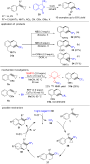
Scheme 9: Copper(I)-catalyzed oxidative radical trifluoromethylation/ring-opening/cyclization of MCPs with To...

Scheme 10: Ag(I)-mediated trifluoromethylthiolation/ring-opening/cyclization of MCPs with AgSCF3.

Scheme 11: oxidative radical ring-opening and cyclization of MCPs with α-C(sp3)-–H of ethers.

Scheme 12: Oxidative radical ring-opening and cyclization of MCPs with aldehydes.

Scheme 13: Cu(I) or Fe(II)-catalyzed oxidative radical trifluoromethylation/ring-opening/cyclization of MCPs d...

Scheme 14: Rh(II)-catalyzed oxidative radical ring-opening and cyclization of MCPs.

Scheme 15: Ag(I)-catalyzed oxidative radical amination/ring-opening/cyclization of MCPs derivatives.

Scheme 16: Heating-promoted radical ring-opening and cyclization of MCP derivatives (arylvinylidenecyclopropan...

Scheme 17: Bromine radical-mediated ring-opening of alkylidenecyclopropanes.

Scheme 18: Fluoroalkyl (Rf) radical-mediated ring-opening of MCPs.

Scheme 19: Visible-light-induced alkylation/ring-opening/cyclization of cyclopropyl olefins with bromides.

Scheme 20: Mn(III)-mediated ring-opening and [3 + 3]-annulation of cyclopropanols and vinyl azides.

Scheme 21: Ag(I)-catalyzed oxidative ring-opening of cyclopropanols with quinones.

Scheme 22: Ag(I)-catalyzed oxidative ring-opening of cyclopropanols with heteroarenes.

Scheme 23: Cu(I)-catalyzed oxidative ring-opening/trifluoromethylation of cyclopropanols.

Scheme 24: Cu(I)-catalyzed oxidative ring-opening and trifluoromethylation/trifluoromethylthiolation of cyclop...

Scheme 25: Ag(I)-mediated oxidative ring-opening/fluorination of cyclopropanols with Selectfluor.

Scheme 26: Photocatalyzed ring-opening/fluorination of cyclopropanols with Selectfluor.

Scheme 27: Na2S2O8-promoted ring-opening/alkynylation of cyclopropanols with EBX.
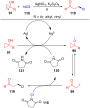
Scheme 28: Ag(I)-catalyzed ring-opening and chlorination of cyclopropanols with aldehydes.

Scheme 29: Ag(I)-catalyzed ring-opening/alkynylation of cyclopropanols with EBX.

Scheme 30: Na2S2O8-promoted ring-opening/alkylation of cyclopropanols with acrylamides.

Scheme 31: Cyclopropanol ring-opening initiated tandem cyclization with acrylamides or 2-isocyanobiphenyls.

Scheme 32: Ag(II)-mediated oxidative ring-opening/fluorination of cyclopropanols with AgF2.

Scheme 33: Cu(II)-catalyzed ring-opening/fluoromethylation of cyclopropanols with sulfinate salts.

Scheme 34: Cu(II)-catalyzed ring-opening/sulfonylation of cyclopropanols with sulfinate salts.

Scheme 35: Na2S2O8-promoted ring-opening/arylation of cyclopropanols with propiolamides.

Scheme 36: The ring-opening and [3 + 2]-annulation of cyclopropanols with α,β-unsaturated aldehydes.

Scheme 37: Cu(II)-catalyzed ring-opening/arylation of cyclopropanols with aromatic nitrogen heterocyles.

Scheme 38: Ag(I)-catalyzed ring-opening and difluoromethylthiolation of cyclopropanols with PhSO2SCF2H.

Scheme 39: Ag(I)-catalyzed ring-opening and acylation of cyclopropanols with aldehydes.

Scheme 40: Aerobic oxidation ring-opening of cyclopropanols for the synthesis of 2-oxyranyl ketones.

Scheme 41: Aerobic oxidation ring-opening of cyclopropanols for the synthesis of linear enones.

Scheme 42: Aerobic oxidation ring-opening of cyclopropanols for the synthesis of metabolite.
Synthesis of nonracemic hydroxyglutamic acids
- Dorota G. Piotrowska,
- Iwona E. Głowacka,
- Andrzej E. Wróblewski and
- Liwia Lubowiecka
Beilstein J. Org. Chem. 2019, 15, 236–255, doi:10.3762/bjoc.15.22
- -hydroxy-L-glutamic acid derivative 66 (Scheme 16) was required and it was obtained as a single diastereoisomer from 65 in the same way [75][76]. By bromination of L-glutamic acid Bromination of N-phthaloyl-L-glutamic acid [(S)-67] followed by methanolysis gave a 2:1 mixture of threo and erythro

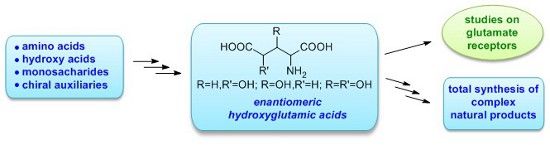
Graphical Abstract

Figure 1: Structure of L-glutamic acid.

Figure 2: 3-Hydroxy- (2), 4-hydroxy- (3) and 3,4-dihydroxyglutamic acids (4).

Figure 3: Enantiomers of 3-hydroxyglutamic acid (2).

Scheme 1: Synthesis of (2S,3R)-2 from (R)-Garner's aldehyde. Reagents and conditions: a) MeOCH=CH–CH(OTMS)=CH2...

Scheme 2: Synthesis of (2S,3R)-2 and (2S,3S)-2 from (R)-Garner’s aldehyde. Reagents and conditions: a) H2C=CH...

Scheme 3: Two-carbon homologation of the protected L-serine. Reagents and conditions: a) Fmoc-succinimide, Na2...

Scheme 4: Synthesis of di-tert-butyl ester of (2R,3S)-2 from L-serine. Reagents and conditions: a) PhSO2Cl, K2...

Scheme 5: Synthesis of (2R,3S)-2 from O-benzyl-L-serine. Reagents and conditions: a) (CF3CH2O)2P(O)CH2COOMe, ...

Scheme 6: Synthesis of (2S,3R)-2 employing a one-pot cis-olefination–conjugate addition sequence. Reagents an...

Scheme 7: Synthesis of the orthogonally protected (2S,3R)-2 from a chiral aziridine. Reagents and conditions:...

Scheme 8: Synthesis of N-Boc-protected (2S,3R)-2 from D-phenylglycine. Reagents and conditions: a) BnMgCl, et...

Scheme 9: Synthesis of (2S,3R)-2 employing ketopinic acid as chiral auxiliary. Reagents and conditions: a) Br2...

Scheme 10: Synthesis of dimethyl ester of (2S,3R)-2 employing (1S)-2-exo-methoxyethoxyapocamphane-1-carboxylic...

Scheme 11: Synthesis of N-Boc-protected dimethyl ester of (2S,3R)-2 from (S)-N-(1-phenylethyl)thioacetamide. R...

Scheme 12: Synthesis of N-Boc-protected dimethyl ester of (2S,3R)-2 via Sharpless epoxidation. Reagents and co...

Scheme 13: Synthesis of (2S,3S)-2 from the imide 51. Reagents and conditions: a) NaBH4, MeOH/CH2Cl2; b) Ac2O, ...

Scheme 14: Synthesis of (2R,3S)-2 and (2S,3S)-2 from the acetolactam 55 (PMB = p-methoxybenzyl). Reagents and ...

Scheme 15: Synthesis of (2S,3R)-2 from D-glucose. Reagents and conditions: a) NaClO2, 30% H2O2, NaH2PO4, MeCN;...

Figure 4: Enantiomers of 3-hydroxyglutamic acid (3).

Scheme 16: Synthesis of (4S)-4-hydroxy-L-glutamic acid [(2S,4S)-3] by electrophilic hydroxylation. Reagents an...

Scheme 17: Synthesis of all stereoisomers of 4-hydroxyglutamic acid (3). Reagents and conditions: a) Br2, PBr5...

Scheme 18: Synthesis of the orthogonally protected 4-hydroxyglutamic acid (2S,4S)-73. Reagents and conditions:...

Scheme 19: Synthesis of (2S,4R)-4-acetyloxyglutamic acid as a component of a dipeptide. Reagents and condition...

Scheme 20: Synthesis of N-Boc-protected dimethyl esters of (2S,4R)- and (2S,4S)-3 from (2S,4R)-4-hydroxyprolin...

Scheme 21: Synthesis of orthogonally protected (2S,4S)-3 from (2S,4R)-4-hydroxyproline. Reagents and condition...

Scheme 22: Synthesis of the protected (4R)-4-hydroxy-L-pyroglutamic acid (2S,4R)-87 by electrophilic hydroxyla...

Figure 5: Enantiomers of 3,4-dihydroxy-L-glutamic acid (4).

Scheme 23: Synthesis of (2S,3S,4R)-4 from the epoxypyrrolidinone 88. Reagents and conditions: a) MeOH, THF, KC...

Scheme 24: Synthesis of (2S,3R,4R)-4 from the orthoester 92. Reagents and conditions: a) OsO4, NMO, acetone/wa...

Scheme 25: Synthesis of (2S,3S,4S)-4 from the aziridinolactone 95. Reagents and conditions: a) BnOH, BF3·OEt2,...

Scheme 26: Synthesis of (2S,3S,4R)-4 and (2R,3S,4R)-4 from cyclic imides 106. Reagents and conditions: a) NaBH4...

Scheme 27: Synthesis of (2R,3R,4R)-4 and (2S,3R,4R)-4 from the cyclic meso-imide 110. Reagents and conditions:...

Scheme 28: Synthesis of (2S,3S,4S)-4 from the protected serinal (R)-23. Reagents and conditions: a) Ph3P=CHCOO...

Scheme 29: Synthesis of (2S,3S,4S)-4 from O-benzyl-N-Boc-D-serine. Reagents and conditions: a) ClCOOiBu, TEA, ...

Scheme 30: Synthesis of (2S,3S,4R)-127 by enantioselective conjugate addition and asymmetric dihydroxylation. ...

Figure 6: Structures of selected compounds containing hydroxyglutamic motives (in blue).
Mechanistic studies of an L-proline-catalyzed pyridazine formation involving a Diels–Alder reaction with inverse electron demand
- Anne Schnell,
- J. Alexander Willms,
- S. Nozinovic and
- Marianne Engeser
Beilstein J. Org. Chem. 2019, 15, 30–43, doi:10.3762/bjoc.15.3
- procedure published by Liu et al. [56] and bromination to the new benzyl bromide 9 succeeded with tribromoisocyanuric acid (TBCA) as published by de Almeida et al. [57]. The final transformation of benzyl bromide 9 to triphenylphosphonium charge-tagged 4∙Br was performed with a slightly modified protocol

Graphical Abstract

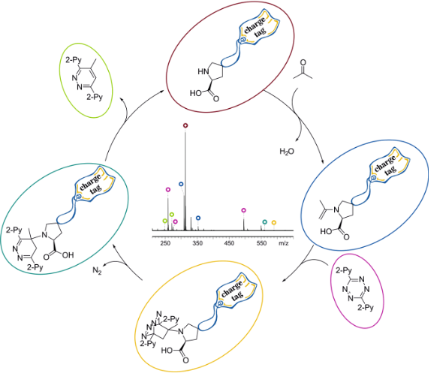
Figure 1: Charge-tagged L-proline-derived catalyst 1∙Cl [18].

Scheme 1: Putative catalytic cycle [51] for the L-proline-catalyzed Diels–Alder reaction with inverse electron de...

Scheme 2: Synthesis of the charge-tagged tetrazine 4∙Br as a reactant for the proline-catalyzed Diels–Alder r...

Scheme 3: Reaction R1: L-proline-catalyzed reaction between 2 and acetone.

Figure 2: NMR monitoring of reaction R1 in deuterated DMSO (concentration of tetrazine 0.005 mmol/mL).

Scheme 4: Equilibrium of oxazolidinone and enamine formation.

Figure 3: a) ESI mass spectrum of reaction R1 after 26 min. b) ESIMS monitoring of reaction R1. To better vis...

Figure 4: ESI mass spectrum of reaction R1 with preformed I1 8 minutes after adding substrate 2.

Scheme 5: Reaction R2: L-proline-catalyzed reaction between charge-tagged substrate 4∙Br and acetone. The reg...

Figure 5: ESI mass spectrum of reaction R2 using a continuous-flow setup with a calculated reaction time of 8...

Figure 6: a) Reaction R2 after two hours (syringe setup). b) ESIMS monitoring of reaction R2. Signal intensit...

Scheme 6: Reaction R3: substrate 2, acetone and charge-tagged catalyst 1∙Cl.

Figure 7: ESI mass spectrum of reaction R3 at 60 °C after 1.5 h.
Scheme 7: General catalytic cycle for reactions R1–R3.

Figure 8: ESIMS monitoring of reaction R3. The plotted intensity values for each molecule are a sum of all co...

Figure 9: Isomeric forms in equilibrium: enamine [I3a]+, oxazolidinone [I3b]+ and iminium [I3c]+.

Figure 10: ESI(+) CID spectrum of mass-selected [I3]+ (m/z 353); collision energy voltage 1 V.

Figure 11: ESI(+) CID spectrum of mass selected [II3]+ (m/z 589); collision energy voltage 5 V.

Figure 12: ESI(+) CID spectrum of mass selected [III3]+ (m/z 561); collision energy voltage 10 V.
Enhanced single-isomer separation and pseudoenantiomer resolution of new primary rim heterobifunctionalized α-cyclodextrin derivatives
- Iveta Tichá,
- Gábor Benkovics,
- Milo Malanga and
- Jindřich Jindřich
Beilstein J. Org. Chem. 2018, 14, 2829–2837, doi:10.3762/bjoc.14.261
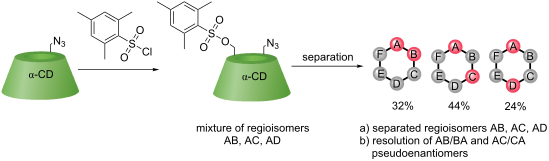
- regioisomers on the primary rim of homobifunctionalized diazido-α-CDs by selective substitution on the primary rim. Specifically, three positional regioisomers 6A,6B-, 6A,6C-, and 6A,6D-diazido-α-CDs were prepared via different intermediates (using sulfonylation with capping agents, bromination and tosylation
- prepared all possible regioisomers of primary rim-disubstituted α-CD derivatives using the most common CD intermediates by commonly used derivatization (bromination, tosylation and capping). The three positional isomers (AB, AC, AD) were separated by ad hoc-developed HPLC methods, and the regioisomeric
- ). On one hand, a direct bromination of α-CD was performed under Vilsmeier/Haack conditions (reaction 3, Scheme 2) with N-bromosuccinimide (NBS) and Ph3P in N,N-dimethylformamide (DMF). Previous studies have shown that this reaction is highly regioselective for the primary rim of CD [28]. After a fast

Graphical Abstract

Figure 1: Schematic representation of native α-CD (1) and top view of its primary rim with alphabetic clockwi...

Scheme 1: Synthesis of 6A,6X-diazido-α-CD derivatives 4 via 6A,6X-capped α-CDs 2 and 3 and their regioisomeri...

Scheme 2: Synthesis of 6A,6X- and 6A,6D-diazido-α-CDs via 6A,6X-dibromo-α-CD 5, 6A,6D-dibromo-α-CD 5d interme...

Scheme 3: Synthesis of 6A,6X-diazido-α-CDs via 6A,6X-ditosyl-α-CD intermediates 6 and their regioisomeric rat...

Figure 2: HPLC chromatograms of 6A,6X-diazido-α-CDs 4 of the reactions 1–5, with ACN/water gradient elution a...

Scheme 4: Synthesis of 6A-azido-6X-mesitylenesulfonyl-α-CD 8 and conversion into 6A,6X-diazido-α-CD 4.

Figure 3: HPLC chromatograms of reaction 7 with separated 6A-azido-α-CD 7 as starting material and regioisome...

Figure 4: HPLC chromatograms of 6A-azido-6X-mesitylenesulfonyl-α-CD 8 (reaction 6): a) analytical and b) prep...

Figure 5: 1H NMR spectrum of the AC regioisomer 8c as a mixture of pseudoenantiomers prepared through reactio...

Figure 6: 13C NMR spectrum of the AC regioisomer 8c as a mixture of pseudoenantiomers prepared through reacti...

Figure 7: HPLC–MS chromatogram with the separated pseudoenantiomers of 6A-azido-6B-mesitylenesulfonyl-α-CD 8b...
Synthesis of mono-functionalized S-diazocines via intramolecular Baeyer–Mills reactions
- Miriam Schehr,
- Daniel Hugenbusch,
- Tobias Moje,
- Christian Näther and
- Rainer Herges
Beilstein J. Org. Chem. 2018, 14, 2799–2804, doi:10.3762/bjoc.14.257

- benzyl bromides 8–11, which were commercially available or synthesized by radical bromination. The S-diazocines precursors 13–16 were then subjected to the intramolecular Baeyer–Mills reaction yielding the S-diazocines 1–4. In the first step the nitro group was reduced with zinc powder to the

Graphical Abstract

Figure 1: Cis–trans isomerization of mono-functionalized S-diazocines 1–5.

Scheme 1: Reaction conditions: i) MeCN, AIBN, NBS; ii) NaBH4, THF; #commercially available iii) BH3·THF compl...

Figure 2: UV spectra of the S-diazocine 4 in cis (black) and in trans (red) configuration after irradiation w...

Figure 3: Left: crystal structure of the iodo-functionalized S-diazocine 3. Right: crystal structure of the u...
Non-metal-templated approaches to bis(borane) derivatives of macrocyclic dibridgehead diphosphines via alkene metathesis
- Tobias Fiedler,
- Michał Barbasiewicz,
- Michael Stollenz and
- John A. Gladysz
Beilstein J. Org. Chem. 2018, 14, 2354–2365, doi:10.3762/bjoc.14.211
- (in,in/out,out)-2·2BH3 (2%). Four of these structures are verified by independent syntheses. Second, 1,14-tetradecanedioic acid is converted (reduction, bromination, Arbuzov reaction, LiAlH4) to H2P((CH2)14)PH2 (10; 76% overall yield). The reaction with H3B·SMe2 gives 10·2BH3, which is treated with n

Graphical Abstract

Scheme 1: Syntheses of gyroscope like platinum and rhodium complexes and dibridgehead diphosphines derived th...
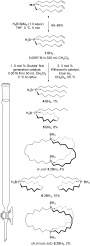
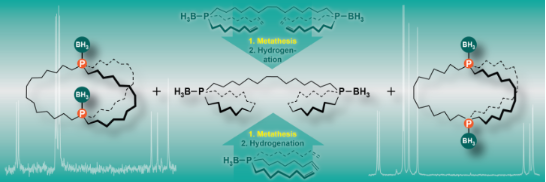
Scheme 2: Synthesis and alkene metathesis of the monophosphorus precursor 1·BH3.

Figure 1: The 13C{1H} NMR spectra (CDCl3, 100 MHz) of in,out-2·2BH3, (in,in/out,out)-2·2BH3, 6·2BH3, and the ...
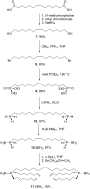
Scheme 3: Synthesis of the diphosphorus precursor 11·2BH3.
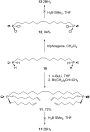
Scheme 4: Truncated approaches to the diphosphorus precursor 11·2BH3 from 10.
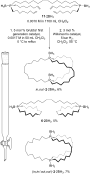
Scheme 5: Alkene metathesis of the diphosphorus precursor 11·2BH3.

Scheme 6: Schematic comparison of the key alkene metathesis steps in Scheme 2 and Scheme 5.

Scheme 7: Steps that set the in,in/out,out vs in,out stereochemistry of 2·2BH3 in Scheme 2 and Scheme 5.

Scheme 8: Another non-metal-templated approach to dibridgehead diphosphorus compounds.

Scheme 9: Previously synthesized dibridgehead diphosphine diboranes.

Scheme 10: Alkene metathesis of the tetraalkenyldiphosphine diborane 19·2BH3.
Recent advances in hypervalent iodine(III)-catalyzed functionalization of alkenes
- Xiang Li,
- Pinhong Chen and
- Guosheng Liu
Beilstein J. Org. Chem. 2018, 14, 1813–1825, doi:10.3762/bjoc.14.154
- -disubstituted-α-hydroxy-carboxylamides, was disclosed by Gulder and co-workers [76]. This catalytic system was applied to the bromination of alkenes by Gulder and co-workers. For example, the iodine(III)-catalyzed halocyclization of methacrylamide 68 generated the brominated oxindole 69 (Scheme 20) [77]. In
- ]. Oxyarylation of alkenes [71]. Asymmetric oxidative rearrangements of alkenes [72]. Bromolactonization of alkenes [75]. Bromination of alkenes [77][78]. Cooperative strategy for the carbonylation of alkenes [79]. Acknowledgements We are grateful for financial support from the National Nature Science Foundation

Graphical Abstract

Figure 1: The structures of hypervalent iodine (III) reagents [8].

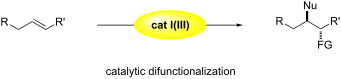
Scheme 1: Hypervalent iodine(III)-catalyzed functionalization of alkenes.

Scheme 2: Catalytic sulfonyloxylactonization of alkenoic acids [43].

Scheme 3: Catalytic diacetoxylation of alkenes [46].

Scheme 4: Intramolecular asymmetric dioxygenation of alkenes [48,50].

Scheme 5: Intermolecular asymmetric diacetoxylation of styrenes [52].

Scheme 6: Diacetoxylation of alkenes with ester groups containing catalysts 17 [55].

Scheme 7: Intramolecular diamination of alkenes [56].

Scheme 8: Intramolecular asymmetric diamination of alkenes [57].

Scheme 9: Intermolecular asymmetric diamination of alkenes [58].

Scheme 10: Iodoarene-catalyzed aminofluorination of alkenes [60,61].

Scheme 11: Iodoarene-catalyzed aminofluorination of alkenes [62].

Scheme 12: Catalytic difluorination of alkenes with Selectfluor [63].

Scheme 13: Iodoarene-catalyzed 1,2-difluorination of alkenes [64].

Scheme 14: Iodoarene-catalyzed asymmetric fluorination of styrenes [64,65].

Scheme 15: Gem-difluorination of styrenes [67].

Scheme 16: Asymmetric gem-difluorination of cinnamic acid derivatives [68].

Scheme 17: Oxyarylation of alkenes [71].

Scheme 18: Asymmetric oxidative rearrangements of alkenes [72].

Scheme 19: Bromolactonization of alkenes [75].

Scheme 20: Bromination of alkenes [77,78].

Scheme 21: Cooperative strategy for the carbonylation of alkenes [79].
Enantioselective phase-transfer catalyzed alkylation of 1-methyl-7-methoxy-2-tetralone: an effective route to dezocine
- Ruipeng Li,
- Zhenren Liu,
- Liang Chen,
- Jing Pan and
- Weicheng Zhou
Beilstein J. Org. Chem. 2018, 14, 1421–1427, doi:10.3762/bjoc.14.119
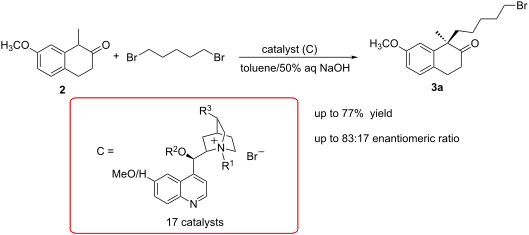
- with allyl or propargyl bromide to obtain C12 and C13. In another way, cinchonidine was reduced by H2/Pd/C to yield dihydrocinchonidine, and then reacted with 4-trifluoromethylbenzyl bromide to obtained C14. C15 was prepared from cinchonidine via bromination, debromination and condensation with 4

Graphical Abstract

Scheme 1: Synthesis of dezocine by resolution.
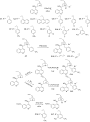
Scheme 2: Synthesis of catalysts C1–C17.

Scheme 3: The proposed catalytic mechanism of stereoselective alkylation.
One hundred years of benzotropone chemistry
- Arif Dastan,
- Haydar Kilic and
- Nurullah Saracoglu
Beilstein J. Org. Chem. 2018, 14, 1120–1180, doi:10.3762/bjoc.14.98
- (Scheme 8). After bromination of 40 with molecular bromine in carbon tetrachloride, direct dehydrobromination with lithium chloride in dimethylformamide gave 11 in 85% isolated yield. Müller’s group reported an alternative synthesis for 11 starting from the carbene adduct 41 over two or three steps [55
- benzotropylium ion 45. Secondly, 11 is obtained in 18% yield after benzylic bromination of 42 with NBS, followed by in situ elimination reaction of the labile bromide 43 mediated by t-BuOK (Scheme 9). Palladium-catalyzed C–C bond-formation reactions such as Heck and Sonogashira couplings are employed in a wide
- method for the synthesis of 2,3-benzotropone (12) starting with 1-benzosuberone (162) (Scheme 29) [134]. First, the unsaturated ketone 163, which is called Julia’s ketone, was prepared by NBS-bromination in the presence of a trace of benzoyl peroxide (BPO) and followed by dehydrobromination. Another

Graphical Abstract

Scheme 1: Tropone (1), tropolone (2) and their resonance structures.

Figure 1: Natural products containing a tropone nucleus.

Figure 2: Possible isomers 11–13 of benzotropone.

Scheme 2: Synthesis of benzotropones 11 and 12.

Scheme 3: Oxidation products of benzotropylium fluoroborate (16).

Scheme 4: Oxidation of 7-bromo-5H-benzo[7]annulene (22).

Scheme 5: Synthesis of 4,5-benzotropone (11) using o-phthalaldehyde (27).

Scheme 6: Synthesis of 4,5-benzotropone (11) starting from oxobenzonorbornadiene 31.

Scheme 7: Acid-catalyzed cleavage of oxo-bridge of 34.

Scheme 8: Synthesis of 4,5-benzotropone (11) from o-xylylene dibromide (38).

Scheme 9: Synthesis of 4,5-benzotropone (11) via the carbene adduct 41.

Scheme 10: Heck coupling strategy for the synthesis of 11.

Scheme 11: Synthesis of benzofulvalenes via carbonyl group of 4,5-benzotropone (11).

Figure 3: Some cycloheptatrienylium cations.

Scheme 12: Synthesis of condensation product 63 and its subsequent oxidative cyclization products.

Figure 4: A novel series of benzo[7]annulenes prepared from 4,5-benzotropone (11).

Scheme 13: Preparation of substituted benzo[7]annulene 72 using the Mukaiyama-Michael reaction.

Figure 5: Possible benzo[7]annulenylidenes 73–75.

Scheme 14: Thermal and photochemical decomposition of 7-diazo-7H-benzo[7]annulene (76) and the trapping of int...

Scheme 15: Synthesis of benzoheptafulvalene 86.

Scheme 16: Synthesis of 7-(diphenylmethylene)-7H-benzo[7]annulene (89).

Scheme 17: Reaction of 4,5-benzotropone (11) with dimethyl diazomethane.

Scheme 18: Synthesis of dihydrobenzomethoxyazocine 103.

Scheme 19: Synthesis and reducibility of benzo-homo-2-methoxyazocines.

Scheme 20: Synthesis of 4,5-benzohomotropones 104 and 115 from 4,5-benzotropones 11 and 113.

Scheme 21: A catalytic deuterogenation of 4,5-benzotropone (11) and synthesis of 5-monosubstituted benzo[7]ann...

Scheme 22: Synthesis of methyl benzo[7]annulenes 131 and 132.

Scheme 23: Ambident reactivity of halobenzo[7]annulenylium cations 133a/b.

Scheme 24: Preparation of benzo[7]annulenylidene–iron complexes 147.

Scheme 25: Synthesis of 1-ethynylbenzotropone (150) and the etheric compound 152 from 4,5-benzotropone (11) wi...

Scheme 26: Thermal decomposition of 4,5-benzotropone (11).

Scheme 27: Reaction of 4,5-benzotropone (11) with 1,2-ethanediol and 1,2-ethanedithiol.

Scheme 28: Conversions of 1-benzosuberone (162) to 2,3-benzotropone (12).

Scheme 29: Synthesis strategies for 2,3-bezotropone (12) using 1-benzosuberones.

Scheme 30: Oxidation-based synthesis of 2,3-benzotropone (12) via 1-benzosuberone (162).

Scheme 31: Synthesis of 2,3-benzotropone (12) from α-tetralone (171) via ring-expansion.

Scheme 32: Preparation of 2,3-benzotropone (12) by using of benzotropolone 174.

Figure 6: Benzoheptafulvenes as condensation products of 2,3-benzotropone (12).

Scheme 33: Conversion of 2,3-benzotropone (12) to tosylhydrazone salt 182 and gem-dichloride 187.

Figure 7: Benzohomoazocines 191–193 and benzoazocines 194–197.

Scheme 34: From 2,3-benzotropone (12) to carbonium ions 198–201.

Scheme 35: Cycloaddition reactions of 2,3-benzotropone (12).
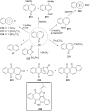
Scheme 36: Reaction of 2,3-benzotropone (12) with various reagents and compounds.

Figure 8: 3,4-Benzotropone (13) and its resonance structure.

Scheme 37: Synthesis of 6,7-benzobicyclo[3.2.0]hepta-3,6-dien-2-one (230).

Figure 9: Photolysis and thermolysis products of 230.

Figure 10: Benzotropolones and their tautomeric structures.

Scheme 38: Synthesis strategies of 4,5-benzotropolone (238).

Scheme 39: Synthesis protocol for 2-hydroxy-4,5-benzotropone (238) using oxazole-benzo[7]annulene 247.

Figure 11: Some quinoxaline and pyrazine derivatives 254–256 prepared from 4,5-benzotropolone (238).

Scheme 40: Nitration product of 4,5-benzotropolone (238) and its isomerization to 1-nitro-naphthoic acid (259)....

Scheme 41: Synthesis protocol for 6-hydroxy-2,3-benzotropone (239) from benzosuberone (162).
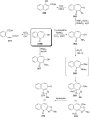
Scheme 42: Various reactions via 6-hydroxy-2,3-benzotropone (239).

Scheme 43: Photoreaction of 6-hydroxy-2,3-benzotropone (239).

Scheme 44: Synthesis of 7-hydroxy-2,3-benzotropone (241) from benzosuberone (162).

Scheme 45: Synthesis strategy for 7-hydroxy-2,3-benzotropone (241) from ketone 276.

Scheme 46: Synthesis of 7-hydroxy-2,3-benzotropone (241) from β-naphthoquinone (280).

Scheme 47: Synthesis of 7-hydroxy-2,3-benzotropone (241) from bicyclic endoperoxide 213.

Scheme 48: Synthesis of 7-hydroxy-2,3-benzotropone (241) by ring-closing metathesis.

Figure 12: Various monosubstitution products 289–291 of 7-hydroxy-2,3-benzotropone (241).

Scheme 49: Reaction of 7-hydroxy-2,3-benzotropone (241) with various reagents.

Scheme 50: Synthesis of 4-hydroxy-2,3-benzotropones 174 and 304 from diketones 300/301.

Scheme 51: Catalytic hydrogenation of diketones 300 and 174.

Scheme 52: Synthesis of halo-benzotropones from alkoxy-naphthalenes 306, 307 and 310.

Figure 13: Unexpected byproducts 313–315 during synthesis of chlorobenzotropone 309.

Figure 14: Some halobenzotropones and their cycloadducts.

Scheme 53: Multisep synthesis of 2-chlorobenzotropone 309.

Scheme 54: A multistep synthesis of 2-bromo-benzotropone 26.

Scheme 55: A multistep synthesis of bromo-2,3-benzotropones 311 and 316.

Scheme 56: Oxidation reactions of 8-bromo-5H-benzo[7]annulene (329) with some oxidants.

Scheme 57: Synthesis of 2-bromo-4,5-benzotropone (26).

Scheme 58: Synthesis of 6-chloro-2,3-benzotropone (335) using LiCl and proposed intermediate 336.

Scheme 59: Reaction of 7-bromo-2,3-benzotropone (316) with methylamine.

Scheme 60: Reactions of bromo-2,3-benzotropones 26 and 311 with dimethylamine.

Scheme 61: Reactions of bromobenzotropones 311 and 26 with NaOMe.

Scheme 62: Reactions of bromobenzotropones 26 and 312 with t-BuOK in the presence of DPIBF.

Scheme 63: Cobalt-catalyzed reductive cross-couplings of 7-bromo-2,3-benzotropone (316) with cyclic α-bromo en...

Figure 15: Cycloadduct 357 and its di-π-methane rearrangement product 358.

Scheme 64: Catalytic hydrogenation of 2-chloro-4,5-benzotropone (311).

Scheme 65: Synthesis of dibromo-benzotropones from benzotropones.

Scheme 66: Bromination/dehydrobromination of benzosuberone (162).

Scheme 67: Some transformations of isomeric dibromo-benzotropones 261A/B.

Scheme 68: Transformations of benzotropolone 239B to halobenzotropolones 369–371.

Figure 16: Bromobenzotropolones 372–376 and 290 prepared via bromination/dehydrobromination strategy.

Scheme 69: Synthesis of some halobenzotropolones 289, 377 and 378.

Figure 17: Bromo-chloro-derivatives 379–381 prepared via chlorination.

Scheme 70: Synthesis of 7-iodo-3,4-benzotropolone (382).

Scheme 71: Hydrogenation of bromobenzotropolones 369 and 370.

Scheme 72: Debromination reactions of mono- and dibromides 290 and 375.

Figure 18: Nitratation and oxidation products of some halobenzotropolenes.
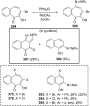
Scheme 73: Azo-coupling reactions of some halobenzotropolones 294, 375 and 378.

Figure 19: Four possible isomers of dibenzotropones 396–399.

Figure 20: Resonance structures of tribenzotropone (400).

Scheme 74: Two synthetic pathways for tribenzotropone (400).

Scheme 75: Synthesis of tribenzotropone (400) from dibenzotropone 399.

Scheme 76: Synthesis of tribenzotropone (400) from 9,10-phenanthraquinone (406).

Scheme 77: Synthesis of tribenzotropone (400) from trifluoromethyl-substituted arene 411.

Figure 21: Dibenzosuberone (414).

Figure 22: Reduction products 415 and 416 of tribenzotropone (400).

Figure 23: Structures of tribenzotropone dimethyl ketal 417 and 4-phenylfluorenone (412) and proposed intermed...

Figure 24: Structures of benzylidene- and methylene-9H-tribenzo[a,c,e][7]annulenes 419 and 420 and chiral phos...

Figure 25: Structures of tetracyclic alcohol 422, p-quinone methide 423 and cation 424.

Figure 26: Structures of host molecules 425–427.

Scheme 78: Synthesis of non-helical overcrowded derivatives syn/anti-431.

Figure 27: Hexabenzooctalene 432.

Figure 28: Structures of possible eight isomers 433–440 of naphthotropone.

Scheme 79: Synthesis of naphthotropone 437 starting from 1-phenylcycloheptene (441).

Scheme 80: Synthesis of 10-hydroxy-11H-cyclohepta[a]naphthalen-11-one (448) from diester 445.

Scheme 81: Synthesis of naphthotropone 433.

Scheme 82: Synthesis of naphthotropones 433 and 434 via cycloaddition reaction.

Scheme 83: Synthesis of naphthotropone 434 starting from 452.

Figure 29: Structures of tricarbonyl(tropone)irons 458, and possible cycloadducts 459.

Scheme 84: Synthesis of naphthotropone 436.

Scheme 85: Synthesis of precursor 465 for naphthotropone 435.

Scheme 86: Generation of naphthotropone 435 from 465.

Figure 30: Structures of tropylium cations 469 and 470.

Figure 31: Structures of tropylium ions 471+.BF4−, 472+.BF4−, and 473+.BF4−.

Scheme 87: Synthesis of tropylium ions 471+.BF4− and 479+.ClO4−.

Scheme 88: Synthesis of 1- and 2-methylanthracene (481 and 482) via carbene–carbene rearrangement.

Figure 32: Trapping products 488–490.

Scheme 89: Generation and chemistry of a naphthoannelated cycloheptatrienylidene-cycloheptatetraene intermedia...

Scheme 90: Proposed intermediates and reaction pathways for adduct 498.

Scheme 91: Exited-state intramolecular proton transfer of 505.

Figure 33: Benzoditropones 506 and 507.

Scheme 92: Synthesis of benzoditropone 506e.

Scheme 93: Synthetic approaches for dibenzotropone 507 via tropone (1).

Scheme 94: Formation mechanisms of benzoditropone 507 and 516 via 515.

Scheme 95: Synthesis of benzoditropones 525 and 526 from pyromellitic dianhydride (527).

Figure 34: Possible three benzocyclobutatropones 534–536.

Scheme 96: Synthesis of benzocyclobutatropones 534 and 539.

Scheme 97: Synthesis attempts for benzocyclobutatropone 545.

Scheme 98: Generation and trapping of symmetric benzocyclobutatropone 536.

Scheme 99: Synthesis of chloro-benzocyclobutatropone 552 and proposed mechanism of fluorenone derivatives.

Scheme 100: Synthesis of tropolone analogue 559.

Scheme 101: Synthesis of tropolones 561 and 562.

Figure 35: o/p-Tropoquinone rings (563 and 564) and benzotropoquinones (565–567).

Scheme 102: Synthesis of benzotropoquinone 566.

Scheme 103: Synthesis of benzotropoquinone 567 via a Diels–Alder reaction.

Figure 36: Products 575–577 through 1,2,3-benzotropoquinone hydrate 569.

Scheme 104: Structures 578–582 prepared from tropoquinone 567.

Figure 37: Two possible structures 583 and 584 for dibenzotropoquinone, and precursor compound 585 for 583.
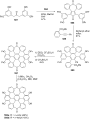
Scheme 105: Synthesis of saddle-shaped ketone 592 using dibenzotropoquinone 584.
Iodine(III)-mediated halogenations of acyclic monoterpenoids
- Laure Peilleron,
- Tatyana D. Grayfer,
- Joëlle Dubois,
- Robert H. Dodd and
- Kevin Cariou
Beilstein J. Org. Chem. 2018, 14, 1103–1111, doi:10.3762/bjoc.14.96
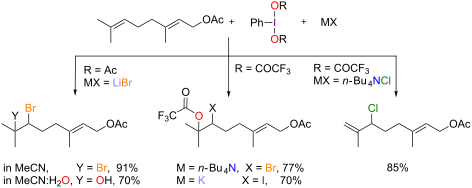
- our previous study on the bromination of enamides [11]. Thus, using a slight excess of DIB along with a two-fold amount of lithium bromide at 0 °C in dry acetonitrile rapidly yielded dibromo adduct 2a in 91% yield (Table 1, entry 1). Switching the reaction conditions to bromo(trifluoro)acetoxylation
- transformations (dibromination, bromo(trifluoro)acetoxylation, bromohydroxylation, iodo(trifluoro)acetoxylation and ene-type chlorination) which were applied to substrates 1b–e in order to explore their scope. Bromination Dibromination Application of the dibromination protocol to neryl acetate (1b) proceeded
- did isolate dibromo adduct 2a but only with 47% yield and we also observed the formation of various byproducts such as ene-bromination adduct 6a’ (Scheme 7b) [27]. Moreover, for the iodination of enamides using the PIFA/KI combination we had already shown that the observed reactivity is more akin to

Graphical Abstract

Figure 1: Halogenated terpenoids from natural sources.

Scheme 1: Previously developed bromo-functionalizations of polyprenoids using iodine(III) reagents.

Figure 2: Selected monoterpenoids used in this study.

Scheme 2: Dibromination of acyclic monoterpenoids.

Scheme 3: Bromo(trifluoro)acetoxylation of acyclic monoterpenoids.

Scheme 4: Bromohydroxylation of acyclic monoterpenoids.

Scheme 5: Iodo(trifluoro)acetoxylation of acyclic monoterpenoids.

Scheme 6: Chlorination of acyclic monoterpenoids.

Scheme 7: General mechanism proposal for the formation of 2–6 and control experiments.
Selective carboxylation of reactive benzylic C–H bonds by a hypervalent iodine(III)/inorganic bromide oxidation system
- Toshifumi Dohi,
- Shohei Ueda,
- Kosuke Iwasaki,
- Yusuke Tsunoda,
- Koji Morimoto and
- Yasuyuki Kita
Beilstein J. Org. Chem. 2018, 14, 1087–1094, doi:10.3762/bjoc.14.94
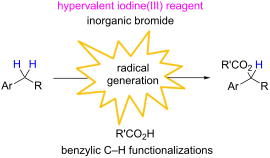
- bisacetoxy bromate(I) [73], respectively, rather than the desired bromo radical. As a result, bromination at the aromatic ring of substrate 1a occurred when LiBr was used (Table 1, entry 2), while no reaction was observed in the other two trials using organic bromides (Table 1, entries 3 and 4). At the

Graphical Abstract

Scheme 1: Hypervalent iodine(III)-induced benzylic C–H functionalization for oxidative coupling with carboxyl...

Scheme 2: Radical reactivities of the I(III)–Br bond generated from PIDA.

Scheme 3: Benzylic C–H carboxylations by the iodosobenzene/NaBr system.

Scheme 4: Outline of the proposed reaction mechanism for the PIDA/NaBr system.

Scheme 5: Reaction of benzyl bromide 2h’ under radical C–H acetoxylation conditions.
Bromide-assisted chemoselective Heck reaction of 3-bromoindazoles under high-speed ball-milling conditions: synthesis of axitinib
- Jingbo Yu,
- Zikun Hong,
- Xinjie Yang,
- Yu Jiang,
- Zhijiang Jiang and
- Weike Su
Beilstein J. Org. Chem. 2018, 14, 786–795, doi:10.3762/bjoc.14.66
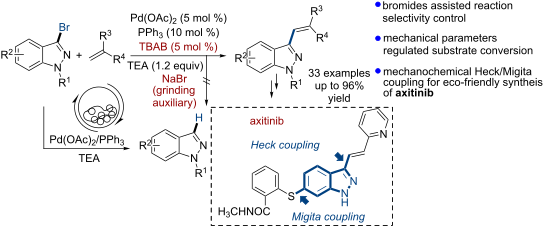
- broad utility of this method, a concise synthesis of axitinib, eutherapeutic drug for the treatment of renal cell carcinoma, was undertaken (Scheme 6). The reaction started from commercially available 6-bromo-1H-indazole (5), bromination of the 3-position and N-protection gave 3,6-dibromo-1-(tetrahydro

Graphical Abstract

Scheme 1: Representative pharmaceutically useful indazoles.

Scheme 2: Model Heck reaction of 3-bromo-N-methyl-1H-indazole (1a) and n-butyl acrylate (2a). (173 stainless-...

Figure 1: Investigation of additives in the Heck reaction: 1a (1.5 mmol), 2a (2.25 mmol), Pd(OAc)2 (5 mol %),...

Scheme 3: The control experiments. aTEA (1.8 mmol), silica gel (5.0 g), bPd(OAc)2 (5 mol %), PPh3 (10 mol %),...

Scheme 4: Plausible reaction pathway.

Figure 2: Influence of milling time and rotation speed on the Heck reaction: 1a (1.5 mmol), 2a (2.25 mmol), P...

Figure 3: Influence of the milling ball filling degree with different size on the Heck reaction: 1a (1.5 mmol...
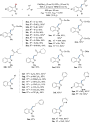
Scheme 5: Examination of the substrate scope. Reaction conditions: 1 (1.5 mmol), 2 (2.25 mmol), Pd(OAc)2 (5 m...

Scheme 6: Synthesis of axitinib by mechanochemical Heck–Migita coupling. Reagents and conditions: (i) NBS, Na...
Palladium-catalyzed ortho-halogenations of acetanilides with N-halosuccinimides via direct sp2 C–H bond activation in ball mills
- Zi Liu,
- Hui Xu and
- Guan-Wu Wang
Beilstein J. Org. Chem. 2018, 14, 430–435, doi:10.3762/bjoc.14.31
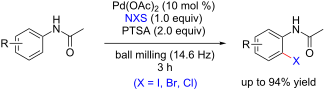
- ][24][25][26][27][28]. A few mechanochemical ortho-C–H bond activation reactions under the catalysis of rhodium and palladium salts have been reported [29][30][31][32][33][34][35][36][37][38]. Hernández and Bolm reported the rhodium-catalyzed bromination and iodination of 2-phenylpyridine using N
- ], we have independently investigated the solvent-free ortho-iodination of acetanilides under ball-milling conditions [45]. In addition, the current reaction can be extended to ortho-bromination and ortho-chlorination by using the corresponding N-halosuccinimides. Herein, we report these regioselective
- N-halosuccinimides. The influence of the milling frequency on the reaction of 1a with NIS. Palladium-catalyzed ortho-iodination of 1a in toluene. Plausible mechanism. Palladium-catalyzed ortho-bromination and chlorination of 1a in a ball mill. Optimization of the reaction conditions.a Substrate

Graphical Abstract

Scheme 1: The influence of the milling frequency on the reaction of 1a with NIS.

Scheme 2: Palladium-catalyzed ortho-iodination of 1a in toluene.

Scheme 3: Plausible mechanism.

Scheme 4: Palladium-catalyzed ortho-bromination and chlorination of 1a in a ball mill.
Reactivity of bromoselenophenes in palladium-catalyzed direct arylations
- Aymen Skhiri,
- Ridha Ben Salem,
- Jean-François Soulé and
- Henri Doucet
Beilstein J. Org. Chem. 2017, 13, 2862–2868, doi:10.3762/bjoc.13.278
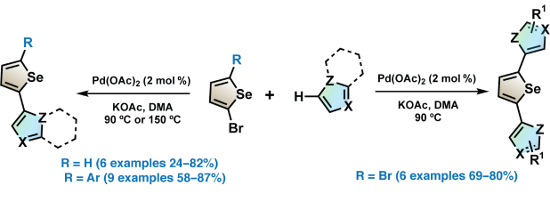
- employed to prepare 2-heteroarylated selenophenes; whereas, 2,5-dibromoselenophene generally gave 2,5-di(heteroarylated) selenophenes in high yields using both thiazole and thiophene derivatives. Moreover, sequential catalytic C2 heteroarylation, bromination, catalytic C5 arylation reactions allowed the
- 2,5-dibromoselenophene and an excess of 1-methylpyrrole, the expected 2,5-diarylated selenophene 14 was obtained in 81% yield. Finally, we show a sequential transformation leading to 2-aryl-5-(heteroaryl)selenophenes in three steps from commercially available compounds (Scheme 4). Bromination at the
- selenophenes in high yields. We also described that the sequential catalytic C2-arylation, bromination, and catalytic C5-arylation of selenophene provides the controled double (hetero)arylation at the C2 and C5 positions of selenophene in good yields. Experimental General procedure for palladium-catalyzed

Graphical Abstract
Scheme 1: Reported Pd-catalyzed heteroarylations of bromoselenophenes.

Scheme 2: Palladium-catalyzed heteroarylations of 2-bromoselenophene. *: 110 °C

Scheme 3: Palladium-catalyzed 2,5-diheteroarylation of 2,5-dibromoselenophene.

Scheme 4: Synthesis of 2-aryl-5-(heteroaryl)selenophenes.

Scheme 5: Proposed catalytic cycle.
Reagent-controlled regiodivergent intermolecular cyclization of 2-aminobenzothiazoles with β-ketoesters and β-ketoamides
- Irwan Iskandar Roslan,
- Kian-Hong Ng,
- Gaik-Khuan Chuah and
- Stephan Jaenicke
Beilstein J. Org. Chem. 2017, 13, 2739–2750, doi:10.3762/bjoc.13.270
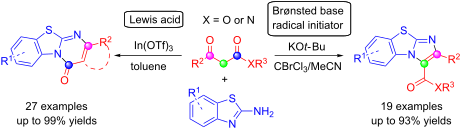
- bromination of the α-carbon using CBrCl3 as the Br source. This in situ halogenation strategy has been employed for the synthesis of quinoxalines [23], oxazoles [24][25], pyrido[1,2-a]benzimidazoles [26], imidazo[1,2-a]pyridines [27][28][29][30], thiazoles [31][32] and benzothiazoles [33][34]. With weak
- bicarbonate bases, direct bromination of the α-carbon does not occur. Instead, the Br is shuttled to the α-carbon by its coupling partner. With this tandem bromination and cyclization strategy, there is no need to presynthesize substrates, thus reducing the number of synthetic steps, time, chemicals and
- wastes. Here we describe the extension of this α-bromination shuttle system to 2-aminobenzothiazoles as substrates to synthesize benzo[d]imidazo[2,1-b]thiazoles. The benzo[d]imidazo[2,1-b]thiazole backbone is found in many bioactive molecules and pharmaceutical compounds as evident by its use as

Graphical Abstract

Scheme 1: Two different intermolecular cyclization pathways controlled by reagents used.

Scheme 2: Scope of reaction. Reaction conditions: 1 (1.2 mmol), 2 (1.0 mmol), KOt-Bu (2 mmol), in 3 mL CBrCl3...

Scheme 3: Scope of the reaction. Reaction conditions: 1 (1.0 mmol), 2 (1.5 mmol), In(OTf)3 (0.1 mmol), in 1.5...

Scheme 4: Control experiments.

Figure 1: Proposed mechanism (benzo[d]imidazo[2,1-b]thiazoles).

Figure 2: Proposed mechanism (benzo[4,5]thiazolo[3,2-a]pyrimidin-4-ones).
Vinylphosphonium and 2-aminovinylphosphonium salts – preparation and applications in organic synthesis
- Anna Kuźnik,
- Roman Mazurkiewicz and
- Beata Fryczkowska
Beilstein J. Org. Chem. 2017, 13, 2710–2738, doi:10.3762/bjoc.13.269

- triphenylphosphine with 1-bromoethylbenzene. The resulting phosphonium salt 11 was then deprotonated to the corresponding ylide 12, which in the last step was subjected to bromination to give the expected α-bromoethylphosphonium bromide 13 [10]. 1.3. Peterson olefination of α-trimethylsilylphosphonium ylides with

Graphical Abstract

Scheme 1: Generation of phosphorus ylides from vinylphosphonium salts.

Scheme 2: Intramolecular Wittig reaction with the use of vinylphosphonium salts.

Scheme 3: Alkylation of diphenylvinylphosphine with methyl or benzyl iodide.

Scheme 4: Methylation of isopropenyldiphenylphosphine with methyl iodide.

Scheme 5: Alkylation of phosphines with allyl halide derivatives and subsequent isomerization of intermediate...

Scheme 6: Alkylation of triphenylphosphine with vinyl triflates in the presence of (Ph3P)4Pd.

Scheme 7: Mechanism of alkylation of triphenylphosphine with vinyl triflates in the presence of (Ph3P)4Pd as ...

Scheme 8: β-Elimination of phenol from β-phenoxyethyltriphenylphosphonium bromide.

Scheme 9: β-Elimination of phenol from β-phenoxyethylphosphonium salts in an alkaline environment.

Scheme 10: Synthesis and subsequent dehydrohalogenation of α-bromoethylphosphonium bromide.

Scheme 11: Synthesis of tributylvinylphosphonium iodides via Peterson-type olefination of α-trimethylsilylphos...

Scheme 12: Synthesis of 1-cycloalkenetriphenylphosphonium salts by electrochemical oxidation of triphenylphosp...

Scheme 13: Suggested mechanism for the electrochemical synthesis of 1-cycloalkenetriphenylphosphonium salts.

Scheme 14: Generation of α,β-(dialkoxycarbonyl)vinylphosphonium salts by addition of triphenylphosphine to ace...

Scheme 15: Synthesis of 2-(N-acylamino)vinylphosphonium halides by imidoylation of β-carbonyl ylides with imid...

Scheme 16: Imidoylation of β-carbonyl ylides with imidoyl halides generated in situ.

Scheme 17: Synthesis of 2-benzoyloxyvinylphosphonium bromide from 2-propynyltriphenylphosphonium bromide.

Scheme 18: Synthesis of 2-aminovinylphosphonium salts via nucleophilic addition of amines to 2-propynyltriphen...

Scheme 19: Deacylation of 2-(N-acylamino)vinylphosphonium chlorides to 2-aminovinylphosphonium salts.

Scheme 20: Resonance structures of 2-aminovinylphosphonium salts and tautomeric equilibrium between aminovinyl...

Scheme 21: Synthesis of 2-aminovinylphosphonium salts by reaction of (formylmethyl)triphenylphosphonium chlori...

Scheme 22: Generation of ylides by reaction of vinyltriphenylphosphonium bromide with nucleophiles and their s...

Scheme 23: Intermolecular Wittig reaction with the use of vinylphosphonium bromide and organocopper compounds ...

Scheme 24: Intermolecular Wittig reaction with the use of ylides generated from vinylphosphonium bromides and ...

Scheme 25: Direct transformation of vinylphosphonium salts into ylides in the presence of potassium tert-butox...

Scheme 26: A general method for synthesis of carbo- and heterocyclic systems by the intramolecular Wittig reac...

Scheme 27: Synthesis of 2H-chromene by reaction of vinyltriphenylphosphonium bromide with sodium 2-formylpheno...

Scheme 28: Synthesis of 2,5-dihydro-2,3-dimethylfuran by reaction of vinylphosphonium bromide with 3-hydroxy-2...

Scheme 29: Synthesis of 2H-chromene and 2,5-dihydrofuran derivatives in the intramolecular Wittig reaction wit...

Scheme 30: Enantioselective synthesis of 3,6-dihydropyran derivatives from vinylphosphonium bromide and enanti...

Scheme 31: Synthesis of 2,5-dihydrothiophene derivatives in the intramolecular Wittig reaction from vinylphosp...

Scheme 32: Synthesis of bicyclic pyrrole derivatives in the reaction of vinylphosphonium halides and 2-pyrrolo...

Scheme 33: Stereoselective synthesis of bicyclic 2-pyrrolidinone derivatives in the reaction of vinylphosphoni...

Scheme 34: Stereoselective synthesis of 3-pyrroline derivatives in the intramolecular Wittig reaction from vin...

Scheme 35: Synthesis of cyclic alkenes in the intramolecular Wittig reaction from vinylphosphonium bromide and...

Scheme 36: Synthesis of 1,3-cyclohexadienes by reaction of 1,3-butadienyltriphenylphosphonium bromide with eno...

Scheme 37: Synthesis of bicyclo[3.3.0]octenes by reaction of vinylphosphonium salts with cyclic diketoester.

Scheme 38: Synthesis of quinoline derivatives in the intramolecular Wittig reaction from 2-(2-acylphenylamino)...

Scheme 39: Stereoselective synthesis of γ-aminobutyric acid in the intermolecular Wittig reaction from chiral ...

Scheme 40: Synthesis of allylamines in the intermolecular Wittig reaction from 2-aminovinylphosphonium bromide...

Scheme 41: A general route towards α,β-di(alkoxycarbonyl)vinylphosphonium salts and their subsequent possible ...

Scheme 42: Generation of resonance-stabilized phosphorus ylides via the reaction of triphenylphosphine with di...

Scheme 43: Synthesis of resonance-stabilized phosphorus ylides in the reaction of triphenylphosphine, dialkyl ...

Scheme 44: Synthesis of resonance-stabilized phosphorus ylides via the reaction of triphenylphosphine with dia...

Scheme 45: Generation of resonance-stabilized phosphorus ylides in the reaction of acetylenedicarboxylate, tri...

Scheme 46: Synthesis of resonance-stabilized phosphorus ylides via the reaction of dialkyl acetylenedicarboxyl...

Scheme 47: Synthesis of resonance-stabilized ylides derived from semicarbazones, aromatic amides, and 3-(aryls...

Scheme 48: Synthesis of resonance-stabilized ylides via the reaction of triphenylphosphine with dialkyl acetyl...

Scheme 49: Synthesis of resonance-stabilized ylides in the reaction of triphenylphosphine, dialkyl acetylenedi...

Scheme 50: Synthesis of N-acylated α,β-unsaturated γ-lactams via resonance-stabilized phosphorus ylides derive...

Scheme 51: Synthesis of resonance-stabilized phosphorus ylides derived from 6-amino-N,N'-dimethyluracil and th...

Scheme 52: Generation of resonance-stabilized phosphorus ylides in the reaction of triphenylphosphine, dialkyl...

Scheme 53: Synthesis of resonance-stabilized phosphorus ylides via the reaction of triphenylphosphine with dia...

Scheme 54: Synthesis of 1,3-dienes via intramolecular Wittig reaction with the use of resonance-stabilized yli...

Scheme 55: Synthesis of 1,3-dienes in the intramolecular Wittig reaction from ylides generated from dimethyl a...

Scheme 56: Synthesis of 4-(2-quinolyl)cyclobutene-1,2,3-tricarboxylic acid triesters and isomeric cyclopenteno...

Scheme 57: Synthesis of 4-arylquinolines via resonance-stabilized ylides in the intramolecular Wittig reaction....

Scheme 58: Synthesis of furan derivatives via resonance-stabilized ylides in the intramolecular Wittig reactio...

Scheme 59: Synthesis of 1,3-indanedione derivatives via resonance-stabilized ylides in the intermolecular Witt...

Scheme 60: Synthesis of coumarin derivatives via nucleophilic displacement of the triphenylphosphonium group i...

Scheme 61: Synthesis of 6-formylcoumarin derivatives and their application in the synthesis of dyads.

Scheme 62: Synthesis of di- and tricyclic coumarin derivatives in the reaction of pyrocatechol with two vinylp...

Scheme 63: Synthesis of mono-, di-, and tricyclic derivatives in the reaction of pyrogallol with one or two vi...

Scheme 64: Synthesis of 1,4-benzoxazine derivative by nucleophilic displacement of the triphenylphosphonium gr...

Scheme 65: Synthesis of 7-oxo-7H-pyrido[1,2,3-cd]perimidine derivative via nucleophilic displacement of the tr...

Scheme 66: Application of vinylphosphonium salts in the Diels–Alder reaction with dienes.

Scheme 67: Synthesis of pyrroline derivatives from vinylphosphonium bromide and 5-(4H)-oxazolones.

Scheme 68: Synthesis of pyrrole derivatives in the reactions of vinyltriphenylphosphonium bromide with protona...

Scheme 69: Synthesis of dialkyl 2-(alkylamino)-5-aryl-3,4-furanedicarboxylates via intermediate α,β-di(alkoxyc...

Scheme 70: Synthesis of 1,4-benzoxazine derivatives from acetylenedicarboxylates, phosphines, and 1-nitroso-2-...
Structure–property relationships and third-order nonlinearities in diketopyrrolopyrrole based D–π–A–π–D molecules
- Jan Podlesný,
- Lenka Dokládalová,
- Oldřich Pytela,
- Adam Urbanec,
- Milan Klikar,
- Numan Almonasy,
- Tomáš Mikysek,
- Jaroslav Jedryka,
- Iwan V. Kityk and
- Filip Bureš
Beilstein J. Org. Chem. 2017, 13, 2374–2384, doi:10.3762/bjoc.13.235
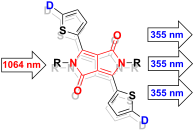
- significantly increased solubility [32]. It should be noted that other alkylating reagents, bases, and solvents provided the desired products with much lower yield and purity. Subsequent treatment of 7 with N-bromosuccinimide (NBS) smoothly afforded dibromo derivative 8 with a high yield of 93%. Bromination of

Graphical Abstract

Figure 1: General structure of investigated DPP derivatives 1–5.
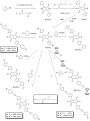
Scheme 1: Synthesis of target DPP chromophores 1–5. (i) PdCl2(PPh3)2, Na2CO3, THF, H2O; (ii) PdCl2(PPh3)2, TH...

Figure 2: Thermograms of representative chromophores 4a and 4b.

Figure 3: Energy level diagram of the electrochemical (black) and DFT (red) derived energies of the EHOMO/LUMO...

Figure 4: UV–vis absorption spectra of chromophores 1a and 1b in 1,4-dioxane at a concentration of 1 × 10⁻⁵ M....

Figure 5: UV–vis absorption spectra of chromophores 1b–5b in 1,4-dioxane at a concentration of 1 × 10⁻⁵ M.

Figure 6: Typical THG dependences vs the fundamental energy density.

Figure 7: HOMO (red) and LUMO (blue) localizations in 1a (ethylhexyl chains truncated).
Diosgenyl 2-amino-2-deoxy-β-D-galactopyranoside: synthesis, derivatives and antimicrobial activity
- Henryk Myszka,
- Patrycja Sokołowska,
- Agnieszka Cieślińska,
- Andrzej Nowacki,
- Maciej Jaśkiewicz,
- Wojciech Kamysz and
- Beata Liberek
Beilstein J. Org. Chem. 2017, 13, 2310–2315, doi:10.3762/bjoc.13.227
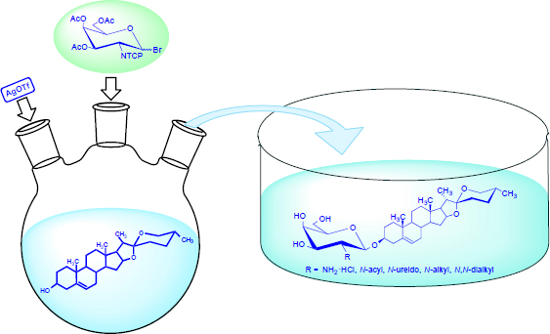
- with acetic anhydride to give fully protected galactose 1 as an anomeric mixture. The α and β anomers (3:7 molar ratio) were identified by NMR. To synthesize bromide 2, we used TiBr4 as a bromination agent. Bromide 2 was obtained as a mixture of α and β anomers (1:4 molar ratio) and was used directly

Graphical Abstract

Scheme 1: Synthesis of diosgenyl 2-amino-2-deoxy-β-D-galactopyranoside (4).

Figure 1: Derivatives of diosgenyl glycosides 5–13.
Solid-state mechanochemical ω-functionalization of poly(ethylene glycol)
- Michael Y. Malca,
- Pierre-Olivier Ferko,
- Tomislav Friščić and
- Audrey Moores
Beilstein J. Org. Chem. 2017, 13, 1963–1968, doi:10.3762/bjoc.13.191
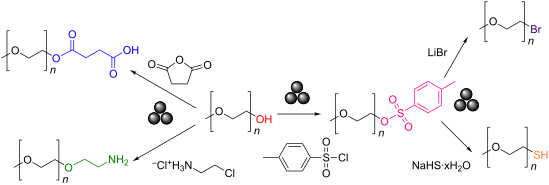
- PEG with tosyl, bromide, thiol, carboxylic acid or amine functionalities in good to quantitative yields and with no polymer chain oligomerization, proving the versatility of the method. Keywords: amination; bromination; carboxylation; mechanochemistry; poly(ethylene glycol); solid state; thiolation
- ). 2D-HSQC was performed to validate terminal bromo functionality showing a cross-peak at 1H, 13C = 3.45 ppm, 30.10 ppm (Figure S3, Supporting Information File 1). These results are exciting given that PEG bromination is often performed under harsh conditions either via radical intermediates or using

Graphical Abstract

Scheme 1: Developed syntheses for accessing by mechanochemistry: (a) mPEG–OTs, (b) mPEG–Br, (c) mPEG–SH, (d) ...

Figure 1: 1H NMR of sample mPEG2000–OTs (Table 1, entry 5) in CDCl3 showing mPEG end group shift after tosylation.
Mechanochemical synthesis of small organic molecules
- Tapas Kumar Achar,
- Anima Bose and
- Prasenjit Mal
Beilstein J. Org. Chem. 2017, 13, 1907–1931, doi:10.3762/bjoc.13.186
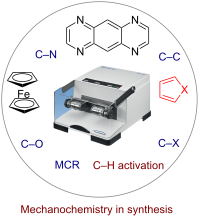
- significant in organic synthesis because aryl halides are important synthons for the synthesis of many natural and non-natural products [93][94]. In 2005, Rahman and co-workers reported a pioneering solid state benzylic bromination of diquinoline derivatives via N-bromosuccinimide (NBS) [95]. In 2012, Wang
- and co-workers reported bromination of phenol derivatives, chalcones, 1,3-dicarbonyl compounds using NaBr as bromine source and oxone as oxidant under ball-milling conditions [96]. Within 1 h they could isolate more than 90% of mono or poly-brominated products of phenol and 1,3-dicarbonyl compounds
- (Scheme 23). α,β-Unsaturated carbonyl compounds could also undergo a trans-bromination reaction efficiently within 40 min. Following to Wang’s report, Stolle and co-workers also reported a similar method of aryl bromination and chlorination using NaBr and NaCl, respectively, in the presence of oxidizing

Graphical Abstract

Scheme 1: Mechanochemical aldol condensation reactions [48].

Scheme 2: Enantioselective organocatalyzed aldol reactions under mechanomilling. a) Based on binam-(S)-prolin...

Scheme 3: Mechanochemical Michael reaction [51].

Scheme 4: Mechanochemical organocatalytic asymmetric Michael reaction [52].

Scheme 5: Mechanochemical Morita–Baylis–Hillman (MBH) reaction [53].

Scheme 6: Mechanochemical Wittig reactions [55].

Scheme 7: Mechanochemical Suzuki reaction [56].

Scheme 8: Mechanochemical Suzuki–Miyaura coupling by LAG [57].

Scheme 9: Mechanochemical Heck reaction [59].

Scheme 10: a) Sonogashira coupling under milling conditions. b) The representative example of a double Sonogas...

Scheme 11: Copper-catalyzed CDC reaction under mechanomilling [67].

Scheme 12: Asymmetric alkynylation of prochiral sp3 C–H bonds via CDC [68].

Scheme 13: Fe(III)-catalyzed CDC coupling of 3-benzylindoles [69].

Scheme 14: Mechanochemical synthesis of 3-vinylindoles and β,β-diindolylpropionates [70].

Scheme 15: Mechanochemical C–N bond construction using anilines and arylboronic acids [78].

Scheme 16: Mechanochemical amidation reaction from aromatic aldehydes and N-chloramine [79].

Scheme 17: Mechanochemical CDC between benzaldehydes and benzyl amines [81].

Scheme 18: Mechanochemical protection of -NH2 and -COOH group of amino acids [85].

Scheme 19: Mechanochemical Ritter reaction [87].

Scheme 20: Mechanochemical synthesis of dialkyl carbonates [90].

Scheme 21: Mechanochemical transesterification reaction using basic Al2O3 [91].

Scheme 22: Mechanochemical carbamate synthesis [92].

Scheme 23: Mechanochemical bromination reaction using NaBr and oxone [96].

Scheme 24: Mechanochemical aryl halogenation reactions using NaX and oxone [97].

Scheme 25: Mechanochemical halogenation reaction of electron-rich arenes [88,98].

Scheme 26: Mechanochemical aryl halogenation reaction using trihaloisocyanuric acids [100].

Scheme 27: Mechanochemical fluorination reaction by LAG method [102].

Scheme 28: Mechanochemical Ugi reaction [116].

Scheme 29: Mechanochemical Passerine reaction [116].

Scheme 30: Mechanochemical synthesis of α-aminonitriles [120].

Scheme 31: Mechanochemical Hantzsch pyrrole synthesis [121].

Scheme 32: Mechanochemical Biginelli reaction by subcomponent synthesis approach [133].

Scheme 33: Mechanochemical asymmetric multicomponent reaction[134].

Scheme 34: Mechanochemical Paal–Knorr pyrrole synthesis [142].

Scheme 35: Mechanochemical synthesis of benzothiazole using ZnO nano particles [146].

Scheme 36: Mechanochemical synthesis of 1,2-di-substituted benzimidazoles [149].

Scheme 37: Mechanochemical click reaction using an alumina-supported Cu-catalyst [152].

Scheme 38: Mechanochemical click reaction using copper vial [155].

Scheme 39: Mechanochemical indole synthesis [157].

Scheme 40: Mechanochemical synthesis of chromene [158].

Scheme 41: Mechanochemical synthesis of azacenes [169].

Scheme 42: Mechanochemical oxidative C-P bond formation [170].

Scheme 43: Mechanochemical C–chalcogen bond formation [171].

Scheme 44: Solvent-free synthesis of an organometallic complex.

Scheme 45: Selective examples of mechano-synthesis of organometallic complexes. a) Halogenation reaction of Re...

Scheme 46: Mechanochemical activation of C–H bond of unsymmetrical azobenzene [178].

Scheme 47: Mechanochemical synthesis of organometallic pincer complex [179].

Scheme 48: Mechanochemical synthesis of tris(allyl)aluminum complex [180].

Scheme 49: Mechanochemical Ru-catalyzed olefin metathesis reaction [181].

Scheme 50: Rhodium(III)-catalyzed C–H bond functionalization under mechanochemical conditions [182].

Scheme 51: Mechanochemical Csp2–H bond amidation using Ir(III) catalyst [183].

Scheme 52: Mechanochemical Rh-catalyzed Csp2–X bond formation [184].

Scheme 53: Mechanochemical Pd-catalyzed C–H activation [185].

Scheme 54: Mechanochemical Csp2–H bond amidation using Rh catalyst.

Scheme 55: Mechanochemical synthesis of indoles using Rh catalyst [187].

Scheme 56: Mizoroki–Heck reaction of aminoacrylates with aryl halide in a ball-mill [58].

Scheme 57: IBX under mechanomilling conditions [8].

Scheme 58: Thiocarbamoylation of anilines; trapping of reactive aryl-N-thiocarbamoylbenzotriazole intermediate...
Chiral phase-transfer catalysis in the asymmetric α-heterofunctionalization of prochiral nucleophiles
- Johannes Schörgenhumer,
- Maximilian Tiffner and
- Mario Waser
Beilstein J. Org. Chem. 2017, 13, 1753–1769, doi:10.3762/bjoc.13.170
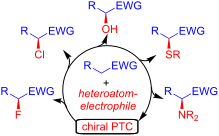
- derivative D2 performs best for this purpose, even with rather low catalyst loadings, but it has to be admitted that in general the enantioselectivities are lower than in the two other case studies shown in Scheme 6 [92]. α-Bromination and α-iodination reactions Asymmetric α-bromination and α-iodination
- opinion this field still requires further improvements. By looking for example on the difficulties in achieving high selectivities for asymmetric α-bromination or α-iodination reactions, it becomes clear that new methods are urgently required. Another application that may become of future interest could

Graphical Abstract

Scheme 1: Generally accepted ion-pairing mechanism between the chiral cation Q+ of a PTC and an enolate and s...

Scheme 2: Reported asymmetric α-fluorination of β-ketoesters 1 using different chiral PTCs.

Scheme 3: Asymmetric α-fluorination of benzofuranones 4 with phosphonium salt PTC F1.

Scheme 4: Asymmetric α-fluorination of 1 with chiral phosphate-based catalysts.

Scheme 5: Anionic PTC-catalysed α-fluorination of enamines 7 and ketones 10.

Scheme 6: PTC-catalysed α-chlorination reactions of β-ketoesters 1.

Scheme 7: Shioiri’s seminal report of the asymmetric α-hydroxylation of 15 with chiral ammonium salt PTCs.

Scheme 8: Asymmetric ammonium salt-catalysed α-hydroxylation using oxygen together with a P(III)-based reduct...

Scheme 9: Asymmetric ammonium salt-catalysed α-photooxygenations.

Scheme 10: Asymmetric ammonium salt-catalysed α-hydroxylations using organic oxygen-transfer reagents.

Scheme 11: Asymmetric triazolium salt-catalysed α-hydroxylation with in situ generated peroxy imidic acid 24.

Scheme 12: Phase-transfer-catalysed dearomatization of phenols and naphthols.

Scheme 13: Ishihara’s ammonium salt-catalysed oxidative cycloetherification.

Scheme 14: Chiral phase-transfer-catalysed α-sulfanylation reactions.

Scheme 15: Chiral phase-transfer-catalysed α-trifluoromethylthiolation of β-ketoesters 1.

Scheme 16: Chiral phase-transfer-catalysed α-amination of β-ketoesters 1 using diazocarboxylates 38.

Scheme 17: Asymmetric α-fluorination of benzofuranones 4 using diazocarboxylates 38 in the presence of phospho...

Scheme 18: Anionic phase-transfer-catalysed α-amination of β-ketoesters 1 with aryldiazonium salts 41.

Scheme 19: Triazolium salt L-catalysed α-amination of different prochiral nucleophiles with in situ activated ...

Scheme 20: Phase-transfer-catalysed Neber rearrangement.
The chemistry and biology of mycolactones
- Matthias Gehringer and
- Karl-Heinz Altmann
Beilstein J. Org. Chem. 2017, 13, 1596–1660, doi:10.3762/bjoc.13.159

Graphical Abstract

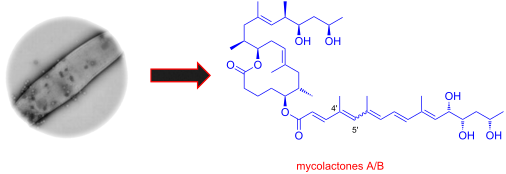
Figure 1: Initial proposal for the core macrolactone structure (left) and the established complete structure ...
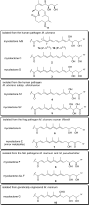
Figure 2: Mycolactone congeners and their origins.

Figure 3: Misassigned mycolactone E structure according to Small et al. [50] (11) and the correct structure (6) f...

Figure 4: Schematic illustration of Kishi’s improved mycolactone TLC detection method exploiting derivatizati...

Figure 5: Fluorescent probes derived from natural mycolactone A/B (1a,b) or its synthetic 8-desmethyl analogs...

Figure 6: Tool compounds used by Pluschke and co-workers for elucidating the molecular targets of mycolactone...

Figure 7: Synthetic strategies towards the extended mycolactone core. A) General strategies. B) Kishi’s appro...

Scheme 1: Kishi’s 1st generation approach towards the extended core structure of mycolactones. Reagents and c...

Scheme 2: Kishi’s 2nd generation approach towards the extended core structure of mycolactones. Reagents and c...

Scheme 3: Kishi’s 3rd generation approach towards the extended core structure of mycolactones. Reagents and c...

Scheme 4: Negishi’s synthesis of the extended core structure of mycolactones. Reagents and conditions: a) (i) ...

Scheme 5: Burkart’s (incomplete) 1st generation approach towards the extended core structure of mycolactones....
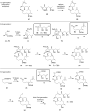
Scheme 6: Burkart’s (incomplete) 1st, 2nd and 3rd generation approach towards the extended mycolactone core s...

Scheme 7: Altmann’s synthesis of alkyl iodide 91. Reagents and conditions: a) (i) PMB-trichloroacetimidate, T...

Scheme 8: Final steps of Altmann’s synthesis of the extended core structure of mycolactones. Reagents and con...

Scheme 9: Basic principles of the Aggarwal lithiation–borylation homologation process [185,186].

Scheme 10: Aggarwal’s synthesis of the C1–C11 fragment of the mycolactone core. Reagents and conditions: a) Cl...

Scheme 11: Aggarwal’s synthesis of the linear C1–C20 fragment of the mycolactone core. Reagents and conditions...

Figure 8: Synthetic strategies towards the mycolactone A/B lower side chain.

Scheme 12: Gurjar and Cherian’s synthesis of the C1’–C8’ fragment of the mycolactone A/B pentaenoate side chai...

Scheme 13: Gurjar and Cherian’s synthesis of the benzyl-protected mycolactone A/B pentaenoate side chain. Reag...

Scheme 14: Kishi’s synthesis of model compounds for elucidating the stereochemistry of the C7’–C16’ fragment o...

Scheme 15: Kishi’s synthesis of the mycolactone A/B pentaenoate side chain. (a) (i) NaH, (EtO)2P(O)CH2CO2Et, T...

Scheme 16: Feringa and Minnaard's incomplete synthesis of mycolactone A/B pentaenoate side chain. Reagents and...

Scheme 17: Altmann’s approach towards the mycolactone A/B pentaenoate side chain. Reagents and conditions: a) ...

Scheme 18: Negishi’s access to the C1’–C7’ fragment of mycolactone A. Reagents and conditions: a) (i) n-BuLi, ...

Scheme 19: Negishi’s approach to the C1’–C7’ fragment of mycolactone B. Reagents and conditions: a) (i) DIBAL-...

Scheme 20: Negishi’s synthesis of the C8’–C16’ fragment of mycolactone A/B. Reagents and conditions: a) 142, BF...

Scheme 21: Negishi’s assembly of the mycolactone A and B pentaenoate side chains. Reagents and conditions: a) ...

Scheme 22: Blanchard’s approach to the mycolactone A/B pentaenoate side chain. a) (i) Ph3P=C(Me)COOEt, CH2Cl2,...

Scheme 23: Kishi’s approach to the mycolactone C pentaenoate side chain exemplified for the 13’R,15’S-isomer 1...

Scheme 24: Altmann’s (unpublished) synthesis of the mycolactone C pentaenoate side chain. Reagents and conditi...

Scheme 25: Blanchard’s synthesis of the mycolactone C pentaenoate side chain. Reagents and conditions: a) (i) ...

Scheme 26: Kishi’s synthesis of the tetraenoate side chain of mycolactone F exemplified by enantiomer 165. Rea...

Scheme 27: Kishi’s synthesis of the mycolactone E tetraenoate side chain. Reagents and conditions: a) (i) CH2=...

Scheme 28: Wang and Dai’s synthesis of the mycolactone E tetraenoate side chain. Reagents and conditions: a) (...

Scheme 29: Kishi’s synthesis of the dithiane-protected tetraenoate side chain of the minor oxo-metabolite of m...

Scheme 30: Kishi’s synthesis of the mycolactone S1 and S2 pentaenoate side chains. Reagents and conditions: a)...

Scheme 31: Kishi’s 1st generation and Altmann’s total synthesis of mycolactone A/B (1a,b) and Negishi’s select...

Scheme 32: Kishi’s 2nd generation total synthesis of mycolactone A/B (1a,b). Reagents and conditions: a) 2,4,6...

Scheme 33: Blanchard’s synthesis of the 8-desmethylmycolactone core. Reagents and conditions: a) (i) TsCl, TEA...

Scheme 34: Altmann’s (partially unpublished) synthesis of the C20-hydroxylated mycolactone core. Reagents and ...

Scheme 35: Altmann’s and Blanchard’s approaches towards the 11-isopropyl-8-desmethylmycolactone core. Reagents...

Scheme 36: Blanchard’s synthesis of the saturated variant of the C11-isopropyl-8-desmethylmycolactone core. Re...

Scheme 37: Structure elucidation of photo-mycolactones generated from tetraenoate 224.

Scheme 38: Kishi’s synthesis of the linear precursor of the photo-mycolactone B1 lower side chain. Reagents an...

Scheme 39: Kishi’s synthesis of the photo-mycolactone B1 lower side chain. Reagents and conditions: a) LiTMP, ...

Scheme 40: Kishi’s synthesis of a stabilized lower mycolactone side chain. Reagents and conditions: a) (i) TBD...
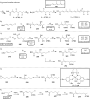
Scheme 41: Blanchard’s variation of the C12’,C13’,C15’ stereocluster. Reagents and conditions: a) (i) DIBAL-H,...

Scheme 42: Blanchard’s synthesis of aromatic mycolactone polyenoate side chain analogs. Reagents and condition...

Scheme 43: Small’s partial synthesis of a BODIPY-labeled mycolactone derivative and Demangel’s partial synthes...

Scheme 44: Blanchard’s synthesis of the BODIPY-labeled 8-desmethylmycolactones. Reagents and conditions: a) (i...
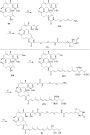
Scheme 45: Altmann’s synthesis of biotinylated mycolactones. Reagents and conditions: a) (i) CDI, THF, rt, 2 d...

Figure 9: Kishi’s elongated n-butyl carbamoyl mycolactone A/B analog.
Bifunctional organocatalysts for the asymmetric synthesis of axially chiral benzamides
- Ryota Miyaji,
- Yuuki Wada,
- Akira Matsumoto,
- Keisuke Asano and
- Seijiro Matsubara
Beilstein J. Org. Chem. 2017, 13, 1518–1523, doi:10.3762/bjoc.13.151
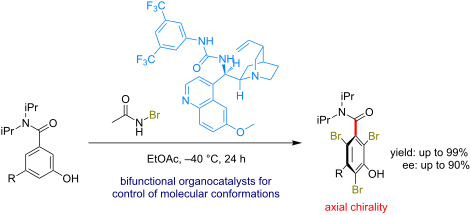
- functional groups in a chiral molecular skeleton were applied to the enantioselective synthesis of axially chiral benzamides via aromatic electrophilic bromination. The results demonstrate the versatility of bifunctional organocatalysts for the enantioselective construction of axially chiral compounds
- axial chirality [36][37]. Thus, we assumed that this method could be further applied to the enantioselective synthesis of a range of axially chiral compounds. In this study, we present the enantioselective synthesis of 3-hydroxybenzamides via aromatic electrophilic bromination [28][29]. The 3
- material was recovered (see Supporting Information File 1 for details). These results imply that the first bromination, occurring at the ortho-position of the axis (probably at the 2-position), is the enantiodetermining step of the reaction. Moreover, once one of the ortho-positions is brominated

Graphical Abstract

Figure 1: Brominating reagents.

Scheme 1: Optimization of the substituents of the amide group. Reactions were run using 1 (0.1 mmol), 3a (0.0...
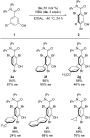
Scheme 2: Substrate scope. Reactions were run using 1 (0.1 mmol), 3a (0.01 mmol), and 4a (0.3 mmol) in EtOAc ...

Scheme 3: Reactions of substrates with substituted phenols.

Scheme 4: Reactions of monobrominated substrates.

Scheme 5: Rotational barriers of substrates and intermediates calculated at the B3YLP/6-31G(d) level of theor...

Scheme 6: Reaction of substrate with protected phenol.



