


Search results
Search for "olefin" in Full Text gives 466 result(s) in Beilstein Journal of Organic Chemistry. Showing first 200.
New azodyrecins identified by a genome mining-directed reactivity-based screening
- Atina Rizkiya Choirunnisa,
- Kuga Arima,
- Yo Abe,
- Noritaka Kagaya,
- Kei Kudo,
- Hikaru Suenaga,
- Junko Hashimoto,
- Manabu Fujie,
- Noriyuki Satoh,
- Kazuo Shin-ya,
- Kenichi Matsuda and
- Toshiyuki Wakimoto
Beilstein J. Org. Chem. 2022, 18, 1017–1025, doi:10.3762/bjoc.18.102
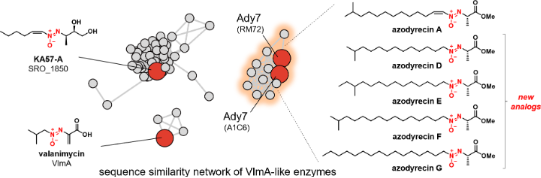
- alcohols [24], methoxides [23][25][26], carboxylic acids [27], amides [28], ketones [29][30], an exo-olefin [31], and lactones [32]. Elucidating the mechanisms of structural diversification is essential when considering the synthesis of unnatural azoxides by a synthetic biology-based approach. However
- , their enzymatic basis has remained elusive except for the exo-olefin formation in valanimycin biosynthesis, which is mediated by the phosphorylation of a serine moiety by VlmJ and the subsequent dehydration by VlmK [33]. To obtain insights into the late-stage diversification mechanisms, we focused on
- installation of a cis-olefin on the 1,2-positions of the alkyl side chain would afford azodyrecins A–C (1–3), in a reaction likely to be mediated by Ady9, a putative fatty acid desaturase. Nevertheless, the possibility that the desaturation occurs prior to the methyl esterification could not be excluded. The

Graphical Abstract

Figure 1: Representative natural azoxides.

Figure 2: Biosynthetic gene clusters of aliphatic azoxy natural products. Conserved proteins are colored acco...

Scheme 1: N2H4-detecting colorimetric assay.

Figure 3: Structures of azodyrecins (a) and new azodyrecin derivatives, azodyrecins D–G (7–10) (b). Key corre...
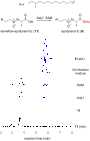
Figure 4: In vitro characterization of Ady1. Extracted ion chromatograms at m/z 329.3 (black) and m/z 343.3 (...

Scheme 2: Proposed biosynthetic pathway of azodyrecin.

Figure 5: Sequence similarity network of VlmA-like enzymes in the actinobacterial genomes in the Refseq datab...
Cathodic generation of reactive (phenylthio)difluoromethyl species and its reactions: mechanistic aspects and synthetic applications
- Sadanobu Iwase,
- Shinsuke Inagi and
- Toshio Fuchigami
Beilstein J. Org. Chem. 2022, 18, 872–880, doi:10.3762/bjoc.18.88
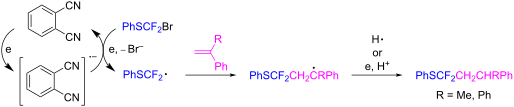
- performed at room temperature. As expected, product 3 was formed in moderate yield of 67% as shown in Scheme 7. It is known that difluorocarbene has generally low reactivity towards olefins; however, it can be trapped with electron-rich olefins [32]. In order to trap difluorocarbene with an olefin, we tried
- 1,1-diphenylethylene as a more electron-rich olefin compared to α-methylstyrene was carried out similarly. As expected, the adduct 6 was formed in a high yield of 90% as shown in Scheme 10. Isopropanol can serve as both a proton and a hydrogen radical source while cumene serves only as a hydrogen

Graphical Abstract

Scheme 1: Electrochemical gem-difluorination of sulfides bearing α-electron-withdrawing groups.

Scheme 2: Electrochemical gem-difluorodesulfurization of dithioacetals.

Scheme 3: Electrochemical gem-difluorodesulfurization of dithiocarbonate.

Scheme 4: Cathodic reduction of 1.

Figure 1: Cyclic voltammograms of (a) PhSCF2Br (1, 8 mM) in 0.1 M n-Bu4NClO4/MeCN; (b) o-phthalonitrile (4 mM...

Scheme 5: Indirect cathodic reduction of 1 using o-phthalonitrile as mediator.

Scheme 6: Mechanism for the formation of product 3.

Scheme 7: Reaction of compound 1 with PhS anions.

Scheme 8: Cathodic reduction of compound 1 in the presence of α-methylstyrene at a high current density.

Scheme 9: Indirect cathodic reduction of compound 1 in CD3CN.

Scheme 10: Indirect cathodic reduction of compound 1 in the presence of 1,1-diphenylethylene.

Scheme 11: Reaction mechanism.
Synthesis of odorants in flow and their applications in perfumery
- Merlin Kleoff,
- Paul Kiler and
- Philipp Heretsch
Beilstein J. Org. Chem. 2022, 18, 754–768, doi:10.3762/bjoc.18.76
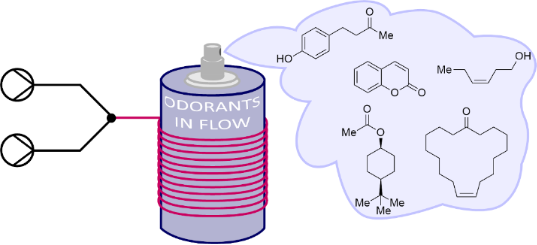
- ]. Therefore, Roberge, Fogg, and co-workers investigated the advantages of continuously stirred tank reactors (CSTR) and tube reactors in comparison to the corresponding batch reaction for the ring-closing metathesis of diene 58, producing macrocyclic olefin 60 (Scheme 14) [52]. Although, macrocycle 60 is not
- conditions. In contrast, when a continuously stirred tank reactor was used, its head space was continuously flushed with argon to keep the concentration of ethylene in solution as low as possible. In this case, full conversion to macrocyclic olefin 60 (99% yield, detected be GC-FID) could be achieved after

Graphical Abstract

Figure 1: The olfactory spectrum wheel ordering different types of odorants from fruity to musky.

Figure 2: Classification of odorants as “top note”, “middle note” and “base note” depending on their substant...

Scheme 1: Synthesis of raspberry ketone (5) and raspberry ketone methyl ether (6) in two steps in flow.

Scheme 2: Autoxidation of (+)-valencene (7) to (+)-nootkatone (8) under catalyst and solvent-free conditions ...

Scheme 3: Enzyme-catalyzed acetylation of isoamyl alcohol (9) in a biphasic n-heptane/water mixture utilizing...

Scheme 4: Esterification of alcohols by transesterification, catalyzed by immobilized acyltransferase in a pa...

Scheme 5: Synthesis of homologated alcohols 20 by iterative homologation of terpenyl boronate esters 17 follo...

Scheme 6: Sequential three-step synthesis of (S)-α-phellandrene (30) from (R)-carvone (25) via selective hydr...

Scheme 7: Selective hydrogenation of alkyne 31 to “leaf alcohol” 32 employing a solid-supported palladium cat...

Scheme 8: A) Synthesis of jasmonal (35) by crossed aldol condensation of benzaldehyde (33) and heptanal (34) ...

Scheme 9: Synthesis of thymol (41) from m-cresol (39) and isopropyl alcohol via Fries-type rearrangement of e...

Scheme 10: Preparation of coumarin (46) by reaction of salicylaldehyde (44) with potassium acetate, acetic aci...

Scheme 11: Synthesis of phthalide (50) by photoinduced decatungstate catalysis.

Scheme 12: Synthesis of woody acetate (54) by reduction of cyclohexanone 51 and subsequent acetylation; ADH200...

Scheme 13: Synthesis of juniper lactone (56) by pyrolysis of triperoxide 55 generated by oxidation of cyclohex...

Scheme 14: Synthesis of macrocyclic olefine 60 by ring-closing metathesis of diene 58 in a continuously stirre...

Scheme 15: Synthesis of macrocycles 65 and 66 by ring-closing metathesis of dienes 62 or 63, respectively, in ...

Scheme 16: Z-Selective synthesis of civetone (69) enabled by metathesis catalyst 68 in a tube-in-tube reactor.

Scheme 17: Synthesis of macrocyclic olefine 72 by ring-closing metathesis of diene 70.
Menadione: a platform and a target to valuable compounds synthesis
- Acácio S. de Souza,
- Ruan Carlos B. Ribeiro,
- Dora C. S. Costa,
- Fernanda P. Pauli,
- David R. Pinho,
- Matheus G. de Moraes,
- Fernando de C. da Silva,
- Luana da S. M. Forezi and
- Vitor F. Ferreira
Beilstein J. Org. Chem. 2022, 18, 381–419, doi:10.3762/bjoc.18.43
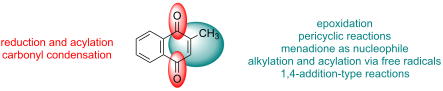

Graphical Abstract

Figure 1: Natural bioactive naphthoquinones.

Figure 2: Chemical structures of vitamins K.

Figure 3: Redox cycle of menadione.

Scheme 1: Selected approaches for menadione synthesis using silver(I) as a catalyst.

Scheme 2: Methylation approaches for the preparation of menadione from 1,4-naphthoquinone using tert-butyl hy...

Scheme 3: Methylation approach of 1,4-naphthoquinone using i) rhodium complexes/methylboronic acid and ii) bi...

Scheme 4: Synthesis of menadione (10) from itaconic acid.

Scheme 5: Menadione synthesis via Diels–Alder reaction.

Scheme 6: Synthesis of menadione (10) using p-cresol as a synthetic precursor.

Scheme 7: Synthesis of menadione (10) via demethoxycarbonylating annulation of methyl methacrylate.

Scheme 8: Furan 34 used as a diene in a Diels–Alder reaction for the synthesis of menadione (10).

Scheme 9: o-Toluidine as a dienophile in a Diels–Alder reaction for the synthesis of menadione (10).

Scheme 10: Representation of electrochemical synthesis of menadione.

Figure 4: Reaction sites and reaction types of menadione as substrate.

Scheme 11: DBU-catalyzed epoxidation of menadione (10).

Scheme 12: Phase-transfer catalysis for the epoxidation of menadione.

Scheme 13: Menadione epoxidation using a hydroperoxide derived from (+)-norcamphor.

Scheme 14: Enantioselective Diels–Alder reaction for the synthesis of asymmetric quinone 50 catalyzed by a chi...

Scheme 15: Optimized reaction conditions for the synthesis of anthra[9,1-bc]pyranone.

Scheme 16: Synthesis of anthra[9,1-bc]furanone, anthra[9,1-bc]pyridine, and anthra[9,1-bc]pyrrole derivatives.

Scheme 17: Synthesis of derivatives employing protected trienes.

Scheme 18: Synthesis of cyclobutene derivatives of menadione.

Scheme 19: Menadione reduction reactions using sodium hydrosulfite.

Scheme 20: Green methodology for menadiol synthesis and pegylation.

Scheme 21: Menadione reduction by 5,6-O-isopropylidene-ʟ-ascorbic acid under UV light irradiation.

Scheme 22: Selected approaches of menadione hydroacetylation to diacetylated menadiol.

Scheme 23: Thiele–Winter reaction catalyzed by Bi(OTf)3.

Scheme 24: Carbonyl condensation of menadione using resorcinol and a hydrazone derivative.

Scheme 25: Condensation reaction of menadione with thiosemicarbazide.

Scheme 26: Condensation reaction of menadione with acylhydrazides.

Scheme 27: Menadione derivatives functionalized with organochalcogens.

Scheme 28: Synthesis of selenium-menadione conjugates derived from chloromethylated menadione 84.

Scheme 29: Menadione alkylation by the Kochi–Anderson method.

Scheme 30: Menadione alkylation by diacids.

Scheme 31: Menadione alkylation by heterocycles-substituted carboxylic acids.

Scheme 32: Menadione alkylation by bromoalkyl-substituted carboxylic acids.

Scheme 33: Menadione alkylation by complex carboxylic acids.

Scheme 34: Kochi–Anderson method variations for the menadione alkylation via oxidative decarboxylation of carb...

Scheme 35: Copper-catalyzed menadione alkylation via free radicals.

Scheme 36: Nickel-catalyzed menadione cyanoalkylation.

Scheme 37: Iron-catalyzed alkylation of menadione.

Scheme 38: Selected approaches to menadione alkylation.

Scheme 39: Menadione acylation by photo-Friedel–Crafts acylation reported by Waske and co-workers.

Scheme 40: Menadione acylation by Westwood procedure.

Scheme 41: Synthesis of 3-benzoylmenadione via metal-free TBAI/TBHP system.

Scheme 42: Michael-type addition of amines to menadione reported by Kallmayer.

Scheme 43: Synthesis of amino-menadione derivatives using polyalkylamines.

Scheme 44: Selected examples for the synthesis of different amino-substituted menadione derivatives.

Scheme 45: Selected examples of Michael-type addition of complex amines to menadione (10).

Scheme 46: Addition of different natural α-amino acids to menadione.

Scheme 47: Michael-type addition of amines to menadione using silica-supported perchloric acid.

Scheme 48: Indolylnaphthoquinone or indolylnaphthalene-1,4-diol synthesis reported by Yadav et al.

Scheme 49: Indolylnaphthoquinone synthesis reported by Tanoue and co-workers.

Scheme 50: Indolylnaphthoquinone synthesis from menadione by Escobeto-González and co-workers.

Scheme 51: Synthesis of menadione analogues functionalized with thiols.

Scheme 52: Synthesis of menadione-derived symmetrical derivatives through reaction with dithiols.

Scheme 53: Mercaptoalkyl acids as nucleophiles in Michael-type addition reaction to menadione.

Scheme 54: Reactions of menadione (10) with cysteine derivatives for the synthesis of quinoproteins.

Scheme 55: Synthesis of menadione-glutathione conjugate 152 by Michael-type addition.
A resorcin[4]arene hexameric capsule as a supramolecular catalyst in elimination and isomerization reactions
- Tommaso Lorenzetto,
- Fabrizio Fabris and
- Alessandro Scarso
Beilstein J. Org. Chem. 2022, 18, 337–349, doi:10.3762/bjoc.18.38
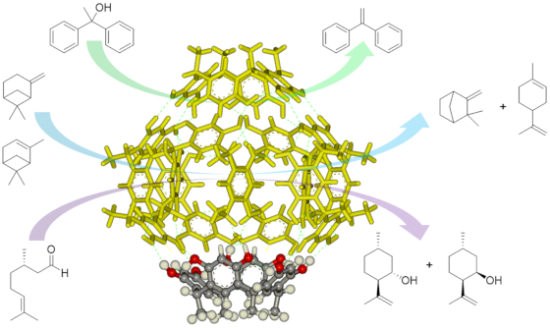
- synthesis of sesquiterpene natural product derivatives [38][39] and the carbonyl olefin metathesis leading to 2,5-dihydropyrroles [40]. Herein we present our investigation on the ability of the hexameric capsule 16 to act as a supramolecular self-assembled organocatalyst for a series of unimolecular

Graphical Abstract

Scheme 1: Resorcin[4]arene 1 forming the corresponding hexameric capsule 16 and the species used for control ...

Scheme 2: Carbonyl–ene intramolecular cyclization of (S)-citronellal to the corresponding diastereoisomeric c...

Figure 1: 1H NMR spectra in water-saturated CDCl3 except for G. A: [16] (7.5 mM); B: citronellal; C: citronel...

Scheme 3: Dehydration reaction of 1,1-diphenylethanol to 1,1-diphenylethylene.

Figure 2: 1H NMR spectra in water-saturated CDCl3 except for G. A: [16] (7.5 mM); B: 1,1-diphenylethanol; C: ...

Scheme 4: Possible isomerization products from β-pinene and α-pinene.

Figure 3: 1H NMR spectra in water-saturated CDCl3 except for G. A: [16] (7.5 mM); B: α-pinene; C: α-pinene (7...

Figure 4: 1H NMR spectra in water-saturated CDCl3 except for G. A: [16] (7.5 mM); B: β-pinene; C: β-pinene (7...

Figure 5: 1H NMR spectra in water-saturated CDCl3, except for E. A: [16] (7.5 mM); B: β-pinene; C: β-pinene (...
Site-selective reactions mediated by molecular containers
- Rui Wang and
- Yang Yu
Beilstein J. Org. Chem. 2022, 18, 309–324, doi:10.3762/bjoc.18.35
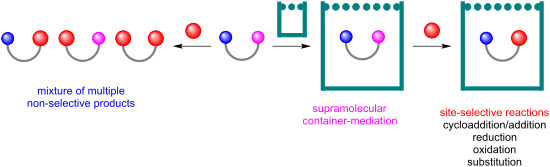
- -organize them with certain confined conformations. In this case, the linear diterpenoid substrate 29 possessed a folded U-shaped conformation within the cavity, with the terminal trisubstituted olefin exposed to the solution while the other three internal ones were protected by the cage host. The structure
- of the host–guest complex was determined by NMR and X-ray crystallographic analysis. Accordingly, the terminal trisubstituted olefin moiety was site-selectively transformed to the corresponding nitratobrominated compound 30 (Figure 9a) or epoxide 31 (Figure 9b) by NBS or m-CPBA, respectively. The
- terminal was exposed to the aqueous solution and the more hydrophobic olefin terminal was buried deep in the cavitand hence protected from the further functionalization. This methodology could be expanded generally to the systems of converting symmetrical hydrophobic guests to unsymmetrical, amphiphilic

Graphical Abstract

Figure 1: Site-selective Diels–Alder reaction of anthracene and phthalimide mediated by aqueous organopalladi...

Figure 2: Site-selective Diels–Alder and [2 + 2]-photoaddition reactions between naphthalene and phthalimide ...

Figure 3: Cage host A-mediated selective 1,4-radical addition of o-quinone 10.

Figure 4: Cyclodextrin-mediated site-selective reductions.

Figure 5: Selective reduction of an α,ω-diazide compound mediated by water-soluble cavitand D.

Figure 6: Selective radical reduction of α,ω-dihalides mediated by water-soluble cavitands E and F.

Figure 7: Site-selective hydrogenation of polyenols mediated by supramolecular encapsulated rhodium catalyst.

Figure 8: Site-selective oxidation of steroids using cyclodextrin as the anchoring template.

Figure 9: Site-selective oxidations of linear diterpenoids with the help of cage host A.

Figure 10: Site-selective monoepoxidation of α,ω-dienes mediated by the water-soluble cavitand host E.

Figure 11: Site-selective ring-opening reaction of epoxides mediated by cavitand I with an inwardly directed c...

Figure 12: Site-selective nucleophilic substitution reaction of allylic chlorides mediated by cage host J.

Figure 13: Site-selective monohydrolysis of α,ω-difunctional compounds using deep water-soluble cavitands.
Regioselectivity of the SEAr-based cyclizations and SEAr-terminated annulations of 3,5-unsubstituted, 4-substituted indoles
- Jonali Das and
- Sajal Kumar Das
Beilstein J. Org. Chem. 2022, 18, 293–302, doi:10.3762/bjoc.18.33
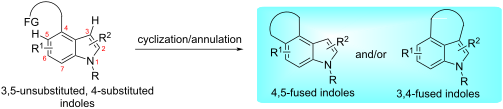
- diastereo- and enantioselectivities (up to >20:1 dr and >99% ee) (Scheme 8) [18]. The optimized reaction conditions for the annulation reaction were as follows: [Ir(cod)Cl]2 (4 mol %), Carreira’s P/olefin ligand (S)-L3 (16 mol %), Zn(OTf)2 (100 mol %), and 4 Å MS in CH2Cl2 at rt. The synthetic protocol

Graphical Abstract

Scheme 1: SEAr-based, CAr–C bond-forming cyclization or annulation of: (A) substituted arenes/heteroarenes an...

Scheme 2: Indole C3 regioselective intramolecular alkylation of indolyl allyl carbonates.

Scheme 3: Indole C3 regioselective Michael-type cyclization in the total synthesis of (−)-indolactam V.

Scheme 4: Synthesis of azepino[4,3,2-cd]indoles via indole C3 regioselective aza-Michael addition/cyclization...

Scheme 5: Indole C3 regioselective Pictet−Spengler reaction of 2-(1H-indol-4-yl)ethanamines.

Scheme 6: Indole C3 regioselective hydroindolation of cis-β-(α′,α′-dimethyl)-4′-methindolylstyrenes.

Scheme 7: Indole C3 regioselective cyclization leading to the formation of polycyclic azepino[5,4,3-cd]indole...

Scheme 8: Synthesis of azepino[3,4,5-cd]indoles via iridium-catalyzed asymmetric [4 + 3] cycloaddition of rac...

Scheme 9: Aldimine condensation/1,6-hydride transfer/Mannich-type cyclization cascade of indole-derived pheny...

Scheme 10: Indole C5 regioselective intramolecular FC acylation of 4-substituted indoles.

Scheme 11: Catalyst-dependent regioselectivity switching in the cyclization of ethyl 2-diazo-4-(4-indolyl)-3-o...

Scheme 12: Indole C5 regioselective cyclization of α-carbonyl sulfoxonium ylides.

Scheme 13: Indole C5 regioselective cyclization of an indole-tethered donor–acceptor cyclopropane.

Scheme 14: Indole C5 regioselective epoxide–arene cyclization.
Iridium-catalyzed hydroacylation reactions of C1-substituted oxabenzonorbornadienes with salicylaldehyde: an experimental and computational study
- Angel Ho,
- Austin Pounder,
- Krish Valluru,
- Leanne D. Chen and
- William Tam
Beilstein J. Org. Chem. 2022, 18, 251–261, doi:10.3762/bjoc.18.30
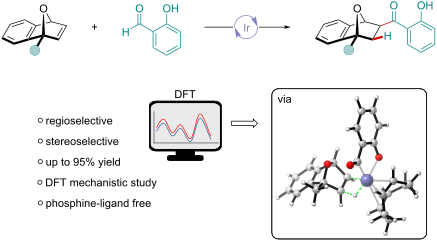
- regioselectivity. The mechanism and origins of selectivity in the iridium-catalyzed hydroacylation reaction has been examined at the M06/Def2TZVP level of theory. The catalytic cycle consists of three key steps including oxidative addition into the aldehyde C–H bond, insertion of the olefin into the iridium
- hydroacylation reactions [74][75][76][77][78], we propose a catalytic cycle utilizing iridium that proceeds with three key steps: (1) iridium(I) oxidative addition into the aldehyde C–H bond, (2) insertion of the olefin into the iridium hydride, and (3) C–C bond-forming reductive elimination. The hydroacylation
- substrate, the active catalyst Ir(COD)OH will undergo oxidative addition into the aldehyde C–H bond. Next, the iridium hydride species will undergo exo-η2-coordination with the olefin of MeOBD to generate intermediates IN1a and IN1b (Figure 1). It is typically assumed exo-η2-coordination is preferential

Graphical Abstract

Scheme 1: Previously reported metal-catalyzed reactions of heterobicyclic alkenes and applications towards th...

Scheme 2: Iridium-catalyzed hydroacylation of C1-substituted OBDs 13a–k with salicylaldehyde 14.

Scheme 3: Competition reaction of different C1-substituted OBDs.

Figure 1: Potential energy profile of the PCM solvation model for the hydrometalation/reductive elimination p...

Figure 2: Potential energy profile of the PCM solvation model for the carbometalation/reductive elimination p...

Figure 3: Potential energy profile of the PCM solvation model for the endo hydrometalation/reductive eliminat...

Figure 4: Potential energy profile of the PCM solvation model for the Ir/diene-catalyzed hydroacylation of Me...
1,2-Naphthoquinone-4-sulfonic acid salts in organic synthesis
- Ruan Carlos B. Ribeiro,
- Patricia G. Ferreira,
- Amanda de A. Borges,
- Luana da S. M. Forezi,
- Fernando de Carvalho da Silva and
- Vitor F. Ferreira
Beilstein J. Org. Chem. 2022, 18, 53–69, doi:10.3762/bjoc.18.5
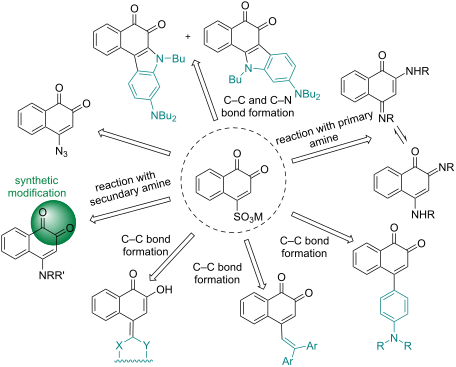
- -naphthoquinones 35 and β-lapachone (11) for hCE1 (Scheme 9). It is important to note that 35 can be obtained from other reagents, such as 2-naphthol, in a cascade of reactions involving oxidation to 1,2-naphthoquinones followed by Michael addition to the olefin and reoxidation [85]. In addition, Yang and co

Graphical Abstract

Figure 1: Naphthoquinones are commonly used in organic synthesis.

Figure 2: Some important natural and synthetic naphthoquinones.

Scheme 1: Synthetic studies of BNQs and reactions with amines.

Scheme 2: Methods described for the synthesis of β-NQS.

Figure 3: Drugs detected using β-NQSNa.

Scheme 3: Reactions between β-NQS and amines.

Scheme 4: Isomerization of 4-arylamino-1,2-naphthoquinones.

Scheme 5: Synthesis of unsymmetrical 2-amino-4-imino compounds.

Scheme 6: Synthesis of bis(isoxazolyl)naphthoquinones from β-NQS.

Scheme 7: The reaction of β-NQS with 30 followed by cycle condensation.

Scheme 8: Synthesis of 4-(2-amino-5-selenothiazoles)-1,2-naphthoquinones.

Scheme 9: Synthesis of amino- and phenoxy-1,2-naphthoquinones.

Scheme 10: Synthesis of 4-semicarbazide-1,2-naphthoquinone.

Scheme 11: Reactions of 4-azido-1,2-naphthoquinone.

Figure 4: Modifications that can be easily carried out from the products of β-NQS 8.

Scheme 12: Derivatives of 1,2-naphthoquinones obtained from β-NQS.

Scheme 13: Oximes as well as 4-amino- and 4-phenoxy-1,2-naphthoquinone as potential anti-inflammatory agents.

Scheme 14: Synthesis of triazoles from β-NQS.

Scheme 15: Synthesis of naphtho[1,2-d]oxazoles from β-NQS.

Scheme 16: A) Arylation and vinylation of β-NQS catalyzed by Ni(II) salts. B) Transformation of the 1,2-dicarb...

Scheme 17: Benzo[a]carbazole and benzo[c]carbazoles fused with 1,2-naphthoquinone.

Scheme 18: Synthesis of 1,2-naphthoquinones having a C=C bond from β-NQS. Method A: NaOH, EtOH/H2O, 40 °C, 2 h...

Scheme 19: C=C bond formation from β-NQS and substituted acetonitriles.
Bifunctional thiourea-catalyzed asymmetric [3 + 2] annulation reactions of 2-isothiocyanato-1-indanones with barbiturate-based olefins
- Jiang-Song Zhai and
- Da-Ming Du
Beilstein J. Org. Chem. 2022, 18, 25–36, doi:10.3762/bjoc.18.3
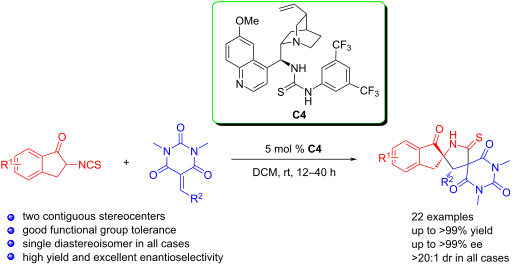
- . Results and Discussion To verify the feasibility of the reaction, the domino Michael addition/cyclization reaction of 2-isothiocyanato-1-indanone (1a) and barbiturate-based olefin 2a was used as a model reaction, which was carried out in dichloromethane (DCM) with 5 mol % quinine-derived squaramide C1 at

Graphical Abstract

Figure 1: Selected examples of natural products and drugs possessing the indane scaffold.

Scheme 1: Known strategies and conceptual advance of this contribution.

Figure 2: Selected examples of bioactive spirobarbiturates.

Figure 3: The screened organocatalysts.

Scheme 2: Substrate scope of 2-isothiocyanato-1-indanones. The reactions were carried out with 1 (0.12 mmol), ...
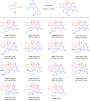
Scheme 3: Substrate scope of barbiturate-based olefins. The reactions were carried out with 1a (0.12 mmol), 2...

Figure 4: X-ray crystal structure of 3ae (displacement ellipsoids are drawn at the 50% probability level).

Scheme 4: Gram-scale synthesis of 3ah.

Scheme 5: Further transformation of 3ah.

Scheme 6: One-pot three-component reaction.

Scheme 7: Proposed reaction mechanism.
Unsaturated fatty acids and a prenylated tryptophan derivative from a rare actinomycete of the genus Couchioplanes
- Shun Saito,
- Kanji Indo,
- Naoya Oku,
- Hisayuki Komaki,
- Masashi Kawasaki and
- Yasuhiro Igarashi
Beilstein J. Org. Chem. 2021, 17, 2939–2949, doi:10.3762/bjoc.17.203
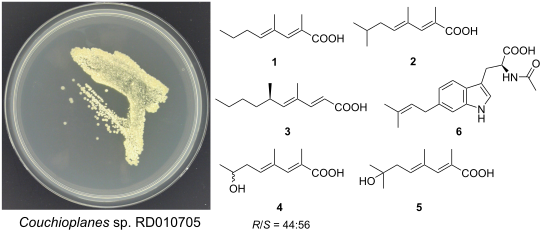
- from a triplet methyl H-8 to an olefinic methine H-5 via two methylenes H-7 and H-6, which revealed a propyl-substituted olefin moiety (Figure 2). In addition, HMBC correlations (Table 2) from the allylic methyl H-10 to C-5, C-4, and C-3 and from the other allylic methyl H-9 to C-3, C-2, and C-1
- larger by C2H4 than 1. Analysis of a COSY spectrum identified a 1,2-disubstituted (E)-olefin fragment H-2/H-3 (3JH-H = 15.0 Hz), a four-carbon fragment containing a methyl-substituted olefinic methine H-5/H-6/(H-12)/H-7, and an ethyl group H-9/H-10 (Figure 2, Table 1 and Table 2). The connectivity of the

Graphical Abstract

Figure 1: Structures of 1–6.

Figure 2: COSY, key HMBC and NOESY correlations of 1–5.

Figure 3: 1H NMR spectra and partial chemical shift assignments for MPA esters 4'a–4'd. Upper: (R)-MPA acylat...

Figure 4: Chiral phase HPLC analysis of methyl ester 4'. Italicized numbers indicate peak areas.

Figure 5: COSY and key HMBC correlations observed for 6.

Figure 6: ΔδH(S-R) values in ppm calculated from PGME amides 6a and 6b.

Figure 7: Selected examples of the related compounds derived from the strains in the genus Streptomyces (a) a...
A photochemical C=C cleavage process: toward access to backbone N-formyl peptides
- Haopei Wang and
- Zachary T. Ball
Beilstein J. Org. Chem. 2021, 17, 2932–2938, doi:10.3762/bjoc.17.202
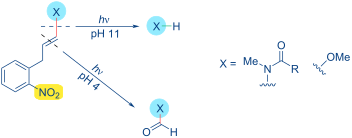
- -formyl amide products have unique properties and reactivity, but are difficult or impossible to access by traditional synthetic approaches. Keywords: formyl peptide; nitroaryl compound; nitroso compound; olefin cleavage; photocleavage; Findings The photochemistry of nitroaromatic functional groups has
- then account for the isolation of the acetylated analogue 9. The photochemical pathway described here represents a formal oxidative olefin cleavage of vinylogous nitroaryl-modified amides and ethers. The pathway adds to the diversity of photochemical pathways known for 2-nitrophenyl systems, and the

Graphical Abstract

Figure 1: Uncaging of peptide backbone N–H bonds from Chan–Lam-type modification.

Figure 2: Photocleavage of compounds 1 and 6 under basic conditions. Yield of products was calculated from cr...

Figure 3: (a) Photocleavage of compound 6 under acidic conditions. Yields determined by 1H NMR using residual...

Figure 4: Preparation and hydrolysis kinetics (inset) of N-formyl product 11. Dashed line: first-order decay ...
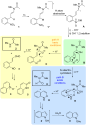
Figure 5: Proposed mechanism for the formation of aldehyde 3 and N-formyl product 8.
Iron-catalyzed domino coupling reactions of π-systems
- Austin Pounder and
- William Tam
Beilstein J. Org. Chem. 2021, 17, 2848–2893, doi:10.3762/bjoc.17.196
- first three-component alkenylboration of alkenes 50 (Scheme 9) [78]. The authors noted the described methodology regioselectively installs both the boryl functionality and olefin across both activated and unactivated π-systems 50; however, the later required the use of (dppe)FeBr2 in DMF to deliver
- an Fe(II) species and S2O82−, a cascade of SET reactions between the alkylcarbazate and the Fe catalyst will lead to the formation of the alkoxycarbonyl 125. Regioselective addition of the radical across the electron-neutral olefin will generate the radical intermediate 126, followed by the 6-endo

Graphical Abstract

Figure 1: Price comparison among iron and other transition metals used in catalysis.

Scheme 1: Typical modes of C–C bond formation.

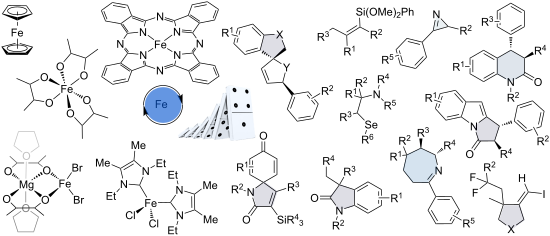
Scheme 2: The components of an iron-catalyzed domino reaction.

Scheme 3: Iron-catalyzed tandem cyclization and cross-coupling reactions of iodoalkanes 1 with aryl Grignard ...
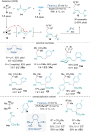
Scheme 4: Three component iron-catalyzed dicarbofunctionalization of vinyl cyclopropanes 14.
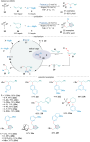
Scheme 5: Three-component iron-catalyzed dicarbofunctionalization of alkenes 21.

Scheme 6: Double carbomagnesiation of internal alkynes 31 with alkyl Grignard reagents 32.

Scheme 7: Iron-catalyzed cycloisomerization/cross-coupling of enyne derivatives 35 with alkyl Grignard reagen...
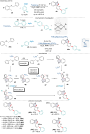
Scheme 8: Iron-catalyzed spirocyclization/cross-coupling cascade.
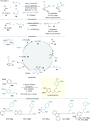
Scheme 9: Iron-catalyzed alkenylboration of alkenes 50.
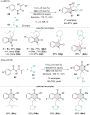
Scheme 10: N-Alkyl–N-aryl acrylamide 60 CDC cyclization with C(sp3)–H bonds adjacent to a heteroatom.

Scheme 11: 1,2-Carboacylation of activated alkenes 60 with aldehydes 65 and alcohols 67.
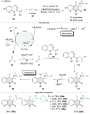
Scheme 12: Iron-catalyzed dicarbonylation of activated alkenes 68 with alcohols 67.
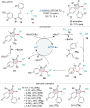
Scheme 13: Iron-catalyzed cyanoalkylation/radical dearomatization of acrylamides 75.

Scheme 14: Synergistic photoredox/iron-catalyzed 1,2-dialkylation of alkenes 82 with common alkanes 83 and 1,3...

Scheme 15: Iron-catalyzed oxidative coupling/cyclization of phenol derivatives 86 and alkenes 87.

Scheme 16: Iron-catalyzed carbosulfonylation of activated alkenes 60.

Scheme 17: Iron-catalyzed oxidative spirocyclization of N-arylpropiolamides 91 with silanes 92 and tert-butyl ...

Scheme 18: Iron-catalyzed free radical cascade difunctionalization of unsaturated benzamides 94 with silanes 92...

Scheme 19: Iron-catalyzed cyclization of olefinic dicarbonyl compounds 97 and 100 with C(sp3)–H bonds.

Scheme 20: Radical difunctionalization of o-vinylanilides 102 with ketones and esters 103.

Scheme 21: Dehydrogenative 1,2-carboamination of alkenes 82 with alkyl nitriles 76 and amines 105.

Scheme 22: Iron-catalyzed intermolecular 1,2-difunctionalization of conjugated alkenes 107 with silanes 92 and...

Scheme 23: Four-component radical difunctionalization of chemically distinct alkenes 114/115 with aldehydes 65...

Scheme 24: Iron-catalyzed carbocarbonylation of activated alkenes 60 with carbazates 117.
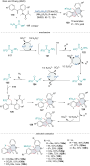
Scheme 25: Iron-catalyzed radical 6-endo cyclization of dienes 119 with carbazates 117.

Scheme 26: Iron-catalyzed decarboxylative synthesis of functionalized oxindoles 130 with tert-butyl peresters ...
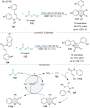
Scheme 27: Iron‑catalyzed decarboxylative alkylation/cyclization of cinnamamides 131/134.

Scheme 28: Iron-catalyzed carbochloromethylation of activated alkenes 60.

Scheme 29: Iron-catalyzed trifluoromethylation of dienes 142.

Scheme 30: Iron-catalyzed, silver-mediated arylalkylation of conjugated alkenes 115.

Scheme 31: Iron-catalyzed three-component carboazidation of conjugated alkenes 115 with alkanes 101/139b and t...

Scheme 32: Iron-catalyzed carboazidation of alkenes 82 and alkynes 160 with iodoalkanes 20 and trimethylsilyl ...

Scheme 33: Iron-catalyzed asymmetric carboazidation of styrene derivatives 115.

Scheme 34: Iron-catalyzed carboamination of conjugated alkenes 115 with alkyl diacyl peroxides 163 and acetoni...

Scheme 35: Iron-catalyzed carboamination using oxime esters 165 and arenes 166.

Scheme 36: Iron-catalyzed iminyl radical-triggered [5 + 2] and [5 + 1] annulation reactions with oxime esters ...

Scheme 37: Iron-catalyzed decarboxylative alkyl etherification of alkenes 108 with alcohols 67 and aliphatic a...

Scheme 38: Iron-catalyzed inter-/intramolecular alkylative cyclization of carboxylic acid and alcohol-tethered...

Scheme 39: Iron-catalyzed intermolecular trifluoromethyl-acyloxylation of styrene derivatives 115.

Scheme 40: Iron-catalyzed carboiodination of terminal alkenes and alkynes 180.

Scheme 41: Copper/iron-cocatalyzed cascade perfluoroalkylation/cyclization of 1,6-enynes 183/185.

Scheme 42: Iron-catalyzed stereoselective carbosilylation of internal alkynes 187.

Scheme 43: Synergistic photoredox/iron catalyzed difluoroalkylation–thiolation of alkenes 82.

Scheme 44: Iron-catalyzed three-component aminoazidation of alkenes 82.

Scheme 45: Iron-catalyzed intra-/intermolecular aminoazidation of alkenes 194.

Scheme 46: Stereoselective iron-catalyzed oxyazidation of enamides 196 using hypervalent iodine reagents 197.
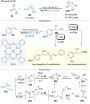
Scheme 47: Iron-catalyzed aminooxygenation for the synthesis of unprotected amino alcohols 200.

Scheme 48: Iron-catalyzed intramolecular aminofluorination of alkenes 209.
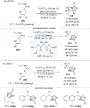
Scheme 49: Iron-catalyzed intramolecular aminochlorination and aminobromination of alkenes 209.

Scheme 50: Iron-catalyzed intermolecular aminofluorination of alkenes 82.

Scheme 51: Iron-catalyzed aminochlorination of alkenes 82.

Scheme 52: Iron-catalyzed phosphinoylazidation of alkenes 108.
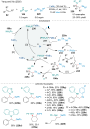
Scheme 53: Synergistic photoredox/iron-catalyzed three-component aminoselenation of trisubstituted alkenes 82.
Visible-light-mediated copper photocatalysis for organic syntheses
- Yajing Zhang,
- Qian Wang,
- Zongsheng Yan,
- Donglai Ma and
- Yuguang Zheng
Beilstein J. Org. Chem. 2021, 17, 2520–2542, doi:10.3762/bjoc.17.169
- radical reacts with the olefin generating a new alkyl radical, which is trapped by CuII/binap/SCF3 to provide the coupling product (Scheme 10). In 2019, Zhang and co-workers [58] reported the photoinduced copper-catalyzed carboamination of alkenes that involved organic halides 16, alkenes, and amines 17

Graphical Abstract

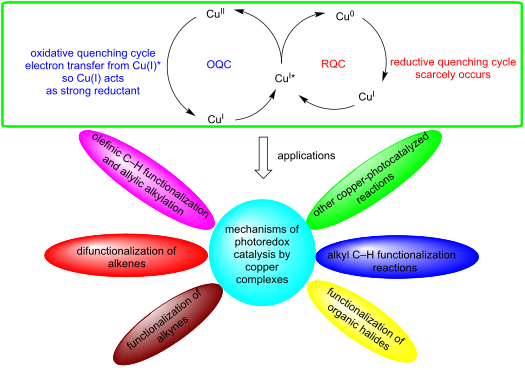
Scheme 1: Photoredox catalysis mechanism of [Ru(bpy)3]2+.

Scheme 2: Photoredox catalysis mechanism of CuI.

Scheme 3: Ligands and CuI complexes.

Scheme 4: Mechanism of CuI-based photocatalysis.
Scheme 5: Mechanisms of CuI–substrate complexes.

Scheme 6: Mechanism of CuII-base photocatalysis.

Scheme 7: Olefinic C–H functionalization and allylic alkylation.
Scheme 8: Cross-coupling of unactivated alkenes and CF3SO2Cl.

Scheme 9: Chlorosulfonylation/cyanofluoroalkylation of alkenes.

Scheme 10: Hydroamination of alkenes.

Scheme 11: Cross-coupling reaction of alkenes, alkyl halides with nucleophiles.

Scheme 12: Cross-coupling of alkenes with oxime esters.

Scheme 13: Oxo-azidation of vinyl arenes.

Scheme 14: Azidation/difunctionalization of vinyl arenes.

Scheme 15: Photoinitiated copper-catalyzed Sonogashira reaction.

Scheme 16: Alkyne functionalization reactions.

Scheme 17: Alkynylation of dihydroquinoxalin-2-ones with terminal alkynes.

Scheme 18: Decarboxylative alkynylation of redox-active esters.

Scheme 19: Aerobic oxidative C(sp)–S coupling reaction.

Scheme 20: Copper-catalyzed alkylation of carbazoles with alkyl halides.

Scheme 21: C–N coupling of organic halides with amides and aliphatic amines.

Scheme 22: Copper-catalyzed C–X (N, S, O) bond formation reactions.

Scheme 23: Arylation of C(sp2)–H bonds of azoles.

Scheme 24: C–C cross-coupling of aryl halides and heteroarenes.

Scheme 25: Benzylic or α-amino C–H functionalization.

Scheme 26: α-Amino C–H functionalization of aromatic amines.

Scheme 27: C–H functionalization of aromatic amines.

Scheme 28: α-Amino-C–H and alkyl C–H functionalization reactions.

Scheme 29: Other copper-photocatalyzed reactions.

Scheme 30: Cross-coupling of oxime esters with phenols or amines.

Scheme 31: Alkylation of heteroarene N-oxides.
Recent advances in the tandem annulation of 1,3-enynes to functionalized pyridine and pyrrole derivatives
- Yi Liu,
- Puying Luo,
- Yang Fu,
- Tianxin Hao,
- Xuan Liu,
- Qiuping Ding and
- Yiyuan Peng
Beilstein J. Org. Chem. 2021, 17, 2462–2476, doi:10.3762/bjoc.17.163
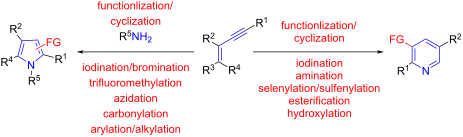
- necessary for this transformation. Recently, copper hydride (CuH) catalysis has been a wonderful procedure for olefin hydrofunctionalization via the formation of nucleophilic alkylcopper intermediate. In 2016, Buchwald and co-workers described a CuH-catalyzed asymmetric addition of olefin to ketones [65
- -aryl-substituted pyrroles 55 in moderate to good yield. In addition, the method could tolerate a wide range of functional groups, such as phenolic hydroxy, aryl bromide, ester, terminal olefin, aryl chloride, and silyl-protected alcohol moieties. Furthermore, both aromatic and aliphatic nitriles

Graphical Abstract

Scheme 1: Ag/I2-mediated electrophilic annulation of 2-en-4-ynyl azides 1.

Scheme 2: The proposed mechanism of Ag-catalyzed aza-annulation.

Scheme 3: The proposed mechanism of I2-mediated aza-annulation.

Scheme 4: Copper-catalyzed amination of (E)-2-en-4-ynyl azides 1.
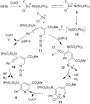
Scheme 5: The proposed mechanism of copper-catalyzed amination.

Scheme 6: The derivatization of sulfonated aminonicotinates.

Scheme 7: Copper-catalyzed chalcogenoamination of (E)-2-en-4-ynyl azides 1.

Scheme 8: The possible mechanism of chalcogenoamination.

Scheme 9: The derivatization of 5‑selenyl- and 5-sulfenyl-substituted nicotinates.

Scheme 10: The tandem reaction of nitriles, Reformatsky reagents, and 1,3-enynes.

Scheme 11: Nickel-catalyzed [4 + 2]-cycloaddition of 3-azetidinones with 1,3-enynes.

Scheme 12: Electrophilic iodocyclization of 2-nitro-1,3-enynes to pyrroles.

Scheme 13: Electrophilic halogenation of 2-trifluoromethyl-1,3-enynes to pyrroles.

Scheme 14: Copper-catalyzed cascade cyclization of 2-nitro-1,3-enynes with amines.

Scheme 15: Tandem cyclization of 2-nitro-1,3-enynes, Togni reagent II, and amines.

Scheme 16: Tandem cyclization of 2-nitro-1,3-enynes, TMSN3, and amines.

Scheme 17: Cascade cyclization of 6-hydroxyhex-2-en-4-ynals to pyrroles.

Scheme 18: Au/Ag-catalyzed oxidative aza-annulation of 1,3-enynyl azides.

Scheme 19: The plausible mechanism of Au/Ag-catalyzed oxidative aza-annulation.

Scheme 20: Synthesis of 2-tetrazolyl-substituted 3-acylpyrroles from enynals.

Scheme 21: CuH-catalyzed coupling reaction of 1,3-enynes and nitriles to pyrroles.

Scheme 22: The mechanism of CuH-catalyzed coupling of 1,3-enynes and nitriles to pyrroles.
Strategies for the synthesis of brevipolides
- Yudhi D. Kurniawan and
- A'liyatur Rosyidah
Beilstein J. Org. Chem. 2021, 17, 2399–2416, doi:10.3762/bjoc.17.157
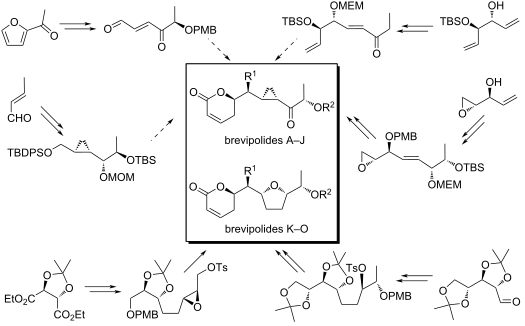
- synthesis commenced with the monoprotection of the known diene-diol ent-49 as TBS ether affording compound 50 in 76% yield, which served as an excellent strategy to direct the later cross metathesis reaction to one site of the olefin over another (Scheme 5). Thus, the desired α,β-unsaturated ester 51 was
- Michael-initiated ring closure cyclopropanation at the more electrophilic olefin. The α-keto cyclopropyl intermediate 53 was formed in 79% yield with a dr value of >20:1. Reducing the proportion of DMF to 5% with respect to THF in the reaction mixture was hypothesized as the key factor for maximizing the
- all the centers of the stereochemical brevipolides but in the mirror image of the natural configuration. After sequential ring-closing metathesis, base-promoted olefin migration, and MEM removal, the ent-brevipolide H (ent-8) was obtained. This compound showed inhibition activity in the preliminary

Graphical Abstract

Figure 1: Structures of brevipolides A–O (1 – 15).

Scheme 1: Retrosynthetic analysis of brevipolide H (8) by Kumaraswamy.

Scheme 2: Attempt to synthesize brevipolide H (8) by Kumaraswamy. (R,R)-Noyori cat. = RuCl[N-(tosyl)-1,2-diph...

Scheme 3: Attempt to synthesize brevipolide H (8) by Kumaraswamy (continued).

Scheme 4: Retrosynthetic analysis of brevipolide H (8) by Hou.

Scheme 5: Synthesis ent-brevipolide H (ent-8) by Hou.

Scheme 6: Retrosynthetic analysis of brevipolide H (8) by Mohapatra.

Scheme 7: Attempt to synthesize brevipolide H (8) by Mohapatra.

Scheme 8: Attempt to synthesize brevipolide H (8) by Mohapatra (continued). (+)-(IPC)2-BCl = (+)-B-chloro-dii...

Scheme 9: Retrosynthetic analysis of brevipolide H (8) by Hou.

Scheme 10: Synthesis of brevipolide H (8) by Hou.

Scheme 11: Retrosynthetic analysis of brevipolide M (13) by Sabitha.

Scheme 12: Synthesis of brevipolide M (13) by Sabitha.

Scheme 13: Retrosynthetic analysis of brevipolides M (13) and N (14) by Sabitha.

Scheme 14: Synthesis of brevipolides M (13) and N (14) by Sabitha.
Advances in mercury(II)-salt-mediated cyclization reactions of unsaturated bonds
- Sumana Mandal,
- Raju D. Chaudhari and
- Goutam Biswas
Beilstein J. Org. Chem. 2021, 17, 2348–2376, doi:10.3762/bjoc.17.153
- in the key step for the synthesis of (±)-thallusin (207, Scheme 62). A complex mixture of Hg(OTf)2 and N,N-dimethylaniline (DMA) (1.2 equiv) was initially used for olefin cyclization to produce a regio- and a stereoisomeric mixture of acetate 205 after reduction and acetylation of the crude product

Graphical Abstract

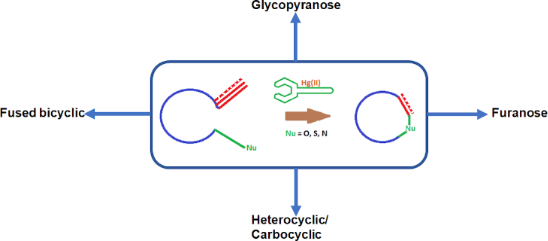
Scheme 1: Schematic representation of Hg(II)-mediated addition to an unsaturated bond.

Scheme 2: First report of Hg(II)-mediated synthesis of 2,5-dioxane derivatives from allyl alcohol.

Scheme 3: Stepwise synthesis of 2,6-distubstituted dioxane derivatives.

Scheme 4: Cyclization of carbohydrate alkene precursor.

Scheme 5: Hg(II)-mediated synthesis of C-glucopyranosyl derivatives.

Scheme 6: Synthesis of C-glycosyl amino acid derivative using Hg(TFA)2.

Scheme 7: Hg(OAc)2-mediated synthesis of α-ᴅ-ribose derivative.

Scheme 8: Synthesis of β-ᴅ-arabinose derivative 18.

Scheme 9: Hg(OAc)2-mediated synthesis of tetrahydrofuran derivatives.

Scheme 10: Synthesis of Hg(TFA)2-mediated bicyclic nucleoside derivative.

Scheme 11: Synthesis of pyrrolidine and piperidine derivatives.

Scheme 12: HgCl2-mediated synthesis of diastereomeric pyrrolidine derivatives.

Scheme 13: HgCl2-mediated cyclization of alkenyl α-aminophosphonates.

Scheme 14: Cyclization of 4-cycloocten-1-ol with Hg(OAc)2 forming fused bicyclic products.

Scheme 15: trans-Amino alcohol formation through Hg(II)-salt-mediated cyclization.

Scheme 16: Hg(OAc)2-mediated 2-aza- or 2-oxa-bicyclic ring formations.

Scheme 17: Hg(II)-salt-induced cyclic peroxide formation.

Scheme 18: Hg(OAc)2-mediated formation of 1,2,4-trioxanes.

Scheme 19: Endocyclic enol ether derivative formation through Hg(II) salts.

Scheme 20: Synthesis of optically active cyclic alanine derivatives.

Scheme 21: Hg(II)-salt-mediated formation of tetrahydropyrimidin-4(1H)-one derivatives.

Scheme 22: Cyclization of ether derivatives to form stereoselective oxazolidine derivatives.

Scheme 23: Cyclization of amide derivatives induced by Hg(OAc)2.

Scheme 24: Hg(OAc)2/Hg(TFA)2-promoted cyclization of salicylamide-derived amidal auxiliary derivatives.

Scheme 25: Hg(II)-salt-mediated cyclization to form dihydrobenzopyrans.

Scheme 26: HgCl2-induced cyclization of acetylenic silyl enol ether derivatives.

Scheme 27: Synthesis of exocyclic and endocyclic enol ether derivatives.

Scheme 28: Cyclization of trans-acetylenic alcohol by treatment with HgCl2.

Scheme 29: Synthesis of benzofuran derivatives in presence of HgCl2.

Scheme 30: a) Hg(II)-salt-mediated cyclization of 4-hydroxy-2-alkyn-1-ones to furan derivatives and b) its mec...
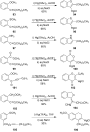
Scheme 31: Cyclization of arylacetylenes to synthesize carbocyclic and heterocyclic derivatives.

Scheme 32: Hg(II)-salt-promoted cyclization–rearrangement to form heterocyclic compounds.

Scheme 33: a) HgCl2-mediated cyclization reaction of tethered alkyne dithioacetals; and b) proposed mechanism.

Scheme 34: Cyclization of aryl allenic ethers on treatment with Hg(OTf)2.

Scheme 35: Hg(TFA)2-mediated cyclization of allene.

Scheme 36: Hg(II)-catalyzed intramolecular trans-etherification reaction of 2-hydroxy-1-(γ-methoxyallyl)tetrah...
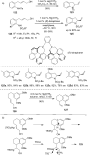
Scheme 37: a) Cyclization of alkene derivatives by catalytic Hg(OTf)2 salts and b) mechanism of cyclization.

Scheme 38: a) Synthesis of 1,4-dihydroquinoline derivatives by Hg(OTf)2 and b) plausible mechanism of formatio...

Scheme 39: Synthesis of Hg(II)-salt-catalyzed heteroaromatic derivatives.

Scheme 40: Hg(II)-salt-catalyzed synthesis of dihydropyranone derivatives.

Scheme 41: Hg(II)-salt-catalyzed cyclization of alkynoic acids.

Scheme 42: Hg(II)-salt-mediated cyclization of alkyne carboxylic acids and alcohol to furan, pyran, and spiroc...

Scheme 43: Hg(II)-salt-mediated cyclization of 1,4-dihydroxy-5-alkyne derivatives.

Scheme 44: Six-membered morpholine derivative formation by catalytic Hg(II)-salt-induced cyclization.

Scheme 45: Hg(OTf)2-catalyzed hydroxylative carbocyclization of 1,6-enyne.
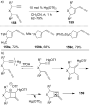
Scheme 46: a) Hg(OTf)2-catalyzed hydroxylative carbocyclization of 1,6-enyne. b) Proposed mechanism.

Scheme 47: a) Synthesis of carbocyclic derivatives using a catalytic amount of Hg(II) salt. b) Proposed mechan...

Scheme 48: Cyclization of 1-alkyn-5-ones to 2-methylfuran derivatives.

Scheme 49: Hg(NO3)2-catalyzed synthesis of 2-methylenepiperidine.

Scheme 50: a) Preparation of indole derivatives through cycloisomerization of 2-ethynylaniline and b) its mech...
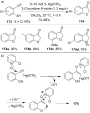
Scheme 51: a) Hg(OTf)2-catalyzed synthesis of 3-indolinones and 3-coumaranones and b) simplified mechanism.

Scheme 52: a) Hg(OTf)2-catalyzed one pot cyclization of nitroalkyne and b) its plausible mechanism.

Scheme 53: Synthesis of tricyclic heterocyclic scaffolds.

Scheme 54: HgCl2-mediated cyclization of 2-alkynylphenyl alkyl sulfoxide.

Scheme 55: a) Hg(OTf)2-catalyzed cyclization of allenes and alkynes. b) Proposed mechanism of cyclization.

Scheme 56: Stereoselective synthesis of tetrahydropyran derivatives.
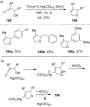
Scheme 57: a) Hg(ClO4)2-catalyzed cyclization of α-allenol derivatives. b) Simplified mechanism.

Scheme 58: Hg(TFA)2-promoted cyclization of a γ-hydroxy alkene derivative.

Scheme 59: Synthesis Hg(II)-salt-mediated cyclization of allyl alcohol for the construction of ventiloquinone ...

Scheme 60: Hg(OAc)2-mediated cyclization as a key step for the synthesis of hongconin.

Scheme 61: Examples of Hg(II)-salt-mediated cyclized ring formation in the syntheses of (±)-fastigilin C and (...

Scheme 62: Formal synthesis of (±)-thallusin.

Scheme 63: Total synthesis of hippuristanol and its analog.

Scheme 64: Total synthesis of solanoeclepin A.

Scheme 65: a) Synthesis of Hg(OTf)2-catalyzed azaspiro structure for the formation of natural products. b) Pro...
Photoredox catalysis in nickel-catalyzed C–H functionalization
- Lusina Mantry,
- Rajaram Maayuri,
- Vikash Kumar and
- Parthasarathy Gandeepan
Beilstein J. Org. Chem. 2021, 17, 2209–2259, doi:10.3762/bjoc.17.143
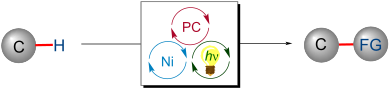
- regenerate the nickel(0) species 21-VI and the carboxylate product 21-IX. Olefin difunctionalization Nickel-catalyzed alkene 1,2-difunctionalization is considered as useful method for preparing complex molecules in a single-step reaction [137][138][139]. In this aspect, the groups by Kong [140] and Molander
- [141] independently demonstrated photoredox/nickel-catalyzed approaches to olefin difunctionalizations involving C(sp3)–H activation. Thus, Kong devised a synthetic method combining nickel catalysis with tetrabutylammonium decatungstate (TBADT) as photocatalyst for the three component reaction of
- substituted diaryl ketone, 4-(4-methoxybenzoyl)benzonitrile (96) serves as the HAT photocatalyst to activate the C(sp3)–H bonds for olefin functionalization. It was identified that the use of nonpolar, aprotic solvents, such as benzene and α,α,α-trifluorotoluene (TFT) is critical for the formation of the

Graphical Abstract

Scheme 1: Nickel-catalyzed cross-coupling versus C‒H activation.

Figure 1: Oxidative and reductive quenching cycles of a photocatalyst. [PC] = photocatalyst, A = acceptor, D ...

Scheme 2: Photoredox nickel-catalyzed C(sp3)–H arylation of dimethylaniline (1a).
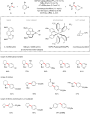
Scheme 3: Photoredox nickel-catalyzed arylation of α-amino, α-oxy and benzylic C(sp3)‒H bonds with aryl bromi...

Figure 2: Proposed catalytic cycle for the photoredox-mediated HAT and nickel catalysis enabled C(sp3)‒H aryl...

Scheme 4: Photoredox arylation of α-amino C(sp3)‒H bonds with aryl iodides.

Figure 3: Proposed mechanism for photoredox nickel-catalyzed α-amino C‒H arylation with aryl iodides.

Scheme 5: Nickel-catalyzed α-oxy C(sp3)−H arylation of cyclic and acyclic ethers.

Figure 4: Proposed catalytic cycle for the C(sp3)−H arylation of cyclic and acyclic ethers.

Scheme 6: Photochemical nickel-catalyzed C–H arylation of ethers.

Figure 5: Proposed catalytic cycle for the nickel-catalyzed arylation of ethers with aryl bromides.

Scheme 7: Nickel-catalyzed α-amino C(sp3)‒H arylation with aryl tosylates.
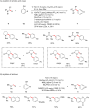
Scheme 8: Arylation of α-amino C(sp3)‒H bonds by in situ generated aryl tosylates from phenols.

Scheme 9: Formylation of aryl chlorides through redox-neutral 2-functionalization of 1,3-dioxolane (13).

Scheme 10: Photochemical C(sp3)–H arylation via a dual polyoxometalate HAT and nickel catalytic manifold.
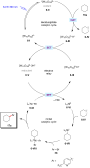
Figure 6: Proposed mechanism for C(sp3)–H arylation through dual polyoxometalate HAT and nickel catalytic man...

Scheme 11: Photochemical nickel-catalyzed α-hydroxy C‒H arylation.

Scheme 12: Photochemical synthesis of fluoxetine (21).

Scheme 13: Photochemical nickel-catalyzed allylic C(sp3)‒H arylation with aryl bromides.

Figure 7: Proposed mechanism for the photochemical nickel-catalyzed allylic C(sp3)‒H arylation with aryl brom...

Scheme 14: Photochemical C(sp3)‒H arylation by the synergy of ketone HAT catalysis and nickel catalysis.

Figure 8: Proposed mechanism for photochemical C(sp3)‒H arylation by the synergy of ketone HAT catalysis and ...

Scheme 15: Benzophenone- and nickel-catalyzed photoredox benzylic C–H arylation.

Scheme 16: Benzaldehyde- and nickel-catalyzed photoredox C(sp3)–H arylation.

Scheme 17: Photoredox and nickel-catalyzed enantioselective benzylic C–H arylation.

Figure 9: Proposed mechanism for the photoredox and nickel-catalyzed enantioselective benzylic C–H arylation.

Scheme 18: Photoredox nickel-catalyzed α-(sp3)‒H arylation of secondary benzamides with aryl bromides.

Scheme 19: Enantioselective sp3 α-arylation of benzamides.

Scheme 20: Nickel-catalyzed decarboxylative vinylation/C‒H arylation of cyclic oxalates.

Figure 10: Proposed mechanism for the nickel-catalyzed decarboxylative vinylation/C‒H arylation of cyclic oxal...

Scheme 21: C(sp3)−H arylation of bioactive molecules using mpg-CN photocatalysis and nickel catalysis.

Figure 11: Proposed mechanism for the mpg-CN/nickel photocatalytic C(sp3)–H arylation.

Scheme 22: Nickel-catalyzed synthesis of 1,1-diarylalkanes from alkyl bromides and aryl bromides.

Figure 12: Proposed mechanism for photoredox nickel-catalyzed C(sp3)–H alkylation via polarity-matched HAT.

Scheme 23: Photoredox nickel-catalyzed C(sp3)‒H alkylation via polarity-matched HAT.

Scheme 24: Benzaldehyde- and nickel-catalyzed photoredox C(sp3)‒H alkylation of ethers.

Scheme 25: Benzaldehyde- and nickel-catalyzed photoredox C(sp3)‒H alkylation of amides and thioethers.

Scheme 26: Photoredox and nickel-catalyzed C(sp3)‒H alkylation of benzamides with alkyl bromides.

Scheme 27: CzIPN and nickel-catalyzed C(sp3)‒H alkylation of ethers with alkyl bromides.

Figure 13: Proposed mechanism for the CzIPN and nickel-catalyzed C(sp3)‒H alkylation of ethers.

Scheme 28: Nickel/photoredox-catalyzed methylation of (hetero)aryl chlorides and acid chlorides using trimethy...

Figure 14: Proposed catalytic cycle for the nickel/photoredox-catalyzed methylation of (hetero)aryl chlorides ...
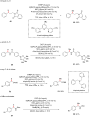
Scheme 29: Photochemical nickel-catalyzed C(sp3)–H methylations.

Scheme 30: Photoredox nickel catalysis-enabled alkylation of unactivated C(sp3)–H bonds with alkyl bromides.

Scheme 31: Photochemical C(sp3)–H alkenylation with alkenyl tosylates.

Scheme 32: Photoredox nickel-catalyzed hydroalkylation of internal alkynes.

Figure 15: Proposed mechanism for the photoredox nickel-catalyzed hydroalkylation of internal alkynes.

Scheme 33: Photoredox nickel-catalyzed hydroalkylation of activated alkynes with C(sp3)−H bonds.

Scheme 34: Allylation of unactivated C(sp3)−H bonds with allylic chlorides.

Scheme 35: Photochemical nickel-catalyzed α-amino C(sp3)–H allylation of secondary amides with trifluoromethyl...

Scheme 36: Photoredox δ C(sp3)‒H allylation of secondary amides with trifluoromethylated alkenes.

Scheme 37: Photoredox nickel-catalyzed acylation of α-amino C(sp3)‒H bonds of N-arylamines.

Figure 16: Proposed mechanism for the photoredox nickel-catalyzed acylation of α-amino C(sp3)–H bonds of N-ary...

Scheme 38: Photocatalytic α‑acylation of ethers with acid chlorides.

Figure 17: Proposed mechanism for the photocatalytic α‑acylation of ethers with acid chlorides.

Scheme 39: Photoredox and nickel-catalyzed C(sp3)‒H esterification with chloroformates.

Scheme 40: Photoredox nickel-catalyzed dehydrogenative coupling of benzylic and aldehydic C–H bonds.

Figure 18: Proposed reaction pathway for the photoredox nickel-catalyzed dehydrogenative coupling of benzylic ...

Scheme 41: Photoredox nickel-catalyzed enantioselective acylation of α-amino C(sp3)–H bonds with carboxylic ac...

Scheme 42: Nickel-catalyzed C(sp3)‒H acylation with N-acylsuccinimides.

Figure 19: Proposed mechanism for the nickel-catalyzed C(sp3)–H acylation with N-acylsuccinimides.

Scheme 43: Nickel-catalyzed benzylic C–H functionalization with acid chlorides 45.

Scheme 44: Photoredox nickel-catalyzed benzylic C–H acylation with N-acylsuccinimides 84.

Scheme 45: Photoredox nickel-catalyzed acylation of indoles 86 with α-oxoacids 87.

Scheme 46: Nickel-catalyzed aldehyde C–H functionalization.

Figure 20: Proposed catalytic cycle for the photoredox nickel-catalyzed aldehyde C–H functionalization.

Scheme 47: Photoredox carboxylation of methylbenzenes with CO2.

Figure 21: Proposed mechanism for the photoredox carboxylation of methylbenzenes with CO2.

Scheme 48: Decatungstate photo-HAT and nickel catalysis enabled alkene difunctionalization.

Figure 22: Proposed catalytic cycle for the decatungstate photo-HAT and nickel catalysis enabled alkene difunc...

Scheme 49: Diaryl ketone HAT catalysis and nickel catalysis enabled dicarbofunctionalization of alkenes.

Figure 23: Proposed catalytic mechanism for the diaryl ketone HAT catalysis and nickel catalysis enabled dicar...

Scheme 50: Overview of photoredox nickel-catalyzed C–H functionalizations.
Transition-metal-free intramolecular Friedel–Crafts reaction by alkene activation: A method for the synthesis of some novel xanthene derivatives
- Tülay Yıldız,
- İrem Baştaş and
- Hatice Başpınar Küçük
Beilstein J. Org. Chem. 2021, 17, 2203–2208, doi:10.3762/bjoc.17.142
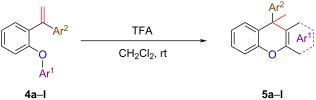
- alcohols with diaryliodonium salts [26], the Sc(OTf)3-catalyzed domino reaction [27], and the iodine-catalyzed nucleophilic substitution reaction of xanthen-9-ol [28]. As an example of an intramolecular hydroarylation of an olefin, 9,10-dihydroacridines, which are N derivatives of xanthenes, were

Graphical Abstract

Scheme 1: Synthesis of 4a: (i) phenol, K2CO3, DMF, reflux, 2 h, 91%; (ii) PhMgBr, dry THF, 0 °C, 2 h, 86%; (i...

Figure 1: Scope of substrates for intramolecular FCA by activation of 4a–l and their isolated yields. aCondit...

Scheme 2: Plausible reaction mechanism for the cyclization reaction of alkene 4a.
A study on selective transformation of norbornadiene into fluorinated cyclopentane-fused isoxazolines
- Zsanett Benke,
- Attila M. Remete and
- Loránd Kiss
Beilstein J. Org. Chem. 2021, 17, 2051–2066, doi:10.3762/bjoc.17.132
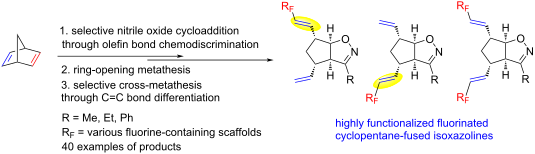
- multiple stereogenic centers. The synthesis involved selective cycloadditions, with subsequent ROM of the formed cycloalkene-fused isoxazoline scaffolds and selective CM by chemodifferentiation of the olefin bonds of the resulting alkenylated derivatives. Various experimental conditions were applied for
- the CM transformations with the goal of exploring substrate and steric effects, catalyst influence and chemodifferentiation of the olefin bonds furnishing the corresponding functionalized, fluorine-containing isoxazoline derivatives. Keywords: functionalization; metathesis; nitrile oxide
- ; organofluorine chemistry; selectivity; Introduction Olefin metathesis is considered to be a powerful synthetic tool for the creation of olefin bonds [1]. Several types of metathesis reactions, such as ring-opening metathesis (ROM), cross-metathesis (CM), ring-closing metathesis (RCM) or ring-opening/cross

Graphical Abstract
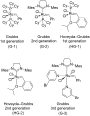
Figure 1: Some commercial Ru-based catalysts used in the current work.

Figure 2: Synthesis of divinylated cyclopentane-fused isoxazolines [41].
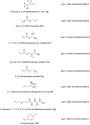
Figure 3: Various fluorine-containing olefins used in the current work.

Scheme 1: Cross-metathesis of divinylated isoxazoline (±)-4 with 1,1,1,3,3,3-hexafluoropropan-2-yl acrylate (...

Scheme 2: Cross-metathesis of divinylated isoxazoline (±)-4 with 2,2,3,3,4,4,4-heptafluorobutyl acrylate (7d)....

Scheme 3: Cross-metathesis of divinylated isoxazoline (±)-4 with 2,2,2-trifluoroethyl acrylate (7e).

Scheme 4: Cross-metathesis of divinylated isoxazoline (±)-4 with 1,1,1-trifluoro-2-(trifluoromethyl)pent-4-en...

Scheme 5: Cross-metathesis of divinylated isoxazoline (±)-4 with 8-(allyloxy)-1,1,1,2,2,3,3,4,4,5,5,6,6-tride...

Scheme 6: Cross-metathesis of divinylated isoxazoline (±)-4 with 4-fluorostyrene (7h).

Scheme 7: Selective CM of divinylated isoxazoline (±)-5 with 1,1,1,3,3,3-hexafluoropropan-2-yl acrylate (7c).

Scheme 8: Cross-metathesis of divinylated isoxazoline (±)-5 with 2,2,3,3,4,4,4-heptafluorobutyl acrylate (7d)....

Scheme 9: Cross-metathesis of divinylated isoxazoline (±)-5 with 2,2,2-trifluoroethyl acrylate (7e).

Scheme 10: Cross-metathesis of divinylated isoxazoline (±)-5 with 1,1,1-trifluoro-2-(trifluoromethyl)pent-4-en...

Scheme 11: Cross-metathesis of divinylated isoxazoline (±)-5 with 8-(allyloxy)-1,1,1,2,2,3,3,4,4,5,5,6,6-tride...

Scheme 12: Cross-metathesis of divinylated isoxazoline (±)-5 with 4-fluorostyrene (7h).

Scheme 13: Cross-metathesis of divinylated isoxazoline (±)-6 with 1,1,1,3,3,3-hexafluoropropan-2-yl acrylate (...

Scheme 14: Cross-metathesis of divinylated isoxazoline (±)-6 with 2,2,3,3,4,4,4-heptafluorobutyl acrylate (7d)....

Scheme 15: Cross-metathesis of divinylated isoxazoline (±)-6 with 2,2,2-trifluoroethyl acrylate (7e).

Scheme 16: Cross-metathesis of divinylated isoxazoline (±)-6 with 1,1,1-trifluoro-2-(trifluoromethyl)pent-4-en...

Scheme 17: Cross-metathesis of divinylated isoxazoline (±)-6 with 8-(allyloxy)-1,1,1,2,2,3,3,4,4,5,5,6,6-tride...

Scheme 18: Cross-metathesis of divinylated isoxazoline (±)-6 with 4-fluorostyrene (7h).

Figure 4: Chemoselective CM reaction due to steric hindrance.
Recent advances in the syntheses of anthracene derivatives
- Giovanni S. Baviera and
- Paulo M. Donate
Beilstein J. Org. Chem. 2021, 17, 2028–2050, doi:10.3762/bjoc.17.131
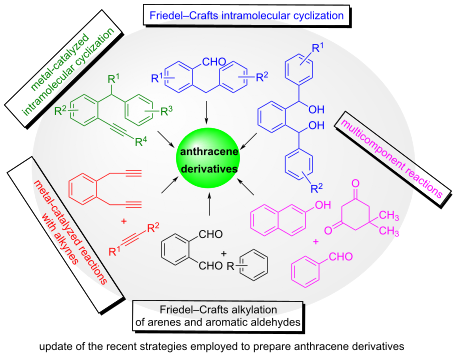
- sequential modifications [30], photocyclization of divinylterphenyl derivatives [31], tandem radical cyclization of (Z,Z)-1,4-bis(2-iodostyryl)benzene derivatives [32], and ring-closing olefin metathesis of tetravinylterphenyls [33] as the best-known synthetic routes. Herein, we have classified the synthetic

Graphical Abstract

Figure 1: Examples of anthracene derivatives and their applications.

Scheme 1: Rhodium-catalyzed oxidative coupling reactions of arylboronic acids with internal alkynes.
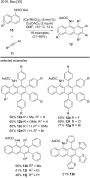
Scheme 2: Rhodium-catalyzed oxidative benzannulation reactions of 1-adamantoyl-1-naphthylamines with internal...

Scheme 3: Gold/bismuth-catalyzed cyclization of o-alkynyldiarylmethanes.

Scheme 4: [2 + 2 + 2] Cyclotrimerization reactions with alkynes/nitriles in the presence of nickel and cobalt...

Scheme 5: Cobalt-catalyzed [2 + 2 + 2] cyclotrimerization reactions with bis(trimethylsilyl)acetylene (23).

Scheme 6: [2 + 2 + 2] Alkyne-cyclotrimerization reactions catalyzed by a CoCl2·6H2O/Zn reagent.
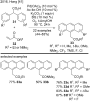
Scheme 7: Pd(II)-catalyzed sp3 C–H alkenylation of diphenyl carboxylic acids with acrylates.

Scheme 8: Pd(II)-catalyzed sp3 C–H arylation with o-tolualdehydes and aryl iodides.
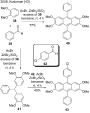
Scheme 9: Alkylation of arenes with aromatic aldehydes in the presence of acetyl bromide and ZnBr2/SiO2.

Scheme 10: BF3·H2O-catalyzed hydroxyalkylation of arenes with aromatic dialdehyde 44.

Scheme 11: Bi(OTf)3-promoted Friedel–Crafts alkylation of triarylmethanes and aromatic acylals and of arenes a...

Scheme 12: Reduction of anthraquinones by using Zn/pyridine or Zn/NaOH reductive methods.

Scheme 13: Two-step route to novel substituted Indenoanthracenes.

Scheme 14: Synthesis of 1,8-diarylanthracenes through Suzuki–Miyaura coupling reaction in the presence of Pd-P...

Scheme 15: Synthesis of five new substituted anthracenes by using LAH as reducing agent.

Scheme 16: One-pot procedure to synthesize substituted 9,10-dicyanoanthracenes.

Scheme 17: Reduction of bromoanthraquinones with NaBH4 in alkaline medium.

Scheme 18: In(III)-catalyzed reductive-dehydration intramolecular cycloaromatization of 2-benzylic aromatic al...

Scheme 19: Acid-catalyzed cyclization of new O-protected ortho-acetal diarylmethanols.

Scheme 20: Lewis acid-mediated regioselective cyclization of asymmetric diarylmethine dipivalates and diarylme...
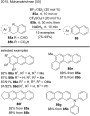
Scheme 21: BF3·OEt2/CF3SO3H-mediated cyclodehydration reactions of 2-(arylmethyl)benzaldehydes and 2-(arylmeth...

Scheme 22: Synthesis of 2,3,6,7-anthracenetetracarbonitrile (90) by double Wittig reaction followed by deprote...
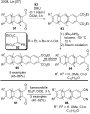
Scheme 23: Homo-elongation protocol for the synthesis of substituted acene diesters/dinitriles.
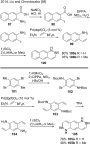
Scheme 24: Synthesis of two new parental BN anthracenes via borylative cyclization.
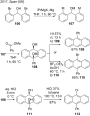
Scheme 25: Synthesis of substituted anthracenes from a bifunctional organomagnesium alkoxide.

Scheme 26: Palladium-catalyzed tandem C–H activation/bis-cyclization of propargylic carbonates.

Scheme 27: Ruthenium-catalyzed C–H arylation of acetophenone derivatives with arenediboronates.

Scheme 28: Pd-catalyzed intramolecular cyclization of (Z,Z)-p-styrylstilbene derivatives.

Scheme 29: AuCl-catalyzed double cyclization of diiodoethynylterphenyl compounds.

Scheme 30: Iodonium-induced electrophilic cyclization of terphenyl derivatives.

Scheme 31: Oxidative photocyclization of 1,3-distyrylbenzene derivatives.
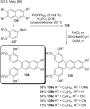
Scheme 32: Oxidative cyclization of 2,3-diphenylnaphthalenes.
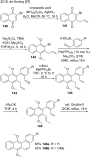
Scheme 33: Suzuki-Miyaura/isomerization/ring closing metathesis strategy to synthesize benz[a]anthracenes.

Scheme 34: Green synthesis of oxa-aza-benzo[a]anthracene and oxa-aza-phenanthrene derivatives.
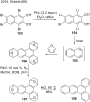
Scheme 35: Triple benzannulation of substituted naphtalene via a 1,3,6-naphthotriyne synthetic equivalent.

Scheme 36: Zinc iodide-catalyzed Diels–Alder reactions with 1,3-dienes and aroyl propiolates followed by intra...

Scheme 37: H3PO4-promoted intramolecular cyclization of substituted benzoic acids.
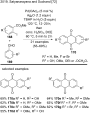
Scheme 38: Palladium-catalyzed intermolecular direct acylation of aromatic aldehydes and o-iodoesters.

Scheme 39: Cycloaddition/oxidative aromatization of quinone and β-enamino esters.

Scheme 40: ʟ-Proline-catalyzed [4 + 2] cycloaddition reaction of naphthoquinones and α,β-unsaturated aldehydes....

Scheme 41: Iridium-catalyzed [2 + 2 + 2] cycloaddition of a 1,2-bis(propiolyl)benzene derivative with alkynes.

Scheme 42: Synthesis of several anthraquinone derivatives by using InCl3 and molecular iodine.

Scheme 43: Indium-catalyzed multicomponent reactions employing 2-hydroxy-1,4-naphthoquinone (186), β-naphthol (...

Scheme 44: Synthesis of substituted anthraquinones catalyzed by an AlCl3/MeSO3H system.

Scheme 45: Palladium(II)-catalyzed/visible light-mediated synthesis of anthraquinones.

Scheme 46: [4 + 2] Anionic annulation reaction for the synthesis of substituted anthraquinones.
Development of N-F fluorinating agents and their fluorinations: Historical perspective
- Teruo Umemoto,
- Yuhao Yang and
- Gerald B. Hammond
Beilstein J. Org. Chem. 2021, 17, 1752–1813, doi:10.3762/bjoc.17.123
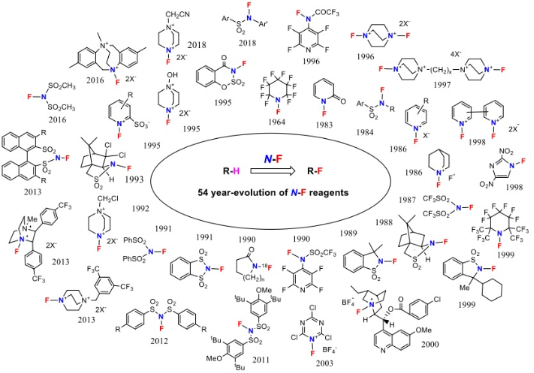

Graphical Abstract

Scheme 1: Fluorination with N-F amine 1-1.

Scheme 2: Preparation of N-F amine 1-1.

Scheme 3: Reactions of N-F amine 1-1.

Scheme 4: Synthesis of N-F perfluoroimides 2-1 and 2-2.

Scheme 5: Synthesis of 1-fluoro-2-pyridone (3-1).

Scheme 6: Fluorination with 1-fluoro-2-pyridone (3-1).

Figure 1: Synthesis of N-F sulfonamides 4-1a–g.
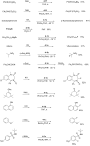
Scheme 7: Fluorination with N-F reagent 4-1b,c,f.

Scheme 8: Fluorination of alkenyllithiums with N-F 4-1h.

Scheme 9: Synthesis of N-fluoropyridinium triflate (5-4a).

Scheme 10: Synthetic methods for N-F-pyridinium salts.

Figure 2: Synthesis of various N-fluoropyridinium salts. Note: athis yield was the one by the improved method...

Scheme 11: Fluorination power order of N-fluoropyridinium salts.

Scheme 12: Fluorinations with N-F salts 5-4.

Scheme 13: Fluorination of Corey lactone 5-7 with N-F-bis(methoxymethyl) salt 5-4l.

Scheme 14: Fluorination with NFPy.

Scheme 15: Synthesis of the N-F reagent, N-fluoroquinuclidinium fluoride (6-1).

Scheme 16: Fluorinations achieved with N-F fluoride 6-1.

Scheme 17: Synthesis of N-F imides 7-1a–g.

Scheme 18: Fluorination with (CF3SO2)2NF, 7-1a.
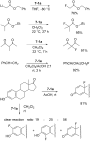
Scheme 19: Fluorination reactions of various substrates with 7-1a.

Scheme 20: Synthesis of N-F triflate 8-1.

Scheme 21: Synthesis of chiral N-fluoro sultams 9-1 and 9-2.
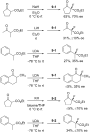
Scheme 22: Fluorination with chiral N-fluoro sultams 9-1 and 9-2.

Scheme 23: Synthesis of saccharin-derived N-fluorosultam 10-2.

Scheme 24: Fluorination with N-fluorosultam 10-2.

Scheme 25: Synthesis of N-F reagent 11-2.

Scheme 26: Fluorination with N-F reagent 11-2.

Scheme 27: Synthesis and reaction of N-fluorolactams 12-1.

Scheme 28: Synthesis of NFOBS 13-2.

Scheme 29: Fluorination with NFOBS 13-2.

Scheme 30: Synthesis of NFSI (14-2).
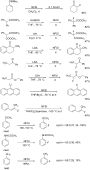
Scheme 31: Fluorination with NFSI 14-2.

Scheme 32: Synthesis of N-fluorosaccharin (15-1) and N-fluorophthalimide (15-2).

Scheme 33: Synthesis of N-F salts 16-3.
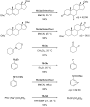
Scheme 34: Fluorination with N-F salts 16-3.

Figure 3: Monofluorination with Selectfluor (16-3a).

Figure 4: Difluorination with Selectfluor (16-3a).

Scheme 35: Transfer fluorination of Selectfluor (16-3a).
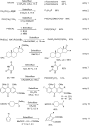
Scheme 36: Fluorination of substrates with Selectfluor (16-3a).

Scheme 37: Synthesis of chiral N-fluoro-sultam 17-2.

Scheme 38: Asymmetric fluorination with chiral 17-2.

Figure 5: Synthesis of Zwitterionic N-fluoropyridinium salts 18-2a–h.

Scheme 39: Fluorinating power order of zwitterionic N-fluoropyridinium salts.

Scheme 40: Fluorination with zwitterionic 18-2.

Scheme 41: Activation of salt 18-2h with TfOH.

Scheme 42: Synthesis of NFTh, 19-2.

Scheme 43: Fluorination with NFTh, 19-2.

Scheme 44: Synthesis of 3-fluorobenzo-1,2,3-oxathiazin-4-one 2,2-dioxide (20-2).

Scheme 45: Fluorination with 20-2.

Scheme 46: Synthesis of N-F amide 21-3.

Scheme 47: Fluorination with N-F amide 21-2.

Scheme 48: Synthesis of N,N’-difluorodiazoniabicyclo[2.2.2]octane salts 22-1.

Scheme 49: One-pot synthesis of N,N’-difluoro-1,4-diazoniabicyclo[2.2.2]octane bistetrafluoroborate salt (22-1d...

Figure 6: Fluorination of anisole with 22-1a, d, e.
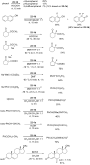
Scheme 50: Fluorination with N,N’-diF bisBF4 22-1d.

Scheme 51: Synthesis of bis-N-F reagents 23-1–5.
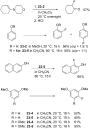
Scheme 52: Fluorination with 23-2, 4, 5.

Figure 7: Synthesis of N,N’-difluorobipyridinium salts 24-2.

Figure 8: Controlled fluorination of N,N’-diF 24-2.

Scheme 53: Fluorinating power of N,N’-diF salts 24-2 and N-F salt 5-4a.
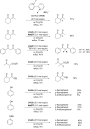
Scheme 54: Fluorination reactions with SynfluorTM (24-2b).

Scheme 55: Additional fluorination reactions with SynfluorTM (24-2b).

Scheme 56: Synthesis of N-F 25-1.

Scheme 57: Fluorination of polycyclic aromatics with 25-1.

Scheme 58: Synthesis of 26-1 and dimethyl analog 26-2.

Scheme 59: Fluorination with reagents 26-1, 26-2, 1-1, and 26-3.

Scheme 60: Synthesis of N-F reagent 27-2.

Scheme 61: Synthesis of chiral N-F reagents 27-6.

Scheme 62: Synthesis of chiral N-F 27-7–9.
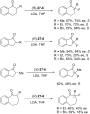
Scheme 63: Asymmetric fluorination with 27-6.

Scheme 64: Synthesis of chiral N-F reagents 28-3.

Scheme 65: Asymmetric fluorination with 28-3.

Scheme 66: Synthesis of chiral N-F reagents 28-7.

Figure 9: Asymmetric fluorination with 28-7.

Scheme 67: In situ formation of N-fluorinated cinchona alkaloids with SelectfluorTM.
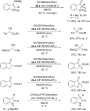
Scheme 68: Asymmetric fluorination with N-F alkaloids formed in situ.

Scheme 69: Synthesis of N-fluorocinchona alkaloids with Selectfluor.

Scheme 70: Asymmetric fluorination with 30-1–4.

Scheme 71: Transfer fluorination from various N-F reagents.

Figure 10: Asymmetric fluorination of silyl enol ethers.

Scheme 72: Synthesis of N-fluoro salt 32-2.

Scheme 73: Reactivity of N-fluorotriazinium salt 32-2.

Scheme 74: Synthesis of bulky N-fluorobenzenesulfonimide NFBSI 33-3.

Scheme 75: Comparison of NFSI and NFBSI.

Scheme 76: Synthesis of p-substituted N-fluorobenzenesulfonimides 34-3.

Figure 11: Asymmetric fluorination with 34-3 and a chiral catalyst 34-4.

Scheme 77: 1,4-Fluoroamination with Selecfluor and a chiral catalyst.

Figure 12: Asymmetric fluoroamination with 35-5a, b.

Scheme 78: Synthesis of Selectfluor analogs 35-5a, b.

Scheme 79: Synthesis of chiral dicationic DABCO-based N-F reagents 36-5.
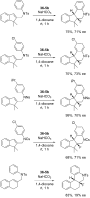
Scheme 80: Asymmetric fluorocyclization with chiral 36-5b.

Scheme 81: Synthesis of chiral 37-2a,b.

Scheme 82: Asymmetric fluorination with chiral 37-2a,b.

Scheme 83: Asymmetric fluorination with chiral 37-2b.

Scheme 84: Reaction of indene with chiral 37-2a,b.

Scheme 85: Synthesis of Me-NFSI, 38-2.

Scheme 86: Fluorination of active methine compounds with Me-NFSI.

Scheme 87: Fluorination of malonates with Me-NFSI.

Scheme 88: Fluorination of keto esters with Me-NFSI.

Scheme 89: Synthesis of N-F 39-3 derived from the ethylene-bridged Tröger’s base.

Scheme 90: Fluorine transfer from N-F 39-3.

Scheme 91: Fluorination with N-F 39-3.

Scheme 92: Synthesis of SelectfluorCN.

Scheme 93: Bistrifluoromethoxylation of alkenes using SelectfluorCN.

Figure 13: Synthesis of NFAS 41-2.

Scheme 94: Radical fluorination with different N-F reagents.

Scheme 95: Radical fluorination of alkenes with NFAS 41-2.

Scheme 96: Radical fluorination of alkenes with NFAS 41-2f.

Scheme 97: Decarboxylative fluorination with NFAS 41-2a,f.

Scheme 98: Fluorine plus detachment (FPD).

Figure 14: FPD values of representative N-F reagents in CH2Cl2 and CH3CN (in parentheses). Adapted with permis...

Scheme 99: N-F homolytic bond dissociation energy (BDE).

Figure 15: BDE values of representative N-F reagents in CH3CN. Adapted with permission from ref. [127]. Copyright 2...

Figure 16: Quantitative reactivity scale for popular N-F reagents. Adapted with permission from ref. [138], publish...

Scheme 100: SET and SN2 mechanisms.

Scheme 101: Radical clock reactions.

Scheme 102: Reaction of potassium enolate of citronellic ester with N-F reagents, 10-1, NFSI, and 8-1.

Scheme 103: Reaction of compound IV with Selectfluor (OTf) and NFSI.

Scheme 104: Reaction of TEMPO with Selecfluor.
Sustainable manganese catalysis for late-stage C–H functionalization of bioactive structural motifs
- Jongwoo Son
Beilstein J. Org. Chem. 2021, 17, 1733–1751, doi:10.3762/bjoc.17.122

- cyclic peptide motif (Scheme 11). Dipeptide substrate 26f decorated with a Morita–Baylis–Hillman carbonate underwent the intramolecular C–H allylation process to yield cyclic peptide 28f under dilute reaction conditions. This macrocyclization strategy introduces an exocyclic olefin motif onto the cyclic

Graphical Abstract

Scheme 1: Mn-catalyzed late-stage fluorination of sclareolide (1) and complex steroid 3.

Figure 1: Proposed reaction mechanism of C–H fluorination by a manganese porphyrin catalyst.

Scheme 2: Late-stage radiofluorination of biologically active complex molecules.
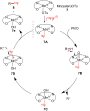
Figure 2: Proposed mechanism of C–H radiofluorination.

Scheme 3: Late-stage C–H azidation of bioactive molecules. a1.5 mol % of Mn(TMP)Cl (5) was used. bMethyl acet...

Figure 3: Proposed reaction mechanism of manganese-catalyzed C–H azidation.

Scheme 4: Mn-catalyzed late-stage C–H azidation of bioactive molecules via electrophotocatalysis. a2.5 mol % ...
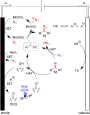
Figure 4: Proposed reaction mechanism of electrophotocatalytic azidation.
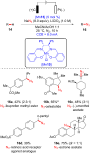
Scheme 5: Manganaelectro-catalyzed late-stage azidation of bioactive molecules.
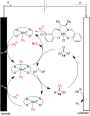
Figure 5: Proposed reaction pathway of manganaelectro-catalyzed late-stage C–H azidation.

Scheme 6: Mn-catalyzed late-stage amination of bioactive molecules. a3 Å MS were used. Protonation with HBF4⋅...

Figure 6: Proposed mechanism of manganese-catalyzed C–H amination.
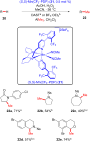
Scheme 7: Mn-catalyzed C–H methylation of heterocyclic scaffolds commonly found in small-molecule drugs. aDAS...
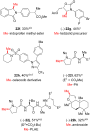
Scheme 8: Examples of late-stage C–H methylation of bioactive molecules. aDAST activation. bFor insoluble sub...
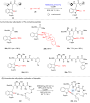
Scheme 9: A) Mn-catalyzed late-stage C–H alkynylation of peptides. B) Intramolecular late-stage alkynylative ...

Figure 7: Proposed reaction mechanism of Mn(I)-catalyzed C–H alkynylation.

Scheme 10: Late-stage Mn-catalyzed C–H allylation of peptides and bioactive motifs.

Scheme 11: Intramolecular C–H allylative cyclic peptide formation.

Scheme 12: Late-stage C–H glycosylation of tryptophan analogues.

Scheme 13: Late-stage C–H glycosylation of tryptophan-containing peptides.

Scheme 14: Late-stage C–H alkenylation of tryptophan-containing peptides.

Scheme 15: A) Late-stage C–H macrocyclization of tryptophan-containing peptides and B) traceless removal of py...
Electron-rich triarylphosphines as nucleophilic catalysts for oxa-Michael reactions
- Susanne M. Fischer,
- Simon Renner,
- A. Daniel Boese and
- Christian Slugovc
Beilstein J. Org. Chem. 2021, 17, 1689–1697, doi:10.3762/bjoc.17.117
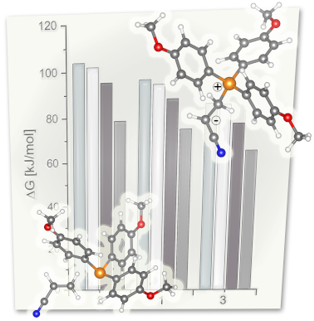
- to an activated electrophile, e.g., an electron-deficient olefin, generating a zwitterion (i, Scheme 1). In further course, the zwitterion acts as a nucleophile or as a base [1]. The efficiency of the formation of this β-phosphonium α-carbanionic species depends on the nucleophilicity of the

Graphical Abstract

Scheme 1: Mechanism for the phosphine-initiated oxa-Michael addition.

Figure 1: Above: Michael acceptors, Michael donors and catalysts used in this study; pKa (respectively pKa of...

Figure 2: Left: double-bond conversion of the polymerization of 4 initiated by 5 mol % TPP, MMTPP or TMTPP af...

Figure 3: Left: Oxidation stability of the phosphines. Phosphine oxide content in % as determined by 31P NMR ...
Methodologies for the synthesis of quaternary carbon centers via hydroalkylation of unactivated olefins: twenty years of advances
- Thiago S. Silva and
- Fernando Coelho
Beilstein J. Org. Chem. 2021, 17, 1565–1590, doi:10.3762/bjoc.17.112
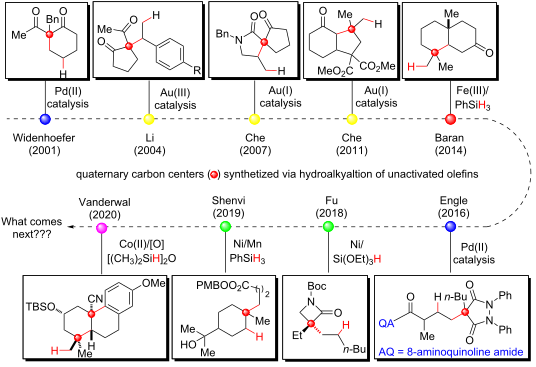
- Thiago S. Silva Fernando Coelho Laboratory of Synthesis of Natural Products and Drugs, Department of Organic Chemistry, Chemistry Institute, University of Campinas, PO Box 6154 - 13083-970, Campinas – SP, Brazil 10.3762/bjoc.17.112 Abstract Olefin double-bond functionalization has been
- , numerous hydroalkylation methodologies have emerged that have explored the diverse reactivity patterns of the olefin double bond. This review presents examples of olefins acting as electrophilic partners when coordinated with electrophilic transition-metal complexes or, in more recent approaches, when used
- expense of the olefin double bond. Review Olefin activation by transition metals Transition metals can act as π-acid catalysts in olefin double bond activation, as they weaken the alkene double bond through coordination to allow a nucleophilic attack on the sp2 carbon to form an alkylmetal intermediate

Graphical Abstract

Figure 1: Some examples of natural products and drugs containing quaternary carbon centers.

Scheme 1: Simplified mechanism for olefin hydrofunctionalization using an electrophilic transition metal as a...

Scheme 2: Selected examples of quaternary carbon centers formed by the intramolecular hydroalkylation of β-di...

Scheme 3: Control experiments and the proposed mechanism for the Pd(II)-catalyzed intermolecular hydroalkylat...

Scheme 4: Intermolecular olefin hydroalkylation of less reactive ketones under Pd(II) catalysis using HCl as ...

Scheme 5: A) Selected examples of Pd(II)-mediated quaternary carbon center synthesis by intermolecular hydroa...

Scheme 6: Selected examples of quaternary carbon center synthesis by gold(III) catalysis. This is the first r...

Scheme 7: Selected examples of inter- (A) and intramolecular (B) olefin hydroalkylations promoted by a silver...

Scheme 8: A) Intermolecular hydroalkylation of N-alkenyl β-ketoamides under Au(I) catalysis in the synthesis ...
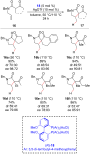
Scheme 9: Asymmetric pyrrolidine synthesis through intramolecular hydroalkylation of α-substituted N-alkenyl ...
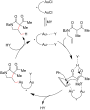
Scheme 10: Proposed mechanism for the chiral gold(I) complex promotion of the intermolecular olefin hydroalkyl...
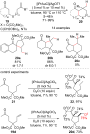
Scheme 11: Selected examples of carbon quaternary center synthesis by gold and evidence of catalytic system pa...

Scheme 12: Synthesis of a spiro compound via an aza-Michael addition/olefin hydroalkylation cascade promoted b...

Scheme 13: A selected example of quaternary carbon center synthesis using an Fe(III) salt as a catalyst for th...

Scheme 14: Intermolecular hydroalkylation catalyzed by a cationic iridium complex (Fuji (2019) [47]).

Scheme 15: Generic example of an olefin hydrofunctionalization via MHAT (Shenvi (2016) [51]).

Scheme 16: The first examples of olefin hydrofunctionalization run under neutral conditions (Mukaiyama (1989) [56]...

Scheme 17: A) Aryl olefin dimerization catalyzed by vitamin B12 and triggered by HAT. B) Control experiment to...
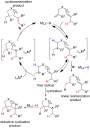
Scheme 18: Generic example of MHAT diolefin cycloisomerization and possible competitive pathways. Shenvi (2014...
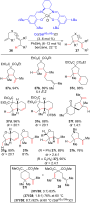
Scheme 19: Selected examples of the MHAT-promoted cycloisomerization reaction of unactivated olefins leading t...
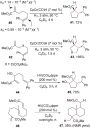
Scheme 20: Regioselective carbocyclizations promoted by an MHAT process (Norton (2008) [76]).

Scheme 21: Selected examples of quaternary carbon centers synthetized via intra- (A) and intermolecular (B) MH...

Scheme 22: A) Proposed mechanism for the Fe(III)/PhSiH3-promoted radical conjugate addition between olefins an...

Scheme 23: Examples of cascade reactions triggered by HAT for the construction of trans-decalin backbone uniti...
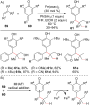
Scheme 24: A) Selected examples of the MHAT-promoted radical conjugate addition between olefins and p-quinone ...
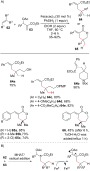
Scheme 25: A) MHAT triggered radical conjugate addition/E1cB/lactonization (in some cases) cascade between ole...
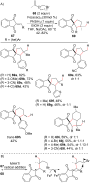
Scheme 26: A) Spirocyclization promoted by Fe(III) hydroalkylation of unactivated olefins. B) Simplified mecha...
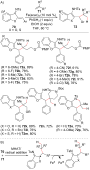
Scheme 27: A) Selected examples of the construction of a carbon quaternary center by the MHAT-triggered radica...

Scheme 28: Hydromethylation of unactivated olefins under iron-mediated MHAT (Baran (2015) [95]).

Scheme 29: The hydroalkylation of unactivated olefins via iron-mediated reductive coupling with hydrazones (Br...
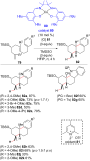
Scheme 30: Selected examples of the Co(II)-catalyzed bicyclization of dialkenylarenes through the olefin hydro...

Scheme 31: Proposed mechanism for the bicyclization of dialkenylarenes triggered by a MHAT process (Vanderwal ...
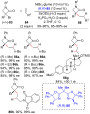
Scheme 32: Enantioconvergent cross-coupling between olefins and tertiary halides (Fu (2018) [108]).

Scheme 33: Proposed mechanism for the Ni-catalyzed cross-coupling reaction between olefins and tertiary halide...

Scheme 34: Proposed catalytic cycles for a MHAT/Ni cross-coupling reaction between olefins and halides (Shenvi...
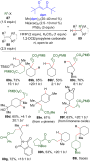
Scheme 35: Selected examples of the hydroalkylation of olefins by a dual catalytic Mn/Ni system (Shenvi (2019) ...

Scheme 36: A) Selected examples of quaternary carbon center synthesis by reductive atom transfer; TBC: 4-tert-...

Scheme 37: A) Selected examples of quaternary carbon centers synthetized by radical addition to unactivated ol...
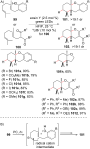
Scheme 38: A) Selected examples of organophotocatalysis-mediated radical polyene cyclization via a PET process...
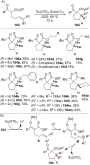
Scheme 39: A) Sc(OTf)3-mediated carbocyclization approach for the synthesis of vicinal quaternary carbon cente...
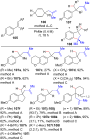
Scheme 40: Scope of the Lewis acid-catalyzed methallylation of electron-rich styrenes. Method A: B(C6F5)3 (5.0...
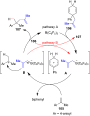
Scheme 41: The proposed mechanism for styrene methallylation (Oestreich (2019) [123]).



