


Search results
Search for "similarity" in Full Text gives 301 result(s) in Beilstein Journal of Organic Chemistry. Showing first 200.
Amino- and polyaminophthalazin-1(2H)-ones: synthesis, coordination properties, and biological activity
Beilstein J. Org. Chem. 2021, 17, 558–568, doi:10.3762/bjoc.17.50
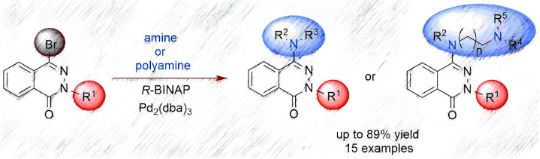
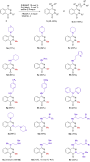
- ]. All selected compounds (Figure 3) contain some specific structural elements (e.g., an ethylenediamine moiety, similarity to bipyridyl or even to isocyclam skeleton) allowing them to act as ligands and form complexes. In our tests, we hoped that putting in the 4-position of the skeleton a substituent





Biochemistry of fluoroprolines: the prospect of making fluorine a bioelement
Beilstein J. Org. Chem. 2021, 17, 439–460, doi:10.3762/bjoc.17.40
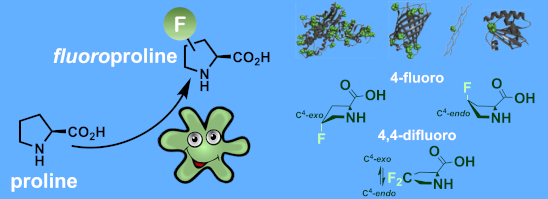
- their high similarity (Figure 12D). The variants containing Pro and R-Flp did not show a clearly defined pucker, whereas the variant with S-Flp was found in a single C4-endo-pucker conformation. Overall, the crystal structures illustrate that the pucker preference observed in small molecules (Figure 6


Multiswitchable photoacid–hydroxyflavylium–polyelectrolyte nano-assemblies
Beilstein J. Org. Chem. 2021, 17, 166–185, doi:10.3762/bjoc.17.17
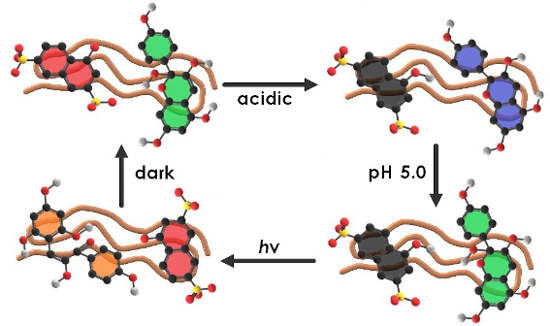
- again. Cycle II shows similarity to cycle I. For both cycles, the largest size range that is covered when going through all switching steps – that is from RH ≈ 150 nm to RH ≈ 350 nm for cycle I and to RH ≈ 300 nm for cycle II – is realized for the loading ratio l = 0.9, which represents the model case




Semiautomated glycoproteomics data analysis workflow for maximized glycopeptide identification and reliable quantification
Beilstein J. Org. Chem. 2020, 16, 3038–3051, doi:10.3762/bjoc.16.253
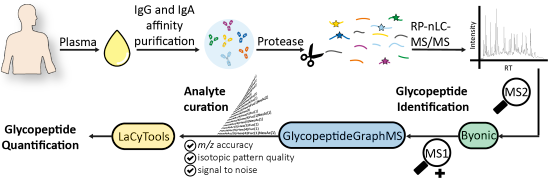
- Information File 1), which were in line with the literature (Table S6, Supporting Information File 1) [17][18]. Skyline and LaCyTools showed the highest similarity in the relative quantification results (Figure S20, Supporting Information File 2). Both tools had a median relative standard deviation (RSD) of 4


Secondary metabolites of Bacillus subtilis impact the assembly of soil-derived semisynthetic bacterial communities
Beilstein J. Org. Chem. 2020, 16, 2983–2998, doi:10.3762/bjoc.16.248
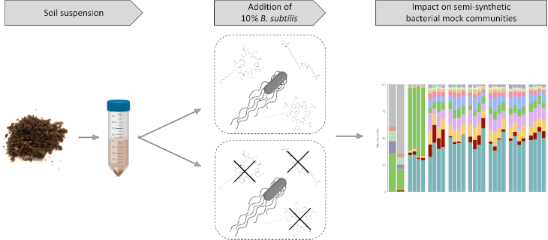
- not see differences between the mock communities. Therefore, we determined the beta diversity only for the treated and untreated mock communities cocultivated for 48 h. The analysis underlined a high similarity in the composition of the mock communities treated with B subtilis strains (Figure 4B
- similarity to the untreated control communities. In contrast, the communities supplemented with NRP-producing B. subtilis strains clustered together and indicated a lower dissimilarity to each other than to the control communities. Notably, the communities treated with the srfAC mutant had a higher
- highest similarity to the untreated communities, suggesting that the supplementation of the NRP-producing B. subtilis strains affected the communities. The vectors of Acinetobacter ASVs had a direction either to NRP-treated or NRP-untreated communities, indicating that the NRPs influenced species within


Ultrasound-assisted Strecker synthesis of novel 2-(hetero)aryl-2-(arylamino)acetonitrile derivatives
Beilstein J. Org. Chem. 2020, 16, 2929–2936, doi:10.3762/bjoc.16.242
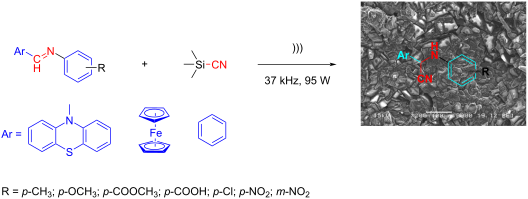
- -recognized Ames test to screen the mutagenic potential for three selected C-substituted α-aminoacetonitriles comprising different hetero(aromatic) units: phenothiazinyl (2c), ferrocenyl (2i), and phenyl (2l), respectively. The similarity of the tested aminoacetonitrile series was set aside by the N


On the mass spectrometric fragmentations of the bacterial sesterterpenes sestermobaraenes A–C
Beilstein J. Org. Chem. 2020, 16, 2807–2819, doi:10.3762/bjoc.16.231
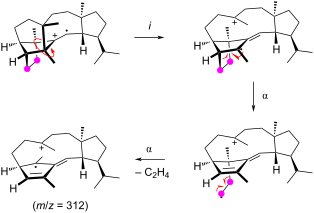
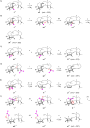
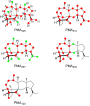
- allows to identify interesting candidate genes coding for terpene synthases for further studies by genome mining. A major difficulty in the GC–MS-based identification of terpenes is associated with the high similarity of the mass spectra of structurally related terpenes. For this reason, the unambiguous




Nocarimidazoles C and D, antimicrobial alkanoylimidazoles from a coral-derived actinomycete Kocuria sp.: application of 1JC,H coupling constants for the unequivocal determination of substituted imidazoles and stereochemical diversity of anteisoalkyl chains in microbial metabolites
Beilstein J. Org. Chem. 2020, 16, 2719–2727, doi:10.3762/bjoc.16.222
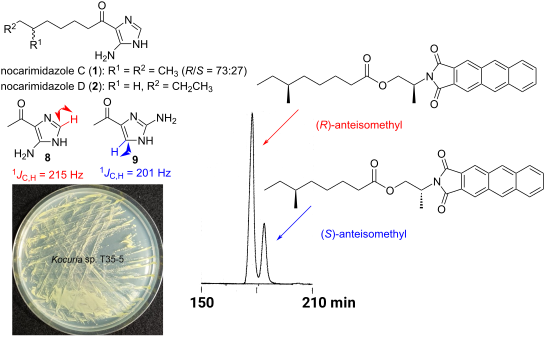
- basis of 100.0% similarity in the 16S rRNA gene sequence (1381 nucleotides; DDBJ accession number LC556325) to Kocuria palustris DSM 11925T (accession number Y16263). Fermentation In a similar manner as described in [22], the strain T35-5 was maintained on Marine Agar 2216 (Difco). A loopful of the



A consensus-based and readable extension of Linear Code for Reaction Rules (LiCoRR)
Beilstein J. Org. Chem. 2020, 16, 2645–2662, doi:10.3762/bjoc.16.215

- demonstrating non-trivial functional-group (Table 5) relations between monosaccharides (Figure 2). We used RDKit, an open-source cheminformatics toolkit, to identify chiral centers and further determine stereochemical equivalence classes. Monosaccharides were clustered with an 80% stereo-similarity threshold


Computational tools for drawing, building and displaying carbohydrates: a visual guide
Beilstein J. Org. Chem. 2020, 16, 2448–2468, doi:10.3762/bjoc.16.199
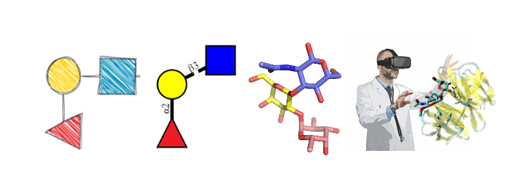
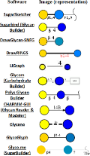
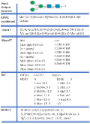
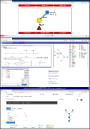
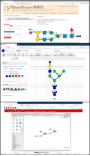
- several computer applications using a standardised notation. The earliest glycan editors allowed manual drawing similar to ChemDraw or used input files with glycan sequence KCF (KEGG Chemical Function) [9] in text format for similarity search against other structures deposited in the databases. Later
- structure can further be used as a query for the search in glycan databases; using match percentage (Similarity) or by the number of components matched (Matched) criteria. Four predefined score matrices are available, named: N-glycans, O-glycans, Sphingolipids and Link_similarity. The “Link_similarity







Clustering and curation of electropherograms: an efficient method for analyzing large cohorts of capillary electrophoresis glycomic profiles for bioprocessing operations
Beilstein J. Org. Chem. 2020, 16, 2087–2099, doi:10.3762/bjoc.16.176
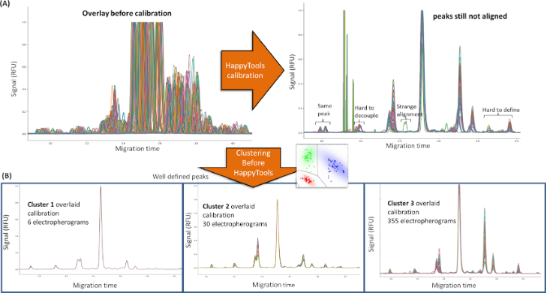
- ., the Anti-HER-2 peaks). The pairwise similarity between any two electropherograms was calculated using Euclidean distance metric. The clustering algorithm is presented in Supporting Information File 1, Figure S3. After clustering, each cluster contained N electropherograms and each peak's central


Naphthalene diimide–amino acid conjugates as novel fluorimetric and CD probes for differentiation between ds-DNA and ds-RNA
Beilstein J. Org. Chem. 2020, 16, 2032–2045, doi:10.3762/bjoc.16.170
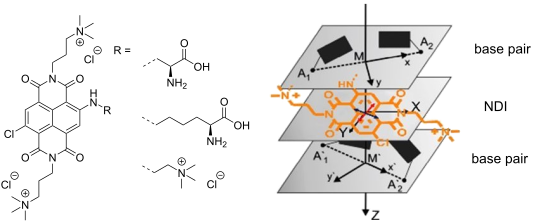
- in Figure 4 and Table 2, the addition of all studied compounds resulted in very strong stabilisation effects on both, poly(dA-dT)2 and poly(A)-poly(U). This similarity of stabilisation of ds-DNA and ds-RNA supports the presence of an intercalative binding mode because DNA groove binders are usually


Automated high-content imaging for cellular uptake, from the Schmuck cation to the latest cyclic oligochalcogenides
Beilstein J. Org. Chem. 2020, 16, 2007–2016, doi:10.3762/bjoc.16.167
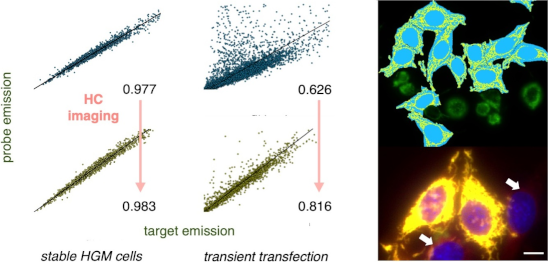
- generally decreases with the size [18], this similarity is particularly impressive, considering that the COC carrying a 52 kDa protein is compared to a small undecapeptide. The compatibility of the assay with other fusion proteins and more adverse conditions, such as transient transfection, has never been




Three new O-isocrotonyl-3-hydroxybutyric acid congeners produced by a sea anemone-derived marine bacterium of the genus Vibrio
Beilstein J. Org. Chem. 2020, 16, 1869–1874, doi:10.3762/bjoc.16.154
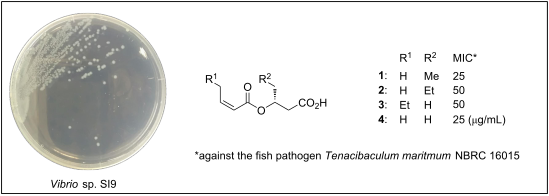
- completed the structure of 4 as O-isocrotonyl-3-hydroxybutyric acid (Figure 2). A close similarity of the NMR data for 1–3 (Table 1 and Table 2) allowed the same sequence of structure analysis. The compounds 1 and 2 were found to have extra C1 and C2 extensions on the butyric acid units, while in 3, an
- SI9 was isolated from its outer tissue specimen according to the method described previously [19] and identified as a member of the genus Vibrio on the basis of an 98.6% similarity in the 16S rRNA gene sequence (1458 nucleotides; DDBJ accession number LC498627) to Vibrio nereis DSM 19584T (accession


Rearrangement of o-(pivaloylaminomethyl)benzaldehydes: an experimental and computational study
Beilstein J. Org. Chem. 2020, 16, 1636–1648, doi:10.3762/bjoc.16.136
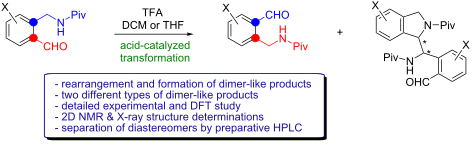
- interconversion of these conformers is slow in the NMR time-scale. Although the NMR spectra have been measured in CDCl3, we are convinced that the conformations observed in CDCl3 are in good accordance with the ones computed considering the implicit solvent effect of DCM. Based on the structural similarity, the


A dynamic combinatorial library for biomimetic recognition of dipeptides in water
Beilstein J. Org. Chem. 2020, 16, 1588–1595, doi:10.3762/bjoc.16.131
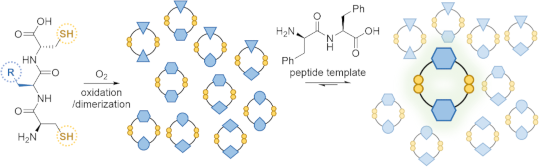
- compounds could not be achieved due to the high complexity of the library and the structural similarity of its members. Hence ESI-TOF mass spectrometry data can be interpreted qualitatively but not quantitatively. A full reference sample is shown in Figure 1. Each chromatogram represents a single
- our initial assumption that dynamic peptides, due to their similarity towards enzymes, can bind a broad scope of biomolecules. ITC measurements suggest that the cyclic tripeptide dimers a(CFC)2 and p(CFC)2 are stronger binders for the aromatic dipeptides FF and YY (K ≈ 229–702 M−1), then for the non


4-Hydroxy-3-methyl-2(1H)-quinolone, originally discovered from a Brassicaceae plant, produced by a soil bacterium of the genus Burkholderia sp.: determination of a preferred tautomer and antioxidant activity
Beilstein J. Org. Chem. 2020, 16, 1489–1494, doi:10.3762/bjoc.16.124
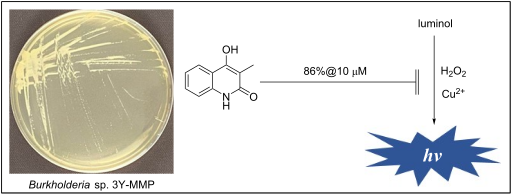
- . Though not alkylated, the close structural similarity to 3 suggests that 1 is also a member of the 2-alkyl-4-quinolone class signaling molecules/antibiotics known from Pseudomonas aeruginosa and some Burkholderia species [26][27]. Quinolones of this class are classified into two lineages, those with or


A cyclopeptide and three oligomycin-class polyketides produced by an underexplored actinomycete of the genus Pseudosporangium
Beilstein J. Org. Chem. 2020, 16, 1100–1110, doi:10.3762/bjoc.16.97
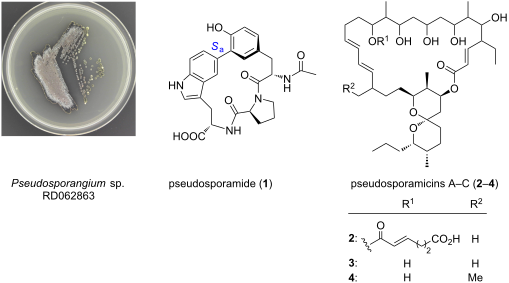
- widely used as an indicator of the taxonomic position of prokaryotes. It was believed that a high similarity of the 16S rRNA gene sequence implied the closeness or even the identity in other sets of genes including secondary metabolite biosynthetic genes. However, our recent analysis of Streptomyces
- experimental 1H and 13C NMR data of 1 presented a higher chemical shift similarity to those for 1b and thereby the (S)-configuration was suggested for C-2. Indeed, the DP4+ analysis [25] gave 100% probability for structure 1b and 0.0% probability for structure 1a (Table S2, Supporting Information File 2). This
- (Biological Resource Center, National Institute of Technology and Evaluation, Chiba, Japan). The strain was identified as a member of the genus Pseudosporangium on the basis of 99.7% similarity in the 16S rRNA gene sequence (1428 nucleotides; GenBank accession number LC512747) to Pseudosporangium ferrugineum


p-Pyridinyl oxime carbamates: synthesis, DNA binding, DNA photocleaving activity and theoretical photodegradation studies
Beilstein J. Org. Chem. 2020, 16, 337–350, doi:10.3762/bjoc.16.33
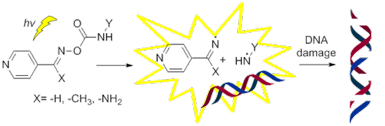
- sulfonylethanone oxime derivatives were less reactive than the PNP one [10]. Due to the similarity in DNA photocleavage by p-pyridine amidoxime, ethanome oxime and aldoxime carbamoyl derivatives, mechanistic studies were performed for two active compounds from the series of amidoximes and aldoximes, 12 and 26


Two antibacterial and PPARα/γ-agonistic unsaturated keto fatty acids from a coral-associated actinomycete of the genus Micrococcus
Beilstein J. Org. Chem. 2020, 16, 297–304, doi:10.3762/bjoc.16.29
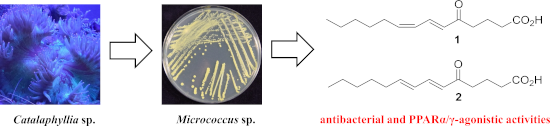
- emerged on the plates, which were transferred onto a new agar medium to obtain pure isolates. One of these isolates, coded as C5-9, was identified as a member of the genus Micrococcus on the basis of 99.9% similarity in the 16S rRNA gene sequence (1395 nucleotides; DNA Data Bank of Japan/DDBJ accession


Absolute configurations of talaromycones A and B, α-diversonolic ester, and aspergillusone B from endophytic Talaromyces sp. ECN211
Beilstein J. Org. Chem. 2020, 16, 290–296, doi:10.3762/bjoc.16.28
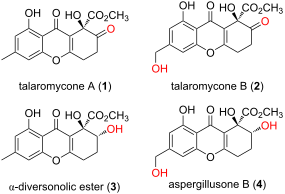
- (Figure S1, Supporting Information File 1), the isolate was found to belong to the genus Talaromyces. Talaromyces sp. ECN211 exhibited 26S rDNA similarity (95.3%) to T. trachyspermus Bhopal (KX66827). The sequence data for Talaromyces sp. ECN211 have been deposited at the DNA Data Bank of Japan (DDBJ


Potent hemithioindigo-based antimitotics photocontrol the microtubule cytoskeleton in cellulo
Beilstein J. Org. Chem. 2020, 16, 125–134, doi:10.3762/bjoc.16.14
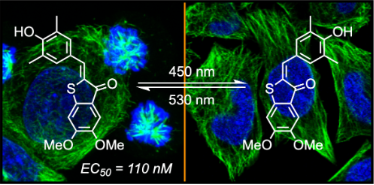
- colchicine. It is not the case that colchicine (or any other small-molecule inhibitor) represents an ideal structure that colchicine domain inhibitors (CDIs) should reproduce. Thus, our design focus was to introduce reversible photoresponse to a CDI rather than developing compounds with high similarity to




Pigmentosins from Gibellula sp. as antibiofilm agents and a new glycosylated asperfuran from Cordyceps javanica
Beilstein J. Org. Chem. 2019, 15, 2968–2981, doi:10.3762/bjoc.15.293
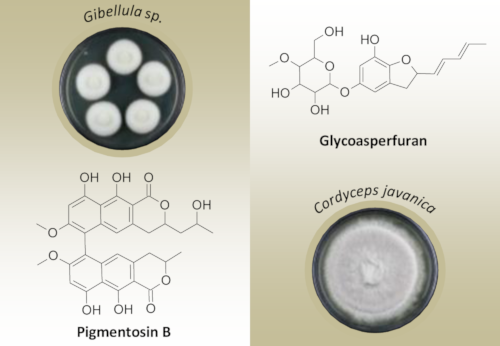
- due to atropisomerism (Figure 2), although the TDDFT-ECD curve of (3S,3′S,6R)-1 showed a further small positive Cotton effect around 228 nm. Nevertheless, due to the high similarity of both curves, we believe that the calculated ECD data could not distinguish between (3R,3′R,6R)-1 and (3S,3′S,6R)-1
- and HSQC NMR data revealed a similarity to compound 1 (Table 1). In addition, the presence of resonances δC (in ppm) corresponding to two carbonyl carbon atoms at 172.4 (C-1/C-1′), two methyl carbon atoms at 20.8 (C-11′) and 24.1 (C-13′), respectively, two methoxy carbon atoms at 56.5 (C-7/C-7′), two


Two new aromatic polyketides from a sponge-derived Fusarium
Beilstein J. Org. Chem. 2019, 15, 2941–2947, doi:10.3762/bjoc.15.289
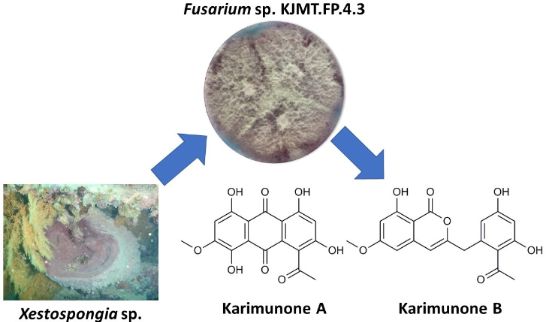
- . Results and Discussion A fungal strain was isolated from a sponge Xestospongia sp. collected in Karimunjawa National Park, Central Java, and identified as a member of Fusarium on the basis of sequence similarity of the internal transcribed spacer (ITS) domain to Fusarium oxysporum strains in the DNA
- ][30]. Strain KJMT.FP.4.3 was identified as Fusarium on the basis of the gene sequence analytical data of the ITS domain of partial 18S rRNA gene and 28S rRNA gene. Strain KJMT.FP.4.3 showed 99.7% similarity of ITS domain of partial 18S rRNA gene and 28S rRNA gene (555 nucleotides, GeneBank accession
- number MK393925.1) to Fusarium oxysporum strain NZZCDHL (549 nucleotides, GeneBank accession number KU939031.1) and 99.5% similarity of ITS domain of partial 18S rRNA gene and 28S rRNA gene to Fusarium oxysporum isolate DG-2 (548 nucleotides, GeneBank accession number MK429839.1). Fermentation Strain


Bacterial terpene biosynthesis: challenges and opportunities for pathway engineering
Beilstein J. Org. Chem. 2019, 15, 2889–2906, doi:10.3762/bjoc.15.283
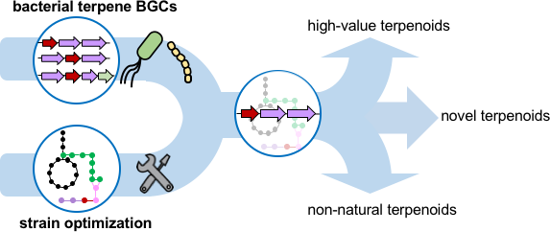
- NRPSs), bacterial TCs show only little overall sequence similarity [1]. The lack of conservation in primary sequence has slowed down our understanding of terpene cyclization and, as a result, hampered the development of efficient genome mining platforms for the detection of bacterial terpene BGCs
- . antiSMASH [48] is the only open source web application that annotates bacterial terpene BGCs. As a result of the low conserved sequence similarity between TCs, terpene BGCs are missed more frequently by antiSMASH than other BGC classes [49]. In contrast to the well-characterized biosynthetic rules of





