


Search results
Search for "DNA" in Full Text gives 411 result(s) in Beilstein Journal of Organic Chemistry. Showing first 200.
Naphthalene diimide–amino acid conjugates as novel fluorimetric and CD probes for differentiation between ds-DNA and ds-RNA
Beilstein J. Org. Chem. 2020, 16, 2032–2045, doi:10.3762/bjoc.16.170
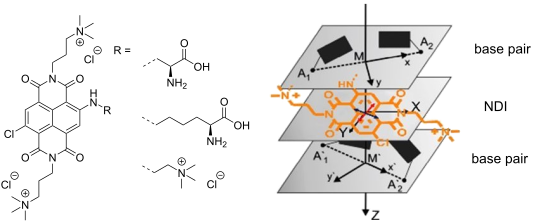
- interacted with ds-DNA/RNA by threading intercalation. Different from a reference NDI dye with identical visible range absorbance (520–540 nm) and Stokes shifts in emission (+60 nm, quantum yield > 0.2), only these amino acid–NDI conjugates showed selective fluorimetric response for GC-DNA in respect to AT(U
- )-polynucleotides. The DNA/RNA binding-induced circular dichroism (ICD) response of NDI at 450–550 nm strongly depended on the length and rigidity of the linker to the amino acid unit, which controls the orientation of the NDI unit inside within the intercalative binding site. The ICD selectivity also depends on
- the type of polynucleotide, thus the studied NDI dyes act as dual fluorimetric/ICD probes for sensing the difference between here used GC-DNA, AT-DNA and AU-RNA. Keywords: amino acid–fluorophore conjugate; circular dichroism; DNA/RNA recognition; fluorescence; intercalation; naphthalene diimide


Automated high-content imaging for cellular uptake, from the Schmuck cation to the latest cyclic oligochalcogenides
Beilstein J. Org. Chem. 2020, 16, 2007–2016, doi:10.3762/bjoc.16.167
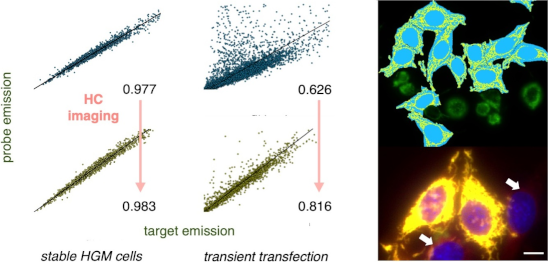
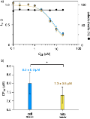
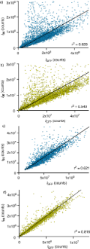
- more stable complexes 12 with the phosphodiesters in the DNA backbone, and thus making it possible to transfect cells with shorter peptides. In 2015, the Schmuck group reported the first example of a small peptide with only four amino acids for gene transfection [27]. The binding affinity of 13 to DNA
- an endosomal pathway. The low pKa value of the four GCP moieties could result in an improved buffering capacity, which could facilitate endosomal escape by the proton-sponge effect [28]. Significant inhibition of DNA transfection by bafilomycin (a macrolide antibiotic that can block the endosomal
- on the endosomal uptake and release. However, a better binding affinity to DNA does not necessarily mean a higher DNA transfection efficiency. As an example, two GCP-modified peptide tweezers 14 with nanomolar dissociation constants, identified by the high-throughput screening of a combinatorial




Nonenzymatic synthesis of anomerically pure, mannosyl-based molecular probes for scramblase identification studies
Beilstein J. Org. Chem. 2020, 16, 1732–1739, doi:10.3762/bjoc.16.145
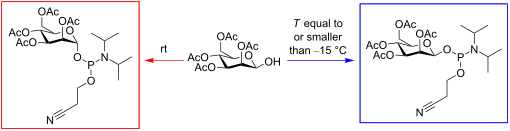
- into stereodefined, anomeric phosphoramidite derivatives. The method is based on adapted procedures developed for DNA solid-phase synthesis [17]. Phosphoramidite chemistry allows the connection of two molecular entities via a phosphodiester linkage and was found to be perfectly suited for this purpose



Models of necessity
Beilstein J. Org. Chem. 2020, 16, 1649–1661, doi:10.3762/bjoc.16.137
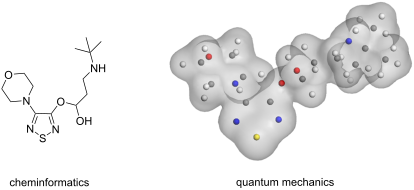
- conformation, reactivity and structure, for example in the determination of the structure of DNA [42]. In inorganic chemistry, the standard Lewis eight-electron picture is complemented by the VSEPR (Valence Shell Electron Pair Repulsion) or Gillespie–Nyholm model [43], which gives rise to a series of standard


Synthesis of new dihydroberberine and tetrahydroberberine analogues and evaluation of their antiproliferative activity on NCI-H1975 cells
Beilstein J. Org. Chem. 2020, 16, 1606–1616, doi:10.3762/bjoc.16.133
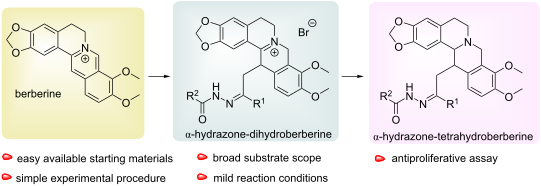
- activity [13][14][15][16][17][18][19], and an increased DNA and RNA binding efficacy [4][6][9], due to its aromatic interactions with the biological macromolecules [20]. Another interesting and promising derivative is dihydroberberine (DHBER), the reduced form of BER. The enaminic function of this alkaloid


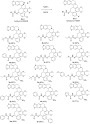


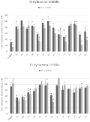
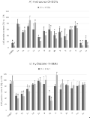
4-Hydroxy-3-methyl-2(1H)-quinolone, originally discovered from a Brassicaceae plant, produced by a soil bacterium of the genus Burkholderia sp.: determination of a preferred tautomer and antioxidant activity
Beilstein J. Org. Chem. 2020, 16, 1489–1494, doi:10.3762/bjoc.16.124
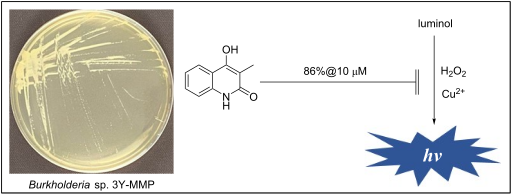
- used as a selection pressure during the initial exhaustive enrichment culture stage. The 16S rDNA sequence of strain 3Y-MMP was determined by a DNA analysis service (Tsuruga Bio, Toyobo Co. Ltd., Osaka, Japan) using a primer set 10F (5′-GTTTGATCCTGGCTCA-3′) and 800R (5′-TACCAGGGTATCTAATCC-3′). A
- partial sequence with a length of 800 bp (accession number LC508727) thus read was queried against the Basic Local Alignment Search Tool program (BLAST) available at the DNA Data Bank of Japan (DDBJ) website, which reported 99.9% homology to Burkholderia cepacia strain N1_1_43 (accession number MN691134


Photocatalyzed syntheses of phenanthrenes and their aza-analogues. A review
Beilstein J. Org. Chem. 2020, 16, 1476–1488, doi:10.3762/bjoc.16.123
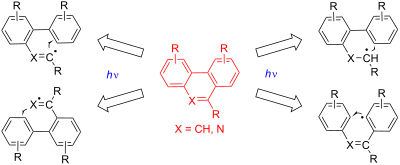
- particular phenanthridines, are substructures present in a wide range of both natural and synthetic products, including trisphaeridine [12] (that exhibits an anti-HIV-I protease activity) and the antifungal sanguinarine [13]. Some phenantridinium derivatives are known as well, notably fagaronine (a DNA
- topoisomerase 1 inhibitor [14] and DNA intercalator), bicolorine (5-methyl-[1,3]dioxolo[4,5-j]phenanthridin-5-ium ion, a trypanocidal) [15], and the antimalarian nitidine, as well as ethidium bromide (EB), that has been employed as a DNA- and RNA-fluorescent marker for a long time (some examples are collected


Highly selective Diels–Alder and Heck arylation reactions in a divergent synthesis of isoindolo- and pyrrolo-fused polycyclic indoles from 2-formylpyrrole
Beilstein J. Org. Chem. 2020, 16, 1320–1334, doi:10.3762/bjoc.16.113
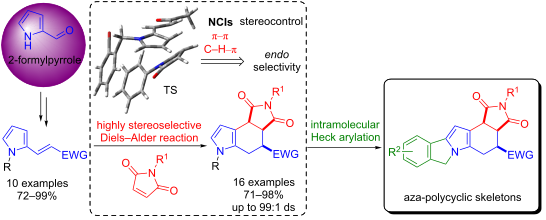
- stereoselective approaches of substrates and reagents or catalysts in a variety of processes. Examples include the substrate–enzyme recognition (the host–guest interaction) responsible for inducing pharmacological activity, the DNA-intercalation capable of generating biomolecular activity, molecular dynamics [63


Anthelmintic drug discovery: target identification, screening methods and the role of open science
Beilstein J. Org. Chem. 2020, 16, 1203–1224, doi:10.3762/bjoc.16.105
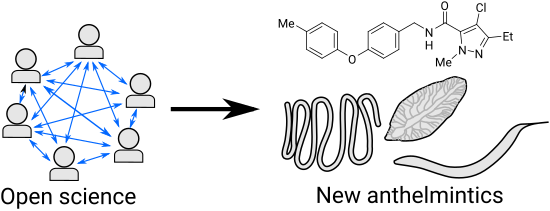
- . elegans. A rich diversity of mutants is available via the Caenorhabditis Genetics Centre [91]. The discovery of RNA interference delivered via feeding worms double-stranded DNA [92] has opened the door to genome-scale gene knockdown in the search for new drug targets. These approaches can expedite the


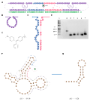
A smart deoxyribozyme-based fluorescent sensor for in vitro detection of androgen receptor mRNA
Beilstein J. Org. Chem. 2020, 16, 1135–1141, doi:10.3762/bjoc.16.100
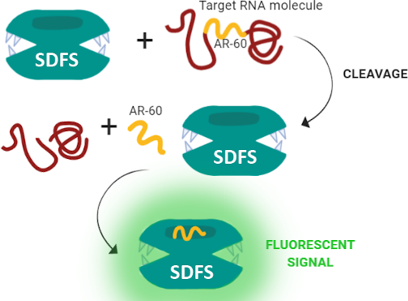
- different levels, including DNA, RNA, proteins, and small molecule metabolites. Today, along with other methods in clinical diagnosis biosensors are ubiquitously used in the biomedical field. The first prototype of a biosensor was invented by Leland Clark and Champ Lyons in 1962 as an amperometric Clark
- their binding capability [3] with sensitivities in the range from 1 mM for cocaine to 10 pM for Hg2+, but for many targets it averages in the 1–10 nM range [4]. Although the diversity of NAs is very large, they can be divided into DNA-based biosensors, for example, molecular beacon or TaqMan probes
- , deoxyribozyme-based biosensors [5], and aptamer-based biosensors [3]. The detection mainly relies on a specific hybridization between a well-known target fragment and the biosensor strands. To increase selectivity NAs are also created as binary or split construction. Due to the simplicity, the DNA hybridization



Cation-induced ring-opening and oxidation reaction of photoreluctant spirooxazine–quinolizinium conjugates
Beilstein J. Org. Chem. 2020, 16, 904–916, doi:10.3762/bjoc.16.82
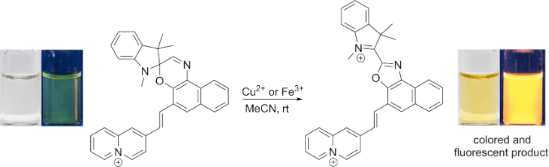
- been shown that derivatives thereof have a great potential to serve as functional units in DNA-binding ligands [54], fluorescent dyes and chemosensors [55][56][57][58][59]. Furthermore, we have already demonstrated that styryl-substituted quinolizinium derivatives exhibit ideal photophysical and DNA
- -binding properties to be used as DNA-sensitive fluorescent probes in cell imaging [60][61][62] or as photoswitchable DNA ligands [63]. Therefore, we were interested in a combination of the photochromic properties of the spirooxazine moiety with the advantageous photophysical and biological properties of


Microwave-assisted efficient and facile synthesis of tetramic acid derivatives via a one-pot post-Ugi cascade reaction
Beilstein J. Org. Chem. 2020, 16, 663–669, doi:10.3762/bjoc.16.63
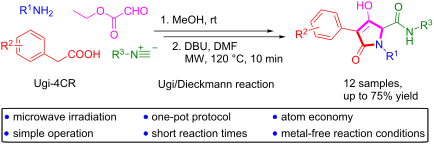
- exhibit a wide range of biological activities, including antibiotic [8], antiviral [9], antifungal [10], phytotoxic [11], cytotoxic [12][13], and enzyme inhibitory activities against bacterial DNA-directed RNA polymerase [14]. The wide range of biological activity and structural variation of this class of


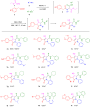

p-Pyridinyl oxime carbamates: synthesis, DNA binding, DNA photocleaving activity and theoretical photodegradation studies
Beilstein J. Org. Chem. 2020, 16, 337–350, doi:10.3762/bjoc.16.33
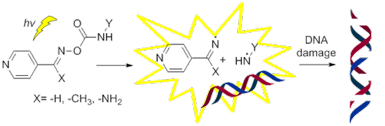
- derivatives were prepared upon the reaction of the corresponding oximes with isocyanates. These novel compounds reacted photochemically in the presence of supercoiled plasmid DNA. Structure–activity relationship (SAR) studies revealed that the substituent on the imine group was not affecting the extend of the
- DNA damage, whereas the substituent of the carbamate group was critical, with the halogenated derivatives to be able to cause extensive single and double stranded DNA cleavages, acting as “synthetic nucleases”, independently of oxygen and pH. Calf thymus–DNA affinity studies showed a good-to-excellent
- studies seem to allow the prediction of the activity of derivatives able to pass intersystem crossing to their triplet energy state and thus create radicals able to damage DNA. With this study, it is shown that oxime carbamate derivatives have the potential to act as novel effective photobase generating


Two antibacterial and PPARα/γ-agonistic unsaturated keto fatty acids from a coral-associated actinomycete of the genus Micrococcus
Beilstein J. Org. Chem. 2020, 16, 297–304, doi:10.3762/bjoc.16.29
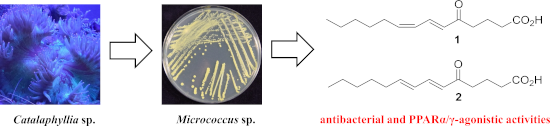
- emerged on the plates, which were transferred onto a new agar medium to obtain pure isolates. One of these isolates, coded as C5-9, was identified as a member of the genus Micrococcus on the basis of 99.9% similarity in the 16S rRNA gene sequence (1395 nucleotides; DNA Data Bank of Japan/DDBJ accession
- transfected with an expression plasmid containing the ligand-binding domain of human PPARα, -β/δ, and -γ fused to the GAL4 DNA-binding domain (pPPARα–GAL4, pPPARδ–GAL4, or pPPARγ–GAL4, 0.25 µg), a luciferase reporter plasmid 17m2G TATA Luc (p17m2G, 1 µg), and the pSEAP-control vector (1 µg, Clontech, CA, USA


Absolute configurations of talaromycones A and B, α-diversonolic ester, and aspergillusone B from endophytic Talaromyces sp. ECN211
Beilstein J. Org. Chem. 2020, 16, 290–296, doi:10.3762/bjoc.16.28
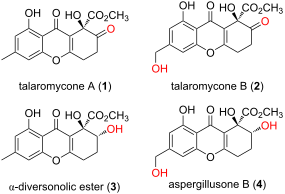
- and identified by sequencing the D1/D2 26S rRNA gene and the internal transcript spacer (ITS) of its ribosomal DNA [10]. The entire mycelia, which were cultured on 300 plates of 2% malt extract agar (MEA) for 30 d, were extracted three times with MeOH at room temperature and evaporated under reduced
- diffractometers using Cu Kα radiation. DNA sequencing was performed with an Applied Biosystems 3130 genetic analyzer. Silica gel AP-300 (Toyota Kako) and Cosmosil 75C 18-OPN (Nacalai Tesque) were used for column chromatography. Silica gel 60 F254 and RP-18 F254S (both Merck) were used for TLC. Fungal material The
- leaves of Selaginella tamariscana (Selaginellaceae) were cultivated in Tajimi City, Gifu, Japan. The methods of isolation and identification of endophytic fungi were performed in a similar manner as described previously [8]. Based on the DNA sequencing of ITS of rDNA and the D1/D2 domain of 26S rDNA


Recent developments in photoredox-catalyzed remote ortho and para C–H bond functionalizations
Beilstein J. Org. Chem. 2020, 16, 248–280, doi:10.3762/bjoc.16.26
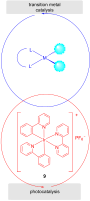
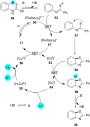
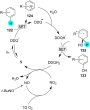
- previously reported methods required high temperatures [118][119][120]. A library of compounds was reported by that group using this approach, and a plausible mechanism is shown in Figure 13. Arylation of purines: Purine bases and purine nucleosides, which are common structural motifs in DNA and RNA, have an










Potent hemithioindigo-based antimitotics photocontrol the microtubule cytoskeleton in cellulo
Beilstein J. Org. Chem. 2020, 16, 125–134, doi:10.3762/bjoc.16.14
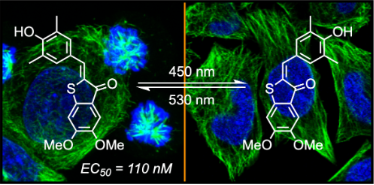
- cycle arrest in the G2/M phase by preventing the completion of mitosis [1]. We examined cell cycle repartition by quantification of cellular DNA content via propidium iodide (PI) incorporation, which was analysed by flow cytometry (Supporting Information File 1, Figure S7). HeLa cells were treated for




Reversible photoswitching of the DNA-binding properties of styrylquinolizinium derivatives through photochromic [2 + 2] cycloaddition and cycloreversion
Beilstein J. Org. Chem. 2020, 16, 111–124, doi:10.3762/bjoc.16.13
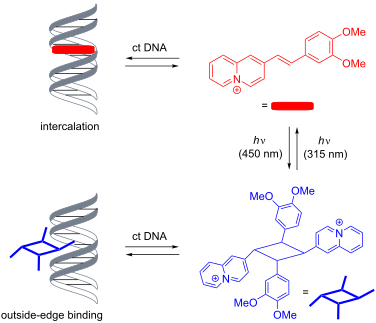
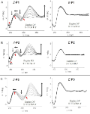
- -33501 Bielefeld, Germany Department of Chemistry, Structural Chemistry Facility, The University of British Columbia, 2036 Main Mall, V6T 1Z1, Vancouver, BC, Canada 10.3762/bjoc.16.13 Abstract It was demonstrated that styrylquinolizinium derivatives may be applied as photoswitchable DNA ligands. At
- lower ligand:DNA ratios (≤1.5), these compounds bind to duplex DNA by intercalation, with binding constants ranging from Kb = 4.1 × 10⁴ M to 2.6 × 10⁵ M (four examples), as shown by photometric and fluorimetric titrations as well as by CD and LD spectroscopic analyses. Upon irradiation at 450 nm, the
- methoxy-substituted styrylquinolizinium derivatives form the corresponding syn head-to-tail cyclobutanes in a selective [2 + 2] photocycloaddition, as revealed by X-ray diffraction analysis of the reaction products. These photodimers bind to DNA only weakly by outside-edge association, but they release


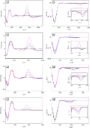


Photocontrolled DNA minor groove interactions of imidazole/pyrrole polyamides
Beilstein J. Org. Chem. 2020, 16, 60–70, doi:10.3762/bjoc.16.8
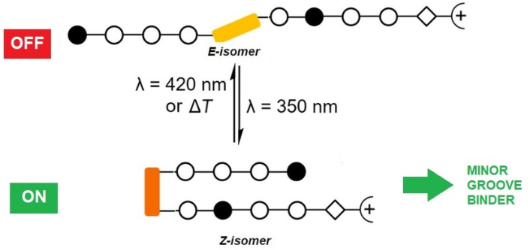
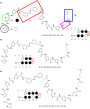
- compounds have frequently been employed as modules, e.g., to control protein–DNA interactions. However, their use in conjunction with minor groove-binding imidazole/pyrrole (Im/Py) polyamides is yet unprecedented. Dervan-type Im/Py polyamides were equipped with an azobenzene unit, i.e., 3-(3-(aminomethyl
- )phenyl)azophenylacetic acid, as the linker between two Im/Py polyamide strands. Only the (Z)-azobenzene-containing polyamides bound to the minor groove of double-stranded DNA hairpins. Photoisomerization was exemplarily evaluated by 1H NMR experiments, while minor groove binding of the (Z)-azobenzene
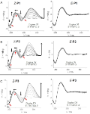
- derivatives was proven by CD titration experiments. The resulting induced circular dichroism (ICD) bands of the bound ligands, together with the photometric determination of the dsDNA melting temperature, revealed a significant stabilization of the DNA upon association with the ligand. The (Z)-azobenzene



Pigmentosins from Gibellula sp. as antibiofilm agents and a new glycosylated asperfuran from Cordyceps javanica
Beilstein J. Org. Chem. 2019, 15, 2968–2981, doi:10.3762/bjoc.15.293
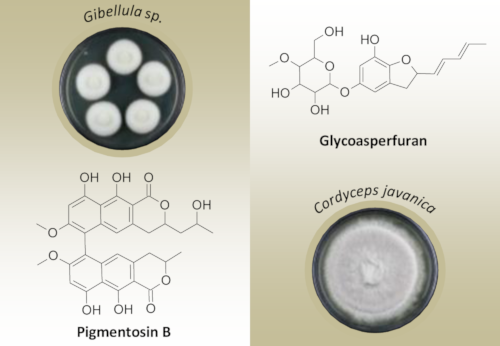
- Northeastern Thailand. Their pure cultures were isolated and subsequently deposited at the BIOTEC Culture Collection (BCC), Pathum Thani, Thailand. Two nuclear DNA regions of all isolates including internal transcribed spacer regions of the ribosomal DNA (ITS) and translation elongation factor 1-alpha (EF1-α



Two new aromatic polyketides from a sponge-derived Fusarium
Beilstein J. Org. Chem. 2019, 15, 2941–2947, doi:10.3762/bjoc.15.289
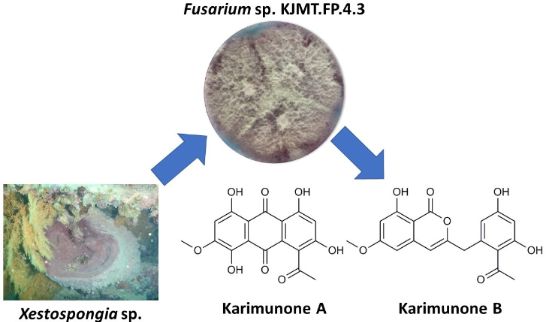
- . Results and Discussion A fungal strain was isolated from a sponge Xestospongia sp. collected in Karimunjawa National Park, Central Java, and identified as a member of Fusarium on the basis of sequence similarity of the internal transcribed spacer (ITS) domain to Fusarium oxysporum strains in the DNA


Bacterial terpene biosynthesis: challenges and opportunities for pathway engineering
Beilstein J. Org. Chem. 2019, 15, 2889–2906, doi:10.3762/bjoc.15.283
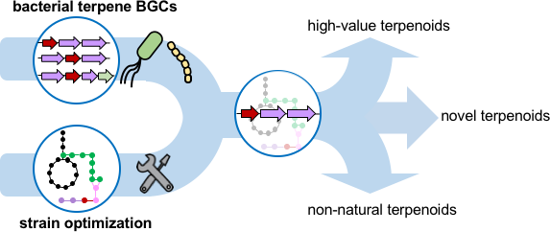
- fine control of terpene cyclases and tailoring enzymes. The reduced cost of DNA synthesis [153] and advanced cloning techniques [154], such as Gibson Assembly [155] and Golden Gate cloning [156], has made pathway construction more economically efficient, and the genetic parts can also be retrieved


Preparation of anthracene-based tetraperimidine hexafluorophosphate and selective recognition of chromium(III) ions
Beilstein J. Org. Chem. 2019, 15, 2847–2855, doi:10.3762/bjoc.15.278
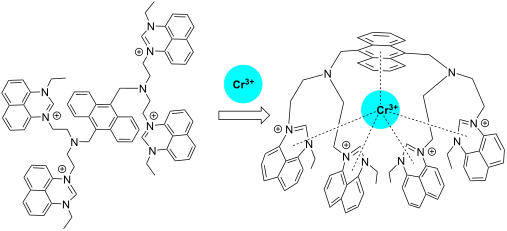
- autoimmune and cardiovascular diseases [11]. On the other hand, the excessive incorporation of chromium(III) is toxic to humans, and can cause cancer through the oxidation of DNA and some proteins [12][13][14]. Therefore, the detection of chromium(III) has a vital practical significance for human health


Skeletocutins M–Q: biologically active compounds from the fruiting bodies of the basidiomycete Skeletocutis sp. collected in Africa
Beilstein J. Org. Chem. 2019, 15, 2782–2789, doi:10.3762/bjoc.15.270

- that it belongs to a new species because neither DNA sequence data in the public domain nor morphological characteristics matched the previously reported species, as compared to the literature. The genus Skeletocutis (of the Polyporaceae) consists of approximately 40 species, which grow as a crust on


Diversity-oriented synthesis of spirothiazolidinediones and their biological evaluation
Beilstein J. Org. Chem. 2019, 15, 2774–2781, doi:10.3762/bjoc.15.269
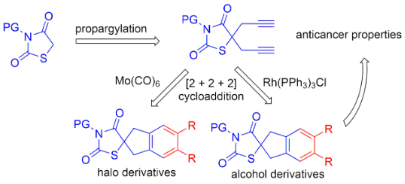
- hypodiploidal DNA peak appears 24 hours after the action of compounds 22, 20 and 17, which shows the inability to stop the fission cycle at the checkpoints, and ultimately, leads to cell death. Conclusion In summary, we have synthesized spirothiazolidinedione derivatives via a [2 + 2 + 2] cyclotrimerization
- , phosphatidylserine molecules appear on the cell surface but the membrane is still impermeable for DNA-binding dyes (such as propidium iodide). The membrane integrity is lost at later stages of the cell death. Thus, while detecting the apoptosis, one can distinguish four types of cells: living cells (annexin V−/PI





