Search results
Search for "crystals" in Full Text gives 668 result(s) in Beilstein Journal of Organic Chemistry. Showing first 200.
A facile approach to spiro[dihydrofuran-2,3'-oxindoles] via formal [4 + 1] annulation reaction of fused 1H-pyrrole-2,3-diones with diazooxindoles
Beilstein J. Org. Chem. 2022, 18, 1532–1538, doi:10.3762/bjoc.18.162
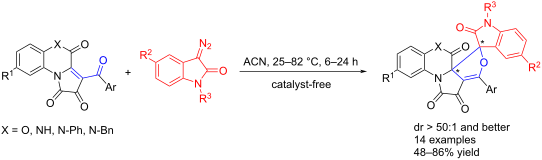
- the solution being turned from purple to red. The starting FPD 1a is bright violet; thus, the disappearance of the violet color was used as an indicator of the reaction’s completion. Product 3aa was isolated as yellow crystals in 73% yield and characterized by NMR, IR, and mass spectra, and single


Comparison of crystal structure and DFT calculations of triferrocenyl trithiophosphite’s conformance
Beilstein J. Org. Chem. 2022, 18, 1499–1504, doi:10.3762/bjoc.18.157
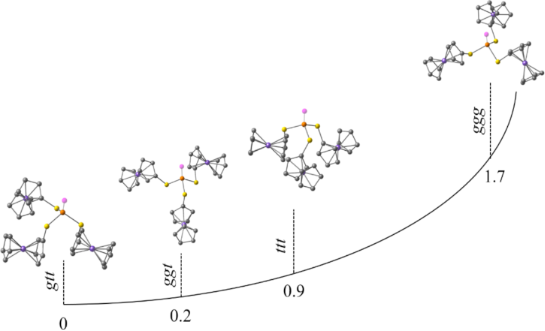
- vacuo. The product was extracted with benzene (3 × 30 mL) and after evaporation of the solvent triferrocenyl trithiophosphite (1.34 g, 76%) was obtained as a yellow powder. Single crystals suitable for X-ray diffraction were obtained by dissolving the compound in a mixture of benzene/hexane 1:1 and
- diffraction The data set for single crystals of triferrocenyl trithiophosphite was collected on a Rigaku XtaLab Synergy S instrument with a HyPix detector and a PhotonJet microfocus X-ray tube using Cu Kα (1.54184 Å) radiation at 100 K. Images were indexed and integrated using the CrysAlisPro data reduction
- )3PS [7] (Figure 4). All three compounds form crystals belonging to the monoclinic syngony. In all three cases, the molecules in the crystals form a herringbone motif. In (FcS)3P, C–H···π interactions dominate, while in (FcS)3PS and (FcS)3PO, in addition to C–H···π interactions, by one C–H···S and two


Synthesis of C6-modified mannose 1-phosphates and evaluation of derived sugar nucleotides against GDP-mannose dehydrogenase
Beilstein J. Org. Chem. 2022, 18, 1379–1384, doi:10.3762/bjoc.18.142
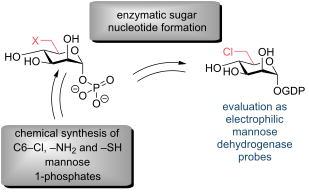
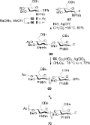
- minimum volume of hot EtOH, enabling solid state analysis (Figure 2). Crystals of 16 were analysed by single crystal X-ray diffraction and the data were solved in the monoclinic space group P21. Although the crystals suffered from intrinsic non-merohedral twinning through a non-crystallographic rotation


Computational model predicts protein binding sites of a luminescent ligand equipped with guanidiniocarbonyl-pyrrole groups
Beilstein J. Org. Chem. 2022, 18, 1322–1331, doi:10.3762/bjoc.18.137
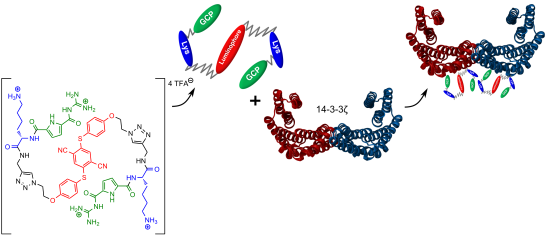
- novel luminophores tailor-made for different applications. One unique, promising class of compounds, the so-called aggregation-induced emitters (AIE) have been used for a wide range of applications, e.g., in OLEDs, liquid crystals [17], stimuli responses, bioassays, protein and ion detection or imaging





Synthesis of tryptophan-dehydrobutyrine diketopiperazine and biological activity of hangtaimycin and its co-metabolites
Beilstein J. Org. Chem. 2022, 18, 1159–1165, doi:10.3762/bjoc.18.120
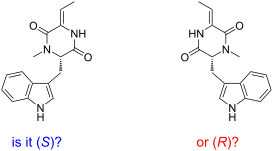
- 0.102, MeOH). The reason for the varying melting points for 4 in the literature is unclear, but we noticed a pronounced difference in the crystallisation behaviour of racemic and enantiomerically pure 4. While (rac)-4 readily formed crystals (mp 134–136 °C), several attempts to crystallise (S)-4, a


Scope of tetrazolo[1,5-a]quinoxalines in CuAAC reactions for the synthesis of triazoloquinoxalines, imidazoloquinoxalines, and rhenium complexes thereof
Beilstein J. Org. Chem. 2022, 18, 1088–1099, doi:10.3762/bjoc.18.111
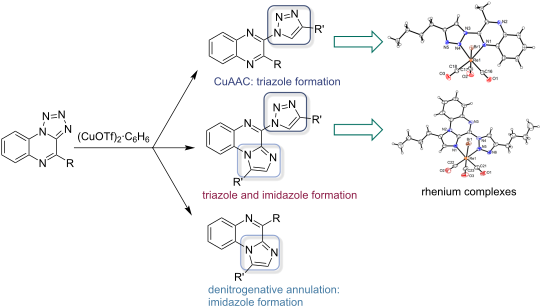
- the reactions takes place first and is required for the second reaction or whether both reactions occur independently of each other. Single crystals for 25b were obtained from slow evaporation of methanol under ambient pressure and the assumed structure of the TIQ product could unambiguously be
- obtained products. Single crystals for complexes 27a–d were obtained via slow evaporation of a solution in either methylene chloride, ethyl acetate, or deuterated chloroform under ambient conditions. The rhenium atom is coordinated to three carbonyl groups, the bromine atom and two nitrogens of the 1,2,3
- -triazoloquinoxaline ligand in a distorted octahedral coordination geometry in all cases. The obtained data for the alkyl-chain complex 27a corresponds to similar published results [12]. For complex 29, single crystals were formed from slow evaporation of a methylene chloride solution under ambient conditions. The


Synthesis, optical and electrochemical properties of (D–π)2-type and (D–π)2Ph-type fluorescent dyes
Beilstein J. Org. Chem. 2022, 18, 1047–1054, doi:10.3762/bjoc.18.106
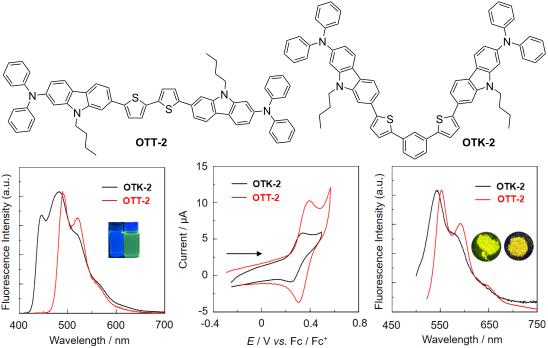
- , compared with those in toluene. The Φfl-solid (0.24) of OTT-2 is higher than that (Φfl-solid = 0.15) of OTK-2, while the Φfl-solid of OTK-2 and OTT-2 are lower than those in toluene. Although single crystals of OTK-2 and OTT-2 with sufficient size for X-ray structural analysis were not obtained, the
- This work was supported by the Grant-in-Aids for Scientific Research on Innovative Areas “Soft Crystals” (No. 2903) (JSPS KAKENHI Grant No. 18H04520) and the Suga Weathering Technology Foundation.


Electrochemical and spectroscopic properties of twisted dibenzo[g,p]chrysene derivatives
Beilstein J. Org. Chem. 2022, 18, 963–971, doi:10.3762/bjoc.18.96
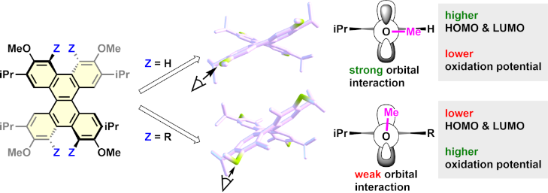
- , dyes, liquid crystals, and light-emitting materials. A number of substituted DBCs have been reported in this context [27][28][29][30][31][32][33][34][35][36][37][38][39][40][41][42][43][44][45][46]. To develop charge-transport materials, Rathore et al. reported on the stability of radical cations of


Introducing a new 7-ring fused diindenone-dithieno[3,2-b:2',3'-d]thiophene unit as a promising component for organic semiconductor materials
Beilstein J. Org. Chem. 2022, 18, 944–955, doi:10.3762/bjoc.18.94
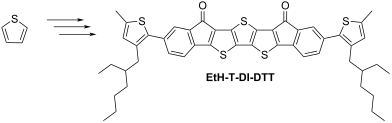
- highly delocalised bipolaron states [69]. Computation of structure Since all attempts to grow crystals of EtH-T-DI-DTT failed, we predicted the structure with a density functional theory (DFT) gas-phase optimisation using the B3LYP[70][71]/6-311g(d,p) [72] level of theory, using both the Gaussian09 [73


Anti-inflammatory aromadendrane- and cadinane-type sesquiterpenoids from the South China Sea sponge Acanthella cavernosa
Beilstein J. Org. Chem. 2022, 18, 916–925, doi:10.3762/bjoc.18.91
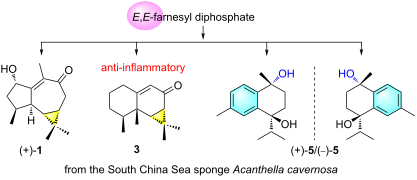
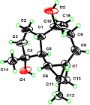
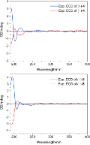
- worth determining their absolute configuration. Unfortunately, our efforts to obtain suitable crystals for X-ray diffraction analysis were unsuccessful. The lack of secondary hydroxy groups in these molecules prevented the use of chemical approaches. In addition, their weak Cotton effects (Figure 5






Synthesis of novel alkynyl imidazopyridinyl selenides: copper-catalyzed tandem selenation of selenium with 2-arylimidazo[1,2-a]pyridines and terminal alkynes
Beilstein J. Org. Chem. 2022, 18, 863–871, doi:10.3762/bjoc.18.87
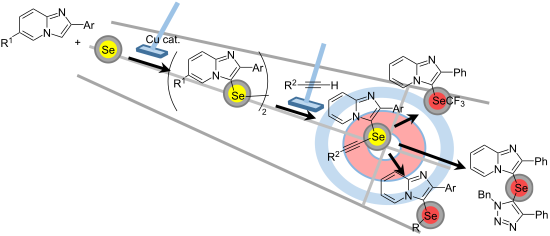
- the three components (Se powder, 1a, and 3a) in the presence of Na2CO3 at 130 °C, but unfortunately it did not proceed and gave a complex mixture (Table 1, entry 13). Single crystals suitable for X-ray analysis of 4aa were obtained by repeated recrystallization from dichloromethane/hexane as solvent


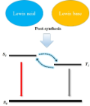
Post-synthesis from Lewis acid–base interaction: an alternative way to generate light and harvest triplet excitons
Beilstein J. Org. Chem. 2022, 18, 825–836, doi:10.3762/bjoc.18.83
- compound 14 respectively with B(C6F5)3 and B(C6H5)3 by X-ray photoelectron spectroscopy (XPS) [29]. The B(1s) signal showed peaks at 190.61 and 191.08 eV, respectively. This is close to the reported characteristic B–N binding energy (190.5 eV) in B–N crystals. Despite the weak signals of boron in these two


Thiophene/selenophene-based S-shaped double helicenes: regioselective synthesis and structures
Beilstein J. Org. Chem. 2022, 18, 809–817, doi:10.3762/bjoc.18.81
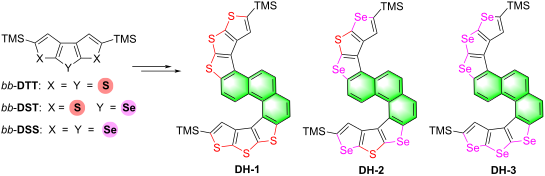
- crystallographic analyses were performed using crystals of compounds DH-1 and DH-2 with sizes of 0.14 × 0.12 × 0.08, 0.21 × 0.17 × 0.12 mm3, respectively. The intensity data were collected with the ω scan mode (296 K) on a diffractometer with a CCD detector using Cu Kα radiation (λ = 1.54184 Å). The data were
- solutions of DH-1 and DH-2 in CHCl3/CH3OH 5:1 (v/v) were employed for growing single crystals. The fluorescence quantum yields (ΦF) of DH-1–3 are characterized in dichloromethane with quinine sulfate in 0.1 N H2SO4 as the control. Synthesis of 5a–c and DH-1–3 Synthesis of 1,3-bis(2-(5-(trimethylsilyl


Four bioactive new steroids from the soft coral Lobophytum pauciflorum collected in South China Sea
Beilstein J. Org. Chem. 2022, 18, 374–380, doi:10.3762/bjoc.18.42
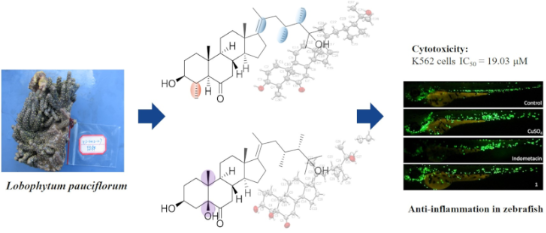
- mg), 6 (15.5 mg) and 7 (10.2 mg). Fr.412 (210 mg) was chromatographed on semi-preparative HPLC (ODS, 5 µm, 250 × 10 mm; methanol/water, 85:15, v/v; 2.0 mL/min) to give compound 1 (2.5 mg), 2 (5.8 mg) and 3 (13.3 mg). Identification of new compounds Compound 1: colorless crystals; [α]D25 −19.28 (c
- 0.13, MeOH); IR (KBr) νmax: 3389, 2944, 2871, 1707, 1603, 1467, 1380 cm−1; 1H and 13C NMR data (CDCl3, 500 and 125 MHz) see Table 1; HRESIMS (m/z) [M + Na]+ calcd for C30H50O3Na, 481.3652; found, 481.3648. Compound 2: colorless crystals; [α]D25 −12.77 (c 0.3, MeOH); IR (KBr) νmax: 3361, 2926, 2855
- , 1702, 1651, 1459, 1376 cm−1; 1H and 13C NMR data (CD3OD, 500 and 125 MHz) see Table 1; HRESIMS (m/z) [M + Na]+ calcd for C29H48O4Na, 483.3445; found, 483.3446. Compound 3: colorless crystals; [α]D25 −18.36 (c 0.5, MeOH); IR (KBr) νmax: 3390, 2938, 1702, 1459, 1376 cm−1; 1H and 13C NMR data (CDCl3, 500


Unexpected chiral vicinal tetrasubstituted diamines via borylcopper-mediated homocoupling of isatin imines
Beilstein J. Org. Chem. 2022, 18, 303–308, doi:10.3762/bjoc.18.34
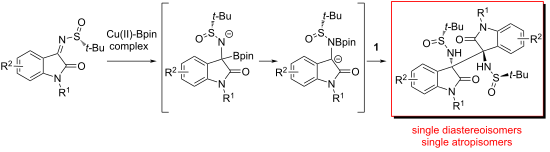
- diastereoselectivity of the reaction (see Supporting Information File 1). All stereochemical implications were fully confirmed by single-crystal X-ray diffraction analysis, which was performed on well-formed prismatic crystals of compound 2a (Figure 1) [28]. Compound 2a is chiral and crystallizes in the orthorhombic


Photophysical, photostability, and ROS generation properties of new trifluoromethylated quinoline-phenol Schiff bases
Beilstein J. Org. Chem. 2021, 17, 2799–2811, doi:10.3762/bjoc.17.191
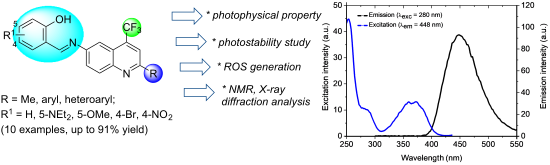
- Information File 1 (Figures S38–S47). Single crystals of compound 3ba were obtained by slow evaporation of a CDCl3 solution at 25 °C. Diffraction measurement of compound 3ba was performed using a Bruker D8 QUEST diffractometer using Cu Kα radiation (λ = 1.54178 Å) with a KAPPA four-circle goniometer equipped




The PIFA-initiated oxidative cyclization of 2-(3-butenyl)quinazolin-4(3H)-ones – an efficient approach to 1-(hydroxymethyl)-2,3-dihydropyrrolo[1,2-a]quinazolin-5(1H)-ones
Beilstein J. Org. Chem. 2021, 17, 2787–2794, doi:10.3762/bjoc.17.189
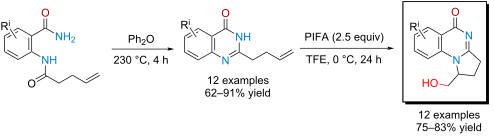
- product 6. The structure of products 6 was confirmed by NMR spectroscopy; in addition to that, X-ray diffraction studies were performed with single crystals of compound 6f (see Figure 2). Since the application of the obtained compounds in early drug discovery is anticipated, it is important to assess


Synthesis of new bile acid-fused tetrazoles using the Schmidt reaction
Beilstein J. Org. Chem. 2021, 17, 2611–2620, doi:10.3762/bjoc.17.174
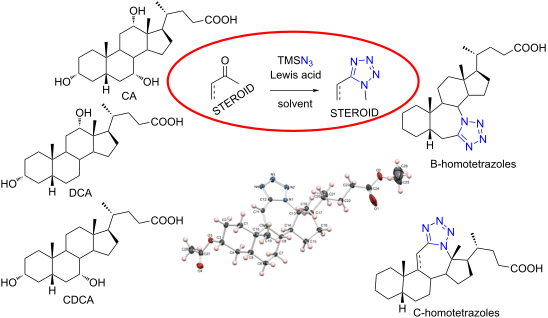
- configuration at C-8 was confirmed. Similarly to C-homotetrazoles, magnetic anisotropy effects of the aromatic tetrazole ring are obvious in 1H NMR spectra of compounds 17 and 18. For example, the chemical shift of the H-4α proton is much lower than expected (0.45 ppm). Interestingly, we noticed that crystals
- of protected B-homotetrazoles were not obtained after repeated attempts of crystallization, while obtaining high-quality crystals of C-homotetrazoles was straightforward. In the final part of our synthetic work, all tetrazole compounds were converted to free bile acid-fused tetrazoles with ethanolic


Cryogels: recent applications in 3D-bioprinting, injectable cryogels, drug delivery, and wound healing
Beilstein J. Org. Chem. 2021, 17, 2553–2569, doi:10.3762/bjoc.17.171
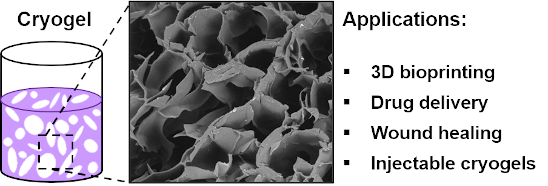
- solution is then cooled to below the freezing point of water, whereby ice crystals form. Importantly, here the solvent (water) solidifies (freezes) and forms solid solvent porogens within the structure allowing the polymer network to form around these crystals, templating the porous structure of the final
- cryogel. In chemically crosslinked cryogels (Figure 1a), the monomers polymerise and crosslink (in the presence of a crosslinker) around the ice crystals to form a network. In physically crosslinked cryogels (Figure 1b), once the solution is cooled below the freezing temperature the polymeric precursors






Exfoliated black phosphorous-mediated CuAAC chemistry for organic and macromolecular synthesis under white LED and near-IR irradiation
Beilstein J. Org. Chem. 2021, 17, 2477–2487, doi:10.3762/bjoc.17.164
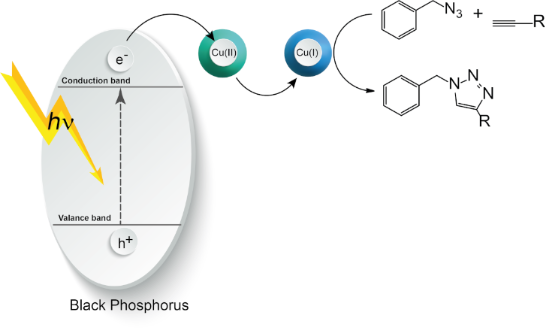
- . In this work, we report a new synthetic strategy to the photochemical reduction of CuII to CuI for the CuAAC reaction using BPNs as the photo-initiator under NIR light. Results and Discussion The detailed preparation and characterization of the initial BP crystals and BPNs were previously reported
- -angle annular dark field (HAADF) scanning transmission microscope (STEM) images and the associated EDS elemental mapping images. Synthesis of black phosphorus crystals and preparation of its nanosheets Black phosphorus (BP) was prepared using a modified low-pressure chemical vapor transport method [40
- cooled to 393 K in 5 h, and it was left for natural cooling afterwards. After the heating process, the ampoule was cracked in dry toluene and the crystalline BP was separated. In order to remove surface impurities, the BP crystals were transferred into absolute ethanol and sonicated for 30 minutes. The


Synthesis and antimicrobial activity of 1H-1,2,3-triazole and carboxylate analogues of metronidazole
Beilstein J. Org. Chem. 2021, 17, 2377–2384, doi:10.3762/bjoc.17.154
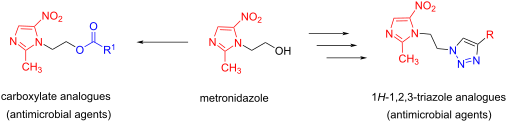
- methylene protons of –N–CH2-CH2–N3. A singlet peak at δ 2.50 was due to methyl protons on the imidazole ring. The high-resolution mass spectrometric data at 197.0737 (M + H)+ confirmed the structure of metronidazide 3. Single crystals of metroazide compound 3 were grown from slow evaporation of DCM solution
- + H)+ supported the structure of 1H-1,2,3-triazole compound 5c. Single crystals of 1H-1,2,3-triazole compound 5c were grown from slow evaporation of MeOH. The structure of 1H-1,2,3-triazole compound 5c was unambiguously confirmed by single crystal X-ray analysis (Figure 4). Synthesis of carboxylate
- spectrometric data at 321.0842 (M + H)+ supported the structure of compound 7b. Single crystals of compound 7b were grown from slow evaporation of MeOH + DCM (1:1) solution. The structure of compound 7b was unambiguously confirmed by single crystal X-ray analysis (Figure 5). In this article, chemical


(Phenylamino)pyrimidine-1,2,3-triazole derivatives as analogs of imatinib: searching for novel compounds against chronic myeloid leukemia
Beilstein J. Org. Chem. 2021, 17, 2260–2269, doi:10.3762/bjoc.17.144
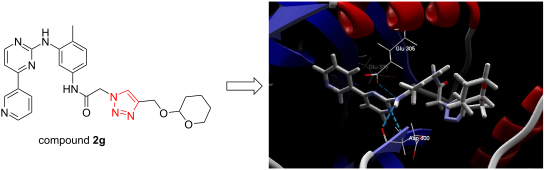
- NMR spectra. For structural confirmation of these new derivatives, we also carried out an X-ray diffraction study of compound 2b. Yellow single crystals suitable for X-ray diffraction analysis were obtained by slow evaporation of a solution of 2b in dichloromethane. Based on the X-ray crystallographic
- crystallization and X-ray diffraction experiments for compound 2b were performed. All samples evaluated had low scattering patterns and germinated crystals. This resulted in poor quality data, which limited the quality of the refinement. Structure illustrations were generated using ORTEP-3 for Mercury [45], and


Progress and challenges in the synthesis of sequence controlled polysaccharides
Beilstein J. Org. Chem. 2021, 17, 1981–2025, doi:10.3762/bjoc.17.129
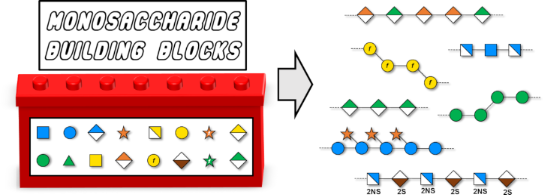
- structures, albeit with no control over the DP, could be prepared via chemoenzymatic polymerization of α-laminaribiosyl fluoride donors catalyzed by the mutated barley β(1–3)-glucanase [144][145]. Linear β(1–3)-glucans with DP of 30–40 appeared as lamellar, hexagonal crystals. Electron and X-ray diffraction










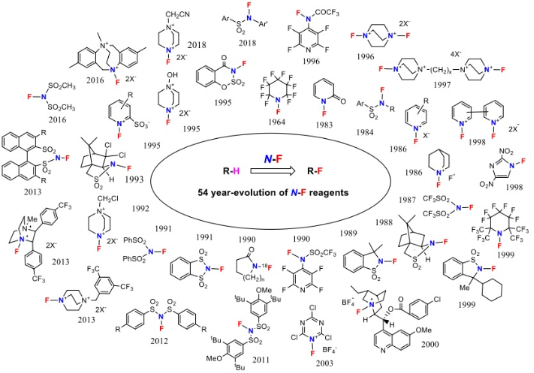
Development of N-F fluorinating agents and their fluorinations: Historical perspective
Beilstein J. Org. Chem. 2021, 17, 1752–1813, doi:10.3762/bjoc.17.123
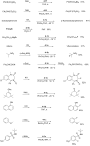
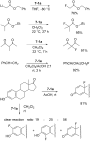
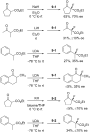
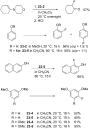
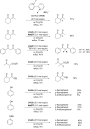
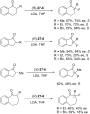
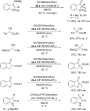
- crystalline solid with a high decomposition point of ca. 170 °C. The bisOTf salt 22-1a, bisBF4 22-1d, bisSbF6 22-1e, and bisPF6 22-1f are easy-to-handle because they are non-hygroscopic and stable crystals. As shown in Figure 6, 22-1a,d,e mediated a quantitative conversion of anisole to isomers of

























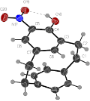
Breaking paracyclophane: the unexpected formation of non-symmetric disubstituted nitro[2.2]metaparacyclophanes
Beilstein J. Org. Chem. 2021, 17, 1518–1526, doi:10.3762/bjoc.17.109
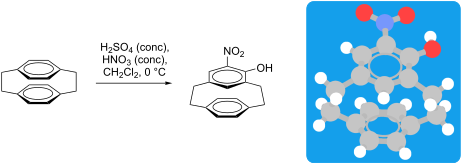
- silica-gel chromatography (100% hexane), to furnish (±)-4 as a yellow solid (6.70 g, 26.5 mmol, 55%), (±)-5 as a yellow crystalline solid (1.68 g, 6.24 mmol, 13%), and 6 as light yellow crystals (2.61 g, 9.15 mmol, 19%). 4-Nitro[2.2]paracyclophane (4) 1H NMR (500 MHz, CDCl3) δ (ppm) 7.22 (d, J = 1.2 Hz
- ) to give 6 (2.40 g, 8.41 mmol, 48%) and a mixture of 12 and 13. Slow evaporation of fractions containing 12 and 13 initially gave clear crystals that could be separated to obtain pure characterization of 12 (1.95 g, 6.14 mmol, 35%) leaving behind 13, which could be isolated as a light brown solid