


Search results
Search for "dehydration" in Full Text gives 278 result(s) in Beilstein Journal of Organic Chemistry. Showing first 200.
Recent advances on the transition-metal-catalyzed synthesis of imidazopyridines: an updated coverage
- Gagandeep Kour Reen,
- Ashok Kumar and
- Pratibha Sharma
Beilstein J. Org. Chem. 2019, 15, 1612–1704, doi:10.3762/bjoc.15.165
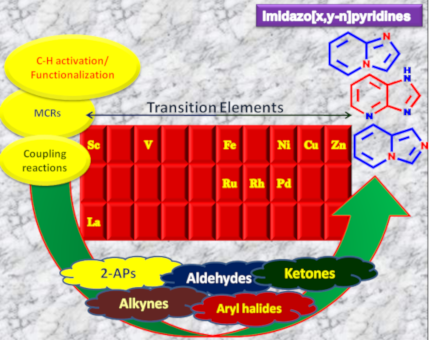

Graphical Abstract

Figure 1: Various drugs having IP nucleus.

Figure 2: Participation percentage of various TMs for the syntheses of IPs.

Scheme 1: CuI–NaHSO4·SiO2-catalyzed synthesis of imidazo[1,2-a]pyridines.

Scheme 2: Experimental examination of reaction conditions.

Scheme 3: One-pot tandem reaction for the synthesis of 2-haloimidazopyridines.

Scheme 4: Mechanistic scheme for the synthesis of 2-haloimidazopyridine.

Scheme 5: Copper-MOF-catalyzed three-component reaction (3-CR) for imidazo[1,2-a]pyridines.

Scheme 6: Mechanism for copper-MOF-driven synthesis.

Scheme 7: Heterogeneous synthesis via titania-supported CuCl2.

Scheme 8: Mechanism involving oxidative C–H functionalization.

Scheme 9: Heterogeneous synthesis of IPs.

Scheme 10: One-pot regiospecific synthesis of imidazo[1,2-a]pyridines.

Scheme 11: Vinyl azide as an unprecedented substrate for imidazo[1,2-a]pyridines.

Scheme 12: Radical pathway.

Scheme 13: Cu(I)-catalyzed transannulation approach for imidazo[1,5-a]pyridines.

Scheme 14: Plausible radical pathway for the synthesis of imidazo[1,5-a]pyridines.

Scheme 15: A solvent-free domino reaction for imidazo[1,2-a]pyridines.

Scheme 16: Cu-NPs-mediated synthesis of imidazo[1,2-a]pyridines.

Scheme 17: CuI-catalyzed synthesis of isoxazolylimidazo[1,2-a]pyridines.

Scheme 18: Functionalization of 4-bromo derivative via Sonogashira coupling reaction.

Scheme 19: A plausible reaction pathway.

Scheme 20: Cu(I)-catalyzed intramolecular oxidative C–H amidation reaction.

Scheme 21: One-pot synthetic reaction for imidazo[1,2-a]pyridine.

Scheme 22: Plausible reaction mechanism.

Scheme 23: Cu(OAc)2-promoted synthesis of imidazo[1,2-a]pyridines.

Scheme 24: Mechanism for aminomethylation/cycloisomerization of propiolates with imines.

Scheme 25: Three-component synthesis of imidazo[1,2-a]pyridines.

Figure 3: Scope of pyridin-2(1H)-ones and acetophenones.

Scheme 26: CuO NPS-promoted A3 coupling reaction.

Scheme 27: Cu(II)-catalyzed C–N bond formation reaction.

Scheme 28: Mechanism involving Chan–Lam/Ullmann coupling.

Scheme 29: Synthesis of formyl-substituted imidazo[1,2-a]pyridines.

Scheme 30: A tandem sp3 C–H amination reaction.

Scheme 31: Probable mechanistic approach.

Scheme 32: Dual catalytic system for imidazo[1,2-a]pyridines.

Scheme 33: Tentative mechanism.

Scheme 34: CuO/CuAl2O4/ᴅ-glucose-promoted 3-CCR.

Scheme 35: A tandem CuOx/OMS-2-based synthetic strategy.

Figure 4: Biomimetic catalytic oxidation in the presence of electron-transfer mediators (ETMs).

Scheme 36: Control experiment.

Scheme 37: Copper-catalyzed C(sp3)–H aminatin reaction.

Scheme 38: Reaction of secondary amines.

Scheme 39: Probable mechanistic pathway.

Scheme 40: Coupling reaction of α-azidoketones.

Scheme 41: Probable pathway.

Scheme 42: Probable mechanism with free energy calculations.

Scheme 43: MCR for cyanated IP synthesis.

Scheme 44: Substrate scope for the reaction.

Scheme 45: Reaction mechanism.

Scheme 46: Probable mechanistic pathway for Cu/ZnAl2O4-catalyzed reaction.

Scheme 47: Copper-catalyzed double oxidative C–H amination reaction.

Scheme 48: Application towards different coupling reactions.

Scheme 49: Reaction mechanism.

Scheme 50: Condensation–cyclization approach for the synthesis of 1,3-diarylated imidazo[1,5-a]pyridines.

Scheme 51: Optimized reaction conditions.

Scheme 52: One-pot 2-CR.

Scheme 53: One-pot 3-CR without the isolation of chalcone.

Scheme 54: Copper–Pybox-catalyzed cyclization reaction.

Scheme 55: Mechanistic pathway catalyzed by Cu–Pybox complex.

Scheme 56: Cu(II)-promoted C(sp3)-H amination reaction.

Scheme 57: Wider substrate applicability for the reaction.

Scheme 58: Plausible reaction mechanism.

Scheme 59: CuI assisted C–N cross-coupling reaction.

Scheme 60: Probable reaction mechanism involving sp3 C–H amination.

Scheme 61: One-pot MCR-catalyzed by CoFe2O4/CNT-Cu.

Scheme 62: Mechanistic pathway.

Scheme 63: Synthetic scheme for 3-nitroimidazo[1,2-a]pyridines.

Scheme 64: Plausible mechanism for CuBr-catalyzed reaction.

Scheme 65: Regioselective synthesis of halo-substituted imidazo[1,2-a]pyridines.

Scheme 66: Synthesis of 2-phenylimidazo[1,2-a]pyridines.

Scheme 67: Synthesis of diarylated compounds.

Scheme 68: CuBr2-mediated one-pot two-component oxidative coupling reaction.

Scheme 69: Decarboxylative cyclization route to synthesize 1,3-diarylimidazo[1,5-a]pyridines.

Scheme 70: Mechanistic pathway.

Scheme 71: C–H functionalization reaction of enamines to produce diversified heterocycles.

Scheme 72: A plausible mechanism.

Scheme 73: CuI-promoted aerobic oxidative cyclization reaction of ketoxime acetates and pyridines.

Scheme 74: CuI-catalyzed pathway for the formation of imidazo[1,2-a]pyridine.

Scheme 75: Mechanistic pathway.

Scheme 76: Mechanistic rationale for the synthesis of products.

Scheme 77: Copper-catalyzed synthesis of vinyloxy-IP.

Scheme 78: Regioselective product formation with propiolates.

Scheme 79: Proposed mechanism for vinyloxy-IP formation.

Scheme 80: Regioselective synthesis of 3-hetero-substituted imidazo[1,2-a]pyridines with different reaction su...

Scheme 81: Mechanistic pathway.

Scheme 82: CuI-mediated synthesis of 3-formylimidazo[1,2-a]pyridines.

Scheme 83: Radical pathway for 3-formylated IP synthesis.

Scheme 84: Pd-catalyzed urea-cyclization reaction for IPs.

Scheme 85: Pd-catalyzed one-pot-tandem amination and intramolecular amidation reaction.

Figure 5: Scope of aniline nucleophiles.

Scheme 86: Pd–Cu-catalyzed Sonogashira coupling reaction.

Scheme 87: One-pot amide coupling reaction for the synthesis of imidazo[4,5-b]pyridines.

Scheme 88: Urea cyclization reaction for the synthesis of two series of pyridines.

Scheme 89: Amidation reaction for the synthesis of imidazo[4,5-b]pyridines.

Figure 6: Amide scope.

Scheme 90: Pd NPs-catalyzed 3-component reaction for the synthesis of 2,3-diarylated IPs.

Scheme 91: Plausible mechanistic pathway for Pd NPs-catalyzed MCR.

Scheme 92: Synthesis of chromenoannulated imidazo[1,2-a]pyridines.

Scheme 93: Mechanism for the synthesis of chromeno-annulated IPs.

Scheme 94: Zinc oxide NRs-catalyzed synthesis of imidazo[1,2-a]azines/diazines.

Scheme 95: Zinc oxide-catalyzed isocyanide based GBB reaction.

Scheme 96: Reaction pathway for ZnO-catalyzed GBB reaction.

Scheme 97: Mechanistic pathway.

Scheme 98: ZnO NRs-catalyzed MCR for the synthesis of imidazo[1,2-a]azines.

Scheme 99: Ugi type GBB three-component reaction.

Scheme 100: Magnetic NPs-catalyzed synthesis of imidazo[1,2-a]pyridines.

Scheme 101: Regioselective synthesis of 2-alkoxyimidazo[1,2-a]pyridines catalyzed by Fe-SBA-15.

Scheme 102: Plausible mechanistic pathway for the synthesis of 2-alkoxyimidazopyridine.

Scheme 103: Iron-catalyzed synthetic approach.

Scheme 104: Iron-catalyzed aminooxygenation reaction.

Scheme 105: Mechanistic pathway.

Scheme 106: Rh(III)-catalyzed double C–H activation of 2-substituted imidazoles and alkynes.

Scheme 107: Plausible reaction mechanism.

Scheme 108: Rh(III)-catalyzed non-aromatic C(sp2)–H bond activation–functionalization for the synthesis of imid...

Scheme 109: Reactivity and selectivity of different substrates.

Scheme 110: Rh-catalyzed direct C–H alkynylation by Li et al.

Scheme 111: Suggested radical mechanism.

Scheme 112: Scandium(III)triflate-catalyzed one-pot reaction and its mechanism for the synthesis of benzimidazo...

Scheme 113: RuCl3-assisted Ugi-type Groebke–Blackburn condensation reaction.

Scheme 114: C-3 aroylation via Ru-catalyzed two-component reaction.

Scheme 115: Regioselective synthetic mechanism.

Scheme 116: La(III)-catalyzed one-pot GBB reaction.

Scheme 117: Mechanistic approach for the synthesis of imidazo[1,2-a]pyridines.

Scheme 118: Synthesis of imidazo[1,2-a]pyridine using LaMnO3 NPs under neat conditions.

Scheme 119: Mechanistic approach.

Scheme 120: One-pot 3-CR for regioselective synthesis of 2-alkoxy-3-arylimidazo[1,2-a]pyridines.

Scheme 121: Formation of two possible products under optimization of the catalysts.

Scheme 122: Mechanistic strategy for NiFe2O4-catalyzed reaction.

Scheme 123: Two-component reaction for synthesizing imidazodipyridiniums.

Scheme 124: Mechanistic scheme for the synthesis of imidazodipyridiniums.

Scheme 125: CuI-catalyzed arylation of imidazo[1,2-a]pyridines.

Scheme 126: Mechanism for arylation reaction.

Scheme 127: Cupric acetate-catalyzed double carbonylation approach.

Scheme 128: Radical mechanism for double carbonylation of IP.

Scheme 129: C–S bond formation reaction catalyzed by cupric acetate.

Scheme 130: Cupric acetate-catalyzed C-3 formylation approach.

Scheme 131: Control experiments for signifying the role of DMSO and oxygen.

Scheme 132: Mechanism pathway.

Scheme 133: Copper bromide-catalyzed CDC reaction.

Scheme 134: Extension of the substrate scope.

Scheme 135: Plausible radical pathway.

Scheme 136: Transannulation reaction for the synthesis of imidazo[1,5-a]pyridines.

Scheme 137: Plausible reaction pathway for denitrogenative transannulation.

Scheme 138: Cupric acetate-catalyzed C-3 carbonylation reaction.

Scheme 139: Plausible mechanism for regioselective C-3 carbonylation.

Scheme 140: Alkynylation reaction at C-2 of 3H-imidazo[4,5-b]pyridines.

Scheme 141: Two-way mechanism for C-2 alkynylation of 3H-imidazo[4,5-b]pyridines.

Scheme 142: Palladium-catalyzed SCCR approach.

Scheme 143: Palladium-catalyzed Suzuki coupling reaction.

Scheme 144: Reaction mechanism.

Scheme 145: A phosphine free palladium-catalyzed synthesis of C-3 arylated imidazopyridines.

Scheme 146: Palladium-mediated Buchwald–Hartwig cross-coupling reaction.

Figure 7: Structure of the ligands optimized.

Scheme 147: Palladium acetate-catalyzed direct arylation of imidazo[1,2-a]pyridines.

Scheme 148: Palladium acetate-catalyzed mechanistic pathway.

Scheme 149: Palladium acetate-catalyzed regioselective arylation reported by Liu and Zhan.

Scheme 150: Mechanism for selective C-3 arylation of IP.

Scheme 151: Pd(II)-catalyzed alkenylation reaction with styrenes.

Scheme 152: Pd(II)-catalyzed alkenylation reaction with acrylates.

Scheme 153: A two way mechanism.

Scheme 154: Double C–H activation reaction catalyzed by Pd(OAc)2.

Scheme 155: Probable mechanism.

Scheme 156: Palladium-catalyzed decarboxylative coupling.

Scheme 157: Mechanistic cycle for decarboxylative arylation reaction.

Scheme 158: Ligand-free approach for arylation of imidazo[1,2-a]pyridine-3-carboxylic acids.

Scheme 159: Mechanism for ligandless arylation reaction.

Scheme 160: NHC-Pd(II) complex assisted arylation reaction.

Scheme 161: C-3 arylation of imidazo[1,2-a]pyridines with aryl bromides catalyzed by Pd(OAc)2.

Scheme 162: Pd(II)-catalyzed C-3 arylations with aryl tosylates and mesylates.

Scheme 163: CDC reaction for the synthesis of imidazo[1,2-a]pyridines.

Scheme 164: Plausible reaction mechanism for Pd(OAc)2-catalyzed synthesis of imidazo[1,2-a]pyridines.

Scheme 165: Pd-catalyzed C–H amination reaction.

Scheme 166: Mechanism for C–H amination reaction.

Scheme 167: One-pot synthesis for 3,6-di- or 2,3,6-tri(hetero)arylimidazo[1,2-a]pyridines.

Scheme 168: C–H/C–H cross-coupling reaction of IPs and azoles catalyzed by Pd(II).

Scheme 169: Mechanistic cycle.

Scheme 170: Rh-catalyzed C–H arylation reaction.

Scheme 171: Mechanistic pathway for C–H arylation of imidazo[1,2-a]pyridine.

Scheme 172: Rh(III)-catalyzed double C–H activation of 2-phenylimidazo[1,2-a]pyridines and alkynes.

Scheme 173: Rh(III)-catalyzed mechanistic pathway.

Scheme 174: Rh(III)-mediated oxidative coupling reaction.

Scheme 175: Reactions showing functionalization of the product obtained by the group of Kotla.

Scheme 176: Mechanism for Rh(III)-catalyzed oxidative coupling reaction.

Scheme 177: Rh(III)-catalyzed C–H activation reaction.

Scheme 178: Mechanistic cycle.

Scheme 179: Annulation reactions of 2-arylimidazo[1,2-a]pyridines and alkynes.

Scheme 180: Two-way reaction mechanism for annulations reaction.

Scheme 181: [RuCl2(p-cymene)]2-catalyzed C–C bond formation reaction.

Scheme 182: Reported reaction mechanism.

Scheme 183: Fe(III) catalyzed C-3 formylation approach.

Scheme 184: SET mechanism-catalyzed by Fe(III).

Scheme 185: Ni(dpp)Cl2-catalyzed KTC coupling.

Scheme 186: Pd-catalyzed SM coupling.

Scheme 187: Vanadium-catalyzed coupling of IP and NMO.

Scheme 188: Mechanistic cycle.

Scheme 189: Selective C3/C5–H bond functionalizations by mono and bimetallic systems.

Scheme 190: rGO-Ni@Pd-catalyzed C–H bond arylation of imidazo[1,2-a]pyridine.

Scheme 191: Mechanistic pathway for heterogeneously catalyzed arylation reaction.

Scheme 192: Zinc triflate-catalyzed coupling reaction of substituted propargyl alcohols.
Water inside β-cyclodextrin cavity: amount, stability and mechanism of binding
- Stiliyana Pereva,
- Valya Nikolova,
- Silvia Angelova,
- Tony Spassov and
- Todor Dudev
Beilstein J. Org. Chem. 2019, 15, 1592–1600, doi:10.3762/bjoc.15.163
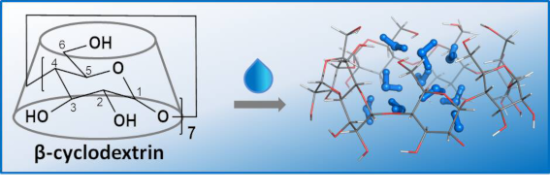
- supramolecular host–guest structures. The water content of CDs has been a subject of numerous investigations. The data (both experimental and theoretical) are scattered and, still, no consensus has been reached on the number and position of water molecules, and the energetics of the hydration/dehydration of
- disordered and mobile, and that the OH groups of the host β-CD may rotate [17]. Studies with molecular dynamics simulations have found only four water molecules inside the host β-CD cavity [18]. The energetics of the CD hydration/dehydration have been investigated as well. Experimental studies have been able
- enthalpy of this process has been found to be ≈40–45 kJ mol−1 [10][11][14]. The brief literature survey outlined above shows that, although a significant body of information has been accumulated on the β-CD hydration/dehydration, the intimate mechanism of the process is still not completely understood

Graphical Abstract

Figure 1: M062X/6-31G(d,p) optimized structure of nonhydrated β-CD in two projections (left: a side view and ...

Figure 2: Schematic representation of β-CD–nH2O complexes (where n = 1–12) with water molecules/clusters loca...

Figure 3: M062X/6-31G(d,p) optimized structures of the most stable (a structures from Figure 2) β-CD–nH2O complexes (n...

Figure 4: Graphical model of the β-CD electron density (isovalue = 0.002), mapped with electrostatic potentia...

Figure 5: Thermal behavior of β-CD.

Figure 6: Thermal behavior of β-CD: TG curves (a) and DTA scans (b).
Enantioselective PCCP Brønsted acid-catalyzed aza-Piancatelli rearrangement
- Gabrielle R. Hammersley,
- Meghan F. Nichol,
- Helena C. Steffens,
- Jose M. Delgado,
- Gesine K. Veits and
- Javier Read de Alaniz
Beilstein J. Org. Chem. 2019, 15, 1569–1574, doi:10.3762/bjoc.15.160
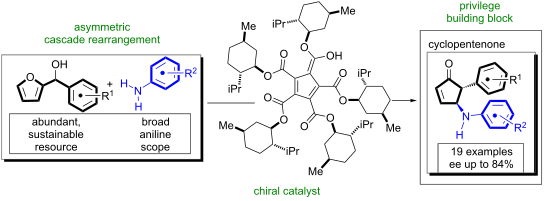
- (Figure 1) [38]. First, the pKa values measured in acetonitrile (MeCN) are lower than chiral phosphoric acids (Brønsted acid pKa = 8.85 vs chiral phosphoric acids pKa = 12–14) [38]. Given the enhanced acidity, we reasoned that this type of chiral Brønsted acid catalyst could facilitate the dehydration

Graphical Abstract

Figure 1: Proposed mechanism of the asymmetric aza-Piancatelli reaction.

Scheme 1: Asymmetric aza-Piancatelli rearrangement with a range of substituted anilines. *To simplify the pur...

Scheme 2: Asymmetric aza-Piancatelli rearrangement with a range of substituted furylcarbinols. *To simplify t...
Synthesis of (macro)heterocycles by consecutive/repetitive isocyanide-based multicomponent reactions
- Angélica de Fátima S. Barreto and
- Carlos Kleber Z. Andrade
Beilstein J. Org. Chem. 2019, 15, 906–930, doi:10.3762/bjoc.15.88
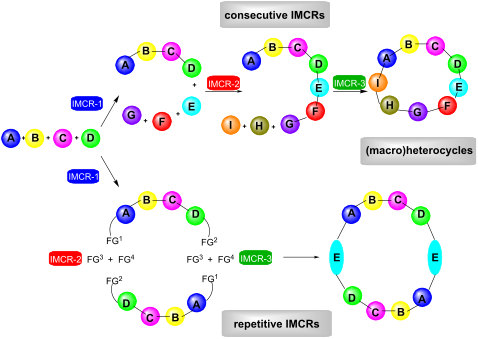
- materials. Diisocyanides were prepared from commercial diamines in two steps: formylation followed by dehydration of the diformamides. The easiness to obtain the starting materials provides a variety of macrocycles using the Passerini-MiBs. Recently, the use of a double Ugi four-component macrocyclization

Graphical Abstract

Scheme 1: Comparison between a normal sequential reaction and an MCR.

Scheme 2: Synthesis of tetrazoles and hydantoinimide derivatives by consecutive Ugi reactions [17].

Scheme 3: Synthesis of tetrazole-ketopiperazines by two consecutive Ugi reactions [19].

Scheme 4: Synthesis of acylhydrazino bis(1,5-disubstituted tetrazoles) through two hydrazine-Ugi-azide reacti...

Scheme 5: Synthesis of substituted α-aminomethyltetrazoles through two consecutive Ugi reactions (U-4CR and U...

Scheme 6: Synthesis of tetrazole peptidomimetics by direct use of amino acids in two consecutive Ugi reaction...

Scheme 7: One-pot 8CR based on 3 sequential IMCRs [25].

Scheme 8: Combination of IMCRs for the synthesis of substituted 2H-imidazolines [25].

Scheme 9: 6CR involving a tandem combination of Groebke–Blackburn–Bienaymé and Ugi reaction for the synthesis...

Scheme 10: 5CR involving a tandem combination of Groebke–Blackburn–Bienaymé and Passerini reaction for the syn...
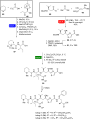
Scheme 11: Synthesis of tubugis via three consecutive IMCRs [27].

Scheme 12: Synthesis of telaprevir through consecutive IMCRs [28].

Scheme 13: Another synthesis of telaprevir through consecutive IMCRs [29].

Scheme 14: a) Synthetic sequence for accessing diverse macrocycles containing the tetrazole nucleus by the uni...

Scheme 15: a) Synthetic sequence for the tetrazolic macrocyclic depsipeptides using a combination of two IMCRs...

Scheme 16: Synthesis of cyclic pentapeptoids by consecutive Ugi reactions [32].

Scheme 17: Synthesis of a cyclic pentapeptoid by consecutive Ugi reactions [32].

Scheme 18: MW-mediated synthesis of a cyclopeptoid by consecutive Ugi reactions [33].

Scheme 19: Synthesis of six cyclic pentadepsipeptoids via consecutive isocyanide-based IMCRs [34].

Scheme 20: Microwave-mediated synthesis of a cyclic heptapeptoid through four consecutive IMCRs [35].

Scheme 21: Macrocyclization of bifunctional building blocks containing diacid/diisonitrile and diamine/diisoni...

Scheme 22: Synthesis of steroid-biaryl ether hybrid macrocycles by MiBs [38].

Scheme 23: Synthesis of biaryl ether-containing macrocycles by MiBs [39].

Scheme 24: Synthesis of natural product-inspired biaryl ether-cyclopeptoid macrocycles [40].

Scheme 25: Synthesis of cholane-based hybrid macrolactams by MiBs [41].
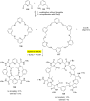
Scheme 26: Synthesis of macrocyclic oligoimine-based DCL using the Ugi-4CR-based quenching approach [42].
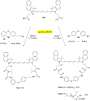
Scheme 27: Dye-modified and photoswitchable macrocycles by MiBs [43].

Scheme 28: Synthesis of nonsymmetric cryptands by two sequential double Ugi-4CR-based macrocyclizations [44].
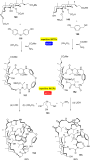
Scheme 29: Synthesis of steroid–aryl hybrid cages by sequential 2- and 3-fold Ugi-4CR-based macrocyclizations [46]....

Scheme 30: Ugi-MiBs approach towards natural product-like macrocycles [47].

Scheme 31: a) Bidirectional macrocyclization of peptides by double Ugi reaction. b) Ugi-4CR for the generation...

Scheme 32: MiBs based on the Passerini-3CR for the synthesis of macrolactones [49].

Scheme 33: Template-driven approach for the synthesis of macrotricycles 170 [50].
Mechanochemistry of supramolecules
- Anima Bose and
- Prasenjit Mal
Beilstein J. Org. Chem. 2019, 15, 881–900, doi:10.3762/bjoc.15.86
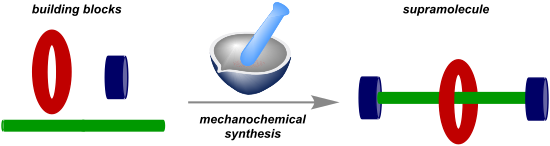
- milling frequency of 22.5 Hz (Figure 6b) [59]. The stoppers were constructed in situ with 1,8-diaminonaphthalene through the formation of an imine via dehydration of the amine and aldehyde. Interestingly, a synthesis of the smallest [2]rotaxane also has been demonstrated by the same group [60]. They

Graphical Abstract

Figure 1: A generalized overview of coordination-driven self-assembly.

Figure 2: Examples of self-assembly or self-sorting and subsequent substitution.

Figure 3: Synthesis of salen-type ligand followed by metal-complex formation in the same pot [55].

Figure 4: Otera’s solvent-free approach by which the formation of self-assembled supramolecules could be acce...

Figure 5: Synthesis of a Pd-based metalla-supramolecular assembly through mechanochemical activation for C–H-...

Figure 6: a) Schematic representation for the construction of a [2]rotaxane. b) Chiu’s ball-milling approach ...

Figure 7: Mechanochemical synthesis of the smallest [2]rotaxane.

Figure 8: Solvent-free mechanochemical synthesis of pillar[5]arene-containing [2]rotaxanes [61].

Figure 9: Mechanochemical liquid-assisted one-pot two-step synthesis of [2]rotaxanes under high-speed vibrati...

Figure 10: Mechanochemical (ball-milling) synthesis of molecular sphere-like nanostructures [63].

Figure 11: High-speed vibration milling (HSVM) synthesis of boronic ester cages of type 22 [64].

Figure 12: Mechanochemical synthesis of borasiloxane-based macrocycles.

Figure 13: Mechanochemical synthesis of 2-dimensional aromatic polyamides.

Figure 14: Nitschke’s tetrahedral Fe(II) cage 25.

Figure 15: Mechanochemical one-pot synthesis of the 22-component [Fe4(AD2)6]4− 26, 11-component [Fe2(BD2)3]2− ...

Figure 16: a) Subcomponent synthesis of catalyst and reagent and b) followed by multicomponent reaction for sy...

Figure 17: A dynamic combinatorial library (DCL) could be self-sorted to two distinct products.

Figure 18: Mechanochemical synthesis of dynamic covalent systems via thermodynamic control.

Figure 19: Preferential formation of hexamer 33 under mechanochemical shaking via non-covalent interactions of...

Figure 20: Anion templated mechanochemical synthesis of macrocycles cycHC[n] by validating the concept of dyna...

Figure 21: Hydrogen-bond-assisted [2 + 2]-cycloaddition reaction through solid-state grinding. Hydrogen-bond d...

Figure 22: Formation of the cage and encapsulation of [2.2]paracyclophane guest molecule in the cage was done ...

Figure 23: Formation of the 1:1 complex C60–tert-butylcalix[4]azulene through mortar and pestle grinding of th...

Figure 24: Formation of a 2:2 complex between the supramolecular catalyst and the reagent in the transition st...

Figure 25: Halogen-bonded co-crystals via a) I···P, b) I···As, and c) I···Sb bonds [112].

Figure 26: Transformation of contact-explosive primary amines and iodine(III) into a successful chemical react...

Figure 27: Undirected C–H functionalization by using the acidic hydrogen to control basicity of the amines [114]. a...
Efficient synthesis of 4-substituted-ortho-phthalaldehyde analogues: toward the emergence of new building blocks
- Clémence Moitessier,
- Ahmad Rifai,
- Pierre-Edouard Danjou,
- Isabelle Mallard and
- Francine Cazier-Dennin
Beilstein J. Org. Chem. 2019, 15, 721–726, doi:10.3762/bjoc.15.67
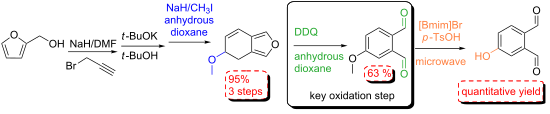
- of this reaction was very low (only 13%) mainly due to major production of OPA as is also described in a study of Wenkert et al. [20]. In order to circumvent the dehydration of 3 which generate OPA under oxidative conditions, a protection strategy of the hydroxy group was undertaken. The only

Graphical Abstract

Scheme 1: Synthesis of 4,5-dihydroisobenzofuran-5-ol (3).

Scheme 2: Protection strategy of 4,5-dihydroisobenzofuran-5-ol (3).

Scheme 3: Oxidation of 5-substituted-4,5-dihydroisobenzofuran-5-ol in presence of SeO2 or DDQ.

Scheme 4: Synthesis of 4-hydroxy-ortho-phthalaldehyde (6) through MAOS demethylation of 4-methoxy-ortho-phtha...
The LANCA three-component reaction to highly substituted β-ketoenamides – versatile intermediates for the synthesis of functionalized pyridine, pyrimidine, oxazole and quinoxaline derivatives
- Tilman Lechel,
- Roopender Kumar,
- Mrinal K. Bera,
- Reinhold Zimmer and
- Hans-Ulrich Reissig
Beilstein J. Org. Chem. 2019, 15, 655–678, doi:10.3762/bjoc.15.61
- reasonable overall yields (Scheme 20) [30]. This pathway via the pyrimidine N-oxides represents a good alternative to the direct oxidation of the 4-methyl group by selenium dioxide (see Scheme 11). The subsequent transformation of the aldehyde PM71 to the oxime followed by dehydration afforded nitrile PM72

Graphical Abstract

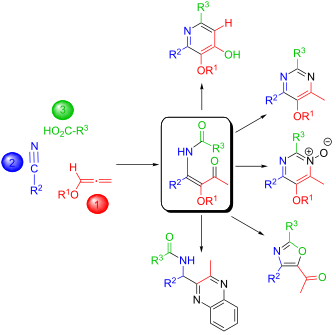
Scheme 1: Discovery of the LANCA three-component reaction. The reaction of pivalonitrile (1) with lithiated m...

Scheme 2: Proposed mechanism of the LANCA three-component reaction to β-ketoenamides KE and pyridin-4-ol deri...

Scheme 3: One-pot preparation of pyridin-4-ols PY and their subsequent transformations to highly substituted ...

Scheme 4: Synthesis of β-ketoenamides KE by the LANCA three-component reaction of alkoxyallenes, nitriles and...

Scheme 5: β-Ketoenamides KE36–43 derived from enantiopure components.

Scheme 6: Bis-β-ketoenamides KE44–46 derived from aromatic dicarboxylic acids.

Scheme 7: Conversion of alkyl propargyl ethers E into aryl-substituted β-ketoenamides KEAr and selected produ...

Scheme 8: Condensation of LANCA-derived β-ketoenamides KE with ammonium salts to give 5-alkoxy-substituted py...

Scheme 9: Synthesis of PM31–35 from β-ketoenamides KE37, KE38, KE40, KE41 and KE78 obtained by method A (NH4O...

Scheme 10: Synthesis of bis-pyrimidine derivatives PM36, PM39 and PM40 from β-ketoenamides KE44–46 by method A...

Scheme 11: Functionalization of pyrimidine derivatives PM through selenium dioxide oxidations of PM5, PM9, PM15...

Scheme 12: Conversion of 2-vinyl-substituted pyrimidine PM7 into aldehyde PM50; (NMO = N-methylmorpholine N-ox...

Scheme 13: Deprotection of 5-alkoxy-substituted pyrimidines PM2, PM20 and PM29 and conversion into nonaflates ...

Scheme 14: Palladium-catalyzed coupling reactions of PM54 and PM12 giving rise to new pyrimidine derivatives P...

Scheme 15: Synthesis of pyrimidyl-substituted pyridyl nonaflate PM60.

Scheme 16: Condensation of LANCA-derived β-ketoenamides KE with hydroxylamine hydrochloride leading to pyrimid...

Scheme 17: Reactions of β-ketoenamides KE15 and KE7 with hydroxylamine hydrochloride leading to pyrimidine N-o...

Scheme 18: Structures of pyrimidine N-oxides PO30–33 derived from β-ketoenamides KE43, KE45, KE78 and KE80.
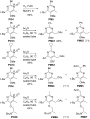
Scheme 19: Reduction of PO4 to PM5 and Boekelheide rearrangements of PO13, PO14, PO4 and PO30 to 4-acetoxymeth...

Scheme 20: Deprotection of 4-acetoxymethyl-substituted pyrimidine derivatives PM61 and PM63, oxidations to for...

Scheme 21: Synthesis of pyrimidinyl-substituted alkyne PM74 and conversion into furopyrimidine PM75 and Sonoga...

Scheme 22: Trifluoroacetic acid-promoted conversion of LANCA-derived β-ketoenamides KE into oxazoles OX and 1,...

Scheme 23: Conversion of β-ketoenamide KE79 into oxazole OX16 and transformation into 5-styryl-substituted oxa...

Scheme 24: Mechanisms of the formation of 1,2-diketones DK and of acetyl-substituted oxazole derivatives OX.

Scheme 25: Hydrogenolyses of benzyloxy-substituted β-ketoenamides KE52 and KE54 to 1,2-diketone DK14 and to di...

Scheme 26: Conversions of 2,4-dicyclopropyl-substituted oxazole OX7 into oxazole derivatives OX18–20 (PPA = po...

Scheme 27: Syntheses of vinyl and ethynyl-substituted oxazole derivatives OX21 and OX23 and their palladium-ca...

Scheme 28: Synthesis of C3-symmetric oxazole derivative OX28 and the STM current image of its 1-phenyloctane s...

Scheme 29: Condensation of 1,2-diketones DK with o-phenylenediamine to quinoxalines QU1–7 (CAN = cerium ammoni...

Scheme 30: The LANCA three-component reaction leading to β-ketoenamides KE and the structure of functionalized...
Synthesis of the polyketide section of seragamide A and related cyclodepsipeptides via Negishi cross coupling
- Jan Hendrik Lang and
- Thomas Lindel
Beilstein J. Org. Chem. 2019, 15, 577–583, doi:10.3762/bjoc.15.53
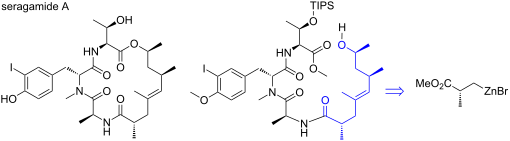
- . Under Yamaguchi conditions, we observed complete decomposition in both cases. Shiina conditions gave a complex product mixture, if the TIPS group was present, whereas the desilylated acid provided a product that apparently had undergone dehydration, as judged by TLC–MS coupling. In course of their

Graphical Abstract

Scheme 1: Actin-binding cyclodepsipeptides, photo amino acids, retrosynthetic cuts of polyketide 7 leading to...

Scheme 2: Synthesis of γ-hydroxy esters 11 and 12, followed by Mitsunobu inversion.
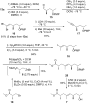
Scheme 3: Synthesis of the polyketide section 7.

Scheme 4: Access to methylated D-iodotyrosine derivatives 22, 23, and 25.

Scheme 5: Synthesis of the doubly protected open chain peptide-polyketide 31.
Sigmatropic rearrangements of cyclopropenylcarbinol derivatives. Access to diversely substituted alkylidenecyclopropanes
- Guillaume Ernouf,
- Jean-Louis Brayer,
- Christophe Meyer and
- Janine Cossy
Beilstein J. Org. Chem. 2019, 15, 333–350, doi:10.3762/bjoc.15.29
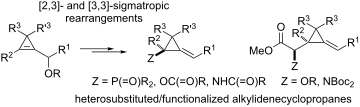
- generate the reactive species by dehydration of carbamates under mild conditions and the ultimate formation of isocyanates which can be derivatized in situ [54]. The conditions were optimized with alcohol 25 substituted by a 2-phenylethyl group at the oxygen-bearing carbon atom (C4) and possessing gem
- -disubstitution at C3 on the three-membered ring. Alcohol 25 was readily converted to carbamate 26 by reaction with trichloroacetyl isocyanate followed by cleavage of the trichloroacetyl group by alkaline hydrolysis. Dehydration of carbamate 26 was achieved by treatment with trifluoroacetic anhydride in the
- of the substrate scope indicated that a broad range of alkyl chains, possibly incorporating heteroatoms, were compatible with the dehydration–[3,3]-sigmatropic sequence, as illustrated with the isolation of compounds 38–40 (72–79%) after nucleophilic trapping of the generated isocyanate intermediates

Graphical Abstract
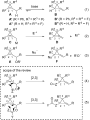
Scheme 1: Representative strategies for the formation of alkylidenecyclopropanes from cyclopropenes and scope...

Scheme 2: [2,3]-Sigmatropic rearrangement of phosphinites 2a–h.

Scheme 3: [2,3]-Sigmatropic rearrangement of a phosphinite derived from enantioenriched cyclopropenylcarbinol...

Scheme 4: Selective reduction of phosphine oxide (E)-3f.

Scheme 5: Attempted thermal [2,3]-sigmatropic rearrangement of phosphinite 6a.

Scheme 6: Computed activation barriers and free enthalpies.

Scheme 7: [2,3]-Sigmatropic rearrangement of phosphinites 6a–j.

Scheme 8: Proposed mechanism for the Lewis base-catalyzed rearrangement of phosphinites 6.

Scheme 9: [3,3]-Sigmatropic rearrangement of tertiary cyclopropenylcarbinyl acetates 10a–c.

Scheme 10: [3,3]-Sigmatropic rearrangement of secondary cyclopropenylcarbinyl esters 10d–h.

Scheme 11: [3,3]-Sigmatropic rearrangement of trichoroacetimidates 12a–i.

Scheme 12: Reaction of trichloroacetamide 13f with pyrrolidine.

Scheme 13: Catalytic hydrogenation of (arylmethylene)cyclopropropane 13f.

Scheme 14: Instability of trichloroacetimidates 21a–c derived from cyclopropenylcarbinols 20a–c.
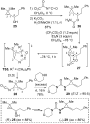
Scheme 15: [3,3]-Sigmatropic rearrangement of cyanate 27 generated from cyclopropenylcarbinyl carbamate 26.

Scheme 16: Synthesis of alkylidene(aminocyclopropane) derivatives 30–37 from carbamate 26.

Scheme 17: Scope of the dehydration–[3,3]-sigmatropic rearrangement sequence of cyclopropenylcarbinyl carbamat...

Scheme 18: Formation of trifluoroacetamide 50 from carbamate 49.

Scheme 19: Formation of alkylidene[(N-trifluoroacetylamino)cyclopropanes] 51–54.

Scheme 20: Diastereoselective hydrogenation of alkylidenecyclopropane 51.

Scheme 21: Ireland–Claisen rearrangement of cyclopropenylcarbinyl glycolates 56a–l.
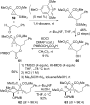
Scheme 22: Synthesis and Ireland–Claisen rearrangement of glycolate 61 possessing gem-diester substitution at ...

Scheme 23: Synthesis of alkylidene(gem-difluorocyclopropanes) 66a–h, and 66k–n from propargyl glycolates 64a–n....

Scheme 24: Ireland–Claisen rearrangement of N,N-diBoc glycinates 67a and 67b.

Scheme 25: Diastereoselective hydrogenation of alkylidenecyclopropanes 58a and 74.

Scheme 26: Synthesis of functionalized gem-difluorocyclopropanes 76 and 77 from alkylidenecyclopropane 66a.

Scheme 27: Access to oxa- and azabicyclic compounds 78–80.
Synthesis of indole–cycloalkyl[b]pyridine hybrids via a four-component six-step tandem process
- Muthumani Muthu,
- Rakkappan Vishnu Priya,
- Abdulrahman I. Almansour,
- Raju Suresh Kumar and
- Raju Ranjith Kumar
Beilstein J. Org. Chem. 2018, 14, 2907–2915, doi:10.3762/bjoc.14.269
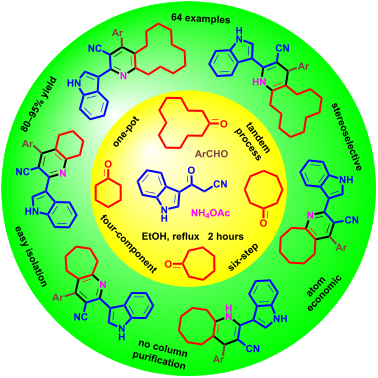
- cyclization with the carbonyl to give 11, which subsequently undergoes dehydration to yield the cyclododeca[b]pyridine-3-carbonitrile 12. The intermediate 12 upon oxidative aromatization by molecular oxygen as the sole oxidant yields the indole–cyclododeca[b]pyridine-3-carbonitrile 7f. This four-component

Graphical Abstract

Figure 1: Examples of biologically important cycloalkyl-fused pyridines.

Scheme 1: Synthesis of 3-oxopropanenitriles 3.

Scheme 2: Proposed mechanism for the formation of 7f.

Scheme 3: Synthesis of indole–cyclododeca[b]pyridine-3-carbonitriles 7 and 14.

Figure 2: Axial chirality due to restricted C–C bond rotation (representative cases).

Figure 3: ORTEP diagram of 12r.

Scheme 4: Synthesis of indole–cycloalkyl[b]pyridine-3-carbonitrile hybrids 15–18.

Figure 4: ORTEP diagram of 16f.
An overview on recent advances in the synthesis of sulfonated organic materials, sulfonated silica materials, and sulfonated carbon materials and their catalytic applications in chemical processes
- Hashem Sharghi,
- Pezhman Shiri and
- Mahdi Aberi
Beilstein J. Org. Chem. 2018, 14, 2745–2770, doi:10.3762/bjoc.14.253
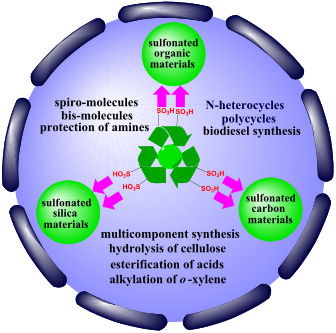
- triglycerides with methanol, the etherification of isopentene with methanol, the esterification of palm fatty acid distillate with methanol, the dehydration of D-xylose into furfural, the production of ethyl acetate from ethanol and acetic acid, and the transesterification of palm oil with methanol into biodiesel
- esterification under atmospheric conditions and conventional heating [75]. The catalyst showed excellent catalytic activity in the dehydration of D-xylose (139) into furfural (140) as an industrial platform molecule as well as the production of ethylacetate from ethanol and acetic acid [76]. The dehydration of D

Graphical Abstract

Figure 1: Different types of sulfonated materials as acid catalysts.

Scheme 1: Synthetic route of 3-methyl-1-sulfo-1H-imidazolium metal chloride ILs and their catalytic applicati...

Scheme 2: Synthetic route of 1,3-disulfo-1H-imidazolium transition metal chloride ILs and their catalytic app...

Scheme 3: Synthetic route of 1,3-disulfoimidazolium carboxylate ILs and their catalytic applications in the s...

Scheme 4: Synthetic route of [BiPy](HSO3)2Cl2 and [Dsim]HSO4 ILs and their catalytic applications for the syn...

Scheme 5: The catalytic applications of (C4(DABCO-SO3H)2·4Cl) IL for the synthesis of spiro-isatin derivative...

Scheme 6: The catalytic applications of (C4(DABCO-SO3H)2·4Cl) IL for the synthesis of bis 2-amino-4H-pyran de...

Scheme 7: The synthetic route of N,N-disulfo-1,1,3,3-tetramethylguanidinium carboxylate ILs and their catalyt...

Scheme 8: The catalytic application of 1-methyl-3-sulfo-1H-imidazolium tetrachloroferrate IL in the synthesis...

Scheme 9: The synthetic route of 3-sulfo-1H-imidazolopyrimidinium hydrogen sulfate IL and its catalytic appli...

Scheme 10: The results for the synthesis of bis(indolyl)methanes and di(bis(indolyl)methyl)benzenes in the pre...

Scheme 11: The catalytic applications of 1-(1-sulfoalkyl)-3-methylimidazolium chloride acidic ILs for the hydr...

Scheme 12: The synthetic route of immobilized 1,4-diazabicyclo[2.2.2]octanesulfonic acid chloride on SiO2 and ...

Scheme 13: The catalytic application of a silica-bonded sulfoimidazolium chloride for the synthesis of 12-aryl...

Scheme 14: The synthetic route of the SBA-15-Ph-SO3H and its catalytic applications for the synthesis of 2H-in...

Scheme 15: The synthetic route for heteropolyanion-based ionic liquids immobilized on mesoporous silica SBA-15...

Scheme 16: Some mechanism aspects of SSA catalyst for the protection of amine derivatives.

Scheme 17: The synthetic route for MWCNT-SO3H and its catalytic application for the synthesis of N-substituted...
Scheme 18: The sulfonic acid-functionalized polymers (P-SO3H) covalently grafted on multi-walled carbon nanotu...

Scheme 19: The transesterification reaction in the presence of S-MWCNTs.

Scheme 20: The synthetic route for the new hypercrosslinked supermicroporous polymer via the Friedel–Crafts al...

Scheme 21: The synthetic route for a new microporous copolymer via the Friedel–Crafts alkylation reaction of t...

Scheme 22: The synthetic route for sulfonated polynaphthalene and its catalytic application for the amidoalkyl...

Scheme 23: The synthetic route of the acidic carbon material and its catalytic application in the etherificatio...

Scheme 24: The synthetic route of the acidic carbon materials and their catalytic applications for the esterif...

Scheme 25: The sulfonated MWCNTs.

Scheme 26: The sulfonated nanoscaled diamond powder for the dehydration of D-xylose into furfural.

Scheme 27: The synthetic route and catalytic application of the GR-SO3H.
Unprecedented nucleophile-promoted 1,7-S or Se shift reactions under Pummerer reaction conditions of 4-alkenyl-3-sulfinylmethylpyrroles
- Takashi Go,
- Akane Morimatsu,
- Hiroaki Wasada,
- Genzoh Tanabe,
- Osamu Muraoka,
- Yoshiharu Sawada and
- Mitsuhiro Yoshimatsu
Beilstein J. Org. Chem. 2018, 14, 2722–2729, doi:10.3762/bjoc.14.250
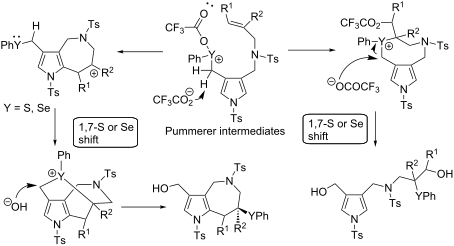
- products obtained were not the desired pyrrolo[3,2-c]azepines but were 2,6,7,8,9,10-hexahydro-4H-pyrrolo[3,4-g][1,5]oxazonines 25a–e, which were formed via a reaction route that involved the intramolecular dehydration of diols. To confirm the structure of 4H-pyrrolo[3,4-g]oxazines, we prepared an N

Graphical Abstract

Scheme 1: Our synthetic plan for pyrrolo[3,2-c]azepines.

Scheme 2: Preparation of precursors for the Pummerer reactions.

Scheme 3: Substrate scope of 1,7-S and 1,7-Se shift reactions.

Scheme 4: Proposed mechanism.

Scheme 5: Crossover experiment.

Scheme 6: Lewis acid-catalysed cyclization of diols.

Scheme 7: Sequential process of sulfanyl-1,6-diyne 1 to 4H-pyrrolo[3,4-g]oxazine 25g.
Impact of Pseudomonas aeruginosa quorum sensing signaling molecules on adhesion and inflammatory markers in endothelial cells
- Carmen Curutiu,
- Florin Iordache,
- Veronica Lazar,
- Aurelia Magdalena Pisoschi,
- Aneta Pop,
- Mariana Carmen Chifiriuc and
- Alina Maria Hoban
Beilstein J. Org. Chem. 2018, 14, 2580–2588, doi:10.3762/bjoc.14.235
- transmembrane conductance regulator (CFTR) gene [1]. This mutation determines alteration of ion transport and subsequent dehydration of the airway surface liquid, resulting in a viscous mucus layer on the airway surface of cystic fibrosis patients that deteriorate the mucociliary clearance and enhance the

Graphical Abstract

Figure 1: Graphic representation of the bacterial adherence to inert substrata (A) and biofilms developed aft...

Figure 2: Graphic representation of the adherence index to cellular substrata of PAO1 strain treated with 20 ...

Figure 3: Fluorescence microscopy images of QSSMs treated euckariote cells, revealing attachment patterns. (C...

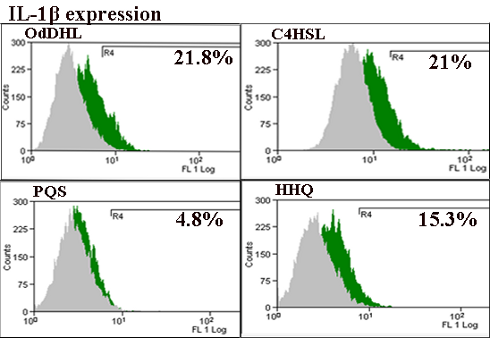
Figure 4: Flow cytometry assays for inflammatory (IL-1β, IL-6), and adhesion markers (ICAM-1, PECAM-1, P-sele...

Figure 5: Expression levels (fold change) in qRT-PCR experiments for IL-1β, IL-6, TNFα, TGFβ, eNOS, VE-cadher...
A novel and practical asymmetric synthesis of eptazocine hydrobromide
- Ruipeng Li,
- Zhenren Liu,
- Liang Chen,
- Jing Pan,
- Kuaile Lin and
- Weicheng Zhou
Beilstein J. Org. Chem. 2018, 14, 2340–2347, doi:10.3762/bjoc.14.209
- reaction, a second strategy was proposed as illustrated in Scheme 4. Tetralone 4 was converted to dihydronaphthalene 11 by reduction with NaBH4 in methanol, followed by dehydration with POCl3/pyridine at reflux (85% yield). In order to get ketone 12, a series of oxidation conditions was tested (Table 2
- improved the reaction yield (Table 3, entries 4 and 5). The reductive methylation of 14 under Eschweiler–Clarke conditions (HCOOH/formalin/reflux) furnished 15 in quantitative yield. The latter was reduced by NaBH4 in methanol at room temperature, and then dehydration and hydrogenation with H2/Pd/C in

Graphical Abstract

Scheme 1: Commercial process for the synthesis of 1.

Scheme 2: Previous work about asymmetric synthesis of I-13a.

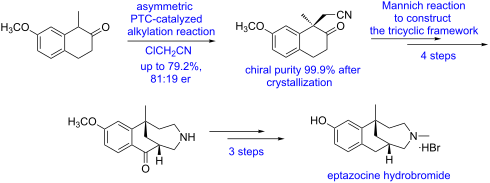
Scheme 3: Asymmetric synthesis of 1.

Scheme 4: The second strategy for the asymmetric synthesis of 1.
A general and atom-efficient continuous-flow approach to prepare amines, amides and imines via reactive N-chloramines
- Katherine E. Jolley,
- Michael R. Chapman and
- A. John Blacker
Beilstein J. Org. Chem. 2018, 14, 2220–2228, doi:10.3762/bjoc.14.196
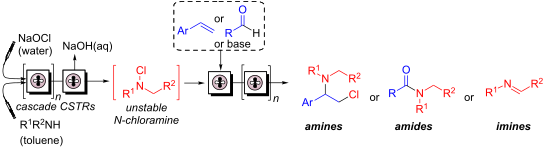
- upon scale-up makes this a useful reaction to translate to flow. Likewise, imines are an important class of compounds and are increasingly used as precursors to optically active amines [35][36][37][38][39]. Whilst normally prepared via a corresponding carbonyl compound, final dehydration can be

Graphical Abstract

Figure 1: Continuous-flow process to produce and react N-chloramines.

Figure 2: Left: Laboratory scale CSTR developed by our group [8]. Right: 5-stage CSTR configuration using co-fee...

Figure 3: Continuous-flow amide 18 formation using 1-stage CSTR. Blue squares: FeCl3 included; red circles: F...

Scheme 1: Continuous-flow transfer hydrogenation of in situ generated imines.
One hundred years of benzotropone chemistry
- Arif Dastan,
- Haydar Kilic and
- Nurullah Saracoglu
Beilstein J. Org. Chem. 2018, 14, 1120–1180, doi:10.3762/bjoc.14.98
- Scheme 7. The acid-catalyzed cleavage of the oxo-bridge of 34 gives benzylic carbocation 35. Consequently, after deprotonation and dehydration, chloro benzotropilium cation 37 undergoes hydrolysis to give 4,5-benzotropone (11) in aqueous reaction media. Using o-xylylene dibromide (38) as starting
- synthesis of Julia’s ketone was achieved by dehydration of the known keto-alcohol 164 by boric acid. Oxidation of Julia’s ketone with selenium dioxide gave 2,3-benzotropone (12). An alternative synthesis for 12, which represents a feasible route to avoid the disadvantage of selenium dioxide, is also
- synthesis of 7-hydroxy-2,3-benzotropone (241) was successfully realized by Dastan’s group (Scheme 47) [149]. Thiourea reduction of the peroxide linkage of 213 to the diol 282 and then simultaneously dehydration in situ gave the corresponding benzotropolone 241 in nearly quantitative yield. Recently, Arican

Graphical Abstract

Scheme 1: Tropone (1), tropolone (2) and their resonance structures.

Figure 1: Natural products containing a tropone nucleus.

Figure 2: Possible isomers 11–13 of benzotropone.

Scheme 2: Synthesis of benzotropones 11 and 12.

Scheme 3: Oxidation products of benzotropylium fluoroborate (16).

Scheme 4: Oxidation of 7-bromo-5H-benzo[7]annulene (22).

Scheme 5: Synthesis of 4,5-benzotropone (11) using o-phthalaldehyde (27).

Scheme 6: Synthesis of 4,5-benzotropone (11) starting from oxobenzonorbornadiene 31.

Scheme 7: Acid-catalyzed cleavage of oxo-bridge of 34.

Scheme 8: Synthesis of 4,5-benzotropone (11) from o-xylylene dibromide (38).

Scheme 9: Synthesis of 4,5-benzotropone (11) via the carbene adduct 41.

Scheme 10: Heck coupling strategy for the synthesis of 11.

Scheme 11: Synthesis of benzofulvalenes via carbonyl group of 4,5-benzotropone (11).

Figure 3: Some cycloheptatrienylium cations.

Scheme 12: Synthesis of condensation product 63 and its subsequent oxidative cyclization products.

Figure 4: A novel series of benzo[7]annulenes prepared from 4,5-benzotropone (11).

Scheme 13: Preparation of substituted benzo[7]annulene 72 using the Mukaiyama-Michael reaction.

Figure 5: Possible benzo[7]annulenylidenes 73–75.

Scheme 14: Thermal and photochemical decomposition of 7-diazo-7H-benzo[7]annulene (76) and the trapping of int...

Scheme 15: Synthesis of benzoheptafulvalene 86.

Scheme 16: Synthesis of 7-(diphenylmethylene)-7H-benzo[7]annulene (89).

Scheme 17: Reaction of 4,5-benzotropone (11) with dimethyl diazomethane.

Scheme 18: Synthesis of dihydrobenzomethoxyazocine 103.

Scheme 19: Synthesis and reducibility of benzo-homo-2-methoxyazocines.

Scheme 20: Synthesis of 4,5-benzohomotropones 104 and 115 from 4,5-benzotropones 11 and 113.

Scheme 21: A catalytic deuterogenation of 4,5-benzotropone (11) and synthesis of 5-monosubstituted benzo[7]ann...

Scheme 22: Synthesis of methyl benzo[7]annulenes 131 and 132.

Scheme 23: Ambident reactivity of halobenzo[7]annulenylium cations 133a/b.

Scheme 24: Preparation of benzo[7]annulenylidene–iron complexes 147.

Scheme 25: Synthesis of 1-ethynylbenzotropone (150) and the etheric compound 152 from 4,5-benzotropone (11) wi...

Scheme 26: Thermal decomposition of 4,5-benzotropone (11).

Scheme 27: Reaction of 4,5-benzotropone (11) with 1,2-ethanediol and 1,2-ethanedithiol.

Scheme 28: Conversions of 1-benzosuberone (162) to 2,3-benzotropone (12).

Scheme 29: Synthesis strategies for 2,3-bezotropone (12) using 1-benzosuberones.

Scheme 30: Oxidation-based synthesis of 2,3-benzotropone (12) via 1-benzosuberone (162).

Scheme 31: Synthesis of 2,3-benzotropone (12) from α-tetralone (171) via ring-expansion.

Scheme 32: Preparation of 2,3-benzotropone (12) by using of benzotropolone 174.

Figure 6: Benzoheptafulvenes as condensation products of 2,3-benzotropone (12).

Scheme 33: Conversion of 2,3-benzotropone (12) to tosylhydrazone salt 182 and gem-dichloride 187.

Figure 7: Benzohomoazocines 191–193 and benzoazocines 194–197.

Scheme 34: From 2,3-benzotropone (12) to carbonium ions 198–201.

Scheme 35: Cycloaddition reactions of 2,3-benzotropone (12).
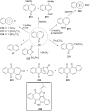
Scheme 36: Reaction of 2,3-benzotropone (12) with various reagents and compounds.

Figure 8: 3,4-Benzotropone (13) and its resonance structure.

Scheme 37: Synthesis of 6,7-benzobicyclo[3.2.0]hepta-3,6-dien-2-one (230).

Figure 9: Photolysis and thermolysis products of 230.

Figure 10: Benzotropolones and their tautomeric structures.

Scheme 38: Synthesis strategies of 4,5-benzotropolone (238).

Scheme 39: Synthesis protocol for 2-hydroxy-4,5-benzotropone (238) using oxazole-benzo[7]annulene 247.

Figure 11: Some quinoxaline and pyrazine derivatives 254–256 prepared from 4,5-benzotropolone (238).

Scheme 40: Nitration product of 4,5-benzotropolone (238) and its isomerization to 1-nitro-naphthoic acid (259)....

Scheme 41: Synthesis protocol for 6-hydroxy-2,3-benzotropone (239) from benzosuberone (162).
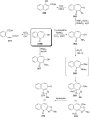
Scheme 42: Various reactions via 6-hydroxy-2,3-benzotropone (239).

Scheme 43: Photoreaction of 6-hydroxy-2,3-benzotropone (239).

Scheme 44: Synthesis of 7-hydroxy-2,3-benzotropone (241) from benzosuberone (162).

Scheme 45: Synthesis strategy for 7-hydroxy-2,3-benzotropone (241) from ketone 276.

Scheme 46: Synthesis of 7-hydroxy-2,3-benzotropone (241) from β-naphthoquinone (280).

Scheme 47: Synthesis of 7-hydroxy-2,3-benzotropone (241) from bicyclic endoperoxide 213.

Scheme 48: Synthesis of 7-hydroxy-2,3-benzotropone (241) by ring-closing metathesis.

Figure 12: Various monosubstitution products 289–291 of 7-hydroxy-2,3-benzotropone (241).

Scheme 49: Reaction of 7-hydroxy-2,3-benzotropone (241) with various reagents.

Scheme 50: Synthesis of 4-hydroxy-2,3-benzotropones 174 and 304 from diketones 300/301.

Scheme 51: Catalytic hydrogenation of diketones 300 and 174.

Scheme 52: Synthesis of halo-benzotropones from alkoxy-naphthalenes 306, 307 and 310.

Figure 13: Unexpected byproducts 313–315 during synthesis of chlorobenzotropone 309.

Figure 14: Some halobenzotropones and their cycloadducts.

Scheme 53: Multisep synthesis of 2-chlorobenzotropone 309.

Scheme 54: A multistep synthesis of 2-bromo-benzotropone 26.

Scheme 55: A multistep synthesis of bromo-2,3-benzotropones 311 and 316.

Scheme 56: Oxidation reactions of 8-bromo-5H-benzo[7]annulene (329) with some oxidants.

Scheme 57: Synthesis of 2-bromo-4,5-benzotropone (26).

Scheme 58: Synthesis of 6-chloro-2,3-benzotropone (335) using LiCl and proposed intermediate 336.

Scheme 59: Reaction of 7-bromo-2,3-benzotropone (316) with methylamine.

Scheme 60: Reactions of bromo-2,3-benzotropones 26 and 311 with dimethylamine.

Scheme 61: Reactions of bromobenzotropones 311 and 26 with NaOMe.

Scheme 62: Reactions of bromobenzotropones 26 and 312 with t-BuOK in the presence of DPIBF.

Scheme 63: Cobalt-catalyzed reductive cross-couplings of 7-bromo-2,3-benzotropone (316) with cyclic α-bromo en...

Figure 15: Cycloadduct 357 and its di-π-methane rearrangement product 358.

Scheme 64: Catalytic hydrogenation of 2-chloro-4,5-benzotropone (311).

Scheme 65: Synthesis of dibromo-benzotropones from benzotropones.

Scheme 66: Bromination/dehydrobromination of benzosuberone (162).

Scheme 67: Some transformations of isomeric dibromo-benzotropones 261A/B.

Scheme 68: Transformations of benzotropolone 239B to halobenzotropolones 369–371.

Figure 16: Bromobenzotropolones 372–376 and 290 prepared via bromination/dehydrobromination strategy.

Scheme 69: Synthesis of some halobenzotropolones 289, 377 and 378.

Figure 17: Bromo-chloro-derivatives 379–381 prepared via chlorination.

Scheme 70: Synthesis of 7-iodo-3,4-benzotropolone (382).

Scheme 71: Hydrogenation of bromobenzotropolones 369 and 370.

Scheme 72: Debromination reactions of mono- and dibromides 290 and 375.

Figure 18: Nitratation and oxidation products of some halobenzotropolenes.
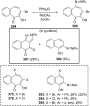
Scheme 73: Azo-coupling reactions of some halobenzotropolones 294, 375 and 378.

Figure 19: Four possible isomers of dibenzotropones 396–399.

Figure 20: Resonance structures of tribenzotropone (400).

Scheme 74: Two synthetic pathways for tribenzotropone (400).

Scheme 75: Synthesis of tribenzotropone (400) from dibenzotropone 399.

Scheme 76: Synthesis of tribenzotropone (400) from 9,10-phenanthraquinone (406).

Scheme 77: Synthesis of tribenzotropone (400) from trifluoromethyl-substituted arene 411.

Figure 21: Dibenzosuberone (414).

Figure 22: Reduction products 415 and 416 of tribenzotropone (400).

Figure 23: Structures of tribenzotropone dimethyl ketal 417 and 4-phenylfluorenone (412) and proposed intermed...

Figure 24: Structures of benzylidene- and methylene-9H-tribenzo[a,c,e][7]annulenes 419 and 420 and chiral phos...

Figure 25: Structures of tetracyclic alcohol 422, p-quinone methide 423 and cation 424.

Figure 26: Structures of host molecules 425–427.

Scheme 78: Synthesis of non-helical overcrowded derivatives syn/anti-431.

Figure 27: Hexabenzooctalene 432.

Figure 28: Structures of possible eight isomers 433–440 of naphthotropone.

Scheme 79: Synthesis of naphthotropone 437 starting from 1-phenylcycloheptene (441).

Scheme 80: Synthesis of 10-hydroxy-11H-cyclohepta[a]naphthalen-11-one (448) from diester 445.

Scheme 81: Synthesis of naphthotropone 433.

Scheme 82: Synthesis of naphthotropones 433 and 434 via cycloaddition reaction.

Scheme 83: Synthesis of naphthotropone 434 starting from 452.

Figure 29: Structures of tricarbonyl(tropone)irons 458, and possible cycloadducts 459.

Scheme 84: Synthesis of naphthotropone 436.

Scheme 85: Synthesis of precursor 465 for naphthotropone 435.

Scheme 86: Generation of naphthotropone 435 from 465.

Figure 30: Structures of tropylium cations 469 and 470.

Figure 31: Structures of tropylium ions 471+.BF4−, 472+.BF4−, and 473+.BF4−.

Scheme 87: Synthesis of tropylium ions 471+.BF4− and 479+.ClO4−.

Scheme 88: Synthesis of 1- and 2-methylanthracene (481 and 482) via carbene–carbene rearrangement.

Figure 32: Trapping products 488–490.

Scheme 89: Generation and chemistry of a naphthoannelated cycloheptatrienylidene-cycloheptatetraene intermedia...

Scheme 90: Proposed intermediates and reaction pathways for adduct 498.

Scheme 91: Exited-state intramolecular proton transfer of 505.

Figure 33: Benzoditropones 506 and 507.

Scheme 92: Synthesis of benzoditropone 506e.

Scheme 93: Synthetic approaches for dibenzotropone 507 via tropone (1).

Scheme 94: Formation mechanisms of benzoditropone 507 and 516 via 515.

Scheme 95: Synthesis of benzoditropones 525 and 526 from pyromellitic dianhydride (527).

Figure 34: Possible three benzocyclobutatropones 534–536.

Scheme 96: Synthesis of benzocyclobutatropones 534 and 539.

Scheme 97: Synthesis attempts for benzocyclobutatropone 545.

Scheme 98: Generation and trapping of symmetric benzocyclobutatropone 536.

Scheme 99: Synthesis of chloro-benzocyclobutatropone 552 and proposed mechanism of fluorenone derivatives.

Scheme 100: Synthesis of tropolone analogue 559.

Scheme 101: Synthesis of tropolones 561 and 562.

Figure 35: o/p-Tropoquinone rings (563 and 564) and benzotropoquinones (565–567).

Scheme 102: Synthesis of benzotropoquinone 566.

Scheme 103: Synthesis of benzotropoquinone 567 via a Diels–Alder reaction.

Figure 36: Products 575–577 through 1,2,3-benzotropoquinone hydrate 569.

Scheme 104: Structures 578–582 prepared from tropoquinone 567.

Figure 37: Two possible structures 583 and 584 for dibenzotropoquinone, and precursor compound 585 for 583.
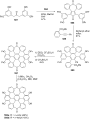
Scheme 105: Synthesis of saddle-shaped ketone 592 using dibenzotropoquinone 584.
Recent advances in synthetic approaches for medicinal chemistry of C-nucleosides
- Kartik Temburnikar and
- Katherine L. Seley-Radtke
Beilstein J. Org. Chem. 2018, 14, 772–785, doi:10.3762/bjoc.14.65
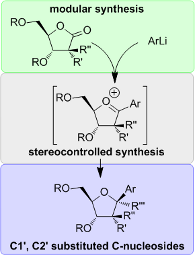
- ribofuranose ring (which exists in equilibrium with the ring closed form), was exploited for C1' substitution using Grignard reagents [69]. Acid-catalyzed dehydration resulted in a diastereomeric mixture of C1'-disubstituted products 5 and 6 with an observed β/α ratio of 2:1 and 1:1, respectively. Similarily
Graphical Abstract

Figure 1: Structural components of nucleic acids. Shown is the monomeric building block of nucleic acids. Cha...

Figure 2: Formation of oxocarbenium ion during glycosidic bond cleavage in nucleosides [31]. The extent of leavin...

Figure 3: Structural modifications to nucleobase-sugar connectivity. The O–C–N bond between nucleobase and su...

Figure 4: Examples of natural and synthetic C-nucleosides. Pseudouridine and formcycin are among several natu...

Figure 5: Synthetic approaches to C-nucleosides. A. Two common strategies for C-nucleoside synthesis involve ...

Figure 6: Steroselective C-nucleoside synthesis using D-ribonolactone. A. Nucleophilic substitution of D-ribo...

Figure 7: Synthesis of C1'-substituted 4-aza-7,9-dideazaadenine C-nucleosides [63-65,69,70]. A. Reaction of D-ribonolacton...

Figure 8: Pyrrolo- and imidazo[2,1-f][1,2,4]triazine C-nucleosides. A series of sugar- and nucleobase-substit...

Figure 9: Synthesis of 1',2'-cyclopentyl C-nucleoside [73]. Functional groups at C1' and C2' were installed and e...

Figure 10: Anti-influenza C-nucleosides mimicking favipiravir riboside [74]. A. Structure of favipiravir and its r...

Figure 11: Alternative method for synthesis of 2'-substituted C-nucleosides [75]. A. Synthesis of C2'-substituted ...

Figure 12: Synthesis of carbocyclic C-nucleosides using cyclopentanone [53]. A. Nucleophlic substitution on cyclop...

Figure 13: Synthesis of carbocyclic C-nucleosides via Suzuki coupling [53]. A. Synthesis of OTf-cyclopentene that ...
Nanoreactors for green catalysis
- M. Teresa De Martino,
- Loai K. E. A. Abdelmohsen,
- Floris P. J. T. Rutjes and
- Jan C. M. van Hest
Beilstein J. Org. Chem. 2018, 14, 716–733, doi:10.3762/bjoc.14.61
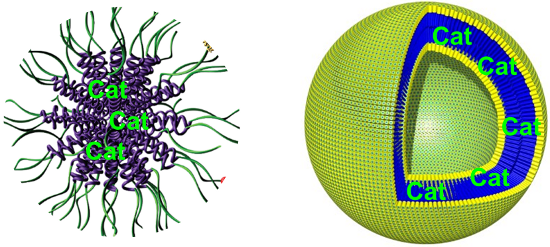
- the outcome of some reactions [29]. Non-spherical, high aspect ratio micelles are preferred for catalysis as such structures provide large surface area where reactions could take place [64]. This has been particularly the case for dehydration reactions [24]. Due to the combination of the structures

Graphical Abstract

Figure 1: Assembly of catalyst-functionalized amphiphilic block copolymers into polymer micelles and vesicles...

Scheme 1: C–N bond formation under micellar catalyst conditions, no organic solvent involved. Adapted from re...

Scheme 2: Suzuki−Miyaura couplings with, or without, ppm Pd. Conditions: ArI 0.5 mmol 3a, Ar’B(OH)2 (0.75–1.0...

Figure 2: PQS (4a), PQS attached proline catalyst 4b. Adapted from reference [26]. Copyright 2012 American Chemic...

Figure 3: 3a) Schematic representation of a Pickering emulsion with the enzyme in the water phase (i), or wit...

Scheme 3: Cascade reaction with GOx and Myo. Adapted from reference [82].

Figure 4: Cross-linked polymersomes with Cu(OTf)2 catalyst. Reprinted with permission from [15].

Figure 5: Schematic representation of enzymatic polymerization in polymersomes. (A) CALB in the aqueous compa...

Figure 6: Representation of DSN-G0. Reprinted with permission from [100].

Figure 7: The multivalent esterase dendrimer 5 catalyzes the hydrolysis of 8-acyloxypyrene 1,3,6-trisulfonate...

Figure 8: Conversion of 4-NP in five successive cycles of reduction, catalyzed by Au@citrate, Au@PEG and Au@P...
Investigations towards the stereoselective organocatalyzed Michael addition of dimethyl malonate to a racemic nitroalkene: possible route to the 4-methylpregabalin core structure
- Denisa Vargová,
- Rastislav Baran and
- Radovan Šebesta
Beilstein J. Org. Chem. 2018, 14, 553–559, doi:10.3762/bjoc.14.42
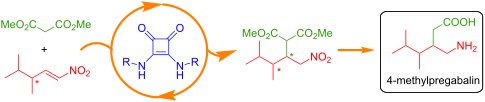
- , reduction, nitro-aldol reaction, and dehydration (Scheme 1). Methylation of the ester 2 in the alpha position proceeded easily with LDA as a base and methyl iodide as an alkylating agent. The ester functionality was then reduced with DIBAL in dichloromethane to afford aldehyde 4 in 90% yield. A base

Graphical Abstract

Figure 1: Structures of pregabalin and methylpregabalin.

Scheme 1: Synthesis of the nitroalkene 6.

Scheme 2: Catalyst screening in the Michael addition of dimethyl malonate to nitroalkene 6.

Scheme 3: Synthesis of catalysts (Sa,R,R)-C8 and (Sa,S,S)-C8.

Figure 2: Transition state models for the reaction of (R)-6 with dimethyl malonate using catalyst C7 (M06-2X/...

Scheme 4: Synthesis of 4-methylpregabalin (1).
Latest development in the synthesis of ursodeoxycholic acid (UDCA): a critical review
- Fabio Tonin and
- Isabel W. C. E. Arends
Beilstein J. Org. Chem. 2018, 14, 470–483, doi:10.3762/bjoc.14.33
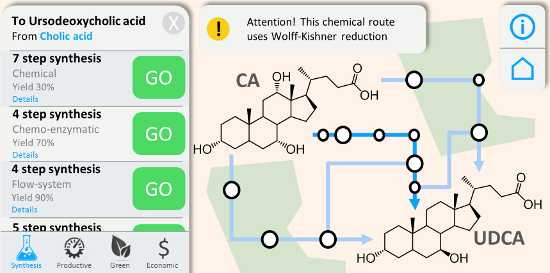
- specifically acts on C12 (see postulated sequence of steps in Supporting Information File 1, Figure S2). The reaction sequence can be divided in 3 steps: firstly, the substrate is oxidized by a specific alcohol dehydrogenase and an ene-reductase-like enzyme. Then dehydration occurs, catalysed by a specific

Graphical Abstract

Figure 1: Chemical structure of UDCA.

Figure 2: Chemical structures of bile acids and salts.

Figure 3: Comparison between Wolff–Kishner and Mozingo reduction. Notably the overall chemical reaction is th...

Figure 4: Reaction catalysed by the 12α-HSDH; the 12-OH group of CA or UCA is oxidized yielding 12-oxo-CDCA o...

Figure 5: Epimerization reaction catalysed by the 7α-HSDH and 7β-HSDH; the 7α-OH group of CA (R = OH) or CDCA...

Figure 6: Overview of the chemoenzymatic process for the production of UDCA from CA: The oxidation, reduction...

Figure 7: Schematic representation of the flow reactor for the continuous conversion of CDCA to UDCA [93].
Figure 8: Chemoenzymatic pathways for the formation of UDCA from CA that profit by the C7 hydroxylation activ...
Syn-selective silicon Mukaiyama-type aldol reactions of (pentafluoro-λ6-sulfanyl)acetic acid esters with aldehydes
- Anna-Lena Dreier,
- Andrej V. Matsnev,
- Joseph S. Thrasher and
- Günter Haufe
Beilstein J. Org. Chem. 2018, 14, 373–380, doi:10.3762/bjoc.14.25

- on the initial formation of aldol addition products. These products could undergo acid catalyzed dehydration during aqueous work-up. Due to the presence of Lewis acids, which will be hydrolyzed, water would most probably eliminate via an intermediate benzyl cation, which would be stabilized by the
- conformer A, conformer B should be favored. Assisted by the chloride, this species is deprotonated forming the condensation product 4h with an (E)-configured double bond. Obviously, this formal dehydration is possible only in the presence of electron-donating para-substituents in the benzaldehyde. In order

Graphical Abstract

Scheme 1: Silicon-mediated Mukaiyama-type aldol reaction of octyl 2-(pentafluoro-λ6-sulfanyl)acetate (1) with ...

Figure 1: Newman projections of the syn- and the anti-diastereomeric aldol addition products.

Scheme 2: Mechanism of the formation of aldol addition products.

Scheme 3: Formation of (E)-configured aldol condensation products.

Scheme 4: Anticipated mechanism of formation of aldol condensation products.

Scheme 5: Synthesis of SF5-substituted acetmorpholide 8.

Scheme 6: Intermediate formation of the (Z)-ketene aminal from morpholide 8 with TMSOTf/ Et3N and subsequent ...
5-Aminopyrazole as precursor in design and synthesis of fused pyrazoloazines
- Ranjana Aggarwal and
- Suresh Kumar
Beilstein J. Org. Chem. 2018, 14, 203–242, doi:10.3762/bjoc.14.15
- , dehydration and aromatization reactions. The use of ionic liquids (non-volatile solvents) over toxic organic solvents makes it an environmentally benign process [45][46]. The synthesis of isomeric tetracyclic pyrazolo[3,4-b]pyridine-based coumarin chromophores 27 and 28 was reported by Chen et al. [47
- -trifluoromethylpyrazolo[1,5-a]pyrimidine derivative 124 by dehydration on refluxing with acetic anhydride (Scheme 34). All the synthesized compounds were screened for their anti-inflammatory activity. Mulakayala and co-workers [91] synthesized 7-trifluoromethylpyrazolo[1,5-a]pyrimidine carboxylates 127 by the reaction of

Graphical Abstract

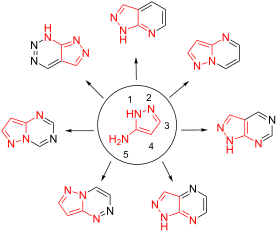
Figure 1: Selected examples of drugs with fused pyrazole rings.

Figure 2: Typical structures of some fused pyrazoloazines from 5-aminopyrazoles.

Scheme 1: Regiospecific synthesis of 4 and 6-trifluoromethyl-1H-pyrazolo[3,4-b]pyridines.

Scheme 2: Synthesis of pyrazolo[3,4-b]pyridine-6-carboxylates.

Scheme 3: Synthesis of 1,4,6-triaryl-1H-pyrazolo[3,4-b]pyridines with ionic liquid .

Scheme 4: Synthesis of coumarin-based isomeric tetracyclic pyrazolo[3,4-b]pyridines.

Scheme 5: Synthesis of 6-substituted pyrazolo[3,4-b]pyridines under Heck conditions.

Scheme 6: Microwave-assisted palladium-catalyzed synthesis of pyrazolo[3,4-b]pyridines.

Scheme 7: Acid-catalyzed synthesis of pyrazolo[3,4-b]pyridines via enaminones.

Scheme 8: Synthesis of pyrazolo[3,4-b]pyridines via aza-Diels–Alder reaction.

Scheme 9: Synthesis of macrocyclane fused pyrazolo[3,4-b]pyridine derivatives.

Scheme 10: Three-component synthesis of 4,7-dihydro-1H-pyrazolo[3,4-b]pyridine derivatives.

Scheme 11: Ultrasonicated synthesis of spiro[indoline-3,4'-pyrazolo[3,4-b]pyridine]-2,6'(1'H)-diones.

Scheme 12: Synthesis of spiro[indoline-3,4'-pyrazolo[3,4-b]pyridine] derivatives under conventional heating co...

Scheme 13: Nanoparticle-catalyzed synthesis of pyrazolo[3,4-b]pyridine-spiroindolinones.

Scheme 14: Microwave-assisted multicomponent synthesis of spiropyrazolo[3,4-b]pyridines.

Scheme 15: Unexpected synthesis of naphthoic acid-substituted pyrazolo[3,4-b]pyridines.

Scheme 16: Multicomponent synthesis of variously substituted pyrazolo[3,4-b]pyridine derivatives.

Scheme 17: Three-component synthesis of 4,7-dihydropyrazolo[3,4-b]pyridines and pyrazolo[3,4-b]pyridines.

Scheme 18: Synthesis of pyrazolo[3,4-b]pyridine-5-spirocycloalkanediones.

Scheme 19: Ultrasound-mediated three-component synthesis of pyrazolo[3,4-b]pyridines.

Scheme 20: Multicomponent synthesis of 4-aryl-3-methyl-1-phenyl-4,6,8,9-tetrahydropyrazolo [3,4-b]thiopyrano[4...

Scheme 21: Synthesis of 2,3-dihydrochromeno[4,3-d]pyrazolo[3,4-b]pyridine-1,6-diones.

Scheme 22: FeCl3-catalyzed synthesis of o-hydroxyphenylpyrazolo[3,4-b]pyridine derivatives.

Scheme 23: Ionic liquid-mediated synthesis of pyrazolo[3,4-b]pyridines.

Scheme 24: Microwave-assisted synthesis of pyrazolo[3,4-b]pyridines.

Scheme 25: Multicomponent synthesis of pyrazolo[3,4-b]pyridine-5-carbonitriles.

Scheme 26: Unusual domino synthesis of 4,7-dihydropyrazolo[3,4-b]pyridine-5-nitriles.

Scheme 27: Synthesis of 4,5,6,7-tetrahydro-4H-pyrazolo[3,4-b]pyridines under conventional heating and ultrasou...

Scheme 28: L-Proline-catalyzed synthesis of of pyrazolo[3,4-b]pyridine.

Scheme 29: Microwave-assisted synthesis of 5-aminoarylpyrazolo[3,4-b]pyridines.

Scheme 30: Microwave-assisted multi-component synthesis of pyrazolo[3,4-e]indolizines.

Scheme 31: Synthesis of fluoropropynyl and fluoroalkyl substituted pyrazolo[1,5-a]pyrimidine.

Scheme 32: Acid-catalyzed synthesis of pyrazolo[1,5-a]pyrimidine derivatives.

Scheme 33: Chemoselective and regiospecific synthesis of 2-(3-methylpyrazol-1’-yl)-5-methylpyrazolo[1,5-a]pyri...

Scheme 34: Regioselective synthesis of 7-trifluoromethylpyrazolo[1,5-a]pyrimidines.

Scheme 35: Microwave-assisted synthesis of 7-trifluoromethylpyrazolo[1,5-a]pyrimidine carboxylates.

Scheme 36: Microwave and ultrasound-assisted synthesis of 7-trifluoromethylpyrazolo[1,5-a]pyrimidines.

Scheme 37: Base-catalyzed unprecedented synthesis of pyrazolo[1,5-a]pyrimidines via C–C bond cleavage.

Scheme 38: Synthesis of aminobenzothiazole/piperazine linked pyrazolo[1,5-a]pyrimidines.

Scheme 39: Synthesis of aminoalkylpyrazolo[1,5-a]pyrimidine-7-amines.

Scheme 40: Synthesis of pyrazolo[1,5-a]pyrimidines from condensation of 5-aminopyrazole 126 and ethyl acetoace...

Scheme 41: Synthesis of 7-aminopyrazolo[1,5-a]pyrimidines.

Scheme 42: Unexpected synthesis of 7-aminopyrazolo[1,5-a]pyrimidines under solvent free and solvent-mediated c...

Scheme 43: Synthesis of N-(4-aminophenyl)-7-aryloxypyrazolo[1,5-a]pyrimidin-5-amines.

Scheme 44: Base-catalyzed synthesis of 5,7-diarylpyrazolo[1,5-a]pyrimidines.

Scheme 45: Synthesis of 6,7-dihydropyrazolo[1,5-a]pyrimidines in PEG-400.

Scheme 46: Synthesis of 7-heteroarylpyrazolo[1,5-a]pyrimidine-3-carboxamides.

Scheme 47: Synthesis of 7-heteroarylpyrazolo[1,5-a]pyrimidine derivatives under conventional heating and micro...

Scheme 48: Synthesis of N-aroylpyrazolo[1,5-a]pyrimidine-5-amines.

Scheme 49: Regioselective synthesis of ethyl pyrazolo[1,5-a]pyrimidine-7-carboxylate.

Scheme 50: Sodium methoxide-catalyzed synthesis of 3-cyano-6,7-diarylpyrazolo[1,5-a]pyrimidines.

Scheme 51: Synthesis of various pyrazolo[3,4-d]pyrimidine derivatives.

Scheme 52: Synthesis of hydrazinopyrazolo[3,4-d]pyrimidine derivatives.

Scheme 53: Synthesis of N-arylidinepyrazolo[3,4-d]pyrimidin-5-amines.

Scheme 54: Synthesis of pyrazolo[3,4-d]pyrimidinyl-4-amines.

Scheme 55: Iodine-catalyzed synthesis of pyrazolo[3,4-d]pyrimidinones.

Scheme 56: Synthesis of ethyl 6-amino-2H-pyrazolo[3,4-d]pyrimidine-4-carboxylate.

Scheme 57: Synthesis of 4-substituted-(3,6-dihydropyran-4-yl)-1H-pyrazolo[3,4-d]pyrimidines.

Scheme 58: Synthesis of 1-(2,4-dichlorophenyl)pyrazolo[3,4-d]pyrimidin-4-yl carboxamides.

Scheme 59: Synthesis of 5-(1,3,4-thidiazol-2-yl)pyrazolo[3,4-d]pyrimidine.

Scheme 60: One pot POCl3-catalyzed synthesis of 1-arylpyrazolo[3,4-d]pyrimidin-4-ones.

Scheme 61: Synthesis of 4-amino-N1,C3-dialkylpyrazolo[3,4-d]pyrimidines under Suzuki conditions.

Scheme 62: Microwave-assisted synthesis of pyrazolo[3,4-b]pyrazines.

Scheme 63: Synthesis and derivatization of pyrazolo[3,4-b]pyrazine-5-carbonitriles.

Scheme 64: Synthesis of 2-thioxo-pyrazolo[1,5-a][1,3,5]triazin-4-ones.

Scheme 65: Synthesis of 2,3-dihydropyrazolo[1,5-a][1,3,5]triazin-4(1H)-one.

Scheme 66: Synthesis of pyrazolo[1,5-a][1,3,5]triazine-8-carboxylic acid ethyl ester.

Scheme 67: Microwave-assisted synthesis of 4,7-dihetarylpyrazolo[1,5-a][1,3,5]triazines.

Scheme 68: Alternative synthetic route to 4,7-diheteroarylpyrazolo[1,5-a][1,3,5]triazines.

Scheme 69: Synthesis of 4-aryl-2-ethylthio-7-methylpyrazolo[1,5-a][1,3,5]triazines.

Scheme 70: Microwave-assisted synthesis of 4-aminopyrazolo[1,5-a][1,3,5]triazine.

Scheme 71: Synthesis of pyrazolo[3,4-d][1,2,3]triazines from pyrazol-5-yl diazonium salts.

Scheme 72: Synthesis of 2,5-dihydropyrazolo[3,4-e][1,2,4]triazines.

Scheme 73: Synthesis of pyrazolo[5,1-c][1,2,4]triazines via diazopyrazolylenaminones.

Scheme 74: Synthesis of pyrazolo[5,1-c][1,2,4]triazines in presence of sodium acetate.

Scheme 75: Synthesis of various 7-diazopyrazolo[5,1-c][1,2,4]triazine derivatives.

Scheme 76: One pot synthesis of pyrazolo[5,1-c][1,2,4]triazines.

Scheme 77: Synthesis of 4-amino-3,7,8-trinitropyrazolo-[5,1-c][1,2,4]triazines.

Scheme 78: Synthesis of tricyclic pyrazolo[5,1-c][1,2,4]triazines by azocoupling reaction.
Gram-scale preparation of negative-type liquid crystals with a CF2CF2-carbocycle unit via an improved short-step synthetic protocol
- Tatsuya Kumon,
- Shohei Hashishita,
- Takumi Kida,
- Shigeyuki Yamada,
- Takashi Ishihara and
- Tsutomu Konno
Beilstein J. Org. Chem. 2018, 14, 148–154, doi:10.3762/bjoc.14.10
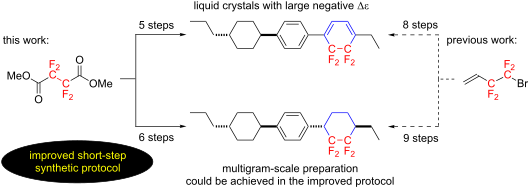
- : through dehydration in the case of 1 or radical reduction through the corresponding bisxanthate derivative in the case of 2. The required diol 3 could be obtained through a simultaneous hydrogenation of both, the cyclohexene and vinyl moieties of 1-aryl-4-vinyl-5,5,6,6-tetrafluorocyclohex-2-ene-1,4-diol 4
- steps less than the previous method. In addition, the present synthetic protocol involves several standard organic transformations, such as hydrogenation and dehydration, which are advantageous for a large-scale synthesis of the target compounds. Thus, we attempted a detailed examination of the short

Graphical Abstract

Figure 1: Typical examples of previously reported negative-type liquid crystals containing a CF2CF2-carbocycl...

Scheme 1: Improved short-step synthetic protocol for multicyclic mesogens 1 and 2.

Scheme 2: Short-step approach to CF2CF2-containing carbocycles.

Figure 2: (a) Expected products of over-reaction in the Grignard reaction of dimethyl tetrafluorosuccinate (7...

Scheme 3: Mechanism for the reaction of γ-keto ester 6 with vinyl Grignard reagents.

Scheme 4: First multigram-scale preparation of CF2CF2-containing multicyclic mesogens.
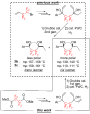
Scheme 5: Stereochemical assignment of the ring-closing metathesis products.
Volatiles from the tropical ascomycete Daldinia clavata (Hypoxylaceae, Xylariales)
- Tao Wang,
- Kathrin I. Mohr,
- Marc Stadler and
- Jeroen S. Dickschat
Beilstein J. Org. Chem. 2018, 14, 135–147, doi:10.3762/bjoc.14.9
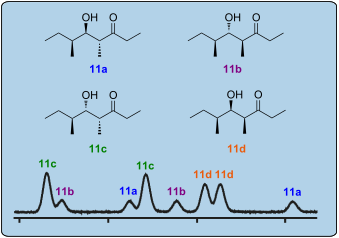
- tetraketide, and if the dehydration step to install the C=C double bond in 10 would be omitted, this would lead to the hydroxy-ketone 11a for which a higher retention time than for 10 would be expected. The structure of such an alcohol was further supported by the fragment ion at m/z = 115 that may result

Graphical Abstract

Scheme 1: A selection of widespread fungal volatiles.

Figure 1: Total ion chromatogram of a representative headspace extract from Daldinia clavata MUCL 47436. Peak...

Scheme 2: Identified volatiles from Daldinia clavata MUCL 47436.
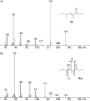
Figure 2: Mass spectra of volatiles from D. clavata that were identified by synthesis.

Scheme 3: Synthesis of manicone (10).

Scheme 4: Synthesis of a racemic mixture of all four diastereomers of 11.
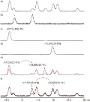
Figure 3: Gas chromatographic analysis of 11 on a homochiral stationary phase. a) Synthetic mixture of all ei...

Scheme 5: Enantioselective synthesis of (4R,5S,6S)-11c and (4S,5R,6S)-11d.

Scheme 6: Epimerisations of (4R,5S,6S)-11c and (4S,5R,6S)-11d under basic conditions.
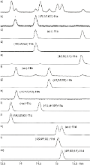
Figure 4: Gas chromatographic analysis of 11 on a homochiral stationary phase. a) Synthetic mixture of all ei...

Scheme 7: Proposed biosynthesis for (4R,5R,6S)-11a.
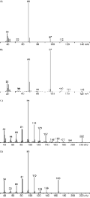
Figure 5: Mass spectra of a) 6-methyl-5,6-dihydro-2H-pyran-2-one (9), b) 6-propyl-5,6-dihydro-2H-pyran-2-one,...

Scheme 8: Synthesis of 6-methyl-5,6-dihydro-2H-pyran-2-one (9) and 6-nonyl-2H-pyran-2-one (17).
Photocatalytic formation of carbon–sulfur bonds
- Alexander Wimmer and
- Burkhard König
Beilstein J. Org. Chem. 2018, 14, 54–83, doi:10.3762/bjoc.14.4
- sulfenylated dienes by dehydration. A series of aryl thiols with different steric and electronic properties give high yields of the thiol–yne products. Noteworthy is the high E-selectivity of the resulting alkene. Dependent on the substitution pattern of the aryl thiol a ratio up to 60:1 was observed due to

Graphical Abstract

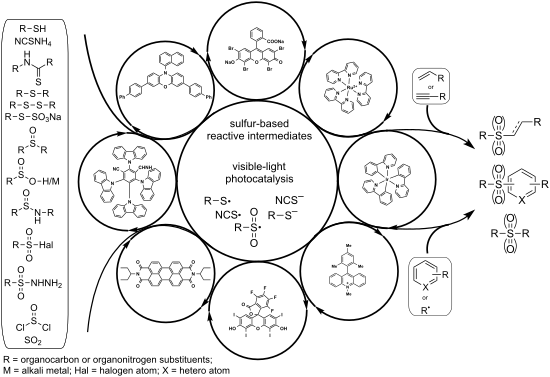
Scheme 1: General overview over the sulfur-based substrates and reactive intermediates that are discussed in ...
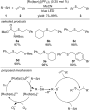
Scheme 2: Photoredox-catalyzed radical thiol–ene reaction, applying [Ru(bpz)3](PF6)2 as photocatalyst.

Scheme 3: Photoredox-catalyzed thiol–ene reaction of aliphatic thiols with alkenes enabled by aniline derivat...
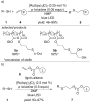
Scheme 4: Photoredox-catalyzed radical thiol–ene reaction for the postfunctionalization of polymers (a) and n...

Scheme 5: Photoredox-catalyzed thiol–ene reaction enabled by bromotrichloromethane as redox additive.
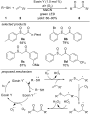
Scheme 6: Photoredox-catalyzed preparation of β-ketosulfoxides with Eosin Y as organic dye as photoredox cata...
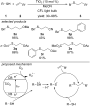
Scheme 7: Greaney’s photocatalytic radical thiol–ene reaction, applying TiO2 nanoparticles as photocatalyst.

Scheme 8: Fadeyi’s photocatalytic radical thiol–ene reaction, applying Bi2O3 as photocatalyst.

Scheme 9: Ananikov’s photocatalytic radical thiol-yne reaction, applying Eosin Y as photocatalyst.
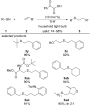
Scheme 10: Organocatalytic visible-light photoinitiated thiol–ene coupling, applying phenylglyoxylic acid as o...

Scheme 11: Xia’s photoredox-catalyzed synthesis of 2,3-disubstituted benzothiophenes, applying 9-mesityl-10-me...
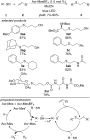
Scheme 12: Wang’s metal-free photoredox-catalyzed radical thiol–ene reaction, applying 9-mesityl-10-methylacri...

Scheme 13: Visible-light benzophenone-catalyzed metal- and oxidant-free radical thiol–ene reaction.
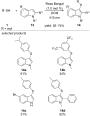
Scheme 14: Visible-light catalyzed C-3 sulfenylation of indole derivatives using Rose Bengal as organic dye.
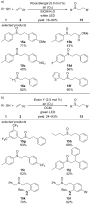
Scheme 15: Photocatalyzed radical thiol–ene reaction and subsequent aerobic sulfide-oxidation with Rose Bengal...
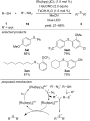
Scheme 16: Photoredox-catalyzed synthesis of diaryl sulfides.

Scheme 17: Photocatalytic cross-coupling of aryl thiols with aryl diazonium salts, using Eosin Y as photoredox...
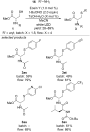
Scheme 18: Photocatalyzed cross-coupling of aryl diazonium salts with cysteines in batch and in a microphotore...
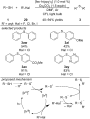
Scheme 19: Fu’s [Ir]-catalyzed photoredox arylation of aryl thiols with aryl halides.

Scheme 20: Fu’s photoredox-catalyzed difluoromethylation of aryl thiols.
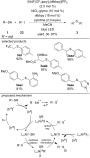
Scheme 21: C–S cross-coupling of thiols with aryl iodides via [Ir]-photoredox and [Ni]-dual-catalysis.
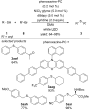
Scheme 22: C–S cross-coupling of thiols with aryl bromides, applying 3,7-bis-(biphenyl-4-yl)-10-(1-naphthyl)ph...
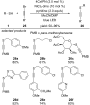
Scheme 23: Collin’s photochemical dual-catalytic cross-coupling of thiols with bromoalkynes.
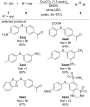
Scheme 24: Visible-light-promoted C–S cross-coupling via intermolecular electron donor–acceptor complex format...
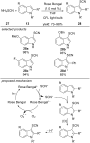
Scheme 25: Li’s visible-light photoredox-catalyzed thiocyanation of indole derivatives with Rose Bengal as pho...
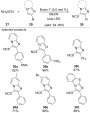
Scheme 26: Hajra’s visible-light photoredox-catalyzed thiocyanation of imidazoheterocycles with Eosin Y as pho...

Scheme 27: Wang’s photoredox-catalyzed thiocyanation reaction of indoles, applying heterogeneous TiO2/MoS2 nan...
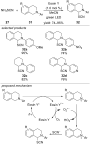
Scheme 28: Yadav’s photoredox-catalyzed α-C(sp3)–H thiocyanation reaction for tertiary amines, applying Eosin ...

Scheme 29: Yadav’s photoredox-catalyzed synthesis of 5-aryl-2-imino-1,3-oxathiolanes.

Scheme 30: Yadav’s photoredox-catalyzed synthesis of 1,3-oxathiolane-2-thiones.
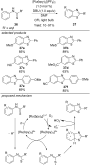
Scheme 31: Li’s photoredox catalysis for the preparation of 2-substituted benzothiazoles, applying [Ru(bpy)3](...
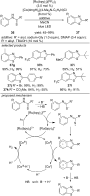
Scheme 32: Lei’s external oxidant-free synthesis of 2-substituted benzothiazoles by merging photoredox and tra...

Scheme 33: Metal-free photocatalyzed synthesis of 2-aminobenzothiazoles, applying Eosin Y as photocatalyst.

Scheme 34: Metal-free photocatalyzed synthesis of 1,3,4-thiadiazoles, using Eosin Y as photocatalyst.
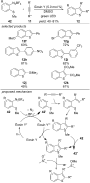
Scheme 35: Visible-light photoredox-catalyzed preparation of benzothiophenes with Eosin Y.

Scheme 36: Visible-light-induced KOH/DMSO superbase-promoted preparation of benzothiophenes.
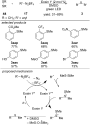
Scheme 37: Jacobi von Wangelin’s photocatalytic approach for the synthesis of aryl sulfides, applying Eosin Y ...

Scheme 38: Visible-light photosensitized α-C(sp3)–H thiolation of aliphatic ethers.

Scheme 39: Visible-light photocatalyzed cross-coupling of alkyl and aryl thiosulfates with aryl diazonium salt...
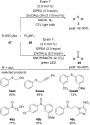
Scheme 40: Visible-light photocatalyzed, controllable sulfenylation and sulfoxidation with organic thiosulfate...

Scheme 41: Rastogi’s photoredox-catalyzed methylsulfoxidation of aryl diazonium salts, using [Ru(bpy)3]Cl2 as ...
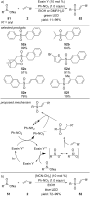
Scheme 42: a) Visible-light metal-free Eosin Y-catalyzed procedure for the preparation of vinyl sulfones from ...
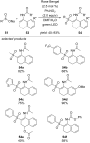
Scheme 43: Visible-light photocatalyzed cross-coupling of sodium sulfinates with secondary enamides.

Scheme 44: Wang’s photocatalyzed oxidative cyclization of phenyl propiolates with sulfinic acids, applying Eos...

Scheme 45: Lei’s sacrificial oxidant-free synthesis of allyl sulfones by merging photoredox and transition met...
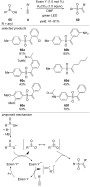
Scheme 46: Photocatalyzed Markovnikov-selective radical/radical cross-coupling of aryl sulfinic acids and term...

Scheme 47: Visible-light Eosin Y induced cross-coupling of aryl sulfinic acids and styrene derivatives, afford...
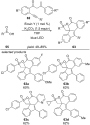
Scheme 48: Photoredox-catalyzed bicyclization of 1,7-enynes with sulfinic acids, applying Eosin Y as photocata...

Scheme 49: Visible-light-accelerated C–H-sulfinylation of arenes and heteroarenes.
Scheme 50: Visible-light photoredox-catalyzed β-selenosulfonylation of electron-rich olefins, applying [Ru(bpy)...

Scheme 51: Photocatalyzed preparation of β-chlorosulfones from the respective olefins and p-toluenesulfonyl ch...
Scheme 52: a) Photocatalyzed preparation of β-amidovinyl sulfones from sulfonyl chlorides. b) Preparation of β...

Scheme 53: Visible-light photocatalyzed sulfonylation of aliphatic tertiary amines, applying [Ru(bpy)3](PF6)2 ...
Scheme 54: Reiser’s visible-light photoredox-catalyzed preparation of β-hydroxysulfones from sulfonyl chloride...
Scheme 55: a) Sun’s visible-light-catalyzed approach for the preparation of isoquinolinonediones, applying [fac...
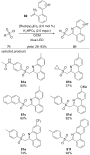
Scheme 56: Visible-light photocatalyzed sulfonylation/cyclization of vinyl azides, applying [Ru(bpy)3]Cl2 as p...

Scheme 57: Visible-light photocatalyzed procedure for the formation of β-ketosulfones from aryl sulfonyl chlor...

Scheme 58: Zheng’s method for the sulfenylation of indole derivatives, applying sulfonyl chlorides via visible...
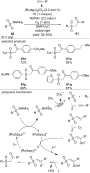
Scheme 59: Cai’s visible-light induced synthesis of β-ketosulfones from sulfonyl hydrazines and alkynes.

Scheme 60: Photoredox-catalyzed approach for the preparation of vinyl sulfones from sulfonyl hydrazines and ci...
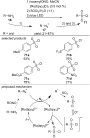
Scheme 61: Jacobi von Wangelin’s visible-light photocatalyzed chlorosulfonylation of anilines.
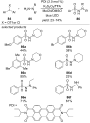
Scheme 62: Three-component photoredox-catalyzed synthesis of N-amino sulfonamides, applying PDI as organic dye....

Scheme 63: Visible-light induced preparation of complex sulfones from oximes, silyl enol ethers and SO2.



