


Search results
Search for "ligands" in Full Text gives 1020 result(s) in Beilstein Journal of Organic Chemistry. Showing first 200.
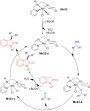
Manganese-catalyzed C–C and C–N bond formation with alcohols via borrowing hydrogen or hydrogen auto-transfer
Beilstein J. Org. Chem. 2024, 20, 1111–1166, doi:10.3762/bjoc.20.98
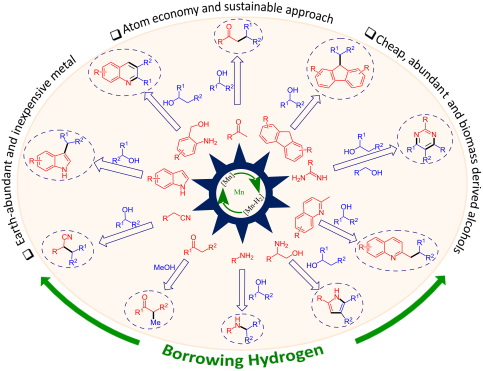
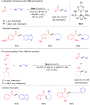
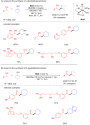
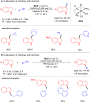
- alcohols [39]. Various ligands were screened for the N-alkylation of m-toluidine with benzyl alcohol using Mn(CO)5Br (5 mol %) and t-BuOK (1 equiv) in toluene at 140 °C (Scheme 9). Among these, L1 and L2 showed better activity for the N-alkylation reactions. Different substituted anilines and alcohols
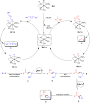
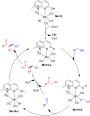
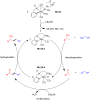
- bearing bidentate amine-based ligands and studied them in the N-alkylation of aromatic amines with benzylic alcohols (Scheme 17). Under the optimized reaction conditions (140 °C, 24 h), complex Mn8 (2 mol %) was successfully applied for the coupling of various electron-donating and withdrawing primary
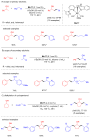
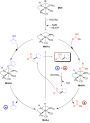
- for the direct β-alkylation of secondary alcohols with primary alcohols [71]. The reaction conditions were investigated for the alkylation of 1-phenylethanol with benzyl alcohol using manganese complexes containing pyridyl-supported pyrazolyl-imidazolyl ligands and bases. Among these complexes, Mn17






















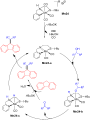

Novel analogues of a nonnucleoside SARS-CoV-2 RdRp inhibitor as potential antivirotics
Beilstein J. Org. Chem. 2024, 20, 1029–1036, doi:10.3762/bjoc.20.91
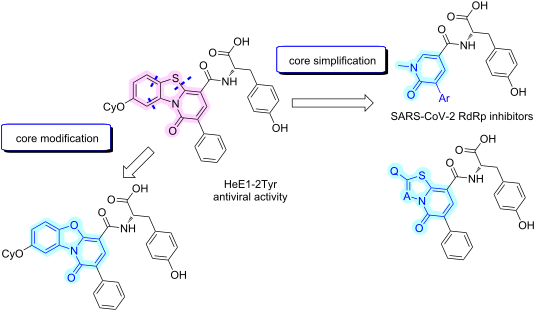
- of HeE1-2Tyr (1), it must be considered that the synthesized ligands were significantly smaller in size. Normalization of the obtained results using the binding efficiency index (BEI) [32] suggest that both ligand types, 3a–c and 4a,b, bind more efficiently to the SARS-CoV-2 RdRp when compared to 1


Auxiliary strategy for the general and practical synthesis of diaryliodonium(III) salts with diverse organocarboxylate counterions
Beilstein J. Org. Chem. 2024, 20, 1020–1028, doi:10.3762/bjoc.20.90
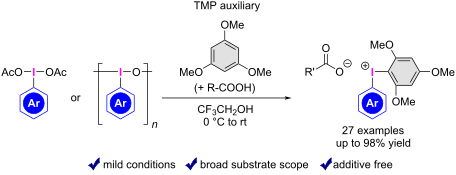
- design diaryliodonium(III) salts including a commercially available and inexpensive auxiliary group to achieve efficient preparation of the salts and a high degree of chemoselectivity for transferring the required aryl group. Electron-rich aryl ligands derived from anisole, mesitylene, and particularly
- various new applications. Synthetic approaches of diaryliodonium(III) trifluoroacetates. Synthesis of diaryliodonium(III) carboxylates. Scope of dummy ligands. Substrate scope of aryl(TMP)iodonium(III) acetates. a) 0.50 mmol scale of 1i. b) 1,3,5-Trimethoxybenzene (2.1 equiv) was used. c) Bis


Carbonylative synthesis and functionalization of indoles
Beilstein J. Org. Chem. 2024, 20, 973–1000, doi:10.3762/bjoc.20.87
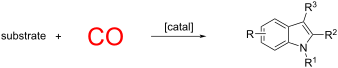
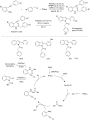
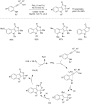
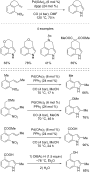
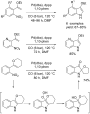
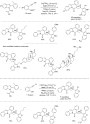
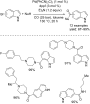
- as ligand, because it was already known that catalysts derived from palladium(II) salts and bidentate nitrogen ligands were highly reactive systems for the reduction of o-nitrostyrenes [28][29][30]. The catalytic system Pd(OAc)2/1,10-phen worked better than Söderberg´s one (Pd(OAc)2/PPh3) under mild
- -2,3-diyl)bis(3-nitropyridine) was performed. All reactions were carried out in the presence of Pd(dba)2 as catalyst, dppp and 1,10-phen as ligands under 6 bar of CO at 120 °C for the appropriate time. The processes to 2,2′-bi-1H-indoles, 2,3′-bi-1H-indoles, and 3,3′-bi-1H-indoles were selective
- of the Pd(dba)2/dppp/1,10-phen catalyst system. Synthesis of indoles from o-nitrostyrenes by using Pd(OAc)2 and Pd(tfa)2 in conjunction with bidentate nitrogen ligands: 1,10-phen (1,10-phenanthroline) and tm-phen (3,4,7,8-tetramethyl-1,10-phenanthroline). Synthesis of substituted 3-alkoxyindoles via












Enhancing structural diversity of terpenoids by multisubstrate terpene synthases
Beilstein J. Org. Chem. 2024, 20, 959–972, doi:10.3762/bjoc.20.86
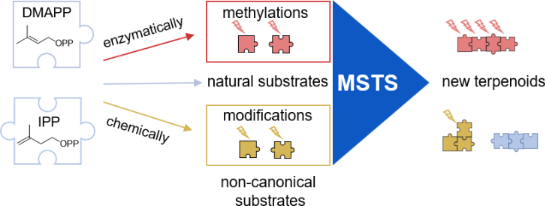
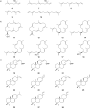
- . Classically, these prenyl analogs have been used as co-crystallization ligands [38], inhibitors of specific TSs [39], and tools to study the reaction mechanisms of cyclization cascades [40][41] which have been comprehensively addressed in important previous reviews [8][13]. Currently, noncanonical prenyl






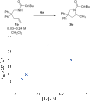
Enantioselective synthesis of β-aryl-γ-lactam derivatives via Heck–Matsuda desymmetrization of N-protected 2,5-dihydro-1H-pyrroles
Beilstein J. Org. Chem. 2024, 20, 940–949, doi:10.3762/bjoc.20.84
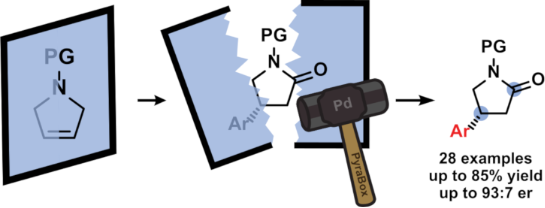
- commercial drug baclofen as hydrochloride. Keywords: desymmetrization; enantioselective Heck–Matsuda reaction; lactam synthesis; N,N-ligands; palladium; Introduction Desymmetrization reactions consist in the modification of a molecule with the loss of one or more symmetry elements, such as those which
- preclude chirality as in the transformation of a prochiral molecular entity into a chiral one [1]. It is a powerful and elegant strategy in asymmetric synthesis [2], which combined with the use of chiral ligands and transition-metal catalysts enabled many valuable transformations to increase molecular
- before. Before exploring the reactivity of the olefin towards other aryldiazonium salts, we performed a brief optimization of the process by testing several other N,N-ligands. Therefore, five other N,N-ligands were evaluated as follows: PyraBox (L2), QuinOx (L3), PyOx L4 and L5, and PyriBOx (L6) (Figure


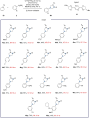


One-pot Ugi-azide and Heck reactions for the synthesis of heterocyclic systems containing tetrazole and 1,2,3,4-tetrahydroisoquinoline
Beilstein J. Org. Chem. 2024, 20, 912–920, doi:10.3762/bjoc.20.81
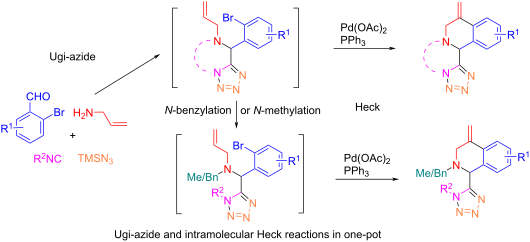
- effort was then focused on the optimization of the intramolecular Heck reaction of 5a for making 1,2,3,4-tetrahydroisoquinoline 6a. A systematic evaluation of different catalysts and ligands, solvents, bases, as well as reaction temperatures and times was conducted (Table 1). The Heck reaction of 5a was
- both gave cyclized product 6a in 70% yield (Table 1, entries 3 and 4). An increase of the reaction time to 12 h did not improve the yield (Table 1, entry 5). The reaction was further evaluated in the absence of ligand which afforded the product in 35% yield (Table 1, entry 6). Screening of ligands, e.g


Synthesis and properties of 6-alkynyl-5-aryluracils
Beilstein J. Org. Chem. 2024, 20, 898–911, doi:10.3762/bjoc.20.80
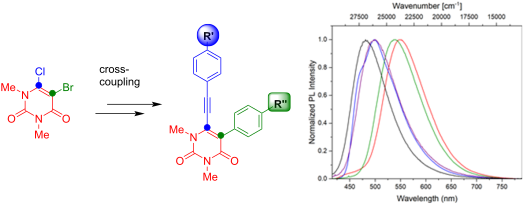
- performed on a Bruker Apex Kappa-II CCD diffractometer. The solvents used, dimethyl sulfoxide and 1,4-dioxane, were purchased as dry solvents and applied without further purification. Other reagents, catalysts, ligands, acids, and bases were used as purchased from commercial suppliers. Column chromatography


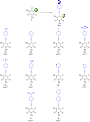


Evaluation of the enantioselectivity of new chiral ligands based on imidazolidin-4-one derivatives
Beilstein J. Org. Chem. 2024, 20, 684–691, doi:10.3762/bjoc.20.62
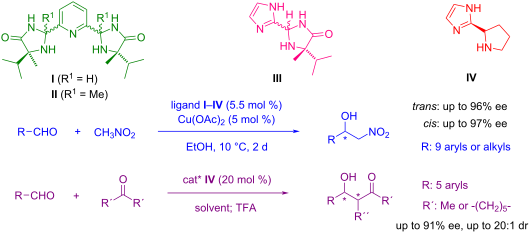
- Jan Bartacek Karel Chlumsky Jan Mrkvicka Lucie Palousova Milos Sedlak Pavel Drabina Institute of Organic Chemistry and Technology, Faculty of Chemical Technology, University of Pardubice, Studentská 573, 532 10 Pardubice, Czech Republic 10.3762/bjoc.20.62 Abstract The new chiral ligands I–III
- depends on the relative configuration of the ligand used; cis-configuration of ligand affords the nitroaldols with major enantiomer S- (up to 97% ee), whereas the application of ligands with trans-configuration led to nitroaldols with major R-enantiomer (up to 96% ee). The “proline-type” ligand IV was
- also tested in asymmetric aldol reactions. Under the optimised reaction conditions, aldol products with enantioselectivities of up to 91% ee were obtained. Keywords: asymmetric aldol reaction; asymmetric Henry reaction; chiral ligands; enantioselective catalysis; imidazolidine derivatives


A laterally-fused N-heterocyclic carbene framework from polysubstituted aminoimidazo[5,1-b]oxazol-6-ium salts
Beilstein J. Org. Chem. 2024, 20, 621–627, doi:10.3762/bjoc.20.54
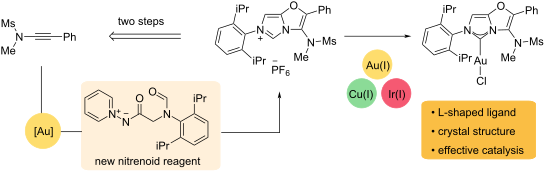
- introduced by the groups of Lassaletta [4] and Glorius [5], is the most widely explored framework for L-shaped ligands (Figure 1a). Even when only considering gold catalysis [6], the ImPy framework has been used to great effect [7]. The motif has been used to introduce sterically demanding NHCs with
- secondary gold-ligand interactions [8][9][10], chiral environments [11][12][13] including those enabling secondary interactions with substrates for asymmetric catalysis [14], cooperative and bimetallic catalysis [7][15], and redox-enabling function for Au(I)/(III) cycles [16][17]. Such L-shaped ligands
- only two sharp CO stretching frequencies were observed in the IR (Scheme 2) and so a value for Tolman’s electronic parameter (TEP) could be estimated. [33] At TEP[Ir] = 2053.1 cm−1 and 2052.8 cm−1 for 15a and 15b, respectively, the values for these AImOx ligands are towards the electron-deficient end


Synthesis and biological profile of 2,3-dihydro[1,3]thiazolo[4,5-b]pyridines, a novel class of acyl-ACP thioesterase inhibitors
Beilstein J. Org. Chem. 2024, 20, 540–551, doi:10.3762/bjoc.20.46
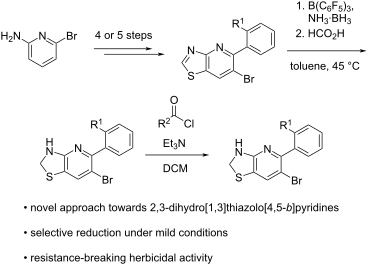
- with emphasis on the structural diversity of small-molecule ligands. In this context, acyl-acyl carrier protein (acyl-ACP) thioesterase inhibitors have shown a remarkable variability. Fatty acid thioesterase (FAT) enzymes represent a family of proteins exclusively found in higher plants. They mediate


Switchable molecular tweezers: design and applications
Beilstein J. Org. Chem. 2024, 20, 504–539, doi:10.3762/bjoc.20.45

- can abduct it from the terpyridine. The luminescence properties in the closed state can also be modulated by the formation of host–guest complexes. This happens with ligands complexing the metal center only, such as terpyridines and phenanthrolines. In fact, the counterions of the zinc2+ cation and
- bisalkynylplatinum(II)–terpyridine clips [54]. The dimer showed photocatalytic activity in the photooxidation of a secondary amine to the corresponding imine that could be deactivated and reactivated by opening or closing the tweezers. Variations on multidentate N-donor ligands have also been developed by Lehn and
- regulated guest binding. Other groups developed coordination-switchable molecular tweezers with several ligands based on nitrogen coordination sites. Plante and Glass reported tweezers 23 using a bisimidazole-pyridine unit with anisole arms (Figure 14a) [55]. This system can coordinate copper(II) in a


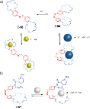


Ligand effects, solvent cooperation, and large kinetic solvent deuterium isotope effects in gold(I)-catalyzed intramolecular alkene hydroamination
Beilstein J. Org. Chem. 2024, 20, 479–496, doi:10.3762/bjoc.20.43
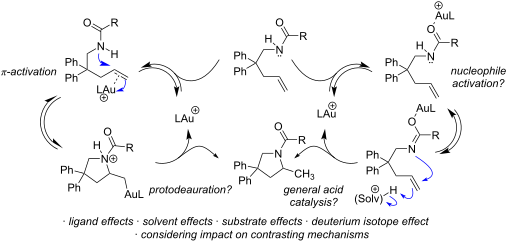
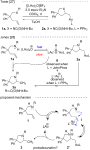
- out under a variety of conditions with cationic gold catalysts supported by phosphine ligands. The impact of ligand on gold, protecting group on nitrogen, and solvent and additive on reaction rates was determined. The most effective reactions utilized more Lewis basic ureas, and more electron
- require geminal substitution or backbone heteroatoms, internal alkenes are often not tolerated, and intermolecular reactions require high temperatures which can lead to significant catalyst decomposition [20]. This is usually addressed by employing bulky or strong donor ligands [21][22]. Novel strategies
- generally acidic conditions that initiate cyclization [34][35]. These observations are critical for informing future discussion and experiments related to this important reaction. Results Ligand effect To examine the catalytic activity of gold with ligands of different electronic properties, we used our







Mono or double Pd-catalyzed C–H bond functionalization for the annulative π-extension of 1,8-dibromonaphthalene: a one pot access to fluoranthene derivatives
Beilstein J. Org. Chem. 2024, 20, 427–435, doi:10.3762/bjoc.20.37
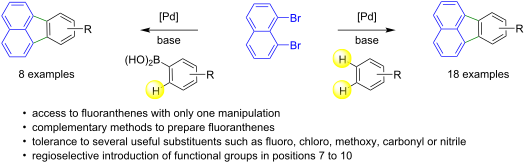
- ligands was examined. Slightly better yields of 1 were obtained using the diphosphine ligands dppe, dppb or dppf associated with Pd(OAc)2, and the preformed catalyst PdCl(C3H5)(dppb) gave 1 in 74% yield (Table 1, entries 7–10) [26]. The influence of a variety of solvents was also examined. DMF and NMP


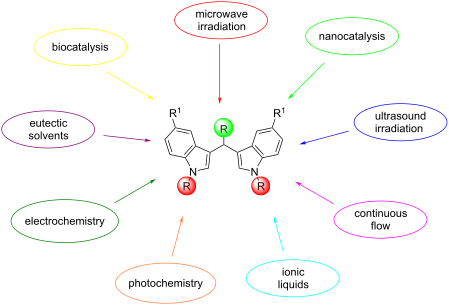
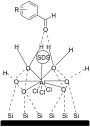
Green and sustainable approaches for the Friedel–Crafts reaction between aldehydes and indoles
Beilstein J. Org. Chem. 2024, 20, 379–426, doi:10.3762/bjoc.20.36




Mechanisms for radical reactions initiating from N-hydroxyphthalimide esters
Beilstein J. Org. Chem. 2024, 20, 346–378, doi:10.3762/bjoc.20.35
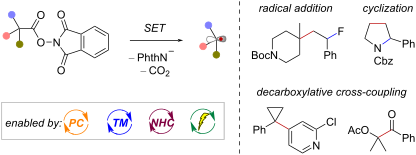
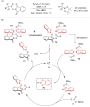
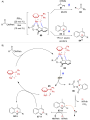
- photoactive catalysts can be achieved by combining simple transition metal (TM) salts with suitable ligands. These TM catalysts are fundamentally distinct from traditional Ru- and Ir-based photoredox catalysts, as they play a dual role, by engaging in photoinduced electron transfer processes with the
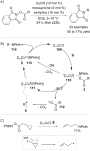
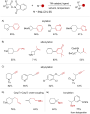
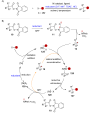
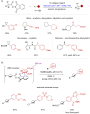
- coupling employing NHPI esters as dual reagents [75] (Scheme 21A). The combination of CuCN and the ligands xantphos and neocuproine in a 2:3:1 ratio resulted in the formation of a light absorbing species with an absorption band in the 380–460 nm range. Thus, it was hypothesized that CuI catalytic species








Spatial arrangements of cyclodextrin host–guest complexes in solution studied by 13C NMR and molecular modelling
Beilstein J. Org. Chem. 2024, 20, 331–335, doi:10.3762/bjoc.20.33
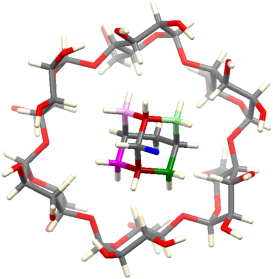
- the protons 6 of molecule 1 reveals deep penetration of the guest into the cavity of α-cyclodextrin (Figure 2). All protons of 1 show ROESY cross-peaks with proton 3 of the glucose unit (see page S73 in Supporting Information File 1). For complexes of ligands with α-CD, we always performed a series of
- ten classical molecular dynamics (MD) simulations [16] (each lasting 100 ns, Figure 3). Then, we superimposed α-CD structures from different snapshots of each MD run. Further, the 3D densities, showing the spatial distribution of prochiral atoms of ligands (that rotate and wobble towards α-CD), were


Elucidating the glycan-binding specificity and structure of Cucumis melo agglutinin, a new R-type lectin
Beilstein J. Org. Chem. 2024, 20, 306–320, doi:10.3762/bjoc.20.31
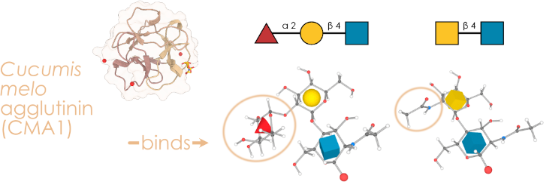
- binding specificity with orthogonal methods, we used a thermal shift assay. Herein, the binding of ligands is assessed by the stabilization of the protein, measured by a denaturation curve. Both the protein produced in mammalian and in bacterial cells exhibited similar melting temperatures here, of
- affinity of CMA1 to its ligands. Lectins often only exhibit weak to moderate binding affinities, which is somewhat ameliorated by an increased avidity on the side of the lectin but also a dense presentation of the bound glycan epitope on the cell surface. We therefore used surface plasmon resonance (SPR
- -up on the interactions between CMA1 and LacNAc (c) or GalNAc (d), with the 2mFo-DFc electron density map displayed around the sugar ligands at 1 sigma (LacNAc: 0.47 e·Å−3, GalNAc: 0.415 e·Å−3). Water molecules are indicated by red spheres and interactions by proximal residues are indicated by broken


Metal-catalyzed coupling/carbonylative cyclizations for accessing dibenzodiazepinones: an expedient route to clozapine and other drugs
Beilstein J. Org. Chem. 2024, 20, 193–204, doi:10.3762/bjoc.20.19
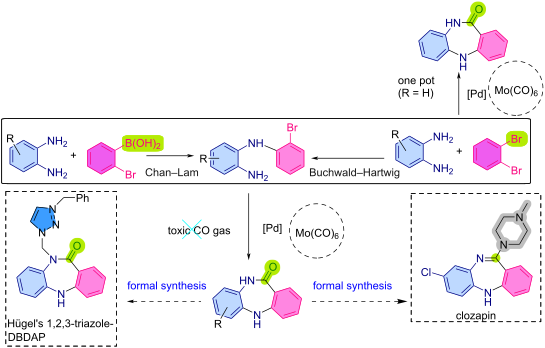
- effective ligand in a variety of highly efficient aminocarbonylation reactions with Mo(CO)6 due to its strong basicity and accelerated release of CO from this reagent [21]. The reaction was then screened using two different bidentate ligands, XPhos and XantPhos, and using the previous reaction conditions
- same conditions (entry 2, Table 2) resulted in poorer results, as only traces of the desired compound 3a were observed. Then, we considered XPhos (entry 3, Table 2), and the bidendate ligands XantPhos and DPEPhos (entries 4 and 5, Table 2), but no improvements were observed. Then, we tested an
- , we screened other ligands such as XPhos and DPEPhos in the presence of Cs2CO3 as base in dioxane, however, the undesired phenazine product 6 was still obtained in moderate yield under these conditions (entries 12 and 13, Table 2). In the presence of SPhos as ligand, Cs2CO3, and toluene as solvent


Photoinduced in situ generation of DNA-targeting ligands: DNA-binding and DNA-photodamaging properties of benzo[c]quinolizinium ions
Beilstein J. Org. Chem. 2024, 20, 101–117, doi:10.3762/bjoc.20.11
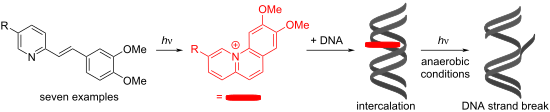
- ; heterocycles; photocyclization; photosensitizer; styrylpyridines; Introduction DNA intercalators – most often represented by small planar heteroaromatic compounds – play an important role as chemotherapeutic agents [1][2][3][4]. Specifically, upon intercalation into the DNA double helix such ligands can cause
- delivered without effect to the binding site, where the DNA-binding benzoquinolizinium ligand can then be generated as needed upon irradiation. Notably, the use of light for the activation of photo-controllable DNA ligands offers several advantages because it is easy to apply, traceless, and non-invasive
- -based nanoparticles [58][59]. But although these classes of compounds have been intensively studied and already contributed significantly to the field of PDT, there is still a demand for novel DNA-photodamaging ligands that could be applied for specific purposes, e.g., to improve efficacy or to limit





Using the phospha-Michael reaction for making phosphonium phenolate zwitterions
Beilstein J. Org. Chem. 2024, 20, 41–51, doi:10.3762/bjoc.20.6
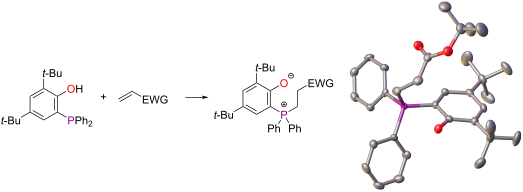
- candidates as well. Ortho-hydroxy-substituted phosphines have been mainly used as chelating ligands for metal complexes until recently [16][17][18]. Further, ortho-hydroxy phosphines have been used for the synthesis of probes in metabolic labeling [19], as a photocatalyst in the defluoroalkylation of


1-Butyl-3-methylimidazolium tetrafluoroborate as suitable solvent for BF3: the case of alkyne hydration. Chemistry vs electrochemistry
Beilstein J. Org. Chem. 2023, 19, 1966–1981, doi:10.3762/bjoc.19.147
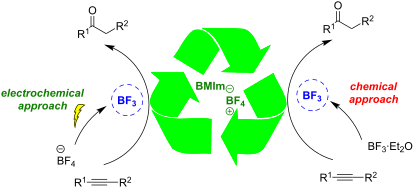
- -heterocyclic carbenes (NHCs), extensively studied as organocatalysts as well as ligands for transition-metal-promoted synthetic methodologies [97][98][99]. Under anodic oxidation, the electrogeneration of boron trifluoride (BF3) from tetrafluoroborate ILs occurs [100][101]. Moreover, we have recently


Aldiminium and 1,2,3-triazolium dithiocarboxylate zwitterions derived from cyclic (alkyl)(amino) and mesoionic carbenes
Beilstein J. Org. Chem. 2023, 19, 1947–1956, doi:10.3762/bjoc.19.145
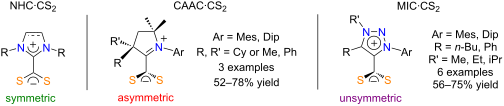
- heterocycles; zwitterions; Introduction Following the seminal discovery from the group of Arduengo, who isolated and fully characterized 1,3-di(1-adamantyl)imidazol-2-ylidene in 1991 [1], stable divalent carbon species have evolved from fleeting intermediates to ubiquitous catalysts, ligands, and reagents in
- of charges (Figure 1) [13][14][15][16]. Crabtree and co-workers first reported the abnormal binding of an imidazolium salt to an iridium hydride at the C4 carbon atom instead of C2 in 2001 [17][18]. Since then, many other metal complexes bearing imidazol-4-ylidene ligands (F) have been reported [7
- ][19]. These mesoionic carbenes (MICs), together with their pyrazolin-4-ylidene [20] and 1,2-isoxazol-4-ylidene cousins [21], are the strongest donors among the various types of carbene ligands known thus far [22]. A distinct class of mesoionic or abnormal carbenes based on the 1,2,3-triazole ring


Studying specificity in protein–glycosaminoglycan recognition with umbrella sampling
Beilstein J. Org. Chem. 2023, 19, 1933–1946, doi:10.3762/bjoc.19.144
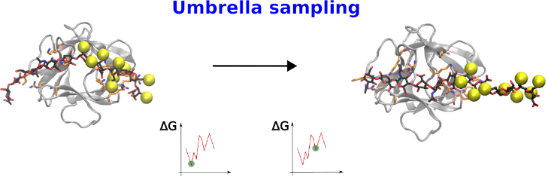
- in the 1BFC [12] and 2AXM [13] complexes and chondroitin sulfate-4 in the case of 3C9E [36]/4N8W [37]), where the length is dp6 (dp stands for degree of polymerization) and 2. an additional part with different degree of sulfation or sulfation pattern (in case of ligands 1 and 2 for 1BFC and 2AXM dp6
- 1C4 conformation for the IdoA2S ring was chosen as it was shown to be the essentially dominant conformation in the microsecond scale simulations performed by Sattelle et al. as it is energetically more favorable than the 2SO conformation [40]. Complex preparation The obtained ligands were docked using
- RS-REMD (replica exchange with repulsive scaling), an MD-based docking method [41], to assure proper binding poses of the whole ligand and ring puckering and to be consistent with further simulations. The docked ligands cover the binding site the same way as ligands in the experimental structures




N-Boc-α-diazo glutarimide as efficient reagent for assembling N-heterocycle-glutarimide diads via Rh(II)-catalyzed N–H insertion reaction
Beilstein J. Org. Chem. 2023, 19, 1841–1848, doi:10.3762/bjoc.19.136
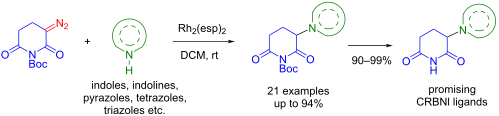
- , including both aromatic and saturated NH-substrates. This yields structures that are appealing for generating cereblon ubiquitin-ligase ligands and for potential use in crafting PROTAC molecules. Keywords: CRBN ligands; diazocarbonyl compounds; N–H insertion reaction; N-heterocycles; Rh(II)-catalysis
- strategies is cereblon (CRBN), the target focus of a collection of immunomodulatory drugs containing the glutarimide moiety such as thalidomide, pomalidomide, lenalidomide [12][13], and avadomide [14] (Figure 1). These ligands, although prevalent recruiters in PROTAC design, present several drawbacks
- space of cereblon ligands. Research teams and pharmaceutical companies worldwide are actively conducting studies to discover new CRBN ligands based on α-hetaryl-substituted glutarimides of general formula 1 (Scheme 1). Consequently, a significant number of patents describing the synthesis of new PROTAC





