Search for "transition metals" in Full Text gives 222 result(s) in Beilstein Journal of Organic Chemistry. Showing first 200.
Beilstein J. Org. Chem. 2017, 13, 1239–1279, doi:10.3762/bjoc.13.123
Graphical Abstract
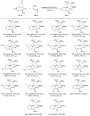
Scheme 1: Solution-state conformations of D-glucose.
Scheme 2: Enzymatic synthesis of oligosaccharides.
Scheme 3: Enzymatic synthesis of a phosphorylated glycoprotein containing a mannose-6-phosphate (M6P)-termina...
Scheme 4: A) Selected GTs-mediated syntheses of oligosaccharides and other biologically active glycosides. B)...
Scheme 5: Enzymatic synthesis of nucleosides.
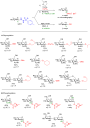
Scheme 6: Fischer glycosylation strategies.
Scheme 7: The basis of remote activation (adapted from [37]).
Scheme 8: Classic remote activation employing a MOP donor to access α-anomeric alcohols, carboxylates, and ph...
Figure 1: Synthesis of monoprotected glycosides from a (3-bromo-2-pyridyloxy) β-D-glycopyranosyl donor under ...
Scheme 9: Plausible mechanism for the synthesis of α-galactosides. TBDPS = tert-butyldiphenylsilyl.
Scheme 10: Synthesis of the 6-O-monoprotected galactopyranoside donor for remote activation.
Scheme 11: UDP-galactopyranose mutase-catalyzed isomerization of UDP-Galp to UDP-Galf.
Scheme 12: Synthesis of the 1-thioimidoyl galactofuranosyl donor.
Scheme 13: Glycosylation of MeOH using a self-activating donor in the absence of an external activator. a) Syn...
Scheme 14: The classical Lewis acid-catalyzed glycosylation.
Figure 2: Unprotected glycosyl donors used for the Lewis acid-catalyzed protecting group-free glycosylation r...
Scheme 15: Four-step synthesis of the phenyl β-galactothiopyranosyl donor.
Scheme 16: Protecting-group-free C3′-regioselective glycosylation of sucrose with α–F Glc.
Scheme 17: Synthesis of the α-fluoroglucosyl donor.
Figure 3: Protecting-group-free glycosyl donors and acceptors used in the Au(III)-catalyzed glycosylation.
Scheme 18: Synthesis of the mannosyl donor used in the study [62].
Scheme 19: The Pd-catalyzed stereoretentive glycosylation of arenes using anomeric stannane donors.
Scheme 20: Preparation of the protecting-group-free α and β-stannanes from advanced intermediates for stereoch...
Figure 4: Selective anomeric activating agents providing donors for direct activation of the anomeric carbon.
Scheme 21: One-step access to sugar oxazolines or 1,6-anhydrosugars.
Scheme 22: Enzymatic synthesis of a chitoheptaose using a mutant chitinase.
Scheme 23: One-pot access to glycosyl azides [73], dithiocarbamates [74], and aryl thiols using DMC activation and sub...
Scheme 24: Plausible reaction mechanism.
Scheme 25: Protecting-group-free synthesis of anomeric thiols from unprotected 2-deoxy-2-N-acetyl sugars.
Scheme 26: Protein conjugation of TTL221-PentK with a hyaluronan hexasaccharide thiol.
Scheme 27: Proposed mechanism.
Scheme 28: Direct two-step one-pot access to glycoconjugates through the in situ formation of the glycosyl azi...
Scheme 29: DMC as a phosphate-activating moiety for the synthesis of diphosphates. aβ-1,4-galactose transferas...
Figure 5: Triazinylmorpholinium salts as selective anomeric activating agents.
Scheme 30: One-step synthesis of DBT glycosides from unprotected sugars in aqueous medium.
Scheme 31: Postulated mechanism for the stereoselective formation of α-glycosides.
Scheme 32: DMT-donor synthesis used for metal-catalyzed glycosylation of simple alcohols.
Figure 6: Protecting group-free synthesis of glycosyl sulfonohydrazides (GSH).
Figure 7: The use of GSHs to access 1-O-phosphoryl and alkyl glycosides. A) Glycosylation of aliphatic alcoho...
Scheme 33: A) Proposed mechanism of glycosylation. B) Proposed mechanism for stereoselective azidation of the ...
Scheme 34: Mounting GlcNAc onto a sepharose solid support through a GSH donor.
Scheme 35: Lawesson’s reagent for the formation of 1,2-trans glycosides.
Scheme 36: Protecting-group-free protein conjugation via an in situ-formed thiol glycoside [98].
Scheme 37: pH-Specific glycosylation to functionalize SAMs on gold.
Figure 8: Protecting-group-free availability of phenolic glycosides under Mitsunobu conditions. DEAD = diethy...
Scheme 38: Accessing hydroxyazobenzenes under Mitsunobu conditions for the study of photoswitchable labels. DE...
Scheme 39: Stereoselective protecting-group-free glycosylation of D-glucose to provide the β-glucosyl benzoic ...
Figure 9: Direct synthesis of pyranosyl nucleosides from unactivated and unprotected ribose using optimized M...
Figure 10: Direct synthesis of furanosyl nucleosides from 5-O-monoprotected ribose in a one-pot glycosylation–...
Figure 11: Synthesis of ribofuranosides using a monoprotected ribosyl donor via an anhydrose intermediate.
Figure 12: C5′-modified nucleosides available under our conditions.
Scheme 40: Plausible reaction mechanism for the formation of the anhydrose.
Figure 13: Direct glycosylation of several aliphatic alcohols using catalytic Ti(Ot-Bu)4 in the presence of D-...
Figure 14: Access to glycosides using catalytic PPh3 and CBr4.
Figure 15: Access to ribofuranosyl glycosides as the major product under catalytic conditions. aLiOCl4 (2.0 eq...
Beilstein J. Org. Chem. 2017, 13, 1184–1188, doi:10.3762/bjoc.13.117
Graphical Abstract
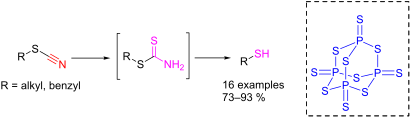
Scheme 1: Conversion of organic thiocyanates to thiols.
Scheme 2: Hypothetical mechanism for conversion of thiocyanates to thiols mediated by phosphorus pentasulfide....
Beilstein J. Org. Chem. 2017, 13, 1119–1135, doi:10.3762/bjoc.13.111
Graphical Abstract
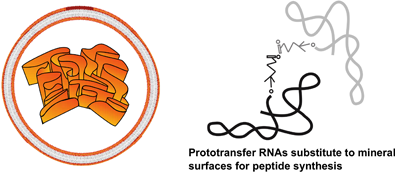
Figure 1: Selective surface metabolism. Prebiotic carbon-based molecules accumulated in a neutral or slightly...
Figure 2: Building up membranes, peptides and co-enzymes. Thioester-based metabolism resulted in the synthesi...
Figure 3: The RNA metabolism world. Among molecules built up by a swinging-arm thioester are pyrimidines coup...
Beilstein J. Org. Chem. 2017, 13, 910–918, doi:10.3762/bjoc.13.92
Graphical Abstract
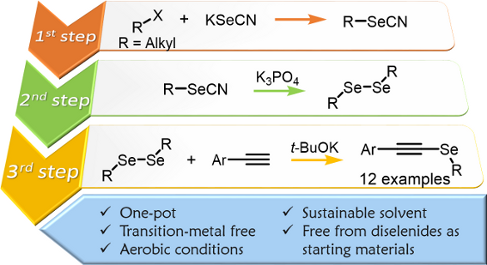
Scheme 1: One-pot synthesis of vinyl and alkynyl selenides.
Scheme 2: Effect of t-BuOK on the formation of n-octyl alkynyl selenide 5a.
Scheme 3: Effect of reactants concentration on alkynyl selenide formation.
Scheme 4: Synthesis of N-ethyl-2-(n-octylselanyl)-1H-indole (9) and 3-iodo-2-(n-octylselanyl)benzofuran (10).
Scheme 5: Control reactions and mechanistic study.
Scheme 6: Proposed mechanism for the formation of selenides 5.
Scheme 7: Proposed mechanism for the formation of indole 9.
Beilstein J. Org. Chem. 2017, 13, 883–894, doi:10.3762/bjoc.13.89
Graphical Abstract
Figure 1: 1,2,4-Oxadiazole-based drugs.
Scheme 1: The hydroarylation of 5-(2-arylethenyl)-3-aryl-1,2,4-oxadiazoles 1 under superelectrophilic activat...
Figure 2: General structure for various biologically active compounds containing three carbon atoms, two aryl...
Figure 3: Selected 1H, 13C, 15N NMR data for cations Ca and Cm generated by protonation of oxadiazoles 1a and ...
Figure 4: X-ray crystal structures of compounds 2a (left) (CCDC 1526767) and 2m (right) (CCDC 1526105); ellip...
Beilstein J. Org. Chem. 2017, 13, 675–693, doi:10.3762/bjoc.13.67
Graphical Abstract
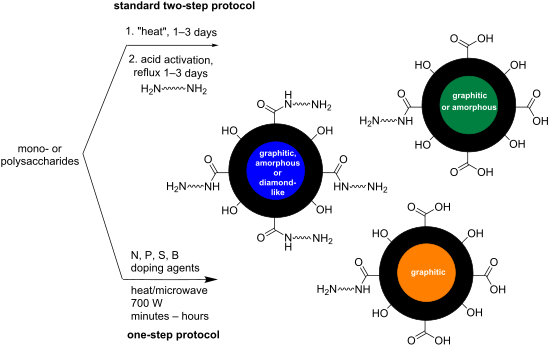
Scheme 1: Microwave-driven reaction of glucose in the presence of PEG-200 to afford blue-emissive CDs.
Scheme 2: Two-step synthesis of TTDDA-coated CDs generated from acid-refluxed glucose.
Scheme 3: Glucose-derived CDs using KH2PO4 as a dehydrating agent to both form and tune CD’s properties.
Scheme 4: Ultrasonic-mediated synthesis of glucose-derived CDs in the presence of ammonia.
Scheme 5: Tryptophan-derived CDs used for the sensing of peroxynitrite in serum-fortified cell media.
Scheme 6: Glucose-derived CDs conjugated with methotrexate for the treatment of H157 lung cancer cells.
Scheme 7: Boron-doped blue-emissive CDs used for sensing of Fe3+ ion in solution.
Scheme 8: N/S-doped CDs with aggregation-induced fluorescence turn-off to temperature and pH stimuli.
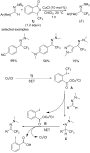
Scheme 9: N/P-doped hollow CDs for efficient drug delivery of doxorubicin.
Scheme 10: N/P-doped CDs applied to the sensing of Fe3+ ions in mammalian T24 cells.
Scheme 11: Comparative study of CDs formed from glucose and N-doped with TTDDA and dopamine.
Scheme 12: Formation of blue-emissive CDs from the microwave irradiation of glycerol, TTDDA and phosphate.
Scheme 13: Xylitol-derived N-doped CDs with excellent photostability demonstrating the importance of Cl incorp...
Scheme 14: Base-mediated synthesis of CDs with nanocrystalline cores, from fructose and maltose, without forci...
Scheme 15: N/P-doped green-emissive CDs working in tandem with hyaluronic acid-coated AuNPs to monitor hyaluro...
Scheme 16: Three-minute microwave synthesis of Cl/N-doped CDs from glucosamine hydrochloride and TTDDA to affo...
Scheme 17: Mechanism for the formation of N/Cl-doped CDs via key aldehyde and iminium intermediates, monitored...
Scheme 18: Phosphoric acid-mediated synthesis of orange-red emissive CDs from sucrose.
Scheme 19: Proposed HMF dimer, and its formation mechanism, that upon aggregations bestows orange-red emissive...
Scheme 20: Different polysaccharide-derived CDs in the presence of PEG-200 and how the starting material compo...
Scheme 21: Tetracycline release profiles for differentially-decorated CDs.
Scheme 22: Hyaluronic acid (HA) and glycine-derived CDs, suspected to be decorated in unreacted HA, allowing r...
Scheme 23: Cyclodextrin-derived CDs used for detection of Ag+ ions in solution, based on the formal reduction ...
Scheme 24: Cyclodextrin and OEI-derived CDs, coated with hyaluronic acid and DOX, to produce an effective lung...
Scheme 25: Cellulose and urea-derived N-doped CDs with green-emissive fluorescence.
Beilstein J. Org. Chem. 2017, 13, 552–557, doi:10.3762/bjoc.13.53
Graphical Abstract
Scheme 1: Representative examples of bioactive compounds bearing a propargylamine moiety and synthesis of var...
Scheme 2: Various metal-catalyzed methods for the synthesis of propargylamine.
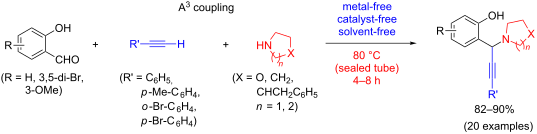
Figure 1: Synthesis of various propargylamines from various salicylaldehydes under metal-catalyst-free condit...
Scheme 3: Plausible mechanism for the metal-free A3 coupling from salicylaldehyde.
Beilstein J. Org. Chem. 2017, 13, 520–542, doi:10.3762/bjoc.13.51
Graphical Abstract
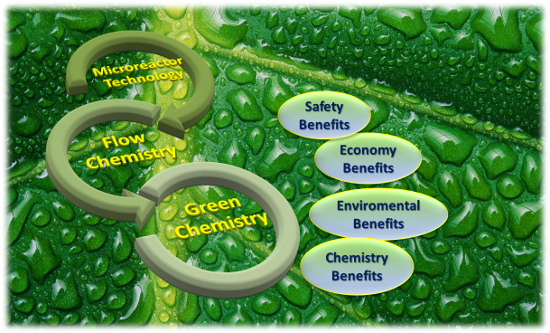
Figure 1: Microreactor technologies and flow chemistry for a sustainable chemistry.
Scheme 1: A flow microreactor system for the generation and trapping of highly unstable carbamoyllithium spec...
Scheme 2: Flow synthesis of functionalized α-ketoamides.
Scheme 3: Reactions of benzyllithiums.
Scheme 4: Trapping of benzyllithiums bearing carbonyl groups enabled by a flow microreactor. (Adapted with pe...
Scheme 5: External trapping of chloromethyllithium in a flow microreactor system.
Scheme 6: Scope for the direct tert-butoxycarbonylation using a flow microreactor system.
Scheme 7: Control of anionic Fries rearrangement reactions by using submillisecond residence time. (Adapted w...
Figure 2: Chip microreactor (CMR) fabricated with six layers of polyimide films. (Reproduced with permission ...
Scheme 8: Flow microreactor system for lithiation, borylation, Suzuki–Miyaura coupling and selected examples ...
Scheme 9: Experimental setup for the flow synthesis of 2-fluorobi(hetero)aryls by directed lithiation, zincat...
Scheme 10: Experimental setup for the coupling of fluoro-substituted pyridines. (Adapted with permission from [53]...
Scheme 11: Continuous flow process setup for the preparation of 11 (Reproduced with permission from [54], copyrigh...
Scheme 12: Continuous-flow photocatalytic oxidation of thiols to disulfides.
Scheme 13: Trifluoromethylation by continuous-flow photoredox catalysis.
Scheme 14: Flow photochemical synthesis of 6(5H)-phenanthridiones from 2-chlorobenzamides.
Scheme 15: Synthesis of biaryls 14a–g under photochemical flow conditions.
Scheme 16: Flow oxidation of hydrazones to diazo compounds.
Scheme 17: Synthetic use of flow-generated diazo compounds.
Scheme 18: Ley’s flow approach for the generation of diazo compounds.
Scheme 19: Iterative strategy for the sequential coupling of diazo compounds.
Scheme 20: Integrated synthesis of Bakuchiol precursor via flow-generated diazo compounds.
Scheme 21: Kappe’s continuous-flow reduction of olefines with diimide.
Scheme 22: Multi-injection setup for the reduction of artemisinic acid.
Scheme 23: Flow reactor system for multistep synthesis of (S)-rolipram. Pumps are labelled a, b, c, d and e; L...
Figure 3: Reconfigurable modules and flowcharts for API synthesis. (Reproduced with permission from [85], copyrig...
Figure 4: Reconfigurable system for continuous production and formulation of APIs. (Reproduced with permissio...
Beilstein J. Org. Chem. 2017, 13, 451–494, doi:10.3762/bjoc.13.48
Graphical Abstract
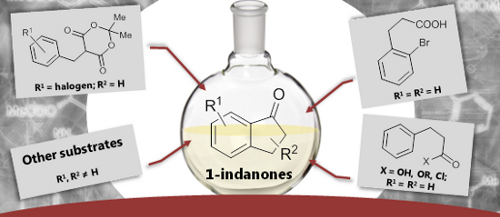
Figure 1: Biologically active 1-indanones and their structural analogues.
Figure 2: Number of papers about (a) 1-indanones, (b) synthesis of 1-indanones.
Scheme 1: Synthesis of 1-indanone (2) from hydrocinnamic acid (1).
Scheme 2: Synthesis of 1-indanone (2) from 3-(2-bromophenyl)propionic acid (3).
Scheme 3: Synthesis of 1-indanones 5 from 3-arylpropionic acids 4.
Scheme 4: Synthesis of kinamycin (9a) and methylkinamycin C (9b).
Scheme 5: Synthesis of trifluoromethyl-substituted arylpropionic acids 12, 1-indanones 13 and dihydrocoumarin...
Scheme 6: Synthesis of 1-indanones 16 from benzoic acids 15.
Scheme 7: Synthesis of 1-indanones 18 from arylpropionic and 3-arylacrylic acids 17.
Scheme 8: The NbCl5-induced one-step synthesis of 1-indanones 22.
Scheme 9: Synthesis of biologically active 1-indanone derivatives 26.
Scheme 10: Synthesis of enantiomerically pure indatraline ((−)-29).
Scheme 11: Synthesis of 1-indanone (2) from the acyl chloride 30.
Scheme 12: Synthesis of the mechanism-based inhibitors 33 of coelenterazine.
Scheme 13: Synthesis of the indane 2-imidazole derivative 37.
Scheme 14: Synthesis of fluorinated PAHs 41.
Scheme 15: Synthesis of 1-indanones 43 via transition metal complexes-catalyzed carbonylative cyclization of m...
Scheme 16: Synthesis of 6-methyl-1-indanone (46).
Scheme 17: Synthesis of 1-indanone (2) from ester 48.
Scheme 18: Synthesis of benzopyronaphthoquinone 51 from the spiro-1-indanone 50.
Scheme 19: Synthesis of the selective endothelin A receptor antagonist 55.
Scheme 20: Synthesis of 1-indanones 60 from methyl vinyl ketone (57).
Scheme 21: Synthesis of 1-indanones 64 from diethyl phthalate 61.
Scheme 22: Synthesis of 1-indanone derivatives 66 from various Meldrum’s acids 65.
Scheme 23: Synthesis of halo 1-indanones 69.
Scheme 24: Synthesis of substituted 1-indanones 71.
Scheme 25: Synthesis of spiro- and fused 1-indanones 73 and 74.
Scheme 26: Synthesis of spiro-1,3-indanodiones 77.
Scheme 27: Mechanistic pathway for the NHC-catalyzed Stetter–Aldol–Michael reaction.
Scheme 28: Synthesis of 2-benzylidene-1-indanone derivatives 88a–d.
Scheme 29: Synthesis of 1-indanone derivatives 90a–i.
Scheme 30: Synthesis of 1-indanones 96 from o-bromobenzaldehydes 93 and alkynes 94.
Scheme 31: Synthesis of 3-hydroxy-1-indanones 99.
Scheme 32: Photochemical preparation of 1-indanones 103 from ketones 100.
Scheme 33: Synthesis of chiral 3-aryl-1-indanones 107.
Scheme 34: Photochemical isomerization of 2-methylbenzil 108.
Scheme 35: Synthesis of 2-hydroxy-1-indanones 111a–c.
Scheme 36: Synthesis of 1-indanone derivatives 113 and 114 from η6-1,2-dioxobenzocyclobutene complex 112.
Scheme 37: Synthesis of nakiterpiosin (117).
Scheme 38: Synthesis of 2-alkyl-1-indanones 120.
Scheme 39: Synthesis of fluorine-containing 1-indanone derivatives 123.
Scheme 40: Synthesis of 2-benzylidene and 2-benzyl-1-indanones 126, 127 from the chalcone 124.
Scheme 41: Synthesis of 2-bromo-6-methoxy-3-phenyl-1-indanone (130).
Scheme 42: Synthesis of combretastatin A-4-like indanones 132a–s.
Figure 3: Chemical structures of investigated dienones 133 and synthesized cyclic products 134–137.
Figure 4: Chemical structures of 1-indanones and their heteroatom analogues 138–142.
Scheme 43: Synthesis of 2-phosphorylated and 2-non-phosphorylated 1-indanones 147 and 148 from β-ketophosphona...
Scheme 44: Photochemical synthesis of 1-indanone derivatives 150, 153a, 153b.
Scheme 45: Synthesis of polysubstituted-1-indanones 155, 157.
Scheme 46: Synthesis of 1-indanones 159a–g from α-arylpropargyl alcohols 158 using RhCl(PPh3)3 as a catalyst.
Scheme 47: Synthesis of optically active 1-indanones 162 via the asymmetric Rh-catalyzed isomerization of race...
Scheme 48: Mechanism of the Rh-catalyzed isomerization of α-arylpropargyl alcohols 161 to 1-indanones 162.
Figure 5: Chemical structure of abicoviromycin (168) and its new benzo derivative 169.
Scheme 49: Synthesis of racemic benzoabicoviromycin 172.
Scheme 50: Synthesis of [14C]indene 176.
Scheme 51: Synthesis of indanone derivatives 178–180.
Scheme 52: Synthesis of racemic pterosin A 186.
Scheme 53: Synthesis of trans-2,3-disubstituted 1-indanones 189.
Scheme 54: Synthesis of 3-aryl-1-indanone derivatives 192.
Scheme 55: Synthesis of 1-indanone derivatives 194 from 3-(2-iodoaryl)propanonitriles 193.
Scheme 56: Synthesis of 1-indanones 200–204 by cyclization of aromatic nitriles.
Scheme 57: Synthesis of 1,1’-spirobi[indan-3,3’-dione] derivative 208.
Scheme 58: Total synthesis of atipamezole analogues 211.
Scheme 59: Synthesis of 3-[4-(1-piperidinoethoxy)phenyl]spiro[indene-1,1’-indan]-5,5’-diol hydrochloride 216.
Scheme 60: Synthesis of 3-arylindan-1-ones 219.
Scheme 61: Synthesis of 2-hydroxy-1-indanones 222.
Scheme 62: Synthesis of the 1-indanone 224 from the THP/MOM protected chalcone epoxide 223.
Scheme 63: Synthesis of 1-indanones 227 from γ,δ-epoxy ketones 226.
Scheme 64: Synthesis of 2-hydroxy-2-methylindanone (230).
Scheme 65: Synthesis of 1-indanone derivatives 234 from cyclopropanol derivatives 233.
Scheme 66: Synthesis of substituted 1-indanone derivatives 237.
Scheme 67: Synthesis of 7-methyl substituted 1-indanone 241 from 1,3-pentadiene (238) and 2-cyclopentenone (239...
Scheme 68: Synthesis of disubstituted 1-indanone 246 from the siloxydiene 244 and 2-cyclopentenone 239.
Scheme 69: Synthesis of 5-hydroxy-1-indanone (250) via the Diels–Alder reaction of 1,3-diene 248 with sulfoxid...
Scheme 70: Synthesis of halogenated 1-indanones 253a and 253b.
Scheme 71: Synthesis of 1-indanones 257 and 258 from 2-bromocyclopentenones 254.
Scheme 72: Synthesis of 1-indanone 261 from 2-bromo-4-acetoxy-2-cyclopenten-1-one (260) and 1,2-dihydro-4-viny...
Scheme 73: Synthesis of 1-indanone 265 from 1,2-dihydro-7-methoxy-4-vinylnaphthalene (262) and bromo-substitut...
Scheme 74: Synthesis of 1-indanone 268 from dihydro-3-vinylphenanthrene 266 and 4-acetoxy-2-cyclopenten-1-one (...
Scheme 75: Synthesis of 1-indanone 271 from phenylselenyl-substituted cyclopentenone 268.
Scheme 76: Synthesis of 1-indanone 272 from the trienone 270.
Scheme 77: Synthesis of the 1-indanone 276 from the aldehyde 273.
Scheme 78: Synthesis of 1-indanones 278 and 279.
Scheme 79: Synthesis of 1-indanone 285 from octa-1,7-diyne (282) and cyclopentenone 239.
Scheme 80: Synthesis of benz[f]indan-1-one (287) from cyclopentenone 239 and o-bis(dibromomethyl)benzene (286)....
Scheme 81: Synthesis of 3-methyl-substituted benz[f]indan-1-one 291 from o-bis(dibromomethyl)benzene (286) and...
Scheme 82: Synthesis of benz[f]indan-1-one (295) from the anthracene epidioxide 292.
Scheme 83: Synthesis of 1-indanone 299 from homophthalic anhydride 298 and cyclopentynone 297.
Scheme 84: Synthesis of cyano-substituted 1-indanone derivative 301 from 2-cyanomethylbenzaldehyde (300) and c...
Scheme 85: Synthesis of 1-indanone derivatives 303–305 from ketene dithioacetals 302.
Scheme 86: Synthesis of 1-indanones 309–316.
Scheme 87: Mechanism of the hexadehydro-Diels–Alder (HDDA) reaction.
Scheme 88: Synthesis of 1-indenone 318 and 1-indanones 320 and 321 from tetraynes 317 and 319.
Scheme 89: Synthesis of 1-indanone 320 from the triyn 319.
Scheme 90: Synthesis 1-indanone 328 from 2-methylfuran 324.
Scheme 91: Synthesis of 1-indanones 330 and 331 from furans 329.
Scheme 92: Synthesis of 1-indanone 333 from the cycloadduct 332.
Scheme 93: Synthesis of (S)-3-arylindan-1-ones 335.
Scheme 94: Synthesis of (R)-2-acetoxy-1-indanone 338.
Figure 6: Chemical structures of obtained cyclopenta[α]phenanthrenes 339.
Scheme 95: Synthesis of the benzoindanone 343 from arylacetaldehyde 340 with 1-trimethylsilyloxycyclopentene (...
Beilstein J. Org. Chem. 2017, 13, 393–404, doi:10.3762/bjoc.13.42
Graphical Abstract
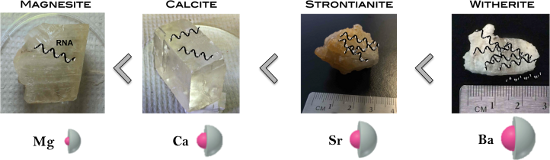
Figure 1: Adsorption of RNA on natural carbonate mineral samples.
Figure 2: Co-precipitation experiments on carbonate minerals for RNA-binding competition. The precipitated co...
Figure 3: RNA-induced calcium carbonate polymorphism. A: Feigl’s stain of CaCO3 precipitate formed by double ...
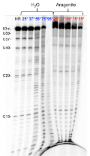
Figure 4: RNA adsorbed on aragonite is resistant to thermal degradation in aqueous solution. 18% denaturing P...
Beilstein J. Org. Chem. 2017, 13, 267–284, doi:10.3762/bjoc.13.30
Graphical Abstract
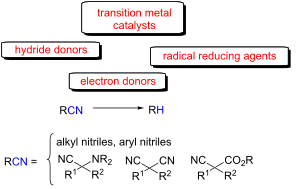
Scheme 1: Mechanism for the reduction under metal dissolving conditions.
Scheme 2: Example of decyanation in metal dissolving conditions coupled with deprotection [30]. TBDMS = tert-buty...
Scheme 3: Preparation of α,ω-dienes [18,33].
Scheme 4: Cyclization reaction using a radical probe [18].
Scheme 5: Synthesis of (±)-xanthorrhizol (8) [39].
Scheme 6: Mechanism for the reduction of α-aminonitriles by hydride donors.
Scheme 7: Synthesis of phenanthroindolizidines and phenanthroquinolizidines [71].
Scheme 8: Two-step synthesis of 5-unsubstituted pyrrolidines (25 examples and 1 synthetic application, see be...
Scheme 9: Synthesis of (±)-isoretronecanol 19. DBU = 1,8-diazabicyclo[5.4.0]undec-7-ene [74].
Scheme 10: Proposed mechanism with 14a for the NaBH4 induced decyanation reaction (“BH3” = BH3·THF) [74].
Scheme 11: Reductive decyanation by a sodium hydride–iodide composite (26 examples) [81].
Scheme 12: Proposed mechanism for the reduction by NaH [81].
Scheme 13: Reductive decyanation catalyzed by nickel nanoparticles. Yields are given in weight % from GC–MS da...
Scheme 14: Decyanation of 2-cyanobenzo[b]thiophene [87].
Scheme 15: Simplified pathways involved in transition-metal-promoted reductive decyanations [93,95].
Scheme 16: Fe-catalyzed reductive decyanation. Numbers in square brackets represent turnover numbers. The TONs...
Scheme 17: Rh-catalyzed reductive decyanation of aryl nitriles (18 examples, 2 synthetic applications) [103].
Scheme 18: Rh-catalyzed reductive decyanation of aliphatic nitriles (15 examples, one synthetic application) [103].
Scheme 19: Ni-catalyzed reductive decyanation (method A: 28 examples and 2 synthetic applications; method B: 3...
Scheme 20: Reductive decyanation catalyzed by the nickel complex 58 (method A, 14 examples, yield ≥ 20% and 1 ...
Scheme 21: Proposed catalytic cycle for the nickel complex 58 catalyzed decyanation (method A). Only the cycle...
Scheme 22: Synthesis of bicyclic lactones [119,120].
Scheme 23: Reductive decyanation of malononitriles and cyanoacetates using NHC-boryl radicals (9 examples). Fo...
Scheme 24: Proposed mechanism for the reduction by NHC-boryl radicals. The other possible pathway (addition of ...
Scheme 25: Structures of organic electron-donors. Only the major Z isomer of 80 is shown [125,127].
Scheme 26: Reductive decyanation of malononitriles and cyanoacetates using organic electron-donors (method A, ...
Scheme 27: Photoreaction of dibenzylmalononitrile with 81 [128].
Scheme 28: Examples of decyanation promoted in acid or basic media [129,131,134,135].
Scheme 29: Mechanism proposed for the base-induced reductive decyanation of diphenylacetonitriles [136].
Scheme 30: Reductive decyanation of triarylacetonitriles [140].
Beilstein J. Org. Chem. 2016, 12, 2757–2762, doi:10.3762/bjoc.12.272
Graphical Abstract
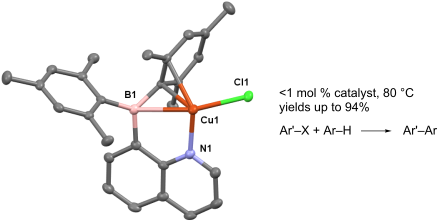
Scheme 1: Coordination of Cu(I) with the ambiphilic ligand 1 to form the catalyst 2.
Scheme 2: Proposed mechanism of direct arylation catalyzed by 2 (X = Cl/I; Ar = aryl).
Beilstein J. Org. Chem. 2016, 12, 2402–2409, doi:10.3762/bjoc.12.234
Graphical Abstract
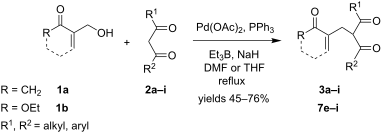
Figure 1: Cyclic and acyclic MBH alcohols.
Scheme 1: Proposed catalytic cycle involving palladium catalysis for Et3B-promoted allylation of diethyl malo...
Scheme 2: Mechanistic pathway leading to the tricyclic compound 6j.
Figure 2: X-ray crystal structure of tricyclic compound 6j.
Beilstein J. Org. Chem. 2016, 12, 1949–1980, doi:10.3762/bjoc.12.184
Graphical Abstract
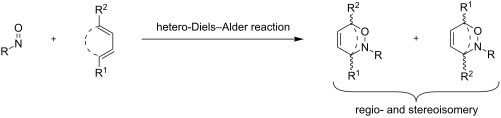
Scheme 1: Nitroso hetero-Diels–Alder reaction.
Scheme 2: The hetero-Diels–Alder reaction between thebaine (4) and an acylnitroso dienophile 5.
Figure 1: Examples of nitroso dienophiles frequently used in hetero-Diels–Alder reaction studies.
Scheme 3: Synthesis of arylnitroso species by substitution of a trifluoroborate group [36].
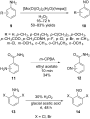
Scheme 4: Synthesis of arylnitroso compounds by amine oxidation.
Scheme 5: Synthesis of arylnitroso compounds by hydroxylamine oxidation.
Scheme 6: Synthesis of chloronitroso compounds by the treatment of a nitronate anion with oxalyl chloride.
Scheme 7: Non-oxidative routes to acylnitroso species.
Figure 2: RB3LYP/6-31G* computed energies (in kcal·mol−1) and bond lengths for exo and endo-transition states...
Scheme 8: Hetero-Diels–Alder cycloadditions of diene 28 and nitroso dienophiles 29.
Figure 3: Relative reactivity (ΔE#) and regioselectivity (Δ) for hetero-Diels–Alder of 28 and nitroso dienoph...
Scheme 9: Reaction of chiral 1-phosphono-1,3-butadiene 31 with nitroso dienophiles 32.
Scheme 10: Hetero-Diels–Alder reactions of hydroxamic acids 35 with various dienes 37.
Scheme 11: General regioselectivity of the nitroso hetero-Diels–Alder reaction observed with unsymmetrical die...
Scheme 12: Effect of the nitroso species on the regioselectivity for weakly directing 2-substituted dienes.
Scheme 13: Regioselectivity of 1,4-disubstituted dienes 51.
Scheme 14: Nitroso hetero-Diels–Alder reaction between Boc-nitroso compound 54 and dienes 55.
Scheme 15: Nitroso hetero-Diels–Alder reaction between Wightman reagent 58 and dienes 59.
Scheme 16: Regioselective reaction of 3-dienyl-2-azetidinones 62 with nitrosobenzene (47).
Scheme 17: The regioselective reaction of 1,3-butadienes 65 with various nitroso heterodienophiles 66.
Scheme 18: Catalysis of the nitroso hetero-Diels–Alder reaction by vanadium in the presence of the oxidant CHP...
Figure 4: 1,2-Oxazines synthesized in solution with moderate to high regioselectivity, showing the favored re...
Figure 5: 1,2-Oxazines synthesized in the solid phase with moderate to high regioselectivity, showing the fav...
Scheme 19: Regioselectivity of solution-phase nitroso hetero-Diels–Alder reaction with acyl and aryl nitroso d...
Scheme 20: Favored regioisomeric outcome for the solution and solid-phase reactions, giving hetero-Diels–Alder...
Figure 6: Favored regioisomers and regioisomeric ratios for 1,2-oxazines synthesized in solid phase (91, 93, ...
Scheme 21: Regiocontrol of the reaction between 3-dienyl-2-azetidinones and nitrosobenzene due to change in a ...
Scheme 22: Regiocontrol of the reaction between diene 111 and 2-methyl-6-nitrosopyridine (112) due to metal co...
Scheme 23: Asymmetric hetero-Diels–Alder reactions reported by Vasella [56].
Scheme 24: Asymmetric hetero-Diels–Alder reaction of cyclohexa-1,3-diene (120) with acylnitroso dienophile 119....
Scheme 25: Asymmetric induction with L-proline derivatives 124–126.
Scheme 26: Asymmetric cycloaddition of the acylnitroso compound 136 to diene 135.
Scheme 27: Asymmetric induction with arylmenthol-based nitroso dienophiles 142.
Scheme 28: Cycloaddition of silyloxycyclohexadiene 145 to the acylnitroso dienophile derived from (+)-camphors...
Scheme 29: Asymmetric reaction of O-isopropylidene-protected cis-cyclohexa-3,5-diene-1,2-diol 147 with mannofu...
Scheme 30: Synthesis of synthon 152 from 2-methoxyphenol 150 and chiral auxiliary 151.
Scheme 31: Asymmetric nitroso hetero-Diels–Alder reaction with Wightman chloronitroso reagent 58.
Scheme 32: Asymmetric 1,2-oxazine synthesis using chiral cyclic diene 157 and the application of this reaction...
Scheme 33: Asymmetric 1,2-oxazine synthesis using a chiral diene reported by Jones et al. [75]. aRegioisomeric rat...
Scheme 34: The nitroso hetero-Diels–Alder reaction of acyclic oxazolidine-substituted diene 170 and chiral 1-s...
Scheme 35: The nitroso hetero-Diels–Alder reaction of acyclic lactam-substituted diene 176 with various acylni...
Scheme 36: The hetero-Diels–Alder reaction of acylnitroso dienophile.
Scheme 37: The hetero-Diels–Alder reaction of arylnitroso dienophiles using Lewis acids.
Scheme 38: Asymmetric hetero-Diels–Alder reactions of chiral alkyl N-dienylpyroglutamates.
Scheme 39: Catalytic asymmetric arylnitroso reaction between mono-substituted 1,3-cyclohexadiene 196 and disub...
Figure 7: Plausible chelate intermediate complexes formed during the hetero-Diels–Alder reaction to give 1,2-...
Scheme 40: Catalytic asymmetric nitroso hetero-Diels–Alder between cyclic dienes and 2-nitrosopyridine.
Scheme 41: The reason for the increased enantioselectivity of stereoisomer 212 compared with stereoisomer 213.
Scheme 42: The copper-catalyzed nitroso hetero-Diels–Alder reaction of 6-methyl-2-nitrosopyridine (199) with p...
Scheme 43: Asymmetric nitroso hetero-Diels–Alder reaction of nitrosoarenes with dienylcarbamates catalyzed by ...
Scheme 44: The enantioselective hetero-Diels–Alder reaction between nitrosobenzene and (E)-2,4-pentadien-1-ol (...
Scheme 45: Asymmetric nitroso hetero-Diels–Alder reaction using tartaric acid ester chelation of the diene and...
Beilstein J. Org. Chem. 2016, 12, 1812–1825, doi:10.3762/bjoc.12.171
Graphical Abstract
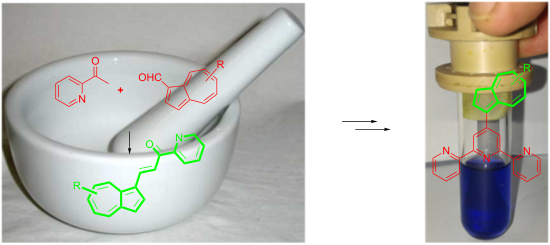
Scheme 1: Synthesis of 4′-azulenyl substituted terpyridines.
Figure 1: Molecular structure and numbering scheme of 4′-(1-azulenyl)-2,2′:6′,2″-terpyridine (4a, left) and 4...
Figure 2: Packing diagram for 4a showing the π–π stacking and CH–π interactions between the pyridine rings an...
Figure 3: Packing diagram for 4b showing the π–π stacking between the pyridine rings. Hydrogen atoms are omit...
Figure 4: Absorption spectra of the azulene-containing terpyridine, 4a and 4b in CH2Cl2 solution at room temp...
Figure 5: Emission spectra of the azulene-containing terpyridine, 4a and 4b in CH2Cl2 solution (2.59 × 10⁻⁵ M...
Figure 6: Selected Kohn–Sham orbitals and orbital energies for 4a and 4b, obtained with three different funct...
Figure 7: DPV-traces (with baseline correction) of 0.5 mM solutions of 4a (solid) and 4b (dash) in DMF, with ...
Figure 8: Absorption spectra of a 4.26 mM solution of 4a in methanol upon titration with an aqueous HgCl2 sol...
Figure 9: Absorption spectra of a 4.26 mM solution of 4a in methanol upon titration with CdCl2 aqueous soluti...
Beilstein J. Org. Chem. 2016, 12, 1585–1589, doi:10.3762/bjoc.12.154
Graphical Abstract
Scheme 1: Formation of reaction intermediates susceptible of being reduced by Cp2TiCl/Mn/D2O.
Scheme 2: Proposed reduction of radicals via hydrolysis of an organometalic alkyl-TiIV or as DAT.
Scheme 3: Examples of deuterations of organic compounds using Cp2TiCl/D2O/Mn. aSubstoichiometric amount of Cp2...
Beilstein J. Org. Chem. 2016, 12, 1577–1584, doi:10.3762/bjoc.12.153
Graphical Abstract
Scheme 1: The main synthetic approaches to alkylcyanobiphenyls.
Scheme 2: Para-cyanophenylation of substituted benzonitriles 2 by dianion 12− with the formation of a long-li...
Scheme 3: para-Cyanophenylation of 1-cyanonaphthalene 5i by dianion 12− with subsequent butylation providing ...
Beilstein J. Org. Chem. 2016, 12, 1322–1333, doi:10.3762/bjoc.12.125
Graphical Abstract
Scheme 1: Imine formation and isomerization reactions from NH carbene complexes Cr(CO)5(E-2) (a) [27], Cr(CO)5(E/Z...
Scheme 2: Synthesis of W(CO)5(E-2) from W(CO)5(1Et) [20,21] and aminoferrocene [40,41] with concomitant formation of E-1,2-...
Scheme 3: Reaction pathways 1a/1b (migration–elimination) and 2a/2b (elimination–migration) for the formation...
Scheme 4: Reaction pathways 3a/3b/3c (CO dissociation) for the formation of imine E-3 from W(CO)5(E-2).
Figure 1: DFT calculated oxidative addition/pseudorotation/reductive elimination pathway 3c from W(CO)4(E-2) ...
Figure 2: DFT calculated geometries of the two hydrido intermediates cis(N,H)-W(CO)4(H)(Z-15) and cis(C,H)-W(...
Scheme 5: Proposed reaction sequence from W(CO)5(E-2) to W(CO)5(PPh3) in the presence of triphenylphosphane.
Beilstein J. Org. Chem. 2016, 12, 1269–1301, doi:10.3762/bjoc.12.121
Graphical Abstract
Scheme 1: The Biginelli condensation.
Scheme 2: The Biginelli reaction of β-ketophosphonates catalyzed by ytterbium triflate.
Scheme 3: Trimethylchlorosilane-mediated Biginelli reaction of diethyl (3,3,3-trifluoropropyl-2-oxo)phosphona...
Scheme 4: Biginelli reaction of dialkyl (3,3,3-trifluoropropyl-2-oxo)phosphonate with trialkyl orthoformates ...
Scheme 5: p-Toluenesulfonic acid-promoted Biginelli reaction of β-ketophosphonates, aryl aldehydes and urea.
Scheme 6: General Kabachnik–Fields reaction for the synthesis of α-aminophosphonates.
Scheme 7: Phthalocyanine–AlCl catalyzed Kabachnik–Fields reaction of N-Boc-piperidin-4-one with diethyl phosp...
Scheme 8: Kabachnik–Fields reaction of isatin with diethyl phosphite and benzylamine.
Scheme 9: Magnetic Fe3O4 nanoparticle-supported phosphotungstic acid-catalyzed Kabachnik–Fields reaction of i...
Scheme 10: The Mg(ClO4)2-catalyzed Kabachnik–Fields reaction of 1-tosylpiperidine-4-one.
Scheme 11: An asymmetric version of the Kabachnik–Fields reaction for the synthesis of α-amino-3-piperidinylph...
Scheme 12: A classical Kabachnik–Fields reaction followed by an intramolecular ring-closing reaction for the s...
Scheme 13: Synthesis of (S)-piperidin-2-phosphonic acid through an asymmetric Kabachnik–Fields reaction.
Scheme 14: A modified diastereoselective Kabachnik–Fields reaction for the synthesis of isoindolin-1-one-3-pho...
Scheme 15: A microwave-assisted Kabachnik–Fields reaction toward isoindolin-1-ones.
Scheme 16: The synthesis of 3-arylmethyleneisoindolin-1-ones through a Horner–Wadsworth–Emmons reaction of Kab...
Scheme 17: An efficient one-pot method for the synthesis of ethyl (2-alkyl- and 2-aryl-3-oxoisoindolin-1-yl)ph...
Scheme 18: FeCl3 and PdCl2 co-catalyzed three-component reaction of 2-alkynylbenzaldehydes, anilines, and diet...
Scheme 19: Three-component reaction of 6-methyl-3-formylchromone (75) with hydrazine derivatives or hydroxylam...
Scheme 20: Three-component reaction of 6-methyl-3-formylchromone (75) with thiourea, guanidinium carbonate or ...
Scheme 21: Three-component reaction of 6-methyl-3-formylchromone (75) with 1,4-bi-nucleophiles in the presence...
Scheme 22: One-pot three-component reaction of 2-alkynylbenzaldehydes, amines, and diethyl phosphonate.
Scheme 23: Lewis acid–surfactant combined catalysts for the one-pot three-component reaction of 2-alkynylbenza...
Scheme 24: Lewis acid catalyzed cyclization of different Kabachnik–Fields adducts.
Scheme 25: Three-component synthesis of N-arylisoquinolone-1-phosphonates 119.
Scheme 26: CuI-catalyzed three-component tandem reaction of 2-(2-formylphenyl)ethanones with aromatic amines a...
Scheme 27: Synthesis of 1,5-benzodiazepin-2-ylphosphonates via ytterbium chloride-catalyzed three-component re...
Scheme 28: FeCl3-catalyzed four-component reaction for the synthesis of 1,5-benzodiazepin-2-ylphosphonates.
Scheme 29: Synthesis of indole bisphosphonates through a modified Kabachnik–Fields reaction.
Scheme 30: Synthesis of heterocyclic bisphosphonates via Kabachnik–Fields reaction of triethyl orthoformate.
Scheme 31: A domino Knoevenagel/phospha-Michael process for the synthesis of 2-oxoindolin-3-ylphosphonates.
Scheme 32: Intramolecular cyclization of phospha-Michael adducts to give dihydropyridinylphosphonates.
Scheme 33: Synthesis of fused phosphonylpyrans via intramolecular cyclization of phospha-Michael adducts.
Scheme 34: InCl3-catalyzed three-component synthesis of (2-amino-3-cyano-4H-chromen-4-yl)phosphonates.
Scheme 35: Synthesis of phosphonodihydropyrans via a domino Knoevenagel/hetero-Diels–Alder process.
Scheme 36: Multicomponent synthesis of phosphonodihydrothiopyrans via a domino Knoevenagel/hetero-Diels–Alder ...
Scheme 37: One-pot four-component synthesis of 1,2-dihydroisoquinolin-1-ylphosphonates under multicatalytic co...
Scheme 38: CuI-catalyzed four-component reactions of methyleneaziridines towards alkylphosphonates.
Scheme 39: Ruthenium–porphyrin complex-catalyzed three-component synthesis of aziridinylphosphonates and its p...
Scheme 40: Copper(I)-catalyzed three-component reaction towards 1,2,3-triazolyl-5-phosphonates.
Scheme 41: Three-component reaction of acylphosphonates, isocyanides and dialkyl acetylenedicarboxylate to aff...
Scheme 42: Synthesis of (4-imino-3,4-dihydroquinazolin-2-yl)phosphonates via an isocyanide-based three-compone...
Scheme 43: Silver-catalyzed three-component synthesis of (2-imidazolin-4-yl)phosphonates.
Scheme 44: Three-component synthesis of phosphonylpyrazoles.
Scheme 45: One-pot three-component synthesis of 3-carbo-5-phosphonylpyrazoles.
Scheme 46: A one-pot two-step method for the synthesis of phosphonylpyrazoles.
Scheme 47: A one-pot method for the synthesis of (5-vinylpyrazolyl)phosphonates.
Scheme 48: Synthesis of 1H-pyrrol-2-ylphosphonates via the [3 + 2] cycloaddition of phosphonate azomethine yli...
Scheme 49: Three-component synthesis of 1H-pyrrol-2-ylphosphonates.
Scheme 50: The classical Reissert reaction.
Scheme 51: One-pot three-component synthesis of N-phosphorylated isoquinolines.
Scheme 52: One-pot three-component synthesis of 1-acyl-1,2-dihydroquinoline-2-phosphonates and 2-acyl-1,2-dihy...
Scheme 53: Three-component reaction of pyridine derivatives with ethyl propiolate and dialkyl phosphonates.
Scheme 54: Three-component reactions for the phosphorylation of benzothiazole and isoquinoline.
Scheme 55: Three-component synthesis of diphenyl [2-(aminocarbonyl)- or [2-(aminothioxomethyl)-1,2-dihydroisoq...
Scheme 56: Three-component stereoselective synthesis of 1,2-dihydroquinolin-2-ylphosphonates and 1,2-dihydrois...
Scheme 57: Diphosphorylation of diazaheterocyclic compounds via a tandem 1,4–1,2 addition of dimethyl trimethy...
Scheme 58: Multicomponent reaction of alkanedials, acetamide and acetyl chloride in the presence of PCl3 and a...
Scheme 59: An oxidative domino three-component synthesis of polyfunctionalized pyridines.
Scheme 60: A sequential one-pot three-component synthesis of polysubstituted pyrroles.
Scheme 61: Three-component decarboxylative coupling of proline with aldehydes and dialkyl phosphites for the s...
Scheme 62: Three-component domino aza-Wittig/phospha-Mannich sequence for the phosphorylation of isatin deriva...
Scheme 63: Stereoselective synthesis of phosphorylated trans-1,5-benzodiazepines via a one-pot three-component...
Scheme 64: One-pot three-component synthesis of phosphorylated 2,6-dioxohexahydropyrimidines.
Beilstein J. Org. Chem. 2016, 12, 1203–1228, doi:10.3762/bjoc.12.116
Graphical Abstract
Figure 1: Two general pathways for conjugate addition followed by enantioselective protonation.
Scheme 1: Tomioka’s enantioselective addition of arylthiols to α-substituted acrylates.
Scheme 2: Sibi’s enantioselective hydrogen atom transfer reactions.
Scheme 3: Mikami’s addition of perfluorobutyl radical to α-aminoacrylate 11.
Scheme 4: Reisman’s Friedel–Crafts conjugate addition–enantioselective protonation approach toward tryptophan...
Scheme 5: Pracejus’s enantioselective addition of benzylmercaptan to α-aminoacrylate 20.
Scheme 6: Kumar and Dike’s enantioselective addition of thiophenol to α-arylacrylates.
Scheme 7: Tan’s enantioselective addition of aromatic thiols to 2-phthalimidoacrylates.
Scheme 8: Glorius’ enantioselective Stetter reactions with α-substituted acrylates.
Scheme 9: Dixon’s enantioselective addition of thiols to α-substituted acrylates.
Figure 2: Chiral phosphorous ligands.
Scheme 10: Enantioselective addition of arylboronic acids to methyl α-acetamidoacrylate.
Scheme 11: Frost’s enantioselective additions to dimethyl itaconate.
Scheme 12: Darses and Genet’s addition of potassium organotrifluoroborates to α-aminoacrylates.
Scheme 13: Proposed mechanism for enantioselective additions to α-aminoacrylates.
Scheme 14: Sibi’s addition of arylboronic acids to α-methylaminoacrylates.
Scheme 15: Frost’s enantioselective synthesis of α,α-dibenzylacetates 64.
Scheme 16: Rovis’s hydroheteroarylation of α-substituted acrylates with benzoxazoles.
Scheme 17: Proposed mechanism for the hydroheteroarylation of α-substituted acrylates with benzoxazoles.
Scheme 18: Sodeoka’s enantioselective addition of amines to N-benzyloxycarbonyl acrylamides 75 and 77.
Scheme 19: Proposed catalytic cycle for Sodeoka’s enantioselective addition of amines.
Scheme 20: Sibi’s enantioselective Friedel–Crafts addition of pyrroles to imides 84.
Scheme 21: Kobayashi’s enantioselective addition of malonates to α-substituted N-acryloyloxazolidinones.
Scheme 22: Chen and Wu’s enantioselective addition of thiophenol to N-methacryloyl benzamide.
Scheme 23: Tan’s enantioselective addition of secondary phosphine oxides and thiols to N-arylitaconimides.
Scheme 24: Enantioselective addition of thiols to α-substituted N-acryloylamides.
Scheme 25: Kobayashi’s enantioselective addition of thiols to α,β-unsaturated ketones.
Scheme 26: Feng’s enantioselective addition of pyrazoles to α-substituted vinyl ketones.
Scheme 27: Luo and Cheng’s addition of indoles to vinyl ketones by enamine catalysis.
Scheme 28: Curtin–Hammett controlled enantioselective addition of indole.
Scheme 29: Luo and Cheng’s enantioselective additions to α-branched vinyl ketones.
Scheme 30: Lou’s reduction–conjugate addition–enantioselective protonation.
Scheme 31: Luo and Cheng’s primary amine-catalyzed addition of indoles to α-substituted acroleins.
Scheme 32: Luo and Cheng’s proposed mechanism and transition state.
Figure 3: Shibasaki’s chiral lanthanum and samarium tris(BINOL) catalysts.
Scheme 33: Shibasaki’s enantioselective addition of 4-tert-butyl(thiophenol) to α,β-unsaturated thioesters.
Scheme 34: Shibasaki’s application of chiral (S)-SmNa3tris(binaphthoxide) catalyst 144 to the total synthesis ...
Scheme 35: Shibasaki’s cyanation–enantioselective protonation of N-acylpyrroles.
Scheme 36: Tanaka’s hydroacylation of acrylamides with aliphatic aldehydes.
Scheme 37: Ellman’s enantioselective addition of α-substituted Meldrum’s acids to terminally unsubstituted nit...
Scheme 38: Ellman’s enantioselective addition of thioacids to α,β,β-trisubstituted nitroalkenes.
Scheme 39: Hayashi’s enantioselective hydroarylation of diphenylphosphinylallenes.
Scheme 40: Hayashi’s enantioselective hydroarylation of diphenylphosphinylallenes.
Figure 4: Togni’s chiral ferrocenyl tridentate nickel(II) and palladium(II) complexes.
Scheme 41: Togni’s enantioselective hydrophosphination of methacrylonitrile.
Scheme 42: Togni’s enantioselective hydroamination of methacrylonitrile.
Beilstein J. Org. Chem. 2016, 12, 1153–1169, doi:10.3762/bjoc.12.111
Graphical Abstract
Scheme 1: Synthesis of 2-oxindoles via oxidative processes.
Figure 1: Substrates scope of one-pot ‘transition-metal-free’ IDC. The syntheses of compounds 4a–s according ...
Figure 2: Further substrates scope of one-pot ‘transition metal-free’ IDC. Conditions A: KOt-Bu, iodine; cond...
Figure 3: Substrates scope of ‘transition-metal-free’ IDC using KOt-Bu/I2. Reproduced from [46].
Figure 4: C-Alkylation of anilides using KOt-Bu.
Figure 5: Substrates scope of ‘transition-metal-free’ IDC of C-alkylated anilides using DBU/I2.
Scheme 2: Oxidative coupling of C-arylated anilides (±)-11a–d. The synthesis of 12b as per method A has been ...
Scheme 3: Synthesis of spirocyclic product through IDC The synthesis of 14 as per method A has been reproduce...
Scheme 4: Dimerization of β-N-aryl-amidoesters 3a and b. Reproduced from [46].
Scheme 5: Synthesis of dimeric 2-oxindoles utilizing IDC. The syntheses of 19a and b have been reproduced fro...
Scheme 6: Plausible mechanism of ‘transition-metal-free’ IDC The mechanistic consideration in Scheme 6 has been repro...
Scheme 7: Intramolecular-dehydrogenative-coupling (IDC) of 3a and 5a. Reproduced from [46].
Scheme 8: IDC of 3a and 5a using different oxidants. Reproduced from [46].
Scheme 9: Synthesis of 3-substituted-2-oxindoles from benzyl esters.
Scheme 10: 3-Substituted-2-oxindoles from p-methoxybenzyl esters.
Scheme 11: Synthetic elaboration using Tsuji–Trost reactions. Reproduced from [46].
Beilstein J. Org. Chem. 2016, 12, 1136–1152, doi:10.3762/bjoc.12.110
Graphical Abstract
Scheme 1: Divergent behavior of the palladium and ruthenium-catalyzed Alder–ene reaction.
Scheme 2: Some asymmetric enyne cycloisomerization reactions.
Figure 1: (a) Mechanism for the redox biscycloisomerization reaction. (b) Ruthenium catalyst containing a tet...
Scheme 3: Synthesis of p-anisyl catalyst 1.
Figure 2: Failed sulfinate ester syntheses.
Scheme 4: Using norephedrine-based oxathiazolidine-2-oxide 7 for chiral sulfoxide synthesis.
Scheme 5: (a) General synthetic sequence to access enyne bicycloisomerization substrates (b) Synthesis of 2-c...
Figure 3: Failed bicycloisomerization substrates. Reactions performed at 40 °C for 16 hours with 3 mol % of c...
Scheme 6: Deprotection of [3.1.0] bicycles and X-ray crystal structure of 76.
Scheme 7: ProPhenol-catalyzed addition of zinc acetylide to acetaldehyde for the synthesis of a chiral 1,6-en...
Figure 4: Diastereomeric metal complexes formed after alcohol coordination.
Scheme 8: Curtin–Hammitt scenario of redox bicycloisomerization in acetone.
Beilstein J. Org. Chem. 2016, 12, 1000–1039, doi:10.3762/bjoc.12.98
Graphical Abstract
Figure 1: 3-Hydroxyoxindole-containing natural products and biologically active molecules.
Scheme 1: Chiral CNN pincer Pd(II) complex 1 catalyzed asymmetric allylation of isatins.
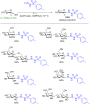
Scheme 2: Asymmetric allylation of ketimine catalyzed by the chiral CNN pincer Pd(II) complex 2.
Scheme 3: Pd/L1 complex-catalyzed asymmetric allylation of 3-O-Boc-oxindoles.
Scheme 4: Cu(OTf)2-catalyzed asymmetric direct addition of acetonitrile to isatins.
Scheme 5: Chiral tridentate Schiff base/Cu complex catalyzed asymmetric Friedel–Crafts alkylation of isatins ...
Scheme 6: Guanidine/CuI-catalyzed asymmetric alkynylation of isatins with terminal alkynes.
Scheme 7: Asymmetric intramolecular direct hydroarylation of α-ketoamides.
Scheme 8: Plausible catalytic cycle for the direct hydroarylation of α-ketoamides.
Scheme 9: Ir-catalyzed asymmetric arylation of isatins with arylboronic acids.
Scheme 10: Enantioselective decarboxylative addition of β-ketoacids to isatins.
Scheme 11: Ruthenium-catalyzed hydrohydroxyalkylation of olefins and 3-hydroxy-2-oxindoles.
Scheme 12: Proposed catalytic mechanism and stereochemical model.
Scheme 13: In-catalyzed allylation of isatins with stannylated reagents.
Scheme 14: Modified protocol for the synthesis of allylated 3-hydroxyoxindoles.
Scheme 15: Hg-catalyzed asymmetric allylation of isatins with allyltrimethylsilanes.
Scheme 16: Enantioselective additions of organoborons to isatins.
Scheme 17: Asymmetric aldol reaction of isatins with cyclohexanone.
Scheme 18: Enantioselective aldol reactions of aliphatic aldehydes with isatin derivatives and the plausible t...
Scheme 19: Enantioselective aldol reaction of isatins and 2,2-dimethyl-1,3-dioxan-5-one.
Scheme 20: Asymmetric aldol reactions between ketones and isatins.
Scheme 21: Phenylalanine lithium salt-catalyzed asymmetric synthesis of 3-alkyl-3-hydroxyoxindoles.
Scheme 22: Aldolization between isatins and dihydroxyacetone derivatives.
Scheme 23: One-pot asymmetric synthesis of convolutamydine A.
Scheme 24: Asymmetric aldol reactions of cyclohexanone and acetone with isatins.
Scheme 25: Aldol reactions of acetone with isatins.
Scheme 26: Aldol reactions of ketones with isatins.
Scheme 27: Enantioselective allylation of isatins.
Scheme 28: Asymmetric aldol reaction of trifluoromethyl α-fluorinated β-keto gem-diols with isatins.
Scheme 29: Plausible mechanism proposed for the asymmetric aldol reaction.
Scheme 30: Asymmetric aldol reaction of 1,1-dimethoxyacetone with isatins.
Scheme 31: Enantioselective Friedel-Crafts reaction of phenols with isatins.
Scheme 32: Enantioselective addition of 1-naphthols with isatins.
Scheme 33: Enantioselective aldol reaction between 3-acetyl-2H-chromen-2-ones and isatins.
Scheme 34: Stereoselective Mukaiyama–aldol reaction of fluorinated silyl enol ethers with isatins.
Scheme 35: Asymmetric vinylogous Mukaiyama–aldol reaction between 2-(trimethylsilyloxy)furan and isatins.
Scheme 36: β-ICD-catalyzed MBH reactions of isatins with maleimides.
Scheme 37: β-ICD-catalyzed MBH reactions of 7-azaisatins with maleimides and activated alkenes.
Scheme 38: Enantioselective aldol reaction of isatins with ketones.
Scheme 39: Direct asymmetric vinylogous aldol reactions of allyl ketones with isatins.
Scheme 40: Enantioselective aldol reactions of ketones with isatins.
Scheme 41: The MBH reaction of isatins with α,β-unsaturated γ-butyrolactam.
Scheme 42: Reactions of tert-butyl hydrazones with isatins followed by oxidation.
Scheme 43: Aldol reactions of isatin derivatives with ketones.
Scheme 44: Enantioselective decarboxylative cyanomethylation of isatins.
Scheme 45: Catalytic kinetic resolution of 3-hydroxy-3-substituted oxindoles.
Scheme 46: Lewis acid catalyzed Friedel–Crafts alkylation of 3-hydroxy-2-oxindoles with electron-rich phenols.
Scheme 47: Lewis acid catalyzed arylation of 3-hydroxyoxindoles with aromatics.
Scheme 48: Synthetic application of 3-arylated disubstituted oxindoles in the construction of core structures ...
Scheme 49: CPA-catalyzed dearomatization and arylation of 3-indolyl-3-hydroxyoxindoles with tryptamines and 3-...
Scheme 50: CPA-catalyzed enantioselective decarboxylative alkylation of β-keto acids with 3-hydroxy-3-indolylo...
Scheme 51: BINOL-derived imidodiphosphoric acid-catalyzed enantioselective Friedel–Crafts reactions of indoles...
Scheme 52: CPA-catalyzed enantioselective allylation of 3-indolylmethanols.
Scheme 53: 3-Indolylmethanol-based substitution and cycloaddition reactions.
Scheme 54: CPA-catalyzed asymmetric [3 + 3] cycloaddtion reactions of 3-indolylmethanols with azomethine ylide...
Scheme 55: CPA-catalyzed three-component cascade Michael/Pictet–Spengler reactions of 3-indolylmethanols and a...
Scheme 56: Acid-promoted chemodivergent and stereoselective synthesis of diverse indole derivatives.
Scheme 57: CPA-catalyzed asymmetric formal [3 + 2] cycloadditions.
Scheme 58: CPA-catalyzed enantioselective cascade reactions for the synthesis of C7-functionlized indoles.
Scheme 59: Lewis acid-promoted Prins cyclization of 3-allyl-3-hydroxyoxindoles with aldehydes.
Scheme 60: Ga(OTf)3-catalyzed reactions of allenols and phenols.
Scheme 61: I2-catalyzed construction of pyrrolo[2.3.4-kl]acridines from enaminones and 3-indolyl-3-hydroxyoxin...
Scheme 62: CPA-catalyzed asymmetric aza-ene reaction of 3-indolylmethanols with cyclic enaminones.
Scheme 63: Asymmetric α-alkylation of aldehydes with 3-indolyl-3-hydroxyoxindoles.
Scheme 64: Organocatalytic asymmetric α-alkylation of enolizable aldehydes with 3-indolyl-3-hydroxyoxindoles a...
Beilstein J. Org. Chem. 2016, 12, 796–804, doi:10.3762/bjoc.12.78
Graphical Abstract
Scheme 1: Pathway for transition-metal-catalyzed carbene insertion into C(sp3)–H bonds.
Scheme 2: Rh(II)-catalyzed site-selective and enantioselective C–H functionalization of methyl ether.
Scheme 3: Late-stage C–H functionalization with Rh(II)-catalyzed carbene C(sp3)–H insertion.
Scheme 4: The Rh(II)-catalyzed selective carbene insertion into benzylic C–H bonds.
Scheme 5: The structure–selectivity relationship.
Scheme 6: Rh-porphyrin complexes for catalytic intermolecular C–H insertions.
Scheme 7: Asymmetric intermolecular C(sp3)–H insertion with chiral Rh-porphyrin catalyst.
Figure 1: The structure of TpM catalysts.
Scheme 8: Ag-Tpx-catalyzed intermolecular C–H insertion between EDA and alkanes.
Scheme 9: Ag-Tpx-catalyzed C–H insertion of methane with EDA in scCO2.
Figure 2: Structure of TpM-type catalysts.
Scheme 10: Comparison of site-selectivities of C–H insertion in different reaction media.
Scheme 11: C(sp3)–H bond insertion catalyzed by trinuclear cluster Ag.
Scheme 12: Zn(II)-catalyzed C(sp3)–H bond insertion.
Beilstein J. Org. Chem. 2016, 12, 406–412, doi:10.3762/bjoc.12.43
Graphical Abstract
Scheme 1: Synthesis of 3-substituted phospholanes according to earlier data [14-17].
Scheme 2: Synthesis of 3-substituted phospholanes.
Scheme 3: Synthesis of 3-substituted phospholane oxides and sulfides.
Scheme 4: Synthesis of 3-substituted 7a–f and 2-substituted 8a–f phospholanes.
Scheme 5: Synthesis of bisphospholanes.
Scheme 6: Synthesis of bisphospholane-1,1'-oxides and bisphospholane-1,1'-sulfides.
Scheme 7: Synthesis of the molybdenum complex (3-hexyl(benzyl)-1-phenyl(methyl)phospholane)Mo(CO)5.
Scheme 8: Synthesis of molybdenum complexes (1,2(1,6)-bis(1-phenylphospholan-3-yl)ethane(hexane))Mo(CO)5.