


Search results
Search for "amino acids" in Full Text gives 548 result(s) in Beilstein Journal of Organic Chemistry. Showing first 200.
Azidophosphonium salt-directed chemoselective synthesis of (E)/(Z)-cinnamyl-1H-triazoles and regiospecific access to bromomethylcoumarins from Morita–Baylis–Hillman adducts
Beilstein J. Org. Chem. 2020, 16, 1579–1587, doi:10.3762/bjoc.16.130
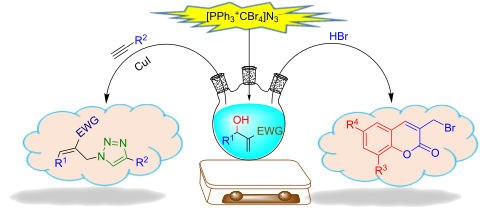
- chemists. Accordingly, MBH adducts have been explored as strategic intermediates for the synthesis of interesting molecules, such as carbamates of unsaturated β-amino acids [1], β-phenylsylfenyl-α-cyanohydrocinnamaldhydes [2], 2-alkylcarbonyl-1-indanols [3], dihydropyrazoles [4], tetrahydroacridines [5], γ


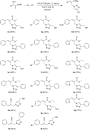


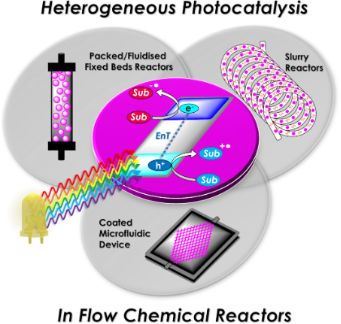
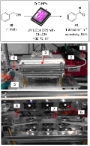
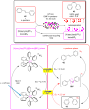
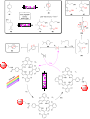
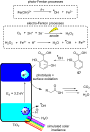
Heterogeneous photocatalysis in flow chemical reactors
Beilstein J. Org. Chem. 2020, 16, 1495–1549, doi:10.3762/bjoc.16.125










An overview on disulfide-catalyzed and -cocatalyzed photoreactions
Beilstein J. Org. Chem. 2020, 16, 1418–1435, doi:10.3762/bjoc.16.118
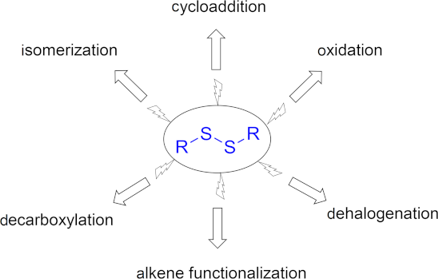
- and abundant source of biomass-derived molecules. Decarboxylative transformations of carboxylic acids into value-added chemical products (such as biofuels) are a key objective in organic synthesis [25]. In 2014, Wallentin and co-workers reported a type of decarboxylation reaction of α-amino acids, α


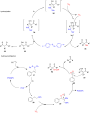


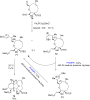


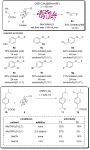
[3 + 2] Cycloaddition with photogenerated azomethine ylides in β-cyclodextrin
Beilstein J. Org. Chem. 2020, 16, 1296–1304, doi:10.3762/bjoc.16.110
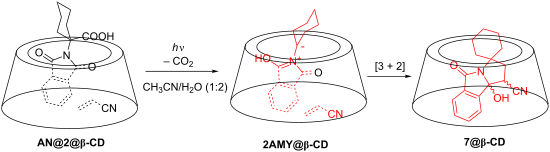
- reactions [8]. Azomethine ylides can be formed by several photochemical or thermal catalytic methods [5][6][7], including photodecarboxylation of phthalimide derivatives of α-amino acids such as N-phthaloylglycine (1) [9][10]. Phthalimide is a versatile chromophore that has been used in the synthesis of


Synthesis of pyrrolidinedione-fused hexahydropyrrolo[2,1-a]isoquinolines via three-component [3 + 2] cycloaddition followed by one-pot N-allylation and intramolecular Heck reactions
Beilstein J. Org. Chem. 2020, 16, 1225–1233, doi:10.3762/bjoc.16.106
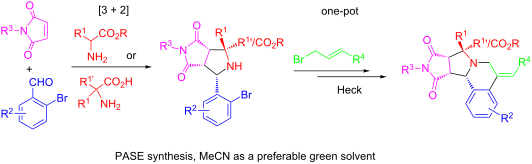
- Two kinds of [3 + 2] cycloaddition intermediates generated from the three-component reactions of 2-bromobenzaldehydes and maleimides with amino esters or amino acids were used for a one-pot N-allylation and intramolecular Heck reactions to form pyrrolidinedione-fused hexahydropyrrolo[2,1-a
- stabilized azomethine ylides I-a generated from the condensation of aldehydes and amino esters for making pyrrolidines II-a have been well-reported [23][24][25][26], while the [3 + 2] cycloaddition of the less stable azomethine ylides I-b generated from the reaction of aldehydes and amino acids for
- due to the low yield at the N-allylation step. Same result happened to 9o in which hindered iBu blocked the N-allylation. We next employed intermediated 6 prepared from the decarboxylative [3+2] cycloaddition of amino acids for one-pot N-allylation and intramolecular Heck reactions under the same


Photocatalysis with organic dyes: facile access to reactive intermediates for synthesis
Beilstein J. Org. Chem. 2020, 16, 1163–1187, doi:10.3762/bjoc.16.103
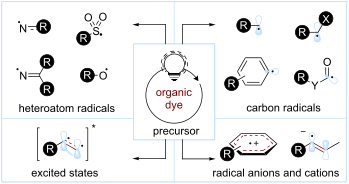
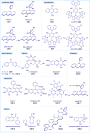
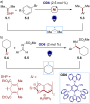
- . Other organic dyes, including several acridinium salts, have been successfully applied in organophotocatalytic decarboxylation protocols. For example, rhodamine 6G (OD14, E(PC+*/PC) ≈ 1.2 V) [42] was used for the photocatalytic decarboxylative azidation of cyclic amino acids and rose bengal (OD15) [43





Synthesis of esters of diaminotruxillic bis-amino acids by Pd-mediated photocycloaddition of analogs of the Kaede protein chromophore
Beilstein J. Org. Chem. 2020, 16, 1111–1123, doi:10.3762/bjoc.16.98
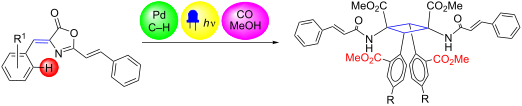
- complexes 4. Treatment of 4 with CO in a MeOH/NCMe mixture promoted the methoxycarbonylation of the palladated carbon and the release of the corresponding ortho-functionalized 1,3-diaminotruxillic bis-amino esters 5 as single isomers. Keywords: amino acids; C–H activation; Kaede protein; oxazolones
- ortho-position of the 2,4-aryl rings in the resulting bis-amino acids can be functionalized [30]. Substrates of the (Z)-4-arylidene-2((E)-styryl)-5(4H)-oxazolone type, shown in Figure 2b, are interesting starting materials for the synthesis of new 1,3-diaminotruxillic derivatives. These azlactones are
- findings were also confirmed by analysis of the 13C NMR spectra. Conclusion The synthesis of cyclobutane 1,3-diaminotruxillic bis-amino acids has been achieved with full stereoselectivity (ε-isomer) starting from polyfunctional oxazolones 2 derived from the chromophore of the Kaede protein in three steps


Fluorinated phenylalanines: synthesis and pharmaceutical applications
Beilstein J. Org. Chem. 2020, 16, 1022–1050, doi:10.3762/bjoc.16.91
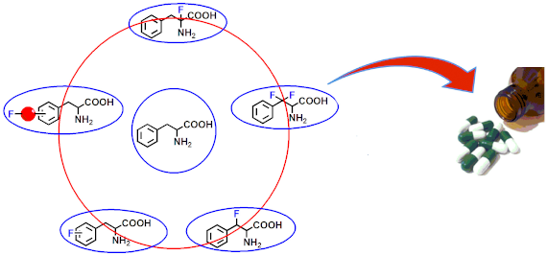
- . Incorporation of fluorinated aromatic amino acids into proteins increases their catabolic stability especially in therapeutic proteins and peptide-based vaccines. This review seeks to summarize the different synthetic approaches in the literature to prepare ᴅ- or ʟ-fluorinated phenylalanines and their
- , geometry, conformation, reactivity, and moreover the bioavailability of the analogue [1]. Fluorinated amino acids (FAAs) have considerable industrial and pharmaceutical potential [2]. Also, they have played an important role as enzyme inhibitors as well as therapeutic agents [3][4]. Moreover, they modulate
- membrane permeability and reactivity [11][12][13][14]. The effect of peptide structure and stability has been found to depend on the position and number of fluorine atoms within the amino acid chains [15][16][17]. Incorporation of fluorinated aromatic amino acids into proteins can increase their shelf life


Fabclavine diversity in Xenorhabdus bacteria
Beilstein J. Org. Chem. 2020, 16, 956–965, doi:10.3762/bjoc.16.84
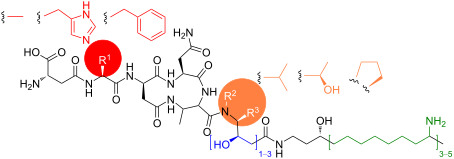
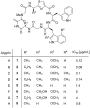
- formula [28]. The general structure of the fabclavines is highly conserved and differs only in the specified moieties as shown in Table 1. The NRPS part of the full-length fabclavines harbors six amino acids, whereby the second position (R1) varies between phenylalanine (Phe), histidine (His), and alanine
- of two A-domains A2 and A6 in the NRPSs FclI and FclJ (Figure 1) [22]. Surprisingly, the key residues of these domains are highly conserved or identical, even between strains that differ in the incorporated amino acids (Table S6, Supporting Information File 1). This indicates the involvement of


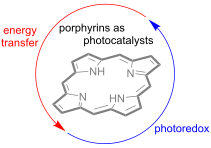
Recent applications of porphyrins as photocatalysts in organic synthesis: batch and continuous flow approaches
Beilstein J. Org. Chem. 2020, 16, 917–955, doi:10.3762/bjoc.16.83
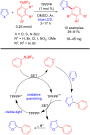
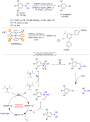
- using 4 mol % of tetra-n-butylammonium fluoride (TBAF) as an activator of TMSCN (conditions B). Following this second protocol, the primary α-aminonitriles were rapidly prepared in relevant yields (up to 87%) and converted to the corresponding α-amino acids by hydrolysis of the nitrile (Scheme 57






Synthesis of new asparagine-based glycopeptides for future scanning tunneling microscopy investigations
Beilstein J. Org. Chem. 2020, 16, 888–894, doi:10.3762/bjoc.16.80
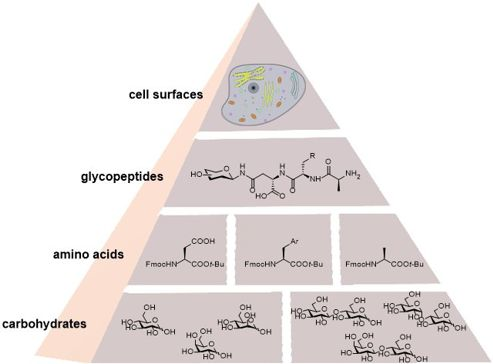
- cell surfaces for future investigations by combined preparative mass spectroscopy and scanning tunneling microscopy (STM) using soft-landing electrospray beam deposition (ES-IBD), on metal surfaces. Keywords: amino acids; asparagine; carbohydrates; glycopeptides; peptidomimetics; Introduction
- example, in anti-HIV therapy, MUC1-based antitumor vaccines, or as antibiotics [12][13][14]. Especially glycans bearing noncanonical amino acids, which can only be introduced into a peptide by organic synthesis, are suitable for cancer therapy since they show better resistance to enzymatic degradation in
- comparison with naturally occurring amino acids [14]. Thus, there is still a great effort in finding new potential drugs derived from glycopeptides [4][15]. By using preparative mass spectrometry (pMS) combined with STM on submolecular-resolution peptides and carbohydrates can be investigated regarding their


Photocatalytic deaminative benzylation and alkylation of tetrahydroisoquinolines with N-alkylpyrydinium salts
Beilstein J. Org. Chem. 2020, 16, 809–817, doi:10.3762/bjoc.16.74
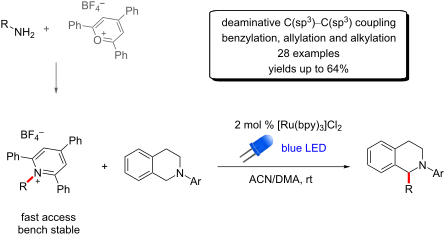
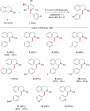
- from amino acids gave a complex reaction mixture, and the desired products could not be isolated. Additionally, alkyl salts derived from primary amines were unreactive. For the more stable allyl radicals, our initially optimized conditions with [Ru(bpy)3]Cl2 in DMA/ACN were again applicable and the




Recent advances in Cu-catalyzed C(sp3)–Si and C(sp3)–B bond formation
Beilstein J. Org. Chem. 2020, 16, 691–737, doi:10.3762/bjoc.16.67
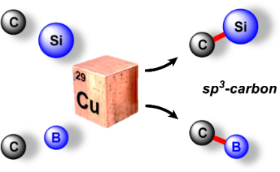
- give excellent chemical yields with good enantioselectivities for products 57–59 (Scheme 14). Interestingly, this approach could be extended to the synthesis of amino acids using cesium fluoride in the presence of CO2 gas to afford 60 and 61. From the representative examples shown below, it appears


Photocontrolled DNA minor groove interactions of imidazole/pyrrole polyamides
Beilstein J. Org. Chem. 2020, 16, 60–70, doi:10.3762/bjoc.16.8
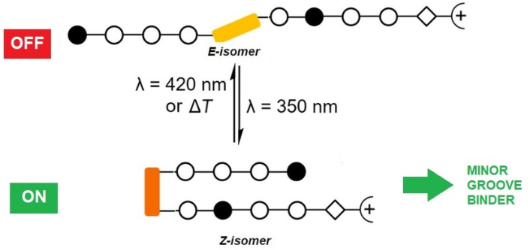
- systematically increased the number of binding motifs, and thus achieved sequence-specific binding [6][7][8][9]. Selectively binding polyamides adopt an antiparallel hairpin structure where a base pair of the DNA is addressed by a pair of the heterocyclic amino acids in the hairpin assembly. Overall, specific
- required because this allowed for an alignment between hydrogen-bonding groups in long polyamides and in the minor groove of DNA [41]. The Fmoc-protected heterocyclic amino acids 2 were obtained from N-methylpyrrole and N-methylimidazole, respectively (Scheme 2A). The N-terminal N-methylpyrrole and N



Understanding the role of active site residues in CotB2 catalysis using a cluster model
Beilstein J. Org. Chem. 2020, 16, 50–59, doi:10.3762/bjoc.16.7
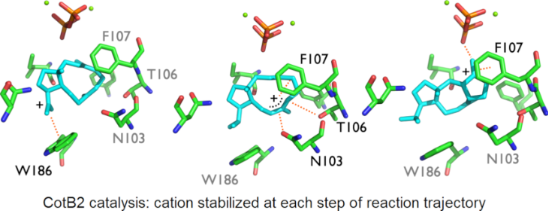
- relevant, i.e., that have a ligand bound in a reactive configuration and have a fully closed active site. Recently, a crystal structure of the CotB2 enzyme that met these criteria was published [42]. In the current work, we describe the crucial role of the amino acids in the active site on the reaction
- energetics using QM calculations in an active site cluster model. The active site cluster theozyme model [43][44] was constructed from the crystal structure coordinates of active site amino acids, which were presumed to stabilize the carbocations during the reaction cascade. Each reaction step's relevant
- and co-workers [39]. The amino acid cage was constructed from six amino acids, which were located around the substrate and constituted part of the catalytic pocket of the enzyme (PDB-ID 6GGI) [42]. The chosen amino acids were the ones that we presumed stabilized the carbocations the most during the


Light-controllable dithienylethene-modified cyclic peptides: photoswitching the in vivo toxicity in zebrafish embryos
Beilstein J. Org. Chem. 2020, 16, 39–49, doi:10.3762/bjoc.16.6
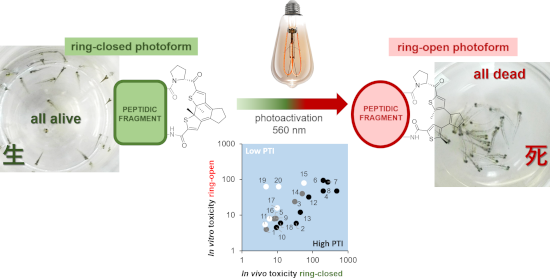
- plasma stability in vivo, limited understanding of their mechanisms of action, and high in vivo toxicity. The former two drawbacks are being adequately resolved [9] (e.g., by modifying the peptide backbone [10], macrocyclization [11], or by use of unnatural amino acids [12]), and mechanistic


Extension of the 5-alkynyluridine side chain via C–C-bond formation in modified organometallic nucleosides using the Nicholas reaction
Beilstein J. Org. Chem. 2020, 16, 1–8, doi:10.3762/bjoc.16.1
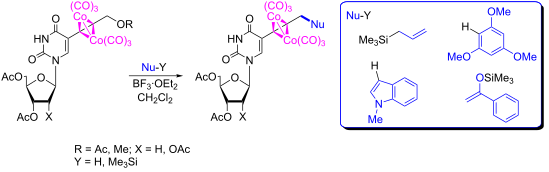
- intramolecular versions of the reaction are also highly successful [50][51]. Although the Nicholas reaction has been employed to functionalize biomolecules, including amino acids [52][53], β-lactams [54], steroids [55], and carbohydrates [56][57][58][59][60][61][62], we are unaware of any examples of nucleoside


Why do thioureas and squaramides slow down the Ireland–Claisen rearrangement?
Beilstein J. Org. Chem. 2019, 15, 2948–2957, doi:10.3762/bjoc.15.290
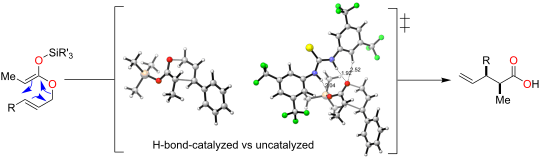
- diastereoselectivities, and ees up to 86% [26]. Rearrangement of allyl esters of glycine derivatives gave under similar conditions amino acids with a quaternary stereocenter on the β-carbon with high yields and excellent diastereo- as well as enantioselectivity [5]. A reductive rearrangement of allyl esters of acrylic


Chemical synthesis of tripeptide thioesters for the biotechnological incorporation into the myxobacterial secondary metabolite argyrin via mutasynthesis
Beilstein J. Org. Chem. 2019, 15, 2922–2929, doi:10.3762/bjoc.15.286
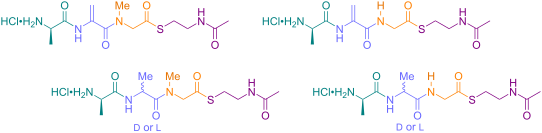
- , i.e., the target for the mutasynthons of this work, is color coded as product of the Arg2 synthetase and in the resulting final argyrin molecule. Designed mutasynthons 9–14 for argyrin biosynthesis. Peptides are based on three amino acids and additionally bear the thioester moiety mimicking the native



Bacterial terpene biosynthesis: challenges and opportunities for pathway engineering
Beilstein J. Org. Chem. 2019, 15, 2889–2906, doi:10.3762/bjoc.15.283
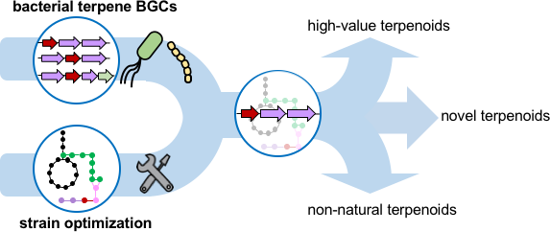
- rearrangements, creating the basic hydrocarbon skeleton of a terpene [10][11]. This basic hydrocarbon skeleton is then modified to generate a large number of terpenoid structures, which can be further modified by addition of other building blocks, like sugars, amino acids, or fatty acids [12]. Terpenes are named


Emission and biosynthesis of volatile terpenoids from the plasmodial slime mold Physarum polycephalum
Beilstein J. Org. Chem. 2019, 15, 2872–2880, doi:10.3762/bjoc.15.281
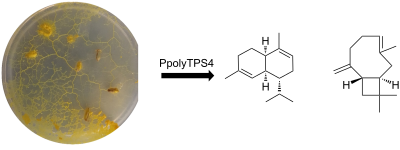
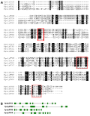
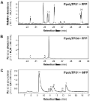
- genes were identified from the transcriptomes. They were designated as PpolyTPS1, PpolyTPS2, PpolyTPS3, and PpolyTPS4. The length of the proteins encoded by PpolyTPS1, PpolyTPS2, PpolyTPS3, and PpolyTPS4s is 334, 347, 353, and 337 amino acids, respectively. Among the four proteins, the highest sequence



Palladium-catalyzed synthesis and nucleotide pyrophosphatase inhibition of benzo[4,5]furo[3,2-b]indoles
Beilstein J. Org. Chem. 2019, 15, 2830–2839, doi:10.3762/bjoc.15.276
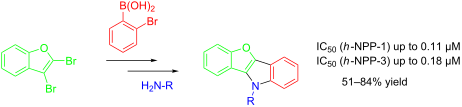
- bonding was found between the oxygen of the benzofuran ring and the hydrogens of Lys291. When compound 6a was docked inside the active pocket of the homology model, it represented π–π stacked and π–alkyl attachment of the indole rings on both sides of the molecule with amino acids His380 and Lys295
- . Suramin was used as a positive control. The 3D illustrations of these docked compounds are shown in Figure 5. The binding was observed in a large area of the modelled ENPP3 protein, inside and over the border of the active pocket, due to the bulky structure of suramin. The amino acids Asn290, Ser292
- 52% in case of ENPP3, amino acids sequence similarity with template, mouse ENPP1. The RMSD for ENPP1 was 0.613 Å and 1.349 Å for ENPP3, over 816 and 811 residues in comparison to the template, respectively. The Ramachandran plot represented promising stereochemical properties as above 98% amino acids


Combining the Ugi-azide multicomponent reaction and rhodium(III)-catalyzed annulation for the synthesis of tetrazole-isoquinolone/pyridone hybrids
Beilstein J. Org. Chem. 2019, 15, 2447–2457, doi:10.3762/bjoc.15.237

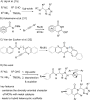
- in the literature supporting the chelation of metal centers by a tetrazole ring during the C–H activation processes, in which the tetrazole may also act as directing group [55][56][57][58][59][60][61]. The closely related triazole ring has also been used for the C–H modification of amino acids and




Sugar-derived oxazolone pseudotetrapeptide as γ-turn inducer and anion-selective transporter
Beilstein J. Org. Chem. 2019, 15, 2419–2427, doi:10.3762/bjoc.15.234
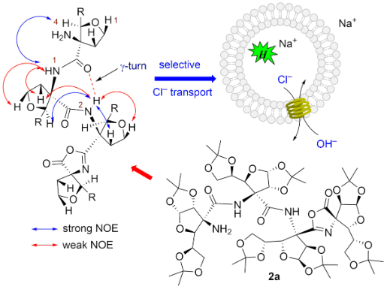
- peptides from C-3 fluorinated ᴅ-glucofuranoid amino acids and demonstrated their selective anion transport activity [17][18]. In continuation of our interest in sugar-derived cyclic peptides [19], we aimed to synthesize cyclic peptides I and II from the corresponding linear di- and tetrapeptides, however


![[Graphic 2]](/bjoc/content/inline/1860-5397-15-234-i4.svg?max-width=637&scale=1.18182) lucigenin (A). Conce...
lucigenin (A). Conce...
Current understanding and biotechnological application of the bacterial diterpene synthase CotB2
Beilstein J. Org. Chem. 2019, 15, 2355–2368, doi:10.3762/bjoc.15.228
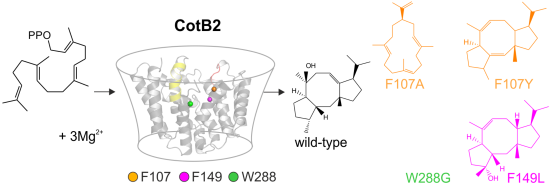
- sequences of other bacterial TPSs for the presence of the RY pair, also called “basic pair” [61][62] and their flanking regions, led to the identification of a conserved tryptophan six amino acids upstream of the RY pair (Figure 6) [37]. In CotB2, residues of the motif are located at the end of the C
- binding of GGDP and the cyclization reaction. Based on 2H- as well as 13C-isotope labeling experiments a surprising reaction mechanism has been derived (Scheme 2) [35]. Strong support for the proposed reaction mechanism has been predominantly provided by site-directed mutagenesis of amino acids with an
- . Cyclization is initiated by cleavage of the GGDP diphosphate moiety. After two consecutive cyclization reactions, a dolabellatrienyl cation (A) is generated, stabilized by π-cation interactions with W186 (Scheme 2 and Figure 7). Whereas mutation of this residue to amino acids with aromatic character mainly





