


Search results
Search for "aromatization" in Full Text gives 174 result(s) in Beilstein Journal of Organic Chemistry.
An organocatalytic route to 2-heteroarylmethylene decorated N-arylpyrroles
- Alexandre Jean,
- Jérôme Blanchet,
- Jacques Rouden,
- Jacques Maddaluno and
- Michaël De Paolis
Beilstein J. Org. Chem. 2013, 9, 1480–1486, doi:10.3762/bjoc.9.168
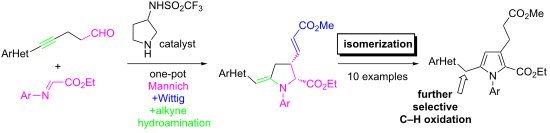
- electronically deficient pyridyl residue was also converted into 5e (80%) while pyrrolidine 4f bearing a pyrazine core underwent aromatization with high efficiency to give 5f (97%). The C2-symmetric scaffold 4g was efficiently converted into 5g (86%) and similar treatment of pyrimidine 4h provided pyrrole 5h in
- the exo-enamine into the endo compound under basic treatment [26]. These observations suggest that DBU or KCN behave as base to promote the deconjugation of the acrylate moiety of 4a [27]. The resulting product 4a’ would lead under basic treatment to pyrroline 4a” from which aromatization to 5a would

Graphical Abstract

Scheme 1: Synthetic approach toward N-arylpyrroles.

Scheme 2: Isomerization of pyrrolidine 4a (PMP: 4-methoxyphenyl).

Scheme 3: Preparation of N-arylpyrroles 5a–h (unless otherwise specified, yields in brackets refer to the iso...

Scheme 4: Variation of imines.

Scheme 5: Possible mechanism.

Scheme 6: Bis(heteroaryl)methylene oxidation of 5a–f.
A versatile and efficient approach for the synthesis of chiral 1,3-nitroamines and 1,3-diamines via conjugate addition to new (S,E)-γ-aminated nitroalkenes derived from L-α-amino acids
- Vera Lúcia Patrocinio Pereira,
- André Luiz da Silva Moura,
- Daniel Pais Pires Vieira,
- Leandro Lara de Carvalho,
- Eliz Regina Bueno Torres and
- Jeronimo da Silva Costa
Beilstein J. Org. Chem. 2013, 9, 832–837, doi:10.3762/bjoc.9.95
- , followed by HNO2 elimination leading to aromatization. There are a few reports in the literature where the azide anion is added to α,β-unsaturated nitroalkenes [8][19][20][21][22] forming 1,4-adducts [8] or 1,2,3-triazole derivatives [31][32][33]. Apparently, the reaction course depends on the temperature

Graphical Abstract

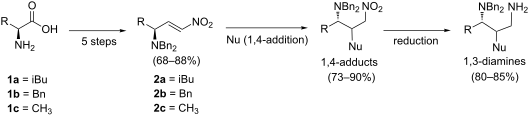
Scheme 1: Reagents and conditions: (i) K2CO3, EtOH/H2O 5:1, BnBr, 100 °C, 12 h (90–99%). (ii) (a) LiAlH4, THF...

Figure 1: Chiral HPLC analysis: Chiralpak AD-H; n-hexane/2-propanol 99:1 (0.6 mL/min), T = 25 °C; UV–vis dete...

Scheme 2: Synthesis of 1,3-diamines 14a,b. (i) NaBH4/NiCl2·6H2O/MeOH/3 h/rt.
Spectroscopic characterization of photoaccumulated radical anions: a litmus test to evaluate the efficiency of photoinduced electron transfer (PET) processes
- Maurizio Fagnoni,
- Stefano Protti,
- Davide Ravelli and
- Angelo Albini
Beilstein J. Org. Chem. 2013, 9, 800–808, doi:10.3762/bjoc.9.91
- -aromatization gave an alkylated aromatic (A–D, path c → d), while trapping of the radical by an electron-withdrawing substituted alkene T (step e) [28][29] followed by BET from the radical anion (step f) of the acceptor (that was thus recovered) led to photocatalyzed alkylation of the alkene [5][30][31]. Both

Graphical Abstract

Scheme 1: Photoinduced electron transfer as an access to radical chemistry.
Figure 1: Reduction potential (versus SCE) of the ground and excited state of acceptors and oxidation potenti...

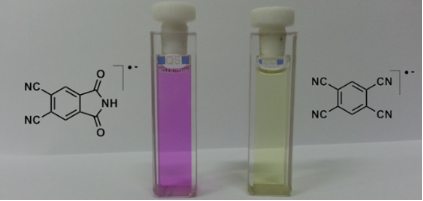
Figure 2: UV-monitoring of: (a) a 2 × 10⁻⁴ M solution of TCB in the presence of Bu4Sn (10−2 M) and (b) a 1.5 ...

Figure 3: Absorption spectra of a freeze–pump–thaw deoxygenated MeCN solution irradiated at 313 nm of (a) 1,2...

Scheme 2: Mechanistic scheme.

Figure 4: Thermodynamics of the redox processes discussed (solid arrows represent exergonic electron donation...
The chemistry of bisallenes
- Henning Hopf and
- Georgios Markopoulos
Beilstein J. Org. Chem. 2012, 8, 1936–1998, doi:10.3762/bjoc.8.225
- there are two α-hydrogen atoms in the adduct aromatization can be accomplished by base treatment (e.g. formation of 153 and 156). Incorporation of substituents into the double bond of the dienophile slows down the addition process or prevents it completely. Unusual dienophiles such as cyclobutadiene or

Graphical Abstract

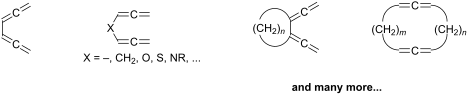
Figure 1: Loschmidt’s structure proposal for benzene (1) (Scheme 181 from [3]) and the corresponding modern stru...

Figure 2: The first isolated bisallenes.

Figure 3: Carbon skeletons of selected bisallenes discussed in this review.

Scheme 1: The preparation of 1,2,4,5-hexatetraene (2).

Scheme 2: The preparation of a conjugated bisallene by the DMS-protocol.

Scheme 3: Preparation of the 3-deuterio- and 3,4-dideuterio derivatives of 24.

Scheme 4: A versatile method to prepare alkylated conjugated bisallenes and other allenes.

Scheme 5: A preparation of 3,4-dimethyl-1,2,4,5-hexatetraene (38).

Scheme 6: A (C6 + 0)-approach to 1,2,4,5-hexatetraene (2).

Scheme 7: The preparation of a fully alkylated bisallenes from a 2,4-hexadiyne-1,6-diol diacetate.

Scheme 8: The preparation of the first phenyl-substituted conjugated bisallenes 3 and 4.

Scheme 9: Selective hydrogenation of [5]cumulenes to conjugated bisallenes: another (C6 + 0)-route.

Scheme 10: Aryl-substituted conjugated bisallenes by a (C3 + C3)-approach.

Scheme 11: Hexaphenyl-1,2,4,5-hexatetraene (59) by a (C3 + C3)-approach.

Scheme 12: An allenation route to conjugated bisallenes.

Scheme 13: The preparation of 3,4-difunctionalized conjugated bisallenes.

Scheme 14: Problems during the preparation of sulfur-substituted conjugated bisallenes.

Scheme 15: The preparation of 3,4-dibromo bisallenes.

Scheme 16: Generation of allenolates by an oxy-Cope rearrangement.

Scheme 17: A linear trimerization of alkynes to conjugated bisallenes: a (C2 + C2 + C2)-protocol.

Scheme 18: Preparation of a TMS-substituted conjugated bisallene by a C3-dimerization route.

Scheme 19: A bis(trimethylsilyl)bisallene by a C3-coupling protocol.

Scheme 20: The rearrangement of highly substituted benzene derivatives into their conjugated bisallenic isomer...

Scheme 21: From fully substituted benzene derivatives to fully substituted bisallenes.

Scheme 22: From a bicyclopropenyl to a conjugated bisallene derivative.

Scheme 23: The conversion of a bismethylenecyclobutene into a conjugated bisallene.

Scheme 24: The preparation of monofunctionalized bisallenes.

Scheme 25: Preparation of bisallene diols and their cyclization to dihydrofurans.

Scheme 26: A 3,4-difunctionalized conjugated bisallene by a C3-coupling process.

Scheme 27: Preparation of a bisallenic diketone by a coupling reaction.

Scheme 28: Sulfur and selenium-substituted bisallenes by a [2.3]sigmatropic rearrangement.

Scheme 29: The biallenylation of azetidinones.

Scheme 30: The preparation of a fully ferrocenylated conjugated bisallene.

Scheme 31: The first isomerization of a 1,5-hexadiyne to a 1,2,4,5-hexatetraene.

Scheme 32: The preparation of alkynyl-substituted bisallenes by a C3-dimerization protocol.

Scheme 33: Preparation of another completely ferrocenylated bisallene.

Scheme 34: The cyclization of 1,5-hexadiyne (129) to 3,4-bismethylenecyclobutene (130) via 1,2,4,5-hexatetraen...
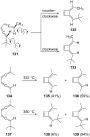
Scheme 35: Stereochemistry of the thermal cyclization of bisallenes to bismethylenecyclobutenes.

Scheme 36: Bisallene→bismethylenecyclobutene ring closures in the solid state.

Scheme 37: A bisallene cyclization/dimerization reaction.

Scheme 38: A selection of Diels–Alder additions of 1,2,4,5-hexatetraene with various double-bond dienophiles.

Scheme 39: The stereochemistry of the [2 + 4] cycloaddition to conjugated bisallenes.

Scheme 40: Preparation of azetidinone derivatives from conjugated bisallenes.

Scheme 41: Cycloaddition of heterodienophiles to a conjugated bisallene.

Scheme 42: Addition of triple-bond dienophiles to conjugated bisallenes.

Scheme 43: Sulfur dioxide addition to conjugated bisallenes.

Scheme 44: The addition of a germylene to a conjugated bisallene.

Scheme 45: Trapping of conjugated bisallenes with phosphinidenes.

Scheme 46: The cyclopropanantion of 1,2,4,5-hexatetraene (2).

Scheme 47: Photochemical reactions involving conjugated bisallenes.

Scheme 48: Base-catalyzed isomerizations of conjugated bisallenes.

Scheme 49: Ionic additions to a conjugated bisallene.

Scheme 50: Oxidation reactions of a conjugated bisallene.
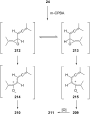
Scheme 51: The mechanism of oxidation of the bisallene 24.

Scheme 52: CuCl-catalyzed cyclization of 1,2,4,5-hexatetraene (2).

Scheme 53: The conversion of conjugated bisallenes into cyclopentenones.

Scheme 54: Oligomerization of a conjugated bisallene by nickel catalysts.
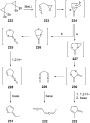
Scheme 55: Generation of 1,2,5,6-heptatetraene (229) as a reaction intermediate.

Scheme 56: The preparation of a stable derivative of 1,2,5,6-heptatetraene.

Scheme 57: A bisallene with a carbonyl group as a spacer element.

Scheme 58: The first preparation of 1,2,6,7-octatetraene (242).

Scheme 59: Preparation of 1,2,6,7-octatetraenes by (C4 + C4)-coupling of enynes.

Scheme 60: Preparation of 1,2,6,7-octatetraenes by (C4 + C4)-coupling of homoallenyl bromides.

Scheme 61: Preparation of 1,2,6,7-octatetraenes by alkylation of propargylic substrates.

Scheme 62: Preparation of two highly functionalized 1,2,6,7-octatetraenes.

Scheme 63: Preparation of several higher α,ω-bisallenes.

Scheme 64: Preparation of different alkyl derivatives of α,ω-bisallenes.

Scheme 65: The preparation of functionalized 1,2,7,8-nonatetraene derivatives.

Scheme 66: Preparation of functionalized α,ω-bisallenes.

Scheme 67: The preparation of an α,ω-bisallene by direct homologation of an α,ω-bisalkyne.

Scheme 68: The gas-phase pyrolysis of 4,4-dimethyl-1,2,5,6-heptatetraene (237).
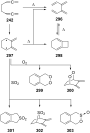
Scheme 69: Gas-phase pyrolysis of 1,2,6,7-octatetraene (242).

Scheme 70: The cyclopropanation of 1,2,6,7-octatetraene (242).

Scheme 71: Intramolecular cyclization of 1,2,6,7-octatetraene derivatives.

Scheme 72: The gas-phase pyrolysis of 1,2,7,8-nonatetraene (265) and 1,2,8,9-decatetraene (266).

Scheme 73: Rh-catalyzed cyclization of a functionalized 1,2,7,8-nonatetraene.

Scheme 74: A triple cyclization involving two different allenic substrates.

Scheme 75: Bicyclization of keto derivatives of 1,2,7,8-nonatetraene.

Scheme 76: The preparation of complex organic compounds from functionalized bisallenes.

Scheme 77: Cycloisomerization of an α,ω-bisallene containing a C9 tether.

Scheme 78: Organoborane polymers from α,ω-bisallenes.

Scheme 79: Preparation of trans- (337) and cis-1,2,4,6,7-octapentaene (341).

Scheme 80: The preparation of 4-methylene-1,2,5,6-heptatetraene (349).

Scheme 81: The preparation of acetylenic bisallenes.

Scheme 82: The preparation of derivatives of hydrocarbon 351.

Scheme 83: The construction of macrocyclic alleno-acetylenes.

Scheme 84: Preparation and reactions of 4,5-bismethylene-1,2,6,7-octatetraene (365).

Scheme 85: Preparation of 1,2-bis(propadienyl)benzene (370).

Scheme 86: The preparation of 1,4-bis(propadienyl)benzene (376).

Scheme 87: The preparation of aromatic and heteroaromatic bisallenes by metal-mediated coupling reactions.

Scheme 88: Double cyclization of an aromatic bisallene.

Scheme 89: Preparation of an allenic [15]paracyclophane by a ring-closing metathesis reaction of an aromatic α...

Scheme 90: Preparation of a macrocyclic ring system containing 1,4-bis(propadienyl)benzene units.

Scheme 91: Preparation of copolymers from 1,4-bis(propadienyl)benzene (376).

Scheme 92: A boration/copolymerization sequence of an aromatic bisallene and an aromatic bisacetylene.

Scheme 93: Formation of a layered aromatic bisallene.

Figure 4: The first members of the semicyclic bisallene series.

Scheme 94: Preparation of the first bis(vinylidene)cyclobutane derivative.
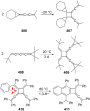
Scheme 95: Dimerization of strain-activated cumulenes to bis(vinylidene)cyclobutanes.

Scheme 96: Photodimerization of two fully substituted butatrienes in the solid state.

Scheme 97: Preparation of the two parent bis(vinylidene)cyclobutanes.

Scheme 98: The preparation of 1,3-bis(vinylidene)cyclopentane and its thermal isomerization.

Scheme 99: The preparation of the isomeric bis(vinylidene)cyclohexanes.

Scheme 100: Bi- and tricyclic conjugated bisallenes.
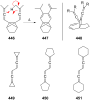
Scheme 101: A selection of polycyclic bisallenes.

Scheme 102: The first endocyclic bisallenes.

Figure 5: The stereochemistry of 1,2,6,7-cyclodecatetraene.

Scheme 103: The preparation of several endocyclic bisallenes.

Scheme 104: Synthesis of diastereomeric derivatives of 1,2,6,7-cyclodecatetraene.

Scheme 105: Preparation of a derivative of 1,2,8,9-cyclotetradecatetraene.

Scheme 106: The preparation of keto derivatives of cyclic bisallenes.

Scheme 107: The preparation of cyclic biscumulenic ring systems.

Scheme 108: Cyclic bisallenes in natural- and non-natural-product chemistry.

Scheme 109: The preparation of iron carbonyl complexes from cyclic bisallenes.

Figure 6: A selection of unknown exocyclic bisallenes that should have interesting chemical properties.

Scheme 110: The thermal isomerization of 1,2-diethynylcyclopropanes and -cyclobutanes.

Scheme 111: Intermediate generation of a cyclooctapentaene.

Scheme 112: Attempted preparation of a cyclodecahexaene.

Scheme 113: The thermal isomerization of 1,5,9-cyclododecatriyne (511) into [6]radialene (514).

Scheme 114: An isomerization involving a diketone derived from a conjugated bisallene.

Scheme 115: Typical reaction modes of heteroorganic bisallenes.

Scheme 116: Generation and thermal behavior of acyclic hetero-organic bisallenes.

Scheme 117: Generation of bis(propadienyl)thioether.

Scheme 118: The preparation of a bisallenic sulfone and its thermal isomerization.

Scheme 119: Bromination of the bisallenic sulfone 535.

Scheme 120: Metalation/hydrolysis of the bisallenic sulfone 535.

Scheme 121: Aromatic compounds from hetero bisallenes.

Scheme 122: Isomerization/cyclization of bispropargylic ethers.

Scheme 123: The preparation of novel aromatic systems by base-catalyzed isomerization of bispropargyl ethers.

Scheme 124: The isomerization of bisacetylenic thioethers to bicyclic thiophenes.

Scheme 125: Aromatization of macrocyclic bispropargylic sulfides.

Scheme 126: Preparation of ansa-compounds from macrocyclic bispropargyl thioethers.

Scheme 127: Alternate route for cyclization of a heterorganic bisallene.
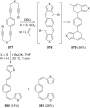
Scheme 128: Multiple isomerization/cyclization of “double” bispropargylic thioethers.

Scheme 129: Preparation of a bisallenyl disulfide and its subsequent bicyclization.

Scheme 130: Thermal cyclization of a bisallenyl thiosulfonate.

Scheme 131: Some reactions of heteroorganic bisallenes with two sulfur atoms.

Scheme 132: Further methods for the preparation of heteroorganic bisallenes.

Scheme 133: Cyclization reactions of heteroorganic bisallenes.

Scheme 134: Thermal cycloadditions of bisallenic tertiary amines.

Scheme 135: Cyclization of a bisallenic tertiary amine in the presence of a transition-metal catalyst.

Scheme 136: A Pauson–Khand reaction of a bisallenic ether.

Scheme 137: Formation of a 2:1adduct from two allenic substrates.

Scheme 138: A ring-forming silastannylation of a bisallenic tertiary amine.

Scheme 139: A three-component cyclization involving a heterorganic bisallene.

Scheme 140: Atom-economic construction of a complex organic framework from a heterorganic α,ω-bisallene.
Organocatalytic C–H activation reactions
- Subhas Chandra Pan
Beilstein J. Org. Chem. 2012, 8, 1374–1384, doi:10.3762/bjoc.8.159
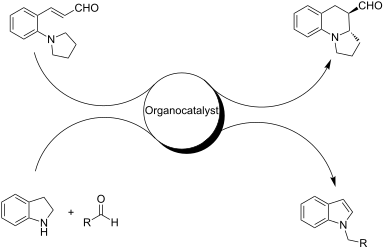
- explanation is the formation of azomethine ylide intermediate 11 (Scheme 8) [19][20]. The carbanion of ylide 11 is then protonated by benzoic acid, and the resulting benzoate anion supports the aromatization process. In fact, Seidel and co-workers provided the experimental evidence for the existence of
- acid to form intermediate A. Azomethine ylide 13 is then produced by extrusion of acetic acid from intermediate A. Protonation of 13 generates another O-acetyl intermediate B, and finally, regeneration of acetic acid and aromatization provides the pyrrole product 7q. Pan and Seidel also independently

Graphical Abstract

Scheme 1: Triflic acid-catalysed synthesis of cyclic aminals.

Scheme 2: PTSA-catalysed synthesis of cyclic aminals.

Scheme 3: Plausible mechanism for cyclic aminal synthesis.

Scheme 4: Annulation cascade reaction with double nucleophiles.

Scheme 5: Mechanism for the indole-annulation cascade reaction.

Scheme 6: Synthesis of N-alkylpyrroles and δ-hydroxypyrroles.
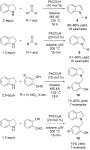
Scheme 7: Synthesis of N-alkylindoles 9 and N-alkylindolines 10.

Scheme 8: Mechanistic study for the N-alkylpyrrole formation.
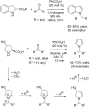
Scheme 9: Benzoic acid catalysed decarboxylative redox amination.
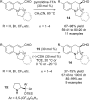
Scheme 10: Organocatalytic redox reaction of ortho-(dialkylamino)cinnamaldehydes.

Scheme 11: Mechanism for aminocatalytic redox reaction of ortho-(dialkylamino)cinnamaldehydes.

Scheme 12: Asymmetric synthesis of tetrahydroquinolines having gem-methyl ester groups.

Scheme 13: Asymmetric synthesis of tetrahydroquinolines from chiral substrates 18.

Scheme 14: Organocatalytic biaryl synthesis by Kwong, Lei and co-workers.

Scheme 15: Organocatalytic biaryl synthesis by Shi and co-workers.

Scheme 16: Organocatalytic biaryl synthesis by Hayashi and co-workers.

Scheme 17: Proposed mechanism for organocatalytic biaryl synthesis.
Highly selective synthesis of (E)-alkenyl-(pentafluorosulfanyl)benzenes through Horner–Wadsworth–Emmons reaction
- George Iakobson and
- Petr Beier
Beilstein J. Org. Chem. 2012, 8, 1185–1190, doi:10.3762/bjoc.8.131
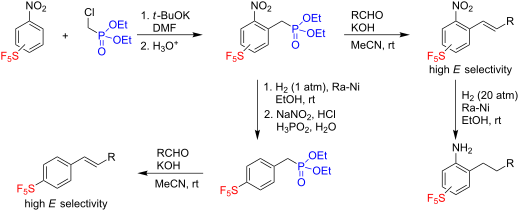
- (product not isolated). Compound 10d was fully characterized by spectroscopic methods, and the yield was increased to 51% by performing the diazotization reaction in the absence of a reducing reagent (Scheme 3). Aromatization of 10d by oxidation using CAN was performed to give SF5-substituted phenanthrene

Graphical Abstract

Scheme 1: Proposed synthesis of alkenyl-(pentafluorosulfanyl)benzenes.

Scheme 2: Reactive intermediates involved in HWE reactions to alkenes 5 and 6.

Scheme 3: Diazotization/reduction of 8d to 9d and the formation of unexpected cyclized product 10d.

Scheme 4: Synthesis of substituted phenanthrene 11d.

Scheme 5: Synthesis of phosphonate 12 and SF5-stilbene derivative 13d.
Discovery of practical production processes for arylsulfur pentafluorides and their higher homologues, bis- and tris(sulfur pentafluorides): Beginning of a new era of “super-trifluoromethyl” arene chemistry and its industry
- Teruo Umemoto,
- Lloyd M. Garrick and
- Norimichi Saito
Beilstein J. Org. Chem. 2012, 8, 461–471, doi:10.3762/bjoc.8.53

- gaseous SF5Cl with acetylene, followed by bromination, dehydrobromination, and reduction with zinc, giving pentafluorosulfanylacetylene (HC≡CSF5), which was then reacted with butadiene, followed by an aromatization reaction at very high temperature, gave phenylsulfur pentafluoride [35]. Recently
- , phenylsulfur pentafluoride was prepared by reaction of 1,4-bis(acetoxy)-2-cyclohexene with SF5Br under 250 W sunlamp irradiation, followed by dehydrobromination and then aromatization reactions [36]. A triethylborane-catalyzed reaction of 4,5-dichloro-1-cyclohexene with SF5Cl followed by dehydrochlorination

Graphical Abstract

Scheme 1: Preparation of ArSF4Cl 2.

Scheme 2: Preparation of Ar(SF4Cl)n from Ar(SH)n (n = 2, 3).

Scheme 3: Reaction mechanism for the formation of ArSF4Cl.

Scheme 4: Reaction mechanism for the formation of trans and cis-ArSF4Cl.

Scheme 5: Preparation of ArSF5 with ZnF2.

Scheme 6: Preparation of PhSF5 with anhydrous HF.

Scheme 7: Preparation of 3a with HF–pyridine.

Scheme 8: Preparation of polyfluorinated ArSF5.

Scheme 9: Preparation of aryl bis- and tris(sulfur pentafluorides), Ar(SF5)n (n = 2,3).
Syntheses and applications of furanyl-functionalised 2,2’:6’,2’’-terpyridines
- Jérôme Husson and
- Michael Knorr
Beilstein J. Org. Chem. 2012, 8, 379–389, doi:10.3762/bjoc.8.41
- dihydropyridine 32. The latter undergoes aromatization upon reaction with benzoquinone to afford 33 (Scheme 6). Synthesis by cross-coupling reaction Cross-coupling reactions are widely used in organic chemistry [32] to create new C–C bonds. The importance of this technique was recently highlighted by the award of

Graphical Abstract

Figure 1: Structure and atomic numbering of 2,2’:6’,2’’-terpyridines.

Scheme 1: Synthesis of furanyl-substituted terpyridines 12–14 by using Kröhnke’s method.

Scheme 2: Synthesis of terpyridines under solvent-free conditions.

Scheme 3: Preparation of 4,4′,4′′-trisubstituted terpyridine containing carboxylate moieties.

Scheme 4: Synthetic pathway for the preparation of a furanyl-functionalised quinquepyridine.

Scheme 5: Utilization of an iminium salt in the preparation of a furanyl-substituted tpy.

Figure 2: Chemical structure of U- and S-shaped isomers.

Scheme 6: Preparation of an asymmetric furanyl-substituted terpyridine.

Scheme 7: Synthesis of tpy by Stille cross-coupling reaction.

Scheme 8: Oxidation of the furan ring of furanyl-substituted terpyridines.
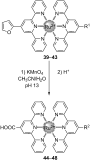
Scheme 9: Direct oxidation of a furan ring attached on Ru(II) tpy complexes.

Figure 3: Example of polyoxometalate frameworks functionalised with tpy ligands and tpy-complex (reprinted wi...

Scheme 10: Synthetic pathway to europium(III) and samarium(III) chelates 56 and 57.
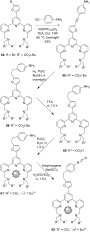
Scheme 11: Synthetic pathway to prepare thiocyanato-functionalised tpys as potential biomolecule-labelling age...
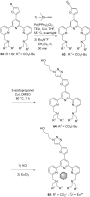
Scheme 12: Synthetic sequence envisioned for biomolecules labelling by click-chemistry.

Figure 4: Structure of pyrrolyl (66), thienyl (67) and bithienyl (68)-substituted complexes analogous to comp...
Photochemical and thermal intramolecular 1,3-dipolar cycloaddition reactions of new o-stilbene-methylene-3-sydnones and their synthesis
- Kristina Butković,
- Željko Marinić,
- Krešimir Molčanov,
- Biserka Kojić-Prodić and
- Marija Šindler-Kulyk
Beilstein J. Org. Chem. 2011, 7, 1663–1670, doi:10.3762/bjoc.7.196
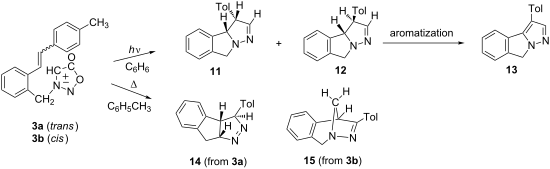
- (Scheme 4) in which, as expected for the predicted structures, the aromatization reaction took place forming the pyrazolo-isoindole 13. Compound 13 arose also on silica gel during the purification of either 11 or 12. The irradiation of 3a or 3b until full conversion, as previously mentioned, produced a
- pathway of sydnone ring (N–CH) and trans- and cis-stilbene (α–β). Thermal and photochemical intermolecular [3 + 2] cycloadditions. Synthesis of the target molecules 3a and 3b. Photolysis of cis- or trans-3. Aromatization with DDQ. Possible mechanism for the formation of the photoproducts. Thermal reaction

Graphical Abstract

Figure 1: Resonance structures of the sydnone ring.

Scheme 1: Thermal and photochemical intermolecular [3 + 2] cycloadditions.

Figure 2: Illustration of intramolecular [3 + 2] cycloadditions.
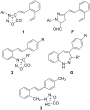
Figure 3: Styryl-sydnone 1 and stilbenyl sydnone 2 and their photoproducts F and G, respectively; target mole...

Scheme 2: Synthesis of the target molecules 3a and 3b.

Scheme 3: Photolysis of cis- or trans-3.

Scheme 4: Aromatization with DDQ.

Scheme 5: Possible mechanism for the formation of the photoproducts.

Scheme 6: Thermal reaction of trans-3.

Figure 4: ORTEP of compound 14.

Scheme 7: Thermal reaction of cis-3.

Figure 5: Proposed stereochemical pathway of sydnone ring (CH–N) and trans- and cis-stilbene (α–β).

Figure 6: Proposed stereochemical pathway of sydnone ring (N–CH) and trans- and cis-stilbene (α–β).

Scheme 8: Possible formation of thermal products 14 (from trans-3) and 15 (from cis-3).
Synthesis of fluoranthenes by hydroarylation of alkynes catalyzed by gold(I) or gallium trichloride
- Sergio Pascual,
- Christophe Bour,
- Paula de Mendoza and
- Antonio M. Echavarren
Beilstein J. Org. Chem. 2011, 7, 1520–1525, doi:10.3762/bjoc.7.178
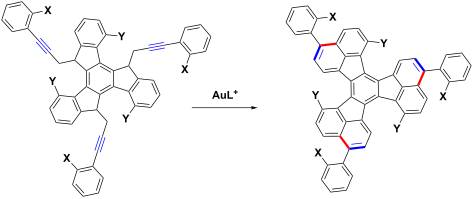
- triaryl substituted diacenaphtho[1,2-j:1',2'-l]fluoranthenes (decacyclenes) 2a and 2b in very good overall yields after aromatization of the crude products with DDQ. Remarkably, this triple hydroarylation occurs efficiently with an average yield per C–C bond formation that is greater than 90%. Conclusion

Graphical Abstract

Scheme 1: Proposed metal catalyzed annulation for the synthesis of triaryldiacenaphtho[1,2-j:1',2'-l]fluorant...

Figure 1: Cationic gold complexes 5 and 6.

Scheme 2: Pd(OAc)2-catalyzed isomerization of 7a to form (E)-9-(3-phenylallylidene)-9H-fluorene (9).

Scheme 3: Gold(I)-catalyzed hydroarylation of 7k to give 1,10b-dihydrofluoranthene 9.

Scheme 4: Gold(I)-catalyzed triple hydroarylation of 1a,b to give 2a,b.
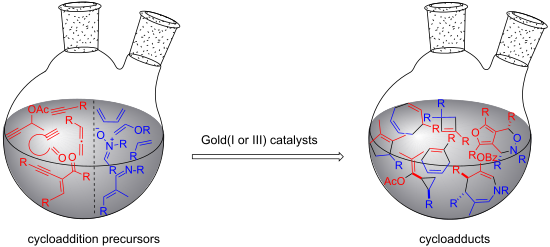
Recent developments in gold-catalyzed cycloaddition reactions
- Fernando López and
- José L. Mascareñas
Beilstein J. Org. Chem. 2011, 7, 1075–1094, doi:10.3762/bjoc.7.124
- authors proposed an initial nucleophilic attack of the carbonyl oxygen on the gold(I)-activated alkyne to form a vinyl–gold intermediate XII, analogous to that previously shown in Scheme 5 (IX). Aromatization of this intermediate through C–C bond cleavage of the oxirane unit, followed by addition of the

Graphical Abstract

Scheme 1: AuCl3-catalyzed benzannulations reported by Yamamoto.

Scheme 2: Synthesis of 9-oxabicyclo[3.3.1]nona-4,7-dienes from 1-oxo-4-oxy-5-ynes [40].

Scheme 3: Stereocontrolled oxacyclization/(4 + 2)-cycloaddition cascade of ketone–allene substrates [43].

Scheme 4: Gold-catalyzed synthesis of polycyclic, fully substituted furans from 1-(1-alkynyl)cyclopropyl keto...

Scheme 5: Gold-catalyzed 1,3-dipolar cycloaddition of 2-(1-alkynyl)-2-alken-1-ones with nitrones [47].

Scheme 6: Enantioselective 1,3-dipolar cycloaddition of 2-(1-alkynyl)-2-alken-1-ones with nitrones [48].

Scheme 7: Gold-catalyzed 1,3-dipolar cycloaddition of 2-(1-alkynyl)-2-alken-1-ones with α,β-unsaturated imine...

Scheme 8: Gold-catalyzed (4 + 3) cycloadditions of 1-(1-alkynyl)oxiranyl ketones [50].

Scheme 9: (3 + 2) Cycloaddition of gold-containing azomethine ylides [52].

Scheme 10: Gold-catalyzed generation and reaction of azomethine ylides [53].

Scheme 11: Gold-catalyzed intramolecular (4 + 2) cycloadditions of unactivated alkynes and dienes [55].

Scheme 12: Gold-catalyzed preparation of bicyclo[4.3.0]nonane derivatives from dienol silyl ethers [59].

Scheme 13: Gold(I)-catalyzed intramolecular (4 + 2) cycloadditions of arylalkynes or 1,3-enynes with alkenes [60].

Scheme 14: Gold(I)-catalyzed intermolecular (2 + 2) cycloaddition of alkynes with alkenes [62].

Scheme 15: Metal-catalyzed cycloaddition of alkynes tethered to cycloheptatriene [65].

Scheme 16: Gold-catalyzed cycloaddition of functionalized ketoenynes: Synthesis of (+)-orientalol F [68].

Scheme 17: Gold-catalyzed intermolecular cyclopropanation of enynes with alkenes [70].

Scheme 18: Gold-catalyzed intermolecular hetero-dehydro Diels–Alder cycloaddition [72].

Figure 1: Gold-catalyzed 1,2- or 1,3-acyloxy migrations of propargyl esters.

Scheme 19: Gold(I)-catalyzed stereoselective olefin cyclopropanation [74].

Scheme 20: Reaction of propargylic benzoates with α,β-unsaturated imines to give azepine cycloadducts [77].

Scheme 21: Gold-catalyzed (3 + 3) annulation of azomethine imines with propargyl esters [81].

Scheme 22: Gold(I)-catalyzed isomerization of 5-en-2-yn-1-yl acetates [83].

Scheme 23: (3 + 2) and (2 + 2) cycloadditions of indole-3-acetates 41 [85,86].

Scheme 24: Gold(I)-catalyzed (2 + 2) cycloaddition of allenenes [87].

Scheme 25: Formal (3 + 2) cycloaddition of allenyl MOM ethers and alkenes [90].

Scheme 26: (4 + 3) Cycloadditions of allenedienes [97,98].

Scheme 27: Gold-catalyzed transannular (4 + 3) cycloaddition reactions [101].

Scheme 28: Gold(I)-catalyzed (4 + 2) cycloadditions of allenedienes [102].

Scheme 29: Enantioselective gold(I)-catalyzed (4 + 2) cycloadditions of allenedienes [88,102,104].

Scheme 30: (3 + 2) versus (2 + 2) Cycloadditions of allenenes [87,99].

Figure 2: NHC ligands with different π-acceptor properties [106].

Scheme 31: (3 + 2) versus (2 + 2) Cycloadditions of allenenes [106].

Scheme 32: Gold(I)-catalyzed intermolecular (4 + 2) cycloaddition of allenamides and acyclic dienes [109].
Functionalization of anthracene: A selective route to brominated 1,4-anthraquinones
- Kiymet Berkil Akar,
- Osman Cakmak,
- Orhan Büyükgüngör and
- Ertan Sahin
Beilstein J. Org. Chem. 2011, 7, 1036–1045, doi:10.3762/bjoc.7.118

- of hexabromotetrahydroanthracene 6. Base-promoted aromatization of 7 and 8 afforded synthetically valuable tribromo-1-methoxyanthracenes 10 and 11. The reaction of 17 with sodium methoxide generated tribromodihydroanthracene-1,4-diol 27, whose oxidation with PCC gave 2,9,10-tribromoanthracene-1,4
- derivatives that are difficult to prepare by other routes. The studies also reveal the broad range of reactivity and selectivity of the stereoisomeric anthracene derivatives. Keywords: anthracene derivatives; anthracene-1,4-dione; aromatization; bromination; bromoanthracene; methoxyanthracene; silver-induced
- hexabromides 2 and 3 (Scheme 1) [1]. These studies revealed that hexabromides 2 and 3 are good precursors for the preparation of anthracene oxides and methoxyanthracene derivatives by silver ion-induced substitution. Our previous studies revealed that aromatization of hexabromides 2 and 3 showed complete

Graphical Abstract

Scheme 1: Synthesis of anthracene oxides.
Scheme 2: Synthesis of methoxyanthracenes 10 and 11.

Figure 1: Molecular structure of compound 7. Displacement ellipsoids are shown at 40% probability level.

Scheme 3: The reaction mechanism for the formation of methoxyanthracenes 10 and 11.

Scheme 4: The formation mechanism for dihydroxy 17.

Figure 2: a) X-ray ORTEP plot of compound 17. Displacement ellipsoids are shown at 40% probability level. b) ...

Scheme 5: Base-promoted reaction of the dihydroxides and formation of the epoxides.

Scheme 6: Synthesis of compounds 27 and 28.
Recent advances in the gold-catalyzed additions to C–C multiple bonds
- He Huang,
- Yu Zhou and
- Hong Liu
Beilstein J. Org. Chem. 2011, 7, 897–936, doi:10.3762/bjoc.7.103
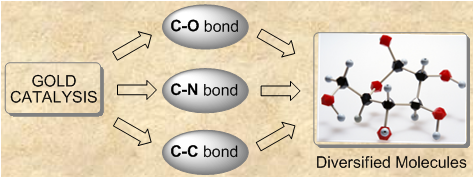
- indole. Further intramolecular nucleophilic attack of the phenyl group on the carbene carbon center, followed by a re-aromatization step and subsequent protodemetalation, affords 248 as the final product. Treatment of N-tethered 2,3-butadienyl-1H-indole 249 with di-tert-butyl(o-biphenyl)phosphine and

Graphical Abstract

Scheme 1: Gold-catalyzed addition of alcohols.
Scheme 2: Gold-catalyzed cycloaddition of alcohols.

Scheme 3: Ionic liquids as the solvent in gold-catalyzed cycloaddition.

Scheme 4: Gold-catalyzed cycloaddition of diynes.

Scheme 5: Gold(I) chloride catalyzed cycloisomerization of 2-alkynyl-1,5-diols.

Scheme 6: Gold-catalyzed cycloaddition of glycols and dihydroxy compounds.

Scheme 7: Gold-catalyzed ring-opening of cyclopropenes.

Scheme 8: Gold-catalyzed intermolecular hydroalkoxylation of alkynes. PR3 = 41–45.

Scheme 9: Gold-catalyzed intramolecular 6-endo-dig cyclization of β-hydroxy-α,α-difluoroynones.

Scheme 10: Gold-catalyzed intermolecular hydroalkoxylation of non-activated olefins.

Scheme 11: Preparation of unsymmetrical ethers from alcohols.

Scheme 12: Expedient synthesis of dihydrofuran-3-ones.

Scheme 13: Catalytic approach to functionalized divinyl ketones.
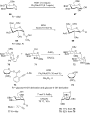
Scheme 14: Gold-catalyzed glycosylation.

Scheme 15: Gold-catalyzed cycloaddition of aldehydes and ketones.

Scheme 16: Gold-catalyzed annulations of 2-(ynol)aryl aldehydes and o-alkynyl benzaldehydes.

Scheme 17: Gold-catalyzed addition of carboxylates.

Scheme 18: Dual-catalyzed rearrangement reaction of allenoates.

Scheme 19: Meyer–Schuster rearrangement of propargylic alcohols.

Scheme 20: Propargylic alcohol rearrangements.

Scheme 21: Gold-catalyzed synthesis of imines and amine alkylation.

Scheme 22: Hydroamination of allenes and allenamides.

Scheme 23: Gold-catalyzed inter- and intramolecular amination of alkynes and alkenes.

Scheme 24: Gold-catalyzed cycloisomerization of O-propioloyl oximes and β-allenylhydrazones.

Scheme 25: Intra- and intermolecular amination with ureas.

Scheme 26: Gold-catalyzed cyclization of ortho-alkynyl-N-sulfonylanilines and but-3-yn-1-amines.

Scheme 27: Gold-catalyzed piperidine ring synthesis.

Scheme 28: Ring expansion of alkylnyl cyclopropanes.

Scheme 29: Gold-catalyzed annulations of N-propargyl-β-enaminones and azomethine imines.
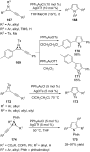
Scheme 30: Gold(I)-catalyzed cycloisomerization of aziridines.

Scheme 31: AuCl3/AgSbF6-catalyzed intramolecular amination of 2-(tosylamino)phenylprop-1-en-3-ols.

Scheme 32: Gold-catalyzed cyclization via a 7-endo-dig pathway.

Scheme 33: Gold-catalyzed synthesis of fused xanthines.

Scheme 34: Gold-catalyzed synthesis of amides and isoquinolines.

Scheme 35: Gold-catalyzed oxidative cross-coupling reactions of propargylic acetates.

Scheme 36: Gold-catalyzed nucleophilic addition to allenamides.

Scheme 37: Gold-catalyzed direct carbon–carbon bond coupling reactions.

Scheme 38: Gold-catalyzed C−H functionalization of indole/pyrrole heterocycles and non-activated arenes.

Scheme 39: Gold-catalyzed cycloisomerization of cyclic compounds.

Scheme 40: Gold-catalyzed cycloaddition of 1-aryl-1-allen-6-enes and propargyl acetates.

Scheme 41: Gold(I)-catalyzed cycloaddition with ligand-controlled regiochemistry.

Scheme 42: Gold(I)-catalyzed cycloaddition of dienes and enynes.

Scheme 43: Gold-catalyzed intramolecular cycloaddition of 3-alkoxy-1,5-enynes and 2,2-dipropargylmalonates.

Scheme 44: Gold-catalyzed intramolecular cycloaddition of 1,5-allenynes.

Scheme 45: Gold(I)-catalyzed cycloaddition of indoles.

Scheme 46: Gold-catalyzed annulation reactions.

Scheme 47: Gold–carbenoid induced cleavage of a sp3-hybridized C−H bond.

Scheme 48: Furan- and indole-based cascade reactions.

Scheme 49: Tandem process using aromatic alkynes.

Scheme 50: Gold-catalyzed cycloaddition of 1,3-dien-5-ynes.

Scheme 51: Gold-catalyzed cascade cyclization of diynes, propargylic esters, and 1,3-enynyl ketones.

Scheme 52: Tandem reaction of β-phenoxyimino ketones and alkynyl oxime ethers.

Scheme 53: Gold-catalyzed tandem cyclization of enynes, 2-(tosylamino)phenylprop-1-yn-3-ols, and allenoates.

Scheme 54: Cyclization of 2,4-dien-6-yne carboxylic acids.

Scheme 55: Gold(I)-catalyzed tandem cyclization approach to tetracyclic indolines.

Scheme 56: Gold-catalyzed tandem reactions of alkynes.

Scheme 57: Aminoarylation and oxyarylation of alkenes.

Scheme 58: Cycloaddition of 2-ethynylnitrobenzene with various alkenes.

Scheme 59: Gold-catalyzed tandem reactions of allenoates and alkynes.

Scheme 60: Gold-catalyzed asymmetric synthesis of 2,3-dihydropyrroles.

Scheme 61: Chiral [NHC–Au(I)]-catalyzed cyclization of enyne.

Scheme 62: Gold-catalyzed hydroaminations and hydroalkoxylations.

Scheme 63: Gold(I)-catalyzed asymmetric hydroalkoxylation of 1,3-dihydroxymethyl-2-alkynylbenzene chromium com...

Scheme 64: Gold-catalyzed synthesis of julolidine derivatives.

Scheme 65: Gold-catalyzed the synthesis of chiral fused heterocycles.

Scheme 66: Gold-catalyzed asymmetric reactions with 3,5-(t-Bu)2-4-MeO-MeOBIPHEP.

Scheme 67: Gold-catalyzed cyclization of o-(alkynyl) styrenes.

Scheme 68: Asymmetric gold(I)-catalyzed redox-neutral domino reactions of enynes.

Scheme 69: Gold(I)-catalyzed enantioselective polyene cyclization reaction.

Scheme 70: Gold(I)-catalyzed enantioselective synthesis of benzopyrans.

Scheme 71: Gold(I)-catalyzed enantioselective ring expansion of allenylcyclopropanols.
Gold(I)-catalyzed formation of furans by a Claisen-type rearrangement of ynenyl allyl ethers
- Florin M. Istrate and
- Fabien Gagosz
Beilstein J. Org. Chem. 2011, 7, 878–885, doi:10.3762/bjoc.7.100

- furnish the intermediate 9. The loss of a proton to allow aromatization of the system, followed by a protodemetalation step would finally give furan 7. In summary, we have developed a new gold(I)-catalyzed formation of polysubstituted furans, which is characterized by its efficiency, the mild conditions

Graphical Abstract

Scheme 1: Alkynyl and allenyl substrates in gold-catalyzed formation of furans.

Scheme 2: Synthetic approach to functionalized furans.

Figure 1: Natural products possessing a 2-butenylfuran motif.

Scheme 3: Mechanistic proposal.
When gold can do what iodine cannot do: A critical comparison
- Sara Hummel and
- Stefan F. Kirsch
Beilstein J. Org. Chem. 2011, 7, 847–859, doi:10.3762/bjoc.7.97
- alkaloid cleistopholine (41) from the aminoquinone 40 was easily achieved after in-situ aromatization of the intermediate to yield the desired compound in 60% yield. Furthermore, Wang and co-workers investigated a totally analogous cycloisomerization sequence using iodine as the electrophile to activate

Graphical Abstract

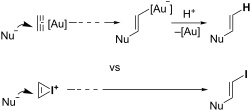
Scheme 1: Mechanistic scenarios for alkyne activation.

Scheme 2: Synthesis of 3(2H)-furanones.

Scheme 3: Synthesis of furans.

Scheme 4: Formation of dihydrooxazoles.

Scheme 5: Variation on indole formation.

Scheme 6: Formation of naphthalenes.
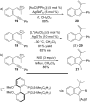
Scheme 7: Formation of indenes.

Scheme 8: Iodocyclization of 3-silyloxy-1,5-enynes.

Scheme 9: 5-Endo cyclizations with concomitant nucleophilic trapping.

Scheme 10: Reactivity of 3-BocO-1,5-enynes.

Scheme 11: Intramolecular nucleophilic trapping.

Scheme 12: Approach to azaanthraquinones.

Scheme 13: Carbocyclizations with enol derivatives.

Scheme 14: Gold-catalyzed cyclization modes for 1,5-enynes.

Scheme 15: Iodine-induced cyclization of 1,5-enynes.
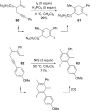
Scheme 16: Diverse reactivity of 1,6-enynes.
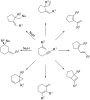
Scheme 17: Iodocyclization of 1,6-enynes.

Scheme 18: Cyclopropanation of alkenes with 1,6-enynes.

Scheme 19: Cyclopropanation of alkenes with 1,6-enynes.
Synthesis of novel 5-alkyl/aryl/heteroaryl substituted diethyl 3,4-dihydro-2H-pyrrole-4,4-dicarboxylates by aziridine ring expansion of 2-[(aziridin-1-yl)-1-alkyl/aryl/heteroaryl-methylene]malonic acid diethyl esters
- Satish S. More,
- T. Krishna Mohan,
- Y. Sateesh Kumar,
- U. K. Syam Kumar and
- Navin B. Patel
Beilstein J. Org. Chem. 2011, 7, 831–838, doi:10.3762/bjoc.7.95
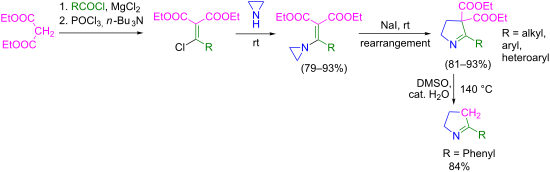
- ; ii) POCl3, n-Bu3N, reflux; iii) THF, rt; iv) NaI, acetone, rt, overnight. Hydrolytic decarboxylation. Reagents and conditions: i) DMSO, LiCl catalytic water, 140–150 °C, 3 h; ii) DMSO, LiCl, catalytic water, 100–110 °C, 12 h. Reduction and aromatization of 2-substituted pyrrolines. Reaction

Graphical Abstract

Figure 1: Natural products containing 2-substituted pyrroline residues in their core structural units.

Figure 2: Natural products containing 2-substituted pyrrolidine residues in their core structural units.

Scheme 1: Iodide ion mediated ring expansion of N-vinylaziridines.

Scheme 2: Synthesis of N-vinyl substituted aziridines and their ring expansion to pyrrolines. Reagents and co...

Scheme 3: Hydrolytic decarboxylation. Reagents and conditions: i) DMSO, LiCl catalytic water, 140–150 °C, 3 h...

Scheme 4: Reduction and aromatization of 2-substituted pyrrolines.

Scheme 5: Reaction conditions: i) THF, rt, 3 h; ii) NaI, acetone, rt, overnight.

Scheme 6: Reaction conditions: i) THF, TEA, rt; ii) NaI, acetone, rt, overnight.
Synthetic applications of gold-catalyzed ring expansions
- David Garayalde and
- Cristina Nevado
Beilstein J. Org. Chem. 2011, 7, 767–780, doi:10.3762/bjoc.7.87
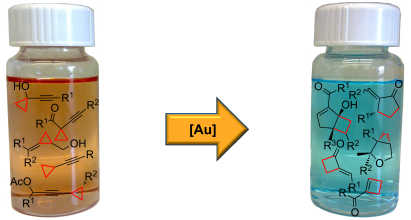
- in the substrate or adventitious water or alcohol present in the reaction media) opening of the three membered ring, followed by metal activation of the triple bond to trigger the cyclization (Scheme 9, lower row). In both cases, aromatization and protodeauration would afford the observed products

Graphical Abstract

Scheme 1: Transition metal promoted rearrangements of bicyclo[1.1.0]butanes.

Scheme 2: Gold-catalyzed rearrangements of strained rings.

Scheme 3: Gold-catalyzed ring expansions of cyclopropanols and cyclobutanols.

Scheme 4: Mechanism of the cycloisomerization of alkynyl cyclopropanols and cyclobutanols.

Scheme 5: Proposed mechanism for the Au-catalyzed isomerization of alkynyl cyclobutanols.

Scheme 6: Gold-catalyzed cycloisomerization of 1-allenylcyclopropanols.

Scheme 7: Gold-catalyzed cycloisomerization of cyclopropylmethanols.

Scheme 8: Gold-catalyzed cycloisomerization of aryl alkyl epoxides.

Scheme 9: Gold-catalyzed synthesis of furans.

Scheme 10: Transformations of alkynyl oxiranes.

Scheme 11: Transformations of alkynyl oxiranes into ketals.

Scheme 12: Gold-catalyzed cycloisomerization of cyclopropyl alkynes.

Scheme 13: Gold-catalyzed synthesis of substituted furans.

Scheme 14: Proposed mechanism for the isomerization of alkynyl cyclopropyl ketones.

Scheme 15: Cycloisomerization of cyclobutylazides.

Scheme 16: Cycloisomerization of alkynyl aziridines.

Scheme 17: Gold-catalyzed synthesis of disubstituted cyclohexadienes.

Scheme 18: Gold-catalyzed synthesis of indenes.

Scheme 19: Gold-catalyzed [n + m] annulation processes.

Scheme 20: Gold-catalyzed generation of 1,4-dipoles.

Scheme 21: Gold-catalyzed synthesis of repraesentin F.

Scheme 22: Gold-catalyzed ring expansion of cyclopropyl 1,6-enynes.

Scheme 23: Gold-catalyzed synthesis of ventricos-7(13)-ene.

Scheme 24: 1,2- vs 1,3-Carboxylate migration.

Scheme 25: Gold-catalyzed cycloisomerization of vinyl alkynyl cyclopropanes.

Scheme 26: Proposed mechanism for the cycloisomerization of vinyl alkynyl cyclopropanes.

Scheme 27: Gold-catalyzed 1,2-acyloxy rearrangement/cyclopropanation/cycloisomerization cascades.

Scheme 28: Formal total synthesis of frondosin A.

Scheme 29: Gold-catalyzed rearrangement/cycloisomerization of cyclopropyl propargyl acetates.
Novel carbazole–pyridine copolymers by an economical method: synthesis, spectroscopic and thermochemical studies
- Aamer Saeed,
- Madiha Irfan and
- Shahid Ameen Samra
Beilstein J. Org. Chem. 2011, 7, 638–647, doi:10.3762/bjoc.7.75
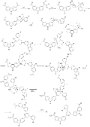
- cyclization and aromatization. The polymers were obtained by pouring the reaction mixture into distilled water, followed by filtration and washing of the residue with copious quantities of distilled water to remove completely acetic acid and salts. Finally, the polymers were dissolved in THF and re

Graphical Abstract

Scheme 1: Synthesis of the monomers. i) R–Br, 50% KOH, benzene, TBAB, 80 °C, 2 h; ii) AcCl, AlCl3, CHCl3, 0 °...

Scheme 2: Synthesis of poly[3,6-N-alkylcarbazole-4-(3-substituted phenyl)pyridine-2,5-diyl]. i) CH3COONH4, CH3...
Scheme 3: Proposed mechanism of pyridine ring formation.
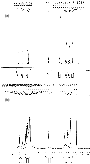
Figure 1: 1H NMR spectra of (a) monomer 2a and (b) polymer P1a.

Figure 2: Zimm plot for P2a in THF at room temperature.

Figure 3: Thermogravimetric analysis curve of P1a.

Figure 4: TGA curves of polymers (a) P1 and (b) P2.

Figure 5: DSC graph for polymer P1a.

Figure 6: UV–vis spectra of the polymers of (a) series P1 and (b) series P2.

Figure 7: Photoluminescence spectra of polymers P1and P2 in CHCl3 solution.

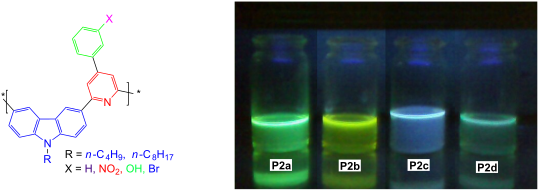
Figure 8: (a) Polymers of P2 series in visible light; (b) observed fluorescence (CHCl3 dilute solutions) unde...
The arene–alkene photocycloaddition
- Ursula Streit and
- Christian G. Bochet
Beilstein J. Org. Chem. 2011, 7, 525–542, doi:10.3762/bjoc.7.61
- completely new reaction Sakamoto has proposed a mechanism involving a ζ-hydrogen abstraction to form a biradical intermediate (Scheme 35, E). The resulting biradical cyclizes to form the spiro compound F upon recombination of the biradical. Re-aromatization affords the carboxylate G, which further attacks
- can take place to form a spiro compound; further re-aromatization to form the enol, lactolization and cyclization explains the formation of the benzoxepine structure [101]. Griesbeck et al. reported the formation of benzoxepines from the benzophenone analogue upon irradiation at slightly lower
- UV absorption band at 380 nm was observed. This absorption band fits well with TD-DFT calculations. He proposes that re-aromatization of this intermediate takes place via a zwitterionic species or through a proton catalyzed pathway. We recently found in our laboratories that the intramolecular

Graphical Abstract

Scheme 1: Photochemistry of benzene.

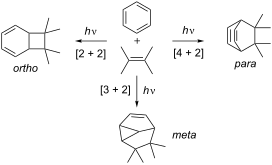
Scheme 2: Three distinct modes of photocycloaddition of arenes to alkenes.

Scheme 3: Mode selectivity with respect of the free enthalpy of the radical ion pair formation.

Scheme 4: Photocycloaddition shows lack of mode selectivity.

Scheme 5: Mechanism of the meta photocycloaddition.

Scheme 6: Evidence of biradiacal involved in meta photocycloaddition by Reedich and Sheridan.

Scheme 7: Regioselectivity with electron withdrawing and electron donating substituents.

Scheme 8: Closure of cyclopropyl ring affords regioisomers.

Scheme 9: Endo versus exo product in the photocycloaddition of pentene to anisole [33].

Scheme 10: Regio- and stereoselectivity in the photocycloaddition of cyclopentene with a protected isoindoline....

Scheme 11: 2,6- and 1,3-addition in intramolecular approach.

Scheme 12: Linear and angularly fused isomers can be obtained upon intramolecular 1,3-addition.

Scheme 13: Synthesis of α-cedrene via diastereoselective meta photocycloaddition.

Scheme 14: Asymmetric meta photocycloaddition introduced by chirality of tether at position 2.

Scheme 15: Enantioselective meta photocycloaddition in β-cyclodextrin cavity.

Scheme 16: Vinylcyclopropane–cyclopentene rearrangement.

Scheme 17: Further diversification possibilities of the meta photocycloaddition product.

Scheme 18: Double [3 + 2] photocycloaddition reaction affording fenestrane.

Scheme 19: Total synthesis of Penifulvin B.

Scheme 20: Towards the total synthesis of Lacifodilactone F.

Scheme 21: Regioselectivity of ortho photocycloaddition in polarized intermediates.

Scheme 22: Exo and endo selectivity in ortho photocycloaddition.

Scheme 23: Ortho photocycloaddition of alkanophenones.

Scheme 24: Photocycloadditions to naphtalenes usually in an [2 + 2] mode [79].

Scheme 25: Ortho photocycloaddition followed by rearrangements.

Scheme 26: Stable [2 + 2] photocycloadducts.

Scheme 27: Ortho photocycloadditions with alkynes.

Scheme 28: Intramolecular ortho photocycloaddition and rearrangement thereof.

Scheme 29: Intramolecular ortho photocycloaddition to access propellanes.

Scheme 30: Para photocycloaddition with allene.

Scheme 31: Photocycloadditions of dianthryls.

Scheme 32: Photocycloaddition of enone with benzene.

Scheme 33: Intramolecular photocycloaddition affording multicyclic compounds via [4 + 2].

Scheme 34: Photocycloaddition described by Sakamoto et al.

Scheme 35: Proposed mechanism by Sakamoto et al.

Scheme 36: Photocycloaddition described by Jones et al.

Scheme 37: Proposed mechanism for the formation of benzoxepine by Jones et al.

Scheme 38: Photocycloaddition observed by Griesbeck et al.

Scheme 39: Mechanism proposed by Griesbeck et al.

Scheme 40: Intramolecular photocycloaddition of allenes to benzaldehydes.
Mitomycins syntheses: a recent update
- Jean-Christophe Andrez
Beilstein J. Org. Chem. 2009, 5, No. 33, doi:10.3762/bjoc.5.33
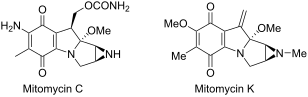
- (Scheme 23). First, the phenol acetate was replaced by a benzyl group. Among the different oxidants screened for dihydroxylation, osmium tetroxide was preferred, since it did not effect aromatization of the indoline ring and gave diol 83 as a single isomer. Dihydroxylation occurred selectively from the

Graphical Abstract

Scheme 1: Aziridine containing natural products.

Scheme 2: Mitomycin structures and nomenclature.

Scheme 3: Base catalysed epimerization of mitomycin B.

Scheme 4: Biosynthesis of mitomycin C (MMC) 7.

Scheme 5: Mode of action of mitomycin C.

Scheme 6: The N–C3–C9a disconnection.

Scheme 7: Danishefsky’s Retrosynthesis of mitomycin K.

Scheme 8: Hetero Diels–Alder reaction en route to mitomycins.

Scheme 9: Nitroso Diels–Alder cycloaddition.

Scheme 10: Frank azide cycloadddition.

Scheme 11: Final steps of mitomycin K synthesis. aPDC, DCM; bPhSCH2N3, PhH, 80 °C; cL-selectride, THF, −78 °C; ...

Scheme 12: Naruta–Maruyama retrosynthesis.

Scheme 13: Synthesis of a leucoaziridinomitosane by nitrene cycloaddition. aAlCl3-Et2O; bNaH, ClCH2OMe; cn-BuL...

Scheme 14: Thermal decomposition of azidoquinone 51.

Scheme 15: Diastereoselectivity during the cycloaddition.

Scheme 16: Oxidation with iodo-azide.

Scheme 17: Williams’ approach towards mitomycins.aDEIPSCl, Imidazole, DCM; bPd/C, HCO2NH4, MeOH; cAllocCl, NaH...

Scheme 18: Synthesis of pyrrolidones by homoconjugate addition.
Scheme 19: Homoconjugate addition on the fully functionalized substrate.

Scheme 20: Introduction of the olefin.

Scheme 21: Retrosynthesis of N–C9a, N–C3 bond formation.

Scheme 22: Synthesis of the pyrrolo[1,2]indole 82 using N-PSP activation.aAc2O, Py; bAc2O, Hg(OAc)2, AcOH, 90%...

Scheme 23: Synthesis of an aziridinomitosane. am-CPBA, DCM then iPr2NH, CCl4 reflux; bK2CO3, MeOH; cBnBr, KH; d...

Scheme 24: Oxidation products of a leucoaziridinomitosane obtained from a Polonovski oxidation.

Scheme 25: Polonovski oxidation of an aziridinomitosane. am-CPBA; bPd/C, H2; cDimethoxypropane, PPTS.

Scheme 26: The C1–C9a disconnection.

Scheme 27: Ziegler synthesis of desmethoxymitomycin A.aIm2C=O, THF; bNH3; cTMSOTf, 2,6-di-tert-butylpyridine, ...

Scheme 28: Transformation of sodium erythorbate.aTBDMSCl; bNaN3; cPPh3; d(Boc)2O, DMAP; eTBAF; fTf2O, Pyr.

Scheme 29: Formation of C9,C10-unsaturation in the mitomycins. am-CPBA, DCM; bO3, MeOH; cMe2S; dKHMDS, (EtO)3P...

Scheme 30: Fragmentation mechanism.

Scheme 31: Michael addition-cyclisation.

Scheme 32: SmI2 8-endo-dig cyclisation.

Scheme 33: Synthesis of pyrrolo[1,2-a]indole by 5-exo-dig radical cyclization.

Scheme 34: The C9–C9a disconnection.

Scheme 35: Intramolecular nitrile oxide cycloaddition.

Scheme 36: Regioselectivity of the INOC.

Scheme 37: Fukuyama’s INOC strategy.

Scheme 38: Synthesis of a mitosane core by rearrangement of a 1-(1-pyrrolidinyl)-1,3-butadiene.

Scheme 39: Sulikowski synthesis of an aziridinomitosene. aPd(Tol3P)2Cl2, Bu3SnF, 140; bH2, Pd/C; cTFAA, Et3N; d...

Scheme 40: Enantioselective carbene insertion.

Scheme 41: Parson’s radical cyclization.

Scheme 42: Cha’s mitomycin B core synthesis.

Scheme 43: The N-aromatic disconnection.

Scheme 44: Kishi retrosynthesis.

Scheme 45: Kishi synthesis of a starting material. aallyl bromide, K2CO3, acetone, reflux; bN,N-Dimethylanilin...
Scheme 46: Kishi synthesis of MMC 7. aLDA, THF, −78 °C then PhSeBr, THF, −78 °C; bH2O2, THF-EtOAc; cDIBAL, DCM...

Scheme 47: Acid catalyzed degradation of MMC 7.

Scheme 48: In vivo formation of apomitomycin B.

Scheme 49: Advanced intermediate for apomitomycin B synthesis.

Scheme 50: Remers synthesis of a functionalized mitosene. aTMSCl, Et3N, ZnCl2 then NBS; bAcOK; cNH2OH; dPd/C, H...

Scheme 51: Coleman synthesis of desmethoxymitomycin A. aSnCl2, PhSH, Et3N, CH3CN; bClCO2Bn, Et3N; cPPh3, DIAD,...

Scheme 52: Transition state and pyrrolidine synthesis.

Scheme 53: Air oxidation of mitosanes and aziridinomitosanes.

Scheme 54: The C9-aromatic disconnection.

Scheme 55: Synthesis of the aziridine precursor. aLHMDS, THF; bNaOH; c(s)-α-Me-BnNH2, DCC, HOBT; dDIBAL; eK2CO3...

Scheme 56: Synthesis of 206 via enamine conjugate addition.

Scheme 57: Rapoport synthesis of an aziridinomitosene.

Scheme 58: One pot synthesis of a mitomycin analog.

Scheme 59: Synthesis of compound 218 via intramolecular Heck coupling. aEtMgCl, THF, then 220; bMsCl, Et3N; cN...

Scheme 60: Elaboration of indole 223. aEt3N, Ac2O; bAcOH; cSOCl2, Et3N; dNaN3, DMF; eH2SO4, THF; fK2CO3, MeOH; ...

Scheme 61: C9-C9a functionalization from indole.

Scheme 62: Synthesis of mitomycin K. a2 equiv. MoO5.HMPA, MeOH; bPPh3, Et3N, THF-H2O; cMeOTf, Py, DCM; dMe3SiCH...

Scheme 63: Configurational stability of mitomycin K derivatives.

Scheme 64: Epimerization of carbon C9a in compound 227b.

Scheme 65: Corey–Chaykovsky synthesis of indol 235.

Scheme 66: Cory intramolecular aza-Darzens reaction for the formation of aziridinomitosene 239.

Scheme 67: Jimenez synthesis of aziridinomitosene 242.

Scheme 68: Von Braun opening of indoline 244.

Scheme 69: C9a oxidation of an aziridinomitosane with DDQ/OsO4.

Scheme 70: Synthesis of epi-mitomycin K. aNaH, Me2SO4; bH2, Pd/C; cMitscher reagent [165]; d[(trimethylsilyl)methyl...

Scheme 71: Mitomycins rearrangement.

Scheme 72: Fukuyama’s retrosynthesis.

Scheme 73: [2+3] Cycloaddition en route to isomitomycin A. aToluene, 110 °C; bDIBAL, THF, −78 °C; cAc2O, Py.; d...

Scheme 74: Final steps of Fukuyama’s synthesis.

Scheme 75: “Crisscross annulation”.

Scheme 76: Synthesis of 274; the 8-membered ring 274 was made using a crisscross annulation. a20% Pd(OH)2/C, H2...

Scheme 77: Conformational analysis of compound 273 and 275.

Scheme 78: Synthesis of a mitomycin analog. aNa2S2O4, H2O, DCM; bBnBr (10 equiv), K2CO3, 18-crown-6 (cat.), TH...

Scheme 79: Vedejs retrosynthesis.

Scheme 80: Formation of the azomethine ylide.

Scheme 81: Vedejs second synthesis of an aziridinomitosene. aDIBAL; bTPAP, NMO; c287; dTBSCl, imidazole.

Scheme 82: Trityl deprotection and new aziridine protecting group 300.

Scheme 83: Ene reaction towards benzazocinones.

Scheme 84: Benzazocenols via homo-Brook rearrangement.

Scheme 85: Pt-catalyzed [3+2] cycloaddition.

Scheme 86: Carbonylative lactamization entry to benzazocenols. aZn(OTf)2, (+)-N-methylephedrine, Et3N, TMS-ace...

Scheme 87: 8 membered ring formation by RCM. aBOC2O, NaHCO3; bTBSCl, Imidazole, DMF; callyl bromide, NaH, DMF; ...

Scheme 88: Aziridinomitosene synthesis. aTMSN3; bTFA; cPOCl3, DMF; dNaClO2, NaH2PO4, 2-methyl-2-butene; eMeI, ...

Scheme 89: Metathesis from an indole.

Scheme 90: Synthesis of early biosynthetic intermediates of mitomycins.
An expedient synthesis of 5-n-alkylresorcinols and novel 5-n-alkylresorcinol haptens
- Kirsti Parikka and
- Kristiina Wähälä
Beilstein J. Org. Chem. 2009, 5, No. 22, doi:10.3762/bjoc.5.22

- -dimethoxybenzaldehyde (18–48% yields whenever reported) [22][23][24][25][26]. Additional synthetic methods have been developed for shorter chain AR (

Graphical Abstract

Figure 1: 5-n-Alkylresorcinols 1 and new hapten derivatives 2.

Scheme 1: Synthesis of AR derivatives and haptens. a) sealed vessel: MW, 0.1M K2CO3, 100–150°C, 100–150 W, 4–...

Scheme 2: Synthesis of 5-n-AR and haptens. a) PPh3, toluene, reflux, 79–87%; b) open vessel: MW, DMSO/H2O 10:...
Highly brominated anthracenes as precursors for the convenient synthesis of 2,9,10-trisubstituted anthracene derivatives
- Osman Cakmak,
- Leyla Aydogan,
- Kiymet Berkil,
- Ilhami Gulcin and
- Orhan Buyukgungor
Beilstein J. Org. Chem. 2008, 4, No. 50, doi:10.3762/bjoc.4.50
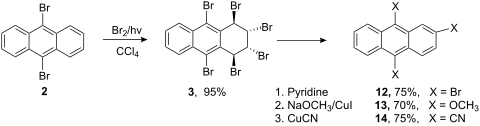
- effective and convenient method to prepare hexabromide 3. Most of the product precipitated during the reaction. After the reaction, a rapid and simple recrystallization gave the pure hexabromide 3 in 95% yield. As hexabromide 4 is quite sensitive to daylight and temperature, aromatization and epimerization
- ). Hexabromide 3 was subjected to aromatization with various bases. Treatment of hexabromide 3 with sodium methoxide or DBU led to a mixture of tetrabromide 11 [24], tribromide 12, and dibromide 2, while NaOH produced dibromide 2 (Scheme 3). Lastly, the reaction with pyridine efficiently and selectively afforded
- demonstrated that the bromination conditions of 9,10-dibromoanthracene dramatically affect the nature of the stereoisomeric hexabromide product and ratio. The studies also revealed that aromatization of hexabromide 3 depends strongly on the choice of base. Experimental General Thin layer chromatography was

Graphical Abstract

Scheme 1: Photobromination of 9,10-dibromoanthracene.

Figure 1: ORTEP view of hexabromide 5.

Scheme 2: Configuration isomerization mechanism of the hexabromides.

Scheme 3: Dehydrobromination of hexabromide 3 with various bases. Relative percentages were calculated by int...

Scheme 4: Preparation of trisubstituted anthracene derivatives.
Desymmetrization of 7-azabicycloalkenes by tandem olefin metathesis for the preparation of natural product scaffolds
- Wolfgang Maison,
- Marina Büchert and
- Nina Deppermann
Beilstein J. Org. Chem. 2007, 3, No. 48, doi:10.1186/1860-5397-3-48
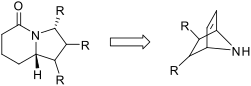
- aromatization to 9 was the reason for the low catalytic efficiency of this conversion and tested this hypothesis with the conversion of the corresponding pentenoyl derivative 10 under RORCM conditions. As outline in Scheme 2, this reaction gave the expected metathesis product, which was hydrogenated to the
- isoindole derivative 11 in good yield, verifying our previous assumptions. As a general trend, it turned out that benzannelated azabicycloalkene derivatives like 8 and 10 give relatively unstable products. In consequence, products can only be isolated as pyridones 9, derived from spontaneous aromatization

Graphical Abstract

Figure 1: Ruthenium based precatalysts used in this study.

Scheme 1: RORCM of 2-azabicycloalkenes 5 to bicyclic scaffolds 6.

Scheme 2: RORCM of 7-azabicycloalkenes 8 and 10 to pyridone 9 and isoindole scaffold 11.

Scheme 3: RORCM of 7-azabicycloalkenes 13 and 16 to bicyclic scaffolds 14, 15, 17 and 18. Conditions A: 10 mo...

Scheme 4: ROCM of 7-azabicycloalkenes 7 and 12 to isoindole and pyrrolidine scaffolds 19 and 20.

Scheme 5: Catalytic enantioselective desymmetrization of 7-azabicycloalkene 10 to scaffold 23.
Variations in product in reactions of naphthoquinone with primary amines
- Marjit W. Singh,
- Anirban Karmakar,
- Nilotpal Barooah and
- Jubaraj B. Baruah
Beilstein J. Org. Chem. 2007, 3, No. 10, doi:10.1186/1860-5397-3-10
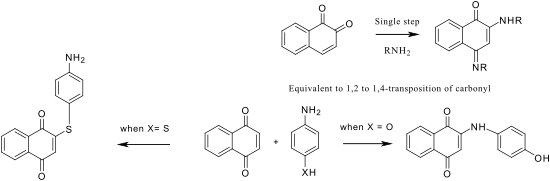
- based on the established fact that the presence of a carbonyl group favors γ-attack on a α-β unsaturated carbonyl over an imine; we would like to put forward the first path. But it is still not clear about the aromatization process, whether it is a unimolecular, or a bimolecular process. Work is in

Graphical Abstract

Scheme 1: Reaction of 1,2-naphthoquinone with primary amines.
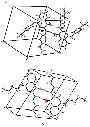
Figure 1: The solid state structure of (a) 1 and (b) 2 (drawn with 20% thermal ellipsoids).

Scheme 2: Equivalence of reactivity between 1,2 and 1,4-naphthoquinone.

Scheme 3: The reaction of picolylamine with 1,4-naphthoquinone.
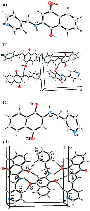
Figure 2: (a) The crystal structure of 3 and (b) weak interactions in 3 leading to self-assembly, (c) Structu...

Scheme 4: The reaction of 1,4-naphthoquinone with 4-aminothiophenol and 4-aminophenol.

Figure 3: The 1HNMR spectra (400 MHz) of the reaction mixture of 1,4-naphthoquinone with 4-amino thiophenol (...

Figure 4: The structure of the products from the reaction of 1,4-naphthoquinone with (a) 4-aminothiophenol (b...



