Search for "natural product" in Full Text gives 459 result(s) in Beilstein Journal of Organic Chemistry. Showing first 200.
Beilstein J. Org. Chem. 2020, 16, 1740–1753, doi:10.3762/bjoc.16.146
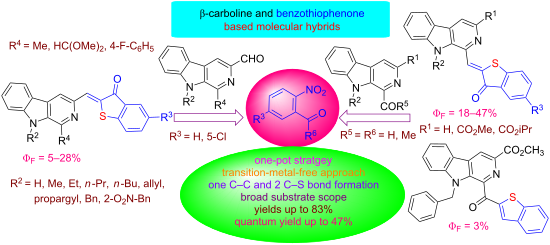
Graphical Abstract
Figure 1: Representative examples of some commercial drugs and biologically active alkaloids.
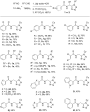
Scheme 1: Synthesis of β-carboline-linked 2-nitrochalcones.
Scheme 2: Synthesis of β-carboline-linked benzothiophenone frameworks.
Scheme 3: Comparison of outcome of one-pot vs two-pot approach.
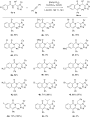
Scheme 4: One-pot synthesis of β-carboline C-1-tethered benzothiophenone derivatives.
Scheme 5: One-pot synthesis of β-carboline C-3-linked benzothiophenone derivatives.
Scheme 6: One-pot synthesis of β-carboline-linked benzothiophene derivative 6C.
Scheme 7: Control experiment in the presence of a radical scavenger.
Figure 2: Proposed reaction mechanism.
Figure 3: Fluorescence spectra of 2aA–nA, 2bB, 2hB, and 6C.
Figure 4: Fluorescence spectra of 4aA–gA, and 4eB.
Beilstein J. Org. Chem. 2020, 16, 1357–1410, doi:10.3762/bjoc.16.116
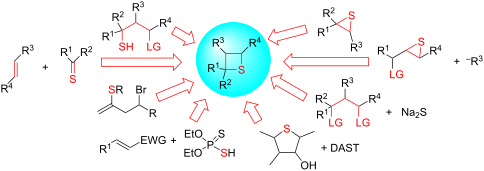
Graphical Abstract
Figure 1: Examples of biologically active thietane-containing molecules.
Figure 2: The diverse methods for the synthesis of thietanes.
Scheme 1: Synthesis of 1-(thietan-2-yl)ethan-1-ol (10) from 3,5-dichloropentan-2-ol (9).
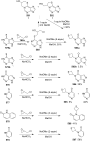
Scheme 2: Synthesis of thietanose nucleosides 2,14 from 2,2-bis(bromomethyl)propane-1,3-diol (11).
Scheme 3: Synthesis of methyl 3-vinylthietane-3-carboxylate (19).
Scheme 4: Synthesis of 1,6-thiazaspiro[3.3]heptane (24).
Scheme 5: Synthesis of 6-amino-2-thiaspiro[3.3]heptane hydrochloride (28).
Scheme 6: Synthesis of optically active thietane 31 from vitamin C.
Scheme 7: Synthesis of an optically active thietane nucleoside from diethyl L-tartrate (32).
Scheme 8: Synthesis of thietane-containing spironucleoside 40 from 5-aldo-3-O-benzyl-1,2-O-isopropylidene-α-D...
Scheme 9: Synthesis of optically active 2-methylthietane-containing spironucleoside 43.
Scheme 10: Synthesis of a double-linked thietane-containing spironucleoside 48.
Scheme 11: Synthesis of two diastereomeric thietanose nucleosides via 2,4-di(benzyloxymethyl)thietane (49).
Scheme 12: Synthesis of the thietane-containing PI3k inhibitor candidate 54.
Scheme 13: Synthesis of the spirothietane 57 as the key intermediate to Nuphar sesquiterpene thioalkaloids.
Scheme 14: Synthesis of spirothietane 61 through a direct cyclic thioetherification of 3-mercaptopropan-1-ol.
Scheme 15: Synthesis of thietanes 66 from 1,3-diols 62.
Scheme 16: Synthesis of thietanylbenzimidazolone 75 from (iodomethyl)thiazolobenzimidazole 70.
Scheme 17: Synthesis of 2-oxa-6-thiaspiro[3.3]heptane (80) from bis(chloromethyl)oxetane 76 and thiourea.
Scheme 18: Synthesis of the thietane-containing glycoside, 2-O-p-toluenesulfonyl-4,6-thioanhydro-α-D-gulopyran...
Scheme 19: Synthesis of methyl 4,6-thioanhydro-α-D-glucopyranoside (89).
Scheme 20: Synthesis of thietane-fused α-D-galactopyranoside 93.
Scheme 21: Synthesis of thietane-fused α-D-gulopyranoside 100.
Scheme 22: Synthesis of 3,5-anhydro-3-thiopentofuranosides 104.
Scheme 23: Synthesis of anhydro-thiohexofuranosides 110, 112 and 113 from from 1,2:4,5-di-O-isopropylidene D-f...
Scheme 24: Synthesis of optically active thietanose nucleosides from D- and L-xyloses.
Scheme 25: Synthesis of thietane-fused nucleosides.
Scheme 26: Synthesis of 3,5-anhydro-3-thiopentofuranosides.
Scheme 27: Synthesis of 2-amino-3,5-anhydro-3-thiofuranoside 141.
Scheme 28: Synthesis of thietane-3-ols 145 from (1-chloromethyl)oxiranes 142 and hydrogen sulfide.
Scheme 29: Synthesis of thietane-3-ol 145a from chloromethyloxirane (142a).
Scheme 30: Synthesis of thietane-3-ols 145 from 2-(1-haloalkyl)oxiranes 142 and 147 with ammonium monothiocarb...
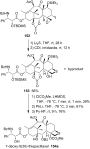
Scheme 31: Synthesis of 7-deoxy-5(20)thiapaclitaxel 154a, a thietane derivative of taxoids.
Scheme 32: Synthesis of 5(20)-thiadocetaxel 158 from 10-deacetylbaccatin III (155).
Scheme 33: Synthesis of thietane derivatives 162 as precursors for deoxythiataxoid synthesis through oxiraneme...
Scheme 34: Synthesis of 7-deoxy 5(20)-thiadocetaxel 154b.
Scheme 35: Mechanism for the formation of the thietane ring in 171 from oxiranes with vicinal leaving groups 1...
Scheme 36: Synthesis of cis-2,3-disubstituted thietane 175 from thiirane-2-methanol 172.
Scheme 37: Synthesis of a bridged thietane 183 from aziridine cyclohexyl tosylate 179 and ammonium tetrathiomo...
Scheme 38: Synthesis of thietanes via the photochemical [2 + 2] cycloaddition of thiobenzophenone 184a with va...
Scheme 39: Synthesis of spirothietanes through the photo [2 + 2] cycloaddition of cyclic thiocarbonyls with ol...
Scheme 40: Photochemical synthesis of spirothietane-thioxanthenes 210 from thioxanthenethione (208) and butatr...
Scheme 41: Synthesis of thietanes 213 from 2,4,6-tri(tert-butyl)thiobenzaldehyde (211) with substituted allene...
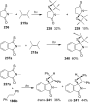
Scheme 42: Photochemical synthesis of spirothietanes 216 and 217 from N-methylthiophthalimide (214) with olefi...
Scheme 43: Synthesis of fused thietanes from quadricyclane with thiocarbonyl derivatives 219.
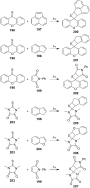
Scheme 44: Synthesis of tricyclic thietanes via the photo [2 + 2] cycloaddition of N-methyldithiosuccinimides ...
Scheme 45: Synthesis of tricyclic thietanes via the photo [2 + 2] cycloaddition of N-methylthiosuccinimide/thi...
Scheme 46: Synthesis of tricyclic thietanes via the photo [2 + 2] cycloaddition of N-alkylmonothiophthalimides...
Scheme 47: Synthesis of spirothietanes from dithiosuccinimides 223 with 2,3-dimethyl-2-butene (215a).
Scheme 48: Synthesis of thietanes 248a,b from diaryl thione 184b and ketene acetals 247a,b.
Scheme 49: Photocycloadditions of acridine-9-thiones 249 and pyridine-4(1H)-thione (250) with 2-methylacrynitr...
Scheme 50: Synthesis of thietanes via the photo [2 + 2] cycloaddition of mono-, di-, and trithiobarbiturates 2...
Scheme 51: Synthesis of spirothietanes via the photo [2 + 2] cycloaddition of 1,1,3-trimethyl-2-thioxo-1,2-dih...
Scheme 52: Synthesis of spirothietanes via the photo [2 + 2] cycloaddition of thiocoumarin 286 with olefins.
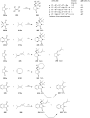
Scheme 53: Photochemical synthesis of thietanes 296–299 from semicyclic and acyclic thioimides 292–295 and 2,3...
Scheme 54: Photochemical synthesis of spirothietane 301 from 1,3,3-trimethylindoline-2-thione (300) and isobut...
Scheme 55: Synthesis of spirobenzoxazolethietanes 303 via the photo [2 + 2] cycloaddition of alkyl and aryl 2-...
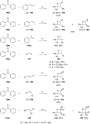
Scheme 56: Synthesis of spirothietanes from tetrahydrothioxoisoquinolines 306 and 307 with olefins.
Scheme 57: Synthesis of spirothietanes from 1,3-dihydroisobenzofuran-1-thiones 311 and benzothiophene-1-thione...
Scheme 58: Synthesis of 2-triphenylsilylthietanes from phenyl triphenylsilyl thioketone (316) with electron-po...
Scheme 59: Diastereoselective synthesis of spiropyrrolidinonethietanes 320 via the photo [2 + 2] cycloaddition...
Scheme 60: Synthesis of bicyclic thietane 323 via the photo [2 + 2] cycloaddition of 2,4-dioxo-3,4-dihydropyri...
Scheme 61: Photo-induced synthesis of fused thietane-2-thiones 325 and 326 from silacyclopentadiene 324 and ca...
Scheme 62: Synthesis of highly strained tricyclic thietanes 328 via the intramolecular photo [2 + 2] cycloaddi...
Scheme 63: Synthesis of tri- and pentacyclic thietanes 330 and 332, respectively, through the intramolecular p...
Scheme 64: Synthesis of tricyclic thietanes 334 via the intramolecular photo [2 + 2] cycloaddition of N-vinylt...
Scheme 65: Synthesis of tricyclic thietanes 336 via the intramolecular photo [2 + 2] cycloaddition of N-but-3-...
Scheme 66: Synthesis of tricyclic thietanes via the intramolecular photo [2 + 2] cycloaddition of N-but-3-enyl...
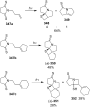
Scheme 67: Synthesis of tetracyclic thietane 344 through the intramolecular photo [2 + 2] cycloaddition of N-[...
Scheme 68: Synthesis of tri- and tetracyclic thietanes 348, 350, and 351, through the intramolecular photo [2 ...
Scheme 69: Synthesis of tetracyclic fused thietane 354 via the photo [2 + 2] cycloaddition of vinyl 2-thioxo-3H...
Scheme 70: Synthesis of highly rigid thietane-fused β-lactams via the intramolecular photo [2 + 2] cycloadditi...
Scheme 71: Asymmetric synthesis of a highly rigid thietane-fused β-lactam 356a via the intramolecular photo [2...
Scheme 72: Diastereoselective synthesis of the thietane-fused β-lactams via the intramolecular photo [2 + 2] c...
Scheme 73: Asymmetric synthesis of thietane-fused β-lactams 356 via the intramolecular photo [2 + 2] cycloaddi...
Scheme 74: Synthesis of the bridged bis(trifluoromethyl)thietane from 2,2,4,4-tetrakis(trifluoromethyl)-1,3-di...
Scheme 75: Synthesis of the bridged-difluorothietane 368 from 2,2,4,4-tetrafluoro-1,3-dithietane (367) and qua...
Scheme 76: Synthesis of bis(trifluoromethyl)thietanes from 2,2,4,4-tetrakis(trifluoromethyl)-1,3-dithietane (3...
Scheme 77: Synthesis of 2,2-dimethylthio-4,4-di(trifluoromethyl)thietane (378) from 2,2,4,4-tetrakis(trifluoro...
Scheme 78: Formation of bis(trifluoromethyl)thioacetone (381) through nucleophilic attack of dithietane 363 by...
Scheme 79: Synthesis of 2,2-bis(trifluoromethyl)thietanes from 2,2,4,4-tetrakis(trifluoromethyl)-1,3-dithietan...
Scheme 80: Synthesis of the bridged bis(trifluoromethyl)thietane 364 from of 2,2,4,4-tetrakis(trifluoromethyl)...
Scheme 81: Synthesis of 2,4-diiminothietanes 390 from alkenimines and 4-methylbenzenesulfonyl isothiocyanate (...
Scheme 82: Synthesis of arylidene 2,4-diiminothietanes 393 starting from phosphonium ylides 391 and isothiocya...
Scheme 83: Synthesis of thietane-2-ylideneacetates 397 through a DABCO-catalyzed formal [2 + 2] cycloaddition ...
Scheme 84: Synthesis of 3-substituted thietanes 400 from (1-chloroalkyl)thiiranes 398.
Scheme 85: Synthesis of N-(thietane-3-yl)azaheterocycles 403 and 404 through reaction of chloromethylthiirane (...
Scheme 86: Synthesis of 3-sulfonamidothietanes 406 from sulfonamides and chloromethylthiirane (398a).
Scheme 87: Synthesis of N-(thietane-3-yl)isatins 408 from chloromethylthiirane (398a) and isatins 407.
Scheme 88: Synthesis of 3-(nitrophenyloxy)thietanes 410 from nitrophenols 409 and chloromethylthiirane (398a).
Scheme 89: Synthesis of N-aryl-N-(thietane-3-yl)cyanamides 412 from N-arylcyanamides 411 and chloromethylthiir...
Scheme 90: Synthesis of 1-(thietane-3-yl)pyrimidin-2,4(1H,3H)-diones 414 from chloromethylthiirane (398a) and ...
Scheme 91: Synthesis of 2,4-diiminothietanes 418 from 2-iminothiiranes 416 and isocyanoalkanes 415.
Scheme 92: Synthesis of 2-vinylthietanes 421 from thiiranes 419 and 3-chloroallyl lithium (420).
Scheme 93: Synthesis of thietanes from thiiranes 419 and trimethyloxosulfonium iodide 424.
Scheme 94: Mechanism for synthesis of thietanes 425 from thiiranes 419 and trimethyloxosulfonium iodide 424.
Scheme 95: Synthesis of functionalized thietanes from thiiranes and dimethylsulfonium acylmethylides.
Scheme 96: Mechanism for the rhodium-catalyzed synthesis of functionalized thietanes 429 from thiiranes 419 an...
Scheme 97: Synthesis of 3-iminothietanes 440 through thermal isomerization from 4,5-dihydro-1,3-oxazole-4-spir...
Scheme 98: Synthesis of thietanes 443 from 3-chloro-2-methylthiolane (441) through ring contraction.
Scheme 99: Synthesis of an optically active thietanose 447 from D-xylose involving a ring contraction.
Scheme 100: Synthesis of optically thietane 447 via the DAST-mediated ring contraction of 448.
Scheme 101: Synthesis of the optically thietane nucleoside 451 via the ring contraction of thiopentose in 450.
Scheme 102: Synthesis of spirothietane 456 from 3,3,5,5-tetramethylthiolane-2,4-dithione (452) and benzyne (453...
Scheme 103: Synthesis of thietanes 461 via photoisomerization of 2H,6H-thiin-3-ones 459.
Scheme 104: Phosphorodithioate-mediated synthesis of 1,4-diarylthietanes 465.
Scheme 105: Mechanism of the phosphorodithioate-mediated synthesis of 1,4-diarylthietanes 465.
Scheme 106: Phosphorodithioate-mediated synthesis of trisubstituted thietanes (±)-470.
Scheme 107: Mechanism on the phosphorodithioate-mediated synthesis of trisubstituted thietanes.
Scheme 108: Phosphorodithioate-mediated synthesis of thietanes (±)-475.
Scheme 109: Phosphorodithioate-mediated synthesis of 1,2-disubstituted thietanes from aldehydes 476 and acrylon...
Scheme 110: Phosphorodithioate-mediated synthesis of 1,2-disubstituted thietanes via a one-pot three-component ...
Scheme 111: Mechanism for the phosphorodithioate-mediated synthesis of 1,2-disubstituted thietanes via three-co...
Scheme 112: Phosphorodithioate-mediated synthesis of substituted 3-nitrothietanes.
Scheme 113: Mechanism on the phosphorodithioate-mediated synthesis of 1,2-disubstituted thietanes (±)-486.
Scheme 114: Asymmetric synthesis of (S)-2-phenylthietane (497).
Scheme 115: Asymmetric synthesis of optically active 2,4-diarylthietanes.
Scheme 116: Synthesis of 3-acetamidothietan-2-one 503 via the intramolecular thioesterification of 3-mercaptoal...
Scheme 117: Synthesis of 4-substituted thietan-2-one via the intramolecular thioesterification of 3-mercaptoalk...
Scheme 118: Synthesis of 4,4-disubstituted thietan-2-one 511 via the intramolecular thioesterification of the 3...
Scheme 119: Synthesis of a spirothietan-2-one 514 via the intramolecular thioesterification of 3-mercaptoalkano...
Scheme 120: Synthesis of thiatetrahydrolipstatin starting from (S)-(−)-epichlorohydrin ((S)-142a).
Scheme 121: Synthesis of 2-phenethyl-4-(propan-2-ylidene)thietane (520) from 5-bromo-6-methyl-1-phenylhept-5-en...
Scheme 122: Synthesis of 2-phenethyl-4-(propan-2-ylidene)thietane (520) directly from S-(5-bromo-6-methyl-1-phe...
Scheme 123: Synthesis of 2-alkylidenethietanes from S-(2-bromoalk-1-en-4-yl)thioacetates.
Scheme 124: Synthesis of 2-alkylidenethietanes from S-(2-bromo/chloroalk-1-en-4-yl)thiols.
Scheme 125: Synthesis of spirothietan-3-ol 548 from enone 545 and ammonium hydrosulfide.
Scheme 126: Asymmetric synthesis of the optically active thietanoside from cis-but-2-ene-1,4-diol (47).
Scheme 127: Synthesis of 2-alkylidenethietan-3-ols 557 via the fluoride-mediated cyclization of thioacylsilanes ...
Scheme 128: Synthesis of 2-iminothietanes via the reaction of propargylbenzene (558) and isothiocyanates 560 in...
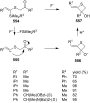
Scheme 129: Synthesis of 2-benzylidenethietane 567 via the nickel complex-catalyzed electroreductive cyclizatio...
Scheme 130: Synthesis of 2-iminothietanes 569 via the photo-assisted electrocyclic reaction of N-monosubstitute...
Scheme 131: Synthesis of ethyl 3,4-diiminothietane-2-carboxylates from ethyl thioglycolate (570) and bis(imidoy...
Scheme 132: Synthesis of N-(thietan-3-yl)-α-oxoazaheterocycles from azaheterocyclethiones and chloromethyloxira...
Scheme 133: Synthesis of thietan-3-yl benzoate (590) via the nickel-catalyzed intramolecular reductive thiolati...
Scheme 134: Synthesis of 2,2-bis(trifluoromethyl)thietane from 3,3-bis(trifluoromethyl)-1,2-dithiolane.
Scheme 135: Synthesis of thietanes from enamines and sulfonyl chlorides.
Scheme 136: Synthesis of spirothietane 603 via the [2 + 3] cycloaddition of 2,2,4,4-tetramethylcyclobutane-1,3-...
Scheme 137: Synthesis of thietane (605) from 1-bromo-3-chloropropane and sulfur.
Beilstein J. Org. Chem. 2020, 16, 1100–1110, doi:10.3762/bjoc.16.97
Graphical Abstract
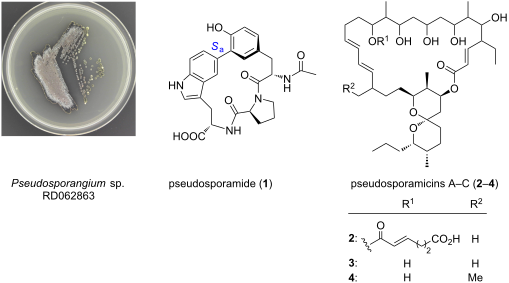
Figure 1: Structures of pseudosporamide (1) and pseudosporamicins A–C (2–4).
Figure 2: COSY, key HMBC and ROESY correlations of pseudosporamide (1).
Figure 3: 1H NMR ΔδS−R values for PGME amides 5a and 5b obtained from compound 1.
Figure 4: The opposite axial chirality around the biaryl C-6–C-7'' bond influenced by the C-2 configuration i...
Figure 5: The experimental and calculated ECD spectra in MeCN.
Figure 6: COSY, key HMBC and NOESY correlations of compound 2.
Figure 7: NOESY correlations for the spiroacetal moiety of compound 2.
Figure 8: Selected examples of oligomycin-class metabolites from actinomycetes.
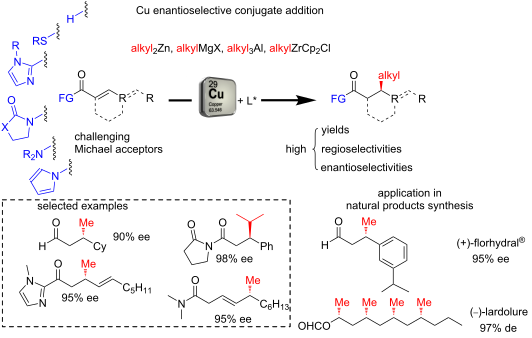
Beilstein J. Org. Chem. 2020, 16, 1006–1021, doi:10.3762/bjoc.16.90
Graphical Abstract
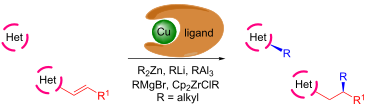
Scheme 1: Copper-catalysed ACA of organometallics to piperidones. A) addition of organozinc reagents; B) addi...
Scheme 2: Copper-catalysed ACA of alkenylalanes to N-substituted-2,3-dehydro-4-piperidones.
Scheme 3: Copper-catalysed asymmetric addition of dialkylzinc reagents to N-acyl-4-methoxypyridinium salts fo...
Scheme 4: Copper-catalysed ACA of organozirconium reagents to N-substituted 2,3-dehydro-4-piperidones and lac...
Scheme 5: Copper-catalysed ACA of Grignard reagents to chromones and coumarins and further derivatisation of ...
Scheme 6: Copper-catalysed ACA of Grignard reagents to N-protected quinolones.
Scheme 7: Copper-catalysed ACAs of organometallics to conjugated unsaturated lactams.
Scheme 8: Copper-catalysed ACA of Et2Zn to 5,6-dihydro-2-pyranone.
Scheme 9: Copper-catalysed ACA of Grignard reagents to pyranone and 5,6-dihydro-2-pyranone.
Scheme 10: Copper-catalysed AAA of an organozirconium reagent to heterocyclic acceptors.
Scheme 11: Copper-catalysed ring opening of an oxygen-bridged substrate with trialkylaluminium reagents.
Scheme 12: Copper-catalysed ring opening of oxabicyclic substrates with organolithium reagents (selected examp...
Scheme 13: Copper-catalysed ring opening of polycyclic meso hydrazines.
Scheme 14: Copper-catalysed ACA of Grignard reagents to alkenyl-substituted aromatic N-heterocycles.
Scheme 15: Copper-catalysed ACA of Grignard reagents to β-substituted alkenylpyridines.
Scheme 16: Copper-catalysed ACA of organozinc reagents to alkylidene Meldrum’s acids.
Beilstein J. Org. Chem. 2020, 16, 956–965, doi:10.3762/bjoc.16.84
Graphical Abstract
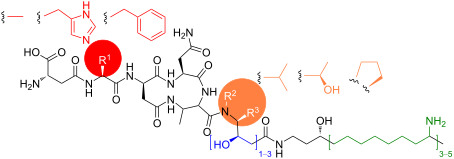
Figure 1: General biosynthesis of fabclavine Ia (1) in X. budapestensis (A) and representation of a shortened...
Figure 2: Comparison of the fcl BGCs in Xenorhabdus and Photorhabdus strains responsible for the fabclavine b...
Beilstein J. Org. Chem. 2020, 16, 917–955, doi:10.3762/bjoc.16.83
Graphical Abstract
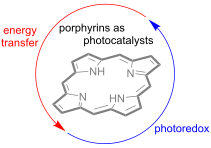
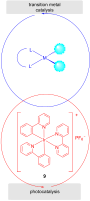
Figure 1: Chemical structures of the porphyrinoids and their absorption spectra: in bold are highlighted the ...
Figure 2: Photophysical and photochemical processes (Por = porphyrin). Adapted from [12,18].
Figure 3: Main dual photocatalysts and their oxidative/reductive excited state potentials, including porphyri...
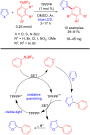
Scheme 1: Photoredox alkylation of aldehydes with diazo acetates using porphyrins and a Ru complex. aUsing a ...
Scheme 2: Proposed mechanism for the alkylation of aldehydes with diazo acetates in the presence of TPP.
Scheme 3: Arylation of heteroarenes with aryldiazonium salts using TPFPP as photocatalyst, and corresponding ...
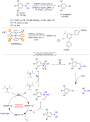
Scheme 4: A) Scope with different aryldiazonium salts and enol acetates. B) Photocatalytic cycles and compari...
Scheme 5: Photoarylation of isopropenyl acetate A) Comparison between batch and continuous-flow approaches an...
Scheme 6: Dehalogenation induced by red light using thiaporphyrin (STPP).
Scheme 7: Applications of NiTPP as both photoreductant and photooxidant.
Scheme 8: Proposed mechanism for obtaining tetrahydroquinolines by reductive quenching.
Scheme 9: Selenylation and thiolation of anilines.
Scheme 10: NiTPP as photoredox catalyst in oxidative and reductive quenching, in comparison with other photoca...
Scheme 11: C–O bond cleavage of 1-phenylethanol using a cobalt porphyrin (CoTMPP) under visible light.
Scheme 12: Hydration of terminal alkynes by RhIII(TSPP) under visible light irradiation.
Scheme 13: Regioselective photocatalytic hydro-defluorination of perfluoroarenes by RhIII(TSPP).
Scheme 14: Formation of 2-methyl-2,3-dihydrobenzofuran by intramolecular hydro-functionalization of allylpheno...
Scheme 15: Photocatalytic oxidative hydroxylation of arylboronic acids using UNLPF-12 as heterogeneous photoca...
Scheme 16: Photocatalytic oxidative hydroxylation of arylboronic acids using MOF-525 as heterogeneous photocat...
Scheme 17: Preparation of the heterogeneous photocatalyst CNH.
Scheme 18: Photoinduced sulfonation of alkenes with sulfinic acid using CNH as photocatalyst.
Scheme 19: Sulfonic acid scope of the sulfonation reactions.
Scheme 20: Regioselective sulfonation reaction of arimistane.
Scheme 21: Synthesis of quinazolin-4-(3H)-ones.
Scheme 22: Selective photooxidation of aromatic benzyl alcohols to benzaldehydes using Pt/PCN-224(Zn).
Scheme 23: Photooxidation of benzaldehydes to benzoic acids using Pt or Pd porphyrins.
Scheme 24: Photocatalytic reduction of various nitroaromatics using a Ni-MOF.
Scheme 25: Photoinduced cycloadditions of CO2 with epoxides by MOF1.
Figure 4: Electronic configurations of the species of oxygen. Adapted from [66].
Scheme 26: TPP-photocatalyzed generation of 1O2 and its application in organic synthesis. Adapted from [67-69].
Scheme 27: Pericyclic reactions involving singlet oxygen and their mechanisms. Adapted from [67].
Scheme 28: First scaled up ascaridole preparation from α-terpinene.
Scheme 29: Antimalarial drug synthesis using an endoperoxidation approach.
Scheme 30: Photooxygenation of colchicine.
Scheme 31: Synthesis of (−)-pinocarvone from abundant (+)-α-pinene.
Scheme 32: Seeberger’s semi-synthesis of artemisinin.
Scheme 33: Synthesis of artemisinin using TPP and supercritical CO2.
Scheme 34: Synthesis of artemisinin using chlorophyll a.
Scheme 35: Quercitol stereoisomer preparation.
Scheme 36: Photocatalyzed preparation of naphthoquinones.
Scheme 37: Continuous endoperoxidation of conjugated dienes and subsequent rearrangements leading to oxidized ...
Scheme 38: The Opatz group total synthesis of (–)-oxycodone.
Scheme 39: Biomimetic syntheses of rhodonoids A, B, E, and F.
Scheme 40: α-Photooxygenation of chiral aldehydes.
Scheme 41: Asymmetric photooxidation of indanone β-keto esters by singlet oxygen using PTC as a chiral inducer...
Scheme 42: Asymmetric photooxidation of both β-keto esters and β-keto amides by singlet oxygen using PTC-2 as ...
Scheme 43: Bifunctional photo-organocatalyst used for the asymmetric oxidation of β-keto esters and β-keto ami...
Scheme 44: Mechanism of singlet oxygen oxidation of sulfides to sulfoxides.
Scheme 45: Controlled oxidation of sulfides to sulfoxides using protonated porphyrins as photocatalysts. aIsol...
Scheme 46: Photochemical oxidation of sulfides to sulfoxides using PdTPFPP as photocatalyst.
Scheme 47: Controlled oxidation of sulfides to sulfoxides using SnPor@PAF as a photosensitizer.
Scheme 48: Syntheses of 2D-PdPor-COF and 3D-Pd-COF.
Scheme 49: Photocatalytic oxidation of A) thioanisole to methyl phenyl sulfoxide and B) various aryl sulfides,...
Scheme 50: General mechanism for oxidation of amines to imines.
Scheme 51: Oxidation of secondary amines to imines.
Scheme 52: Oxidation of secondary amines using Pd-TPFPP as photocatalyst.
Scheme 53: Oxidative amine coupling using UNLPF-12 as heterogeneous photocatalyst.
Scheme 54: Synthesis of Por-COF-1 and Por-COF-2.
Scheme 55: Photocatalytic oxidation of amines to imines by Por-COF-2.
Scheme 56: Photocyanation of primary amines.
Scheme 57: Synthesis of ᴅ,ʟ-tert-leucine hydrochloride.
Scheme 58: Photocyanation of catharanthine and 16-O-acetylvindoline using TPP.
Scheme 59: Photochemical α-functionalization of N-aryltetrahydroisoquinolines using Pd-TPFPP as photocatalyst.
Scheme 60: Ugi-type reaction with 1,2,3,4-tetrahydroisoquinoline using molecular oxygen and TPP.
Scheme 61: Ugi-type reaction with dibenzylamines using molecular oxygen and TPP.
Scheme 62: Mannich-type reaction of tertiary amines using PdTPFPP as photocatalyst.
Scheme 63: Oxidative Mannich reaction using UNLPF-12 as heterogeneous photocatalyst.
Scheme 64: Transformation of amines to α-cyanoepoxides and the proposed mechanism.
Beilstein J. Org. Chem. 2020, 16, 738–755, doi:10.3762/bjoc.16.68
Graphical Abstract
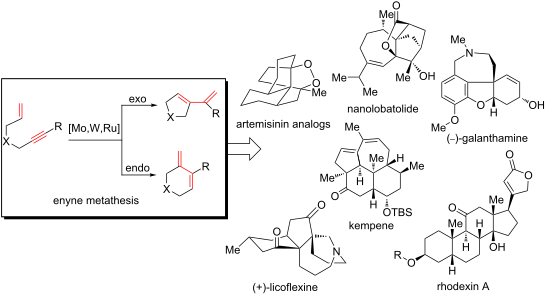
Scheme 1: Intramolecular (A) and intermolecular (B) enyne metathesis reactions.
Scheme 2: Ene–yne and yne–ene mechanisms for intramolecular enyne metathesis reactions.
Scheme 3: Metallacarbene mechanism in intermolecular enyne metathesis.
Scheme 4: The Oguri strategy for accessing artemisinin analogs 1a–c through enyne metathesis.
Scheme 5: Access to the tetracyclic core of nanolobatolide (2) via tandem enyne metathesis followed by an Eu(...
Scheme 6: Synthesis of (−)-amphidinolide E (3) using an intermolecular enyne metathesis as the key step.
Scheme 7: Synthesis of amphidinolide K (4) by an enyne metathesis route.
Scheme 8: Trost synthesis of des-epoxy-amphidinolide N (5) [72].
Scheme 9: Enyne metathesis between the propargylic derivative and the allylic alcohol in the synthesis of the...
Scheme 10: Synthetic route to amphidinolide N (6a).
Scheme 11: Synthesis of the stereoisomeric precursors of amphidinolide V (7a and 7b) through alkyne ring-closi...
Scheme 12: Synthesis of the anthramycin precursor 8 from ʟ-methionine by a tandem enyne metathesis–cross metat...
Scheme 13: Synthesis of (−)‐clavukerin A (9) and (−)‐isoclavukerin A (10) by an enyne metathesis route startin...
Scheme 14: Synthesis of (−)-isoguaiene (11) through an enyne metathesis as the key step.
Scheme 15: Synthesis of erogorgiaene (12) by a tandem enyne metathesis/cross metathesis sequence using the sec...
Scheme 16: Synthesis of (−)-galanthamine (13) from isovanilin by an enyne metathesis.
Scheme 17: Application of enyne metathesis for the synthesis of kempene diterpenes 14a–c.
Scheme 18: Synthesis of the alkaloid (+)-lycoflexine (15) through enyne metathesis.
Scheme 19: Synthesis of the AB subunits of manzamine A (16a) and E (16b) by enyne metathesis.
Scheme 20: Jung's synthesis of rhodexin A (17) by enyne metathesis/cross metathesis reactions.
Scheme 21: Total synthesis of (−)-flueggine A (18) and (+)-virosaine B (19) from Weinreb amide by enyne metath...
Scheme 22: Access to virgidivarine (20) and virgiboidine (21) by an enyne metathesis route.
Scheme 23: Enyne metathesis approach to (−)-zenkequinone B (22).
Scheme 24: Access to C-aryl glycoside 23 by an intermolecular enyne metathesis/Diels–Alder cycloaddition.
Scheme 25: Synthesis of spiro-C-aryl glycoside 24 by a tandem intramolecular enyne metathesis/Diels–Alder reac...
Scheme 26: Pathways to (−)-exiguolide (25) by Trost’s Ru-catalyzed enyne cross-coupling and cross-metathesis [94].
Beilstein J. Org. Chem. 2020, 16, 691–737, doi:10.3762/bjoc.16.67
Graphical Abstract
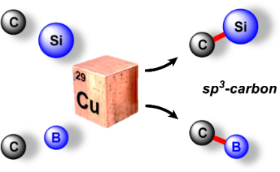
Scheme 1: Pharmaceuticals possessing a silicon or boron atom.
Scheme 2: The first Cu-catalyzed C(sp3)–Si bond formation.
Scheme 3: Conversion of benzylic phosphate 6 to the corresponding silane.
Scheme 4: Conversion of alkyl triflates to alkylsilanes.
Scheme 5: Conversion of secondary alkyl triflates to alkylsilanes.
Scheme 6: Conversion of alkyl iodides to alkylsilanes.
Scheme 7: Trapping of intermediate radical through cascade reaction.
Scheme 8: Radical pathway for conversion of alkyl iodides to alkylsilanes.
Scheme 9: Conversion of alkyl ester of N-hydroxyphthalimide to alkylsilanes.
Scheme 10: Conversion of gem-dibromides to bis-silylalkanes.
Scheme 11: Conversion of imines to α-silylated amines (A) and the reaction pathway (B).
Scheme 12: Conversion of N-tosylimines to α-silylated amines.
Scheme 13: Screening of diamine ligands.
Scheme 14: Conversion of N-tert-butylsulfonylimines to α-silylated amines.
Scheme 15: Conversion of aldimines to nonracemic α-silylated amines.
Scheme 16: Conversion of N-tosylimines to α-silylated amines.
Scheme 17: Reaction pathway [A] and conversion of aldehydes to α-silylated alcohols [B].
Scheme 18: Conversion of aldehydes to benzhydryl silyl ethers.
Scheme 19: Conversion of ketones to 1,2-diols (A) and conversion of imines to 1,2-amino alcohols (B).
Scheme 20: Ligand screening (A) and conversion of aldehydes to α-silylated alcohols (B).
Scheme 21: Conversion of aldehydes to α-silylated alcohols.
Scheme 22: 1,4-Additions to α,β-unsaturated ketones.
Scheme 23: 1,4-Additions to unsaturated ketones to give β-silylated derivatives.
Scheme 24: Additions onto α,β-unsaturated lactones to give β-silylated lactones.
Scheme 25: Conversion of α,β-unsaturated to β-silylated lactams.
Scheme 26: Conversion of N-arylacrylamides to silylated oxindoles.
Scheme 27: Conversion of α,β-unsaturated carbonyl compounds to silylated tert-butylperoxides.
Scheme 28: Catalytic cycle for Cu(I) catalyzed α,β-unsaturated compounds.
Scheme 29: Conversion of p-quinone methides to benzylic silanes.
Scheme 30: Conversion of α,β-unsaturated ketimines to regio- and stereocontrolled allylic silanes.
Scheme 31: Conversion of α,β-unsaturated ketimines to enantioenriched allylic silanes.
Scheme 32: Regioselective conversion of dienedioates to allylic silanes.
Scheme 33: Conversion of alkenyl-substituted azaarenes to β-silylated adducts.
Scheme 34: Conversion of conjugated benzoxazoles to enantioenriched β-silylated adducts.
Scheme 35: Conversion of α,β-unsaturated carbonyl indoles to α-silylated N-alkylated indoles.
Scheme 36: Conversion of β-amidoacrylates to α-aminosilanes.
Scheme 37: Conversion of α,β-unsaturated ketones to enantioenriched β-silylated ketones, nitriles, and nitro d...
Scheme 38: Regio-divergent silacarboxylation of allenes.
Scheme 39: Silylation of diazocarbonyl compounds, (A) asymmetric and (B) racemic.
Scheme 40: Enantioselective hydrosilylation of alkenes.
Scheme 41: Conversion of 3-acylindoles to indolino-silanes.
Scheme 42: Proposed mechanism for the silylation of 3-acylindoles.
Scheme 43: Silyation of N-chlorosulfonamides.
Scheme 44: Conversion of acyl silanes to α-silyl alcohols.
Scheme 45: Conversion of N-tosylaziridines to β-silylated N-tosylamines.
Scheme 46: Conversion of N-tosylaziridines to silylated N-tosylamines.
Scheme 47: Conversion of 3,3-disubstituted cyclopropenes to silylated cyclopropanes.
Scheme 48: Conversion of conjugated enynes to 1,3-bis(silyl)propenes.
Scheme 49: Proposed sequence for the Cu-catalyzed borylation of substituted alkenes.
Scheme 50: Cu-catalyzed synthesis of nonracemic allylic boronates.
Scheme 51: Cu–NHC catalyzed synthesis of α-substituted allylboronates.
Scheme 52: Synthesis of α-chiral (γ-alkoxyallyl)boronates.
Scheme 53: Cu-mediated formation of nonracemic cis- or trans- 2-substituted cyclopropylboronates.
Scheme 54: Cu-catalyzed synthesis of γ,γ-gem-difluoroallylboronates.
Scheme 55: Cu-catalyzed hydrofunctionalization of internal alkenes and vinylarenes.
Scheme 56: Cu-catalyzed Markovnikov and anti-Markovnikov borylation of alkenes.
Scheme 57: Cu-catalyzed borylation/ortho-cyanation/Cope rearrangement.
Scheme 58: Borylfluoromethylation of alkenes.
Scheme 59: Cu-catalyzed synthesis of tertiary nonracemic alcohols.
Scheme 60: Synthesis of densely functionalized and synthetically versatile 1,2- or 4,3-borocyanated 1,3-butadi...
Scheme 61: Cu-catalyzed trifunctionalization of allenes.
Scheme 62: Cu-catalyzed selective arylborylation of arenes.
Scheme 63: Asymmetric borylative coupling between styrenes and imines.
Scheme 64: Regio-divergent aminoboration of unactivated terminal alkenes.
Scheme 65: Cu-catalyzed 1,4-borylation of α,β-unsaturated ketones.
Scheme 66: Cu-catalyzed protodeboronation of α,β-unsaturated ketones.
Scheme 67: Cu-catalyzed β-borylation of α,β-unsaturated imines.
Scheme 68: Cu-catalyzed synthesis of β-trifluoroborato carbonyl compounds.
Scheme 69: Asymmetric 1,4-borylation of α,β-unsaturated carbonyl compounds.
Scheme 70: Cu-catalyzed ACB and ACA reactions of α,β-unsaturated 2-acyl-N-methylimidazoles.
Scheme 71: Cu-catalyzed diborylation of aldehydes.
Scheme 72: Umpolung pathway for chiral, nonracemic tertiary alcohol synthesis (top) and proposed mechanism for...
Scheme 73: Cu-catalyzed synthesis of α-hydroxyboronates.
Scheme 74: Cu-catalyzed borylation of ketones.
Scheme 75: Cu-catalyzed borylation of unactivated alkyl halides.
Scheme 76: Cu-catalyzed borylation of allylic difluorides.
Scheme 77: Cu-catalyzed borylation of cyclic and acyclic alkyl halides.
Scheme 78: Cu-catalyzed borylation of unactivated alkyl chlorides and bromides.
Scheme 79: Cu-catalyzed decarboxylative borylation of carboxylic acids.
Scheme 80: Cu-catalyzed borylation of benzylic, allylic, and propargylic alcohols.
Beilstein J. Org. Chem. 2020, 16, 670–673, doi:10.3762/bjoc.16.64
Graphical Abstract
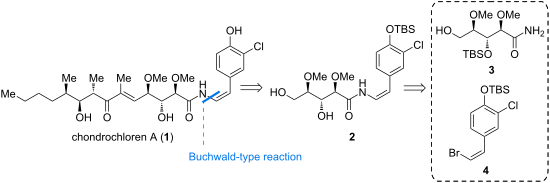
Figure 1: Retrosynthetic analysis of chondrochlorene A (1).
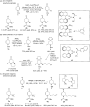
Scheme 1: Synthesis of amide 3 [16-20]. TIPDSCl2 = 1,3-dichloro-1,1,3,3-tetraisopropyldisiloxane, TBSOTf = tert-buty...
Scheme 2: Synthesis of (Z)-bromide 4 using a palladium-catalyzed, stereoselective dehalogenation [21-24]. TBSOTf = t...
Scheme 3: Cross coupling of amide 3 and (Z)-bromide 4 (see Table 1 for conditions).
Beilstein J. Org. Chem. 2020, 16, 645–656, doi:10.3762/bjoc.16.61
Graphical Abstract
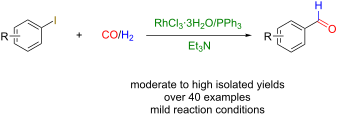
Figure 1: Rhodium-catalyzed reductive carbonylation of iodobenzene with CO and H2 to afford benzaldehyde. a) ...
Scheme 1: Scaled-up experiment of the reductive carbonylation of iodobenzene to benzaldehyde under the optimi...
Scheme 2: Catalytic species participating in the catalytic process.
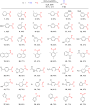
Scheme 3: Substrate scope for the Rh-catalyzed reductive carbonylation of aryl iodides using CO and H2. React...
Scheme 4: Isotope-labeling experiments.
Scheme 5: Proposed reaction mechanism for the Rh-catalyzed reductive carbonylation of aryl iodides using CO a...
Beilstein J. Org. Chem. 2020, 16, 337–350, doi:10.3762/bjoc.16.33
Graphical Abstract
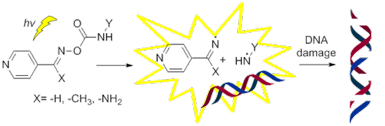
Figure 1: General structures of oxime derivatives with possible DNA photocleavage ability. Left: Oxime carbox...
Scheme 1: Synthesis of O-carbamoyl amidoximes (8–13), ethanone oximes (15–20) and aldoximes (22–27). Oxime 1 ...
Figure 2: UV–vis spectra of CT DNA ([DNA] = 1.1 × 10⁻⁴ M) in buffer solution in the absence or presence of in...
Figure 3: Relative viscosity (η/η0)1/3 of CT DNA (0.1 mM) in buffer solution in the presence of compounds 11 ...
Figure 4: Plot of EB-DNA relative fluorescence emission intensity at λ = 592 nm (I/I0, %) vs r (= [compound]/...
Figure 5: DNA photocleavage of amidoxime carbamates at a concentration of 500 μM and mechanistic studies of a...
Figure 6: Potential energy curve for the dissociation of 12 in the first excited triplet state, T1. For compo...
Scheme 2: Photodissociation reaction of the derivative 12 in the T1 state and the formation of ground state r...
Scheme 3: Decarboxylation reaction of the p-chlorophenylcarbamoyloxyl radical.
Figure 7: Proposed scheme showing a possible energy transfer from acetophenone sensitizer to oxime carbamate ...
Figure 8: DNA photocleavage of compounds 8–10 and 12–13 at concentration of 500 μM, at 365 nm, in the absence...
Figure 9: DNA photocleavage of compound 12 at a concentration of 500 μM, at 312 nm, in the absence and presen...
Beilstein J. Org. Chem. 2020, 16, 248–280, doi:10.3762/bjoc.16.26
Graphical Abstract
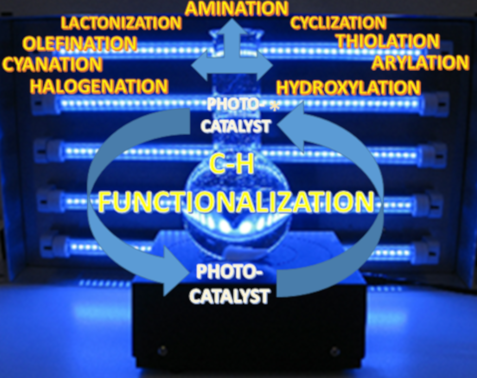
Figure 1: List of photoredox catalysts used for C–H bond functionalizations.
Figure 2: List of metal-based photoredox catalysts used in this review article.
Figure 3: Jablonski diagram.
Figure 4: Photoredox catalysis via reductive or oxidative pathways. D = donor, A = acceptor, S = substrate, P...
Figure 5: Schematic representation of the combination of photoredox catalysis and transition metal catalysis.
Scheme 1: Weinreb amide C–H olefination.
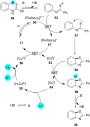
Figure 6: Mechanism for the formation of 21 from 19 using photoredox catalyst 11.
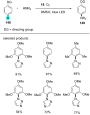
Scheme 2: C–H olefination of phenolic ethers.
Scheme 3: Decarboxylative acylation of acetanilides.
Figure 7: Mechanism for the formation of 30 from acetanilide derivatives.
Scheme 4: Synthesis of fluorenone derivatives by intramolecular deoxygenative acylation of biaryl carboxylic ...
Figure 8: Mechanism for the photoredox-catalyzed synthesis of fluorenone derivatives.
Scheme 5: Synthesis of benzothiazoles via aerobic C–H thiolation.
Figure 9: Plausible mechanism for the construction of benzothiazoles from benzothioamides.
Scheme 6: Synthesis of benzothiazoles via oxidant-free C–H thiolation.
Figure 10: Mechanism involved in the synthesis of benzothiazoles via oxidant-free C–H thiolation.
Scheme 7: Synthesis of indoles via C–H cyclization of anilides with alkynes.
Scheme 8: Preparation of 3-trifluoromethylcoumarins via C–H cyclization of arylpropiolate esters.
Figure 11: Mechanistic pathway for the synthesis of coumarin derivatives via C–H cyclization.
Scheme 9: Monobenzoyloxylation without chelation assistance.
Figure 12: Plausible mechanism for the formation of 71 from 70.
Scheme 10: Aryl-substituted arenes prepared by inorganic photoredox catalysis using 12a.
Figure 13: Proposed mechanism for C–H arylations in the presence of 12a and a Pd catalyst.
Scheme 11: Arylation of purines via dual photoredox catalysis.
Scheme 12: Arylation of substituted arenes with an organic photoredox catalyst.
Scheme 13: C–H trifluoromethylation.
Figure 14: Proposed mechanism for the trifluoromethylation of 88.
Scheme 14: Synthesis of benzo-3,4-coumarin derivatives.
Figure 15: Plausible mechanism for the synthesis of substituted coumarins.
Scheme 15: Oxidant-free oxidative phosphonylation.
Figure 16: Mechanism proposed for the phosphonylation reaction of 100.
Scheme 16: Nitration of anilines.
Figure 17: Plausible mechanism for the nitration of aniline derivatives via photoredox catalysis.
Scheme 17: Synthesis of carbazoles via intramolecular amination.
Figure 18: Proposed mechanism for the formation of carbazoles from biaryl derivatives.
Scheme 18: Synthesis of substituted phenols using QuCN.
Figure 19: Mechanism for the synthesis of phenol derivatives with photoredox catalyst 8.
Scheme 19: Synthesis of substituted phenols with DDQ (5).
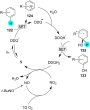
Figure 20: Possible mechanism for the generation of phenols with the aid of photoredox catalyst 5.
Scheme 20: Aerobic bromination of arenes using an acridinium-based photocatalyst.
Scheme 21: Aerobic bromination of arenes with anthraquinone.
Figure 21: Proposed mechanism for the synthesis of monobrominated compounds.
Scheme 22: Chlorination of benzene derivatives with Mes-Acr-MeClO4 (2).
Figure 22: Mechanism for the synthesis of 131 from 132.
Scheme 23: Chlorination of arenes with 4CzIPN (5a).
Figure 23: Plausible mechanism for the oxidative photocatalytic monochlorination using 5a.
Scheme 24: Monofluorination using QuCN-ClO4 (8).
Scheme 25: Fluorination with fluorine-18.
Scheme 26: Aerobic amination with acridinium catalyst 3a.
Figure 24: Plausible mechanism for the aerobic amination using acridinium catalyst 3a.
Scheme 27: Aerobic aminations with semiconductor photoredox catalyst 18.
Scheme 28: Perfluoroalkylation of arenes.
Scheme 29: Synthesis of benzonitriles in the presence of 3a.
Figure 25: Plausible mechanism for the synthesis of substituted benzonitrile derivatives in the presence of 3a....
Beilstein J. Org. Chem. 2020, 16, 212–232, doi:10.3762/bjoc.16.24
Graphical Abstract
Scheme 1: Competitive side reactions in the Cu ECA of organometallic reagents to α,β-unsaturated aldehydes.
Scheme 2: Cu-catalyzed ECA of α,β-unsaturated aldehydes with phosphoramidite- (a) and phosphine-based ligands...
Scheme 3: One-pot Cu-catalyzed ECA/organocatalyzed α-substitution of enals.
Scheme 4: Combination of copper and amino catalysis for enantioselective β-functionalizations of enals.
Scheme 5: Optimized conditions for the Cu ECAs of R2Zn, RMgBr, and AlMe3 with α,β-unsaturated aldehydes.
Scheme 6: CuECA of Grignard reagents to α,β-unsaturated thioesters and their application in the asymmetric to...
Scheme 7: Improved Cu ECA of Grignard reagents to α,β-unsaturated thioesters, and their application in the as...
Scheme 8: Catalytic enantioselective synthesis of vicinal dialkyl arrays via Cu ECA of Grignard reagents to γ...
Scheme 9: 1,6-Cu ECA of MeMgBr to α,β,γ,δ-bisunsaturated thioesters: an iterative approach to deoxypropionate...
Scheme 10: Tandem Cu ECA/intramolecular enolate trapping involving 4-chloro-α,β-unsaturated thioester 22.
Scheme 11: Cu ECA of Grignard reagents to 3-boronyl α,β-unsaturated thioesters.
Scheme 12: Cu ECA of alkylzirconium reagents to α,β-unsaturated thioesters.
Scheme 13: Conversion of acylimidazoles into aldehydes, ketones, acids, esters, amides, and amines.
Scheme 14: Cu ECA of dimethyl malonate to α,β-unsaturated acylimidazole 31 with triazacyclophane-based ligand ...
Scheme 15: Cu/L13-catalyzed ECA of alkylboranes to α,β-unsaturated acylimidazoles.
Scheme 16: Cu/hydroxyalkyl-NHC-catalyzed ECA of dimethylzinc to α,β-unsaturated acylimidazoles.
Scheme 17: Stereocontrolled synthesis of 3,5,7-all-syn and anti,anti-stereotriads via iterative Cu ECAs.
Scheme 18: Stereocontrolled synthesis of anti,syn- and anti,anti-3,5,7-(Me,OR,Me) units via iterative Cu ECA/B...
Scheme 19: Cu-catalyzed ECA of dialkylzinc reagents to α,β-unsaturated N-acyloxazolidinones.
Scheme 20: Cu/phosphoramidite L16-catalyzed ECA of dialkylzincs to α,β-unsaturated N-acyl-2-pyrrolidinones.
Scheme 21: Cu/(R,S)-Josiphos (L9)-catalyzed ECA of Grignard reagents to α,β-unsaturated amides.
Scheme 22: Cu/Josiphos (L9)-catalyzed ECA of Grignard reagents to polyunsaturated amides.
Scheme 23: Cu-catalyzed ECA of trimethylaluminium to N-acylpyrrole derivatives.
Beilstein J. Org. Chem. 2020, 16, 135–139, doi:10.3762/bjoc.16.15
Graphical Abstract
Figure 1: Aza-goniothalamin 1, (R)-(+)-goniothalamin 2 and acylated aza-goniothalamin analogue 3 [14-18].
Scheme 1: One pot synthesis of benzyl carbamate 4 reported by Veenstra and co-workers [19].
Scheme 2: Formation of diene 5 in 66% through a one pot, three component coupling.
Scheme 3: Optimized conditions for the synthesis of diene 5.
Scheme 4: Ring-closing metathesis reaction of diene 5 to yield dihydropyridone 7 [20-23].
Figure 2: Extension of the two-pot methodology to include a variety of different aldehyde starting materials.
Scheme 5: Total synthesis of aza-goniothalamin 1.
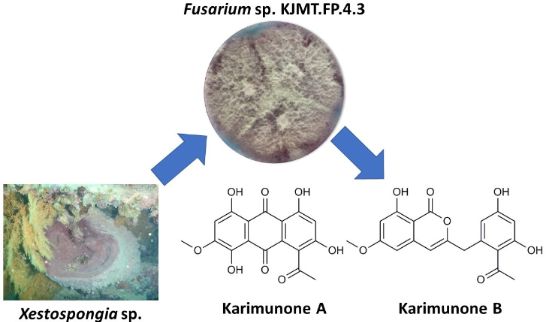
Beilstein J. Org. Chem. 2019, 15, 2941–2947, doi:10.3762/bjoc.15.289
Graphical Abstract
Figure 1: Structures of compounds 1–7.
Figure 2: Key HMBC correlations and two possible structures (a and b) for karimunone A (1).
Figure 3: Key HMBC correlations for karimunone B (2).
Beilstein J. Org. Chem. 2019, 15, 2922–2929, doi:10.3762/bjoc.15.286
Graphical Abstract
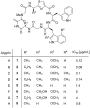
Figure 1: Chemical structures of naturally occurring argyrins with potent antipseudomonal activity.
Figure 2: The biosynthetic pathway for argyrin production in Cystobacter sp. SBCb004 (Arg1, radical SAM-depen...
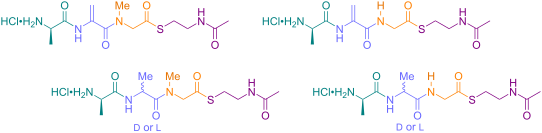
Figure 3: Designed mutasynthons 9–14 for argyrin biosynthesis. Peptides are based on three amino acids and ad...
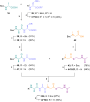
Scheme 1: Synthesis of tripeptide thioesters. Reagents and conditions: (a) SOCl2, EtOH, 78 °C; (b) IBCF, NMM,...
Scheme 2: Improved synthesis of the tripeptide thioester 14. Reagents and conditions: (a) SOCl2, EtOH, 78 °C;...
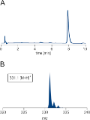
Figure 4: Analysis of mutasynthon 14 obtained via the convergent synthetic route by HPLC on a HILIC stationar...
Beilstein J. Org. Chem. 2019, 15, 2889–2906, doi:10.3762/bjoc.15.283
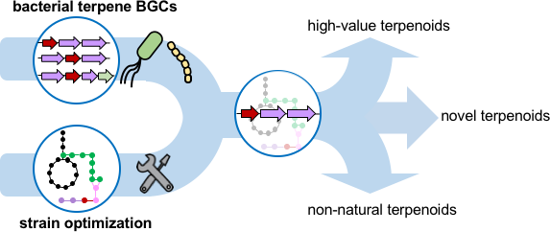
Graphical Abstract
Figure 1: Examples of bioactive terpenoids.
Figure 2: Repetitive electrophilic and nucleophilic functionalities in terpene and type II PKS-derived polyke...
Figure 3: Abundance and distribution of bacterial terpene biosynthetic gene clusters as determined by genome ...
Figure 4: Terpenoid biosynthesis. Terpenoid biosynthesis is divided into two phases, 1) terpene scaffold gene...
Figure 5: Mechanisms for type I, type II, and type II/type I tandem terpene cyclases. a) Tail-to-head class I...
Figure 6: Functional TC characterization. a) Different terpenes were produced when hedycaryol (18) synthase a...
Figure 7: Selected examples of terpene modification by bacterial CYPs. a) Hydroxylation [89]. b) Carboxylation, h...
Figure 8: Off-target effects observed during heterologous expression of terpenoid BGCs. Unexpected oxidation ...
Figure 9: TC promiscuity and engineering. a) Spata-13,17-diene (39) synthase (SpS) can take C15 and C25 oligo...
Figure 10: Substrate promiscuity and engineering of CYPs. a) Selected examples from using a CYP library to oxi...
Figure 11: Engineering of terpenoid pathways. a) Metabolic network of terpenoid biosynthesis. Toxic intermedia...
Beilstein J. Org. Chem. 2019, 15, 2782–2789, doi:10.3762/bjoc.15.270
Graphical Abstract
Figure 1: HPLC–UV chromatogram of the extract from fruiting bodies of Skeletocutis sp. (detection wavelength ...
Figure 2: Chemical structures of compounds 1–6.
Figure 3: Inhibition Leu-AMC hydrolysis. a) c (ʟ-Leu-AMC) = 100 µM. b) c (ʟ-Leu-AMC) = 50 µM.
Beilstein J. Org. Chem. 2019, 15, 2590–2602, doi:10.3762/bjoc.15.252
Graphical Abstract
Figure 1: Terpene constituents 1–9 found in geranium and bergamot oils and specified odours of individual com...
Figure 2: Other selected mono- and sesquiterpenes (10–26) as fragrance materials [6].
Figure 3: Main constituents of natural iris oil: irone (27).
Scheme 1: First synthesis of ionone (30) [11].
Scheme 2: First synthesis of Ambrelux (32) [14].
Scheme 3: Industrial synthesis of myrcene (1) by pyrolysis of β-pinene (8).
Scheme 4: First synthesis of Iso E Super® (33), Iso E Super Plus® (34) and Georgywood® (35) as a mixture of i...
Figure 4: Iso E Super® region of GC spectra of Molecule 01 (left, 75 €–100 € per 100 mL; march 2019), a low-p...
Scheme 5: First synthetic route to (−)-Georgywood® (35) by Corey and Hong [33].
Scheme 6: First synthetic route to the odour-active (+)-enantiomer of Iso E Super Plus® (+)-34 [33].
Scheme 7: Analysis of the isomerisation process and formation of products. Most importantly, Iso E Super® (33...
Scheme 8: Isomerisation using additives such as alcohols or carboxylic acids. The product with the γ-position...
Scheme 9: Iso E Super Plus® (34) can undergo a third cyclisation to tetrahydrofuran 59 through compound rac-53...
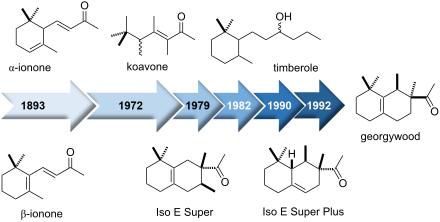
Figure 5: (Adapted from ref. [8]) Ionone (30, 1893, odour threshold: 0.8 ng L−1), koavone (1982, odour threshold...
Figure 6: Branched, terpene-like cyclohexene derivatives, that are synthetic fragrance components: 60: Iso da...
Scheme 10: New unnatural terpenoid 70 from unnatural farnesyl pyrophosphate derivative 69 and comparison with ...
Beilstein J. Org. Chem. 2019, 15, 2534–2543, doi:10.3762/bjoc.15.246
Graphical Abstract
Figure 1: Well-defined catalysts for alkyne metathesis.
Figure 2: Examples for a ferrrocenic thiacrown ether complexing palladium (IV), and a dicationic ferrocenopha...
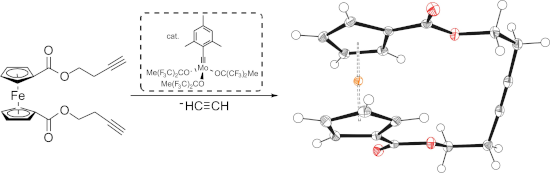
Scheme 1: Synthesis of substrates 1 (a n = 2; b n = 3) via esterification of 3 and following RCAM with cataly...
Figure 3: ORTEP diagram of 1a with thermal displacement parameters drawn at 50% probability; hydrogen atoms a...
Figure 4: ORTEP diagram of 1b with thermal displacement parameters drawn at 50% probability; hydrogen atoms a...
Figure 5: ORTEP diagram of 2a with thermal displacement parameters drawn at 50% probability; hydrogen atoms a...
Figure 6: ORTEP diagram of 2b (one of two molecules of the asymmetric unit) with thermal displacement paramet...
Figure 7: Cyclic voltammogram of 2a in DCM, 0.2 M n-Bu4NPF6, 1 V s−1 scan rate, referenced vs FcH/FcH +.
Scheme 2: Top: Oxidation of ferrocenophane 2a to the corresponding ferrocenium cation 4 with Ag(SbF6) in DCM ...
Figure 8: ORTEP diagram of 4 with thermal displacement drawn at 50% probability; hydrogen atoms are omitted f...
Figure 9: 1H NMR (200.1 MHz, 298 K) spectrum of top: 2a in CDCl3; bottom: 5 in THF-d8 – signals for solvate T...
Figure 10: ORTEP diagram of 5(thf) with thermal displacement drawn at 50% probability; hydrogens atoms, [SbF6]−...
Beilstein J. Org. Chem. 2019, 15, 2447–2457, doi:10.3762/bjoc.15.237
Graphical Abstract
Figure 1: Bioactive molecules containing a tetrazole, pyridone or isoquinolone ring.
Scheme 1: Approaches for the synthesis of tetrazoles and isoquinolones and their interplay as designed in thi...
Scheme 2: Scope of the Ugi-azide-4CR/deprotection/acylation sequence. Ugi-azide-4CR conducted at the 2.0 mmol...
Scheme 3: Influence of substituents R and R2 on the reaction outcome. For compounds 4k–m the overall yield in...
Scheme 4: Influence of the alkyne and R1 substituent on the reaction outcome.
Scheme 5: Scope of acrylic, heterocyclic and ring-fused N-acylaminomethyl tetrazole substrates.
Scheme 6: Proposed reaction mechanism using substrates 1a and 3a.
Beilstein J. Org. Chem. 2019, 15, 2355–2368, doi:10.3762/bjoc.15.228
Graphical Abstract
Figure 1: CotB1 synthesizes geranylgeranyl diphosphate (GGDP) 3 from the substrates dimethylallyl diphosphate...
Figure 2: The bacterial diterpene synthase CotB2wt·Mg2+3·F-Dola in the closed, active conformation (PDB-ID 6G...
Figure 3: Conformational changes of CotB2 upon ligand binding. Superposition of CotB2’s open (teal), pre-cata...
Figure 4: View into the active site of CotB2wt·Mg2+3·F-Dola [37] superimposed with CotB2wt·Mg2+B·GGSDP [36]. (A) The ...
Figure 5: View into the active site of CotB2wt·Mg2+3·F-Dola [37]. Identical view as in Figure 4. (A) The bound F-Dola rea...
Figure 6: The WXXXXXRY motif in protein sequences of diterpene TPS from different bacteria. Highlighted is th...
Scheme 1: Overview of the altered product portfolio as a result of introduced point mutations in the active s...
Scheme 2: Catalytic mechanism of CotB2, derived from isotope labeling experiments [34,35], density functional theory...
Figure 7: (A) The inner surface of the active site is shown in gray. The bound F-Dola reaction intermediate i...
Scheme 3: Variants of CotB2 open the route to a novel product portfolio with altered cyclic carbon skeletons,...
Beilstein J. Org. Chem. 2019, 15, 2327–2332, doi:10.3762/bjoc.15.225
Graphical Abstract
Figure 1: Structure of (2Z,4E)-3-methyl-2,4-decadienoic acid (1).
Figure 2: COSY and key HMBC correlations for 1.
Figure 3: Methylation pattern that can occur in fatty acids and polyketides.
Scheme 1: C-Methylation of alkenyl carbon in sphingolipid biosynthesis.
Figure 4: Incorporation of 13C-labeled precursors into 1.
Scheme 2: Biosynthesis of tuberculostearic acid in Mycobacterium.
Scheme 3: Possible methylation mechanism for compound 1.
Beilstein J. Org. Chem. 2019, 15, 2271–2276, doi:10.3762/bjoc.15.219
Graphical Abstract
Figure 1: Selected members of the acremine family [3-5].
Scheme 1: Retrosynthetic analysis of acremine F (5).
Scheme 2: Total synthesis of acremine F (5).
Scheme 3: Synthesis of acremines A and B through selective oxidation of acremine F.
Scheme 4: Proposed biomimetic dimerization of 5.
Scheme 5: Attempted intramolecular cyclization of 23.
Scheme 6: Attempted photochemical cyclization of 25.
Beilstein J. Org. Chem. 2019, 15, 2191–2203, doi:10.3762/bjoc.15.216
Graphical Abstract
Scheme 1: Design and functional parts of the FIND technology.
Scheme 2: Isolation of fungal strains with the FIND technology. 1. Collection of terrestrial or marine sample...
Figure 1: Secondary metabolites isolated from H. cf. alpina.
Figure 2: a) Significant 1H,1H-COSY and 1H,13C-HMBC correlations for compounds 1 and 2. b) Key NOESY correlat...