Search results
Search for "hybrid" in Full Text gives 373 result(s) in Beilstein Journal of Organic Chemistry. Showing first 200.
Fabrication of supramolecular cyclodextrin–fullerene nonwovens by electrospinning
Beilstein J. Org. Chem. 2019, 15, 89–95, doi:10.3762/bjoc.15.10
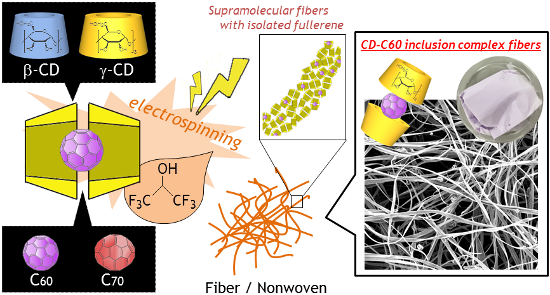
- , 380, and 475 nm) are observed. These results clearly suggest the successful preparation of β-CD (γ-CD) fiber materials with molecularly dispersed C60 (C70). The preparation of hybrid materials of a polymer and a CD–fullerene inclusion complex might be interesting to enhance material integrity and


Synthesis, biophysical properties, and RNase H activity of 6’-difluoro[4.3.0]bicyclo-DNA
Beilstein J. Org. Chem. 2019, 15, 79–88, doi:10.3762/bjoc.15.9
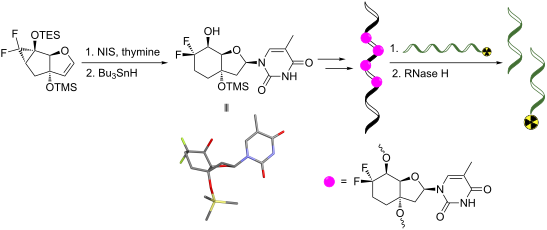
- oligonucleotides hybridized to complementary DNA or RNA disclosed a significant destabilization of both duplex types (ΔTm/mod = −1.6 to −5.5 °C). However, in the DNA/RNA hybrid the amount of destabilization could be reduced by multiple insertions of the modified unit. In addition, CD spectroscopy of the
- cleavage of the RNA strand of an AON/RNA hybrid structure by the endonuclease RNase H [9][18]. Both, the F–ANA and the F–RNA, are appealing modifications for several oligonucleotide-based silencing applications [8][19][20][21][22][23][24][25]. Also evaluated on their antisense properties were the 3
- (ΔTm/mod = −5.4 °C and −4.5 °C for complementary DNA and RNA, respectively). Interestingly, the DNA/RNA hybrid structure better accommodated multiple 6’-diF-bc4,3-Ts than a single insertion. Additionally, the hybrid structure also better tolerated multiple 6’-diF-bc4,3-T units than the DNA/DNA duplex


6’-Fluoro[4.3.0]bicyclo nucleic acid: synthesis, biophysical properties and molecular dynamics simulations
Beilstein J. Org. Chem. 2018, 14, 3088–3097, doi:10.3762/bjoc.14.288
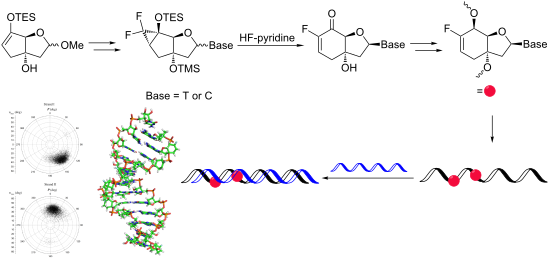
- RNase H1 which selectively cleaves the RNA strand of a DNA/RNA hybrid duplex [8]. To activate this process, fully modified DNA-like oligonucleotides (ONs) or gapmer AONs are used [9][10]. However, the widespread use of oligonucleotide-based therapeutics is limited by several factors amongst which the
- unit and possibly positively impact the duplex stability. Here we report on the synthesis of the two 6’F-bc4,3 pyrimidine analogs with the base T and C, their incorporation into DNA, their biophysical properties, as well as a structural analysis by molecular dynamics simulations of hybrid DNA and RNA
- that of the corresponding natural duplexes (Figure S1, Supporting Information File 1). All seven modified oligonucleotides exhibited a B-type pattern when paired to DNA, indicating B-form helices. All modified oligonucleotides duplexed to RNA disclosed a similar pattern than the natural hybrid


MoO3 on zeolites MCM-22, MCM-56 and 2D-MFI as catalysts for 1-octene metathesis
Beilstein J. Org. Chem. 2018, 14, 2931–2939, doi:10.3762/bjoc.14.272
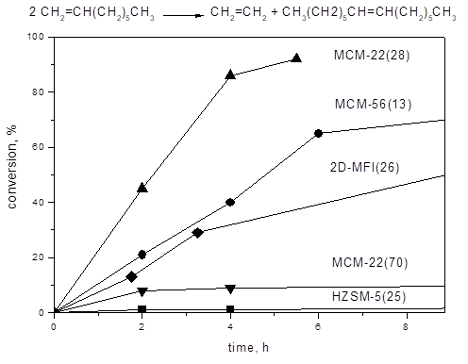
- –Grubbs type hybrid catalysts active in metathesis of long-chain unsaturated esters [24]. Results and Discussion Catalyst preparation and characterization XRD patterns and texture properties (Table 1, Figure 1 A,B,C,D) of prepared MCM-22, MCM-56 and 2D-MFI zeolites proved a high quality of these supports


Synthesis of indole–cycloalkyl[b]pyridine hybrids via a four-component six-step tandem process
Beilstein J. Org. Chem. 2018, 14, 2907–2915, doi:10.3762/bjoc.14.269
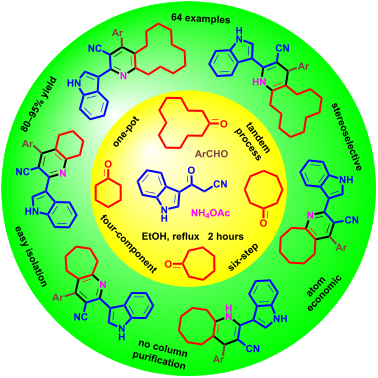
- condensation–nucleophilic addition to carbonyl–Michael addition–N-cyclization–elimination–air oxidation sequence to afford structurally intriguing indole–cycloalkyl[b]pyridine-3-carbonitrile hybrid heterocycles in excellent yields. Keywords: cycloalkyl[b]pyridine-3-carbonitrile; cyclododecanone; 3-(1H-indol-3
- green chemical protocols widely employed for the synthesis of myriad of natural products and hybrid heterocycles [4][5][6][7][8][9][10][11][12][13]. These reactions are one-pot processes involving several bond forming steps under identical reaction conditions affording the desired product in a single
- -oxopropanenitriles, aromatic aldehydes, cycloalkanones and ammonium acetate. This work also stems from our continuous effort in synthesizing novel cycloalkyl[b]pyridine-3-carbonitrile hybrid heterocycles via tandem/domino reaction [71][72]. Results and Discussion Initially the precursors viz. 3-(1H-indol-3-yl)-3


Pd-Catalyzed microwave-assisted synthesis of phosphonated 13α-estrones as potential OATP2B1, 17β-HSD1 and/or STS inhibitors
Beilstein J. Org. Chem. 2018, 14, 2838–2845, doi:10.3762/bjoc.14.262
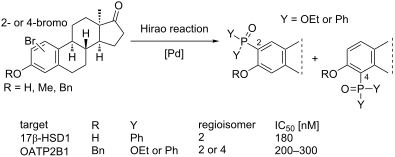
- , only 2-regioisomers displayed substantial inhibitory action, which did not depend on the hybrid state of carbon attached to C-2 [22]. Phan et al. described that halogenation of ring A of estrone is a powerful strategy in the synthesis of effective STS inhibitors [25]. Certain 4-halogenated estrone


An overview on recent advances in the synthesis of sulfonated organic materials, sulfonated silica materials, and sulfonated carbon materials and their catalytic applications in chemical processes
Beilstein J. Org. Chem. 2018, 14, 2745–2770, doi:10.3762/bjoc.14.253
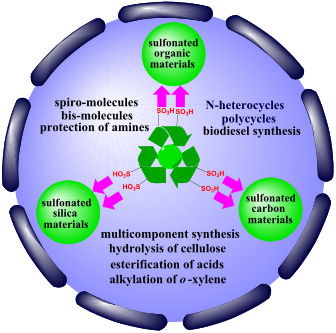
- sulfated solid supports are: sulfonated organic compounds [21], sulfonated silica materials [22][23], sulfonated carbon materials [5], sulfated zirconia [24], sulfated hybrid materials [25], sulfonated magnetic materials [26], sulfonated polymeric materials [27][28], sulfonated MOFs materials [29], and so




Learning from B12 enzymes: biomimetic and bioinspired catalysts for eco-friendly organic synthesis
Beilstein J. Org. Chem. 2018, 14, 2553–2567, doi:10.3762/bjoc.14.232
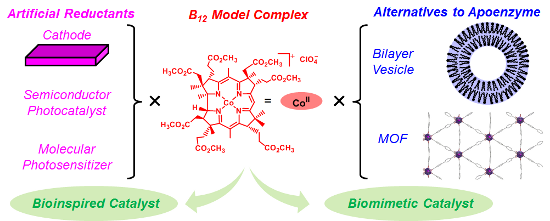
- Ru@MOF, as was confirmed through ESR measurements. The resultant heterogeneous hybrid catalyst B12-Ru@MOF successfully mediated the photochemical carbon-skeleton arrangement. Previous studies had demonstrated that the hemolytic cleavage of the Co(III)–C bond of the alkylated complex of 1 generated Co
- terms of both catalytic activity and visible-light harvesting. In relation to the reactivity of 1 with DDT, interesting reactions of trichlorinated organic compounds have recently been investigated [100][114]. The B12-TiO2 hybrid catalyst converted trichlorinated organic compounds into esters and amides
- to those of simple reduced products significantly increased in PhCN, a poor hydrogen radical donor solvent, compared with those in EtOH and CH3CN. Similar phenyl migration was achieved in the UV-light-driven system of the B12-TiO2 hybrid catalyst [96][97][98]. The involvement of a radical species was


Synthesis of 3-aminocoumarin-N-benzylpyridinium conjugates with nanomolar inhibitory activity against acetylcholinesterase
Beilstein J. Org. Chem. 2018, 14, 2545–2552, doi:10.3762/bjoc.14.231
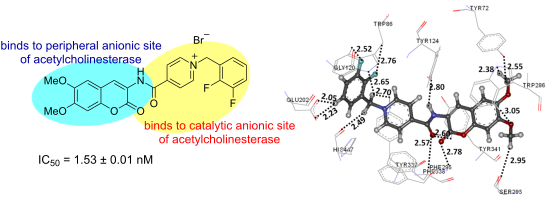
- . Hybrid compounds such as huperzine A–tacrine hybrids [5], donepezil–tacrine hybrid related derivatives [6][7] and tacrine–indole hybrids [8] with dual-binding site properties exhibit potent AChE inhibition activities. In addition, coumarin compounds linked with various side chain moieties [9][10][11] as



The enzymes of microbial nicotine metabolism
Beilstein J. Org. Chem. 2018, 14, 2295–2307, doi:10.3762/bjoc.14.204
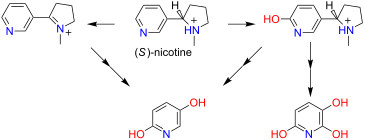
- pyridine ring. The pyrrolidine pathway, which begins with oxidation of a carbon–nitrogen bond in the pyrrolidine ring, was subsequently characterized in a number of pseudomonads. Most recently, a hybrid pathway has been described, which incorporates the early steps in the pyridine pathway and ends with
- metabolism of nicotinic acid by P. putida KT25440, which begins with the hydroxylation of nicotinic acid by the molybdopterin enzyme NicAB to form 6-hydroxynicotinic acid and its subsequent conversion to 2,5-dihydroxypyridine by the NADH- and FAD-dependent hydroxylase NicC [63][64]. The hybrid pathway While
- the pyridine and pyrrolidine pathways are the best understand reactions by which bacteria degrade nicotine, additional pathways continue to be discovered. The best-characterized is a hybrid of the pyridine and pyrrolidine pathways (Scheme 11). Based on phylogenetic analysis, the pathway is more




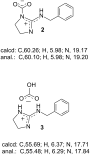
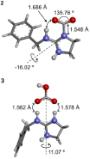
Selective formation of a zwitterion adduct and bicarbonate salt in the efficient CO2 fixation by N-benzyl cyclic guanidine under dry and wet conditions
Beilstein J. Org. Chem. 2018, 14, 2204–2211, doi:10.3762/bjoc.14.194
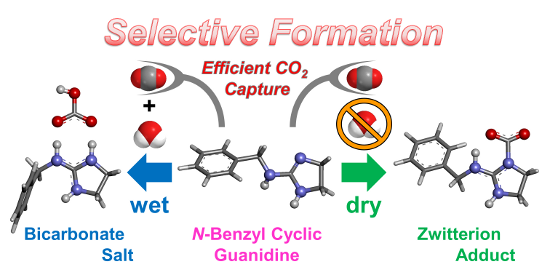
- only in the field of organic and catalyst chemistry but also in inorganic and polymer chemistry. Especially the adsorbent and the catalyst for CO2 fixation are of interest [1][2][3][4][5]. In particular, the inorganic, organic–inorganic hybrid, dendrimeric catalysts have been developed for chemical






Graphitic carbon nitride prepared from urea as a photocatalyst for visible-light carbon dioxide reduction with the aid of a mononuclear ruthenium(II) complex
Beilstein J. Org. Chem. 2018, 14, 1806–1812, doi:10.3762/bjoc.14.153
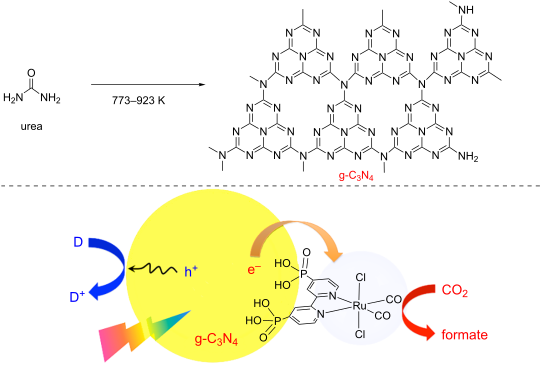
- phase. Keywords: artificial photosynthesis; heterogeneous photocatalysis; hybrid material; metal complexes; solar fuels; Introduction Carbon nitride is one of the oldest synthetic polymers [1], and has several allotropes. Among them, graphitic carbon nitride (g-C3N4) is the most stable form and is an
- capable of photocatalyzing CO2 reduction into formate with high selectivity under visible light irradiation, as confirmed by isotope tracer experiments with 13CO2 [8][9][10][11][12]. After the first report of a metal complex/C3N4 hybrid for CO2 reduction, several groups have presented similar reports
- light [10]. Our previous study also indicated that the amount of a molecular cocatalyst is very important in this kind of mononuclear-complex/C3N4 hybrid photocatalyst for visible-light CO2 reduction [8]. To eliminate any other effects other than heating temperature of urea, we fixed the amount of RuP


Anomeric modification of carbohydrates using the Mitsunobu reaction
Beilstein J. Org. Chem. 2018, 14, 1619–1636, doi:10.3762/bjoc.14.138
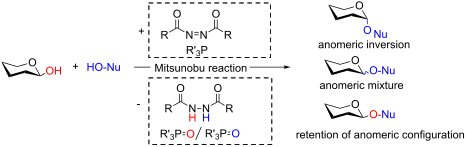
- ]. In spite of the fact that parent indole is too weak an acid to undergo Mitsunobu conversions, a model maleimide–indole hybrid was investigated by Ohkubo and colleagues to pave the way for the synthesis of indolo[2,3-a]pyrrolo[3,4-c]carbazole compounds with anticancer activity [90][91]. N-Glycosides


Cobalt-catalyzed C–H cyanations: Insights into the reaction mechanism and the role of London dispersion
Beilstein J. Org. Chem. 2018, 14, 1537–1545, doi:10.3762/bjoc.14.130
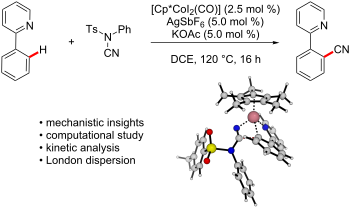
- numerical quadrature grid in the gas phase. The hybrid functional B3LYP [53][54] with and without Grimme’s dispersion correction D3 (Becke–Johnson damping) [35][36] as well as Truhlar’s dispersion-corrected M06-L [55] functional were employed in this investigation. For the latter, the density fitting RI-J


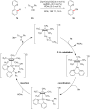
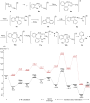

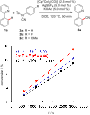


Mild and selective reduction of aldehydes utilising sodium dithionite under flow conditions
Beilstein J. Org. Chem. 2018, 14, 1529–1536, doi:10.3762/bjoc.14.129
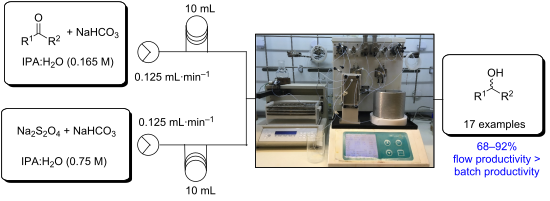
- Nicole C. Neyt Darren L. Riley Department of Chemistry, University of Pretoria, Pretoria 0002, South Africa 10.3762/bjoc.14.129 Abstract We recently reported a novel hybrid batch–flow synthesis of the antipsychotic drug clozapine in which the reduction of a nitroaryl group is described under flow
- reduction utilizing solid mixes of sodium borohydride, lithium chloride and celite [12], and the Ley group were able to demonstrate a green transfer hydrogenation of ketones under flow using catalytic lithium tert-butoxide in isopropanol [13]. We recently published a batch–flow hybrid synthesis of the


Three-component coupling of aryl iodides, allenes, and aldehydes catalyzed by a Co/Cr-hybrid catalyst
Beilstein J. Org. Chem. 2018, 14, 1413–1420, doi:10.3762/bjoc.14.118
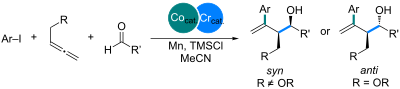
- , whereas the chromium salt generates highly nucleophilic allylchromium intermediates from allylcobalt species, without the loss of stereochemical information, to allow the addition to aldehydes. Keywords: chromium; cobalt; diastereoselective; homoallyl alcohols; hybrid catalyst; three-component coupling
- three-component coupling method is herein reported for the direct synthesis of highly diastereoselective multi-substituted homoallyl alcohols employing a cobalt/chromium hybrid catalyst (Scheme 5). Results and Discussion Initially, suitable reaction conditions were investigated for the three-component


Recent applications of chiral calixarenes in asymmetric catalysis
Beilstein J. Org. Chem. 2018, 14, 1389–1412, doi:10.3762/bjoc.14.117
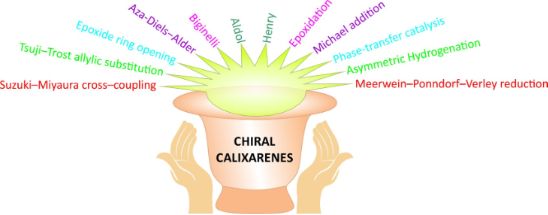
- donors in order to design novel bifunctional catalytic scaffolds [54][55]. Hybrid calixarene hosts bearing bis-squaramide moieties at the endo (or lower) and exo (or upper) rims and their recognition properties toward anionic guests have been already reported [56][57]. Therefore, it would be interesting


Are dispersion corrections accurate outside equilibrium? A case study on benzene
Beilstein J. Org. Chem. 2018, 14, 1181–1191, doi:10.3762/bjoc.14.99
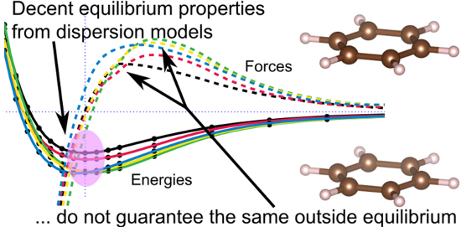
- henceforth “on X” means that the correction is taken on top of the X (hybrid) density functional approximation, which we also denote as X-Y (e.g., PBE-D3-BJ); 2) atomic-dipole with density methods, which correct first-principles or empirical models of atomic dipoles (and sometimes multipoles) using


An overview of recent advances in duplex DNA recognition by small molecules
Beilstein J. Org. Chem. 2018, 14, 1051–1086, doi:10.3762/bjoc.14.93
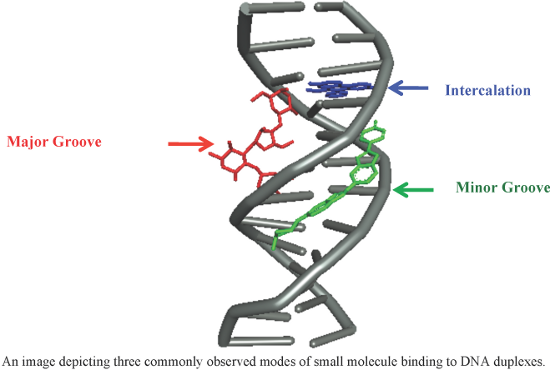
- as inhibitors of Werner and Bloom syndrome helicases and dual topoisomerase I/II inhibitors [37][38]. In order to improve DNA binding affinity and sequence specificity with reduced side effects, a series of synthetic hybrid molecules derived from distamycin and netropsin was synthesized and their
- fashion, they further reported a series of novel hybrids by tethering distamycin A with the antineoplastic agent uramustine via a flexible polymethylene chain of variable length (n = 1 to 6) in order to test their DNA binding affinity and cytotoxicity [57]. It has been observed that hybrid conjugates 8, 9
- by reducing aggregation and also helps to conduct a detailed thermodynamic study for the 8-ring HP polyamides for the very first time. Recently, Hartley et al. designed and synthesized a hybrid fluorescent HP polyamide conjugate 22 (Figure 6) by attaching the A·T recognizing fluorophore, p




Fluorocyclisation via I(I)/I(III) catalysis: a concise route to fluorinated oxazolines
Beilstein J. Org. Chem. 2018, 14, 1021–1027, doi:10.3762/bjoc.14.88
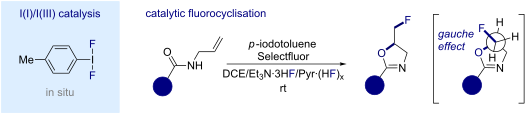
- corresponding 1,2-difluoroethylene unit; a substructure that may be considered a chiral, hybrid bioisostere of the Et and CF3 groups (Figure 2, top) [36]. Since the success of this process is contingent on the efficient generation of p-TolIF2 in situ, the platform lends itself to related oxidative


The first Pd-catalyzed Buchwald–Hartwig aminations at C-2 or C-4 in the estrone series
Beilstein J. Org. Chem. 2018, 14, 998–1003, doi:10.3762/bjoc.14.85
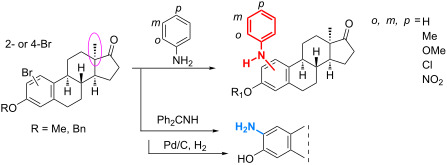
- bearing a 3-OH group exhibited a substantial inhibitory effect against the 17β-HSD1 enzyme. Surprisingly, the enzyme inhibitory action did not depend on the hybrid state of carbon attached to C-2. From the pharmacological point of view it would be interesting to synthesize and investigate such 13α-estrone


Local energy decomposition analysis of hydrogen-bonded dimers within a domain-based pair natural orbital coupled cluster study
Beilstein J. Org. Chem. 2018, 14, 919–929, doi:10.3762/bjoc.14.79
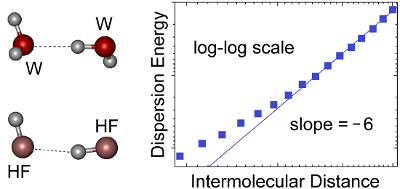
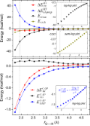
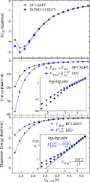
- modified PBE0 hybrid functional in which the long-range tail contains 75% of LB94 exchange. The shift parameter applied for the bulk potential within this correction was calculated as the sum of the ionization potential and highest occupied molecular orbital (HOMO) energy of each fragment optimized in the


Phosphodiester models for cleavage of nucleic acids
Beilstein J. Org. Chem. 2018, 14, 803–837, doi:10.3762/bjoc.14.68
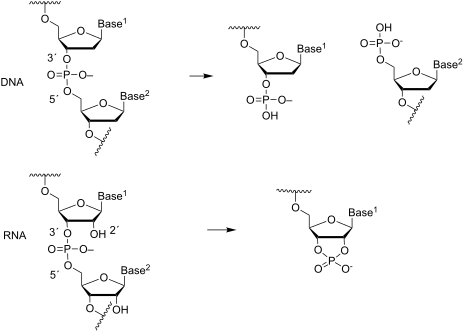
- case with DNA that is cleaved by an attack of an external nucleophile. Recent hybrid quantum mechanical/effective fragment potential (QM/EEP) calculations on the hydroxide-ion-catalyzed hydrolysis of diethyl phosphate monoanion, however, suggest that the acyclic phosphorane obtained still is an



Heterogeneous Pd catalysts as emulsifiers in Pickering emulsions for integrated multistep synthesis in flow chemistry
Beilstein J. Org. Chem. 2018, 14, 648–658, doi:10.3762/bjoc.14.52
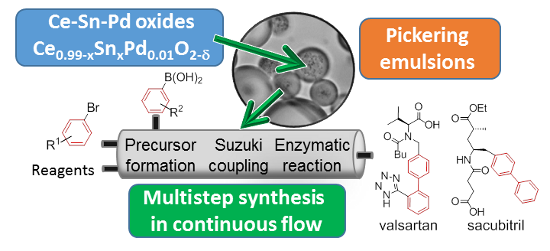
- interface populated by catalyst particles. They deposited metallic Pd onto carbon nanotube–inorganic oxide hybrid nanoparticles and used them in emulsions for the hydrodeoxygenation of a phenolic compound and the hydrogenation and etherification of an aldehyde. The advantages of such a system include a high





Carbohydrate inhibitors of cholera toxin
Beilstein J. Org. Chem. 2018, 14, 484–498, doi:10.3762/bjoc.14.34
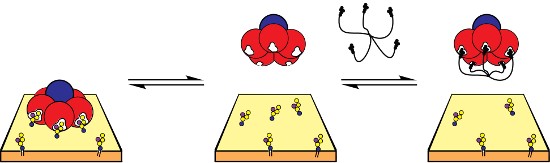
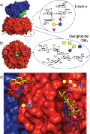
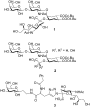
- the roles of secondary carbohydrate binding sites, will provide new directions for the future development of inhibitors, for example, fucosylated polymers [75], or hybrid inhibitors that can target both the blood group and the GM1 binding pockets. While other emerging, and sophisticated strategies for