


Search results
Search for "phosphate" in Full Text gives 473 result(s) in Beilstein Journal of Organic Chemistry. Showing first 200.
1,2,3-Triazolium macrocycles in supramolecular chemistry
Beilstein J. Org. Chem. 2019, 15, 2142–2155, doi:10.3762/bjoc.15.211
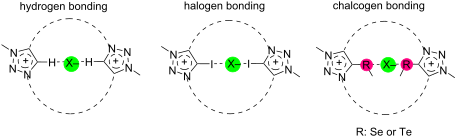
- highest affinity of this receptor was for acetate (Ka = 1.5 × 10⁵ M−1) and dihydrogen phosphate (Ka = 4.5 × 10⁴ M−1). Because of the excellent properties of perylene diimide (PDI) as a chromophore, fluorophore, or redox center, this unit has become increasingly popular in the construction of




α-Photooxygenation of chiral aldehydes with singlet oxygen
Beilstein J. Org. Chem. 2019, 15, 2076–2084, doi:10.3762/bjoc.15.205
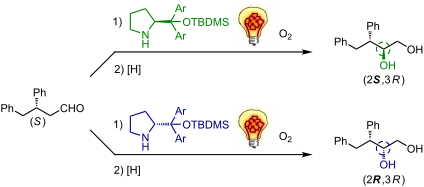
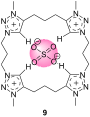
- only small amounts of the desired product 6 (Table 1, entry 1), higher yields were obtained in the presence of imidazolidinone 16 and silyl ether (S)-17, 31% and 52%, respectively (Table 1, entries 2 and 3). The yield further increased to 59% upon the addition of phosphate buffer. The highest level of
- synthesis (Table 1, entry 2), suggesting that the reaction conditions are not compatible with one another. The use of silyl ether (S)-17 instead of imidazolidinone 16 and phosphate buffer (pH 7) as an additive allowed to increase the yield of the ‘one-pot’ procedure to 30% (Table 2, entries 2 and 3
- % ee [α]D20 −147.0 (c 0.6, CHCl3). Enantiomer R,R (syn-6) 99% ee, [α]D20 −104.0 (c 0.4, CHCl3). General procedure for α-photooxygenation with phosphate buffer solution To a 10 mL vial a solution of meso-tetraphenylporphyrin (H2TPP, 0.4 mg, 0.63 µmol, 0.25 mol %) in CCl4 (1 mL) and organocatalyst (S)-17



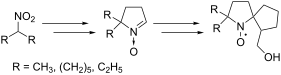
Synthesis of 1-azaspiro[4.4]nonan-1-oxyls via intramolecular 1,3-dipolar cycloaddition
Beilstein J. Org. Chem. 2019, 15, 2036–2042, doi:10.3762/bjoc.15.200
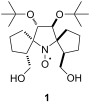
- results lead us to the assumption that symmetric structures with bulky substituents at positions 3 and 4 should be favoured for achieving higher resistance to reduction. Structure of nitroxide 1. Kinetics of the reduction of nitroxides 1 and 12a–c (0.3 mM) with ascorbate (50 mM) in 50 mM phosphate-citrate



Analysis of sesquiterpene hydrocarbons in grape berry exocarp (Vitis vinifera L.) using in vivo-labeling and comprehensive two-dimensional gas chromatography–mass spectrometry (GC×GC–MS)
Beilstein J. Org. Chem. 2019, 15, 1945–1961, doi:10.3762/bjoc.15.190
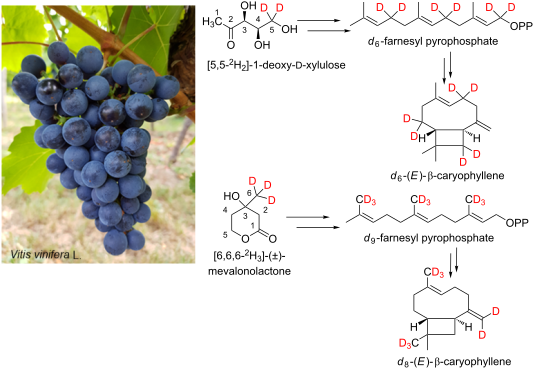
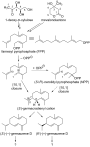
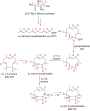
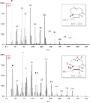
- mevalonate-dependent biosynthesis pathway (MVA) localized in the cytoplasm as well as via the mevalonate-independent 1-deoxy-ᴅ-xylulose 5-phosphate/2-C-methyl-ᴅ-erythritol 4-phosphate metabolic pathway (DOXP/MEP) localized in plastids [5]. In the MVA pathway, which was first described in yeast and animals











Archangelolide: A sesquiterpene lactone with immunobiological potential from Laserpitium archangelica
Beilstein J. Org. Chem. 2019, 15, 1933–1944, doi:10.3762/bjoc.15.189
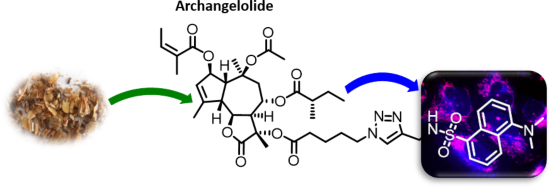
- study U-2 OS and MRC-5 cells (1·105 cells per well) were seeded on 35 mm glass bottom dishes for live-cell imaging (MatTek Corporation, USA) and left to adhere for 24 h. Then, the cells were washed with phosphate-buffered saline (PBS) and incubated with compound 5 or dansyl amide fluorophore (0.1–2.0 µM




N-(1-Phenylethyl)aziridine-2-carboxylate esters in the synthesis of biologically relevant compounds
Beilstein J. Org. Chem. 2019, 15, 1722–1757, doi:10.3762/bjoc.15.168

- analogue SG-14 (2S,3S)-84 in inhibiting hSphK2. Sphingosine-1-phosphate (S1P) analogues (2S,3R)-89a and (2S,3R)-89b with 1,4- and 1,3-disubstituted benzene rings incorporated into the alkyl chain were obtained from aziridine ketones (2S,1'R)-90a and (2S,1'R)-90b (Scheme 23) readily prepared using Weinreb


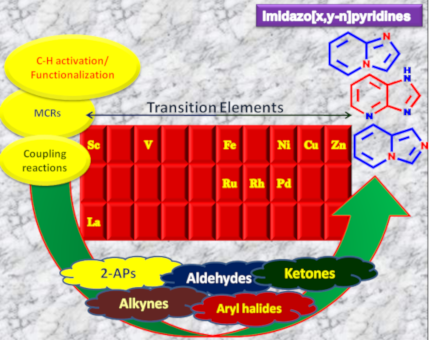
Recent advances on the transition-metal-catalyzed synthesis of imidazopyridines: an updated coverage
Beilstein J. Org. Chem. 2019, 15, 1612–1704, doi:10.3762/bjoc.15.165


Molecular basis for the plasticity of aromatic prenyltransferases in hapalindole biosynthesis
Beilstein J. Org. Chem. 2019, 15, 1545–1551, doi:10.3762/bjoc.15.157
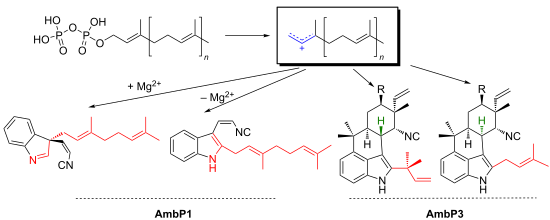
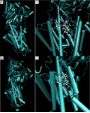
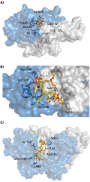
- structures. The indole of HU, W117, and Y168 formed a cation shield [27][28], which stabilizes the cation intermediate after the removal of the phosphate from DMAPP in the HU structure, and Y225 was substituted with Y168 in the HA structure (Figure 5). The orientation of W117 changed in accordance with the
- other enzymes. In fact, the position of the α-phosphate shifts between the Mg2+-free and -bound structures in AmbP1 and between the HU and HA structures in AmbP3, which alters the locations of the substrates in the enzyme. In the AmbP3 structures, Y225 plays an important role to form a cation shield in


Complexation of a guanidinium-modified calixarene with diverse dyes and investigation of the corresponding photophysical response
Beilstein J. Org. Chem. 2019, 15, 1394–1406, doi:10.3762/bjoc.15.139
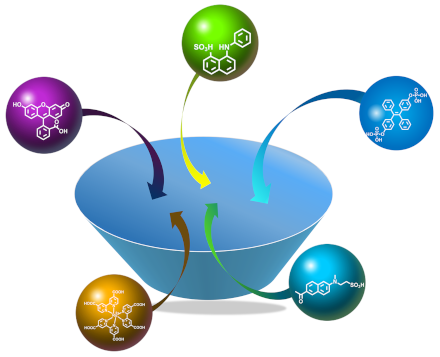
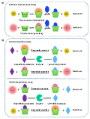
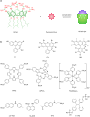
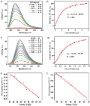
- fluorescence enhancement. Herein, the phosphate derivative of TPE, P-TPE, was employed as a model guest to examine the complexation behavior of GC5A with AIEgens. As shown in Figure 2a, a dramatic fluorescence enhancement was observed upon complexation with GC5A. This result is in good accordance with the



Selenophene-containing heterotriacenes by a C–Se coupling/cyclization reaction
Beilstein J. Org. Chem. 2019, 15, 1379–1393, doi:10.3762/bjoc.15.138

- B3LYP and CAMB3LYP functional and 6-31++(d,p) basis-set [56]. Materials Iodine, zinc(II) chloride, copper(II) chloride, potassium hydroxide, chlorotrimethylsilane, copper(I) iodide, and potassium phosphate were purchased from Merck. Diisopropylamine, bis(dibenzylideneacetone)palladium(0


Enantioselective Diels–Alder reaction of anthracene by chiral tritylium catalysis
Beilstein J. Org. Chem. 2019, 15, 1304–1312, doi:10.3762/bjoc.15.129
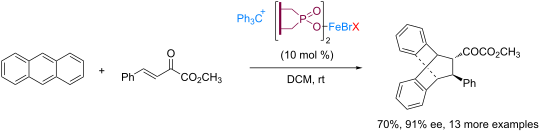
- of a highly active carbocation Lewis acid catalyst. The stereocontrol potential of the chiral tritylium ion pair was demonstrated by its application in an enantioselective Diels–Alder reaction of anthracene. Keywords: anthracene; carbocation catalysis; Diels–Alder reaction; Fe(III)-based phosphate
- , the enantioselectivity was low in most cases. In addition, the synthetic efforts to access these chiral cations were generally non-trivial which limited their further development. Recently, we developed a chiral ion-pair strategy for asymmetric carbocation catalysis, with chiral trityl phosphate as
- (Scheme 1b). In our further explorations, we noticed that the dissociation of trityl phosphate was generally sluggish, thus limiting its applicability. To expand its utility, we report herein a metal-complexed phosphate anion for chiral carbocation catalysis. Weakly coordinating anions [22][23] have been


Synthesis of aryl cyclopropyl sulfides through copper-promoted S-cyclopropylation of thiophenols using cyclopropylboronic acid
Beilstein J. Org. Chem. 2019, 15, 1162–1171, doi:10.3762/bjoc.15.113
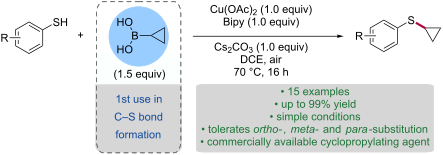
- tolerated, giving a comparable yield as the "standard conditions" (Table 1, entry 8). While changing the inorganic base to potassium phosphate tribasic or potassium carbonate gave yields below 75%, we found that cesium carbonate provided a net increase in the yield of the reaction (Table 1, entry 9


Electrophilic oligodeoxynucleotide synthesis using dM-Dmoc for amino protection
Beilstein J. Org. Chem. 2019, 15, 1116–1128, doi:10.3762/bjoc.15.108
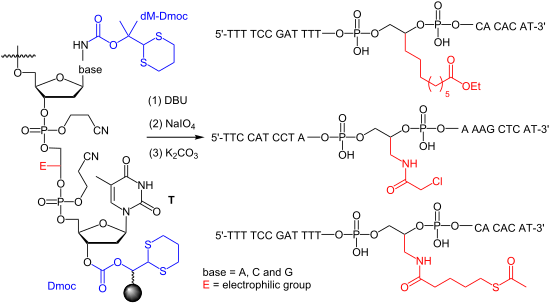
- removed with an acid in each synthetic cycle. The exo-amino groups of nucleosides dA, dC and dG are protected with acyl groups, the nascent ODN is anchored to a solid support via a base- or nucleophile-cleavable linker, and in the most widely used phosphoramidite technology the phosphate groups are
- temperature briefly. This removed the β-cyanoethyl phosphate protecting groups to give 32. HPLC analysis of the DBU solution did not found any ODN that was cleaved prematurely – an observation consistent with the slow rate of cleavage of succinyl-anchored ODNs from solid support under similar conditions [50
- equal portions. One portion was gently shaken in a solution of DBU/CH3CN (1:9, v/v, 1 mL) at rt for 15 min. The supernatant was removed with a pipette, and the CPG was washed with CH3CN (1 mL × 5). This removed the 2-cyanoethyl groups on the phosphate groups. To the CPG, aqueous NaIO4 (0.4 M, 1 mL) was






Heck- and Suzuki-coupling approaches to novel hydroquinone inhibitors of calcium ATPase
Beilstein J. Org. Chem. 2019, 15, 971–975, doi:10.3762/bjoc.15.94
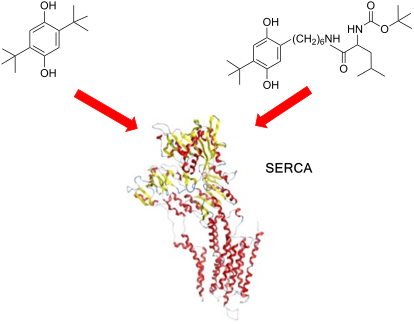
- , followed by addition of bromide 5a, potassium phosphate and PdCl2(dppf)2 in DMF at 85 °C for 3.5 h gave the coupled product 10 in 47–63% yields (Scheme 3). In contrast to the case of the Heck coupling products (6 and 8, Scheme 2), nitrile 10 underwent facile reduction with lithium aluminium hydride. The


Towards the preparation of synthetic outer membrane vesicle models with micromolar affinity to wheat germ agglutinin using a dialkyl thioglycoside
Beilstein J. Org. Chem. 2019, 15, 937–946, doi:10.3762/bjoc.15.90
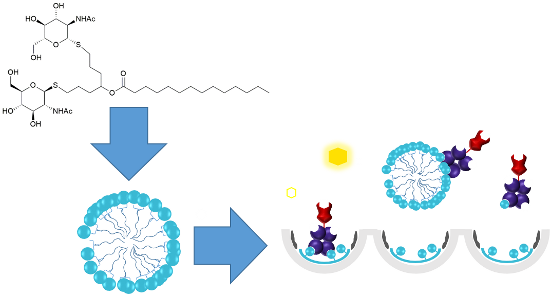
- , bearing one or two N-acetyl glucosamine moieties are capable to bind strongly to the lectin WGA. Experimental Materials and methods Myristoyl chloride was from TCI-Europe (Antwerp, Belgium) and used without further purification. 1-Palmitoyl-2-oleoyl-sn-glycero-3-phosphate (POPC) was from Avanti Polar
- color was developed using OPD (100 μL per well, 0.4 mg mL−1 in 0.05 M phosphate-citrate buffer) and urea hydrogen peroxide (0.4 mg mL−1). The reaction was stopped after 10 min by adding H2SO4 (30% v/v, 50 μL per well) and the absorbance was measured at 490 nm. The percentage of inhibition was determined




![[Graphic 2]](/bjoc/content/inline/1860-5397-15-90-i4.svg?max-width=637&scale=0.472728) ) and (○) ...
) and (○) ...
Azologization of serotonin 5-HT3 receptor antagonists
Beilstein J. Org. Chem. 2019, 15, 780–788, doi:10.3762/bjoc.15.74
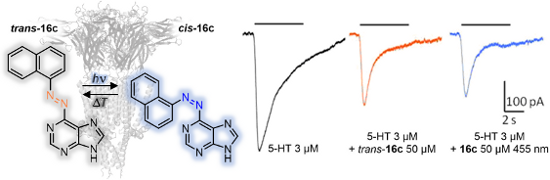
- performed in DMSO and depending on their solubility in phosphate buffer + 0.1% DMSO (16a–d) by UV–vis absorption spectroscopy. The compounds were dissolved at 50 µM in the respective solvent and irradiated with the indicated wavelengths to generate a substantial amount of their cis-isomer. This process can


Tuning the stability of alkoxyisopropyl protection groups
Beilstein J. Org. Chem. 2019, 15, 746–751, doi:10.3762/bjoc.15.70
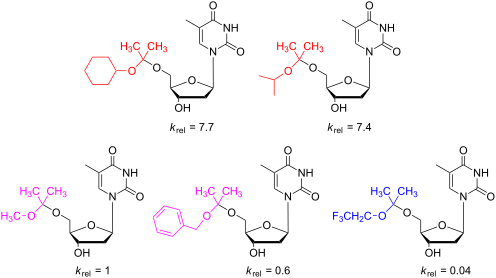
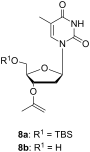
- , d: R = isopropyl, e: R = CH2CF3. Proposed acetal hydrolysis pathways. Half-lives of 5’-acetal (4a–e) and 3’-acetal-protected (7a,c–e) 2’-deoxythymidines, and 2’-deoxy-3’-O-propen-2-ylthymidine (8b) in acetate (pH 4.94), citrate (pH 5.61) and phosphate (pH 6.82) buffers at 25.0 °C. The ionic strength



Cyclopropene derivatives of aminosugars for metabolic glycoengineering
Beilstein J. Org. Chem. 2019, 15, 584–601, doi:10.3762/bjoc.15.54
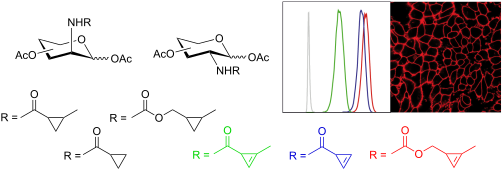
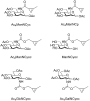
- reaction: In a polypropylene vial, the sugar derivatives ManNCp(H2), ManNCyc(H2) and ManNCyoc(H2), respectively, were dissolved in phosphate buffer (100 mM, pH 7.16) to a final concentration of 0.1 M. Sodium pyruvate (15 equiv.) and sialic acid aldolase (a spatula tip) were added. After stirring for 17



Back to the future: Why we need enzymology to build a synthetic metabolism of the future
Beilstein J. Org. Chem. 2019, 15, 551–557, doi:10.3762/bjoc.15.49
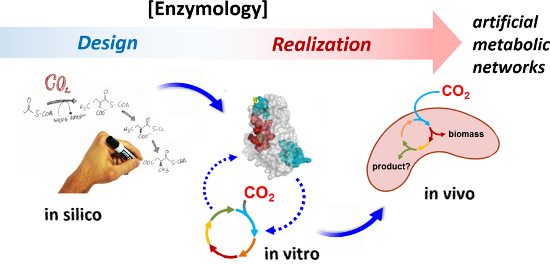
- into the three-carbon compound dihydroxyacetone phosphate [24]. In addition to that, several alternative photorespiration, methanol assimilation, as well as glycolytic pathways of levels 3 and 4 were developed that are supposedly more carbon and energy efficient compared to their naturally evolved


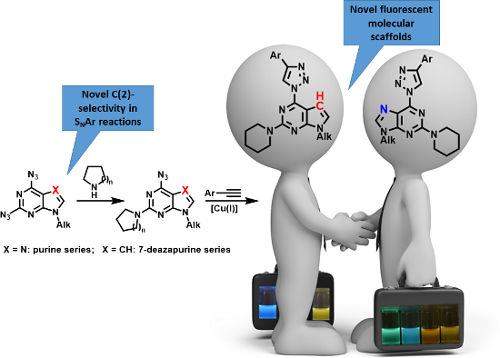
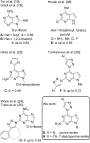
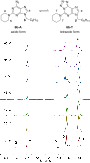
Synthesis and fluorescent properties of N(9)-alkylated 2-amino-6-triazolylpurines and 7-deazapurines
Beilstein J. Org. Chem. 2019, 15, 474–489, doi:10.3762/bjoc.15.41
- were replaced with 500 μL of cell culture medium containing the compound, and then further cultured for an additional 1 h. Those cells were washed twice with 1× PBS and fixed to the membrane using 4% paraformaldehyde in 5.0 mM sodium phosphate buffer (pH 7.4; 1.0 mL) for 10 min. The fluorescence images




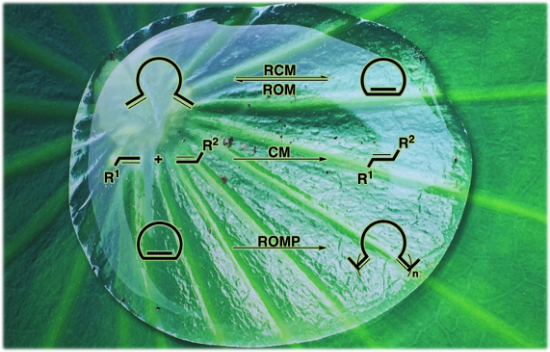
Aqueous olefin metathesis: recent developments and applications
Beilstein J. Org. Chem. 2019, 15, 445–468, doi:10.3762/bjoc.15.39
- = 205 nM), affording ArM 2 (Scheme 13). From the different organometallic moieties tested, the catalyst containing 2,6-diisopropylphenyl groups on the NHC ligand afforded the highest activity for the aqueous RCM of N,N-diallyltosylamine (21). Metathase ArM 2 performed best in phosphate buffer at pH 5.0
- undergo Ru-promoted RCM and CM when the G-III catalyst is used under heterogeneous conditions (water/tert-butanol 3:2) with a large excess of Mg2+. Also in this case, the role of Mg2+ is to protect the oligonucleotide from Ru-induced decomposition by binding to the phosphate backbone. Table 12 summarizes


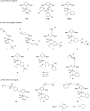


Syntheses and chemical properties of β-nicotinamide riboside and its analogues and derivatives
Beilstein J. Org. Chem. 2019, 15, 401–430, doi:10.3762/bjoc.15.36
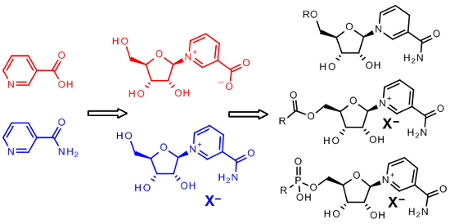
- enzymatic synthesis of NR+ from α-D-ribose-1-phosphate and Nam by catalysis with purine nucleoside phosphorylase and sucrose phosphorylase is described in a US patent application by Velasquez et al. [46]. In the NMR experiments, the authors demonstrated the preparation of NR+ but did not isolate pure NR+. 3
- , tripivalate, 5-O-myristolate analogues [34], 2′,3′-O-isopropylidene-1,4-dihydronicotinamide riboside [60], and 1,4-dihydronicotinate ribosides [70]. Typically, the reduction with Na2S2O4 is performed under mild basic conditions (e.g., in a medium of aqueous sodium bicarbonate or potassium phosphate dibasic
- is most commonly modified to generate the phosphorylated derivative of NR+, nicotinamide mononucleotide, NMN. The phosphorylation is achieved by reacting NR+ in its salt form with phosphorus oxychloride in trimethyl phosphate resulting, after hydrolysis, in NMN (Scheme 17). Lee et al. [27] carefully


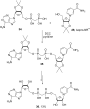


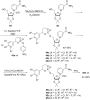


Chemical structure of cichorinotoxin, a cyclic lipodepsipeptide that is produced by Pseudomonas cichorii and causes varnish spots on lettuce
Beilstein J. Org. Chem. 2019, 15, 299–309, doi:10.3762/bjoc.15.27
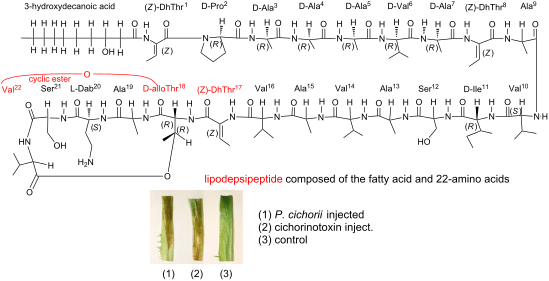
- HPLC with a C18 column using a solvent system composed of CH3CN and triethylamine phosphate (pH 3.0, see Figures S5B–S5E, Supporting Information File 1). Marfey’s method revealed the presence of 2,4-diaminobutanoic acid (Dab) and Ile in the toxin (Figures S5B and S5D). Four diastereomers are present in
- heated at 35 °C for 1 h, then 2 N aq HCl was added to quench the reaction, and then it was concentrated to dryness. The residues were dissolved in DMSO and subjected to reversed-phase HPLC (C18) using a mobile phase composed of 13% CH3CN/87% 50 mM triethylamine phosphate. Amino acid compositions of


Synthesis, biophysical properties, and RNase H activity of 6’-difluoro[4.3.0]bicyclo-DNA
Beilstein J. Org. Chem. 2019, 15, 79–88, doi:10.3762/bjoc.15.9
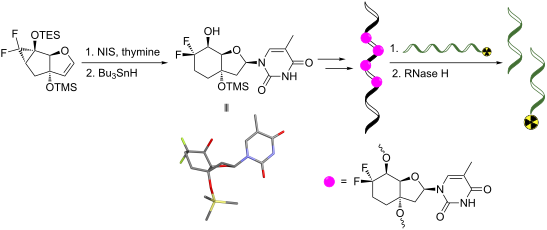
- as the 6’F-bc4,3-DNA. Furthermore, duplexes of a 6’F-bc4,3-modified strand paired to RNA unveiled in the MD simulations a flexible minor groove distance [37]. This flexibility is thought to play a crucial role for the fitting of the duplex into the DNA-binding channel and the phosphate-binding pocket
- of the enzyme. Furthermore, the phosphate-binding pocket requires a large distortion of the backbone angle α in order that the phosphate group of the AON can be positioned in it [50][51]. The 6’F-bc4,3-DNA containing strand also complied with this requirement according to the MD simulations [37


Asymmetric synthesis of a high added value chiral amine using immobilized ω-transaminases
Beilstein J. Org. Chem. 2019, 15, 60–66, doi:10.3762/bjoc.15.6
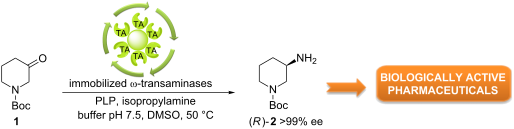
- prochiral precursor 1-Boc-3-piperidone using immobilized ω-transaminases (TAs-IMB), isopropylamine as amine donor and pyridoxal-5’-phosphate (PLP) as cofactor is described. Compared to other methods, the present approach affords the target compound in just one step with high yield and high enantiomeric
- more sustainable method for chiral amine production [2][3][4][5]. TAs, also known as aminotransferases, are enzymes capable of transferring an amino group from an amine donor to an acceptor containing a carbonyl functionality in the presence of pyridoxal-5'-phosphate (PLP) as a cofactor and the enzymes





