Search results
Search for "serine" in Full Text gives 152 result(s) in Beilstein Journal of Organic Chemistry.
Amino acid-based surfactants: sustainable synthesis and antimicrobial mechanisms
Beilstein J. Org. Chem. 2026, 22, 1067–1085, doi:10.3762/bjoc.22.85
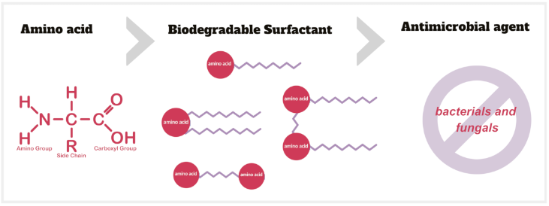
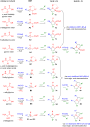
- preservation at physiological conditions, and their compatibility with delivery-system strategies [82][83]. Individually or combined, other amino acids such as lysine [68][84], tryptophan, phenylalanine [4][59], glycine [85], serine [86], cysteine, histidine, leucine and valine [56][87] are also used to


One-pot four-component sequential synthesis of S-alkyl dithiocarbamates using lipase as a biocatalyst
Beilstein J. Org. Chem. 2026, 22, 1048–1056, doi:10.3762/bjoc.22.83
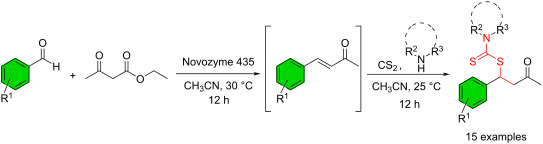
- the aldehyde, resulting in the formation of the intermediate 8a. Next, the ester portion of the ketoester is hydrolyzed through the serine amino acid, leading to the formation of the intermediate 9a. This intermediate then undergoes decarboxylation, which can be assisted by histidine or aniline


Electrochemical reduction of unsaturated carbon–carbon bonds via 3d transition-metal catalysis
Beilstein J. Org. Chem. 2026, 22, 955–981, doi:10.3762/bjoc.22.75
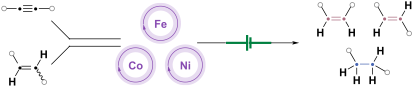
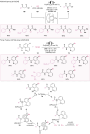
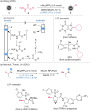
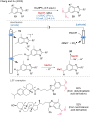
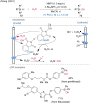
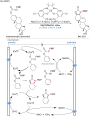
- exhibits a broad substrate scope, high efficiency, excellent functional-group tolerance, and consistently high levels of deuterium incorporation (Scheme 5Bi) [100][101]. Notably, the transformation proceeds efficiently with derivatives of biologically active molecules, such as serine and niflumic acid








Site-specific labelling of native peptides and proteins: chemical and enzymatic strategies
Beilstein J. Org. Chem. 2026, 22, 857–881, doi:10.3762/bjoc.22.67
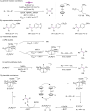
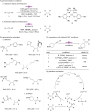
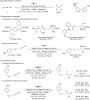
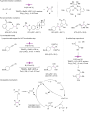
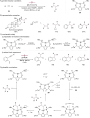
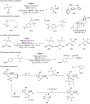
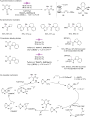
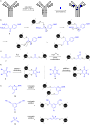
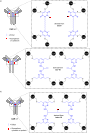
- -like linkages (≈9 M−1 s−1; Scheme 1d) [10], whereas 2-formylphenylboronic acid 3 (FPBA) generates thiazolidino boronate with noticeably improved kinetics (103 M−1 s−1; Scheme 1e) [11][12]. Aldehydes can be introduced at protein N-termini through several strategies: oxidation of serine or threonine with
- sodium periodate (Scheme 2a) [13], selective modification of glutamate using Rapoport’s salt (4) which has generated modified trastuzumab in moderate yield (67%; Scheme 2b) [14], or pyridoxal phosphate (PLP, 5)-mediated carbonyl formation at residues such as serine, threonine, glycine, alanine, or
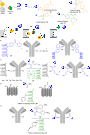
- biological environment [46]. In a related concept, the Chin group reported the genetic incorporation of the unnatural amino acid 2,3-diaminopropionic acid (DAP, 13), a nucleophilic amine that has a relatively low pKa (6–8) and is structurally analogous to serine or cysteine, enabling identification of native








Synthesis of heterocycles based on azomethine ylides from α-amino acids (or amines) and carbonyl compounds
Beilstein J. Org. Chem. 2026, 22, 705–741, doi:10.3762/bjoc.22.55
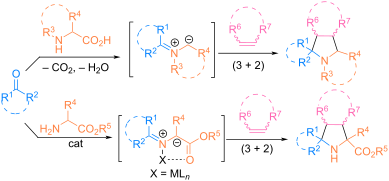
- -serine, ʟ-methionine, β-naphthylalanine, phenylglycine, 4-iodophenylalanine, on the achiral Cu(I)/L17 complex leads to the formation of enolates with copper-centered chirality in the form of complex D. Next, complex D interacts with dipolarophiles 53, including fumaronitrile, N-substituted maleimides, β


Advantages of PROTACs in achieving selective degradation of homologous protein families
Beilstein J. Org. Chem. 2026, 22, 628–661, doi:10.3762/bjoc.22.49
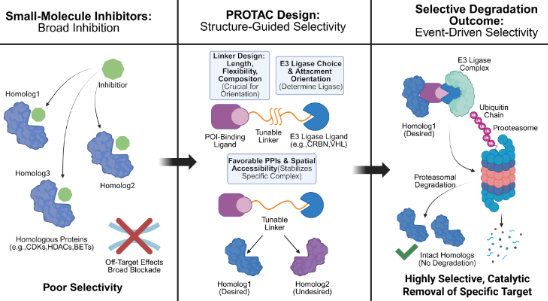
- overall selectivity of PROTACs, utilizing several high-profile targets as illustrative examples. CDK Cyclin-dependent kinases (CDKs) are members of the serine/threonine (S/T) kinase subfamily comprising 21 CDK enzymes [44]. CDK1, 2, 3, 4, and 6 play a key role in cell cycle regulation. CDK7, 8, 9, and 11





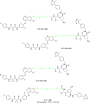
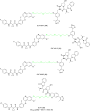


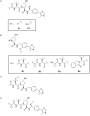


Towards the targeted protein degradation of CK2: design and synthesis of CAM4066-based PROTACs
Beilstein J. Org. Chem. 2026, 22, 611–619, doi:10.3762/bjoc.22.47
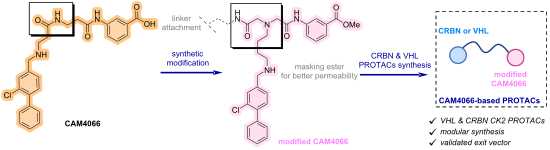
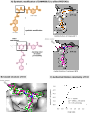
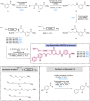
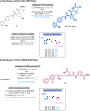
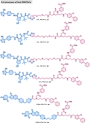
- Cambridge Institute, Robinson Way, Cambridge, CB2 0RE, United Kingdom 10.3762/bjoc.22.47 Abstract Human protein kinase CK2 is a constitutively active serine/threonine kinase implicated in numerous cancers. Although ATP-competitive inhibitors such as CX-4945 show therapeutic potential, they are limited by
- regulate key cellular processes through the phosphorylation of protein substrates. Dysregulation of kinase activity, often through mutation or altered expression, is associated with numerous malignancies [1]. CK2 (previously called casein kinase 2), a constitutively active serine/threonine kinase

Structural reassignment of compound 968, an allosteric glutaminase inhibitor
Beilstein J. Org. Chem. 2026, 22, 455–460, doi:10.3762/bjoc.22.33
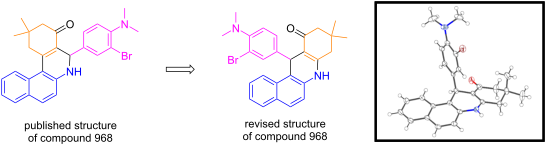
- inhibits glutaminase by covalently labeling the catalytic serine [8]. DON inhibits other glutamine-utilizing enzymes such as asparagine synthetase and has activity against a wide range of cancer cell lines [9][10]. BPTES is a potent allosteric inhibitor of GAC/KGA that binds at the dimer–dimer interface


Total synthesis of asperdinones B, C, D, E and terezine D
Beilstein J. Org. Chem. 2025, 21, 2730–2738, doi:10.3762/bjoc.21.210
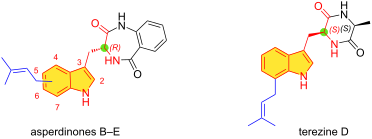
- prenylindoles (Figure 1, approach B) which would rely on a Negishi cross-coupling reaction [37][38] using Jackson’s iodozinc N-Boc-ʟ-serine methyl ester [39] and 3-iodoallyl- or 3-iodoprenylindoles (Figure 3). Related Negishi cross-coupling reactions have been reported for bromoindoles [40] and 3-iodo-N-Boc-7
- amino acid reagent that could be removed under non-acidic conditions after the cross-coupling reaction. To this end, we prepared iodo N-Fmoc-ᴅ-alanyl anthranilamide methyl ester 29 from ᴅ-serine. Treatment of prenylindoles 14–17 with iodine and KOH followed by acetylation afforded the corresponding


Enantioselective desymmetrization strategy of prochiral 1,3-diols in natural product synthesis
Beilstein J. Org. Chem. 2025, 21, 1932–1963, doi:10.3762/bjoc.21.151
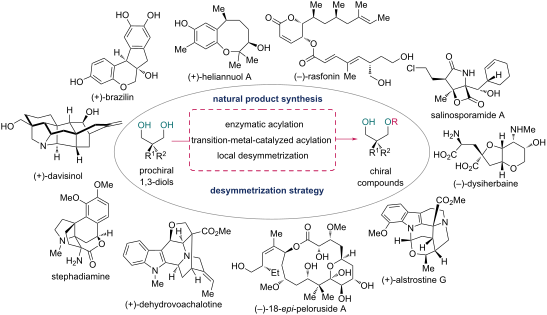
- . Lipases commonly share typical sequences of α-helices and β-strands and possess a catalytic triad consisting of serine (Ser), histidine (His), and aspartate (Asp) or glutamate (Glu). These three amino residues function as a nucleophile-base–acid catalytic system to facilitate esterification, and the










Rhodium-catalysed connective synthesis of diverse reactive probes bearing S(VI) electrophilic warheads
Beilstein J. Org. Chem. 2025, 21, 1924–1931, doi:10.3762/bjoc.21.150
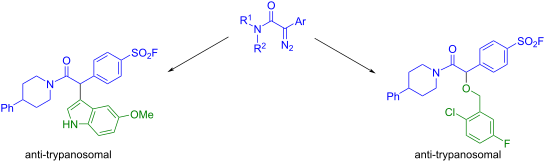
- the synthesis of structurally diverse reactive probes bearing S(VI) electrophiles. Proteome-wide screens have shown that S(VI) electrophiles predominantly target lysine and tyrosine [12], although other residues (e.g. serine) may also be targeted within enzyme active sites [13]. It was envisaged that


Synthesis, biological and electrochemical evaluation of glycidyl esters of phosphorus acids as potential anticancer drugs
Beilstein J. Org. Chem. 2025, 21, 1909–1916, doi:10.3762/bjoc.21.148
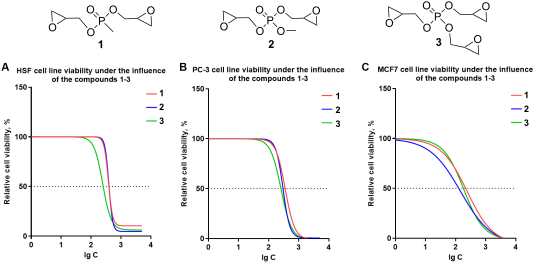
- HSA in aqueous medium shows a characteristic oxidation wave that begins to rise around +0.5 V and significantly increases up to +1.2 V vs Ag/AgCl (Figure 3). This wave is attributed to oxidation processes at peptide bonds or specific side chains (such as cysteine, methionine, tyrosine, serine
- . When these agents alkylate the HSA amino acid residues (particularly reactive sites like lysine, cysteine, serine NH2, SH, OH-side chains, and possibly other nucleophilic groups), the resulting covalent modification can disrupt the electroactive centers responsible for the protein’s oxidation peaks


Beyond symmetric self-assembly and effective molarity: unlocking functional enzyme mimics with robust organic cages
Beilstein J. Org. Chem. 2025, 21, 421–443, doi:10.3762/bjoc.21.30
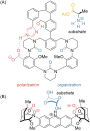
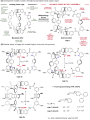
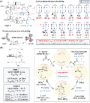
- ”, or “proton wire” [103][104][105][106] or equivalent to balance the electron redistribution, which may explain the low activity of Cram’s model serine protease in Figure 3A [107]. Polarization was addressed by the creative “molecular clefts” of Rebek [108][109]. Although not a cavity per se, clefts
- active site (binding a substrate in an orientation that directs internally catalyzed reactivity) [347][348]. The examples of cavities with functionality discussed above, from Cram’s “full serine protease model” [87], to MOCs with flexible peripheral groups [349], to frameworks with internal proline
- reactivity. (B) Macrocycles with functional sites that react with bound substrates directly. (A) Cram’s serine protease model system [87][88]. The macrocycle showed strong substrate binding (organization), but the model did not show strong acceleration for a hydrolysis reaction. The “organized” catalytic




Recent advances in electrochemical copper catalysis for modern organic synthesis
Beilstein J. Org. Chem. 2025, 21, 155–178, doi:10.3762/bjoc.21.9

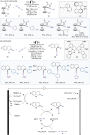
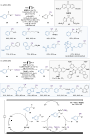
- enantioselectivity is the introduction of serine-derived bisoxazoline ligands L8 (sBOX). Upon coordination with a copper catalyst, these ligands present second-sphere ester groups, which facilitate the additional stabilization of noncovalent interactions at the penta-coordinated Cu(III) intermediate 82 in the








Chemical structure metagenomics of microbial natural products: surveying nonribosomal peptides and beyond
Beilstein J. Org. Chem. 2024, 20, 3050–3060, doi:10.3762/bjoc.20.253

- ], requires the presence of a nucleophile at the β-position of the amino acid and occurs exclusively on select amino acids. Specifically, cyclodehydration of a serine or threonine (followed by oxidation or reduction) generates an oxazole, oxazoline, or oxazolidine moiety in the NRP backbone, and the analogous


Applications of microscopy and small angle scattering techniques for the characterisation of supramolecular gels
Beilstein J. Org. Chem. 2024, 20, 2608–2634, doi:10.3762/bjoc.20.220

- ]. The work by Alakpa et al. highlights how important it is to consider how one assesses the impact of co-assembly on a molecular system [20]. AFM suggested that the addition of the surfactant-like Fmoc-serine (Fmoc-S) to the fibrous Fmoc-diphenylalanine (Fmoc-FF) did not impact the structure of the Fmoc


A review of recent advances in electrochemical and photoelectrochemical late-stage functionalization classified by anodic oxidation, cathodic reduction, and paired electrolysis
Beilstein J. Org. Chem. 2024, 20, 2500–2566, doi:10.3762/bjoc.20.214
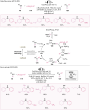
- and cross-coupling of different kinds of amines for approaching symmetric and unsymmetric imines [76]. This method achieved the bioconjugation of several amino acids with benzylamine, the use of phenylalanine (Phe), serine (Ser), and isoleucine (Ile) as substrates led to 85%, 59%, and 29% yield


























Computational toolbox for the analysis of protein–glycan interactions
Beilstein J. Org. Chem. 2024, 20, 2084–2107, doi:10.3762/bjoc.20.180
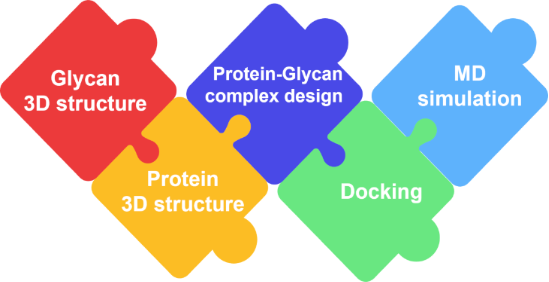
- glycosylation: i) N-glycosylation, where a N-acetylglucosamine (GlcNAc) is linked to the nitrogen atom of an asparagine side chain [28]; ii) O-glycosylation, where a GlcNAc or N-acetylgalactosamine (GalNAc) is linked to the hydroxy group of a serine or threonine residue [29]; iii) C-glycosylation, where a


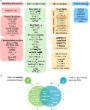
The Groebke–Blackburn–Bienaymé reaction in its maturity: innovation and improvements since its 21st birthday (2019–2023)
Beilstein J. Org. Chem. 2024, 20, 1839–1879, doi:10.3762/bjoc.20.162
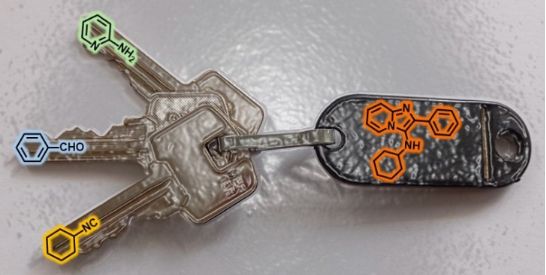
- work described below, KTGS was applied to multicomponent reactions in limited cases [25]. Van der Veken et al. selected as template the protein urokinase plasminogen activator, a serine protease targeted in oncology and inhibited by imidazopyridines [26]. The main challenges of this project were the


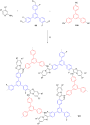
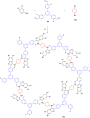




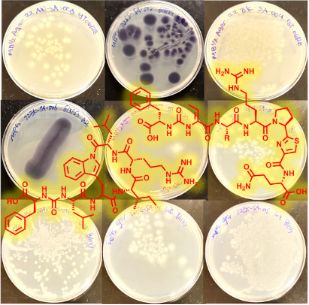
Discovery of antimicrobial peptides clostrisin and cellulosin from Clostridium: insights into their structures, co-localized biosynthetic gene clusters, and antibiotic activity
Beilstein J. Org. Chem. 2024, 20, 1800–1816, doi:10.3762/bjoc.20.159

- resulting peptides exhibit unique structural features due to thioether bridges between dehydrated serine or threonine (Dha/Dhb) and cysteine (Cys). These thioether bridges lead to cyclic peptides with the modified amino acid lanthionine (Dha-Cys) or methyllanthionine (Dhb-Cys). The strong antimicrobial
- physicochemical characteristics, number of predicted cycles (one cycle or more was required), the presence of serine (Ser) and threonine (Thr) residues, and the characteristic cleavage site of the C39 peptidases domain (GG or GA) (Table S2 in Supporting Information File 1) obtained in RiPPMiner [5]. The nine




Methyltransferases from RiPP pathways: shaping the landscape of natural product chemistry
Beilstein J. Org. Chem. 2024, 20, 1652–1670, doi:10.3762/bjoc.20.147
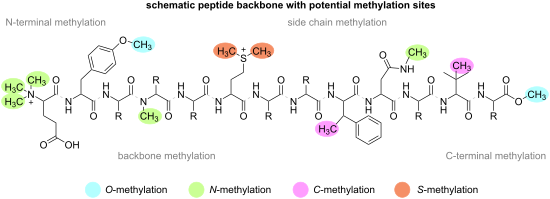
- -serine, which provides the methyl group in this case. Another methyl donor that provides a C1 building block for ʟ-methionine and subsequent SAM synthesis is betaine. Betaine-homocysteine MT remethylates ʟ-homocysteine to ʟ-methionine. Non-SAM-dependent MTs catalyse B12-dependent methylations using the
- with N-terminal alanine, serine, threonine, glycine, and methionine residues, as well as the antibiotics nisin and haloduracin with good efficiency. Nisin was methylated on its N-terminal isoleucine and on the side chain of Lys12, where two methylations occurred. It is important to note that N




Polymer degrading marine Microbulbifer bacteria: an un(der)utilized source of chemical and biocatalytic novelty
Beilstein J. Org. Chem. 2024, 20, 1635–1651, doi:10.3762/bjoc.20.146
- substituted saccharides. The vast diversity among CEs is organized into 16 different families [123]. Members of the CE6 family are typical serine-type esterases. A cold-adapted CE6 enzyme, CEST, was cloned and expressed in E. coli from Microbulbifer thermotolerans DAU221 with a temperature optimum of 15 °C




Synthesis of substituted triazole–pyrazole hybrids using triazenylpyrazole precursors
Beilstein J. Org. Chem. 2024, 20, 1396–1404, doi:10.3762/bjoc.20.121
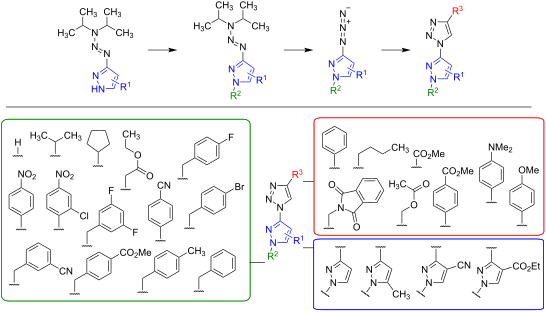
- strategies to explore access to triazole–pyrazole hybrids. Triazole–pyrazole hybrids, particularly non-fused heterocycles of this class, have not been investigated systematically. Selected known derivatives (Figure 1, 1–4) inhibit the serine-threonine kinase ERK3 [12] or the cholera-causing bacterium Vibrio




New variochelins from soil-isolated Variovorax sp. H002
Beilstein J. Org. Chem. 2024, 20, 692–700, doi:10.3762/bjoc.20.63
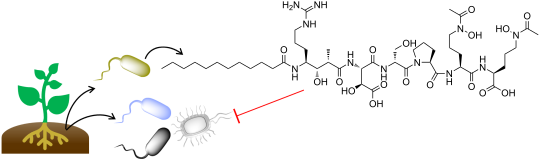
- serine (Ser), a β-hydroxyaspartic acid (Hya), and a unique γ-amino acid biosynthetically originating from an arginine and a methyl malonate (4-amino-7-guanidino-3-hydroxy-2-methylheptanoic acid), with the amino group acylated by a saturated fatty acid. Subsequent HMBC and MS/MS analyses indicated that
- , Ser: serine, Pro: proline, Orn: ornithine). (b) Validation of var biosynthetic gene cluster. The plasmid constructed for the generation of the varG null-mutant strain (varG::cmR) using the cmR gene cassette (left), and HPLC-profile comparison of the Variovorax sp. H002 wild type strain and the varG


Decarboxylative 1,3-dipolar cycloaddition of amino acids for the synthesis of heterocyclic compounds
Beilstein J. Org. Chem. 2023, 19, 1677–1693, doi:10.3762/bjoc.19.123
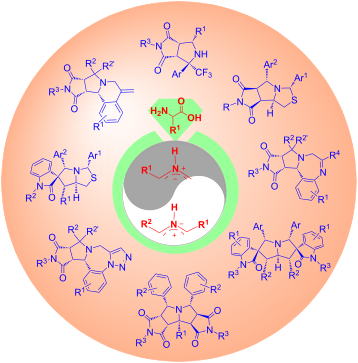
- , serine, and norvaline to give products 11a–f in 53–88% yields with greater than 8.5 dr (Scheme 7). The reactions with leucine and phenylglycine (R2 = iPr and Ph) as amino acids gave mainly mono-cycloaddition products and very little double cycloaddition products 11g and 11h due to the steric hindrance of