


Search results
Search for "quantum dots" in Full Text gives 232 result(s) in Beilstein Journal of Nanotechnology. Showing first 200.
Fabrication and characterization of Si1−xGex nanocrystals in as-grown and annealed structures: a comparative study
Beilstein J. Nanotechnol. 2019, 10, 1873–1882, doi:10.3762/bjnano.10.182
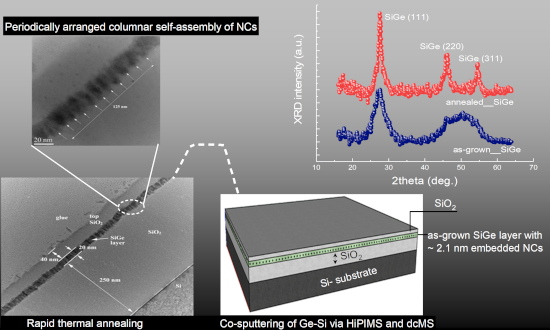
- Currently, there is considerable interest in the growth of self-assembled quantum dots their application in optoelectronics and nanosized structures. For instance, semiconducting Si, Ge and SiGe nanocrystals (NCs/NPs) embedded in a dielectric oxide matrix have been found to exhibit strong quantum


Green fabrication of lanthanide-doped hydroxide-based phosphors: Y(OH)3:Eu3+ nanoparticles for white light generation
Beilstein J. Nanotechnol. 2019, 10, 1200–1210, doi:10.3762/bjnano.10.119
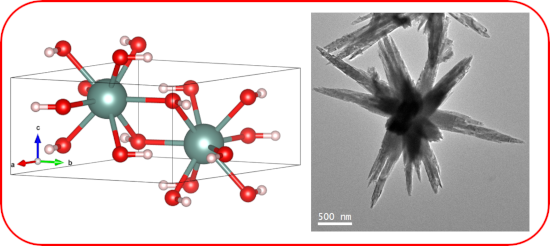
- as quantum dots [22], perovskites [23], organic dyes [24], etc. In the case of phosphors, combining a red phosphor with YAG:Ce3+ over a blue LED is the simplest way of increasing the CRI while reducing the CCT. Phosphors mostly consist of thermally and chemically stable inorganic hosts such as YAG



CuInSe2 quantum dots grown by molecular beam epitaxy on amorphous SiO2 surfaces
Beilstein J. Nanotechnol. 2019, 10, 1103–1111, doi:10.3762/bjnano.10.110
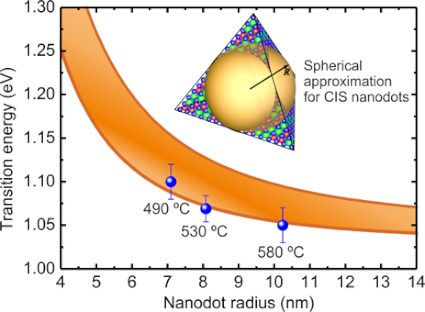
- with the average size of the nanodots. Keywords: copper indium gallium selenide (CuInSe2); quantum dots; Introduction The chalcopyrite compound Cu(In,Ga)Se2 (CIGS) is used as the light absorber layer in thin film solar cells that typically consist of a glass substrate, a Mo back contact, the CIGS
- defects are important sources of radiative and non-radiative recombination affecting the optoelectronic properties of CIS quantum dots (QDs), such as photo-generated carrier lifetime and photoluminescence [15]. We ascribe the increase in the photoluminescence related to the nanodots to the passivation of


Correlation of surface-enhanced Raman scattering (SERS) with the surface density of gold nanoparticles: evaluation of the critical number of SERS tags for a detectable signal
Beilstein J. Nanotechnol. 2019, 10, 1016–1023, doi:10.3762/bjnano.10.102
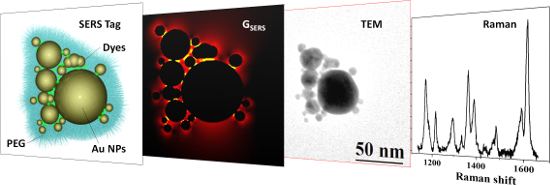
- to the use of Raman tags, mostly related to the intensity and narrow bandwidth of their Raman peaks. SERS labels can be even brighter than semiconductor quantum dots; for example, the high intensity allows for detection using only a single nanotag with an ordinary Raman spectrometer [27][28]. The


Deposition of metal particles onto semiconductor nanorods using an ionic liquid
Beilstein J. Nanotechnol. 2019, 10, 718–724, doi:10.3762/bjnano.10.71
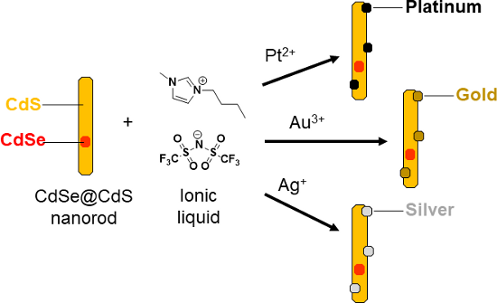
- without the need for additional surfactants or reducing agents. Results and Discussion CdSe quantum dots and CdSe@CdS nanorods were synthesized using cadmium oxide, octadecylphosphonic acid, hexylphosphonic acid, trioctylphosphine, and trioctylphosphine oxide based on methods reported by Manna et al. and
- expanded upon by Pyun et al. [27][28]. Our CdSe quantum dots had an average diameter of 2.4 nm as determined using the correlation of particle diameter with the wavelength of the low energy absorbance peak (λmax = 509 nm) [29]. The CdSe@CdS nanorods had an average length of 50 ± 10 nm and an average


Coexisting spin and Rabi oscillations at intermediate time regimes in electron transport through a photon cavity
Beilstein J. Nanotechnol. 2019, 10, 606–616, doi:10.3762/bjnano.10.61
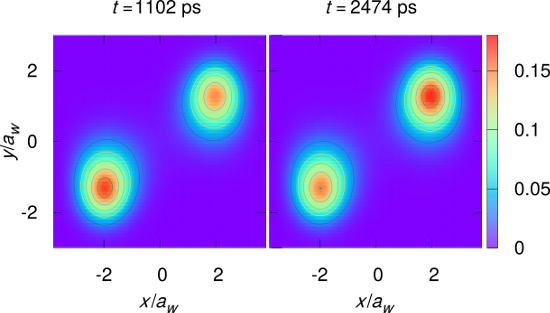
- ]. The formation of very slow Rabi-like spin-flip transitions promoted by the interplay of tunneling and spin orbit interactions in a system of double quantum dots has been studied by Khomitsky et al. [14]. In earlier publications we have shown how a Rabi oscillation can be detected in the transport of
- , but only in this regime dominated by strong nonequilibrium processes. In the earlier calculations the central system was a short quantum wire with parallel quantum dots of the same shape. The anisotropy of the system makes the first excitation of the even parity one-electron ground state to be an odd
- parity state with respect to the axis of the quantum dots, the y-axis. Subsequently, y-polarized cavity photons couple the two states strongly through the paramagnetic electron–photon interaction, but only weakly through the diamagnetic interaction. On the other hand, x-polarized photons can only couple


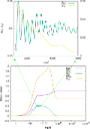
![[Graphic 40]](/bjnano/content/inline/2190-4286-10-61-i49.svg?max-width=637&scale=1.418184) and photon
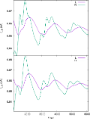
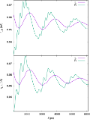
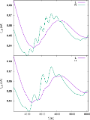
and photon ![[Graphic 41]](/bjnano/content/inline/2190-4286-10-61-i50.svg?max-width=637&scale=1.418184) content in the open central system as a function of time. In additio...
content in the open central system as a function of time. In additio...

![[Graphic 60]](/bjnano/content/inline/2190-4286-10-61-i69.svg?max-width=637&scale=1.418184)
![[Graphic 61]](/bjnano/content/inline/2190-4286-10-61-i70.svg?max-width=637&scale=1.418184)
![[Graphic 62]](/bjnano/content/inline/2190-4286-10-61-i71.svg?max-width=637&scale=1.418184) and
and ![[Graphic 63]](/bjnano/content/inline/2190-4286-10-61-i72.svg?max-width=637&scale=1.418184) i...
i...
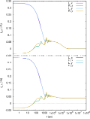
![[Graphic 76]](/bjnano/content/inline/2190-4286-10-61-i85.svg?max-width=637&scale=1.418184) in the steady state. The cavity pho...
in the steady state. The cavity pho...
Reduced graphene oxide supported C3N4 nanoflakes and quantum dots as metal-free catalysts for visible light assisted CO2 reduction
Beilstein J. Nanotechnol. 2019, 10, 448–458, doi:10.3762/bjnano.10.44
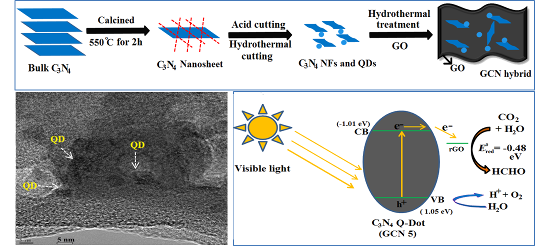
- promising for CO2 photoreduction because of their excellent activity and environmental sustainability. Keywords: CO2 reduction; metal-free hybrid; nanoflakes; photocatalyst; quantum dots; Introduction The solar-light-assisted photocatalytic reduction of CO2 into useful chemicals, such as HCOOH, HCHO, CH4
- electronic modification of the g-C3N4 material with rGO, another interesting strategy is to increase the number of catalytic active sites (pyridinic N, graphitic N, and edge amine groups) in g-C3N4 [19]. This can be achieved by generating zero-dimensional (0D) quantum dots (QDs) and nanoflakes (NFs) of g
- hydrothermal heating, it undergoes many structural changes (breaking of aromatic planes along (002) directions) internally. Thus, the size of the nanosheet is drastically decreased when it transforms into quantum dots. Consequently, the intensity of the planes is expected to largely decrease. In the GCN hybrid



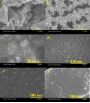


Sub-wavelength waveguide properties of 1D and surface-functionalized SnO2 nanostructures of various morphologies
Beilstein J. Nanotechnol. 2019, 10, 379–388, doi:10.3762/bjnano.10.37
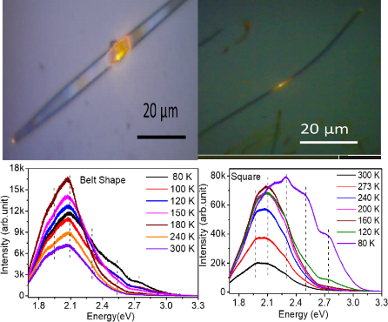
- understanding of the surface defects and role of morphology in 1D SnO2 nanowires can help to better utilize these nanostructures more efficiently. For this purpose, three different nanowires (NWs), namely belts, cylindrical- and square-shaped structures were grown using SnO2 quantum dots as a precursor material
- tapered Ag NW waveguides showed that plasmon polaritons are slowed near the tip and subsequent accumulation of energy and giant local fields appear at the tip [9][10]. A NW waveguide was reported for use as a single photon emitter [4][6][7][11]. In particular, InAsP quantum dots embedded on the axis of an
- , we focus on the growth of elongated SnO2 NWs with different cross sections such as circular, square, and rectangular (belt) using SnO2 quantum dots (QDs) as a precursor material. The waveguide behavior in square- and cylindrical-shaped NWs, uniform-sized nanobelts (NBs), tapered NBs and surface


Transport signatures of an Andreev molecule in a quantum dot–superconductor–quantum dot setup
Beilstein J. Nanotechnol. 2019, 10, 363–378, doi:10.3762/bjnano.10.36
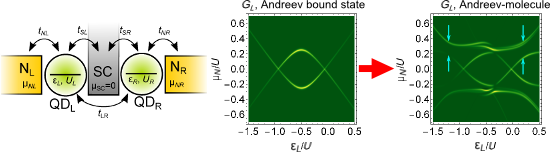
- Group, Budapest University of Technology and Economics, 1111 Budapest, Hungary 10.3762/bjnano.10.36 Abstract Hybrid devices combining quantum dots with superconductors are important building blocks of conventional and topological quantum-information experiments. A requirement for the success of such
- experiments is to understand the various tunneling-induced non-local interaction mechanisms that are present in the devices, namely crossed Andreev reflection, elastic co-tunneling, and direct interdot tunneling. Here, we provide a theoretical study of a simple device that consists of two quantum dots and a
- ][14], Majorana states in graphene [15][16][17] and devices with even more exotic non-Abelian excitations, such as parafermions [18][19][20]. CAR was studied experimentally in metallic nanostructures [21][22][23][24] and later in so-called Cooper-pair splitter devices, where two quantum dots (QDs) are

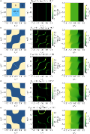


Surface plasmon resonance enhancement of photoluminescence intensity and bioimaging application of gold nanorod@CdSe/ZnS quantum dots
Beilstein J. Nanotechnol. 2019, 10, 22–31, doi:10.3762/bjnano.10.3
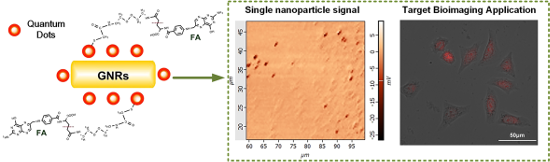
- Technology, Changchun 130022, P. R. China College of Optoelectronic Engineering, Shenzhen University, Shenzhen 518060, P. R. China 10.3762/bjnano.10.3 Abstract Biological applications of core/shell near-infrared quantum dots (QDs) have attracted broad interest due to their unique optical and chemical
- as an optical process for MCF-7 breast cancer cells. Keywords: bioimaging; gold nanorods; photoluminescence enhancement; quantum dots; Introduction In the past decades, quantum dots (QDs) have proven to be increasingly useful for their unique features [1][2][3][4][5]. The light emission from QDs


Charged particle single nanometre manufacturing
Beilstein J. Nanotechnol. 2018, 9, 2855–2882, doi:10.3762/bjnano.9.266
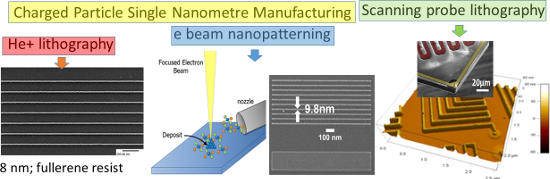
- combined with CVD. As another example, 5 nm GaN quantum dots were deposited by Crozier [86] by EBID from a specially tailored precursor resulting in high-quality uniform deposits on a thin film of Si/SiO2. Shimojo [87] demonstrated the deposition of self-standing nanorods, 10 nm in diameter, by electrons


Variation of the photoluminescence spectrum of InAs/GaAs heterostructures grown by ion-beam deposition
Beilstein J. Nanotechnol. 2018, 9, 2794–2801, doi:10.3762/bjnano.9.261
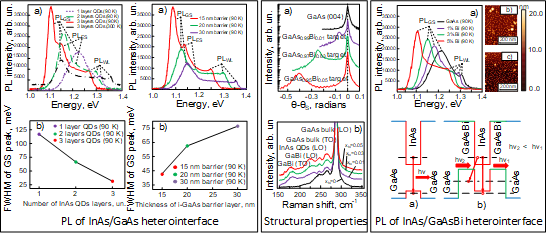
- Electronics, Platov South-Russian State Polytechnic University (NPI), 346428, 132, Prosveshchenia str., Novocherkassk, Russia 10.3762/bjnano.9.261 Abstract This work reports on an experimental investigation of the influence of vertical stacking of quantum dots, the thickness of GaAs potential barriers, and
- their isovalent doping with bismuth on the photoluminescence properties of InAs/GaAs heterostructures. The experimental samples were grown by ion-beam deposition. We showed that using three vertically stacked layers of InAs quantum dots separated by thin GaAs barrier layers was accompanied by a red
- heterostructures was investigated. It was found that the Bi content up to 4.96 atom % in GaAs decreases the density of InAs quantum dots from 1.53 × 10¹⁰ to 0.93 × 1010 cm−2. In addition, the average lateral size of the InAs quantum dots increased from 14 to 20 nm, due to an increase in the surface diffusion of In


Silencing the second harmonic generation from plasmonic nanodimers: A comprehensive discussion
Beilstein J. Nanotechnol. 2018, 9, 2674–2683, doi:10.3762/bjnano.9.250
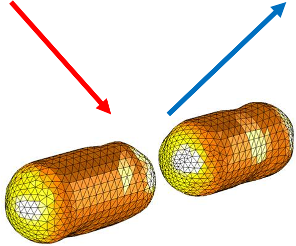
- gap of a few nanometers [6]. Several methods have been developed for the fabrication of these nanoantennas, including both top-down and bottom-up approaches [7]. The challenge of loading the interstice between the two arms with different materials, including single molecules [8], quantum dots [9], and
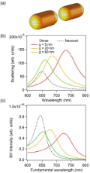
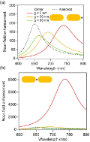


Polarization-dependent strong coupling between silver nanorods and photochromic molecules
Beilstein J. Nanotechnol. 2018, 9, 2657–2664, doi:10.3762/bjnano.9.247
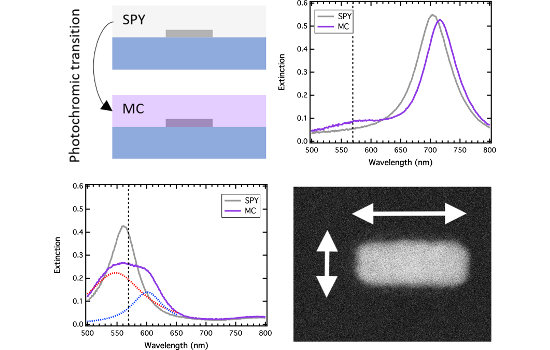
- light emitted by quantum dots or molecules [2][3], and to kill cancer cells [4]. This resonance is directly linked to the intrinsic properties of the metallic nanoparticles (depending on the geometry or the nature of the metal), which makes it difficult to easily control its spectral position. Many

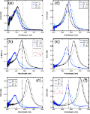


Interaction-induced zero-energy pinning and quantum dot formation in Majorana nanowires
Beilstein J. Nanotechnol. 2018, 9, 2171–2180, doi:10.3762/bjnano.9.203
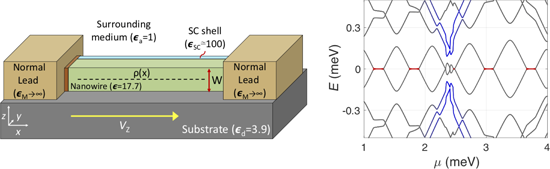
- features are observed in recent experiments on the detection of Majoranas and could thus help to properly characterize them. Keywords: hybrid superconductor–semiconductor nanowires; interactions; Majorana bound states; quantum dots; Introduction Semiconducting nanowires with strong spin–orbit interaction
- unexplored before is the creation of deep potential wells at the ends of the wire close to the bulk metallic electrodes. These wells, obtained explicitly here through the self-consistent calculation, are similar to the confinement potentials typical of quantum dots. Localized quantum dot-like energy levels



Electrospun one-dimensional nanostructures: a new horizon for gas sensing materials
Beilstein J. Nanotechnol. 2018, 9, 2128–2170, doi:10.3762/bjnano.9.202
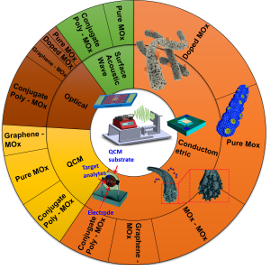
- the NPs in the fibers. Based on the type of NP (0D – dots, 1D – wires, 2D – plates), the nanofibers can be classified as: 0D NPs–electrospun fibers containing quantum dots or zero-dimensional particles, 1D NPs–electrospun fibers containing wires or similar elongated morphologies, 2D NPs–electrospun


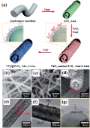


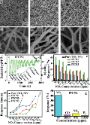


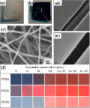
A scanning probe microscopy study of nanostructured TiO2/poly(3-hexylthiophene) hybrid heterojunctions for photovoltaic applications
Beilstein J. Nanotechnol. 2018, 9, 2087–2096, doi:10.3762/bjnano.9.197
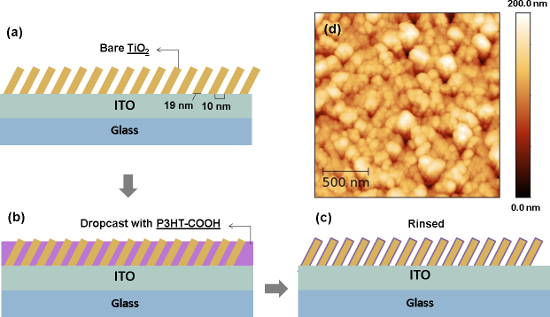
- other hand. Hybrid PV devices include various technologies such as perovskite cells, dye sensitized solar cells (DSSC), with power efficiencies up to 13% [5] and hybrid bulk heterojunctions (HBHJ), which combine an organic matrix and inorganic semiconducting nanostructures such as quantum dots. Among


Electromigrated electrical optical antennas for transducing electrons and photons at the nanoscale
Beilstein J. Nanotechnol. 2018, 9, 1964–1976, doi:10.3762/bjnano.9.187
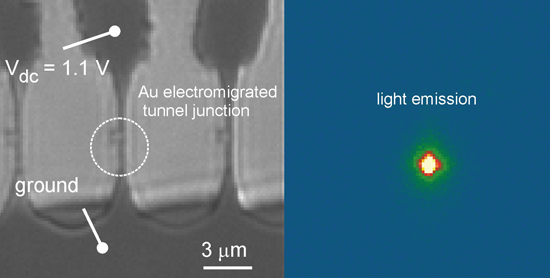
- versatile and low-cost integrated light sources, and optical tunneling gap antennas may provide an alternative technology to solid-state light emitting diodes or quantum dots. Coupling of such a junction have been recently demonstrated in plasmonic strips [27][59] and we extend the concept to dielectric


![[Graphic 32]](/bjnano/content/inline/2190-4286-9-187-i38.svg?max-width=637&scale=1.18182) and
and ![[Graphic 33]](/bjnano/content/inline/2190-4286-9-187-i39.svg?max-width=637&scale=1.18182) are...
are...


A zero-dimensional topologically nontrivial state in a superconducting quantum dot
Beilstein J. Nanotechnol. 2018, 9, 1705–1714, doi:10.3762/bjnano.9.162
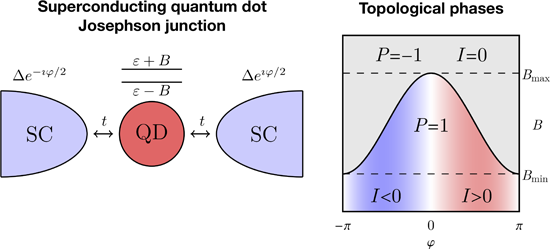
- temperatures. Keywords: Josephson effect; Josephson junctions; quantum dots; superconducting quantum dots; topological states; topological superconductors; Introduction Since the discovery of the quantum Hall effect [1][2] and the theoretical prediction of Majorana bound states in triplet superconductors [3
- discontinuities and ground-state parity crossings [55][56][57][58][59][60][61] have been recognized as precursors of Majorana modes in the long-wire limit [27][50], and of Floquet–Majorana modes realized in driven quantum dots [62][63]. We will analytically derive and discuss the spectrum and the Josephson


Photoluminescence of CdSe/ZnS quantum dots in nematic liquid crystals in electric fields
Beilstein J. Nanotechnol. 2018, 9, 1544–1549, doi:10.3762/bjnano.9.145
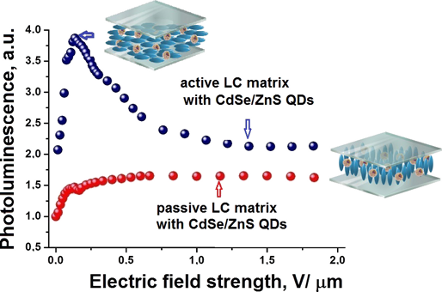
- , Russia 10.3762/bjnano.9.145 Abstract We have experimentally investigated the effect of the reorientation of a nematic liquid crystal (LC) in an electric field on the photoluminescence (PL) of CdSe/ZnS semiconductor quantum dots (QDs). To the LC with positive dielectric anisotropy, 1 wt % QDs with a core
- obtained results are interesting for controlling the PL intensity of semiconductor QDs in liquid crystals by the application of electric fields. Keywords: aggregation; decay time; liquid crystal; luminescence intensity; orientation; Introduction Colloidal quantum dots (QDs) are a special kind of
- nanocrystals. These nanoparticles (NPs) of spherical shape are unique luminophores due to the dimensional dependence of the optical properties. The small dimensions of QDs (of the order of 1–10 nm) make it possible to integrate QDs relatively easily into hybrid structures and composite materials. Quantum dots


Spatial Rabi oscillations between Majorana bound states and quantum dots
Beilstein J. Nanotechnol. 2018, 9, 1527–1535, doi:10.3762/bjnano.9.143
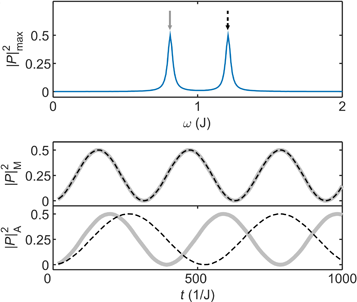
- states. Quantum dot has been proved to be a good probe to study the Majorana bound states [27][3][28][29][30][31][32][33][34][35][36][7][37][38]. The quantum dots are zero-dimensional systems that have controllable discrete energy levels. The Rabi oscillation, a fundamental quantum phenomenon in two
- -level quantum systems, may occur between the states of the quantum dot when the quantum dot is periodically modulated. In particular, the spatial Rabi oscillation between two quantum dots has been proven to be useful for single-electron pumping. An attractive idea is to exploit the spatial Rabi
- oscillation between the quantum dots and the Majorana bound states [29] and to investigate the self-conjugateness and exponential protection of Majorana bound states. In recent experiments, a hybrid structure of a quantum dot and a one-dimensional topological superconductor nanowire has been realized [36


Absence of free carriers in silicon nanocrystals grown from phosphorus- and boron-doped silicon-rich oxide and oxynitride
Beilstein J. Nanotechnol. 2018, 9, 1501–1511, doi:10.3762/bjnano.9.141
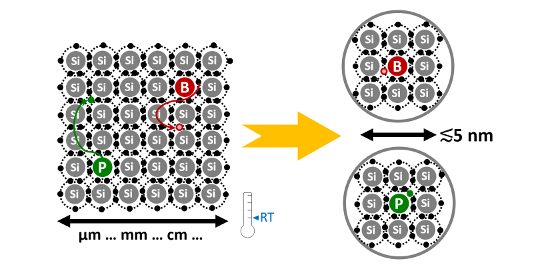
- the effects described above will appear. Si NCs of a few nanometres in diameter (i.e., quantum dots) represent a good model system to study doping at the nanoscale. They can be fabricated by various methods [7][8][9] and doped either during growth [7] or post-growth [10]. A recent review provides a


Cathodoluminescence as a probe of the optical properties of resonant apertures in a metallic film
Beilstein J. Nanotechnol. 2018, 9, 1491–1500, doi:10.3762/bjnano.9.140
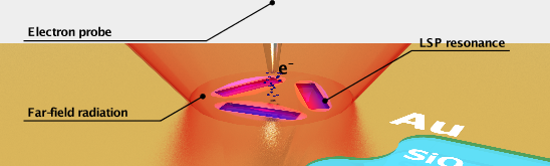
- ] and enhanced coupling to plasmonic cavities by emitters such as quantum dots [36]. One way to enhance the signal-to-noise ratio of transmission measurements is to study the collective optical properties of an array of apertures, choosing the periodicity to minimize both the effects of diffraction and
- demonstrated [50]. The spectral properties of core–shell CdSe/CdS quantum dots have also been studied using CL in a transmission electron microscope [51]. The same technique has been used to generate single photons and to characterize quantum states and the nature of the emitted beam with subwavelength
- these two different modes within this structure raises the prospect of designing aperture structures where the transverse geometry could be tailored to facilitate coupling between cavity and plasmonic resonances. This could underpin novel approaches to controlling the emission of molecules and quantum


Colorimetric detection of Cu2+ based on the formation of peptide–copper complexes on silver nanoparticle surfaces
Beilstein J. Nanotechnol. 2018, 9, 1414–1422, doi:10.3762/bjnano.9.134
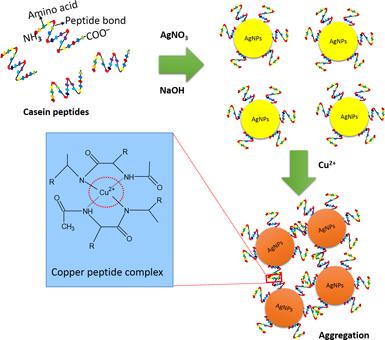
- traditional organic probes [8][9][10], but the preparation of such functionalized quantum dots is a time-consuming process. Similarly, colorimetric methods based on Cu2+-dependent click chemistry are well-known for high selectivity and tolerance to interference caused by other metal ions. Nonetheless, these


Interplay between pairing and correlations in spin-polarized bound states
Beilstein J. Nanotechnol. 2018, 9, 1370–1380, doi:10.3762/bjnano.9.129
- between the opposite spin electrons can bring additional important effects. In the proximitized quantum dots it can lead to a parity change (quantum phase transition) with further influence on the subgap Kondo effect (driven by effective spin-exchange coupling with mobile electrons). Furthermore, such
- co-authors [49]. Inspired by this achievement, extensive studies have been carried out regarding the YSR states coalescencing into the zero-energy Majorana states in side-coupled quantum dots driven by electrostatic or magnetic fields [50][51][52]. This issue would be particularly important when
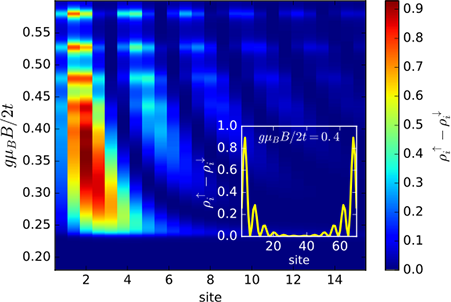
- , we analyzed leakage of the polarized Majorana modes on the multi-site quantum dots, revealing their partial delocalization (Figure 6). Majorana vs Kondo effect In previous section we have discussed the polarized Majorana modes leaking into side-attached objects, such as single impurities or segments


![[Graphic 23]](/bjnano/content/inline/2190-4286-9-129-i39.svg?max-width=637&scale=1.18182) obtained for |J| < Jc in the absence of spin–orbit coupling (le...
obtained for |J| < Jc in the absence of spin–orbit coupling (le...

![[Graphic 26]](/bjnano/content/inline/2190-4286-9-129-i42.svg?max-width=637&scale=1.18182) as a function of the r...
as a function of the r...





