


Search results
Search for "triflic acid" in Full Text gives 89 result(s) in Beilstein Journal of Organic Chemistry.
Photoswitches beyond azobenzene: a beginner’s guide
- Michela Marcon,
- Christoph Haag and
- Burkhard König
Beilstein J. Org. Chem. 2025, 21, 1808–1853, doi:10.3762/bjoc.21.143
- aldehyde and, if required, N-functionalisation via nucleophilic substitution (for aliphatic substituents) or palladium-catalysed cross-coupling (for aromatic substituents) (Scheme 25) [77]. Hemithioindigo can be synthesised by treating phenylthioacetic acid (83) with triflic acid. Then, the product is

Graphical Abstract

Figure 1: Energy diagram of a two-state photoswitch. Figure 1 was redrawn from [2].

Figure 2: Example of the absorption spectra of the isomers of a photoswitch with most efficient irradiation w...

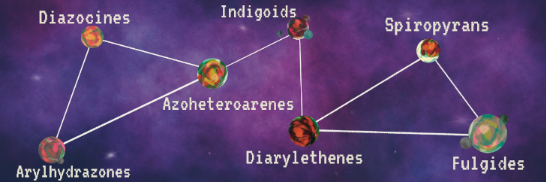
Scheme 1: Photoswitch classes described in this review.

Figure 3: Azoheteroarenes.

Scheme 2: E–Z Isomerisation (top) and mechanisms of thermal Z–E isomerisation (bottom).

Scheme 3: Rotation mechanism favoured by the electron displacement in push–pull systems. Selected examples of...

Figure 4: A) T-shaped and twisted Z-isomers determine the thermal stability and the Z–E-PSS (selected example...

Figure 5: Effect of di-ortho-substitution on thermal half-life and PSS.

Figure 6: Selected thermal lifetimes of azoindoles in different solvents and concentrations. aConcentration o...

Figure 7: Aryliminopyrazoles: N-pyrazoles (top) and N-phenyl (bottom).

Scheme 4: Synthesis of symmetrical heteroarenes through oxidation (A), reduction (B), and the Bayer–Mills rea...

Scheme 5: Synthesis of diazonium salt (A); different strategies of azo-coupling: with a nucleophilic ring (B)...

Scheme 6: Synthesis of arylazothiazoles 25 (A) and heteroaryltriazoles 28 (B).

Scheme 7: Synthesis of heteroarylimines 31a,b [36-38].

Figure 8: Push–pull non-ionic azo dye developed by Velasco and co-workers [45].

Scheme 8: Azopyridine reported by Herges and co-workers [46].

Scheme 9: Photoinduced phase transitioning azobispyrazoles [47].

Figure 9: Diazocines.

Scheme 10: Isomers, conformers and enantiomers of diazocine.

Scheme 11: Partial overlap of the ππ* band with electron-donating substituents and effect on the PSS. Scheme 11 was ada...

Figure 10: Main properties of diazocines with different bridges. aMeasured in n-hexane [56]. bMeasured in THF. cMe...

Scheme 12: Synthesis of symmetric diazocines.

Scheme 13: Synthesis of asymmetric diazocines.

Scheme 14: Synthesis of O- and S-heterodiazocines.

Scheme 15: Synthesis of N-heterodiazocines.

Scheme 16: Puromycin diazocine photoswitch [60].

Figure 11: Indigoids.

Figure 12: The main representatives of the indigoid photoswitch class.

Scheme 17: Deactivation process that prevents Z-isomerisation of indigo.

Figure 13: Stable Z-indigo derivative synthesised by Wyman and Zenhäusern [67].

Figure 14: Selected examples of indigos with aliphatic and aromatic substituents [68]. Dashed box: proposed π–π in...

Scheme 18: Resonance structures of indigo and thioindigo involving the phenyl ring.

Scheme 19: Possible deactivation mechanism for 4,4'-dihydroxythioindigo [76].

Scheme 20: Effect of different heteroaryl rings on the stability and the photophysical properties of hemiindig...

Figure 15: Thermal half-lives of red-shifted hemithioindigos in toluene [79]. aMeasured in toluene-d8.

Scheme 21: Structures of pyrrole [81] and imidazole hemithioindigo [64].

Figure 16: Examples of fully substituted double bond hemithioindigo (left), oxidised hemithioindigos (centre),...

Scheme 22: Structure of iminothioindoxyl 72 (top) and acylated phenyliminoindolinone photoswitch 73 (bottom). ...

Scheme 23: (top) Transition states of iminothioindoxyl 72. The planar transition state is associated with a lo...

Scheme 24: Baeyer–Drewsen synthesis of indigo (top) and N-functionalisation strategies (bottom).

Scheme 25: Synthesis of hemiindigo.

Scheme 26: Synthesis of hemithioindigo and iminothioindoxyl.

Scheme 27: Synthesis of double-bond-substituted hemithioindigos.

Scheme 28: Synthesis of phenyliminoindolinone.

Scheme 29: Hemithioindigo molecular motor [85].

Figure 17: Arylhydrazones.

Scheme 30: Switching of arylhydrazones. Note: The definitions of stator and rotor are arbitrary.

Scheme 31: Photo- and acidochromism of pyridine-based phenylhydrazones.

Scheme 32: A) E–Z thermal inversion of a thermally stable push–pull hydrazone [109]. B) Rotation mechanism favoured...

Scheme 33: Effect of planarisation on the half-life.

Scheme 34: The longest thermally stable hydrazone switches reported so far (left). Modulation of thermal half-...

Figure 18: Dependency of t1/2 on concentration and hypothesised aggregation-induced isomerisation.

Figure 19: Structure–property relationship of acylhydrazones.

Scheme 35: Synthesis of arylhydrazones.

Scheme 36: Synthesis of acylhydrazones.

Scheme 37: Photoswitchable fluorophore by Aprahamian et al. [115].

Scheme 38: The four-state photoswitch synthesised by the Cigáň group [116].

Figure 20: Diarylethenes.

Scheme 39: Isomerisation and oxidation pathway of E-stilbene to phenanthrene.

Scheme 40: Strategies adapted to avoid E–Z isomerisation and oxidation.
Scheme 41: Molecular orbitals and mechanism of electrocyclisation for a 6π system.

Figure 21: Aromatic stabilisation energy correlated with the thermal stability of the diarylethenes [127,129].

Figure 22: Half-lives of diarylethenes with increasing electron-withdrawing groups [128,129].

Scheme 42: Photochemical degradation pathway promoted by electron-donating groups [130].

Figure 23: The diarylethenes studied by Hanazawa et al. [134]. Increased rigidity leads to bathochromic shift.

Scheme 43: The dithienylethene synthesised by Nakatani's group [135].

Scheme 44: Synthesis of perfluoroalkylated diarylethenes.

Scheme 45: Synthesis of 139 and 142 via McMurry coupling.

Scheme 46: Synthesis of symmetrical derivatives 145 via Suzuki–Miyaura coupling.

Scheme 47: Synthesis of acyclic 148, malonic anhydride 149, and maleimide derivatives 154.

Figure 24: Gramicidin S (top left) and two of the modified diarylethene derivatives: first generation (bottom ...

Scheme 48: Pyridoxal 5'-phosphate and its reaction with an amino acid (top). The analogous dithienylethene der...

Figure 25: Fulgides.

Scheme 49: The three isomers of fulgides.

Scheme 50: Thermal and photochemical side products of unsubstituted fulgide [150].

Figure 26: Maximum absorption λc of the closed isomer compared with the nature of the aromatic ring and the su...

Scheme 51: Possible rearrangement of the excited state of 5-dimethylaminoindolylfulgide [153].

Figure 27: Quantum yields of ring closure (ΦE→C) and E–Z isomerisation (ΦE→Z) correlated with the increasing s...

Scheme 52: Active (Eα) and inactive (Eβ) conformers (left) and the bicyclic sterically blocked fulgide 169 (ri...

Scheme 53: Quantum yield of ring-opening (ΦC→E) and E–Z isomerisation (ΦE→Z) for different substitution patter...

Scheme 54: Stobbe condensation pathway for the synthesis of fulgides 179, fulgimides 181 and fulgenates 178.

Scheme 55: Alternative synthesis of fulgides through Pd-catalysed carbonylation.

Scheme 56: Optimised synthesis of fulgimides [166].

Scheme 57: Photoswitchable FRET with a fulgimide photoswitch [167].

Scheme 58: Three-state fulgimide strategy by Slanina's group.

Figure 28: Spiropyrans.

Scheme 59: Photochemical (left) and thermal (right) ring-opening mechanisms for an exemplary spiropyran with a...

Figure 29: Eight possible isomers of the open merocyanine according to the E/Z configurations of the bonds hig...

Scheme 60: pH-Controlled photoisomerisation between the closed spiropyran 191-SP and the open E-merocyanine 19...

Scheme 61: Behaviour of spiropyran in water buffer according to Andréasson and co-workers [180]. 192-SP in an aqueo...

Scheme 62: (left box) Proposed mechanism of basic hydrolysis of MC [184]. (right box) Introduction of electron-dona...

Scheme 63: Photochemical interconversion of naphthopyran 194 (top) and spirooxazine 195 (bottom) photoswitches...

Scheme 64: Synthesis of spiropyrans and spirooxazines 198 and the dicondensation by-product 199.

Scheme 65: Alternative synthesis of spiropyrans and spirooxazines with indolenylium salt 200.

Scheme 66: Synthesis of 4’-substituted spiropyrans 203 by condensation of an acylated methylene indoline 201 w...

Scheme 67: Synthesis of spironaphthopyrans 210 by acid-catalysed condensation of naphthols and diarylpropargyl...

Scheme 68: Photoswitchable surface wettability [194].

Figure 30: Some guiding principles for the choice of the most suitable photoswitch. Note that this guide is ve...
Synthesis of chiral cyclohexane-linked bisimidazolines
- Changmeng Xi,
- Qingshan Sun and
- Jiaxi Xu
Beilstein J. Org. Chem. 2025, 21, 1786–1790, doi:10.3762/bjoc.21.140
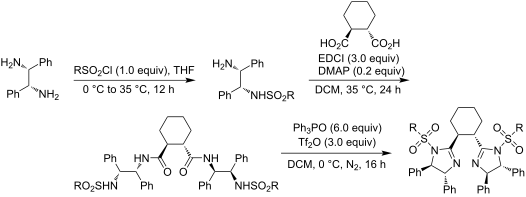
- nucleophilically attacks the phosphonium in A to generate intermediate B by loss of triphenylphosphine oxide and triflic acid. The nucleophilic sulfonamide in B intramolecularily attacks the generated imine moiety in B to form intermediate C, in which triflic acid may protonate the imine moiety in B to assist the
- nucleophilic attack. Intermediate C further transforms to imidazoline product 5 by loss of triphenylphosphine oxide and triflic acid. Conclusion Both chiral bisoxazolines and bisimidazolines are efficient and widely applied chiral ligands in metal-catalyzed asymmetric organic reactions. Several chiral

Graphical Abstract

Figure 1: Bisoxazoline and bisimidazoline ligands.

Scheme 1: Synthesis of chiral cyclohexane-linked bisimidazoline ligands.

Scheme 2: Attempted synthesis of chiral cyclohexane-linked bisimidazoline 5h.

Scheme 3: Proposed reaction mechanism.
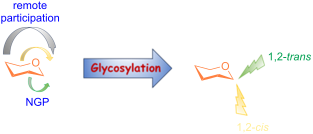
The effect of neighbouring group participation and possible long range remote group participation in O-glycosylation
- Rituparna Das and
- Balaram Mukhopadhyay
Beilstein J. Org. Chem. 2025, 21, 369–406, doi:10.3762/bjoc.21.27
- demonstrated that the use of triflimide (Tf2NH) in solvents like CH2Cl2, acetonitrile or toluene at −78 °C yielded exclusively the 1,2-trans stereoselective glycoside product 105 (protocol A, Scheme 18), while the use of triflic acid (TfOH) in ether as the solvent at ambient temperature conditions (protocol B

Graphical Abstract

Scheme 1: Continuum in the mechanistic pathway of glycosylation [32] reactions ranging between SN2 and SN1.

Scheme 2: Formation of 1,2-trans glycosides by neighbouring group participation with acyl protection in C-2 p...

Scheme 3: Solvent-free activation [92] of disarmed per-acetylated (15) and per-benzoylated (18) glycosyl donors.

Scheme 4: Synthesis of donor 2-(2,2,2-trichloroethoxy)glucopyrano-[2,1-d]-2-oxazoline 22 [94] and regioselective ...

Scheme 5: The use of levulinoyl protection for an orthogonal glycosylation reaction.

Figure 1: The derivatives 32–36 of the pivaloyl group.

Scheme 6: Benzyl and cyanopivalolyl ester-protected hexarhamnoside derivative 37 and its global deprotection ...

Scheme 7: Orthogonal chloroacetyl group deprotection in oligosaccharide synthesis [113].

Figure 2: The derivatives of the chloroacetyl group: CAMB protection (41) [123], CAEB protection (42) [124], POMB prote...

Scheme 8: Use of the (2-nitrophenyl)acetyl protecting group [126] as the neighbouring group protecting group at th...

Scheme 9: Neighbouring group participation protocol by the BnPAc protecting group [128] in the C-2 position.

Scheme 10: Glycosylation reaction with O-PhCar (54) and O-Poc (55) donors showing high β-selectivity [133].

Scheme 11: Neighbouring group participation rendered by an N-benzylcarbamoyl (BnCar) group [137] at the C-2 positio...

Scheme 12: Stereoselectivity obtained from glycosylation [138] with 2-O-(o-trifluoromethylbenzenesulfonyl)-protecte...

Scheme 13: (a) Plausible mechanistic pathway for glycosylation with C-2 DMTM protection [139] and (b) example of a ...

Scheme 14: Glycosylation reactions employing MOM 78, BOM 81, and NAPOM 83-protected thioglycoside donors. Reag...

Scheme 15: Plausible mechanistic pathway for alkoxymethyl-protected glycosyl donors. Path A. Expected product ...

Scheme 16: Plausible mechanistic pathway for alkoxymethyl-protected glycosyl donors [147].

Scheme 17: A. Formation of α-glycosides and B formation of β-glycosides by using chiral auxiliary neighbouring...

Scheme 18: Bimodal participation of 2-O-(o-tosylamido)benzyl (TAB) protecting group to form both α and β-isome...

Scheme 19: (a) 1,2-trans-Directing nature using C-2 cyanomethyl protection and (b) the effect of acceptors and...

Scheme 20: 1,3-Remote assistance by C-3-ester protection for gluco- and galactopyranosides to form 1,2-cis gly...

Scheme 21: 1,6-Remote assistance by C-6-ester protection for gluco- and galactopyranosides to form 1,2-cis gly...

Scheme 22: 1,4-Remote assistance by C-4-ester protection for galactopyranosides to form 1,2-cis glycosidic pro...

Scheme 23: Different products obtained on activation of axial 3-O and equatorial 3-O ester protected glycoside...

Scheme 24: The role of 3-O-protection on the stereochemistry of the produced glycoside [191].

Scheme 25: The role of 4-O-protection on the stereochemistry of the produced glycosides.

Scheme 26: Formation and subsequent stability of the bicyclic oxocarbenium intermediate formed due to remote p...

Scheme 27: The role a C-6 p-nitrobenzoyl group on the stereochemistry of the glycosylated product [196].

Scheme 28: Difference in stereoselectivity obtained in glycosylation reactions by replacing non-participating ...

Scheme 29: The role of electron-withdrawing and electron-donating substituents on the C-4 acetyl group in glyc...

Scheme 30: Effect of the introduction of a methyl group in the C-4 position on the glycosylation with more rea...

Figure 3: Remote group participation effect exhibited by the 2,2-dimethyl-2-(o-nitrophenyl)acetyl (DMNPA) pro...
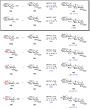
Scheme 31: The different stereoselectivities obtained by Pic and Pico donors on being activated by DMTST.

Figure 4: Hydrogen bond-mediated aglycon delivery (HAD) in glycosylation reactions for 1,2-cis 198a and 1,2-t...

Scheme 32: The role of different acceptor with 6-O-Pic-protected glycosyl donors.

Scheme 33: The role of the remote C-3 protection on various 4,6-O-benzylidene-protected mannosyl donors affect...

Scheme 34: The dual contribution of the DTBS group in glycosylation reactions [246,247].
Cu(OTf)2-catalyzed multicomponent reactions
- Sara Colombo,
- Camilla Loro,
- Egle M. Beccalli,
- Gianluigi Broggini and
- Marta Papis
Beilstein J. Org. Chem. 2025, 21, 122–145, doi:10.3762/bjoc.21.7

- emerged among copper catalysts because it can act as a precursor to triflic acid in addition to a powerful copper-catalytic effect. Indeed, Cu(OTf)2 has proven to be an excellent surrogate for triflic acid compared with other metal triflates because it is inexpensive and exhibits high activity with low
- involves a Friedel–Crafts alkylation of the arene followed by hydroamination (Scheme 6) [5]. The mechanism plausibly starts with the in situ formation of triflic acid from Cu(OTf)2 which leads to protonation of the oxygen atom of the alcohol with generation of the activated allyl alcohol. This latter gives
- the allyl carbenium ion VI through the loss of a molecule of water, then undergoes a Friedel–Crafts alkylation by attack of the aromatic partner. The outcome of the reaction proceeds through a Markovnikov protonation of the allylated arene VII by triflic acid, which generates the carbocation

Graphical Abstract

Figure 1: Plausible general catalytic activation for ionic or radical mechanisms.

Scheme 1: Synthesis of α-aminonitriles 1.

Scheme 2: Synthesis of β-amino ketone or β-amino ester derivatives 3.

Scheme 3: Synthesis of 1-(α-aminoalkyl)-2-naphthol derivatives 4.

Scheme 4: Synthesis of thioaminals 5.

Scheme 5: Synthesis of aryl- or amine-containing alkanes 6 and 7.
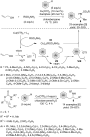
Scheme 6: Synthesis of 1-aryl-2-sulfonamidopropanes 8.

Scheme 7: Synthesis of α-substituted propargylamines 10.

Scheme 8: Synthesis of N-propargylcarbamates 11.

Scheme 9: Synthesis of (E)-vinyl sulfones 12.

Scheme 10: Synthesis of o-halo-substituted aryl chalcogenides 13.

Scheme 11: Synthesis of α-aminophosphonates 14.

Scheme 12: Synthesis of unsaturated furanones and pyranones 15–17.
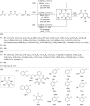
Scheme 13: Synthesis of substituted dihydropyrimidines 18.

Scheme 14: Regioselective synthesis of 1,4-dihydropyridines 20.

Scheme 15: Synthesis of tetrahydropyridines 21.

Scheme 16: Synthesis of furoquinoxalines 22.

Scheme 17: Synthesis of 2,4-substituted quinolines 23.

Scheme 18: Synthesis of cyclic ether-fused tetrahydroquinolines 24.

Scheme 19: Practical route for 1,2-dihydroisoquinolines 25.

Scheme 20: Synthesis of 2,3-dihydroquinazolin-4(1H)-one derivatives 26.

Scheme 21: Synthesis of polysubstituted pyrroles 27.

Scheme 22: Enantioselective synthesis of polysubstituted pyrrolidines 30 directed by the copper complex 29.

Scheme 23: Synthesis of 4,5-dihydropyrazoles 31.

Scheme 24: Synthesis of 2 arylisoindolinones 32.

Scheme 25: Synthesis of imidazo[1,2-a]pyridines 33.

Scheme 26: Synthesis of isoxazole-linked imidazo[1,2-a]azines 35.

Scheme 27: Synthesis of 2,3-dihydro-1,2,4-triazoles 36.

Scheme 28: Synthesis of naphthopyrans 37.

Scheme 29: Synthesis of benzo[g]chromene derivatives 38.

Scheme 30: Synthesis of naphthalene annulated 2-aminothiazoles 39, piperazinyl-thiazoloquinolines 40 and thiaz...

Scheme 31: Synthesis of furo[3,4-b]pyrazolo[4,3-f]quinolinones 42.

Scheme 32: Synthesis of spiroindoline-3,4’-pyrano[3,2-b]pyran-4-ones 43.

Scheme 33: Synthesis of N-(α-alkoxy)alkyl-1,2,3-triazoles 44.

Scheme 34: Synthesis of 4-(α-tetrasubstituted)alkyl-1,2,3-triazoles 45.
Synthesis, structure and π-expansion of tris(4,5-dehydro-2,3:6,7-dibenzotropone)
- Yongming Xiong,
- Xue Lin Ma,
- Shilong Su and
- Qian Miao
Beilstein J. Org. Chem. 2025, 21, 1–7, doi:10.3762/bjoc.21.1
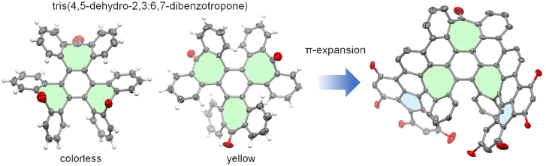
- Barton–Kellogg reaction with 8b under similar conditions gave the episulfide intermediate, which, however, could not be desulfurized with triisopropyl phosphite, trimethyl phosphite or triphenylphosphine to give the corresponding triene. The subsequent Scholl reaction of 10 with DDQ and triflic acid at

Graphical Abstract

Figure 1: Structures of compounds 1–3 and the polycyclic skeleton of 1 as mapped on a carbon schwarzite unit ...

Scheme 1: a) Synthesis of 1; b) reactions of 1; c) synthesis of 3.

Figure 2: (a) Structures of 1 in the colorless crystal; (b) structures of (P,M,P)-1 in the yellow crystal. (C...

Figure 3: Structure of (M,P,M)-3 in the crystal of 3·CH2Cl2 (carbon and oxygen atoms are shown as grey and re...

Figure 4: UV–vis absorption spectrum (black line) and emission spectrum (blue line, excited at 400 nm) of com...
Surprising acidity for the methylene of 1,3-indenocorannulenes?
- Shi Liu,
- Märt Lõkov,
- Sofja Tshepelevitsh,
- Ivo Leito,
- Kim K. Baldridge and
- Jay S. Siegel
Beilstein J. Org. Chem. 2024, 20, 3144–3150, doi:10.3762/bjoc.20.260
- titrations the moisture and oxygen contents in argon were always under 10 ppm during measurements. Triflic acid (Aldrich, 99+%) and phosphazene base P2-Et (165535-45-5, Aldrich, ≥98%) were used to prepare the acidic and basic titrant solutions, respectively. Acetonitrile (Romil 190 SpS far UV/gradient

Graphical Abstract

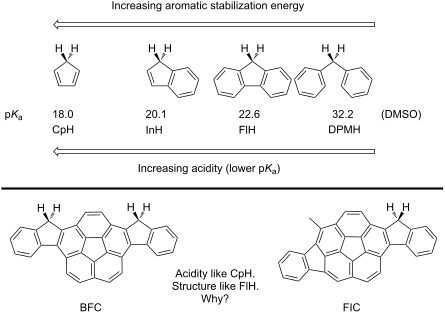
Scheme 1: Aromatic stabilization energy across a series of small aromatics (upper); graphical depiction of th...

Scheme 2: Clar–Loschmidt graphs: [upper] defining the relationship of the molecular fragment to the graph nod...

Scheme 3: CL graph perspective on acidic PAH-CpHs; pentabenzocorannulene and pentabenzoazocorannulene (upper)...
Asymmetric organocatalytic synthesis of chiral homoallylic amines
- Nikolay S. Kondratyev and
- Andrei V. Malkov
Beilstein J. Org. Chem. 2024, 20, 2349–2377, doi:10.3762/bjoc.20.201
- active catalytic species in COBI-catalysed allylations, chemical equilibria in a solution containing catalyst 72, triflic acid, and aldimine 73 were investigated by low-temperature NMR spectroscopy (Scheme 15). Protonation of oxazaborolidine 70 with triflic acid resulted in an 8.3:1 mixture of 71 and 72

Graphical Abstract

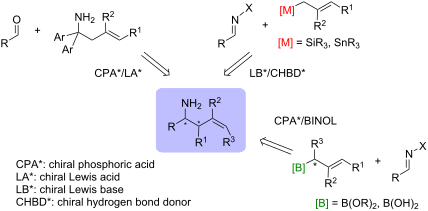
Scheme 1: The position of homoallylic amines in the landscape of alkaloid and nitrogen compounds syntheses.
Scheme 2: 3,3’-Diaryl-BINOL-catalysed asymmetric organocatalytic allylation of acylimines [24].

Scheme 3: Aminophenol-catalysed reaction between N-phosphinoylimines and pinacol allylboronic ester. Imine sc...

Scheme 4: Asymmetric geranylation and prenylation of indoles catalysed by (R)- or (S)-3,3’-dibromo-BINOL [25]. aA...

Scheme 5: (R)-3,3’-Di(3,5-di(trifluoromethyl)phenyl-BINOL-catalysed asymmetric geranylation and prenylation o...

Scheme 6: Microwave-induced one-pot asymmetric allylation of in situ-formed arylimines, catalysed by (R)-3,3’...

Scheme 7: Microwave-induced one-pot asymmetric allylation of in situ-formed arylimines, catalysed by (R)-3,3’...
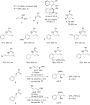
Scheme 8: Kinetic resolution of chiral secondary allylboronates [15,30].

Scheme 9: (E)-Stereospecific asymmetric α-trifluoromethylallylation of cyclic imines and hydrazones [31].

Scheme 10: Hosomi–Sakurai-type allylation of in situ-formed N-Fmoc aldimines [32].

Figure 1: Two different pathways for the Hosomi–Sakurai reaction of allyltrimethylsilane with N-Fmoc aldimine...

Scheme 11: Chiral squaramide-catalysed hydrogen bond-assisted chloride abstraction–allylation of N-carbamoyl α...

Figure 2: The pyrrolidine unit gem-methyl group conformational control in the squaramide-based catalyst [34].

Figure 3: The energetic difference between the transition states of the two proposed modes of the reaction (SN...

Scheme 12: One-pot preparation procedure for oxazaborolidinium ion (COBI) 63 [37].

Scheme 13: Chiral oxazaborolidinium ion (COBI)-catalysed allylation of N-(2-hydroxy)phenylimines with allyltri...

Scheme 14: The two-step N-(2-hydroxy)phenyl group deprotection procedure [37].

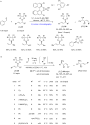
Scheme 15: Low-temperature (−40 °C) NMR experiments evidencing the reversible formation of the active COBI–imi...

Figure 4: Two computed reaction pathways for the COBI-catalysed Strecker reaction (TS1 identical to allylatio...

Scheme 16: Highly chemoselective and stereospecific synthesis of γ- and γ,δ-substituted homoallylic amines by ...

Scheme 17: Catalytic cycle for the three-component allylation with HBD/πAr–Ar catalyst [39].

Scheme 18: Reactivity of model electrophiles [39].

Scheme 19: HBD/πAr–Ar catalyst rational design and optimisation [39].

Scheme 20: Scope of the three-component HBD/πAr–Ar-catalysed reaction [39].

Scheme 21: Limitations of the HBD/πAr–Ar-catalysed reaction [39].

Scheme 22: Asymmetric chloride-directed dearomative allylation of in situ-generated N-acylquinolinium ions, ca...

Scheme 23: Chiral phosphoric acid-catalysed aza-Cope rearrangement of in situ-formed N-α,α’-diphenyl-(α’’-ally...

Scheme 24: Tandem (R)-VANOL-triborate-catalysed asymmetric aza-Cope rearrangement of in situ-formed aldimines ...

Scheme 25: (S)-TRIP-catalysed enantioconvergent aza-Cope rearrangement of β-formyl amides, substrate scope [43]. a...

Scheme 26: (S)-TRIP-catalysed enantioconvergent aza-Cope rearrangement of β-formyl amides 16–19, amide and all...

Scheme 27: Synthetic applications of homoallylic N-benzophenone imine products 131 [43].

Scheme 28: Chiral organocatalysed addition of 2,2,2-trifluoroethyl ketimines to isatin-derived Morita–Baylis–H...

Scheme 29: Chiral chinchona-derived amine-catalysed reaction between isatin-based Morita–Baylis–Hilman carbona...

Scheme 30: (R)-VAPOL-catalysed hydrogen atom transfer deracemisation [45].

Scheme 31: Chiral PA-catalysed [1,3]-rearrangement of ene-aldimines [46].
The Groebke–Blackburn–Bienaymé reaction in its maturity: innovation and improvements since its 21st birthday (2019–2023)
- Cristina Martini,
- Muhammad Idham Darussalam Mardjan and
- Andrea Basso
Beilstein J. Org. Chem. 2024, 20, 1839–1879, doi:10.3762/bjoc.20.162
- use of triflic acid (TfOH) resulted also in the cleavage of the alkyl group derived from the isocyanide, with formation of 47 (Scheme 18). Kanizsai et al. [51] have reported the synthesis of 4,5-disubstituted 2-amino-1H-imidazoles and their further modification through the GBB-3CR. The 2

Graphical Abstract

Scheme 1: Mechanism of the GBB reaction.

Scheme 2: Comparison of the performance of Sc(OTf)3 with some RE(OTf)3 in a model GBB reaction. Conditions: a...

Scheme 3: Comparison of the performance of various Brønsted acid catalysts in the synthesis of GBB adduct 6. ...

Scheme 4: Synthesis of Brønsted acidic ionic liquid catalyst 7. Conditions: a) neat, 60 °C, 24 h; b) TfOH, DC...

Scheme 5: Aryliodonium derivatives as organic catalysts in the GBB reaction. In the box the proposed binding ...

Scheme 6: DNA-encoded GBB reaction in micelles made of amphiphilic polymer 13. Conditions: a) 13 (50 equiv), ...

Scheme 7: GBB reaction catalyzed by cyclodextrin derivative 14. Conditions: a) 14 (1 mol %), water, 100 °C, 4...

Scheme 8: Proposed mode of activation of CALB. a) activation of the substrates; b) activation of the imine; c...

Scheme 9: One-pot GBB reaction–Suzuki coupling with a bifunctional hybrid biocatalyst. Conditions: a) Pd(0)-C...

Scheme 10: GBB reaction employing 5-HMF (23) as carbonyl component. Conditions: a) TFA (20 mol %), EtOH, 60 °C...

Scheme 11: GBB reaction with β-C-glucopyranosyl aldehyde 26. Conditions: a) InCl3 (20 mol %), MeOH, 70 °C, 2–3...

Scheme 12: GBB reaction with diacetylated 5-formyldeoxyuridine 29, followed by deacetylation of GBB adduct 30....

Scheme 13: GBB reaction with glycal aldehydes 32. Conditions: a) HFIP, 25 °C, 2–4 h.

Scheme 14: Vilsmeier–Haack formylation of 6-β-acetoxyvouacapane (34) and subsequent GBB reaction. Conditions: ...

Scheme 15: GBB reaction of 4-formlyl-PCP 37. Conditions: a) HOAc or HClO4, MeOH/DCM (2:3), rt, 3 d.

Scheme 16: GBB reaction with HexT-aldehyde 39. Conditions: a) 39 (20 nmol) and amidine (20 μmol), MeOH, rt, 6 ...

Scheme 17: GBB reaction of 2,4-diaminopirimidine 41. Conditions: a) Sc(OTf)3 (20 mol %), MeCN, 120 °C (MW), 1 ...

Scheme 18: Synthesis of N-edited guanine derivatives from 3,6-diamine-1,2,4-triazin-5-one 44. Conditions: a) S...

Scheme 19: Synthesis of 2-aminoimidazoles 49 by a Mannich-3CR followed by a one-pot intramolecular oxidative a...

Scheme 20: On DNA Suzuki–Miyaura reaction followed by GBB reaction. Conditions: a) CsOH, sSPhos-Pd-G2; b) AcOH...

Scheme 21: One-pot cascade synthesis of 5-iminoimidazoles. Conditions: a) Na2SO4, DMF, 220 °C (MW).

Scheme 22: GBB reaction of 5-amino-1H-imidazole-4-carbonile 57. Conditions: a) HClO4 (5 mol %), MeOH, rt, 24 h....

Scheme 23: One-pot cascade synthesis of indole-imidazo[1,2,a]pyridine hybrids. In blue the structural motif in...

Scheme 24: One-pot cascade synthesis of fused polycyclic indoles 67 or 69 from indole-3-carbaldehyde. Conditio...

Scheme 25: One-pot cascade synthesis of linked- and bridged polycyclic indoles from indole-2-carbaldehyde (70)...

Scheme 26: One-pot cascade synthesis of pentacyclic dihydroisoquinolines (X = N or CH). In blue the structural...

Scheme 27: One-pot stepwise synthesis of imidazopyridine-fused benzodiazepines 85. Conditions: a) p-TsOH (20 m...

Scheme 28: One-pot stepwise synthesis of benzoxazepinium-fused imidazothiazoles 89. Conditions: a) Yb(OTf)3 (2...

Scheme 29: One-pot stepwise synthesis of fused imidazo[4,5,b]pyridines 95. Conditions: a) HClO4, MeOH, rt, ove...

Scheme 30: Synthesis of heterocyclic polymers via the GBB reaction. Conditions: a) p-TsOH, EtOH, 70 °C, 24 h.
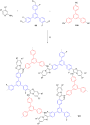
Scheme 31: One-pot multicomponent reaction towards the synthesis of covalent organic frameworks via the GBB re...
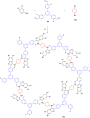
Scheme 32: One-pot multicomponent reaction towards the synthesis of covalent organic frameworks via the GBB re...

Scheme 33: GBB-like multicomponent reaction towards the synthesis of benzothiazolpyrroles (X = S) and benzoxaz...

Scheme 34: GBB-like multicomponent reaction towards the formation of imidazo[1,2,a]pyridines. Conditions: a) I2...

Scheme 35: Post-functionalization of GBB products via Ugi reaction. Conditions a) HClO4, DMF, rt, 24 h; b) MeO...

Scheme 36: Post-functionalization of GBB products via Click reaction. Conditions: a) solvent-free, 150 °C, 24 ...

Scheme 37: Post-functionalization of GBB products via cascade alkyne–allene isomerization–intramolecular nucle...

Scheme 38: Post-functionalization of GBB products via metal-catalyzed intramolecular N-arylation. In red and b...

Scheme 39: Post-functionalization of GBB products via isocyanide insertion (X = N or CH). Conditions: a) HClO4...

Scheme 40: Post-functionalization of GBB products via intramolecular nucleophilic addition to nitriles. Condit...

Scheme 41: Post-functionalization of GBB products via Pictet–Spengler cyclization. Conditions: a) 4 N HCl/diox...

Scheme 42: Post-functionalization of GBB products via O-alkylation. Conditions: a) TFA (20 mol %), EtOH, 120 °...

Scheme 43: Post-functionalization of GBB products via macrocyclization (X = -CH2CH2O-, -CH2-, -(CH2)4-). Condi...
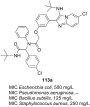
Figure 1: Antibacterial activity of GBB-Ugi adducts 113 on both Gram-negative and Gram-positive strains.

Scheme 44: GBB multicomponent reaction using trimethoprim as the precursor. Conditions: a) Yb(OTf)3 or Y(OTf)3...

Figure 2: Antibacterial activity of GBB adducts 152 against MRSA and VRE; NA = not available.

Figure 3: Antibacterial activity of GBB adduct 153 against Leishmania amazonensis promastigotes and amastigot...

Figure 4: Antiviral and anticancer evaluation of the GBB adducts 154a and 154b. In vitro antiproliferative ac...

Figure 5: Anticancer activity of the GBB-furoxan hybrids 145b, 145c and 145d determined through antiprolifera...

Scheme 45: Synthesis and anticancer activity of the GBB-gossypol conjugates. Conditions: a) Sc(OTf)3 (10 mol %...

Figure 6: Anticancer activity of polyheterocycles 133a and 136a against human neuroblastoma. Clonogenic assay...

Figure 7: Development of GBB-adducts 158a and 158b as PD-L1 antagonists. HTRF assays were carried out against...

Figure 8: Development of imidazo[1,2-a]pyridines and imidazo[1,2-a]pyrazines as TDP1 inhibitors. The SMM meth...

Figure 9: GBB adducts 164a–c as anticancer through in vitro HDACs inhibition assays. Additional cytotoxic ass...

Figure 10: GBB adducts 165, 166a and 166b as anti-inflammatory agents through HDAC6 inhibition; NA = not avail...

Scheme 46: GBB reaction of triphenylamine 167. Conditions: a) NH4Cl (10 mol %), MeOH, 80 °C (MW), 1 h.

Scheme 47: 1) Modified GBB-3CR. Conditions: a) TMSCN (1.0 equiv), Sc(OTf)3 (0.2 equiv), MeOH, 140 °C (MW), 20 ...

Scheme 48: GBB reaction to assemble imidazo-fused heterocycle dimers 172. Conditions: a) Sc(OTf)3 (20 mol %), ...

Figure 11: Model compounds 173 and 174, used to study the acid/base-triggered reversible fluorescence response...
Synthesis of cyclic β-1,6-oligosaccharides from glucosamine monomers by electrochemical polyglycosylation
- Md Azadur Rahman,
- Hirofumi Endo,
- Takashi Yamamoto,
- Shoma Okushiba,
- Norihiko Sasaki and
- Toshiki Nokami
Beilstein J. Org. Chem. 2024, 20, 1421–1427, doi:10.3762/bjoc.20.124

- electrolysis cell. Thioglycoside 14 (0.40 mmol, 186 mg), Bu4NOTf (1.0 mmol, 393 mg), DTBMP (2.0 mmol, 411 mg), and dry CH2Cl2 (10 mL) were added to the anodic chamber. Triflic acid (0.4 mmol, 35 μL) and CH2Cl2 (10 mL) were added to the cathodic chamber. Electrolysis was performed at −20 °C under constant

Graphical Abstract

Scheme 1: Preparation of cyclic oligoglucosamines a) via intramolecular glycosylation and b) via polyglycosyl...

Scheme 2: Proposed reaction mechanism of the formation of 1,6-anhydrosugar 7.

Scheme 3: Electrochemical polyglycosylation of monomer 14 with a 2,3-oxazolidinone protecting group.

Scheme 4: Proposed reaction mechanism of the formation of cyclic trisaccharide 19a.

Scheme 5: Influence of the functional group in position C-2 on the formation of the cyclic product.
Ligand effects, solvent cooperation, and large kinetic solvent deuterium isotope effects in gold(I)-catalyzed intramolecular alkene hydroamination
- Ruichen Lan,
- Brock Yager,
- Yoonsun Jee,
- Cynthia S. Day and
- Amanda C. Jones
Beilstein J. Org. Chem. 2024, 20, 479–496, doi:10.3762/bjoc.20.43
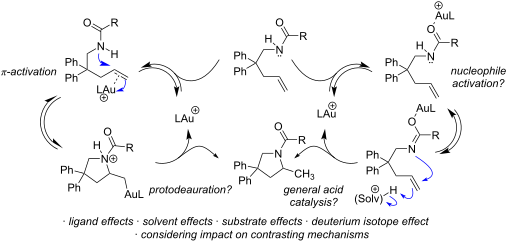
- were shown to proceed with anti-selectivity and that was used as support for gold catalysis [15], but mechanism studies of triflic acid catalysis showed a preference for anti-selectivity as well [31]. Despite similarities, control studies indicate meaningful differences in catalytic activity between
- catalyzed by triflic acid and the gold π-activation pathway was questioned [26]. Nevertheless, advancements in gold-catalyzed reactions continued to be achieved. In particular, successful asymmetric methods were reported in short time after initially reported non-asymmetric methods, specifically Kojima’s

Graphical Abstract
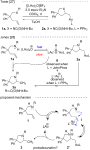
Scheme 1: Proposed mechanism and observation of alkylgold intermediates.

Figure 1: First order alkene decay for urea alkene 1a (0.05 M) hydroamination with [JPhosAu(NCCH3)]SbF6 (5, 2...

Figure 2: Cooperative effect of mixed CD2Cl2/MeOH on alkene 1a → 3a conversion with catalyst 5 (2.5 mol %). E...

Figure 3: Different additive impact on rate of 1a → 3a depending upon catalyst and co-solvent. The data for J...
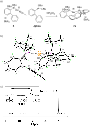
Figure 4: (a) Schematic for synthesis of [L–Au–L]SbF6 where L = JPhos. (b) Perspective drawing of the cation ...

Figure 5: (a) kobs for reaction of urea 1a (0.05 M) in DCM with catalyst 5 and titrated CH3OH/CH3OD. Data for...

Figure 6: Rate of urea 1a (0.05 M) hydroamination with JPhosAu(NCCH3)SbF6 (2.5 mol %) in CH2Cl2 with 5, 25, a...
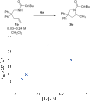
Figure 7: Observed rates for the reaction of carbamate 1b (0.03–0.24 M) with JackiephosAuNTf2 (0.0013 M, 6a) ...

Figure 8: Influence of catalyst 5 concentration on rate of 1a (0.05 M in CH2Cl2 with 0, 10 μL MeOH). Error ba...

Scheme 2: Proposed alternate mechanism.
Green and sustainable approaches for the Friedel–Crafts reaction between aldehydes and indoles
- Periklis X. Kolagkis,
- Eirini M. Galathri and
- Christoforos G. Kokotos
Beilstein J. Org. Chem. 2024, 20, 379–426, doi:10.3762/bjoc.20.36
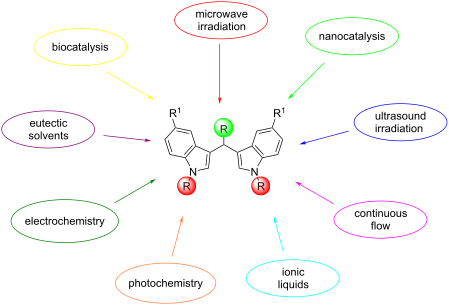
- acid [13], polyvinylsulfonic acid (PVSA) [14], kaolin-supported H2SO4 [15], polyvinylpolypyrrolidone-supported triflic acid (PVPP.OTf) [16], ascorbic acid [17], phosphoric acid [18], benzenesulfonic acid [19], chitosan–SO3H (CTSA) [20], phthalimide-N-sulfonic acid (PISA) [21] and SiO2-KHSO4 [22] as

Graphical Abstract

Scheme 1: Examples of BIMs used for their medicinal properties.

Scheme 2: Mechanisms for the synthesis of BIMs using protic or Lewis acids as catalysts.

Scheme 3: Synthesis of bis(indolyl)methanes using DBDMH.

Scheme 4: Competition experiments and synthesis of bis(indolyl)methanes using DBDMH.

Scheme 5: Proposed mechanism for formation of BIM of using DBDMH.

Scheme 6: Synthesis of bis(indolyl)methanes using I2.

Scheme 7: General reaction mechanism upon halogen bonding.

Scheme 8: Synthesis of bis(indolyl)methanes using I2, introduced by Ji.

Scheme 9: Synthesis of bis(indolyl)methanes using Br2 in CH3CN.

Scheme 10: Βidentate halogen-bond donors.

Scheme 11: Synthesis of bis(indolyl)methanes using bidentate halogen-bond donor 26.

Scheme 12: Proposed reaction mechanism.

Scheme 13: Synthesis of bis(indolyl)methanes using iodoalkyne as catalyst.

Scheme 14: Proposed reaction mechanism.

Scheme 15: Optimized reaction conditions used by Ramshini.

Scheme 16: Activation of the carbonyl group by HPA/TPI-Fe3O4.

Scheme 17: Synthesis of BIMs in the presence of nanoAg-Pt/SiO2-doped silicate.

Scheme 18: Mechanism of action proposed by Khalafi-Nezhad et al.

Scheme 19: Activation of the carbonyl group by the Cu–isatin Schiff base complex.

Scheme 20: Optimum reaction conditions published by Jain.

Scheme 21: Organocatalytic protocol utilizing nanoparticles introduced by Bankar.
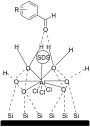
Scheme 22: Activation of the carbonyl group by the AlCl3·6H2O-SDS-SiO2 complex.

Scheme 23: Optimal reaction conditions for the aforementioned nano-Fe3O4 based catalysts.

Scheme 24: Nanocatalytic protocol proposed by Kaur et al.

Scheme 25: Microwave approach introduced by Yuan.

Scheme 26: Microwave approach introduced by Zahran et al.

Scheme 27: Microwave irradiation protocol introduced by Bindu.

Scheme 28: Silica-supported microwave irradiation protocol.

Scheme 29: Proposed mechanism for formation of BIM by Nongkhlaw.

Scheme 30: Microwave-assisted synthesis of BIMs catalyzed by succinic acid.

Scheme 31: Proposed mechanism of action of MMO-4.

Scheme 32: Catalytic approach introduced by Muhammadpoor-Baltork et al.

Scheme 33: Reaction conditions used by Xiao-Ming.

Scheme 34: Ultrasonic irradiation-based protocol published by Saeednia.

Scheme 35: Pyruvic acid-mediated synthesis of BIMs proposed by Thopate.

Scheme 36: Synthesis of BIMs using [bmim]BF4 or [bmim]PF6 ionic liquids.

Scheme 37: Synthesis of BIMs utilizing In(OTf)3 in octylmethylimidazolium hexafluorophosphate as ionic liquid.

Scheme 38: FeCl3·6H2O-catalyzed synthesis of BIMs with use of ionic liquid.

Scheme 39: Synthesis of BIMs utilizing the [hmim]HSO4/EtOH catalytic system.

Scheme 40: Synthesis of BIMs utilizing acidic ionic liquid immobilized on silica gel (ILIS-SO2Cl).

Scheme 41: The [bmim][MeSO4]-catalyzed reaction of indole with various aldehydes.

Scheme 42: The role of [bmim][MeSO4] in catalyzing the reaction of indole with aldehydes.

Scheme 43: Synthesis of BIMs utilizing FeCl3-based ionic liquid ([BTBAC]Cl-FeCl3) as catalyst.

Scheme 44: Synthesis of BIMs using [Msim]Cl at room temperature.

Scheme 45: [Et3NH][H2PO4]-catalyzed synthesis of bis(indolyl)methanes.

Scheme 46: PILs-catalyzed synthesis of bis(indolyl)methanes.

Scheme 47: FSILs-mediated synthesis of bis(indolyl)methanes.

Scheme 48: Possible “release and catch” catalytic process.

Scheme 49: Synthesis of bis(indolyl)methanes by [DABCO-H][HSO4].

Scheme 50: Synthesis of bis(indolyl)methanes by [(THA)(SO4)].

Scheme 51: Synthesis of BBSI-Cl and BBSI-HSO4.

Scheme 52: Synthesis of BIMs in the presence of BBSI-Cl and BBSI-HSO4.

Scheme 53: Chemoselectivity of the present method.

Scheme 54: Synthesis of BIMs catalyzed by chitosan-supported ionic liquid.

Scheme 55: Proposed mechanism of action of CSIL.

Scheme 56: Optimization of the reaction in DESs.

Scheme 57: Synthesis of BIMs using ChCl/SnCl2 as DES.

Scheme 58: Synthesis of BIMs derivatives in presence of DES.

Scheme 59: BIMs synthesis in choline chloride/urea (CC/U).

Scheme 60: Flow chemistry-based synthesis of BIMs by Ley.

Scheme 61: Flow chemistry-based synthesis of BIMs proposed by Nam et al.

Scheme 62: Amino-catalyzed reaction of indole with propionaldehyde.

Scheme 63: Aminocatalytic synthesis of BIMs.

Scheme 64: Proposed mechanism for the aminocatalytic synthesis of BIMs.

Scheme 65: Enzymatic reaction of indole with aldehydes.

Scheme 66: Proposed mechanism for the synthesis of BIMs catalyzed by TLIM.

Scheme 67: Proposed reaction mechanism by Badsara.

Scheme 68: Mechanism proposed by D’Auria.

Scheme 69: Photoinduced thiourea catalysis.

Scheme 70: Proposed mechanism of photoacid activation.

Scheme 71: Proposed mechanism of action for CF3SO2Na.

Scheme 72: Proposed mechanism for the synthesis of BIMs by Mandawad.

Scheme 73: Proposed mechanism for the (a) acid generation and (b) synthesis of BIMs.

Scheme 74: a) Reaction conditions employed by Khaksar and b) activation of the carbonyl group by HFIP.

Scheme 75: Activation of the carbonyl group by the PPy@CH2Br through the formation of a halogen bond.

Scheme 76: Reaction conditions utilized by Mhaldar et al.

Scheme 77: a) Reaction conditions employed by López and b) activation of the carbonyl group by thiourea.

Scheme 78: Infrared irradiation approach introduced by Luna-Mora and his research group.

Scheme 79: Synthesis of BIMs with the use of the Fe–Zn BMOF.
Cyclization of 1-aryl-4,4,4-trichlorobut-2-en-1-ones into 3-trichloromethylindan-1-ones in triflic acid
- Vladislav A. Sokolov,
- Andrei A. Golushko,
- Irina A. Boyarskaya and
- Aleksander V. Vasilyev
Beilstein J. Org. Chem. 2023, 19, 1460–1470, doi:10.3762/bjoc.19.105
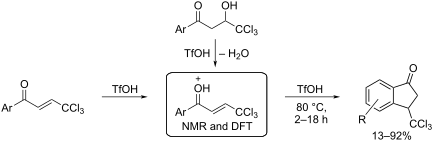
- -enones) undergo intramolecular transformation into 3-trichloromethylindan-1-ones (CCl3-indanones) in Brønsted superacid CF3SO3H (triflic acid, TfOH) at 80 °C within 2–10 h in yields up to 92%. Protonation of the carbonyl oxygen of the starting CCl3-enones by TfOH affords the key reactive intermediates
- ; indanones; trichloromethyl group; triflic acid; Introduction Superelectrophilic activation of organic compounds under the action of strong Brønsted and Lewis acids is an effective method for the synthesis of various carbocycles and heterocycles, and polyfunctional compounds (see books [1][2] and reviews [3
- =CHC(=O)Me] with arenes in Brønsted superacid TfOH (triflic acid, CF3SO3H) furnishes 3-methyl-1-trichloromethylindenes (Scheme 1a) [11]. Based on NMR analysis in TfOH and theoretical DFT calculations, it has been found that the reaction proceeds through an intermediate formation of the O-protonated

Graphical Abstract

Scheme 1: Generation of O-protonated and O,C-diprotonated species from substituted conjugated enones under su...

Scheme 2: Synthesis of 1-aryl-4,4,4-trichloro-3-hydroxybutan-1-ones 1a–o by condensation of acetophenones wit...

Scheme 3: Synthesis of 1-aryl-4,4,4-trichloro-3-hydroxybutan-1-ones 1p–v by acylation of electron-donating ar...

Scheme 4: Synthesis of 1-aryl-4,4,4-trichlorobut-2-en-1-ones 2 by dehydration of hydroxy ketones 1.

Scheme 5: Cyclization of 1-aryl-4,4,4-trichlorobut-2-en-1-ones 2 into 3-trichloromethylindan-1-ones 3 in TfOH....

Scheme 6: Cyclization of 1-aryl-4,4,4-trichloro-3-hydroxybutan-1-ones 1 into 3-trichloromethylindan-1-ones 3 ...

Scheme 7: Plausible mechanisms for the cyclization of compounds 1 and 2 into indanones 3 in TfOH.
Clauson–Kaas pyrrole synthesis using diverse catalysts: a transition from conventional to greener approach
- Dileep Kumar Singh and
- Rajesh Kumar
Beilstein J. Org. Chem. 2023, 19, 928–955, doi:10.3762/bjoc.19.71
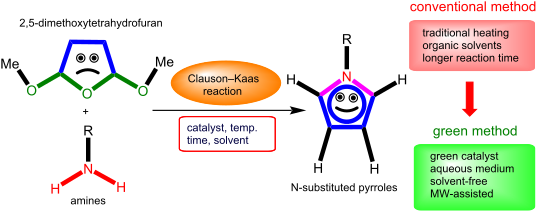
- functionalization. The formation of the desired products depends on the amount of triflic acid used in the reaction. Using 0.05 equivalents triflic acid gives N-sulfonylpyrroles 15 in 80–92% yields, 1.0 equivalent of triflic acid provides N-sulfonylindole 16 in 75–91% yields and 3.5 equivalents of triflic acid

Graphical Abstract

Figure 1: Various pyrrole containing molecules.
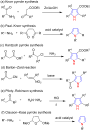
Scheme 1: Various synthestic protocols for the synthesis of pyrroles.

Figure 2: A tree-diagram showing various conventional and green protocols for Clauson-Kaas pyrrole synthesis.

Scheme 2: A general reaction of Clauson–Kaas pyrrole synthesis and proposed mechanism.

Scheme 3: AcOH-catalyzed synthesis of pyrroles 5 and 7.

Scheme 4: Synthesis of N-substituted pyrroles 9.

Scheme 5: P2O5-catalyzed synthesis of N-substituted pyrroles 11.

Scheme 6: p-Chloropyridine hydrochloride-catalyzed synthesis of pyrroles 13.

Scheme 7: TfOH-catalyzed synthesis of N-sulfonylpyrroles 15, N-sulfonylindole 16, N-sulfonylcarbazole 17.

Scheme 8: Scandium triflate-catalyzed synthesis of N-substituted pyrroles 19.

Scheme 9: MgI2 etherate-catalyzed synthesis and proposed mechanism of N-arylpyrrole derivatives 21.

Scheme 10: Nicotinamide catalyzed synthesis of pyrroles 23.

Scheme 11: ZrOCl2∙8H2O catalyzed synthesis and proposed mechanism of pyrrole derivatives 25.

Scheme 12: AcONa catalyzed synthesis of N-substituted pyrroles 27.

Scheme 13: Squaric acid-catalyzed synthesis and proposed mechanism of N-substituted pyrroles 29.

Figure 3: Reusability of catalyst γ-Fe2O3@SiO2-Sb-IL in six cycles.

Scheme 14: Magnetic nanoparticle-supported antimony catalyst used in the synthesis of N-substituted pyrroles 31...

Scheme 15: Iron(III) chloride-catalyzed synthesis of N-substituted pyrroles 33.

Scheme 16: Copper-catalyzed Clauson–Kaas synthesis and mechanism of pyrroles 35.

Scheme 17: β-CD-SO3H-catalyzed synthesis and proposed mechanism of pyrroles 37.

Figure 4: Recyclability of β-cyclodextrin-SO3H.

Scheme 18: Solvent-free and catalyst-free synthesis and plausible mechanism of N-substituted pyrroles 39.

Scheme 19: Nano-sulfated TiO2-catalyzed synthesis of N-substituted pyrroles 41.

Figure 5: Plausible mechanism for the formation of N-substituted pyrroles catalyzed by nano-sulfated TiO2 cat...

Scheme 20: Copper nitrate-catalyzed Clauson–Kaas synthesis and mechanism of N-substituted pyrroles 43.

Scheme 21: Synthesis of N-substituted pyrroles 45 by using Co catalyst Co/NGr-C@SiO2-L.

Scheme 22: Zinc-catalyzed synthesis of N-arylpyrroles 47.

Scheme 23: Silica sulfuric acid-catalyzed synthesis of pyrrole derivatives 49.

Scheme 24: Bismuth nitrate-catalyzed synthesis of pyrroles 51.

Scheme 25: L-(+)-tartaric acid-choline chloride-catalyzed Clauson–Kaas synthesis and plausible mechanism of py...

Scheme 26: Microwave-assisted synthesis of N-substituted pyrroles 55 in AcOH or water.

Scheme 27: Synthesis of pyrrole derivatives 57 using a nano-organocatalyst.

Figure 6: Nano-ferric supported glutathione organocatalyst.

Scheme 28: Microwave-assisted synthesis of N-substituted pyrroles 59 in water.

Scheme 29: Iodine-catalyzed synthesis and proposed mechanism of pyrroles 61.

Scheme 30: H3PW12O40/SiO2-catalyzed synthesis of N-substituted pyrroles 63.

Scheme 31: Fe3O4@-γ-Fe2O3-SO3H-catalyzed synthesis of pyrroles 65.

Scheme 32: Mn(NO3)2·4H2O-catalyzed synthesis and proposed mechanism of pyrroles 67.

Scheme 33: p-TsOH∙H2O-catalyzed (method 1) and MW-assisted (method 2) synthesis of N-sulfonylpyrroles 69.

Scheme 34: ([hmim][HSO4]-catalyzed Clauson–Kaas synthesis of pyrroles 71.

Scheme 35: Synthesis of N-substituted pyrroles 73 using K-10 montmorillonite catalyst.

Scheme 36: CeCl3∙7H2O-catalyzed Clauson–Kaas synthesis of pyrroles 75.

Scheme 37: Synthesis of N-substituted pyrroles 77 using Bi(NO3)3∙5H2O.

Scheme 38: Oxone-catalyzed synthesis and proposed mechanism of N-substituted pyrroles 79.
Construction of hexabenzocoronene-based chiral nanographenes
- Ranran Li,
- Di Wang,
- Shengtao Li and
- Peng An
Beilstein J. Org. Chem. 2023, 19, 736–751, doi:10.3762/bjoc.19.54
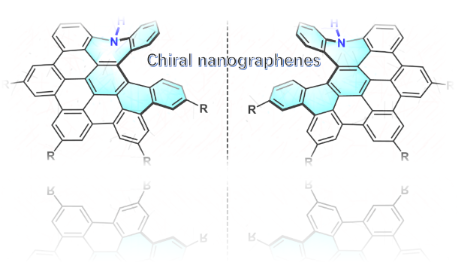
- target hexaphenylbenzene 26 in an 80% yield. Compound 26 was treated with excess DDQ (10.0 equiv) in the presence of triflic acid to furnish the fourfold cyclization product 27 in a 60% yield. Notably, no fivefold cyclized product was detected. Meanwhile, by introducing an aza-eight-membered ring in the

Graphical Abstract

Scheme 1: Construction of HBC by Scholl reaction from hexaphenylbenzene.

Scheme 2: Synthesis of seco-HBC-based chiral nanographenes.

Scheme 3: Synthesis of nitrogen-doped, seco-HBC-based chiral nanographenes.

Scheme 4: Synthesis of π-extended [7]- and [9]helicene containing chiral nanographenes.

Scheme 5: Synthesis of “HBC-dimer”-based chiral nanographenes.

Scheme 6: Synthesis of “HBC-dimer”-based chiral nanographenes.

Scheme 7: Synthesis of axis-based chiral nanographenes.

Scheme 8: Synthesis of “HBC-trimers”-based nanoribbons.

Scheme 9: Synthesis of “HBC-trimers”-based, triangle-shaped chiral nanographenes.

Scheme 10: Synthesis of “HBC-trimers”-based, triangle-shaped chiral nanographenes.

Scheme 11: Synthesis of HBC-based multilayer nanographenes.

Scheme 12: Synthesis of a chiral nanographene constructed by “HBC-tetramers”.

Scheme 13: Synthesis of a triskelion-shaped nanographene constructed by four HBCs.

Scheme 14: Synthesis of a three-dimensional nanographene bearing four HBCs.

Scheme 15: Synthesis of a chiral nanographene constructed by five HBC units.

Scheme 16: Synthesis of a chiral nanographene constructed by seven HBC units.
Synthesis and reactivity of azole-based iodazinium salts
- Thomas J. Kuczmera,
- Annalena Dietz,
- Andreas Boelke and
- Boris J. Nachtsheim
Beilstein J. Org. Chem. 2023, 19, 317–324, doi:10.3762/bjoc.19.27
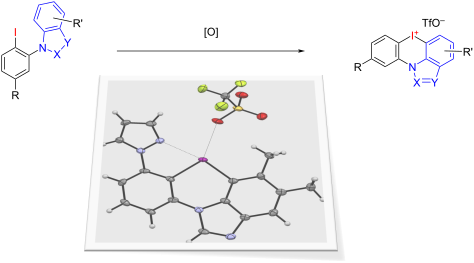
- -chloroperoxybenzoic acid (mCPBA) as the oxidant of choice in the presence of triflic acid (TfOH) [27][29]. Based on these promising results, the conditions were optimized using o-benzimidazole-substituted iodoarenes 4aa and 4ah (Table 1). While running the reaction in MeCN as solvent resulted in no product formation

Graphical Abstract

Figure 1: Nitrogen-containing iodolium and iodonium salts.
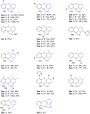
Figure 2: Synthesis of a set of azoiodazinium salts 5. Method A: Iodoarene 4 (200 µmol) and mCPBA (1.1 equiv)...

Figure 3: Single crystal structures (ORTEP drawing with 50% probability) of the pyrazole-coordinated salt 5bb...

Scheme 1: Derivatizations of the iodonium salt 5aa. a) Ac2O, CuSO4·5H2O, NaOAc, AcOH, 120 °C, 5 h; b) S8/Se/T...

Scheme 2: Post-functionalization of mono- and dicationic iodonium salts under preservation of the hypervalent...
Investigation of cationic ring-opening polymerization of 2-oxazolines in the “green” solvent dihydrolevoglucosenone
- Solomiia Borova and
- Robert Luxenhofer
Beilstein J. Org. Chem. 2023, 19, 217–230, doi:10.3762/bjoc.19.21
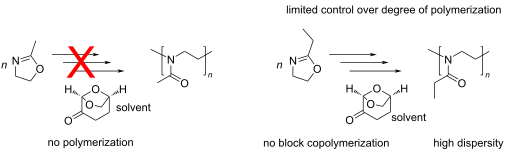
- Dihydrolevoglucosenone (DLG) is prepared by hydrogenation of levoglucosenone in the presence of palladium as a catalyst. Recently, Debsharma et al. reported the CROP of levoglucosenyl alkyl ether in CH2Cl2 at 0 °C and at room temperature using triflic acid or boron trifluoride etherate as initiators [46][47][48]. The 1H
- (Figure 5a). We suggest that the solvent reacts with methyl triflate to form triflic acid and methylated DLG (Figure 5a). The strong acid triflic acid then can initate the polymerization with a proton [46]. Alternatively, the triflic acid could react potentially together with DLG with a monomer, leading

Graphical Abstract

Figure 1: Schematic representation of the mechanism of the cationic ring-opening polymerization (CROP) of 2-a...

Figure 2: (a) First-order kinetic plot for the 2-ethyl-2-oxazoline ring-opening polymerization in DLG at 90 °...

Figure 3: MALDI-TOF mass spectrometry analysis of the poly(2-ethyl-2-oxazoline) initiated with methyl triflat...

Figure 4: MALDI-TOF mass spectrometry analysis of the poly(2-ethyl-2-oxazoline) initiated with 2-ethyl-3-meth...

Figure 5: Schematic illustration of the side reactions that can occur during the polymerization of 2-alkyl-2-...

Figure 6: Investigation of 2-ethyl-2-oxazoline polymerization in DLG at 60 °C initiated with MeOTf (black), M...

Figure 7: Investigation of 2-ethyl-2-oxazoline polymerization initiated with EtOxMeOTf at different monomer/i...
1,4-Dithianes: attractive C2-building blocks for the synthesis of complex molecular architectures
- Bram Ryckaert,
- Ellen Demeyere,
- Frederick Degroote,
- Hilde Janssens and
- Johan M. Winne
Beilstein J. Org. Chem. 2023, 19, 115–132, doi:10.3762/bjoc.19.12
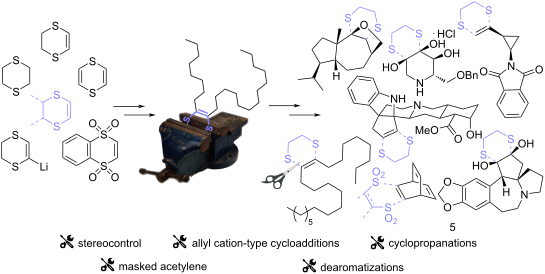
- ). The use of the much stronger triflic acid actually paradoxically protects the rather sensitive indoline cycloaddition products such as the dearomatized product 100, derived from skatole (99), by keeping the adduct and all intermediates in their protonated form throughout the progress of the reaction

Graphical Abstract

Scheme 1: 1,3-Dithianes as useful synthetic building blocks: a) general synthetic utility (in Corey–Seebach-t...

Scheme 2: Metalation of other saturated heterocycles is often problematic due to β-elimination [16,17].

Scheme 3: Thianes as synthetic building blocks in the construction of complex molecules [18].
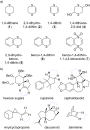
Figure 1: a) 1,4-Dithiane-type building blocks that can serve as C2-synthons and b) examples of complex targe...

Scheme 4: Synthetic availability of 1,4-dithiane-type building blocks.

Scheme 5: Dithiins and dihydrodithiins as pseudoaryl groups [36-39].
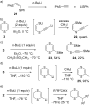
Scheme 6: Metalation of other saturated heterocycles is often problematic due to β-elimination [40-42].

Figure 2: Reactive conformations leading to β-fragmentation for lithiated 1,4-dithianes and 1,4-dithiin.

Scheme 7: Mild metalation of 1,4-dithiins affords stable heteroaryl-magnesium and heteroaryl-zinc-like reagen...
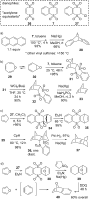
Scheme 8: Dithiin-based dienophiles and their use in synthesis [33,49-54].
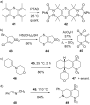
Scheme 9: Dithiin-based dienes and their use in synthesis [55-57].

Scheme 10: Stereoselective 5,6-dihydro-1,4-dithiin-based synthesis of cis-olefins [42,58].

Scheme 11: Addition to aldehydes and applications in stereoselective synthesis.

Figure 3: Applications in the total synthesis of complex target products with original attachment place of 1,...

Scheme 12: Direct C–H functionalization methods for 1,4-dithianes [82,83].

Scheme 13: Known cycloaddition reactivity modes of allyl cations [84-100].

Scheme 14: Cycloadditions of 1,4-dithiane-fused allyl cations derived from dihydrodithiin-methanol 90 [101-107].

Scheme 15: Dearomative [3 + 2] cycloadditions of unprotected indoles with 1,4-dithiane-fused allyl alcohol 90 [30]....

Scheme 16: Comparison of reactivity of dithiin-fused allyl alcohols and similar non-cyclic sulfur-substituted ...
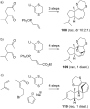
Scheme 17: Applications of dihydrodithiins in the rapid assembly of polycyclic terpenoid scaffolds [108,109].
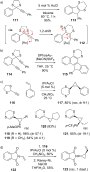
Scheme 18: Dihydrodithiin-mediated allyl cation and vinyl carbene cycloadditions via a gold(I)-catalyzed 1,2-s...

Scheme 19: Activation mode of ethynyldithiolanes towards gold-coordinated 1,4-dithiane-fused allyl cation and ...
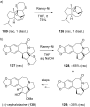
Scheme 20: Desulfurization problems.

Scheme 21: oxidative decoration strategies for 1,4-dithiane scaffolds.
Two-step continuous-flow synthesis of 6-membered cyclic iodonium salts via anodic oxidation
- Julian Spils,
- Thomas Wirth and
- Boris J. Nachtsheim
Beilstein J. Org. Chem. 2023, 19, 27–32, doi:10.3762/bjoc.19.2
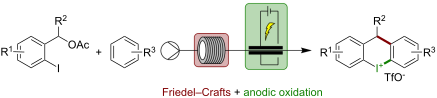
- the proposed multi-step procedure since we assumed it to be the more challenging. We initially intended to oxidize and cyclize the intermediate iodoarene 2 electrochemically under batch conditions (Table 1). Through preliminary observations (see Supporting Information File 1, Table S1), triflic acid

Graphical Abstract

Scheme 1: Synthesis of acyclic (DIS) and cyclic (CDIS) diaryliodonium salts.

Figure 1: Substrate scope using the optimized conditions of Table 3. Yield is based on collecting for 3 h 20 min (2....
Synthesis of protected precursors of chitin oligosaccharides by electrochemical polyglycosylation of thioglycosides
- Md Azadur Rahman,
- Kana Kuroda,
- Hirofumi Endo,
- Norihiko Sasaki,
- Tomoaki Hamada,
- Hiraku Sakai and
- Toshiki Nokami
Beilstein J. Org. Chem. 2022, 18, 1133–1139, doi:10.3762/bjoc.18.117
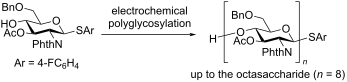
- mg), Bu4NOTf (1.0 mmol, 393 mg), and dry CH2Cl2 (10 mL) were added to the anodic chamber. Triflic acid (0.2 mmol, 17.6 μL) and CH2Cl2 (10 mL) were added to the cathodic chamber. Electrolysis was performed at −60 °C under constant current conditions until 0.52 F/mol of electricity had been consumed

Graphical Abstract

Figure 1: Structures of chitin and chitosan oligosaccharides.

Figure 2: Effect of the anomeric leaving group on the yield of oligosaccharides.

Figure 3: Influence of the glycosylation temperature (T2) on the yield of oligosaccharides.

Figure 4: Influence of temperatures of anodic oxidation (T1) and glycosylation (T2).

Figure 5: MALDI–TOF MS spectra of oligosaccharides.

Figure 6: Proposed structures of byproducts of electrochemical polyglycosylation.

Figure 7: Proposed mechanisms of electrochemical polyglycosylation.

Figure 8: Oxidative potential of monosaccharide 1a, disaccharide 2a, and trisaccharide 3a.

Scheme 1: Electrochemical dimerization of tetrasaccharide 4a.

Figure 9: Influence of cycle number on the yield of longer oligosaccharides 5a (n = 5)–8a (n = 8). Conditions...
Facile and diastereoselective arylation of the privileged 1,4-dihydroisoquinolin-3(2H)-one scaffold
- Dmitry Dar’in,
- Grigory Kantin,
- Alexander Bunev and
- Mikhail Krasavin
Beilstein J. Org. Chem. 2022, 18, 1070–1078, doi:10.3762/bjoc.18.109
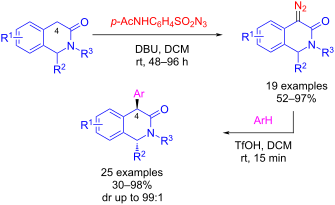
- cytotoxic agents. Keywords: 1,4-dihydroisoquinol-3-one; heterocyclic diazo compounds; hydroarylation; Regitz diazo transfer; triflic acid; Introduction Besides being derivatives of (or a precursor to) the 1,2,3,4-tetrahydroisoquinoline core which itself bears a special significance from the standpoint of
- -arylation reaction (Table 1) [13]. The excess of benzene was varied in the range 10 to 60 equiv and the yield of product 9a was found to improve from 63% to 83% which also allowed lowering the excess of triflic acid to 1.5 equiv. Product 9a was in all cases obtained after only 15 min reaction with high
- mixture of benzene and triflic acid. On the contrary, when adding TfOH to a solution of 10a in benzene, the formation of a complex mixture of unidentifiable products was observed, with only a trace amount of 9a detectable by 1H NMR. The formation of product 9a was unavoidably accompanied by a varying

Graphical Abstract

Figure 1: Diverse bioactive compounds based on the privileged 1,4-DHIQ scaffold.

Figure 2: Strategy investigated in this work.

Scheme 1: Preparation of 3(2H)-isoquinolones 11. aObtained as a 10:1 mixture of regioisomers; purified by cry...

Scheme 2: Preparation of 4-diazo-3(2H)-isoquinolones 10. aConfirmed by single-crystal X-ray crystallography (...

Scheme 3: TfOH-promoted arylation of diazo substrates 10. aStructure confirmed by single-crystal X-ray analys...

Scheme 4: Unexpected outcome of the TfOH-promoted arylation of 10a with N-formyl-N-methylaniline giving rise ...

Scheme 5: Plausible mechanism for the conversion of diazo substrates 10 to 4-aryl products 9 (shown for ArH =...
Menadione: a platform and a target to valuable compounds synthesis
- Acácio S. de Souza,
- Ruan Carlos B. Ribeiro,
- Dora C. S. Costa,
- Fernanda P. Pauli,
- David R. Pinho,
- Matheus G. de Moraes,
- Fernando de C. da Silva,
- Luana da S. M. Forezi and
- Vitor F. Ferreira
Beilstein J. Org. Chem. 2022, 18, 381–419, doi:10.3762/bjoc.18.43
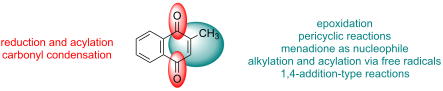
- strategy applying Lewis acids can be used. Among the options, bismuth triflate is a catalyst, with the additional advantages of low-cost and easy preparation from commercially available bismuth oxide and triflic acid. Quinone acylation reactions took place under mild conditions using acetic anhydride and 2

Graphical Abstract

Figure 1: Natural bioactive naphthoquinones.

Figure 2: Chemical structures of vitamins K.

Figure 3: Redox cycle of menadione.

Scheme 1: Selected approaches for menadione synthesis using silver(I) as a catalyst.

Scheme 2: Methylation approaches for the preparation of menadione from 1,4-naphthoquinone using tert-butyl hy...

Scheme 3: Methylation approach of 1,4-naphthoquinone using i) rhodium complexes/methylboronic acid and ii) bi...

Scheme 4: Synthesis of menadione (10) from itaconic acid.

Scheme 5: Menadione synthesis via Diels–Alder reaction.

Scheme 6: Synthesis of menadione (10) using p-cresol as a synthetic precursor.

Scheme 7: Synthesis of menadione (10) via demethoxycarbonylating annulation of methyl methacrylate.

Scheme 8: Furan 34 used as a diene in a Diels–Alder reaction for the synthesis of menadione (10).

Scheme 9: o-Toluidine as a dienophile in a Diels–Alder reaction for the synthesis of menadione (10).

Scheme 10: Representation of electrochemical synthesis of menadione.

Figure 4: Reaction sites and reaction types of menadione as substrate.

Scheme 11: DBU-catalyzed epoxidation of menadione (10).

Scheme 12: Phase-transfer catalysis for the epoxidation of menadione.

Scheme 13: Menadione epoxidation using a hydroperoxide derived from (+)-norcamphor.

Scheme 14: Enantioselective Diels–Alder reaction for the synthesis of asymmetric quinone 50 catalyzed by a chi...

Scheme 15: Optimized reaction conditions for the synthesis of anthra[9,1-bc]pyranone.

Scheme 16: Synthesis of anthra[9,1-bc]furanone, anthra[9,1-bc]pyridine, and anthra[9,1-bc]pyrrole derivatives.

Scheme 17: Synthesis of derivatives employing protected trienes.

Scheme 18: Synthesis of cyclobutene derivatives of menadione.

Scheme 19: Menadione reduction reactions using sodium hydrosulfite.

Scheme 20: Green methodology for menadiol synthesis and pegylation.

Scheme 21: Menadione reduction by 5,6-O-isopropylidene-ʟ-ascorbic acid under UV light irradiation.

Scheme 22: Selected approaches of menadione hydroacetylation to diacetylated menadiol.

Scheme 23: Thiele–Winter reaction catalyzed by Bi(OTf)3.

Scheme 24: Carbonyl condensation of menadione using resorcinol and a hydrazone derivative.

Scheme 25: Condensation reaction of menadione with thiosemicarbazide.

Scheme 26: Condensation reaction of menadione with acylhydrazides.

Scheme 27: Menadione derivatives functionalized with organochalcogens.

Scheme 28: Synthesis of selenium-menadione conjugates derived from chloromethylated menadione 84.

Scheme 29: Menadione alkylation by the Kochi–Anderson method.

Scheme 30: Menadione alkylation by diacids.

Scheme 31: Menadione alkylation by heterocycles-substituted carboxylic acids.

Scheme 32: Menadione alkylation by bromoalkyl-substituted carboxylic acids.

Scheme 33: Menadione alkylation by complex carboxylic acids.

Scheme 34: Kochi–Anderson method variations for the menadione alkylation via oxidative decarboxylation of carb...

Scheme 35: Copper-catalyzed menadione alkylation via free radicals.

Scheme 36: Nickel-catalyzed menadione cyanoalkylation.

Scheme 37: Iron-catalyzed alkylation of menadione.

Scheme 38: Selected approaches to menadione alkylation.

Scheme 39: Menadione acylation by photo-Friedel–Crafts acylation reported by Waske and co-workers.

Scheme 40: Menadione acylation by Westwood procedure.

Scheme 41: Synthesis of 3-benzoylmenadione via metal-free TBAI/TBHP system.

Scheme 42: Michael-type addition of amines to menadione reported by Kallmayer.

Scheme 43: Synthesis of amino-menadione derivatives using polyalkylamines.

Scheme 44: Selected examples for the synthesis of different amino-substituted menadione derivatives.

Scheme 45: Selected examples of Michael-type addition of complex amines to menadione (10).

Scheme 46: Addition of different natural α-amino acids to menadione.

Scheme 47: Michael-type addition of amines to menadione using silica-supported perchloric acid.

Scheme 48: Indolylnaphthoquinone or indolylnaphthalene-1,4-diol synthesis reported by Yadav et al.

Scheme 49: Indolylnaphthoquinone synthesis reported by Tanoue and co-workers.

Scheme 50: Indolylnaphthoquinone synthesis from menadione by Escobeto-González and co-workers.

Scheme 51: Synthesis of menadione analogues functionalized with thiols.

Scheme 52: Synthesis of menadione-derived symmetrical derivatives through reaction with dithiols.

Scheme 53: Mercaptoalkyl acids as nucleophiles in Michael-type addition reaction to menadione.

Scheme 54: Reactions of menadione (10) with cysteine derivatives for the synthesis of quinoproteins.

Scheme 55: Synthesis of menadione-glutathione conjugate 152 by Michael-type addition.
Regioselectivity of the SEAr-based cyclizations and SEAr-terminated annulations of 3,5-unsubstituted, 4-substituted indoles
- Jonali Das and
- Sajal Kumar Das
Beilstein J. Org. Chem. 2022, 18, 293–302, doi:10.3762/bjoc.18.33
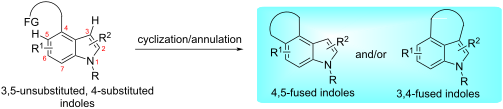
- nine-membered rings 27 via triflic acid (TfOH)-catalyzed reaction of indole-derived phenylenediamine 25 with aldehydes 26 (Scheme 9) [19]. Mechanistically, the initially formed iminium ion I undergoes isomerization to iminium ion II through a 1,3-hydride shift process. Iminium ion III could then be
- cyclopropanes, Li and co-workers treated compound 36 with triflic acid (TfOH) in refluxing HFIP (Scheme 13) [24]. The reaction afforded compound 37 in 82% through the regioselective intramolecular ring-opening of the cyclopropane ring at the benzylic carbon atom. Very recently, our group has reported the

Graphical Abstract

Scheme 1: SEAr-based, CAr–C bond-forming cyclization or annulation of: (A) substituted arenes/heteroarenes an...

Scheme 2: Indole C3 regioselective intramolecular alkylation of indolyl allyl carbonates.

Scheme 3: Indole C3 regioselective Michael-type cyclization in the total synthesis of (−)-indolactam V.

Scheme 4: Synthesis of azepino[4,3,2-cd]indoles via indole C3 regioselective aza-Michael addition/cyclization...

Scheme 5: Indole C3 regioselective Pictet−Spengler reaction of 2-(1H-indol-4-yl)ethanamines.

Scheme 6: Indole C3 regioselective hydroindolation of cis-β-(α′,α′-dimethyl)-4′-methindolylstyrenes.

Scheme 7: Indole C3 regioselective cyclization leading to the formation of polycyclic azepino[5,4,3-cd]indole...

Scheme 8: Synthesis of azepino[3,4,5-cd]indoles via iridium-catalyzed asymmetric [4 + 3] cycloaddition of rac...

Scheme 9: Aldimine condensation/1,6-hydride transfer/Mannich-type cyclization cascade of indole-derived pheny...

Scheme 10: Indole C5 regioselective intramolecular FC acylation of 4-substituted indoles.

Scheme 11: Catalyst-dependent regioselectivity switching in the cyclization of ethyl 2-diazo-4-(4-indolyl)-3-o...

Scheme 12: Indole C5 regioselective cyclization of α-carbonyl sulfoxonium ylides.

Scheme 13: Indole C5 regioselective cyclization of an indole-tethered donor–acceptor cyclopropane.

Scheme 14: Indole C5 regioselective epoxide–arene cyclization.
AlBr3-Promoted stereoselective anti-hydroarylation of the acetylene bond in 3-arylpropynenitriles by electron-rich arenes: synthesis of 3,3-diarylpropenenitriles
- Yelizaveta Gorbunova,
- Dmitry S. Ryabukhin and
- Aleksander V. Vasilyev
Beilstein J. Org. Chem. 2021, 17, 2663–2667, doi:10.3762/bjoc.17.180
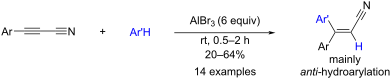
- obtained 3,3-diarylpropenenitriles in triflic acid CF3SO3H (TfOH) at room temperature for 1 h are cyclized into 3-arylindenones in yields of 55–70%. Keywords: aluminum bromide; hydroarylation; indenones; propenenitriles; propynenitriles; Introduction Conjugated acetylene nitriles (propynenitriles, R–C≡C
- ]. Recently, we have shown that reactions of 3-arylpropenenitriles (cinnamonitriles, ArCH=CHCN) with arenes (Ar′H) under the superelectrophilic activation by the Brønsted superacid CF3SO3H (TfOH, triflic acid) or the strong Lewis acid AlBr3 result in the formation of 3,3-diarylpropanenitriles (Ar(Ar′)CHCH2CN
- in a similar AlCl3-catalyzed hydroarylation of an acetylene bond in the synthesis of cyclophanes [26]. Additionally, the cyclization of two selected nitriles 2c,g into 3-arylindanones 3a,b correspondingly was carried out in triflic acid TfOH (CF3SO3H) at room temperature for 1 h (Scheme 3). The

Graphical Abstract

Scheme 1: AlBr3-promoted hydroarylation of the acetylene bond of 3-arylpropynenitriles 1a–c by arenes with th...

Scheme 2: Plausible mechanism for reaction of acetylene nitriles 1 with arenes leading to nitriles 2.

Scheme 3: Cyclization of nitriles 2c,g into indanones 3a,b in TfOH.

Scheme 4: Hydrophenylation of nitriles 1a,b by benzene in TfOH leading to nitriles 2a,b.
Ligand-dependent stereoselective Suzuki–Miyaura cross-coupling reactions of β-enamido triflates
- Tomáš Chvojka,
- Athanasios Markos,
- Svatava Voltrová,
- Radek Pohl and
- Petr Beier
Beilstein J. Org. Chem. 2021, 17, 2657–2662, doi:10.3762/bjoc.17.179
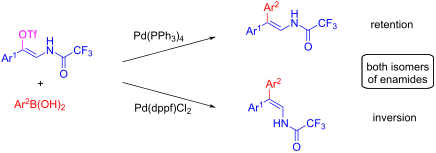
- isomerization of N-allyl amides [20], but still possess drawbacks, especially for stereoselective synthesis of tri- and tetrasubstituted enamides. Recently, we have reported a triflic acid-mediated reaction of N-fluoroalkyl-1,2,3-triazoles leading to (Z)-β-enamido triflates [21] and Lewis acid-mediated reaction

Graphical Abstract

Scheme 1: A: Synthesis of (Z)-β-enamido triflates and subsequent stereoselective cross-coupling reactions. B:...
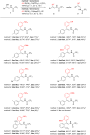
Scheme 2: Substrate scope of the Suzuki coupling leading to enamides 2 and 3. aRatio determined by 19F NMR; b...

Scheme 3: Proposed mechanisms for the formed Suzuki coupling retention products 2 and inversion products 3.
Recent advances in the tandem annulation of 1,3-enynes to functionalized pyridine and pyrrole derivatives
- Yi Liu,
- Puying Luo,
- Yang Fu,
- Tianxin Hao,
- Xuan Liu,
- Qiuping Ding and
- Yiyuan Peng
Beilstein J. Org. Chem. 2021, 17, 2462–2476, doi:10.3762/bjoc.17.163
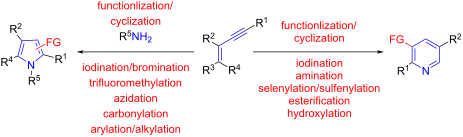
- intramolecular nucleophilic attack by azide and the following deprotonation by a fluoride anion provide the final product 8 (Scheme 5). The derivatization of sulfonated aminonicotinates 8 could easily be achieved. Desulfonylation of aminonicotinate 8b proceeded smoothly in the presence of triflic acid (2.0 equiv

Graphical Abstract

Scheme 1: Ag/I2-mediated electrophilic annulation of 2-en-4-ynyl azides 1.

Scheme 2: The proposed mechanism of Ag-catalyzed aza-annulation.

Scheme 3: The proposed mechanism of I2-mediated aza-annulation.

Scheme 4: Copper-catalyzed amination of (E)-2-en-4-ynyl azides 1.
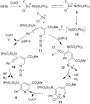
Scheme 5: The proposed mechanism of copper-catalyzed amination.

Scheme 6: The derivatization of sulfonated aminonicotinates.

Scheme 7: Copper-catalyzed chalcogenoamination of (E)-2-en-4-ynyl azides 1.

Scheme 8: The possible mechanism of chalcogenoamination.

Scheme 9: The derivatization of 5‑selenyl- and 5-sulfenyl-substituted nicotinates.

Scheme 10: The tandem reaction of nitriles, Reformatsky reagents, and 1,3-enynes.

Scheme 11: Nickel-catalyzed [4 + 2]-cycloaddition of 3-azetidinones with 1,3-enynes.

Scheme 12: Electrophilic iodocyclization of 2-nitro-1,3-enynes to pyrroles.

Scheme 13: Electrophilic halogenation of 2-trifluoromethyl-1,3-enynes to pyrroles.

Scheme 14: Copper-catalyzed cascade cyclization of 2-nitro-1,3-enynes with amines.

Scheme 15: Tandem cyclization of 2-nitro-1,3-enynes, Togni reagent II, and amines.

Scheme 16: Tandem cyclization of 2-nitro-1,3-enynes, TMSN3, and amines.

Scheme 17: Cascade cyclization of 6-hydroxyhex-2-en-4-ynals to pyrroles.

Scheme 18: Au/Ag-catalyzed oxidative aza-annulation of 1,3-enynyl azides.

Scheme 19: The plausible mechanism of Au/Ag-catalyzed oxidative aza-annulation.

Scheme 20: Synthesis of 2-tetrazolyl-substituted 3-acylpyrroles from enynals.

Scheme 21: CuH-catalyzed coupling reaction of 1,3-enynes and nitriles to pyrroles.

Scheme 22: The mechanism of CuH-catalyzed coupling of 1,3-enynes and nitriles to pyrroles.



