


Search results
Search for "copper-catalyzed" in Full Text gives 286 result(s) in Beilstein Journal of Organic Chemistry. Showing first 200.
Recent advances in electrochemical copper catalysis for modern organic synthesis
- Yemin Kim and
- Won Jun Jang
Beilstein J. Org. Chem. 2025, 21, 155–178, doi:10.3762/bjoc.21.9

- ][22][23][24]. Moreover, copper-catalyzed asymmetric radical cross-coupling has advanced significantly over the past decade [25][26][27], with notable examples including Liu and Stahl’s enantioselective cyanation of benzylic C–H bonds using a Cu/chiral bisoxazoline catalyst [28], along with the Peters

Graphical Abstract

Figure 1: General mechanisms of traditional and radical-mediated cross-coupling reactions.

Figure 2: Types of electrocatalysis (using anodic oxidation).

Figure 3: Recent developments and features of electrochemical copper catalysis.

Figure 4: Scheme and proposed mechanism for Cu-catalyzed alkynylation and annulation of benzamide.
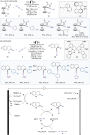
Figure 5: Scheme and proposed mechanism for Cu-catalyzed asymmetric C–H alkynylation.

Figure 6: Scheme for Cu/TEMPO-catalyzed C–H alkenylation of THIQs.
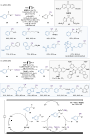
Figure 7: Scheme and proposed mechanism for Cu-catalyzed electrophotochemical enantioselective cyanation of b...
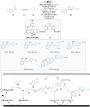
Figure 8: Scheme and proposed mechanism for Cu-catalyzed electrophotochemical asymmetric heteroarylcyanation ...
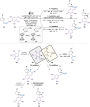
Figure 9: Scheme and proposed mechanism for Cu-catalyzed enantioselective regiodivergent cross-dehydrogenativ...
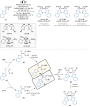
Figure 10: Scheme and proposed mechanism for Cu/Ni-catalyzed stereodivergent homocoupling of benzoxazolyl acet...
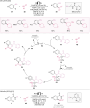
Figure 11: Scheme and proposed mechanism for Cu-catalyzed electrochemical amination.

Figure 12: Scheme and proposed mechanism for Cu-catalyzed electrochemical azidation of N-arylenamines and annu...
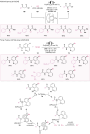
Figure 13: Scheme and proposed mechanism for Cu-catalyzed electrochemical halogenation.

Figure 14: Scheme and proposed mechanism for Cu-catalyzed asymmetric cyanophosphinoylation of vinylarenes.

Figure 15: Scheme and proposed mechanism for Cu/Co dual-catalyzed asymmetric hydrocyanation of alkenes.
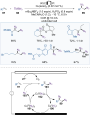
Figure 16: Scheme and proposed mechanism for Cu-catalyzed electrochemical diazidation of olefins.

Figure 17: Scheme and proposed mechanism for Cu-catalyzed electrochemical azidocyanation of alkenes.

Figure 18: Scheme and proposed mechanism for Cu-catalyzed electrophotochemical asymmetric decarboxylative cyan...
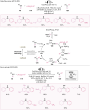
Figure 19: Scheme and proposed mechanism for electrocatalytic Chan–Lam coupling.
Cu(OTf)2-catalyzed multicomponent reactions
- Sara Colombo,
- Camilla Loro,
- Egle M. Beccalli,
- Gianluigi Broggini and
- Marta Papis
Beilstein J. Org. Chem. 2025, 21, 122–145, doi:10.3762/bjoc.21.7

- was crucial for the formation of the organozinc reagent (Scheme 19) [36]. Spiro-2,3-dihydroquinazolinones 26 were formed exploiting a one-pot multicomponent reaction, using isatoic anhydride, ketones and primary amines. The isolation of the amide intermediate XXIII obtained by the copper-catalyzed
- process by using α-diazoketones, nitroalkenes and primary amines, in the presence of air as oxidant. The mechanism involved the formation of α-ketocarbene XXVI from α-diazoketone, able to react with the amine affording imine XXV after copper-catalyzed oxidative dehydrogenation. The subsequent [3 + 2

Graphical Abstract

Figure 1: Plausible general catalytic activation for ionic or radical mechanisms.

Scheme 1: Synthesis of α-aminonitriles 1.

Scheme 2: Synthesis of β-amino ketone or β-amino ester derivatives 3.

Scheme 3: Synthesis of 1-(α-aminoalkyl)-2-naphthol derivatives 4.

Scheme 4: Synthesis of thioaminals 5.

Scheme 5: Synthesis of aryl- or amine-containing alkanes 6 and 7.
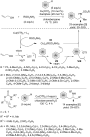
Scheme 6: Synthesis of 1-aryl-2-sulfonamidopropanes 8.

Scheme 7: Synthesis of α-substituted propargylamines 10.

Scheme 8: Synthesis of N-propargylcarbamates 11.

Scheme 9: Synthesis of (E)-vinyl sulfones 12.

Scheme 10: Synthesis of o-halo-substituted aryl chalcogenides 13.

Scheme 11: Synthesis of α-aminophosphonates 14.

Scheme 12: Synthesis of unsaturated furanones and pyranones 15–17.
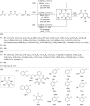
Scheme 13: Synthesis of substituted dihydropyrimidines 18.

Scheme 14: Regioselective synthesis of 1,4-dihydropyridines 20.

Scheme 15: Synthesis of tetrahydropyridines 21.

Scheme 16: Synthesis of furoquinoxalines 22.

Scheme 17: Synthesis of 2,4-substituted quinolines 23.

Scheme 18: Synthesis of cyclic ether-fused tetrahydroquinolines 24.

Scheme 19: Practical route for 1,2-dihydroisoquinolines 25.

Scheme 20: Synthesis of 2,3-dihydroquinazolin-4(1H)-one derivatives 26.

Scheme 21: Synthesis of polysubstituted pyrroles 27.

Scheme 22: Enantioselective synthesis of polysubstituted pyrrolidines 30 directed by the copper complex 29.

Scheme 23: Synthesis of 4,5-dihydropyrazoles 31.

Scheme 24: Synthesis of 2 arylisoindolinones 32.

Scheme 25: Synthesis of imidazo[1,2-a]pyridines 33.

Scheme 26: Synthesis of isoxazole-linked imidazo[1,2-a]azines 35.

Scheme 27: Synthesis of 2,3-dihydro-1,2,4-triazoles 36.

Scheme 28: Synthesis of naphthopyrans 37.

Scheme 29: Synthesis of benzo[g]chromene derivatives 38.

Scheme 30: Synthesis of naphthalene annulated 2-aminothiazoles 39, piperazinyl-thiazoloquinolines 40 and thiaz...

Scheme 31: Synthesis of furo[3,4-b]pyrazolo[4,3-f]quinolinones 42.

Scheme 32: Synthesis of spiroindoline-3,4’-pyrano[3,2-b]pyran-4-ones 43.

Scheme 33: Synthesis of N-(α-alkoxy)alkyl-1,2,3-triazoles 44.

Scheme 34: Synthesis of 4-(α-tetrasubstituted)alkyl-1,2,3-triazoles 45.
Advances in radical peroxidation with hydroperoxides
- Oleg V. Bityukov,
- Pavel Yu. Serdyuchenko,
- Andrey S. Kirillov,
- Gennady I. Nikishin,
- Vera A. Vil’ and
- Alexander O. Terent’ev
Beilstein J. Org. Chem. 2024, 20, 2959–3006, doi:10.3762/bjoc.20.249
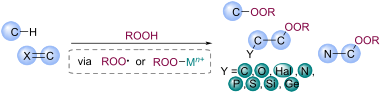

Graphical Abstract

Scheme 1: Organic peroxide initiators in polymer chemistry.

Scheme 2: Synthesis of organic peroxides.

Scheme 3: Richness of radical cascades with species formed from hydroperoxides in redox conditions.
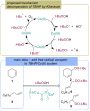
Scheme 4: Co-catalyzed allylic peroxidation of alkenes 1 and 3 by TBHP.

Scheme 5: Allylic peroxidation of alkenes 6 by Pd(II)TBHP.
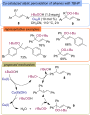
Scheme 6: Cu(I)-catalyzed allylic peroxidation.

Scheme 7: Enantioselective peroxidation of alkenes 10 with TBHP in the presence of copper(I) compounds.

Scheme 8: Oxidation of α-pinene (12) by the Cu(I)/TBHP system.

Scheme 9: Introduction of the tert-butylperoxy fragment into the α-position of cyclic ketones 15 and 17.
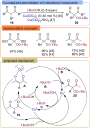
Scheme 10: α-Peroxidation of β-dicarbonyl compounds 19 using the Cu(II)/TBHP system.
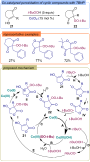
Scheme 11: Co-catalyzed peroxidation of cyclic compounds 21 with TBHP.

Scheme 12: Co-, Mn- and Fe-catalyzed peroxidation of 2-oxoindoles 23, barbituric acids 25, and 4-hydroxycoumar...

Scheme 13: Cu-catalyzed and metal-free peroxidation of barbituric acid derivatives 31 and 3,4-dihydro-1,4-benz...

Scheme 14: Electrochemical peroxidation of 1,3-dicarbonyl compounds 35.

Scheme 15: Peroxidation of β-dicarbonyl compounds, cyanoacetic esters and malonic esters 37 by the TBAI/TBHP s...
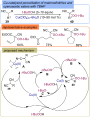
Scheme 16: Cu-catalyzed peroxidation of malonodinitriles and cyanoacetic esters 39 with TBHP.

Scheme 17: Mn-catalyzed remote peroxidation via trifluromethylation of double bond.

Scheme 18: Cu-catalyzed remote peroxidation via trifluromethylthiolation of double bond.

Scheme 19: Fe-, Mn-, and Ru-catalyzed peroxidation of alkylaromatics 45, 47, 49, and 51 with TBHP.

Scheme 20: Cu-catalyzed peroxidation of diphenylacetonitrile (53) with TBHP.
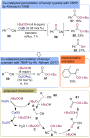
Scheme 21: Cu-catalyzed peroxidation of benzyl cyanides 60 with TBHP.
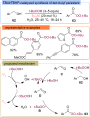
Scheme 22: Synthesis of tert-butylperoxy esters 63 from benzyl alcohols 62 using the TBAI/TBHP system.

Scheme 23: Enantioselective peroxidation of 2-phenylbutane (64) with TBHP and chiral Cu(I) complex.
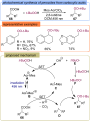
Scheme 24: Photochemical synthesis of peroxides 67 from carboxylic acids 66.
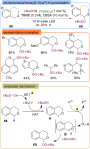
Scheme 25: Photochemical peroxidation of benzylic C(sp3)–H.

Scheme 26: Cu- and Ru-catalyzed peroxidation of alkylamines with TBHP.

Scheme 27: Peroxidation of amides 76 with the TBAI/TBHP system.
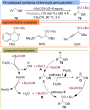
Scheme 28: Fe-catalyzed functionalization of ethers 78 with TBHP.

Scheme 29: Synthesis of 4-(tert-butylperoxy)-5-phenyloxazol-2(3H)-ones 82 from benzyl alcohols 80 and isocyana...

Scheme 30: Fe- and Co-catalyzed peroxidation of alkanes with TBHP.
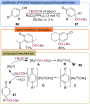
Scheme 31: Rh-catalyzed tert-butylperoxy dienone synthesis with TBHP.

Scheme 32: Rh- and Cu-catalyzed phenolic oxidation with TBHP.

Scheme 33: Metal-free peroxidation of phenols 94.

Scheme 34: Cu-catalyzed alkylation–peroxidation of acrylonitrile.

Scheme 35: Cu-catalyzed cycloalkylation–peroxidation of coumarins 99.

Scheme 36: Metal-free cycloalkylation–peroxidation of coumarins 102.

Scheme 37: Difunctionalization of indene 104 with tert-butylperoxy and alkyl groups.

Scheme 38: Acid-catalyzed radical addition of ketones (108, 111) and TBHP to alkenes 107 and acrylates 110.

Scheme 39: Cu-catalyzed alkylation–peroxidation of alkenes 113 with TBHP and diazo compounds 114.

Scheme 40: Cobalt(II)-catalyzed addition of TBHP and 1,3-dicarbonyl compound 116 to alkenes 117.

Scheme 41: Cu(0)- or Co(II)-catalyzed addition of TBHP and alcohols 120 to alkenes 119.

Scheme 42: Fe-catalyzed functionalization of allenes 122 with TBHP.

Scheme 43: Fe-catalyzed alkylation–peroxidation of alkenes 125 and 127.

Scheme 44: Fe- and Co-catalyzed alkylation–peroxidation of alkenes 130, 133 and 134 with TBHP and aldehydes as...
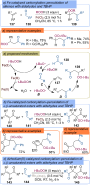
Scheme 45: Carbonylation–peroxidation of alkenes 137, 140, 143 with hydroperoxides and aldehydes.

Scheme 46: Carbamoylation–peroxidation of alkenes 146 with formamides and TBHP.

Scheme 47: TBAB-catalyzed carbonylation–peroxidation of alkenes.

Scheme 48: VOCl2-catalyzed carbonylation–peroxidation of alkenes 152.
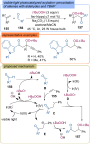
Scheme 49: Acylation–peroxidation of alkenes 155 with aldehydes 156 and TBHP using photocatalysis.
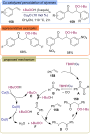
Scheme 50: Cu-catalyzed peroxidation of styrenes 158.

Scheme 51: Fe-catalyzed acylation-peroxidation of alkenes 161 with carbazates 160 and TBHP.

Scheme 52: Difunctionalization of alkenes 163, 166 with TBHP and (per)fluoroalkyl halides.

Scheme 53: Difunctionalization of alkenes 169 and 172 with hydroperoxides and sodium (per)fluoromethyl sulfina...
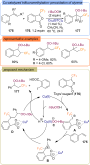
Scheme 54: Trifluoromethylation–peroxidation of styrenes 175 using MOF Cu3(BTC)2 as a catalyst.
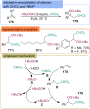
Scheme 55: Difunctionalization of alkenes 178 with tert-butylperoxy and dihalomethyl fragments.

Scheme 56: Difunctionalization of alkenes 180 with the tert-butylperoxy and dihalomethyl moieties.
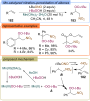
Scheme 57: The nitration–peroxidation of alkenes 182 with t-BuONO and TBHP.
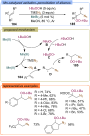
Scheme 58: Azidation–peroxidation of alkenes 184 with TMSN3 and TBHP.

Scheme 59: Co-catalyzed bisperoxidation of butadiene 186.

Scheme 60: Bisperoxidation of styrene (189) and acrylonitrile (192) with TBHP by Minisci.

Scheme 61: Mn-catalyzed synthesis of bis(tert-butyl)peroxides 195 from styrenes 194.

Scheme 62: Bisperoxidation of arylidene-9H-fluorenes 196 and 3-arylidene-2-oxoindoles 198 with TBHP under Mn-c...

Scheme 63: Synthesis of bisperoxides from styrenes 200 and 203 using the Ru and Rh catalysis.
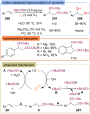
Scheme 64: Iodine-catalyzed bisperoxidation of styrenes 206.
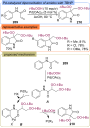
Scheme 65: Synthesis of di-tert-butylperoxyoxoindoles 210 from acrylic acid anilides 209 using a Pd(II)/TBHP o...

Scheme 66: Pinolation/peroxidation of styrenes 211 catalyzed by Cu(I).
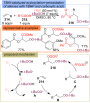
Scheme 67: TBAI-catalyzed acyloxylation–peroxidation of alkenes 214 with carboxylic acids and TBHP.

Scheme 68: Difunctionalization of alkenes 217 with TBHP and water or alcohols.

Scheme 69: TBAI-catalyzed hydroxyperoxidation of 1,3-dienes 220.

Scheme 70: Hydroxyperoxidation of 1,3-dienes 220.

Scheme 71: Iodination/peroxidation of alkenes 223 with I2 and hydroperoxides.

Scheme 72: The reactions of cyclic enol ethers 226 and 228 with I2/ROOH system.

Scheme 73: Synthesis of 1-(tert-butylperoxy)-2-iodoethanes 231.

Scheme 74: Synthesis of 1-iodo-2-(tert-butylperoxy)ethanes 233.
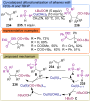
Scheme 75: Cu-catalyzed phosphorylation–peroxidation of alkenes 234.
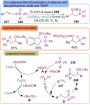
Scheme 76: Co-catalyzed phosphorylation–peroxidation of alkenes 237.
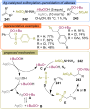
Scheme 77: Ag-catalyzed sulfonylation–peroxidation of alkenes 241.

Scheme 78: Co-catalyzed sulfonylation–peroxidation of alkenes 244.

Scheme 79: Synthesis of α/β-peroxysulfides 248 and 249 from styrenes 247.

Scheme 80: Cu-catalyzed trifluoromethylthiolation–peroxidation of alkenes 250 and allenes 252.

Scheme 81: Photocatalytic sulfonyl peroxidation of alkenes 254 via deamination of N-sulfonyl ketimines 255.

Scheme 82: Photoredox-catalyzed 1,4-peroxidation–sulfonylation of enynones 257.

Scheme 83: Cu-catalyzed silylperoxidation of α,β-unsaturated compounds 260 and enynes 261.

Scheme 84: Fe-catalyzed silyl peroxidation of alkenes.

Scheme 85: Cu-catalyzed germyl peroxidation of alkenes 267.
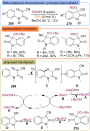
Scheme 86: TBAI-catalyzed intramolecular cyclization of diazo compounds 269 with further peroxidation.

Scheme 87: Co-catalyzed three-component coupling of benzamides 271, diazo compounds 272 and TBHP.

Scheme 88: Co-catalyzed esterification-peroxidation of diazo compounds 274 with TBHP and carboxylic acids 275.

Scheme 89: Cu-catalyzed alkylation–peroxidation of α-carbonylimines 277 or ketones 280.

Scheme 90: Mn-catalyzed ring-opening peroxidation of cyclobutanols 282 with TBHP.

Scheme 91: Peroxycyclization of tryptamines 284 with TBHP.

Scheme 92: Radical cyclization–peroxidation of homotryptamines 287.
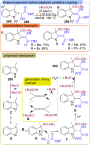
Scheme 93: Iodine-catalyzed oxidative coupling of indoles 288, cyanoacetic esters and TBHP.

Scheme 94: Summary of metal-catalyzed peroxidation processes.
Copper-catalyzed yne-allylic substitutions: concept and recent developments
- Shuang Yang and
- Xinqiang Fang
Beilstein J. Org. Chem. 2024, 20, 2739–2775, doi:10.3762/bjoc.20.232
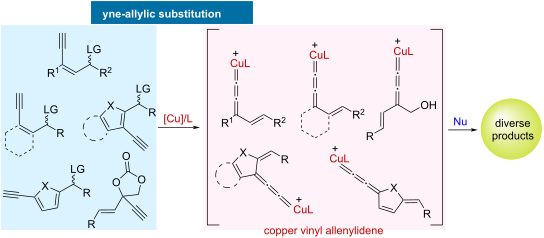
- expand the scope of transition metal-catalyzed substitution reactions. Since its discovery in 2022, copper-catalyzed yne-allylic substitution has undergone rapid development and significant progress has been made using the key copper vinyl allenylidene intermediates. This review summarizes the
- -abundant, inexpensive, relatively stable, and low toxic. Copper-catalyzed asymmetric allylic [1][2][3][4][5][6][7][8][9][10][11][12][13][14][15][16][17][18][19][20][21][22] and propargylic [23][24][25][26][27][28][29][30][31][32] substitutions are effective strategies for constructing new C–C and C
- catalytic center; finally, the selectivity affording E-enyne and Z-enyne product is also an issue to be addressed, and possible side reactions need to be suppressed (Scheme 2). In this review, we summarize the recent development of copper-catalyzed yne-allylic substitutions. It is worth noting that when we

Graphical Abstract

Scheme 1: Copper-catalyzed allylic and yne-allylic substitution.

Scheme 2: Challenges in achieving highly selective yne-allylic substitution.

Scheme 3: Yne-allylic substitutions using indoles and pyroles.

Scheme 4: Yne-allylic substitutions using amines.

Scheme 5: Yne-allylic substitution using 1,3-dicarbonyls.

Scheme 6: Postulated mechanism via copper acetylide-bonded allylic cation.

Scheme 7: Amine-participated asymmetric yne-allylic substitution.

Scheme 8: Asymmetric decarboxylative yne-allylic substitution.

Scheme 9: Asymmetric yne-allylic alkoxylation and alkylation.

Scheme 10: Proposed mechanism for Cu(I) system.

Scheme 11: Asymmetric yne-allylic dialkylamination.

Scheme 12: Proposed mechanism of yne-allylic dialkylamination.

Scheme 13: Asymmetric yne-allylic sulfonylation.

Scheme 14: Proposed mechanism of yne-allylic sulfonylation.

Scheme 15: Aymmetric yne-allylic substitutions using indoles and indolizines.

Scheme 16: Double yne-allylic substitutions using pyrrole.

Scheme 17: Proposed mechanism of yne-allylic substitution using electron-rich arenes.

Scheme 18: Aymmetric yne-allylic monofluoroalkylations.

Scheme 19: Proposed mechanism.
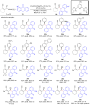
Scheme 20: Aymmetric yne-allylic substitution of yne-allylic esters with anthrones.

Scheme 21: Aymmetric yne-allylic substitution of yne-allylic esters with coumarins.

Scheme 22: Aymmetric yne-allylic substitution of with coumarins by Lin.

Scheme 23: Proposed mechanism.

Scheme 24: Amination by alkynylcopper driven dearomatization and rearomatization.

Scheme 25: Arylation by alkynylcopper driven dearomatization and rearomatization.

Scheme 26: Remote substitution/cyclization/1,5-H shift process.

Scheme 27: Proposed mechanism.

Scheme 28: Arylation or amination by alkynylcopper driven dearomatization and rearomatization.

Scheme 29: Remote nucleophilic substitution of 5-ethynylthiophene esters.

Scheme 30: Proposed mechanism.

Scheme 31: [4 + 1] annulation of yne-allylic esters and cyclic 1,3-dicarbonyls.
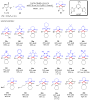
Scheme 32: Asymmetric [4 + 1] annulation of yne-allylic esters.

Scheme 33: Proposed mechanism.

Scheme 34: Asymmetric [3 + 2] annulation of yne-allylic esters.

Scheme 35: Postulated annulation step.

Scheme 36: [4 + 1] Annulations of vinyl ethynylethylene carbonates and 1,3-dicarbonyls.

Scheme 37: Proposed mechanism.

Scheme 38: Formal [4 + 1] annulations with amines.

Scheme 39: Formal [4 + 2] annulations with hydrazines.

Scheme 40: Proposed mechanism.
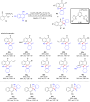
Scheme 41: Dearomative annulation of 1-naphthols and yne-allylic esters.

Scheme 42: Dearomative annulation of phenols or 2-naphthols and yne-allylic esters.

Scheme 43: Postulated annulation mechanism.

Scheme 44: Dearomative annulation of phenols or 2-naphthols.

Scheme 45: Dearomative annulation of indoles.

Scheme 46: Postulated annulation step.

Scheme 47: Asymmetric [4 + 1] cyclization of yne-allylic esters with pyrazolones.

Scheme 48: Proposed mechanism.

Scheme 49: Construction of C–C axially chiral arylpyrroles.

Scheme 50: Construction of C–N axially chiral arylpyrroles.

Scheme 51: Construction of chiral arylpyrroles with 1,2-di-axial chirality.

Scheme 52: Proposed mechanism.

Scheme 53: CO2 shuttling in yne-allylic substitution.

Scheme 54: CO2 fixing in yne-allylic substitution.

Scheme 55: Proposed mechanism.
5th International Symposium on Synthesis and Catalysis (ISySyCat2023)
- Anthony J. Burke and
- Elisabete P. Carreiro
Beilstein J. Org. Chem. 2024, 20, 2704–2707, doi:10.3762/bjoc.20.227
- in MeOH at room temperature with a short reaction time. Some of them were further functionalized with a 1,2,3-triazole ring via copper-catalyzed azide–alkyne cycloaddition (CuAAC) and deprotected with trifluoroacetic acid. Several hybrids were evaluated against six cancer cell lines, displaying GI50

Deuterated reagents in multicomponent reactions to afford deuterium-labeled products
- Kevin Schofield,
- Shayna Maddern,
- Yueteng Zhang,
- Grace E. Mastin,
- Rachel Knight,
- Wei Wang,
- James Galligan and
- Christopher Hulme
Beilstein J. Org. Chem. 2024, 20, 2270–2279, doi:10.3762/bjoc.20.195
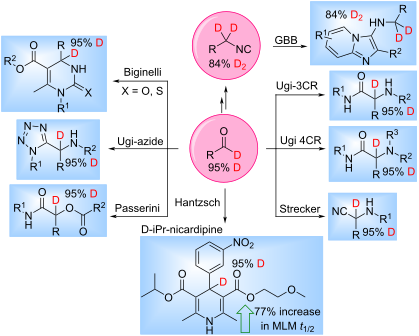
- aldehyde [10]. Latterly, Yamamoto utilized a 90% deuterated [D2]-isocyanide in a copper catalyzed [3 + 2] cycloaddition to afford a 60% deuterated [D2]-pyrrole [11]. The utility of the Leuckart–Wallach reaction towards the generation of isocyanides was first explored by Dömling [12], yet the use of such

Graphical Abstract

Scheme 1: Competitive examples of D2-benzylamine formation via phenyl-nitriles.

Scheme 2: Proposed tentative mechanism of [D3]-formamide formation via modified Leuckart–Wallach reaction wit...

Scheme 3: Ugi-4CR products: no deuterium scrambling observed.

Scheme 4: Ugi-3CR products. No deuterium scrambling observed.

Scheme 5: Ugi-azide reaction products, no deuterium scrambling observed.

Scheme 6: Passerini products, no deuterium scrambling observed. aWater was used as solvent.

Scheme 7: Strecker reaction products (precursors to [D1]-α-amino acids), no deuterium scrambling was observed...

Scheme 8: Biginelli reaction products, no deuterium scrambling was observed. Six site-specific deuterated Big...

Scheme 9: GBB reaction products, no deuterium scrambling was observed. aA 70% [D2]-isocyanide was used in 7a ...

Scheme 10: Modified Hantzsch pyridine synthesis to afford 1,4-dihydropyridines. No deuterium scrambling was ob...

Scheme 11: CYP3A4 mediated dehydrogenation of dihydropyridines.
Multicomponent syntheses of pyrazoles via (3 + 2)-cyclocondensation and (3 + 2)-cycloaddition key steps
- Ignaz Betcke,
- Alissa C. Götzinger,
- Maryna M. Kornet and
- Thomas J. J. Müller
Beilstein J. Org. Chem. 2024, 20, 2024–2077, doi:10.3762/bjoc.20.178

- to 97%. The Sonogashira coupling can also be effectively integrated with the CuAAC (copper-catalyzed azide–alkyne cycloaddition) reaction, offering a powerful tool for synthesizing diverse molecular architectures. In a consecutive multicomponent reaction, pyrazoles were first presented in a
- heteroaryls other than thiophene under standard conditions. Schreiner et al. established a further protocol for the one-pot synthesis of pyrazoles, where the alkynoyl moiety is generated by copper-catalyzed carboxylation of terminal alkynes followed by alkylation with methyl iodide, forming propiolic acid

Graphical Abstract

Scheme 1: Consecutive three-component synthesis of pyrazoles 1 via in situ-formed 1,3-diketones 2 [44].

Scheme 2: Consecutive three-component synthesis of 4-ethoxycarbonylpyrazoles 5 via SmCl3-catalyzed acylation ...

Scheme 3: Consecutive four-component synthesis of 1-(thiazol-2-yl)pyrazole-3-carboxylates 8 [51].

Scheme 4: Three-component synthesis of thiazolylpyrazoles 17 via in situ formation of acetoacetylcoumarins 18 ...

Scheme 5: Consecutive pseudo-four-component and four-component synthesis of pyrazoles 21 from sodium acetylac...

Scheme 6: Consecutive three-component synthesis of 1-substituted pyrazoles 24 from boronic acids, di(Boc)diim...

Scheme 7: Consecutive three-component synthesis of N-arylpyrazoles 25 via in situ formation of aryl-di(Boc)hy...

Scheme 8: Consecutive three-component synthesis of 1,3,4-substituted pyrazoles 27 and 28 from methylhydrazine...

Scheme 9: Consecutive three-component synthesis of 4-allylpyrazoles 32 via oxidative allylation of 1,3-dicarb...

Scheme 10: Pseudo-five-component synthesis of tris(pyrazolyl)methanes 35 [61].

Scheme 11: Pseudo-three-component synthesis of 5-(indol-3-yl)pyrazoles 39 from 1,3,5-triketones 38 [64].

Scheme 12: Three-component synthesis of thiazolylpyrazoles 43 [65].

Scheme 13: Three-component synthesis of triazolo[3,4-b]-1,3,4-thiadiazin-3-yl substituted 5-aminopyrazoles 47 [67]....

Scheme 14: Consecutive three-component synthesis of 5-aminopyrazoles 49 via formation of β-oxothioamides 50 [68].
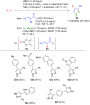
Scheme 15: Synthesis of 3,4-biarylpyrazoles 52 from aryl halides, α-bromocinnamaldehyde, and tosylhydrazine vi...

Scheme 16: Consecutive three-component synthesis of 3,4-substituted pyrazoles 57 from iodochromones 55 by Suzu...

Scheme 17: Pseudo-four-component synthesis of pyrazolyl-2-pyrazolines 59 by ring opening/ring closing cyclocon...

Scheme 18: Consecutive three-component synthesis of pyrazoles 61 [77].

Scheme 19: Three-component synthesis of pyrazoles 62 from malononitrile, aldehydes, and hydrazines [78-90].

Scheme 20: Four-component synthesis of pyrano[2,3-c]pyrazoles 63 [91].

Scheme 21: Three-component synthesis of persubstituted pyrazoles 65 from aldehydes, β-ketoesters, and hydrazin...

Scheme 22: Three-component synthesis of pyrazol-4-carbodithioates 67 [100].

Scheme 23: Regioselective three-component synthesis of persubstituted pyrazoles 68 catalyzed by ionic liquid [...

Scheme 24: Consecutive three-component synthesis of 4-halopyrazoles 69 and anellated pyrazoles 70 [102].

Scheme 25: Three-component synthesis of 2,2,2-trifluoroethyl pyrazole-5-carboxylates 72 [103].

Scheme 26: Synthesis of pyrazoles 75 in a one-pot process via carbonylative Heck coupling and subsequent cycli...

Scheme 27: Copper-catalyzed three-component synthesis of 1,3-substituted pyrazoles 76 [105].

Scheme 28: Pseudo-three-component synthesis of bis(pyrazolyl)methanes 78 by ring opening-ring closing cyclocon...

Scheme 29: Three-component synthesis of 1,4,5-substituted pyrazoles 80 [107].

Scheme 30: Consecutive three-component synthesis of 3,5-bis(fluoroalkyl)pyrazoles 83 [111].

Scheme 31: Consecutive three-component synthesis of difluoromethanesulfonyl-functionalized pyrazole 88 [114].

Scheme 32: Consecutive three-component synthesis of perfluoroalkyl-substituted fluoropyrazoles 91 [115].

Scheme 33: Regioselective consecutive three-component synthesis of 1,3,5-substituted pyrazoles 93 [116].

Scheme 34: Three-component synthesis of pyrazoles 96 mediated by trimethyl phosphite [117].

Scheme 35: One-pot synthesis of pyrazoles 99 via Liebeskind–Srogl cross-coupling/cyclocondensation [118].

Scheme 36: Synthesis of 1,3,5-substituted pyrazoles 101 via domino condensation/Suzuki–Miyaura cross-coupling ...

Scheme 37: Consecutive three-component synthesis of 1,3,5-trisubstituted pyrazoles 102 and 103 by Sonogashira ...

Scheme 38: Polymer analogous consecutive three-component synthesis of pyrazole-based polymers 107 [132].

Scheme 39: Synthesis of 1,3,5-substituted pyrazoles 108 by sequentially Pd-catalyzed Kumada–Sonogashira cycloc...

Scheme 40: Consecutive four-step one-pot synthesis of 1,3,4,5-substituted pyrazoles 110 [137].

Scheme 41: Four-component synthesis of pyrazoles 113, 115, and 117 via Sonogashira coupling and subsequent Suz...

Scheme 42: Consecutive four- or five-component synthesis for the preparation of 4-pyrazoly-1,2,3-triazoles 119...

Scheme 43: Four-component synthesis of pyrazoles 121 via alkynone formation by carbonylative Pd-catalyzed coup...

Scheme 44: Preparation of 3-azulenyl pyrazoles 124 by glyoxylation, decarbonylative Sonogashira coupling, and ...

Scheme 45: Four-component synthesis of a 3-indoloylpyrazole 128 [147].

Scheme 46: Two-step synthesis of 5-acylpyrazoles 132 via glyoxylation-Stephen–Castro sequence and subsequent c...

Scheme 47: Copper on iron mediated consecutive three-component synthesis of 3,5-substituted pyrazoles 136 [150].

Scheme 48: Consecutive three-component synthesis of 3-substituted pyrazoles 141 by Sonogashira coupling and su...

Scheme 49: Consecutive three-component synthesis of pyrazoles 143 initiated by Cu(I)-catalyzed carboxylation o...

Scheme 50: Consecutive three-component synthesis of benzamide-substituted pyrazoles 146 starting from N-phthal...

Scheme 51: Consecutive three-component synthesis of 1,3,5-substituted pyrazoles 148 [156].

Scheme 52: Three-component synthesis of 4-ninhydrin-substituted pyrazoles 151 [158].

Scheme 53: Consecutive four-component synthesis of 4-(oxoindol)-1-phenylpyrazole-3-carboxylates 155 [159].

Scheme 54: Three-component synthesis of pyrazoles 160 [160].

Scheme 55: Consecutive three-component synthesis of pyrazoles 165 [162].

Scheme 56: Consecutive three-component synthesis of 3,5-disubstituted and 3-substituted pyrazoles 168 and 169 ...

Scheme 57: Three-component synthesis of 3,4,5-substituted pyrazoles 171 via 1,3-dipolar cycloaddition of vinyl...

Scheme 58: Three-component synthesis of pyrazoles 173 and 174 from aldehydes, tosylhydrazine, and vinylidene c...

Scheme 59: Three-component synthesis of pyrazoles 175 from glyoxyl hydrates, tosylhydrazine, and electron-defi...

Scheme 60: Pseudo-four-component synthesis of pyrazoles 177 from glyoxyl hydrates, tosylhydrazine, and aldehyd...

Scheme 61: Consecutive three-component synthesis of pyrazoles 179 via Knoevenagel-cycloaddition sequence [179].

Scheme 62: Three-component synthesis of 5-dimethylphosphonate substituted pyrazoles 182 from aldehydes, the Be...

Scheme 63: Consecutive three-component synthesis of 5-(dimethyl phosphonate)-substituted pyrazoles 185 from al...

Scheme 64: Three-component synthesis of 5-(dimethyl phosphonate)-substituted pyrazoles 187 from aldehydes, the...

Scheme 65: Three-component synthesis of 5-diethylphosphonate/5-phenylsulfonyl substituted pyrazoles 189 from a...

Scheme 66: Pseudo-three-component synthesis of 3-(dimethyl phosphonate)-substituted pyrazoles 190 [185].

Scheme 67: Three-component synthesis of 3-trifluoromethylpyrazoles 193 [186].

Scheme 68: Consecutive three-component synthesis of 5-stannyl-substituted 4-fluoropyrazole 197 [191,192].

Scheme 69: Pseudo-three-component synthesis of 3,5-diacyl-4-arylpyrazoles 199 [195].

Scheme 70: Three-component synthesis of pyrazoles 204 via nitrilimines [196].

Scheme 71: Three-component synthesis of 1,3,5-substituted pyrazoles 206 via formation of nitrilimines and sali...

Scheme 72: Pseudo four-component synthesis of pyrazoles 209 from acetylene dicarboxylates 147, hydrazonyl chlo...

Scheme 73: Consecutive three-component synthesis of pyrazoles 213 via syndnones 214 [200].

Scheme 74: Consecutive three-component synthesis of pyrazoles 216 via in situ-formed diazomethinimines 217 [201].

Scheme 75: Consecutive three-component synthesis of 3-methylthiopyrazoles 219 from aldehydes, hydrazine, and 1...

Scheme 76: Three-component synthesis of 1,3,5-substituted pyrazoles 220 from aldehydes, hydrazines, and termin...

Scheme 77: Three-component synthesis of 1,3,4,5-substituted pyrazoles 222 from aldehydes, hydrazines, and DMAD ...

Scheme 78: Pseudo three-component synthesis of pyrazoles 224 from sulfonyl hydrazone and benzyl acrylate under...

Scheme 79: Titanium-catalyzed consecutive four-component synthesis of pyrazoles 225 via enamino imines 226 [211]. a...

Scheme 80: Titanium-catalyzed three-component synthesis of pyrazoles 227 via enhydrazino imine complex interme...

Scheme 81: Pseudo-three-component synthesis of pyrazoles 229 via Glaser coupling of terminal alkynes and photo...

Scheme 82: Copper(II)acetate-mediated three-component synthesis of pyrazoles 232 [216].

Scheme 83: Copper-catalyzed three-component synthesis of 1,3,4-substituted pyrazole 234 from oxime acetates, a...

Scheme 84: Three-component synthesis of 3-trifluoroethylpyrazoles 239 [218].

Scheme 85: Pseudo-three-component synthesis of 1,4-bisulfonyl-substituted pyrazoles 242 [219].

Scheme 86: Three-component synthesis of 4-hydroxypyrazole 246 [221].
Chemo-enzymatic total synthesis: current approaches toward the integration of chemical and enzymatic transformations
- Ryo Tanifuji and
- Hiroki Oguri
Beilstein J. Org. Chem. 2024, 20, 1693–1712, doi:10.3762/bjoc.20.151
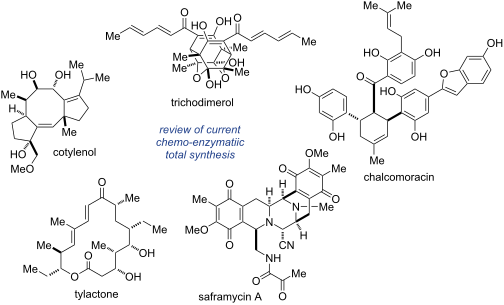
- fractionated cell cultures of M. alba with 49 was followed by irradiation with 365 nm light to generate reactive carbene from diazirine. This sequence allowed the formation of covalent bonds between the synthetic probe and binding proteins. The resulting mixture was subjected to a copper-catalyzed click

Graphical Abstract

Scheme 1: Targeted natural products and key enzymatic transformations in the chemo-enzymatic total syntheses ...

Scheme 2: Biosynthetic pathway to brassicicenes in Pseudocercospora fijiensis [14]. (A) Cyclization phase catalyz...

Scheme 3: Chemo-enzymatic total synthesis of cotylenol (1) and brassicicenes. (A) Chemical cyclization phase....
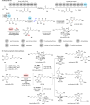
Scheme 4: (A) Biosynthetic pathway for trichodimerol (2) in Penicillium chrysogenum. (B) Chemo-enzymatic tota...
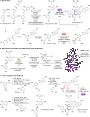
Scheme 5: (A) Proposed biosynthetic pathway for chalcomoracin (3) in Morus alba. (B) Outline of the biosynthe...

Scheme 6: (A) Chemo-enzymatically synthesized natural products by using the originally identified MaDA. (B) M...

Scheme 7: Proposed biosynthetic mechanism of tylactone (4) in Streptomyces fradiae.

Scheme 8: (A) Chemical synthesis and cascade enzymatic transformations of cyclization precursors. (B) Late-st...

Scheme 9: Proposed biosynthetic mechanism of saframycin A (5) in Streptomyces lavendulae.

Scheme 10: (A) Chemo-enzymatic total synthesis of saframycin A (5) and jorunnamycin A (103). (B) Chemo-enzymat...
Synthesis of substituted triazole–pyrazole hybrids using triazenylpyrazole precursors
- Simone Gräßle,
- Laura Holzhauer,
- Nicolai Wippert,
- Olaf Fuhr,
- Martin Nieger,
- Nicole Jung and
- Stefan Bräse
Beilstein J. Org. Chem. 2024, 20, 1396–1404, doi:10.3762/bjoc.20.121
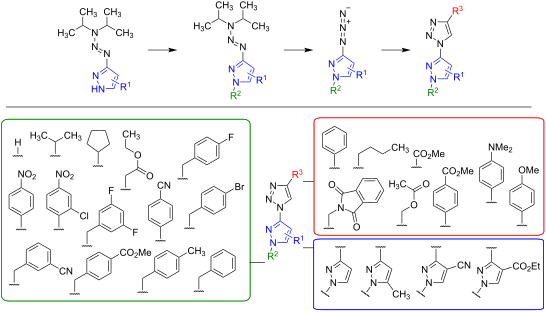
- the triazole unit via a copper-catalyzed azide–alkyne cycloaddition. The developed methodology was used to synthesize a library of over fifty new multi-substituted pyrazole–triazole hybrids. We also demonstrate a one-pot strategy that renders the isolation of potentially hazardous azides obsolete. In
- cholerae [13], show antimicrobial properties [14], and can act as P2X7 antagonists, a receptor involved in neuroinflammation and depression [15]. Pyrazolyltriazoles are most easily obtained via the copper-catalyzed azide–alkyne cycloaddition (CuAAC) from pyrazolyl azides (7 and 8). These are usually
- aromatic and aliphatic alkynes 20a–h in a copper-catalyzed azide–alkyne cycloaddition (CuAAC). All attempted reactions could be conducted under standard conditions using copper sulfate and sodium ascorbate in THF/water (depicted in Scheme 3 and Figure 2). For selected derivatives, 21sd and 21vg, crystals

Graphical Abstract

Figure 1: Biologically active pyrazole–triazole hybrids 1–4: inhibitory effect on cholera bacteria [13], antimicr...

Scheme 1: Literature-reported synthetic routes to pyrazole–triazole hybrids: synthesis of azides 7 or 8 from ...

Scheme 2: Synthesis of pyrazolyl azides 19a–v via cleavage of the protecting triazene moiety. For compounds 1...

Scheme 3: Synthesis of pyrazole–triazole hybrids via CuAAC and ORTEP diagrams of triazole products 21sd and 2...
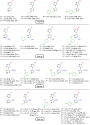
Figure 2: Synthesized triazole–pyrazole hybrids 21aa–vg.

Scheme 4: One-pot synthesis of triazole–pyrazole hybrid 21gd. aOne-pot setup yielded 21gd with unknown impuri...

Scheme 5: Solid-phase synthesis of azidopyrazole 19g and triazole–pyrazole hybrid 21gd by immobilization of a...
Competing electrophilic substitution and oxidative polymerization of arylamines with selenium dioxide
- Vishnu Selladurai and
- Selvakumar Karuthapandi
Beilstein J. Org. Chem. 2024, 20, 1221–1235, doi:10.3762/bjoc.20.105
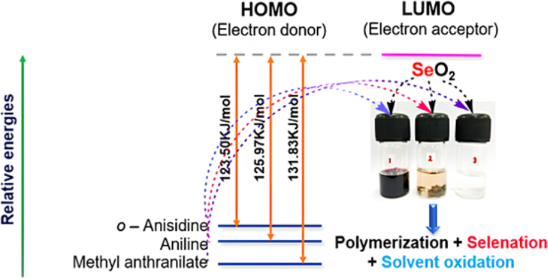
- interest [12][13]. The various approaches used for selenation of aromatic compounds include directed lithiation [14][15], copper-catalyzed selenation [16][17][18], and aromatic nucleophilic substitution reactions [19][20][21][22]. Electrophilic selenium reagents (e.g., phenylselenenyl bromide) have often

Graphical Abstract

Scheme 1: Reported synthetic methods for the selenation of aromatic compounds.

Scheme 2: Reaction of selenium dioxide with aniline.

Scheme 3: Reaction of selenium dioxide with o-anisidine.

Scheme 4: Reaction of methyl anthranilate with SeO2.

Scheme 5: Reaction mechanism for the formation of diaryl monoselenides.

Scheme 6: Reaction mechanism for the formation of oxamides.

Scheme 7: Reaction mechanism for the formation of quinone 10.

Figure 1: Molecular structure of 3. Thermal ellipsoids drawn at 50% probability. Selected bond lengths (Å): O...

Figure 2: Molecular structure of 9. Thermal ellipsoids drawn at 50% probability. Selected bond lengths (Å): O...

Figure 3: Molecular structure of 13. Thermal ellipsoids drawn at 50% probability. Selected bond lengths (Å): ...

Figure 4: Molecular structure of 10. Thermal ellipsoids drawn at 50% probability. Selected bond lengths (Å) a...

Figure 5: Molecular structure of 11. Thermal ellipsoids drawn at 50% probability. Selected bond angles (°): C...

Figure 6: Molecular structure of 12. Thermal ellipsoids drawn at 50% probability. Selected bond angles (°): C...

Figure 7: Relative energy levels of arylamines and SeO2.

Figure 8: Computationally optimized structure of aniline (a), o-anisidine (b), and methyl anthranilate (c), w...

Scheme 8: Resonance structures for the delocalization of the nitrogen lone pair into the π-system.
The Ugi4CR as effective tool to access promising anticancer isatin-based α-acetamide carboxamide oxindole hybrids
- Carolina S. Marques,
- Aday González-Bakker and
- José M. Padrón
Beilstein J. Org. Chem. 2024, 20, 1213–1220, doi:10.3762/bjoc.20.104
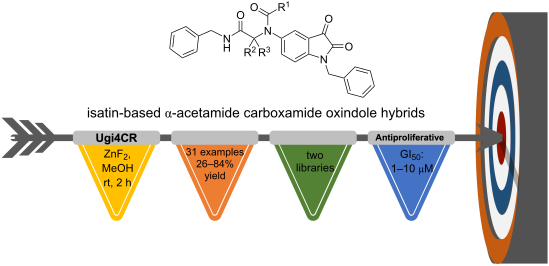
- and Figure 2). Like the oxindole scaffold, 1,2,3-triazole is also considered a privileged unit in drug discovery since compounds having this structure have a broad spectrum of biological activities, and have been widely used to create anticancer drug candidates [24][25]. The copper-catalyzed azide

Graphical Abstract

Figure 1: (A) Accessing libraries of oxindole hybrids using commercially available isatin as starting materia...

Scheme 1: (A) Library of isatin-based α-acetamide carboxamide oxindole derivatives obtained using an Ugi four...
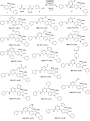
Scheme 2: Library of α-acetamide carboxamide oxindole hybrids 5 accessed via the Ugi4CR.

Figure 2: Carboxylic acids 2 and aldehydes/ketones 3 used in the Ugi4CR.

Scheme 3: Microwave-assisted CuAAC reaction to access α-acetamide carboxamide 1,2,3-triazole oxindole hybrid 7...
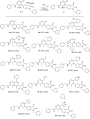
Scheme 4: Library of α-acetamide carboxamide isatin hybrids 8 easy accessed via deprotection reaction on the ...
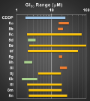
Figure 3: GI50 range plot against human solid tumor cell lines of investigated α-acetamide carboxamide isatin...
Ortho-ester-substituted diaryliodonium salts enabled regioselective arylocyclization of naphthols toward 3,4-benzocoumarins
- Ke Jiang,
- Cheng Pan,
- Limin Wang,
- Hao-Yang Wang and
- Jianwei Han
Beilstein J. Org. Chem. 2024, 20, 841–851, doi:10.3762/bjoc.20.76
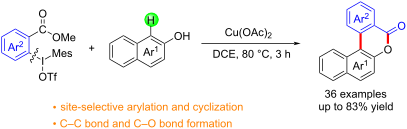
- diaryliodonium salts in a cascade cyclization, the cyclization features a copper-catalyzed activation strategy involving the cleavage of the C–I bond and esterification. The resulting cascade of selective arylation/intramolecular cyclization facilitated the synthesis of 3,4-benzocoumarin derivatives. The

Graphical Abstract

Scheme 1: Arylation reactions of aromatic compounds and reaction patterns of ortho-functionalized diaryliodon...

Scheme 2: Mechanism study. Standard conditions: 1 (0.3 mmol, 1 equiv), 2 (0.33 mmol, 1.1 equiv), Cu(OAc)2 (10...
Copper-catalyzed multicomponent reaction of β-trifluoromethyl β-diazo esters enabling the synthesis of β-trifluoromethyl N,N-diacyl-β-amino esters
- Youlong Du,
- Haibo Mei,
- Ata Makarem,
- Ramin Javahershenas,
- Vadim A. Soloshonok and
- Jianlin Han
Beilstein J. Org. Chem. 2024, 20, 212–219, doi:10.3762/bjoc.20.21
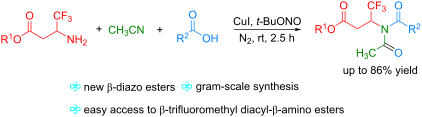
- General procedure for copper-catalyzed multicomponent reaction of β-amino esters Into a flask were added amines 1 (0.4 mmol), acids 3 (0.1 mmol), CuI (20 mol %), and CH3CN (2 mL). Then, the mixture was stirred at room temperature under a nitrogen atmosphere and t-BuONO (0.4 mmol) was added dropwise
- IKERBASQUE, Basque Foundation for Science, Alameda Urquijo 36-5, Plaza Bizkaia, 48011 Bilbao, Spain 10.3762/bjoc.20.21 Abstract An efficient multicomponent reaction of newly designed β-trifluoromethyl β-diazo esters, acetonitrile, and carboxylic acids via an interrupted esterification process under copper
- -catalyzed conditions has been developed, which affords various unsymmetrical β-trifluoromethyl N,N-diacyl-β-amino esters in good to excellent yields. The reaction features mild conditions, a wide scope of β-amino esters and carboxylic acids, and also applicability to large-scale synthesis, thus providing an

Graphical Abstract

Scheme 1: Mumm-type rearrangement of diazo compounds.
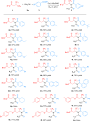
Scheme 2: Substrate scope study of this Cu-catalyzed reaction.

Scheme 3: Control experiments.

Scheme 4: Proposed reaction mechanism.

Scheme 5: Scale-up synthesis.
Metal-catalyzed coupling/carbonylative cyclizations for accessing dibenzodiazepinones: an expedient route to clozapine and other drugs
- Amina Moutayakine and
- Anthony J. Burke
Beilstein J. Org. Chem. 2024, 20, 193–204, doi:10.3762/bjoc.20.19
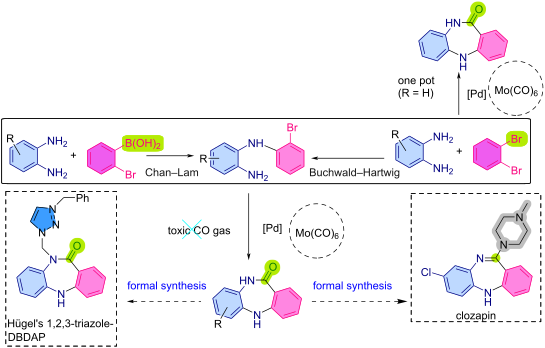
- (DBDAPs) is disclosed in this article through a palladium and copper-catalyzed amination (Buchwald–Hartwig (B–H) or Chan–Lam (C–L)) followed by a palladium-catalyzed intramolecular aminocarbonylation with Mo(CO)6 as CO surrogate (to avoid toxic CO handling) of readily available o-phenylenediamines and
- diverse dibenzodiazepinones via a copper-catalyzed C–N bond coupling between 2-halobenzoates and o-phenylenediamines leading to a key intermediate that undergoes an intramolecular N-acylation to afford the corresponding dibenzodiazepinone structure in high yields (Scheme 1b) [14]. Another innovative
- approach in the case of the synthesis 4a (47% vs 41%). Our mechanistic proposal is based on the information in previous reports by the groups of Bose [28], Watson [29], and Stahl [30]. Mechanistically, under basic conditions, the reaction is triggered by copper-catalyzed activation of o-phenylenediamine

Graphical Abstract

Figure 1: Biologically active dibenzodiazepinones.

Scheme 1: Different synthetic routes to DBDAPs (a–c), including our novel approach (d).

Scheme 2: One-pot synthesis of 5H-dibenzo[b,e][1,4]diazepin-11-ol (5).

Scheme 3: Scope of the Chan–Lam coupling between o-phenylenediamines and 2-bromophenylboronic acids (please n...

Scheme 4: Scope of the synthesis of DBDAPs. Please note that product 4g contained some unidentified impuritie...

Scheme 5: Proposed mechanism.
Copper-promoted C5-selective bromination of 8-aminoquinoline amides with alkyl bromides
- Changdong Shao,
- Chen Ma,
- Li Li,
- Jingyi Liu,
- Yanan Shen,
- Chen Chen,
- Qionglin Yang,
- Tianyi Xu,
- Zhengsong Hu,
- Yuhe Kan and
- Tingting Zhang
Beilstein J. Org. Chem. 2024, 20, 155–161, doi:10.3762/bjoc.20.14
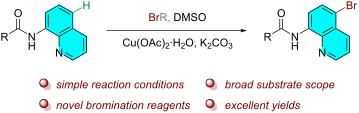
- -scale use. Therefore, novel bromination reagents and simple bromination approaches are still required to be established. Very recently, we reported a copper-catalyzed C5-bromination and difluoromethylation reaction of 8-aminoquinolines using ethyl bromodifluoroacetate as bifunctional reagent [30] and

Graphical Abstract

Scheme 1: Methods for the C5-selective bromination of 8-aminoquinoline amides.

Scheme 2: Substrate scope of the 8-aminoquinoline amides. Reaction conditions: 1 (0.2 mmol), 2a (0.8 mmol), C...

Scheme 3: Substrate scope of the bromoalkanes. Reaction conditions: 1a (0.2 mmol), 2 (0.8 mmol), Cu(OAc)2·H2O...

Scheme 4: Further substrate scope investigations and gram-scale application.

Scheme 5: Control experiments and proposed mechanism.
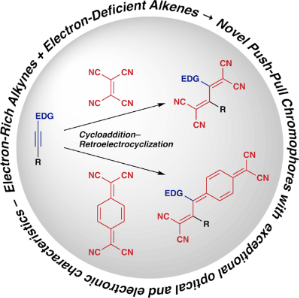
Perspectives on push–pull chromophores derived from click-type [2 + 2] cycloaddition–retroelectrocyclization reactions of electron-rich alkynes and electron-deficient alkenes
- Michio Yamada
Beilstein J. Org. Chem. 2024, 20, 125–154, doi:10.3762/bjoc.20.13
- wormlike nanoparticles. In rotaxanes, the utilization of metal–ligand bonding involving CuI is a common strategy for immobilizing a thread moiety within a macrocycle. However, the efficacy of such a bonding is compromised when catalysts are used in stoppering reactions, e.g., the copper-catalyzed azide

Graphical Abstract

Scheme 1: Pathway of the [2 + 2] CA–RE reaction of an electron-rich alkyne with TCNE or TCNQ. EDG = electron-...

Scheme 2: Reaction pathway for DMA-appended acetylene and TCNEO.

Scheme 3: Pathway of the [2 + 2] CA–RE reaction between 1 and DCFs.

Scheme 4: Sequential double [2 + 2] CA–RE reactions between 1 and TCNE.

Scheme 5: Divergent chemical transformation pathways of TCBD 6.

Scheme 6: Synthesis of 12.

Scheme 7: [2 + 2] CA–RE reaction of 1 with 14. TCE = 1,1,2,2-tetrachloroethane.

Scheme 8: Autocatalytic model proposed by Nielsen et al.

Scheme 9: Synthesis of anthracene-embedded TCBD compound 19.

Scheme 10: Sequence of the [2 + 2] CA–RE reaction between dibenzo-fused cyclooctyne or cyclooctadiyne and TCNE...

Scheme 11: [2 + 2] CA–RE reaction between the CPP derivatives and TCNE. THF = tetrahydrofuran.

Scheme 12: [2 + 2] CA–RE reaction between ethynylfullerenes 31 and TCNE and subsequent thermal rearrangement.

Scheme 13: Pathway of the [2 + 2] CA–RE reaction between TCNE and 34, followed by additional skeletal transfor...

Scheme 14: Synthesis scheme for heterocycle 38 from the reaction between TCNE and 1 in water and a surfactant.

Scheme 15: Synthesis scheme of the CDA product 41.

Scheme 16: Synthesis of rotaxanes 44 and 46 via the [2 + 2] CA–RE reaction.

Scheme 17: Synthesis of a CuI bisphenanthroline-based rotaxane 50.

Figure 1: Structures of the chiral push–pull chromophores 51–56.

Figure 2: Structures of the axially chiral TCBD 57 and DCNQ 58 bearing a C60 core.

Figure 3: Structures of the axially chiral SubPc–TCBD–aniline conjugates 59 and 60 and the subporphyrin–TCBD–...

Figure 4: Structures of 63 and the TCBD 64.

Figure 5: Structures of the fluorophore-containing TCBDs 65–67.

Figure 6: Structures of the fluorophore-containing TCBDs 68–72.

Figure 7: Structures of the urea-containing TCBDs 73–75.

Figure 8: Structures of the fullerene–TCBD and DCNQ conjugates 76–79 and their reference compounds 80–83.

Figure 9: Structures of the ZnPc–TCBD–aniline conjugates 84 and 85.

Figure 10: Structures of the ZnP–PCBD and TCBD conjugates 86–88.

Figure 11: Structures of the porphyrin-based donor–acceptor conjugates (89–104).

Figure 12: Structures of the porphyrin–PTZ or DMA conjugates 105–112.

Figure 13: Structures of the BODIPY–Acceptor–TPA or PTZ conjugates 113–116.

Figure 14: Structures of the corrole–TCBD conjugates 117 and 118.

Figure 15: Structure of the dendritic TCBD 119.

Figure 16: Structures of the TCBDs 120–126.

Figure 17: Structures of the precursor 127 and TCBDs 128–130.

Figure 18: Structures of 131–134 utilized for BHJ OSCs.
Selectivity control towards CO versus H2 for photo-driven CO2 reduction with a novel Co(II) catalyst
- Lisa-Lou Gracia,
- Philip Henkel,
- Olaf Fuhr and
- Claudia Bizzarri
Beilstein J. Org. Chem. 2023, 19, 1766–1775, doi:10.3762/bjoc.19.129
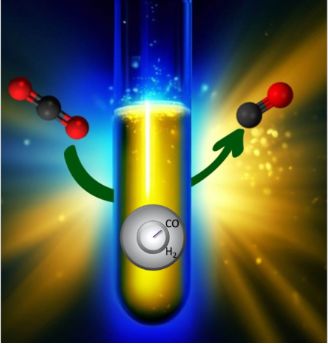
- complex obtainable via a straightforward synthesis, with improved solubility, concerning our previous Co(II) complexes [21]. Thus, the new Co(II) complex bears two 1-benzyl-4-(quinolin-2-yl)-1H-1,2,3-triazole (BzQuTr) units, that were obtained through a copper-catalyzed alkyne–azide cycloaddition (CuAAC

Graphical Abstract

Figure 1: Chemical structures of the molecular components used in this work: Co(II) complex 1 as the novel ca...

Figure 2: ORTEP drawing of crystal polymorph 1a (left) and 1b (right), shown at the 50% probability level. Hy...

Figure 3: UV–vis absorbance of complex 1 in DMA. Inset: zoom-in of the 500–800 nm range to visualize the low-...

Figure 4: Cyclic voltammetry of complex 1 in 0.1 M TBAPF6 solution of (a) DMA and (b) DMA/TEOA 5:1 (v/v). Bla...

Figure 5: Time evolution of CO (blue squares) and H2 (red triangles) with the power functional fitting (blue ...

Scheme 1: Proposed mechanism for the photoinduced reduction of carbon dioxide with the system presented in th...
Lewis acid-promoted direct synthesis of isoxazole derivatives
- Dengxu Qiu,
- Chenhui Jiang,
- Pan Gao and
- Yu Yuan
Beilstein J. Org. Chem. 2023, 19, 1562–1567, doi:10.3762/bjoc.19.113

- reported [16]. In 2015, Yang’s group [10][17] reported the copper-catalyzed conversion of methylarenes into isoxazole derivatives with KNO3 as the source of nitrile oxide (Scheme 1, reaction 1). In 2019, Deng’s group [18] developed a three-component synthesis method of isoxazole derivatives using TBN as

Graphical Abstract

Figure 1: Natural products and drug molecules containing isoxazole moieties.

Scheme 1: Traditional methods for the synthesis of isoxazoles and the current approach.

Scheme 2: Reaction scope of alkynes. Conditions: 1 (0.1 mmol, 1 equiv), 2a (0.2 mmol, 2 equiv), AlCl3 (0.3 mm...

Figure 2: Crystal structure of 3i.

Scheme 3: Reaction substrate scope of quinolines. Conditions: 1a (0.1 mmol, 1 equiv), 2 (0.2 mmol, 2 equiv), ...

Scheme 4: Gram scale reaction.

Scheme 5: Control experiments and possible reaction mechanism.
N-Sulfenylsuccinimide/phthalimide: an alternative sulfenylating reagent in organic transformations
- Fatemeh Doraghi,
- Seyedeh Pegah Aledavoud,
- Mehdi Ghanbarlou,
- Bagher Larijani and
- Mohammad Mahdavi
Beilstein J. Org. Chem. 2023, 19, 1471–1502, doi:10.3762/bjoc.19.106
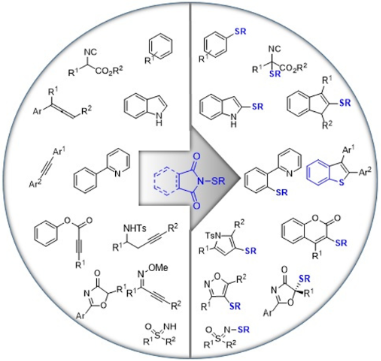
- functionalization of aryl C(sp2)–H bonds. FeCl3-catalyzed carbosulfenylation of unactivated alkenes. Copper-catalyzed electrophilic thiolation of organozinc halides. h-BN@Copper(II) nanomaterial catalyzed cross-coupling reaction of sulfoximines and N‑(arylthio)succinimide. AlCl3‑mediated cyclization and

Graphical Abstract

Scheme 1: Sulfur-containing bioactive molecules.

Scheme 2: Scandium-catalyzed synthesis of thiosulfonates.

Scheme 3: Palladium-catalyzed aryl(alkyl)thiolation of unactivated arenes.

Scheme 4: Catalytic cycle for Pd-catalyzed aryl(alkyl)thiolation of unactivated arenes.

Scheme 5: Iron- or boron-catalyzed C–H arylthiation of substituted phenols.

Scheme 6: Iron-catalyzed azidoalkylthiation of alkenes.

Scheme 7: Plausible mechanism for iron-catalyzed azidoalkylthiation of alkenes.

Scheme 8: BF3·Et2O‑mediated electrophilic cyclization of aryl alkynoates.

Scheme 9: Tentative mechanism for BF3·Et2O‑mediated electrophilic cyclization of aryl alkynoates.

Scheme 10: Construction of 6-substituted benzo[b]thiophenes.

Scheme 11: Plausible mechanism for construction of 6-substituted benzo[b]thiophenes.

Scheme 12: AlCl3‑catalyzed cyclization of N‑arylpropynamides with N‑sulfanylsuccinimides.

Scheme 13: Synthetic utility of AlCl3‑catalyzed cyclization of N‑arylpropynamides with N‑sulfanylsuccinimides.

Scheme 14: Sulfenoamination of alkenes with sulfonamides and N-sulfanylsuccinimides.

Scheme 15: Lewis acid/Brønsted acid controlled Pd-catalyzed functionalization of aryl C(sp2)–H bonds.

Scheme 16: Possible mechanism for Lewis acid/Brønsted acid controlled Pd-catalyzed functionalization of aryl C...

Scheme 17: FeCl3-catalyzed carbosulfenylation of unactivated alkenes.

Scheme 18: Copper-catalyzed electrophilic thiolation of organozinc halides.

Scheme 19: h-BN@Copper(II) nanomaterial catalyzed cross-coupling reaction of sulfoximines and N‑(arylthio)succ...

Scheme 20: AlCl3‑mediated cyclization and sulfenylation of 2‑alkyn-1-one O‑methyloximes.

Scheme 21: Lewis acid-promoted 2-substituted cyclopropane 1,1-dicarboxylates with sulfonamides and N-(arylthio...

Scheme 22: Lewis acid-mediated cyclization of β,γ-unsaturated oximes and hydrazones with N-(arylthio/seleno)su...

Scheme 23: Credible pathway for Lewis acid-mediated cyclization of β,γ-unsaturated oximes with N-(arylthio)suc...

Scheme 24: Synthesis of 4-chalcogenyl pyrazoles via chalcogenation/cyclization of α,β-alkynic hydrazones.

Scheme 25: Controllable synthesis of 3-thiolated pyrroles and pyrrolines.

Scheme 26: Possible mechanism for controllable synthesis of 3-thiolated pyrroles and pyrrolines.

Scheme 27: Co-catalyzed C2-sulfenylation and C2,C3-disulfenylation of indole derivatives.

Scheme 28: Plausible catalytic cycle for Co-catalyzed C2-sulfenylation and C2,C3-disulfenylation of indoles.

Scheme 29: C–H thioarylation of electron-rich arenes by iron(III) triflimide catalysis.

Scheme 30: Difunctionalization of alkynyl bromides with thiosulfonates and N-arylthio succinimides.·

Scheme 31: Suggested mechanism for difunctionalization of alkynyl bromides with thiosulfonates and N-arylthio ...

Scheme 32: Synthesis of thioesters, acyl disulfides, ketones, and amides by N-thiohydroxy succinimide esters.

Scheme 33: Proposed mechanism for metal-catalyzed selective acylation and acylthiolation.

Scheme 34: AlCl3-catalyzed synthesis of 3,4-bisthiolated pyrroles.

Scheme 35: α-Sulfenylation of aldehydes and ketones.

Scheme 36: Acid-catalyzed sulfetherification of unsaturated alcohols.

Scheme 37: Enantioselective sulfenylation of β-keto phosphonates.

Scheme 38: Organocatalyzed sulfenylation of 3‑substituted oxindoles.

Scheme 39: Sulfenylation and chlorination of β-ketoesters.

Scheme 40: Intramolecular sulfenoamination of olefins.

Scheme 41: Plausible mechanism for intramolecular sulfenoamination of olefins.

Scheme 42: α-Sulfenylation of 5H-oxazol-4-ones.

Scheme 43: Metal-free C–H sulfenylation of electron-rich arenes.

Scheme 44: TFA-promoted C–H sulfenylation indoles.
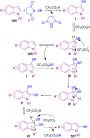
Scheme 45: Proposed mechanism for TFA-promoted C–H sulfenylation indoles.

Scheme 46: Organocatalyzed sulfenylation and selenenylation of 3-pyrrolyloxindoles.

Scheme 47: Organocatalyzed sulfenylation of S-based nucleophiles.

Scheme 48: Conjugate Lewis base Brønsted acid-catalyzed sulfenylation of N-heterocycles.

Scheme 49: Mechanism for activation of N-sulfanylsuccinimide by conjugate Lewis base Brønsted acid catalyst.

Scheme 50: Sulfenylation of deconjugated butyrolactams.

Scheme 51: Intramolecular sulfenofunctionalization of alkenes with phenols.

Scheme 52: Organocatalytic 1,3-difunctionalizations of Morita–Baylis–Hillman carbonates.

Scheme 53: Organocatalytic sulfenylation of β‑naphthols.

Scheme 54: Acid-promoted oxychalcogenation of o‑vinylanilides with N‑(arylthio/arylseleno)succinimides.

Scheme 55: Lewis base/Brønsted acid dual-catalytic C–H sulfenylation of aryls.

Scheme 56: Lewis base-catalyzed sulfenoamidation of alkenes.

Scheme 57: Cyclization of allylic amide using a Brønsted acid and tetrabutylammonium chloride.

Scheme 58: Catalytic electrophilic thiocarbocyclization of allenes with N-thiosuccinimides.

Scheme 59: Suggested mechanism for electrophilic thiocarbocyclization of allenes with N-thiosuccinimides.

Scheme 60: Chiral chalcogenide-catalyzed enantioselective hydrothiolation of alkenes.

Scheme 61: Proposed mechanism for chalcogenide-catalyzed enantioselective hydrothiolation of alkenes.

Scheme 62: Organocatalytic sulfenylation for synthesis a diheteroatom-bearing tetrasubstituted carbon centre.

Scheme 63: Thiolative cyclization of yne-ynamides.

Scheme 64: Synthesis of alkynyl and acyl disulfides from reaction of thiols with N-alkynylthio phthalimides.

Scheme 65: Oxysulfenylation of alkenes with 1-(arylthio)pyrrolidine-2,5-diones and alcohols.

Scheme 66: Arylthiolation of arylamines with (arylthio)-pyrrolidine-2,5-diones.

Scheme 67: Catalyst-free isothiocyanatoalkylthiation of styrenes.

Scheme 68: Sulfenylation of (E)-β-chlorovinyl ketones toward 3,4-dimercaptofurans.

Scheme 69: HCl-promoted intermolecular 1, 2-thiofunctionalization of aromatic alkenes.

Scheme 70: Possible mechanism for HCl-promoted 1,2-thiofunctionalization of aromatic alkenes.

Scheme 71: Coupling reaction of diazo compounds with N-sulfenylsuccinimides.

Scheme 72: Multicomponent reactions of disulfides with isocyanides and other nucleophiles.

Scheme 73: α-Sulfenylation and β-sulfenylation of α,β-unsaturated carbonyl compounds.
Application of N-heterocyclic carbene–Cu(I) complexes as catalysts in organic synthesis: a review
- Nosheen Beig,
- Varsha Goyal and
- Raj K. Bansal
Beilstein J. Org. Chem. 2023, 19, 1408–1442, doi:10.3762/bjoc.19.102
- of imidazolium salt 109 (R1 = iBu) resulted in the highest level of stereoinduction for the conjugate addition of EtMgBr to 3-methylcyclohexenone. 2.2.2 Reaction with organoaluminum reagents: Hoveyda and co-workers [60] investigated the NHC–copper-catalyzed asymmetric conjugate addition of alkyl- and

Graphical Abstract

Scheme 1: In situ generation of imidazolylidene carbene.

Scheme 2: Hg(II) complex of NHC.

Scheme 3: Isolable and bottlable carbene reported by Arduengo [3].

Scheme 4: First air-stable carbene synthesized by Arduengo in 1992 [5].

Figure 1: General structure of an NHC.

Figure 2: Stabilization of an NHC by donation of the lone pair electrons into the vacant p-orbital (LUMO) at ...

Figure 3: Abnormal NHC reported by Bertrand [8,9].

Figure 4: Cu(d) orbital to σ*C-N(NHC) interactions in NHC–CuX complexes computed at the B3LYP/def2-SVP level ...
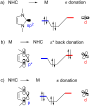
Figure 5: Molecular orbital contributions to the NHC–metal bond.

Scheme 5: Synthesis of NHC–Cu(I) complexes by deprotonation of NHC precursors with a base.

Scheme 6: Synthesis of [NHC–CuX] complexes.

Scheme 7: Synthesis of [(ICy)CuX] and [(It-Bu)CuX] complexes.

Scheme 8: Synthesis of iodido-bridged copper–NHC complexes by deprotonation of benzimidazolium salts reported...

Scheme 9: Synthesis of copper complexes by deprotonation of triazolium salts.

Scheme 10: Synthesis of thiazolylidene–Cu(I) complex by deprotonation with KOt-Bu.

Scheme 11: Preparation of NHC–Cu(I) complexes.

Scheme 12: Synthesis of methylmalonic acid-derived anionic [(26a,b)CuCl]Li(THF)2 and zwitterionic (28) heterol...

Scheme 13: Synthesis of diaminocarbene and diamidocarbene (DAC)–Cu(I) complexes.

Scheme 14: Synthesis of the cationic (NHC)2Cu(I) complex 39 from benzimidazolium salts 38 with tetrakis(aceton...

Scheme 15: Synthesis of NHC and ADC (acyclic diamino carbenes) Cu(I) hexamethyldisilazide complexes reported b...

Scheme 16: Synthesis of NHC–copper(I) complexes using an acetylacetonate-functionalized imidazolium zwitterion...

Scheme 17: Synthesis of NHC–Cu(I) complexes through deprotonation of azolium salts with Cu2O.

Scheme 18: Synthesis of NHC–CuBr complex through deprotonation with Cu2O reported by Kolychev [31].

Scheme 19: Synthesis of chiral NHC–CuBr complexes from phenoxyimine-imidazolium salts reported by Douthwaite a...

Scheme 20: Preparation of linear neutral NHC–CuCl complexes through the use of Cu2O. For abbreviations, please...

Scheme 21: Synthesis of abnormal-NHC–copper(I) complexes by Bertrand, Cazin and co-workers [35].

Scheme 22: Microwave-assisted synthesis of thiazolylidene/benzothiazolylidene–CuBr complexes by Bansal and co-...

Scheme 23: Synthesis of NHC–CuX complexes through transmetallation.

Scheme 24: Preparation of six- or seven-membered NHC–Cu(I) complexes through transmetalation from Ag(I) comple...

Scheme 25: Synthesis of 1,2,3-triazolylidene–CuCl complexes through transmetallation of Ag(I) complexes genera...

Scheme 26: Synthesis of NHC–copper complexes having both Cu(I) and Cu(II) units through transmetalation report...

Scheme 27: Synthesis of new [(IPr(CH2)3Si(OiPr)3)CuX] complexes and anchoring on MCM-41.

Scheme 28: Synthesis of bis(trimethylsilyl)phosphide–Cu(I)–NHC complexes through ligand displacement.

Scheme 29: Synthesis of silyl- and stannyl [(NHC)Cu−ER3] complexes.

Scheme 30: Synthesis of amido-, phenolato-, thiophenolato–Cu(NHC) complexes.

Scheme 31: Synthesis of first isolable NHC–Cu–difluoromethyl complexes reported by Sanford et al. [44].

Scheme 32: Synthesis of NHC–Cu(I)–bifluoride complexes reported by Riant, Leyssens and co-workers [45].

Scheme 33: Conjugate addition of Et2Zn to enones catalyzed by an NHC–Cu(I) complex reported by Woodward in 200...

Scheme 34: Hydrosilylation of a carbonyl group.

Scheme 35: NHC–Cu(I)-catalyzed hydrosilylation of ketones reported by Nolan et al. [48,49].

Scheme 36: Application of chiral NHC–CuCl complex 104 for the enantioselective hydrosilylation of ketones.

Scheme 37: Hydrosilylation reactions catalyzed by NHC–Cu(Ot-Bu) complexes.

Scheme 38: NHC–CuCl catalyzed carbonylative silylation of alkyl halides.

Scheme 39: Nucleophilic conjugate addition to an activated C=C bond.

Figure 6: Molecular electrostatic potential maps (MESP) of two NHC–CuX complexes computed at the B3LYP/def2-S...

Scheme 40: Conjugate addition of Grignard reagents to 3-alkyl-substituted cyclohexenones catalyzed by a chiral...

Scheme 41: NHC–copper complex-catalyzed conjugate addition of Grignard reagent to 3-substituted hexenone repor...

Scheme 42: Conjugate addition or organoaluminum reagents to β-substituted cyclic enones.

Scheme 43: Conjugate addition of boronates to acyclic α,β-unsaturated carboxylic esters, ketones, and thioeste...

Scheme 44: NHC–Cu(I)-catalyzed hydroboration of an allene reported by Hoveyda [63].

Scheme 45: Conjugate addition of Et2Zn to cyclohexenone catalyzed by NHC–Cu(I) complex derived from benzimidaz...

Scheme 46: Asymmetric conjugate addition of diethylzinc to 3-nonen-2-one catalyzed by NHC–Cu complexes derived...

Scheme 47: General scheme of a [3 + 2] cycloaddition reaction.

Scheme 48: [3 + 2] Cycloaddition of azides with alkynes catalyzed by NHC–Cu(I) complexes reported by Diez-Gonz...

Scheme 49: Application of NHC–CuCl/N-donor combination to catalyze the [3 + 2] cycloaddition of benzyl azide w...

Scheme 50: [3 + 2] Cycloaddition of azides with acetylenes catalyzed by bis(NHC)–Cu complex 131 and mixed NHC–...
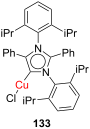
Figure 7: NHC–CuCl complex 133 as catalyst for the [3 + 2] cycloaddition of alkynes with azides at room tempe...

Scheme 51: [3 + 2] Cycloaddition of a bulky azide with an alkynylpyridine using [(NHC)Cu(μ-I)2Cu(NHC)] copper ...

Scheme 52: [3 + 2] Cycloaddition of benzyl azide with phenylacetylene under homogeneous and heterogeneous cata...

Scheme 53: [3 + 2] Cycloaddition of benzyl azide with acetylenes catalyzed by bisthiazolylidene dicopper(I) co...
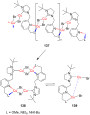
Figure 8: Copper (I)–NHC linear coordination polymer 137 and its conversion into tetranuclear (138) and dinuc...

Scheme 54: An A3 reaction.

Scheme 55: Synthesis of SiO2-immobilized NHC–Cu(I) catalyst 141 and its application in the A3-coupling reactio...

Scheme 56: Preparation of dual-purpose Ru@SiO2–[(NHC)CuCl] catalyst system 142 developed by Bordet, Leitner an...

Scheme 57: Application of the catalyst system Ru@SiO2–[Cu(NHC)] 142 to the one-pot tandem A3 reaction and hydr...

Scheme 58: A3 reaction of phenylacetylene with secondary amines and aldehydes catalyzed by benzothiazolylidene...

Figure 9: Kohn–Sham HOMOs of phenylacetylene and NHC–Cu(I)–phenylacetylene complex computed at the B3LYP/def2...

Figure 10: Energies of the FMOs of phenylacetylene, iminium ion, and NHC–Cu(I)–phenylacetylene complex compute...

Scheme 59: NHC–Cu(I) catalyzed diboration of ketones 147 by reacting with bis(pinacolato)diboron (148) reporte...

Scheme 60: Protoboration of terminal allenes catalyzed by NHC–Cu(I) complexes reported by Hoveyda and co-worke...

Scheme 61: NHC–CuCl-catalyzed borylation of α-alkoxyallenes to give 2-boryl-1,3-butadienes.

Scheme 62: Regioselective hydroborylation of propargylic alcohols and ethers catalyzed by NHC–CuCl complexes 1...

Scheme 63: NHC–CuOt-Bu-catalyzed semihydrogenation and hydroborylation of alkynes.

Scheme 64: Enantioselective NHC–Cu(I)-catalyzed hydroborations of 1,1-disubstituted aryl olefins reported by H...

Scheme 65: Enantioselective NHC–Cu(I)-catalyzed hydroboration of exocyclic 1,1-disubstituted alkenes reported ...

Scheme 66: Markovnikov-selective NHC–CuOH-catalyzed hydroboration of alkenes and alkynes reported by Jones et ...

Scheme 67: Dehydrogenative borylation and silylation of styrenes catalyzed by NHC–CuOt-Bu complexes developed ...

Scheme 68: N–H/C(sp2)–H carboxylation catalyzed by NHC–CuOH complexes.

Scheme 69: C–H Carboxylation of benzoxazole and benzothiazole derivatives with CO2 using a 1,2,3-triazol-5-yli...

Scheme 70: Use of Cu(I) complex derived from diethylene glycol-functionalized imidazo[1,5,a] pyridin-3-ylidene...

Scheme 71: Allylation and alkenylation of polyfluoroarenes and heteroarenes catalyzed by NHC–Cu(I) complexes r...

Scheme 72: Enantioselective C(sp2)–H allylation of (benz)oxazoles and benzothiazoles with γ,γ-disubstituted pr...

Scheme 73: C(sp2)–H arylation of arenes catalyzed by dual NHC–Cu/NHC–Pd catalytic system.

Scheme 74: C(sp2)–H Amidation of (hetero)arenes with N-chlorocarbamates/N-chloro-N-sodiocarbamates catalyzed b...

Scheme 75: NHC–CuI catalyzed thiolation of benzothiazoles and benzoxazoles.
One-pot nucleophilic substitution–double click reactions of biazides leading to functionalized bis(1,2,3-triazole) derivatives
- Hans-Ulrich Reissig and
- Fei Yu
Beilstein J. Org. Chem. 2023, 19, 1399–1407, doi:10.3762/bjoc.19.101
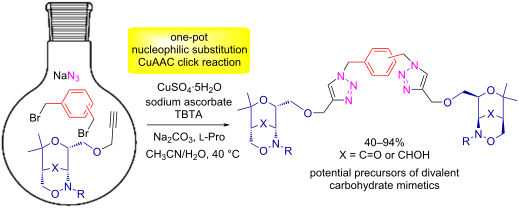
- azide was combined with a subsequent copper-catalyzed (3 + 2) cycloaddition with terminal alkynes. This one-pot process was developed with a simple model alkyne, but then applied to more complex alkynes bearing enantiopure 1,2-oxazinyl substituents. Hence, the precursor compounds 1,2-, 1,3- or 1,4-bis
- discovery of the copper-catalyzed alkyne azide (3 + 2) cycloaddition (CuAAC) [3][4], has dramatically changed the approaches to many problems in chemistry, supramolecular chemistry, materials science, biological chemistry and related fields (selected reviews: [5][6][7][8][9][10][11][12][13][14][15
- situ are possible [23]. Later, examples were published showing that these methods are also compatible with the conditions of CuAAC. The earliest case was probably published by Fokin et al. [24][25], one of the inventors of the original copper-catalyzed (3 + 2) cycloaddition. Many examples of

Graphical Abstract
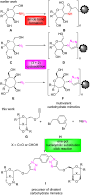
Scheme 1: Earlier approaches to multivalent carbohydrate mimetics B, D or F based on enantiopure aminopyran a...

Scheme 2: Synthesis of model compound 3 under conventional conditions and as a one-pot process employing benz...

Scheme 3: One-pot reaction employing enantiopure alkynyl-substituted 1,2-oxazin-4-one derivative 6 leading to...

Scheme 4: One-pot reactions of dihalides 8 and 11 with sodium azide and alkyne 2 leading to symmetric divalen...

Scheme 5: One-pot reactions employing enantiopure alkynyl-substituted 1,2-oxazin-4-one derivative 6 leading t...

Scheme 6: One-pot reaction employing enantiopure alkynyl-substituted 1,2-oxazin-4-ol derivative 19 leading to...

Scheme 7: Reductive ring-openings of 1,2-oxazine derivatives 19 and 23 as simple model compounds by hydrogeno...

Scheme 8: Attempted reductive ring-openings of compound 21 by hydrogenolysis or by samarium diiodide leading ...
Non-noble metal-catalyzed cross-dehydrogenation coupling (CDC) involving ether α-C(sp3)–H to construct C–C bonds
- Hui Yu and
- Feng Xu
Beilstein J. Org. Chem. 2023, 19, 1259–1288, doi:10.3762/bjoc.19.94
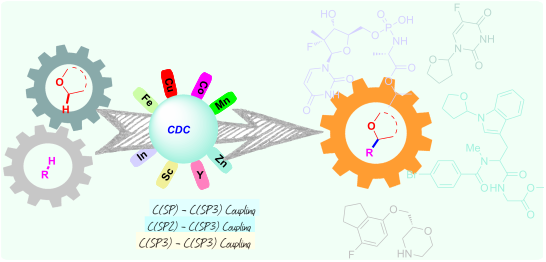
- reactions. Although the range of substrates for different C–H nucleophiles remains restricted, in recent years, copper-catalyzed oxidative coupling reactions between different C–H nucleophiles have been established. There are several common valence changes of copper in the catalytic process [44][45][46][47
- benzothiazole, in which benzothiazole compounds have higher reactivity and regioselectivity than thiazole. In 2014, Lei et al. successfully realized the copper-catalyzed oxidative alkenylation of simple ethers to construct allyl ethers in the presence of di-tert-butyl peroxide and KI (Scheme 10) [60]. The

Graphical Abstract
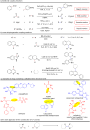
Scheme 1: Research progress of coupling reactions and active compounds containing α-C(sp3)-functionalized eth...

Scheme 2: Transition-metal-catalyzed CDC pathways.

Scheme 3: CDC of active methylene compounds in the α-C(sp3) position of ethers.

Scheme 4: InCl3/Cu(OTf)2/NHPI co-catalyzed CDC reaction.

Scheme 5: CDC of cyclic benzyl ethers with aldehydes.
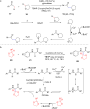
Scheme 6: Cu-catalyzed CDC of (a) unactivated C(sp3)–H ethers with simple ketones and (b) double C(sp3)−H fun...
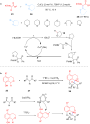
Scheme 7: Cu-catalyzed CDC of C(sp3)–H/C(sp3)–H bonds.

Scheme 8: Cu-catalyzed synthesis of chiral 2-substituted tetrahydropyrans.

Scheme 9: CDC of thiazole with cyclic ethers.

Scheme 10: Cu(I)-catalyzed oxidative alkenylation of simple ethers.

Scheme 11: Cross-dehydrogenation coupling of isochroman C(sp3)–H bonds with anisole C(sp2)–H bonds.

Scheme 12: Pd(OAc)2/Cu(OTf)2-catalyzed arylation of α-C(sp3)–H bonds of ethers.
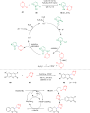
Scheme 13: Cu-catalyzed C(sp3)–H/C(sp2)–H activation strategies to construct C(sp3)–C(sp2) bonds.

Scheme 14: Cu(I)-catalyzed C(sp2)–H alkylation.
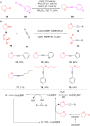
Scheme 15: Cu-catalyzed C(sp3)–H/C(sp)–H activation to construct C(sp3)–C(sp) bonds (H2BIP: 2,6-bis(benzimidaz...

Scheme 16: Fe-catalyzed CDC reaction pathways.

Scheme 17: Fe2(CO)9-catalyzed functionalization of C–H bonds.

Scheme 18: Ligand-promoted Fe-catalyzed CDC reaction of N-methylaniline with ethers.

Scheme 19: Fe-catalyzed CDC of C(sp3)–H/C(sp3)–H bonds.

Scheme 20: Fe-catalyzed hydroalkylation of α,β-unsaturated ketones with ethers.

Scheme 21: Solvent-free Fe(NO3)3-catalyzed CDC of C(sp3)–H/C(sp2)–H bonds.

Scheme 22: Alkylation of disulfide compounds to afford tetrasubstituted alkenes.

Scheme 23: Fe-catalyzed formation of 1,1-bis-indolylmethane derivatives.

Scheme 24: Alkylation of coumarins and flavonoids.

Scheme 25: Direct CDC α-arylation of azoles with ethers.

Scheme 26: CDC of terminal alkynes with C(sp3)–H bonds adjacent to oxygen, sulfur or nitrogen atoms.

Scheme 27: Alkylation of terminal alkynes.

Scheme 28: Co-catalyzed functionalization of glycine esters.
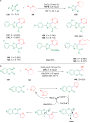
Scheme 29: Co-catalyzed construction of C(sp2)–C(sp3) bonds.

Scheme 30: Co-catalyzed CDC of imidazo[1,2-a]pyridines with isochroman.

Scheme 31: Co-catalyzed C–H alkylation of (benz)oxazoles with ethers.

Scheme 32: Cobalt-catalyzed CDC between unactivated C(sp2)–H and C(sp3)–H bonds.

Scheme 33: MnO2-catalyzed CDC of the inactive C(sp3)-H.

Scheme 34: Oxidative cross-coupling of ethers with enamides.

Scheme 35: Ni(II)-catalyzed CDC of indoles with 1,4-dioxane.

Scheme 36: Chemo- and regioselective ortho- or para-alkylation of pyridines.

Scheme 37: Asymmetric CDC of 3,6-dihydro-2H-pyrans with aldehydes.

Scheme 38: CDC of heterocyclic aromatics with ethers.

Scheme 39: Indium-catalyzed alkylation of DHPs with 1,3-dicarbonyl compounds.

Scheme 40: Rare earth-metal-catalyzed CDC reaction.

Scheme 41: Visible-light-driven CDC of cycloalkanes with benzazoles.

Scheme 42: Photoinduced alkylation of quinoline with cyclic ethers.

Scheme 43: Photocatalyzed CDC reactions between α-C(sp3)–H bonds of ethers and C(sp2)–H bonds of aromatics.
Exploring the role of halogen bonding in iodonium ylides: insights into unexpected reactivity and reaction control
- Carlee A. Montgomery and
- Graham K. Murphy
Beilstein J. Org. Chem. 2023, 19, 1171–1190, doi:10.3762/bjoc.19.86
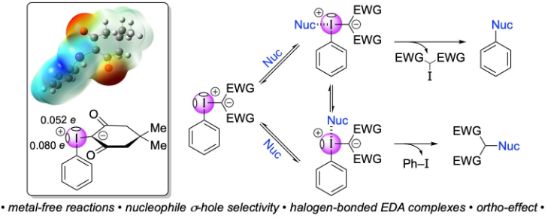
- their rhodium- and copper-catalyzed reactions (Scheme 2c) [116]. These results were in stark contrast to those observed for the ylide’s diazo counterparts, which did not react without a catalyst, and which gave the opposite diastereoselectivity with copper and rhodium. Inspired by ionic pathways

Graphical Abstract

Figure 1: Generic representation of halogen bonding.

Figure 2: Quantitative evaluation of σ-holes in monovalent iodine-containing compounds; and, qualitative mole...
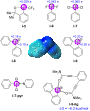
Figure 3: Quantitative evaluation of σ-holes in hypervalent iodine-containing molecules; and, qualitative MEP...

Figure 4: Quantitative evaluation of σ-holes in iodonium ylides; and, qualitative MEP map of I-12 from −0.083...

Scheme 1: Outline of possible reaction pathways between iodonium ylides and Lewis basic nucleophiles (top); a...

Scheme 2: Metal-free cyclopropanations of iodonium ylides, either as intermolecular (a) or intramolecular pro...

Figure 5: Zwitterionic mechanism for intramolecular cyclopropanation of iodonium ylides (left); and, stepwise...

Scheme 3: Metal-free intramolecular cyclopropanation of iodonium ylides.

Figure 6: Concerted cycloaddition pathway for the metal-free, intramolecular cyclopropanation of iodonium yli...

Scheme 4: Reaction of ylide 6 with diphenylketene to form lactone 24 and 25.

Figure 7: Nucleophilic (top) and electrophilic (bottom) addition pathways proposed by Koser and Hadjiarapoglo...

Scheme 5: Indoline synthesis from acyclic iodonium ylide 31 and tertiary amines.

Scheme 6: N-Heterocycle synthesis from acyclic iodonium ylide 31 and secondary amines.

Figure 8: Proposed mechanism for the formation of 33a from iodonium ylides and amines, involving an initial h...

Scheme 7: Indoline synthesis from acyclic iodonium ylides 39 and tertiary amines under blue light photocataly...

Scheme 8: Metal-free cycloproponation of iodonium ylides under blue LED irradiation. aUsing trans-β-methylsty...

Figure 9: Proposed mechanism of the cyclopropanation between iodonium ylides and alkenes under blue LED irrad...

Scheme 9: Formal C–H alkylation of iodonium ylides by nucleophilic heterocycles under blue LED irradiation.

Figure 10: Proposed mechanism of the formal C–H insertion of pyrrole under blue LED irradiation.

Scheme 10: X–H insertions between iodonium ylides and carboxylic acids, phenols and thiophenols.

Figure 11: Mechanistic proposal for the X–H insertion reactions of iodonium ylides.

Scheme 11: Radiofluorination of biphenyl using iodonium ylides 54a–e derived from various β-dicarbonyl auxilia...

Scheme 12: Radiofluorination of arenes using spirocycle-derived iodonium ylides 56.

Scheme 13: Radiofluorination of arenes using SPIAd-derived iodonium ylides 58.

Figure 12: Calculated reaction coordinate for the radiofluorination of iodonium ylide 60.
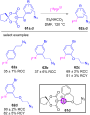
Scheme 14: Radiofluorination of iodonium ylides possessing various ortho- and para-substituents on the iodoare...

Figure 13: Difference in Gibbs activation energy for ortho- or para-anisyl derived iodonium ylides 63a and 63b....

Figure 14: Proposed equilibration of intermediates to transit between 64a (the initial adduct formed between 6...

Scheme 15: Comparison of 31 and ortho-methoxy iodonium ylide 39 in rhodium-catalyzed cyclopropanation and cycl...

Figure 15: X-ray crystal structure of dimeric 39 [6], (CCDC# 893474) [143,144].

Scheme 16: Enaminone synthesis using diazonium and iodonium ylides.
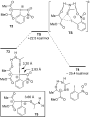
Figure 16: Transition state calculations for enaminone synthesis from iodonium ylides and thioamides.
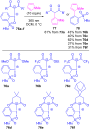
Scheme 17: The reaction between ylides 73a–f and N-methylpyrrole under 365 nm UV irradiation.

Figure 17: Crystal structures of 76c (top) and 76e (bottom) [101], (CCDC# 2104180 & 2104181) [143,144].
Copper-catalyzed N-arylation of amines with aryliodonium ylides in water
- Kasturi U. Nabar,
- Bhalchandra M. Bhanage and
- Sudam G. Dawande
Beilstein J. Org. Chem. 2023, 19, 1008–1014, doi:10.3762/bjoc.19.76
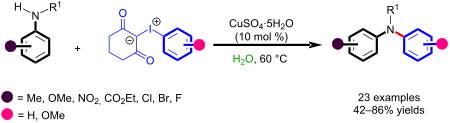
- bond formation. However, these methods suffer from limitations such as moisture sensitivity, the requirement of specific ligands, and the use of expensive palladium catalysts [17]. Also, Chan Lam, Evans, and other research groups have developed copper-catalyzed C–N bond formation reactions by careful
- tuning of the ligand and base combinations [18][19]. Thereafter, copper-catalyzed C–N bond-formation reactions have experienced unprecedented development due to mild reaction conditions and the low cost of copper salts [20][21][22]. On the other hand, hypervalent iodine reagents serve as versatile tools
- temperature. However, the reaction was sluggish and resulted in only 52% yield after 48 hours (Table 1, entry 15). With the optimal reaction conditions in hand, we focused our attention on evaluating the scope and limitations of copper-catalyzed N-arylation using iodonium ylide 2 of variably substituted

Graphical Abstract

Figure 1: Representative examples of N-arylamines.

Scheme 1: N-Arylation of amines with hypervalent iodine reagents.
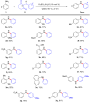
Scheme 2: N-Arylation of primary amines with iodonium ylide. Reaction conditions: 0.2 mmol aniline 1, 0.24 mm...

Scheme 3: N-Arylation of secondary amines with iodonium ylide.
Clauson–Kaas pyrrole synthesis using diverse catalysts: a transition from conventional to greener approach
- Dileep Kumar Singh and
- Rajesh Kumar
Beilstein J. Org. Chem. 2023, 19, 928–955, doi:10.3762/bjoc.19.71
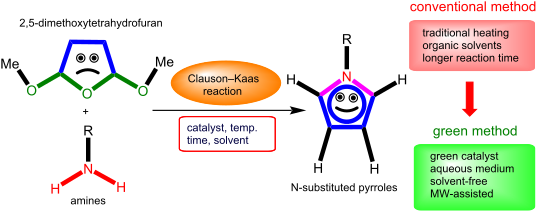
- at 60 °C (Scheme 15). Among the different solvents used to optimize the reaction conditions, H2O turned out to be a better and greener solvent compared to other organic solvents (e.g., MeCN, C6H6, CH2Cl2, THF, EtOH, EtOAc). Deng et al. [69] brilliantly described an expedient copper-catalyzed Clauson
- synthesis and proposed mechanism of N-substituted pyrroles 29. Magnetic nanoparticle-supported antimony catalyst used in the synthesis of N-substituted pyrroles 31. Iron(III) chloride-catalyzed synthesis of N-substituted pyrroles 33. Copper-catalyzed Clauson–Kaas synthesis and mechanism of pyrroles 35. β-CD

Graphical Abstract

Figure 1: Various pyrrole containing molecules.
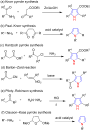
Scheme 1: Various synthestic protocols for the synthesis of pyrroles.

Figure 2: A tree-diagram showing various conventional and green protocols for Clauson-Kaas pyrrole synthesis.

Scheme 2: A general reaction of Clauson–Kaas pyrrole synthesis and proposed mechanism.

Scheme 3: AcOH-catalyzed synthesis of pyrroles 5 and 7.

Scheme 4: Synthesis of N-substituted pyrroles 9.

Scheme 5: P2O5-catalyzed synthesis of N-substituted pyrroles 11.

Scheme 6: p-Chloropyridine hydrochloride-catalyzed synthesis of pyrroles 13.

Scheme 7: TfOH-catalyzed synthesis of N-sulfonylpyrroles 15, N-sulfonylindole 16, N-sulfonylcarbazole 17.

Scheme 8: Scandium triflate-catalyzed synthesis of N-substituted pyrroles 19.

Scheme 9: MgI2 etherate-catalyzed synthesis and proposed mechanism of N-arylpyrrole derivatives 21.

Scheme 10: Nicotinamide catalyzed synthesis of pyrroles 23.

Scheme 11: ZrOCl2∙8H2O catalyzed synthesis and proposed mechanism of pyrrole derivatives 25.

Scheme 12: AcONa catalyzed synthesis of N-substituted pyrroles 27.

Scheme 13: Squaric acid-catalyzed synthesis and proposed mechanism of N-substituted pyrroles 29.

Figure 3: Reusability of catalyst γ-Fe2O3@SiO2-Sb-IL in six cycles.

Scheme 14: Magnetic nanoparticle-supported antimony catalyst used in the synthesis of N-substituted pyrroles 31...

Scheme 15: Iron(III) chloride-catalyzed synthesis of N-substituted pyrroles 33.

Scheme 16: Copper-catalyzed Clauson–Kaas synthesis and mechanism of pyrroles 35.

Scheme 17: β-CD-SO3H-catalyzed synthesis and proposed mechanism of pyrroles 37.

Figure 4: Recyclability of β-cyclodextrin-SO3H.

Scheme 18: Solvent-free and catalyst-free synthesis and plausible mechanism of N-substituted pyrroles 39.

Scheme 19: Nano-sulfated TiO2-catalyzed synthesis of N-substituted pyrroles 41.

Figure 5: Plausible mechanism for the formation of N-substituted pyrroles catalyzed by nano-sulfated TiO2 cat...

Scheme 20: Copper nitrate-catalyzed Clauson–Kaas synthesis and mechanism of N-substituted pyrroles 43.

Scheme 21: Synthesis of N-substituted pyrroles 45 by using Co catalyst Co/NGr-C@SiO2-L.

Scheme 22: Zinc-catalyzed synthesis of N-arylpyrroles 47.

Scheme 23: Silica sulfuric acid-catalyzed synthesis of pyrrole derivatives 49.

Scheme 24: Bismuth nitrate-catalyzed synthesis of pyrroles 51.

Scheme 25: L-(+)-tartaric acid-choline chloride-catalyzed Clauson–Kaas synthesis and plausible mechanism of py...

Scheme 26: Microwave-assisted synthesis of N-substituted pyrroles 55 in AcOH or water.

Scheme 27: Synthesis of pyrrole derivatives 57 using a nano-organocatalyst.

Figure 6: Nano-ferric supported glutathione organocatalyst.

Scheme 28: Microwave-assisted synthesis of N-substituted pyrroles 59 in water.

Scheme 29: Iodine-catalyzed synthesis and proposed mechanism of pyrroles 61.

Scheme 30: H3PW12O40/SiO2-catalyzed synthesis of N-substituted pyrroles 63.

Scheme 31: Fe3O4@-γ-Fe2O3-SO3H-catalyzed synthesis of pyrroles 65.

Scheme 32: Mn(NO3)2·4H2O-catalyzed synthesis and proposed mechanism of pyrroles 67.

Scheme 33: p-TsOH∙H2O-catalyzed (method 1) and MW-assisted (method 2) synthesis of N-sulfonylpyrroles 69.

Scheme 34: ([hmim][HSO4]-catalyzed Clauson–Kaas synthesis of pyrroles 71.

Scheme 35: Synthesis of N-substituted pyrroles 73 using K-10 montmorillonite catalyst.

Scheme 36: CeCl3∙7H2O-catalyzed Clauson–Kaas synthesis of pyrroles 75.

Scheme 37: Synthesis of N-substituted pyrroles 77 using Bi(NO3)3∙5H2O.

Scheme 38: Oxone-catalyzed synthesis and proposed mechanism of N-substituted pyrroles 79.



