


Search results
Search for "epoxy" in Full Text gives 104 result(s) in Beilstein Journal of Organic Chemistry.
Advances in mercury(II)-salt-mediated cyclization reactions of unsaturated bonds
Beilstein J. Org. Chem. 2021, 17, 2348–2376, doi:10.3762/bjoc.17.153
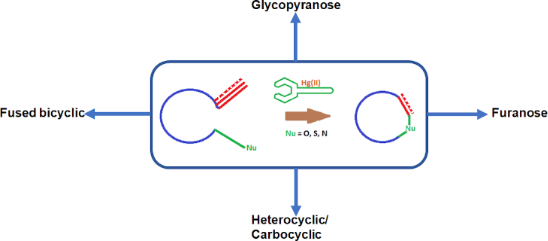
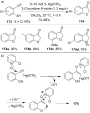
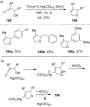
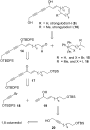
- cyclization of secondary and tertiary l-alkynyl-2,3-epoxyalcohols 131a [94]. This is an example of a Hg(II)-salt-catalyzed rearrangement of 1-alkynyl-2,3-epoxy alcohols to substituted furans. The furan 133a was formed by dehydration of intermediate 132a through the corresponding oxonium cation. When R3 is an
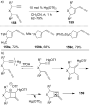
- amount of HgO and dil. H2SO4 at room temperature [95]. Initially, the Hg(II)-salt-catalyzed the formation of intermediate 132b which further proceeded by dehydration to yield thiophenes 133b as the final product (Scheme 39). Starting with 1-alkynyl-2,3-epoxy alcohols 135, Marson et al. had reported a Hg












Towards new NIR dyes for free radical photopolymerization processes
Beilstein J. Org. Chem. 2021, 17, 2067–2076, doi:10.3762/bjoc.17.133
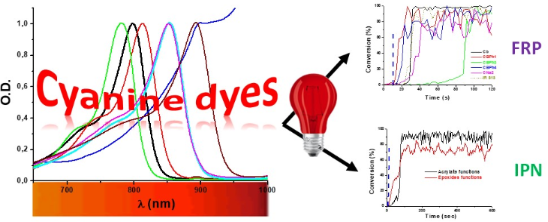
- polymerization of acrylate/epoxy monomer blends) can also be carried out upon NIR light with the proposed systems. Keywords: cyanine; NIR light; photochemistry; Introduction Photopolymerization processes are well established due to the specific features and advantages. Indeed, the reaction is carried out at
- -component systems can also be used for the preparation of IPNs through the polymerization of acrylate/epoxy monomer blends (3,4-epoxycyclohexylmethyl-3,4-epoxycyclohexane carboxylate from Allnex was used as benchmark epoxy monomer) [20]. The formation of IPNs can be highly worthwhile to reach better polymer
- , and (6) IR 813; upon exposure to a 785 nm laser diode (0.9 W/cm2), thickness = 1.4 mm. The irradiation starts at t = 10 s. A) Photopolymerization profiles of PETIA/epoxy blend 1:1, w/w under air (acrylate and epoxy functions conversion vs irradiation time) in the presence of Cb/iod 0.3:2, w/w upon


Stereoselective syntheses of 3-aminocyclooctanetriols and halocyclooctanetriols
Beilstein J. Org. Chem. 2021, 17, 705–710, doi:10.3762/bjoc.17.59
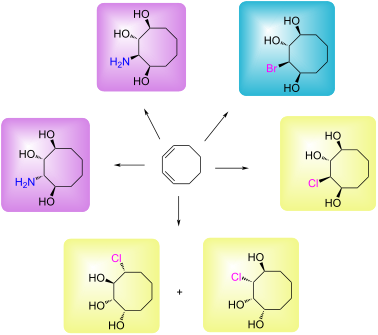
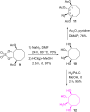
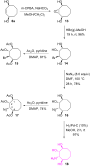
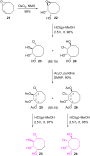
- method for the synthesis of a novel chlorocyclooctanetriol isomer, epoxy-diol 22, which was synthesized in our previous work [31], was hydrolysed by HCl(g) in MeOH, resulting in the formation of two chlorocyclooctanetriol isomers 23 and 24 in an 85:15 ratio (1H NMR) in 96% combined yield (Scheme 5



Valorisation of plastic waste via metal-catalysed depolymerisation
Beilstein J. Org. Chem. 2021, 17, 589–621, doi:10.3762/bjoc.17.53


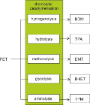


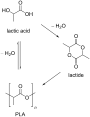


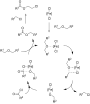
Tools for generating and analyzing glycan microarray data
Beilstein J. Org. Chem. 2020, 16, 2260–2271, doi:10.3762/bjoc.16.187
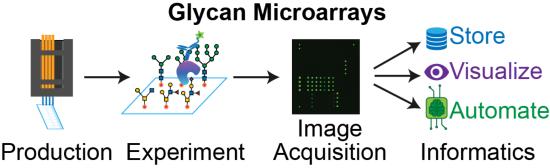
- microarray surface and linker is a reciprocal process, involving the preparation of the glycans in the context of appropriate surface to which the glycans are desired to be attached. Several types of functionalized slide surfaces are available such as NHS, epoxy, nitrocellulose and PVDF (Table 1); each


One-pot synthesis of isosorbide from cellulose or lignocellulosic biomass: a challenge?
Beilstein J. Org. Chem. 2020, 16, 1713–1721, doi:10.3762/bjoc.16.143
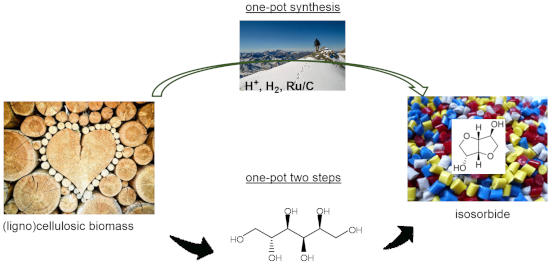
- -isosorbide) terephthalate, can replace polyethylene terephthalate (PET) [7]. In the production of polycarbonate and epoxy resins, the physicochemical properties of isosorbide allow the replacement of bisphenol A by this bio-based molecule [8][9]. At an industrial level, isosorbide is produced from the double


Combining enyne metathesis with long-established organic transformations: a powerful strategy for the sustainable synthesis of bioactive molecules
Beilstein J. Org. Chem. 2020, 16, 738–755, doi:10.3762/bjoc.16.68
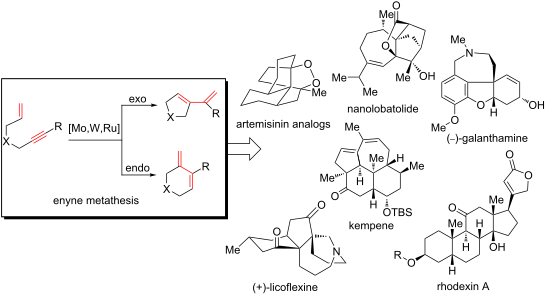
- ] accomplished the convergent synthesis of des-epoxy-amphidinolide N (5) in 33 total steps (22 longest linear). To this end, after three generations of synthetic attempts, they succeeded joining the northern and southern fragments of des-epoxy-amphidinolide N, both endowed with a considerable level of structural
- -metal-catalyzed transformations were needed to achieve the total synthesis of des-epoxy-amphidinolide N, including a palladium asymmetric allylic alkylation (Pd-AAA), a Mukaiyama aldol reaction (with Sn), and a Krische allylation (with Ir) [72]. As special feature of this procedure, an Evans aldol
- reaction generated the syn aldol adduct, having the steric configuration imposed in des-epoxy-amphidinolide N. Also, in the last step of their work, Trost et al. managed to install the C14-OH via a finely tuned Rubottom oxidation that finalized the total synthesis of des-epoxy-amphidinolide N. Strikingly




Synthesis of disparlure and monachalure enantiomers from 2,3-butanediacetals
Beilstein J. Org. Chem. 2020, 16, 616–620, doi:10.3762/bjoc.16.57
- particularly interesting example, because it is also a component of the luring mixture used by the bolas spider Mastophora hutchinsoni [3][4]. (6R,7S,2E)-6,7-Epoxy-2-nonenal has been identified as a sex-aggregation pheromone of the red-necked longhorn beetle (Aromia bungii) [5] and its synthesis has been
- recently developed by Mori and co-workers [6][7]. (2E)-trans-4,5-Epoxy-2-decenal is present in mammalian blood and may be used by predators to track their prey [8][9]. A classical example of cis-epoxides with semiochemical activity is the chemical communication system of the gypsy moth (Lymantria dispar
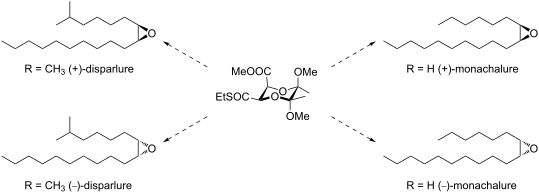
- ) and the nun moth (Lymantria monacha). The sex pheromone of the gypsy moth contains (+)-disparlure (1, (7R,8S)-7,8-epoxy-2-methyloctadecane) [10]. The pheromone blend of the nun moth contains (−)-disparlure (3, (7S,8R)-7,8-epoxy-2-methyloctadecane), (+)-monachalure (2, (7R,8S)-cis-7,8-epoxyoctadecane


Photophysics and photochemistry of NIR absorbers derived from cyanines: key to new technologies based on chemistry 4.0
Beilstein J. Org. Chem. 2020, 16, 415–444, doi:10.3762/bjoc.16.40
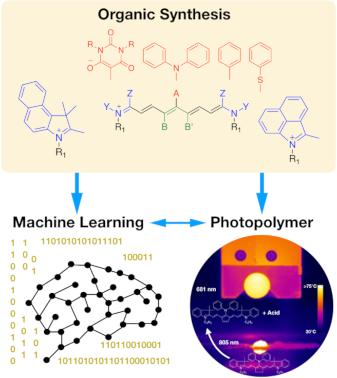
- coating, where they properly helped to melt and cure the applied powder monomers nearly just in one step [16]. Typical monomers used in CtP, liquid coatings and powder coatings derive from urethane (meth)acrylates, epoxy (meth)acrylates, polyester(meth)acrylates or polyether (meth)acrylates. Literature


Current understanding and biotechnological application of the bacterial diterpene synthase CotB2
Beilstein J. Org. Chem. 2019, 15, 2355–2368, doi:10.3762/bjoc.15.228
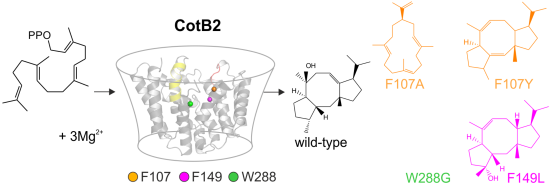
- include epoxidation resulting in 3,4-epoxy-7,18-dolabelladien-14-one (13) or hydroboration of 3,7,18-dolabellatriene (12, Scheme 1) that has been previously biotechnologically manufactured using CotB2W288G [103]. Another successful example is the oxidative transformation of cattleyene and phomopsen [104


Borylation and rearrangement of alkynyloxiranes: a stereospecific route to substituted α-enynes
Beilstein J. Org. Chem. 2019, 15, 1416–1424, doi:10.3762/bjoc.15.141
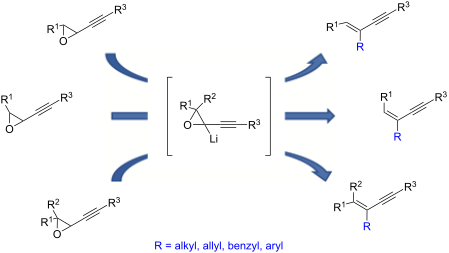
- rearrangement was evaluated using cis and trans-disubstituted alkynyloxiranes (Table 2). For synthetic reasons [29][30], we selected cis-2,3-epoxy-5-triisopropylsilylpent-4-ynol, protected with the monomethoxytrityl group (MMTr) 1b and prepared its trans-isomer to compare the outcome of the reaction with both
- reaction was then further explored and extended to various ethynyloxiranes (Table 3). The non-functionalized cis or trans-3,4-epoxy-1-triisopropylsilyldec-1-ynes 1c stereospecifically gave the expected E or Z trisubstituted enynes 10 in moderate to good yields (Table 3, entries 1 and 2). It is worth


Phylogenomic analyses and distribution of terpene synthases among Streptomyces
Beilstein J. Org. Chem. 2019, 15, 1181–1193, doi:10.3762/bjoc.15.115
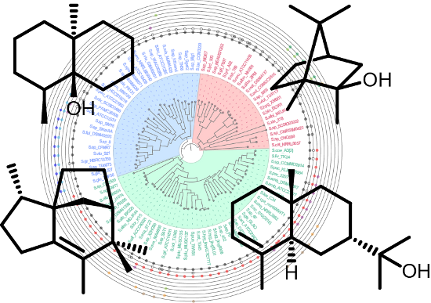
- enantiomers of the corresponding alcohols (R)- and (S)-albaflavenol (16ab) and the epoxide 4β,5β-epoxy-2-epi-zizaan-6β-ol (18) are known oxidation products that are all made by a cytochrome P450 monooxygenase [10][29] that is genetically clustered with the epi-isozizaene synthase for the cyclisation of FPP to



Systematic synthetic study of four diastereomerically distinct limonene-1,2-diols and their corresponding cyclic carbonates
Beilstein J. Org. Chem. 2019, 15, 130–136, doi:10.3762/bjoc.15.13
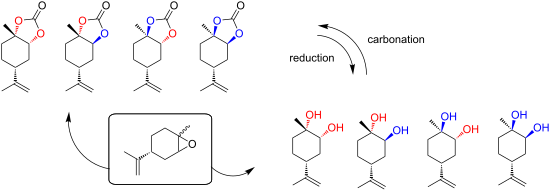
- diastereomers as byproducts except for the reaction of trans-LO with water (Scheme 3, conditions (d)). The reduction under conditions (b) and carbonation under conditions (a) and (c) retain the diastereomeric conformations around the epoxy, 5CC and diol moieties. In all the reactions, the yields for the


Organometallic vs organic photoredox catalysts for photocuring reactions in the visible region
Beilstein J. Org. Chem. 2018, 14, 3025–3046, doi:10.3762/bjoc.14.282
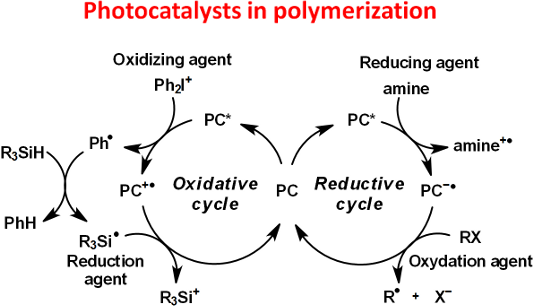
- produced to initiate the polymerization. By formation of radicals, the polymerization of C=C functions such as (meth)acrylates or styrene can be initiated. With cations or acids as initiating species, epoxy monomers can be polymerized. Both types of polymerization are widely used both in academic and
- infrared spectroscopy, following the epoxy function. Other monomers presented in Scheme 6 are acrylates and methacrylates and can be polymerized by free radical polymerization. Photopolymerization of these compounds can also be characterized by FTIR measurement, following the C=C double bound conversion



Synthesis of a tyrosinase inhibitor by consecutive ethenolysis and cross-metathesis of crude cashew nutshell liquid
Beilstein J. Org. Chem. 2018, 14, 2737–2744, doi:10.3762/bjoc.14.252
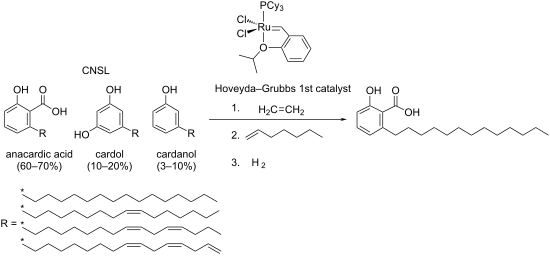
- ][10]. These include aromatic amines as polymers [11][12], cardanol-based phosphates as modifiers for epoxy resins [13], cardanol grafted natural rubber as rubber plasticizers [14], amine-based surfactants [15] and phenol/cardanol-formaldehyde based adhesives [16]. The chemical valorization of


Stereoselective total synthesis and structural revision of the diacetylenic diol natural products strongylodiols H and I
Beilstein J. Org. Chem. 2018, 14, 2313–2320, doi:10.3762/bjoc.14.206
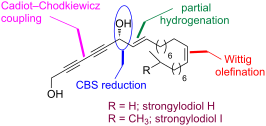
- concentrations [11]. There have been few contributions on the total synthesis of strongylodiols [12][13] employing alkynylation of an unsaturated aliphatic aldehyde catalyzed by Trost’s pro-phenol ligand [12][14], β-elimination of epoxy chloride [15], Noyori’s asymmetric reduction of ynones [16], diyne addition



Selective formation of a zwitterion adduct and bicarbonate salt in the efficient CO2 fixation by N-benzyl cyclic guanidine under dry and wet conditions
Beilstein J. Org. Chem. 2018, 14, 2204–2211, doi:10.3762/bjoc.14.194
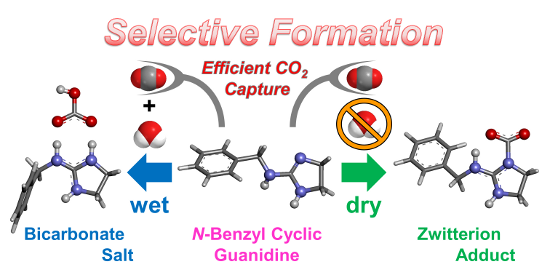
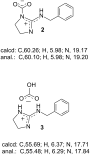
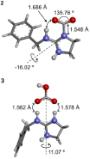
- carbon dioxide without a water molecule. It is expected that the zwitterion adducts of guanidine derivatives and CO2 are not only efficient catalysts for cycloaddition of CO2 to epoxides but also a thermal latent curing agent for epoxy resin. Herein, we achieved selective formation of the zwitterionic






Functionalization of graphene: does the organic chemistry matter?
Beilstein J. Org. Chem. 2018, 14, 2018–2026, doi:10.3762/bjoc.14.177
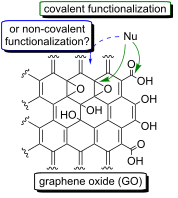
- amine component has with the epoxy groups of GO, as divergent notes are included in this study’s results. The reaction of GO with diamines is a well-documented process (i.e., a nucleophilic attack on GO’s epoxides) [16][27], so the unexpected presence of an amide bond in the material, obtained via the


Recent advances in hypervalent iodine(III)-catalyzed functionalization of alkenes
Beilstein J. Org. Chem. 2018, 14, 1813–1825, doi:10.3762/bjoc.14.154
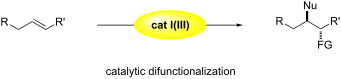
- the presence of acetic anhydride [46]. As the peroxy compounds can react with alkenes, leading to the anti-products via epoxy intermediates, substrates must be added slowly by a syringe pump to provide reasonable yields and diastereoselectivity. The diastereoselectivity of the reaction can be


A survey of chiral hypervalent iodine reagents in asymmetric synthesis
Beilstein J. Org. Chem. 2018, 14, 1244–1262, doi:10.3762/bjoc.14.107
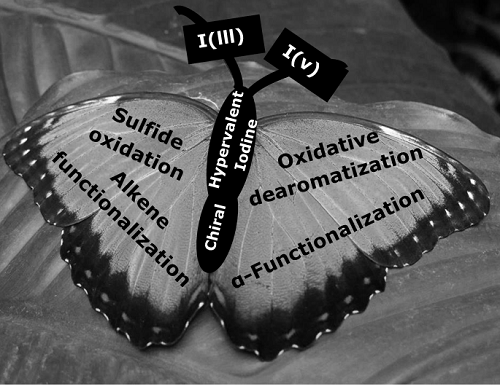
- moderate enantioselectivity (Scheme 8 upper part). By this method naphthol 39 could be oxidized to chiral o-quinol 40 with 50% ee [41]. Varying the catalyst loading could alter the reaction outcome to afford either o-quinol 40 or epoxy o-quinol 41. Recently, Pouységu and Quideau et al. modified their



A stereoselective and flexible synthesis to access both enantiomers of N-acetylgalactosamine and peracetylated N-acetylidosamine
Beilstein J. Org. Chem. 2018, 14, 856–860, doi:10.3762/bjoc.14.71
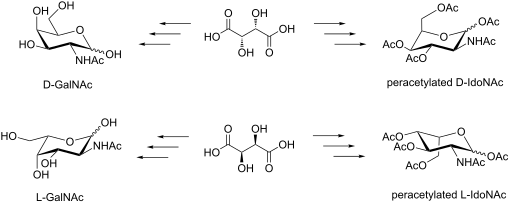
- pivotal role in cell–cell interaction and receptor induced cell signaling. Herein, we present a synthetic route in which two of the four stereogenic centers present in the target compound are derived from enantiopure tartaric acid being selectively converted to epoxy alcohols. The key step is the Pd


Preparation and isolation of isobenzofuran
Beilstein J. Org. Chem. 2017, 13, 2659–2662, doi:10.3762/bjoc.13.263

- ) δ 8.32 (s, 2H), 7.45 (dd, 3J = 6.8 Hz, 4J = 2.8 Hz, 2H), 6.86 (dd, 3J = 6.8 Hz, 4J = 2.8 Hz, 2H) ppm; 13C NMR (150 MHz, 300 K, DMSO-d6) δ 136.1, 124.2, 123.5, 119.0 ppm; HRMS (EI) m/z: [M]+ calcd. for C8H6O, 118.04173; found, 118.04186. Dimethyl 1,4-epoxy-1,4-dihydronaphthalene-2,3-dicarboxylate (10


Synthesis of ergostane-type brassinosteroids with modifications in ring A
Beilstein J. Org. Chem. 2017, 13, 2326–2331, doi:10.3762/bjoc.13.229
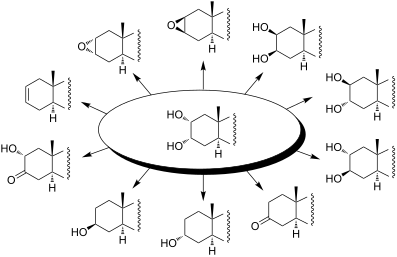
- biosynthetic precursors/metabolites differing by the ring A fragment. The protocol is based on the use of readily available phytohormones of this class bearing a 2α,3α-diol moiety (epibrassinolide or epicastasterone) as starting materials. The required functionalities (Δ2-, 2α,3α- and 2β,3β-epoxy-, 2α,3β-, 2β
- developed a new strategy for synthesizing minor constituents of the class of BS phytohormones which is based on the use of readily available brassinosteroids of this class. Its advantage is that it allows preparing a full set of A-ring units (Δ2-, 2α,3α- and 2β,3β-epoxy-, 2α,3β-, 2β,3α-, and 2β,3β-dihydroxy


Homologated amino acids with three vicinal fluorines positioned along the backbone: development of a stereoselective synthesis
Beilstein J. Org. Chem. 2017, 13, 2316–2325, doi:10.3762/bjoc.13.228

- have previously reported a concise method for synthesising compounds that contain three vicinal C–F bonds [34]; their method commences with an epoxy alcohol, which undergoes three successive nucleophilic substitutions with fluoride (i.e., deoxyfluorination of the alcohol, epoxide ring opening with
- afforded the syn,anti-epoxy alcohol 28b with good stereoselectivity, albeit in poor yield. One reason for the low yield of 28b was the difficulty in its chromatographic separation from the byproducts of the epoxidation reaction. Nevertheless, a sufficient quantity of 28b was obtained to proceed some way
- epoxy alcohol 28b was troublesome; third, the fluorination of 28b proceeded with poor stereoselectivity; and fourth, the final fluorination reaction suffered from an undesired rearrangement side-reaction. We subsequently found that all four of these problems could be solved by making a single change to


Conjugated nitrosoalkenes as Michael acceptors in carbon–carbon bond forming reactions: a review and perspective
Beilstein J. Org. Chem. 2017, 13, 2214–2234, doi:10.3762/bjoc.13.220
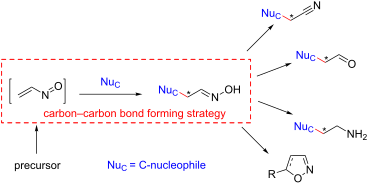
- total synthesis of erythronolide B (an aglycone of erythromycin B) from intermediate 52, Corey and co-workers suggested the ring opening of α,β-epoxy oximes 53 with Gilman’s reagents as a plausible way to introduce a methyl group at the C-10 position [40] (Scheme 18). Since the addition occurs in α
- (+/−)-perhydrohistrionicotoxin. Addition of Gilman’s reagents to α,β-epoxy oximes 53. Addition of Gilman’s reagents to α-chlorooximes. Reaction of silyl nitronate 58 with organolithium reagents via nitrosoalkene NSA12. Reaction of β-ketoxime sulfones 61 and 63 with lithium acetylides. Electrophilic addition of nitrosoalkenes





