


Search results
Search for "formic acid" in Full Text gives 175 result(s) in Beilstein Journal of Organic Chemistry.
Activity assays of NnlA homologs suggest the natural product N-nitroglycine is degraded by diverse bacteria
Beilstein J. Org. Chem. 2024, 20, 830–840, doi:10.3762/bjoc.20.75
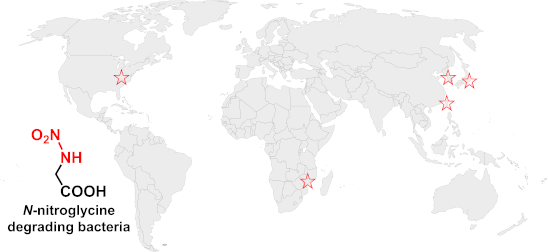
- grade and contained 0.1% vol/vol formic acid. Protein expression and purification The vectors to express Vs NnlA and H73A Vs NnlA were previously reported [21]. Pd, Mr, Ms, Ps, and Pj nnla genes were synthesized as E. coli codon-optimized constructs and cloned into the NdeI and XhoI restriction sites of


Synthesis and characterization of water-soluble C60–peptide conjugates
Beilstein J. Org. Chem. 2024, 20, 777–786, doi:10.3762/bjoc.20.71
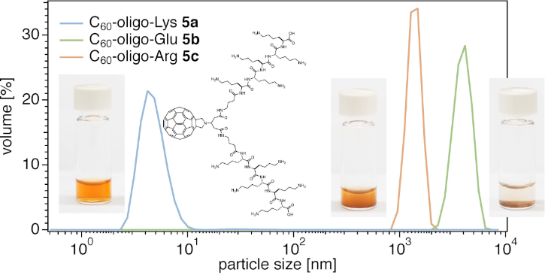
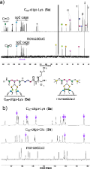
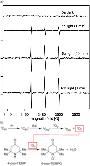
- a charged state of 3+ (Figure S2, Supporting Information File 1), C60–oligo-Glu (5b) was confirmed by HRMS–MALDI (Figure S11, Supporting Information File 1) due to insolubility in the acidic eluent generally used for HRESIMS (a mixture of MeOH and water containing 0.1% formic acid). C60–oligo-Arg




New variochelins from soil-isolated Variovorax sp. H002
Beilstein J. Org. Chem. 2024, 20, 692–700, doi:10.3762/bjoc.20.63
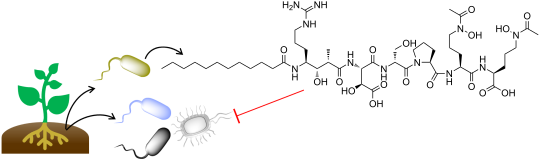
- filter, and then injected into an LC–MS system, Cosmosil 5C18-MS-II (2 mm ID × 100 mm, Nacalai Tesque) (oven 40 °C; flowrate 0.2 mL/min) using a gradient of MeCN/H2O (1:9 to 6:4) containing 0.1% formic acid for 45 minutes. The standards were processed in the same manner. Whole genome analysis of


Synthesis and biological profile of 2,3-dihydro[1,3]thiazolo[4,5-b]pyridines, a novel class of acyl-ACP thioesterase inhibitors
Beilstein J. Org. Chem. 2024, 20, 540–551, doi:10.3762/bjoc.20.46
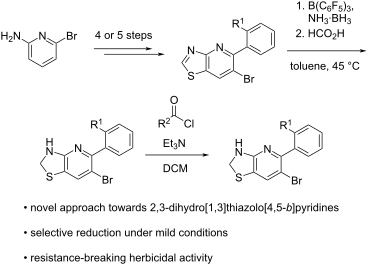
- % yield (Table 1, entry 14). The borane group could be cleaved off easily by the subsequent treatment of 17c with formic acid in acetonitrile, affording 2,3-dihydro[1,3]thiazolo[4,5-b]pyridine 7c as the only reaction product. By applying this optimized two-step procedure to [1,3]thiazolo[4,5-b]pyridines 5
- diphenyl analogue 17f was isolated as a side product upon arylation with B(C6F5)3, debromination was only observed in traces. Both aminoboranes 17d and 17e were then cleaved separately in clean conversions using formic acid to afford the desired substituted 6-bromo-5-(2-tolyl)-2,3-dihydrothiazolo[4,5-b
- entirely unexplored prior to our investigations. Likewise, we identified an optimized BH3⋅NH3-mediated reduction involving tris(pentafluorophenyl)borane as a strong Lewis acid and subsequent treatment with formic acid as the most suitable conditions to prepare the desired 2,3-dihydro[1,3]thiazolo[4,5-b


A new analog of dihydroxybenzoic acid from Saccharopolyspora sp. KR21-0001
Beilstein J. Org. Chem. 2024, 20, 497–503, doi:10.3762/bjoc.20.44
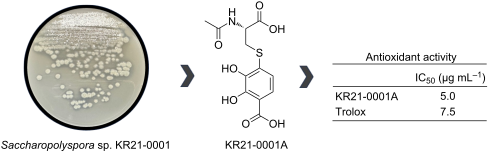
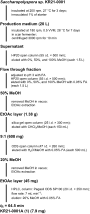
- flowthrough fraction was adjusted to 3 with formic acid (FA) and chromatographed again on HP20 column. Now, 1 was retained in the resin and eluted by 50% MeOH with 0.05% FA. Then 1 was purified by silica gel and ODS column chromatography, and ethyl acetate extraction under acidic conditions. As the result of
- analyzed by LC–MS. The flow-through and 0% fractions were mixed and adjusted to pH 3 by adding formic acid (FA). Then, the mixture was purified by eluting with MeOH/H2O (0%, 50%, and 100%) with 0.05% of FA through a HP20 column (55 i.d. × 500 mm). The 50% fraction was concentrated in vacuo to remove MeOH



Discovery of unguisin J, a new cyclic peptide from Aspergillus heteromorphus CBS 117.55, and phylogeny-based bioinformatic analysis of UngA NRPS domains
Beilstein J. Org. Chem. 2024, 20, 321–330, doi:10.3762/bjoc.20.32
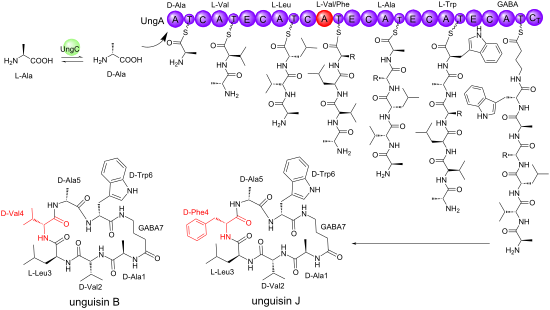
- eluting with H2O + 0.1% formic acid and MeCN + 0.1% formic acid using a gradient from 90:10 to 10:90 of H2O/MeCN over 15 min, maintaining in 10:90 H2O/MeCN for 3 min, from 10:90 to 90:10 in 1 min, and maintaining at 90:10 for 1 min, using a flow rate of 1.0 mL/min. The PDA detector scanned between λ = 190
- /H2O (50:50; v/v) containing 0.1% formic acid. The parameters such as declustering and entrance potentials remained constant for MS and MS/MS were set up at 150 V and 10 V, respectively. Collision energy for MS and MS2 scan surveys was 10 V and 45 V, respectively, with a collision energy spread of 12 V
- consisted of H2O + 0.05% formic acid (eluent A) and MeCN + 0.05% formic acid (eluent B), which was eluted of 20–100% of B with flow rate of 18 mL min−1, yielding 20 fractions. Fractions Fr13 and Fr15 were subjected to a purification by semipreparative HPLC-UV using a Premier RP18 column (250 mm × 10 mm i.d


Metal-catalyzed coupling/carbonylative cyclizations for accessing dibenzodiazepinones: an expedient route to clozapine and other drugs
Beilstein J. Org. Chem. 2024, 20, 193–204, doi:10.3762/bjoc.20.19
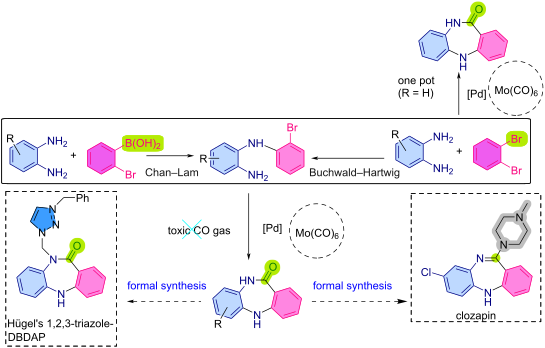
- formation of DBDAP, prompted us to test alternative CO surrogates. When the reaction was performed using Co2(CO)8 (0.3 equiv) in the presence of DBU, the intermediate 3a was isolated in 35% yield, but again no DBDAP 4 was obtained (entry 8, Table 1). Formic acid, an effective CO surrogate [20][22], was also


Identification of the p-coumaric acid biosynthetic gene cluster in Kutzneria albida: insights into the diazotization-dependent deamination pathway
Beilstein J. Org. Chem. 2024, 20, 1–11, doi:10.3762/bjoc.20.1
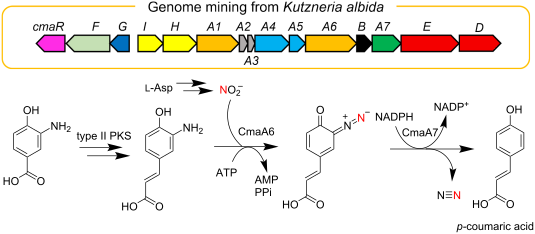
- 2.6C18 Packed column (2.1 mm ID × 100 mm, Nacalai Tesque) coupled with a model LCMS-8040 liquid chromatography–mass spectrometer (LC–MS) (Shimazu Corp.). The compounds were eluted with a linear gradient of water/acetonitrile containing 0.1% formic acid. Isolation and structural determination of compound
- -II (10 mm ID × 250 mm, Nacalai Tesque), and the metabolites were eluted with a linear gradient of water/acetonitrile containing 0.1% formic acid. Fractions containing compound 6 were concentrated by evaporation. Compound 6 was then desorbed in DMSO-d6, and the structure was determined by the JNM-A600
- 30 °C for 1 h. After centrifugation, the supernatant was analyzed using LC–MS equipped with a BioResolve RP mAb polyphenyl column (2.1 mm ID × 100 mm, Waters, Milford, MA, USA). The compounds were eluted using a linear gradient of water/acetonitrile containing 0.1% formic acid. In vitro analysis of


A novel recyclable organocatalyst for the gram-scale enantioselective synthesis of (S)-baclofen
Beilstein J. Org. Chem. 2023, 19, 1811–1824, doi:10.3762/bjoc.19.133

- products) [26]. HPLC: Phenomenex Lux Cellulose-3 column (3 mm, 250 × 4.6 mm), eluent CH3CN/H2O (0.1% formic acid) 40:60, isocratic mode; 0.6 mL min−1; UV detector 222 nm, 30 °C. The retention time for the (S)-enantiomer was 12.3 min, for the (R)-enantiomer 14.7 min. General procedure for recycling of the
- 164.4, 163.9, 135.1, 133.7, 130.7, 129.5, 106.9, 76.1, 49.0, 41.4, 36.8, 36.7, 29.8, 21.8 ppm; HRESI(+)-MS (m/z): [M + Na+] calcd for C17H18ClNO6Na, 390.0720; found, 390.0682; HPLC: Phenomenex Lux Cellulose-3 column (3 mm, 250 × 4.6 mm), eluent CH3CN/H2O (0.2% formic acid) 40:60, isocratic mode; 1 mL


Selectivity control towards CO versus H2 for photo-driven CO2 reduction with a novel Co(II) catalyst
Beilstein J. Org. Chem. 2023, 19, 1766–1775, doi:10.3762/bjoc.19.129
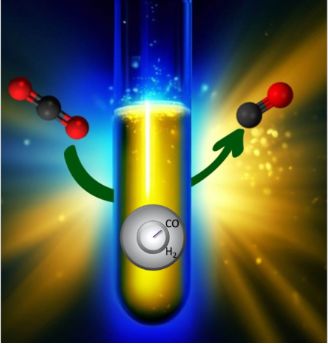
- transition-metal-based complexes, the outcomes are generally two-electron reduction products, such as carbon monoxide (CO), formic acid (HCO2H), or formate (HCO2−). To mitigate the strong energetic requirements of the reaction shown in Equation 1, the reduction of CO2 occurs in the presence of protons, so
- that the energy barriers of the reactions shown in Equation 2 and Equation 3 are lowered. In fact, the formation of the radical anion CO2−· takes place at −1.9 V versus normal hydrogen electrode (NHE), while the proton-assisted reductions of CO2 to CO and formic acid happen at −0.53 V and −0.61 V


Secondary metabolites of Diaporthe cameroonensis, isolated from the Cameroonian medicinal plant Trema guineensis
Beilstein J. Org. Chem. 2023, 19, 1555–1561, doi:10.3762/bjoc.19.112
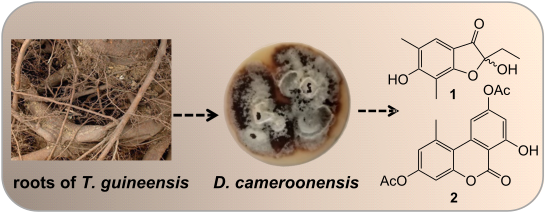
- -VAP Expert, Germany). HRESIMS spectra were recorded with an Agilent 1200 Infinity Series HPLC-UV system (Agilent Technologies; column 2.1 × 50 mm, 1.7 µm, C18 Acquity UPLC BEH (waters), solvent A: H2O + 0.1% formic acid; solvent B: ACN + 0.1% formic acid, gradient: 5% B for 0.5 min increasing to 100
- : deionized water (H2O) + 0.1% formic acid (FA) and solvent B: acetonitrile (ACN) + 0.1% formic acid. The binary gradient was: linear of 5% B for 5 min, automatic stepwise gradient from 5 to 100% B for 5–105 min, followed by 100% B for 10 min wash, and finally by 80% ACN + 20% H2O for 10 min re-equilibration


Synthesis and biological evaluation of Argemone mexicana-inspired antimicrobials
Beilstein J. Org. Chem. 2023, 19, 1511–1524, doi:10.3762/bjoc.19.108
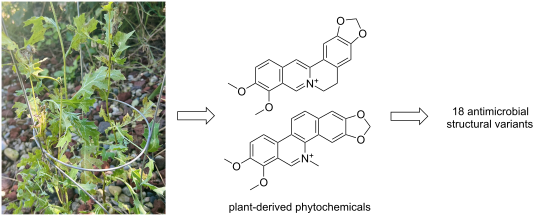
- , followed by cyclization with glyoxal in formic acid. We then wished to slightly perturb the electron density via introduction of fluorine (either at R1 or R3), but it was at this time that an unexpected result was observed. Following the same conditions which produced B1, NMR evaluation of our next product


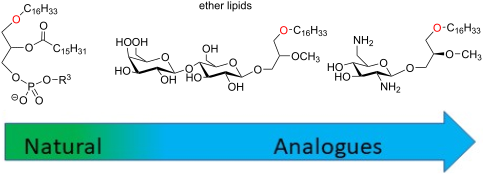
Synthesis of ether lipids: natural compounds and analogues
Beilstein J. Org. Chem. 2023, 19, 1299–1369, doi:10.3762/bjoc.19.96






Enabling artificial photosynthesis systems with molecular recycling: A review of photo- and electrochemical methods for regenerating organic sacrificial electron donors
Beilstein J. Org. Chem. 2023, 19, 1198–1215, doi:10.3762/bjoc.19.88
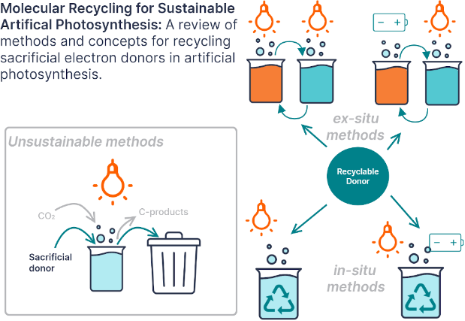
- reduction consumed the sacrificial donor methanol to form formic acid and formaldehyde [56]. This system is interesting for a number of reasons. Rather than intermediate redox mediators shuttling charge between two photocatalytic assemblies, Ishitani, Domen, and co-workers covalently connected the catalytic
- photocatalytic or electrochemical carbon dioxide reduction. The oxidation product, formaldehyde, can be re-reduced. However, separation of formaldehyde and the carbon dioxide reduction product formic acid would be difficult. Therefore, a logical route for sustainably sourcing methanol would be using this system


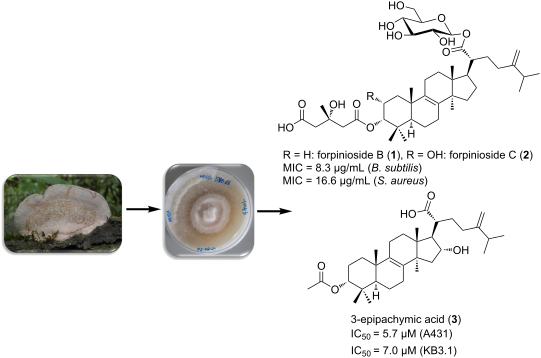
Two new lanostanoid glycosides isolated from a Kenyan polypore Fomitopsis carnea
Beilstein J. Org. Chem. 2023, 19, 1161–1169, doi:10.3762/bjoc.19.84
- , Milford, MA, USA). The solvent system was as follows; deionized H2O + 0.1% formic acid (FA, v/v) (solvent A) and acetonitrile (ACN) + 0.1% FA (v/v) (solvent B). The separation gradient was operated as follows; 5% B for 0.5 min, 5% B to 100% B for 20 min, and 100% B for 10 min. The flow rate was maintained


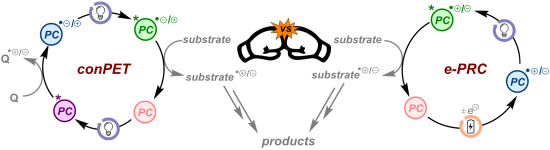
Photoredox catalysis harvesting multiple photon or electrochemical energies
Beilstein J. Org. Chem. 2023, 19, 1055–1145, doi:10.3762/bjoc.19.81


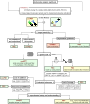
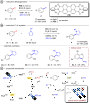
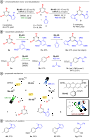


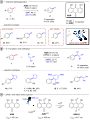
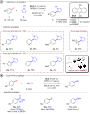
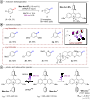
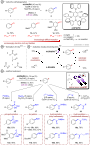
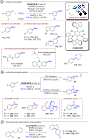



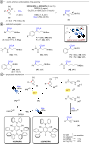
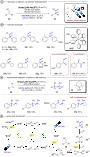
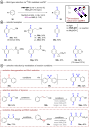


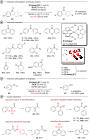

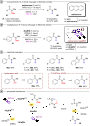
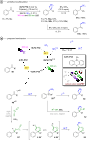
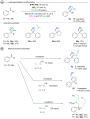
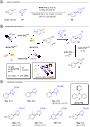


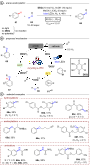

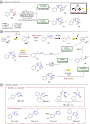
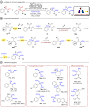


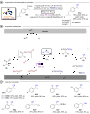


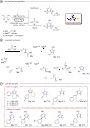
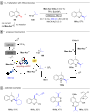


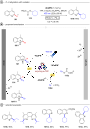
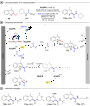
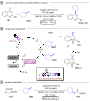


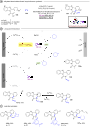


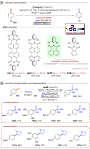


Transition-metal-catalyzed domino reactions of strained bicyclic alkenes
Beilstein J. Org. Chem. 2023, 19, 487–540, doi:10.3762/bjoc.19.38
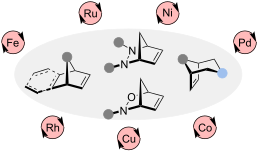











Inline purification in continuous flow synthesis – opportunities and challenges
Beilstein J. Org. Chem. 2022, 18, 1720–1740, doi:10.3762/bjoc.18.182
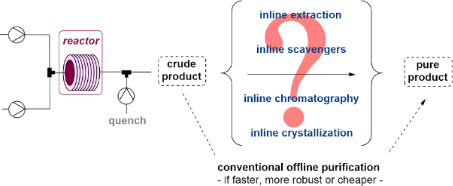
- used to trap carboxylic acids, from which the product can be released with diluted solutions of formic acid [95]. Another strategy that is applicable in the context of biocatalysis involves Ni–NTA resins used for protein purification which are commonly packed in cartridges to enable automated peptide




Synthesis of (−)-halichonic acid and (−)-halichonic acid B
Beilstein J. Org. Chem. 2022, 18, 1629–1635, doi:10.3762/bjoc.18.174
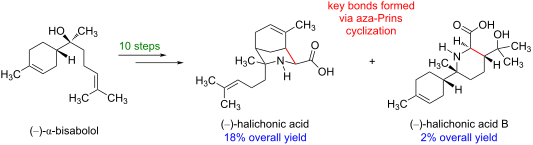
- chloroform was treated with a large excess (85–100 equiv) of formic acid at room temperature, we were pleased to observe the formation of bicyclic compound 8 as the major product in 64% yield. Notably, 8 is the ethyl ester of (−)-halichonic acid and features the characteristic 3-azabicyclo[3.3.1]nonane ring
- envisioned for this carbocation (e.g., a nucleophilic attack of formic acid to give a formate ester), only alkene formation was observed in this system. Interestingly, the deprotonation step is completely regioselective, giving the more highly substituted endocyclic trisubstituted alkene found in 8 as
- elimination to form an alkene or intermolecular nucleophilic attack by formic acid (ultimately giving a formate ester) are reasonable mechanistically, only the intramolecular nucleophilic attack by the carbonyl group of the pendent ethyl ester was observed in this system to form the resonance-stabilized


A new route for the synthesis of 1-deazaguanine and 1-deazahypoxanthine
Beilstein J. Org. Chem. 2022, 18, 1617–1624, doi:10.3762/bjoc.18.172
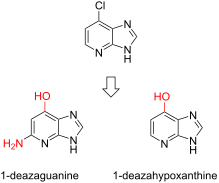
- desired triamine 9. After cyclization of the resulting 4-ethoxy-2,3,6-triaminopyridine (9) with formic acid leading to ethyl-protected compound 10 and liberation of the O6 with hydrogen bromide, 1-deazaguanine (11) was formed in 2 to 4% overall yield (Scheme 2) [18]. The approach by Gorton and Shive


Using UHPLC–MS profiling for the discovery of new sponge-derived metabolites and anthelmintic screening of the NatureBank bromotyrosine library
Beilstein J. Org. Chem. 2022, 18, 1544–1552, doi:10.3762/bjoc.18.164
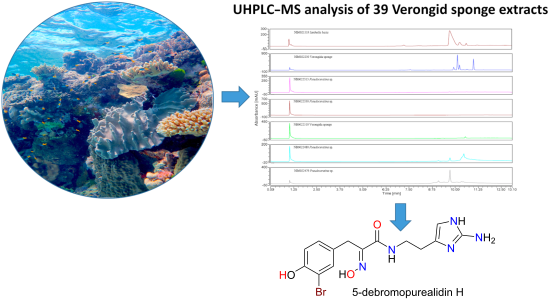
- % formic acid) were employed for the first minute, followed by a linear gradient to 100% MeOH (0.1% formic acid) over 8 min followed by a 1.5 min isocratic elution of 100% MeOH (0.1% formic acid) all at a flow rate of 0.3 mL/min. UHPLC–MS data was analysed using Thermo Scientific Dionex Chromeleon 7


Cytochrome P450 monooxygenase-mediated tailoring of triterpenoids and steroids in plants
Beilstein J. Org. Chem. 2022, 18, 1289–1310, doi:10.3762/bjoc.18.135
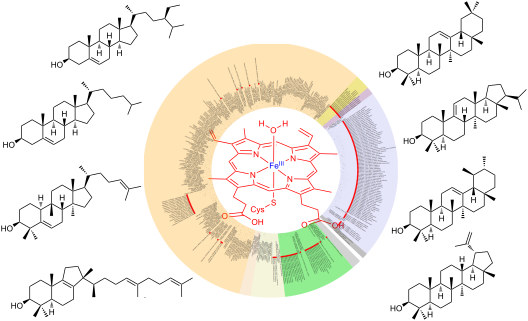
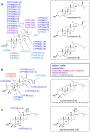
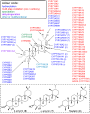
- ) function as sterol 14α-demethylases in green plants [24][25][98]. These enzymes catalyse oxidation of the C14α methyl group to trigger elimination of formic acid [24][25]. The sister subfamily CYP51H, on the other hand, is only found in monocots. AsCYP51H10 from Avena sativa (oat) is a multifunctional CYP




From amines to (form)amides: a simple and successful mechanochemical approach
Beilstein J. Org. Chem. 2022, 18, 1210–1216, doi:10.3762/bjoc.18.126
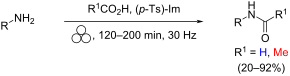
- (Ø = 8 mm, m = 3.2 g) [22][55] in a horizontal vibratory mill at 30 Hz. Under these conditions, we did not detect the formation of the formamide moiety. At the same time, the desired product 2 was obtained in 16% NMR yield when formic acid was added to the reaction mixture (Table 1, entry 2
- mmol of the model substrate with 2.0 mmol of formic acid and 1.0 mmol of imidazole [23], the product was obtained in better yield and with a higher degree of purity. A control experiment performed by reacting p-methoxyaniline (1.0 mmol) and formic acid (2.0 mmol) provided lower conversion into the
- desired formamide 2 (71% NMR yield, Table S1 in Supporting Information File 1), denoting the input given by imidazole as a promoter of formamide synthesis. Further variation in the ratio of imidazole/formic acid/amine decreases the reaction yield (Table S1 in Supporting Information File 1). These data
A Streptomyces P450 enzyme dimerizes isoflavones from plants
Beilstein J. Org. Chem. 2022, 18, 1107–1115, doi:10.3762/bjoc.18.113
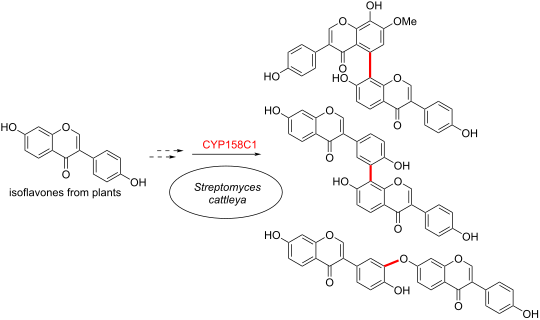
- g, agar 20 g, distilled water up to 1 L) for 15 days from the above seed culture. Analytical methods All HPLC analyses were performed using (A) H2O with 0.1% formic acid and (B) acetonitrile with 0.1% formic acid at 40 °C column temperature unless otherwise noted. The HPLC–UV analysis of feeding
- , Supporting Information File 1) was collected and further purified by a Shimadzu LC-20AD semipreparative HPLC by using (A) H2O with 0.1% formic acid and (B) acetonitrile with 0.1% formic acid. Compounds 1 (5.0 mg), 2 (2.2 mg), and 3 (2.0 mg) were isolated using a YMC-Triart C18 column (250 mm × 10 mm, 5 μm


Synthesis of N-phenyl- and N-thiazolyl-1H-indazoles by copper-catalyzed intramolecular N-arylation of ortho-chlorinated arylhydrazones
Beilstein J. Org. Chem. 2022, 18, 1079–1087, doi:10.3762/bjoc.18.110
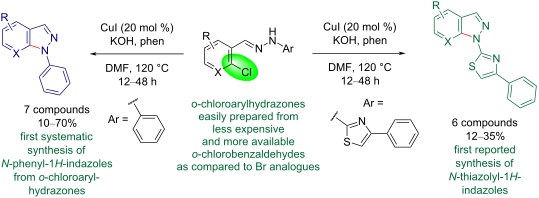
- electrospray ionization (ESI) source (MicrOTOF-QII, Bruker Scientific) in positive mode. The compounds were individually dissolved in a solution of 50% chromatographic grade MeCN and 50% deionized H2O + 0.1% formic acid. General experimental procedure for the synthesis of hydrazones 1a–i In a 100 mL round





