


Search results
Search for "homocoupling" in Full Text gives 74 result(s) in Beilstein Journal of Organic Chemistry.
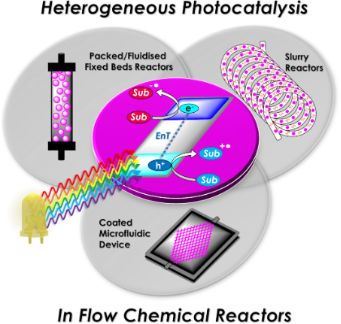
Heterogeneous photocatalysis in flow chemical reactors
- Christopher G. Thomson,
- Ai-Lan Lee and
- Filipe Vilela
Beilstein J. Org. Chem. 2020, 16, 1495–1549, doi:10.3762/bjoc.16.125
- subsequently cross-linked by oxidative homocoupling to form a highly cross-linked polymer [138]. Zhang and co-workers recently demonstrated that the dispersibility of polymer nanoparticle-supported benzothiadiazole photocatalysts could be improved in a range of different solvents by copolymerising classical

Graphical Abstract

Figure 1: A) Bar chart of the publications per year for the topics “Photocatalysis” (49,662 instances) and “P...

Figure 2: A) Professor Giacomo Ciamician and Dr. Paolo Silber on their roof laboratory at the University of B...

Scheme 1: PRC trifluoromethylation of N-methylpyrrole (1) using hazardous gaseous CF3I safely in a flow react...

Figure 3: A) Unit cells of the three most common crystal structures of TiO2: rutile, brookite, and anatase. R...

Figure 4: Illustration of the key semiconductor photocatalysis events: 1) A photon with a frequency exceeding...

Figure 5: Photocatalytic splitting of water by oxygen vacancies on a TiO2(110) surface. Reprinted with permis...

Figure 6: Proposed adsorption modes of A) benzene, B) chlorobenzene, C) toluene, D) phenol, E) anisole, and F...

Figure 7: Structures of the sulfonate-containing organic dyes RB5 (3) and MX-5B (4) and the adsorption isothe...

Figure 8: Idealised triclinic unit cell of a g-C3N4 type polymer, displaying possible hopping transport scena...

Figure 9: Idealised structure of a perfect g-C3N4 sheet. The central unit highlighted in red represents one t...

Figure 10: Timeline of the key processes of charge transport following the photoexcitation of g-C3N4, leading ...

Scheme 2: Photocatalytic bifunctionalisation of heteroarenes using mpg-C3N4, with the selected examples 5 and ...

Figure 11: A) Structure of four linear conjugated polymer photocatalysts for hydrogen evolution, displaying th...

Figure 12: Graphical representation of the common methods used to immobilise molecular photocatalysts (PC) ont...

Figure 13: Wireless light emitter-supported TiO2 (TiO2@WLE) HPCat spheres powered by resonant inductive coupli...

Figure 14: Graphical representation of zinc–perylene diimide (Zn-PDI) supramolecular assembly photocatalysis v...

Scheme 3: Upconversion of NIR photons to the UV frequency by NaYF4:Yb,Tm nanocrystals sequentially coated wit...

Figure 15: Types of reactors employed in heterogeneous photocatalysis in flow. A) Fixed bed reactors and the s...

Figure 16: Electrochemical potential of common semiconductor, transition metal, and organic dye-based photocat...

Scheme 4: Possible mechanisms of an immobilised molecular photoredox catalyst by oxidative or reductive quenc...
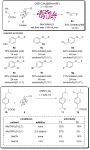
Scheme 5: Scheme of the CMB-C3N4 photocatalytic decarboxylative fluorination of aryloxyacetic acids, with the...

Scheme 6: Scheme of the g-C3N4 photocatalytic desilylative coupling reaction in flow and proposed mechanism [208].

Scheme 7: Proposed mechanism of the radical cyclisation of unsaturated alkyl 2-bromo-1,3-dicarbonyl compounds...

Scheme 8: N-alkylation of benzylamine and schematic of the TiO2-coated microfluidic device [213].

Scheme 9: Proposed mechanism of the Pt@TiO2 photocatalytic deaminitive cyclisation of ʟ-lysine (23) to ʟ-pipe...

Scheme 10: A) Proposed mechanism for the photocatalytic oxidation of phenylboronic acid (24). B) Photos and SE...

Scheme 11: Proposed mechanism for the DA-CMP3 photocatalytic aza-Henry reaction performed in a continuous flow...

Scheme 12: Proposed mechanism for the formation of the cyclic product 32 by TiO2-NC HPCats in a slurry flow re...

Scheme 13: Reaction scheme for the photocatalytic synthesis of homo and hetero disulfides in flow and scope of...

Scheme 14: Reaction scheme for the MoOx/TiO2 HPCat oxidation of cyclohexane (34) to benzene. The graph shows t...

Scheme 15: Proposed mechanism of the TiO2 HPC heteroarene C–H functionalisation via aryl radicals generated fr...

Scheme 16: Scheme of the oxidative coupling of benzylamines with the HOTT-HATN HPCat and selected examples of ...
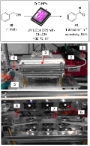
Scheme 17: Photocatalysis oxidation of benzyl alcohol (40) to benzaldehyde (41) in a microflow reactor coated ...

Figure 17: Mechanisms of Dexter and Forster energy transfer.
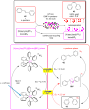
Scheme 18: Continuous flow process for the isomerisation of alkenes with an ionic liquid-immobilised photocata...

Scheme 19: Singlet oxygen synthetic step in the total synthesis of canataxpropellane [265].

Scheme 20: Scheme and proposed mechanism of the singlet oxygen photosensitisation by CMP_X HPCats, with the st...

Scheme 21: Structures of CMP HPCat materials applied by Vilela and co-workers for the singlet oxygen photosens...
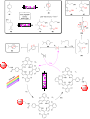
Scheme 22: Polyvinylchloride resin-supported TDCPP photosensitisers applied for singlet oxygen photosensitisat...

Scheme 23: Structure of the ionically immobilised TPP photosensitiser on amberlyst-15 ion exchange resins (TPP...

Scheme 24: Photosensitised singlet oxygen oxidation of citronellol (46) in scCO2, with automatic phase separat...

Scheme 25: Schematic of PS-Est-BDP-Cl2 being applied for singlet oxygen photosensitisation in flow. A) Pseudo-...

Scheme 26: Reaction scheme of the singlet oxygen oxidation of furoic acid (54) using a 3D-printed microfluidic...

Figure 18: A) Photocatalytic bactericidal mechanism by ROS oxidative cleavage of membrane lipids (R = H, amino...

Figure 19: A) Suggested mechanisms for the aqueous pollutant degradation by TiO2 in a slurry flow reactor [284-287]. B)...

Figure 20: Schematic of the flow system used for the degradation of aqueous oxytetracycline (56) solutions [215]. M...
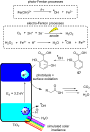
Scheme 27: Degradation of a salicylic acid (57) solution by a coupled solar photoelectro-Fenton (SPEF) process...

Figure 21: A) Schematic flow diagram using the TiO2-coated NETmix microfluidic device for an efficient mass tr...
Distinctive reactivity of N-benzylidene-[1,1'-biphenyl]-2-amines under photoredox conditions
- Shrikant D. Tambe,
- Kwan Hong Min,
- Naeem Iqbal and
- Eun Jin Cho
Beilstein J. Org. Chem. 2020, 16, 1335–1342, doi:10.3762/bjoc.16.114
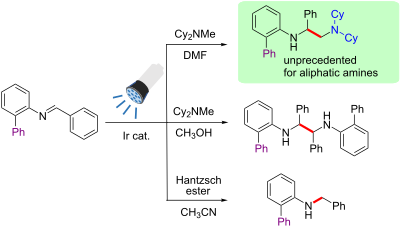
- ]. Among these diverse applications, the Rueping group has reported excellent examples of the reductive umpolung homocoupling of imines and heterocoupling with α-amino radicals for the synthesis of symmetrical and unsymmetrical vicinal diamines (Scheme 1b) [23][26]. Notably, 1,2-diamines have widespread
- the formation of mixtures of several types of amine compounds. A photochemical quantum yield, determined by using the standard ferrioxalate actinometry, was 83% for the radical cross-coupling between 1a and Cy2NMe (see Supporting Information File 1 for details). Next, the homocoupling reactions of
- electron density or position of the substituent on the benzylidene moiety. Interestingly, the homocoupling process was highly stereoselective, resulting in the formation of only one diastereomer, probably due to the bulky substitution pattern of the substrates. The structure of the homocoupled 1,2-diamine

Graphical Abstract

Scheme 1: Photocatalytic transformations of imines.

Scheme 2: Substrate scope for the radical cross-couplings. Reaction conditions: 1 (0.3 mmol), under argon atm...

Scheme 3: Substrate scope for the homocoupling. Reaction conditions: 1 (0.3 mmol), under argon atmosphere, is...

Scheme 4: Reduction of the imine 1a to the amine 4a.

Scheme 5: Proposed mechanism.
Palladium-catalyzed regio- and stereoselective synthesis of aryl and 3-indolyl-substituted 4-methylene-3,4-dihydroisoquinolin-1(2H)-ones
- Valeria Nori,
- Antonio Arcadi,
- Armando Carlone,
- Fabio Marinelli and
- Marco Chiarini
Beilstein J. Org. Chem. 2020, 16, 1084–1091, doi:10.3762/bjoc.16.95
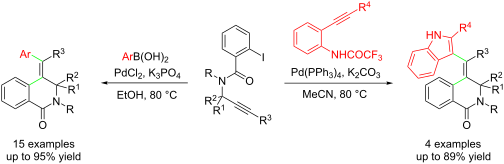
- , various functional groups such as amino, acetamido, F, Cl, OMe, CF3, and CN moieties were found to be compatible with these reaction conditions, and only the homocoupling of the arylboronic acids was observed as side reaction to some extent [42]. The best results were obtained with arylboronic acids

Graphical Abstract

Scheme 1: Planned approach to tetrasubstituted-4-methylene-3,4-dihydroisoquinolin-1(2H)-ones 4 and 6.

Scheme 2: Preparation of the starting N-propargyl-2-iodobenzamides 2.

Scheme 3: Substrate scope of the reaction of N-propargyl-2-iodobenzamide 2a with arylboronic acids 3b–i.
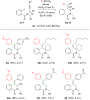
Scheme 4: Substrate scope of the reaction of N-propargyl-2-iodobenzamides 2c–f with arylboronic acids 3a–c/j.

Scheme 5: Reaction of N-propargyl-2-iodobenzamides 2b,f with the 2-alkynyltrifluoroacetanilides 5a–c.
Synthesis and anticancer activity of bis(2-arylimidazo[1,2-a]pyridin-3-yl) selenides and diselenides: the copper-catalyzed tandem C–H selenation of 2-arylimidazo[1,2-a]pyridine with selenium
- Mio Matsumura,
- Tsutomu Takahashi,
- Hikari Yamauchi,
- Shunsuke Sakuma,
- Yukako Hayashi,
- Tadashi Hyodo,
- Tohru Obata,
- Kentaro Yamaguchi,
- Yasuyuki Fujiwara and
- Shuji Yasuike
Beilstein J. Org. Chem. 2020, 16, 1075–1083, doi:10.3762/bjoc.16.94
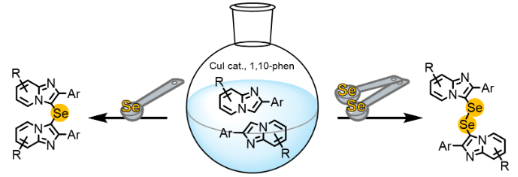
- experiments, a plausible double selenation mechanism is shown in Scheme 2 and Scheme 3. The first step of the reaction involves the generation of the intermediate B via A by the Cu-mediated electrophilic substitution of 1 with selenium. The oxidative homocoupling of the intermediate B then proceeds to give

Graphical Abstract

Figure 1: Biologically active selenides and diselenides having heteroaryl groups.

Figure 2: Ortep drawings of 2a (a and b) and 3a (c and d, thermal elipsoids indicate 50% probability).

Figure 3: The synthesis of bis(2-arylimidazopyridin-3-yl) diselenides. Reaction conditions: 1 (2 mmol), Se (2...

Figure 4: The synthesis of bis(2-arylimidazopyridin-3-yl) selenides. Reaction conditions: 1 (2 mmol), Se (1 m...

Scheme 1: Control reactions.

Scheme 2: Proposed mechanism (1).

Scheme 3: Proposed mechanism (2).

Figure 5: The cytotoxic effect of the bis(2-arylimidazo[1,2-a]pyridin-3-yl) diselenides 2 and selenides 3 on ...

Figure 6: The cytotoxic effect of the bis[2-(4-methoxyphenyl)imidazo[1,2-a]pyridin-3-yl] diselenide 2f on can...

Figure 7: Cytotoxic effect of the bis[2-(4-methoxyphenyl)imidazo[1,2-a]pyridin-3-yl] diselenide 2f on a cance...
Palladium-catalyzed Sonogashira coupling reactions in γ-valerolactone-based ionic liquids
- László Orha,
- József M. Tukacs,
- László Kollár and
- László T. Mika
Beilstein J. Org. Chem. 2019, 15, 2907–2913, doi:10.3762/bjoc.15.284
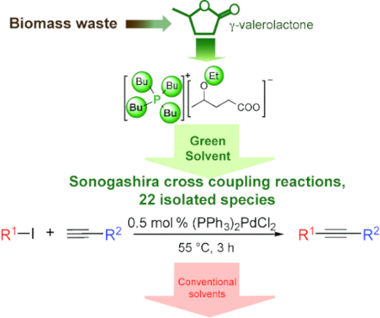
- the product isolation procedure. In addition, it is well-established that the presence of Cu(I) salt can promote the in situ formation of some Cu(I) acetylides, which can readily undergo oxidative homocoupling of alkynes even in their slight excess in the reaction mixture [15][38][39]. Thus, the

Graphical Abstract

Scheme 1: Palladium-catalyzed Sonogashira cross-coupling of iodobenzene (1a) and phenylacetylene (2a) in ioni...

Figure 1: Effect of catalyst precursors used in Sonogashira coupling reaction of iodobenzene (1a, 0.5 mmol) a...

Figure 2: Re-use of Pd catalyst for Sonogashira coupling of iodobenzene (1a) and phenylacetylene (2a). Reacti...
Recent advances on the transition-metal-catalyzed synthesis of imidazopyridines: an updated coverage
- Gagandeep Kour Reen,
- Ashok Kumar and
- Pratibha Sharma
Beilstein J. Org. Chem. 2019, 15, 1612–1704, doi:10.3762/bjoc.15.165
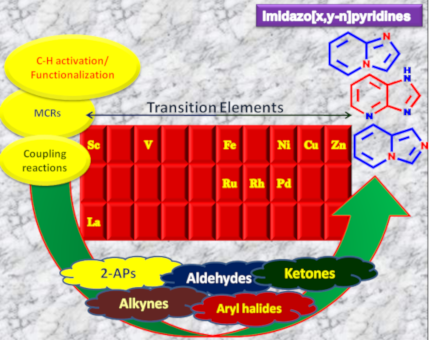
- high level of functional group compatibility, intramolecular alkylations, inter and intramolecular C–H bond activation and regio/stereoselective homocoupling of alkynes [71][72][73]. Group of Cho and Chang have unprecedentedly reported a Rh catalytic system for facile addition of heteroarenes to both
- this methodology resulted in homocoupling of bromoalkynes. Among the examined Cu(I) and Cu(II) salts, Cu(OTf)2 was proven to be the optimal one. Both EW and EDGs were well tolerated except 2-amino-6-methylpyridine which might be sterically hindered due to methyl group at 6-position. The use of

Graphical Abstract

Figure 1: Various drugs having IP nucleus.

Figure 2: Participation percentage of various TMs for the syntheses of IPs.

Scheme 1: CuI–NaHSO4·SiO2-catalyzed synthesis of imidazo[1,2-a]pyridines.

Scheme 2: Experimental examination of reaction conditions.

Scheme 3: One-pot tandem reaction for the synthesis of 2-haloimidazopyridines.

Scheme 4: Mechanistic scheme for the synthesis of 2-haloimidazopyridine.

Scheme 5: Copper-MOF-catalyzed three-component reaction (3-CR) for imidazo[1,2-a]pyridines.

Scheme 6: Mechanism for copper-MOF-driven synthesis.

Scheme 7: Heterogeneous synthesis via titania-supported CuCl2.

Scheme 8: Mechanism involving oxidative C–H functionalization.

Scheme 9: Heterogeneous synthesis of IPs.

Scheme 10: One-pot regiospecific synthesis of imidazo[1,2-a]pyridines.

Scheme 11: Vinyl azide as an unprecedented substrate for imidazo[1,2-a]pyridines.

Scheme 12: Radical pathway.

Scheme 13: Cu(I)-catalyzed transannulation approach for imidazo[1,5-a]pyridines.

Scheme 14: Plausible radical pathway for the synthesis of imidazo[1,5-a]pyridines.

Scheme 15: A solvent-free domino reaction for imidazo[1,2-a]pyridines.

Scheme 16: Cu-NPs-mediated synthesis of imidazo[1,2-a]pyridines.

Scheme 17: CuI-catalyzed synthesis of isoxazolylimidazo[1,2-a]pyridines.

Scheme 18: Functionalization of 4-bromo derivative via Sonogashira coupling reaction.

Scheme 19: A plausible reaction pathway.

Scheme 20: Cu(I)-catalyzed intramolecular oxidative C–H amidation reaction.

Scheme 21: One-pot synthetic reaction for imidazo[1,2-a]pyridine.

Scheme 22: Plausible reaction mechanism.

Scheme 23: Cu(OAc)2-promoted synthesis of imidazo[1,2-a]pyridines.

Scheme 24: Mechanism for aminomethylation/cycloisomerization of propiolates with imines.

Scheme 25: Three-component synthesis of imidazo[1,2-a]pyridines.

Figure 3: Scope of pyridin-2(1H)-ones and acetophenones.

Scheme 26: CuO NPS-promoted A3 coupling reaction.

Scheme 27: Cu(II)-catalyzed C–N bond formation reaction.

Scheme 28: Mechanism involving Chan–Lam/Ullmann coupling.

Scheme 29: Synthesis of formyl-substituted imidazo[1,2-a]pyridines.

Scheme 30: A tandem sp3 C–H amination reaction.

Scheme 31: Probable mechanistic approach.

Scheme 32: Dual catalytic system for imidazo[1,2-a]pyridines.

Scheme 33: Tentative mechanism.

Scheme 34: CuO/CuAl2O4/ᴅ-glucose-promoted 3-CCR.

Scheme 35: A tandem CuOx/OMS-2-based synthetic strategy.

Figure 4: Biomimetic catalytic oxidation in the presence of electron-transfer mediators (ETMs).

Scheme 36: Control experiment.

Scheme 37: Copper-catalyzed C(sp3)–H aminatin reaction.

Scheme 38: Reaction of secondary amines.

Scheme 39: Probable mechanistic pathway.

Scheme 40: Coupling reaction of α-azidoketones.

Scheme 41: Probable pathway.

Scheme 42: Probable mechanism with free energy calculations.

Scheme 43: MCR for cyanated IP synthesis.

Scheme 44: Substrate scope for the reaction.

Scheme 45: Reaction mechanism.

Scheme 46: Probable mechanistic pathway for Cu/ZnAl2O4-catalyzed reaction.

Scheme 47: Copper-catalyzed double oxidative C–H amination reaction.

Scheme 48: Application towards different coupling reactions.

Scheme 49: Reaction mechanism.

Scheme 50: Condensation–cyclization approach for the synthesis of 1,3-diarylated imidazo[1,5-a]pyridines.

Scheme 51: Optimized reaction conditions.

Scheme 52: One-pot 2-CR.

Scheme 53: One-pot 3-CR without the isolation of chalcone.

Scheme 54: Copper–Pybox-catalyzed cyclization reaction.

Scheme 55: Mechanistic pathway catalyzed by Cu–Pybox complex.

Scheme 56: Cu(II)-promoted C(sp3)-H amination reaction.

Scheme 57: Wider substrate applicability for the reaction.

Scheme 58: Plausible reaction mechanism.

Scheme 59: CuI assisted C–N cross-coupling reaction.

Scheme 60: Probable reaction mechanism involving sp3 C–H amination.

Scheme 61: One-pot MCR-catalyzed by CoFe2O4/CNT-Cu.

Scheme 62: Mechanistic pathway.

Scheme 63: Synthetic scheme for 3-nitroimidazo[1,2-a]pyridines.

Scheme 64: Plausible mechanism for CuBr-catalyzed reaction.

Scheme 65: Regioselective synthesis of halo-substituted imidazo[1,2-a]pyridines.

Scheme 66: Synthesis of 2-phenylimidazo[1,2-a]pyridines.

Scheme 67: Synthesis of diarylated compounds.

Scheme 68: CuBr2-mediated one-pot two-component oxidative coupling reaction.

Scheme 69: Decarboxylative cyclization route to synthesize 1,3-diarylimidazo[1,5-a]pyridines.

Scheme 70: Mechanistic pathway.

Scheme 71: C–H functionalization reaction of enamines to produce diversified heterocycles.

Scheme 72: A plausible mechanism.

Scheme 73: CuI-promoted aerobic oxidative cyclization reaction of ketoxime acetates and pyridines.

Scheme 74: CuI-catalyzed pathway for the formation of imidazo[1,2-a]pyridine.

Scheme 75: Mechanistic pathway.

Scheme 76: Mechanistic rationale for the synthesis of products.

Scheme 77: Copper-catalyzed synthesis of vinyloxy-IP.

Scheme 78: Regioselective product formation with propiolates.

Scheme 79: Proposed mechanism for vinyloxy-IP formation.

Scheme 80: Regioselective synthesis of 3-hetero-substituted imidazo[1,2-a]pyridines with different reaction su...

Scheme 81: Mechanistic pathway.

Scheme 82: CuI-mediated synthesis of 3-formylimidazo[1,2-a]pyridines.

Scheme 83: Radical pathway for 3-formylated IP synthesis.

Scheme 84: Pd-catalyzed urea-cyclization reaction for IPs.

Scheme 85: Pd-catalyzed one-pot-tandem amination and intramolecular amidation reaction.

Figure 5: Scope of aniline nucleophiles.

Scheme 86: Pd–Cu-catalyzed Sonogashira coupling reaction.

Scheme 87: One-pot amide coupling reaction for the synthesis of imidazo[4,5-b]pyridines.

Scheme 88: Urea cyclization reaction for the synthesis of two series of pyridines.

Scheme 89: Amidation reaction for the synthesis of imidazo[4,5-b]pyridines.

Figure 6: Amide scope.

Scheme 90: Pd NPs-catalyzed 3-component reaction for the synthesis of 2,3-diarylated IPs.

Scheme 91: Plausible mechanistic pathway for Pd NPs-catalyzed MCR.

Scheme 92: Synthesis of chromenoannulated imidazo[1,2-a]pyridines.

Scheme 93: Mechanism for the synthesis of chromeno-annulated IPs.

Scheme 94: Zinc oxide NRs-catalyzed synthesis of imidazo[1,2-a]azines/diazines.

Scheme 95: Zinc oxide-catalyzed isocyanide based GBB reaction.

Scheme 96: Reaction pathway for ZnO-catalyzed GBB reaction.

Scheme 97: Mechanistic pathway.

Scheme 98: ZnO NRs-catalyzed MCR for the synthesis of imidazo[1,2-a]azines.

Scheme 99: Ugi type GBB three-component reaction.

Scheme 100: Magnetic NPs-catalyzed synthesis of imidazo[1,2-a]pyridines.

Scheme 101: Regioselective synthesis of 2-alkoxyimidazo[1,2-a]pyridines catalyzed by Fe-SBA-15.

Scheme 102: Plausible mechanistic pathway for the synthesis of 2-alkoxyimidazopyridine.

Scheme 103: Iron-catalyzed synthetic approach.

Scheme 104: Iron-catalyzed aminooxygenation reaction.

Scheme 105: Mechanistic pathway.

Scheme 106: Rh(III)-catalyzed double C–H activation of 2-substituted imidazoles and alkynes.

Scheme 107: Plausible reaction mechanism.

Scheme 108: Rh(III)-catalyzed non-aromatic C(sp2)–H bond activation–functionalization for the synthesis of imid...

Scheme 109: Reactivity and selectivity of different substrates.

Scheme 110: Rh-catalyzed direct C–H alkynylation by Li et al.

Scheme 111: Suggested radical mechanism.

Scheme 112: Scandium(III)triflate-catalyzed one-pot reaction and its mechanism for the synthesis of benzimidazo...

Scheme 113: RuCl3-assisted Ugi-type Groebke–Blackburn condensation reaction.

Scheme 114: C-3 aroylation via Ru-catalyzed two-component reaction.

Scheme 115: Regioselective synthetic mechanism.

Scheme 116: La(III)-catalyzed one-pot GBB reaction.

Scheme 117: Mechanistic approach for the synthesis of imidazo[1,2-a]pyridines.

Scheme 118: Synthesis of imidazo[1,2-a]pyridine using LaMnO3 NPs under neat conditions.

Scheme 119: Mechanistic approach.

Scheme 120: One-pot 3-CR for regioselective synthesis of 2-alkoxy-3-arylimidazo[1,2-a]pyridines.

Scheme 121: Formation of two possible products under optimization of the catalysts.

Scheme 122: Mechanistic strategy for NiFe2O4-catalyzed reaction.

Scheme 123: Two-component reaction for synthesizing imidazodipyridiniums.

Scheme 124: Mechanistic scheme for the synthesis of imidazodipyridiniums.

Scheme 125: CuI-catalyzed arylation of imidazo[1,2-a]pyridines.

Scheme 126: Mechanism for arylation reaction.

Scheme 127: Cupric acetate-catalyzed double carbonylation approach.

Scheme 128: Radical mechanism for double carbonylation of IP.

Scheme 129: C–S bond formation reaction catalyzed by cupric acetate.

Scheme 130: Cupric acetate-catalyzed C-3 formylation approach.

Scheme 131: Control experiments for signifying the role of DMSO and oxygen.

Scheme 132: Mechanism pathway.

Scheme 133: Copper bromide-catalyzed CDC reaction.

Scheme 134: Extension of the substrate scope.

Scheme 135: Plausible radical pathway.

Scheme 136: Transannulation reaction for the synthesis of imidazo[1,5-a]pyridines.

Scheme 137: Plausible reaction pathway for denitrogenative transannulation.

Scheme 138: Cupric acetate-catalyzed C-3 carbonylation reaction.

Scheme 139: Plausible mechanism for regioselective C-3 carbonylation.

Scheme 140: Alkynylation reaction at C-2 of 3H-imidazo[4,5-b]pyridines.

Scheme 141: Two-way mechanism for C-2 alkynylation of 3H-imidazo[4,5-b]pyridines.

Scheme 142: Palladium-catalyzed SCCR approach.

Scheme 143: Palladium-catalyzed Suzuki coupling reaction.

Scheme 144: Reaction mechanism.

Scheme 145: A phosphine free palladium-catalyzed synthesis of C-3 arylated imidazopyridines.

Scheme 146: Palladium-mediated Buchwald–Hartwig cross-coupling reaction.

Figure 7: Structure of the ligands optimized.

Scheme 147: Palladium acetate-catalyzed direct arylation of imidazo[1,2-a]pyridines.

Scheme 148: Palladium acetate-catalyzed mechanistic pathway.

Scheme 149: Palladium acetate-catalyzed regioselective arylation reported by Liu and Zhan.

Scheme 150: Mechanism for selective C-3 arylation of IP.

Scheme 151: Pd(II)-catalyzed alkenylation reaction with styrenes.

Scheme 152: Pd(II)-catalyzed alkenylation reaction with acrylates.

Scheme 153: A two way mechanism.

Scheme 154: Double C–H activation reaction catalyzed by Pd(OAc)2.

Scheme 155: Probable mechanism.

Scheme 156: Palladium-catalyzed decarboxylative coupling.

Scheme 157: Mechanistic cycle for decarboxylative arylation reaction.

Scheme 158: Ligand-free approach for arylation of imidazo[1,2-a]pyridine-3-carboxylic acids.

Scheme 159: Mechanism for ligandless arylation reaction.

Scheme 160: NHC-Pd(II) complex assisted arylation reaction.

Scheme 161: C-3 arylation of imidazo[1,2-a]pyridines with aryl bromides catalyzed by Pd(OAc)2.

Scheme 162: Pd(II)-catalyzed C-3 arylations with aryl tosylates and mesylates.

Scheme 163: CDC reaction for the synthesis of imidazo[1,2-a]pyridines.

Scheme 164: Plausible reaction mechanism for Pd(OAc)2-catalyzed synthesis of imidazo[1,2-a]pyridines.

Scheme 165: Pd-catalyzed C–H amination reaction.

Scheme 166: Mechanism for C–H amination reaction.

Scheme 167: One-pot synthesis for 3,6-di- or 2,3,6-tri(hetero)arylimidazo[1,2-a]pyridines.

Scheme 168: C–H/C–H cross-coupling reaction of IPs and azoles catalyzed by Pd(II).

Scheme 169: Mechanistic cycle.

Scheme 170: Rh-catalyzed C–H arylation reaction.

Scheme 171: Mechanistic pathway for C–H arylation of imidazo[1,2-a]pyridine.

Scheme 172: Rh(III)-catalyzed double C–H activation of 2-phenylimidazo[1,2-a]pyridines and alkynes.

Scheme 173: Rh(III)-catalyzed mechanistic pathway.

Scheme 174: Rh(III)-mediated oxidative coupling reaction.

Scheme 175: Reactions showing functionalization of the product obtained by the group of Kotla.

Scheme 176: Mechanism for Rh(III)-catalyzed oxidative coupling reaction.

Scheme 177: Rh(III)-catalyzed C–H activation reaction.

Scheme 178: Mechanistic cycle.

Scheme 179: Annulation reactions of 2-arylimidazo[1,2-a]pyridines and alkynes.

Scheme 180: Two-way reaction mechanism for annulations reaction.

Scheme 181: [RuCl2(p-cymene)]2-catalyzed C–C bond formation reaction.

Scheme 182: Reported reaction mechanism.

Scheme 183: Fe(III) catalyzed C-3 formylation approach.

Scheme 184: SET mechanism-catalyzed by Fe(III).

Scheme 185: Ni(dpp)Cl2-catalyzed KTC coupling.

Scheme 186: Pd-catalyzed SM coupling.

Scheme 187: Vanadium-catalyzed coupling of IP and NMO.

Scheme 188: Mechanistic cycle.

Scheme 189: Selective C3/C5–H bond functionalizations by mono and bimetallic systems.

Scheme 190: rGO-Ni@Pd-catalyzed C–H bond arylation of imidazo[1,2-a]pyridine.

Scheme 191: Mechanistic pathway for heterogeneously catalyzed arylation reaction.

Scheme 192: Zinc triflate-catalyzed coupling reaction of substituted propargyl alcohols.
Application of olefin metathesis in the synthesis of functionalized polyhedral oligomeric silsesquioxanes (POSS) and POSS-containing polymeric materials
- Patrycja Żak and
- Cezary Pietraszuk
Beilstein J. Org. Chem. 2019, 15, 310–332, doi:10.3762/bjoc.15.28
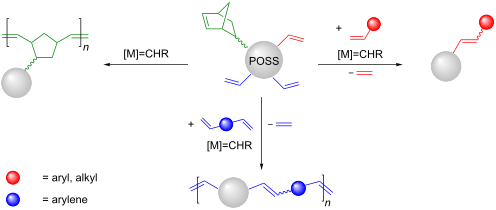
- minor amount of homometathesis. Fortunately, the product of homocoupling could be easily separated from the desired CM products. The presence of the carborane clusters was shown to enhance the thermal stability of the materials. Absorption and emission data of carborane–POSS hybrids indicate a large red

Graphical Abstract

Figure 1: Cubic octasilsesquioxane.

Scheme 1: Reactivity of vinylsilanes in the presence of ruthenium alkylidene complexes; a) cross metathesis, ...

Figure 2: The scope and limitations of metathesis in transformations of vinyl-substituted siloxanes and silse...

Scheme 2: Application of olefin metathesis in the synthesis and modification of POSS-based materials: a) func...

Figure 3: Olefin metathesis catalysts used in transformations of silsesquioxanes.

Figure 4: Octavinyl-substituted cubic silsesquioxane (OVS) and spherosilicate.

Scheme 3: Cross metathesis of OVS with terminal olefins (stereoselectivity as discussed in the text).

Scheme 4: Cross metathesis of OVS with substituted styrenes.

Scheme 5: Modification of OVS via CM with styrenes.

Figure 5: Vinylbiphenyl chromophore-decorated cubic silsesquioxanes.

Scheme 6: Cross metathesis of OVS with carboranylstyrene.

Scheme 7: Synthesis of octakis[2-(p-carboxyphenyl)ethyl]silsesquioxane via CM and subsequent hydrogenation.

Scheme 8: Cross metathesis of monovinyl-POSS with olefins.

Scheme 9: Cross metathesis of monovinyl-POSS with highly π-conjugated substituted styrenes.

Scheme 10: Cross metathesis of monovinylgermasilsesquioxane with styrenes.

Scheme 11: Cross metathesis of DDSQ-2SiVi with olefins.

Scheme 12: Cross metathesis of DDSQ-2SiVi with substituted styrenes.

Scheme 13: Cross metathesis of (DDSQ-2GeVi) with olefins.

Scheme 14: CM of divinyl-substituted T10 and T12 with 4-bromostyrene (selected isomers are shown).

Scheme 15: Synthesis of vinylstilbene derivatives of T10 and T12 via a sequence of CM and Heck coupling.

Scheme 16: Cross metathesis of allyl-POSS with tert-butyl acrylate and (Z)-1,4-diacetoxy-but-2-ene.

Scheme 17: Cross metathesis of allyl-POSS with olefins.

Scheme 18: Acyclic diene metathesis copolymerization of DDSQ-2SiVi with diolefins.

Scheme 19: Acyclic diene metathesis copolymerization of DDSQ-2GeVi with diolefins.

Scheme 20: Ring-opening metathesis copolymerization of norbornenylethyl-POSS with norbornene.

Scheme 21: Synthesis of a polyethylene–POSS copolymer via ring-opening metathesis copolymerization of norborne...

Scheme 22: ROMP of norbornenylethyl-POSS with 1,5-cyclooctadiene.

Scheme 23: Copolymerization of POSS-functionalized norbornene with DCPD.

Scheme 24: Copolymerization of tris(norbornenylethyl)-POSS with DCPD.

Scheme 25: Copolymerization of N-(propyl-POSS)-7-oxanorbornene-5,6-dicarboximide with 3-(trifluoromethyl)pheny...

Figure 6: Homopolymers and copolymers having POSS groups attached to the main chain via flexible spacers of d...

Scheme 26: Ring-opening metathesis copolymerization of POSS-NBE with methyltetracyclododecene.

Scheme 27: Synthesis of block copolymer via ROMP by sequential monomer addition.

Scheme 28: Synthesis of a liquid crystalline polymer with POSS core in the side chain.

Scheme 29: Sequential synthesis of copolymers of polynorbornene containing POSS and PEO pendant groups.

Scheme 30: Synthesis of rodlike POSS−bottlebrush block copolymers [54].

Scheme 31: Surface-initiated ROMP producing copolymer layers on the surface of CdSe/ZnS quantum dots.
Synthesis of mono-functionalized S-diazocines via intramolecular Baeyer–Mills reactions
- Miriam Schehr,
- Daniel Hugenbusch,
- Tobias Moje,
- Christian Näther and
- Rainer Herges
Beilstein J. Org. Chem. 2018, 14, 2799–2804, doi:10.3762/bjoc.14.257

- challenging because most synthetic approaches involve homocoupling steps for the synthesis of the bridge as well as for the formation of the azo function [9][10][11][12][13][14][15][16]. In Table 1 previous synthesis approaches are compared to the synthesis approach in the present study. Recently, we reported

Graphical Abstract

Figure 1: Cis–trans isomerization of mono-functionalized S-diazocines 1–5.

Scheme 1: Reaction conditions: i) MeCN, AIBN, NBS; ii) NaBH4, THF; #commercially available iii) BH3·THF compl...

Figure 2: UV spectra of the S-diazocine 4 in cis (black) and in trans (red) configuration after irradiation w...

Figure 3: Left: crystal structure of the iodo-functionalized S-diazocine 3. Right: crystal structure of the u...
Synthesis of a tyrosinase inhibitor by consecutive ethenolysis and cross-metathesis of crude cashew nutshell liquid
- Jacqueline Pollini,
- Valentina Bragoni and
- Lukas J. Gooßen
Beilstein J. Org. Chem. 2018, 14, 2737–2744, doi:10.3762/bjoc.14.252
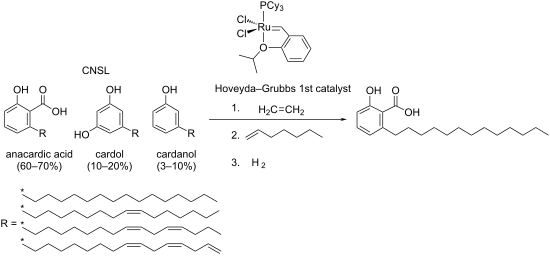
- % (Table 1, entry 2). The yield was further improved by raising the reaction temperature to 60 °C (Table 1, entry 3). Now, only 3% starting material 2 was detected, but unwanted homocoupling of 2 (product 6, see Supporting Information File 1) became a major side reaction. We tested several solvents
- an excess of 7 equivalents was optimal. With a smaller amount the yield was decreased (Table 1, entry 9 and 10), while a higher excess leads to decreased conversion. This can be explained by the undesired homocoupling of 1-hexene as a side reaction, which delivers the less active 5-decene (7, see

Graphical Abstract

Scheme 1: Targeted conversion of CNSL into a tyrosinase inhibitor.

Scheme 2: Previous synthesis of 2-hydroxy-6-tridecylbenzoic acid by Fu et al.

Scheme 3: Ethenolysis of the crude CNSL.

Figure 1: State-of-the-art metathesis catalysts.

Scheme 4: Overall process in a preparative scale.
Hydroarylations by cobalt-catalyzed C–H activation
- Rajagopal Santhoshkumar and
- Chien-Hong Cheng
Beilstein J. Org. Chem. 2018, 14, 2266–2288, doi:10.3762/bjoc.14.202
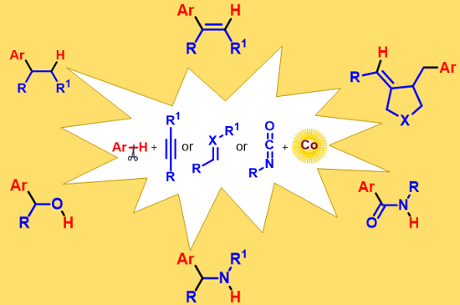
- activation. In 1941, Kharasch and Fields applied a cobalt salt as the catalyst for the homocoupling of Grignard reagents [28]. After 15 years, Murahashi discovered a cobalt-catalyzed chelation-assisted ortho C–H carbonylation of azobenzene and imines as the preliminary example of directing group assisted C–H

Graphical Abstract

Scheme 1: Cobalt-catalyzed C–H carbonylation.

Scheme 2: Hydroarylation by C–H activation.

Scheme 3: Pathways for cobalt-catalyzed hydroarylations.

Scheme 4: Co-catalyzed hydroarylation of alkynes with azobenzenes.

Scheme 5: Co-catalyzed hydroarylation of alkynes with 2-arylpyridines.

Scheme 6: Co-catalyzed addition of azoles to alkynes.

Scheme 7: Co-catalyzed addition of indoles to alkynes.

Scheme 8: Co-catalyzed hydroarylation of alkynes with imines.

Scheme 9: A plausible pathway for Co-catalyzed hydroarylation of alkynes.

Scheme 10: Co-catalyzed anti-selective C–H addition to alkynes.

Scheme 11: Co(III)-catalyzed hydroarylation of alkynes with indoles.

Scheme 12: Co(III)-catalyzed branch-selective hydroarylation of alkynes.

Scheme 13: Co(III)-catalyzed hydroarylation of terminal alkynes with arenes.

Scheme 14: Co(III)-catalyzed hydroarylation of alkynes with amides.

Scheme 15: Co(III)-catalyzed C–H alkenylation of arenes.

Scheme 16: Co-catalyzed alkylation of substituted benzamides with alkenes.

Scheme 17: Co-catalyzed switchable hydroarylation of styrenes with 2-aryl pyridines.
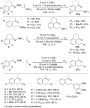
Scheme 18: Co-catalyzed linear-selective hydroarylation of alkenes with imines.

Scheme 19: Co-catalyzed linearly-selective hydroarylation of alkenes with N–H imines.

Scheme 20: Co-catalyzed branched-selective hydroarylation of alkenes with imines.

Scheme 21: Mechanism of Co-catalyzed hydroarylation of alkenes.

Scheme 22: Co-catalyzed intramolecular hydroarylation of indoles.

Scheme 23: Co-catalyzed asymmetric hydroarylation of alkenes with indoles.

Scheme 24: Co-catalyzed hydroarylation of alkenes with heteroarenes.

Scheme 25: Co(III)-catalyzed hydroarylation of activated alkenes with 2-phenyl pyridines.

Scheme 26: Co(III)-catalyzed C–H alkylation of arenes.

Scheme 27: Co(III)-catalyzed C2-alkylation of indoles.

Scheme 28: Co(III)-catalyzed switchable hydroarylation of alkyl alkenes with indoles.
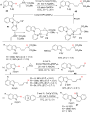
Scheme 29: Co(III)-catalyzed C2-allylation of indoles.

Scheme 30: Co(III)-catalyzed ortho C–H alkylation of arenes with maleimides.

Scheme 31: Co(III)-catalyzed hydroarylation of maleimides with arenes.
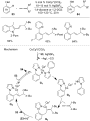
Scheme 32: Co(III)-catalyzed hydroarylation of allenes with arenes.

Scheme 33: Co-catalyzed hydroarylative cyclization of enynes with carbonyl compounds.

Scheme 34: Mechanism for the Co-catalyzed hydroarylative cyclization of enynes with carbonyl compounds.

Scheme 35: Co-catalyzed addition of 2-arylpyridines to aromatic aldimines.

Scheme 36: Co-catalyzed addition of 2-arylpyridines to aziridines.

Scheme 37: Co(III)-catalyzed hydroarylation of imines with arenes.

Scheme 38: Co(III)-catalyzed addition of arenes to ketenimines.

Scheme 39: Co(III)-catalyzed three-component coupling.

Scheme 40: Co(III)-catalyzed hydroarylation of aldehydes.

Scheme 41: Co(III)-catalyzed addition of arenes to isocyanates.
Applications of organocatalysed visible-light photoredox reactions for medicinal chemistry
- Michael K. Bogdos,
- Emmanuel Pinard and
- John A. Murphy
Beilstein J. Org. Chem. 2018, 14, 2035–2064, doi:10.3762/bjoc.14.179
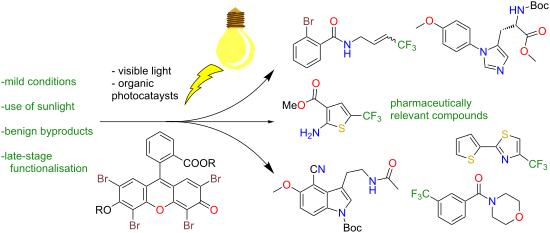
- drugs. The Yadav research group have also published the homocoupling of primary thioamides for the formation of symmetrical 1,2,4-thiadiazoles, using visible light and Eosin Y as the photocatalyst, in air at room temperature (Scheme 19) [64]. The immediately obvious limitation of this reaction is the

Graphical Abstract

Figure 1: Depiction of the energy levels of a typical organic molecule and the photophysical processes it can...

Figure 2: General catalytic cycle of a photocatalyst in a photoredox organocatalysed reaction. [cat] – photoc...

Figure 3: Structures and names of the most common photocatalysts encountered in the reviewed literature.

Figure 4: General example of a reductive quenching catalytic cycle. [cat] – photocatalyst, [cat]* – photocata...

Figure 5: General example of an oxidative quenching catalytic cycle. [cat] – photocatalyst, [cat]* – photocat...

Scheme 1: Oxidative coupling of aldehydes and amines to amides using acridinium salt photocatalysis.

Figure 6: Biologically active molecules containing a benzamide linkage.

Scheme 2: The photocatalytic reduction of amino acids to produce the corresponding free or protected amines.

Scheme 3: The organocatalysed photoredox base-mediated oxidation of thiols to disulfides.

Scheme 4: C-Terminal modification of peptides and proteins using organophotoredox catalysis.

Scheme 5: The reduction and aryl coupling of aryl halides using a doubly excited photocatalyst (PDI).

Figure 7: Mechanism for the coupling of aryl halides using PDI, which is excited sequentially by two photons.

Scheme 6: The arylation of five-membered heteroarenes using arenediazonium salts under organophotoredox condi...

Scheme 7: The C–H (hetero)arylation of five-membered heterocycles under Eosin Y photocatalysis.

Scheme 8: The C–H sulfurisation of imidazoheterocycles using Eosin B-catalyzed photochemical methods.

Scheme 9: The introduction of the thiocyanate group using Eosin Y photocatalysis.

Scheme 10: Sulfonamidation of pyrroles using oxygen as the terminal oxidant.

Scheme 11: DDQ-catalysed C–H amination of arenes and heteroarenes.

Scheme 12: Photoredox-promoted radical Michael addition reactions of allylic or benzylic carbons.

Figure 8: Proposed mechanistic rationale for the observed chemoselectivities.

Scheme 13: The photocatalytic manipulation of C–H bonds adjacent to amine groups.

Scheme 14: The perylene-catalysed organophotoredox tandem difluoromethylation–acetamidation of styrene-type al...

Figure 9: Examples of biologically active molecules containing highly functionalised five membered heterocycl...

Scheme 15: The [3 + 2]-cycloaddition leading to the formation of pyrroles, through the reaction of 2H-azirines...

Figure 10: Proposed intermediate that determines the regioselectivity of the reaction.

Figure 11: Comparison of possible pathways of reaction and various intermediates involved.

Scheme 16: The acridinium salt-catalysed formation of oxazoles from aldehydes and 2H-azirines.

Scheme 17: The synthesis of oxazolines and thiazolines from amides and thioamides using organocatalysed photor...

Figure 12: Biologically active molecules on the market containing 1,3,4-oxadiazole moieties.

Scheme 18: The synthesis of 1,3,4-oxadiazoles from aldehyde semicarbazones using Eosin Y organophotocatalysis.

Scheme 19: The dimerization of primary thioamides to 1,2,4-thiadiazoles catalysed by the presence of Eosin Y a...

Scheme 20: The radical cycloaddition of o-methylthioarenediazonium salts and substituted alkynes towards the f...

Scheme 21: The dehydrogenative cascade reaction for the synthesis of 5,6-benzofused heterocyclic systems.

Figure 13: Trifluoromethylated version of compounds which have known biological activities.

Scheme 22: Eosin Y-catalysed photoredox formation of 3-substituted benzimidazoles.

Scheme 23: Oxidation of dihydropyrimidines by atmospheric oxygen using photoredox catalysis.

Scheme 24: Photoredox-organocatalysed transformation of 2-substituted phenolic imines to benzoxazoles.

Scheme 25: Visible light-driven oxidative annulation of arylamidines.

Scheme 26: Methylene blue-photocatalysed direct C–H trifluoromethylation of heterocycles.

Scheme 27: Photoredox hydrotrifluoromethylation of terminal alkenes and alkynes.

Scheme 28: Trifluoromethylation and perfluoroalkylation of aromatics and heteroaromatics.

Scheme 29: The cooperative asymmetric and photoredox catalysis towards the functionalisation of α-amino sp3 C–...

Scheme 30: Organophotoredox-catalysed direct C–H amidation of aromatics.

Scheme 31: Direct C–H alkylation of heterocycles using BF3K salts. CFL – compact fluorescent lamp.

Figure 14: The modification of camptothecin, demonstrating the use of the Molander protocol in LSF.

Scheme 32: Direct C–H amination of aromatics using acridinium salts.

Scheme 33: Photoredox-catalysed nucleophilic aromatic substitution of nucleophiles onto methoxybenzene derivat...

Scheme 34: The direct C–H cyanation of aromatics with a focus on its use for LSF.
Water-soluble SNS cationic palladium(II) complexes and their Suzuki–Miyaura cross-coupling reactions in aqueous medium
- Alphonse Fiebor,
- Richard Tia,
- Banothile C. E. Makhubela and
- Henok H. Kinfe
Beilstein J. Org. Chem. 2018, 14, 1859–1870, doi:10.3762/bjoc.14.160
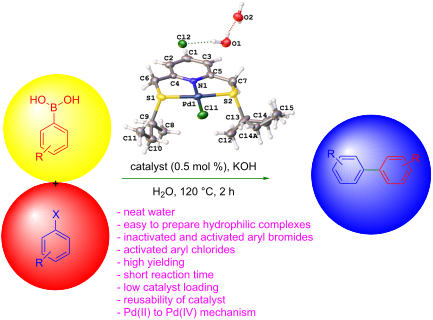
- , stirring the reaction mixture beyond 4 hours did not lead to improved yields. Investigation on the loading of the catalyst indicated that 1 mol % was sufficient to drive the reaction to near completion (93% yield, Table 2, entry 9) considering the minor byproduct formed via homocoupling of the

Graphical Abstract

Figure 1: Examples of reported SCS palladium(II) pincer complexes 1–13.

Figure 2: a) Reported SNS palladium(II) pincer complexes 14–16 as catalysts for Suzuki–Miyaura cross coupling ...

Scheme 1: Synthesis of pincer ligands 19a–d and complexes 17a–d.

Figure 3: Molecular structure of 17d. Selected bond distances (Å) and bond angles (°); S(1)–Pd(1)–Cl(1) 93.27...
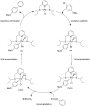
Scheme 2: Proposed mechanism of the Suzuki–Miyaura coupling reaction using pincer complex 17d.

Figure 4: Energy profile for the oxidative addition reaction involving 4-bromoanisole and Pd(II) catalyst pre...

Scheme 3: Investigation on the reusability of the catalyst.

Figure 5: Reusability of pincer complex 17d as a catalyst for the Suzuki–Miyaura cross coupling reaction.

Scheme 4: Suzuki–Miyaura coupling reaction catalysed by the SN-bidentate complex 20a.
Design, synthesis and structure of novel G-2 melamine-based dendrimers incorporating 4-(n-octyloxy)aniline as a peripheral unit
- Cristina Morar,
- Pedro Lameiras,
- Attila Bende,
- Gabriel Katona,
- Emese Gál and
- Mircea Darabantu
Beilstein J. Org. Chem. 2018, 14, 1704–1722, doi:10.3762/bjoc.14.145
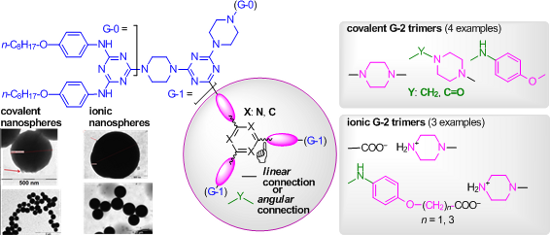
- ) or w (weak). NMR spectra were recorded on a Bruker AM 500 instrument operating at 500 or 125 MHz for 1H and 13C nuclei, respectively. All chemical shifts (δ values) are given in parts per million (ppm); all homocoupling patterns (nJH,H values) are given in Hertz. In the NMR descriptions, some

Graphical Abstract
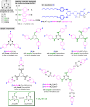
Figure 1: The key elements for design and construction of the targeted G-2 dendrimers.

Scheme 1: Convergent versus divergent three steps (a–c) synthesis of central building blocks C1 and C3.

Scheme 2: Synthesis of G-1 dendrons D-Cl and D-N<P>NH. *As partial conversions of 1 into 2a and 2b based on t...

Scheme 3: Synthesis of G-2 dendrimers 4–6 by m-trimerisations of G-1 dendrons D-Cl and D-N<P>NH.

Scheme 4: Synthesis of G-2 dendrimers 7–9 by m-trimerisations of G-1 dendron D-N<P>NH.

Figure 2: The three terms rotamerism of G-0 dendrons 2a and 3 about the C(s-triazine)–N(exocyclic) partial do...

Figure 3: Comparative details from 1H NMR spectra of G-2 dendrimer 5 (500 MHz, 5.0 mM in DMSO-d6).

Figure 4: Comparative IR spectra (KBr) of compounds 7a vs 7b (a), 7b vs trimesic acid (b), 8 vs C1 (c) and 9 ...

Figure 5: 2D-1H-DOSY NMR charts (DMSO-d6, 500 MHz, 298 K) of compounds 7a, 7b (2.5 mM), 8 and 9 (5.0 mM).

Figure 6: The DFT optimised geometry at M062X/def2-TZVP level of theory of G-2 dendrimer 7a in DMSO (hydrogen...

Figure 7: The DFT optimised geometry at M062X/def2-TZVP level of theory of trimesic tris-carboxylate anion (a...

Figure 8: The DFT optimised geometry at M062X/def2-TZVP level of theory of G-2 dendrimers 8 and 9 in DMSO.

Figure 9: TEM images of homogeneously packed spherical nano-aggregates (a) and their agglomerations (b) in th...
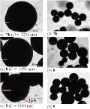
Figure 10: TEM images of homogeneously packed spherical nano-aggregates (a) and their agglomerations (b) in th...

Figure 11: Proposed π-stacking interactions in compounds D-N<P>NH and 5–7a.
An unusual thionyl chloride-promoted C−C bond formation to obtain 4,4'-bipyrazolones
- Gernot A. Eller,
- Gytė Vilkauskaitė,
- Algirdas Šačkus,
- Vytas Martynaitis,
- Ashenafi Damtew Mamuye,
- Vittorio Pace and
- Wolfgang Holzer
Beilstein J. Org. Chem. 2018, 14, 1287–1292, doi:10.3762/bjoc.14.110
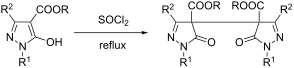
- of unidentified products resulted (Scheme 4). In contrast, with aldehyde 6 a reaction product could be isolated in moderate yield, which can be assigned to structure 7 considering NMR data and mass spectra (Scheme 4). The dehydrogenative homocoupling of 2-pyrazolin-5-ones (or pyrazolidin-5-ones) is

Graphical Abstract

Scheme 1: Envisaged approach for the synthesis of 5-chloropyrazole-4-carboxylates 2.

Scheme 2: Synthesis of bipyrazolone 3a.

Figure 1: Signal of the OCH2 ester protons of reaction product 3a (500 MHz, CDCl3).

Figure 2: ORTEP-plot of the crystal structure of compound 3a drawn with 50% displacement ellipsoids [(4S,4'S)-...

Figure 3: Arrangement (4R,4'R)- and (4S,4'S)-3a enantiomers in the crystal unit drawn with 50% displacement e...

Scheme 3: Synthesis of compounds 3a–i.

Scheme 4: Reaction of different 5-hydroxypyrazoles with thionyl chloride.

Scheme 5: Reaction of 1a with sulfuryl chloride.

Scheme 6: Possible reaction mechanism for the transformation 1 → 3.

Scheme 7: Preparation of bipyrazoles 10.
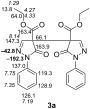
Figure 4: 1H NMR (italics), 13C NMR (normal letters) and 15N NMR (in bold) chemical shifts of 3a (in CDCl3).
Cross-coupling of dissimilar ketone enolates via enolonium species to afford non-symmetrical 1,4-diketones
- Keshaba N. Parida,
- Gulab K. Pathe,
- Shimon Maksymenko and
- Alex M. Szpilman
Beilstein J. Org. Chem. 2018, 14, 992–997, doi:10.3762/bjoc.14.84
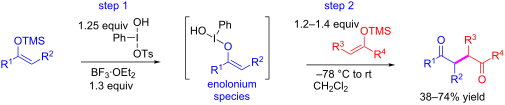
- intramolecular fashion has the double advantage of avoiding homocoupling as well as helping to overcome low reactivity in hindered systems such as cyclohexanone [12]. To the best of our knowledge there are only five examples of successful intermolecular couplings of dissimilar enolates. Two of these examples
- competing side reaction was the nucleophilic attack by the tosylate on the enolonium species 4. Only in the rare cases mentioned below homocoupling did take place. The enolonium species 4 (R1 = Ph, R2 = H) reacts readily with both electron-rich and electron-poor TMS enol ethers 5 (Scheme 2). Thus, the cross

Graphical Abstract

Scheme 1: Oxidative intermolecular cross-coupling of dissimilar enolates.

Scheme 2: Scope of the homo- and heterocoupling of enolates. The purple bond indicates the bond formed. The b...

Scheme 3: Study of diastereoselectivity of the cross-coupling reaction.
Bromide-assisted chemoselective Heck reaction of 3-bromoindazoles under high-speed ball-milling conditions: synthesis of axitinib
- Jingbo Yu,
- Zikun Hong,
- Xinjie Yang,
- Yu Jiang,
- Zhijiang Jiang and
- Weike Su
Beilstein J. Org. Chem. 2018, 14, 786–795, doi:10.3762/bjoc.14.66
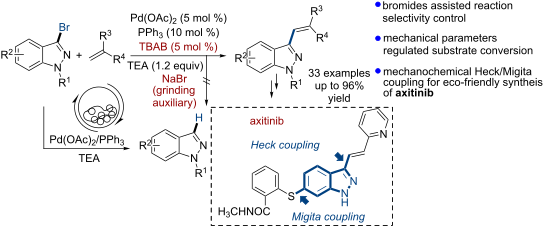
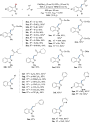
- reagent in the reaction, the substrate 1a was converted to 4a in 27% yield (conditions a), while the dehalogenation was exacerbated in the presence of Pd(OAc)2/PPh3 (conditions b). This phenomenon was in agreement with previous reports [14][15][16], that Pd-catalyzed homocoupling of aryl halides under

Graphical Abstract

Scheme 1: Representative pharmaceutically useful indazoles.

Scheme 2: Model Heck reaction of 3-bromo-N-methyl-1H-indazole (1a) and n-butyl acrylate (2a). (173 stainless-...

Figure 1: Investigation of additives in the Heck reaction: 1a (1.5 mmol), 2a (2.25 mmol), Pd(OAc)2 (5 mol %),...

Scheme 3: The control experiments. aTEA (1.8 mmol), silica gel (5.0 g), bPd(OAc)2 (5 mol %), PPh3 (10 mol %),...

Scheme 4: Plausible reaction pathway.

Figure 2: Influence of milling time and rotation speed on the Heck reaction: 1a (1.5 mmol), 2a (2.25 mmol), P...

Figure 3: Influence of the milling ball filling degree with different size on the Heck reaction: 1a (1.5 mmol...
Scheme 5: Examination of the substrate scope. Reaction conditions: 1 (1.5 mmol), 2 (2.25 mmol), Pd(OAc)2 (5 m...

Scheme 6: Synthesis of axitinib by mechanochemical Heck–Migita coupling. Reagents and conditions: (i) NBS, Na...
Heterogeneous Pd catalysts as emulsifiers in Pickering emulsions for integrated multistep synthesis in flow chemistry
- Katharina Hiebler,
- Georg J. Lichtenegger,
- Manuel C. Maier,
- Eun Sung Park,
- Renie Gonzales-Groom,
- Bernard P. Binks and
- Heidrun Gruber-Woelfler
Beilstein J. Org. Chem. 2018, 14, 648–658, doi:10.3762/bjoc.14.52
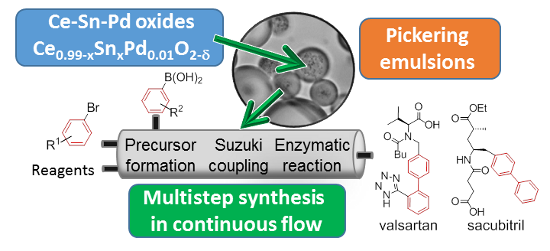
- oxide Ce0.99Pd0.01O2–δ showed to be least efficient for the explored Suzuki–Miyaura couplings. Regarding the selectivity of the catalysts in the selected cross-coupling reactions, no bromoarene-deriving side products (dehalogenation product Ar’ and bromoarene homocoupling product Ar’Ar’) could be
- detected. However, both boronic acid homocoupling (ArAr) and boronic acid oxidation (ArOH) occurred to a small extent as indicated by HPLC. As the side product formation mainly occurs when the bromoarene coupling partner gets depleted, highest reaction selectivity (up to 99.5% [37]) can be achieved by

Graphical Abstract

Figure 1: Targeted integrated multistep synthesis of valsartan (1) and sacubitril (2).

Scheme 1: Suzuki–Miyaura coupling of phenylboronic acid 3 with various bromoarenes 4a–e (a: R1 = H, R2 = CH3; ...

Figure 2: Particle size distribution of Ce0.495Sn0.495Pd0.01O2–δ after size reduction via milling and separat...

Figure 3: Optical microscope images of fresh aqueous dispersions, 0.05 wt %, of (a) Ce0.495Sn0.495Pd0.01O2–δ ...
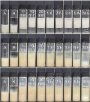
Figure 4: Photos of vessels containing cyclohexane-in-water emulsions stabilised by particles of Ce0.495Sn0.4...

Figure 5: Optical microscopy images of cyclohexane-in-water emulsions of Figure 4 after one month for particle concen...
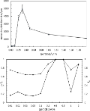
Figure 6: (top) Mean emulsion droplet diameter after 30 min as a function of particle concentration for syste...

Figure 7: Mean particle diameter in aqueous dispersions as a function of Ce0.495Sn0.495Pd0.01O2–δ concentrati...

Figure 8: Variation of the zeta potential and pH value of aqueous dispersions of Ce0.495Sn0.495Pd0.01O2–δ par...

Figure 9: (a) Appearance of octane-in-water emulsions with time at 0.05 wt % of Ce0.495Sn0.495Pd0.01O2–δ (lef...

Figure 10: (a) Variation of droplet diameter with particle concentration for octane-in-water emulsions stabili...

Figure 11: (a) Variation of droplet diameter with particle concentration for toluene-in-water emulsions stabil...
Intramolecular glycosylation
- Xiao G. Jia and
- Alexei V. Demchenko
Beilstein J. Org. Chem. 2017, 13, 2028–2048, doi:10.3762/bjoc.13.201
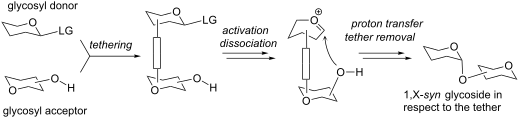
- ). With primary glycosyl acceptors, such as 66 (Scheme 16), yields were slightly diminished due to the formation of the homocoupling products. Secondary alcohol acceptors were even less efficient showing a high substrate specificity of this approach. Other donor series including 2-azido and 2-deoxy sugars

Graphical Abstract

Scheme 1: The mechanistic outline of the intermolecular (a) and intramolecular (b) glycosylation reactions.

Figure 1: Three general concepts for intramolecular glycosylation reactions.

Scheme 2: First intramolecular glycosylation using the molecular clamping.

Scheme 3: Succinoyl as a flexible linker for intramolecular glycosylation of prearranged glycosides.

Scheme 4: Template-directed cyclo-glycosylation using a phthaloyl linker.

Scheme 5: Phthaloyl linker-mediated synthesis of branched oligosaccharides via remote glycosidation.

Scheme 6: Molecular clamping with the phthaloyl linker in the synthesis of α-cyclodextrin.

Scheme 7: m-Xylylene as a rigid tether for intramolecular glycosylation.

Scheme 8: Oligosaccharide synthesis using rigid xylylene linkers.

Scheme 9: Stereo- and regiochemical outcome of peptide-based linkers.

Scheme 10: Positioning effect of donor and acceptor in peptide templated synthesis.

Scheme 11: Synthesis of a trisaccharide using a non-symmetrical tether strategy.

Scheme 12: Effect of ring on glycosylation with a furanose.

Scheme 13: Rigid BPA template with various linkers.

Scheme 14: The templated synthesis of maltotriose in complete stereoselectivity.

Scheme 15: First examples of the IAD.

Scheme 16: Long range IAD via dimethylsilane.

Scheme 17: Allyl-mediated tethering strategy in the IAD.

Scheme 18: IAD using tethering via the 2-naphthylmethyl group.

Scheme 19: Origin of selectivity in boronic ester mediated IAD.

Scheme 20: Arylborinic acid approach to the synthesis of β-mannosides.

Figure 2: Facial selectivity during HAD.

Scheme 21: Possible mechanisms to explain α and β selectivity in palladium mediated IAD.

Scheme 22: DISAL as the leaving group that favors the intramolecular glycosylation pathway.

Scheme 23: Boronic acid as a directing group in the leaving group-based glycosylation method.
Synthesis of tetrasubstituted pyrazoles containing pyridinyl substituents
- Josef Jansa,
- Ramona Schmidt,
- Ashenafi Damtew Mamuye,
- Laura Castoldi,
- Alexander Roller,
- Vittorio Pace and
- Wolfgang Holzer
Beilstein J. Org. Chem. 2017, 13, 895–902, doi:10.3762/bjoc.13.90
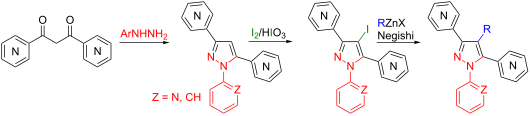
- the main product, but also containing biphenyl, traces of the desired product 6a, the homocoupling dimer 7a as well as a compound 8, obviously resulting from attack of PhLi to the pyridine system attached to pyrazole N-1 (Scheme 4). Negishi cross-couplings with 4-iodopyrazoles 3a–d The Negishi cross
- homocoupling products 7a,b emerged as the predominant reaction products (Scheme 5, middle trace), probably due to preferable halogen–zinc exchange and subsequent homocoupling. Interestingly, such sterically hindered halides provided homocoupling products 7a,b in good yields (66% and 48%, respectively). The
- selectivity towards these compounds increased with the excess of phenylzinc halide. In a model reaction employing 3b and 2 equivalents of PhZnBr, a mixture of 7b (48%), the desired coupling product 6b (27%) and dehalogenation product 2b (25%) was isolated. Such homocoupling and dehalogenation processes have

Graphical Abstract

Scheme 1: Envisaged general approach for the synthesis of the title compounds.

Scheme 2: Synthesis of 4-iodopyrazoles of type 3.

Scheme 3: Lithium–halogen exchange and subsequent carboxylation with iodopyrazoles 3a–d.

Scheme 4: Attempted cross-coupling reactions with 4-halopyrazoles 5 and 3a.

Scheme 5: Negishi couplings with 4-iodopyrazoles 3a,b.

Scheme 6: Formation of pyrazoloquinolizin-6-ium iodide 12 upon reaction of 3a with (phenylethynyl)zinc bromid...

Scheme 7: Prototropic tautomerism of compound 1a.

Figure 1: 1H NMR (in italics), 13C NMR and 15N NMR (in bold) chemical shifts of compound 9a (in CDCl3).
Direct arylation catalysis with chloro[8-(dimesitylboryl)quinoline-κN]copper(I)
- Sem Raj Tamang and
- James D. Hoefelmeyer
Beilstein J. Org. Chem. 2016, 12, 2757–2762, doi:10.3762/bjoc.12.272
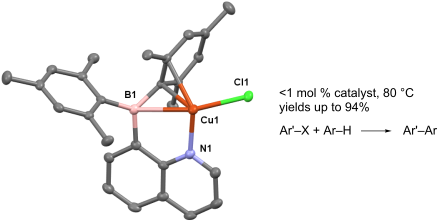
- the absence of catalyst, using 3 or 30 equivalents KO(t-Bu) gave no reaction (Table 1, entries 5 and 6). While the high yield of the direct arylation suggests that the product cannot be exclusively obtained from homocoupling of iodobenzene, we performed additional experiments to demonstrate a

Graphical Abstract

Scheme 1: Coordination of Cu(I) with the ambiphilic ligand 1 to form the catalyst 2.

Scheme 2: Proposed mechanism of direct arylation catalyzed by 2 (X = Cl/I; Ar = aryl).
Correction: Recent advances in N-heterocyclic carbene (NHC)-catalysed benzoin reactions
- Rajeev S. Menon,
- Akkattu T. Biju and
- Vijay Nair
Beilstein J. Org. Chem. 2016, 12, 2124–2124, doi:10.3762/bjoc.12.201
- homocoupling of benzaldehyde at a low loading (4 mol %) to afford benzoin in 90% yield and >99% ee (Scheme 6) [19]” should be read as “Zeitler and Connon reported that it promotes homocoupling of benzaldehyde at a low loading (4 mol %) to afford benzoin in 90% yield and >99% ee (Scheme 6) [19].” The oversight
Copper-mediated arylation with arylboronic acids: Facile and modular synthesis of triarylmethanes
- H. Surya Prakash Rao and
- A. Veera Bhadra Rao
Beilstein J. Org. Chem. 2016, 12, 496–504, doi:10.3762/bjoc.12.49
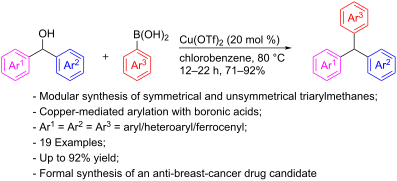
- % yield. When the reaction was conducted under oxygen atmosphere, the yield of 11a fell to 46%. Under these aerobic conditions, we isolated biphenyl (13) generated through homocoupling of phenylboronic acid. Attempts to improve the yield by the use of bases such as Na2CO3 (10 mol %) and K2CO3 (10 mol

Graphical Abstract

Figure 1: Representative examples of triarylmethanes.

Scheme 1: General methods and proposed method for the synthesis of triarylmethanes.

Scheme 2: Role of solvent and reaction conditions in the Cu(OTf)2-mediated coupling of diphenylmethanol (9a) ...

Scheme 3: A plausible mechanism for the formation of triarylmethanes 11.

Scheme 4: Copper-catalyzed C–C bond formation synthesis of triarylmethane 10l.

Scheme 5: Synthesis of anti-breast-cancer agent intermediate 22.
Recent advances in N-heterocyclic carbene (NHC)-catalysed benzoin reactions
- Rajeev S. Menon,
- Akkattu T. Biju and
- Vijay Nair
Beilstein J. Org. Chem. 2016, 12, 444–461, doi:10.3762/bjoc.12.47
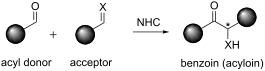
- benzoin condensations [18]. The pentafluorophenyltriazolium catalyst 15 featured in the most efficient asymmetric benzoin reaction reported so far. Inoue and co-workers found that it promotes homocoupling of benzaldehyde at a low loading (4 mol %) to afford benzoin in 90% yield and >99% ee (Scheme 6) [19

Graphical Abstract
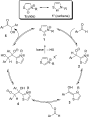
Scheme 1: Breslow’s proposal on the mechanism of the benzoin condensation.

Scheme 2: Imidazolium carbene-catalysed homo-benzoin condensation.

Scheme 3: Homo-benzoin condensation in aqueous medium.

Scheme 4: Homobenzoin condensation catalysed by bis(benzimidazolium) salt 8.

Scheme 5: List of assorted chiral NHC-catalysts used for asymmetric homobenzoin condensation.

Scheme 6: A rigid bicyclic triazole precatalyst 15 in an efficient enantioselective benzoin reaction.

Scheme 7: Inoue’s report of cross-benzoin reactions.

Scheme 8: Cross-benzoin reactions catalysed by thiazolium salt 17.

Scheme 9: Catalyst-controlled divergence in cross-benzoin reactions.

Scheme 10: Chemoselective cross-benzoin reactions catalysed by a bulky NHC.

Scheme 11: Selective intermolecular cross-benzoin condensation reactions of aromatic and aliphatic aldehydes.

Scheme 12: Chemoselective cross-benzoin reaction of aliphatic and aromatic aldehydes.

Scheme 13: Cross-benzoin reactions of trifluoromethyl ketones developed by Enders.

Scheme 14: Cross-benzoin reactions of aldehydes and α-ketoesters.

Scheme 15: Enantioselective cross-benzoin reactions of aliphatic aldehydes and α-ketoesters.

Scheme 16: Dynamic kinetic resolution of β-halo-α-ketoesters via cross-benzoin reaction.

Scheme 17: Enantioselective benzoin reaction of aldehydes and alkynones.

Scheme 18: Aza-benzoin reaction of aldehydes and acylimines.

Scheme 19: NHC-catalysed diastereoselective synthesis of cis-2-amino 3-hydroxyindanones.

Scheme 20: Cross-aza-benzoin reactions of aldehydes with aromatic imines.

Scheme 21: Enantioselective cross aza-benzoin reaction of aliphatic aldehydes with N-Boc-imines.

Scheme 22: Chemoselective cross aza-benzoin reaction of aldehydes with N-PMP-imino esters.

Scheme 23: NHC-catalysed coupling reaction of acylsilanes with imines.

Scheme 24: Thiazolium salt-mediated enantioselective cross-aza-benzoin reaction.

Scheme 25: Aza-benzoin reaction of enals with activated ketimines.

Scheme 26: Isatin derived ketimines as electrophiles in cross aza-benzoin reaction with enals.

Scheme 27: Aza-benzoin reaction of aldehydes and phosphinoylimines catalysed by the BAC-carbene.

Scheme 28: Nitrosoarenes as the electrophilic component in benzoin-initiated cascade reaction.

Scheme 29: One-pot synthesis of hydroxamic esters via aza-benzoin reaction.

Scheme 30: Cookson and Lane’s report of intramolecular benzoin condensation.

Scheme 31: Intramolecular cross-benzoin condensation between aldehyde and ketone moieties.

Scheme 32: Intramolecular crossed aldehyde-ketone benzoin reactions.

Scheme 33: Enantioselective intramolecular crossed aldehyde-ketone benzoin reaction.

Scheme 34: Chromanone synthesis via enantioselective intramolecular cross-benzoin reaction.

Scheme 35: Intramolecular cross-benzoin reaction of chalcones.

Scheme 36: Synthesis of bicyclic tertiary alcohols by intramolecular benzoin reaction.

Scheme 37: A multicatalytic Michael–benzoin cascade process for cyclopentanone synthesis.

Scheme 38: Enamine-NHC dual-catalytic, Michael–benzoin cascade reaction.

Scheme 39: Iminium-cross-benzoin cascade reaction of enals and β-oxo sulfones.

Scheme 40: Intramolecular benzoin condensation of carbohydrate-derived dialdehydes.

Scheme 41: Enantioselective intramolecular benzoin reactions of N-tethered keto-aldehydes.

Scheme 42: Asymmetric cross-benzoin reactions promoted by camphor-derived catalysts.

Scheme 43: NHC-Brønsted base co-catalysis in a benzoin–Michael–Michael cascade.

Scheme 44: Divergent catalytic dimerization of 2-formylcinnamates.

Scheme 45: One-pot, multicatalytic asymmetric synthesis of tetrahydrocarbazole derivatives.

Scheme 46: NHC-chiral secondary amine co-catalysis for the synthesis of complex spirocyclic scaffolds.
Hydroquinone–pyrrole dyads with varied linkers
- Hao Huang,
- Christoffer Karlsson,
- Maria Strømme,
- Martin Sjödin and
- Adolf Gogoll
Beilstein J. Org. Chem. 2016, 12, 89–96, doi:10.3762/bjoc.12.10
- 3-bromo-1-(triisopropylsilyl)-1H-pyrrole resulted in low yield (20%) and also homocoupling. Considering that desilylation of triisopropylsilyl protected pyrrole might occur at high temperature in DMF, an overnight reaction at room temperature was performed, resulting in a yield for 4d of 50%. In

Graphical Abstract

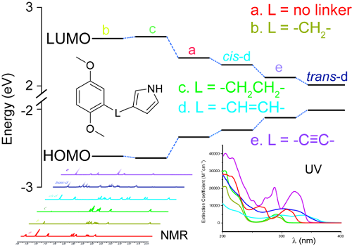
Figure 1: Structure of pyrrole/hydroquinone derivatives 3-(2,5-dimethoxyphenyl)-1H-pyrrole (1) and 3-(1,4-dih...

Figure 2: Hydroquinone dimethyl ether functionalized pyrroles with linkers L discussed in this study.

Scheme 1: Synthetic route for 3-(2,5-dimethoxybenzyl)-1H-pyrrole (3a). Conditions: i) Pd(PPh3)4, Na2CO3 (2 M ...

Scheme 2: Synthetic route for 3-(2,5-dimethoxystyryl)-1H-pyrrole (3c); cis-4c and trans-4c were separated chr...

Scheme 3: Synthesis of 3-((2,5-dimethoxyphenyl)ethynyl)-1H-pyrrole (3d). Conditions: i) Ethynyltrimethylsilan...

Scheme 4: Synthesis of 3-(2,5-dimethoxyphenethyl)-1H-pyrrole (3b). Conditions: i) Pd/C, MeOH/acetone, rt, 1.5...

Figure 3: 1H NMR spectra (400 MHz, CDCl3 solution) of the DMB-pyrrole dyads (aliphatic signals not shown).

Figure 4: 13C NMR spectra (100.6 MHz, CDCl3 solution) of the DMB-pyrrole dyads (aliphatic signals not shown).

Figure 5: UV–vis absorption spectra of 1, 3a–d, (full lines) and the reference compounds DMB, DMB-VI, DMB-EN ...

Figure 6: Calculated HOMO for 3a (a) and 3d (b).
Pyridylidene ligand facilitates gold-catalyzed oxidative C–H arylation of heterocycles
- Kazuhiro Hata,
- Hideto Ito,
- Yasutomo Segawa and
- Kenichiro Itami
Beilstein J. Org. Chem. 2015, 11, 2737–2746, doi:10.3762/bjoc.11.295
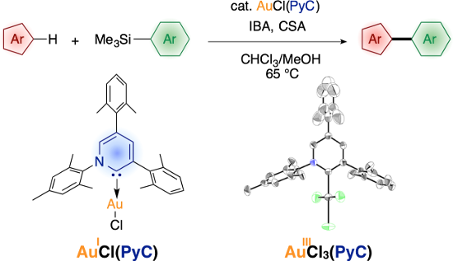
- reaction did not afford 3aa at all (Table 1, entry 2), PyC promoted the reaction with higher yield of 4-arylisoxazole 3aa under these conditions (30%, Table 1, entry 3). In the AuCl(PyC)-catalyzed reaction, 1a was fully consumed, and 4,4’-dibromobiphenyl (4a) derived from the homocoupling of arylsilane 2a
- electrophilic metalation of heteroarene 1 with C with concurrent generation of an acid (HX) produces diarylated gold(III) species D. Finally, the reductive elimination from D releases the coupling product 3 along with the regeneration of gold(I) species A. The side reaction leading to the homocoupling product

Graphical Abstract

Figure 1: Triaryl-2-pyridylidene (PyC) and PyC-gold(I) complex (AuCl(PyC)).
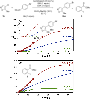
Figure 2: Yield–time profiles of 4-(4-bromophenyl)-5-methylisoxazole (3ba) and methyl 2-iodobenzoate (5) with...

Scheme 1: Plausible reaction mechanism of gold-catalyzed oxidative C–H arylation of heteroarenes with arylsil...

Figure 3: ORTEP drawing of AuCl3(PyC) with 50% probability. Hydrogen atoms and solvent are omitted for clarit...

Scheme 2: Direct observation and isolation of carbene-gold(III) complex. Mes = 2,4,6-Me3C6H2, Xyl = 2,6-Me2C6H...



