


Search results
Search for "selenium" in Full Text gives 105 result(s) in Beilstein Journal of Organic Chemistry.
Combining the best of both worlds: radical-based divergent total synthesis
- Kyriaki Gennaiou,
- Antonios Kelesidis,
- Maria Kourgiantaki and
- Alexandros L. Zografos
Beilstein J. Org. Chem. 2023, 19, 1–26, doi:10.3762/bjoc.19.1
- drastically the radical stability, nucleophilicity, and selectivity of 139 [73]. Furnishing of the common scaffold 130 can be carried out via an attack of intermediates of this type (e.g., 139) on Michael acceptors. Tosyl group deprotection of 130, followed by selenium anhydride oxidation and catalytic

Graphical Abstract
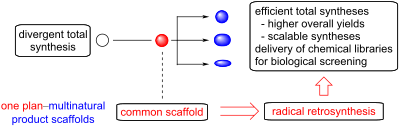
Scheme 1: The power of radical retrosynthesis and the tactic of divergent total synthesis.

Figure 1: Evolution of radical chemistry for organic synthesis.

Scheme 2: Divergent total synthesis of α-pyrone-diterpenoids (Baran).

Scheme 3: Divergent synthesis of pyrone diterpenoids by merged chemoenzymatic and radical synthesis (part I, ...

Scheme 4: Divergent synthesis of pyrone diterpenoids by merged chemoenzymatic and radical synthesis (part II,...

Scheme 5: Divergent synthesis of drimane-type hydroquinone meroterpenoids (Li).

Scheme 6: Divergent synthesis of natural products isolated from Dysidea avara (Lu).

Scheme 7: Divergent synthesis of kaurene-type terpenoids (Lei).

Scheme 8: Divergent synthesis of 6-oxabicyclo[3.2.1]octane meroterpenoids (Lou).

Scheme 9: Divergent synthesis of crinipellins by radical-mediated Dowd–Backwith rearrangement (Xie and Ding).

Scheme 10: Divergent total synthesis of Galbulimima alkaloids (Shenvi).
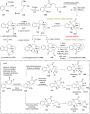
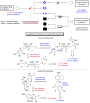
Scheme 11: Divergent synthesis of eburnane alkaloids (Qin).

Scheme 12: Divergent synthesis of Aspidosperma alkaloids (Boger).

Scheme 13: Photoredox based synthesis of (−)-FR901483 (160) and (+)-TAN1251C (162, Gaunt).
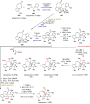
Scheme 14: Divergent synthesis of bipolamines (Maimone).

Scheme 15: Flow chemistry divergency between aporphine and morphinandione alkaloids (Felpin).
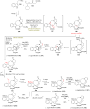
Scheme 16: Divergent synthesis of pyrroloazocine natural products (Echavarren).

Scheme 17: Using TEMPO to stabilize radicals for the divergent synthesis of pyrroloindoline natural products (...

Scheme 18: Radical pathway for preparation of lignans (Zhu).

Scheme 19: Divergent synthesis of DBCOD lignans (Lumb).
Dienophilic reactivity of 2-phosphaindolizines: a conceptual DFT investigation
- Nosheen Beig,
- Aarti Peswani and
- Raj Kumar Bansal
Beilstein J. Org. Chem. 2022, 18, 1217–1224, doi:10.3762/bjoc.18.127
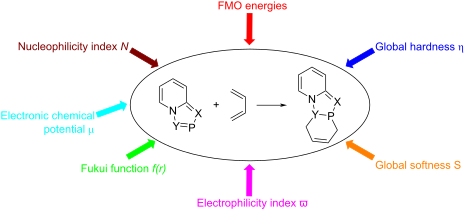
- of 1-aza-2-phosphaindolizines 3 with DMB and isoprene occurred at rt, although slowly and were speeded up by the use of sulfur or selenium which oxidized the phosphorus atom of the initially formed product thereby pushing the reaction in the forward direction [14]. The difference in the reactivities

Graphical Abstract

Figure 1: Structures of 2-phosphaindolizine (1) and indolizine (2).

Figure 2: Structures of 1-aza-2-phosphaindolizines 3, 3-aza-2-phosphaindolizines 4, and 1,3-diaza-2-phosphain...

Figure 3: Transfer of the nitrogen lone-pair in 2-phosphaindolizines.

Figure 4: Energy gap (ΔE) between HOMO of 1,3-butadiene and LUMO of 2-phosphaindolizine.
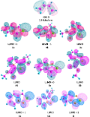
Figure 5: Kohn–Shan HOMO of 1,3-butadiene and LUMOs of 2-phosphaindolizines computed at the B3LYP/6-31+G(d) l...
Synthesis of novel alkynyl imidazopyridinyl selenides: copper-catalyzed tandem selenation of selenium with 2-arylimidazo[1,2-a]pyridines and terminal alkynes
- Mio Matsumura,
- Kaho Tsukada,
- Kiwa Sugimoto,
- Yuki Murata and
- Shuji Yasuike
Beilstein J. Org. Chem. 2022, 18, 863–871, doi:10.3762/bjoc.18.87
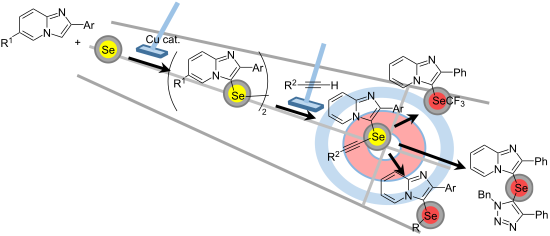
- reagents and 1,3-dipolar azide–alkyne cycloaddition based on the alkyne moiety. Keywords: alkynyl imidazopyridinyl selenide; copper catalyst; imidazo[1,2-a]pyridine; selenium; tandem reaction; terminal alkyne; Introduction Imidazo[1,2-a]pyridines are important heterocycles that serve as key functional
- . Experimental General procedure for the synthesis of alkynyl imidazopyridinyl selenides A solution of 2-phenylimidazo[1,2-a]pyridine (1a, 1.0 mmol), selenium powder (79 mg, 1.0 mmol, 1 equiv), CuI (14 mg, 0.1 mmol, 10 mol %) and 1,10-phenanthoroline (18 mg, 0.1 mmol, 10 mol %) in DMSO (3 mL) was heated at 130

Graphical Abstract

Figure 1: Biologically active selenides having alkynyl or imidazopyridinyl groups.

Figure 2: (a) ORTEP drawing of 4aa and (b) its stacking structure.

Scheme 1: Control reactions.

Figure 3: Proposed mechanism.

Scheme 2: Transformation from 4aa.
Thiophene/selenophene-based S-shaped double helicenes: regioselective synthesis and structures
- Mengjie Wang,
- Lanping Dang,
- Wan Xu,
- Zhiying Ma,
- Liuliu Shao,
- Guangxia Wang,
- Chunli Li and
- Hua Wang
Beilstein J. Org. Chem. 2022, 18, 809–817, doi:10.3762/bjoc.18.81
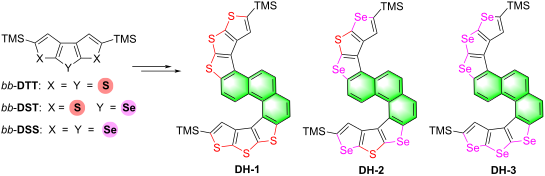
- , regioselective double oxidative photocyclization was observed during the construction of three S-shaped double helicenes DH-1–3 based on thiophene/selenophene. From DH-1 to DH-3, sulfur atoms in the molecular framework were gradually replaced by selenium atoms. The crystal structures of DH-1 and DH-2 and
- DH-1 and DH-2 are shown in Table 1. The replacement of sulfur with selenium in DH-1 and DH-2 leads to turn angles in-plane and helix climbs of [5]helicene and [6]helicene of DH-1 and DH-2 significantly change (Table 1, Figure 3). Each of the two DH-1 molecules (blue and red molecules in Figure S3 of
- occur with increasing number of selenium atoms. In band-I, compounds DH-1–3 show a maximum absorption peak at 232, 240, and 242 nm, respectively. In band-II and band-III, helical distortion and possible conjugation through heteroatoms (e.g., sulfur and selenium atoms) in DH-1–3 may increase π-electron

Graphical Abstract

Figure 1: Molecular structures of bull horn-shaped heteroacene 1, selenophene-based [7]helicene 2 and novel c...

Scheme 1: Synthetic route to S-shaped double helicenes DH-1–3.

Figure 2: Five kinds of isomer structures of 5 and two kinds of possible oxidative photocyclization product s...

Figure 3: Molecular structures and side view for DH-1 and DH-2. A and B are molecular structures for DH-1 and ...

Figure 4: UV–vis absorption spectra of DH-1–3 in CH2Cl2 ([c] = 1 × 10⁻⁵ M).
Menadione: a platform and a target to valuable compounds synthesis
- Acácio S. de Souza,
- Ruan Carlos B. Ribeiro,
- Dora C. S. Costa,
- Fernanda P. Pauli,
- David R. Pinho,
- Matheus G. de Moraes,
- Fernando de C. da Silva,
- Luana da S. M. Forezi and
- Vitor F. Ferreira
Beilstein J. Org. Chem. 2022, 18, 381–419, doi:10.3762/bjoc.18.43
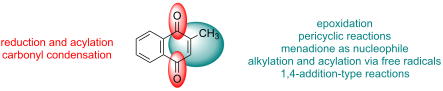
- catalytic activity of selenium mesoporous molecular sieves (SeMCM-41) in the oxidation of 16 (Table 1, entry 10). The approach was performed using H2O2 as oxidant in acetic acid over SeMCM-41 (Si/Se = 30) at 100 °C [56]. In this case, a conversion of 99% was achieved and menadione (10) was obtained with 68
- % selectivity. According to the authors, the reaction mechanism involves the formation of an active selenium peroxo species. Additionally, they mentioned that the catalyst was easily separated from the reaction mixture by simple filtration [56]. Serindağ and co-workers disclosed the bidentate tertiary
- respective ditellurides, a disulfide and a diselenide (Scheme 27). Recently, Ribeiro and co-workers used menadione as a nucleophile for the synthesis of 3-chloromethylated menadione 84, a key intermediate used to prepare selenium-menadione conjugates 86 [128]. In this work, compound 84 was prepared through

Graphical Abstract

Figure 1: Natural bioactive naphthoquinones.

Figure 2: Chemical structures of vitamins K.

Figure 3: Redox cycle of menadione.

Scheme 1: Selected approaches for menadione synthesis using silver(I) as a catalyst.

Scheme 2: Methylation approaches for the preparation of menadione from 1,4-naphthoquinone using tert-butyl hy...

Scheme 3: Methylation approach of 1,4-naphthoquinone using i) rhodium complexes/methylboronic acid and ii) bi...

Scheme 4: Synthesis of menadione (10) from itaconic acid.

Scheme 5: Menadione synthesis via Diels–Alder reaction.

Scheme 6: Synthesis of menadione (10) using p-cresol as a synthetic precursor.

Scheme 7: Synthesis of menadione (10) via demethoxycarbonylating annulation of methyl methacrylate.

Scheme 8: Furan 34 used as a diene in a Diels–Alder reaction for the synthesis of menadione (10).

Scheme 9: o-Toluidine as a dienophile in a Diels–Alder reaction for the synthesis of menadione (10).

Scheme 10: Representation of electrochemical synthesis of menadione.

Figure 4: Reaction sites and reaction types of menadione as substrate.

Scheme 11: DBU-catalyzed epoxidation of menadione (10).

Scheme 12: Phase-transfer catalysis for the epoxidation of menadione.

Scheme 13: Menadione epoxidation using a hydroperoxide derived from (+)-norcamphor.

Scheme 14: Enantioselective Diels–Alder reaction for the synthesis of asymmetric quinone 50 catalyzed by a chi...

Scheme 15: Optimized reaction conditions for the synthesis of anthra[9,1-bc]pyranone.

Scheme 16: Synthesis of anthra[9,1-bc]furanone, anthra[9,1-bc]pyridine, and anthra[9,1-bc]pyrrole derivatives.

Scheme 17: Synthesis of derivatives employing protected trienes.

Scheme 18: Synthesis of cyclobutene derivatives of menadione.

Scheme 19: Menadione reduction reactions using sodium hydrosulfite.

Scheme 20: Green methodology for menadiol synthesis and pegylation.

Scheme 21: Menadione reduction by 5,6-O-isopropylidene-ʟ-ascorbic acid under UV light irradiation.

Scheme 22: Selected approaches of menadione hydroacetylation to diacetylated menadiol.

Scheme 23: Thiele–Winter reaction catalyzed by Bi(OTf)3.

Scheme 24: Carbonyl condensation of menadione using resorcinol and a hydrazone derivative.

Scheme 25: Condensation reaction of menadione with thiosemicarbazide.

Scheme 26: Condensation reaction of menadione with acylhydrazides.

Scheme 27: Menadione derivatives functionalized with organochalcogens.

Scheme 28: Synthesis of selenium-menadione conjugates derived from chloromethylated menadione 84.

Scheme 29: Menadione alkylation by the Kochi–Anderson method.

Scheme 30: Menadione alkylation by diacids.

Scheme 31: Menadione alkylation by heterocycles-substituted carboxylic acids.

Scheme 32: Menadione alkylation by bromoalkyl-substituted carboxylic acids.

Scheme 33: Menadione alkylation by complex carboxylic acids.

Scheme 34: Kochi–Anderson method variations for the menadione alkylation via oxidative decarboxylation of carb...

Scheme 35: Copper-catalyzed menadione alkylation via free radicals.

Scheme 36: Nickel-catalyzed menadione cyanoalkylation.

Scheme 37: Iron-catalyzed alkylation of menadione.

Scheme 38: Selected approaches to menadione alkylation.

Scheme 39: Menadione acylation by photo-Friedel–Crafts acylation reported by Waske and co-workers.

Scheme 40: Menadione acylation by Westwood procedure.

Scheme 41: Synthesis of 3-benzoylmenadione via metal-free TBAI/TBHP system.

Scheme 42: Michael-type addition of amines to menadione reported by Kallmayer.

Scheme 43: Synthesis of amino-menadione derivatives using polyalkylamines.

Scheme 44: Selected examples for the synthesis of different amino-substituted menadione derivatives.

Scheme 45: Selected examples of Michael-type addition of complex amines to menadione (10).

Scheme 46: Addition of different natural α-amino acids to menadione.

Scheme 47: Michael-type addition of amines to menadione using silica-supported perchloric acid.

Scheme 48: Indolylnaphthoquinone or indolylnaphthalene-1,4-diol synthesis reported by Yadav et al.

Scheme 49: Indolylnaphthoquinone synthesis reported by Tanoue and co-workers.

Scheme 50: Indolylnaphthoquinone synthesis from menadione by Escobeto-González and co-workers.

Scheme 51: Synthesis of menadione analogues functionalized with thiols.

Scheme 52: Synthesis of menadione-derived symmetrical derivatives through reaction with dithiols.

Scheme 53: Mercaptoalkyl acids as nucleophiles in Michael-type addition reaction to menadione.

Scheme 54: Reactions of menadione (10) with cysteine derivatives for the synthesis of quinoproteins.

Scheme 55: Synthesis of menadione-glutathione conjugate 152 by Michael-type addition.
Iron-catalyzed domino coupling reactions of π-systems
- Austin Pounder and
- William Tam
Beilstein J. Org. Chem. 2021, 17, 2848–2893, doi:10.3762/bjoc.17.196

Graphical Abstract

Figure 1: Price comparison among iron and other transition metals used in catalysis.

Scheme 1: Typical modes of C–C bond formation.

Scheme 2: The components of an iron-catalyzed domino reaction.

Scheme 3: Iron-catalyzed tandem cyclization and cross-coupling reactions of iodoalkanes 1 with aryl Grignard ...
Scheme 4: Three component iron-catalyzed dicarbofunctionalization of vinyl cyclopropanes 14.
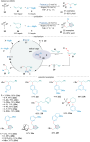
Scheme 5: Three-component iron-catalyzed dicarbofunctionalization of alkenes 21.

Scheme 6: Double carbomagnesiation of internal alkynes 31 with alkyl Grignard reagents 32.

Scheme 7: Iron-catalyzed cycloisomerization/cross-coupling of enyne derivatives 35 with alkyl Grignard reagen...
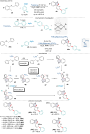
Scheme 8: Iron-catalyzed spirocyclization/cross-coupling cascade.
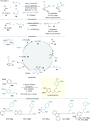
Scheme 9: Iron-catalyzed alkenylboration of alkenes 50.
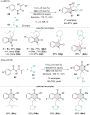
Scheme 10: N-Alkyl–N-aryl acrylamide 60 CDC cyclization with C(sp3)–H bonds adjacent to a heteroatom.

Scheme 11: 1,2-Carboacylation of activated alkenes 60 with aldehydes 65 and alcohols 67.
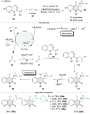
Scheme 12: Iron-catalyzed dicarbonylation of activated alkenes 68 with alcohols 67.
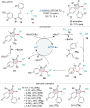
Scheme 13: Iron-catalyzed cyanoalkylation/radical dearomatization of acrylamides 75.

Scheme 14: Synergistic photoredox/iron-catalyzed 1,2-dialkylation of alkenes 82 with common alkanes 83 and 1,3...

Scheme 15: Iron-catalyzed oxidative coupling/cyclization of phenol derivatives 86 and alkenes 87.

Scheme 16: Iron-catalyzed carbosulfonylation of activated alkenes 60.

Scheme 17: Iron-catalyzed oxidative spirocyclization of N-arylpropiolamides 91 with silanes 92 and tert-butyl ...

Scheme 18: Iron-catalyzed free radical cascade difunctionalization of unsaturated benzamides 94 with silanes 92...

Scheme 19: Iron-catalyzed cyclization of olefinic dicarbonyl compounds 97 and 100 with C(sp3)–H bonds.

Scheme 20: Radical difunctionalization of o-vinylanilides 102 with ketones and esters 103.

Scheme 21: Dehydrogenative 1,2-carboamination of alkenes 82 with alkyl nitriles 76 and amines 105.

Scheme 22: Iron-catalyzed intermolecular 1,2-difunctionalization of conjugated alkenes 107 with silanes 92 and...

Scheme 23: Four-component radical difunctionalization of chemically distinct alkenes 114/115 with aldehydes 65...

Scheme 24: Iron-catalyzed carbocarbonylation of activated alkenes 60 with carbazates 117.
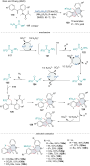
Scheme 25: Iron-catalyzed radical 6-endo cyclization of dienes 119 with carbazates 117.

Scheme 26: Iron-catalyzed decarboxylative synthesis of functionalized oxindoles 130 with tert-butyl peresters ...
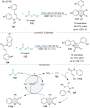
Scheme 27: Iron‑catalyzed decarboxylative alkylation/cyclization of cinnamamides 131/134.

Scheme 28: Iron-catalyzed carbochloromethylation of activated alkenes 60.

Scheme 29: Iron-catalyzed trifluoromethylation of dienes 142.

Scheme 30: Iron-catalyzed, silver-mediated arylalkylation of conjugated alkenes 115.

Scheme 31: Iron-catalyzed three-component carboazidation of conjugated alkenes 115 with alkanes 101/139b and t...

Scheme 32: Iron-catalyzed carboazidation of alkenes 82 and alkynes 160 with iodoalkanes 20 and trimethylsilyl ...

Scheme 33: Iron-catalyzed asymmetric carboazidation of styrene derivatives 115.

Scheme 34: Iron-catalyzed carboamination of conjugated alkenes 115 with alkyl diacyl peroxides 163 and acetoni...

Scheme 35: Iron-catalyzed carboamination using oxime esters 165 and arenes 166.

Scheme 36: Iron-catalyzed iminyl radical-triggered [5 + 2] and [5 + 1] annulation reactions with oxime esters ...

Scheme 37: Iron-catalyzed decarboxylative alkyl etherification of alkenes 108 with alcohols 67 and aliphatic a...

Scheme 38: Iron-catalyzed inter-/intramolecular alkylative cyclization of carboxylic acid and alcohol-tethered...

Scheme 39: Iron-catalyzed intermolecular trifluoromethyl-acyloxylation of styrene derivatives 115.

Scheme 40: Iron-catalyzed carboiodination of terminal alkenes and alkynes 180.

Scheme 41: Copper/iron-cocatalyzed cascade perfluoroalkylation/cyclization of 1,6-enynes 183/185.

Scheme 42: Iron-catalyzed stereoselective carbosilylation of internal alkynes 187.

Scheme 43: Synergistic photoredox/iron catalyzed difluoroalkylation–thiolation of alkenes 82.

Scheme 44: Iron-catalyzed three-component aminoazidation of alkenes 82.

Scheme 45: Iron-catalyzed intra-/intermolecular aminoazidation of alkenes 194.

Scheme 46: Stereoselective iron-catalyzed oxyazidation of enamides 196 using hypervalent iodine reagents 197.
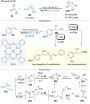
Scheme 47: Iron-catalyzed aminooxygenation for the synthesis of unprotected amino alcohols 200.

Scheme 48: Iron-catalyzed intramolecular aminofluorination of alkenes 209.
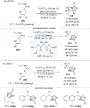
Scheme 49: Iron-catalyzed intramolecular aminochlorination and aminobromination of alkenes 209.

Scheme 50: Iron-catalyzed intermolecular aminofluorination of alkenes 82.

Scheme 51: Iron-catalyzed aminochlorination of alkenes 82.

Scheme 52: Iron-catalyzed phosphinoylazidation of alkenes 108.
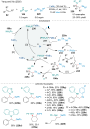
Scheme 53: Synergistic photoredox/iron-catalyzed three-component aminoselenation of trisubstituted alkenes 82.
Halides as versatile anions in asymmetric anion-binding organocatalysis
- Lukas Schifferer,
- Martin Stinglhamer,
- Kirandeep Kaur and
- Olga García Macheño
Beilstein J. Org. Chem. 2021, 17, 2270–2286, doi:10.3762/bjoc.17.145
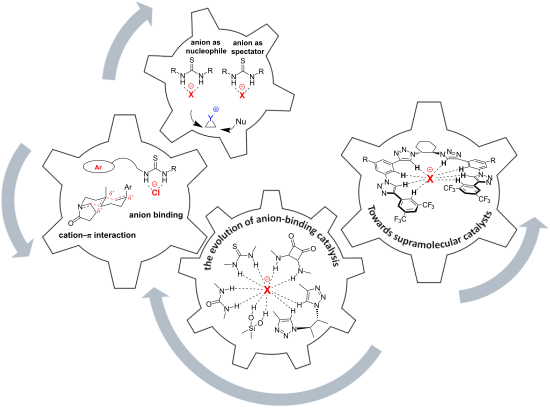
- complex or active nucleophiles. In 2014, Jacobsen et al. developed a highly enantioselective selenocyclization reaction of olefins 26, using the chiral squaramide 28 as a dual hydrogen bond donor (Scheme 6) [16]. Although early-stage enantio-enrichment during the introduction of selenium is hard to

Graphical Abstract
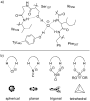
Figure 1: a) Binding interactions in the chloride channel of E. coli. and b) examples of chloride, cyanide, n...

Figure 2: a) H-bond vs anion-binding catalysis and b) activation modes in anion-binding catalysis.

Scheme 1: First proposed anion-binding mechanism in the thiourea-catalyzed acetalization of benzaldehyde.

Scheme 2: a) Thiourea-catalyzed enantioselective acyl-Pictet–Spengler reaction of tryptamine-derived imines 4...

Scheme 3: Proposed mechanism of the thiourea-catalyzed enantioselective Pictet–Spengler reaction of hydroxyla...

Scheme 4: a) Thiourea-catalyzed intramolecular Pictet–Spengler-type cyclization of hydroxylactam-derived N-ac...

Scheme 5: Enantioselective Reissert-type reactions of a) (iso)quinolines with silyl ketene acetals, and b) vi...

Figure 3: Role of the counter-anion: a) Anion acting as a spectator and b) anion participating directly as th...

Scheme 6: Enantioselective selenocyclization catalyzed by squaramide 28.

Scheme 7: Desymmetrization of meso-aziridines catalyzed by bifunctional thiourea catalyst 31.

Scheme 8: Anion-binding-catalyzed desymmetrization of a) meso-aziridines catalyzed by chiral triazolium catal...

Scheme 9: Bis-urea-catalyzed enantioselective fluorination of a) β-bromosulfides and b) β-haloamines by Gouve...

Scheme 10: a) Bifunctional thiourea anion-binding – basic/nucleophilic catalysts. Selected applications in b) ...

Scheme 11: Thiourea-catalyzed enantioselective polycyclization reaction of hydroxylactams 51 through cation–π ...

Scheme 12: Enantioselective aza-Sakurai cyclization of hydroxylactams 56 implicating additional cation–π and L...

Scheme 13: Enantioselective tail-to-head cyclization of neryl chloride derivatives.

Scheme 14: Cation–π interactions in anion binding-catalyzed asymmetric addition reactions: a) addition of indo...

Scheme 15: Bisthiourea catalyzed oxa-Pictet–Spengler reaction of indole-based alcohols and aromatic aldehydes ...

Scheme 16: Anion-binding catalyst development in the enantioselective addition of silyl ketene acetals to 1-ch...

Scheme 17: a) Macrocyclic bis-thiourea catalyst in a diastereoselective glycosylation reaction. b) Competing SN...

Scheme 18: a) Folding mechanism of oligotriazoles upon anion recognition. b) Representative tetratriazole 82 c...

Scheme 19: Switchable chiral tetratriazole catalyst 86 in the enantioselective addition of silyl ketene acetal...
Catalyzed and uncatalyzed procedures for the syntheses of isomeric covalent multi-indolyl hetero non-metallides: an account
- Ranadeep Talukdar
Beilstein J. Org. Chem. 2021, 17, 2102–2122, doi:10.3762/bjoc.17.137
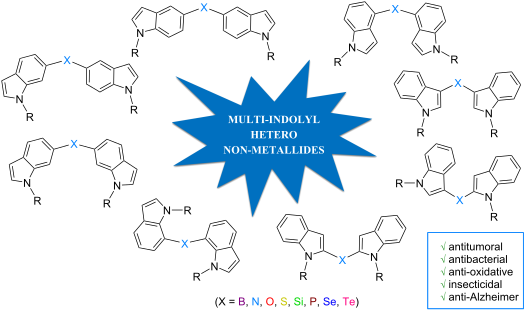
- , nitrogen, oxygen, silicon, phosphorus, sulfur, selenium, and tellurium. This review will skip the reports on the corresponding carbon-centered analogs. Boranes First discovered in 1894 [34], 2,2’-bisarylborinates are used for treating prostate cancers utilizing their property of inhibiting the transient
- the indoles are less studied compared to the same through their pyrrole counterpart. The corresponding compounds are investigated for boron, nitrogen, oxygen, sulfur, and selenium as the central connecting atom. Boranes The indole alkaloid dragmacidin D is a marine secondary metabolite which was
- obtaining diaryl sulfides [117]. Selenides Along with the oxygen insertion, Black et al. also performed the oxidative selenium insertion into the C-7 position of highly electrophilic 2-methylindole derivative 184. The dual role of selenium dioxide consists of activation of the C-7 position giving the

Graphical Abstract

Scheme 1: Synthesis of 2,2’-bis(indole)borinic ester 3.

Scheme 2: Synthesis of 2,2’-bisindole NHC·boranes by an SEAr mechanism.

Scheme 3: Syntheses of indolyl amines through Buchwald–Hartwig cross coupling.

Scheme 4: Synthesis of 3,3’-bis(indolyl) ethers.

Scheme 5: C–H silylation of indoles.

Scheme 6: n-BuLi-mediated syntheses of bis(indol-3-yl)silanes.
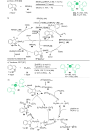
Scheme 7: Acid-catalyzed syntheses of bis(indol-3-yl)silanes and mechanisms.

Scheme 8: B(C6F5)3 and Al(C6F5)3-catalyzed syntheses of bis(indol-3-yl)silanes reported by Han.

Scheme 9: Base-mediated syntheses of bis and tris(indol-2-yl)phosphines.

Scheme 10: Synthesis of bis(indol-2-yl)sulfides using SL2-type reagents.

Scheme 11: Synthesis of 2,3’- and 2,2’-bis(indolyl)sulfides using disulfides as substrates.

Scheme 12: Synthesis of diindol-2-ylsulfide (84) from 2-iodoindole (92) and thiourea.

Scheme 13: Synthesis of bis(indol-3-yl)sulfides using N-silylated 3-bromoindole 93.

Scheme 14: Fischer indole synthesis of bis(indol-3-yl)sulfides using thio diketones.

Scheme 15: Oxidative synthesis of bis(indol-3-yl)sulfides using indoles and elemental sulfur.
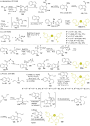
Scheme 16: Synthesis of bis(indol-3-yl)sulfides using sulfoxides as sulfur source.

Scheme 17: Syntheses of bis(indol-2-yl)selanes.
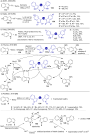
Scheme 18: Syntheses of bis(indol-3-yl)selanes.

Scheme 19: Synthesis of bis(indol-2-yl)tellane 147.

Scheme 20: Synthesis of tris(indolyl)borane 154.

Scheme 21: Synthesis of bis(indol-4-yl)amines 159.

Scheme 22: Synthesis of bis(indol-5-yl)amines.

Scheme 23: Synthesis of 6,5’/6,6’-bis(indolyl)amines.

Scheme 24: Synthesis of potent HIV-inhibitors 6,6’-bis(indolyl) ethers.

Scheme 25: Synthesis of bis(indol-7-yl) ether.

Scheme 26: Synthesis of di(indol-5-yl)sulfide (183).

Scheme 27: Syntheses of 2,2’-diformyl-7,7’-bis(indolyl)selenides.
Recent advances in the application of isoindigo derivatives in materials chemistry
- Andrei V. Bogdanov and
- Vladimir F. Mironov
Beilstein J. Org. Chem. 2021, 17, 1533–1564, doi:10.3762/bjoc.17.111
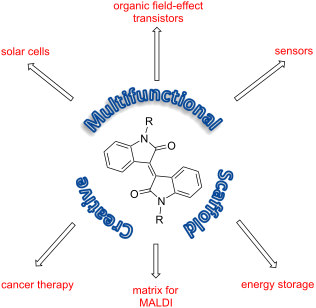
- possibility of varying optoelectronic properties, and good solubility in a wide range of solvents [59][60][61]. In this regard, the most studied and promising are π-conjugated polymer structures based on sulfur, oxygen, nitrogen, and selenium heterocyclic compounds [62][63]. One of the systems for creating
- the conductivity with close values of μh = 0.68–0.83 cm2⋅V−1⋅s−1 [87][91]. It should be noted here that more detailed studies on selenium analogs of polymers 48 are promising since the latter showed moderate values of electronic mobility of μe = 1.28 cm2⋅V−1⋅s−1 [89]. It was shown that a significant

Graphical Abstract

Scheme 1: Representatives of isomeric bisoxindoles.

Scheme 2: Isoindigo-based OSCs with the best efficiency.

Scheme 3: Monoisoindigos with preferred 6,6'-substitution.

Scheme 4: Possibility of aromatic–quinoid structural transition.

Scheme 5: Isoindigo structures with incorporated acceptor nitrogen heterocycles.

Scheme 6: Monoisoindigos bearing pyrenyl substituents.
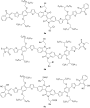
Scheme 7: p-Alkoxyphenylene-embedded thienylisoindigo with different acceptor anchor units.

Scheme 8: Nonfullerene OSC based on perylene diimide-derived isoindigo.

Scheme 9: Isoindigo as an additive in all-polymer OSCs.

Scheme 10: Bisisoindigos with different linker structures.

Scheme 11: Nonthiophene oligomeric monoisoindigos for OSCs.

Scheme 12: The simplest examples of polymers with a monothienylisoindigo monomeric unit.
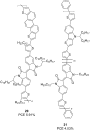
Scheme 13: Monothienylisoindigos bearing π-extended electron-donor backbones.

Scheme 14: Role of fluorination and the molecular weight on OSC efficiency on the base of the bithiopheneisoin...

Scheme 15: Trithiopheneisoindigo polymers with variation in the substituent structure.
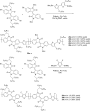
Scheme 16: Polymeric thienyl-linked bisisoindigos for OSCs.

Scheme 17: Isoindigo bearing the thieno[3,2-b]thiophene structural motif as donor component of OSCs.

Scheme 18: Thienylisoindigos with incorporated aromatic unit.
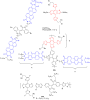
Scheme 19: One-component nonfullerene OSCs on the base of isoindigo.

Scheme 20: Isoindigo-based nonthiophene aza aromatic polymers as acceptor components of OSCs.

Scheme 21: Polymers with isoindigo substituent as side-chain photon trap.
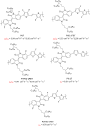
Scheme 22: Isoindigo derivatives for OFET technology with the best mobility.

Scheme 23: Monoisoindigos as low-molecular-weight semiconductors.

Scheme 24: Polymeric bithiopheneisoindigos for OFET creation.

Scheme 25: Fluorination as a tool to improve isoindigo-based OFET devices.

Scheme 26: Diversely DPP–isoindigo-conjugated polymers for OFETs.

Scheme 27: Isoindigoid homopolymers with differing rigidity.

Scheme 28: Isoindigo-based materials with extended π-conjugation.
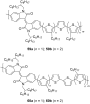
Scheme 29: Poly(isoindigothiophene) compounds as sensors for ammonia.
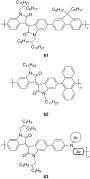
Scheme 30: Sensor devices based on poly(isoindigoaryl) compounds.

Scheme 31: Isoindigo polymers for miscellaneous applications.

Scheme 32: Mono-, rod-like, and polymeric isoindigos as agents for photoacoustic and photothermal cancer thera...
Beyond ribose and phosphate: Selected nucleic acid modifications for structure–function investigations and therapeutic applications
- Christopher Liczner,
- Kieran Duke,
- Gabrielle Juneau,
- Martin Egli and
- Christopher J. Wilds
Beilstein J. Org. Chem. 2021, 17, 908–931, doi:10.3762/bjoc.17.76
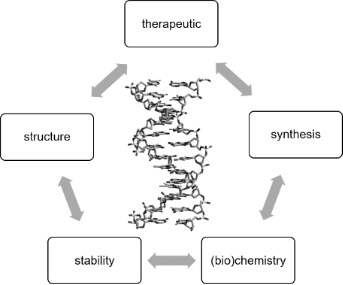
- 7D) monomer which has been shown to stabilize oligonucleotides similarly to unmodified LNA with a nuclease resistance greater than PS-modified oligonucleotides [157]. Incorporation of selenium at C2' in a thymine-bearing LNA nucleoside (Figure 7E) has been demonstrated to have a hybridization ability
- and a nuclease resistance that are highly reversible in response to redox changes of the selenium atom [158]. Recent work has also looked at this modification in LNA nucleosides bearing an adenine base [159], but this nucleoside was found to be highly sensitive to heat, making its incorporation into

Graphical Abstract

Figure 1: Structures of the chemically modified oligonucleotides (A) N3' → P5' phosphoramidate linkage, (B) a...

Scheme 1: Synthesis of a N3' → P5' phosphoramidate linkage by solid-phase synthesis. (a) dichloroacetic acid;...

Figure 2: Crystal structures of (A) N3' → P5' phosphoramidate DNA (PDB ID 363D) [71] and (B) amide (AM1) RNA in c...

Scheme 2: Synthesis of a phosphorodithioate linkage by solid-phase synthesis. (a) detritylation; (b) tetrazol...

Figure 3: Close-up view of a key interaction between the PS2-modified antithrombin RNA aptamer and thrombin i...

Scheme 3: Synthesis of the (S)-GNA thymine phosphoramidite from (S)-glycidyl 4,4'-dimethoxytrityl ether. (a) ...

Figure 4: Surface models of the crystal structures of RNA dodecamers with single (A) (S)-GNA-T (PDB ID 5V1L) [54]...

Figure 5: Structures of 2'-O-alkyl modifications. (A) 2'-O-methoxy RNA (2'-OMe RNA), (B) 2'-O-(2-methoxyethyl...

Scheme 4: Synthesis of the 2'-OMe uridine from 3',5'-O-(tetraisopropyldisiloxane-1,3-diyl)uridine. (a) Benzoy...

Scheme 5: Synthesis of the 2'-O-MOE uridine from uridine. (a) (PhO)2CO, NaHCO3, DMA, 100 °C; (b) Al(OCH2CH2OCH...
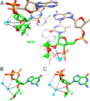
Figure 6: Structure of 2'-O-(2-methoxyethyl)-RNA (MOE-RNA). (A) View into the minor groove of an A-form DNA d...

Figure 7: Structures of locked nucleic acids (LNA)/bridged nucleic acids (BNA) modifications. (A) LNA/BNA, (B...

Scheme 6: Synthesis of the uridine LNA phosphoramidite. (a) i) NaH, BnBr, DMF, ii) acetic anhydride, pyridine...

Scheme 7: Synthesis of the 2'-fluoroarabinothymidine. (a) 30% HBr in acetic acid; (b) 2,4-bis-O-(trimethylsil...

Figure 8: Sugar puckers of arabinose (ANA) and arabinofluoro (FANA) nucleic acids compared with the puckers o...

Figure 9: Structures of C4'-modified nucleic acids. (A) 4'-methoxy, (B) 4'-(2-methoxyethoxy), (C) 2',4'-diflu...

Scheme 8: Synthesis of the 4'-F-rU phosphoramidite. (a) AgF, I2, dichloromethane, tetrahydrofuran; (b) NH3, m...

Scheme 9: Synthesis of the thymine FHNA phosphoramidite. (a) thymine, 1,8-diazabicyclo[5.4.0]undec-7-ene, ace...

Scheme 10: Synthesis of the thymine Ara-FHNA phosphoramidite. (a) i) trifluoromethanesulfonic anhydride, pyrid...

Figure 10: Crystal structures of (A) FHNA and (B) Ara-FHNA in modified A-form DNA decamers (PDB IDs 3Q61 and 3...
Recent progress in the synthesis of homotropane alkaloids adaline, euphococcinine and N-methyleuphococcinine
- Dimas J. P. Lima,
- Antonio E. G. Santana,
- Michael A. Birkett and
- Ricardo S. Porto
Beilstein J. Org. Chem. 2021, 17, 28–41, doi:10.3762/bjoc.17.4
- piperidine (17). The synthetic sequence performed by the authors is described in Scheme 3. Oxidation of 17 in the presence of hydrogen peroxide, catalyzed by selenium dioxide provided tetrahydropyridine N-oxide 18 in 88% yield. 18 was treated with (R)-p-tolylsulfinylmethyllithium 25 in THF at −78 °C to

Graphical Abstract

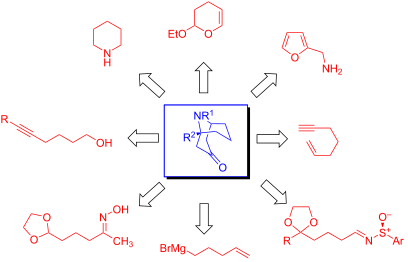
Figure 1: Homotropane (azabicyclononane) systems.

Figure 2: Alkaloids (−)-adaline (1), (+)-euphococcinine (2) and (+)-N-methyleuphococcinine (3).

Scheme 1: Synthetic strategies before 1995.

Scheme 2: Synthesis (±)-adaline (1) and (±)-euphococcinine (2). Reagents and conditions: i) 1. dihydropyran, ...

Scheme 3: Synthesis (+)-euphococcinine (2). Reagents and conditions: i) H2O2, SeO2 (cat), acetone, rt, 88%; i...

Scheme 4: Synthesis (+)-euphococcinine (2). Reagents and conditions: i) 2,4-bis(4-phenoxyphenyl)-1,3-dithia-2...

Scheme 5: Synthesis of (±)-euphococcinine precursor (±)-42. Reagents and conditions: i) Bu3SnH, AIBN, toluene...

Scheme 6: Synthesis of (−)-adaline (1). Reagents and conditions: i) LiH2NBH3, THF, 40 °C, 88%; ii) TPAP, NMO,...

Scheme 7: Synthesis of (−)-adaline (1) and (−)-euphococcinine (2). Reagents and conditions: i) 1. BuLi, t-BuO...

Scheme 8: Synthesis of (−)-adaline (1). Reagents and conditions: i) Ref. [52]; ii) Et3N, TBDMSOTf, CH2Cl2, 0 °C t...

Scheme 9: Synthesis of (+)-euphococcinine (2). Reagents and conditions: i) 1. Cp2ZrCl2,AlMe3, CH2Cl2; 2. p-me...

Scheme 10: Synthesis of (−)-adaline 1. Reagents and conditions: i) 1. CuBr.DMS, Et2O/DMS, -42 ºC; 2. 1-heptyne...

Scheme 11: Synthesis of (−)-euphococcinine (2) and (−)-adaline (1). Reagents and conditions: i) 102, KHMDS, Et2...

Scheme 12: Synthesis of N-methyleuphococcinine 3. Reagents and conditions: i) 108 (1.5 equiv), 3,5-di-F-C6H3B(...
Metal-free nucleophilic trifluoromethylselenolation via an iodide-mediated umpolung reactivity of trifluoromethylselenotoluenesulfonate
- Kevin Grollier,
- Alexis Taponard,
- Arnaud De Zordo-Banliat,
- Emmanuel Magnier and
- Thierry Billard
Beilstein J. Org. Chem. 2020, 16, 3032–3037, doi:10.3762/bjoc.16.252
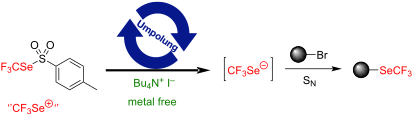
- . Metal-free nucleophilic trifluoromethylselenolations have been then performed with this in situ-generated anion. Perfluoroalkylselenolations have also been described. Keywords: fluorine; nucleophilic substitution; perfluoroalkylselenolation; selenium; trifluoromethylselenolation; Introduction Because
- particular by combining heteroatoms, such as chalcogens, and fluorinated moieties [16]. Despite, the negative reputation of selenium due to its toxicity at high doses, it is an essential trace element for human physiology and biochemistry [17][18][19][20]. Furthermore, selenolated compounds found valuable
- applications in materials [21][22][23], life sciences [19][20][24][25][26][27][28][29], and drug design [30][31][32][33]. Consequently, the merging of fluorinated moieties, such as CF3 with selenium could constitute an interesting motif in the design of new molecules, in particular in medicinal chemistry or

Graphical Abstract

Scheme 1: State of the art concerning the direct nucleophilic trifluoromethylselenolation.

Scheme 2: The nucleophilic fluoroalkylselenolation of alkyl bromides. Yields were determined by 19F NMR spect...

Scheme 3: Mechanism proposal.
Synthesis of novel fluorinated building blocks via halofluorination and related reactions
- Attila Márió Remete,
- Tamás T. Novák,
- Melinda Nonn,
- Matti Haukka,
- Ferenc Fülöp and
- Loránd Kiss
Beilstein J. Org. Chem. 2020, 16, 2562–2575, doi:10.3762/bjoc.16.208
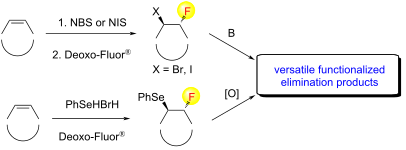
- utilization of Deoxo-Fluor® in fluoroselenations. PhSeBr was selected to provide the phenylselenyl cation serving as the required electrophilic selenium species. This reagent combination was previously unknown in the literature. Preliminary experiments with the diester 4 demonstrated that the reaction is much

Graphical Abstract

Scheme 1: Proposed outcome of the halofluorination of (rac)-1. Only the main conformers of (rac)-1 and (rac)-...

Scheme 2: Halofluorination reactions of the trans-diester (rac)-1.

Scheme 3: Probable outcomes of the halofluorination of 4. Both conformers of the compounds 4, (rac)-T2a,b, an...

Scheme 4: Halofluorination reactions of the cis-diester 4. Important NOESY interactions are indicated by two-...

Scheme 5: Halofluorination reactions of the cis-tetrahydrophthalic imide derivative 7.

Scheme 6: Synthesis and halofluorination of the trans-imide (rac)-10.

Figure 1: Crystal structure of (rac)-11b.

Scheme 7: Synthesis of the cyclic carbamide (rac)-13.

Scheme 8: Halofluorination reactions of the γ-lactam (rac)-14. Relevant NOESY interactions are indicated by t...

Figure 2: Crystal structure of the product (rac)-15a.

Figure 3: Crystal structure of the product (rac)-15b.

Scheme 9: Reactions of the diester 16 with NBS or NIS in the presence or absence of Deoxo-Fluor®.

Scheme 10: Formation of the halolactons (rac)-17a,b. The initial attack of the halogen cation occurs at the st...

Scheme 11: Unsuccessful halofluorination of the bicyclic diester 18.

Scheme 12: Halofluorination reactions of the rigid tricyclic imine 19. The relevant NOESY interactions are mar...

Scheme 13: Mechanism of the halofluorination reactions of the substrate 19. X = Br (compounds a), I (compounds...

Scheme 14: Synthesis and halofluorination of the imide 24.

Scheme 15: Cyclizations of halofluorinated diesters with potassium tert-butoxide. Relevant NOESY interactions ...

Scheme 16: Mechanism of the reaction of the cyclopropanation of the compounds (rac)-2a,b and (rac)-5a with t-B...

Scheme 17: Presumed mechanism of the reaction of the compound (rac)-6b with t-BuOK.

Scheme 18: Cyclizations of halofluorinated tetrahydrophthalimides with DBU. Relevant NOESY interactions are ma...

Scheme 19: Mechanism for the formation of (rac)-28 from (rac)-11a,b. Although the formation of the compound (r...

Scheme 20: Fluoroselenations of the cyclohexenedicarboxylates (rac)-1 and 4.

Scheme 21: PhSe+-induced lactonization of the diester 16. Relevant NOESY interactions are marked with two-head...

Scheme 22: Oxidation of the fluoroselenide (rac)-30 under acidic and basic conditions.

Scheme 23: Oxidation of the fluoroselenide mixture (rac)-31 under acidic and basic conditions.
Synthetic approaches to bowl-shaped π-conjugated sumanene and its congeners
- Shakeel Alvi and
- Rashid Ali
Beilstein J. Org. Chem. 2020, 16, 2212–2259, doi:10.3762/bjoc.16.186

- followed by quenching the hexaanionic species with selenium powder to afford 159 containing one 1,2-diselenin ring and two selenophene rings. Compound 159 was later subjected to deselenation in the presence of copper nanopowder (80–100 nm grain size) to furnish the expected compound 160 in quantitative
- displayed in Scheme 43. Furthermore, when they subjected the tritellurasumanenes 162 and 163 with Br2 in CH2Cl2, they obtained the tris(Te,Te-dibromo)tritellurasumanenes 164 and 165 as covalent adducts in quantitative yield (Scheme 43). 3.4 Preparation of sulfur, selenium and tellurium-doped sumanenes The
- transformed to the ortho-quinones in the presence of FeCl3. From the experimentations, they noticed that heteroatoms also play a significant role in this reaction for instance with sulfur and selenium-doped systems, ortho-quinones 166 and 167 were obtained (Scheme 44). In sharp contrast, the tellurium-doped

Graphical Abstract
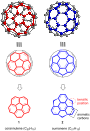
Figure 1: Representation of corannulene (1) and sumanene (2), the subunits of fullerene (C60).

Scheme 1: Mehta’s unsuccessful effort for the synthesis of sumanene scaffold 2.

Scheme 2: First synthesis of sumanene 2 by Sakurai et al. from norbornadiene 10.

Scheme 3: Synthesis of trimethylsumanene 28 from easily accessible norbornadiene (10).

Scheme 4: Generation of anions 29–31 and the preparation of tris(trimethylsilyl)sumanene 32.

Scheme 5: Synthesis of tri- and hexa-substituted sumanene derivatives.

Scheme 6: Synthesis of bowl-shaped π-extended sumanene derivatives 37a–f.

Scheme 7: Synthesis of monooxasumanene 38, trioxosumanene 40 along with imination of them.

Scheme 8: Synthesis of trimethylsumanenetrione 46 and exo-functionalized products 45a,b.

Scheme 9: Synthesis of bisumanenylidene 47 and sumanene dimer 48 from 2.

Scheme 10: The mono-substitution of 2 to generate diverse mono-sumanene derivatives 49a–d.

Scheme 11: Synthesis of sumanene building block 53 useful for further extension.

Scheme 12: Synthesis of hexafluorosumanene derivative 55 by Sakurai and co-workers.

Scheme 13: Preparation of sumanene-based carbene 60 and its reaction with cyclohexane.

Scheme 14: Barton–Kellogg reaction for the synthesis of sterically hindered alkenes.

Scheme 15: Synthesis of hydroxysumanene 68 by employing Baeyer–Villiger oxidation.

Scheme 16: Synthesis of sumanene derivatives having functionality at an internal carbon.

Scheme 17: Mechanism for nucleophilic substitution reaction at the internal carbon.

Scheme 18: Synthesis of diverse monosubstituted sumanene derivatives.
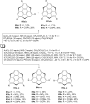
Scheme 19: Synthesis of di- and trisubstituted sumanene derivatives from sumanene (2).

Scheme 20: Preparation of monochlorosumanene 88 and hydrogenation of sumanene (2).

Scheme 21: The dimer 90 and bissumanenyl 92 achieved from halosumannes.

Scheme 22: Pyrenylsumanene 93 involving the Suzuki-coupling as a key transformation.
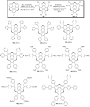
Scheme 23: Synthesis of various hexaarylsumanene derivatives using the Suzuki-coupling reaction.

Scheme 24: Synthesis of hexasubstituted sumanene derivatives 96 and 97.

Scheme 25: Synthesis of thioalkylsumanenes via an aromatic nucleophilic substitution reaction.

Scheme 26: Synthesis of tris(ethoxycarbonylethenyl)sumanene derivative 108.
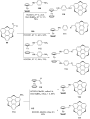
Scheme 27: Synthesis of ferrocenyl-based sumanene derivatives.

Scheme 28: Synthesis of sumanenylferrocene architectures 118 and 119 via Negishi coupling.

Scheme 29: Diosmylation and the synthesis of phenylboronate ester 121 of sumanene.

Scheme 30: Synthesis of the iron-complex of sumanene.

Scheme 31: Synthesis of tri- and mononuclear sumanenyl zirconocene complexes.

Scheme 32: Synthesis of [CpRu(η6-sumanene)]PF6.

Scheme 33: Preparation of sumanene-based porous coordination networks 127 (spherical tetramer units) and 128 (...

Scheme 34: Synthesis of sumanenylhafnocene complexes 129 and 130.

Scheme 35: Synthesis of 134 and 135 along with PdII coordination complex 136.

Scheme 36: Synthesis of alkali metals sumanene complex K7(C21H102−)2(C21H93−)·8THF (137) containing di- and tr...

Scheme 37: The encapsulation of a Cs+ ion between two sumanenyl anions.

Scheme 38: Synthesis of monothiasumanene 140 and dithiasumanene 141 from 139.

Scheme 39: Synthesis of trithiasumanene 151 by Otsubo and his co-workers.

Scheme 40: Synthesis of trithiasumanene derivatives 155 and 156.

Scheme 41: Synthetic route towards hexathiolated trithiasumanenes 158.

Scheme 42: Synthesis of triselenasumanene 160 by Shao and teammates.

Scheme 43: Synthesis of tritellurasumanene derivatives from triphenylene skeletons.
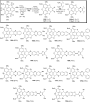
Scheme 44: Synthesis of pyrazine-fused sumanene architectures through condensation reaction.

Scheme 45: Treatment of the trichalcogenasumanenes with diverse oxidative reagents.

Scheme 46: Ring-opening reaction with H2O2 and oxone of heterasumanenes 178 and 179.

Scheme 47: Synthesis of polycyclic compounds from sumanene derivatives.

Scheme 48: Synthesis of diimide-based heterocycles reported by Shao’s and co-workers.

Scheme 49: Synthesis of pristine trichalcogenasumanenes, 151, 205, and 206.

Scheme 50: Synthesis of trichalcogenasumanenes via hexaiodotriphenylene precursor 208.

Scheme 51: Synthesis of trisilasumanenes 214 and 215.

Scheme 52: Synthesis of trisilasumanene derivatives 218 and 219.

Scheme 53: Synthesis of novel trigermasumanene derivative 223.

Scheme 54: An attempt towards the synthesis of tristannasumanene derivative 228.

Scheme 55: Synthesis of triphosphasumanene trisulfide 232 from commercially available 229.

Scheme 56: The doping of sumanene derivatives with chalcogens (S, Se, Te) and phosphorus.

Scheme 57: Synthesis of heterasumanene containing three different heteroatoms.

Scheme 58: Synthesis of trichalcogenasumanene derivatives 240 and 179.

Scheme 59: Preparation of trichalcogenasumanenes 245 and 248.

Scheme 60: Design and synthesis of trichalcogenasumanene derivatives 252 and 178.

Scheme 61: Synthesis of spirosumanenes 264–269 and non-spiroheterasumanenes 258–263.

Scheme 62: Synthesis of sumanene-type hetero polycyclic compounds.

Scheme 63: Synthesis of triazasumanenes 288 and its sulfone congener 287.

Scheme 64: Synthesis of C3-symmetric chiral triaryltriazasumanenes via cross-coupling reaction.

Scheme 65: Synthesis of mononaphthosumanene 293 using Suzuki coupling as a key step.

Scheme 66: Synthesis of di- and trinaphthosumanene derivatives 302–304.

Scheme 67: Synthesis of hemifullerene skeletons by Hirao’s group.

Scheme 68: Design and construction of C70 fragment from a C60 sumanene fragment.
When metal-catalyzed C–H functionalization meets visible-light photocatalysis
- Lucas Guillemard and
- Joanna Wencel-Delord
Beilstein J. Org. Chem. 2020, 16, 1754–1804, doi:10.3762/bjoc.16.147


Graphical Abstract

Figure 1: Concept of dual synergistic catalysis.

Figure 2: Classification of catalytic systems involving two catalysts.

Figure 3: General mechanism for the dual nickel/photoredox catalytic system.

Figure 4: General mechanisms for C–H activation catalysis involving different reoxidation strategies.

Figure 5: Indole synthesis via dual C–H activation/photoredox catalysis.

Figure 6: Proposed mechanism for the indole synthesis via dual catalysis.

Figure 7: Oxidative Heck reaction on arenes via the dual catalysis.

Figure 8: Proposed mechanism for the Heck reaction on arenes via dual catalysis.

Figure 9: Oxidative Heck reaction on phenols via the dual catalysis.

Figure 10: Proposed mechanism for the Heck reaction on phenols via dual catalysis.

Figure 11: Carbazole synthesis via dual C–H activation/photoredox catalysis.

Figure 12: Proposed mechanism for the carbazole synthesis via dual catalysis.

Figure 13: Carbonylation of enamides via the dual C–H activation/photoredox catalysis.

Figure 14: Proposed mechanism for carbonylation of enamides via dual catalysis.

Figure 15: Annulation of benzamides via the dual C–H activation/photoredox catalysis.

Figure 16: Proposed mechanism for the annulation of benzamides via dual catalysis.

Figure 17: Synthesis of indoles via the dual C–H activation/photoredox catalysis.

Figure 18: Proposed mechanism for the indole synthesis via dual catalysis.

Figure 19: General concept of dual catalysis merging C–H activation and photoredox catalysis.

Figure 20: The first example of dual catalysis merging C–H activation and photoredox catalysis.

Figure 21: Proposed mechanism for the C–H arylation with diazonium salts via dual catalysis.

Figure 22: Dual catalysis merging C–H activation/photoredox using diaryliodonium salts.

Figure 23: Direct arylation via the dual catalytic system reported by Xu.

Figure 24: Direct arylation via dual catalytic system reported by Balaraman.

Figure 25: Direct arylation via dual catalytic system reported by Guo.

Figure 26: C(sp3)–H bond arylation via the dual Pd/photoredox catalytic system.

Figure 27: Acetanilide derivatives acylation via the dual C–H activation/photoredox catalysis.

Figure 28: Proposed mechanism for the C–H acylation with α-ketoacids via dual catalysis.

Figure 29: Acylation of azobenzenes via the dual catalysis C–H activation/photoredox.

Figure 30: C2-acylation of indoles via the dual C–H activation/photoredox catalysis.

Figure 31: Proposed mechanism for the C2-acylation of indoles with aldehydes via dual catalysis.

Figure 32: C2-acylation of indoles via the dual C–H activation/photoredox catalysis.

Figure 33: Perfluoroalkylation of arenes via the dual C–H activation/photoredox catalysis.

Figure 34: Proposed mechanism for perfluoroalkylation of arenes via dual catalysis.

Figure 35: Sulfonylation of 1-naphthylamides via the dual C–H activation/photoredox catalysis.

Figure 36: Proposed mechanism for sulfonylation of 1-naphthylamides via dual catalysis.

Figure 37: meta-C–H Alkylation of arenes via visible-light metallaphotocatalysis.

Figure 38: Alternative procedure for meta-C–H alkylation of arenes via metallaphotocatalysis.

Figure 39: Proposed mechanism for meta-C–H alkylation of arenes via metallaphotocatalysis.

Figure 40: C–H borylation of arenes via visible-light metallaphotocatalysis.

Figure 41: Proposed mechanism for C–H borylation of arenes via visible-light metallaphotocatalysis.

Figure 42: Undirected C–H aryl–aryl cross coupling via dual gold/photoredox catalysis.

Figure 43: Proposed mechanism for the undirected C–H aryl–aryl cross-coupling via dual catalysis.

Figure 44: Undirected C–H arylation of (hetero)arenes via dual manganese/photoredox catalysis.

Figure 45: Proposed mechanism for the undirected arylation of (hetero)arenes via dual catalysis.

Figure 46: Photoinduced C–H arylation of azoles via copper catalysis.

Figure 47: Photo-induced C–H chalcogenation of azoles via copper catalysis.

Figure 48: Decarboxylative C–H adamantylation of azoles via dual cobalt/photoredox catalysis.

Figure 49: Proposed mechanism for the C–H adamantylation of azoles via dual catalysis.

Figure 50: General mechanisms for the “classical” (left) and Cu-free variant (right) Sonogoshira reaction.

Figure 51: First example of a dual palladium/photoredox catalysis for Sonogashira-type couplings.

Figure 52: Arylation of terminal alkynes with diazonium salts via dual gold/photoredox catalysis.

Figure 53: Proposed mechanism for the arylation of terminal alkynes via dual catalysis.

Figure 54: C–H Alkylation of alcohols promoted by H-atom transfer (HAT).

Figure 55: Proposed mechanism for the C–H alkylation of alcohols promoted by HAT.

Figure 56: C(sp3)–H arylation of latent nucleophiles promoted by H-atom transfer.

Figure 57: Proposed mechanism for the C(sp3)–H arylation of latent nucleophiles promoted by HAT.

Figure 58: Direct α-arylation of alcohols promoted by H-atom transfer.

Figure 59: Proposed mechanism for the direct α-arylation of alcohols promoted by HAT.

Figure 60: C–H arylation of amines via dual Ni/photoredox catalysis.

Figure 61: Proposed mechanism for the C–H arylation of amines via dual Ni/photoredox catalysis.

Figure 62: C–H functionalization of nucleophiles via excited ketone/nickel dual catalysis.

Figure 63: Proposed mechanism for the C–H functionalization enabled by excited ketones.

Figure 64: Selective sp3–sp3 cross-coupling promoted by H-atom transfer.

Figure 65: Proposed mechanism for the selective sp3–sp3 cross-coupling promoted by HAT.

Figure 66: Direct C(sp3)–H acylation of amines via dual Ni/photoredox catalysis.

Figure 67: Proposed mechanism for the C–H acylation of amines via dual Ni/photoredox catalysis.

Figure 68: C–H hydroalkylation of internal alkynes via dual Ni/photoredox catalysis.

Figure 69: Proposed mechanism for the C–H hydroalkylation of internal alkynes.

Figure 70: Alternative procedure for the C–H hydroalkylation of ynones, ynoates, and ynamides.

Figure 71: Allylic C(sp3)–H activation via dual Ni/photoredox catalysis.

Figure 72: Proposed mechanism for the allylic C(sp3)–H activation via dual Ni/photoredox catalysis.

Figure 73: Asymmetric allylation of aldehydes via dual Cr/photoredox catalysis.

Figure 74: Proposed mechanism for the asymmetric allylation of aldehydes via dual catalysis.

Figure 75: Aldehyde C–H functionalization promoted by H-atom transfer.

Figure 76: Proposed mechanism for the C–H functionalization of aldehydes promoted by HAT.

Figure 77: Direct C–H arylation of strong aliphatic bonds promoted by HAT.

Figure 78: Proposed mechanism for the C–H arylation of strong aliphatic bonds promoted by HAT.

Figure 79: Direct C–H trifluoromethylation of strong aliphatic bonds promoted by HAT.

Figure 80: Proposed mechanism for the C–H trifluoromethylation of strong aliphatic bonds.
Synthesis and anticancer activity of bis(2-arylimidazo[1,2-a]pyridin-3-yl) selenides and diselenides: the copper-catalyzed tandem C–H selenation of 2-arylimidazo[1,2-a]pyridine with selenium
- Mio Matsumura,
- Tsutomu Takahashi,
- Hikari Yamauchi,
- Shunsuke Sakuma,
- Yukako Hayashi,
- Tadashi Hyodo,
- Tohru Obata,
- Kentaro Yamaguchi,
- Yasuyuki Fujiwara and
- Shuji Yasuike
Beilstein J. Org. Chem. 2020, 16, 1075–1083, doi:10.3762/bjoc.16.94
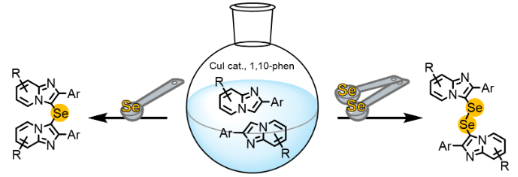
- anticancer activity are described. The double C–H selenation of imidazo[1,2-a]pyridine with Se powder was catalyzed by CuI (10 mol %) ligated with 1,10-phenanthroline (10 mol %) at 130 °C under aerobic conditions. The selenides or diselenides were prepared almost selectively using selenium powder in an
- ]pyridin-3-yl] diselenide showed an excellent anticancer activity and low cytotoxicity toward noncancer cells, suggesting that this diselenide is a potential lead compound for anticancer therapy. Keywords: anticancer activity; copper catalyst; diselenide; imidazopyridine; selenide; selenium; Introduction
- selenium source in the presence of a transition metal catalyst, such as Cu or Ni [27][28][29][30][31][32]. In 2011, Zhou et al. reported the pioneering Cu-catalyzed C–H selenation of 2-arylimidazopyridine with diphenyl diselenide in the presence of CuI (10 mol %) [29]. Tandem reactions involving the

Graphical Abstract

Figure 1: Biologically active selenides and diselenides having heteroaryl groups.

Figure 2: Ortep drawings of 2a (a and b) and 3a (c and d, thermal elipsoids indicate 50% probability).

Figure 3: The synthesis of bis(2-arylimidazopyridin-3-yl) diselenides. Reaction conditions: 1 (2 mmol), Se (2...

Figure 4: The synthesis of bis(2-arylimidazopyridin-3-yl) selenides. Reaction conditions: 1 (2 mmol), Se (1 m...

Scheme 1: Control reactions.

Scheme 2: Proposed mechanism (1).

Scheme 3: Proposed mechanism (2).

Figure 5: The cytotoxic effect of the bis(2-arylimidazo[1,2-a]pyridin-3-yl) diselenides 2 and selenides 3 on ...

Figure 6: The cytotoxic effect of the bis[2-(4-methoxyphenyl)imidazo[1,2-a]pyridin-3-yl] diselenide 2f on can...

Figure 7: Cytotoxic effect of the bis[2-(4-methoxyphenyl)imidazo[1,2-a]pyridin-3-yl] diselenide 2f on a cance...
Recent applications of porphyrins as photocatalysts in organic synthesis: batch and continuous flow approaches
- Rodrigo Costa e Silva,
- Luely Oliveira da Silva,
- Aloisio de Andrade Bartolomeu,
- Timothy John Brocksom and
- Kleber Thiago de Oliveira
Beilstein J. Org. Chem. 2020, 16, 917–955, doi:10.3762/bjoc.16.83
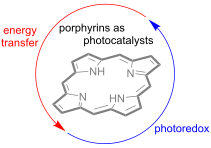
- amides (Scheme 43) [93]. Singlet oxygen in heteroatom oxidations Singlet oxygen reacts readily with electron pairs of heteroatoms, such as sulfur, selenium, phosphorus, and nitrogen, due to their electrophilicity. The interaction between singlet oxygen and the heteroatom occurs in both physical and

Graphical Abstract

Figure 1: Chemical structures of the porphyrinoids and their absorption spectra: in bold are highlighted the ...

Figure 2: Photophysical and photochemical processes (Por = porphyrin). Adapted from [12,18].

Figure 3: Main dual photocatalysts and their oxidative/reductive excited state potentials, including porphyri...

Scheme 1: Photoredox alkylation of aldehydes with diazo acetates using porphyrins and a Ru complex. aUsing a ...

Scheme 2: Proposed mechanism for the alkylation of aldehydes with diazo acetates in the presence of TPP.
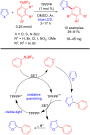
Scheme 3: Arylation of heteroarenes with aryldiazonium salts using TPFPP as photocatalyst, and corresponding ...

Scheme 4: A) Scope with different aryldiazonium salts and enol acetates. B) Photocatalytic cycles and compari...

Scheme 5: Photoarylation of isopropenyl acetate A) Comparison between batch and continuous-flow approaches an...

Scheme 6: Dehalogenation induced by red light using thiaporphyrin (STPP).

Scheme 7: Applications of NiTPP as both photoreductant and photooxidant.

Scheme 8: Proposed mechanism for obtaining tetrahydroquinolines by reductive quenching.

Scheme 9: Selenylation and thiolation of anilines.

Scheme 10: NiTPP as photoredox catalyst in oxidative and reductive quenching, in comparison with other photoca...

Scheme 11: C–O bond cleavage of 1-phenylethanol using a cobalt porphyrin (CoTMPP) under visible light.

Scheme 12: Hydration of terminal alkynes by RhIII(TSPP) under visible light irradiation.

Scheme 13: Regioselective photocatalytic hydro-defluorination of perfluoroarenes by RhIII(TSPP).

Scheme 14: Formation of 2-methyl-2,3-dihydrobenzofuran by intramolecular hydro-functionalization of allylpheno...
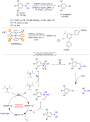
Scheme 15: Photocatalytic oxidative hydroxylation of arylboronic acids using UNLPF-12 as heterogeneous photoca...

Scheme 16: Photocatalytic oxidative hydroxylation of arylboronic acids using MOF-525 as heterogeneous photocat...

Scheme 17: Preparation of the heterogeneous photocatalyst CNH.

Scheme 18: Photoinduced sulfonation of alkenes with sulfinic acid using CNH as photocatalyst.

Scheme 19: Sulfonic acid scope of the sulfonation reactions.

Scheme 20: Regioselective sulfonation reaction of arimistane.

Scheme 21: Synthesis of quinazolin-4-(3H)-ones.

Scheme 22: Selective photooxidation of aromatic benzyl alcohols to benzaldehydes using Pt/PCN-224(Zn).

Scheme 23: Photooxidation of benzaldehydes to benzoic acids using Pt or Pd porphyrins.

Scheme 24: Photocatalytic reduction of various nitroaromatics using a Ni-MOF.

Scheme 25: Photoinduced cycloadditions of CO2 with epoxides by MOF1.

Figure 4: Electronic configurations of the species of oxygen. Adapted from [66].

Scheme 26: TPP-photocatalyzed generation of 1O2 and its application in organic synthesis. Adapted from [67-69].

Scheme 27: Pericyclic reactions involving singlet oxygen and their mechanisms. Adapted from [67].

Scheme 28: First scaled up ascaridole preparation from α-terpinene.

Scheme 29: Antimalarial drug synthesis using an endoperoxidation approach.

Scheme 30: Photooxygenation of colchicine.

Scheme 31: Synthesis of (−)-pinocarvone from abundant (+)-α-pinene.

Scheme 32: Seeberger’s semi-synthesis of artemisinin.

Scheme 33: Synthesis of artemisinin using TPP and supercritical CO2.

Scheme 34: Synthesis of artemisinin using chlorophyll a.

Scheme 35: Quercitol stereoisomer preparation.

Scheme 36: Photocatalyzed preparation of naphthoquinones.

Scheme 37: Continuous endoperoxidation of conjugated dienes and subsequent rearrangements leading to oxidized ...

Scheme 38: The Opatz group total synthesis of (–)-oxycodone.

Scheme 39: Biomimetic syntheses of rhodonoids A, B, E, and F.

Scheme 40: α-Photooxygenation of chiral aldehydes.

Scheme 41: Asymmetric photooxidation of indanone β-keto esters by singlet oxygen using PTC as a chiral inducer...

Scheme 42: Asymmetric photooxidation of both β-keto esters and β-keto amides by singlet oxygen using PTC-2 as ...

Scheme 43: Bifunctional photo-organocatalyst used for the asymmetric oxidation of β-keto esters and β-keto ami...

Scheme 44: Mechanism of singlet oxygen oxidation of sulfides to sulfoxides.

Scheme 45: Controlled oxidation of sulfides to sulfoxides using protonated porphyrins as photocatalysts. aIsol...

Scheme 46: Photochemical oxidation of sulfides to sulfoxides using PdTPFPP as photocatalyst.

Scheme 47: Controlled oxidation of sulfides to sulfoxides using SnPor@PAF as a photosensitizer.

Scheme 48: Syntheses of 2D-PdPor-COF and 3D-Pd-COF.

Scheme 49: Photocatalytic oxidation of A) thioanisole to methyl phenyl sulfoxide and B) various aryl sulfides,...

Scheme 50: General mechanism for oxidation of amines to imines.

Scheme 51: Oxidation of secondary amines to imines.

Scheme 52: Oxidation of secondary amines using Pd-TPFPP as photocatalyst.

Scheme 53: Oxidative amine coupling using UNLPF-12 as heterogeneous photocatalyst.

Scheme 54: Synthesis of Por-COF-1 and Por-COF-2.

Scheme 55: Photocatalytic oxidation of amines to imines by Por-COF-2.

Scheme 56: Photocyanation of primary amines.

Scheme 57: Synthesis of ᴅ,ʟ-tert-leucine hydrochloride.

Scheme 58: Photocyanation of catharanthine and 16-O-acetylvindoline using TPP.

Scheme 59: Photochemical α-functionalization of N-aryltetrahydroisoquinolines using Pd-TPFPP as photocatalyst.

Scheme 60: Ugi-type reaction with 1,2,3,4-tetrahydroisoquinoline using molecular oxygen and TPP.

Scheme 61: Ugi-type reaction with dibenzylamines using molecular oxygen and TPP.

Scheme 62: Mannich-type reaction of tertiary amines using PdTPFPP as photocatalyst.

Scheme 63: Oxidative Mannich reaction using UNLPF-12 as heterogeneous photocatalyst.

Scheme 64: Transformation of amines to α-cyanoepoxides and the proposed mechanism.
Regio- and stereoselective synthesis of new ensembles of diversely functionalized 1,3-thiaselenol-2-ylmethyl selenides by a double rearrangement reaction
- Svetlana V. Amosova,
- Andrey A. Filippov,
- Nataliya A. Makhaeva,
- Alexander I. Albanov and
- Vladimir A. Potapov
Beilstein J. Org. Chem. 2020, 16, 515–523, doi:10.3762/bjoc.16.47
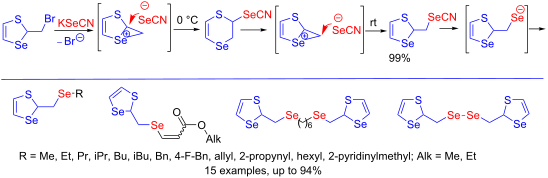
- -thiaselenole; nucleophilic addition; nucleophilic substitution; rearrangement; seleniranium intermediate; Introduction The regio- and stereoselective synthesis of organoselenium compounds based on selenium-centered electrophilic reagents has been one of the most important and effective directions in
- organoselenium chemistry for half a century [1][2][3][4][5][6][7][8][9][10][11][12]. The important trend in the field of organoselenium chemistry within the last 15 years was the involvement of selenium dihalides in the synthesis of organoselenium compounds [13][14]. The first synthesis of organoselenium
- compound from selenium dihalides was the preparation of 1,4-selenasilafulvenes by cyclization reaction with diethynyldimethylsilane [15][16]. The creation of new methodologies for the synthesis of new classes of organoselenium compounds and especially selenium heterocycles, with promising biological

Graphical Abstract

Scheme 1: Possible formation of reaction products starting from 1 via seleniranium 2 or thiiranium cations 3.

Scheme 2: Unusual regio- and stereoselective nucleophilic reactions of thiaselenole 1 at two centers of the s...

Scheme 3: Reactions of thiaselenole 1 with С- and S-centered nucleophiles affording new families of linear un...

Scheme 4: The reactions of thiaselenole 1 with the formation of polyfunctionalized 2,3-dihydro-1,4-thiaseleni...

Scheme 5: The synthesis of new 1,3-thiaselenole ensembles by reactions of thiaselenole 1 with mercapto benzaz...

Scheme 6: The formation of product 4 via compound 5 by the reaction of thiaselenole 1 with potassium selenocy...

Figure 1: Monitoring the reaction of thiaselenole 1 with KSeCN by 1H NMR spectroscopy (in accordance with the...

Scheme 7: The reaction pathway for the formation of compounds 4 and 5.

Scheme 8: Synthesis of new ensembles of 1,3-thiaselenol-2-ylmethyl selenides 6a–l (77Se NMR data are included...

Scheme 9: The synthesis of vinyl selenides 7a,b through nucleophilic addition of 1,3-thiaselenol-2-ylmethylse...

Scheme 10: One-pot synthesis of diselenide 8 from thiaselenole 1 (77Se NMR data are included).

Scheme 11: Synthesis of compounds 6a–j from diselenide 8.
KOt-Bu-promoted selective ring-opening N-alkylation of 2-oxazolines to access 2-aminoethyl acetates and N-substituted thiazolidinones
- Qiao Lin,
- Shiling Zhang and
- Bin Li
Beilstein J. Org. Chem. 2020, 16, 492–501, doi:10.3762/bjoc.16.44
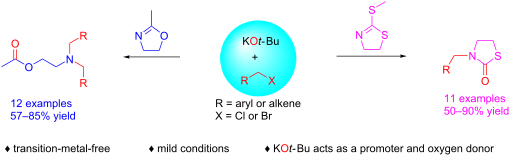
- reactions using potassium tert-butoxide as promoter. Wu developed an efficient protocol for the KOt-Bu-promoted synthesis of 1-aminoisoquinolines from 2-methylbenzonitriles and benzonitriles [23], and the carbonylative cyclization of propargylic amines with selenium under CO gas-free conditions [24]. Based

Graphical Abstract

Scheme 1: Comparison of different ring-opening reactions of 2-oxazolines and thiazolidinones synthesis.

Scheme 2: KOt-Bu-promoted selective ring-opening N-alkylation of 2-methyl-2-oxazoline with benzyl bromides. C...

Scheme 3: KOt-Bu-promoted selective ring-opening N-alkylation of 2-methyl-2-oxazoline with benzyl chlorides. ...

Scheme 4: KOt-Bu-promoted selective ring-opening N-alkylation of 2,4,4-trimethyl-4,5-dihydrooxazole (2b) with...

Scheme 5: KOt-Bu/I2-promoted selective N-alkylation to synthesis of thiazolidone derivatives. Conditions: KOt...

Scheme 6: Transformation of 2-aminoethyl acetate derivative to 2-(dibenzylamino)ethanol.

Scheme 7: Control experiments and 18O-labeling experiment.

Scheme 8: Control experiments with radical scavengers.

Scheme 9: Proposed mechanism.
Copper-promoted/copper-catalyzed trifluoromethylselenolation reactions
- Clément Ghiazza and
- Anis Tlili
Beilstein J. Org. Chem. 2020, 16, 305–316, doi:10.3762/bjoc.16.30

- tandem formation of C–Se and Se–fluoroalkyl bonds have emerged in the last five years. In 2014, Hor and Weng reported the trifluoromethylselenolation of (hetero)aryl iodides and alkyl bromides with the Ruppert–Prakash reagent, TMSCF3, elemental selenium, potassium fluoride, and silver carbonate under
- , which is in line with an SN2 mechanism. The authors proposed a mechanism where difluorocarbene is first generated upon thermal decomposition of the starting difluorophosphobetaine. The carbene then reacts with elemental selenium to yield difluoroselenophosgene, and in the presence of fluoride anions

Graphical Abstract

Scheme 1: Process for the formation of C(sp3)–SeCF3 bonds with [(bpy)CuSeCF3]2 developed by the group of Weng....

Scheme 2: Trifluoromethylselenolation of vinyl and (hetero)aryl halides with [(bpy)CuSeCF3]2 by the group of ...

Scheme 3: Trifluoromethylselenolation of terminal alkynes using [(bpy)CuSeCF3]2 by the group of You and Weng.

Scheme 4: Trifluoromethylselenolation of carbonyl compounds with [(bpy)CuSeCF3]2 by the group of Weng.

Scheme 5: Trifluoromethylselenolation of α,β-unsaturated ketones with [(bpy)CuSeCF3]2 by the group of Weng.

Scheme 6: Trifluoromethylselenolation of acid chlorides with [(bpy)CuSeCF3]2 by the group of Weng.

Scheme 7: Synthesis of 2-trifluoromethylselenylated benzofused heterocycles with [(bpy)CuSeCF3]2 by the group...

Scheme 8: Difunctionalization of terminal alkenes and alkynes with [(bpy)CuSeCF3]2 by the group of Liang.

Scheme 9: Synthesis of Me4NSeCF3.

Scheme 10: Oxidative trifluoromethylselenolation of terminal alkynes and boronic acid derivatives with Me4NSeCF...

Scheme 11: Trifluoromethylselenolation of diazoacetates and diazonium salts with Me4NSeCF3 by the group of Goo...

Scheme 12: Trifluoromethylselenolation with ClSeCF3 by the group of Tlili and Billard.

Scheme 13: Trifluoromethylselenolation with TsSeCF3 by the group of Tlili and Billard.

Scheme 14: Copper-catalyzed synthesis of a selenylated analog 30 of Pretomanid developed by the group of Tlili...

Scheme 15: One-pot procedures for C–SeCF3 bond formations developed by Hor and Weng, Deng and Xiao, and Ruepin...
A new approach to silicon rhodamines by Suzuki–Miyaura coupling – scope and limitations
- Thines Kanagasundaram,
- Antje Timmermann,
- Carsten S. Kramer and
- Klaus Kopka
Beilstein J. Org. Chem. 2019, 15, 2569–2576, doi:10.3762/bjoc.15.250
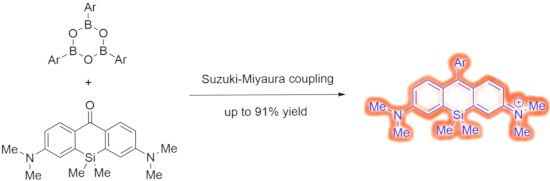
- be an effective catalyst for the synthesis of rhodamine and rosamine dyes as well as for their selenium or tellurium analogous [29], the usage of that Pd(0) catalyst showed yields comparable with those obtained with PdCl2(PPh3)2 (Table 1, entry 4). The exchange of sodium carbonate with cesium

Graphical Abstract

Scheme 1: Different synthetic approaches to silicon rhodamine dyes.

Scheme 2: Previous work from Calitree [29] and Urano [22,28] on the Suzuki–Miyaura coupling of triflates, derived from x...

Scheme 3: Optimization of cross-coupling conditions of triflate 21, derived from Si-xanthone 12, with boron s...

Scheme 4: Coupling reactions of silicon xanthone 12 with different boron species (23b–30b, 31).
Chiral terpene auxiliaries V: Synthesis of new chiral γ-hydroxyphosphine oxides derived from α-pinene
- Anna Kmieciak and
- Marek P. Krzemiński
Beilstein J. Org. Chem. 2019, 15, 2493–2499, doi:10.3762/bjoc.15.242

- selenium dioxide in methanol [28]. The obtained phenyl selenide 14 was oxidized with hydrogen peroxide in the presence of pyridine to selenoxide, which readily undergoes intramolecular syn-elimination to produce α,β-unsaturated (+)-apoverbenone (15) [28][29]. In the next step, Luche reduction of 15

Graphical Abstract

Scheme 1: Synthesis of (1R,2R,4S,5R)-3-methyleneneoisoverbanol (6).

Scheme 2: Synthesis of (1R,2R,3R,5R)-4-methyleneneoisopinocampheol (11).

Scheme 3: Synthesis of allylic alcohols 16 and 18 from β-pinene.

Figure 1: NOE effects in molecules 16 and 18.

Scheme 4: Synthesis of (1R,2R,3R,4R,5R)-3-((diphenylphosphanyl)methyl)isoverbanol (23).

Scheme 5: Synthesis of (((1R,2R,3S,4S,5S)-3-hydroxypinan-4-yl)methyl)diphenylphosphine oxide (27).

Scheme 6: Attempted sigmatropic rearrangement of phosphinites 28 and 29.
Harnessing enzyme plasticity for the synthesis of oxygenated sesquiterpenoids
- Melodi Demiray,
- David J. Miller and
- Rudolf K. Allemann
Beilstein J. Org. Chem. 2019, 15, 2184–2190, doi:10.3762/bjoc.15.215
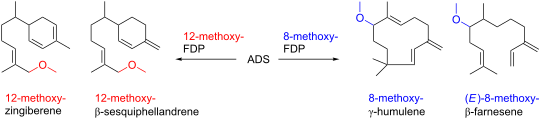
- the same manner, beginning with a tetrahydropyranyl (THP) protection of (E,E)-farnesol to form 13 [29][30]. This was followed by a selenium dioxide oxidation that produced 12-hydroxyfarnesol (14) as the major product (48%, already published in [29]) in addition to 8-hydroxyfarnesol (15, 11%) [31

Graphical Abstract

Scheme 1: Mechanism of the ADS-catalysed conversion of FDP (2) to amorpha-4,11-diene (3), a biosynthetic prec...

Scheme 2: Synthesis of 8-methoxy-FDP (11) and 12-methoxy-FDP (12) (for full synthesis details see Supporting Information File 1).

Figure 1: Total-ion chromatogram of the pentane extractable products formed in an incubation of ADS with 8-me...

Figure 2: 1H NMR spectrum (500 MHz, CDCl3) of the 8-methoxy-γ-humulene (20) generated by ADS from 8-methoxy-F...

Scheme 3: Potential mechanisms for the ADS-catalysed conversion of 8-methoxy-FDP (11) to 8-methoxy-γ-humulene...

Figure 3: Total-ion chromatogram of the pentane extractable products formed in an incubation of ADS with 12-m...

Figure 4: 1H NMR spectrum (400 MHz, CDCl3) of 12-methoxy-β-sesquiphellandrene (26) and 12-methoxyzingiberene (...

Scheme 4: Possible mechanisms for the ADS-catalysed conversion of 12-methoxy-FDP (12) to 12-methoxy-β-sesquip...
1,2,3-Triazolium macrocycles in supramolecular chemistry
- Mastaneh Safarnejad Shad,
- Pulikkal Veettil Santhini and
- Wim Dehaen
Beilstein J. Org. Chem. 2019, 15, 2142–2155, doi:10.3762/bjoc.15.211
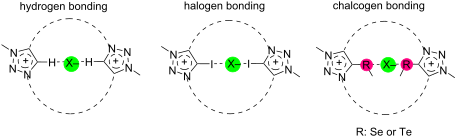
- (iodine, bromine) and chalcogens (selenium and tellurium) [18]. While there are several strategies for the synthesis of triazoles, the Cu(II)-catalyzed azide–alkyne cycloaddition reaction (CuAAC click reaction) is considered as one of the most efficient, simple and mild approaches towards the preparation

Graphical Abstract

Figure 1: Hydrogen, halogen or chalcogen bonding to anions within a bistriazolium macrocycle.

Figure 2: Main synthetic strategies towards macrocyclic triazoliums.

Figure 3: Chemical structure of compound 1 (1a, 1b and 1c) and 2.

Figure 4: Chemical structure of compound 3 and 4.

Figure 5: Chemical structure of compound 5.

Figure 6: Chemical structure of compound 6.

Figure 7: Chemical structure of compound 7.

Figure 8: Chemical structure of compound 8.
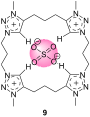
Figure 9: Chemical structures of compound 9.

Figure 10: Chemical structures of compound 10, 11 and 12.

Figure 11: Chemical structure of compound 13.

Figure 12: Chemical structure of compound 15 including the sigma-connected TCNQ dimer.

Figure 13: Chemical structure of compound 16 for the kinetic resolution of epoxides.

Figure 14: Chemical structure of compound 17a (bisnaphtho crown ether shown).

Figure 15: Jump rope in molecular double-lasso compounds 18.

Figure 16: Chemical structure of compound 19 and acid–base triggered motions.
Synthesis of benzo[d]imidazo[2,1-b]benzoselenoazoles: Cs2CO3-mediated cyclization of 1-(2-bromoaryl)benzimidazoles with selenium
- Mio Matsumura,
- Yuki Kitamura,
- Arisa Yamauchi,
- Yoshitaka Kanazawa,
- Yuki Murata,
- Tadashi Hyodo,
- Kentaro Yamaguchi and
- Shuji Yasuike
Beilstein J. Org. Chem. 2019, 15, 2029–2035, doi:10.3762/bjoc.15.199
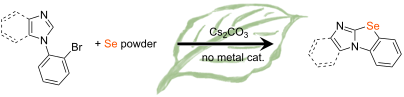
- . Keywords: benzimidazole; cesium carbonate; cyclization; selenium; selenoazole; Introduction Selenium-containing heterocyclic ring systems have attracted attention not only because of their chemical properties and reactivities, but also for their wide biological activities [1][2][3][4]. For example
- have been reported so far (Scheme 1). Zeni et al. reported the synthesis of imidazoselenoazole using a three-step one-pot reaction of N-alkynylimidazoles with selenium involving the electrophilic intramolecular cyclization of acetylenic compounds (Scheme 1, reaction 1) [6]. Zeni et al. also developed a
- constructing tetracyclic aromatic heterocycles containing selenium. For example, the reaction of 2-(2-iodophenyl)indoles with selenium powder in the presence of CuO as catalyst resulted in benzoselenopheno[3,2-b]indole derivatives [14]. The reaction of 2-(2-haloaryl)imidazo[1,2-a]pyridines with selenium using

Graphical Abstract

Scheme 1: Previously reported synthetic methods for the preparation of imidazo[2,1-b]selenoazoles.

Figure 1: (a) Ortep drawing of 2a (50% probability, only one of two independent molecules is shown) and (b) p...

Figure 2: Cs2CO3-mediated cyclization of 1-(2-bromoaryl)imidazoles with Se. Reaction conditions: 1 (0.5 mmol)...

Figure 3: Absorption spectra of selected compounds (2a, 10 and 11) in CHCl3.

Scheme 2: Control reactions.

Scheme 3: Proposed mechanism.



