


Search results
Search for "transition-metal catalysts" in Full Text gives 129 result(s) in Beilstein Journal of Organic Chemistry.
Transition-metal-catalyst-free electroreductive alkene hydroarylation with aryl halides under visible-light irradiation
- Kosuke Yamamoto,
- Kazuhisa Arita,
- Masami Kuriyama and
- Osamu Onomura
Beilstein J. Org. Chem. 2024, 20, 1327–1333, doi:10.3762/bjoc.20.116
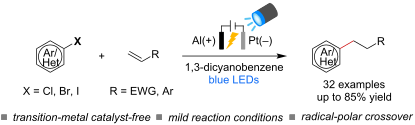
- by preventing overreduction [39]. While the metal-catalyst-free radical cyclization of alkene-tethered aryl halides has been well documented in the literature [40][41][42][43], the efficient intermolecular hydroarylation of alkenes still relies on the use of transition-metal catalysts, including Pd
- , including aryl chlorides, by employing 1,3-DCB under visible-light irradiation. The present transformation proceeded smoothly in a common organic solvent without transition-metal catalysts, and hydroarylation products were obtained from a variety of electron-deficient alkenes and styrene derivatives in good

Graphical Abstract
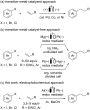
Scheme 1: Electrochemical hydroarylation of alkenes with aryl halides.
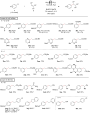
Scheme 2: Substrate scope. Reaction conditions for 1 (X = Cl, Br): 1 (1.0 mmol), 2 (3.5 mmol), 1,3-DCB (5 mol...
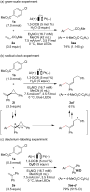
Scheme 3: Gram-scale reaction and control experiments.

Scheme 4: Plausible mechanism.
Manganese-catalyzed C–C and C–N bond formation with alcohols via borrowing hydrogen or hydrogen auto-transfer
- Mohd Farhan Ansari,
- Atul Kumar Maurya,
- Abhishek Kumar and
- Saravanakumar Elangovan
Beilstein J. Org. Chem. 2024, 20, 1111–1166, doi:10.3762/bjoc.20.98
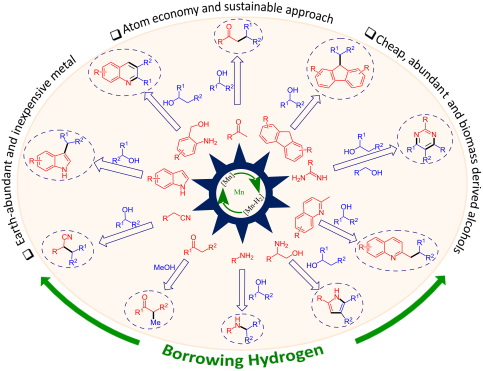
- achieving both selective dehydrogenation and hydrogenation is highly important. A typical BH process is demonstrated in Scheme 1. Several precious transition-metal catalysts have been used successfully in this area, including iridium, rhodium, ruthenium, and osmium [4]. However, these noble metals are toxic

Graphical Abstract

Scheme 1: General scheme of the borrowing hydrogen (BH) or hydrogen auto-transfer (HA) methodology.

Scheme 2: General scheme for C–N bond formation. A) Traditional cross-couplings with alkyl or aryl halides. B...

Figure 1: Manganese pre-catalysts used for the N-alkylation of amines with alcohols.

Scheme 3: Manganese(I)-pincer complex Mn1 used for the N-alkylation of amines with alcohols and methanol.

Scheme 4: N-Methylation of amines with methanol using Mn2.

Scheme 5: C–N-Bond formation with amines and methanol using PN3P-Mn complex Mn3 reported by Sortais et al. [36]. a...

Scheme 6: Base-assisted synthesis of amines and imines with Mn4. Reaction assisted by A) t-BuOK and B) t-BuON...

Scheme 7: Coupling of alcohols and hydrazine via the HB approach reported by Milstein et al. [38]. aReaction time...

Scheme 8: Proposed mechanism for the coupling of alcohols and hydrazine catalyzed by Mn5.

Scheme 9: Phosphine-free manganese catalyst for N-alkylation of amines with alcohols reported by Balaraman an...

Scheme 10: N-Alkylation of sulfonamides with alcohols.

Scheme 11: Mn–NHC catalyst Mn6 applied for the N-alkylation of amines with alcohols. a3 mol % of Mn6 were used....

Scheme 12: N-Alkylation of amines with primary and secondary alcohols. a80 °C, b100 °C.

Scheme 13: Manganese(III)-porphyrin catalyst for synthesis of tertiary amines.

Scheme 14: Proposed mechanism for the alcohol dehydrogenation with Mn(III)-porphyrin complex Mn7.

Scheme 15: N-Methylation of nitroarenes with methanol using catalyst Mn3.
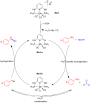
Scheme 16: Mechanism of manganese-catalyzed methylation of nitroarenes using Mn3 as the catalyst.

Scheme 17: Bidentate manganese complex Mn8 applied for the N-alkylation of primary anilines with alcohols. aOn...

Scheme 18: N-Alkylation of amines with alcohols in the presence of manganese salts and triphenylphosphine as t...

Scheme 19: N-Alkylation of diazo compounds with alcohols using catalyst Mn9.

Scheme 20: Proposed mechanism for the amination of alcohols with diazo compounds catalyzed by catalyst Mn9.

Scheme 21: Mn1 complex-catalyzed synthesis of polyethyleneimine from ethylene glycol and ethylenediamine.

Scheme 22: Bis-triazolylidene-manganese complex Mn10 for the N-alkylation of amines with alcohols.

Figure 2: Manganese complexes applied for C-alkylation reactions of ketones with alcohols.

Scheme 23: General scheme for the C–C bond formation with alcohols and ketones.

Scheme 24: Mn1 complex-catalyzed α-alkylation of ketones with primary alcohols.
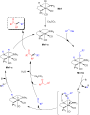
Scheme 25: Mechanism for the Mn1-catalyzed alkylation of ketones with alcohols.

Scheme 26: Phosphine-free in situ-generated manganese catalyst for the α-alkylation of ketones with primary al...
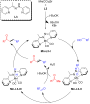
Scheme 27: Plausible mechanism for the Mn-catalyzed α-alkylation of ketones with alcohols.

Scheme 28: α-Alkylation of esters, ketones, and amides using alcohols catalyzed by Mn11.

Scheme 29: Mono- and dialkylation of methylene ketones with primary alcohols using the Mn(acac)2/1,10-phenanth...

Scheme 30: Methylation of ketones with methanol and deuterated methanol.

Scheme 31: Methylation of ketones and esters with methanol. a50 mol % of t-BuOK were used, bCD3OD was used ins...
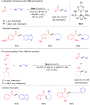
Scheme 32: Alkylation of ketones and secondary alcohols with primary alcohols using Mn4.

Scheme 33: Bidentate manganese-NHC complex Mn6 applied for the synthesis of alkylated ketones using alcohols.

Scheme 34: Mn1-catalyzed synthesis of substituted cycloalkanes by coupling diols and secondary alcohols or ket...
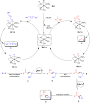
Scheme 35: Proposed mechanism for the synthesis of cycloalkanes via BH method.

Scheme 36: Synthesis of various cycloalkanes from methyl ketones and diols catalyze by Mn13. aReaction time wa...

Scheme 37: N,N-Amine–manganese complex (Mn13)-catalyzed alkylation of ketones with alcohols.

Scheme 38: Naphthyridine‑N‑oxide manganese complex Mn14 applied for the alkylation of ketones with alcohols. a...
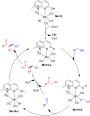
Scheme 39: Proposed mechanism of the naphthyridine‑N‑oxide manganese complex (Mn14)-catalyzed alkylation of ke...

Scheme 40: α-Methylation of ketones and indoles with methanol using Mn15.

Scheme 41: α-Alkylation of ketones with primary alcohols using Mn16. aNMR yield.

Figure 3: Manganese complexes used for coupling of secondary and primary alcohols.
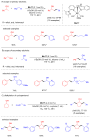
Scheme 42: Alkylation of secondary alcohols with primary alcohols catalyzed by phosphine-free catalyst Mn17. a...

Scheme 43: PNN-Manganese complex Mn18 for the alkylation of secondary alcohols with primary alcohols.
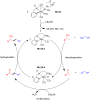
Scheme 44: Mechanism for the Mn-pincer catalyzed C-alkylation of secondary alcohols with primary alcohols.

Scheme 45: Upgrading of ethanol with methanol for isobutanol production.

Scheme 46: Mn-Pincer catalyst Mn19 applied for the β-methylation of alcohols with methanol. a2.0 mol % of Mn19...

Scheme 47: Functionalized ketones from primary and secondary alcohols catalyzed by Mn20. aMn20 (5 mol %), NaOH...
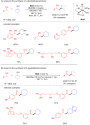
Scheme 48: Synthesis of γ-disubstituted alcohols and β-disubstituted ketones through Mn9-catalyzed coupling of...
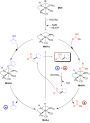
Scheme 49: Proposed mechanism for the Mn9-catalyzed synthesis of γ-disubstituted alcohols and β-disubstituted ...

Scheme 50: Dehydrogenative coupling of ethylene glycol and primary alcohols catalyzed by Mn4.

Scheme 51: Mn18-cataylzed C-alkylation of unactivated esters and amides with alcohols.

Scheme 52: Alkylation of amides and esters using Mn21.

Scheme 53: α-Alkylation of nitriles with primary alcohols using in situ-generated manganese catalyst.

Scheme 54: Proposed mechanism for the α-alkylation of nitriles with primary alcohols.

Scheme 55: Mn9-catalyzed α-alkylation of nitriles with primary alcohols. a1,4-Dioxane was used as solvent, 24 ...

Figure 4: Manganese complexes used for alkylation of heterocyclic compounds.

Scheme 56: Aminomethylation of aromatic compounds with secondary amines and methanol catalyzed by Mn22.
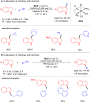
Scheme 57: Regioselective alkylation of indolines with alcohols catalyzed by Mn9. aMn9 (4 mol %), 48 h.

Scheme 58: Proposed mechanism for the C- and N-alkylation of indolines with alcohols.

Scheme 59: C-Alkylation of methyl N-heteroarenes with primary alcohols catalyzed by Mn1. aTime was 60 h.

Scheme 60: C-Alkylation of oxindoles with secondary alcohols.
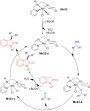
Scheme 61: Plausible mechanism for the Mn23-catalyzed C-alkylation of oxindoles with secondary alcohols.

Scheme 62: Synthesis of C-3-alkylated products by coupling alcohols with indoles and aminoalcohols.

Scheme 63: C3-Alkylation of indoles using Mn1.

Scheme 64: C-Methylation of indoles with Mn15 and methanol.

Scheme 65: α-Alkylation of 2-oxindoles with primary and secondary alcohols catalyzed by Mn25. aReaction carrie...

Scheme 66: Dehydrogenative alkylation of indolines with Mn1. aMn1 (5.0 mol %) was used.

Scheme 67: Synthesis of bis(indolyl)methane derivatives from indoles and alcohols catalyzed by Mn26. aMn26 (5....

Scheme 68: One-pot synthesis of pyrimidines via BH.

Scheme 69: Synthesis of pyrroles from alcohols and aminoalcohols using Mn4.

Scheme 70: Synthesis of pyrroles via multicomponent reaction catalyzed by Mn12.

Scheme 71: Friedländer quinoline synthesis using an in situ-generated phosphine-free manganese catalyst.

Scheme 72: Quinoline synthesis using bis-N-heterocyclic carbene-manganese catalyst Mn6.

Scheme 73: Quinoline synthesis using manganese(III)-porphyrin catalyst Mn7.

Scheme 74: Manganese-catalyzed tetrahydroquinoline synthesis via borrowing BH.

Scheme 75: Proposed mechanism for the manganese-catalyzed tetrahydroquinoline synthesis.

Scheme 76: Synthesis of C3-alkylated indoles using Mn24.

Scheme 77: Synthesis of C-3-alkylated indoles using Mn1.

Scheme 78: C–C Bond formation by coupling of alcohols and ylides.

Scheme 79: C-Alkylation of fluorene with alcohols catalyzed by Mn24.
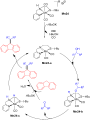
Scheme 80: Proposed mechanism for the C-alkylation of fluorene with alcohols catalyzed by Mn24.

Scheme 81: α-Alkylation of sulfones using Mn-PNN catalyst Mn28.
Auxiliary strategy for the general and practical synthesis of diaryliodonium(III) salts with diverse organocarboxylate counterions
- Naoki Miyamoto,
- Daichi Koseki,
- Kohei Sumida,
- Elghareeb E. Elboray,
- Naoko Takenaga,
- Ravi Kumar and
- Toshifumi Dohi
Beilstein J. Org. Chem. 2024, 20, 1020–1028, doi:10.3762/bjoc.20.90
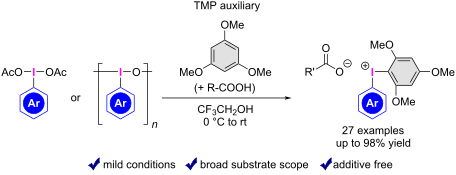
- presence or absence of transition metal catalysts under thermal or photochemical conditions [2][3][4][5]. Furthermore, these compounds have practical applications in the synthesis of radiochemicals utilized in positron emission tomography (PET) imaging [6], as well as serving as photoacid generators for

Graphical Abstract

Scheme 1: Synthetic approaches of diaryliodonium(III) trifluoroacetates.

Scheme 2: Synthesis of diaryliodonium(III) carboxylates.

Scheme 3: Scope of dummy ligands.

Scheme 4: Substrate scope of aryl(TMP)iodonium(III) acetates. a) 0.50 mmol scale of 1i. b) 1,3,5-Trimethoxybe...

Scheme 5: Substrate scope of the carboxylic acids and iodosylarenes. a) The reaction was conducted for 4 h. b...

Scheme 6: Representative applications of aryl(TMP)iodonium(III) carboxylates.
Enantioselective synthesis of β-aryl-γ-lactam derivatives via Heck–Matsuda desymmetrization of N-protected 2,5-dihydro-1H-pyrroles
- Arnaldo G. de Oliveira Jr.,
- Martí F. Wang,
- Rafaela C. Carmona,
- Danilo M. Lustosa,
- Sergei A. Gorbatov and
- Carlos R. D. Correia
Beilstein J. Org. Chem. 2024, 20, 940–949, doi:10.3762/bjoc.20.84
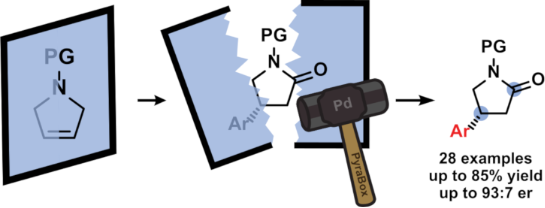
- preclude chirality as in the transformation of a prochiral molecular entity into a chiral one [1]. It is a powerful and elegant strategy in asymmetric synthesis [2], which combined with the use of chiral ligands and transition-metal catalysts enabled many valuable transformations to increase molecular

Graphical Abstract

Scheme 1: Examples of drugs containing a γ-lactam and derivative.

Scheme 2: Desymmetrization strategies employing Heck-Matsuda reactions.

Scheme 3: Heck–Matsuda reaction (1) and Jones oxidation (2) of the N-Boc-protected 2,5-dihydro-1H-pyrrole 1a....

Figure 1: N,N-Ligands evaluated in this work.
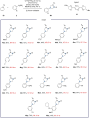
Scheme 4: Heck–Matsuda reaction of N-tosyl-2,5-dihydro-1H-pyrrole (1b). Reaction conditions: 1) pyrroline 1b ...

Scheme 5: Heck–Matsuda reaction of the protected 2,5-dihydro-1H-pyrrole with Ns and 2-Ns groups (pyrrolines 1c...

Scheme 6: Synthesis of (R)-baclofen hydrochloride (6) from 4dd and (R)-rolipram (5b) from 4de. Reaction condi...

Scheme 7: A rationale for the catalytic cycle for the Heck–Matsuda reaction of the protected 2,5-dihydro-1H-p...

Figure 2: Rationalization of the enantioselectivity obtained in the Heck–Matsuda reaction of protected 2,5-di...
SOMOphilic alkyne vs radical-polar crossover approaches: The full story of the azido-alkynylation of alkenes
- Julien Borrel and
- Jerome Waser
Beilstein J. Org. Chem. 2024, 20, 701–713, doi:10.3762/bjoc.20.64
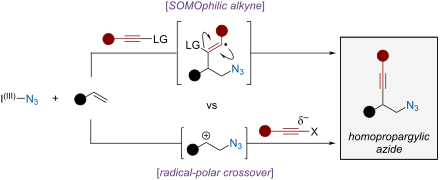
- presence of transition metal catalysts [11][12][13][14]. Currently, this motif is synthesized by sequential introduction of the two functional groups [11][12][13]. Addition of a lithium acetylide to an epoxide affords the corresponding homopropargylic alcohol which can then undergo a sequence of mesylation

Graphical Abstract

Scheme 1: Overview of homopropargylic azides importance and strategies for azido-alkynylation.

Scheme 2: Screening of nucleophilic alkynes and investigation of the photocatalyst solubility. n.o = not obse...

Scheme 3: Selected scope entries of the azido-alkynylation. The data were already published in ref. [45].

Scheme 4: Unsuccessful examples. The conditions used are the same as in Scheme 3. The yields reported were determined...

Scheme 5: Proposed mechanism.
Regioselective quinazoline C2 modifications through the azide–tetrazole tautomeric equilibrium
- Dāgs Dāvis Līpiņš,
- Andris Jeminejs,
- Una Ušacka,
- Anatoly Mishnev,
- Māris Turks and
- Irina Novosjolova
Beilstein J. Org. Chem. 2024, 20, 675–683, doi:10.3762/bjoc.20.61
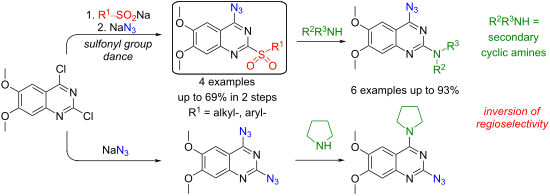
- position of quinazolines requires longer time, higher temperatures, and sometimes the use of expensive transition-metal catalysts [12]. A selective C2 modification can be achieved by using 2-chloroquinazolines IV, where the C4 position is blocked by an unreactive C–C or C–H bond (Scheme 1). Cyclization

Graphical Abstract

Scheme 1: Approaches for quinazoline modifications at the C2 and C4 positions.

Scheme 2: Attempts toward sulfonyl group dance using 2,4-dichloroquinazolines 1a‒c.

Scheme 3: Synthesis of 2-chloro-6,7-dimethoxy-4-sulfonylquinazoline derivatives 8.

Scheme 4: Alternative synthesis pathway for 2-chloro-6,7-dimethoxy-4-sulfonylquinazoline derivatives 8.

Scheme 5: Sulfonyl group dance using 2-chloro-6,7-dimethoxy-4-sulfonylquinazolines 8.

Scheme 6: One-pot synthesis of 4-azido-6,7-dimethoxy-2-sulfonylquinazolines 12. The crystallographic informat...

Scheme 7: Synthesis of 2-azido-4-sulfonyl-6,7-dimethoxyquinazolines 15.

Scheme 8: Synthesis of 6,7-dimethoxyquinazoline derivatives 16, 17a and 18.

Scheme 9: Synthesis of 2-amino-4-azido-6,7-dimethoxyquinazolines 17.

Scheme 10: Synthesis of terazosin and prazosin hydrochlorides 19a and 19b.

Scheme 11: Modifications of derivatives 17.
Mechanisms for radical reactions initiating from N-hydroxyphthalimide esters
- Carlos R. Azpilcueta-Nicolas and
- Jean-Philip Lumb
Beilstein J. Org. Chem. 2024, 20, 346–378, doi:10.3762/bjoc.20.35
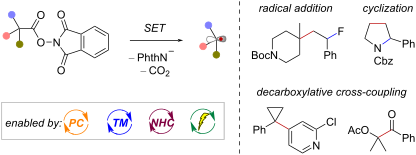
- 26B). A novel approach for the activation of redox-active esters was recently reported by Cornella and co-workers [32]. In this study, low valent bismuth (Bi) complex Bi-1 was found to exhibit redox properties similar to those of first row-transition metal catalysts, enabling the activation of

Graphical Abstract

Scheme 1: Comparison between Barton and NHPI ester radical precursors.

Scheme 2: Overview of the mechanisms and activation modes involved in radical generation from RAEs.

Scheme 3: Common mechanisms in photocatalysis.

Scheme 4: A) Giese-type radical addition of NHPI esters mediated by a reductive quenching photocatalytic cycl...

Scheme 5: A) Minisci-type radical addition of NHPI esters. B) Reaction mechanism involving an “off-cycle” red...

Scheme 6: Activation of NHPI esters through hydrogen-bonding in an oxidative quenching photocatalytic cycle.

Scheme 7: SET activation of RAE facilitated by a Lewis acid catalyst.

Scheme 8: PCET activation of NHPI esters in the context of a radical-redox annulation.

Scheme 9: Activation enabled by a strong excited-state reductant catalyst and its application in the dearomat...

Scheme 10: Proposed formation of an intramolecular charge-transfer complex in the synthesis of (spiro)anellate...

Scheme 11: Formation of a charge-transfer complex between enamides and NHPI esters enabled by a chiral phospha...

Scheme 12: Activation of NHPI ester through the formation of photoactive EDA-complexes.

Scheme 13: A) EDA complex-mediated radical hydroalkylation reactions of NHPI esters. B) Proposed mechanism for...

Scheme 14: Proposed radical chain mechanism initiated by EDA-complex formation.
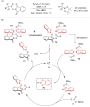
Scheme 15: A) Photoinduced decarboxylative borylation. B) Proposed radical chain mechanism.
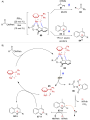
Scheme 16: A) Activation of NHPI esters mediated by PPh3/NaI. B) Proposed catalytic cycle involving EDA-comple...

Scheme 17: A) Radical generation facilitated by EDA complex formation between PTH1 catalyst and NHPI esters. B...

Scheme 18: Proposed catalytic cycle for the difunctionalization of styrenes.

Scheme 19: Formation of a charge-transfer complex between NHPI esters and Cs2CO3 enables decarboxylative amina...

Scheme 20: 3-Acetoxyquinuclidine as catalytic donor in the activation of TCNHPI esters.
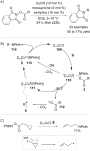
Scheme 21: A) Photoinduced Cu-catalyzed decarboxylative amination. B) Proposed catalytic cycle. C) Radical clo...

Scheme 22: A) Photoinduced Pd-catalyzed aminoalkylation of 1,4-dienes. B) Proposed catalytic cycle.

Scheme 23: A) TM-catalyzed decarboxylative coupling of NHPI esters and organometallic reagents. B) Representat...
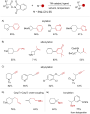
Scheme 24: Synthetic applications of the TM-catalyzed decarboxylative coupling of NHPI esters and organometall...
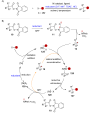
Scheme 25: A) Ni-catalyzed cross-electrophile coupling of NHPI esters. B) Representative catalytic cycle.
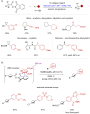
Scheme 26: A) Synthetic applications of decarboxylative cross-electrophile couplings. B) Decarboxylative aryla...

Scheme 27: A) Activation of tetrachlorophthalimide redox-active esters enabled by a low-valency Bi complex. B)...

Scheme 28: Activation of NHPI esters mediated by Zn0 applied in a Z-selective alkenylation reaction.

Scheme 29: A) Activation of NHPI esters enabled by a pyridine-boryl radical species applied to the decarboxyla...

Scheme 30: A) Decarboxylative coupling of RAE and aldehydes enabled by NHC-catalyzed radical relay. B) Propose...

Scheme 31: A) Decarboxylative C(sp3)–heteroatom coupling reaction of NHPI esters under NHC catalysis B) The NH...

Scheme 32: A) Electrochemical Giese-type radical addition of NHPI esters. B) Reaction mechanism.

Scheme 33: Electrochemical Minisci-type radical addition of NHPI-esters.

Scheme 34: Ni-electrocatalytic cross-electrophile coupling of NHPI esters with aryl iodides.

Scheme 35: A) Decarboxylative arylation of NHPI esters under Ag-Ni electrocatalysis B) Formation of AgNP on th...

Scheme 36: Synthetic applications of decarboxylative couplings of NHPI esters under Ni-electrocatalysis.

Scheme 37: Examples of natural product syntheses in which RAEs were used in key C–C bond forming reactions.
Nucleophilic functionalization of thianthrenium salts under basic conditions
- Xinting Fan,
- Duo Zhang,
- Xiangchuan Xiu,
- Bin Xu,
- Yu Yuan,
- Feng Chen and
- Pan Gao
Beilstein J. Org. Chem. 2024, 20, 257–263, doi:10.3762/bjoc.20.26
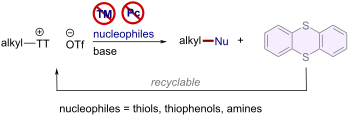
- Abstract In recent years, S-(alkyl)thianthrenium salts have become an important means of functionalizing alcohol compounds. However, additional transition metal catalysts and/or visible light are required. Herein, a direct thioetherification/amination reaction of thianthrenium salts is realized under metal
- ]. Recently, Ritter and co-workers reported that alkylthianthrenium salts can be employed to undergo reactions with N/O-nucleophiles under photocatalytic conditions [46]. Nevertheless, additional transition metal catalysts, visible light, or electrochemical devices are required for the reported works

Graphical Abstract
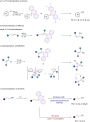
Scheme 1: Synthetic application of thianthrenium salts.
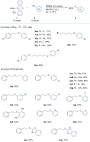
Scheme 2: Substrate scope. Reaction conditions: alkylthianthrenium salts 1 (0.3 mmol), thiophenols 2 (0.2 mmo...

Scheme 3: Substrate scope of amines. Reaction conditions: alkylthianthrenium salts 1 (0.3 mmol), amines 2 (0....

Scheme 4: Scale-up reaction.
Visible-light-induced radical cascade cyclization: a catalyst-free synthetic approach to trifluoromethylated heterocycles
- Chuan Yang,
- Wei Shi,
- Jian Tian,
- Lin Guo,
- Yating Zhao and
- Wujiong Xia
Beilstein J. Org. Chem. 2024, 20, 118–124, doi:10.3762/bjoc.20.12
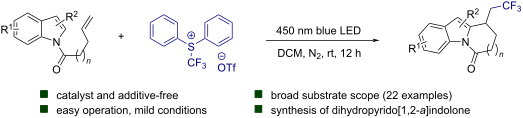
- radicals. This method allows the efficient synthesis of various indole derivatives without the need of photocatalysts or transition-metal catalysts. Mechanism experiments indicate that the process involves a radical chain process initiated by the homolysis of Umemoto's reagent. This straightforward method
- ], Friedel–Crafts acylation [12], radical cascade reactions [2][13], and photoinduced radical cyclizations [14][15][16][17]. However, these methods often suffer from drawbacks such as harsh reaction conditions and the requirement of transition-metal catalysts. Although photocatalyzed cyclization reactions

Graphical Abstract

Figure 1: Representative dihydropyrido[1,2-a]indolone derivatives.

Scheme 1: Selected works for the construction of dihydropyrido[1,2-a]indolones and current methodology.
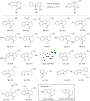
Scheme 2: Substrate scope of the cascade reaction.

Scheme 3: Radical trapping experiment.

Figure 2: UV–vis spectra of substrates; [1a] 0.33 M, [2a] 0.11 M.

Scheme 4: Plausible reaction mechanism.
1-Butyl-3-methylimidazolium tetrafluoroborate as suitable solvent for BF3: the case of alkyne hydration. Chemistry vs electrochemistry
- Marta David,
- Elisa Galli,
- Richard C. D. Brown,
- Marta Feroci,
- Fabrizio Vetica and
- Martina Bortolami
Beilstein J. Org. Chem. 2023, 19, 1966–1981, doi:10.3762/bjoc.19.147
- stimulated the search for alternative catalysts and conditions for the hydration of alkynes, in order to identify safer and more sustainable methods [11][12][13]. In particular, transition-metal catalysts containing Au(I) or (III) [14][15][16][17][18][19][20][21][22][23][24], Ru(II) [25][26][27][28][29][30
- conditions, without transition metal catalysts, added oxidants, or strong acids involved, using Selectfluor (1-(chloromethyl)-4-fluoro-1,4-diazabicyclo[2.2.2]octane-1,4-diium ditetrafluoroborate) as essential additive [73]. With regard to the reaction medium, the idea of replacing classic organic solvents

Graphical Abstract

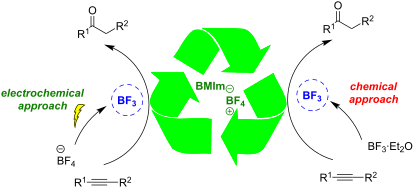
Figure 1: Comparison of the hydration reactions of different alkynes in BMIm-BF4 catalysed by BF3·Et2O (blue)...

Scheme 1: Anodic oxidation of tetrafluoroborate anion.
Recent advancements in iodide/phosphine-mediated photoredox radical reactions
- Tinglan Liu,
- Yu Zhou,
- Junhong Tang and
- Chengming Wang
Beilstein J. Org. Chem. 2023, 19, 1785–1803, doi:10.3762/bjoc.19.131
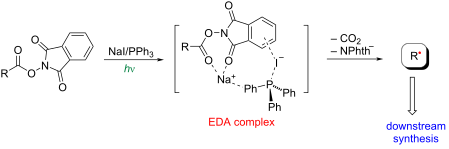
- of fused ketones 34, eliminating the need for transition-metal catalysts or oxidants. The technique offered a broad substrate scope, remarkable selectivity, and simple reaction conditions. A plausible mechanism had been proposed for the photocatalytic decarboxylative [3 + 2]/[4 + 2] annulation, as

Graphical Abstract

Scheme 1: Photocatalytic decarboxylative transformations mediated by the NaI/PPh3 catalyst system.

Scheme 2: Proposed catalytic cycle of NaI/PPh3 photoredox catalysis.

Scheme 3: Decarboxylative alkenylation of redox-active esters by NaI/PPh3 catalysis.

Scheme 4: Decarboxylative alkenylation mediated by NaI/PPh3 catalysis.

Scheme 5: NaI-mediated photoinduced α-alkenylation of Katritzky salts 7.

Scheme 6: n-Bu4NI-mediated photoinduced decarboxylative olefination.

Scheme 7: Proposed mechanism of the n-Bu4NI-mediated photoinduced decarboxylative olefination.

Scheme 8: Photodecarboxylative alkylation of redox-active esters with diazirines.

Scheme 9: Photoinduced iodine-anion-catalyzed decarboxylative/deaminative C–H alkylation of enamides.

Scheme 10: Photocatalytic C–H alkylation of coumarins mediated by NaI/PPh3 catalysis.

Scheme 11: Photoredox alkylation of aldimines by NaI/PPh3 catalysis.

Scheme 12: Photoredox C–H alkylation employing ammonium iodide.

Scheme 13: NaI/PPh3/CuBr cooperative catalysis for photocatalytic C(sp3)–O/N cross-coupling reactions.
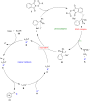
Scheme 14: Proposed mechanism of NaI/PPh3/CuBr cooperative catalysis for photocatalytic C(sp3)–O/N cross-coupl...

Scheme 15: Photocatalytic decarboxylative [3 + 2]/[4 + 2] annulation between enynals and γ,σ-unsaturated N-(ac...

Scheme 16: Proposed mechanism for the decarboxylative [3 + 2]/[4 + 2] annulation.

Scheme 17: Decarboxylative cascade annulation of alkenes/1,6-enynes with N-hydroxyphthalimide esters.

Scheme 18: Decarboxylative radical cascade cyclization of N-arylacrylamides.

Scheme 19: NaI/PPh3-driven photocatalytic decarboxylative radical cascade alkylarylation.

Scheme 20: Proposed mechanism of the NaI/PPh3-driven photocatalytic decarboxylative radical cascade cyclizatio...

Scheme 21: Visible-light-promoted decarboxylative cyclization of vinylcycloalkanes.

Scheme 22: NaI/PPh3-mediated photochemical reduction and amination of nitroarenes.

Scheme 23: PPh3-catalyzed alkylative iododecarboxylation with LiI.

Scheme 24: Visible-light-triggered iodination facilitated by N-heterocyclic carbenes.

Scheme 25: Visible-light-induced photolysis of phosphonium iodide salts for monofluoromethylation.
Lewis acid-promoted direct synthesis of isoxazole derivatives
- Dengxu Qiu,
- Chenhui Jiang,
- Pan Gao and
- Yu Yuan
Beilstein J. Org. Chem. 2023, 19, 1562–1567, doi:10.3762/bjoc.19.113

- nitrogen source (Scheme 1, reaction 2). In 2017, Xu and co-workers [19] developed a copper-mediated annulation reaction to synthesize isoxazoles from two different alkynes. In fact, most methods mostly used highly toxic transition-metal catalysts such as copper metals. In order to develop cheaper and more

Graphical Abstract

Figure 1: Natural products and drug molecules containing isoxazole moieties.

Scheme 1: Traditional methods for the synthesis of isoxazoles and the current approach.

Scheme 2: Reaction scope of alkynes. Conditions: 1 (0.1 mmol, 1 equiv), 2a (0.2 mmol, 2 equiv), AlCl3 (0.3 mm...

Figure 2: Crystal structure of 3i.

Scheme 3: Reaction substrate scope of quinolines. Conditions: 1a (0.1 mmol, 1 equiv), 2 (0.2 mmol, 2 equiv), ...

Scheme 4: Gram scale reaction.

Scheme 5: Control experiments and possible reaction mechanism.
N-Sulfenylsuccinimide/phthalimide: an alternative sulfenylating reagent in organic transformations
- Fatemeh Doraghi,
- Seyedeh Pegah Aledavoud,
- Mehdi Ghanbarlou,
- Bagher Larijani and
- Mohammad Mahdavi
Beilstein J. Org. Chem. 2023, 19, 1471–1502, doi:10.3762/bjoc.19.106
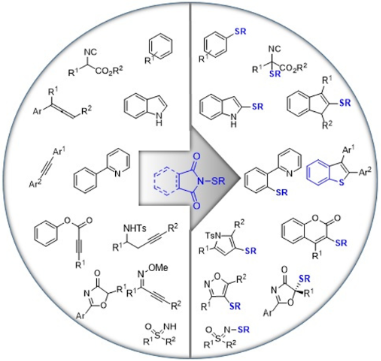
- -coupling, and direct sulfenylation reactions, which are classified into three categories: sulfenylation catalyzed by i) transition metal catalysts, ii) organocompound catalysts, and iii) catalyst-free sulfenylation. Review Sulfenylation of organic compounds by N-(sulfenyl)succinimides/phthalimides Metal
- conversion of 1-I to 2-II was confirmed by mechanistic studies due to the stability of the benzyl carbocation, followed by 6-endo-dig cyclization. In this method, toxic transition metal catalysts, oxidants, or bases are not used, which made it economically and environmentally reliable. In 2023, Gao et al

Graphical Abstract

Scheme 1: Sulfur-containing bioactive molecules.

Scheme 2: Scandium-catalyzed synthesis of thiosulfonates.

Scheme 3: Palladium-catalyzed aryl(alkyl)thiolation of unactivated arenes.

Scheme 4: Catalytic cycle for Pd-catalyzed aryl(alkyl)thiolation of unactivated arenes.

Scheme 5: Iron- or boron-catalyzed C–H arylthiation of substituted phenols.

Scheme 6: Iron-catalyzed azidoalkylthiation of alkenes.

Scheme 7: Plausible mechanism for iron-catalyzed azidoalkylthiation of alkenes.

Scheme 8: BF3·Et2O‑mediated electrophilic cyclization of aryl alkynoates.

Scheme 9: Tentative mechanism for BF3·Et2O‑mediated electrophilic cyclization of aryl alkynoates.

Scheme 10: Construction of 6-substituted benzo[b]thiophenes.

Scheme 11: Plausible mechanism for construction of 6-substituted benzo[b]thiophenes.

Scheme 12: AlCl3‑catalyzed cyclization of N‑arylpropynamides with N‑sulfanylsuccinimides.

Scheme 13: Synthetic utility of AlCl3‑catalyzed cyclization of N‑arylpropynamides with N‑sulfanylsuccinimides.

Scheme 14: Sulfenoamination of alkenes with sulfonamides and N-sulfanylsuccinimides.

Scheme 15: Lewis acid/Brønsted acid controlled Pd-catalyzed functionalization of aryl C(sp2)–H bonds.

Scheme 16: Possible mechanism for Lewis acid/Brønsted acid controlled Pd-catalyzed functionalization of aryl C...

Scheme 17: FeCl3-catalyzed carbosulfenylation of unactivated alkenes.

Scheme 18: Copper-catalyzed electrophilic thiolation of organozinc halides.

Scheme 19: h-BN@Copper(II) nanomaterial catalyzed cross-coupling reaction of sulfoximines and N‑(arylthio)succ...

Scheme 20: AlCl3‑mediated cyclization and sulfenylation of 2‑alkyn-1-one O‑methyloximes.

Scheme 21: Lewis acid-promoted 2-substituted cyclopropane 1,1-dicarboxylates with sulfonamides and N-(arylthio...

Scheme 22: Lewis acid-mediated cyclization of β,γ-unsaturated oximes and hydrazones with N-(arylthio/seleno)su...

Scheme 23: Credible pathway for Lewis acid-mediated cyclization of β,γ-unsaturated oximes with N-(arylthio)suc...

Scheme 24: Synthesis of 4-chalcogenyl pyrazoles via chalcogenation/cyclization of α,β-alkynic hydrazones.

Scheme 25: Controllable synthesis of 3-thiolated pyrroles and pyrrolines.

Scheme 26: Possible mechanism for controllable synthesis of 3-thiolated pyrroles and pyrrolines.

Scheme 27: Co-catalyzed C2-sulfenylation and C2,C3-disulfenylation of indole derivatives.

Scheme 28: Plausible catalytic cycle for Co-catalyzed C2-sulfenylation and C2,C3-disulfenylation of indoles.

Scheme 29: C–H thioarylation of electron-rich arenes by iron(III) triflimide catalysis.

Scheme 30: Difunctionalization of alkynyl bromides with thiosulfonates and N-arylthio succinimides.·

Scheme 31: Suggested mechanism for difunctionalization of alkynyl bromides with thiosulfonates and N-arylthio ...

Scheme 32: Synthesis of thioesters, acyl disulfides, ketones, and amides by N-thiohydroxy succinimide esters.

Scheme 33: Proposed mechanism for metal-catalyzed selective acylation and acylthiolation.

Scheme 34: AlCl3-catalyzed synthesis of 3,4-bisthiolated pyrroles.

Scheme 35: α-Sulfenylation of aldehydes and ketones.

Scheme 36: Acid-catalyzed sulfetherification of unsaturated alcohols.

Scheme 37: Enantioselective sulfenylation of β-keto phosphonates.

Scheme 38: Organocatalyzed sulfenylation of 3‑substituted oxindoles.

Scheme 39: Sulfenylation and chlorination of β-ketoesters.

Scheme 40: Intramolecular sulfenoamination of olefins.

Scheme 41: Plausible mechanism for intramolecular sulfenoamination of olefins.

Scheme 42: α-Sulfenylation of 5H-oxazol-4-ones.

Scheme 43: Metal-free C–H sulfenylation of electron-rich arenes.

Scheme 44: TFA-promoted C–H sulfenylation indoles.
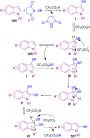
Scheme 45: Proposed mechanism for TFA-promoted C–H sulfenylation indoles.

Scheme 46: Organocatalyzed sulfenylation and selenenylation of 3-pyrrolyloxindoles.

Scheme 47: Organocatalyzed sulfenylation of S-based nucleophiles.

Scheme 48: Conjugate Lewis base Brønsted acid-catalyzed sulfenylation of N-heterocycles.

Scheme 49: Mechanism for activation of N-sulfanylsuccinimide by conjugate Lewis base Brønsted acid catalyst.

Scheme 50: Sulfenylation of deconjugated butyrolactams.

Scheme 51: Intramolecular sulfenofunctionalization of alkenes with phenols.

Scheme 52: Organocatalytic 1,3-difunctionalizations of Morita–Baylis–Hillman carbonates.

Scheme 53: Organocatalytic sulfenylation of β‑naphthols.

Scheme 54: Acid-promoted oxychalcogenation of o‑vinylanilides with N‑(arylthio/arylseleno)succinimides.

Scheme 55: Lewis base/Brønsted acid dual-catalytic C–H sulfenylation of aryls.

Scheme 56: Lewis base-catalyzed sulfenoamidation of alkenes.

Scheme 57: Cyclization of allylic amide using a Brønsted acid and tetrabutylammonium chloride.

Scheme 58: Catalytic electrophilic thiocarbocyclization of allenes with N-thiosuccinimides.

Scheme 59: Suggested mechanism for electrophilic thiocarbocyclization of allenes with N-thiosuccinimides.

Scheme 60: Chiral chalcogenide-catalyzed enantioselective hydrothiolation of alkenes.

Scheme 61: Proposed mechanism for chalcogenide-catalyzed enantioselective hydrothiolation of alkenes.

Scheme 62: Organocatalytic sulfenylation for synthesis a diheteroatom-bearing tetrasubstituted carbon centre.

Scheme 63: Thiolative cyclization of yne-ynamides.

Scheme 64: Synthesis of alkynyl and acyl disulfides from reaction of thiols with N-alkynylthio phthalimides.

Scheme 65: Oxysulfenylation of alkenes with 1-(arylthio)pyrrolidine-2,5-diones and alcohols.

Scheme 66: Arylthiolation of arylamines with (arylthio)-pyrrolidine-2,5-diones.

Scheme 67: Catalyst-free isothiocyanatoalkylthiation of styrenes.

Scheme 68: Sulfenylation of (E)-β-chlorovinyl ketones toward 3,4-dimercaptofurans.

Scheme 69: HCl-promoted intermolecular 1, 2-thiofunctionalization of aromatic alkenes.

Scheme 70: Possible mechanism for HCl-promoted 1,2-thiofunctionalization of aromatic alkenes.

Scheme 71: Coupling reaction of diazo compounds with N-sulfenylsuccinimides.

Scheme 72: Multicomponent reactions of disulfides with isocyanides and other nucleophiles.

Scheme 73: α-Sulfenylation and β-sulfenylation of α,β-unsaturated carbonyl compounds.
Application of N-heterocyclic carbene–Cu(I) complexes as catalysts in organic synthesis: a review
- Nosheen Beig,
- Varsha Goyal and
- Raj K. Bansal
Beilstein J. Org. Chem. 2023, 19, 1408–1442, doi:10.3762/bjoc.19.102
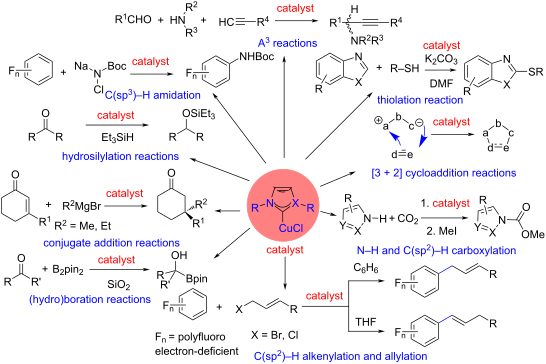
- have been found versatile synthons for medicinally important and naturally occurring nitrogen-containing compounds (Scheme 54) [72][73][74]. In the past, several transition-metal catalysts were used for this reaction and Li and co-workers reviewed the use of transition-metal salts for the A3 reactions
- conditions, although the transition-metal catalysts were preserved, the reactions require high temperature conditions [76]. In 2008, Wang and co-workers [77] for the first time employed an NHC–Cu(I) complex (2 mol %) and its silica-immobilized version 141 (2 mol %) as catalyst for an A3 coupling reaction

Graphical Abstract

Scheme 1: In situ generation of imidazolylidene carbene.

Scheme 2: Hg(II) complex of NHC.

Scheme 3: Isolable and bottlable carbene reported by Arduengo [3].

Scheme 4: First air-stable carbene synthesized by Arduengo in 1992 [5].

Figure 1: General structure of an NHC.

Figure 2: Stabilization of an NHC by donation of the lone pair electrons into the vacant p-orbital (LUMO) at ...

Figure 3: Abnormal NHC reported by Bertrand [8,9].

Figure 4: Cu(d) orbital to σ*C-N(NHC) interactions in NHC–CuX complexes computed at the B3LYP/def2-SVP level ...
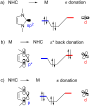
Figure 5: Molecular orbital contributions to the NHC–metal bond.

Scheme 5: Synthesis of NHC–Cu(I) complexes by deprotonation of NHC precursors with a base.

Scheme 6: Synthesis of [NHC–CuX] complexes.

Scheme 7: Synthesis of [(ICy)CuX] and [(It-Bu)CuX] complexes.

Scheme 8: Synthesis of iodido-bridged copper–NHC complexes by deprotonation of benzimidazolium salts reported...

Scheme 9: Synthesis of copper complexes by deprotonation of triazolium salts.

Scheme 10: Synthesis of thiazolylidene–Cu(I) complex by deprotonation with KOt-Bu.

Scheme 11: Preparation of NHC–Cu(I) complexes.

Scheme 12: Synthesis of methylmalonic acid-derived anionic [(26a,b)CuCl]Li(THF)2 and zwitterionic (28) heterol...

Scheme 13: Synthesis of diaminocarbene and diamidocarbene (DAC)–Cu(I) complexes.

Scheme 14: Synthesis of the cationic (NHC)2Cu(I) complex 39 from benzimidazolium salts 38 with tetrakis(aceton...

Scheme 15: Synthesis of NHC and ADC (acyclic diamino carbenes) Cu(I) hexamethyldisilazide complexes reported b...

Scheme 16: Synthesis of NHC–copper(I) complexes using an acetylacetonate-functionalized imidazolium zwitterion...

Scheme 17: Synthesis of NHC–Cu(I) complexes through deprotonation of azolium salts with Cu2O.

Scheme 18: Synthesis of NHC–CuBr complex through deprotonation with Cu2O reported by Kolychev [31].

Scheme 19: Synthesis of chiral NHC–CuBr complexes from phenoxyimine-imidazolium salts reported by Douthwaite a...

Scheme 20: Preparation of linear neutral NHC–CuCl complexes through the use of Cu2O. For abbreviations, please...

Scheme 21: Synthesis of abnormal-NHC–copper(I) complexes by Bertrand, Cazin and co-workers [35].

Scheme 22: Microwave-assisted synthesis of thiazolylidene/benzothiazolylidene–CuBr complexes by Bansal and co-...

Scheme 23: Synthesis of NHC–CuX complexes through transmetallation.

Scheme 24: Preparation of six- or seven-membered NHC–Cu(I) complexes through transmetalation from Ag(I) comple...

Scheme 25: Synthesis of 1,2,3-triazolylidene–CuCl complexes through transmetallation of Ag(I) complexes genera...

Scheme 26: Synthesis of NHC–copper complexes having both Cu(I) and Cu(II) units through transmetalation report...

Scheme 27: Synthesis of new [(IPr(CH2)3Si(OiPr)3)CuX] complexes and anchoring on MCM-41.

Scheme 28: Synthesis of bis(trimethylsilyl)phosphide–Cu(I)–NHC complexes through ligand displacement.

Scheme 29: Synthesis of silyl- and stannyl [(NHC)Cu−ER3] complexes.

Scheme 30: Synthesis of amido-, phenolato-, thiophenolato–Cu(NHC) complexes.

Scheme 31: Synthesis of first isolable NHC–Cu–difluoromethyl complexes reported by Sanford et al. [44].

Scheme 32: Synthesis of NHC–Cu(I)–bifluoride complexes reported by Riant, Leyssens and co-workers [45].

Scheme 33: Conjugate addition of Et2Zn to enones catalyzed by an NHC–Cu(I) complex reported by Woodward in 200...

Scheme 34: Hydrosilylation of a carbonyl group.

Scheme 35: NHC–Cu(I)-catalyzed hydrosilylation of ketones reported by Nolan et al. [48,49].

Scheme 36: Application of chiral NHC–CuCl complex 104 for the enantioselective hydrosilylation of ketones.

Scheme 37: Hydrosilylation reactions catalyzed by NHC–Cu(Ot-Bu) complexes.

Scheme 38: NHC–CuCl catalyzed carbonylative silylation of alkyl halides.

Scheme 39: Nucleophilic conjugate addition to an activated C=C bond.

Figure 6: Molecular electrostatic potential maps (MESP) of two NHC–CuX complexes computed at the B3LYP/def2-S...

Scheme 40: Conjugate addition of Grignard reagents to 3-alkyl-substituted cyclohexenones catalyzed by a chiral...

Scheme 41: NHC–copper complex-catalyzed conjugate addition of Grignard reagent to 3-substituted hexenone repor...

Scheme 42: Conjugate addition or organoaluminum reagents to β-substituted cyclic enones.

Scheme 43: Conjugate addition of boronates to acyclic α,β-unsaturated carboxylic esters, ketones, and thioeste...

Scheme 44: NHC–Cu(I)-catalyzed hydroboration of an allene reported by Hoveyda [63].

Scheme 45: Conjugate addition of Et2Zn to cyclohexenone catalyzed by NHC–Cu(I) complex derived from benzimidaz...

Scheme 46: Asymmetric conjugate addition of diethylzinc to 3-nonen-2-one catalyzed by NHC–Cu complexes derived...

Scheme 47: General scheme of a [3 + 2] cycloaddition reaction.

Scheme 48: [3 + 2] Cycloaddition of azides with alkynes catalyzed by NHC–Cu(I) complexes reported by Diez-Gonz...

Scheme 49: Application of NHC–CuCl/N-donor combination to catalyze the [3 + 2] cycloaddition of benzyl azide w...

Scheme 50: [3 + 2] Cycloaddition of azides with acetylenes catalyzed by bis(NHC)–Cu complex 131 and mixed NHC–...
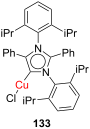
Figure 7: NHC–CuCl complex 133 as catalyst for the [3 + 2] cycloaddition of alkynes with azides at room tempe...

Scheme 51: [3 + 2] Cycloaddition of a bulky azide with an alkynylpyridine using [(NHC)Cu(μ-I)2Cu(NHC)] copper ...

Scheme 52: [3 + 2] Cycloaddition of benzyl azide with phenylacetylene under homogeneous and heterogeneous cata...

Scheme 53: [3 + 2] Cycloaddition of benzyl azide with acetylenes catalyzed by bisthiazolylidene dicopper(I) co...
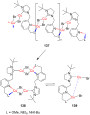
Figure 8: Copper (I)–NHC linear coordination polymer 137 and its conversion into tetranuclear (138) and dinuc...

Scheme 54: An A3 reaction.

Scheme 55: Synthesis of SiO2-immobilized NHC–Cu(I) catalyst 141 and its application in the A3-coupling reactio...

Scheme 56: Preparation of dual-purpose Ru@SiO2–[(NHC)CuCl] catalyst system 142 developed by Bordet, Leitner an...

Scheme 57: Application of the catalyst system Ru@SiO2–[Cu(NHC)] 142 to the one-pot tandem A3 reaction and hydr...

Scheme 58: A3 reaction of phenylacetylene with secondary amines and aldehydes catalyzed by benzothiazolylidene...

Figure 9: Kohn–Sham HOMOs of phenylacetylene and NHC–Cu(I)–phenylacetylene complex computed at the B3LYP/def2...

Figure 10: Energies of the FMOs of phenylacetylene, iminium ion, and NHC–Cu(I)–phenylacetylene complex compute...

Scheme 59: NHC–Cu(I) catalyzed diboration of ketones 147 by reacting with bis(pinacolato)diboron (148) reporte...

Scheme 60: Protoboration of terminal allenes catalyzed by NHC–Cu(I) complexes reported by Hoveyda and co-worke...

Scheme 61: NHC–CuCl-catalyzed borylation of α-alkoxyallenes to give 2-boryl-1,3-butadienes.

Scheme 62: Regioselective hydroborylation of propargylic alcohols and ethers catalyzed by NHC–CuCl complexes 1...

Scheme 63: NHC–CuOt-Bu-catalyzed semihydrogenation and hydroborylation of alkynes.

Scheme 64: Enantioselective NHC–Cu(I)-catalyzed hydroborations of 1,1-disubstituted aryl olefins reported by H...

Scheme 65: Enantioselective NHC–Cu(I)-catalyzed hydroboration of exocyclic 1,1-disubstituted alkenes reported ...

Scheme 66: Markovnikov-selective NHC–CuOH-catalyzed hydroboration of alkenes and alkynes reported by Jones et ...

Scheme 67: Dehydrogenative borylation and silylation of styrenes catalyzed by NHC–CuOt-Bu complexes developed ...

Scheme 68: N–H/C(sp2)–H carboxylation catalyzed by NHC–CuOH complexes.

Scheme 69: C–H Carboxylation of benzoxazole and benzothiazole derivatives with CO2 using a 1,2,3-triazol-5-yli...

Scheme 70: Use of Cu(I) complex derived from diethylene glycol-functionalized imidazo[1,5,a] pyridin-3-ylidene...

Scheme 71: Allylation and alkenylation of polyfluoroarenes and heteroarenes catalyzed by NHC–Cu(I) complexes r...

Scheme 72: Enantioselective C(sp2)–H allylation of (benz)oxazoles and benzothiazoles with γ,γ-disubstituted pr...

Scheme 73: C(sp2)–H arylation of arenes catalyzed by dual NHC–Cu/NHC–Pd catalytic system.

Scheme 74: C(sp2)–H Amidation of (hetero)arenes with N-chlorocarbamates/N-chloro-N-sodiocarbamates catalyzed b...

Scheme 75: NHC–CuI catalyzed thiolation of benzothiazoles and benzoxazoles.
Exploring the role of halogen bonding in iodonium ylides: insights into unexpected reactivity and reaction control
- Carlee A. Montgomery and
- Graham K. Murphy
Beilstein J. Org. Chem. 2023, 19, 1171–1190, doi:10.3762/bjoc.19.86
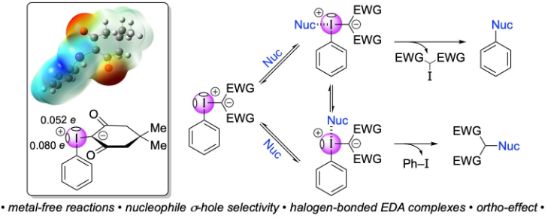
- cycloaddition reactions that occur without transition metal catalysts, the unexpected initiation of single electron transfer (SET) processes or photochemical transformations, and even proton transfers that appear to defy pKa limitations. The reaction pathways followed by iodonium ylides and Lewis basic reaction

Graphical Abstract

Figure 1: Generic representation of halogen bonding.

Figure 2: Quantitative evaluation of σ-holes in monovalent iodine-containing compounds; and, qualitative mole...
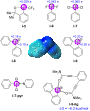
Figure 3: Quantitative evaluation of σ-holes in hypervalent iodine-containing molecules; and, qualitative MEP...

Figure 4: Quantitative evaluation of σ-holes in iodonium ylides; and, qualitative MEP map of I-12 from −0.083...

Scheme 1: Outline of possible reaction pathways between iodonium ylides and Lewis basic nucleophiles (top); a...

Scheme 2: Metal-free cyclopropanations of iodonium ylides, either as intermolecular (a) or intramolecular pro...

Figure 5: Zwitterionic mechanism for intramolecular cyclopropanation of iodonium ylides (left); and, stepwise...

Scheme 3: Metal-free intramolecular cyclopropanation of iodonium ylides.

Figure 6: Concerted cycloaddition pathway for the metal-free, intramolecular cyclopropanation of iodonium yli...

Scheme 4: Reaction of ylide 6 with diphenylketene to form lactone 24 and 25.

Figure 7: Nucleophilic (top) and electrophilic (bottom) addition pathways proposed by Koser and Hadjiarapoglo...

Scheme 5: Indoline synthesis from acyclic iodonium ylide 31 and tertiary amines.

Scheme 6: N-Heterocycle synthesis from acyclic iodonium ylide 31 and secondary amines.

Figure 8: Proposed mechanism for the formation of 33a from iodonium ylides and amines, involving an initial h...

Scheme 7: Indoline synthesis from acyclic iodonium ylides 39 and tertiary amines under blue light photocataly...

Scheme 8: Metal-free cycloproponation of iodonium ylides under blue LED irradiation. aUsing trans-β-methylsty...

Figure 9: Proposed mechanism of the cyclopropanation between iodonium ylides and alkenes under blue LED irrad...

Scheme 9: Formal C–H alkylation of iodonium ylides by nucleophilic heterocycles under blue LED irradiation.

Figure 10: Proposed mechanism of the formal C–H insertion of pyrrole under blue LED irradiation.

Scheme 10: X–H insertions between iodonium ylides and carboxylic acids, phenols and thiophenols.

Figure 11: Mechanistic proposal for the X–H insertion reactions of iodonium ylides.

Scheme 11: Radiofluorination of biphenyl using iodonium ylides 54a–e derived from various β-dicarbonyl auxilia...

Scheme 12: Radiofluorination of arenes using spirocycle-derived iodonium ylides 56.

Scheme 13: Radiofluorination of arenes using SPIAd-derived iodonium ylides 58.

Figure 12: Calculated reaction coordinate for the radiofluorination of iodonium ylide 60.
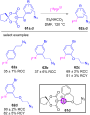
Scheme 14: Radiofluorination of iodonium ylides possessing various ortho- and para-substituents on the iodoare...

Figure 13: Difference in Gibbs activation energy for ortho- or para-anisyl derived iodonium ylides 63a and 63b....

Figure 14: Proposed equilibration of intermediates to transit between 64a (the initial adduct formed between 6...

Scheme 15: Comparison of 31 and ortho-methoxy iodonium ylide 39 in rhodium-catalyzed cyclopropanation and cycl...

Figure 15: X-ray crystal structure of dimeric 39 [6], (CCDC# 893474) [143,144].

Scheme 16: Enaminone synthesis using diazonium and iodonium ylides.
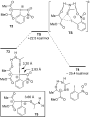
Figure 16: Transition state calculations for enaminone synthesis from iodonium ylides and thioamides.
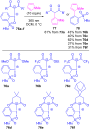
Scheme 17: The reaction between ylides 73a–f and N-methylpyrrole under 365 nm UV irradiation.

Figure 17: Crystal structures of 76c (top) and 76e (bottom) [101], (CCDC# 2104180 & 2104181) [143,144].
Photoredox catalysis harvesting multiple photon or electrochemical energies
- Mattia Lepori,
- Simon Schmid and
- Joshua P. Barham
Beilstein J. Org. Chem. 2023, 19, 1055–1145, doi:10.3762/bjoc.19.81
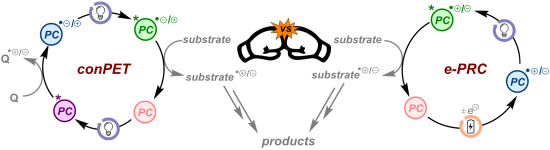

Graphical Abstract

Figure 1: Oxidative and reductive activations of organic compounds harvesting photoredox catalysis.

Figure 2: General catalytic cycles of radical ion conPET (left) and radical ion e-PRC (right).
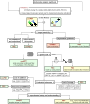
Figure 3: “Beginner’s guide”: comparison between advantages, capacities, and prospectives of conPET and PEC.
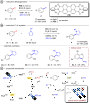
Figure 4: A) conPET reductive dehalogenation of aryl halides with PDI. B) Reductive C–H arylation with pyrrol...
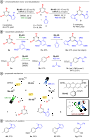
Figure 5: A) Chromoselective mono- and disubstitution or polybrominated pyrimidines with pyrroles. B) Sequent...

Figure 6: A) Synthesis of pyrrolo[1,2-a]quinolines. B) Synthesis of ullazines.

Figure 7: A) Reductive phosphorylation of aryl halides via conPET. B) Selected examples from the substrate sc...
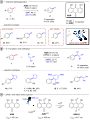
Figure 8: A) Reductive dehalogenation of aryl halides via conPET and selected examples from the substrate sco...
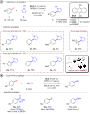
Figure 9: A) Reductive C–H arylation of aryl halides via conPET (top) and selected examples from the substrat...
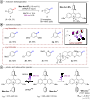
Figure 10: A) Reductive hydrodehalogenation of aryl halides with Mes-Acr-BF4. B) Selected examples from the su...
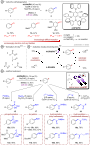
Figure 11: A) Reductive hydrodechlorination of aryl chlorides with 4-DPAIPN. B) Proposed formation of CO2•−. C...
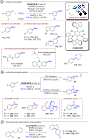
Figure 12: A) Reductive conPET borylation with 3CzEPAIPN (top) and selected examples from the substrate scope ...

Figure 13: Scale-up of conPET phosphorylation with 3CzEPAIPN.
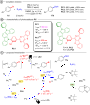
Figure 14: A) Borylation of 1d. B) Characteristics and structure of PC1 with green and red parts showing the l...
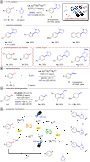
Figure 15: A) Reductive C–H arylation scope with polysulfide conPET (top) and selected examples from the subst...

Figure 16: Scale-up of A) C–H arylation and B) dehaloborylation with polysulfide photocatalysis in continuous-...

Figure 17: A) Formation of [Ir1]0 and [Ir2]0 upon PET between [Ir1]+ and Et3N. B) Mechanism of multi-photon ta...

Figure 18: A) Reductive hydrodehalogenation of aryl halides via multi-photon tandem photocatalysis. B) Selecte...

Figure 19: A) Carbonylative amidation of aryl halides in continuous flow. B) Selected examples from the substr...
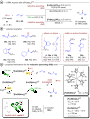
Figure 20: A) General scheme for reductive (RQ) and oxidative quenching (OQ) protocols using [FeIII(btz)3](PF6)...
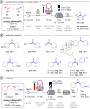
Figure 21: A) Carbonylative amidation of alkyl iodides with [IrIII(ppy)2(dtbbpy)]PF6. B) Selected examples fro...
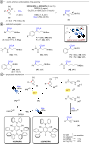
Figure 22: A) Carboxylative C–N bond cleavage in cyclic amines. B) Selected examples from the substrate scope....
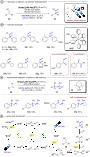
Figure 23: A) Formal reduction of alkenes to alkanes via transfer hydrogenation. B) Selected examples from the...
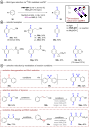
Figure 24: A) Birch-type reduction of benzenes with PMP-BPI. B) Selected examples from the substrate scope (sc...

Figure 25: Proposed mechanism of the OH− mediated conPET Birch-type reduction of benzene via generation of sol...

Figure 26: Reductive detosylation of N-tosylated amides with Mes-Acr-BF4. B) Selected examples from the substr...
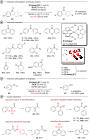
Figure 27: A) Reductive detosylation of N-tosyl amides by dual PRC. B) Selected examples from the substrate sc...

Figure 28: A) Mechanism of the dual PRC based on PET between [Cu(dap)2]+ and DCA. B) Mechanism of the dual PRC...
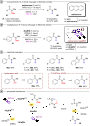
Figure 29: A) N–O bond cleavage in Weinreb amides with anthracene. B) N–O bond cleavage in Weinreb amides rely...
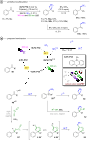
Figure 30: A) Pentafluorosulfanylation and fluoride elimination. B) Mechanism of the pentafluorosulfanylation ...
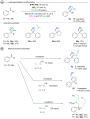
Figure 31: A) α-Alkoxypentafluorosulfanylation (top) and selected examples from the substrate scope (bottom). ...
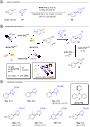
Figure 32: A) Oxidative amination of arenes with azoles catalyzed by N-Ph PTZ. B) Selected examples from the s...

Figure 33: A) C(sp3)–H bond activation by HAT via chloride oxidation by *N-Ph PTZ•+. B) Proposed mechanism for...

Figure 34: A) Recycling e-PRC C–H azolation of electron-rich arenes with pyrazoles using Mes-Acr+ as a photoca...

Figure 35: A) Radical ion e-PRC direct oxidation of unactivated arenes using TAC+ as an electro-activated phot...

Figure 36: A) Radical ion e-PRC direct oxidation of unactivated arenes using TPA as an electro-activated photo...

Figure 37: Proposed mechanism (top) and mode of preassembly (bottom).

Figure 38: A) Possible preassemblies of reactive (left) vs unreactive (right) arenes. B) Calculated spin densi...
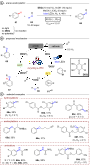
Figure 39: A) Recycling e-PRC C(sp2 )–H acetoxylation of arenes using DDQ as a photocatalyst. B) Proposed cata...

Figure 40: Gram scale hydroxylation of benzene in a recirculated flow setup.
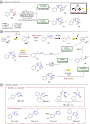
Figure 41: A) Radical ion e-PRC vicinal diamination of alkylarenes using TAC+ as an electro-activated photocat...
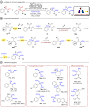
Figure 42: A) Sequential oxygenation of multiple adjacent C–H bonds under radical ion e-PRC using TAC+ as an e...

Figure 43: A) Enantioselective recycling e-PRC cyanation of benzylic C–H bonds using ADQS as photocatalyst. B)...

Figure 44: Proposed tandem mechanism by Xu and co-workers.
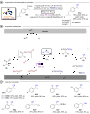
Figure 45: A) Enantioselective recycling e-PRC decarboxylative cyanation using Cu(acac)2, Ce(OTf)3 and a box l...

Figure 46: A) Enantioselective recycling e-PRC benzylic cyanation using Cu(MeCN)4BF4, box ligand and anthraqui...

Figure 47: A) Radical ion e-PRC acetoxyhydroxylation of aryl olefins using TAC+ as an electro-activated photoc...

Figure 48: Selected examples from the substrate scope.

Figure 49: Photoelectrochemical acetoxyhydroxylation in a recirculated flow setup.
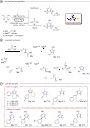
Figure 50: A) Radical ion e-PRC aminooxygenation of aryl olefins using TAC+ as an electro-activated photocatal...
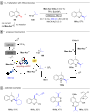
Figure 51: A) Recycling e-PRC C–H alkylation of heteroarenes with organic trifluoroborates using Mes-Acr+ as p...

Figure 52: A) Recycling e-PRC decarboxylative C–H alkylation of heteroarenes using CeCl3·7H2O as catalyst. B) ...

Figure 53: A) Recycling e-PRC decarboxylative C–H alkylation of heteroarenes using Fe(NH4)2(SO4)2·6H2O as cata...
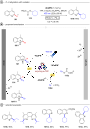
Figure 54: A) Recycling e-PRC C–H alkylation of heteroarenes with alkyl oxalates and 4CzIPN as photocatalyst. ...
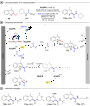
Figure 55: A) Recycling e-PRC decarboxylative C–H carbamoylation of heteroarenes using 4CzIPN as photocatalyst...
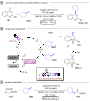
Figure 56: A) Photoelectrochemical HAT-mediated hydrocarbon activation via the chlorine radical. B) Proposed m...

Figure 57: A) Selected examples from the substrate scope. B) Gram and decagram scale semi-continuous flow PEC ...

Figure 58: A) Photoelectrochemical HAT-mediated dehydrogenative coupling of benzothiazoles with aliphatic C–H ...

Figure 59: A) Photoelectrochemical HAT activation of ethers using electro-activated TAC+ as photocatalyst. B) ...

Figure 60: Selected examples from the substrate scope.
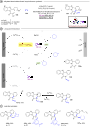
Figure 61: A) Photoelectrochemical HAT-mediated synthesis of alkylated benzimidazo-fused isoquinolinones using...

Figure 62: A) Decoupled photoelectrochemical cerium-catalyzed oxydichlorination of alkynes using CeCl3 as cata...

Figure 63: Proposed decoupled photoelectrochemical mechanism.

Figure 64: A) Decoupled photoelectrochemical ring-opening bromination of tertiary cycloalkanols using MgBr2 as...

Figure 65: A) Recycling e-PRC ring-opening functionalization of cycloalkanols using CeCl3 as catalyst. B) Prop...

Figure 66: Selected examples from the substrate scope of the PEC ring-opening functionalization.

Figure 67: A) Radical ion e-PRC reduction of chloro- and bromoarenes using DCA as catalyst and various accepto...
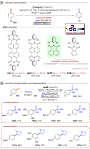
Figure 68: A) Screening of different phthalimide derivatives as catalyst for the e-PRC reduction of aryl halid...

Figure 69: Screening of different organic catalysts for the e-PRC reduction of trialkylanilium salts.

Figure 70: A) e-PRC reduction of phosphonated phenols and anilinium salts. B) Selected examples from the subst...

Figure 71: A) ConPET and e-PRC reduction of 4-bromobenzonitrile using a naphthalene diimide (NDI) precatalyst ...

Figure 72: A) Radical ion e-PRC reduction of phosphinated aliphatic alcohols with n-BuO-NpMI as catalyst. B) C...

Figure 73: Selected examples from the substrate scope.

Figure 74: A) Recycling e-PRC reductive dimerization of benzylic chlorides using a [Cu2] catalyst. B) Proposed...

Figure 75: A) Decoupled photoelectrochemical C–H alkylation of heteroarenes through deamination of Katritzky s...

Figure 76: Proposed mechanism by Chen and co-workers.
Clauson–Kaas pyrrole synthesis using diverse catalysts: a transition from conventional to greener approach
- Dileep Kumar Singh and
- Rajesh Kumar
Beilstein J. Org. Chem. 2023, 19, 928–955, doi:10.3762/bjoc.19.71
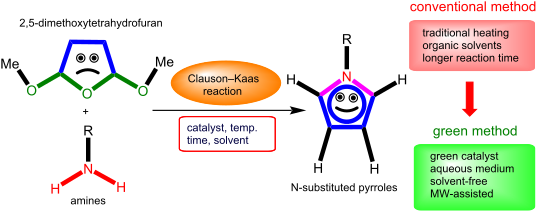
- acid catalysts and transition metal catalysts. The goal of this review is to summarize the synthesis of various N-substituted pyrrole derivatives using a modified Clauson–Kaas reaction under diverse conventional and greener reaction conditions. Keywords: catalyst; Clauson–Kaas pyrrole synthesis; 2,5
- -catalyzed reactions under heating conditions. However, due to environmental concerns, the second part of this review focuses on greener Clauson–Kaas reaction protocols. Various Brønsted acids, Lewis acids, transition metal catalysts, and organocatalysts have been used in water as a green solvent, under

Graphical Abstract

Figure 1: Various pyrrole containing molecules.
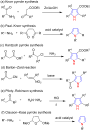
Scheme 1: Various synthestic protocols for the synthesis of pyrroles.

Figure 2: A tree-diagram showing various conventional and green protocols for Clauson-Kaas pyrrole synthesis.

Scheme 2: A general reaction of Clauson–Kaas pyrrole synthesis and proposed mechanism.

Scheme 3: AcOH-catalyzed synthesis of pyrroles 5 and 7.

Scheme 4: Synthesis of N-substituted pyrroles 9.

Scheme 5: P2O5-catalyzed synthesis of N-substituted pyrroles 11.

Scheme 6: p-Chloropyridine hydrochloride-catalyzed synthesis of pyrroles 13.

Scheme 7: TfOH-catalyzed synthesis of N-sulfonylpyrroles 15, N-sulfonylindole 16, N-sulfonylcarbazole 17.

Scheme 8: Scandium triflate-catalyzed synthesis of N-substituted pyrroles 19.

Scheme 9: MgI2 etherate-catalyzed synthesis and proposed mechanism of N-arylpyrrole derivatives 21.

Scheme 10: Nicotinamide catalyzed synthesis of pyrroles 23.

Scheme 11: ZrOCl2∙8H2O catalyzed synthesis and proposed mechanism of pyrrole derivatives 25.

Scheme 12: AcONa catalyzed synthesis of N-substituted pyrroles 27.

Scheme 13: Squaric acid-catalyzed synthesis and proposed mechanism of N-substituted pyrroles 29.

Figure 3: Reusability of catalyst γ-Fe2O3@SiO2-Sb-IL in six cycles.

Scheme 14: Magnetic nanoparticle-supported antimony catalyst used in the synthesis of N-substituted pyrroles 31...

Scheme 15: Iron(III) chloride-catalyzed synthesis of N-substituted pyrroles 33.

Scheme 16: Copper-catalyzed Clauson–Kaas synthesis and mechanism of pyrroles 35.

Scheme 17: β-CD-SO3H-catalyzed synthesis and proposed mechanism of pyrroles 37.

Figure 4: Recyclability of β-cyclodextrin-SO3H.

Scheme 18: Solvent-free and catalyst-free synthesis and plausible mechanism of N-substituted pyrroles 39.

Scheme 19: Nano-sulfated TiO2-catalyzed synthesis of N-substituted pyrroles 41.

Figure 5: Plausible mechanism for the formation of N-substituted pyrroles catalyzed by nano-sulfated TiO2 cat...

Scheme 20: Copper nitrate-catalyzed Clauson–Kaas synthesis and mechanism of N-substituted pyrroles 43.

Scheme 21: Synthesis of N-substituted pyrroles 45 by using Co catalyst Co/NGr-C@SiO2-L.

Scheme 22: Zinc-catalyzed synthesis of N-arylpyrroles 47.

Scheme 23: Silica sulfuric acid-catalyzed synthesis of pyrrole derivatives 49.

Scheme 24: Bismuth nitrate-catalyzed synthesis of pyrroles 51.

Scheme 25: L-(+)-tartaric acid-choline chloride-catalyzed Clauson–Kaas synthesis and plausible mechanism of py...

Scheme 26: Microwave-assisted synthesis of N-substituted pyrroles 55 in AcOH or water.

Scheme 27: Synthesis of pyrrole derivatives 57 using a nano-organocatalyst.

Figure 6: Nano-ferric supported glutathione organocatalyst.

Scheme 28: Microwave-assisted synthesis of N-substituted pyrroles 59 in water.

Scheme 29: Iodine-catalyzed synthesis and proposed mechanism of pyrroles 61.

Scheme 30: H3PW12O40/SiO2-catalyzed synthesis of N-substituted pyrroles 63.

Scheme 31: Fe3O4@-γ-Fe2O3-SO3H-catalyzed synthesis of pyrroles 65.

Scheme 32: Mn(NO3)2·4H2O-catalyzed synthesis and proposed mechanism of pyrroles 67.

Scheme 33: p-TsOH∙H2O-catalyzed (method 1) and MW-assisted (method 2) synthesis of N-sulfonylpyrroles 69.

Scheme 34: ([hmim][HSO4]-catalyzed Clauson–Kaas synthesis of pyrroles 71.

Scheme 35: Synthesis of N-substituted pyrroles 73 using K-10 montmorillonite catalyst.

Scheme 36: CeCl3∙7H2O-catalyzed Clauson–Kaas synthesis of pyrroles 75.

Scheme 37: Synthesis of N-substituted pyrroles 77 using Bi(NO3)3∙5H2O.

Scheme 38: Oxone-catalyzed synthesis and proposed mechanism of N-substituted pyrroles 79.
Transition-metal-catalyzed domino reactions of strained bicyclic alkenes
- Austin Pounder,
- Eric Neufeld,
- Peter Myler and
- William Tam
Beilstein J. Org. Chem. 2023, 19, 487–540, doi:10.3762/bjoc.19.38
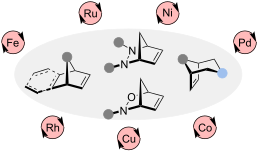
- active Cu(I) catalyst. The reaction was broadly successful with the steric and electronic nature of the aryl iodide having little effect on the reaction. Iron-catalyzed reactions Being the most earth-abundant d-block element, as well as orders of magnitude less expensive than other transition-metal
- catalysts, iron is bringing a renaissance to the idea of sustainable, green catalysis. In 2011, Ito et al. reported a diastereoselective Fe-catalyzed carbozincation of heterobicyclic alkenes 1 with diphenylzinc (74a) (Scheme 13) [47]. Using an ortho-phenylene diphosphine ligand L3, the authors were able to

Graphical Abstract

Figure 1: Ring-strain energies of homobicyclic and heterobicyclic alkenes in kcal mol−1. a) [2.2.1]-Bicyclic ...
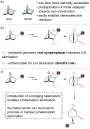
Figure 2: a) Exo and endo face descriptions of bicyclic alkenes. b) Reactivity comparisons for different β-at...

Scheme 1: Ni-catalyzed ring-opening/cyclization cascade of heterobicyclic alkenes 1 with alkyl propiolates 2 ...
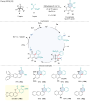
Scheme 2: Ni-catalyzed ring-opening/cyclization cascade of heterobicyclic alkenes 8 with β-iodo-(Z)-propenoat...

Scheme 3: Ni-catalyzed two- and three-component difunctionalizations of norbornene derivatives 15 with alkyne...

Scheme 4: Ni-catalyzed intermolecular three-component difunctionalization of oxabicyclic alkenes 1 with alkyn...

Scheme 5: Ni-catalyzed intermolecular three-component carboacylation of norbornene derivatives 15.

Scheme 6: Photoredox/Ni dual-catalyzed coupling of 4-alkyl-1,4-dihydropyridines 31 with heterobicyclic alkene...

Scheme 7: Photoredox/Ni dual-catalyzed coupling of α-amino radicals with heterobicyclic alkenes 30.

Scheme 8: Cu-catalyzed rearrangement/allylic alkylation of 2,3-diazabicyclo[2.2.1]heptenes 47 with Grignard r...
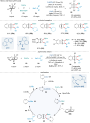
Scheme 9: Cu-catalyzed aminoboration of bicyclic alkenes 1 with bis(pinacolato)diboron (B2pin2) (53) and O-be...

Scheme 10: Cu-catalyzed borylalkynylation of oxabenzonorbornadiene (30b) with B2pin2 (53) and bromoalkynes 62.

Scheme 11: Cu-catalyzed borylacylation of bicyclic alkenes 1.

Scheme 12: Cu-catalyzed diastereoselective 1,2-difunctionalization of oxabenzonorbornadienes 30 for the synthe...

Scheme 13: Fe-catalyzed carbozincation of heterobicyclic alkenes 1 with arylzinc reagents 74.

Scheme 14: Co-catalyzed addition of arylzinc reagents of norbornene derivatives 15.

Scheme 15: Co-catalyzed ring-opening/dehydration of oxabicyclic alkenes 30 via C–H activation of arenes.

Scheme 16: Co-catalyzed [3 + 2] annulation/ring-opening/dehydration domino reaction of oxabicyclic alkenes 1 w...

Scheme 17: Co-catalyzed enantioselective carboamination of bicyclic alkenes 1 via C–H functionalization.

Scheme 18: Ru-catalyzed cyclization of oxabenzonorbornene derivatives with propargylic alcohols for the synthe...

Scheme 19: Ru-catalyzed coupling of oxabenzonorbornene derivatives 30 with propargylic alcohols and ethers 106...

Scheme 20: Ru-catalyzed ring-opening/dehydration of oxabicyclic alkenes via the C–H activation of anilides.

Scheme 21: Ru-catalyzed of azabenzonorbornadiene derivatives with arylamides.

Scheme 22: Rh-catalyzed cyclization of bicyclic alkenes with arylboronate esters 118.

Scheme 23: Rh-catalyzed cyclization of bicyclic alkenes with dienyl- and heteroaromatic boronate esters.

Scheme 24: Rh-catalyzed domino lactonization of doubly bridgehead-substituted oxabicyclic alkenes with seconda...

Scheme 25: Rh-catalyzed domino carboannulation of diazabicyclic alkenes with 2-cyanophenylboronic acid and 2-f...

Scheme 26: Rh-catalyzed synthesis of oxazolidinone scaffolds 147 through a domino ARO/cyclization of oxabicycl...

Scheme 27: Rh-catalyzed oxidative coupling of salicylaldehyde derivatives 151 with diazabicyclic alkenes 130a.

Scheme 28: Rh-catalyzed reaction of O-acetyl ketoximes with bicyclic alkenes for the synthesis of isoquinoline...

Scheme 29: Rh-catalyzed domino coupling reaction of 2-phenylpyridines 165 with oxa- and azabicyclic alkenes 30....

Scheme 30: Rh-catalyzed domino dehydrative naphthylation of oxabenzonorbornadienes 30 with N-sulfonyl 2-aminob...

Scheme 31: Rh-catalyzed domino dehydrative naphthylation of oxabenzonorbornadienes 30 with arylphosphine deriv...

Scheme 32: Rh-catalyzed domino ring-opening coupling reaction of azaspirotricyclic alkenes using arylboronic a...

Scheme 33: Tandem Rh(III)/Sc(III)-catalyzed domino reaction of oxabenzonorbornadienes 30 with alkynols 184 dir...

Scheme 34: Rh-catalyzed asymmetric domino cyclization and addition reaction of 1,6-enynes 194 and oxa/azabenzo...

Scheme 35: Rh/Zn-catalyzed domino ARO/cyclization of oxabenzonorbornadienes 30 with phosphorus ylides 201.

Scheme 36: Rh-catalyzed domino ring opening/lactonization of oxabenzonorbornadienes 30 with 2-nitrobenzenesulf...

Scheme 37: Rh-catalyzed domino C–C/C–N bond formation of azabenzonorbornadienes 30 with aryl-2H-indazoles 210.

Scheme 38: Rh/Pd-catalyzed domino synthesis of indole derivatives with 2-(phenylethynyl)anilines 212 and oxabe...

Scheme 39: Rh-catalyzed domino carborhodation of heterobicyclic alkenes 30 with B2pin2 (53).

Scheme 40: Rh-catalyzed three-component 1,2-carboamidation reaction of bicyclic alkenes 30 with aromatic and h...

Scheme 41: Pd-catalyzed diarylation and dialkenylation reactions of norbornene derivatives.

Scheme 42: Three-component Pd-catalyzed arylalkynylation reactions of bicyclic alkenes.

Scheme 43: Three-component Pd-catalyzed arylalkynylation reactions of norbornene and DFT mechanistic study.

Scheme 44: Pd-catalyzed three-component coupling N-tosylhydrazones 236, aryl halides 66, and norbornene (15a).

Scheme 45: Pd-catalyzed arylboration and allylboration of bicyclic alkenes.

Scheme 46: Pd-catalyzed, three-component annulation of aryl iodides 66, alkenyl bromides 241, and bicyclic alk...

Scheme 47: Pd-catalyzed double insertion/annulation reaction for synthesizing tetrasubstituted olefins.

Scheme 48: Pd-catalyzed aminocyclopropanation of bicyclic alkenes 1 with 5-iodopent-4-enylamine derivatives 249...

Scheme 49: Pd-catalyzed, three-component coupling of alkynyl bromides 62 and norbornene derivatives 15 with el...
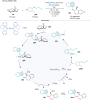
Scheme 50: Pd-catalyzed intramolecular cyclization/ring-opening reaction of heterobicyclic alkenes 30 with 2-i...

Scheme 51: Pd-catalyzed dimer- and trimerization of oxabenzonorbornadiene derivatives 30 with anhydrides 268.

Scheme 52: Pd-catalyzed Catellani-type annulation and retro-Diels–Alder of norbornadiene 15b yielding fused xa...

Scheme 53: Pd-catalyzed hydroarylation and heteroannulation of urea-derived bicyclic alkenes 158 and aryl iodi...

Scheme 54: Access to fused 8-membered sulfoximine heterocycles 284/285 via Pd-catalyzed Catellani annulation c...

Scheme 55: Pd-catalyzed 2,2-bifunctionalization of bicyclic alkenes 1 generating spirobicyclic xanthone deriva...

Scheme 56: Pd-catalyzed Catellani-type annulation and retro-Diels–Alder of norbornadiene (15b) producing subst...

Scheme 57: Pd-catalyzed [2 + 2 + 1] annulation furnishing bicyclic-fused indanes 281 and 283.
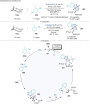
Scheme 58: Pd-catalyzed ring-opening/ring-closing cascade of diazabicyclic alkenes 130a.

Scheme 59: Pd-NHC-catalyzed cyclopentannulation of diazabicyclic alkenes 130a.

Scheme 60: Pd-catalyzed annulation cascade generating diazabicyclic-fused indanones 292 and indanols 294.

Scheme 61: Pd-catalyzed skeletal rearrangement of spirotricyclic alkenes 176 towards large polycyclic benzofur...

Scheme 62: Pd-catalyzed oxidative annulation of aromatic enamides 298 and diazabicyclic alkenes 130a.

Scheme 63: Accessing 3,4,5-trisubstituted cyclopentenes 300, 301, 302 via the Pd-catalyzed domino reaction of ...

Scheme 64: Palladacycle-catalyzed ring-expansion/cyclization domino reactions of terminal alkynes and bicyclic...

Scheme 65: Pd-catalyzed carboesterification of norbornene (15a) with alkynes, furnishing α-methylene γ-lactone...
Group 13 exchange and transborylation in catalysis
- Dominic R. Willcox and
- Stephen P. Thomas
Beilstein J. Org. Chem. 2023, 19, 325–348, doi:10.3762/bjoc.19.28
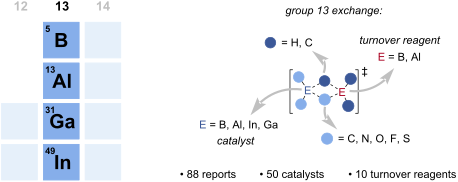
- after In‒N/B‒H exchange with HBpin gave a borylimine iron complex 110. A second hydroelementation and In‒N/B‒H exchange gave the bisborylamine 113 and regenerated the HInCl2 107 co-catalyst (Scheme 27). Conclusion Increasing concerns over the sustainability and toxicity of many transition-metal
- catalysts has led synthetic chemists to seek alternative elements for catalysis. Group 13 compounds have been at the forefront of chemical research for the past century as organic reagents and functional handles. Group 13 exchange reactions have enabled these reagents to move beyond stoichiometric

Graphical Abstract

Scheme 1: Group 13 exchange.

Scheme 2: Borane-catalysed hydroboration of alkynes and the proposed mechanism.

Scheme 3: a) Borane-catalysed hydroboration of alkenes and the proposed mechanism. b) H-B-9-BBN-catalysed dou...
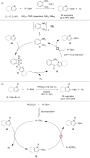
Scheme 4: a) Amine-borane-catalysed C‒H borylation of heterocycles and the proposed mechanism. b) Benzoic aci...

Scheme 5: Bis(pentafluorophenyl)borane-catalysed dimerisation of allenes and the proposed mechanism.

Scheme 6: Alkoxide-promoted hydroboration of heterocycles and the proposed mechanism.
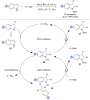
Scheme 7: Borane-catalysed reduction of indoles and the proposed mechanism.

Scheme 8: H-B-9-BBN-catalysed hydrocyanation of enones and the proposed mechanism.

Scheme 9: Borane-catalysed hydroboration of nitriles and the proposed mechanism.

Scheme 10: Myrtanylborane-catalysed asymmetric reduction of propargylic ketones and the proposed mechanism.

Scheme 11: H-B-9-BBN-catalysed C–F esterification of alkyl fluorides and the proposed mechanism.

Scheme 12: H-B-9-BBN-catalysed 1,4-hydroboration of enones and the proposed mechanism.

Scheme 13: Boric acid-promoted reduction of esters, lactones, and carbonates and the proposed mechanism.

Scheme 14: H-B-9-BBN-catalysed reductive aldol-type reaction and the proposed mechanism.

Scheme 15: H-B-9-BBN-catalysed diastereoselective allylation of ketones and the Ph-BBD-catalysed enantioselect...

Scheme 16: H-B-9-BBN-catalysed C–F arylation of benzyl fluorides and the proposed mechanism.

Scheme 17: Borane-catalysed S‒H borylation of thiols and the proposed mechanism.

Scheme 18: Borane-catalysed hydroalumination of alkenes and allenes.
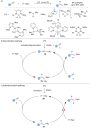
Scheme 19: a) Aluminium-catalysed hydroboration of alkynes and example catalysts. b) Deprotonation mechanistic...

Scheme 20: Aluminium-catalysed hydroboration of alkenes and the proposed mechanism.

Scheme 21: Aluminium-catalysed C–H borylation of terminal alkynes and the proposed mechanism.

Scheme 22: Aluminium-catalysed dehydrocoupling of amines, alcohols, and thiols with H-B-9-BBN or HBpin and the...

Scheme 23: Aluminium-catalysed hydroboration of unsaturated compounds and the general reaction mechanism.
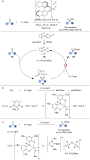
Scheme 24: a) Gallium-catalysed asymmetric hydroboration of ketones and the proposed mechanism. b) Gallium-cat...

Scheme 25: Gallium(I)-catalysed allylation/propargylation of acetals and aminals and the proposed mechanism.

Scheme 26: Indium(I)-catalysed allylation/propargylation of acetals, aminals, and alkyl ethers.

Scheme 27: Iron–indium cocatalysed double hydroboration of nitriles and the proposed mechanism.

Figure 1: a) The number of reports for a given group 13 exchange in catalysis. b) Average free energy barrier...
Heterogeneous metallaphotoredox catalysis in a continuous-flow packed-bed reactor
- Wei-Hsin Hsu,
- Susanne Reischauer,
- Peter H. Seeberger,
- Bartholomäus Pieber and
- Dario Cambié
Beilstein J. Org. Chem. 2022, 18, 1123–1130, doi:10.3762/bjoc.18.115
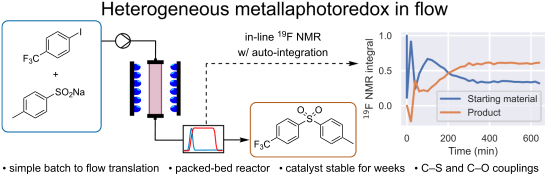
- catalytic approaches [9]. Especially the combination with other transition metal catalysts (metallaphotoredox catalysis), such as nickel complexes, resulted in a vast number of new methods to achieve cross-couplings under mild conditions [10]. However, the conditions of these methods are often hard to

Graphical Abstract
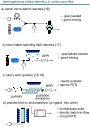
Figure 1: Different approaches to heterogeneous photochemistry in flow. a) Serial micro-batch reactors (SMBR)...

Figure 2: Light-mediated carbon–heteroatom cross-couplings. The yields reported are the NMR yields obtained i...

Figure 3: Flow diagram of the experimental setup loaded in an injection loop with the reaction mixture.
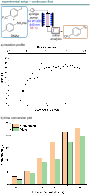
Figure 4: Flow diagram of the experimental setup adopted and time necessary to obtain steady-state conditions...
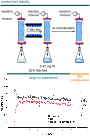
Figure 5: The production campaign of 1 for a seven day experiment.

Figure 6: Photo of the packed column with a helical static mixer (polished SS316, 10 cm length, 15 mixing ele...

Scheme 1: C–O coupling between 4-iodobenzotrifluoride and N-(Boc)-proline.
Electrochemical formal homocoupling of sec-alcohols
- Kosuke Yamamoto,
- Kazuhisa Arita,
- Masashi Shiota,
- Masami Kuriyama and
- Osamu Onomura
Beilstein J. Org. Chem. 2022, 18, 1062–1069, doi:10.3762/bjoc.18.108
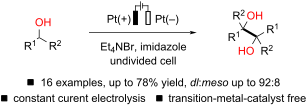
- alcohol derivatives. The present transformations smoothly proceed in a simple undivided cell under constant current conditions without the use of external chemical oxidants/reductants, and transition-metal catalysts. Keywords: alcohols; dimerization; electrooxidation; electroreduction; paired

Graphical Abstract

Scheme 1: Strategies for the synthesis of vic-1,2-diols.
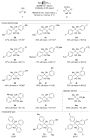
Scheme 2: Substrate scope. Reaction conditions: 1 (1.0 mmol), Et4NBr (0.1 equiv), imidazole (0.05 equiv), MeC...

Scheme 3: Investigation of cross-coupling reaction.

Scheme 4: Large-scale experiment.

Scheme 5: Control experiments. aDetermined by 1H NMR using 1,3,5-trimethoxybenzene as an internal standard. b...

Scheme 6: Proposed mechanism.
Automated grindstone chemistry: a simple and facile way for PEG-assisted stoichiometry-controlled halogenation of phenols and anilines using N-halosuccinimides
- Dharmendra Das,
- Akhil A. Bhosle,
- Amrita Chatterjee and
- Mainak Banerjee
Beilstein J. Org. Chem. 2022, 18, 999–1008, doi:10.3762/bjoc.18.100
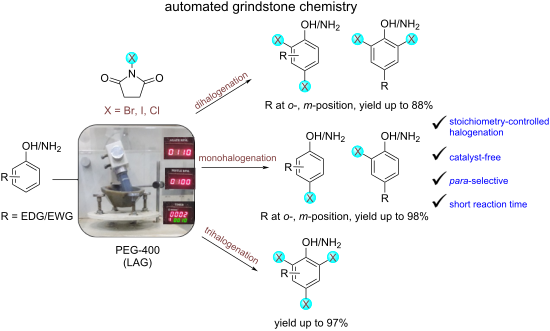
- with N-bromosuccinimide (NBS) was carried out in toxic polar solvents (e.g., DMF), but no iodinated or chlorinated products were obtained because of the low reactivity of NIS and NCS (Scheme 1a) [24][25][26][27]. In recent time, the use of Lewis or Brønsted acids, Lewis bases, and transition-metal
- catalysts (Pd, Rh, Fe, etc.) were employed to boost the reactivity of NXS (Scheme 1b) [32][33][34][35][36][37][38][39][40][41][42][43]. However, the use of toxic and expensive metals, high catalyst loading, and heating conditions are some sheer hurdles to achieving sustainability. Among notable other

Graphical Abstract

Figure 1: Representative examples of important halogen-containing aryl derivatives.

Scheme 1: Strategies for halogenation of aromatic compounds using NXS.

Scheme 2: General scheme of PEG-400-assisted halogenation of phenols and anilines in an automated grinder usi...
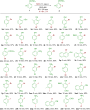
Scheme 3: Monohalogenation of phenols and anilines by automated grinding with NXS. All yields refer to the is...

Scheme 4: Dihalogenation of phenols and anilines with NXS by automated grinding. All yields refer to the isol...

Scheme 5: Gram-scale monobromination of p-cresol by NBS in the automated grinder.
Heteroleptic metallosupramolecular aggregates/complexation for supramolecular catalysis
- Prodip Howlader and
- Michael Schmittel
Beilstein J. Org. Chem. 2022, 18, 597–630, doi:10.3762/bjoc.18.62
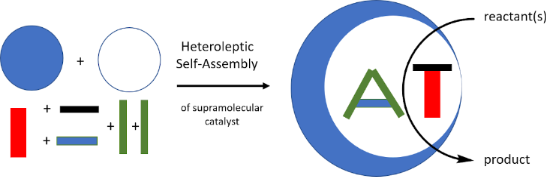
- . Transition-metal catalysts play an important role for the development of intricate pharmaceutical drugs. Although transition-metal catalysts based on rhodium, cobalt, and palladium have been intensively studied, gold catalysis has received encouraging attention only recently [67][68]. Since selectivity of

Graphical Abstract

Figure 1: Butterfly 1 (Figure was reprinted with permission from [45]. Copyright 2012 American Chemical Society. ...

Figure 2: Synthesis of the three-component heteroleptic molecular boat 8 and its use as a catalyst for the Kn...

Figure 3: Synthesis of the two-component triangle 14 and three-component heteroleptic prism 15 [59]. Figure was a...

Figure 4: Catalytic Michael addition reaction using the urea-decorated molecular prism 15 [59].

Figure 5: Self-assembly of two-component tetragonal prismatic architectures with different cavity size. Figur...

Figure 6: Construction of artificial LHS using rhodamine B as an acceptor and 24b as donor generating a photo...

Figure 7: Synthesis of supramolecular spheres with varying [AuCl] concentration inside the cavity. Figure was...

Figure 8: Hydroalkoxylation reaction of γ-allenol 34 in the presence of [AuCl]-encapsulated molecular spheres ...

Figure 9: Two-component heteroleptic triangles of different size containing a BINOL functionality. Figure was...

Figure 10: Asymmetric conjugate addition of chalcone 42 with trans-styrylboronic acid (43) catalyzed by BINOL-...

Figure 11: Encapsulation of monophosphoramidite-Rh(I) catalyst into a heteroleptic tetragonal prismatic cage 47...

Figure 12: (a) Representations of the basic HETPYP, HETPHEN, and HETTAP complex motifs. (b) The three-componen...

Figure 13: Two representative four-component rotors, with a (top) two-arm stator and (bottom) a four-arm stato...

Figure 14: Four-component rotors with a monohead rotator. Figure was adapted with permission from [94]. Copyright ...

Figure 15: (left) Click reaction catalyzed by rotors [Cu2(55)(60)(X)]2+. (right) Yield as a function of the ro...

Figure 16: A supramolecular AND gate. a) In truth table state (0,0) two nanoswitches serve as the receptor ens...

Figure 17: Two supramolecular double rotors (each has two rotational axes) and reference complex [Cu(78)]+ for...

Figure 18: The slider-on-deck system (82•X) (X = 83, 84, or 85). Figure is from [98] and was reprinted from the jo...

Figure 19: Catalysis of a conjugated addition reaction in the presence of the slider-on-deck system (82•X) (X ...

Figure 20: A rotating catalyst builds a catalytic machinery. For catalysis of the catalytic machinery, see Figure 21. F...

Figure 21: Catalytic machinery. Figure was adapted from [100] (“Evolution of catalytic machinery: three-component n...

Figure 22: An information system based on (re)shuffling components between supramolecular structures [99]. Figure ...

Figure 23: Switching between dimeric heteroleptic and homoleptic complex for OFF/ON catalytic formation of rot...

Figure 24: A chemically fueled catalytic system [112]. Figure was adapted from [112]. Copyright 2021 American Chemical S...

Figure 25: (Top) Operation of a fuel acid. (Bottom) Knoevenagel addition [112].

Figure 26: Development of the yield of Knoevenagel product 118 in a fueled system [112]. Figure was reprinted with ...

Figure 27: Weak-link strategy to increased catalytic activity in epoxide opening [119]. Figure was adapted from [24]. C...

Figure 28: A ON/OFF polymerization switch based on the weak-link approach [118]. Figure was reprinted with permissi...

Figure 29: A weak-link switch turning ON/OFF a Diels–Alder reaction [132]. Figure was reprinted with permission fro...

Figure 30: A catalyst duo allowing selective activation of one of two catalytic acylation reactions [133] upon subs...

Figure 31: A four-state switchable nanoswitch (redrawn from [134]).

Figure 32: Sequential catalysis as regulated by nanoswitch 138 and catalyst 139 in the presence of metal ions ...

Figure 33: Remote control of ON/OFF catalysis administrated by two nanoswitches through ion signaling (redrawn...
Synthesis of piperidine and pyrrolidine derivatives by electroreductive cyclization of imine with terminal dihaloalkanes in a flow microreactor
- Yuki Naito,
- Naoki Shida and
- Mahito Atobe
Beilstein J. Org. Chem. 2022, 18, 350–359, doi:10.3762/bjoc.18.39
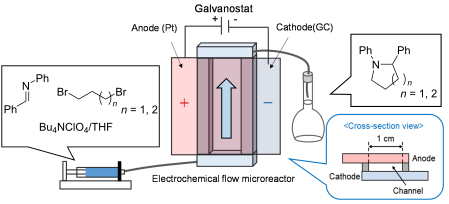
- (route (5)). However, these methods involve the use of toxic acids, bases, or transition metal catalysts, and typically require elevated temperatures [14][15][16][17][18][19][20]. In addition, very recently, Molander and co-workers have developed a photoredox-mediated radical/polar crossover process

Graphical Abstract

Figure 1: Piperidine and pyrrolidine rings in biologically active compounds.

Scheme 1: Conventional synthetic routes for piperidine derivatives.

Scheme 2: Synthesis of 1,2-diphenylpiperidine (3a) by the electroreductive cyclization mechanism.

Figure 2: Schematic diagram of the electroreductive cyclization for the synthesis of 1,2-diphenylpiperidine (...

Figure 3: Yield of 3a for each fraction sample in the continuous flow reductive cyclization.
Me3Al-mediated domino nucleophilic addition/intramolecular cyclisation of 2-(2-oxo-2-phenylethyl)benzonitriles with amines; a convenient approach for the synthesis of substituted 1-aminoisoquinolines
- Krishna M. S. Adusumalli,
- Lakshmi N. S. Konidena,
- Hima B. Gandham,
- Krishnaiah Kumari,
- Krishna R. Valluru,
- Satya K. R. Nidasanametla,
- Venkateswara R. Battula and
- Hari K. Namballa
Beilstein J. Org. Chem. 2021, 17, 2765–2772, doi:10.3762/bjoc.17.186
- ] receptors. They are useful in the synthesis of phosphorescent materials [22][23][24], fluorosensors [25]. and also found as chiral ligands in a variety of transition metal catalysts [26][27][28][29][30]. Given the pharmacological promiscuity of this scaffold, extensive efforts from different groups led to

Graphical Abstract

Figure 1: Biologically active 1-aminoisoquinolines.
Scheme 1: Comparison of our work with the previous approaches for the synthesis of 1-aminoisoquinolines.
Scheme 2: Substrate scope of anilines for the synthesis of 1-aminoisoquinolines (5a–m). Reaction conditions: 3...

Scheme 3: Substrate scope of 2-(2-oxo-2-phenylethyl)benzonitrile (3b–e) for the synthesis of 1-aminoisoquinol...

Scheme 4: Substrate scope of aliphatic amines for the synthesis of 1-aminoisoquinolines (5v–x), gram-scale sy...

Scheme 5: Proposed mechanism for the synthesis of 1-aminoisoquinoline 5a.



