


Search results
Search for "C–N bond" in Full Text gives 199 result(s) in Beilstein Journal of Organic Chemistry.
A new oxidatively stable ligand for the chiral functionalization of amino acids in Ni(II)–Schiff base complexes
- Alena V. Dmitrieva,
- Oleg A. Levitskiy,
- Yuri K. Grishin and
- Tatiana V. Magdesieva
Beilstein J. Org. Chem. 2023, 19, 566–574, doi:10.3762/bjoc.19.41
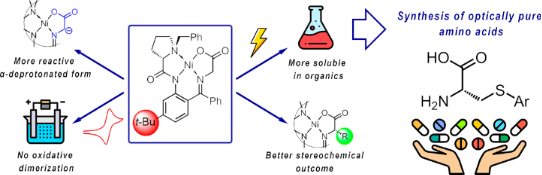
- the C=N bond), diffusion controlled (the slope of the ln ipc vs ln v dependence is 0.48), and reversible; the direct and reverse peak separation value was 57 mV at 100 mV/s, and Ia/Ic peak current ratio was close to unity. This means that the radical anion of (GlyNi)L7 is stable, at least in the

Graphical Abstract

Scheme 1: Selected examples of the chiral ligands used for synthesis of the Ni(II)–Schiff base complexes.

Scheme 2: Synthesis of the chiral ligand L7 and its Ni(II) complexes with glycine, serine, dehydroalanine, an...

Figure 1: Fragment of the NOESY spectrum of the ʟ-(oBrCysNi)L7 complex indicating the correlation between the...

Figure 2: Low-gradient isosurfaces with low densities (blue color of the isosurface corresponds to the hydrog...
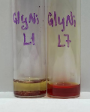
Figure 3: Saturated solutions of (GlyNi)L1 (left) and (GlyNi)L7 (right) in diethyl ether.

Figure 4: The CV curves observed for (GlyNi)L7 and (ΔAlaNi)L7 in the anodic and cathodic regions (Pt, CH3CN, ...
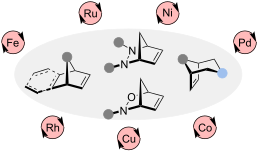
Transition-metal-catalyzed domino reactions of strained bicyclic alkenes
- Austin Pounder,
- Eric Neufeld,
- Peter Myler and
- William Tam
Beilstein J. Org. Chem. 2023, 19, 487–540, doi:10.3762/bjoc.19.38
- norbornene derivatives 15 using imides 27 and tetraarylborates 28 (Scheme 5) [37]. The method utilizes C–N bond activation to trigger the reaction. The authors demonstrated a broad reaction scope. Electron-deficient amides were shown to perform worse than their electron-rich counterparts with the p
- alkene of the azabicycle producing 154. A C–N bond cleavage occurs creating π-allylrhodium 155. Subsequently, the phenol oxygen then adds to the π–allyl species in a cis fashion, furnishing 156 which is proposed to be the enantiodetermining step. The carbonyl–rhodium species 156 inserts into the alkene

Graphical Abstract

Figure 1: Ring-strain energies of homobicyclic and heterobicyclic alkenes in kcal mol−1. a) [2.2.1]-Bicyclic ...
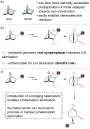
Figure 2: a) Exo and endo face descriptions of bicyclic alkenes. b) Reactivity comparisons for different β-at...

Scheme 1: Ni-catalyzed ring-opening/cyclization cascade of heterobicyclic alkenes 1 with alkyl propiolates 2 ...
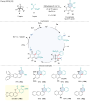
Scheme 2: Ni-catalyzed ring-opening/cyclization cascade of heterobicyclic alkenes 8 with β-iodo-(Z)-propenoat...

Scheme 3: Ni-catalyzed two- and three-component difunctionalizations of norbornene derivatives 15 with alkyne...

Scheme 4: Ni-catalyzed intermolecular three-component difunctionalization of oxabicyclic alkenes 1 with alkyn...

Scheme 5: Ni-catalyzed intermolecular three-component carboacylation of norbornene derivatives 15.

Scheme 6: Photoredox/Ni dual-catalyzed coupling of 4-alkyl-1,4-dihydropyridines 31 with heterobicyclic alkene...

Scheme 7: Photoredox/Ni dual-catalyzed coupling of α-amino radicals with heterobicyclic alkenes 30.

Scheme 8: Cu-catalyzed rearrangement/allylic alkylation of 2,3-diazabicyclo[2.2.1]heptenes 47 with Grignard r...
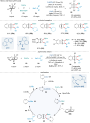
Scheme 9: Cu-catalyzed aminoboration of bicyclic alkenes 1 with bis(pinacolato)diboron (B2pin2) (53) and O-be...

Scheme 10: Cu-catalyzed borylalkynylation of oxabenzonorbornadiene (30b) with B2pin2 (53) and bromoalkynes 62.

Scheme 11: Cu-catalyzed borylacylation of bicyclic alkenes 1.

Scheme 12: Cu-catalyzed diastereoselective 1,2-difunctionalization of oxabenzonorbornadienes 30 for the synthe...

Scheme 13: Fe-catalyzed carbozincation of heterobicyclic alkenes 1 with arylzinc reagents 74.

Scheme 14: Co-catalyzed addition of arylzinc reagents of norbornene derivatives 15.

Scheme 15: Co-catalyzed ring-opening/dehydration of oxabicyclic alkenes 30 via C–H activation of arenes.

Scheme 16: Co-catalyzed [3 + 2] annulation/ring-opening/dehydration domino reaction of oxabicyclic alkenes 1 w...

Scheme 17: Co-catalyzed enantioselective carboamination of bicyclic alkenes 1 via C–H functionalization.

Scheme 18: Ru-catalyzed cyclization of oxabenzonorbornene derivatives with propargylic alcohols for the synthe...

Scheme 19: Ru-catalyzed coupling of oxabenzonorbornene derivatives 30 with propargylic alcohols and ethers 106...

Scheme 20: Ru-catalyzed ring-opening/dehydration of oxabicyclic alkenes via the C–H activation of anilides.

Scheme 21: Ru-catalyzed of azabenzonorbornadiene derivatives with arylamides.

Scheme 22: Rh-catalyzed cyclization of bicyclic alkenes with arylboronate esters 118.

Scheme 23: Rh-catalyzed cyclization of bicyclic alkenes with dienyl- and heteroaromatic boronate esters.

Scheme 24: Rh-catalyzed domino lactonization of doubly bridgehead-substituted oxabicyclic alkenes with seconda...

Scheme 25: Rh-catalyzed domino carboannulation of diazabicyclic alkenes with 2-cyanophenylboronic acid and 2-f...

Scheme 26: Rh-catalyzed synthesis of oxazolidinone scaffolds 147 through a domino ARO/cyclization of oxabicycl...

Scheme 27: Rh-catalyzed oxidative coupling of salicylaldehyde derivatives 151 with diazabicyclic alkenes 130a.

Scheme 28: Rh-catalyzed reaction of O-acetyl ketoximes with bicyclic alkenes for the synthesis of isoquinoline...

Scheme 29: Rh-catalyzed domino coupling reaction of 2-phenylpyridines 165 with oxa- and azabicyclic alkenes 30....

Scheme 30: Rh-catalyzed domino dehydrative naphthylation of oxabenzonorbornadienes 30 with N-sulfonyl 2-aminob...

Scheme 31: Rh-catalyzed domino dehydrative naphthylation of oxabenzonorbornadienes 30 with arylphosphine deriv...

Scheme 32: Rh-catalyzed domino ring-opening coupling reaction of azaspirotricyclic alkenes using arylboronic a...

Scheme 33: Tandem Rh(III)/Sc(III)-catalyzed domino reaction of oxabenzonorbornadienes 30 with alkynols 184 dir...

Scheme 34: Rh-catalyzed asymmetric domino cyclization and addition reaction of 1,6-enynes 194 and oxa/azabenzo...

Scheme 35: Rh/Zn-catalyzed domino ARO/cyclization of oxabenzonorbornadienes 30 with phosphorus ylides 201.

Scheme 36: Rh-catalyzed domino ring opening/lactonization of oxabenzonorbornadienes 30 with 2-nitrobenzenesulf...

Scheme 37: Rh-catalyzed domino C–C/C–N bond formation of azabenzonorbornadienes 30 with aryl-2H-indazoles 210.

Scheme 38: Rh/Pd-catalyzed domino synthesis of indole derivatives with 2-(phenylethynyl)anilines 212 and oxabe...

Scheme 39: Rh-catalyzed domino carborhodation of heterobicyclic alkenes 30 with B2pin2 (53).

Scheme 40: Rh-catalyzed three-component 1,2-carboamidation reaction of bicyclic alkenes 30 with aromatic and h...

Scheme 41: Pd-catalyzed diarylation and dialkenylation reactions of norbornene derivatives.

Scheme 42: Three-component Pd-catalyzed arylalkynylation reactions of bicyclic alkenes.

Scheme 43: Three-component Pd-catalyzed arylalkynylation reactions of norbornene and DFT mechanistic study.

Scheme 44: Pd-catalyzed three-component coupling N-tosylhydrazones 236, aryl halides 66, and norbornene (15a).

Scheme 45: Pd-catalyzed arylboration and allylboration of bicyclic alkenes.

Scheme 46: Pd-catalyzed, three-component annulation of aryl iodides 66, alkenyl bromides 241, and bicyclic alk...

Scheme 47: Pd-catalyzed double insertion/annulation reaction for synthesizing tetrasubstituted olefins.

Scheme 48: Pd-catalyzed aminocyclopropanation of bicyclic alkenes 1 with 5-iodopent-4-enylamine derivatives 249...

Scheme 49: Pd-catalyzed, three-component coupling of alkynyl bromides 62 and norbornene derivatives 15 with el...
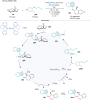
Scheme 50: Pd-catalyzed intramolecular cyclization/ring-opening reaction of heterobicyclic alkenes 30 with 2-i...

Scheme 51: Pd-catalyzed dimer- and trimerization of oxabenzonorbornadiene derivatives 30 with anhydrides 268.

Scheme 52: Pd-catalyzed Catellani-type annulation and retro-Diels–Alder of norbornadiene 15b yielding fused xa...

Scheme 53: Pd-catalyzed hydroarylation and heteroannulation of urea-derived bicyclic alkenes 158 and aryl iodi...

Scheme 54: Access to fused 8-membered sulfoximine heterocycles 284/285 via Pd-catalyzed Catellani annulation c...

Scheme 55: Pd-catalyzed 2,2-bifunctionalization of bicyclic alkenes 1 generating spirobicyclic xanthone deriva...

Scheme 56: Pd-catalyzed Catellani-type annulation and retro-Diels–Alder of norbornadiene (15b) producing subst...

Scheme 57: Pd-catalyzed [2 + 2 + 1] annulation furnishing bicyclic-fused indanes 281 and 283.
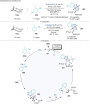
Scheme 58: Pd-catalyzed ring-opening/ring-closing cascade of diazabicyclic alkenes 130a.

Scheme 59: Pd-NHC-catalyzed cyclopentannulation of diazabicyclic alkenes 130a.

Scheme 60: Pd-catalyzed annulation cascade generating diazabicyclic-fused indanones 292 and indanols 294.

Scheme 61: Pd-catalyzed skeletal rearrangement of spirotricyclic alkenes 176 towards large polycyclic benzofur...

Scheme 62: Pd-catalyzed oxidative annulation of aromatic enamides 298 and diazabicyclic alkenes 130a.

Scheme 63: Accessing 3,4,5-trisubstituted cyclopentenes 300, 301, 302 via the Pd-catalyzed domino reaction of ...

Scheme 64: Palladacycle-catalyzed ring-expansion/cyclization domino reactions of terminal alkynes and bicyclic...

Scheme 65: Pd-catalyzed carboesterification of norbornene (15a) with alkynes, furnishing α-methylene γ-lactone...
Redox-active molecules as organocatalysts for selective oxidative transformations – an unperceived organocatalysis field
- Elena R. Lopat’eva,
- Igor B. Krylov,
- Dmitry A. Lapshin and
- Alexander O. Terent’ev
Beilstein J. Org. Chem. 2022, 18, 1672–1695, doi:10.3762/bjoc.18.179
- benzylic substrates with azoles was developed [128] (Scheme 27). In the proposed mechanism DDQ participated in benzylic C–H bond cleavage. The C–N bond of the final product is formed as a result of the nucleophilic attack of azole on a benzylic cation. A two-fold molar excess of azoles was used. A

Graphical Abstract
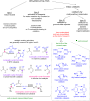
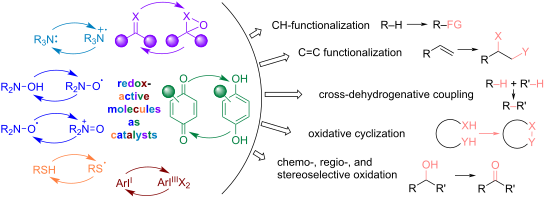
Scheme 1: Organocatalysis classification used in the present perspective.

Scheme 2: Oxidative processes catalyzed by amines.

Scheme 3: N-Heterocyclic carbene (NHC) catalysis in oxidative functionalization of aldehydes.
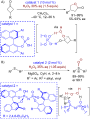
Scheme 4: Examples of asymmetric oxidative processes catalyzed by chiral Brønsted acids.

Scheme 5: Asymmetric aerobic α-hydroxylation of lactams under phase-transfer organocatalysis conditions emplo...

Scheme 6: Selective CH-oxidation of methylarenes to aldehydes or carboxylic acids.

Scheme 7: An example of the regioselective CH-amination by a sterically hindered imide-N-oxyl radical precurs...

Scheme 8: CH-amination of ethylbenzene and CH-fluorination of aldehydes catalyzed by N-hydroxybenzimidazoles,...

Scheme 9: Mixed hetero-/homogeneous TiO2/N-hydroxyimide photocatalysis in the selective benzylic oxidation.

Scheme 10: Electrochemical benzylic iodination and benzylation of pyridine by benzyl iodides generated in situ...

Scheme 11: Electrochemical oxidative C–O/C–N coupling of alkylarenes with NHPI. Electrolysis conditions: Const...

Scheme 12: Chemoselective alcohol oxidation catalyzed by TEMPO.

Scheme 13: ABNO-catalyzed oxidative C–N coupling of primary alcohols with primary amines.

Scheme 14: ACT-catalyzed electrochemical oxidation of primary alcohols and aldehydes to carboxylic acids.

Scheme 15: Electrocatalytic oxidation of benzylic alcohols by a TEMPO derivative immobilized on a graphite ano...

Scheme 16: Electrochemical oxidation of carbamates of cyclic amines to lactams and oxidative cyanation of amin...

Scheme 17: Hydrogen atom transfer (HAT) and single-electron transfer (SET) as basic principles of amine cation...
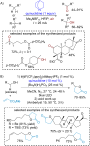
Scheme 18: Electrochemical quinuclidine-catalyzed oxidation involving unactivated C–H bonds.

Scheme 19: DABCO-mediated photocatalytic C–C cross-coupling involving aldehyde C–H bond cleavage.

Scheme 20: DABCO-derived cationic catalysts in inactivated C–H bond cleavage for alkyl radical addition to ele...
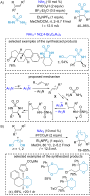
Scheme 21: Electrochemical diamination and dioxygenation of vinylarenes catalyzed by triarylamines.

Scheme 22: Electrochemical benzylic oxidation mediated by triarylimidazoles.

Scheme 23: Thiyl radical-catalyzed CH-arylation of allylic substrates by aryl cyanides.

Scheme 24: Synthesis of redox-active alkyl tetrafluoropyridinyl sulfides by unactivated C–H bond cleavage by t...

Scheme 25: Main intermediates in quinone oxidative organocatalysis.

Scheme 26: Electrochemical DDQ-catalyzed intramolecular dehydrogenative aryl–aryl coupling.

Scheme 27: DDQ-mediated cross-dehydrogenative C–N coupling of benzylic substrates with azoles.
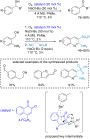
Scheme 28: Biomimetic o-quinone-catalyzed benzylic alcohol oxidation.

Scheme 29: Electrochemical synthesis of secondary amines by oxidative coupling of primary amines and benzylic ...

Scheme 30: General scheme of dioxirane and oxaziridine oxidative organocatalysis.

Scheme 31: Dioxirane organocatalyzed CH-hydroxylation involving aliphatic C(sp3)–H bonds.

Scheme 32: Enantioselective hydroxylation of CH-acids catalyzed by chiral oxaziridines.

Scheme 33: Iodoarene-organocatalyzed vinylarene diamination.

Scheme 34: Iodoarene-organocatalyzed asymmetric CH-hydroxylation of benzylic substrates.

Scheme 35: Iodoarene-organocatalyzed asymmetric difluorination of alkenes with migration of aryl or methyl gro...

Scheme 36: Examples of 1,2-diiodo-4,5-dimethoxybenzene-catalyzed electrochemical oxidative heterocyclizations.

Scheme 37: Electrochemical N-ammonium ylide-catalyzed CH-oxidation.

Scheme 38: Oxidative dimerization of aryl- and alkenylmagnesium compounds catalyzed by quinonediimines.

Scheme 39: FLP-catalyzed dehydrogenation of N-substituted indolines.
Synthesis of (−)-halichonic acid and (−)-halichonic acid B
- Keith P. Reber and
- Emma L. Niner
Beilstein J. Org. Chem. 2022, 18, 1629–1635, doi:10.3762/bjoc.18.174
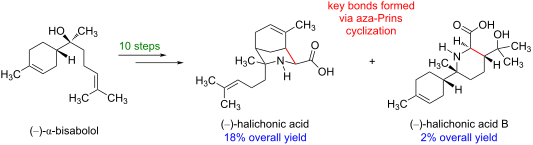
- , respectively. At this stage, we started to investigate alternative methods to cleave the amide via reduction. Achieving selective C–N-bond cleavage of amides under reductive conditions is still a largely unsolved problem since a C–O-bond cleavage is typically the preferred mode of reactivity, especially when
- using hydride reducing agents [13]. Nevertheless, specialized conditions for achieving C–N-bond cleavage of amides using SmI2 [13], Tf2O/Et3SiH [14], and stoichiometric Schwartz’s reagent [15] have been reported; however, none of these methods was successful in reducing amide 5 to the desired amine 4
- . Although there is one literature example of directly reducing a benzamide with diisobutylaluminum hydride (DIBAL) to achieve C–N-bond cleavage [16], we observed exclusive over-reduction of compound 5 under these conditions to form the corresponding N-benzylamine, even at −78 °C. We next investigated the

Graphical Abstract

Figure 1: Structures of halichonic acid ((+)-1) and halichonic acid B ((+)-2).

Scheme 1: Synthesis of (−)-7-amino-7,8-dihydrobisabolene (4) and its conversion to cyclization precursor 7.

Scheme 2: Synthesis of the halichonic acids via a key intramolecular aza-Prins cyclization.

Scheme 3: Proposed intermediates for the intramolecular aza-Prins reaction leading to the formation of ethyl ...
Synthetic strategies for the preparation of γ-phostams: 1,2-azaphospholidine 2-oxides and 1,2-azaphospholine 2-oxides
- Jiaxi Xu
Beilstein J. Org. Chem. 2022, 18, 889–915, doi:10.3762/bjoc.18.90
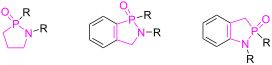
- for the synthesis of 1,2-azaphospholidine 2-oxides/sulfides and their fused derivatives. The 1,2-azaphospholidine 2-oxide/sulfide derivatives have been prepared by construction of any of their ring bonds. Synthesis via C–N bond formation In 1962, Helferich and Curtius reported the first synthesis of a
- 1,2-azaphospholidine 2-oxide (γ-phosphonolactam) from N,N’-diphenyl 3-chloropropylphosphondiamide (1), which was cyclized to 1-phenyl-2-phenylamino-γ-phosphonolactam (2) in the presence of NaOH in methanol via the C–N bond formation (Scheme 1) [21]. In 1974, the strategy was applied for the synthesis

Graphical Abstract

Figure 1: Biologically active 1,2-azaphospholine 2-oxide derivatives.

Figure 2: Diverse synthetic strategies for the preparation of 1,2-azaphospholidine and 1,2-azaphospholine 2-o...

Scheme 1: Synthesis of 1-phenyl-2-phenylamino-γ-phosphonolactam (2) from N,N’-diphenyl 3-chloropropylphosphon...

Scheme 2: Synthesis of 2-ethoxy-1-methyl-γ-phosphonolactam (6) from ethyl N-methyl-(3-bromopropyl)phosphonami...

Scheme 3: Synthesis of 2-aryl-1-methyl-2,3-dihydrobenzo[c][1,2]azaphosphole 1-oxides 13 from N-aryl-2-chlorom...

Scheme 4: Synthesis of 2,3-dihydrobenzo[c][1,2]azaphosphole 1-oxides from alkylarylphosphinyl or diarylphosph...

Scheme 5: Synthesis of 3-arylmethylidene-2,3-dihydrobenzo[c][1,2]azaphosphole 1-oxides via the TBAF-mediated ...
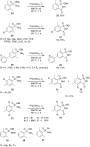
Scheme 6: Synthesis of 2-hydrobenzo[c][1,2]azaphosphol-3-one 1-oxides via the metal-free intramolecular oxida...

Scheme 7: Synthesis of 1,3-dihydrobenzo[d][1,2]azaphosphole 2-oxides 42 and 44 from ethyl/benzyl 2-bromobenzy...

Scheme 8: Synthesis of azaphospholidine 2-oxides/sulfide from 1,2-oxaphospholane 2-oxides/sulfides and 1,2-th...

Scheme 9: Synthesis of 1,3-dihydrobenzo[d][1,2]azaphosphole 2-oxides/sulfides from 2-aminobenzyl(phenyl)phosp...

Scheme 10: Synthesis of 1,3-dihydrobenzo[d][1,2]azaphosphole 2-sulfide (59) from zwitterionic 2-aminobenzyl(ph...

Scheme 11: Synthesis of 1,3-dihydrobenzo[d][1,2]azaphosphole 2-oxides from 2-aminobenzyl(methyl/phenyl)phosphi...

Scheme 12: Synthesis of ethyl 2-methyl-1,2-azaphospholidine-5-carboxylate 2-oxide 69 from 2-amino-4-(hydroxy(m...

Scheme 13: Synthesis of 2-methoxy-1,3-dihydrobenzo[d][1,2]azaphosphole 2-oxide 71 from dimethyl 2-(methylamino...

Scheme 14: Synthesis of tricyclic γ-phosphonolactams via formation of the P–C bond.

Scheme 15: Synthesis of γ-phosphonolactams 85 from ethyl 2-(3-chloropropyl)aminoalkanoates with diethyl chloro...

Scheme 16: Synthesis of N-phosphoryl- and N-thiophosphoryl-1,2-azaphospholidine 2-oxides 90/2-sulfides 91 from...

Scheme 17: Synthesis of 1-methyl-1,3-dihydrobenzo[d][1,2]azaphosphole 2-oxides 56a and 93 from P-(chloromethyl...

Scheme 18: Synthesis of 2-allylamino-1,5-dihydro-1,2-azaphosphole 2-oxides from N,N’-diallyl-vinylphosphonodia...

Scheme 19: Diastereoselective synthesis of 2-allylamino-1,5-dihydro-1,2-azaphosphole 2-oxides from N,N’-dially...

Scheme 20: Synthesis of 1-alkyl-3-benzoyl-2-ethoxy-1,3-dihydrobenzo[d][1,2]azaphosphole 2-oxides 106 from ethy...

Scheme 21: Synthesis of cyclohexadiene-fused γ-phosphinolactams from diphenyl-N-benzyl-N-methylphosphinamide (...

Scheme 22: Synthesis of cyclohexadiene-fused γ-phosphinolactams from diphenyl-N-alkyl-N-benzylphosphinamides.
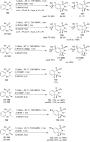
Scheme 23: Synthesis of cyclohexadiene-fused γ-phosphinolactams from diphenyl-N-methyl-N-(1-phenylethyl)phosph...
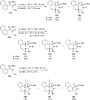
Scheme 24: Synthesis of benzocyclohexadiene-fused γ-phosphinolactams from dinaphth-1-yl-N-alkyl-N-benzylphosph...
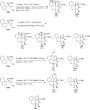
Scheme 25: Synthesis of benzocyclohexadiene-fused γ-phosphinolactams from dinaphth-1-yl-N-benzyl-N-methylphosp...

Scheme 26: Synthesis of carbonyl-containing benzocyclohexadiene-fused γ-phosphinolactams from dinaphth-1-yl-N-...

Scheme 27: Synthesis of benzocyclohexadiene-fused γ-phosphinolactams from dinaphthyl-N-benzyl-N-methylphosphin...
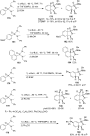
Scheme 28: Synthesis of cyclohexadiene-fused 1-(N-benzyl-N-methyl)amino-γ-phosphinolactams from aryl-N,N’-dibe...

Scheme 29: Synthesis of bis(cyclohexadiene-fused γ-phosphinolactam)s from bis(diphenyl-N-benzylphosphinamide)s....

Scheme 30: Synthesis of bis(hydroxymethyl-derived cyclohexadiene-fused γ-phosphinolactam)s from tetramethylene...

Scheme 31: Synthesis of 2-aryl/dimethylamino-1-ethoxy-2-hydrobenzo[c][1,2]azaphosphol-3-one 1-oxides from ethy...

Scheme 32: Synthesis of ethyl 2-ethoxy-1,2-azaphospholidine-4-carboxylate 2-oxides from ethyl 2-((chloro(ethox...

Scheme 33: Synthesis of (1S,3R)-2-(tert-butyldiphenylsilyl)-3-methyl-1-phenyl-2,3-dihydrobenzo[c][1,2]azaphosp...

Scheme 34: Synthesis of 2,3,3a,9a-tetrahydro-4H-1,2-azaphospholo[5,4-b]chromen-4-one (215) from 3-(phenylamino...

Scheme 35: Synthesis of quinoline-fused 1,2-azaphospholine 2-oxides from 2-azidoquinoline-3-carbaldehydes and ...

Scheme 36: Synthesis of 1-hydro-1,2-azaphosphol-5-one 2-oxide from cyanoacetohydrazide with phosphonic acid an...

Scheme 37: Synthesis of chromene-fused 5-oxo-1,2-azaphospolidine 2-oxides.

Scheme 38: Synthesis of (R)-1-phenyl-2-((R)-1-phenylethyl)-2-hydrobenzo[c][1,2]azaphosphol-3-one 1-oxide (239)...

Scheme 39: Synthesis of dihydro[1,2]azaphosphole 1-oxides from aryl/vinyl-N-phenylphosphonamidates and aryl-N-...

Scheme 40: Synthesis of 1,3-dihydro-[1,2]azaphospholo[5,4-b]pyridine 2-oxides.
New synthesis of a late-stage tetracyclic key intermediate of lumateperone
- Mátyás Milen,
- Bálint Nyulasi,
- Tamás Nagy,
- Gyula Simig and
- Balázs Volk
Beilstein J. Org. Chem. 2022, 18, 653–659, doi:10.3762/bjoc.18.66
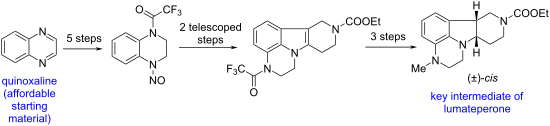
- (19a), a benzyloxycarbonyl group (19b) was also used for N-protection; (ii) compounds 19a,b were N-alkylated at the indole nitrogen atom with N-methylchloroacetamide to derivatives 20a,b; (iii) the 20→21 cyclization was realized by a Xantphos/Pd-catalyzed C–N bond-forming reaction; (iv) synthetic steps

Graphical Abstract

Figure 1: Structure of lumateperone.

Scheme 1: First synthetic route leading to lumateperone (1).

Scheme 2: Alternate synthesis of lumateperone.

Scheme 3: Alternate synthetic approaches leading to racemic lumateperone ((±)-1)).

Scheme 4: Planned new synthesis of key intermediate (±)-9a.

Scheme 5: New synthesis of key intermediate (±)-9a.

Scheme 6: Trifluoroacetylation of tetrahydroquinoxaline (37).
DDQ in mechanochemical C–N coupling reactions
- Shyamal Kanti Bera,
- Rosalin Bhanja and
- Prasenjit Mal
Beilstein J. Org. Chem. 2022, 18, 639–646, doi:10.3762/bjoc.18.64
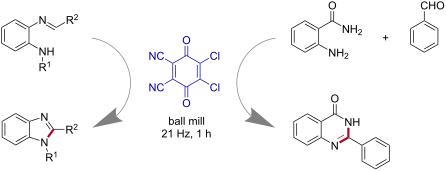
- known, but limited reports are available for reactions carried out under solvent-free conditions [28][29]. However, improving environmentally benign methods [30][31] of C–N bond synthesis is of enormous significance [32][33][34]. In comparison to the metal-mediated C–N coupling reactions [35], the

Graphical Abstract

Figure 1: Our work on mechanochemical C–N coupling reactions using DDQ. The newly formed C–N bonds are shown ...

Figure 2: Scope of the mechanochemical synthesis of substituted benzimidazoles.

Figure 3: Synthesis of quinazolin-4(3H)-one derivatives.

Figure 4: The substrate scope for the synthesis of quinazolin-4(3H)-one derivatives.

Figure 5: a) Control experiment and b) Plausible mechanism.

Figure 6: Large-scale synthesis. a) 1,2-Disubstituted benzimidazoles. b) Substituted quinazolin-4(3H)-ones. R...
Synthesis of 3,4,5-trisubstituted isoxazoles in water via a [3 + 2]-cycloaddition of nitrile oxides and 1,3-diketones, β-ketoesters, or β-ketoamides
- Md Imran Hossain,
- Md Imdadul H. Khan,
- Seong Jong Kim and
- Hoang V. Le
Beilstein J. Org. Chem. 2022, 18, 446–458, doi:10.3762/bjoc.18.47

- a further cycloaddition. In addition, the conjugation between the new C=N bond and the enol double bond promotes the enol tautomer formation. This may also explain why the trifluoromethylated 1,3-diketones produced the trifluoromethyl-substituted isoxazoles with lower yields than the methyl

Graphical Abstract
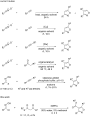
Figure 1: Routes to isoxazoles.

Figure 2: Possible products of the reaction between nitrile oxides and 1,3-diketones. Path D (C-trapping) pro...

Figure 3: Reactions between various arylhydroximoyl chlorides and 1,3-diketones. The reactions were performed...

Figure 4: Reactions between various phenyl hydroximoyl chlorides and β-ketoesters or β-ketoamides. The reacti...

Figure 5: Reactions between 4-fluorophenyl hydroximoyl chloride (1a) and diethyl malonate (2j) or dibenzyl ma...

Figure 6: Reactions between phenyl hydroximoyl chlorides 1a,c and 4,4,4-trifluoro-1-phenyl- (2l) and 4,4,4-tr...

Figure 7: 1H NMR spectra of 1-phenyl-1,3-butanedione (2a) in methanol-d4 (top) and in CDCl3 (bottom).

Figure 8: A plausible mechanism for the formation of the 3,4,5-trisubstituted isoxazoles 3 in the presence of...

Figure 9: Structures of β-lactamase-resistant antibiotics oxacillin, cloxacillin, dicloxacillin, and flucloxa...
Amamistatins isolated from Nocardia altamirensis
- Till Steinmetz,
- Wolf Hiller and
- Markus Nett
Beilstein J. Org. Chem. 2022, 18, 360–367, doi:10.3762/bjoc.18.40
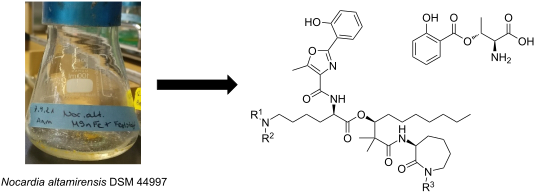
- form a salimethyloxazolinyl-thioester intermediate, which then undergoes a C–N bond opening resulting in an ester formation. Eventually, the thioester undergoes a hydrolysis reaction leading to compound 6. The compounds, which were discovered in this study, are members of the large family of nocobactin

Graphical Abstract

Figure 1: Chemical structures of amamistatins (1–5) and a putative biosynthetic shunt product (6) isolated in...

Figure 2: 1H,1H COSY and selected 1H,13C HMBC correlations in compounds 1 and 6.

Figure 3: MS–MS fragmentation of amamistatins (1–5).

Figure 4: Proposed biosynthesis of amamistatins isolated in this study.
Tenacibactins K–M, cytotoxic siderophores from a coral-associated gliding bacterium of the genus Tenacibaculum
- Yasuhiro Igarashi,
- Yiwei Ge,
- Tao Zhou,
- Amit Raj Sharma,
- Enjuro Harunari,
- Naoya Oku and
- Agus Trianto
Beilstein J. Org. Chem. 2022, 18, 110–119, doi:10.3762/bjoc.18.12
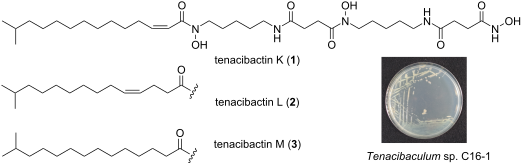
- conducted [24] (Figure 4). In the negative ion mode, a precursor ion m/z 654 underwent sequential eliminations at every hydroxamate C–N bond, giving rise to ketene-terminated product ions at m/z 621 and 421, which supported the position of hydroxylation at N37 and N26 and chain lengths of each cadaverine

Graphical Abstract

Figure 1: Structures of tenacibactins K–M (1–3).

Figure 2: Key 2D-NMR correlations for 1–3.

Figure 3: (a) Partial 1H NMR spectra of 1 at 25 and 50 °C in DMSO-d6; (b) magnified HMBC spectrum of 1 at 25 ...

Figure 4: MS/MS spectrum of 1 acquired on a quadrupole time-of-flight mass spectrometer in the negative ion m...

Scheme 1: MS/MS fragmentation pathway for compound 1.
A photochemical C=C cleavage process: toward access to backbone N-formyl peptides
- Haopei Wang and
- Zachary T. Ball
Beilstein J. Org. Chem. 2021, 17, 2932–2938, doi:10.3762/bjoc.17.202
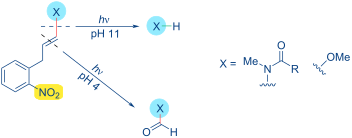
- residue (Figure 1C, step, i + iv → ii) [18][19][20]. Subsequent investigations validated the use of photoreactive boronic acids as an approach to reversible backbone N–H modification via photocleavage of an alkenyl C–N bond [16][17]. Traditional 2-nitroaryl groups allow cleavage of benzylic C–X bonds (e.g

Graphical Abstract

Figure 1: Uncaging of peptide backbone N–H bonds from Chan–Lam-type modification.

Figure 2: Photocleavage of compounds 1 and 6 under basic conditions. Yield of products was calculated from cr...

Figure 3: (a) Photocleavage of compound 6 under acidic conditions. Yields determined by 1H NMR using residual...

Figure 4: Preparation and hydrolysis kinetics (inset) of N-formyl product 11. Dashed line: first-order decay ...
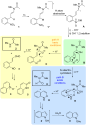
Figure 5: Proposed mechanism for the formation of aldehyde 3 and N-formyl product 8.
Recent advances in the asymmetric phosphoric acid-catalyzed synthesis of axially chiral compounds
- Alemayehu Gashaw Woldegiorgis and
- Xufeng Lin
Beilstein J. Org. Chem. 2021, 17, 2729–2764, doi:10.3762/bjoc.17.185
- , this synthetic method (nucleophilic aromatic substitution reaction) is crucial for the development of alternative C–N bond-forming reactions to conventional metal-involved cross-couplings, providing axially chiral N-arylcarbazoles 60 in good yields with remarkable enantiocontrol through a

Graphical Abstract

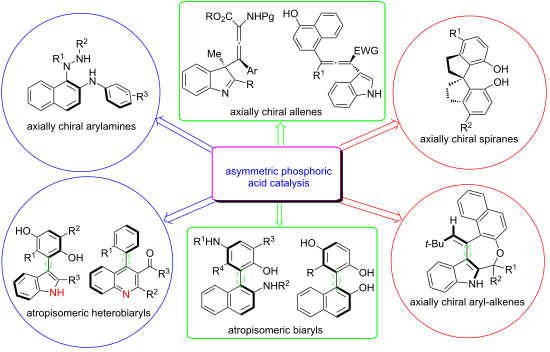
Figure 1: Representative examples of axially chiral biaryls, heterobiaryls, spiranes and allenes as ligands a...
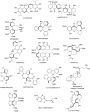
Figure 2: Selected examples of axially chiral drugs and bioactive molecules.

Figure 3: Axially chiral functional materials and supramolecules.

Figure 4: Important chiral phosphoric acid scaffolds used in this review.

Scheme 1: Atroposelective aryl–aryl-bond formation by employing a facile [3,3]-sigmatropic rearrangement.

Scheme 2: Atroposelective synthesis of axially chiral biaryl amino alcohols 5.

Scheme 3: The enantioselective reaction of quinone and 2-naphthol derivatives.

Scheme 4: Enantioselective synthesis of multisubstituted biaryls.

Scheme 5: Enantioselective synthesis of axially chiral quinoline-derived biaryl atropisomers mediated by chir...

Scheme 6: Pd-Catalyzed atroposelective C–H olefination of biarylamines.

Scheme 7: Palladium-catalyzed directed atroposelective C–H allylation.

Scheme 8: Enantioselective synthesis of axially chiral (a) aryl indoles and (b) biaryldiols.

Scheme 9: Asymmetric arylation of indoles enabled by azo groups.

Scheme 10: Proposed mechanism for the asymmetric arylation of indoles.
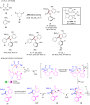
Scheme 11: Enantioselective synthesis of axially chiral N-arylindoles [38].

Scheme 12: Enantioselective [3 + 2] formal cycloaddition and central-to-axial chirality conversion.

Scheme 13: Organocatalytic atroposelective arene functionalization of nitrosonaphthalene with indoles.

Scheme 14: Proposed reaction mechanism for the atroposelective arene functionalization of nitrosonaphthalenes.

Scheme 15: Asymmetric construction of axially chiral naphthylindoles [65].

Scheme 16: Enantioselective synthesis of axially chiral 3,3’-bisindoles [66].

Scheme 17: Atroposelective synthesis of 3,3’-bisiindoles bearing axial and central chirality.

Scheme 18: Enantioselective synthesis of axially chiral 3,3’-bisindoles bearing single axial chirality.

Scheme 19: Enantioselective reaction of azonaphthalenes with various pyrazolones.
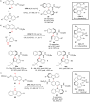
Scheme 20: Enantioselective and atroposelective synthesis of axially chiral N-arylcarbazoles [73].

Scheme 21: Atroposelective cyclodehydration reaction.

Scheme 22: Atroposelective construction of axially chiral N-arylbenzimidazoles [78].

Scheme 23: Proposed reaction mechanism for the atroposelective synthesis of axially chiral N-arylbenzimidazole...

Scheme 24: Atroposelective synthesis of axially chiral arylpyrroles [21].

Scheme 25: Synthesis of axially chiral arylquinazolinones and its reaction pathway [35].
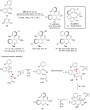
Scheme 26: Synthesis of axially chiral aryquinoline by Friedländer heteroannulation reaction and its proposed...

Scheme 27: Povarov cycloaddition–oxidative chirality conversion process.

Scheme 28: Atroposelective synthesis of oxindole-based axially chiral styrenes via kinetic resolution.

Scheme 29: Synthesis of axially chiral alkene-indole frame works [45].

Scheme 30: Proposed reaction mechanism for axially chiral alkene-indoles.

Scheme 31: Atroposelective C–H aminations of N-aryl-2-naphthylamines with azodicarboxylates.

Scheme 32: Synthesis of brominated atropisomeric N-arylquinoids.

Scheme 33: The enantioselective syntheses of axially chiral SPINOL derivatives.

Scheme 34: γ-Addition reaction of various 2,3-disubstituted indoles to β,γ-alkynyl-α-imino esters.

Scheme 35: Regio- and stereoselective γ-addition reactions of isoxazol-5(4H)-ones to β,γ-alkynyl-α-imino ester...

Scheme 36: Synthesis of chiral tetrasubstituted allenes and naphthopyrans.

Scheme 37: Asymmetric remote 1,8-conjugate additions of thiazolones and azlactones to propargyl alcohols.

Scheme 38: Synthesis of chiral allenes from 1-substituted 2-naphthols [107].
Synthetic strategies toward 1,3-oxathiolane nucleoside analogues
- Umesh P. Aher,
- Dhananjai Srivastava,
- Girij P. Singh and
- Jayashree B. S
Beilstein J. Org. Chem. 2021, 17, 2680–2715, doi:10.3762/bjoc.17.182
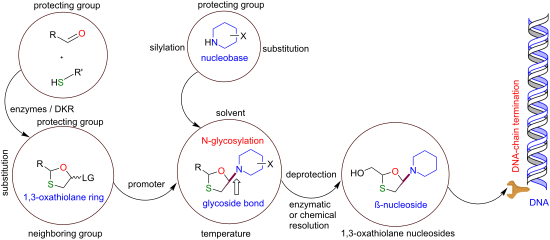
- ). Enantioselectivity for a wide range of substrates was achieved in good yield with rigorous optimization of the reaction conditions by utilization of wild-type CAL-B. Synthetic N-glycosylation strategies for glycosidic C–N bond formation in 1,3-oxathiolane nucleosides This section will discuss the methods for
- carbon atom while maintaining α-configuration and simultaneous elimination of an acyl group as illustrated in intermediate IV. Further, attack of silylated cytosine on α-chloro-substituted derivative V in an SN2 reaction results in the formation of a glycosidic C–N bond in the β-configured nucleoside

Graphical Abstract

Figure 1: Representative modified 1,3-oxathiolane nucleoside analogues.

Figure 2: Mechanism of antiviral action of 1,3-oxathiolane nucleosides, 3TC (1) and FTC (2), as chain termina...

Figure 3: Synthetic strategies for the construction of the 1,3-oxathiolane sugar ring.

Scheme 1: Synthesis of 4 from benzoyloxyacetaldehyde (3a) and 2-mercapto-substituted dimethyl acetal 3na.

Scheme 2: Synthesis of 8 from protected glycolic aldehyde 3b and 2-mercaptoacetic acid (3o).

Scheme 3: Synthesis of 20 from ᴅ-mannose (3c).

Scheme 4: Synthesis of 20 from 1,6-thioanhydro-ᴅ-galactose (3d).

Scheme 5: Synthesis of 8 from 2-(tert-butyldiphenylsilyloxy)methyl-5-oxo-1,2-oxathiolane (3m).

Scheme 6: Synthesis of 20a from ʟ-gulose derivative 3f.

Scheme 7: Synthesis of 31 from (+)-thiolactic acid 3p and 2-benzoyloxyacetaldehyde (3a).

Scheme 8: Synthesis of 35a from 1,4-dithiane-2,5-diol (3q) and glyoxylic acid (3g) hydrate.

Scheme 9: Synthetic routes toward 41 through Pummerer reaction from methyl 2-mercaptoacetate (3j) and bromoac...

Scheme 10: Strategy for the synthesis of 2,5-substituted 1,3-oxathiolane 41a using 4-nitrobenzyl glyoxylate an...

Scheme 11: Synthesis of 44 by a resolution method using Mucor miehei lipase.

Scheme 12: Synthesis of 45 from benzoyloxyacetaldehyde (3a) and 2-mercaptoacetaldehyde bis(2-methoxyethyl) ace...

Scheme 13: Synthesis of 46 from 2-mercaptoacetaldehyde bis(2-methoxyethyl) acetal (3nc) and diethyl 3-phosphon...

Scheme 14: Synthesis of 48 from 1,3-dihydroxyacetone dimer 3l.

Scheme 15: Approach toward 52 from protected alkene 3rb and lactic acid derivative 51 developed by Snead et al....

Scheme 16: Recent approach toward 56a developed by Kashinath et al.

Scheme 17: Synthesis of 56a from ʟ-menthyl glyoxylate (3h) hydrate by DKR.

Scheme 18: Possible mechanism with catalytic TEA for rapid interconversion of isomers.

Scheme 19: Synthesis of 35a by a classical resolution method through norephedrine salt 58 formation.

Scheme 20: Synthesis of 63 via [1,2]-Brook rearrangement from silyl glyoxylate 61 and thiol 3nb.

Scheme 21: Combined use of STS and CAL-B as catalysts to synthesize an enantiopure oxathiolane precursor 65.

Scheme 22: Synthesis of 1 and 1a from glycolaldehyde dimer 64 and 1,4-dithiane-2,5-diol (3q) using STS and CAL...

Scheme 23: Synthesis of 68 by using Klebsiella oxytoca.

Scheme 24: Synthesis of 71 and 72 using Trichosporon taibachii lipase and kinetic resolution.

Scheme 25: Synthesis of 1,3-oxathiolan-5-ones 77 and 78 via dynamic covalent kinetic resolution.

Figure 4: Pathway for glycosidic bond formation.

Scheme 26: First synthesis of (±)-BCH-189 (1c) by Belleau et al.

Scheme 27: Enantioselective synthesis of 3TC (1).

Scheme 28: Synthesis of cis-diastereomer 3TC (1) from oxathiolane propionate 44.

Scheme 29: Synthesis of (±)-BCH-189 (1c) via SnCl4-mediated N-glycosylation of 8.

Scheme 30: Synthesis of (+)-BCH-189 (1a) via TMSOTf-mediated N-glycosylation of 20.

Scheme 31: Synthesis of 3TC (1) from oxathiolane precursor 20a.

Scheme 32: Synthesis of 83 via N-glycosylation of 20 with pyrimidine bases.

Scheme 33: Synthesis of 85 via N-glycosylation of 20 with purine bases.

Scheme 34: Synthesis of 86 and 87 via N-glycosylation using TMSOTf and pyrimidines.

Scheme 35: Synthesis of 90 and 91 via N-glycosylation using TMSOTf and purines.

Scheme 36: Synthesis of 3TC (1) via TMSI-mediated N-glycosylation.

Scheme 37: Stereoselective N-glycosylation for the synthesis of 1 by anchimeric assistance of a chiral auxilia...

Scheme 38: Whitehead and co-workers’ approach for the synthesis of 1 via direct N-glycosylation without an act...

Scheme 39: ZrCl4-mediated stereoselective N-glycosylation.

Scheme 40: Plausible reaction mechanism for stereoselective N-glycosylation using ZrCl4.

Scheme 41: Synthesis of enantiomerically pure oxathiolane nucleosides 1 and 2.

Scheme 42: Synthesis of tetrazole analogues of 1,3-oxathiolane nucleosides 97.

Scheme 43: Synthetic approach toward 99 from 1,3-oxathiolane 45 by Camplo et al.

Scheme 44: Synthesis of 100 from oxathiolane phosphonate analogue 46.

Scheme 45: Synthetic approach toward 102 and the corresponding cyclic thianucleoside monophosphate 102a by Cha...

Scheme 46: Synthesis of emtricitabine (2) from 1,4-dithiane-2,5-diol (3q) and glyoxylic acid (3g).

Scheme 47: Synthesis of 1 and 2, respectively, from 56a–d using iodine-mediated N-glycosylation.

Scheme 48: Plausible mechanism for silane- and I2-mediated N-glycosylation.

Scheme 49: Pyridinium triflate-mediated N-glycosylation of 35a.

Scheme 50: Possible pathway for stereoselective N-glycosylation via in situ chelation with a metal ligand.

Scheme 51: Synthesis of novel 1,3-oxathiolane nucleoside 108 from oxathiolane precursor 8 and 3-benzyloxy-2-me...

Scheme 52: Synthesis of 110 using T-705 as a nucleobase and 1,3-oxathiolane derivative 8 via N-glycosylation.

Scheme 53: Synthesis of 1 using an asymmetric leaving group and N-glycosylation with bromine and mesitylene.

Scheme 54: Cytidine deaminase for enzymatic separation of 1c.

Scheme 55: Enzymatic resolution of the monophosphate derivative 116 for the synthesis of (−)-BCH-189 (1) and (...

Scheme 56: Enantioselective resolution by PLE-mediated hydrolysis to obtain FTC (2).

Scheme 57: (+)-Menthyl chloroformate as a resolving agent to separate a racemic mixture 120.

Scheme 58: Separation of racemic mixture 1c by cocrystal 123 formation with (S)-(−)-BINOL.
Recent advances in organocatalytic asymmetric aza-Michael reactions of amines and amides
- Pratibha Sharma,
- Raakhi Gupta and
- Raj K. Bansal
Beilstein J. Org. Chem. 2021, 17, 2585–2610, doi:10.3762/bjoc.17.173
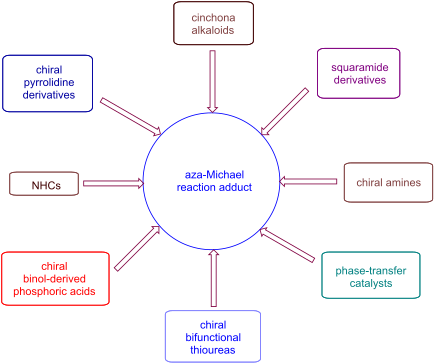
- asymmetric aza-Michael reaction (aza-MR) alone or in tandem with other organic reaction(s) is an important synthetic tool to form new C–N bond(s) leading to developing new libraries of diverse types of bioactive nitrogen compounds. The synthesis and application of a variety of organocatalysts for

Graphical Abstract

Scheme 1: Asymmetric aza-Michael addition catalyzed by cinchona alkaloid derivatives.

Scheme 2: Intramolecular 6-exo-trig aza-Michael addition reaction.

Scheme 3: Asymmetric aza-Michael/Michael addition cascade reaction of 2-nitrobenzofurans and 2-nitrobenzothio...

Scheme 4: Asymmetric aza-Michael addition of para-dienone imide to benzylamine.

Scheme 5: Asymmetric synthesis of chiral N-functionalized heteroarenes.
Visible-light-mediated copper photocatalysis for organic syntheses
- Yajing Zhang,
- Qian Wang,
- Zongsheng Yan,
- Donglai Ma and
- Yuguang Zheng
Beilstein J. Org. Chem. 2021, 17, 2520–2542, doi:10.3762/bjoc.17.169
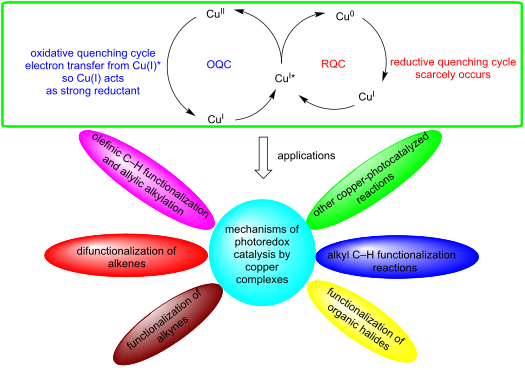
- extending this protocol from C–N bond formation reactions to C–O [85], C–S [86], and C–C [87][88] bond formations. Recently, a photoredox catalysis was applied to these types of cross-coupling reactions, with key contributions from the groups of Ackermann [87], Evano [55], Zhang [89], Nguyen [90], and

Graphical Abstract

Scheme 1: Photoredox catalysis mechanism of [Ru(bpy)3]2+.

Scheme 2: Photoredox catalysis mechanism of CuI.

Scheme 3: Ligands and CuI complexes.

Scheme 4: Mechanism of CuI-based photocatalysis.
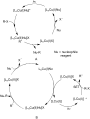
Scheme 5: Mechanisms of CuI–substrate complexes.

Scheme 6: Mechanism of CuII-base photocatalysis.

Scheme 7: Olefinic C–H functionalization and allylic alkylation.
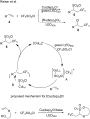
Scheme 8: Cross-coupling of unactivated alkenes and CF3SO2Cl.

Scheme 9: Chlorosulfonylation/cyanofluoroalkylation of alkenes.

Scheme 10: Hydroamination of alkenes.

Scheme 11: Cross-coupling reaction of alkenes, alkyl halides with nucleophiles.

Scheme 12: Cross-coupling of alkenes with oxime esters.

Scheme 13: Oxo-azidation of vinyl arenes.

Scheme 14: Azidation/difunctionalization of vinyl arenes.

Scheme 15: Photoinitiated copper-catalyzed Sonogashira reaction.

Scheme 16: Alkyne functionalization reactions.

Scheme 17: Alkynylation of dihydroquinoxalin-2-ones with terminal alkynes.

Scheme 18: Decarboxylative alkynylation of redox-active esters.

Scheme 19: Aerobic oxidative C(sp)–S coupling reaction.

Scheme 20: Copper-catalyzed alkylation of carbazoles with alkyl halides.

Scheme 21: C–N coupling of organic halides with amides and aliphatic amines.

Scheme 22: Copper-catalyzed C–X (N, S, O) bond formation reactions.

Scheme 23: Arylation of C(sp2)–H bonds of azoles.

Scheme 24: C–C cross-coupling of aryl halides and heteroarenes.

Scheme 25: Benzylic or α-amino C–H functionalization.

Scheme 26: α-Amino C–H functionalization of aromatic amines.

Scheme 27: C–H functionalization of aromatic amines.

Scheme 28: α-Amino-C–H and alkyl C–H functionalization reactions.

Scheme 29: Other copper-photocatalyzed reactions.

Scheme 30: Cross-coupling of oxime esters with phenols or amines.

Scheme 31: Alkylation of heteroarene N-oxides.
Isolation and characterization of new phenolic siderophores with antimicrobial properties from Pseudomonas sp. UIAU-6B
- Emmanuel T. Oluwabusola,
- Olusoji O. Adebisi,
- Fernando Reyes,
- Kojo S. Acquah,
- Mercedes De La Cruz,
- Larry L. Mweetwa,
- Joy E. Rajakulendran,
- Digby F. Warner,
- Deng Hai,
- Rainer Ebel and
- Marcel Jaspars
Beilstein J. Org. Chem. 2021, 17, 2390–2398, doi:10.3762/bjoc.17.156
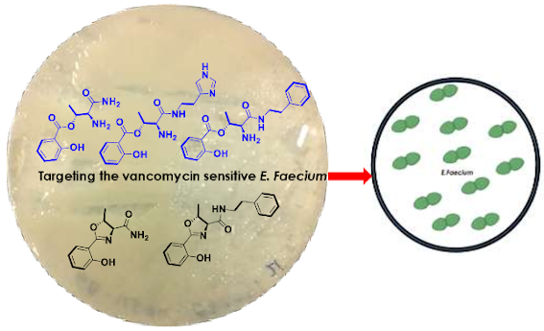
- through deviation of the salimethyloxazolinyl-thioester intermediate 8 from the assembly line via an unusually facile C–N-bond opening of the ring to generate an ester bond, and followed directly by amination (+ NH3), the addition of histamine and phenethylamine units to form compounds 1, 2, and 3
- exploited for further biological investigation and structure–activity relationship (SAR) studies. To the best of our knowledge, the breakage of the C–N bond of the salimethyloxazolinyl-thioester intermediate leading to an ester bond that resulted in the formation of compounds 1–3 constitutes new plausible

Graphical Abstract

Figure 1: Structures of the new phenolic siderophores 1–5, pseudomonine (6), and salicylic acid (7).

Figure 2: Key HMBC and 1H-1H COSY correlations.

Figure 3: Plausible biosynthetic hypotheses of compounds 1–5.
Synthesis of phenanthridines via a novel photochemically-mediated cyclization and application to the synthesis of triphaeridine
- Songeziwe Ntsimango,
- Kennedy J. Ngwira,
- Moira L. Bode and
- Charles B. de Koning
Beilstein J. Org. Chem. 2021, 17, 2340–2347, doi:10.3762/bjoc.17.152
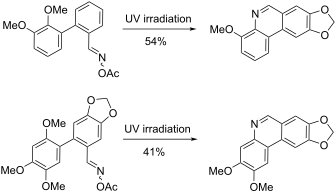
- , such as ionic liquid- and transition metal-catalyzed and other metal-free transformations [1]. A strategically diverse route to phenanthridines involves intramolecular cyclization of biaryl oximes, allowing for the formation of a new C–N bond. Such a strategy was explored by Deb and Yoshikai in the Fe

Graphical Abstract

Figure 1: Biologically active phenanthridines.

Figure 2: Synthetic routes to phenanthridines via iminyl radicals.

Scheme 1: Previous unexpected synthesis of the phenanthridine framework.

Scheme 2: Synthesis of biaryl benzaldehydes.

Scheme 3: Synthesis of biaryl oximes.

Scheme 4: Synthesis of phenanthridines. Reagents and conditions (i) UV irradiation (450 W medium pressure Hg ...

Figure 3: Two possible mechanistic routes and intermediates in the synthesis of phenanthridines.

Scheme 5: Synthesis of trisphaeridine. Reagents and conditions (i) cat. Pd(PPh3)4, aq Na2CO3, DME, reflux, Ar...
Halides as versatile anions in asymmetric anion-binding organocatalysis
- Lukas Schifferer,
- Martin Stinglhamer,
- Kirandeep Kaur and
- Olga García Macheño
Beilstein J. Org. Chem. 2021, 17, 2270–2286, doi:10.3762/bjoc.17.145
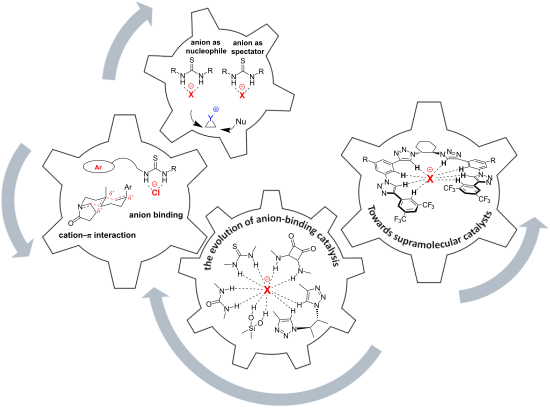
- example utilizing this strategy was provided by Jacobsen and co-workers for the desymmetrization of meso-aziridines 29. In their work, the bifunctional phosphinothiourea catalyst 31 promoted the C–N bond cleavage by hydrochloric acid upon initial protonation (Scheme 7) [55]. Subsequently, the catalyst

Graphical Abstract
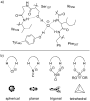
Figure 1: a) Binding interactions in the chloride channel of E. coli. and b) examples of chloride, cyanide, n...

Figure 2: a) H-bond vs anion-binding catalysis and b) activation modes in anion-binding catalysis.

Scheme 1: First proposed anion-binding mechanism in the thiourea-catalyzed acetalization of benzaldehyde.

Scheme 2: a) Thiourea-catalyzed enantioselective acyl-Pictet–Spengler reaction of tryptamine-derived imines 4...

Scheme 3: Proposed mechanism of the thiourea-catalyzed enantioselective Pictet–Spengler reaction of hydroxyla...

Scheme 4: a) Thiourea-catalyzed intramolecular Pictet–Spengler-type cyclization of hydroxylactam-derived N-ac...

Scheme 5: Enantioselective Reissert-type reactions of a) (iso)quinolines with silyl ketene acetals, and b) vi...

Figure 3: Role of the counter-anion: a) Anion acting as a spectator and b) anion participating directly as th...

Scheme 6: Enantioselective selenocyclization catalyzed by squaramide 28.

Scheme 7: Desymmetrization of meso-aziridines catalyzed by bifunctional thiourea catalyst 31.

Scheme 8: Anion-binding-catalyzed desymmetrization of a) meso-aziridines catalyzed by chiral triazolium catal...

Scheme 9: Bis-urea-catalyzed enantioselective fluorination of a) β-bromosulfides and b) β-haloamines by Gouve...

Scheme 10: a) Bifunctional thiourea anion-binding – basic/nucleophilic catalysts. Selected applications in b) ...

Scheme 11: Thiourea-catalyzed enantioselective polycyclization reaction of hydroxylactams 51 through cation–π ...

Scheme 12: Enantioselective aza-Sakurai cyclization of hydroxylactams 56 implicating additional cation–π and L...

Scheme 13: Enantioselective tail-to-head cyclization of neryl chloride derivatives.

Scheme 14: Cation–π interactions in anion binding-catalyzed asymmetric addition reactions: a) addition of indo...

Scheme 15: Bisthiourea catalyzed oxa-Pictet–Spengler reaction of indole-based alcohols and aromatic aldehydes ...

Scheme 16: Anion-binding catalyst development in the enantioselective addition of silyl ketene acetals to 1-ch...

Scheme 17: a) Macrocyclic bis-thiourea catalyst in a diastereoselective glycosylation reaction. b) Competing SN...

Scheme 18: a) Folding mechanism of oligotriazoles upon anion recognition. b) Representative tetratriazole 82 c...

Scheme 19: Switchable chiral tetratriazole catalyst 86 in the enantioselective addition of silyl ketene acetal...
On the application of 3d metals for C–H activation toward bioactive compounds: The key step for the synthesis of silver bullets
- Renato L. Carvalho,
- Amanda S. de Miranda,
- Mateus P. Nunes,
- Roberto S. Gomes,
- Guilherme A. M. Jardim and
- Eufrânio N. da Silva Júnior
Beilstein J. Org. Chem. 2021, 17, 1849–1938, doi:10.3762/bjoc.17.126

Graphical Abstract

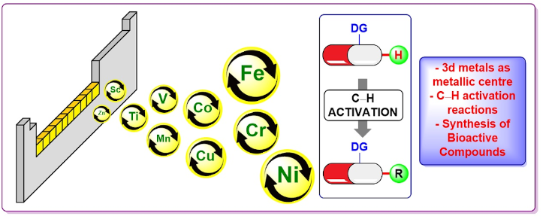
Scheme 1: Schematic overview of transition metals studied in C–H activation processes.

Scheme 2: (A) Known biological activities related to benzimidazole-based compounds; (B and C) an example of a...

Scheme 3: (A) Known biological activities related to quinoline-based compounds; (B and C) an example of a sca...

Scheme 4: (A) Known biological activities related to sulfur-containing compounds; (B and C) an example of a s...

Scheme 5: (A) Known biological activities related to aminoindane derivatives; (B and C) an example of a scand...

Scheme 6: (A) Known biological activities related to norbornane derivatives; (B and C) an example of a scandi...

Scheme 7: (A) Known biological activities related to aniline derivatives; (B and C) an example of a titanium-...

Scheme 8: (A) Known biological activities related to cyclohexylamine derivatives; (B) an example of an intram...

Scheme 9: (A) Known biologically active benzophenone derivatives; (B and C) photocatalytic oxidation of benzy...

Scheme 10: (A) Known bioactive fluorine-containing compounds; (B and C) vanadium-mediated C(sp3)–H fluorinatio...

Scheme 11: (A) Known biologically active Lythraceae alkaloids; (B) synthesis of (±)-decinine (30).

Scheme 12: (A) Synthesis of (R)- and (S)-boehmeriasin (31); (B) synthesis of phenanthroindolizidines by vanadi...
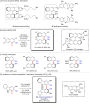
Scheme 13: (A) Known bioactive BINOL derivatives; (B and C) vanadium-mediated oxidative coupling of 2-naphthol...

Scheme 14: (A) Known antiplasmodial imidazopyridazines; (B) practical synthesis of 41.
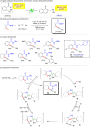
Scheme 15: (A) Gold-catalyzed drug-release mechanism using 2-alkynylbenzamides; (B and C) chromium-mediated al...

Scheme 16: (A) Examples of anti-inflammatory benzaldehyde derivatives; (B and C) chromium-mediated difunctiona...

Scheme 17: (A and B) Manganese-catalyzed chemoselective intramolecular C(sp3)–H amination; (C) late-stage modi...

Scheme 18: (A and B) Manganese-catalyzed C(sp3)–H amination; (C) late-stage modification of a leelamine deriva...
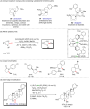
Scheme 19: (A) Known bioactive compounds containing substituted N-heterocycles; (B and C) manganese-catalyzed ...

Scheme 20: (A) Known indoles that present GPR40 full agonist activity; (B and C) manganese-catalyzed C–H alkyl...

Scheme 21: (A) Examples of known biaryl-containing drugs; (B and C) manganese-catalyzed C–H arylation through ...
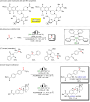
Scheme 22: (A) Known zidovudine derivatives with potent anti-HIV properties; (B and C) manganese-catalyzed C–H...

Scheme 23: (A and B) Manganese-catalyzed C–H organic photo-electrosynthesis; (C) late-stage modification.
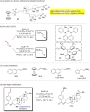
Scheme 24: (A) Example of a known antibacterial silylated dendrimer; (B and C) manganese-catalyzed C–H silylat...
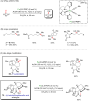
Scheme 25: (A and B) Fe-based small molecule catalyst applied for selective aliphatic C–H oxidations; (C) late...

Scheme 26: (A) Examples of naturally occurring gracilioethers; (B) the first total synthesis of gracilioether ...
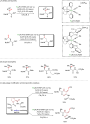
Scheme 27: (A and B) Selective aliphatic C–H oxidation of amino acids; (C) late-stage modification of proline-...
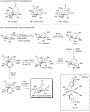
Scheme 28: (A) Examples of Illicium sesquiterpenes; (B) first chemical synthesis of (+)-pseudoanisatin (80) in...

Scheme 29: (A and B) Fe-catalyzed deuteration; (C) late-stage modification of pharmaceuticals.

Scheme 30: (A and B) Biomimetic Fe-catalyzed aerobic oxidation of methylarenes to benzaldehydes (PMHS, polymet...

Scheme 31: (A) Known tetrahydroquinolines with potential biological activities; (B and C) redox-selective Fe c...

Scheme 32: (A) Known drugs containing a benzofuran unit; (B and C) Fe/Cu-catalyzed tandem O-arylation to acces...

Scheme 33: (A) Known azaindolines that act as M4 muscarinic acetylcholine receptor agonists; (B and C) intramo...
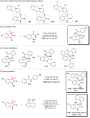
Scheme 34: (A) Known indolinones with anticholinesterase activity; (B and C) oxidative C(sp3)–H cross coupling...
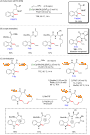
Scheme 35: (A and B) Cobalt-catalyzed C–H alkenylation of C-3-peptide-containing indoles; (C) derivatization b...
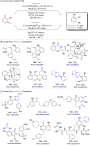
Scheme 36: (A) Cobalt-Cp*-catalyzed C–H methylation of known drugs; (B and C) scope of the o-methylated deriva...
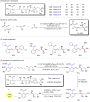
Scheme 37: (A) Known lasalocid A analogues; (B and C) three-component cobalt-catalyzed C–H bond addition; (D) ...

Scheme 38: (A and B) Cobalt-catalyzed C(sp2)–H amidation of thiostrepton.
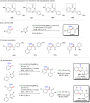
Scheme 39: (A) Known 4H-benzo[d][1,3]oxazin-4-one derivatives with hypolipidemic activity; (B and C) cobalt-ca...

Scheme 40: (A and B) Cobalt-catalyzed C–H arylation of pyrrole derivatives; (C) application for the synthesis ...
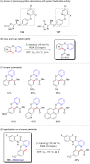
Scheme 41: (A) Known 2-phenoxypyridine derivatives with potent herbicidal activity; (B and C) cobalt-catalyzed...
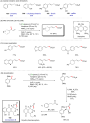
Scheme 42: (A) Natural cinnamic acid derivatives; (B and C) cobalt-catalyzed C–H carboxylation of terminal alk...

Scheme 43: (A and B) Cobalt-catalyzed C–H borylation; (C) application to the synthesis of flurbiprofen.

Scheme 44: (A) Benzothiazoles known to present anticonvulsant activities; (B and C) cobalt/ruthenium-catalyzed...

Scheme 45: (A and B) Cobalt-catalyzed oxygenation of methylene groups towards ketone synthesis; (C) synthesis ...
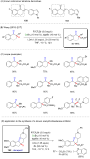
Scheme 46: (A) Known anticancer tetralone derivatives; (B and C) cobalt-catalyzed C–H difluoroalkylation of ar...

Scheme 47: (A and B) Cobalt-catalyzed C–H thiolation; (C) application in the synthesis of quetiapine (153).
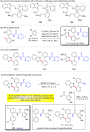
Scheme 48: (A) Known benzoxazole derivatives with anticancer, antifungal, and antibacterial activities; (B and...
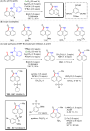
Scheme 49: (A and B) Cobalt-catalyzed C–H carbonylation of naphthylamides; (C) BET inhibitors 158 and 159 tota...
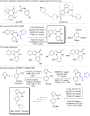
Scheme 50: (A) Known bioactive pyrrolo[1,2-a]quinoxalin-4(5H)-one derivatives; (B and C) cobalt-catalyzed C–H ...
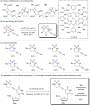
Scheme 51: (A) Known antibacterial cyclic sulfonamides; (B and C) cobalt-catalyzed C–H amination of propargyli...

Scheme 52: (A and B) Cobalt-catalyzed intramolecular 1,5-C(sp3)–H amination; (C) late-stage functionalization ...

Scheme 53: (A and B) Cobalt-catalyzed C–H/C–H cross-coupling between benzamides and oximes; (C) late-state syn...
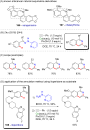
Scheme 54: (A) Known anticancer natural isoquinoline derivatives; (B and C) cobalt-catalyzed C(sp2)–H annulati...
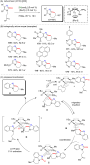
Scheme 55: (A) Enantioselective intramolecular nickel-catalyzed C–H activation; (B) bioactive obtained motifs;...

Scheme 56: (A and B) Nickel-catalyzed α-C(sp3)–H arylation of ketones; (C) application of the method using kno...

Scheme 57: (A and B) Nickel-catalyzed C(sp3)–H acylation of pyrrolidine derivatives; (C) exploring the use of ...
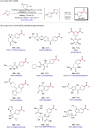
Scheme 58: (A) Nickel-catalyzed C(sp3)–H arylation of dioxolane; (B) library of products obtained from biologi...
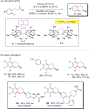
Scheme 59: (A) Intramolecular enantioselective nickel-catalyzed C–H cycloalkylation; (B) product examples, inc...

Scheme 60: (A and B) Nickel-catalyzed C–H deoxy-arylation of azole derivatives; (C) late-stage functionalizati...
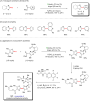
Scheme 61: (A and B) Nickel-catalyzed decarbonylative C–H arylation of azole derivatives; (C) application of t...
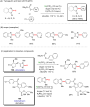
Scheme 62: (A and B) Another important example of nickel-catalyzed C–H arylation of azole derivatives; (C) app...
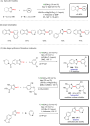
Scheme 63: (A and B) Another notable example of a nickel-catalyzed C–H arylation of azole derivatives; (C) lat...
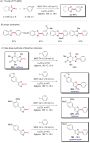
Scheme 64: (A and B) Nickel-based metalorganic framework (MOF-74-Ni)-catalyzed C–H arylation of azole derivati...
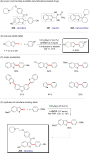
Scheme 65: (A) Known commercially available benzothiophene-based drugs; (B and C) nickel-catalyzed C–H arylati...
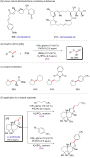
Scheme 66: (A) Known natural tetrahydrofuran-containing substances; (B and C) nickel-catalyzed photoredox C(sp3...
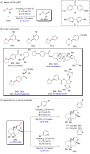
Scheme 67: (A and B) Another notable example of a nickel-catalyzed photoredox C(sp3)–H alkylation/arylation; (...

Scheme 68: (A) Electrochemical/nickel-catalyzed C–H alkoxylation; (B) achieved scope, including three using na...

Scheme 69: (A) Enantioselective photoredox/nickel catalyzed C(sp3)–H arylation; (B) achieved scope, including ...

Scheme 70: (A) Known commercially available trifluoromethylated drugs; (B and C) nickel-catalyzed C–H trifluor...
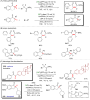
Scheme 71: (A and B) Stereoselective nickel-catalyzed C–H difluoroalkylation; (C) late-stage functionalization...

Scheme 72: (A) Cu-mediated ortho-amination of oxalamides; (B) achieved scope, including derivatives obtained f...

Scheme 73: (A) Electro-oxidative copper-mediated amination of 8-aminoquinoline-derived amides; (B) achieved sc...

Scheme 74: (A and B) Cu(I)-mediated C–H amination with oximes; (C) derivatization using telmisartan (241) as s...

Scheme 75: (A and B) Cu-mediated amination of aryl amides using ammonia; (C) late-stage modification of proben...
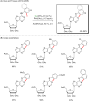
Scheme 76: (A and B) Synthesis of purine nucleoside analogues using copper-mediated C(sp2)–H activation.

Scheme 77: (A) Copper-mediated annulation of acrylamide; (B) achieved scope, including the synthesis of the co...
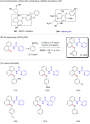
Scheme 78: (A) Known bioactive compounds containing a naphthyl aryl ether motif; (B and C) copper-mediated eth...

Scheme 79: (A and B) Cu-mediated alkylation of N-oxide-heteroarenes; (C) late-stage modification.
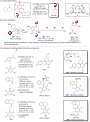
Scheme 80: (A) Cu-mediated cross-dehydrogenative coupling of polyfluoroarenes and alkanes; (B) scope from know...

Scheme 81: (A) Known anticancer acrylonitrile compounds; (B and C) Copper-mediated cyanation of unactivated al...
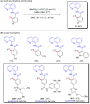
Scheme 82: (A) Cu-mediated radiofluorination of 8-aminoquinoline-derived aryl amides; (B) achieved scope, incl...
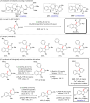
Scheme 83: (A) Examples of natural β-carbolines; (B and C) an example of a zinc-catalyzed C–H functionalizatio...
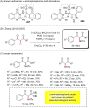
Scheme 84: (A) Examples of anticancer α-aminophosphonic acid derivatives; (B and C) an example of a zinc-catal...
A recent overview on the synthesis of 1,4,5-trisubstituted 1,2,3-triazoles
- Pezhman Shiri,
- Ali Mohammad Amani and
- Thomas Mayer-Gall
Beilstein J. Org. Chem. 2021, 17, 1600–1628, doi:10.3762/bjoc.17.114
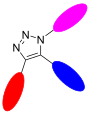
- -triazoles. The postfunctionalization of disubstituted 1,2,3-triazole was also explained with a range of C–C- and C–N-bond-forming reactions. A number of fully substituted 1,2,3-triazoles was provided from different compounds in moderate to high yield under mild conditions. In the last years, the
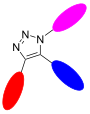
Graphical Abstract

Figure 1: Some significant triazole derivatives [8,23-27].
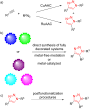
Scheme 1: A general comparison between synthetic routes for disubstituted 1,2,3-triazole derivatives and full...

Scheme 2: Synthesis of formyltriazoles 3 from the treatment of α-bromoacroleins 1 with azides 2.

Scheme 3: A probable mechanism for the synthesis of formyltriazoles 5 from the treatment of α-bromoacroleins 1...

Scheme 4: Synthesis of 1,4,5-trisubstituted 1,2,3-triazoles 8 from the reaction of aryl azides 7 with enamino...
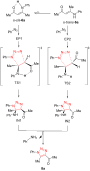
Scheme 5: Proposed mechanism for the synthesis of 1,4,5-trisubstituted 1,2,3-triazoles from the reaction of a...

Scheme 6: Synthesis of 1,4,5-trisubstituted 1,2,3-triazoles 11 from the reaction of primary amines 10 with 1,...

Scheme 7: The proposed mechanism for the synthesis of 1,4,5-trisubstituted 1,2,3-triazoles 11 from the reacti...

Scheme 8: Synthesis of fully decorated 1,2,3-triazoles 19 containing a sulfur-based side chain.

Scheme 9: Mechanism for the formation of fully decorated 1,2,3-triazoles 19 containing a sulfur-based side ch...

Scheme 10: Synthesis of fully decorated 1,2,3-triazole compounds 25 through the regioselective addition and cy...

Scheme 11: A reasonable mechanism for the synthesis of fully decorated 1,2,3-triazole compounds 25 through the...
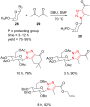
Scheme 12: Synthesis of 1,4,5-trisubstituted glycosyl-containing 1,2,3-triazole derivatives 30 from the reacti...

Scheme 13: Synthesis of 1,4,5-trisubstituted 1,2,3-triazoles 34 via intramolecular cyclization reaction of ket...

Scheme 14: Synthesis of fully decorated 1,2,3-triazoles 38 from the reaction of aldehydes 35, amines 36, and α...

Scheme 15: A reasonable mechanism for the synthesis of fully decorated 1,2,3-triazoles 38 from the reaction of...
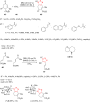
Scheme 16: Synthesis of functionally rich double C- and N-vinylated 1,2,3-triazoles 45 and 47.

Scheme 17: Synthesis of disubstituted 4-chloro-, 4-bromo-, and 4-iodo-1,2,3-triazoles 50.

Scheme 18: a) A general route for SPAAC in polymer chemistry and b) synthesis of a novel pH-sensitive polymeri...

Scheme 19: Synthesis of 5-allenyl-1,2,3-triazoles 60 by the treatment of alkynes 57, azides 58, and propargyli...

Scheme 20: A reasonable mechanism for the synthesis of 5-allenyl-1,2,3-triazoles 60 by the treatment of alkyne...

Scheme 21: Synthesis of 5‐alkynyl-1,2,3-triazoles 69.

Scheme 22: A reasonable mechanism for the synthesis of 5‐alkynyl-1,2,3-triazoles 69.
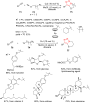
Scheme 23: Synthesis of sulfur-cycle-fused 1,2,3-triazoles 75 and 77.

Scheme 24: A reasonable mechanism for the synthesis of sulfur-cycle-fused 1,2,3‐triazoles 75 and 77.

Scheme 25: Synthesis of 5-selanyltriazoles 85 from the reaction of ethynylstibanes 82, organic azides 83, and ...

Scheme 26: A mechanism for the synthesis of 5-selanyltriazoles 85 from the reaction of ethynylstibanes 82, org...

Scheme 27: Synthesis of trisubstituted triazoles containing an Sb substituent at position C5 in 93 and 5-unsub...

Scheme 28: Synthesis of asymmetric triazole disulfides 98 from disulfide-containing tert-butyltosyl disulfide 97...

Scheme 29: A mechanism for the synthesis of asymmetric triazole disulfides 98 from disulfide-containing tert-bu...

Scheme 30: Synthesis of triazole-fused sultams 104.

Scheme 31: Synthesis of 1,2,3-triazole-fused tricyclic heterocycles 106.

Scheme 32: A reasonable mechanism for the synthesis of 1,2,3-triazole-fused tricyclic heterocycles 106.

Scheme 33: Synthesis of 5-aryl-substituted 1,2,3-triazole derivatives 112.

Scheme 34: A reasonable mechanism for the synthesis of 5-aryl-substituted 1,2,3-triazole derivatives 112.

Scheme 35: Synthesis of 1,4,5-trisubstituted 1,2,3-triazole-5-carboxamides 119.

Scheme 36: A probable mechanism for the synthesis of 1,4,5-trisubstituted 1,2,3-triazole-5-carboxamides 119.

Scheme 37: Synthesis of fully decorated triazoles 125 via the Pd/C-catalyzed arylation of disubstituted triazo...

Scheme 38: Synthesis of triazolo[1,5-a]indolones 131.
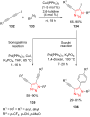
Scheme 39: Synthesis of unsymmetrically substituted triazole-fused enediyne systems 135 and 5-aryl-4-ethynyltr...

Scheme 40: Synthesis of Pd/Cu-BNP 139 and application of 139 in the synthesis of polycyclic triazoles 142.

Scheme 41: A probable mechanism for the synthesis of polycyclic triazoles 142.

Scheme 42: Synthesis of highly functionalized 1,2,3-triazole-fused 5-, 6-, and 7-membered rings 152–154.

Scheme 43: A probable mechanism for the synthesis of highly functionalized 1,2,3-triazole-fused 5-, 6-, and 7-...

Scheme 44: Synthesis of fully functionalized 1,2,3-triazolo-fused chromenes 162, 164, and 166 via the intramol...

Scheme 45: Ru-catalyzed synthesis of fully decorated triazoles 172.

Scheme 46: Synthesis of 4-cyano-1,2,3-triazoles 175.

Scheme 47: Synthesis of functionalized triazoles from the reaction of 1-alkyltriazenes 176 and azides 177 and ...
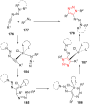
Scheme 48: Mechanism for the synthesis of functionalized triazoles from the reaction of 1-alkyltriazenes 176 a...
Microwave-assisted multicomponent reactions in heterocyclic chemistry and mechanistic aspects
- Shivani Gulati,
- Stephy Elza John and
- Nagula Shankaraiah
Beilstein J. Org. Chem. 2021, 17, 819–865, doi:10.3762/bjoc.17.71
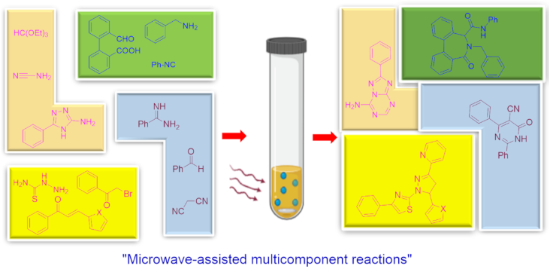
- -alkenyloxindole 43 were considered to be the building blocks united in ethanol as solvent (Scheme 15). The notable highlights of the described methodology are diastereoselective C–C and C–N bond formation, high yields, non-toxic product, and cost-effectiveness along with a greener approach. The synthetic strategy

Graphical Abstract

Figure 1: Marketed drugs with acridine moiety.

Scheme 1: Synthesis of 4-arylacridinediones.

Scheme 2: Proposed mechanism for acridinedione synthesis.

Scheme 3: Synthesis of tetrahydrodibenzoacridinones.

Scheme 4: Synthesis of naphthoacridines.

Scheme 5: Plausible mechanism for naphthoacridines.
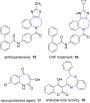
Figure 2: Benzoazepines based potent molecules.

Scheme 6: Synthesis of azepinone.

Scheme 7: Proposed mechanism for azepinone formation.

Scheme 8: Synthesis of benzoazulenen-1-one derivatives.

Scheme 9: Proposed mechanism for benzoazulene-1-one synthesis.

Figure 3: Indole-containing pharmacologically active molecules.

Scheme 10: Synthesis of functionalized indoles.

Scheme 11: Plausible mechanism for the synthesis of functionalized indoles.

Scheme 12: Synthesis of spirooxindoles.

Scheme 13: Synthesis of substituted spirooxindoles.

Scheme 14: Plausible mechanism for the synthesis of substituted spirooxindoles.

Scheme 15: Synthesis of pyrrolidinyl spirooxindoles.

Scheme 16: Proposed mechanism for pyrrolidinyl spirooxindoles.

Figure 4: Pyran-containing biologically active molecules.

Scheme 17: Synthesis of functionalized benzopyrans.

Scheme 18: Plausible mechanism for synthesis of benzopyran.

Scheme 19: Synthesis of indoline-spiro-fused pyran derivatives.

Scheme 20: Proposed mechanism for indoline-spiro-fused pyran.

Scheme 21: Synthesis of substituted naphthopyrans.

Figure 5: Marketed drugs with pyrrole ring.

Scheme 22: Synthesis of tetra-substituted pyrroles.

Scheme 23: Mechanism for silica-supported PPA-SiO2-catalyzed pyrrole synthesis.

Scheme 24: Synthesis of pyrrolo[1,10]-phenanthrolines.

Scheme 25: Proposed mechanism for pyrrolo[1,10]-phenanthrolines.

Figure 6: Marketed drugs and molecules containing pyrimidine and pyrimidinones skeletons.

Scheme 26: MWA-MCR pyrimidinone synthesis.

Scheme 27: Two proposed mechanisms for pyrimidinone synthesis.

Scheme 28: MWA multicomponent synthesis of dihydropyrimidinones.

Scheme 29: Proposed mechanism for dihydropyrimidinones.

Figure 7: Biologically active fused pyrimidines.

Scheme 30: MWA- MCR for the synthesis of pyrrolo[2,3-d]pyrimidines.

Scheme 31: Proposed mechanism for pyrrolo[2,3-d]pyrimidines.

Scheme 32: Synthesis of substituted pyrrolo[2,3-d]pyrimidine-2,4-diones.

Scheme 33: Probable pathway for pyrrolo[2,3-d]pyrimidine-2,4-diones.

Scheme 34: Synthesis of pyridopyrimidines.

Scheme 35: Plausible mechanism for the synthesis of pyridopyrimidines.

Scheme 36: Synthesis of dihydropyridopyrimidine and dihydropyrazolopyridine.

Scheme 37: Proposed mechanism for the formation of dihydropyridopyrimidine.

Scheme 38: Synthesis of thiopyrano[4,3-d]pyrimidines.

Scheme 39: Plausible mechanism for the synthesis of thiopyrano[4,3-d]pyrimidines.

Scheme 40: Synthesis of decorated imidazopyrimidines.

Scheme 41: Proposed mechanism for imidazopyrimidine synthesis.

Figure 8: Pharmacologically active molecules containing purine bases.

Scheme 42: Synthesis of aza-adenines.

Scheme 43: Synthesis of 5-aza-7-deazapurines.

Scheme 44: Proposed mechanism for deazapurines synthesis.

Figure 9: Biologically active molecules containing pyridine moiety.

Scheme 45: Synthesis of steroidal pyridines.

Scheme 46: Proposed mechanism for steroidal pyridine.

Scheme 47: Synthesis of N-alkylated 2-pyridones.

Scheme 48: Two possible mechanisms for pyridone synthesis.

Scheme 49: Synthesis of pyridone derivatives.

Scheme 50: Postulated mechanism for synthesis of pyridone.

Figure 10: Biologically active fused pyridines.

Scheme 51: Benzimidazole-imidazo[1,2-a]pyridines synthesis.

Scheme 52: Mechanism for the synthesis of benzimidazole-imidazo[1,2-a]pyridines.

Scheme 53: Synthesis of pyrazolo[3,4-b]pyridine-5-spirocycloalkanedione derivatives.

Scheme 54: Proposed mechanism for spiro-pyridines.

Scheme 55: Functionalized macrocyclane-fused pyrazolo[3,4-b]pyridine derivatives.

Scheme 56: Mechanism postulated for macrocyclane-fused pyrazolo[3,4-b]pyridine.

Scheme 57: Generation of pyrazolo[3,4-b]pyridines.

Scheme 58: Proposed mechanism for the synthesis of pyrazolo[3,4-b]pyridines.

Scheme 59: Proposed mechanism for the synthesis of azepinoindole.

Figure 11: Pharmaceutically important molecules with quinoline moiety.

Scheme 60: Povarov-mediated quinoline synthesis.

Scheme 61: Proposed mechanism for Povarov reaction.

Scheme 62: Synthesis of pyrazoloquinoline.

Scheme 63: Plausible mechanism for pyrazoloquinoline synthesis.

Figure 12: Quinazolinones as pharmacologically significant scaffolds.

Scheme 64: Four-component reaction for dihydroquinazolinone.

Scheme 65: Proposed mechanism for dihydroquinazolinones.

Scheme 66: Synthesis purine quinazolinone and PI3K-δ inhibitor.

Scheme 67: Synthesis of fused benzothiazolo/benzoimidazoloquinazolinones.

Scheme 68: Proposed mechanism for fused benzothiazolo/benzoimidazoloquinazolinones.

Scheme 69: On-water reaction for synthesis of thiazoloquinazolinone.

Scheme 70: Proposed mechanism for the thiazoloquinazolinone synthesis.

Scheme 71: β-Cyclodextrin-mediated synthesis of indoloquinazolinediones.

Scheme 72: Proposed mechanism for synthesis of indoloquinazolinediones.

Figure 13: Triazoles-containing marketted drugs and pharmacologically active molecules.

Scheme 73: Cu(I) DAPTA-catalyzed 1,2,3-triazole formation.

Scheme 74: Mechanism for Cu(I) DAPTA-catalyzed triazole formation.

Scheme 75: Synthesis of β-hydroxy-1,2,3-triazole.

Scheme 76: Proposed mechanism for synthesis of β-hydroxy-1,2,3-triazoles.

Scheme 77: Synthesis of bis-1,2,4-triazoles.

Scheme 78: Proposed mechanism for bis-1,2,4-triazoles synthesis.

Figure 14: Thiazole containing drugs.

Scheme 79: Synthesis of a substituted thiazole ring.

Scheme 80: Synthesis of pyrazolothiazoles.

Figure 15: Chromene containing drugs.

Scheme 81: Magnetic nanocatalyst-mediated aminochromene synthesis.

Scheme 82: Proposed mechanism for the synthesis of chromenes.
Synthetic reactions driven by electron-donor–acceptor (EDA) complexes
- Zhonglie Yang,
- Yutong Liu,
- Kun Cao,
- Xiaobin Zhang,
- Hezhong Jiang and
- Jiahong Li
Beilstein J. Org. Chem. 2021, 17, 771–799, doi:10.3762/bjoc.17.67

- transfer took place in complex 101 under visible-light excitation. Hence, it can be inferred that radical-chain propagation was initiated by a small amount of radicals that emerged from excited complex 101. The C–N bond in dissociated radical 103 is irreversibly broken, along with the appearance of radical

Graphical Abstract

Scheme 1: The electron transfer process in EDA complexes.

Scheme 2: Synthesis of benzo[b]phosphorus oxide 3 initiated by an EDA complex.

Scheme 3: Mechanism of the synthesis of quinoxaline derivative 7.

Scheme 4: Synthesis of imidazole derivative 10 initiated by an EDA complex.

Scheme 5: Synthesis of sulfamoylation product 12 initiated by an EDA complex.

Scheme 6: Mechanism of the synthesis of sulfamoylation product 12.

Scheme 7: Synthesis of indole derivative 22 initiated by an EDA complex.

Scheme 8: Synthesis of perfluoroalkylated pyrimidines 26 initiated by an EDA complex.

Scheme 9: Synthesis of phenanthridine derivative 29 initiated by an EDA complex.

Scheme 10: Synthesis of cis-tetrahydroquinoline derivative 32 initiated by an EDA complex.

Scheme 11: Mechanism of the synthesis of cis-tetrahydroquinoline derivative 32.

Scheme 12: Synthesis of phenanthridine derivative 38 initiated by an EDA complex.

Scheme 13: Synthesis of spiropyrroline derivative 40 initiated by an EDA complex.

Scheme 14: Synthesis of benzothiazole derivative 43 initiated by an EDA complex.

Scheme 15: Synthesis of perfluoroalkyl-s-triazine derivative 45 initiated by an EDA complex.

Scheme 16: Synthesis of indoline derivative 47 initiated by an EDA complex.

Scheme 17: Mechanism of the synthesis of spirocyclic indoline derivative 47.

Scheme 18: Synthesis of cyclobutane product 50 initiated by an EDA complex.

Scheme 19: Mechanism of the synthesis of spirocyclic indoline derivative 50.

Scheme 20: Synthesis of 1,3-oxazolidine compound 59 initiated by an EDA complex.

Scheme 21: Synthesis of trifluoromethylated product 61 initiated by an EDA complex.

Scheme 22: Synthesis of indole alkylation product 64 initiated by an EDA complex.

Scheme 23: Synthesis of perfluoroalkylation product 67 initiated by an EDA complex.

Scheme 24: Synthesis of hydrotrifluoromethylated product 70 initiated by an EDA complex.

Scheme 25: Synthesis of β-trifluoromethylated alkyne product 71 initiated by an EDA complex.

Scheme 26: Mechanism of the synthesis of 2-phenylthiophene derivative 74.

Scheme 27: Synthesis of allylated product 80 initiated by an EDA complex.

Scheme 28: Synthesis of trifluoromethyl-substituted alkynyl product 84 initiated by an EDA complex.

Scheme 29: Synthesis of dearomatized fluoroalkylation product 86 initiated by an EDA complex.

Scheme 30: Mechanism of the synthesis of dearomatized fluoroalkylation product 86.

Scheme 31: Synthesis of C(sp3)–H allylation product 91 initiated by an EDA complex.

Scheme 32: Synthesis of perfluoroalkylation product 93 initiated by an EDA complex.

Scheme 33: Synthesis of spirocyclic indolene derivative 95 initiated by an EDA complex.

Scheme 34: Synthesis of perfluoroalkylation product 97 initiated by an EDA complex.

Scheme 35: Synthesis of alkylated indole derivative 100 initiated by an EDA complex.

Scheme 36: Mechanism of the synthesis of alkylated indole derivative 100.

Scheme 37: Synthesis of arylated oxidized indole derivative 108 initiated by an EDA complex.

Scheme 38: Synthesis of 4-ketoaldehyde derivative 111 initiated by an EDA complex.

Scheme 39: Mechanism of the synthesis of 4-ketoaldehyde derivative 111.

Scheme 40: Synthesis of perfluoroalkylated olefin 118 initiated by an EDA complex.

Scheme 41: Synthesis of alkylation product 121 initiated by an EDA complex.

Scheme 42: Synthesis of acylation product 123 initiated by an EDA complex.

Scheme 43: Mechanism of the synthesis of acylation product 123.

Scheme 44: Synthesis of trifluoromethylation product 126 initiated by an EDA complex.

Scheme 45: Synthesis of unnatural α-amino acid 129 initiated by an EDA complex.

Scheme 46: Synthesis of thioether derivative 132 initiated by an EDA complex.

Scheme 47: Synthesis of S-aryl dithiocarbamate product 135 initiated by an EDA complex.

Scheme 48: Mechanism of the synthesis of S-aryl dithiocarbamate product 135.

Scheme 49: Synthesis of thioether product 141 initiated by an EDA complex.

Scheme 50: Mechanism of the synthesis of borate product 144.

Scheme 51: Synthesis of boronation product 148 initiated by an EDA complex.

Scheme 52: Synthesis of boration product 151 initiated by an EDA complex.

Scheme 53: Synthesis of boronic acid ester derivative 154 initiated by an EDA complex.

Scheme 54: Synthesis of β-azide product 157 initiated by an EDA complex.

Scheme 55: Decarboxylation reaction initiated by an EDA complex.

Scheme 56: Synthesis of amidated product 162 initiated by an EDA complex.

Scheme 57: Synthesis of diethyl phenylphosphonate 165 initiated by an EDA complex.

Scheme 58: Mechanism of the synthesis of diethyl phenylphosphonate derivative 165.

Scheme 59: Synthesis of (Z)-2-iodovinyl phenyl ether 168 initiated by an EDA complex.

Scheme 60: Mechanism of the synthesis of (Z)-2-iodovinyl phenyl ether derivative 168.

Scheme 61: Dehalogenation reaction initiated by an EDA complex.
Amino- and polyaminophthalazin-1(2H)-ones: synthesis, coordination properties, and biological activity
- Zbigniew Malinowski,
- Emilia Fornal,
- Agata Sumara,
- Renata Kontek,
- Karol Bukowski,
- Beata Pasternak,
- Dariusz Sroczyński,
- Joachim Kusz,
- Magdalena Małecka and
- Monika Nowak
Beilstein J. Org. Chem. 2021, 17, 558–568, doi:10.3762/bjoc.17.50
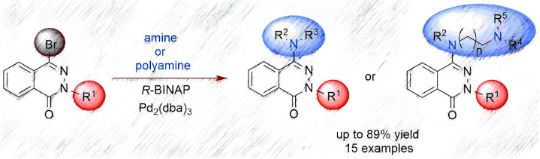
- quinazolinones [30][31] and taking into consideration the biological importance of aminophthalazine derivatives, we decided to apply the methodology based on the palladium-catalyzed C–N-bond formation (Buchwald–Hartwig-type reaction) as a convenient and effective approach for the synthesis of the new
- course of the reaction and in several cases resulted in the formation of 2-methylphthalazin-1(2H)-one, i.e., the debromination product of bromophthalazinone 3a. The commonly adopted view on the mechanism of the Pd-mediated C–N-bond formation (Buchwald–Hartwig-type coupling) [37][38][39][40] assumes that

Graphical Abstract

Figure 1: Structure of biologically active phthalazine derivatives.

Scheme 1: Synthetic route to aminophthalazinones 5 and 6.
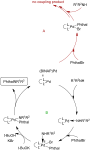
Figure 2: Proposed catalytic cycles for the amination of 4-bromophthalazinones of type 3 (Phthal: phthalazino...
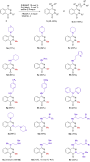
Scheme 2: Synthesis of 4-amino- and 4-polyaminophthalazinones 5 and 6 (the yields refer to the isolated compo...

Figure 3: The phthalazinone derivatives that were used to test the complexation of Cu(II) ions.

Scheme 3: The proposal of the fragmentation pathway of the Cu(II) complex with compound 7.

Figure 4: Structure of complex 17.

Figure 5: Molecular structure of complex 17 with atom numbering scheme. The anisotropic displacement paramete...
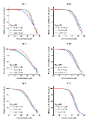
Figure 6: Determination of relative cell viability (% of control) in different cell lines (HT-29; PC-3 and L-...

Figure 7: Cytotoxic properties of the phthalazinone derivatives expressed as IC50 after 72 h of cell treatmen...
Deoxygenative C2-heteroarylation of quinoline N-oxides: facile access to α-triazolylquinolines
- Geetanjali S. Sontakke,
- Rahul K. Shukla and
- Chandra M. R. Volla
Beilstein J. Org. Chem. 2021, 17, 485–493, doi:10.3762/bjoc.17.42
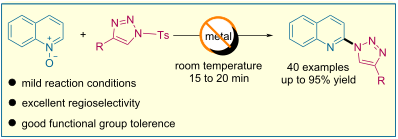
- significant interest in the last few years [12][13]. In particular, the C2-functionalization of quinolines has been well studied, and various methodologies were established for C–C [14][15][16][17][18][19][20][21][22][23], C–O [24][25] and C–S [26][27] bond formation. Recently C2-selective C–N bond formation
- purified by column chromatography (ethyl acetate/petroleum ether 1:9) to get the desired product 3a in 92% yield (50 mg, 0.18 mmol). Bioactive molecules containing the 2-aminoquinoline motif. C2-selective C–N bond formation of N-oxides. Substrate scope of N-sulfonyl-1,2,3-triazoles. Reaction conditions: 1a

Graphical Abstract

Figure 1: Bioactive molecules containing the 2-aminoquinoline motif.

Scheme 1: C2-selective C–N bond formation of N-oxides.
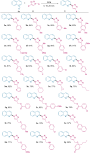
Scheme 2: Substrate scope of N-sulfonyl-1,2,3-triazoles. Reaction conditions: 1a (0.2 mmol), 2 (0.24 mmol) an...

Scheme 3: Substrate scope of quinoline N-oxides. Reaction conditions: 1 (0.2 mmol), 2a (0.24 mmol) and DCE (2...

Scheme 4: Late-stage modification of natural products.

Scheme 5: Substrate scope for the reaction of substituted triazoles with isoquinoline N-oxide.

Scheme 6: Gram-scale and one-pot synthesis.

Scheme 7: Proposed mechanism.
1,2,3-Triazoles as leaving groups: SNAr reactions of 2,6-bistriazolylpurines with O- and C-nucleophiles
- Dace Cīrule,
- Irina Novosjolova,
- Ērika Bizdēna and
- Māris Turks
Beilstein J. Org. Chem. 2021, 17, 410–419, doi:10.3762/bjoc.17.37
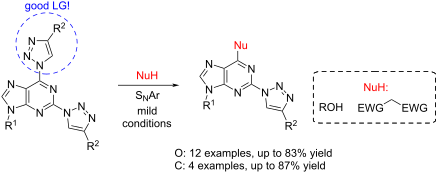
- 4a. Also hydrolysis of 2c into 4b proceeded under mild conditions and only gentle warming to 50 °C was required. 2,6-Bistriazolylpurine derivatives in SNAr reactions with C-nucleophiles Next, SNAr reactions between 2,6-bistriazolylpurine 2c and C-nucleophiles offered an easy way for the C–N bond

Graphical Abstract

Scheme 1: Synthetic pathways for the synthesis of 6-substituted 2-triazolylpurine derivatives IV.

Scheme 2: Synthesis of 2,6-bistriazolylpurine derivatives 2a–c.

Scheme 3: Synthesis of 6-alkyloxy-2-triazolylpurine derivatives 3a–f.

Scheme 4: Synthesis of 6-alkyloxy-2-triazolylpurine nucleosides 3g–j.

Scheme 5: 2,6-Bistriazolylpurine derivatives in SNAr reactions with H2O/HO− as nucleophiles.

Scheme 6: Synthesis of C6-substituted 2-triazolylpurine derivatives 5.
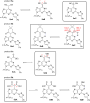
Figure 1: Possible tautomeric structures of compounds 5a–d.



