Search for "acetal" in Full Text gives 279 result(s) in Beilstein Journal of Organic Chemistry. Showing first 200.
Beilstein J. Org. Chem. 2022, 18, 1607–1616, doi:10.3762/bjoc.18.171
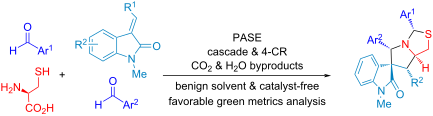
Graphical Abstract
Scheme 1: The diastereoselective synthesis of spirooxindoles through MCRs.
Figure 1: Bioactive Spirooxindole-pyrrolothiazoles.
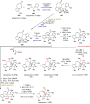
Scheme 2: The synthesis of spirooxindolepyrrolothiazoles.
Scheme 3: Four-component reaction for the synthesis of compound 5.
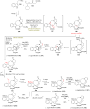
Scheme 4: Proposed mechanism for the double [3 + 2] cycloadditions.
Scheme 5: The synthesis of compound 5a with ᴅ- and ʟ-cysteine.
Scheme 6: Two-step (process A) vs cascade (process B) synthesis of 5a. i) 1.0:1.15 of 1a/2, EtOH (0.05 M), 25...
Figure 2: Graphical representation of the green metrics (AE, AEf, CE, RME, OE and MP) analysis for processes ...
Figure 3: Graphical representation of the green metrics (PMI, E-factor, and SI) analysis for processes A and ...
Beilstein J. Org. Chem. 2022, 18, 1575–1588, doi:10.3762/bjoc.18.168
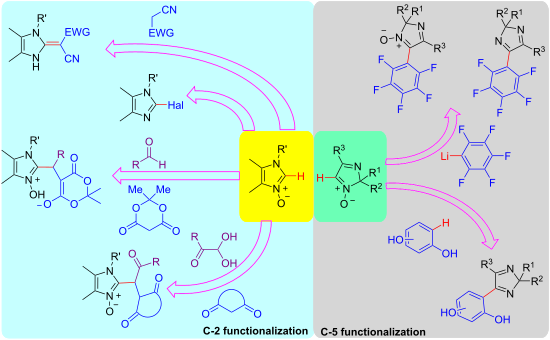
Graphical Abstract
Figure 1: Selected imidazole-based bioactive molecules.
Scheme 1: Formation of ethyl 2-cyano-2-(1,3-dihydro-2H-imidazole-2-ylidene)acetate derivatives via [3 + 2] cy...
Scheme 2: C–H/C–Li coupling reaction of 2H-imidazole 1-oxides with pentafluorophenyllithium.
Scheme 3: Transition-metal-free coupling reaction of 2H-imidazole 1-oxides with polyphenols. Reaction conditi...
Scheme 4: Halogenation reaction of 2-unsubstituted imidazole N-oxides using tosyl halogenides.
Scheme 5: Solvent-free chlorination reaction of imidazole N-oxides.
Scheme 6: Multicomponent reaction of imidazole N-oxides 28 with Meldrum’s acid (26) and aldehydes.
Scheme 7: Multicomponent reaction of imidazole N-oxides with CH-acids and aldehydes. Reaction conditions: aTh...
Scheme 8: Three-component condensation reaction of imidazole N-oxides, arylglyoxals, and CH-acids 38 (dimedon...
Scheme 9: Synthesis of imidazole-2-thiones containing cyclohexyl-substituents at 3-position.
Scheme 10: Preparation of optically active derivatives of 3-butoxyimidazole-2-thione.
Beilstein J. Org. Chem. 2022, 18, 1457–1462, doi:10.3762/bjoc.18.151
Graphical Abstract
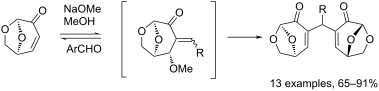
Figure 1: Levoglucosenone (1), known dimerization product 2, and adducts 3 and 4.
Scheme 1: Proposed pathway for the formation of 5.
Figure 2: 1H NMR spectra (500 MHz) of 1 (A), 1:1 1/PhCHO reaction mixture at 1 h at 60° C (B), mixture after ...
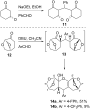
Scheme 2: Known reactions giving 11, and reactions of dihydrolevoglucosenone 12 and aromatic aldehydes with D...
Beilstein J. Org. Chem. 2022, 18, 1424–1434, doi:10.3762/bjoc.18.148
Graphical Abstract
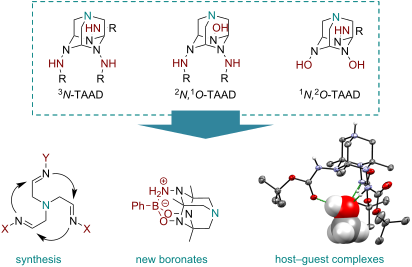
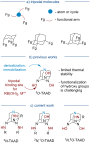
Figure 1: Adamantane-based tripodal scaffolds and current work.
Scheme 1: A general strategy for the assembly of TAAD derivatives.
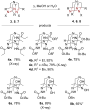
Scheme 2: Synthesis of acyclic precursors to 3N-TAADs, 2N,1O-TAADs, and 1N,2O-TAADs.
Scheme 3: Synthesis of 3N-TAADs, 2N,1O-TAADs, and 1N,2O-TAADs. *Yield based on compound 14.
Scheme 4: Deprotection of TAAD 8b and subsequent complexation with phenylboronic acid.
Scheme 5: Quaternization of TAADs 4c, 4e, 6a, and 8a followed by deprotection of N-Boc groups.
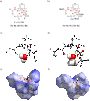
Figure 2: General view of the 1,4,6,10-tetraazaadamantane motif in X-ray structures of the obtained N-TAAD de...
Figure 3: (a) General structure of host–guest complexes of 3N-TAADs with water. (b) The general structure of ...
Figure 4: (a) Dynamic processes in TAADs 4 and complexation with ROH. (b) Fragment of 1H NMR spectra of Bn-4c...
Beilstein J. Org. Chem. 2022, 18, 1385–1395, doi:10.3762/bjoc.18.143
Graphical Abstract
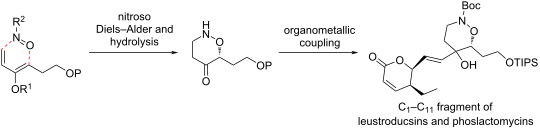
Figure 1: Structures of leustroducsins and phoslactomycins.
Figure 2: Synthetic strategy for the leustroducins and phoslactomycins.
Figure 3: strategy for the synthesis of central fragment 4: nitroso Diels–Alder reaction.
Scheme 1: A highly regio-and stereoselective nitroso Diels–Alder cycloaddition between Wightman’s reagent 6 a...
Scheme 2: Hydrolysis of enol phosphate in the unprotected cycloadduct.
Scheme 3: Attempts for hydrolysis of the enol phosphate under basic conditions.
Scheme 4: Cleavage of enol phosphate with Red-Al.
Scheme 5: Synthesis of the protected central fragment 11b.
Scheme 6: Synthesis and derivatization of the lactone fragment.
Scheme 7: Coupling reaction between alkyne 19 and ketone 11b.
Scheme 8: Coupling reaction between vinyl iodide 20 and ketone 11b.
Scheme 9: Oxidation of the acetal to the lactone.
Beilstein J. Org. Chem. 2022, 18, 1379–1384, doi:10.3762/bjoc.18.142
Graphical Abstract
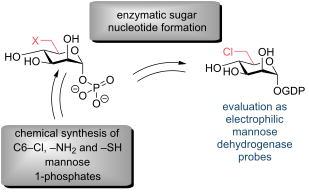
Figure 1: a) Proposed oxidative pathway for provision of GDP-ManA 5 from GDP-Man 1, C6 stereochemistry of 3 i...
Scheme 1: Syntheses of C6-modified mannose 1-phosphates 13 and 17. Conditions a) PPh3, CBr4, DCM, rt, 75%; b)...
Figure 2: Structure of 16 with ADPs rendered at the 50% probability level. Acetyl group disorder is omitted f...
Scheme 2: Evaluation of enzymatic GDP-Man synthesis using C6-modified mannose 1-phosphates 13, 17, and 18; Y+...
Figure 3: GMD function with probe 19 over 120 min (GMD (100 µg/mL), GDP sugars (50 µM), NAD+ (200 µM)). Dotte...
Beilstein J. Org. Chem. 2022, 18, 1289–1310, doi:10.3762/bjoc.18.135
Graphical Abstract
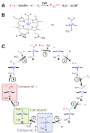
Figure 1: Enzyme function of cytochrome P450 monooxygenases (CYPs). A) Typical net reaction of CYPs, resultin...
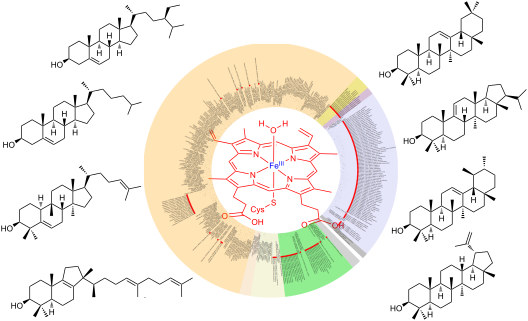
Figure 2: Phylogenetic distribution of CYPs acting on triterpenoid and steroid scaffolds (red nodes) compared...
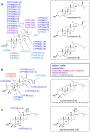
Figure 3: CYPs modifying steroid (A), cucurbitacin steroid (B) and tetracyclic triterpene (C) backbones. Subs...
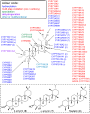
Figure 4: CYPs modifying pentacyclic 6-6-6-6-6 triterpenes. Substructures in grey indicate regions where majo...
Figure 5: CYPs modifying pentacyclic 6-6-6-6-5 triterpenes (A) and unusual triterpenes (B). Substructures in ...
Figure 6: Recent examples of multifunctional CYPs in triterpenoid and steroid metabolism in plants that insta...
Beilstein J. Org. Chem. 2022, 18, 1236–1248, doi:10.3762/bjoc.18.129
Graphical Abstract
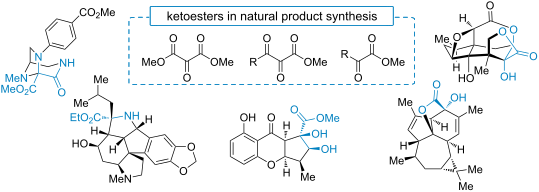
Scheme 1: Structures of vicinal ketoesters and examples for their typical reactivity.
Scheme 2: Doyle’s diastereoselective intramolecular aldol addition of α,β-diketoester.
Scheme 3: Synthesis of euphorikanin A (16) by intramolecular, nucleophilic addition [6].
Scheme 4: Ketoester cycloisomerization for the synthesis of preussochromone A (24) [10].
Scheme 5: Diastereoselective, intramolecular aldol reaction of an α-ketoester 28 in the synthesis of (−)-preu...
Scheme 6: Synthesis of an α-ketoester through Riley oxidation and its use in an α-ketol rearrangement in the ...
Scheme 7: Azomethine imine cycloaddition towards the synthesis of the proposed structure of palau’amine (44) [19]....
Scheme 8: Intramolecular diastereoselective carbonyl-ene reaction of an α-ketoester in the synthesis of jatro...
Scheme 9: Grignard addition to an α-ketoester and subsequent Friedel–Crafts cyclization in the synthesis of (...
Scheme 10: Diastereoselective addition to an auxiliary modified α-ketoester in the formal synthesis of (+)-cam...
Scheme 11: Intramolecular photoreduction of an α-ketoester in the synthesis of (rac)-isoretronecanol (69) [26].
Scheme 12: α-Ketoester as nucleophile in a Tsuji–Trost reaction in the synthesis of (rac)-corynoxine (76) [27].
Scheme 13: Mannich reaction of an α-ketoester in the synthesis of (+)-gracilamine (83) [28].
Scheme 14: Enantioselective aldol reaction using an α-ketoester in the synthesis of (−)-irofulven (87) [29].
Scheme 15: Allylboration of a mesoxalic acid ester in the synthesis of (+)-awajanomycin (92) [30,31].
Scheme 16: Condensation of a diamine with mesoxolate in the synthesis of (−)-aplaminal (96) [32].
Scheme 17: Synthesis of mesoxalic ester amide 102 and its use in the synthesis of (rac)-cladoniamide G (103) [33].
Scheme 18: The thermodynamically controlled, intramolecular aldol addition of a vic-tricarbonyl compound in th...
Beilstein J. Org. Chem. 2022, 18, 438–445, doi:10.3762/bjoc.18.46
Graphical Abstract
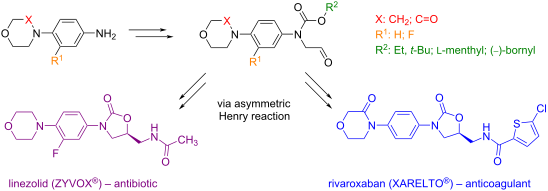
Figure 1: The structure of the oxazolidine-2-one-containing drugs linezolid (1) and rivaroxaban (2).
Figure 2: Overview of the chiral ligands that were used for the study of the asymmetric Henry reaction.
Scheme 1: Syntheses of aldehydes 15–20.
Scheme 2: Synthesis of linezolid (1) and rivaroxaban (2) from nitroaldols 24 or 26.
Beilstein J. Org. Chem. 2021, 17, 2680–2715, doi:10.3762/bjoc.17.182
Graphical Abstract
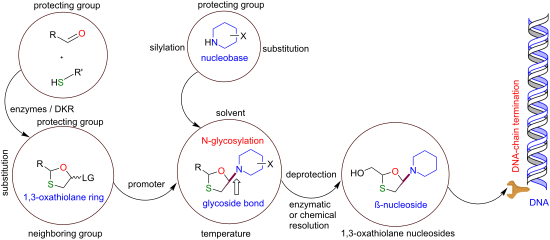
Figure 1: Representative modified 1,3-oxathiolane nucleoside analogues.
Figure 2: Mechanism of antiviral action of 1,3-oxathiolane nucleosides, 3TC (1) and FTC (2), as chain termina...
Figure 3: Synthetic strategies for the construction of the 1,3-oxathiolane sugar ring.
Scheme 1: Synthesis of 4 from benzoyloxyacetaldehyde (3a) and 2-mercapto-substituted dimethyl acetal 3na.
Scheme 2: Synthesis of 8 from protected glycolic aldehyde 3b and 2-mercaptoacetic acid (3o).
Scheme 3: Synthesis of 20 from ᴅ-mannose (3c).
Scheme 4: Synthesis of 20 from 1,6-thioanhydro-ᴅ-galactose (3d).
Scheme 5: Synthesis of 8 from 2-(tert-butyldiphenylsilyloxy)methyl-5-oxo-1,2-oxathiolane (3m).
Scheme 6: Synthesis of 20a from ʟ-gulose derivative 3f.
Scheme 7: Synthesis of 31 from (+)-thiolactic acid 3p and 2-benzoyloxyacetaldehyde (3a).
Scheme 8: Synthesis of 35a from 1,4-dithiane-2,5-diol (3q) and glyoxylic acid (3g) hydrate.
Scheme 9: Synthetic routes toward 41 through Pummerer reaction from methyl 2-mercaptoacetate (3j) and bromoac...
Scheme 10: Strategy for the synthesis of 2,5-substituted 1,3-oxathiolane 41a using 4-nitrobenzyl glyoxylate an...
Scheme 11: Synthesis of 44 by a resolution method using Mucor miehei lipase.
Scheme 12: Synthesis of 45 from benzoyloxyacetaldehyde (3a) and 2-mercaptoacetaldehyde bis(2-methoxyethyl) ace...
Scheme 13: Synthesis of 46 from 2-mercaptoacetaldehyde bis(2-methoxyethyl) acetal (3nc) and diethyl 3-phosphon...
Scheme 14: Synthesis of 48 from 1,3-dihydroxyacetone dimer 3l.
Scheme 15: Approach toward 52 from protected alkene 3rb and lactic acid derivative 51 developed by Snead et al....
Scheme 16: Recent approach toward 56a developed by Kashinath et al.
Scheme 17: Synthesis of 56a from ʟ-menthyl glyoxylate (3h) hydrate by DKR.
Scheme 18: Possible mechanism with catalytic TEA for rapid interconversion of isomers.
Scheme 19: Synthesis of 35a by a classical resolution method through norephedrine salt 58 formation.
Scheme 20: Synthesis of 63 via [1,2]-Brook rearrangement from silyl glyoxylate 61 and thiol 3nb.
Scheme 21: Combined use of STS and CAL-B as catalysts to synthesize an enantiopure oxathiolane precursor 65.
Scheme 22: Synthesis of 1 and 1a from glycolaldehyde dimer 64 and 1,4-dithiane-2,5-diol (3q) using STS and CAL...
Scheme 23: Synthesis of 68 by using Klebsiella oxytoca.
Scheme 24: Synthesis of 71 and 72 using Trichosporon taibachii lipase and kinetic resolution.
Scheme 25: Synthesis of 1,3-oxathiolan-5-ones 77 and 78 via dynamic covalent kinetic resolution.
Figure 4: Pathway for glycosidic bond formation.
Scheme 26: First synthesis of (±)-BCH-189 (1c) by Belleau et al.
Scheme 27: Enantioselective synthesis of 3TC (1).
Scheme 28: Synthesis of cis-diastereomer 3TC (1) from oxathiolane propionate 44.
Scheme 29: Synthesis of (±)-BCH-189 (1c) via SnCl4-mediated N-glycosylation of 8.
Scheme 30: Synthesis of (+)-BCH-189 (1a) via TMSOTf-mediated N-glycosylation of 20.
Scheme 31: Synthesis of 3TC (1) from oxathiolane precursor 20a.
Scheme 32: Synthesis of 83 via N-glycosylation of 20 with pyrimidine bases.
Scheme 33: Synthesis of 85 via N-glycosylation of 20 with purine bases.
Scheme 34: Synthesis of 86 and 87 via N-glycosylation using TMSOTf and pyrimidines.
Scheme 35: Synthesis of 90 and 91 via N-glycosylation using TMSOTf and purines.
Scheme 36: Synthesis of 3TC (1) via TMSI-mediated N-glycosylation.
Scheme 37: Stereoselective N-glycosylation for the synthesis of 1 by anchimeric assistance of a chiral auxilia...
Scheme 38: Whitehead and co-workers’ approach for the synthesis of 1 via direct N-glycosylation without an act...
Scheme 39: ZrCl4-mediated stereoselective N-glycosylation.
Scheme 40: Plausible reaction mechanism for stereoselective N-glycosylation using ZrCl4.
Scheme 41: Synthesis of enantiomerically pure oxathiolane nucleosides 1 and 2.
Scheme 42: Synthesis of tetrazole analogues of 1,3-oxathiolane nucleosides 97.
Scheme 43: Synthetic approach toward 99 from 1,3-oxathiolane 45 by Camplo et al.
Scheme 44: Synthesis of 100 from oxathiolane phosphonate analogue 46.
Scheme 45: Synthetic approach toward 102 and the corresponding cyclic thianucleoside monophosphate 102a by Cha...
Scheme 46: Synthesis of emtricitabine (2) from 1,4-dithiane-2,5-diol (3q) and glyoxylic acid (3g).
Scheme 47: Synthesis of 1 and 2, respectively, from 56a–d using iodine-mediated N-glycosylation.
Scheme 48: Plausible mechanism for silane- and I2-mediated N-glycosylation.
Scheme 49: Pyridinium triflate-mediated N-glycosylation of 35a.
Scheme 50: Possible pathway for stereoselective N-glycosylation via in situ chelation with a metal ligand.
Scheme 51: Synthesis of novel 1,3-oxathiolane nucleoside 108 from oxathiolane precursor 8 and 3-benzyloxy-2-me...
Scheme 52: Synthesis of 110 using T-705 as a nucleobase and 1,3-oxathiolane derivative 8 via N-glycosylation.
Scheme 53: Synthesis of 1 using an asymmetric leaving group and N-glycosylation with bromine and mesitylene.
Scheme 54: Cytidine deaminase for enzymatic separation of 1c.
Scheme 55: Enzymatic resolution of the monophosphate derivative 116 for the synthesis of (−)-BCH-189 (1) and (...
Scheme 56: Enantioselective resolution by PLE-mediated hydrolysis to obtain FTC (2).
Scheme 57: (+)-Menthyl chloroformate as a resolving agent to separate a racemic mixture 120.
Scheme 58: Separation of racemic mixture 1c by cocrystal 123 formation with (S)-(−)-BINOL.
Beilstein J. Org. Chem. 2021, 17, 2570–2584, doi:10.3762/bjoc.17.172
Graphical Abstract
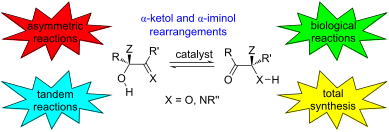
Figure 1: Generalized α-ketol or α-iminol rearrangement.
Figure 2: Nickel(II)-catalyzed enantioselective rearrangement of ketol 3 to form the ring-expanded and chiral...
Figure 3: Enantioselective ring expansion of β-hydroxy-α-dicarbonyl 6 catalyzed by a chiral copper-bisoxazoli...
Figure 4: Enantioselective rearrangement of ketols 9 and 12 and hydroxyaldimine 14 catalyzed by Al(III) or Sc...
Figure 5: Asymmetric rearrangement of α,α-dialkyl-α-siloxyaldehydes 16 to α-siloxyketones 17 catalyzed by chi...
Figure 6: BF3-promoted diastereospecific rearrangement of α-ketol 21 to difluoroalkoxyborane 22.
Figure 7: In the presence of a gold catalyst and water in 1,4-dioxane, 1-alkynylbutanol derivatives undergo t...
Figure 8: The diastereospecific α-ketol rearrangement of 32 to 33, part of the total synthesis of periconiano...
Figure 9: Two α-ketol rearrangements, one catalyzed by silica gel on 38 and the other by NaOMe on both 38 and ...
Figure 10: α-Ketol rearrangement of triumphalone (41) to isotriumphalone (42) via ring contraction.
Figure 11: Tandem reaction of strophasterol A synthetic intermediate 43 to 44 through a vinylogous α-ketol rea...
Figure 12: Tandem reaction consisting of a Diels–Alder cycloaddition followed by an α-ketol rearrangement, par...
Figure 13: Single-pot reaction consisting of Claisen and α-ketol rearrangements, part of the total synthesis o...
Figure 14: Enzyme-catalyzed α-ketol rearrangements. a) Ketol-acid reductoisomerase (KAR) catalyzes the rearran...
Figure 15: The conversion of asperfloroid (73) to asperflotone (72), featuring the ring-expanding α-ketol rear...
Figure 16: Hypothetical interconversion of natural products prekinamycin (76) and isoprekinamycin (77) and che...
Figure 17: Proposed biosynthetic pathway converting acylphloroglucinol (87) to isolated elodeoidins A–H 92–96....
Figure 18: α-Iminol rearrangements catalyzed by VANOL Zr (99). The rearrangement can be conducted with preform...
Figure 19: α-Iminol rearrangements catalyzed by silica gel and montmorillonite K 10. a) For 102a (102 with R =...
Figure 20: Synthesis of tryptamines 110 via a ring-contracting α‑iminol rearrangement. A mechanism for the fin...
Figure 21: Tandem synthesis of functionalized α-amino cyclopentanones 119 from heteroarenes 115 and cyclobutan...
Figure 22: Four eburnane-type alkaloid natural products 122–125 were synthesized from common intermediate 127,...
Beilstein J. Org. Chem. 2021, 17, 2511–2519, doi:10.3762/bjoc.17.168
Graphical Abstract
Figure 1: Natural isopavine alkaloids and synthetic derivatives of isopavine.
Figure 2: The structure and numbering of dihydromethanodibenzoazocine.
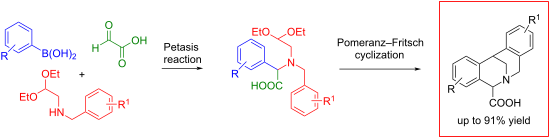
Scheme 1: The Petasis reaction and the Pomeranz–Fritsch–Bobbitt cyclization.
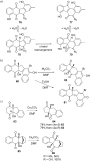
Scheme 2: The synthesis of 7,12-dihydro-6,12-methanodibenzo[c,f]azocine-5-carboxylic acids via a combination ...
Scheme 3: Synthesis of N-benzylated aminoacetaldehyde acetals 3a–e. Conditions: a) reaction run in EtOH; b) r...
Scheme 4: Synthesis of amino acids 6a–g.
Scheme 5: Synthesis of dihydromethanodibenzoazocine-5-carboxylic acids 7a–f. Conditions: a) 20% HCl, rt, 24 h...
Scheme 6: Synthesis of TA-073.
Scheme 7: Reaction of 6a with 4% aqueous HCl solution in THF and with 20% aqueous HCl solution. Conditions: a...
Scheme 8: Three pathways of the synthesis of 12, the decarboxylated analogue of 6a.
Scheme 9: The chemical behavior of 12 in 4% aqueous HCl solution in THF and in 20% aqueous HCl solution.
Scheme 10: A plausible mechanism of the reaction of 6a with 4% aqueous HCl solution in THF.
Beilstein J. Org. Chem. 2021, 17, 2399–2416, doi:10.3762/bjoc.17.157
Graphical Abstract
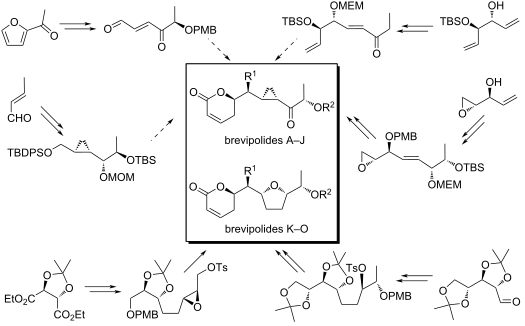
Figure 1: Structures of brevipolides A–O (1 – 15).
Scheme 1: Retrosynthetic analysis of brevipolide H (8) by Kumaraswamy.
Scheme 2: Attempt to synthesize brevipolide H (8) by Kumaraswamy. (R,R)-Noyori cat. = RuCl[N-(tosyl)-1,2-diph...
Scheme 3: Attempt to synthesize brevipolide H (8) by Kumaraswamy (continued).
Scheme 4: Retrosynthetic analysis of brevipolide H (8) by Hou.
Scheme 5: Synthesis ent-brevipolide H (ent-8) by Hou.
Scheme 6: Retrosynthetic analysis of brevipolide H (8) by Mohapatra.
Scheme 7: Attempt to synthesize brevipolide H (8) by Mohapatra.
Scheme 8: Attempt to synthesize brevipolide H (8) by Mohapatra (continued). (+)-(IPC)2-BCl = (+)-B-chloro-dii...
Scheme 9: Retrosynthetic analysis of brevipolide H (8) by Hou.
Scheme 10: Synthesis of brevipolide H (8) by Hou.
Scheme 11: Retrosynthetic analysis of brevipolide M (13) by Sabitha.
Scheme 12: Synthesis of brevipolide M (13) by Sabitha.
Scheme 13: Retrosynthetic analysis of brevipolides M (13) and N (14) by Sabitha.
Scheme 14: Synthesis of brevipolides M (13) and N (14) by Sabitha.
Beilstein J. Org. Chem. 2021, 17, 2085–2094, doi:10.3762/bjoc.17.135
Graphical Abstract
Scheme 1: Main routes to SMAHOs.
Scheme 2: Preparation of α-halo-MAHOs.
Scheme 3: Preparation of SMAHOs from Meldrum's acid.
Scheme 4: Saponification of substituted malonates.
Scheme 5: Scope of the mono-esterification of substituted malonic acids. adr = 1:1.
Beilstein J. Org. Chem. 2021, 17, 2028–2050, doi:10.3762/bjoc.17.131
Graphical Abstract
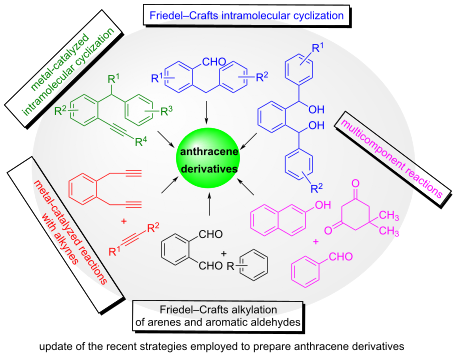
Figure 1: Examples of anthracene derivatives and their applications.
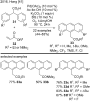
Scheme 1: Rhodium-catalyzed oxidative coupling reactions of arylboronic acids with internal alkynes.
Scheme 2: Rhodium-catalyzed oxidative benzannulation reactions of 1-adamantoyl-1-naphthylamines with internal...
Scheme 3: Gold/bismuth-catalyzed cyclization of o-alkynyldiarylmethanes.
Scheme 4: [2 + 2 + 2] Cyclotrimerization reactions with alkynes/nitriles in the presence of nickel and cobalt...
Scheme 5: Cobalt-catalyzed [2 + 2 + 2] cyclotrimerization reactions with bis(trimethylsilyl)acetylene (23).
Scheme 6: [2 + 2 + 2] Alkyne-cyclotrimerization reactions catalyzed by a CoCl2·6H2O/Zn reagent.
Scheme 7: Pd(II)-catalyzed sp3 C–H alkenylation of diphenyl carboxylic acids with acrylates.
Scheme 8: Pd(II)-catalyzed sp3 C–H arylation with o-tolualdehydes and aryl iodides.
Scheme 9: Alkylation of arenes with aromatic aldehydes in the presence of acetyl bromide and ZnBr2/SiO2.
Scheme 10: BF3·H2O-catalyzed hydroxyalkylation of arenes with aromatic dialdehyde 44.
Scheme 11: Bi(OTf)3-promoted Friedel–Crafts alkylation of triarylmethanes and aromatic acylals and of arenes a...
Scheme 12: Reduction of anthraquinones by using Zn/pyridine or Zn/NaOH reductive methods.
Scheme 13: Two-step route to novel substituted Indenoanthracenes.
Scheme 14: Synthesis of 1,8-diarylanthracenes through Suzuki–Miyaura coupling reaction in the presence of Pd-P...
Scheme 15: Synthesis of five new substituted anthracenes by using LAH as reducing agent.
Scheme 16: One-pot procedure to synthesize substituted 9,10-dicyanoanthracenes.
Scheme 17: Reduction of bromoanthraquinones with NaBH4 in alkaline medium.
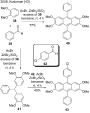
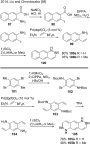
Scheme 18: In(III)-catalyzed reductive-dehydration intramolecular cycloaromatization of 2-benzylic aromatic al...
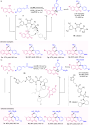
Scheme 19: Acid-catalyzed cyclization of new O-protected ortho-acetal diarylmethanols.
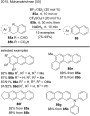
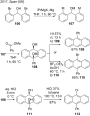
Scheme 20: Lewis acid-mediated regioselective cyclization of asymmetric diarylmethine dipivalates and diarylme...
Scheme 21: BF3·OEt2/CF3SO3H-mediated cyclodehydration reactions of 2-(arylmethyl)benzaldehydes and 2-(arylmeth...
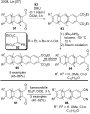
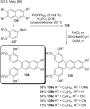
Scheme 22: Synthesis of 2,3,6,7-anthracenetetracarbonitrile (90) by double Wittig reaction followed by deprote...
Scheme 23: Homo-elongation protocol for the synthesis of substituted acene diesters/dinitriles.
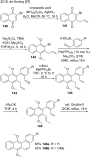
Scheme 24: Synthesis of two new parental BN anthracenes via borylative cyclization.
Scheme 25: Synthesis of substituted anthracenes from a bifunctional organomagnesium alkoxide.
Scheme 26: Palladium-catalyzed tandem C–H activation/bis-cyclization of propargylic carbonates.
Scheme 27: Ruthenium-catalyzed C–H arylation of acetophenone derivatives with arenediboronates.
Scheme 28: Pd-catalyzed intramolecular cyclization of (Z,Z)-p-styrylstilbene derivatives.
Scheme 29: AuCl-catalyzed double cyclization of diiodoethynylterphenyl compounds.
Scheme 30: Iodonium-induced electrophilic cyclization of terphenyl derivatives.
Scheme 31: Oxidative photocyclization of 1,3-distyrylbenzene derivatives.
Scheme 32: Oxidative cyclization of 2,3-diphenylnaphthalenes.
Scheme 33: Suzuki-Miyaura/isomerization/ring closing metathesis strategy to synthesize benz[a]anthracenes.
Scheme 34: Green synthesis of oxa-aza-benzo[a]anthracene and oxa-aza-phenanthrene derivatives.
Scheme 35: Triple benzannulation of substituted naphtalene via a 1,3,6-naphthotriyne synthetic equivalent.
Scheme 36: Zinc iodide-catalyzed Diels–Alder reactions with 1,3-dienes and aroyl propiolates followed by intra...
Scheme 37: H3PO4-promoted intramolecular cyclization of substituted benzoic acids.
Scheme 38: Palladium-catalyzed intermolecular direct acylation of aromatic aldehydes and o-iodoesters.
Scheme 39: Cycloaddition/oxidative aromatization of quinone and β-enamino esters.
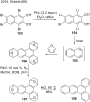
Scheme 40: ʟ-Proline-catalyzed [4 + 2] cycloaddition reaction of naphthoquinones and α,β-unsaturated aldehydes....
Scheme 41: Iridium-catalyzed [2 + 2 + 2] cycloaddition of a 1,2-bis(propiolyl)benzene derivative with alkynes.
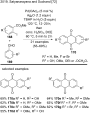
Scheme 42: Synthesis of several anthraquinone derivatives by using InCl3 and molecular iodine.
Scheme 43: Indium-catalyzed multicomponent reactions employing 2-hydroxy-1,4-naphthoquinone (186), β-naphthol (...
Scheme 44: Synthesis of substituted anthraquinones catalyzed by an AlCl3/MeSO3H system.
Scheme 45: Palladium(II)-catalyzed/visible light-mediated synthesis of anthraquinones.
Scheme 46: [4 + 2] Anionic annulation reaction for the synthesis of substituted anthraquinones.
Beilstein J. Org. Chem. 2021, 17, 1952–1980, doi:10.3762/bjoc.17.128
Graphical Abstract
Figure 1: Coumarin-derived commercially available drugs.
Figure 2: Inhibition of acetylcholinesterase by coumarin derivatives.
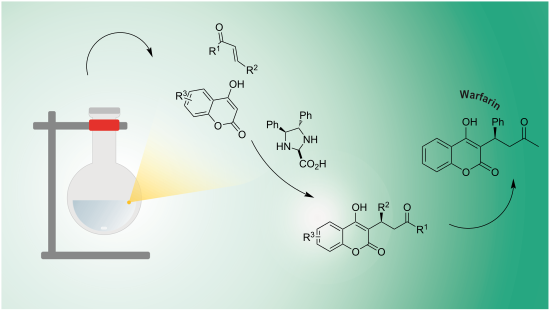
Scheme 1: Michael addition of 4-hydroxycoumarins 1 to α,β‐unsaturated enones 2.
Scheme 2: Organocatalytic conjugate addition of 4-hydroxycoumarin 1 to α,β-unsaturated aldehydes 2 followed b...
Scheme 3: Synthesis of 3,4-dihydrocoumarin derivatives 10 through decarboxylative and dearomatizative cascade...
Scheme 4: Total synthesis of (+)-smyrindiol (17).
Scheme 5: Michael addition of 4-hydroxycoumarin (1) to enones 2 through a bifunctional modified binaphthyl or...
Scheme 6: Michael addition of ketones 20 to 3-aroylcoumarins 19 using a cinchona alkaloid-derived primary ami...
Scheme 7: Enantioselective reaction of cyclopent-2-enone-derived MBH alcohols 24 with 4-hydroxycoumarins 1.
Scheme 8: Sequential Michael addition/hydroalkoxylation one-pot approach to annulated coumarins 28 and 30.
Scheme 9: Michael addition of 4-hydroxycoumarins 1 to enones 2 using a binaphthyl diamine catalyst 31.
Scheme 10: Asymmetric Michael addition of 4-hydroxycoumarin 1 with α,β-unsaturated ketones 2 catalyzed by a ch...
Scheme 11: Catalytic asymmetric β-C–H functionalization of ketones via enamine oxidation.
Scheme 12: Enantioselective synthesis of polycyclic coumarin derivatives 37 catalyzed by an primary amine-imin...
Scheme 13: Allylic alkylation reaction between 3-cyano-4-methylcoumarins 39 and MBH carbonates 40.
Scheme 14: Enantioselective synthesis of cyclopropa[c]coumarins 45.
Scheme 15: NHC-catalyzed lactonization of 2-bromoenals 46 with 4-hydroxycoumarin (1).
Scheme 16: NHC-catalyzed enantioselective synthesis of dihydrocoumarins 51.
Scheme 17: Domino reaction of enals 2 with hydroxylated malonate 53 catalyzed by NHC 55.
Scheme 18: Oxidative [4 + 2] cycloaddition of enals 57 to coumarins 56 catalyzed by NHC 59.
Scheme 19: Asymmetric [3 + 2] cycloaddition of coumarins 43 to azomethine ylides 60 organocatalyzed by quinidi...
Scheme 20: Synthesis of α-benzylaminocoumarins 64 through Mannich reaction between 4-hydroxycoumarins (1) and ...
Scheme 21: Asymmetric addition of malonic acid half-thioesters 67 to coumarins 66 using the sulphonamide organ...
Scheme 22: Enantioselective 1,4-addition of azadienes 71 to 3-homoacyl coumarins 70.
Scheme 23: Michael addition/intramolecular cyclization of 3-acylcoumarins 43 to 3-halooxindoles 74.
Scheme 24: Enantioselective synthesis of 3,4-dihydrocoumarins 78 catalyzed by squaramide 73.
Scheme 25: Organocatalyzed [4 + 2] cycloaddition between 2,4-dienals 79 and 3-coumarincarboxylates 43.
Scheme 26: Enantioselective one-pot Michael addition/intramolecular cyclization for the synthesis of spiro[dih...
Scheme 27: Michael/hemiketalization addition enantioselective of hydroxycoumarins (1) to: (a) enones 2 and (b)...
Scheme 28: Synthesis of 2,3-dihydrofurocoumarins 89 through Michael addition of 4-hydroxycoumarins 1 to β-nitr...
Scheme 29: Synthesis of pyrano[3,2-c]chromene derivatives 93 via domino reaction between 4-hydroxycoumarins (1...
Scheme 30: Conjugated addition of 4-hydroxycoumarins 1 to nitroolefins 95.
Scheme 31: Michael addition of 4-hydroxycoumarin 1 to α,β-unsaturated ketones 2 promoted by primary amine thio...
Scheme 32: Enantioselective synthesis of functionalized pyranocoumarins 99.
Scheme 33: 3-Homoacylcoumarin 70 as 1,3-dipole for enantioselective concerted [3 + 2] cycloaddition.
Scheme 34: Synthesis of warfarin derivatives 107 through addition of 4-hydroxycoumarins 1 to β,γ-unsaturated α...
Scheme 35: Asymmetric multicatalytic reaction sequence of 2-hydroxycinnamaldehydes 109 with 4-hydroxycoumarins ...
Scheme 36: Mannich asymmetric addition of cyanocoumarins 39 to isatin imines 112 catalyzed by the amide-phosph...
Scheme 37: Enantioselective total synthesis of (+)-scuteflorin A (119).
Beilstein J. Org. Chem. 2021, 17, 1096–1140, doi:10.3762/bjoc.17.86
Graphical Abstract
Scheme 1: General strategy for the enantioselective synthesis of N-containing heterocycles from N-tert-butane...
Scheme 2: Methodologies for condensation of aldehydes and ketones with tert-butanesulfinamides (1).
Scheme 3: Transition models for cis-aziridines and trans-aziridines.
Scheme 4: Mechanism for the reduction of N-tert-butanesulfinyl imines.
Scheme 5: Transition models for the addition of organomagnesium and organolithium compounds to N-tert-butanes...
Scheme 6: Synthesis of 2,2-dibromoaziridines 15 from aldimines 14 and bromoform, and proposed non-chelation-c...
Scheme 7: Diastereoselective synthesis of aziridines from tert-butanesulfinyl imines.
Scheme 8: Synthesis of vinylaziridines 22 from aldimines 14 and 1,3-dibromopropene 23, and proposed chelation...
Scheme 9: Synthesis of vinylaziridines 27 from aldimines 14 and α-bromoesters 26, and proposed transition sta...
Scheme 10: Synthesis of 2-chloroaziridines 28 from aldimines 14 and dichloromethane, and proposed transition s...
Scheme 11: Synthesis of cis-vinylaziridines 30 and 31 from aldimines 14 and bromomethylbutenolide 29.
Scheme 12: Synthesis of 2-chloro-2-aroylaziridines 36 and 32 from aldimines 14, arylnitriles 34, and silyldich...
Scheme 13: Synthesis of trifluoromethylaziridines 39 and proposed transition state of the aziridination.
Scheme 14: Synthesis of aziridines 42 and proposed state transition.
Scheme 15: Synthesis of 1-substituted 2-azaspiro[3.3]heptanes, 1-phenyl-2-azaspiro[3.4]octane and 1-phenyl-2-a...
Scheme 16: Synthesis of 1-substituted 2,6-diazaspiro[3.3]heptanes 48 from chiral imines 14 and 1-Boc-azetidine...
Scheme 17: Synthesis of β-lactams 52 from chiral imines 14 and dimethyl malonate (49).
Scheme 18: Synthesis of spiro-β-lactam 57 from chiral (RS)-N-tert-butanesulfinyl isatin ketimine 53 and ethyl ...
Scheme 19: Synthesis of β-lactam 60, a precursor of (−)-batzelladine D (61) and (−)-13-epi-batzelladine D (62)...
Scheme 20: Rhodium-catalyzed asymmetric synthesis of 3-substituted pyrrolidines 66 from chiral imine (RS)-63 a...
Scheme 21: Asymmetric synthesis of 1,3-disubstituted isoindolines 69 and 70 from chiral imine 67.
Scheme 22: Asymmetric synthesis of cis-2,5-disubstituted pyrrolidines 73 from chiral imine (RS)-71.
Scheme 23: Asymmetric synthesis of 3-hydroxy-5-substituted pyrrolidin-2-ones 77 from chiral imine (RS)-74.
Scheme 24: Asymmetric synthesis of 4-hydroxy-5-substituted pyrrolidin-2-ones 80 from chiral imines 79.
Scheme 25: Asymmetric synthesis of 3-pyrrolines 82 from chiral imines 14 and ethyl 4-bromocrotonate (81).
Scheme 26: Asymmetric synthesis of γ-amino esters 84, and tetramic acid derivative 86 from chiral imines (RS)-...
Scheme 27: Asymmetric synthesis of α-methylene-γ-butyrolactams 90 from chiral imines (Z,SS)-87 and ethyl 2-bro...
Scheme 28: Asymmetric synthesis of methylenepyrrolidines 92 from chiral imines (RS)-14 and 2-(trimethysilylmet...
Scheme 29: Synthesis of dibenzoazaspirodecanes from cyclic N-tert-butanesulfinyl imines.
Scheme 30: Stereoselective synthesis of cyclopenta[c]proline derivatives 103 from β,γ-unsaturated α-amino acid...
Scheme 31: Stereoselective synthesis of alkaloids (−)-angustureine (107) and (−)-cuspareine (108).
Scheme 32: Stereoselective synthesis of alkaloids (−)-pelletierine (112) and (+)-coniine (117).
Scheme 33: Synthesis of piperidine alkaloids (+)-dihydropinidine (122a), (+)-isosolenopsin (122b) and (+)-isos...
Scheme 34: Stereoselective synthesis of the alkaloids(+)-sedamine (125) from chiral imine (SS)-119.
Scheme 35: Stereoselective synthesis of trans-5-hydroxy-6-substituted-2-piperidinones 127 and 129 from chiral ...
Scheme 36: Stereoselective synthesis of trans-5-hydroxy-6-substituted ethanone-2-piperidinones 132 from chiral...
Scheme 37: Stereoselective synthesis of trans-3-benzyl-5-hydroxy-6-substituted-2-piperidinones 136 from chiral...
Scheme 38: Stereoselective synthesis of trans-5-hydroxy-6-substituted 2-piperidinones 139 from chiral imine 138...
Scheme 39: Stereoselective synthesis of ʟ-hydroxypipecolic acid 145 from chiral imine 144.
Scheme 40: Synthesis of 1-substituted isoquinolones 147, 149 and 151.
Scheme 41: Stereoselective synthesis of 3-substituted dihydrobenzo[de]isoquinolinones 154.
Scheme 42: Enantioselective synthesis of alkaloids (S)-1-benzyl-6,7-dimethoxy-1,2,3,4-tetrahydroisoquinoline (...
Scheme 43: Enantioselective synthesis of alkaloids (−)-cermizine B (171) and (+)-serratezomine E (172) develop...
Scheme 44: Stereoselective synthesis of (+)-isosolepnosin (177) and (+)-solepnosin (178) from homoallylamine d...
Scheme 45: Stereoselective synthesis of tetrahydroquinoline derivatives 184, 185 and 187 from chiral imines (RS...
Scheme 46: Stereoselective synthesis of pyridobenzofuran and pyridoindole derivatives 193 from homopropargylam...
Scheme 47: Stereoselective synthesis of 2-substituted 1,2,5,6-tetrahydropyridines 196 from chiral imines (RS)-...
Scheme 48: Stereoselective synthesis of 2-substituted trans-2,6-disubstituted piperidine 199 from chiral imine...
Scheme 49: Stereoselective synthesis of cis-2,6-disubstituted piperidines 200, and alkaloid (+)-241D, from chi...
Scheme 50: Stereoselective synthesis of 6-substituted piperidines-2,5-diones 206 and 1,7-diazaspiro[4.5]decane...
Scheme 51: Stereoselective synthesis of spirocyclic oxindoles 210 from chiral imines (RS)-53.
Scheme 52: Stereoselective synthesis of azaspiro compound 213 from chiral imine 211.
Scheme 53: Stereoselective synthesis of tetrahydroisoquinoline derivatives from chiral imines (RS)-214.
Scheme 54: Stereoselective synthesis of (−)-crispine A 223 from chiral imine (RS)-214.
Scheme 55: Synthesis of (−)-harmicine (228) using tert-butanesulfinamide through haloamide cyclization.
Scheme 56: Stereoselective synthesis of tetraponerines T1–T8.
Scheme 57: Stereoselective synthesis of phenanthroindolizidines 246a and (−)-tylophorine (246b), and phenanthr...
Scheme 58: Stereoselective synthesis of indoline, tetrahydroquinoline and tetrahydrobenzazepine derivatives 253...
Scheme 59: Stereoselective synthesis of (+)-epohelmin A (258) and (+)-epohelmin B (260) from aldimine (RS)-79.
Scheme 60: Stereoselective synthesis of (−)-epiquinamide (266) from chiral aldimine (SS)-261.
Scheme 61: Synthesis synthesis of (–)-hippodamine (273) and (+)-epi-hippodamine (272) using chiral sulfinyl am...
Scheme 62: Stereoselective synthesis of (+)-grandisine D (279) and (+)-amabiline (283).
Scheme 63: Stereoselective synthesis of (−)-epiquinamide (266) and (+)-swaisonine (291) from aldimine (SS)-126....
Scheme 64: Stereoselective synthesis of (+)-C(9a)-epi-epiquinamide (294).
Scheme 65: Stereoselective synthesis of (+)-lasubine II (298) from chiral aldimine (SS)-109.
Scheme 66: Stereoselective synthesis of (−)-epimyrtine (300a) and (−)-lasubine II (ent-302) from β-amino keton...
Scheme 67: Stereoselective synthesis of (−)-tabersonine (310), (−)-vincadifformine (311), and (−)-aspidospermi...
Scheme 68: Stereoselective synthesis of (+)-epohelmin A (258) and (+)-epohelmin B (260) from aldehyde 313 and ...
Scheme 69: Total synthesis of (+)-lysergic acid (323) from N-tert-butanesulfinamide (RS)-1.
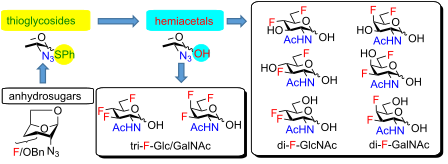
Beilstein J. Org. Chem. 2021, 17, 1086–1095, doi:10.3762/bjoc.17.85
Graphical Abstract
Scheme 1: Retrosynthetic analysis of the target fluoro analogs.
Scheme 2: Conversion of 1,6-anhydro derivatives into thioglycosides, and a possible mechanism for the formati...
Scheme 3: Deoxyfluorination and O-benzylation of thioglycosides and thioaglycone migration.
Scheme 4: Thioglycoside hydrolysis.
Scheme 5: Synthesis of the target compounds by azide/acetamide conversion and debenzylation.
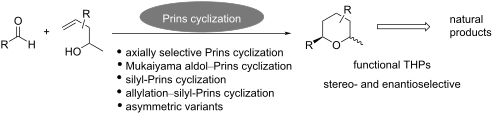
Beilstein J. Org. Chem. 2021, 17, 932–963, doi:10.3762/bjoc.17.77
Graphical Abstract
Scheme 1: General strategy for the synthesis of THPs.
Scheme 2: Developments towards the Prins cyclization.
Scheme 3: General stereochemical outcome of the Prins cyclization.
Scheme 4: Regioselectivity in the Prins cyclization.
Scheme 5: Mechanism of the oxonia-Cope reaction in the Prins cyclization.
Scheme 6: Cyclization of electron-deficient enantioenriched alcohol 27.
Scheme 7: Partial racemization through 2-oxonia-Cope allyl transfer.
Scheme 8: Partial racemization by reversible 2-oxonia-Cope rearrangement.
Scheme 9: Rychnovsky modification of the Prins cyclization.
Scheme 10: Synthesis of (−)-centrolobine and the C22–C26 unit of phorboxazole A.
Scheme 11: Axially selective Prins cyclization by Rychnovsky et al.
Scheme 12: Mechanism for the axially selectivity Prins cyclization.
Scheme 13: Mukaiyama aldol–Prins cyclization reaction.
Scheme 14: Application of the aldol–Prins reaction.
Scheme 15: Hart and Bennet's acid-promoted Prins cyclization.
Scheme 16: Tetrahydropyran core of polycarvernoside A as well as (−)-clavoslide A and D.
Scheme 17: Scheidt and co-workers’ route to tetrahydropyran-4-one.
Scheme 18: Mechanism for the Lewis acid-catalyzed synthesis of tetrahydropyran-4-one.
Scheme 19: Hoveyda and co-workers’ strategy for 2,6-disubstituted 4-methylenetetrahydropyran.
Scheme 20: Funk and Cossey’s ene-carbamates strategy.
Scheme 21: Yadav and Kumar’s cyclopropane strategy for THP synthesis.
Scheme 22: 2-Arylcylopropylmethanolin in centrolobine synthesis.
Scheme 23: Yadav and co-workers’ strategy for the synthesis of THP.
Scheme 24: Yadav and co-workers’ Prins–Ritter reaction sequence for 4-amidotetrahydropyran.
Scheme 25: Yadav and co-workers’ strategy to prelactones B, C, and V.
Scheme 26: Yadav and co-workers’ strategy for the synthesis of (±)-centrolobine.
Scheme 27: Loh and co-workers’ strategy for the synthesis of zampanolide and dactylolide.
Scheme 28: Loh and Chan’s strategy for THP synthesis.
Scheme 29: Prins cyclization of cyclohexanecarboxaldehyde.
Scheme 30: Prins cyclization of methyl ricinoleate (127) and benzaldehyde (88).
Scheme 31: AlCl3-catalyzed cyclization of homoallylic alcohol 129 and aldehyde 130.
Scheme 32: Martín and co-workers’ stereoselective approach for the synthesis of highly substituted tetrahydrop...
Scheme 33: Ene-IMSC strategy by Marko and Leroy for the synthesis of tetrahydropyran.
Scheme 34: Marko and Leroy’s strategy for the synthesis of tetrahydropyrans 146.
Scheme 35: Sakurai dimerization/macrolactonization reaction for the synthesis of cyanolide A.
Scheme 36: Hoye and Hu’s synthesis of (−)-dactyloide by intramolecular Sakurai cyclization.
Scheme 37: Minehan and co-workers’ strategy for the synthesis of THPs 157.
Scheme 38: Yu and co-workers’ allylic transfer strategy for the construction of tetrahydropyran 161.
Scheme 39: Reactivity enhancement in intramolecular Prins cyclization.
Scheme 40: Floreancig and co-workers’ Prins cyclization strategy to (+)-dactyloide.
Scheme 41: Panek and Huang’s DHP synthesis from crotylsilanes: a general strategy.
Scheme 42: Panek and Huang’s DHP synthesis from syn-crotylsilanes.
Scheme 43: Panek and Huang’s DHP synthesis from anti-crotylsilanes.
Scheme 44: Roush and co-workers’ [4 + 2]-annulation strategy for DHP synthesis [82].
Scheme 45: TMSOTf-promoted annulation reaction.
Scheme 46: Dobb and co-workers’ synthesis of DHP.
Scheme 47: BiBr3-promoted tandem silyl-Prins reaction by Hinkle et al.
Scheme 48: Substrate scope of Hinkle and co-workers’ strategy.
Scheme 49: Cho and co-workers’ strategy for 2,6 disubstituted 3,4-dimethylene-THP.
Scheme 50: Furman and co-workers’ THP synthesis from propargylsilane.
Scheme 51: THP synthesis from silyl enol ethers.
Scheme 52: Rychnovsky and co-workers’ strategy for THP synthesis from hydroxy-substituted silyl enol ethers.
Scheme 53: Li and co-workers’ germinal bissilyl Prins cyclization strategy to (−)-exiguolide.
Scheme 54: Xu and co-workers’ hydroiodination strategy for THP.
Scheme 55: Wang and co-workers’ strategy for tetrahydropyran synthesis.
Scheme 56: FeCl3-catalyzed synthesis of DHP from alkynylsilane alcohol.
Scheme 57: Martín, Padrón, and co-workers’ proposed mechanism of alkynylsilane Prins cyclization for the synth...
Scheme 58: Marko and co-workers’ synthesis of 2,6-anti-configured tetrahydropyran.
Scheme 59: Loh and co-workers’ strategy for 2,6-syn-tetrahydropyrans.
Scheme 60: Loh and co-workers’ strategy for anti-THP synthesis.
Scheme 61: Cha and co-workers’ strategy for trans-2,6-tetrahydropyran.
Scheme 62: Mechanism proposed by Cha et al.
Scheme 63: TiCl4-mediated cyclization to trans-THP.
Scheme 64: Feng and co-workers’ FeCl3-catalyzed Prins cyclization strategy to 4-hydroxy-substituted THP.
Scheme 65: Selectivity profile of the Prins cyclization under participation of an iron ligand.
Scheme 66: Sequential reactions involving Prins cyclization.
Scheme 67: Banerjee and co-workers’ strategy of Prins cyclization from cyclopropane carbaldehydes and propargy...
Scheme 68: Mullen and Gagné's (R)-[(tolBINAP)Pt(NC6F5)2][SbF6]2-catalyzed asymmetric Prins cyclization strateg...
Scheme 69: Yu and co-workers’ DDQ-catalyzed asymmetric Prins cyclization strategy to trisubstituted THPs.
Scheme 70: Lalli and Weghe’s chiral-Brønsted-acid- and achiral-Lewis-acid-promoted asymmetric Prins cyclizatio...
Scheme 71: List and co-workers’ iIDP Brønsted acid-promoted asymmetric Prins cyclization strategy.
Scheme 72: Zhou and co-workers’ strategy for chiral phosphoric acid (CPA)-catalyzed cascade Prins cyclization.
Scheme 73: List and co-workers’ approach for asymmetric Prins cyclization using chiral imidodiphosphoric acid ...
Beilstein J. Org. Chem. 2021, 17, 908–931, doi:10.3762/bjoc.17.76
Graphical Abstract
Figure 1: Structures of the chemically modified oligonucleotides (A) N3' → P5' phosphoramidate linkage, (B) a...
Scheme 1: Synthesis of a N3' → P5' phosphoramidate linkage by solid-phase synthesis. (a) dichloroacetic acid;...
Figure 2: Crystal structures of (A) N3' → P5' phosphoramidate DNA (PDB ID 363D) [71] and (B) amide (AM1) RNA in c...
Scheme 2: Synthesis of a phosphorodithioate linkage by solid-phase synthesis. (a) detritylation; (b) tetrazol...
Figure 3: Close-up view of a key interaction between the PS2-modified antithrombin RNA aptamer and thrombin i...
Scheme 3: Synthesis of the (S)-GNA thymine phosphoramidite from (S)-glycidyl 4,4'-dimethoxytrityl ether. (a) ...
Figure 4: Surface models of the crystal structures of RNA dodecamers with single (A) (S)-GNA-T (PDB ID 5V1L) [54]...
Figure 5: Structures of 2'-O-alkyl modifications. (A) 2'-O-methoxy RNA (2'-OMe RNA), (B) 2'-O-(2-methoxyethyl...
Scheme 4: Synthesis of the 2'-OMe uridine from 3',5'-O-(tetraisopropyldisiloxane-1,3-diyl)uridine. (a) Benzoy...
Scheme 5: Synthesis of the 2'-O-MOE uridine from uridine. (a) (PhO)2CO, NaHCO3, DMA, 100 °C; (b) Al(OCH2CH2OCH...
Figure 6: Structure of 2'-O-(2-methoxyethyl)-RNA (MOE-RNA). (A) View into the minor groove of an A-form DNA d...
Figure 7: Structures of locked nucleic acids (LNA)/bridged nucleic acids (BNA) modifications. (A) LNA/BNA, (B...
Scheme 6: Synthesis of the uridine LNA phosphoramidite. (a) i) NaH, BnBr, DMF, ii) acetic anhydride, pyridine...
Scheme 7: Synthesis of the 2'-fluoroarabinothymidine. (a) 30% HBr in acetic acid; (b) 2,4-bis-O-(trimethylsil...
Figure 8: Sugar puckers of arabinose (ANA) and arabinofluoro (FANA) nucleic acids compared with the puckers o...
Figure 9: Structures of C4'-modified nucleic acids. (A) 4'-methoxy, (B) 4'-(2-methoxyethoxy), (C) 2',4'-diflu...
Scheme 8: Synthesis of the 4'-F-rU phosphoramidite. (a) AgF, I2, dichloromethane, tetrahydrofuran; (b) NH3, m...
Scheme 9: Synthesis of the thymine FHNA phosphoramidite. (a) thymine, 1,8-diazabicyclo[5.4.0]undec-7-ene, ace...
Scheme 10: Synthesis of the thymine Ara-FHNA phosphoramidite. (a) i) trifluoromethanesulfonic anhydride, pyrid...
Figure 10: Crystal structures of (A) FHNA and (B) Ara-FHNA in modified A-form DNA decamers (PDB IDs 3Q61 and 3...
Beilstein J. Org. Chem. 2021, 17, 885–890, doi:10.3762/bjoc.17.74
Graphical Abstract
Scheme 1: Several examples of C(sp3)–H halogenation.
Scheme 2: Substrate scope. a80 °C. b45 min. c4 h. d90 °C, eGC yield of mono-brominated product 2n using mesit...
Scheme 3: Gram-scale synthesis of 2a.
Scheme 4: Conversion of the C(sp3)–Br bond.
Scheme 5: Proposed mechanism of manganese-catalyzed C(sp3)–H bromination.
Beilstein J. Org. Chem. 2021, 17, 813–818, doi:10.3762/bjoc.17.70
Graphical Abstract
Scheme 1: Retrosynthesis of compound 1.
Scheme 2: Reported bis(aryloxy)fluoromethane syntheses. Reagents and conditions: (a) Cl2FCH, NaOH, 1,4-dioxan...
Scheme 3: Attempted synthesis of 4. Reagents and conditions: (a) Ca(OH)2, 1,4-dioxane/water, reflux, 72 h, 5%...
Scheme 4: Synthesis of 10. Reagents and conditions: (a) BrFCHCO2Et, Cs2CO3, DMF, 35 °C, 16 h then H2O, 35 °C,...
Scheme 5: Synthesis of 1. Reagents and conditions: (a) 1,3-dibromo-5,5-dimethylhydantoin, benzoyl peroxide, (...
Scheme 6: Synthesis of 11–13. Reagents and conditions: ArOH (1.3 mmol), Br2FCH (1.3 mmol), KOH (4 mmol), MeCN...
Scheme 7: Proposed mechanism for the formation of compound 11.
Beilstein J. Org. Chem. 2021, 17, 396–403, doi:10.3762/bjoc.17.35
Graphical Abstract
Scheme 1: Conventional methods for the synthesis of helicenes.
Scheme 2: Brønsted acid-catalyzed cycloaromatization of biaryls bearing an acetal moiety.
Scheme 3: Two strategies for the helicene synthesis via Suzuki–Miyaura coupling/cycloaromatization sequence.
Scheme 4: Synthesis of (a) [5]helicene and (b) [6]helicene.
Scheme 5: Synthesis of helicenes with double helical structures.
Scheme 6: Synthesis of hetero[4]-, [5]-, and [6]helicenes.
Beilstein J. Org. Chem. 2021, 17, 343–378, doi:10.3762/bjoc.17.32
Graphical Abstract
Figure 1: Stabilizing interaction in the CF3CH2+ carbenium ion (top) and structure of the first observable fl...
Scheme 1: Isodesmic equations accounting for the destabilizing effect of the CF3 group. ΔE in kcal⋅mol−1, cal...
Scheme 2: Stabilizing effect of fluorine atoms by resonance electron donation in carbenium ions (δ in ppm).
Scheme 3: Direct in situ NMR observation of α-(trifluoromethyl)carbenium ion or protonated alcohols. Δδ = δ19...
Scheme 4: Reported 13C NMR chemical shifts for the α-(trifluoromethyl)carbenium ion 10c (δ in ppm).
Scheme 5: Direct NMR observation of α-(trifluoromethyl)carbenium ions in situ (δ in ppm).
Scheme 6: Illustration of the ion pair solvolysis mechanism for sulfonate 13f. YOH = solvent.
Figure 2: Solvolysis rate for 13a–i and 17.
Figure 3: Structures of allyl triflates 18 and 19 and allyl brosylate 20. Bs = p-BrC6H4SO2.
Figure 4: Structure of tosylate derivatives 21.
Figure 5: a) Structure of triflate derivatives 22. b) Stereochemistry outcomes of the reaction starting from (...
Scheme 7: Solvolysis reaction of naphthalene and anthracenyl derivatives 26 and 29.
Figure 6: Structure of bisarylated derivatives 34.
Figure 7: Structure of bisarylated derivatives 36.
Scheme 8: Reactivity of 9c in the presence of a Brønsted acid.
Scheme 9: Cationic electrocyclization of 38a–c under strongly acidic conditions.
Scheme 10: Brønsted acid-catalyzed synthesis of indenes 42 and indanes 43.
Scheme 11: Reactivity of sulfurane 44 in triflic acid.
Scheme 12: Solvolysis of triflate 45f in alcoholic solvents.
Scheme 13: Synthesis of labeled 18O-52.
Scheme 14: Reactivity of sulfurane 53 in triflic acid.
Figure 8: Structure of tosylates 56 and 21f.
Scheme 15: Resonance forms in benzylic carbenium ions.
Figure 9: Structure of pyrrole derivatives 58 and 59.
Scheme 16: Resonance structure 60↔60’.
Scheme 17: Ga(OTf)3-catalyzed synthesis of 3,3’- and 3,6’-bis(indolyl)methane from trifluoromethylated 3-indol...
Scheme 18: Proposed reaction mechanism.
Scheme 19: Metal-free 1,2-phosphorylation of 3-indolylmethanols.
Scheme 20: Superacid-mediated arylation of thiophene derivatives.
Scheme 21: In situ mechanistic NMR investigations.
Scheme 22: Proposed mechanisms for the prenyltransferase-catalyzed condensation.
Scheme 23: Influence of a CF3 group on the allylic SN1- and SN2-mechanism-based reactions.
Scheme 24: Influence of the CF3 group on the condensation reaction.
Scheme 25: Solvolysis of 90 in TFE.
Scheme 26: Solvolysis of allyl triflates 94 and 97 and isomerization attempt of 96.
Scheme 27: Proposed mechanism for the formation of 95.
Scheme 28: Formation of α-(trifluoromethyl)allylcarbenium ion 100 in a superacid.
Scheme 29: Lewis acid activation of CF3-substituted allylic alcohols.
Scheme 30: Bimetallic-cluster-stabilized α-(trifluoromethyl)carbenium ions.
Scheme 31: Reactivity of cluster-stabilized α-(trifluoromethyl)carbenium ions.
Scheme 32: α-(Trifluoromethyl)propargylium ion 122↔122’ generated from silyl ether 120 in a superacid.
Scheme 33: Formation of α-(trifluoromethyl)propargylium ions from CF3-substituted propargyl alcohols.
Scheme 34: Direct NMR observation of the protonation of some trifluoromethyl ketones in situ and the correspon...
Scheme 35: Selected resonance forms in protonated fluoroketone derivatives.
Scheme 36: Acid-catalyzed Friedel–Crafts reactions of trifluoromethyl ketones 143a,b and 147a–c.
Scheme 37: Enantioselective hydroarylation of CF3-substituted ketones.
Scheme 38: Acid-catalyzed arylation of ketones 152a–c.
Scheme 39: Reactivity of 156 in a superacid.
Scheme 40: Reactivity of α-CF3-substituted heteroaromatic ketones and alcohols as well as 1,3-diketones.
Scheme 41: Reactivity of 168 with benzene in the presence of a Lewis or Brønsted acid.
Scheme 42: Acid-catalyzed three-component asymmetric reaction.
Scheme 43: Anodic oxidation of amines 178a–c and proposed mechanism.
Scheme 44: Reactivity of 179b in the presence of a strong Lewis acid.
Scheme 45: Trifluoromethylated derivatives as precursors of trifluoromethylated iminium ions.
Scheme 46: Mannich reaction with trifluoromethylated hemiaminal 189.
Scheme 47: Suitable nucleophiles reacting with 192 after Lewis acid activation.
Scheme 48: Strecker reaction involving the trifluoromethylated iminium ion 187.
Scheme 49: Reactivity of 199 toward nucleophiles.
Scheme 50: Reactivity of 204a with benzene in the presence of a Lewis acid.
Scheme 51: Reactivity of α-(trifluoromethyl)-α-chloro sulfides in the presence of strong Lewis acids.
Scheme 52: Anodic oxidation of sulfides 213a–h and Pummerer rearrangement.
Scheme 53: Mechanism for the electrochemical oxidation of the sulfide 213a.
Scheme 54: Reactivity of (trifluoromethyl)diazomethane (217a) in HSO3F.
Figure 10: a) Structure of diazoalkanes 217a–c and b) rate-limiting steps of their decomposition.
Scheme 55: Deamination reaction of racemic 221 and enantioenriched (S)-221.
Scheme 56: Deamination reaction of labeled 221-d2. Elimination products were formed in this reaction, the yiel...
Scheme 57: Deamination reaction of 225-d2. Elimination products were also formed in this reaction in undetermi...
Scheme 58: Formation of 229 from 228 via 1,2-H-shift.
Scheme 59: Deamination reaction of 230. Elimination products were formed in this reaction, the yield of which ...
Scheme 60: Deamination of several diazonium ions. Elimination products were formed in these reactions, the yie...
Scheme 61: Solvolysis reaction mechanism of alkyl tosylates.
Scheme 62: Solvolysis outcome for the tosylates 248 and 249 in HSO3FSbF5.
Figure 11: Solvolysis rate of 248, 249, 252, and 253 in 91% H2SO4.
Scheme 63: Illustration of the reaction pathways. TsCl, pyridine, −5 °C (A); 98% H2SO4, 30 °C (B); 98% H2SO4, ...
Scheme 64: Proposed solvolysis mechanism for the aliphatic tosylate 248.
Scheme 65: Solvolysis of the derivatives 259 and 260.
Scheme 66: Solvolysis of triflate 261. SOH = solvent.
Scheme 67: Intramolecular Friedel–Crafts alkylations upon the solvolysis of triflates 264 and 267.
Scheme 68: α-CF3-enhanced γ-silyl elimination of cyclobutyltosylates 270a,b.
Scheme 69: γ-Silyl elimination in the synthesis of a large variety of CF3-substituted cyclopropanes. Pf = pent...
Scheme 70: Synthetic pathways to 281. aNMR yields.
Scheme 71: The cyclopropyl-substituted homoallylcyclobutylcarbenium ion manifold.
Scheme 72: Reactivity of CF3-substituted cyclopropylcarbinyl derivatives 287a–c. LG = leaving group.
Scheme 73: Reactivity of CF3-substituted cyclopropylcarbinyl derivatives 291a–c.
Scheme 74: Superacid-promoted dimerization or TFP.
Scheme 75: Reactivity of TFP in a superacid.
Scheme 76: gem-Difluorination of α-fluoroalkyl styrenes via the formation of a “hidden” α-RF-substituted carbe...
Scheme 77: Solvolysis of CF3-substituted pentyne 307.
Scheme 78: Photochemical rearrangement of 313.
Figure 12: Structure of 2-norbornylcarbenium ion 318 and argued model for the stabilization of this cation.
Figure 13: Structures and solvolysis rate (TFE, 25 °C) of the sulfonates 319–321. Mos = p-MeOC6H4SO2.
Scheme 79: Mechanism for the solvolysis of 323. SOH = solvent.
Scheme 80: Products formed by the hydrolysis of 328.
Scheme 81: Proposed carbenium ion intermediates in an equilibrium during the solvolysis of tosylates 328, 333,...
Beilstein J. Org. Chem. 2021, 17, 245–272, doi:10.3762/bjoc.17.25
Graphical Abstract
Scheme 1: Synthesis of 1,1-difluoro-2,3-dimethylcyclopropane (2).
Scheme 2: Cyclopropanation via dehydrohalogenation of chlorodifluoromethane.
Scheme 3: Difluorocyclopropanation of methylstyrene 7 using dibromodifluoromethane and zinc.
Scheme 4: Synthesis of difluorocyclopropanes from the reaction of dibromodifluoromethane and triphenylphosphi...
Scheme 5: Generation of difluorocarbene in a catalytic two-phase system and its addition to tetramethylethyle...
Scheme 6: The reaction of methylstyrene 7 with chlorodifluoromethane (11) in the presence of a tetraarylarson...
Scheme 7: Pyrolysis of sodium chlorodifluoroacetate (12) in refluxing diglyme in the presence of alkene 13.
Scheme 8: Synthesis of boron-substituted gem-difluorocyclopropanes 16.
Scheme 9: Addition of sodium bromodifluoroacetate (17) to alkenes.
Scheme 10: Addition of sodium bromodifluoroacetate (17) to silyloxy-substituted cyclopropanes 20.
Scheme 11: Synthesis of difluorinated nucleosides.
Scheme 12: Addition of butyl acrylate (26) to difluorocarbene generated from TFDA (25).
Scheme 13: Addition of difluorocarbene to propargyl esters 27 and conversion of the difluorocyclopropenes 28 t...
Scheme 14: The generation of difluorocyclopropanes using MDFA 30.
Scheme 15: gem-Difluorocyclopropanation of styrene (32) using difluorocarbene generated from TMSCF3 (31) under...
Scheme 16: Synthesis of a gem-difluorocyclopropane derivative using HFPO (41) as a source of difluorocarbene.
Scheme 17: Cyclopropanation of (Z)-2-butene in the presence of difluorodiazirine (44).
Scheme 18: The cyclopropanation of 1-octene (46) using Seyferth's reagent (45) as a source of difluorocarbene.
Scheme 19: Alternative approaches for the difluorocarbene synthesis from trimethyl(trifluoromethyl)tin (48).
Scheme 20: Difluorocyclopropanation of cyclohexene (49).
Scheme 21: Synthesis of difluorocyclopropane derivative 53 using bis(trifluoromethyl)cadmium (51) as the diflu...
Scheme 22: Addition of difluorocarbene generated from tris(trifluoromethyl)bismuth (54).
Scheme 23: Addition of a stable (trifluoromethyl)zinc reagent to styrenes.
Scheme 24: The preparation of 2,2-difluorocyclopropanecarboxylic acids of type 58.
Scheme 25: Difluorocyclopropanation via Michael cyclization.
Scheme 26: Difluorocyclopropanation using N-acylimidazolidinone 60.
Scheme 27: Difluorocyclopropanation through the cyclization of phenylacetonitrile (61) and 1,2-dibromo-1,1-dif...
Scheme 28: gem-Difluoroolefins 64 for the synthesis of functionalized cyclopropanes 65.
Scheme 29: Preparation of aminocyclopropanes 70.
Scheme 30: Synthesis of fluorinated methylenecyclopropane 74 via selenoxide elimination.
Scheme 31: Reductive dehalogenation of (1R,3R)-75.
Scheme 32: Synthesis of chiral monoacetates by lipase catalysis.
Scheme 33: Transformation of (±)-trans-81 using Rhodococcus sp. AJ270.
Scheme 34: Transformation of (±)-trans-83 using Rhodococcus sp. AJ270.
Scheme 35: Hydrogenation of difluorocyclopropenes through enantioselective hydrocupration.
Scheme 36: Enantioselective transfer hydrogenation of difluorocyclopropenes with a Ru-based catalyst.
Scheme 37: The thermal transformation of trans-1,2-dichloro-3,3-difluorocyclopropane (84).
Scheme 38: cis–trans-Epimerization of 1,1-difluoro-2,3-dimethylcyclopropane.
Scheme 39: 2,2-Difluorotrimethylene diradical intermediate.
Scheme 40: Ring opening of stereoisomers 88 and 89.
Scheme 41: [1,3]-Rearrangement of alkenylcyclopropanes 90–92.
Scheme 42: Thermolytic rearrangement of 2,2-difluoro-1-vinylcyclopropane (90).
Scheme 43: Thermal rearrangement for ethyl 3-(2,2-difluoro)-3-phenylcyclopropyl)acrylates 93 and 95.
Scheme 44: Possible pathways of the ring opening of 1,1-difluoro-2-vinylcyclopropane.
Scheme 45: Equilibrium between 1,1-difluoro-2-methylenecyclopropane (96) and (difluoromethylene)cyclopropane 97...
Scheme 46: Ring opening of substituted 1,1-difluoro-2,2-dimethyl-3-methylenecyclopropane 98.
Scheme 47: 1,1-Difluorospiropentane rearrangement.
Scheme 48: Acetolysis of (2,2-difluorocyclopropyl)methyl tosylate (104) and (1,1-difluoro-2-methylcyclopropyl)...
Scheme 49: Ring opening of gem-difluorocyclopropyl ketones 106 and 108 by thiolate nucleophiles.
Scheme 50: Hydrolysis of gem-difluorocyclopropyl acetals 110.
Scheme 51: Ring-opening reaction of 2,2-difluorocyclopropyl ketones 113 in the presence of ionic liquid as a s...
Scheme 52: Ring opening of gem-difluorocyclopropyl ketones 113a by MgI2-initiated reaction with diarylimines 1...
Scheme 53: Ring-opening reaction of gem-difluorocyclopropylstannanes 117.
Scheme 54: Preparation of 1-fluorovinyl vinyl ketone 123 and the synthesis of 2-fluorocyclopentenone 124. TBAT...
Scheme 55: Iodine atom-transfer ring opening of 1,1-difluoro-2-(1-iodoalkyl)cyclopropanes 125a–c.
Scheme 56: Ring opening of bromomethyl gem-difluorocyclopropanes 130 and formation of gem-difluoromethylene-co...
Scheme 57: Ring-opening aerobic oxidation reaction of gem-difluorocyclopropanes 132.
Scheme 58: Dibrominative ring-opening functionalization of gem-difluorocyclopropanes 134.
Scheme 59: The selective formation of (E,E)- and (E,Z)-fluorodienals 136 and 137 from difluorocyclopropyl acet...
Scheme 60: Proposed mechanism for the reaction of difluoro(methylene)cyclopropane 139 with Br2.
Scheme 61: Thermal rearrangement of F2MCP 139 and iodine by CuI catalysis.
Scheme 62: Synthesis of 2-fluoropyrroles 142.
Scheme 63: Ring opening of gem-difluorocyclopropyl ketones 143 mediated by BX3.
Scheme 64: Lewis acid-promoted ring-opening reaction of 2,2-difluorocyclopropanecarbonyl chloride (148).
Scheme 65: Ring-opening reaction of the gem-difluorocyclopropyl ketone 106 by methanolic KOH.
Scheme 66: Hydrogenolysis of 1,1-difluoro-3-methyl-2-phenylcyclopropane (151).
Scheme 67: Synthesis of monofluoroalkenes 157.
Scheme 68: The stereoselective Ag-catalyzed defluorinative ring-opening diarylation of 1-trimethylsiloxy-2,2-d...
Scheme 69: Synthesis of 2-fluorinated allylic compounds 162.
Scheme 70: Pd-catalyzed cross-coupling reactions of gem-difluorinated cyclopropanes 161.
Scheme 71: The (Z)-selective Pd-catalyzed ring-opening sulfonylation of 2-(2,2-difluorocyclopropyl)naphthalene...
Figure 1: Structures of zosuquidar hydrochloride and PF-06700841.
Scheme 72: Synthesis of methylene-gem-difluorocyclopropane analogs of nucleosides.
Figure 2: Anthracene-difluorocyclopropane hybrid derivatives.
Figure 3: Further examples of difluorcyclopropanes in modern drug discovery.