


Search results
Search for "anilines" in Full Text gives 214 result(s) in Beilstein Journal of Organic Chemistry. Showing first 200.
Photocatalyzed syntheses of phenanthrenes and their aza-analogues. A review
- Alessandra Del Tito,
- Havall Othman Abdulla,
- Davide Ravelli,
- Stefano Protti and
- Maurizio Fagnoni
Beilstein J. Org. Chem. 2020, 16, 1476–1488, doi:10.3762/bjoc.16.123
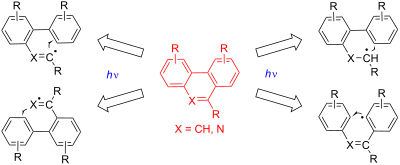
- the synthesis of 6-(trifluoromethyl)phenanthridines 10.3a–e. Synthesis of phenanthridines via aryl–aryl-bond formation. Oxidative conversion of N-biarylglycine esters to phenanthridine-6-carboxylates. Photocatalytic synthesis of benzo[f]quinolines from 2-heteroaryl-substituted anilines and

Graphical Abstract

Figure 1: Bioactive phenanthridine and phenanthridinium derivatives.

Scheme 1: Synthesis of phenanthrenes by a photo-Pschorr reaction.

Scheme 2: Synthesis of phenanthrenes by a benzannulation reaction.

Scheme 3: Photocatalytic cyclization of α-bromochalcones for the synthesis of phenanthrenes.

Figure 2: Carbon-centered and nitrogen-centered radicals used for the synthesis of phenanthridines.

Scheme 4: General scheme describing the synthesis of phenanthridines from isocyanides via imidoyl radicals.

Scheme 5: Synthesis of substituted phenanthridines involving the intermediacy of electrophilic radicals.

Scheme 6: Photocatalyzed synthesis of 6-β-ketoalkyl phenanthridines.

Scheme 7: Synthesis of 6-substituted phenanthridines through the addition of trifluoromethyl (path a), phenyl...

Scheme 8: Synthesis of 6-(trifluoromethyl)-7,8-dihydrobenzo[k]phenanthridine.

Scheme 9: Phenanthridine syntheses by using photogenerated radicals formed through a C–H bond homolytic cleav...

Scheme 10: Trifluoroacetimidoyl chlorides as starting substrates for the synthesis of 6-(trifluoromethyl)phena...

Scheme 11: Synthesis of phenanthridines via aryl–aryl-bond formation.

Scheme 12: Oxidative conversion of N-biarylglycine esters to phenanthridine-6-carboxylates.

Scheme 13: Photocatalytic synthesis of benzo[f]quinolines from 2-heteroaryl-substituted anilines and heteroary...

Scheme 14: Synthesis of noravicine (14.2a) and nornitidine (14.2b) alkaloids.

Scheme 15: Gram-scale synthesis of the alkaloid trisphaeridine (15.3).

Scheme 16: Synthesis of phenanthridines starting from vinyl azides.

Scheme 17: Synthesis of pyrido[4,3,2-gh]phenanthridines 17.5a–d through the radical trifluoromethylthiolation ...

Scheme 18: The direct oxidative C–H amidation involving amidyl radicals for the synthesis of phenanthridones.
Recent applications of porphyrins as photocatalysts in organic synthesis: batch and continuous flow approaches
- Rodrigo Costa e Silva,
- Luely Oliveira da Silva,
- Aloisio de Andrade Bartolomeu,
- Timothy John Brocksom and
- Kleber Thiago de Oliveira
Beilstein J. Org. Chem. 2020, 16, 917–955, doi:10.3762/bjoc.16.83
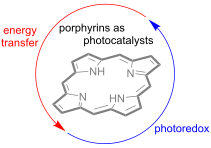
- % yields). Mixtures of regioisomers were obtained when a m-substituted N,N-dimethylaniline was used. The authors have proposed a reductive quenching pathway mechanism for this protocol (Scheme 8). The use of NiTPP as photoreductant was also exploited in the selenylation and thiolation reactions of anilines
- the aryldiazonium salt leads to the other aryl radical species (path b, Scheme 9). The thio- and selenoethers were obtained after solvolysis. Excellent yields (up to 94%) were reported for both selenylation and thiolation of anilines with electron-withdrawing and electron-donating groups in the ortho
- chemoselective manner. Regarding porphyrin-mediated reduction reactions, we have selected one representative example reported by Nagaraja and co-workers. They have shown a heterogeneous photocatalytic reduction of nitroaromatic compounds to the corresponding anilines using a Ni(II)-MOF, [Ni3(Ni-TCPP)2(µ2-H2O)2

Graphical Abstract

Figure 1: Chemical structures of the porphyrinoids and their absorption spectra: in bold are highlighted the ...

Figure 2: Photophysical and photochemical processes (Por = porphyrin). Adapted from [12,18].

Figure 3: Main dual photocatalysts and their oxidative/reductive excited state potentials, including porphyri...

Scheme 1: Photoredox alkylation of aldehydes with diazo acetates using porphyrins and a Ru complex. aUsing a ...

Scheme 2: Proposed mechanism for the alkylation of aldehydes with diazo acetates in the presence of TPP.
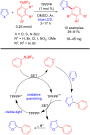
Scheme 3: Arylation of heteroarenes with aryldiazonium salts using TPFPP as photocatalyst, and corresponding ...

Scheme 4: A) Scope with different aryldiazonium salts and enol acetates. B) Photocatalytic cycles and compari...

Scheme 5: Photoarylation of isopropenyl acetate A) Comparison between batch and continuous-flow approaches an...

Scheme 6: Dehalogenation induced by red light using thiaporphyrin (STPP).

Scheme 7: Applications of NiTPP as both photoreductant and photooxidant.

Scheme 8: Proposed mechanism for obtaining tetrahydroquinolines by reductive quenching.

Scheme 9: Selenylation and thiolation of anilines.

Scheme 10: NiTPP as photoredox catalyst in oxidative and reductive quenching, in comparison with other photoca...

Scheme 11: C–O bond cleavage of 1-phenylethanol using a cobalt porphyrin (CoTMPP) under visible light.

Scheme 12: Hydration of terminal alkynes by RhIII(TSPP) under visible light irradiation.

Scheme 13: Regioselective photocatalytic hydro-defluorination of perfluoroarenes by RhIII(TSPP).

Scheme 14: Formation of 2-methyl-2,3-dihydrobenzofuran by intramolecular hydro-functionalization of allylpheno...
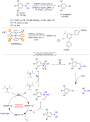
Scheme 15: Photocatalytic oxidative hydroxylation of arylboronic acids using UNLPF-12 as heterogeneous photoca...

Scheme 16: Photocatalytic oxidative hydroxylation of arylboronic acids using MOF-525 as heterogeneous photocat...

Scheme 17: Preparation of the heterogeneous photocatalyst CNH.

Scheme 18: Photoinduced sulfonation of alkenes with sulfinic acid using CNH as photocatalyst.

Scheme 19: Sulfonic acid scope of the sulfonation reactions.

Scheme 20: Regioselective sulfonation reaction of arimistane.

Scheme 21: Synthesis of quinazolin-4-(3H)-ones.

Scheme 22: Selective photooxidation of aromatic benzyl alcohols to benzaldehydes using Pt/PCN-224(Zn).

Scheme 23: Photooxidation of benzaldehydes to benzoic acids using Pt or Pd porphyrins.

Scheme 24: Photocatalytic reduction of various nitroaromatics using a Ni-MOF.

Scheme 25: Photoinduced cycloadditions of CO2 with epoxides by MOF1.

Figure 4: Electronic configurations of the species of oxygen. Adapted from [66].

Scheme 26: TPP-photocatalyzed generation of 1O2 and its application in organic synthesis. Adapted from [67-69].

Scheme 27: Pericyclic reactions involving singlet oxygen and their mechanisms. Adapted from [67].

Scheme 28: First scaled up ascaridole preparation from α-terpinene.

Scheme 29: Antimalarial drug synthesis using an endoperoxidation approach.

Scheme 30: Photooxygenation of colchicine.

Scheme 31: Synthesis of (−)-pinocarvone from abundant (+)-α-pinene.

Scheme 32: Seeberger’s semi-synthesis of artemisinin.

Scheme 33: Synthesis of artemisinin using TPP and supercritical CO2.

Scheme 34: Synthesis of artemisinin using chlorophyll a.

Scheme 35: Quercitol stereoisomer preparation.

Scheme 36: Photocatalyzed preparation of naphthoquinones.

Scheme 37: Continuous endoperoxidation of conjugated dienes and subsequent rearrangements leading to oxidized ...

Scheme 38: The Opatz group total synthesis of (–)-oxycodone.

Scheme 39: Biomimetic syntheses of rhodonoids A, B, E, and F.

Scheme 40: α-Photooxygenation of chiral aldehydes.

Scheme 41: Asymmetric photooxidation of indanone β-keto esters by singlet oxygen using PTC as a chiral inducer...

Scheme 42: Asymmetric photooxidation of both β-keto esters and β-keto amides by singlet oxygen using PTC-2 as ...

Scheme 43: Bifunctional photo-organocatalyst used for the asymmetric oxidation of β-keto esters and β-keto ami...

Scheme 44: Mechanism of singlet oxygen oxidation of sulfides to sulfoxides.

Scheme 45: Controlled oxidation of sulfides to sulfoxides using protonated porphyrins as photocatalysts. aIsol...

Scheme 46: Photochemical oxidation of sulfides to sulfoxides using PdTPFPP as photocatalyst.

Scheme 47: Controlled oxidation of sulfides to sulfoxides using SnPor@PAF as a photosensitizer.

Scheme 48: Syntheses of 2D-PdPor-COF and 3D-Pd-COF.

Scheme 49: Photocatalytic oxidation of A) thioanisole to methyl phenyl sulfoxide and B) various aryl sulfides,...

Scheme 50: General mechanism for oxidation of amines to imines.

Scheme 51: Oxidation of secondary amines to imines.

Scheme 52: Oxidation of secondary amines using Pd-TPFPP as photocatalyst.

Scheme 53: Oxidative amine coupling using UNLPF-12 as heterogeneous photocatalyst.

Scheme 54: Synthesis of Por-COF-1 and Por-COF-2.

Scheme 55: Photocatalytic oxidation of amines to imines by Por-COF-2.

Scheme 56: Photocyanation of primary amines.

Scheme 57: Synthesis of ᴅ,ʟ-tert-leucine hydrochloride.

Scheme 58: Photocyanation of catharanthine and 16-O-acetylvindoline using TPP.

Scheme 59: Photochemical α-functionalization of N-aryltetrahydroisoquinolines using Pd-TPFPP as photocatalyst.

Scheme 60: Ugi-type reaction with 1,2,3,4-tetrahydroisoquinoline using molecular oxygen and TPP.

Scheme 61: Ugi-type reaction with dibenzylamines using molecular oxygen and TPP.

Scheme 62: Mannich-type reaction of tertiary amines using PdTPFPP as photocatalyst.

Scheme 63: Oxidative Mannich reaction using UNLPF-12 as heterogeneous photocatalyst.

Scheme 64: Transformation of amines to α-cyanoepoxides and the proposed mechanism.
Preparation and in situ use of unstable N-alkyl α-diazo-γ-butyrolactams in RhII-catalyzed X–H insertion reactions
- Maria Eremeyeva,
- Daniil Zhukovsky,
- Dmitry Dar’in and
- Mikhail Krasavin
Beilstein J. Org. Chem. 2020, 16, 607–610, doi:10.3762/bjoc.16.55
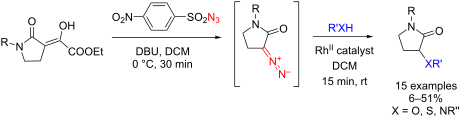
- found to be unstable and to undergo unproductive dimerization to bishydrazones, were successfully converted immediately to various X–H insertion products with alcohols, aromatic amines and thiols via an in situ RhII-catalyzed reaction. With aliphatic amines or unreactive, sterically hindered anilines

Graphical Abstract

Figure 1: Previously reported uses of α-diazo-γ-butyrolactams 1 and 4.
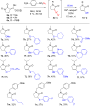
Scheme 1: Generation and in situ RhII-catalyzed X–H insertion reactions of the diazo compounds 4a–c. Conditio...

Scheme 2: Formation of the enamine coupling products 8a and b.
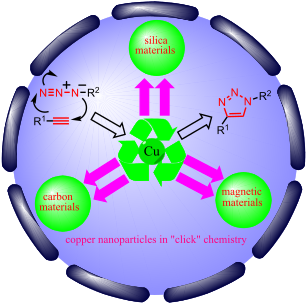
A systematic review on silica-, carbon-, and magnetic materials-supported copper species as efficient heterogeneous nanocatalysts in “click” reactions
- Pezhman Shiri and
- Jasem Aboonajmi
Beilstein J. Org. Chem. 2020, 16, 551–586, doi:10.3762/bjoc.16.52
- solution of Cu(OAc)2, and the mixture was heated at reflux for 12 h. Finally, the material Cu@ImPy–SBA-15 (69) was collected, washed with ethanol, and dried. The catalyst was applied in the synthesis of triazole products via the reaction of in situ-prepared arylazides from anilines with aryl-/alkyl-alkynes

Graphical Abstract
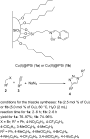
Scheme 1: Chemical structure of the catalysts 1a and 1b and their catalytic application in CuAAC reactions.
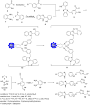
Scheme 2: Synthetic route to the catalyst 11 and its catalytic application in CuAAC reactions.

Scheme 3: Synthetic route of dendrons, illustrated using G2-AMP 23.

Scheme 4: The catalytic application of CuYAu–Gx-AAA–SBA-15 in a CuAAC reaction.
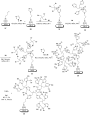
Scheme 5: Synthetic route to the catalyst 36.

Scheme 6: Application of the catalyst 36 in CuAAC reactions.

Scheme 7: The synthetic route to the catalyst 45 and catalytic application of 45 in “click” reactions.

Scheme 8: Synthetic route to the catalyst 48 and catalytic application of 48 in “click” reactions.
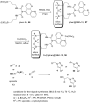
Scheme 9: Synthetic route to the catalyst 58 and catalytic application of 58 in “click” reactions.

Scheme 10: Synthetic route to the catalyst 64 and catalytic application of 64 in “click” reactions.
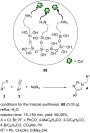
Scheme 11: Chemical structure of the catalyst 68 and catalytic application of 68 in “click” reactions.

Scheme 12: Chemical structure of the catalyst 69 and catalytic application of 69 in “click” reactions.

Scheme 13: Synthetic route to, and chemical structure of the catalyst 74.

Scheme 14: Application of the cayalyst 74 in “click” reactions.

Scheme 15: Synthetic route to, and chemical structure of the catalyst 78 and catalytic application of 78 in “c...
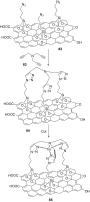
Scheme 16: Synthetic route to the catalyst 85.

Scheme 17: Application of the catalyst 85 in “click” reactions.

Scheme 18: Synthetic route to the catalyst 87 and catalytic application of 87 in “click” reactions.

Scheme 19: Chemical structure of the catalyst 88 and catalytic application of 88 in “click” reactions.

Scheme 20: Synthetic route to the catalyst 90 and catalytic application of 90 in “click” reactions.
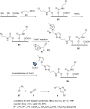
Scheme 21: Synthetic route to the catalyst 96 and catalytic application of 96 in “click” reactions.
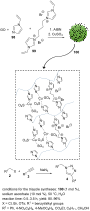
Scheme 22: Synthetic route to the catalyst 100 and catalytic application of 100 in “click” reactions.
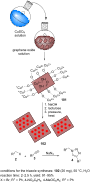
Scheme 23: Synthetic route to the catalyst 102 and catalytic application of 23 in “click” reactions.

Scheme 24: Synthetic route to the catalysts 108–111.

Scheme 25: Catalytic application of 108–111 in “click” reactions.

Scheme 26: Synthetic route to the catalyst 121 and catalytic application of 121 in “click” reactions.
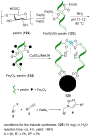
Scheme 27: Synthetic route to 125 and application of 125 in “click” reactions.
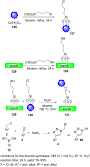
Scheme 28: Synthetic route to the catalyst 131 and catalytic application of 131 in “click” reactions.

Scheme 29: Synthetic route to the catalyst 136.

Scheme 30: Application of the catalyst 136 in “click” reactions.

Scheme 31: Synthetic route to the catalyst 141 and catalytic application of 141 in “click” reactions.
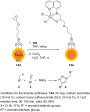
Scheme 32: Synthetic route to the catalyst 144 and catalytic application of 144 in “click” reactions.
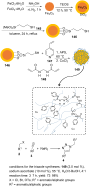
Scheme 33: Synthetic route to the catalyst 149 and catalytic application of 149 in “click” reactions.
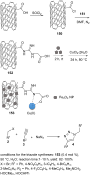
Scheme 34: Synthetic route to the catalyst 153 and catalytic application of 153 in “click” reactions.
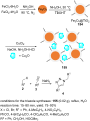
Scheme 35: Synthetic route to the catalyst 155 and catalytic application of 155 in “click” reactions.
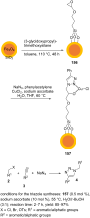
Scheme 36: Synthetic route to the catalyst 157 and catalytic application of 157 in “click” reactions.
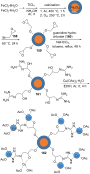
Scheme 37: Synthetic route to the catalyst 162.

Scheme 38: Application of the catalyst 162 in “click” reactions.

Scheme 39: Synthetic route to the catalyst 167 and catalytic application of 167 in “click” reactions.

Scheme 40: Synthetic route to the catalyst 169 and catalytic application of 169 in “click” reactions.
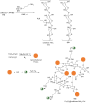
Scheme 41: Synthetic route to the catalyst 172.

Scheme 42: Application of the catalyst 172 in “click” reactions.
Recent advances in photocatalyzed reactions using well-defined copper(I) complexes
- Mingbing Zhong,
- Xavier Pannecoucke,
- Philippe Jubault and
- Thomas Poisson
Beilstein J. Org. Chem. 2020, 16, 451–481, doi:10.3762/bjoc.16.42
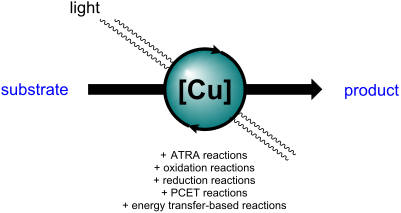
- under air, N,N-dialkylated aniline derivatives were reacted with various N-substituted maleimides and benzylidenemalonitrile to provide polysubstituted tetrahydroquinolines in moderate to good yields. When N-aryltetrahydroisoquinoline was used instead of N,N-dialkylated anilines, octahydroisoquinolo[2,1

Graphical Abstract

Scheme 1: [Cu(I)(dap)2]Cl-catalyzed ATRA reaction under green light irradiation.

Scheme 2: Photocatalytic allylation of α-haloketones.

Scheme 3: [Cu(I)(dap)2]Cl-photocatalyzed chlorosulfonylation and chlorotrifluoromethylation of alkenes.

Scheme 4: Photocatalytic perfluoroalkylchlorination of electron-deficient alkenes using the Sauvage catalyst.

Scheme 5: Photocatalytic synthesis of fluorinated sultones.
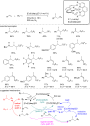
Scheme 6: Photocatalyzed haloperfluoroalkylation of alkenes and alkynes.
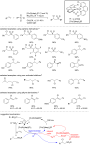
Scheme 7: Chlorosulfonylation of alkenes catalyzed by [Cu(I)(dap)2]Cl. aNo Na2CO3 was added. b1 equiv of Na2CO...

Scheme 8: Copper-photocatalyzed reductive allylation of diaryliodonium salts.

Scheme 9: Copper-photocatalyzed azidomethoxylation of olefins.

Scheme 10: Benzylic azidation initiated by [Cu(I)(dap)2]Cl.

Scheme 11: Trifluoromethyl methoxylation of styryl derivatives using [Cu(I)(dap)2]PF6. All redox potentials ar...

Scheme 12: Trifluoromethylation of silyl enol ethers.

Scheme 13: Synthesis of annulated heterocycles upon oxidation with the Sauvage catalyst.

Scheme 14: Oxoazidation of styrene derivatives using [Cu(dap)2]Cl as a precatalyst.

Scheme 15: [Cu(I)(dpp)(binc)]PF6-catalyzed ATRA reaction.

Scheme 16: Allylation reaction of α-bromomalonate catalyzed by [Cu(I)(dpp)(binc)]PF6 following an ATRA mechani...

Scheme 17: Bromo/tribromomethylation reaction using [Cu(I)(dmp)(BINAP)]PF6.

Scheme 18: Chlorotrifluoromethylation of alkenes catalyzed by [Cu(I)(N^N)(xantphos)]PF6.

Scheme 19: Chlorosulfonylation of styrene and alkyne derivatives by ATRA reactions.

Scheme 20: Reduction of aryl and alkyl halides with the complex [Cu(I)(bcp)(DPEPhos)]PF6. aIrradiation was car...
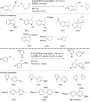
Scheme 21: Meerwein arylation of electron-rich aromatic derivatives and 5-exo-trig cyclization catalyzed by th...

Scheme 22: [Cu(I)(bcp)(DPEPhos)]PF6-photocatalyzed synthesis of alkaloids. aYield over two steps (cyclization ...

Scheme 23: Copper-photocatalyzed decarboxylative amination of NHP esters.

Scheme 24: Photocatalytic decarboxylative alkynylation using [Cu(I)(dq)(binap)]BF4.
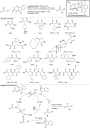
Scheme 25: Copper-photocatalyzed alkylation of glycine esters.

Scheme 26: Copper-photocatalyzed borylation of organic halides. aUnder continuous flow conditions.

Scheme 27: Copper-photocatalyzed α-functionalization of alcohols with glycine ester derivatives.

Scheme 28: δ-Functionalization of alcohols using [Cu(I)(dmp)(xantphos)]BF4.

Scheme 29: Photocatalytic synthesis of [5]helicene and phenanthrene.

Scheme 30: Oxidative carbazole synthesis using in situ-formed [Cu(I)(dmp)(xantphos)]BF4.

Scheme 31: Copper-photocatalyzed functionalization of N-aryl tetrahydroisoquinolines.

Scheme 32: Bicyclic lactone synthesis using a copper-photocatalyzed PCET reaction.

Scheme 33: Photocatalytic Pinacol coupling reaction catalyzed by [Cu(I)(pypzs)(BINAP)]BF4. The ligands of the ...

Scheme 34: Azide photosensitization using a Cu-based photocatalyst.
Architecture and synthesis of P,N-heterocyclic phosphine ligands
- Wisdom A. Munzeiwa,
- Bernard Omondi and
- Vincent O. Nyamori
Beilstein J. Org. Chem. 2020, 16, 362–383, doi:10.3762/bjoc.16.35
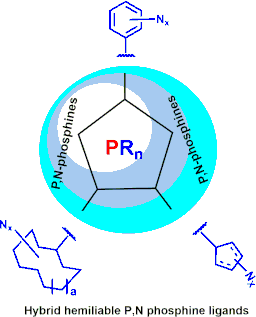
- phosphorus can be adjusted by changing the bulkiness of substituents around both, the N and P centers [99]. When reacting anilines and chlorophosphines under basic conditions they undergo P–N bond formation affording conventional aminophosphines [100][101]. A facile alternative method replaces the aniline
- imines and the reaction rates were low for anilines and analogous compounds. However, using dichloromethane proved to be a more suitable solvent because of higher product solubility and the reactions could be followed using 31P NMR spectroscopy [98][102]. The addition of four molar equivalents of Ph2PCl

Graphical Abstract

Scheme 1: Synthesis of pyridylphosphine ligands.

Figure 1: Pyridylphosphine ligands.

Scheme 2: Synthesis of piperidyl- and oxazinylphosphine ligands.

Scheme 3: Synthesis of linear multi-chelate pyridylphosphine ligands.

Scheme 4: Synthesis of chiral acetal pyridylphosphine ligands.

Scheme 5: Synthesis of diphenylphosphine-substituted triazine ligands.
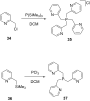
Scheme 6: Synthesis of (pyridine-2-ylmethyl)phosphine ligands.

Scheme 7: Synthesis of diphosphine pyrrole ligands.

Scheme 8: Synthesis of 4,5-diazafluorenylphosphine ligands.

Scheme 9: Synthesis of thioether-containing pyridyldiphosphine ligands starting from ethylene sulfide and dip...

Scheme 10: Synthesis of monoterpene-derived phosphine pyridine ligands.

Scheme 11: Synthesis of N-phenylphosphine-substituted imidazole ligands.

Scheme 12: Synthesis of triazol-4-ylphosphine ligands.

Scheme 13: Synthesis of phosphanyltriazolopyridines and product selectivity depending on the substituents’ eff...

Scheme 14: Synthesis of PTA-phosphine ligands.

Scheme 15: Synthesis of isomeric phosphine dipyrazole ligands by varying the reaction temperature.

Scheme 16: Synthesis of N-tethered phosphine imidazolium ligands (route A) and diphosphine imidazolium ligands...

Scheme 17: Synthesis of {1-[2-(pyridin-2-yl)- (R = CH) and {1-[2-(pyrazin-2-yl)quinazolin-4-yl]naphthalen-2-yl...

Scheme 18: Synthesis of oxazolylindolylphosphine ligands 102.

Scheme 19: Synthesis of pyrrolylphosphine ligands.

Scheme 20: Synthesis of phosphine guanidinium ligands.

Scheme 21: Synthesis of a polydentate aminophosphine ligand.

Scheme 22: Synthesis of quinolylphosphine ligands.

Scheme 23: Synthesis of N-(triazolylmethyl)phosphanamine ligands.

Figure 2: Triazolylphosphanamine ligands synthesized by Wassenaar’s method [22].

Scheme 24: Synthesis of oxazaphosphorines.

Scheme 25: Synthesis of paracyclophane pyridylphosphine ligands.

Scheme 26: Synthesis of triazolylphosphine ligands.

Figure 3: Click-phosphine ligands.

Scheme 27: Ferrocenyl pyridylphosphine imine ligands.

Scheme 28: Synthesis of phosphinooxazolines (PHOX).

Scheme 29: Synthesis of ferrocenylphosphine oxazoles.
Copper-promoted/copper-catalyzed trifluoromethylselenolation reactions
- Clément Ghiazza and
- Anis Tlili
Beilstein J. Org. Chem. 2020, 16, 305–316, doi:10.3762/bjoc.16.30

- heteroaromatic species. More recently, the same group reported the synthesis of 2-trifluoromethylselenylated benzofused heterocycles (Scheme 7) [24]. This tandem process consisted in a first Pd-catalyzed cyclization of 2-(2,2-dibromovinyl)phenols/-thiophenols/-anilines, leading to the corresponding 2-brominated

Graphical Abstract

Scheme 1: Process for the formation of C(sp3)–SeCF3 bonds with [(bpy)CuSeCF3]2 developed by the group of Weng....

Scheme 2: Trifluoromethylselenolation of vinyl and (hetero)aryl halides with [(bpy)CuSeCF3]2 by the group of ...

Scheme 3: Trifluoromethylselenolation of terminal alkynes using [(bpy)CuSeCF3]2 by the group of You and Weng.

Scheme 4: Trifluoromethylselenolation of carbonyl compounds with [(bpy)CuSeCF3]2 by the group of Weng.

Scheme 5: Trifluoromethylselenolation of α,β-unsaturated ketones with [(bpy)CuSeCF3]2 by the group of Weng.

Scheme 6: Trifluoromethylselenolation of acid chlorides with [(bpy)CuSeCF3]2 by the group of Weng.

Scheme 7: Synthesis of 2-trifluoromethylselenylated benzofused heterocycles with [(bpy)CuSeCF3]2 by the group...

Scheme 8: Difunctionalization of terminal alkenes and alkynes with [(bpy)CuSeCF3]2 by the group of Liang.

Scheme 9: Synthesis of Me4NSeCF3.

Scheme 10: Oxidative trifluoromethylselenolation of terminal alkynes and boronic acid derivatives with Me4NSeCF...

Scheme 11: Trifluoromethylselenolation of diazoacetates and diazonium salts with Me4NSeCF3 by the group of Goo...

Scheme 12: Trifluoromethylselenolation with ClSeCF3 by the group of Tlili and Billard.

Scheme 13: Trifluoromethylselenolation with TsSeCF3 by the group of Tlili and Billard.

Scheme 14: Copper-catalyzed synthesis of a selenylated analog 30 of Pretomanid developed by the group of Tlili...

Scheme 15: One-pot procedures for C–SeCF3 bond formations developed by Hor and Weng, Deng and Xiao, and Ruepin...
Ultrasonic-assisted unusual four-component synthesis of 7-azolylamino-4,5,6,7-tetrahydroazolo[1,5-a]pyrimidines
- Yana I. Sakhno,
- Maryna V. Murlykina,
- Oleksandr I. Zbruyev,
- Anton V. Kozyryev,
- Svetlana V. Shishkina,
- Dmytro Sysoiev,
- Vladimir I. Musatov,
- Sergey M. Desenko and
- Valentyn A. Chebanov
Beilstein J. Org. Chem. 2020, 16, 281–289, doi:10.3762/bjoc.16.27
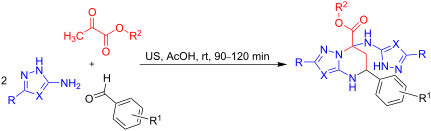
- OH group in the tetrahydropyrimidine moiety (e.g., Scheme 2, VI and VIII), the formation of heterocycles that are amino-substituted in a similar position is also possible and has been described [31][32]. In particular, the reaction of methyl pyruvate and anilines led to the formation of 4-arylamino
- -substituted tetrahydroquinolines (Scheme 3). To the best of our knowledge, an analogous reaction has not been described for aminoazoles. We were interested to study reactions similar to the ones shown in Scheme 3, involving aromatic aldehydes and pyruvic acid but using aminoazoles instead of anilines

Graphical Abstract

Scheme 1: Synthesis of tetrahydroazolopyrimidine derivatives.

Scheme 2: Various multicomponent reactions involving pyruvic acids (pyruvates) and different α-aminoazoles.

Scheme 3: Synthesis of 4-arylamino-substituted tetrahydroquinolines.

Scheme 4: Ultrasound-assisted multicomponent reactions of 3-amino-1,2,4-triazole or 5-amino-1H-pyrazole-4-car...

Scheme 5: Synthesis of 3-cyano-7-(4-methoxyphenyl)-4,7-dihydropyrazolo[1,5-a]pyrimidine-5-carboxylic acid (7)....

Scheme 6: Proposed reaction mechanism.

Figure 1: Alternative structures A and B for the tetrahydroazolopyrimidines 4.

Figure 2: Molecular structure of ethyl 5-(4-bromophenyl)-3-cyano-7-((4-cyano-1H-pyrazol-5-yl)amino)-4,5,6,7-t...

Figure 3: Chains of 4g molecules in the crystal phase.
Recent developments in photoredox-catalyzed remote ortho and para C–H bond functionalizations
- Rafia Siddiqui and
- Rashid Ali
Beilstein J. Org. Chem. 2020, 16, 248–280, doi:10.3762/bjoc.16.26
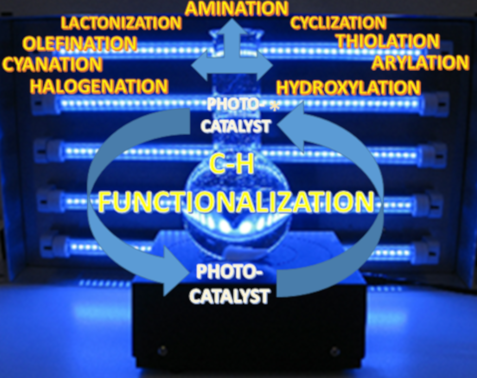
- assembled using this strategy, as displayed in Scheme 15, and a plausible mechanism for the reaction is shown in Figure 16. C–H nitration of protected anilines Nitroanilines are an important class of compounds and found in many drugs and dyes [144]. Therefore, recently, König and co-worker reported the
- synthesis of protected anilines by employing organic photoredox catalyst 4 with sodium nitrite as a cost-efficient source of NO2 at room temperature (Scheme 16) [145]. They also tried to perform the same reaction in the absence of light and photocatalyst, but no reaction progress was observed. As reported
- purines via dual photoredox catalysis. Arylation of substituted arenes with an organic photoredox catalyst. C–H trifluoromethylation. Synthesis of benzo-3,4-coumarin derivatives. Oxidant-free oxidative phosphonylation. Nitration of anilines. Synthesis of carbazoles via intramolecular amination. Synthesis

Graphical Abstract

Figure 1: List of photoredox catalysts used for C–H bond functionalizations.

Figure 2: List of metal-based photoredox catalysts used in this review article.

Figure 3: Jablonski diagram.

Figure 4: Photoredox catalysis via reductive or oxidative pathways. D = donor, A = acceptor, S = substrate, P...
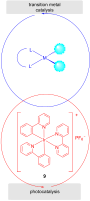
Figure 5: Schematic representation of the combination of photoredox catalysis and transition metal catalysis.

Scheme 1: Weinreb amide C–H olefination.

Figure 6: Mechanism for the formation of 21 from 19 using photoredox catalyst 11.

Scheme 2: C–H olefination of phenolic ethers.

Scheme 3: Decarboxylative acylation of acetanilides.

Figure 7: Mechanism for the formation of 30 from acetanilide derivatives.

Scheme 4: Synthesis of fluorenone derivatives by intramolecular deoxygenative acylation of biaryl carboxylic ...

Figure 8: Mechanism for the photoredox-catalyzed synthesis of fluorenone derivatives.

Scheme 5: Synthesis of benzothiazoles via aerobic C–H thiolation.

Figure 9: Plausible mechanism for the construction of benzothiazoles from benzothioamides.

Scheme 6: Synthesis of benzothiazoles via oxidant-free C–H thiolation.
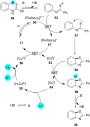
Figure 10: Mechanism involved in the synthesis of benzothiazoles via oxidant-free C–H thiolation.

Scheme 7: Synthesis of indoles via C–H cyclization of anilides with alkynes.

Scheme 8: Preparation of 3-trifluoromethylcoumarins via C–H cyclization of arylpropiolate esters.

Figure 11: Mechanistic pathway for the synthesis of coumarin derivatives via C–H cyclization.

Scheme 9: Monobenzoyloxylation without chelation assistance.

Figure 12: Plausible mechanism for the formation of 71 from 70.

Scheme 10: Aryl-substituted arenes prepared by inorganic photoredox catalysis using 12a.

Figure 13: Proposed mechanism for C–H arylations in the presence of 12a and a Pd catalyst.

Scheme 11: Arylation of purines via dual photoredox catalysis.

Scheme 12: Arylation of substituted arenes with an organic photoredox catalyst.

Scheme 13: C–H trifluoromethylation.

Figure 14: Proposed mechanism for the trifluoromethylation of 88.

Scheme 14: Synthesis of benzo-3,4-coumarin derivatives.

Figure 15: Plausible mechanism for the synthesis of substituted coumarins.

Scheme 15: Oxidant-free oxidative phosphonylation.

Figure 16: Mechanism proposed for the phosphonylation reaction of 100.

Scheme 16: Nitration of anilines.

Figure 17: Plausible mechanism for the nitration of aniline derivatives via photoredox catalysis.

Scheme 17: Synthesis of carbazoles via intramolecular amination.

Figure 18: Proposed mechanism for the formation of carbazoles from biaryl derivatives.

Scheme 18: Synthesis of substituted phenols using QuCN.

Figure 19: Mechanism for the synthesis of phenol derivatives with photoredox catalyst 8.

Scheme 19: Synthesis of substituted phenols with DDQ (5).
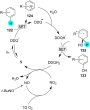
Figure 20: Possible mechanism for the generation of phenols with the aid of photoredox catalyst 5.

Scheme 20: Aerobic bromination of arenes using an acridinium-based photocatalyst.

Scheme 21: Aerobic bromination of arenes with anthraquinone.

Figure 21: Proposed mechanism for the synthesis of monobrominated compounds.

Scheme 22: Chlorination of benzene derivatives with Mes-Acr-MeClO4 (2).

Figure 22: Mechanism for the synthesis of 131 from 132.

Scheme 23: Chlorination of arenes with 4CzIPN (5a).

Figure 23: Plausible mechanism for the oxidative photocatalytic monochlorination using 5a.

Scheme 24: Monofluorination using QuCN-ClO4 (8).

Scheme 25: Fluorination with fluorine-18.

Scheme 26: Aerobic amination with acridinium catalyst 3a.

Figure 24: Plausible mechanism for the aerobic amination using acridinium catalyst 3a.
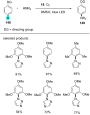
Scheme 27: Aerobic aminations with semiconductor photoredox catalyst 18.

Scheme 28: Perfluoroalkylation of arenes.

Scheme 29: Synthesis of benzonitriles in the presence of 3a.

Figure 25: Plausible mechanism for the synthesis of substituted benzonitrile derivatives in the presence of 3a....
Starazo triple switches – synthesis of unsymmetrical 1,3,5-tris(arylazo)benzenes
- Andreas H. Heindl and
- Hermann A. Wegner
Beilstein J. Org. Chem. 2020, 16, 22–31, doi:10.3762/bjoc.16.4
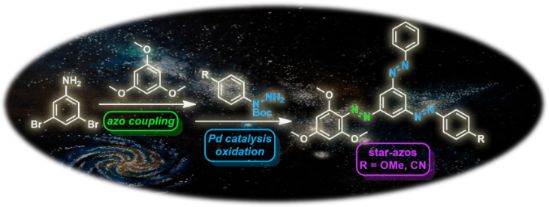
- evaluated for the preparation of tris(arylazo)benzenes 3. The first one relied on the consecutive condensation of anilines with nitroso compounds, Baeyer–Mills reactions [13]. With a suitable protecting group strategy, the selective construction of the individual AB branches should be achievable (Scheme 1

Graphical Abstract

Figure 1: 1,3,5-Tris(arylazo)benzenes as individually switchable multistate photoswitches: previous [11,12] and pres...

Scheme 1: Synthetic strategy towards 1,3,5-tris(arylazo)benzenes 3 based on consecutive Baeyer–Mills reaction...

Scheme 2: Preparation of tris(arylazo)benzenes 3 by Pd-catalyzed cross-coupling reactions of N-Boc-arylhydraz...

Scheme 3: Synthesis of azobenzene building block 8.

Scheme 4: Synthesis of 1,3-bis(4-methoxyphenylazo)-5-phenylazobenzene (14).

Scheme 5: Synthesis of unsymmetrical tris(arylazo)benzenes 3a/3b using Pd-catalyzed coupling reactions and Cu...

Scheme 6: Coupling reactions of 15 with the corresponding arylhydrazides to access monocoupled (16a/16b) and ...

Figure 2: a) UV–vis spectra of tris(arylazo)benzenes 3a/3b in ethanol. b) Reversible photoisomerization of 3a...
Palladium-catalyzed synthesis and nucleotide pyrophosphatase inhibition of benzo[4,5]furo[3,2-b]indoles
- Hoang Huy Do,
- Saif Ullah,
- Alexander Villinger,
- Joanna Lecka,
- Jean Sévigny,
- Peter Ehlers,
- Jamshed Iqbal and
- Peter Langer
Beilstein J. Org. Chem. 2019, 15, 2830–2839, doi:10.3762/bjoc.15.276
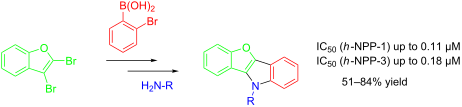
- anilines as reagents, we also successfully employed alkyl- and benzylamines which required an additional optimization of the conditions and the employment of different ligands. Therefore, we feel that our approach is more general and merits publication. In addition to the synthetic work, we report, for the
- of the reaction of 3 was studied using different amines. The reaction of 3 with various anilines afforded products 5a–g in good to excellent yields (Table 2). No impact of the functional groups of the anilines on the yield was observed. The reactions of 3 with aliphatic or benzylic amines under our

Graphical Abstract

Figure 1: Pharmacologically relevant furoindoles.

Scheme 1: Synthesis of benzo[4,5]furo[3,2-b]indoles 5a–j. Conditions: (i) 1.2 equiv 2-bromophenylboronic acid...

Figure 2: Ortep of 5c (propability of ellipsoids: 45%).

Figure 3: Diindolofurans 6a–e.

Figure 4: Illustration of binding poses of selected inhibitors for the ENPP1 homology model: (a): suramin, (b...

Figure 5: 3D poses of docked selected inhibitors inside homology model of ENPP3. (a): suramin, (b): 5e, (c): ...
Photoreversible stretching of a BAPTA chelator marshalling Ca2+-binding in aqueous media
- Aurélien Ducrot,
- Arnaud Tron,
- Robin Bofinger,
- Ingrid Sanz Beguer,
- Jean-Luc Pozzo and
- Nathan D. McClenaghan
Beilstein J. Org. Chem. 2019, 15, 2801–2811, doi:10.3762/bjoc.15.273
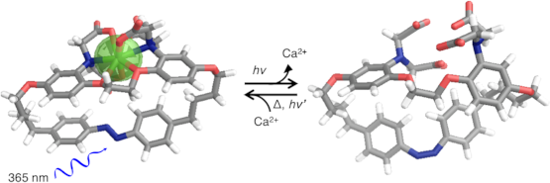
- then underwent a regioselective monodeprotection to generate a lone phenol group. The phenolate was reacted with 1,2-dibromoethane and the nitrobenzene groups were reduced to the corresponding anilines giving 1a. The double aniline 1a was alkylated using ethyl bromoacetate under basic conditions in
- acetonitrile, forming the BAPTA precursor 1b. The palladium-catalyzed benzyl cleavage was followed by a double alkylation with 2, reactant 2 being synthesized from 4-(4-nitrophenyl)butanoic acid. The 4-nitrobenzene groups of the pendant arms were subsequently reduced yielding the corresponding anilines (1e). A

Graphical Abstract
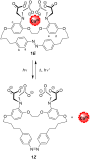
Figure 1: Azobenzene-BAPTA 1E and 1Z (a, b, c, d and e denote specific protons), showing idealized Ca2+ uptak...

Scheme 1: Synthesis of azobenzene-tethered BAPTA 1.
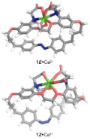
Figure 2: Energy-minimized molecular modelling structures of 1E•Ca2+ and 1Z•Ca2+ (PM6).

Figure 3: Electronic absorption spectra showing changes associated with photoisomerization of 1E (40 μM) to 1Z...

Figure 4: 1H NMR spectra (300 MHz) recorded at room temperature (298 K) in D2O of a) the thermodynamically st...

Figure 5: a) Multiple trans–cis cycles of 1E (40 μM) indicated by absorption changes at 362 nm in aqueous 0.0...

Figure 6: Electronic absorption spectra changes of 1E (42 μM) (a) and 1Z (43 μM) (b) in aqueous 0.03 M MOPS b...

Figure 7: a) Reversible Ca2+ exchange between photoregulated host 1 and turn-“on” fluorescent probe 3. b) Blu...
Recent advances in transition-metal-catalyzed incorporation of fluorine-containing groups
- Xiaowei Li,
- Xiaolin Shi,
- Xiangqian Li and
- Dayong Shi
Beilstein J. Org. Chem. 2019, 15, 2213–2270, doi:10.3762/bjoc.15.218
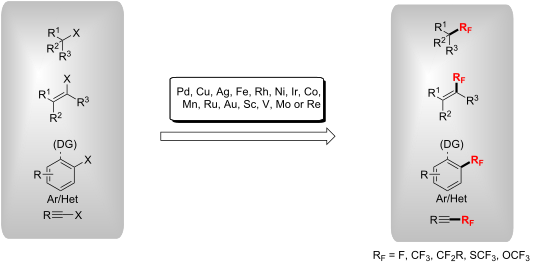
- efficient method to access ortho-CF3 acetanilides and anilines (Scheme 66b). Recently, Wang and co-workers [127] reported a visible-light-induced Pd-catalyzed ortho-trifluoromethylation of acetanilides. Without the need of an external photocatalyst and additive, various N-substituted anilides and

Graphical Abstract

Scheme 1: The main three strategies of fluorination: nucleophilic, electrophilic and radical fluorination.

Scheme 2: Doyle’s Pd-catalyzed fluorination of allylic chlorides.

Scheme 3: Allylic fluorination of 2- and 3-substituted propenyl esters.

Scheme 4: Regioselective allylic fluorination of cinnamyl phosphorothioate esters.

Scheme 5: Palladium-catalyzed aliphatic C–H fluorination reported by Doyle.

Scheme 6: Pd-catalyzed enantioselective fluorination of α-ketoesters followed by stereoselective reduction to...

Scheme 7: Pd-catalyzed C(sp3)–H fluorination of oxindoles.

Scheme 8: C–H fluorination of 8-methylquinoline derivatives with F− reagents.

Scheme 9: Fluorination of α-cyano acetates reported by van Leeuwen.

Scheme 10: The catalytic enantioselective electrophilic C–H fluorination of α-chloro-β-keto phosphonates.

Scheme 11: Fluorination of unactivated C(sp3)–H bonds directed by the bidentate PIP auxiliary.

Scheme 12: Fluorination of C(sp3)–H bonds at the β-position of carboxylic acids.

Scheme 13: Enantioselective benzylic C–H fluorination with a chiral transient directing group.

Scheme 14: Microwave-heated Pd-catalyzed fluorination of aryl alcohols.

Scheme 15: Fluorination of aryl potassium trifluoroborates.

Scheme 16: C(sp2)–F bond formation using precatalyst [L·Pd]2(cod).

Scheme 17: Pd-catalyzed fluorination of (hetero)aryl triflates and bromides.

Scheme 18: The Pd-catalyzed C–H fluorination of arenes with Selectfluor/NFSI.

Scheme 19: Pd(II)-catalyzed ortho-monofluorination protocol for benzoic acids.

Scheme 20: Pd-catalyzed C(sp2)–H bond fluorination of 2-arylbenzothiazoles.

Scheme 21: Nitrate-promoted fluorination of aromatic and olefinic C(sp2)–H bonds and proposed mechanism.

Scheme 22: Fluorination of oxalyl amide-protected benzylamine derivatives.

Scheme 23: C–H fluorination of benzaldehydes with orthanilic acids as transient directing group.

Scheme 24: Pd(II)-catalyzed aryl C–H fluorination with various directing groups.

Scheme 25: Cu-catalyzed aliphatic, allylic, and benzylic fluorination.

Scheme 26: Cu-catalyzed SN2 fluorination of primary and secondary alkyl bromides.

Scheme 27: Copper-catalyzed fluorination of alkyl triflates.

Scheme 28: Cu-catalyzed fluorination of allylic bromides and chlorides.

Scheme 29: Synthetic strategy for the fluorination of active methylene compounds.

Scheme 30: Fluorination of β-ketoesters using a tartrate-derived bidentate bisoxazoline-Cu(II) complex.

Scheme 31: Highly enantioselective fluorination of β-ketoesters and N-Boc-oxindoles.

Scheme 32: Amide group-assisted site-selective fluorination of α-bromocarbonyl compounds.

Scheme 33: Cu-mediated aryl fluorination reported by Sanford [77].

Scheme 34: Mono- or difluorination reactions of benzoic acid derivatives.

Scheme 35: Cu-catalyzed fluorination of diaryliodonium salts with KF.
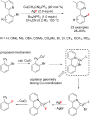
Scheme 36: Copper(I)-catalyzed cross-coupling of 2-pyridylaryl bromides.

Scheme 37: AgNO3-catalyzed decarboxylative fluorination of aliphatic carboxylic acids.

Scheme 38: The Mn-catalyzed aliphatic and benzylic C–H fluorination.

Scheme 39: Iron(II)-promoted C–H fluorination of benzylic substrates.

Scheme 40: Ag-catalyzed fluorodecarboxylation of carboxylic acids.

Scheme 41: Vanadium-catalyzed C(sp3)–H fluorination.

Scheme 42: AgNO3-catalyzed radical deboronofluorination of alkylboronates and boronic acids.

Scheme 43: Selective heterobenzylic C–H fluorination with Selectfluor reported by Van Humbeck.

Scheme 44: Fe(II)-catalyzed site-selective fluorination guided by an alkoxyl radical.

Scheme 45: Fluorination of allylic trichloroacetimidates reported by Nguyen et al.

Scheme 46: Iridium-catalyzed fluorination of allylic carbonates with TBAF(t-BuOH)4.

Scheme 47: Iridium-catalyzed asymmetric fluorination of allylic trichloroacetimidates.

Scheme 48: Cobalt-catalyzed α-fluorination of β-ketoesters.

Scheme 49: Nickel-catalyzed α-fluorination of various α-chloro-β-ketoesters.

Scheme 50: Ni(II)-catalyzed enantioselective fluorination of oxindoles and β-ketoesters.

Scheme 51: Scandium(III)-catalyzed asymmetric C–H fluorination of unprotected 3-substituted oxindoles.

Scheme 52: Iron-catalyzed directed C–H fluorination.

Scheme 53: Electrophilic silver-catalyzed Ar–F bond-forming reaction from arylstannanes.

Figure 1: Nucleophilic, electrophilic and radical CF3 sources.

Scheme 54: Cu(I)-catalyzed allylic trifluoromethylation of unactivated terminal olefins.

Scheme 55: Direct copper-catalyzed trifluoromethylation of allylsilanes.

Scheme 56: Cupper-catalyzed enantioselective trifluoromethylation of five and six-membered ring β-ketoesters.

Scheme 57: Cu-catalyzed highly stereoselective trifluoromethylation of secondary propargyl sulfonates.

Scheme 58: Remote C(sp3)–H trifluoromethylation of carboxamides and sulfonamides.

Scheme 59: Trifluoromethylation of allylsilanes with photoredox catalysis.

Scheme 60: Ag-catalyzed decarboxylative trifluoromethylation of aliphatic carboxylic acids in aqueous CH3CN.
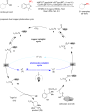
Scheme 61: Decarboxylative trifluoromethylation of aliphatic carboxylic acids via combined photoredox and copp...

Scheme 62: Palladium-catalyzed Ar–CF3 bond-forming reaction.

Scheme 63: Palladium-catalyzed trifluoromethylation of arenes with diverse heterocyclic directing groups.

Scheme 64: Pd-catalyzed trifluoromethylation of indoles as reported by Liu.

Scheme 65: Pd-catalyzed trifluoromethylation of vinyl triflates and vinyl nonaflates.

Scheme 66: Pd(II)-catalyzed ortho-trifluoromethylation of aromatic C–H bonds.

Scheme 67: Visible-light-induced Pd(OAc)2-catalyzed ortho-trifluoromethylation of acetanilides with CF3SO2Na.

Scheme 68: CuI-catalyzed trifluoromethylation of aryl- and alkenylboronic acids.

Scheme 69: Cu-catalyzed trifluoromethylation of aryl- and vinylboronic acids.

Scheme 70: Copper-catalyzed trifluoromethylation of α,β-unsaturated carboxylic acids.

Scheme 71: Formation of C(sp2)–CF3 bond catalyzed by copper(I) complex.

Scheme 72: Loh’s Cu(I)-catalyzed trifluoromethylation of enamides and electron-deficient alkenes.

Scheme 73: Copper and iron-catalyzed decarboxylative tri- and difluoromethylation.

Scheme 74: Cu-catalyzed trifluoromethylation of hydrazones developed by Bouyssi.

Scheme 75: Cu(I)-catalyzed trifluoromethylation of terminal alkenes.

Scheme 76: Cu/Ag-catalyzed decarboxylative trifluoromethylation of cinnamic acids.

Scheme 77: Copper-catalyzed direct alkenyl C–H trifluoromethylation.

Scheme 78: Copper(I/II)-catalyzed direct trifluoromethylation of styrene derivatives.

Scheme 79: Regioselective trifluoromethylation of pivalamido arenes and heteroarenes.

Scheme 80: Synthesis of trifluoromethylquinones in the presence of copper(I).
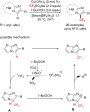
Scheme 81: Oxidative trifluoromethylation of imidazoheterocycles in ionic liquid/water.

Scheme 82: A mild and fast continuous-flow trifluoromethylation of coumarins using a CuI/CF3SO2Na/TBHP system.

Scheme 83: Copper-catalyzed oxidative trifluoromethylation of various 8-aminoquinolines.

Scheme 84: PA-directed copper-catalyzed trifluoromethylation of anilines.

Scheme 85: Trifluoromethylation of potassium vinyltrifluoroborates catalyzed by Fe(II).

Scheme 86: Alkenyl trifluoromethylation catalyzed by Ru(phen)3Cl2 as photocatalyst.

Scheme 87: Ru-catalyzed trifluoromethylation of alkenes by Akita’s group.

Scheme 88: Ir-catalyzed Cvinyl–CF3 bond formation of α,β-unsaturated carboxylic acids.

Scheme 89: Ag(I)-catalyzed denitrative trifluoromethylation of β-nitrostyrenes.

Scheme 90: Photocatalyzed direct trifluoromethylation of aryl and heteroaryl C–H bonds.

Scheme 91: Rhenium (MTO)-catalyzed direct trifluoromethylation of aromatic substrates.

Scheme 92: Trifluoromethylation of unprotected anilines under [Ir(ppy)3] catalyst.

Scheme 93: Oxidative trifluoromethylation of imidazopyridines and imidazoheterocycles.

Scheme 94: Ruthenium-catalyzed trifluoromethylation of (hetero)arenes with trifluoroacetic anhydride.

Scheme 95: Phosphovanadomolybdic acid-catalyzed direct C–H trifluoromethylation.

Scheme 96: Picolinamide-assisted ortho-trifluoromethylation of arylamines.

Scheme 97: A nickel-catalyzed C–H trifluoromethylation of free anilines.

Scheme 98: Cu-mediated trifluoromethylation of terminal alkynes reported by Qing.

Scheme 99: Huang’s C(sp)–H trifluoromethylation using Togni’s reagent.

Scheme 100: Cu-catalyzed methods for trifluoromethylation with Umemoto’s reagent.

Scheme 101: The synthesis of alkynyl-CF3 compounds in the presence of fac-[Ir(ppy)3] under visible-light irradi...

Scheme 102: Pd-catalyzed Heck reaction reported by Reutrakul.

Scheme 103: Difluoromethylation of enamides and ene-carbamates.

Scheme 104: Difluoromethylation of α,β-unsaturated carboxylic acids.

Scheme 105: Copper-catalyzed direct C(sp2)–H difluoroacetylation reported by Pannecoucke and co-workers.

Scheme 106: Difluoroalkylation of aldehyde-derived hydrazones with functionalized difluoromethyl bromides.

Scheme 107: Photoredox-catalyzed C–H difluoroalkylation of aldehyde-derived hydrazones.

Scheme 108: Synergistic ruthenium(II)-catalyzed C–H difluoromethylation reported by Ackermann.

Scheme 109: Visible-light photocatalytic decarboxylation of α,β-unsaturated carboxylic acids.

Scheme 110: Synthesis of difluorinated ketones via S-alkyl dithiocarbamates obtained from acyl chlorides and po...

Scheme 111: Synthesis of aryl and heteroaryl difluoromethylated phosphonates.

Scheme 112: Difluoroalkylation of secondary propargyl sulfonates using Cu as the catalyst.

Scheme 113: Ru(II)-mediated para-selective difluoromethylation of anilides and their derivatives.

Scheme 114: Bulky diamine ligand promoted cross-coupling of difluoroalkyl bromides.

Scheme 115: Copper-catalyzed C3–H difluoroacetylation of quinoxalinones.

Scheme 116: Copper(I) chloride-catalyzed trifluoromethylthiolation of enamines, indoles and β-ketoesters.

Scheme 117: Copper-boxmi-catalyzed asymmetric trifluoromethylthiolation of β-ketoesters.

Scheme 118: Direct Cu-catalyzed trifluoromethylthiolation of boronic acids and alkynes.

Scheme 119: Cu-catalyzed synthesis of α-trifluoromethylthio-substituted ketones.

Scheme 120: Trifluoromethylthiolation reactions promoted by diazotriflone and copper.

Scheme 121: Halide activation of N-(trifluoromethylthio)phthalimide.

Scheme 122: The visible light-promoted trifluoromethylthiolation reported by Glorius.

Scheme 123: Synthesis of α-trifluoromethylthioesters via Goossen’s approach.

Scheme 124: Photoinduced trifluoromethylthiolation of diazonium salts.

Scheme 125: Ag-mediated trifluoromethoxylation of aryl stannanes and arylboronic acids.

Scheme 126: Catalytic (hetero)aryl C–H trifluoromethoxylation under visible light.

Scheme 127: Photoinduced C–H-bond trifluromethoxylation of (hetero)arenes.
A metal-free approach for the synthesis of amides/esters with pyridinium salts of phenacyl bromides via oxidative C–C bond cleavage
- Kesari Lakshmi Manasa,
- Yellaiah Tangella,
- Namballa Hari Krishna and
- Mallika Alvala
Beilstein J. Org. Chem. 2019, 15, 1864–1871, doi:10.3762/bjoc.15.182
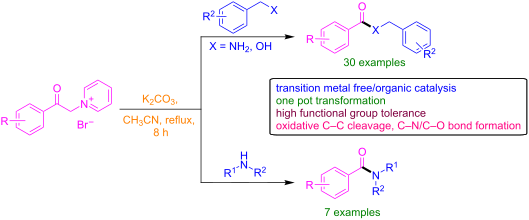
- present protocol, various anilines were also utilized which yielded the corresponding amides in moderate to good yields (Scheme 4, 7a–g). Variously substituted anilines with electron-donating and electron-withdrawing groups such as –OCH3, –Cl, and –NO2 were well tolerated under the optimized reaction

Graphical Abstract

Scheme 1: Comparison of our work with previous studies.
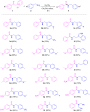
Scheme 2: Scope of pyridinium salts and benzylamine substrates. Reaction conditions: 1 (1 mmol), 2 (1 mmol), ...

Scheme 3: Scope of pyridinium salts and benzyl alcohol substrates. Reaction conditions: 1 (1 mmol), 4 (1 mmol...

Scheme 4: Scope of pyridinium salts, primary and secondary amine substrates. Reaction conditions: 1 (1 mmol), ...

Scheme 5: Control experiments for the oxidative cleavage of C–C bonds.

Scheme 6: Plausible reaction mechanism for the synthesis of N-alkylated benzamides 3.
Recent advances on the transition-metal-catalyzed synthesis of imidazopyridines: an updated coverage
- Gagandeep Kour Reen,
- Ashok Kumar and
- Pratibha Sharma
Beilstein J. Org. Chem. 2019, 15, 1612–1704, doi:10.3762/bjoc.15.165
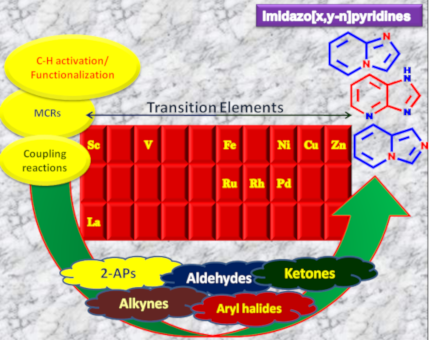
- the past few years [57]. Recently, Buchwald and Castillo have reviewed the exceptional utility of Pd-catalyzed C–N cross-coupling reactions for the preparation of anilines and aniline derivatives [58]. In many of the reactions, palladium was used along with a co-catalyst to enhance its catalytic

Graphical Abstract

Figure 1: Various drugs having IP nucleus.

Figure 2: Participation percentage of various TMs for the syntheses of IPs.

Scheme 1: CuI–NaHSO4·SiO2-catalyzed synthesis of imidazo[1,2-a]pyridines.

Scheme 2: Experimental examination of reaction conditions.

Scheme 3: One-pot tandem reaction for the synthesis of 2-haloimidazopyridines.

Scheme 4: Mechanistic scheme for the synthesis of 2-haloimidazopyridine.

Scheme 5: Copper-MOF-catalyzed three-component reaction (3-CR) for imidazo[1,2-a]pyridines.

Scheme 6: Mechanism for copper-MOF-driven synthesis.

Scheme 7: Heterogeneous synthesis via titania-supported CuCl2.

Scheme 8: Mechanism involving oxidative C–H functionalization.

Scheme 9: Heterogeneous synthesis of IPs.

Scheme 10: One-pot regiospecific synthesis of imidazo[1,2-a]pyridines.

Scheme 11: Vinyl azide as an unprecedented substrate for imidazo[1,2-a]pyridines.

Scheme 12: Radical pathway.

Scheme 13: Cu(I)-catalyzed transannulation approach for imidazo[1,5-a]pyridines.

Scheme 14: Plausible radical pathway for the synthesis of imidazo[1,5-a]pyridines.

Scheme 15: A solvent-free domino reaction for imidazo[1,2-a]pyridines.

Scheme 16: Cu-NPs-mediated synthesis of imidazo[1,2-a]pyridines.

Scheme 17: CuI-catalyzed synthesis of isoxazolylimidazo[1,2-a]pyridines.

Scheme 18: Functionalization of 4-bromo derivative via Sonogashira coupling reaction.

Scheme 19: A plausible reaction pathway.

Scheme 20: Cu(I)-catalyzed intramolecular oxidative C–H amidation reaction.

Scheme 21: One-pot synthetic reaction for imidazo[1,2-a]pyridine.

Scheme 22: Plausible reaction mechanism.

Scheme 23: Cu(OAc)2-promoted synthesis of imidazo[1,2-a]pyridines.

Scheme 24: Mechanism for aminomethylation/cycloisomerization of propiolates with imines.

Scheme 25: Three-component synthesis of imidazo[1,2-a]pyridines.

Figure 3: Scope of pyridin-2(1H)-ones and acetophenones.

Scheme 26: CuO NPS-promoted A3 coupling reaction.

Scheme 27: Cu(II)-catalyzed C–N bond formation reaction.

Scheme 28: Mechanism involving Chan–Lam/Ullmann coupling.

Scheme 29: Synthesis of formyl-substituted imidazo[1,2-a]pyridines.

Scheme 30: A tandem sp3 C–H amination reaction.

Scheme 31: Probable mechanistic approach.

Scheme 32: Dual catalytic system for imidazo[1,2-a]pyridines.

Scheme 33: Tentative mechanism.

Scheme 34: CuO/CuAl2O4/ᴅ-glucose-promoted 3-CCR.

Scheme 35: A tandem CuOx/OMS-2-based synthetic strategy.

Figure 4: Biomimetic catalytic oxidation in the presence of electron-transfer mediators (ETMs).

Scheme 36: Control experiment.

Scheme 37: Copper-catalyzed C(sp3)–H aminatin reaction.

Scheme 38: Reaction of secondary amines.

Scheme 39: Probable mechanistic pathway.

Scheme 40: Coupling reaction of α-azidoketones.

Scheme 41: Probable pathway.

Scheme 42: Probable mechanism with free energy calculations.

Scheme 43: MCR for cyanated IP synthesis.

Scheme 44: Substrate scope for the reaction.

Scheme 45: Reaction mechanism.

Scheme 46: Probable mechanistic pathway for Cu/ZnAl2O4-catalyzed reaction.

Scheme 47: Copper-catalyzed double oxidative C–H amination reaction.

Scheme 48: Application towards different coupling reactions.

Scheme 49: Reaction mechanism.

Scheme 50: Condensation–cyclization approach for the synthesis of 1,3-diarylated imidazo[1,5-a]pyridines.

Scheme 51: Optimized reaction conditions.

Scheme 52: One-pot 2-CR.

Scheme 53: One-pot 3-CR without the isolation of chalcone.

Scheme 54: Copper–Pybox-catalyzed cyclization reaction.

Scheme 55: Mechanistic pathway catalyzed by Cu–Pybox complex.

Scheme 56: Cu(II)-promoted C(sp3)-H amination reaction.

Scheme 57: Wider substrate applicability for the reaction.

Scheme 58: Plausible reaction mechanism.

Scheme 59: CuI assisted C–N cross-coupling reaction.

Scheme 60: Probable reaction mechanism involving sp3 C–H amination.

Scheme 61: One-pot MCR-catalyzed by CoFe2O4/CNT-Cu.

Scheme 62: Mechanistic pathway.

Scheme 63: Synthetic scheme for 3-nitroimidazo[1,2-a]pyridines.

Scheme 64: Plausible mechanism for CuBr-catalyzed reaction.

Scheme 65: Regioselective synthesis of halo-substituted imidazo[1,2-a]pyridines.

Scheme 66: Synthesis of 2-phenylimidazo[1,2-a]pyridines.

Scheme 67: Synthesis of diarylated compounds.

Scheme 68: CuBr2-mediated one-pot two-component oxidative coupling reaction.

Scheme 69: Decarboxylative cyclization route to synthesize 1,3-diarylimidazo[1,5-a]pyridines.

Scheme 70: Mechanistic pathway.

Scheme 71: C–H functionalization reaction of enamines to produce diversified heterocycles.

Scheme 72: A plausible mechanism.

Scheme 73: CuI-promoted aerobic oxidative cyclization reaction of ketoxime acetates and pyridines.

Scheme 74: CuI-catalyzed pathway for the formation of imidazo[1,2-a]pyridine.

Scheme 75: Mechanistic pathway.

Scheme 76: Mechanistic rationale for the synthesis of products.

Scheme 77: Copper-catalyzed synthesis of vinyloxy-IP.

Scheme 78: Regioselective product formation with propiolates.

Scheme 79: Proposed mechanism for vinyloxy-IP formation.

Scheme 80: Regioselective synthesis of 3-hetero-substituted imidazo[1,2-a]pyridines with different reaction su...

Scheme 81: Mechanistic pathway.

Scheme 82: CuI-mediated synthesis of 3-formylimidazo[1,2-a]pyridines.

Scheme 83: Radical pathway for 3-formylated IP synthesis.

Scheme 84: Pd-catalyzed urea-cyclization reaction for IPs.

Scheme 85: Pd-catalyzed one-pot-tandem amination and intramolecular amidation reaction.

Figure 5: Scope of aniline nucleophiles.

Scheme 86: Pd–Cu-catalyzed Sonogashira coupling reaction.

Scheme 87: One-pot amide coupling reaction for the synthesis of imidazo[4,5-b]pyridines.

Scheme 88: Urea cyclization reaction for the synthesis of two series of pyridines.

Scheme 89: Amidation reaction for the synthesis of imidazo[4,5-b]pyridines.

Figure 6: Amide scope.

Scheme 90: Pd NPs-catalyzed 3-component reaction for the synthesis of 2,3-diarylated IPs.

Scheme 91: Plausible mechanistic pathway for Pd NPs-catalyzed MCR.

Scheme 92: Synthesis of chromenoannulated imidazo[1,2-a]pyridines.

Scheme 93: Mechanism for the synthesis of chromeno-annulated IPs.

Scheme 94: Zinc oxide NRs-catalyzed synthesis of imidazo[1,2-a]azines/diazines.

Scheme 95: Zinc oxide-catalyzed isocyanide based GBB reaction.

Scheme 96: Reaction pathway for ZnO-catalyzed GBB reaction.

Scheme 97: Mechanistic pathway.

Scheme 98: ZnO NRs-catalyzed MCR for the synthesis of imidazo[1,2-a]azines.

Scheme 99: Ugi type GBB three-component reaction.

Scheme 100: Magnetic NPs-catalyzed synthesis of imidazo[1,2-a]pyridines.

Scheme 101: Regioselective synthesis of 2-alkoxyimidazo[1,2-a]pyridines catalyzed by Fe-SBA-15.

Scheme 102: Plausible mechanistic pathway for the synthesis of 2-alkoxyimidazopyridine.

Scheme 103: Iron-catalyzed synthetic approach.

Scheme 104: Iron-catalyzed aminooxygenation reaction.

Scheme 105: Mechanistic pathway.

Scheme 106: Rh(III)-catalyzed double C–H activation of 2-substituted imidazoles and alkynes.

Scheme 107: Plausible reaction mechanism.

Scheme 108: Rh(III)-catalyzed non-aromatic C(sp2)–H bond activation–functionalization for the synthesis of imid...

Scheme 109: Reactivity and selectivity of different substrates.

Scheme 110: Rh-catalyzed direct C–H alkynylation by Li et al.

Scheme 111: Suggested radical mechanism.

Scheme 112: Scandium(III)triflate-catalyzed one-pot reaction and its mechanism for the synthesis of benzimidazo...

Scheme 113: RuCl3-assisted Ugi-type Groebke–Blackburn condensation reaction.

Scheme 114: C-3 aroylation via Ru-catalyzed two-component reaction.

Scheme 115: Regioselective synthetic mechanism.

Scheme 116: La(III)-catalyzed one-pot GBB reaction.

Scheme 117: Mechanistic approach for the synthesis of imidazo[1,2-a]pyridines.

Scheme 118: Synthesis of imidazo[1,2-a]pyridine using LaMnO3 NPs under neat conditions.

Scheme 119: Mechanistic approach.

Scheme 120: One-pot 3-CR for regioselective synthesis of 2-alkoxy-3-arylimidazo[1,2-a]pyridines.

Scheme 121: Formation of two possible products under optimization of the catalysts.

Scheme 122: Mechanistic strategy for NiFe2O4-catalyzed reaction.

Scheme 123: Two-component reaction for synthesizing imidazodipyridiniums.

Scheme 124: Mechanistic scheme for the synthesis of imidazodipyridiniums.

Scheme 125: CuI-catalyzed arylation of imidazo[1,2-a]pyridines.

Scheme 126: Mechanism for arylation reaction.

Scheme 127: Cupric acetate-catalyzed double carbonylation approach.

Scheme 128: Radical mechanism for double carbonylation of IP.

Scheme 129: C–S bond formation reaction catalyzed by cupric acetate.

Scheme 130: Cupric acetate-catalyzed C-3 formylation approach.

Scheme 131: Control experiments for signifying the role of DMSO and oxygen.

Scheme 132: Mechanism pathway.

Scheme 133: Copper bromide-catalyzed CDC reaction.

Scheme 134: Extension of the substrate scope.

Scheme 135: Plausible radical pathway.

Scheme 136: Transannulation reaction for the synthesis of imidazo[1,5-a]pyridines.

Scheme 137: Plausible reaction pathway for denitrogenative transannulation.

Scheme 138: Cupric acetate-catalyzed C-3 carbonylation reaction.

Scheme 139: Plausible mechanism for regioselective C-3 carbonylation.

Scheme 140: Alkynylation reaction at C-2 of 3H-imidazo[4,5-b]pyridines.

Scheme 141: Two-way mechanism for C-2 alkynylation of 3H-imidazo[4,5-b]pyridines.

Scheme 142: Palladium-catalyzed SCCR approach.

Scheme 143: Palladium-catalyzed Suzuki coupling reaction.

Scheme 144: Reaction mechanism.

Scheme 145: A phosphine free palladium-catalyzed synthesis of C-3 arylated imidazopyridines.

Scheme 146: Palladium-mediated Buchwald–Hartwig cross-coupling reaction.

Figure 7: Structure of the ligands optimized.

Scheme 147: Palladium acetate-catalyzed direct arylation of imidazo[1,2-a]pyridines.

Scheme 148: Palladium acetate-catalyzed mechanistic pathway.

Scheme 149: Palladium acetate-catalyzed regioselective arylation reported by Liu and Zhan.

Scheme 150: Mechanism for selective C-3 arylation of IP.

Scheme 151: Pd(II)-catalyzed alkenylation reaction with styrenes.

Scheme 152: Pd(II)-catalyzed alkenylation reaction with acrylates.

Scheme 153: A two way mechanism.

Scheme 154: Double C–H activation reaction catalyzed by Pd(OAc)2.

Scheme 155: Probable mechanism.

Scheme 156: Palladium-catalyzed decarboxylative coupling.

Scheme 157: Mechanistic cycle for decarboxylative arylation reaction.

Scheme 158: Ligand-free approach for arylation of imidazo[1,2-a]pyridine-3-carboxylic acids.

Scheme 159: Mechanism for ligandless arylation reaction.

Scheme 160: NHC-Pd(II) complex assisted arylation reaction.

Scheme 161: C-3 arylation of imidazo[1,2-a]pyridines with aryl bromides catalyzed by Pd(OAc)2.

Scheme 162: Pd(II)-catalyzed C-3 arylations with aryl tosylates and mesylates.

Scheme 163: CDC reaction for the synthesis of imidazo[1,2-a]pyridines.

Scheme 164: Plausible reaction mechanism for Pd(OAc)2-catalyzed synthesis of imidazo[1,2-a]pyridines.

Scheme 165: Pd-catalyzed C–H amination reaction.

Scheme 166: Mechanism for C–H amination reaction.

Scheme 167: One-pot synthesis for 3,6-di- or 2,3,6-tri(hetero)arylimidazo[1,2-a]pyridines.

Scheme 168: C–H/C–H cross-coupling reaction of IPs and azoles catalyzed by Pd(II).

Scheme 169: Mechanistic cycle.

Scheme 170: Rh-catalyzed C–H arylation reaction.

Scheme 171: Mechanistic pathway for C–H arylation of imidazo[1,2-a]pyridine.

Scheme 172: Rh(III)-catalyzed double C–H activation of 2-phenylimidazo[1,2-a]pyridines and alkynes.

Scheme 173: Rh(III)-catalyzed mechanistic pathway.

Scheme 174: Rh(III)-mediated oxidative coupling reaction.

Scheme 175: Reactions showing functionalization of the product obtained by the group of Kotla.

Scheme 176: Mechanism for Rh(III)-catalyzed oxidative coupling reaction.

Scheme 177: Rh(III)-catalyzed C–H activation reaction.

Scheme 178: Mechanistic cycle.

Scheme 179: Annulation reactions of 2-arylimidazo[1,2-a]pyridines and alkynes.

Scheme 180: Two-way reaction mechanism for annulations reaction.

Scheme 181: [RuCl2(p-cymene)]2-catalyzed C–C bond formation reaction.

Scheme 182: Reported reaction mechanism.

Scheme 183: Fe(III) catalyzed C-3 formylation approach.

Scheme 184: SET mechanism-catalyzed by Fe(III).

Scheme 185: Ni(dpp)Cl2-catalyzed KTC coupling.

Scheme 186: Pd-catalyzed SM coupling.

Scheme 187: Vanadium-catalyzed coupling of IP and NMO.

Scheme 188: Mechanistic cycle.

Scheme 189: Selective C3/C5–H bond functionalizations by mono and bimetallic systems.

Scheme 190: rGO-Ni@Pd-catalyzed C–H bond arylation of imidazo[1,2-a]pyridine.

Scheme 191: Mechanistic pathway for heterogeneously catalyzed arylation reaction.

Scheme 192: Zinc triflate-catalyzed coupling reaction of substituted propargyl alcohols.
Enantioselective PCCP Brønsted acid-catalyzed aza-Piancatelli rearrangement
- Gabrielle R. Hammersley,
- Meghan F. Nichol,
- Helena C. Steffens,
- Jose M. Delgado,
- Gesine K. Veits and
- Javier Read de Alaniz
Beilstein J. Org. Chem. 2019, 15, 1569–1574, doi:10.3762/bjoc.15.160
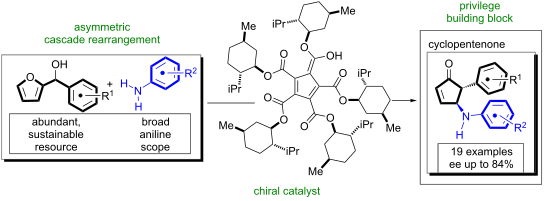
- as the optimized reaction conditions. With optimized reaction conditions in hand, we set out to explore the scope and limitations of the asymmetric reaction (Scheme 1). Initially, we examined the reaction of various anilines with furylcarbinol 1a. Scheme 1 summarizes the results obtained with ortho
- -, meta-, and para-substituted aniline derivatives. The reaction of anilines bearing an electron-withdrawing group at the para-position afforded the optimal balance between efficiency and enantioselectivity. Consistent with Rueping’s work [35], ortho-aminobenzoic acid, which contains an additional
- -Piancatelli reaction. Asymmetric aza-Piancatelli rearrangement with a range of substituted anilines. *To simplify the purification process, carboxylic acids were transformed in situ into the corresponding methyl ester using (trimethylsilyl)diazomethane. Asymmetric aza-Piancatelli rearrangement with a range of

Graphical Abstract

Figure 1: Proposed mechanism of the asymmetric aza-Piancatelli reaction.

Scheme 1: Asymmetric aza-Piancatelli rearrangement with a range of substituted anilines. *To simplify the pur...

Scheme 2: Asymmetric aza-Piancatelli rearrangement with a range of substituted furylcarbinols. *To simplify t...
A heteroditopic macrocycle as organocatalytic nanoreactor for pyrroloacridinone synthesis in water
- Piyali Sarkar,
- Sayan Sarkar and
- Pradyut Ghosh
Beilstein J. Org. Chem. 2019, 15, 1505–1514, doi:10.3762/bjoc.15.152
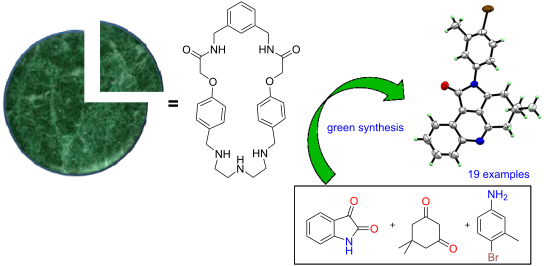
- acquiring the optimized reaction conditions, we next turned our attention to the reaction scope. A series of investigations was performed to prepare various types of pyrroloacridines (Scheme 1). We first scrutinized a variety of anilines having different types of electron-donating or electron-withdrawing

Graphical Abstract
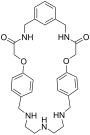
Figure 1: Bis-amido-tris-amine macrocycle BATA-MC.

Figure 2: (a) Number distribution plot with particle size in DLS, (b) SEM image and (c) TEM image showing the...

Figure 3: Dependence of the yield of compound 4a on the reaction time using BATA-MC.

Figure 4: Yields of product 4a at different catalyst loading.

Scheme 1: BATA-MC-catalyzed synthesis of 4,5-dihydropyrrolo[2,3,4-kl]acridinones.

Scheme 2: BATA-MC-catalyzed synthesis of pyrrolo[2,3,4-kl]acridinone derivatives.
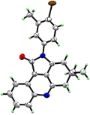
Figure 5: X-ray single crystal structure of 4d (CCDC 1898008).

Scheme 3: Probable mechanism illustrated for the synthesis of 4a using BATA-MC. For the sake of simplicity, w...

Figure 6: Representation of BATA-MC nanoreactor.

Figure 7: The reusability of the nanoreactor for the synthesis of 4a.
Steroid diversification by multicomponent reactions
- Leslie Reguera,
- Cecilia I. Attorresi,
- Javier A. Ramírez and
- Daniel G. Rivera
Beilstein J. Org. Chem. 2019, 15, 1236–1256, doi:10.3762/bjoc.15.121
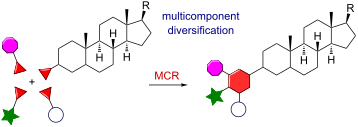
- byproducts – likely due to the poor reactivity of the substituted anilines as amino components of the Ugi-4CR. Nonetheless, the Passerini products were also evaluated and provided important information of the structure–activity relationship [24]. An additional library was built by performing the Ugi-4CR at a

Graphical Abstract

Figure 1: Structures of natural steroids of A) animal and B) plant origin.

Scheme 1: Synthesis of a steroidal β-lactam by Ugi reaction of a cholanic aldehyde [14].

Scheme 2: Synthetic route to steroidal 2,5-diketopiperazines based on a diastereoselective Ugi-4CR with an an...

Scheme 3: Multicomponent synthesis of a heterocycle–steroid hybrid using a ketosteroid as carbonyl component [18]....

Scheme 4: Synthesis of peptidomimetic–steroid hybrids using the Ugi-4CR with spirostanic amines and carboxyli...

Scheme 5: Synthesis of azasteroids using the Ugi-4CR with androstanic and pregnanic carboxylic acids [22].

Figure 2: Ugi-4CR-derived library of androstanic azasteroids with diverse substitution patterns at the phenyl...

Scheme 6: Synthesis of 4-azacholestanes by an intramolecular Ugi-4C-3R [26].

Scheme 7: Synthesis of amino acid–steroid hybrid by multiple Ugi-4CR using steroidal isocyanides [29].

Scheme 8: Synthesis of ecdysteroid derivatives by Ugi-4CR using a steroidal isocyanide [30].

Scheme 9: Stereoselective multicomponent synthesis of a steroid–tetrahydropyridine hybrid using a chiral bifu...

Scheme 10: Pd(II)-catalyzed three-component reaction with an alkynyl seco-cholestane [34].

Scheme 11: Multicomponent synthesis of steroid–thiazole hybrids from a steroidal ketone [36].

Scheme 12: Synthesis of cholanic pseudo-peptide derivatives by novel MCRs based on the reactivity of ynamide [37,38].

Scheme 13: Synthesis of steroid-fused pyrimidines and pyrimidones using the Biginelli-3CR [39,42,43].

Scheme 14: Synthesis of steroidal pyridopyrimidines by a reaction sequence comprising a 4CR followed by a post...

Scheme 15: Synthesis of steroid-fused pyrimidines by MCR of 2-hydroxymethylene-3-ketosteroids [46].

Scheme 16: Synthesis of steroid-fused naphthoquinolines by the Kozlov–Wang MCR using ketosteroids [50,51].

Scheme 17: Conjugation of steroids to carbohydrates and peptides by the Ugi-4CR [62,63].

Scheme 18: Solid-phase multicomponent conjugation of peptides to steroids by the Ugi-4CR [64].

Scheme 19: Solid-phase multicomponent conjugation of peptides to steroids by the Petasis-3CR [68].

Scheme 20: Synthesis of steroidal macrobicycles (cages) by multiple multicomponent macrocyclizations based on ...

Scheme 21: One-pot synthesis of steroidal cages by double Ugi-4CR-based macrocyclizations [76].
Synthesis of aryl cyclopropyl sulfides through copper-promoted S-cyclopropylation of thiophenols using cyclopropylboronic acid
- Emeline Benoit,
- Ahmed Fnaiche and
- Alexandre Gagnon
Beilstein J. Org. Chem. 2019, 15, 1162–1171, doi:10.3762/bjoc.15.113
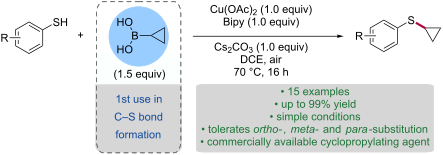
- the feasibility of S-cyclopropylating 4-tert-butylbenzenethiol (14a) with cyclopropylboronic acid (25) using reaction conditions developed by Neuville and Zhu for the N-cyclopropylation of anilines and amines [39]. Treating thiophenol 14a with 2.0 equivalents of cyclopropylboronic acid (25), 1.0

Graphical Abstract

Scheme 1: Synthetic uses of aryl cyclopropyl sulfides 1.

Scheme 2: Synthesis of aryl cyclopropyl sulfides.

Scheme 3: Substrate scope in the copper-promoted S-cyclopropylation of thiophenols 14 using cyclopropylboroni...

Scheme 4: Copper-catalyzed S-cyclopropylation of 4-tert-butylbenzenethiol (14a) using potassium cyclopropyl t...
Multicomponent reactions (MCRs): a useful access to the synthesis of benzo-fused γ-lactams
- Edorta Martínez de Marigorta,
- Jesús M. de Los Santos,
- Ana M. Ochoa de Retana,
- Javier Vicario and
- Francisco Palacios
Beilstein J. Org. Chem. 2019, 15, 1065–1085, doi:10.3762/bjoc.15.104
- - and meta-substituted anilines 2 did not produce isoindolinones 32, and aliphatic amines only reacted when p-toluenesulfonic acid was present. The reaction has also been applied to 1,3-dicarbonyl compounds, however, only residual amounts of isoindolinones 32 were detected and deamination products
- in this manner, although, once again, ortho-substituted anilines 2 did not render the cyclic product, as the final lactamization step is probably impeded by sterical reasons. On the other hand, silyl enol ethers of acetone, acetophenone, methyl acetate, 2-hydroxyfuran and cyclohexanone worked well

Graphical Abstract

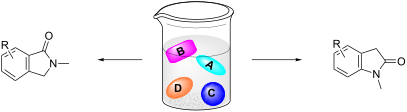
Figure 1: γ-Lactam-derived structures considered in this review.

Figure 2: Alkaloids containing an isoindolinone moiety.

Figure 3: Alkaloids containing the 2-oxindole ring system.
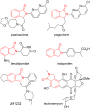
Figure 4: Drugs and biological active compounds containing an isoindolinone moiety.
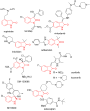
Figure 5: Drugs and biologically active compounds bearing a 2-oxindole skeleton.
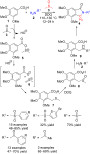
Scheme 1: Three-component reaction of benzoic acid 1, amides 2 and DMSO (3).

Scheme 2: Copper-catalysed three-component reaction of 2-iodobenzoic acids 10, alkynylcarboxylic acids 11 and...

Scheme 3: Proposed mechanism for the formation of methylene isoindolinones 13.

Scheme 4: Copper-catalysed three-component reaction of 2-iodobenzamide 17, terminal alkyne 18 and pyrrole or ...

Scheme 5: Palladium-catalysed three-component reaction of ethynylbenzamides 21, secondary amines 22 and CO (23...

Scheme 6: Proposed mechanism for the formation of methyleneisoindolinones 24.

Scheme 7: Copper-catalysed three-component reaction of formyl benzoate 29, amines 2 and alkynes 18.

Scheme 8: Copper-catalysed three-component reaction of formylbenzoate 29, amines 2 and ketones 31.

Scheme 9: Non-catalysed (A) and phase-transfer catalysed (B) three-component reactions of formylbenzoic acids ...

Scheme 10: Proposed mechanism for the formation of isoindolinones 36.

Scheme 11: Three-component reaction of formylbenzoic acid 33, amines 2 and fluorinated silyl ethers 39.

Scheme 12: Three-component Ugi reaction of 2-formylbenzoic acid (33), diamines 41 and isocyanides 42.

Scheme 13: Non-catalysed (A, B) and chiral phosphoric acid promoted (C) three-component Ugi reactions of formy...

Scheme 14: Proposed mechanism for the enantioselective formation of isoindolinones 46.

Scheme 15: Three-component reaction of benzoic acids 33 or 54, amines 2 and TMSCN (52).

Scheme 16: Several variations of the three-component reaction of formylbenzoic acids 33, amines 2 and isatoic ...

Scheme 17: Proposed mechanism for the synthesis of isoindoloquinazolinones 57.

Scheme 18: Three-component reaction of isobenzofuranone 61, amines 2 and isatoic anhydrides 56.

Scheme 19: Palladium-catalysed three-component reaction of 2-aminobenzamides 59, 2-bromobenzaldehydes 62 and C...

Scheme 20: Proposed mechanism for the palladium-catalysed synthesis of isoindoloquinazolinones 57.

Scheme 21: Four-component reaction of 2-vinylbenzoic acids 67, aryldioazonium tetrafluoroborates 68, DABCO·(SO2...

Scheme 22: Plausible mechanism for the formation of isoindolinones 71.

Scheme 23: Three-component reaction of trimethylsilylaryltriflates 77, isocyanides 42 and CO2 (78).

Scheme 24: Plausible mechanism for the three-component synthesis of phthalimides 79.
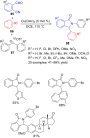
Scheme 25: Copper-catalysed three-component reaction of 2-formylbenzonitriles 85, arenes 86 and diaryliodonium...

Scheme 26: Copper-catalysed three-component reaction of 2-formylbenzonitriles 85, diaryliodonium salts 87 and ...

Scheme 27: Proposed mechanism for the formation of 2,3-diarylisoindolinones 88, 89 and 92.

Scheme 28: Palladium-catalysed three-component reaction of chloroquinolinecarbaldehydes 97 with isocyanides 42...

Scheme 29: Palladium-catalysed three-component reaction of imines 99 with CO (23) and ortho-iodoarylimines 100....

Scheme 30: Palladium-catalysed three-component reaction of amines 2 with CO (23) and aryl iodide 105.

Scheme 31: Three-component reaction of 2-ethynylanilines 109, perfluoroalkyl iodides 110 and carbon monoxide (...

Scheme 32: Ultraviolet-induced three-component reaction of N-(2-iodoaryl)acrylamides 113, DABCO·(SO2)2 (69) an...

Scheme 33: Proposed mechanism for the preparation of oxindoles 115.

Scheme 34: Three-component reaction of acrylamide 113, CO (23) and 1,4-benzodiazepine 121.

Scheme 35: Multicomponent reaction of sulfonylacrylamides 123, aryldiazonium tetrafluoroborates 68 and DABCO·(...

Scheme 36: Proposed mechanism for the preparation of oxindoles 124.

Scheme 37: Three-component reaction of N-arylpropiolamides 128, aryl iodides 129 and boronic acids 130.

Scheme 38: Proposed mechanism for the formation of diarylmethylene- and diarylallylideneoxindoles 131 and 132.

Scheme 39: Three-component reaction of cyclohexa-1,3-dione (136), amines 2 and alkyl acetylenedicarboxylates 1...

Scheme 40: Proposed mechanism for the formation of 2-oxindoles 138.
A three-component, Zn(OTf)2-mediated entry into trisubstituted 2-aminoimidazoles
- Alexei Lukin,
- Anna Bakholdina,
- Anna Kryukova,
- Alexander Sapegin and
- Mikhail Krasavin
Beilstein J. Org. Chem. 2019, 15, 1061–1064, doi:10.3762/bjoc.15.103
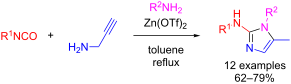
- isocyanates. However, its scope is limited to aliphatic amines as the reaction failed to work for anilines (even electron-rich ones, such as p-anisidine). The tolerance of acid-labile protecting groups such as Boc is particularly useful as it offers an opportunity for further side-chain modifications. From

Graphical Abstract
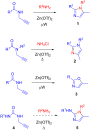
Figure 1: Examples of imidazole (1 and 2) and oxazole (3) syntheses from propargylamides previously reported ...

Figure 2: Substrate scope for the three-component synthesis of 5.

Figure 3: Plausible mechanism for the formation of 5.
Azologization of serotonin 5-HT3 receptor antagonists
- Karin Rustler,
- Galyna Maleeva,
- Piotr Bregestovski and
- Burkhard König
Beilstein J. Org. Chem. 2019, 15, 780–788, doi:10.3762/bjoc.15.74
- , nitrosoquinoxaline 3 was synthesized in a two-step procedure starting from 2-chloroquinoxaline (1), which was transformed into its oxime 2 using hydroxylammonium chloride [64]. The subsequent oxidation was performed using periodic acid as oxidant [65]. The subsequent reaction with differently substituted anilines in

Graphical Abstract

Scheme 1: Approach of the direct azologization of reported [60,61] serotonin 5-HT3R antagonists via replacement of a...

Scheme 2: Synthesis of the differently substituted quinoxaline azobenzene derivatives 5a and 5b via Baeyer [62]–M...

Scheme 3: Synthesis of the methoxy-substituted quinoxaline derivative 12a via diazotization [66-69].

Scheme 4: General procedure for the synthesis of purine- and thienopyrimidine-substituted arylazobenzenes and...

Scheme 5: Synthesis of the thiomethyl-linked purine azobenzene 23 [62,63,72-74].

Scheme 6: Synthesis of the amide-linked azobenzene purine 28 [62,63,75-77].

Figure 1: UV–vis absorption spectra measured at 50 µM in DMSO. Left: purine derivative 16c; right: azo-extend...

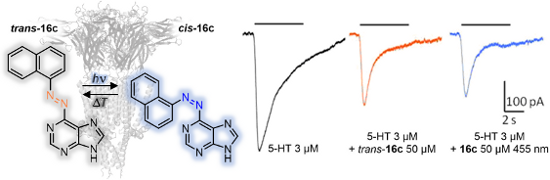
Figure 2: On the left panel representative traces of currents induced by the application of 3 µM 5HT (black t...
Synthesis and fluorescent properties of N(9)-alkylated 2-amino-6-triazolylpurines and 7-deazapurines
- Andrejs Šišuļins,
- Jonas Bucevičius,
- Yu-Ting Tseng,
- Irina Novosjolova,
- Kaspars Traskovskis,
- Ērika Bizdēna,
- Huan-Tsung Chang,
- Sigitas Tumkevičius and
- Māris Turks
Beilstein J. Org. Chem. 2019, 15, 474–489, doi:10.3762/bjoc.15.41
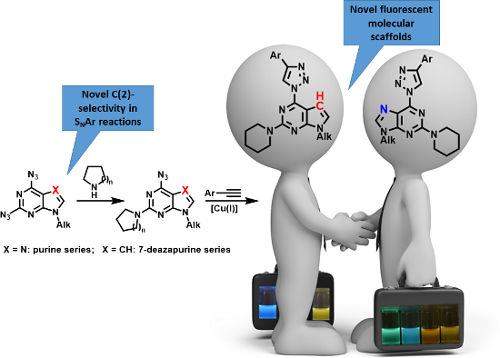
- development does not allow yet to introduce arylamino moieties at C(2) due to the diminished nucleophilicity of anilines. The 7-deazapurine derivatives were characterized with a somewhat larger Stokes shift and bathochromic shift of the lowest energy absorption band in comparison to purine derivatives, but

Graphical Abstract
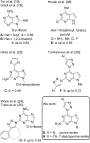
Figure 1: Examples of fluorescent purine/7-deazapurine derivatives.

Scheme 1: General synthetic routes for the compounds 5, 7–9, 10 and 11. Method A: alkyl halogenide, MeCN or D...
Figure 2: 1H NMR spectra of compound 6b in CD3CN at different temperatures (300 MHz, c = 12.5 mg/mL); a, b, c...

Figure 3: Comparison of 1H NMR spectra of compounds 8a and 5 (300 MHz, CDCl3).

Figure 4: a) Experimental UV–vis absorption spectra (lines) with computed theoretical absorption bands (colum...

Figure 5: Photos of compound 8c (A and B) and compound 11c (C and D) in THF, CHCl3, DMSO, MeCN and MeOH befor...

Figure 6: a) Fluorescence spectra of compounds 8c (λexc = 360 nm) and 11c (λexc = 370 nm) in solvents of diff...

Figure 7: Energy diagram for the frontier molecular orbitals of compounds 8a, 8c, 11a and 11c.

Figure 8: Labeled MCF-7 cells using compound 9 (C,D) and unlabeled MCF-7 cells (A,B) in microscope (2 h, c(9)...
Synthesis of mono-functionalized S-diazocines via intramolecular Baeyer–Mills reactions
- Miriam Schehr,
- Daniel Hugenbusch,
- Tobias Moje,
- Christian Näther and
- Rainer Herges
Beilstein J. Org. Chem. 2018, 14, 2799–2804, doi:10.3762/bjoc.14.257

- sulfur bridge is oxidized to the sulfoxide or sulfone. Hence, neither reductive nor oxidative conditions are compatible with the –CH2-S– bridge. An alternative strategy, that applies weakly acidic conditions is the condensation of aryl nitroso compounds with anilines. This Baeyer–Mills reaction was

Graphical Abstract

Figure 1: Cis–trans isomerization of mono-functionalized S-diazocines 1–5.

Scheme 1: Reaction conditions: i) MeCN, AIBN, NBS; ii) NaBH4, THF; #commercially available iii) BH3·THF compl...

Figure 2: UV spectra of the S-diazocine 4 in cis (black) and in trans (red) configuration after irradiation w...

Figure 3: Left: crystal structure of the iodo-functionalized S-diazocine 3. Right: crystal structure of the u...
An overview on recent advances in the synthesis of sulfonated organic materials, sulfonated silica materials, and sulfonated carbon materials and their catalytic applications in chemical processes
- Hashem Sharghi,
- Pezhman Shiri and
- Mahdi Aberi
Beilstein J. Org. Chem. 2018, 14, 2745–2770, doi:10.3762/bjoc.14.253
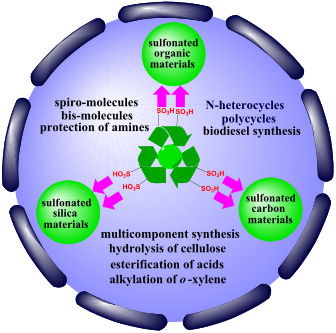
- -methyl-1H-imidazolium chloride (66) ILs were used as excellent catalysts and the reaction medium for microwave synthesis of quinoline derivatives 65 from substituted anilines 15 and glycerol (64, Scheme 11). Some advantages of these catalytic systems include: elimination of oxidizing agents, ease of
- protected aniline derivatives were obtained by the solvent-free reaction of anilines with 1,3-diketones at 120 °C or 140 °C in the presence of 2 equiv of water under 1 atm O2 atmosphere (Scheme 16). The probable reaction pathway for this reaction is shown in Scheme 16. Arylamine 15 attacks the activated

Graphical Abstract

Figure 1: Different types of sulfonated materials as acid catalysts.

Scheme 1: Synthetic route of 3-methyl-1-sulfo-1H-imidazolium metal chloride ILs and their catalytic applicati...

Scheme 2: Synthetic route of 1,3-disulfo-1H-imidazolium transition metal chloride ILs and their catalytic app...

Scheme 3: Synthetic route of 1,3-disulfoimidazolium carboxylate ILs and their catalytic applications in the s...

Scheme 4: Synthetic route of [BiPy](HSO3)2Cl2 and [Dsim]HSO4 ILs and their catalytic applications for the syn...

Scheme 5: The catalytic applications of (C4(DABCO-SO3H)2·4Cl) IL for the synthesis of spiro-isatin derivative...

Scheme 6: The catalytic applications of (C4(DABCO-SO3H)2·4Cl) IL for the synthesis of bis 2-amino-4H-pyran de...

Scheme 7: The synthetic route of N,N-disulfo-1,1,3,3-tetramethylguanidinium carboxylate ILs and their catalyt...

Scheme 8: The catalytic application of 1-methyl-3-sulfo-1H-imidazolium tetrachloroferrate IL in the synthesis...

Scheme 9: The synthetic route of 3-sulfo-1H-imidazolopyrimidinium hydrogen sulfate IL and its catalytic appli...

Scheme 10: The results for the synthesis of bis(indolyl)methanes and di(bis(indolyl)methyl)benzenes in the pre...

Scheme 11: The catalytic applications of 1-(1-sulfoalkyl)-3-methylimidazolium chloride acidic ILs for the hydr...

Scheme 12: The synthetic route of immobilized 1,4-diazabicyclo[2.2.2]octanesulfonic acid chloride on SiO2 and ...

Scheme 13: The catalytic application of a silica-bonded sulfoimidazolium chloride for the synthesis of 12-aryl...

Scheme 14: The synthetic route of the SBA-15-Ph-SO3H and its catalytic applications for the synthesis of 2H-in...

Scheme 15: The synthetic route for heteropolyanion-based ionic liquids immobilized on mesoporous silica SBA-15...

Scheme 16: Some mechanism aspects of SSA catalyst for the protection of amine derivatives.

Scheme 17: The synthetic route for MWCNT-SO3H and its catalytic application for the synthesis of N-substituted...
Scheme 18: The sulfonic acid-functionalized polymers (P-SO3H) covalently grafted on multi-walled carbon nanotu...

Scheme 19: The transesterification reaction in the presence of S-MWCNTs.

Scheme 20: The synthetic route for the new hypercrosslinked supermicroporous polymer via the Friedel–Crafts al...

Scheme 21: The synthetic route for a new microporous copolymer via the Friedel–Crafts alkylation reaction of t...

Scheme 22: The synthetic route for sulfonated polynaphthalene and its catalytic application for the amidoalkyl...

Scheme 23: The synthetic route of the acidic carbon material and its catalytic application in the etherificatio...

Scheme 24: The synthetic route of the acidic carbon materials and their catalytic applications for the esterif...

Scheme 25: The sulfonated MWCNTs.

Scheme 26: The sulfonated nanoscaled diamond powder for the dehydration of D-xylose into furfural.

Scheme 27: The synthetic route and catalytic application of the GR-SO3H.



