Search results
Search for "cytotoxicity" in Full Text gives 292 result(s) in Beilstein Journal of Organic Chemistry. Showing first 200.
Cholyl 1,3,4-oxadiazole hybrid compounds: design, synthesis and antimicrobial assessment
Beilstein J. Org. Chem. 2022, 18, 631–638, doi:10.3762/bjoc.18.63
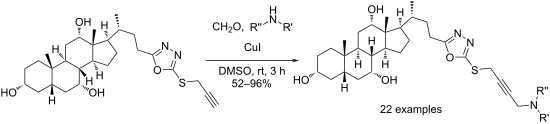
- [27][28][29], and were used for ischemic stroke treatment [30], to decrease the cytotoxicity of anticancer drugs [31], and as amphiphilic copolymers as artificial ionophores [32]. Result and Discussion The synthetic strategy for the synthesis of the desired compounds 4a–v commenced from commercially


Terpenoids from Glechoma hederacea var. longituba and their biological activities
Beilstein J. Org. Chem. 2022, 18, 555–566, doi:10.3762/bjoc.18.58
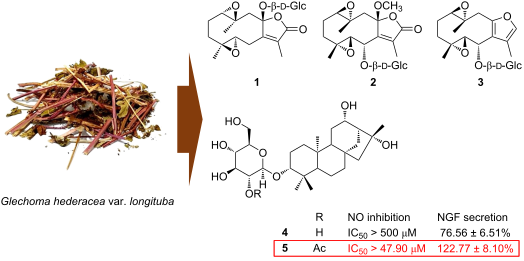
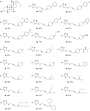
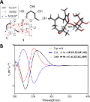
- ) cell line. Keywords: antineuroinflammation; cytotoxicity; Glechoma hederacea var. longituba; neurotrophic effect; terpenoid; Introduction Glechoma hederacea var. longituba is a perennial plant in the family Labiatae. It is commonly known as ‘ground ivy’ and ‘gill over the ground’ and is widely
- , and cytotoxicity. Compounds 2 and 5–7 caused significantly reduced NO levels. Compound 5 exhibited a neurotrophic effect. Interestingly, compounds 4 and 5 showed differences in antineuroinflammatory activity and neurotrophic effect according to the C-2' functional group of the glucopyranosyl group




Synthesis of a new water-soluble hexacarboxylated tribenzotriquinacene derivative and its competitive host–guest interaction for drug delivery
Beilstein J. Org. Chem. 2022, 18, 539–548, doi:10.3762/bjoc.18.56
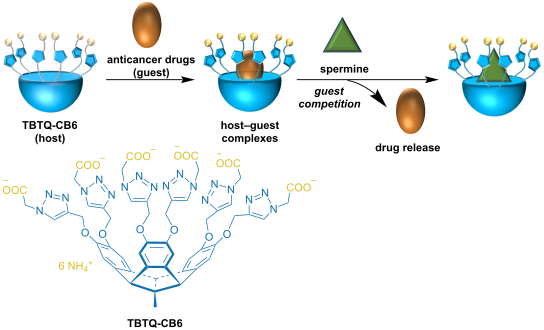
- , supramolecular chemotherapy has received considerable attention by utilizing a supramolecular strategy to decrease the cytotoxicity of anticancer drugs to normal cells while preserving their cytotoxicity against cancer cells [11]. Supramolecular systems derived from macrocycles [12][13], such as calix[n]arenes
- derivative with an extended cavity that can associate with anticancer drugs through host–guest interactions. The resulting host–guest complexes can be considered as camouflaged anticancer drugs that may exhibit low or no cytotoxicity in normal cellular environment. Furthermore, it is hoped that the release



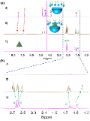


Unusual highly diastereoselective Rh(II)-catalyzed dimerization of 3-diazo-2-arylidenesuccinimides provides access to a new dibenzazulene scaffold
Beilstein J. Org. Chem. 2022, 18, 533–538, doi:10.3762/bjoc.18.55
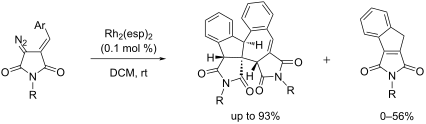
- interactions, including oncogenic ones [18]. As the first step towards biological characterization of compounds 2, they were screened for cytotoxicity against the A549 human lung adenocarcinoma cell line. Among the eleven compounds, N-aryl analogs 2a–e, 2h, and 2j had no effect on the cancer cell viability
- . However, the N-alkyl analogs 2f and 2k–m showed a pronounced cytotoxicity with IC50 values in the single to double-digit micromolar range (Figure 2). Conclusion In summary, we have shown that the reaction triggered by the Rh(II)-catalyzed decomposition of DAS in inert medium can proceed in two principal
- showed pronounced cytotoxocity against the A549 human lung adenocarcinoma cell line while N-aryl analogs were non-cytotoxic. Previously reported transformations of DAS (1) and their unusual dimerization investigated in this work. Cytotoxicity of N-alkyl-substituted dibenzoazulenodipyrroles 2 against the


Chemistry of polyhalogenated nitrobutadienes, 17: Efficient synthesis of persubstituted chloroquinolinyl-1H-pyrazoles and evaluation of their antimalarial, anti-SARS-CoV-2, antibacterial, and cytotoxic activities
Beilstein J. Org. Chem. 2022, 18, 524–532, doi:10.3762/bjoc.18.54
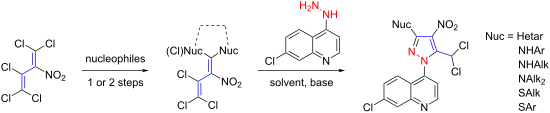
- . However, no specific antiviral properties could be discovered, as the results were dominated by the cytotoxicity of the compounds. For details see Supporting Information File 1. Furthermore, we evaluated the antibacterial properties of 3b and 10d. Growth of the Gram-positive bacterial strain


Sesquiterpenes from the soil-derived fungus Trichoderma citrinoviride PSU-SPSF346
Beilstein J. Org. Chem. 2022, 18, 479–485, doi:10.3762/bjoc.18.50
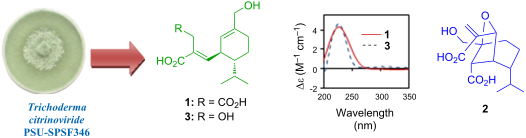
- . Amphotericin B was used as a positive control for C. neoformans ATCC90113 and displayed a MIC value of 0.25 μg/mL. Cytotoxicity assay The activity assay against African green monkey kidney fibroblast (Vero) cells was performed in triplicate employing the method described by Hunt and co-workers [17


Four bioactive new steroids from the soft coral Lobophytum pauciflorum collected in South China Sea
Beilstein J. Org. Chem. 2022, 18, 374–380, doi:10.3762/bjoc.18.42
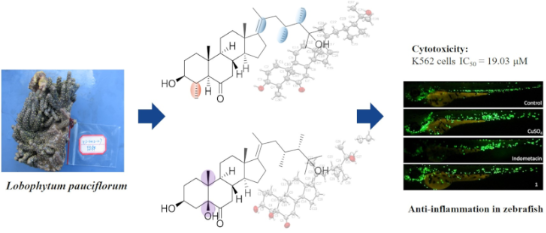
- structurally related compounds reported in the literature. The absolute configuration of 1–3 was determined by X-ray diffraction. All the compounds have assessed the cytotoxicity against HL-60, K562, and Hela cells. Compound 1 showed weak cytotoxicity against K562 cells with an IC50 value of 19.03 μM. In
- addition, compound 1 also showed a moderate anti-inflammatory effect in zebrafish. Keywords: anti-inflammatory; cytotoxicity; Lobophytum pauciflorum; soft coral; steroids; X-ray diffraction; Introduction The unique and complicated marine environment makes soft corals a treasure-house of secondary
- ]+ calcd for C29H47O2, 427.3571; found, 427.3569. Cytotoxicity assays In vitro cytotoxicity was determined by the MTT method against K562 (chronic myeloid leukemia) and HL-60 (human promyelocytic leukemia) cell lines, and by the SRB method against the Hela cell line. Zebrafish maintenance Adult zebrafish


Synthesis and bioactivity of pyrrole-conjugated phosphopeptides
Beilstein J. Org. Chem. 2022, 18, 159–166, doi:10.3762/bjoc.18.17
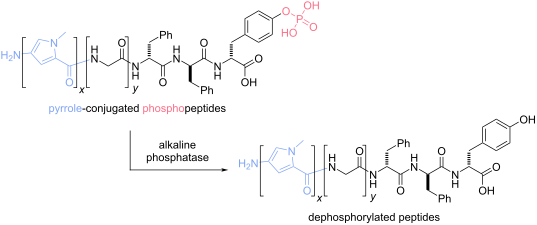
- second Py unit to give a Boc-capped product, 9. We added guanidinoacetic acid to Py-GGGffpy and (Py)2-GGGffpy for making 10a and 10b, respectively. All the products were purified by HPLC. Bioactivity We examined the cytotoxicity of the synthesized compounds by incubating them with HeLa cells because HeLa
- motif and one to three pyrrole motifs at the N-terminal, hardly inhibit the HeLa cells. Compound 7, formed by the introduction of a ᴅ-arginine residue into 2a, exhibits similar cytotoxicity as that of 2a. 8a and 8b, formed by replacing the ff motif in 2d and 2e with l4, exhibit slight and little
- cytotoxicity, respectively. Capping the N-terminus with a Boc-protecting group (9) or a guanidinoacetic acid motif (10a and 10b) renders the molecules with higher cytotoxicity (resulting in cell viabilities of about 70%) than those of 2f and 2g. Compounds without phosphorylation (11a, 11b and 12a–c) show


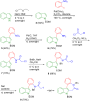
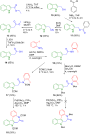
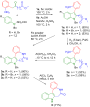
Ready access to 7,8-dihydroindolo[2,3-d][1]benzazepine-6(5H)-one scaffold and analogues via early-stage Fischer ring-closure reaction
Beilstein J. Org. Chem. 2022, 18, 143–151, doi:10.3762/bjoc.18.15
- copper(II) complexes prepared revealed an enhanced aqueous solubility and bioavailability indeed, along with very high cytotoxicity [8][9][10][11][12][13][14][15][16][17][18][19][20][21]. Moreover, the metal-free ligands and copper(II) complexes derived from backbone D revealed cytotoxicity in the






Tenacibactins K–M, cytotoxic siderophores from a coral-associated gliding bacterium of the genus Tenacibaculum
Beilstein J. Org. Chem. 2022, 18, 110–119, doi:10.3762/bjoc.18.12
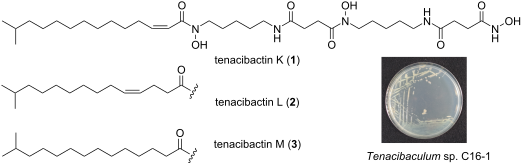
- repeated cadaverine–succinic acid motifs terminated by a hydroxamic acid functionality, were elucidated by NMR and negative MS/MS experiments. Compounds 1–3 were inactive against bacteria and a yeast but displayed cytotoxicity against 3Y1 rat embryonic fibroblasts and P388 murine leukemia cells at GI50 in
- related compounds such as nocardichelins [31] and MBJ-0003 [32], compounds 1–3 did not show appreciable antimicrobial activity against bacteria or a yeast (see Experimental) at 50 μg/mL but exhibited cytotoxicity against 3Y1 rat embryonic fibroblasts and P388 murine leukemia cells (Table 3). Among the
- Antimicrobial activity was examined as previously reported [41]. Kocuria rhizophila ATCC9341, Staphylococcus aureus FDA209P JC-1, Ralstonia solanacearum SUPP1541, Escherichia coli NIHJ JC-2, Rhizobium radiobacter NBRC14554, and Candida albicans NBRC0197 were used as indication strains. Cytotoxicity against 3Y1


Unsaturated fatty acids and a prenylated tryptophan derivative from a rare actinomycete of the genus Couchioplanes
Beilstein J. Org. Chem. 2021, 17, 2939–2949, doi:10.3762/bjoc.17.203
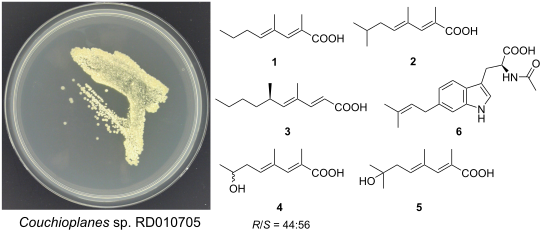
- ), 8.01 (d, J = 8.3 Hz, 1H, NH-11), 1.73 (s, 3H, H-13); HR–ESI–TOFMS (m/z): [M + Na]+ calcd for C27H31N3NaO4, 484.2207; found, 484.2207. Cytotoxicity assay The cytotoxicity assay was carried out against P388 murine leukemia cells in the same manner as reported previously [36]. The IC50 of a reference drug


First total synthesis of hoshinoamide A
Beilstein J. Org. Chem. 2021, 17, 2924–2931, doi:10.3762/bjoc.17.201
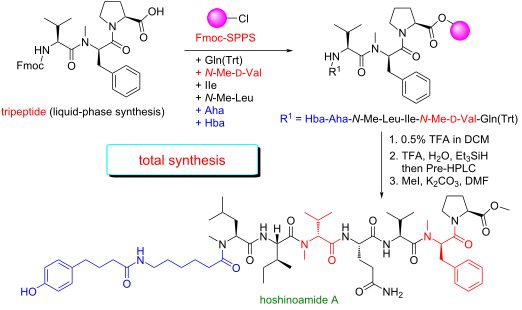
- cytotoxicity compared to hoshinoamide B. Herein, we report the initial progress on the total synthesis of hoshinomaide A. The key challenges for the total synthesis of hoshinoamide A are the coupling of highly methylated amino acids and the purification of hydrophobic peptides. Results and Discussion As shown


Synthesis of new pyrazolo[1,2,3]triazines by cyclative cleavage of pyrazolyltriazenes
Beilstein J. Org. Chem. 2021, 17, 2773–2780, doi:10.3762/bjoc.17.187
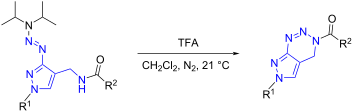
- even under harsh conditions (temperatures up to 100 °C in dichloroethane and use of H2SO4 as acid), and the starting material was recovered in all of the reactions. Selected final compounds 5 and intermediates 9, 12, 13, and 17 obtained in this work were tested for their cytotoxicity. We conducted
- standardized MTT assays [41] to evaluate if the newly accessible compounds of type 5 and their precursors could become interesting target molecules for biological investigations or if the compounds show high toxicity, which might prevent their use. We monitored cytotoxicity at six different concentrations
- effects at high concentrations. Interestingly, no common structural motif promoted an increase in the in vitro cytotoxicity. However, by comparing the IC50 values of the compound classes 12 and 13, regioisomerism seems to play a decisive role: while compounds 12a and 12d–h had no influence on the


Synthetic strategies toward 1,3-oxathiolane nucleoside analogues
Beilstein J. Org. Chem. 2021, 17, 2680–2715, doi:10.3762/bjoc.17.182
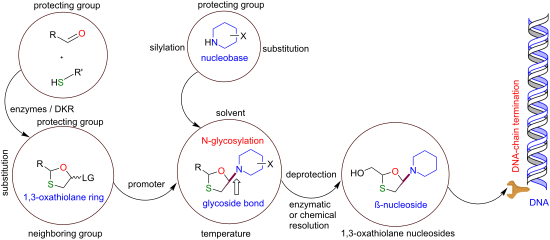
- , ʟ-nucleosides are typically endowed with lower host toxicity [11][12]. The antiviral activity and cytotoxicity in MT-4 cells showed that racemic (±)-BCH-189 (1c) possesses lower anti-HIV activity (ID50 = 0.37–1.31 µM) than AZT (ᴅ-nucleoside, ID50 = 0.0048–0.0217 µM). However, (±)-BCH-189 (1c
- nucleoside 97 (Scheme 42). Unfortunately, the introduction of a tetrazole ring to the oxathiolane moiety did not result in any anti-HIV activity and higher cytotoxicity. The synthesis of N4-substituted analogue 99 of 2',3'-dideoxy-3'-thiacytosine was discovered by Camplo et al. (Scheme 43) [77]. The prodrug


Synthesis of new bile acid-fused tetrazoles using the Schmidt reaction
Beilstein J. Org. Chem. 2021, 17, 2611–2620, doi:10.3762/bjoc.17.174
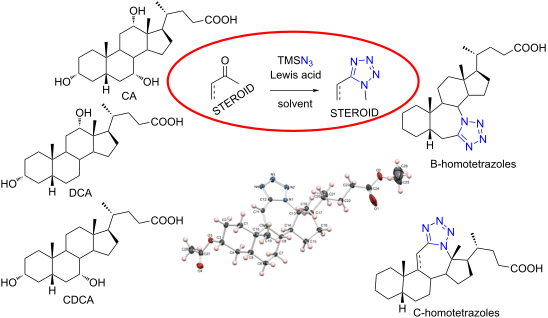
- above-mentioned potential of a nitrogen-containing steroids, and as a continuation of our research in the field of bile acids and steroidal heterocycles, in this work, we aimed to prepare a series of new bile acid tetrazoles with potential cytotoxicity towards selected tumor cells. To achieve the
- linear dose dependence of cytotoxicity through the tested concentration range (Figure 4A). Compound 3 also showed strong activity on the HeLa cell line. Introduction of tetrazole ring instead of ketone diminished activity toward the MDA-MB-231 cell line in compound 13 (IC50 > 100 μM). The same trend with
- activity toward the HeLa cell line (IC50 = 6.97 μM), while tetrazole 22 showed strong and selective activity toward the HT-29 cell line (IC50 = 6.06 µM). Compounds 7, 23, and 24, which showed strong cytotoxicity to the breast cancer cell line MDA-MB-231 (in addition to compound 3), also exhibited a


Cryogels: recent applications in 3D-bioprinting, injectable cryogels, drug delivery, and wound healing
Beilstein J. Org. Chem. 2021, 17, 2553–2569, doi:10.3762/bjoc.17.171
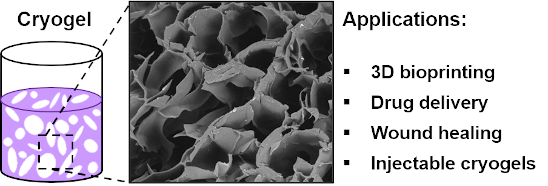
- interactions between anionic sulphate groups and the primary amine group present in doxorubicin which confers a positive charge under physiological conditions. This interaction was confirmed by in silico modelling. While the carriers did not show any cytotoxicity, cell viability was reduced in the presence of






Strategies for the synthesis of brevipolides
Beilstein J. Org. Chem. 2021, 17, 2399–2416, doi:10.3762/bjoc.17.157
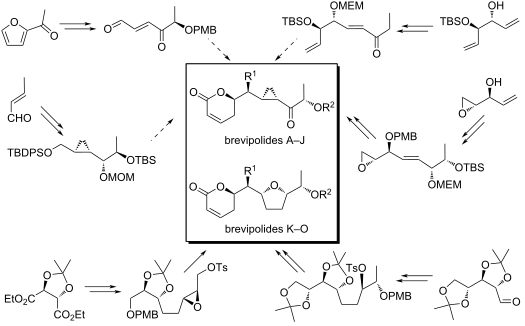
- -dihydro-α-pyrone derivatives, bearing either a distinctive cyclopropane or furan ring and named brevipolides A–O (1–15), have been isolated from the invasive plant Hyptis brevipes Poit. Their fascinating structural features, and the potent biological activities, including cytotoxicity against an array of
- , C5’S, and C6’S. Most brevipolide members exhibited cytotoxicity against various targets, including human colon, breast, laryngeal, cervix, prostate, and nasopharyngeal cancer cell lines with ED50 and IC50 values ranged in micromolar order [1][4][12]. One member showed activity in an enzyme-based
- -brevipolide H. Kumaraswamy and co-workers also performed a bioassay study for compounds 41 and 43 and found a higher cytotoxicity for the latter derivative against the MFC-7 cancer cell line. Hou’s strategy to ent-brevipolide H (ent-8) Hou and co-workers, in 2014, demonstrated an efficient approach to


Phenolic constituents from twigs of Aleurites fordii and their biological activities
Beilstein J. Org. Chem. 2021, 17, 2329–2339, doi:10.3762/bjoc.17.151
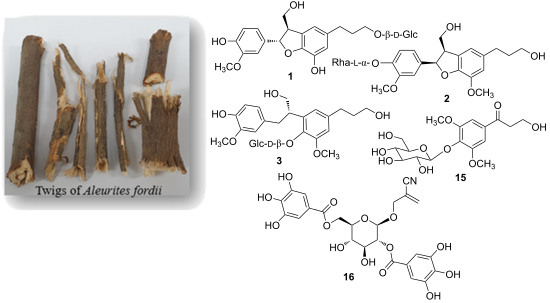
- , respectively, only compound 8 showed a significant activity (96.2 ± 1.1% for 3). The other compounds exhibited moderate or no NGF secretion effect. The cytotoxicity of compounds 1–19 was also evaluated against four human cancer cell lines (A549, SK-OV-3, SK-MEL-2, and HCT-15) through an SRB assay. All the
- were expressed as a percentage of the control group (untreated cells). Cytotoxicity assessment. The SRB assay was performed to evaluate cytotoxicity of all the isolated compounds against four cultured human cancer cell lines. The cell lines (National Cancer Institute, Bethesda, MD, USA) were used A549


Post-functionalization of drug-loaded nanoparticles prepared by polymerization-induced self-assembly (PISA) with mitochondria targeting ligands
Beilstein J. Org. Chem. 2021, 17, 2302–2314, doi:10.3762/bjoc.17.148
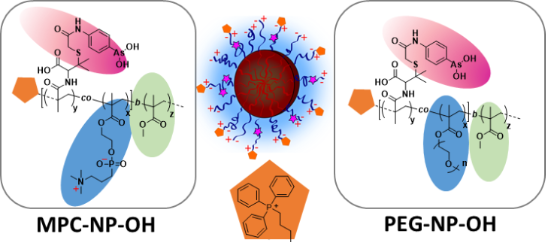
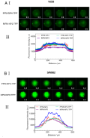
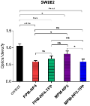
- proliferation of human synovial sarcoma SW982 cells (Figure 7). All four PISA particles displayed an enhanced cytotoxicity compared to free PENAO using SW982. While PENAO’s cytotoxicity arises mainly from crosslinking two cysteine loops in the mitochondrial ANT protein, the here employed systems seem to not
- than a 2-fold decrease in cytotoxicity, thus being less toxic compared to PPM-NP4 micelle, while MPM-NP2-TPP displays slightly lower IC50 values than that of MPM-NP2 (Figure 7). This is in agreement with the uptake results as PPM-NP4-TPP displays lower uptake while MPM-NP2-TPP displays higher uptake
- surfaces only enhanced tumor penetration and cytotoxicity for the zwitterionic micelles, while no positive effect was seen for the PEGylated micelles. More importantly, no increased mitochondria targeting ability was observed for both micelles. While the attachment of TPP clearly influenced the biological






Nomimicins B–D, new tetronate-class polyketides from a marine-derived actinomycete of the genus Actinomadura
Beilstein J. Org. Chem. 2021, 17, 2194–2202, doi:10.3762/bjoc.17.141
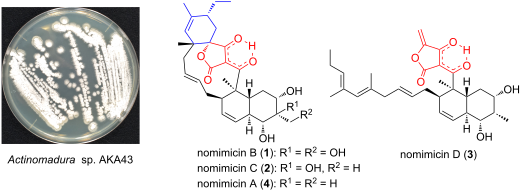
- cytotoxicity against P388 murine leukemia cells with IC50 values of 33 and 89 μM, respectively. Keywords: Actinomadura; nomimicin; polyketide; spirotetronate; Introduction Actinomycetes are a valuable source of bioactive compounds, accounting for approximately two thirds of all known antibiotics, and more
- 2 exhibited cytotoxicity against P388 murine leukemia cells with IC50 of 33 and 89 μM, respectively. Conclusion In summary, UV-based chemical screening of bioactive compounds from marine-derived actinomycetes led to the discovery of three new polyketides, nomimicins B (1), C (2), and D (3) along
- tautomer are included in Supporting Information File 1. Biological assays Antimicrobial activity and cytotoxicity were evaluated according to the procedures previously described [29]. Structures of nomimicins A–D (4 and 1–3). COSY and key HMBC correlations for 1. Relative configuration of 1 determined by


Constrained thermoresponsive polymers – new insights into fundamentals and applications
Beilstein J. Org. Chem. 2021, 17, 2123–2163, doi:10.3762/bjoc.17.138


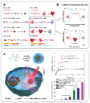
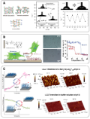
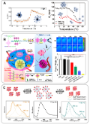
Cationic oligonucleotide derivatives and conjugates: A favorable approach for enhanced DNA and RNA targeting oligonucleotides
Beilstein J. Org. Chem. 2021, 17, 1828–1848, doi:10.3762/bjoc.17.125
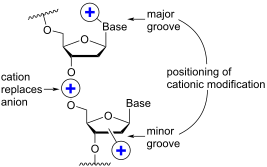
- derivative group, when conjugated to the C-5 position on 2’-deoxyuridine (Table 1B, 12), improved antisense activity while reducing toxicity [39]. In addition, a 15-mer PS-ASO, modified with the C-5 tris-aminated 2’-deoxyuridine 12, improved anti-HIV activity and reduced cytotoxicity relative to the


Natural products in the predatory defence of the filamentous fungal pathogen Aspergillus fumigatus
Beilstein J. Org. Chem. 2021, 17, 1814–1827, doi:10.3762/bjoc.17.124
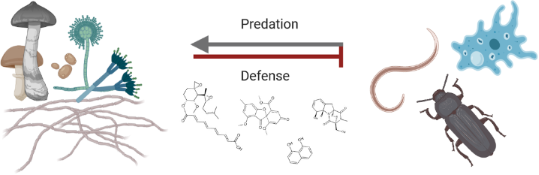
- breast cancer cells by arresting the cell cycle and promoting apoptosis while showing no cytotoxicity against RAW 264.7 cells, thus demonstrating their selectivity [65][67]. Further, fumigaclavine was shown to exhibit antibacterial properties and to contribute to virulence in the model insect Galleria
- . fumigatus was driven by its pathobiology, e.g., a role in cytotoxicity, immunosuppression or antifungal drug resistance. In natural habitats these molecules may fulfill analogous functions, such as the defense against phagocytic predators by gliotoxin [78][79][80][81][82]. Indeed, the need for survival is


Chemical approaches to discover the full potential of peptide nucleic acids in biomedical applications
Beilstein J. Org. Chem. 2021, 17, 1641–1688, doi:10.3762/bjoc.17.116
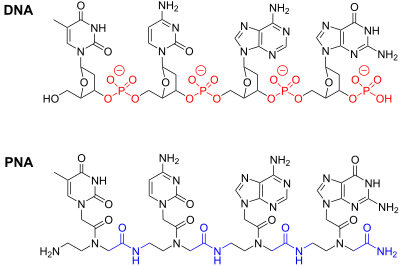
- (Figure 5). In addition to retaining the superior nucleic acid binding (due to preorganization of PNA’s backbone) miniPEG greatly improves aqueous solubility of PNA without causing any cytotoxicity [89]. Because of the superior binding properties, miniPEG-modified PNAs can invade any sequence of dsDNA






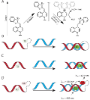


Synthesis of 1-indolyl-3,5,8-substituted γ-carbolines: one-pot solvent-free protocol and biological evaluation
Beilstein J. Org. Chem. 2021, 17, 1453–1463, doi:10.3762/bjoc.17.101
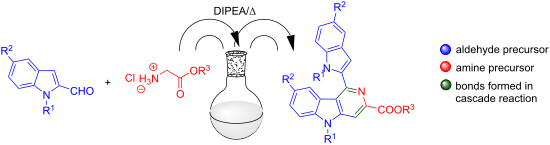
- cancer cells. Keywords: γ-carboline; cascade reaction; cell uptake; cytotoxicity; fluorescence; Introduction Carbolines are privileged aza-heterocycles found in the core of several natural and synthetic compounds and are known for their biological applications. Among the four different isomers, 9H
- shown promising biological activities in preclinical and clinical studies (Figure 1) [2][3][4][5][6]. The pyrimidine-γ-carboline alkaloid ingenine B (isolated from an Indonesian sponge) exhibits a pronounced cytotoxicity against a murine lymphoma cell line [7] and several isocanthine analogs are
- with a standard drug, doxorubicin, were screened for their cytotoxicity against various cancer lines (Figure 5, Table 3 and Figure S2, in Supporting Information File 1) such as MCF-7 (breast cancer), HeLa (cervical cancer), HEK293 (human embryonic kidney cells), A431 (skin cancer), A549 (lung cancer