


Search results
Search for "inhibition" in Full Text gives 584 result(s) in Beilstein Journal of Organic Chemistry. Showing first 200.
Synthesis of substituted triazole–pyrazole hybrids using triazenylpyrazole precursors
Beilstein J. Org. Chem. 2024, 20, 1396–1404, doi:10.3762/bjoc.20.121
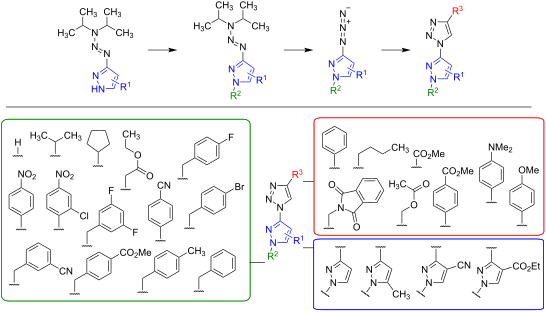
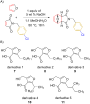
- immobilized building blocks. Biologically active pyrazole–triazole hybrids 1–4: inhibitory effect on cholera bacteria [13], antimicrobial properties [14], P2X7 antagonists (depression) [15] and ERK3 inhibition [12]. Synthesized triazole–pyrazole hybrids 21aa–vg. Literature-reported synthetic routes to




Cofactor-independent C–C bond cleavage reactions catalyzed by the AlpJ family of oxygenases in atypical angucycline biosynthesis
Beilstein J. Org. Chem. 2024, 20, 1198–1206, doi:10.3762/bjoc.20.102
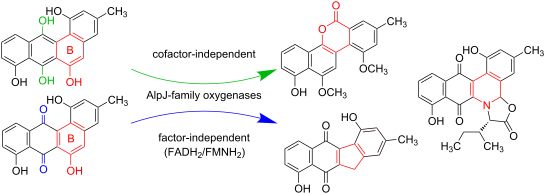
- intermediate with a benzo[b]fluorene skeleton undergoes further conversion into fluostatins with a benzo[a]fluorene skeleton remains to be elucidated [27][28]. Inhibition of cofactor-independent catalytic activities of AlpJ-family oxygenases by superoxide dismutase There are many reported cofactor-independent
- substrates to activate molecular oxygen, leading to the generation of a substrate radical and the superoxide anion O2•− [29][33][37]. The well-established superoxide trapping agent superoxide dismutase (SOD) has demonstrated significant inhibition of the NMO-catalyzed monooxygenation reaction [29]. To probe
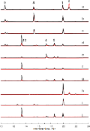
- products detected for AlpJ, Flu17, or JadG (Figure 2). Furthermore, a dose-dependent inhibition of the JadG-catalyzed reaction by SOD was observed (Figure S6, Supporting Information File 1). These findings support the presence of the superoxide anion O2•− and underscore the indispensable role in the




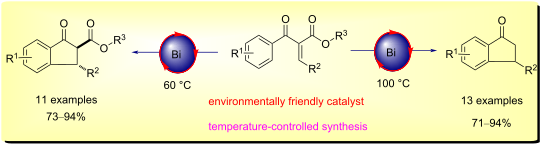
Bismuth(III) triflate: an economical and environmentally friendly catalyst for the Nazarov reaction
Beilstein J. Org. Chem. 2024, 20, 1167–1178, doi:10.3762/bjoc.20.99
- ) being active at 5 μg/mL, using a 75% cutoff inhibition at each concentration. On the other hand, MCF-7 and SK-MEL-28 cells were the most resistant ones, with no compound being active at the lower concentration (Figure 5). This evidence of selective cytotoxicity for a specific histological tumor subtype


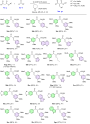
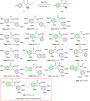
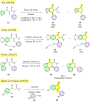


Synthesis of 1,4-azaphosphinine nucleosides and evaluation as inhibitors of human cytidine deaminase and APOBEC3A
Beilstein J. Org. Chem. 2024, 20, 1088–1098, doi:10.3762/bjoc.20.96
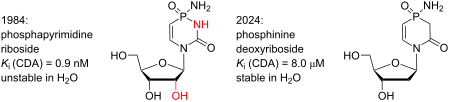
- inhibition of APOBEC3A was observed for modified DNAs. Although this shows that the negative charge is poorly accommodated in the active site of CDA and APOBEC3, the synthetic route reported here provides opportunities for the synthesis of other derivatives of phosphapyrimidine riboside for potential
- ][3][4][5]. Full inhibition of CDA leads to accumulation of toxic pyrimidine catabolism intermediates [6][7]. However, local and temporary inhibition of CDA in the liver provides a therapeutic benefit by allowing cytosine analogue-containing drugs to bypass the liver with an intact nucleobase
- leads to tumorigenesis in transgenic mouse models [24][28][34][35]. High levels of A3A and A3B mRNA are also linked to the more aggressive breast cancers, including triple negative cancers [36]. Since A3B is not essential for humans [37] and A3A does not take part in primary metabolism, inhibition of


Novel analogues of a nonnucleoside SARS-CoV-2 RdRp inhibitor as potential antivirotics
Beilstein J. Org. Chem. 2024, 20, 1029–1036, doi:10.3762/bjoc.20.91
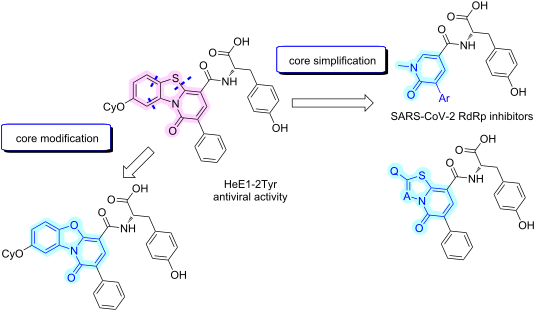
- led to the corresponding carboxylic acids 24 and 29, and from there, the desired final compounds 4a,b were obtained in a straightforward two-step synthesis. Biochemical study: inhibition of SARS-CoV-2 RdRp We aimed to determine the inhibitory activity of the final compounds 2, 16, 3a–c and 4a,b
- activity, while the ring-opened derivative 16 showed inhibition with IC50 = 114.2 μM. It seemed that the significantly smaller size of the oxygen atom in the benzoxazole derivative compared to sulfur in HeE1-2Tyr (1) led to an unfavorable molecular shape, while the analogue with the open ring was able to
- compensate this difference. The pyridone derivatives 3a–c exerted an activity resulting in IC50 values of 128.7 μM, 203.8 μM and 88.1 μM, respectively, highlighting that even significantly truncated molecules are capable of RdRp inhibition. A thiophene substituent in position 5 (i.e., 3c) proved to be the


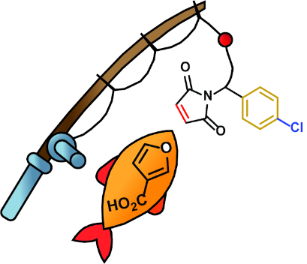
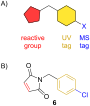
A Diels–Alder probe for discovery of natural products containing furan moieties
Beilstein J. Org. Chem. 2024, 20, 1001–1010, doi:10.3762/bjoc.20.88
- isolated from a sea sponge, Plakortis simplex [3][4]. Wortmannin, which also has a furan, was isolated from Penicillium wortmannin and shows anticancer activity via potent inhibition of phosphoinositide 3-kinase [5]. These are just a handful of the bioactive natural products containing furans that exist




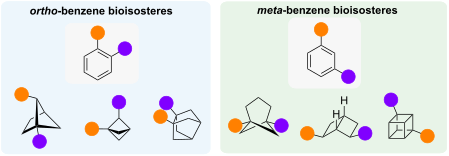
(Bio)isosteres of ortho- and meta-substituted benzenes
Beilstein J. Org. Chem. 2024, 20, 859–890, doi:10.3762/bjoc.20.78
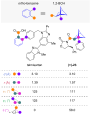
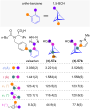
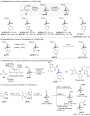
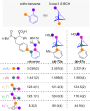
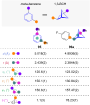
- does not change the aqueous solubility (KS), it does improve the intrinsic clearance rate in human liver microsomes (CLint) and the half-live in human liver microsomes (t1/2). Additionally, undesired target inhibition was reduced by isosteric replacement of meta-benzene with 1,5-BCHeps as shown by the
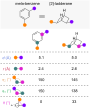
- 50% inhibition concentration of selected CYP450 enzymes (IC50). Cis-2,6-disubstituted [2]-ladderanes Brown and co-workers recently proposed cis-2,6-disubstituted bicyclo[2.2.0]hexanes ([2]-ladderanes) as isosteric replacements for meta-benzenes. An exit vector analysis indicated that the substituent
- both 189 and iso-189 in form of the inhibition of prostaglandin PGE2 synthesis by cyclooxygenase-2 (COX-2). Their investigation showed that while 1,3-cuneane 189 requires a 100-fold increase in concentration to reach inhibitory rates comparable to ketoprofen, its isomer iso-189 is inactive against COX














Discovery and biosynthesis of bacterial drimane-type sesquiterpenoids from Streptomyces clavuligerus
Beilstein J. Org. Chem. 2024, 20, 815–822, doi:10.3762/bjoc.20.73
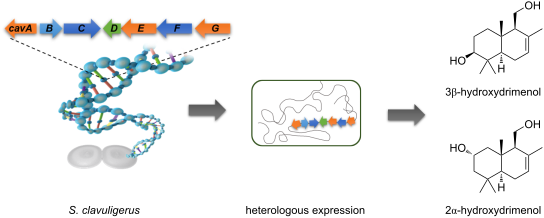
- found in polygodial, which serves as an antifeedant for various herbivorous insects [7]. Additionally, berkedrimane A, mukaadial, and chartarlactam F demonstrate caspase-3 inhibition, antifungal, and antihyperlipidemic activities, respectively [6][8][9][10][11][12]. Collectively, these examples


Synthesis and characterization of water-soluble C60–peptide conjugates
Beilstein J. Org. Chem. 2024, 20, 777–786, doi:10.3762/bjoc.20.71
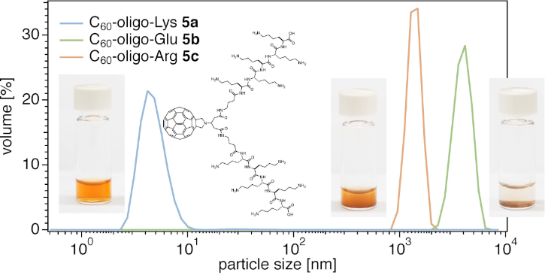
- inhibition [34]. For the covalent functionalization, we have previously developed a versatile and convenient biscarboxylic acid-substituted C60 derivative (3, Figure 1) [35], which was prepared via the Prato reaction [36]. We used this derivative 3 as a starting material and synthesized a series of water




Methodology for awakening the potential secondary metabolic capacity in actinomycetes
Beilstein J. Org. Chem. 2024, 20, 753–766, doi:10.3762/bjoc.20.69
- noaoxazole is expected to be different, but its discovery has not been reported to date. Noaoxazole has an activating effect on Notch signaling, which may result in inhibition of the malignant transformation of some cancers [84][85]. The third HSM is dihydromaniwamycin E (42), which was discovered in


New variochelins from soil-isolated Variovorax sp. H002
Beilstein J. Org. Chem. 2024, 20, 692–700, doi:10.3762/bjoc.20.63
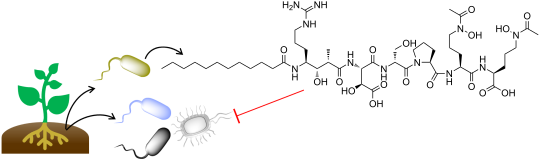
- percent growth inhibition. (a) Chemical structures and (b) ESIMS/MS of variochelins A–E (1–5) isolated from Variovorax sp. H002. Parent ions are m/z 1075.08 [M + H]+ (1), m/z 1103.18 [M + H]+ (2), m/z 1047.06 [M + H]+ (3), m/z 1072.95 [M + H]+ (4), and m/z 1101.14 [M + H]+ (5). Parent ions are represented


Chemical and biosynthetic potential of Penicillium shentong XL-F41
Beilstein J. Org. Chem. 2024, 20, 597–606, doi:10.3762/bjoc.20.52
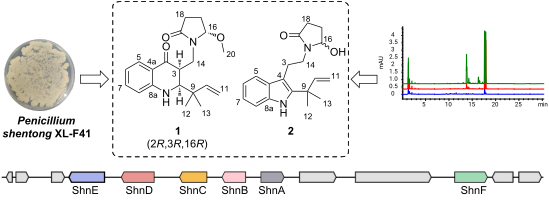
- over 260 secondary metabolites from Penicillium [5], exhibiting not only antibacterial and anticancer activities but also potent antioxidant properties, inhibition of GSK-3β and α-glucosidase activities, and interaction with the pregnane X receptor (PXR). These compounds are categorized into




A myo-inositol dehydrogenase involved in aminocyclitol biosynthesis of hygromycin A
Beilstein J. Org. Chem. 2024, 20, 589–596, doi:10.3762/bjoc.20.51
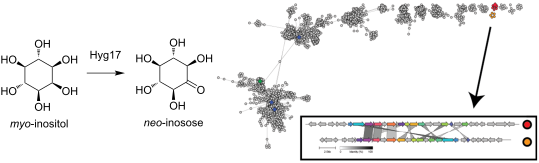
- peptidyl transferase activity while the furanose group does not appear to be important for target inhibition [6][7]. In addition, hygromycin A contains a unique methylenedioxy group found on the aminocyclitol that is not required for ribosome interaction and in vitro inhibition [8]. Instead, it is


Recent developments in the engineered biosynthesis of fungal meroterpenoids
Beilstein J. Org. Chem. 2024, 20, 578–588, doi:10.3762/bjoc.20.50
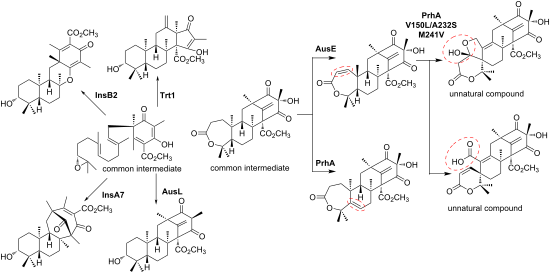
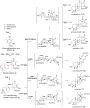
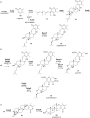
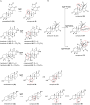
- the IMP dehydrogenase involved in inosinic acid metabolism [2]; ascofuranone (Figure 1, 2), which exhibits antiparasitic activity by selectively inhibiting the oxidase of Plasmodium trypanosoma [3]; and pyripyropene (Figure 1, 3), which displays hyperlipidemia treatment activity through the inhibition






Synthesis and biological profile of 2,3-dihydro[1,3]thiazolo[4,5-b]pyridines, a novel class of acyl-ACP thioesterase inhibitors
Beilstein J. Org. Chem. 2024, 20, 540–551, doi:10.3762/bjoc.20.46
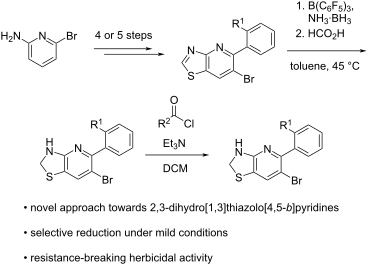
- show good acyl-ACP thioesterase inhibition in line with strong herbicidal activity against commercially important weeds in broadacre crops, e.g., wheat and corn. The desired substituted 2,3-dihydro[1,3]thiazolo[4,5-b]pyridines were prepared via an optimized BH3-mediated reduction involving tris
- to the inhibition of FAT [10]. In search for further chemical entities that can control resistant weed species via the inhibition of FAT, we were interested in exploring a compound class containing a 1,8-naphthyridine core that was first reported by BASF, e.g., compound 4 [11]. In contrast to
- ]pyridines that showed promising inhibition of the plant-specific enzyme FAT, we explored the selective late-stage conversion into the corresponding 2,3-dihydro[1,3]thiazolo[4,5-b]pyridines via different reduction methods. Noteworthy, substituted 2,3-dihydro[1,3]thiazolo[4,5-b]pyridines had remained almost


Switchable molecular tweezers: design and applications
Beilstein J. Org. Chem. 2024, 20, 504–539, doi:10.3762/bjoc.20.45

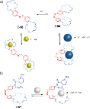
- increase was observed upon closing due to the spatial proximity in the cavity between the two substrates. In contrast, the open tweezers showed a higher rate for the acetylation of meta and para substrates as a result of substrate inhibition of the closed cavity. These tweezers constitute a remarkable




Ligand effects, solvent cooperation, and large kinetic solvent deuterium isotope effects in gold(I)-catalyzed intramolecular alkene hydroamination
Beilstein J. Org. Chem. 2024, 20, 479–496, doi:10.3762/bjoc.20.43
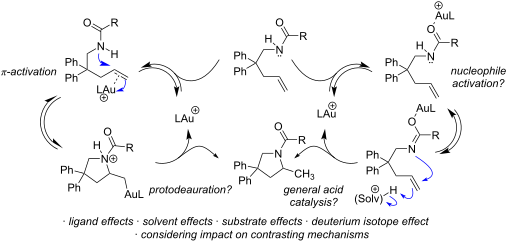
- other in the NMR spectrum. Although we observed reaction inhibition in a number of instances with [JPhosAu(NCCH3)]SbF6 we have never yet observed the formation of this byproduct. On the one hand, this is a testament to the high stability of gold supported by JPhos, on the other hand, it suggests as yet
- ; more basic carbonyls react faster and undergo N–H/D exchange faster in the presence of gold suggesting gold nucleophile interactions drive reactivity. • Rate inhibition is observed at the highest concentrations of urea 1a and amide 1b; the increasing basicity would slow down any acid mediated processes
- additive impact on rate of 1a → 3a depending upon catalyst and co-solvent. The data for JPhosAu(NCCH3)SbF6 with MeOH in DCM (▲) is reproduced in Figure 2. (The reaction with catalyst 5 and water in MeOH is not shown but displays similar inhibition). Error bars are from linear least squares analysis of raw







Development of a chemical scaffold for inhibiting nonribosomal peptide synthetases in live bacterial cells
Beilstein J. Org. Chem. 2024, 20, 445–451, doi:10.3762/bjoc.20.39
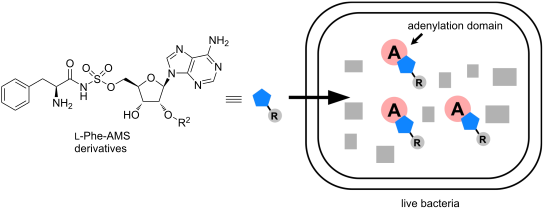
- University, Sakyo, Kyoto 606-8501, Japan 10.3762/bjoc.20.39 Abstract The adenylation (A) domain is essential for non-ribosomal peptide synthetases (NRPSs), which synthesize various peptide-based natural products, including virulence factors, such as siderophores and genotoxins. Hence, the inhibition of A
- of the enterobactin synthetase EntF with Sal-AMS-BPyne requires carbonyl cyanide m-chlorophenylhydrazone, which collapses the proton motive force used in most efflux pumps [17]. Under the same conditions, the competitive inhibition of labeling using excess Sal-AMS is not observed, suggesting that the
- compound to retain its binding affinity and cell permeability. Overall, these results indicate that a 2′-OH modification with a cyanomethyl group represents a useful AMS scaffold for intracellular NRPS inhibition. Conclusion In this study, we investigated the effect of a 2′-OH modification in an AMS


Elucidating the glycan-binding specificity and structure of Cucumis melo agglutinin, a new R-type lectin
Beilstein J. Org. Chem. 2024, 20, 306–320, doi:10.3762/bjoc.20.31
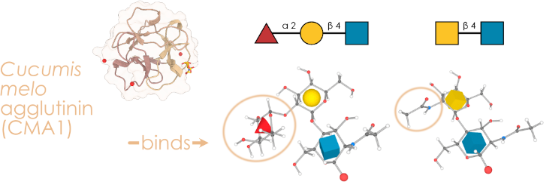
- kinetics allowed us to derive an IC50 of 1.4 µM (Figure S2a,b; Supporting Information File 2). No inhibition was observed with chondroitin 6-sulfate tetrasaccharide (CSC), and only very weak inhibition for BGHT2 but no IC50 could be determined as we could not increase the concentration to reach the plateau
- galactose that is preferentially presented in a β-configuration, enables it to bind to a range of biologically relevant epitopes, such as LacdiNAc, Sda, blood group H, and chondroitin sulfate motifs. Further, the inhibition of binding by the presence of Lewis antigen motifs additionally narrows it binding
- 10 µL/min. Surfaces were regenerated with 30 s injections of 50 mM NaOH and 1 M NaCl. IC50 was measured using the response at equilibrium for each concentration of competitive sugar that were translated in percentage of inhibition, then plotted against the molar concentration of competitive sugar


Perspectives on push–pull chromophores derived from click-type [2 + 2] cycloaddition–retroelectrocyclization reactions of electron-rich alkynes and electron-deficient alkenes
Beilstein J. Org. Chem. 2024, 20, 125–154, doi:10.3762/bjoc.20.13
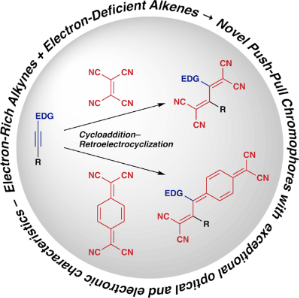
- . In particular, the powders of 19 exhibited photoluminescence in the near-infrared (NIR) region centered at 865 nm, with a long tail extending up to 1,550 nm. This enhancement in photoluminescence can be attributed to the restriction of molecular motion, resulting in the inhibition of nonradiative


Photoinduced in situ generation of DNA-targeting ligands: DNA-binding and DNA-photodamaging properties of benzo[c]quinolizinium ions
Beilstein J. Org. Chem. 2024, 20, 101–117, doi:10.3762/bjoc.20.11
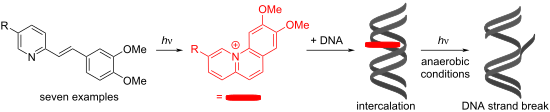
- decrease of the cleavage to 17%. It has to be noted, however, that an inhibition of DNA cleavage in the presence of NaN3 may also be induced by direct deactivation of the excited photosensitizer by the azide and not only from quenching of singlet oxygen [83]. Similar, seemingly contradictory effects of D2O
- and NaN3 on the photoinduced DNA cleavage were observed with other photosensitizers [84][85]. In addition, it has been reported that a relative large excess of NaN3 is required to detect an efficient inhibition of DNA-photocleavage [86]. Overall, these results as well as the efficient photocleavage




Cycloaddition reactions of heterocyclic azides with 2-cyanoacetamidines as a new route to C,N-diheteroarylcarbamidines
Beilstein J. Org. Chem. 2024, 20, 17–24, doi:10.3762/bjoc.20.3
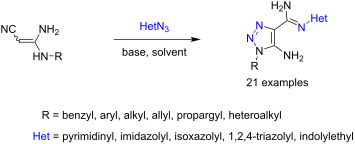
- cells within the concentration range. This indicates the low cytotoxicity of these compounds. Meanwhile, compounds 3m,l are characterized by a borderline inhibition of cell culture viability. Attention is drawn to the increased toxic effect of 3m on cells of tumor origin, in comparison with normal human



Anion–π catalysis on carbon allotropes
Beilstein J. Org. Chem. 2023, 19, 1881–1894, doi:10.3762/bjoc.19.140
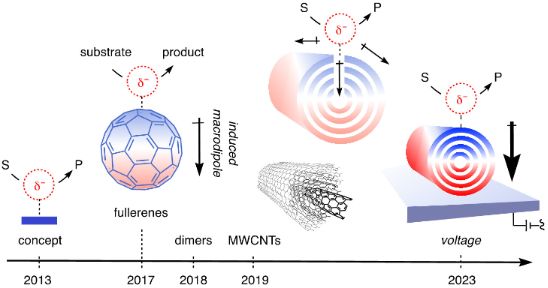
- increase in polarizability from SWCNTs 2 to MWCNTs 3 (Figure 1). Compared to fullerene monomers and dimers, this activity cannot be overestimated because MWCNTs operate in suspension rather than solution, that is as formal heterogenous rather than homogenous catalysts. Inhibition of the covalently modified
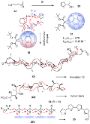
- . Increasing inhibition with the π basicity of the inhibitor was consistent with powerful anion–π interactions accessible on MWCNTs for efficient anion–π catalysis. Like in the fullerene series, elongation of the tether in 57 decreased catalytic activity to still important A/D57/23 = 5.0, presumably due to
- with the fully rigid and tight tether, small differences in local environment turned an advantageous match with the most convex surface of fullerene 21 into a slight mismatch with MWCNTs 59. However, activities remained high and inhibition with inhibitor 51 in formal complex 60 was with A/D60/23 = 3.3




N-Boc-α-diazo glutarimide as efficient reagent for assembling N-heterocycle-glutarimide diads via Rh(II)-catalyzed N–H insertion reaction
Beilstein J. Org. Chem. 2023, 19, 1841–1848, doi:10.3762/bjoc.19.136
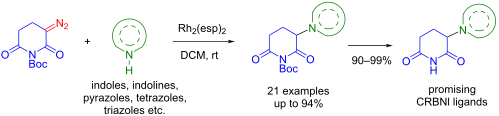
- ubiquitin-proteasome degradation system, it has been achieved to approach previously considered undruggable targets and conceive remedies for drug-resistant targets [4]. The given TPD's benefit over traditional inhibition; numerous proteins have been set for proteasomal degradation by transmuting accessible


Synthetic approach to 2-alkyl-4-quinolones and 2-alkyl-4-quinolone-3-carboxamides based on common β-keto amide precursors
Beilstein J. Org. Chem. 2023, 19, 1804–1810, doi:10.3762/bjoc.19.132
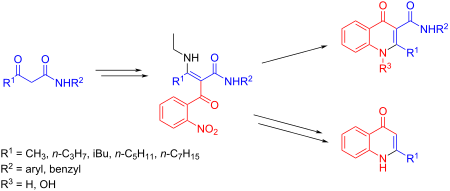
- avicennae [18]. Inhibition of hepatitis C virus replication by 2-nonyl-4-quinolone, isolated from Ruta angustifolia leaves, has also been reported [19]. Another significant group of natural 4-quinolones are those of microbial origin. The function of these compounds in the microbial world is a matter of
- . Among the novel compounds, only compounds 4d and 4e gave inhibition zones of more than 20 mm and were further analyzed to determine their minimum inhibitory concentrations (MIC) by serial broth dilutions [72]. The MICs measured for 4d and 4e were ≤6.25 µg/mL and ≤3.12 µg/mL, respectively, with a MIC





