Search results
Search for "iodine" in Full Text gives 511 result(s) in Beilstein Journal of Organic Chemistry. Showing first 200.
A comparison of structure, bonding and non-covalent interactions of aryl halide and diarylhalonium halogen-bond donors
Beilstein J. Org. Chem. 2024, 20, 1428–1435, doi:10.3762/bjoc.20.125
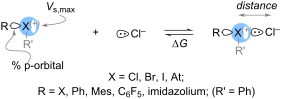
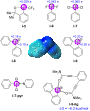
- that, for a set of monovalent iodine-based halogen-bond donors, a linear combination of σ-hole and σ* energy provides a superior predictive ability than σ-hole alone [26]. In this work we compare a set of both monovalent and nominally hypervalent halogen-bond donors in which the central halogen atom is
- engage in halogen-bonding interactions [29][30]. In this work, a series of halogen-bond donor molecules and their halogen bond complexes with chloride anion were optimized at the M062x/6-311+G(d) level of theory [31] with def2-tzvpp used for iodine and astatine, and with SMD solvation in tetrahydrofuran
- (THF) incorporating Huber, Truhlar, and Cramer’s correction for bromine and iodine [32] using Gaussian 09 [33]. Our prior work on the orbital analysis of diarylhalonium salts [21], showed good agreement between crystal structure data and energy-minimized structures at the B3LYP/cc-pvtz level with def2




Hypervalent iodine-catalyzed amide and alkene coupling enabled by lithium salt activation
Beilstein J. Org. Chem. 2024, 20, 1405–1411, doi:10.3762/bjoc.20.122

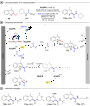
- .20.122 Abstract Hypervalent iodine catalysis has been widely utilized in olefin functionalization reactions. Intermolecularly, the regioselective addition of two distinct nucleophiles across the olefin is a challenging process in hypervalent iodine catalysis. We introduce here a unique strategy using
- simple lithium salts for hypervalent iodine catalyst activation. The activated hypervalent iodine catalyst allows the intermolecular coupling of soft nucleophiles such as amides onto electronically activated olefins with high regioselectivity. Keywords: amide coupling; hypervalent iodine catalysis
- ; lithium salt activation; olefin oxyamination; oxazoline; Introduction Hypervalent iodine(III) reagents, also known as λ3–iodanes, have been well established and used in organic synthesis for the past decades [1][2][3][4][5]. The pioneering works of Fuchigami and Fugita, Ochiai, Kita, and later the



Oxidative hydrolysis of aliphatic bromoalkenes: scope study and reactivity insights
Beilstein J. Org. Chem. 2024, 20, 1286–1291, doi:10.3762/bjoc.20.111
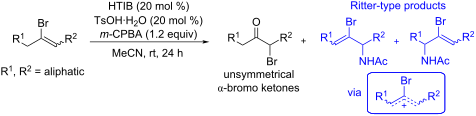
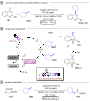
- utilizing a hypervalent iodine-catalyzed oxidative hydrolysis reaction. This catalytic process provides both symmetrical and unsymmetrical dialkyl bromoketones with moderate yields across a broad range of bromoalkene substrates. Our studies also reveal the formation of Ritter-type side products by an
- alternative reaction pathway. Keywords: bromoalkenes; bromoketones; hypervalent iodine; oxidative hydrolysis; Ritter-type; Introduction Organic synthesis heavily relies on oxidative transformations to facilitate chemical reactions. One popular method for achieving these transformations is using redox-active
- metals, inspired by Nature's metalloproteins. However, using toxic and expensive metals is not always practical, making alternative oxidative methodologies more appealing. Enter hypervalent iodine reagents – a leading metal-free choice for oxidation reactions. These robust and low-toxicity reagents have


Domino reactions of chromones with activated carbonyl compounds
Beilstein J. Org. Chem. 2024, 20, 1256–1269, doi:10.3762/bjoc.20.108
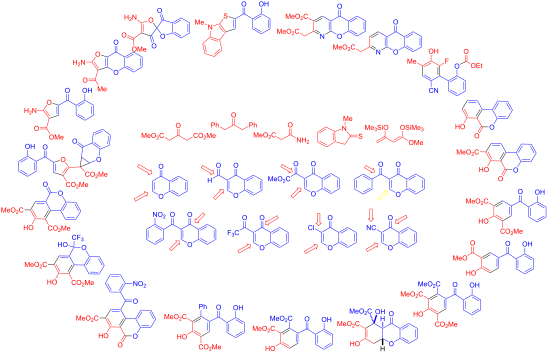
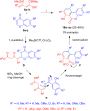
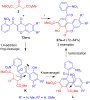
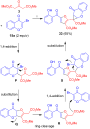
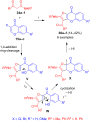
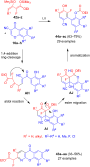
- chromones, presumably due to the electron-donating character of the methoxy group and the lower electrophilicity of the chromone. But this trend was also not general. Similar yields were obtained for ketones (R3 = Me, Ph) or esters (R3 = OMe). Treatment of 2-(salicyloyl)furan 35a with iodine in the presence
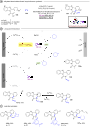
- these products can be explained, similarly to the formation of 35a–f, by generation of intermediate Y which afforded iodonium salt Z upon addition of iodine. Cyclization by attack of the salicylate hydroxy group to carbon C5 gave intermediate AB. Hydrolysis of the iodide upon aqueous work-up to give an









Competing electrophilic substitution and oxidative polymerization of arylamines with selenium dioxide
Beilstein J. Org. Chem. 2024, 20, 1221–1235, doi:10.3762/bjoc.20.105
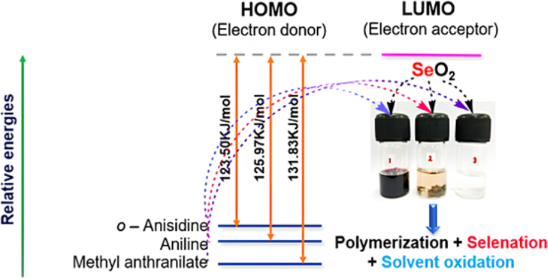
- ]. This reaction comprises four main steps: (i) iodide-mediated aryl transfer from boronic acid to selenium dioxide, (ii) reduction of arylseleninic acid to diaryl diselenide, (iii) oxidation of diaryl diselenide to aryl selenenyl iodide with iodine, and (iv) electrophilic substitution of aniline


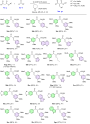
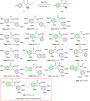
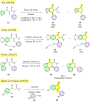
Bismuth(III) triflate: an economical and environmentally friendly catalyst for the Nazarov reaction
Beilstein J. Org. Chem. 2024, 20, 1167–1178, doi:10.3762/bjoc.20.99
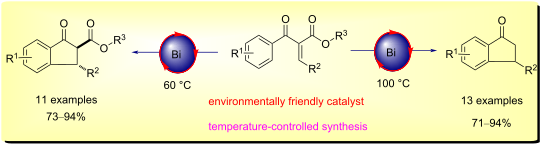
- first asymmetric catalytic Nazarov reaction [32]. In recent years, several strategies were reported employing different Lewis acids, such as, AuCl3/AgSbF6, Cu(II), In(OTf)3, Ir(III), Al(III), Sc(OTf)3/LiClO4, In(OTf)3/diphenylphosphoric acid (DPP), Fe(OTf)3/(CF3)2PhB(OH)2, iodine [33][34][35][36][37][38




Light on the sustainable preparation of aryl-cored dibromides
Beilstein J. Org. Chem. 2024, 20, 1076–1087, doi:10.3762/bjoc.20.95
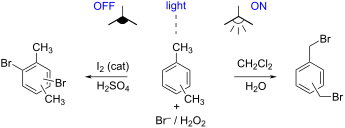
- follows a different mechanism, producing the ortho and para-bromoarenes through Ar-SE, that involves cationic intermediates. In this case, a catalytic amount of iodine [21][22] or FeCl3 [23] is added to enhance the electrophilicity of bromine. While widely employed and capable of producing reliable
- ]. This method found prevalent application in the bromination of side-chain positions (right side of Figure 2) [26][27]. However, the addition of molecular iodine in catalytic amounts makes it suitable for aromatic bromination “in the dark” (left side of Figure 2). This gives rise to a radical-initiated
- Ar-SE mechanism, which is reported to proceed through the generation of a mixed molecular halogen [28]. As an alternative to iodine, the trityl cation [29] is reported too. Additional benefits of the method include its ability to work in neutral conditions, and the potential quantitative


Auxiliary strategy for the general and practical synthesis of diaryliodonium(III) salts with diverse organocarboxylate counterions
Beilstein J. Org. Chem. 2024, 20, 1020–1028, doi:10.3762/bjoc.20.90
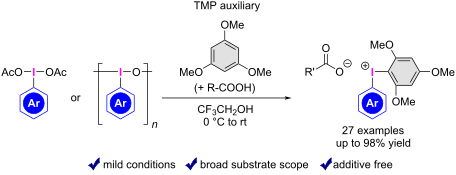
- wide range of substituents on (hetero)aryl iodine(III) compounds, including electron-rich, electron-poor, sterically congested, and acid-labile groups, as well as a broad range of aliphatic and aromatic carboxylic acids for the synthesis of diverse aryl(TMP)iodonium(III) carboxylates in high yields
- . This method allows for the hybridization of complex bioactive and fluorescent-labeled carboxylic acids with diaryliodonium(III) salts. Keywords: auxiliary ligand; diaryliodonium(III) salts; hybridization; hypervalent iodine; organocarboxylates; Introduction Hypervalent iodine compounds are an
- trifluoroacetic acid, followed by coupling with 1,3,5-trimethoxybenzene [18] (Scheme 1A). This process demonstrated tolerance for a wide range of electron-rich and electron-deficient (hetero)aryl iodine(III) compounds. Wirth and colleagues reported the flow synthesis of diaryliodonium(III) trifluoroacetates using


Carbonylative synthesis and functionalization of indoles
Beilstein J. Org. Chem. 2024, 20, 973–1000, doi:10.3762/bjoc.20.87
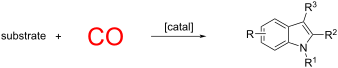
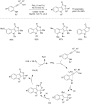
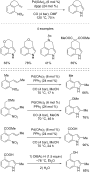
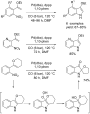
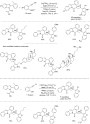
- , the Li’s group and Zeng and Alper developed two different methods for carrying out a direct carbonylation of indoles with alkynes. Li’s group reported the direct Sonogashira carbonylation coupling reaction of indoles and alkynes catalyzed by Pd/CuI in the presence of iodine as oxidant [71]. The












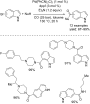
Three-component N-alkenylation of azoles with alkynes and iodine(III) electrophile: synthesis of multisubstituted N-vinylazoles
Beilstein J. Org. Chem. 2024, 20, 891–897, doi:10.3762/bjoc.20.79
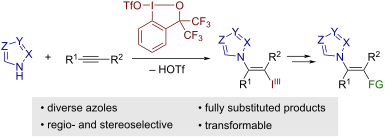
- Jun Kikuchi Roi Nakajima Naohiko Yoshikai Graduate School of Pharmaceutical Sciences, Tohoku University, 6-3 Aoba, Aramaki, Aoba-ku, Sendai 980-8578, Japan 10.3762/bjoc.20.79 Abstract A stereoselective N-alkenylation of azoles with alkynes and iodine(III) electrophile is reported. The reaction
- group in the product can be leveraged as a versatile synthetic handle, allowing for the preparation of hitherto inaccessible types of densely functionalized N-vinylazoles. Keywords: alkynes; azoles; cross-coupling; hypervalent iodine; Introduction N-Functionalized azoles are prevalent in bioactive
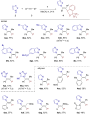
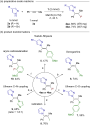
- reaction of azoles with alkynes and iodine(III) electrophile, benziodoxole triflate (BXT, 1; Scheme 1c). Displaying exclusive trans-selectivity, the reaction tolerates a broad range of azoles, including pyrazole, 1,2,3-triazole, tetrazole, indazole, and benzotriazole, with internal alkynes as coupling



(Bio)isosteres of ortho- and meta-substituted benzenes
Beilstein J. Org. Chem. 2024, 20, 859–890, doi:10.3762/bjoc.20.78
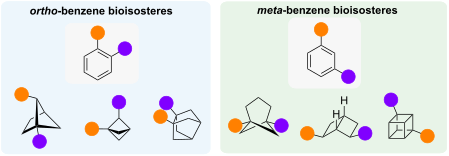
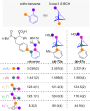
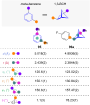
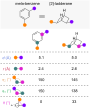
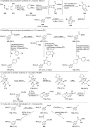
- -cubanes (Scheme 9B) [51]. Partial deprotection of diester 88 led to acid 89 as a key intermediate and in situ activation of the acid as the hypervalent iodine complex enabled a photoredox decarboxylative amination to 1,2-cubane 90. Alternatively, conversion of the acid moiety of 89 to redox active esters
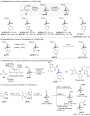
- [1.1.1]propellanes (Scheme 13B) [27]. These new syntheses increased the overall yield of the [3.1.1]propellane synthesis from Gassman’s original 6% to 23% (Uchiyama) and up to 35% (Anderson) in 5 steps. Iodine-substituted 1,5-BCHeps 134a–g were shown to be accessible from [3.1.1]propellane via
- synthesis of some 1,5-BCHeps, including 134b, was also possible on mmol scale. Through derivatization of iodine-substituted 1,5-BCHeps 134f and 134g, an even larger number of 1,5-BCHeps were accessed (Scheme 14B) [27][47]. For example, lithium–halogen exchange was used to prepare acids 135f–g and boronic














SOMOphilic alkyne vs radical-polar crossover approaches: The full story of the azido-alkynylation of alkenes
Beilstein J. Org. Chem. 2024, 20, 701–713, doi:10.3762/bjoc.20.64
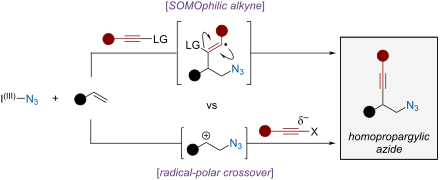
- high yield (72%) of the homopropargylic azide was reached. Full insights are given about the factors that were essential for the success of the optimization process. Keywords: alkyne; azide; hypervalent iodine; photoredox; trifluoroborate salt; Introduction Homopropargylic azides are important
- iodine reagents [15][16]. Azidobenziodoxolone, also known as Zhdankin reagent, has often been used under thermal or photochemical conditions to generate the desired azide radical in a controlled fashion. However, recent safety issues arising from the shock and impact sensitivity of the compound led to
- , entry 10). The addition of DABCO [18] or TBAI [50], two additives known to activate azidobenziodoxolone (ABX), afforded complex mixtures with no trace of 4a (Table 1, entry 11). Acids or fluorinated alcohols were tested to activate the different hypervalent iodine reagents. While AcOH, TFA and TFE had


Switchable molecular tweezers: design and applications
Beilstein J. Org. Chem. 2024, 20, 504–539, doi:10.3762/bjoc.20.45
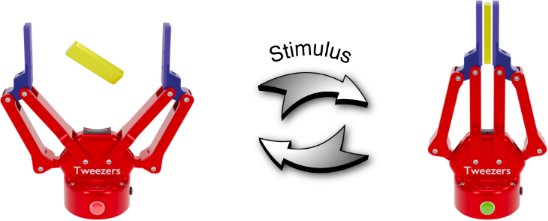
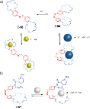
- crown ether. The authors reported switchable tweezers bearing metalloporphyrin arms that can be switched by the addition of K+ and Na+ cations. The cation brings the porphyrins together and causes some dynamic fluorescence quenching from the iodine counter anion. The authors attributed the more




(E,Z)-1,1,1,4,4,4-Hexafluorobut-2-enes: hydrofluoroolefins halogenation/dehydrohalogenation cascade to reach new fluorinated allene
Beilstein J. Org. Chem. 2024, 20, 452–459, doi:10.3762/bjoc.20.40
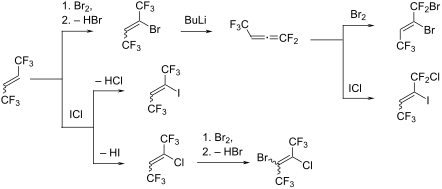
- presence of SbCl5, AlCl3, Bu4NOH/MeOH and under UV irradiation. We found that under UV irradiation for several hours, the (E)-isomer 3a completely transformed into (Z)-isomer 3b in quantitative yield (Scheme 3). Next, our attention was directed toward the reaction of (E)- and (Z)-butenes 1a,b with iodine
- reactivity we performed the reaction with iodine. All experiments were carried out in THF, N-methylpyrrolidone and sulfolane with iodine in the presence of a source of fluoride ion. The best result was observed when the reaction was carried out in dry sulfolane with a two-fold excess of iodine and 1.5-fold
- important synthons, which are widely used in agrochemicals, pharmaceuticals and other fields [24][25][26]. Fluoroorganic lithium and Grignard reagents have been obtained by the metalation reactions of organofluorine compounds containing bromine and iodine atoms with alkyllithium and Grignard reagents


Mechanisms for radical reactions initiating from N-hydroxyphthalimide esters
Beilstein J. Org. Chem. 2024, 20, 346–378, doi:10.3762/bjoc.20.35
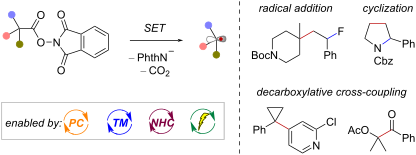
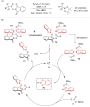
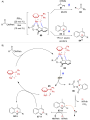
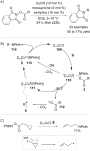
- radical recombination between C(sp3) radical 152 and the corresponding iodine-centered radical which provides iodination product 153 (Scheme 31B). It is worth noting that the iodination product is formed exclusively when using acetone as the solvent (see compound 154 in scheme C) whereas in DMF a








Comparison of glycosyl donors: a supramer approach
Beilstein J. Org. Chem. 2024, 20, 181–192, doi:10.3762/bjoc.20.18
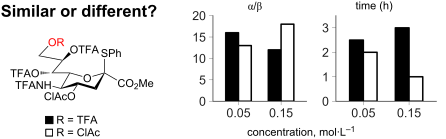
- glycosyl donor) was added under argon followed by neat TfOH (2 μL, 0.02 mmol) to give a persistent iodine color as described previously [36]. The reaction mixture was stirred under argon at −40 °C until complete consumption of the starting thioglycoside (TLC monitoring, Rf 0.68 (1), Rf 0.57 (2), benzene



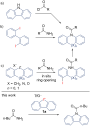
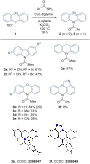
Synthesis of N-acyl carbazoles, phenoxazines and acridines from cyclic diaryliodonium salts
Beilstein J. Org. Chem. 2024, 20, 12–16, doi:10.3762/bjoc.20.2
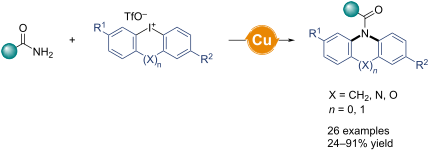
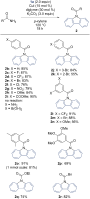
- mol % raised yields to synthetically useful 74% (Table 1, entry 7). The excess amount of 1a was still necessary as a significant amount of iodobiphenyl is formed under the reaction conditions as a result of an undesired heterolytic iodine–carbon bond cleavage. Other carbonate bases and changing the Cu

Recent advancements in iodide/phosphine-mediated photoredox radical reactions
Beilstein J. Org. Chem. 2023, 19, 1785–1803, doi:10.3762/bjoc.19.131
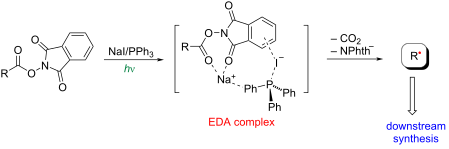
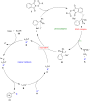
- ), specifically by extracting a hydrogen atom from the α-position of benzyl radicals A. The process described above led to the formation of the corresponding olefins 11, eliminating the need for a carbon–iodine bond formation step. Alkylation Diaziridines are highly versatile building blocks in synthesis, with
- active natural products. The direct functionalization of C–H bonds in enamides offers a convenient and versatile approach to access a wide range of functionalized enamides. In 2021, Fu and his colleagues successfully developed a novel method for the stereoselective alkylation of enamides 14 using iodine
- nitroarenes 48 (Scheme 22). The protocol demonstrated excellent tolerance towards a wide range of reducible functional groups, including halogens (such as chlorine, bromine, and even iodine), aldehydes, ketones, carboxyl groups, and cyano groups. Iodination Alkyl iodide is considered to be the most reactive




Radical chemistry in polymer science: an overview and recent advances
Beilstein J. Org. Chem. 2023, 19, 1580–1603, doi:10.3762/bjoc.19.116
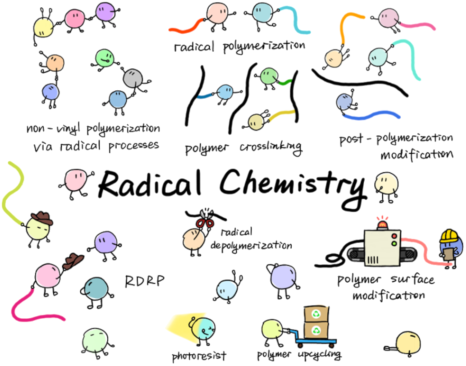
- considered to have two mechanisms, degenerative transfer and reversible termination, which are comparable to RAFT and NMP, respectively (Scheme 7) [70]. Iodine transfer polymerization (ITP) is also a commonly used degenerate chain-transfer method. Its origin can be traced back to the 1970s [71] and it is
- mostly used for the polymerization of fluorinated olefins. However, the C–I bond of iodoalkyl compounds used as chain-transfer agents is weak and unstable during storage [21]. Therefore, Lacroix-Desmazes et al. [72] used iodine molecules to synthesize iodine chain transfer agents in situ, a process known
- as reverse iodine transfer polymerization (RITP), which is similar to reverse ATRP. The mechanism of the RITP is shown in Scheme 8. RDRP is applicable to a wide range of monomers and the reaction conditions become milder and more versatile with emerging techniques, such as oxygen tolerance or even




Consecutive four-component synthesis of trisubstituted 3-iodoindoles by an alkynylation–cyclization–iodination–alkylation sequence
Beilstein J. Org. Chem. 2023, 19, 1379–1385, doi:10.3762/bjoc.19.99
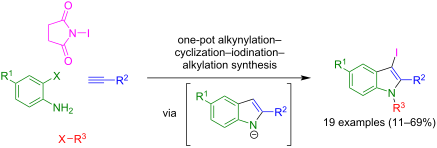
- (aza)indoles. As already shown for N-alkyl 7-azaindole formation in one case, the crucial 7-azaindole anion could be trapped with electrophilic iodine (from N-iodosuccinimide), resulting in a 3-iodo-7-azaindole anion, which could then be alkylated, still in a one-pot fashion [34]. Therefore, we set out




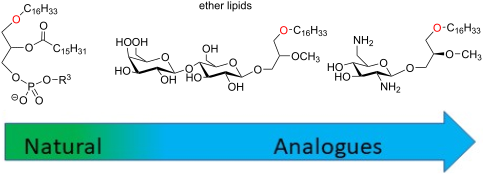
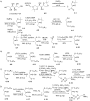
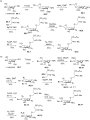
Synthesis of ether lipids: natural compounds and analogues
Beilstein J. Org. Chem. 2023, 19, 1299–1369, doi:10.3762/bjoc.19.96






Exploring the role of halogen bonding in iodonium ylides: insights into unexpected reactivity and reaction control
Beilstein J. Org. Chem. 2023, 19, 1171–1190, doi:10.3762/bjoc.19.86
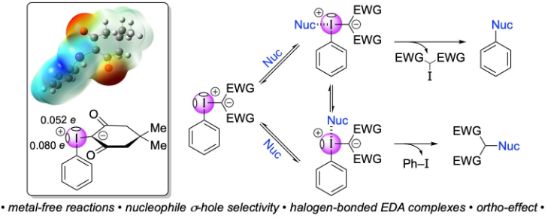
- Carlee A. Montgomery Graham K. Murphy Department of Chemistry, University of Waterloo, 200 University Ave W., Waterloo, Ontario, N2L3G1, Canada 10.3762/bjoc.19.86 Abstract Halogen bonding is commonly found with iodine-containing molecules, and it arises when Lewis bases interact with iodine’s σ
- -holes. Halogen bonding and σ-holes have been encountered in numerous monovalent and hypervalent iodine-containing compounds, and in 2022 σ-holes were computationally confirmed and quantified in the iodonium ylide subset of hypervalent iodine compounds. In light of this new discovery, this article
- -effect; Introduction Iodonium ylides are a subset of hypervalent iodine (HVI) reagents that were first reported in 1957 by Neiland [1]. These have since been investigated under a variety of thermal, photochemical, radical and transition metal-catalyzed conditions [2], and they have been successfully







Photoredox catalysis harvesting multiple photon or electrochemical energies
Beilstein J. Org. Chem. 2023, 19, 1055–1145, doi:10.3762/bjoc.19.81
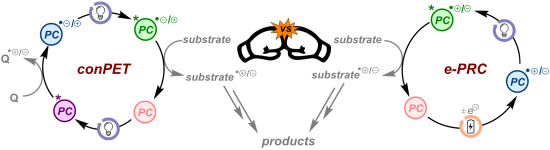


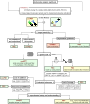
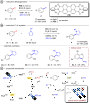
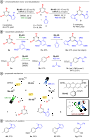





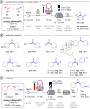
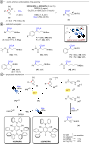
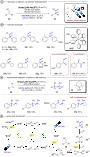
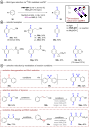


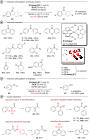

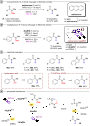
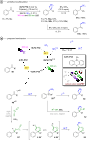
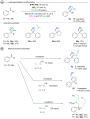















Copper-catalyzed N-arylation of amines with aryliodonium ylides in water
Beilstein J. Org. Chem. 2023, 19, 1008–1014, doi:10.3762/bjoc.19.76
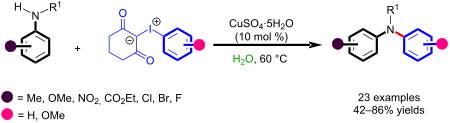
- tuning of the ligand and base combinations [18][19]. Thereafter, copper-catalyzed C–N bond-formation reactions have experienced unprecedented development due to mild reaction conditions and the low cost of copper salts [20][21][22]. On the other hand, hypervalent iodine reagents serve as versatile tools
- in oxidation, C–C, C–X bond formation, rearrangements, and halogenation reactions [23][24][25]. Due to the nontoxic nature, easier preparation, and handling of the hypervalent iodine reagents, many researchers are attracted to unravel the chemistry and reactivity of these reagents. Amongst different
- types of hypervalent iodine reagents, diaryliodonium salts are commonly used reagents for the N-arylation of nitrogen-containing compounds, particularly for N-arylation of amines under catalyst-free conditions either in the presence of additives or at higher temperatures [26][27][28][29][30][31][32



Clauson–Kaas pyrrole synthesis using diverse catalysts: a transition from conventional to greener approach
Beilstein J. Org. Chem. 2023, 19, 928–955, doi:10.3762/bjoc.19.71
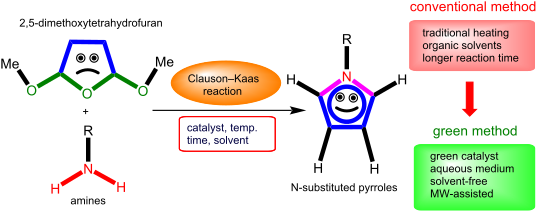
- chemoselective procedure in which the iodine counterion and MeCN played key roles in the unique reactivity of this catalytic system. To optimize the reaction conditions, many catalysts, solvents, and temperatures were studied and finally, 10 mol % MgI2∙(OEt2)n as the catalyst, CH3CN as the solvent, and 80 °C
- the ability of MgI2 etherate to act as a Lewis acid activator. The iodine counterion is coordinated to the Lewis basic oxygen atom of the acetal group to give the more Lewis acidic cataonic Mg-coordinated intermediate A. Intermediate A upon nucleophilic reaction with amines 20 yields B, which upon
- protocol is easy to use, cheap and environmentally friendly. (ii) Microwave-assisted reactions under solvent-free conditions: Banik et al. [83] described the synthesis of diverse N-substituted pyrroles using a microwave-assisted and iodine-catalyzed protocol. These pyrrole derivatives were prepared in 75