


Search results
Search for "transition metals" in Full Text gives 232 result(s) in Beilstein Journal of Organic Chemistry. Showing first 200.
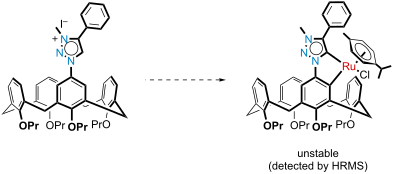
Attempted synthesis of a meta-metalated calix[4]arene
- Christopher D. Jurisch and
- Gareth E. Arnott
Beilstein J. Org. Chem. 2019, 15, 1996–2002, doi:10.3762/bjoc.15.195
- ] (see Figure 1), although two unusual methods have also been reported [16][17]. We have been looking at alternative methods for the meta-functionalization of calix[4]arenes, with the idea of C–H activation via transition metals appearing an attractive option. Lhoták and co-workers have already attempted

Graphical Abstract

Figure 1: Inherent chirality generated by meta-substitution – the two structures are non-superposable mirror ...

Figure 2: General approach by Albrecht for MIC directed cyclometalation via C–H activation; M = Ru(II), Ir(II...

Figure 3: Concept of cyclometalated calix[4]arene target.
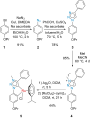
Scheme 1: Synthesis of model mesoionic carbene 5.

Scheme 2: Attempted Ullmann-coupling to give monoazide 7.

Scheme 3: Synthesis of monoazidocalix[4]arene 7 under optimized conditions.

Scheme 4: Synthesis of the putative calix[4]arene mesoionic carbene ruthenium complex 13.

Figure 4: High-resolution mass spectrum (ESI+) of putative ruthenacycle calix[4]arene 13.
Halide metathesis in overdrive: mechanochemical synthesis of a heterometallic group 1 allyl complex
- Ross F. Koby,
- Nicholas R. Rightmire,
- Nathan D. Schley,
- Timothy P. Hanusa and
- William W. Brennessel
Beilstein J. Org. Chem. 2019, 15, 1856–1863, doi:10.3762/bjoc.15.181
- , which promotes reactions through grinding or milling with no, or minimal, use of solvents, has been used in conjunction with halide metathesis to form organometallic compounds of the transition metals [3][4][5][6][7] and both s- [8][9] and p-block [10][11] main group elements. The extent to which the

Graphical Abstract

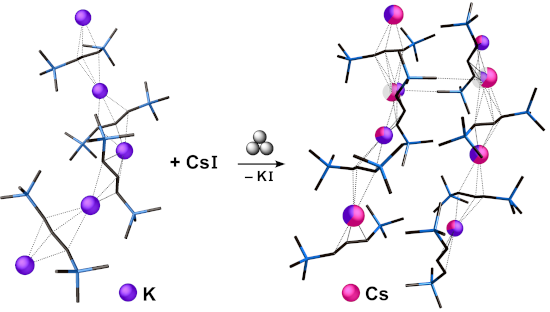
Figure 1: Portion of the polymeric chain of [CsKA'2], with thermal ellipsoids drawn at the 50% level. Hydroge...

Figure 2: Partial packing diagram of [CsKA'2], illustrating some of the interchain contacts, predominantly K1…...

Figure 3: Portion of the polymeric chain of [(C6H6)KA']∞, with thermal ellipsoids drawn at the 50% level. Hyd...
Recent advances on the transition-metal-catalyzed synthesis of imidazopyridines: an updated coverage
- Gagandeep Kour Reen,
- Ashok Kumar and
- Pratibha Sharma
Beilstein J. Org. Chem. 2019, 15, 1612–1704, doi:10.3762/bjoc.15.165
- for reacting substrates, reaction conditions and transition metals used as the catalyst. This review will be helpful to the chemists in understanding the challenges associated with the reported methods as well as the future possibilities, both in the choice of substrates and catalysts. This review
- would be quite appealing to a wider range of organic chemists in academia and industrial R&D sectors working in the field of heterocyclic syntheses. In a nutshell, this review will be a guiding torch to envisage: (i) the role of various transition metals in the domain dedicated towards method
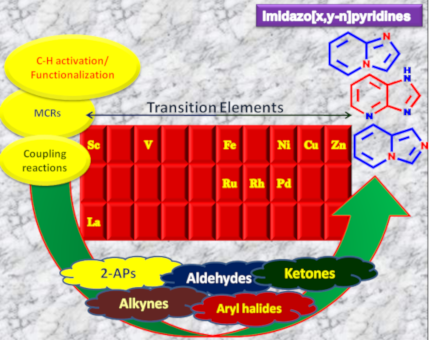
- for efficient syntheses of IPs [20]. In recent years much attention has been paid towards the exploration of transition metals (TMs) as homogeneous as well as heterogeneous catalytic system like Pd(OAc)2 [21], CuI [22], ZnO [23], ZnI2 [24], Cu(OTf)2 [25], Sc(OTf)3 [26], RuCl3 [27], [Cp*RhCl2]2 (Cp

Graphical Abstract

Figure 1: Various drugs having IP nucleus.

Figure 2: Participation percentage of various TMs for the syntheses of IPs.

Scheme 1: CuI–NaHSO4·SiO2-catalyzed synthesis of imidazo[1,2-a]pyridines.

Scheme 2: Experimental examination of reaction conditions.

Scheme 3: One-pot tandem reaction for the synthesis of 2-haloimidazopyridines.

Scheme 4: Mechanistic scheme for the synthesis of 2-haloimidazopyridine.

Scheme 5: Copper-MOF-catalyzed three-component reaction (3-CR) for imidazo[1,2-a]pyridines.

Scheme 6: Mechanism for copper-MOF-driven synthesis.

Scheme 7: Heterogeneous synthesis via titania-supported CuCl2.

Scheme 8: Mechanism involving oxidative C–H functionalization.

Scheme 9: Heterogeneous synthesis of IPs.

Scheme 10: One-pot regiospecific synthesis of imidazo[1,2-a]pyridines.

Scheme 11: Vinyl azide as an unprecedented substrate for imidazo[1,2-a]pyridines.

Scheme 12: Radical pathway.

Scheme 13: Cu(I)-catalyzed transannulation approach for imidazo[1,5-a]pyridines.

Scheme 14: Plausible radical pathway for the synthesis of imidazo[1,5-a]pyridines.

Scheme 15: A solvent-free domino reaction for imidazo[1,2-a]pyridines.

Scheme 16: Cu-NPs-mediated synthesis of imidazo[1,2-a]pyridines.

Scheme 17: CuI-catalyzed synthesis of isoxazolylimidazo[1,2-a]pyridines.

Scheme 18: Functionalization of 4-bromo derivative via Sonogashira coupling reaction.

Scheme 19: A plausible reaction pathway.

Scheme 20: Cu(I)-catalyzed intramolecular oxidative C–H amidation reaction.

Scheme 21: One-pot synthetic reaction for imidazo[1,2-a]pyridine.

Scheme 22: Plausible reaction mechanism.

Scheme 23: Cu(OAc)2-promoted synthesis of imidazo[1,2-a]pyridines.

Scheme 24: Mechanism for aminomethylation/cycloisomerization of propiolates with imines.

Scheme 25: Three-component synthesis of imidazo[1,2-a]pyridines.

Figure 3: Scope of pyridin-2(1H)-ones and acetophenones.

Scheme 26: CuO NPS-promoted A3 coupling reaction.

Scheme 27: Cu(II)-catalyzed C–N bond formation reaction.

Scheme 28: Mechanism involving Chan–Lam/Ullmann coupling.

Scheme 29: Synthesis of formyl-substituted imidazo[1,2-a]pyridines.

Scheme 30: A tandem sp3 C–H amination reaction.

Scheme 31: Probable mechanistic approach.

Scheme 32: Dual catalytic system for imidazo[1,2-a]pyridines.

Scheme 33: Tentative mechanism.

Scheme 34: CuO/CuAl2O4/ᴅ-glucose-promoted 3-CCR.

Scheme 35: A tandem CuOx/OMS-2-based synthetic strategy.

Figure 4: Biomimetic catalytic oxidation in the presence of electron-transfer mediators (ETMs).

Scheme 36: Control experiment.

Scheme 37: Copper-catalyzed C(sp3)–H aminatin reaction.

Scheme 38: Reaction of secondary amines.

Scheme 39: Probable mechanistic pathway.

Scheme 40: Coupling reaction of α-azidoketones.

Scheme 41: Probable pathway.

Scheme 42: Probable mechanism with free energy calculations.

Scheme 43: MCR for cyanated IP synthesis.

Scheme 44: Substrate scope for the reaction.

Scheme 45: Reaction mechanism.

Scheme 46: Probable mechanistic pathway for Cu/ZnAl2O4-catalyzed reaction.

Scheme 47: Copper-catalyzed double oxidative C–H amination reaction.

Scheme 48: Application towards different coupling reactions.

Scheme 49: Reaction mechanism.

Scheme 50: Condensation–cyclization approach for the synthesis of 1,3-diarylated imidazo[1,5-a]pyridines.

Scheme 51: Optimized reaction conditions.

Scheme 52: One-pot 2-CR.

Scheme 53: One-pot 3-CR without the isolation of chalcone.

Scheme 54: Copper–Pybox-catalyzed cyclization reaction.

Scheme 55: Mechanistic pathway catalyzed by Cu–Pybox complex.

Scheme 56: Cu(II)-promoted C(sp3)-H amination reaction.

Scheme 57: Wider substrate applicability for the reaction.

Scheme 58: Plausible reaction mechanism.

Scheme 59: CuI assisted C–N cross-coupling reaction.

Scheme 60: Probable reaction mechanism involving sp3 C–H amination.

Scheme 61: One-pot MCR-catalyzed by CoFe2O4/CNT-Cu.

Scheme 62: Mechanistic pathway.

Scheme 63: Synthetic scheme for 3-nitroimidazo[1,2-a]pyridines.

Scheme 64: Plausible mechanism for CuBr-catalyzed reaction.

Scheme 65: Regioselective synthesis of halo-substituted imidazo[1,2-a]pyridines.

Scheme 66: Synthesis of 2-phenylimidazo[1,2-a]pyridines.

Scheme 67: Synthesis of diarylated compounds.

Scheme 68: CuBr2-mediated one-pot two-component oxidative coupling reaction.

Scheme 69: Decarboxylative cyclization route to synthesize 1,3-diarylimidazo[1,5-a]pyridines.

Scheme 70: Mechanistic pathway.

Scheme 71: C–H functionalization reaction of enamines to produce diversified heterocycles.

Scheme 72: A plausible mechanism.

Scheme 73: CuI-promoted aerobic oxidative cyclization reaction of ketoxime acetates and pyridines.

Scheme 74: CuI-catalyzed pathway for the formation of imidazo[1,2-a]pyridine.

Scheme 75: Mechanistic pathway.

Scheme 76: Mechanistic rationale for the synthesis of products.

Scheme 77: Copper-catalyzed synthesis of vinyloxy-IP.

Scheme 78: Regioselective product formation with propiolates.

Scheme 79: Proposed mechanism for vinyloxy-IP formation.

Scheme 80: Regioselective synthesis of 3-hetero-substituted imidazo[1,2-a]pyridines with different reaction su...

Scheme 81: Mechanistic pathway.

Scheme 82: CuI-mediated synthesis of 3-formylimidazo[1,2-a]pyridines.

Scheme 83: Radical pathway for 3-formylated IP synthesis.

Scheme 84: Pd-catalyzed urea-cyclization reaction for IPs.

Scheme 85: Pd-catalyzed one-pot-tandem amination and intramolecular amidation reaction.

Figure 5: Scope of aniline nucleophiles.

Scheme 86: Pd–Cu-catalyzed Sonogashira coupling reaction.

Scheme 87: One-pot amide coupling reaction for the synthesis of imidazo[4,5-b]pyridines.

Scheme 88: Urea cyclization reaction for the synthesis of two series of pyridines.

Scheme 89: Amidation reaction for the synthesis of imidazo[4,5-b]pyridines.

Figure 6: Amide scope.

Scheme 90: Pd NPs-catalyzed 3-component reaction for the synthesis of 2,3-diarylated IPs.

Scheme 91: Plausible mechanistic pathway for Pd NPs-catalyzed MCR.

Scheme 92: Synthesis of chromenoannulated imidazo[1,2-a]pyridines.

Scheme 93: Mechanism for the synthesis of chromeno-annulated IPs.

Scheme 94: Zinc oxide NRs-catalyzed synthesis of imidazo[1,2-a]azines/diazines.

Scheme 95: Zinc oxide-catalyzed isocyanide based GBB reaction.

Scheme 96: Reaction pathway for ZnO-catalyzed GBB reaction.

Scheme 97: Mechanistic pathway.

Scheme 98: ZnO NRs-catalyzed MCR for the synthesis of imidazo[1,2-a]azines.

Scheme 99: Ugi type GBB three-component reaction.

Scheme 100: Magnetic NPs-catalyzed synthesis of imidazo[1,2-a]pyridines.

Scheme 101: Regioselective synthesis of 2-alkoxyimidazo[1,2-a]pyridines catalyzed by Fe-SBA-15.

Scheme 102: Plausible mechanistic pathway for the synthesis of 2-alkoxyimidazopyridine.

Scheme 103: Iron-catalyzed synthetic approach.

Scheme 104: Iron-catalyzed aminooxygenation reaction.

Scheme 105: Mechanistic pathway.

Scheme 106: Rh(III)-catalyzed double C–H activation of 2-substituted imidazoles and alkynes.

Scheme 107: Plausible reaction mechanism.

Scheme 108: Rh(III)-catalyzed non-aromatic C(sp2)–H bond activation–functionalization for the synthesis of imid...

Scheme 109: Reactivity and selectivity of different substrates.

Scheme 110: Rh-catalyzed direct C–H alkynylation by Li et al.

Scheme 111: Suggested radical mechanism.

Scheme 112: Scandium(III)triflate-catalyzed one-pot reaction and its mechanism for the synthesis of benzimidazo...

Scheme 113: RuCl3-assisted Ugi-type Groebke–Blackburn condensation reaction.

Scheme 114: C-3 aroylation via Ru-catalyzed two-component reaction.

Scheme 115: Regioselective synthetic mechanism.

Scheme 116: La(III)-catalyzed one-pot GBB reaction.

Scheme 117: Mechanistic approach for the synthesis of imidazo[1,2-a]pyridines.

Scheme 118: Synthesis of imidazo[1,2-a]pyridine using LaMnO3 NPs under neat conditions.

Scheme 119: Mechanistic approach.

Scheme 120: One-pot 3-CR for regioselective synthesis of 2-alkoxy-3-arylimidazo[1,2-a]pyridines.

Scheme 121: Formation of two possible products under optimization of the catalysts.

Scheme 122: Mechanistic strategy for NiFe2O4-catalyzed reaction.

Scheme 123: Two-component reaction for synthesizing imidazodipyridiniums.

Scheme 124: Mechanistic scheme for the synthesis of imidazodipyridiniums.

Scheme 125: CuI-catalyzed arylation of imidazo[1,2-a]pyridines.

Scheme 126: Mechanism for arylation reaction.

Scheme 127: Cupric acetate-catalyzed double carbonylation approach.

Scheme 128: Radical mechanism for double carbonylation of IP.

Scheme 129: C–S bond formation reaction catalyzed by cupric acetate.

Scheme 130: Cupric acetate-catalyzed C-3 formylation approach.

Scheme 131: Control experiments for signifying the role of DMSO and oxygen.

Scheme 132: Mechanism pathway.

Scheme 133: Copper bromide-catalyzed CDC reaction.

Scheme 134: Extension of the substrate scope.

Scheme 135: Plausible radical pathway.

Scheme 136: Transannulation reaction for the synthesis of imidazo[1,5-a]pyridines.

Scheme 137: Plausible reaction pathway for denitrogenative transannulation.

Scheme 138: Cupric acetate-catalyzed C-3 carbonylation reaction.

Scheme 139: Plausible mechanism for regioselective C-3 carbonylation.

Scheme 140: Alkynylation reaction at C-2 of 3H-imidazo[4,5-b]pyridines.

Scheme 141: Two-way mechanism for C-2 alkynylation of 3H-imidazo[4,5-b]pyridines.

Scheme 142: Palladium-catalyzed SCCR approach.

Scheme 143: Palladium-catalyzed Suzuki coupling reaction.

Scheme 144: Reaction mechanism.

Scheme 145: A phosphine free palladium-catalyzed synthesis of C-3 arylated imidazopyridines.

Scheme 146: Palladium-mediated Buchwald–Hartwig cross-coupling reaction.

Figure 7: Structure of the ligands optimized.

Scheme 147: Palladium acetate-catalyzed direct arylation of imidazo[1,2-a]pyridines.

Scheme 148: Palladium acetate-catalyzed mechanistic pathway.

Scheme 149: Palladium acetate-catalyzed regioselective arylation reported by Liu and Zhan.

Scheme 150: Mechanism for selective C-3 arylation of IP.

Scheme 151: Pd(II)-catalyzed alkenylation reaction with styrenes.

Scheme 152: Pd(II)-catalyzed alkenylation reaction with acrylates.

Scheme 153: A two way mechanism.

Scheme 154: Double C–H activation reaction catalyzed by Pd(OAc)2.

Scheme 155: Probable mechanism.

Scheme 156: Palladium-catalyzed decarboxylative coupling.

Scheme 157: Mechanistic cycle for decarboxylative arylation reaction.

Scheme 158: Ligand-free approach for arylation of imidazo[1,2-a]pyridine-3-carboxylic acids.

Scheme 159: Mechanism for ligandless arylation reaction.

Scheme 160: NHC-Pd(II) complex assisted arylation reaction.

Scheme 161: C-3 arylation of imidazo[1,2-a]pyridines with aryl bromides catalyzed by Pd(OAc)2.

Scheme 162: Pd(II)-catalyzed C-3 arylations with aryl tosylates and mesylates.

Scheme 163: CDC reaction for the synthesis of imidazo[1,2-a]pyridines.

Scheme 164: Plausible reaction mechanism for Pd(OAc)2-catalyzed synthesis of imidazo[1,2-a]pyridines.

Scheme 165: Pd-catalyzed C–H amination reaction.

Scheme 166: Mechanism for C–H amination reaction.

Scheme 167: One-pot synthesis for 3,6-di- or 2,3,6-tri(hetero)arylimidazo[1,2-a]pyridines.

Scheme 168: C–H/C–H cross-coupling reaction of IPs and azoles catalyzed by Pd(II).

Scheme 169: Mechanistic cycle.

Scheme 170: Rh-catalyzed C–H arylation reaction.

Scheme 171: Mechanistic pathway for C–H arylation of imidazo[1,2-a]pyridine.

Scheme 172: Rh(III)-catalyzed double C–H activation of 2-phenylimidazo[1,2-a]pyridines and alkynes.

Scheme 173: Rh(III)-catalyzed mechanistic pathway.

Scheme 174: Rh(III)-mediated oxidative coupling reaction.

Scheme 175: Reactions showing functionalization of the product obtained by the group of Kotla.

Scheme 176: Mechanism for Rh(III)-catalyzed oxidative coupling reaction.

Scheme 177: Rh(III)-catalyzed C–H activation reaction.

Scheme 178: Mechanistic cycle.

Scheme 179: Annulation reactions of 2-arylimidazo[1,2-a]pyridines and alkynes.

Scheme 180: Two-way reaction mechanism for annulations reaction.

Scheme 181: [RuCl2(p-cymene)]2-catalyzed C–C bond formation reaction.

Scheme 182: Reported reaction mechanism.

Scheme 183: Fe(III) catalyzed C-3 formylation approach.

Scheme 184: SET mechanism-catalyzed by Fe(III).

Scheme 185: Ni(dpp)Cl2-catalyzed KTC coupling.

Scheme 186: Pd-catalyzed SM coupling.

Scheme 187: Vanadium-catalyzed coupling of IP and NMO.

Scheme 188: Mechanistic cycle.

Scheme 189: Selective C3/C5–H bond functionalizations by mono and bimetallic systems.

Scheme 190: rGO-Ni@Pd-catalyzed C–H bond arylation of imidazo[1,2-a]pyridine.

Scheme 191: Mechanistic pathway for heterogeneously catalyzed arylation reaction.

Scheme 192: Zinc triflate-catalyzed coupling reaction of substituted propargyl alcohols.
Design, synthesis and spectroscopic properties of crown ether-capped dibenzotetraaza[14]annulenes
- Krzysztof M. Zwoliński and
- Julita Eilmes
Beilstein J. Org. Chem. 2019, 15, 617–622, doi:10.3762/bjoc.15.57
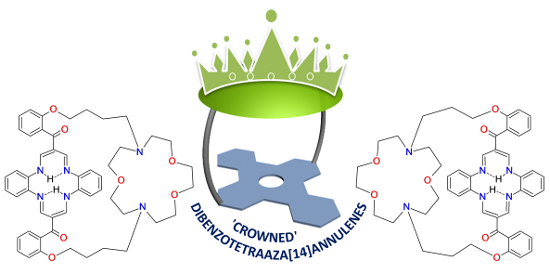
- prepared and their binding properties toward sodium and potassium ions were studied in addition to transition metals. Sakata et al. reported the syntheses and characterization of nickel(II), copper(II) [25] and oxovanadium(IV) [26] complexes of crown ether-annulated DBTAAs, which caused dimerization in the

Graphical Abstract

Figure 1: Timeline for the structure evolution of crown-capped DBTAAs (created on the basis of references [24-28]).

Scheme 1: Synthesis of the crown-capped DBTAA receptors 3a and 3b. Reagents and conditions: i) Et3N, CH3CN, r...

Figure 2: 1H NMR spectra (298 K, CDCl3) of: a) crown ether-capped receptor 3b and b) it’s corresponding paren...
Tandem copper and photoredox catalysis in photocatalytic alkene difunctionalization reactions
- Nicholas L. Reed,
- Madeline I. Herman,
- Vladimir P. Miltchev and
- Tehshik P. Yoon
Beilstein J. Org. Chem. 2019, 15, 351–356, doi:10.3762/bjoc.15.30
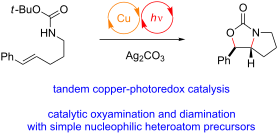
- transition metals, Lewis acids, and organocatalysts has been productively utilized in asymmetric transformations [7][8][9], cross-couplings [10][11][12], and oxidative decarboxylation reactions [13][14], among others. The use of a cocatalyst to control these photochemical transformations enables reactions

Graphical Abstract
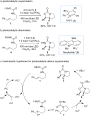
Figure 1: a) Photocatalytic oxyamination, b) photocatalytic diamination, and c) proposed mechanism for photoc...
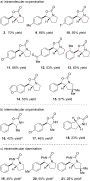
Figure 2: Scope studies for dual-catalytic alkene difunctionalization using 2.5 mol % 3, 30 mol % Cu(TFA)2, a...
Organometallic vs organic photoredox catalysts for photocuring reactions in the visible region
- Aude-Héloise Bonardi,
- Frédéric Dumur,
- Guillaume Noirbent,
- Jacques Lalevée and
- Didier Gigmes
Beilstein J. Org. Chem. 2018, 14, 3025–3046, doi:10.3762/bjoc.14.282
- regioselective hydroformylation of aromatic olefins [84]. Interestingly, if transition metals can initiate an ionic hydroformylation reaction of aryl olefins, a free radical pathway could be promoted by use of diethoxyacetic acid and 4CzIPN, inducing the in situ generation of an equivalent of a formyl radical

Graphical Abstract

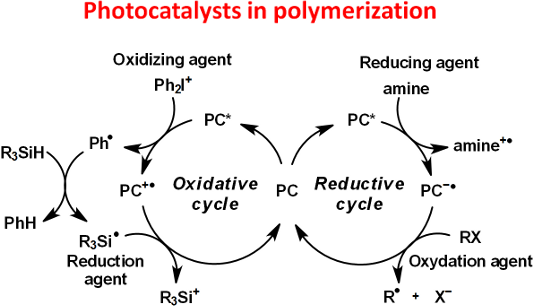
Figure 1: Typical oxidative and reductive cycle for a photoredox catalyst (PC).

Figure 2: Transitions involved in absorbing species containing π, σ and n electrons.

Figure 3: Ligand to metal charge transfer (illustrated here for a d6 metal complex).

Figure 4: Metal to ligand charge transfer (illustrated here for a d5 metal complex).

Scheme 1: Structures of additives involved in the photoredox catalytic cycles.

Figure 5: Catalytic cycles involved with iodonium salt and (A) (TMS)3SiH, (B) NVK and (C) EDB.

Scheme 2: Structures of photoredox metal-based catalysts.

Scheme 3: Photocatalytical cycle for the Ru complex.

Scheme 4: Structures of photoredox organocatalysts.

Scheme 5: Diversity of the chemical structures of photoredox organocatalysts.

Scheme 6: Structures of benchmarked monomers.
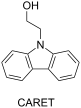
Scheme 7: Structure of the CARET additive.

Scheme 8: Photoredox catalysis mechanism of a visible light-mediated living radical polymerization. (Abbrevia...
The influence of the cationic carbenes on the initiation kinetics of ruthenium-based metathesis catalysts; a DFT study
- Magdalena Jawiczuk,
- Angelika Janaszkiewicz and
- Bartosz Trzaskowski
Beilstein J. Org. Chem. 2018, 14, 2872–2880, doi:10.3762/bjoc.14.266
- either anionic or cationic carbenes [15][16][17][18]. Cationic ligands with a positive charge close to the coordinating atom are relatively rare, as their coordination ability of transition metals, bearing also a formal positive charge, is weakened. Nevertheless, stable metal complexes with cationic

Graphical Abstract

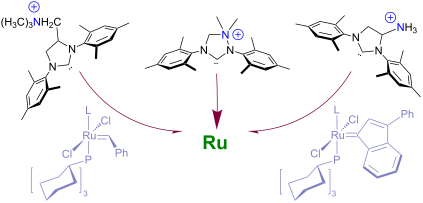
Scheme 1: NHC’s and their ruthenium complexes studied in this work; L = carbene 1, 2 or 3.

Scheme 2: Schematic representation of carbene dimerization and atom numbering scheme used throughout this wor...
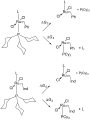
Scheme 3: Dissociative mechanism of initiation for Grubbs-like 1–3-GrI and M1 indenylidene type complexes 1–3...
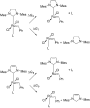
Scheme 4: Dissociative mechanism of initiation of 2nd generation Grubbs-like saturated 1–3-GrII and unsaturat...

Scheme 5: Dissociative mechanism of activation for complexes 1–3-Hov; L = carbene 1, 2 or 3.
Molecular iodine-catalyzed one-pot multicomponent synthesis of 5-amino-4-(arylselanyl)-1H-pyrazoles
- Camila S. Pires,
- Daniela H. de Oliveira,
- Maria R. B. Pontel,
- Jean C. Kazmierczak,
- Roberta Cargnelutti,
- Diego Alves,
- Raquel G. Jacob and
- Ricardo F. Schumacher
Beilstein J. Org. Chem. 2018, 14, 2789–2798, doi:10.3762/bjoc.14.256
- β-ketonitriles, arylhydrazines and aryl sulfonyl hydrazides as sulfur source [21]. The chemistry of iodine-catalyzed transformations has emerged as a greener, efficient and economical alternative to transition metals in organic synthesis [22][23][24]. However, the synthesis of selenium-containing 5

Graphical Abstract

Scheme 1: Synthesis of selanyl-pyrazoles and their derivatives previously described.

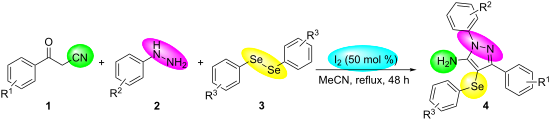
Scheme 2: Multicomponent reaction proposed in this work.

Scheme 3: Direct selanylation reaction of 5-amino-pyrazole 5a with diphenyl diselenide (3a) under the optimiz...

Scheme 4: Proposed reaction mechanism.

Scheme 5: Synthesis of diazo pyrazole derivative 6.

Figure 1: Molecular structure of compound 6. The hydrogen atoms are omitted for clarity [27].
Assembly of fully substituted triazolochromenes via a novel multicomponent reaction or mechanochemical synthesis
- Robby Vroemans,
- Yenthel Verhaegen,
- My Tran Thi Dieu and
- Wim Dehaen
Beilstein J. Org. Chem. 2018, 14, 2689–2697, doi:10.3762/bjoc.14.246
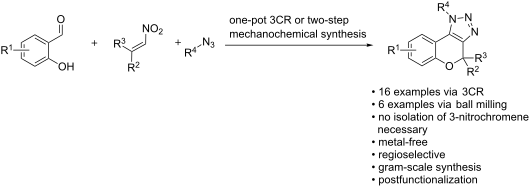
- -triazoles [25][26][27][28][29][30][31]. Yet, the developed methodologies for trisubstituted triazolochromenes generally lack a substituent on the 2-position, except for a sporadic methyl group which drastically lowers the yield and often the use of transition metals is needed [28]. The additional

Graphical Abstract

Scheme 1: Two-step reaction towards triazolochromene 5a and obtained oxidized side product 6.

Scheme 2: Reaction pathways leading to the different regioisomers.
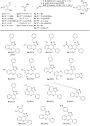
Figure 1: Scope with respect to various salicylaldehydes 1a–f, nitroalkenes 2a–d and organic azides 4a–g. aRe...

Scheme 3: Synthesis of bis-chromenotriazole 5p.

Figure 2: Generality of products obtained via the two-pot mechanochemical procedure, varying the salicylaldeh...

Scheme 4: Scale-up of the one-pot three-component reaction and two-step ball milling procedure.
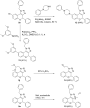
Scheme 5: Postfunctional transformations of triazolochromenes.
Transition metal-free oxidative and deoxygenative C–H/C–Li cross-couplings of 2H-imidazole 1-oxides with carboranyl lithium as an efficient synthetic approach to azaheterocyclic carboranes
- Lidia A. Smyshliaeva,
- Mikhail V. Varaksin,
- Pavel A. Slepukhin,
- Oleg N. Chupakhin and
- Valery N. Charushin
Beilstein J. Org. Chem. 2018, 14, 2618–2626, doi:10.3762/bjoc.14.240

- functionally substituted azaheterocycles, since these transformations can be performed without any catalysis by transition metals, neither they need preliminary introduction of good leaving groups into heterocyclic substrates. It is known that SNH reactions have successfully been applied in the chemistry of π

Graphical Abstract

Scheme 1: C–H/C–Li cross-coupling reactions of 2H-imidazole 1-oxides 1a–d and carboranyl lithium 2. The react...

Figure 1: The 1H NMR spectra of 1-(5-(4-bromophenyl)-2-ethyl-2-methyl-2H-imidazol-4-yl)-1,2-dicarba-closo-dod...

Figure 2: Fragment of the 2D 1H–13C{1H} HSQC (a) and HMBC (b) spectra of imidazolyl carborane 5d in CDCl3 at ...

Figure 3: Molecular structure of 5d. Selected bond distances (Å) and angles (deg) for molecule 1: C(3)–C(14),...
Synthesis of aryl sulfides via radical–radical cross coupling of electron-rich arenes using visible light photoredox catalysis
- Amrita Das,
- Mitasree Maity,
- Simon Malcherek,
- Burkhard König and
- Julia Rehbein
Beilstein J. Org. Chem. 2018, 14, 2520–2528, doi:10.3762/bjoc.14.228
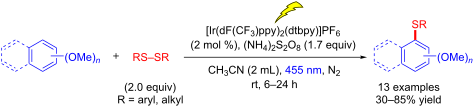
- reports on direct C–H functionalization using transition metals or metal free [37][38][39] conditions and different sources of sulfur, for example arylsulfonyl chlorides, sodium arylsulfinates, sulfinic acids and arylsulfonyl hydrazides have been reported (Scheme 1). However, the protocols require

Graphical Abstract

Figure 1: Selected examples of sulfenylated heterocycles used in pharmaceuticals and material chemistry.

Scheme 1: Synthetic routes to organosulfur compounds.

Scheme 2: Aryl sulfide synthesis.

Scheme 3: Substrate scope for arylthiol syntheses. The reaction was performed with 1a–g (0.1 mmol) and 2a–d (...

Figure 2: Crystal structures of compounds 3a, 3d, 3e and 3i.

Scheme 4: Radical trapping experiments.

Figure 3: (a) Changes in the fluorescence spectra (in this case intensity, λEx = 455 nm) of [Ir(dF(CF3)ppy)2(...

Scheme 5: Proposed mechanism for visible light mediated direct C–H sulfenylation.

Figure 4: Black line: UV–vis spectrum of the degassed [Ir] + 1,3,5-TMB mixture (solution A) in ACN. Blue and ...
Cobalt- and rhodium-catalyzed carboxylation using carbon dioxide as the C1 source
- Tetsuaki Fujihara and
- Yasushi Tsuji
Beilstein J. Org. Chem. 2018, 14, 2435–2460, doi:10.3762/bjoc.14.221
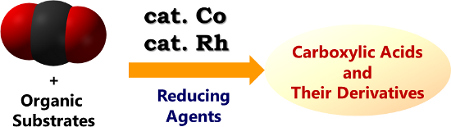
- the carbon–metal bond formation when transition metals are used as the catalyst. In addition, the choice of suitable reducing agents is also crucial for realizing effective carboxylation reactions. In this review, the Co- and Rh-catalyzed transformations of CO2 via C–C bond-forming reactions are

Graphical Abstract

Scheme 1: Optimization of the Co-catalyzed carboxylation of 1a.

Scheme 2: Co-catalyzed carboxylation of propargyl acetates 1.

Scheme 3: Plausible reaction mechanism for the Co-catalyzed carboxylation of propargyl acetates 1.

Scheme 4: Optimization of the Co-catalyzed carboxylation of 3a.

Scheme 5: Co-catalyzed carboxylation of vinyl triflates 3.

Scheme 6: Co-catalyzed carboxylation of a sterically hindered aryl triflate 5.

Scheme 7: Optimization of the Co-catalyzed carboxylation of 7a.

Scheme 8: Scope of the reductive carboxylation of α,β-unsaturated nitriles 7.

Scheme 9: Scope of the carboxylation of α,β-unsaturated carboxamides 9.

Scheme 10: Optimization of the Co-catalyzed carboxylation of 11a.

Scheme 11: Scope of the carboxylation of allylarenes 11.

Scheme 12: Scope of the carboxylation of 1,4-diene derivatives 14.

Scheme 13: Plausible reaction mechanism for the Co-catalyzed C(sp3)–H carboxylation of allylarenes.

Scheme 14: Optimization of the Co-catalyzed carboxyzincation of 16a.

Scheme 15: Derivatization of the carboxyzincated product.

Scheme 16: Co-catalyzed carboxyzincation of alkynes 16.

Scheme 17: Plausible reaction mechanism for the Co-catalyzed carboxyzincation of alkynes 16.

Scheme 18: Co-catalyzed four-component coupling of alkynes 16, acrylates 18, CO2, and zinc.

Scheme 19: Proposed reaction mechanism for the Co-catalyzed four-component coupling.

Scheme 20: Visible-light-driven hydrocarboxylation of alkynes.

Scheme 21: Visible-light-driven synthesis of γ-hydroxybutenolides from ortho-ester-substituted aryl alkynes.

Scheme 22: One-pot synthesis of coumarines and 2-quinolones via hydrocarboxylation/alkyne isomerization/cycliz...

Scheme 23: Proposed reaction mechanism for the Co-catalyzed carboxylative cyclization of ortho-substituted aro...

Scheme 24: Rh-catalyzed carboxylation of arylboronic esters 25.

Scheme 25: Rh-catalyzed carboxylation of alkenylboronic esters 27.

Scheme 26: Plausible reaction mechanism for the Rh-catalyzed carboxylation of arylboronic esters 25.

Scheme 27: Ligand effect on the Rh-catalyzed carboxylation of 2-phenylpyridine 29a.

Scheme 28: Rh-catalyzed chelation-assisted C(sp2)–H bond carboxylation with CO2.

Scheme 29: Reaction mechanism for the Rh-catalyzed C(sp2)–H carboxylation of 2-pyridylarenes 29.

Scheme 30: Carboxylation of C(sp2)–H bond with CO2.

Scheme 31: Carboxylation of C(sp2)–H bond with CO2.

Scheme 32: Reaction mechanism for the Rh-catalyzed C(sp2)–H carboxylation of 2-arylphenols 34.

Scheme 33: Hydrocarboxylation of styrene derivatives with CO2.

Scheme 34: Hydrocarboxylation of α,β-unsaturated esters with CO2.

Scheme 35: Asymmetric hydrocarboxylation of α,β-unsaturated esters with CO2.

Scheme 36: Proposed reaction mechanism for the Rh-catalyzed hydrocarboxylation of C–C double bonds with CO2.

Scheme 37: Visible-light-driven hydrocarboxylation with CO2.

Scheme 38: Visible-light-driven Rh-catalyzed hydrocarboxylation of C–C double bonds with CO2.

Scheme 39: Optimization of reaction conditions on the Rh-catalyzed [2 + 2 + 2] cycloaddition of diyne 42a and ...
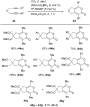
Scheme 40: [2 + 2 + 2] Cycloaddition of diyne and CO2.

Scheme 41: Proposed reaction pathways for the Rh-catalyzed [2 + 2 + 2] cycloaddition of diyne and CO2.
A challenging redox neutral Cp*Co(III)-catalysed alkylation of acetanilides with 3-buten-2-one: synthesis and key insights into the mechanism through DFT calculations
- Andrew Kenny,
- Alba Pisarello,
- Arron Bird,
- Paula G. Chirila,
- Alex Hamilton and
- Christopher J. Whiteoak
Beilstein J. Org. Chem. 2018, 14, 2366–2374, doi:10.3762/bjoc.14.212
- -established palladium-catalysed cross-coupling protocols [4]. Whilst second and third row transition metals are well applied in cross-coupling protocols through C–H activation under mild conditions [5], the drive to use first row metals continues to provide an exciting challenge [6]. The interest in the
- application of these first-row transition metals stems from their low cost, ready availability and often wider reactivity profiles. One particular example which is currently attracting significant interest is cobalt, a metal which has found many applications in C–H functionalisation through exploitation of

Graphical Abstract

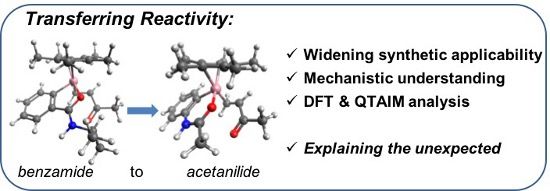
Scheme 1: (a) Our previously reported Cp*Co(III) redox-neutral coupling of 3-buten-2-one to benzamides, (b) p...

Scheme 2: Summary of reaction conditions optimisation.

Scheme 3: Substrate scope of Cp*Co(III)-catalysed coupling of 3-buten-2-one with functionalised acetanilides....

Figure 1: Mechanistic pathway for Cp*Co(III)-catalysed alkylation of acetanilide with 3-buten-2-one obtained ...

Figure 2: Comparison between energies during the Cp*Co(III)-catalysed coupling of 3-buten-2-one with acetanil...

Figure 3: Comparative visualisation of bcp for Int 2ketone with the acetanilide (left) and benzamide substrat...

Scheme 4: Competitive experiment between coupling to acetanilide (ring A) or benzamide (ring B). aMajor produ...
Hydroarylations by cobalt-catalyzed C–H activation
- Rajagopal Santhoshkumar and
- Chien-Hong Cheng
Beilstein J. Org. Chem. 2018, 14, 2266–2288, doi:10.3762/bjoc.14.202
- less expensive and more environmentally benign, have attracted significant attention in recent years [16][17][18][19][20][21][22][23][24][25][26][27]. As a member of the first-row transition metals, cobalt complexes are known to be extensively involved in homogeneous catalysis, in particular, C–H
- traditional synthetic methods to construct new C−C bonds. Among the first-row transition metals, both low- and high-valent cobalt catalysts have played a substantial role in these hydroarylation reactions providing an economical alternative to the precious metal-catalyzed reactions and also showed distinct

Graphical Abstract

Scheme 1: Cobalt-catalyzed C–H carbonylation.

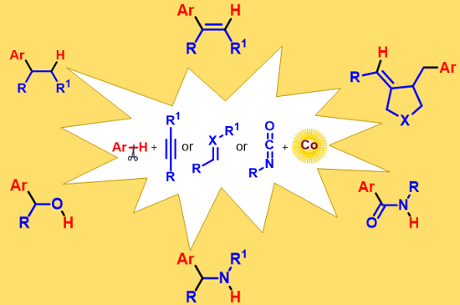
Scheme 2: Hydroarylation by C–H activation.

Scheme 3: Pathways for cobalt-catalyzed hydroarylations.

Scheme 4: Co-catalyzed hydroarylation of alkynes with azobenzenes.

Scheme 5: Co-catalyzed hydroarylation of alkynes with 2-arylpyridines.

Scheme 6: Co-catalyzed addition of azoles to alkynes.

Scheme 7: Co-catalyzed addition of indoles to alkynes.

Scheme 8: Co-catalyzed hydroarylation of alkynes with imines.

Scheme 9: A plausible pathway for Co-catalyzed hydroarylation of alkynes.

Scheme 10: Co-catalyzed anti-selective C–H addition to alkynes.

Scheme 11: Co(III)-catalyzed hydroarylation of alkynes with indoles.

Scheme 12: Co(III)-catalyzed branch-selective hydroarylation of alkynes.

Scheme 13: Co(III)-catalyzed hydroarylation of terminal alkynes with arenes.

Scheme 14: Co(III)-catalyzed hydroarylation of alkynes with amides.

Scheme 15: Co(III)-catalyzed C–H alkenylation of arenes.

Scheme 16: Co-catalyzed alkylation of substituted benzamides with alkenes.

Scheme 17: Co-catalyzed switchable hydroarylation of styrenes with 2-aryl pyridines.
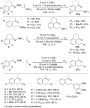
Scheme 18: Co-catalyzed linear-selective hydroarylation of alkenes with imines.

Scheme 19: Co-catalyzed linearly-selective hydroarylation of alkenes with N–H imines.

Scheme 20: Co-catalyzed branched-selective hydroarylation of alkenes with imines.

Scheme 21: Mechanism of Co-catalyzed hydroarylation of alkenes.

Scheme 22: Co-catalyzed intramolecular hydroarylation of indoles.

Scheme 23: Co-catalyzed asymmetric hydroarylation of alkenes with indoles.

Scheme 24: Co-catalyzed hydroarylation of alkenes with heteroarenes.

Scheme 25: Co(III)-catalyzed hydroarylation of activated alkenes with 2-phenyl pyridines.

Scheme 26: Co(III)-catalyzed C–H alkylation of arenes.

Scheme 27: Co(III)-catalyzed C2-alkylation of indoles.

Scheme 28: Co(III)-catalyzed switchable hydroarylation of alkyl alkenes with indoles.
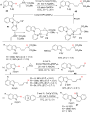
Scheme 29: Co(III)-catalyzed C2-allylation of indoles.

Scheme 30: Co(III)-catalyzed ortho C–H alkylation of arenes with maleimides.

Scheme 31: Co(III)-catalyzed hydroarylation of maleimides with arenes.
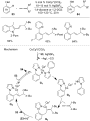
Scheme 32: Co(III)-catalyzed hydroarylation of allenes with arenes.

Scheme 33: Co-catalyzed hydroarylative cyclization of enynes with carbonyl compounds.

Scheme 34: Mechanism for the Co-catalyzed hydroarylative cyclization of enynes with carbonyl compounds.

Scheme 35: Co-catalyzed addition of 2-arylpyridines to aromatic aldimines.

Scheme 36: Co-catalyzed addition of 2-arylpyridines to aziridines.

Scheme 37: Co(III)-catalyzed hydroarylation of imines with arenes.

Scheme 38: Co(III)-catalyzed addition of arenes to ketenimines.

Scheme 39: Co(III)-catalyzed three-component coupling.

Scheme 40: Co(III)-catalyzed hydroarylation of aldehydes.

Scheme 41: Co(III)-catalyzed addition of arenes to isocyanates.
Coordination-driven self-assembly of discrete Ru6–Pt6 prismatic cages
- Aderonke Ajibola Adeyemo and
- Partha Sarathi Mukherjee
Beilstein J. Org. Chem. 2018, 14, 2242–2249, doi:10.3762/bjoc.14.199
- donors and transition metals as electron-deficient acceptors. Diverse functionalities embedded in these homometallic architectures have found useful applications in chemical sensing [24][25][26][27][28][29][30][31][32][33][34][35], catalysis [11][36][37][38][39][40][41][42][43][44][45][46], drug delivery

Graphical Abstract

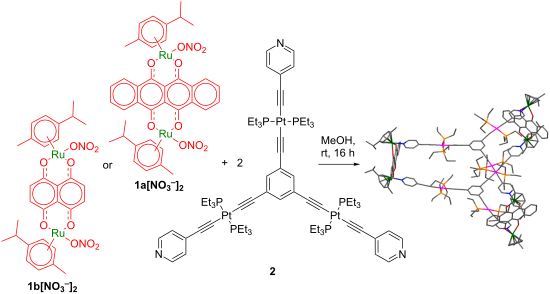
Scheme 1: Self-assembly of the heterometallic prismatic cages.

Scheme 2: Synthesis of the platinum metalloligand 2.

Figure 1: 1H NMR of 3b in CD3OD.

Figure 2: UV–vis spectra of the metalloligand 2 and heterometallic prismatic cages 3a and 3b in methanol (1.0...

Figure 3: ESIMS spectrum of 3a in methanol. Inset: experimentally observed isotopic distribution patterns of ...

Figure 4: Energy-minimized structure of heterometallic trigonal prismatic cage 3a. Hydrogen atoms are omitted...
Applications of organocatalysed visible-light photoredox reactions for medicinal chemistry
- Michael K. Bogdos,
- Emmanuel Pinard and
- John A. Murphy
Beilstein J. Org. Chem. 2018, 14, 2035–2064, doi:10.3762/bjoc.14.179
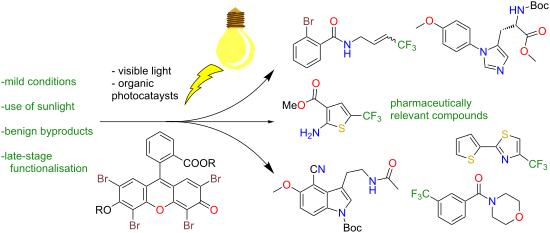
- pharmaceutical industry. This type of chemistry has also demonstrated a high degree of sustainability, especially when organic dyes can be employed in place of often toxic and environmentally damaging transition metals. The sections are arranged according to the general class of the presented reactions and the

Graphical Abstract

Figure 1: Depiction of the energy levels of a typical organic molecule and the photophysical processes it can...

Figure 2: General catalytic cycle of a photocatalyst in a photoredox organocatalysed reaction. [cat] – photoc...

Figure 3: Structures and names of the most common photocatalysts encountered in the reviewed literature.

Figure 4: General example of a reductive quenching catalytic cycle. [cat] – photocatalyst, [cat]* – photocata...

Figure 5: General example of an oxidative quenching catalytic cycle. [cat] – photocatalyst, [cat]* – photocat...

Scheme 1: Oxidative coupling of aldehydes and amines to amides using acridinium salt photocatalysis.

Figure 6: Biologically active molecules containing a benzamide linkage.

Scheme 2: The photocatalytic reduction of amino acids to produce the corresponding free or protected amines.

Scheme 3: The organocatalysed photoredox base-mediated oxidation of thiols to disulfides.

Scheme 4: C-Terminal modification of peptides and proteins using organophotoredox catalysis.

Scheme 5: The reduction and aryl coupling of aryl halides using a doubly excited photocatalyst (PDI).

Figure 7: Mechanism for the coupling of aryl halides using PDI, which is excited sequentially by two photons.

Scheme 6: The arylation of five-membered heteroarenes using arenediazonium salts under organophotoredox condi...

Scheme 7: The C–H (hetero)arylation of five-membered heterocycles under Eosin Y photocatalysis.

Scheme 8: The C–H sulfurisation of imidazoheterocycles using Eosin B-catalyzed photochemical methods.

Scheme 9: The introduction of the thiocyanate group using Eosin Y photocatalysis.

Scheme 10: Sulfonamidation of pyrroles using oxygen as the terminal oxidant.

Scheme 11: DDQ-catalysed C–H amination of arenes and heteroarenes.

Scheme 12: Photoredox-promoted radical Michael addition reactions of allylic or benzylic carbons.

Figure 8: Proposed mechanistic rationale for the observed chemoselectivities.

Scheme 13: The photocatalytic manipulation of C–H bonds adjacent to amine groups.

Scheme 14: The perylene-catalysed organophotoredox tandem difluoromethylation–acetamidation of styrene-type al...

Figure 9: Examples of biologically active molecules containing highly functionalised five membered heterocycl...

Scheme 15: The [3 + 2]-cycloaddition leading to the formation of pyrroles, through the reaction of 2H-azirines...

Figure 10: Proposed intermediate that determines the regioselectivity of the reaction.

Figure 11: Comparison of possible pathways of reaction and various intermediates involved.

Scheme 16: The acridinium salt-catalysed formation of oxazoles from aldehydes and 2H-azirines.

Scheme 17: The synthesis of oxazolines and thiazolines from amides and thioamides using organocatalysed photor...

Figure 12: Biologically active molecules on the market containing 1,3,4-oxadiazole moieties.

Scheme 18: The synthesis of 1,3,4-oxadiazoles from aldehyde semicarbazones using Eosin Y organophotocatalysis.

Scheme 19: The dimerization of primary thioamides to 1,2,4-thiadiazoles catalysed by the presence of Eosin Y a...

Scheme 20: The radical cycloaddition of o-methylthioarenediazonium salts and substituted alkynes towards the f...

Scheme 21: The dehydrogenative cascade reaction for the synthesis of 5,6-benzofused heterocyclic systems.

Figure 13: Trifluoromethylated version of compounds which have known biological activities.

Scheme 22: Eosin Y-catalysed photoredox formation of 3-substituted benzimidazoles.

Scheme 23: Oxidation of dihydropyrimidines by atmospheric oxygen using photoredox catalysis.

Scheme 24: Photoredox-organocatalysed transformation of 2-substituted phenolic imines to benzoxazoles.

Scheme 25: Visible light-driven oxidative annulation of arylamidines.

Scheme 26: Methylene blue-photocatalysed direct C–H trifluoromethylation of heterocycles.

Scheme 27: Photoredox hydrotrifluoromethylation of terminal alkenes and alkynes.

Scheme 28: Trifluoromethylation and perfluoroalkylation of aromatics and heteroaromatics.

Scheme 29: The cooperative asymmetric and photoredox catalysis towards the functionalisation of α-amino sp3 C–...

Scheme 30: Organophotoredox-catalysed direct C–H amidation of aromatics.

Scheme 31: Direct C–H alkylation of heterocycles using BF3K salts. CFL – compact fluorescent lamp.

Figure 14: The modification of camptothecin, demonstrating the use of the Molander protocol in LSF.

Scheme 32: Direct C–H amination of aromatics using acridinium salts.

Scheme 33: Photoredox-catalysed nucleophilic aromatic substitution of nucleophiles onto methoxybenzene derivat...

Scheme 34: The direct C–H cyanation of aromatics with a focus on its use for LSF.
Recent advances in hypervalent iodine(III)-catalyzed functionalization of alkenes
- Xiang Li,
- Pinhong Chen and
- Guosheng Liu
Beilstein J. Org. Chem. 2018, 14, 1813–1825, doi:10.3762/bjoc.14.154
- ) reagents were applied to oxidize transition metals [21][22][23][24][25]. In an alternative way, the electrophilic hypervalent iodine(III) reagents can activate alkenes directly in a metal-free manner. Based on this strategy, dichlorination [26], 1,2-difluorination [27], gem-difluorination [28

Graphical Abstract

Figure 1: The structures of hypervalent iodine (III) reagents [8].

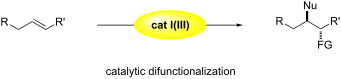
Scheme 1: Hypervalent iodine(III)-catalyzed functionalization of alkenes.

Scheme 2: Catalytic sulfonyloxylactonization of alkenoic acids [43].

Scheme 3: Catalytic diacetoxylation of alkenes [46].

Scheme 4: Intramolecular asymmetric dioxygenation of alkenes [48,50].

Scheme 5: Intermolecular asymmetric diacetoxylation of styrenes [52].

Scheme 6: Diacetoxylation of alkenes with ester groups containing catalysts 17 [55].

Scheme 7: Intramolecular diamination of alkenes [56].

Scheme 8: Intramolecular asymmetric diamination of alkenes [57].

Scheme 9: Intermolecular asymmetric diamination of alkenes [58].

Scheme 10: Iodoarene-catalyzed aminofluorination of alkenes [60,61].

Scheme 11: Iodoarene-catalyzed aminofluorination of alkenes [62].

Scheme 12: Catalytic difluorination of alkenes with Selectfluor [63].

Scheme 13: Iodoarene-catalyzed 1,2-difluorination of alkenes [64].

Scheme 14: Iodoarene-catalyzed asymmetric fluorination of styrenes [64,65].

Scheme 15: Gem-difluorination of styrenes [67].

Scheme 16: Asymmetric gem-difluorination of cinnamic acid derivatives [68].

Scheme 17: Oxyarylation of alkenes [71].

Scheme 18: Asymmetric oxidative rearrangements of alkenes [72].

Scheme 19: Bromolactonization of alkenes [75].

Scheme 20: Bromination of alkenes [77,78].

Scheme 21: Cooperative strategy for the carbonylation of alkenes [79].
Synthesis of spirocyclic scaffolds using hypervalent iodine reagents
- Fateh V. Singh,
- Priyanka B. Kole,
- Saeesh R. Mangaonkar and
- Samata E. Shetgaonkar
Beilstein J. Org. Chem. 2018, 14, 1778–1805, doi:10.3762/bjoc.14.152
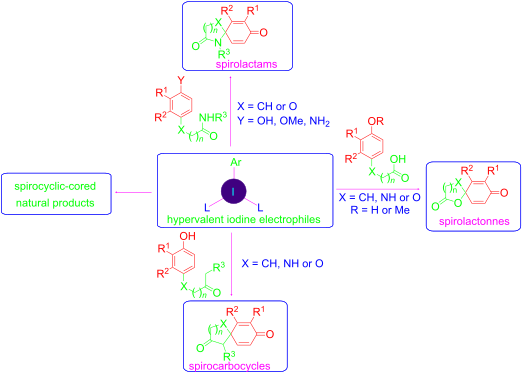
- [17]. There are several ways available in literature for the synthesis of spirocyclic compounds but most of them are associated either with transition metals or hypervalent iodine reagents [1][2][3]. Hypervalent iodine reagents provide various functional group transformation opportunities in organic

Graphical Abstract

Figure 1: The structures of biologically active natural and synthetic products having spirocyclic moiety.

Scheme 1: Iodine(III)-mediated spirocyclization of substituted phenols 7 and 11 to 10 and 13, respectively.

Scheme 2: PIDA-mediated spirolactonization of N-protected tyrosine 14 to spirolactone 16.

Figure 2: The structures of polymer-supported iodine(III) reagents 17a and 17b.

Scheme 3: Spirolactonization of substrates 14 to spirolactones 16 using polymer-supported reagents 17a and 17b...

Scheme 4: PIDA-mediated spirolactonization of 1-(p-hydroxyaryl)cyclobutanols 18 to spirolactones 19.

Scheme 5: Iodine(III)-mediated spirocyclization of aryl alkynes 24 to spirolactones 26 by the reaction with b...

Scheme 6: Bridged iodine(III)-mediated spirocyclization of phenols 27 to spirodienones 29.

Scheme 7: Iodine(III)-mediated spirocyclization of arnottin I (30) to its spirocyclic analogue arnottin II (32...

Scheme 8: Iodine(III)-catalyzed spirolactonization of p-substituted phenols 27 to spirolactones 29 using iodo...

Scheme 9: Iodine(III)-catalyzed oxylactonization of ketocarboxylic acid 34 to spirolactone 36 using iodobenze...

Scheme 10: Iodine(III)-mediated asymmetric oxidative spirocyclization of naphthyl acids 37 to naphthyl spirola...

Scheme 11: Oxidative cyclization of L-tyrosine 14 to spirocyclic lactone 16 using PIDA (15).

Scheme 12: Oxidative cyclization of oxazoline derivatives 41 to spirolactams 42 using PIDA (15).

Scheme 13: Oxidative cyclization of oxazoline 43 to spirolactam 44 using PIDA 15 as oxidant.

Scheme 14: PIFA-mediated spirocyclization of amides 46 to N-spirolactams 47 using PIFA (31) as an electrophile....

Scheme 15: Synthesis of spirolactam 49 from phenolic enamide 48 using PIDA (15).

Scheme 16: Iodine(III)-mediated spirocyclization of alkyl hydroxamates 50 to spirolactams 51 using stoichiomet...

Scheme 17: PIFA-mediated cyclization of substrate 52 to spirocyclic product 54.

Scheme 18: Synthesis of spiro β-lactams 56 by oxidative coupling reaction of p-substituted phenols 55 using PI...

Scheme 19: Iodine(III)-mediated spirocyclization of para-substituted amide 58 to spirolactam 59 by the reactio...

Scheme 20: Iodine(III)-mediated synthesis of spirolactams 61 from anilide derivatives 60.

Scheme 21: PIFA-mediated oxidative cyclization of anilide 60 to bis-spirobisoxindole 61.

Scheme 22: PIDA-mediated spirocyclization of phenylacetamides 65 to spirocyclic lactams 66.

Scheme 23: Oxidative dearomatization of arylamines 67 with PIFA (31) to give dieniminium salts 68.

Scheme 24: PIFA-mediated oxidative spirocarbocyclization of 4-methoxybenzamide 69 with diphenylacetylene (70) ...

Scheme 25: Synthesis of spiroxyindole 75 using I2O5/TBHP oxidative system.

Scheme 26: Iodine(III)-catalyzed spirolactonization of functionalized amides 76 to spirolactones 77 using iodo...

Scheme 27: Intramolecular cyclization of alkenes 78 to spirolactams 80 using Pd(II) 79 and PIDA (15) as the ox...

Scheme 28: Iodine(III)-catalyzed spiroaminocyclization of amides 76 to spirolactam 77 using bis(iodoarene) 81 ...

Scheme 29: Iodine(III)-catalyzed spirolactonization of N-phenyl benzamides 82 to spirolactams 83 using iodoben...

Scheme 30: Iodine(III)-mediated asymmetric oxidative spirocyclization of phenols 84 to spirolactams 86 using c...

Scheme 31: Iodine(III)-catalyzed asymmetric oxidative spirocyclization of N-aryl naphthamides 87 to spirocycli...

Scheme 32: Cyclization of p-substituted phenolic compound 89 to spirolactam 90 using PIDA (15) in TFE.

Scheme 33: Iodine(III)-mediated synthesis of spirocyclic compound 93 from substrates 92 using PIDA (15) as an ...

Scheme 34: Iodine(III)-mediated spirocyclization of p-substituted phenol 48 to spirocyclic compound 49 using P...

Scheme 35: Bridged iodine(III)-mediated spirocyclization of O-silylated phenolic compound 96 in the synthesis ...

Scheme 36: PIFA-mediated approach for the spirocyclization of ortho-substituted phenols 98 to aza-spirocarbocy...

Scheme 37: Oxidative cyclization of para-substituted phenols 102 to spirocarbocyclic compounds 104 using Koser...

Scheme 38: Iodine(III)-mediated spirocyclization of aryl alkynes 105 to spirocarbocyclic compound 106 by the r...

Scheme 39: Iodine(III)-mediated spirocarbocyclization of ortho-substituted phenols 107 to spirocarbocyclic com...

Scheme 40: PIFA-mediated oxidative cyclization of substrates 110 to spirocarbocyclic compounds 111.

Scheme 41: Iodine(III)-mediated cyclization of substrate 113 to spirocyclic compound 114.

Scheme 42: Iodine(III)-mediated spirocyclization of phenolic substrate 116 to the spirocarbocyclic natural pro...

Scheme 43: Iodine(III)-catalyzed spirocyclization of phenols 117 to spirocarbocyclic products 119 using iodoar...

Scheme 44: PIFA-mediated spirocyclization of 110 to spirocyclic compound 111 using PIFA (31) as electrophile.

Scheme 45: PIDA-mediated spirocyclization of phenolic sulfonamide 122 to spiroketones 123.

Scheme 46: Iodine(III)-mediated oxidative spirocyclization of 2-naphthol derivatives 124 to spiropyrrolidines ...

Scheme 47: PIDA-mediated oxidative spirocyclization of m-substituted phenols 126 to tricyclic spiroketals 127.

Figure 3: The structures of chiral organoiodine(III) catalysts 129a and 129b.

Scheme 48: Iodine(III)-catalyzed oxidative spirocyclization of substituted phenols 128 to spirocyclic ketals 1...

Scheme 49: Oxidative spirocyclization of para-substituted phenol 131 to spirodienone 133 using polymer support...

Scheme 50: Oxidative cyclization of bis-hydroxynaphthyl ether 135 to spiroketal 136 using PIDA (15) as an elec...

Scheme 51: Oxidative spirocyclization of phenolic compound 139 to spirodienone 140 using polymer-supported PID...

Scheme 52: PIFA-mediated oxidative cyclization of catechol derived substrate 142 to spirocyclic product 143.

Scheme 53: Oxidative spirocyclization of p-substituted phenolic substrate 145 to aculeatin A (146a) and aculea...

Scheme 54: Oxidative spirocyclization of p-substituted phenolic substrate 147 to aculeatin A (146a) and aculea...

Scheme 55: Oxidative spirocyclization of p-substituted phenolic substrate 148 to aculeatin D (149) using elect...

Scheme 56: Cyclization of phenolic substrate 131 to spirocyclic product 133 using polymer-supported PIFA 150.

Scheme 57: Iodine(III)-mediated oxidative intermolecular spirocyclization of 7-methoxy-α-naphthol (152) to spi...

Scheme 58: Oxidative cyclization of phenols 155 to spiro-ketals 156 using electrophilic species PIDA (15).

Scheme 59: Iodine(III)-catalyzed oxidative spirocyclization of ortho-substituted phenols 158 to spirocyclic ke...
β-Hydroxy sulfides and their syntheses
- Mokgethwa B. Marakalala,
- Edwin M. Mmutlane and
- Henok H. Kinfe
Beilstein J. Org. Chem. 2018, 14, 1668–1692, doi:10.3762/bjoc.14.143
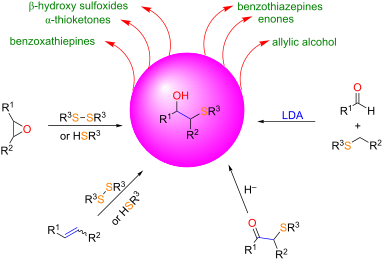
- not require the use of transition metals. However, the need for stoichiometric amount of the KI promoter (2 equivalents of KI is required relative to a diaryl disulfide substrate) calls for the development of new alternative catalytic methodologies. 3.4 Thiofunctionalization of unactivated alkenes A

Graphical Abstract

Figure 1: Some sulfur-containing natural products.

Figure 2: Some natural products incorporating β-hydroxy sulfide moieties.

Figure 3: Some synthetic β-hydroxy sulfides of clinical value.

Scheme 1: Alumina-mediated synthesis of β-hydroxy sulfides, ethers, amines and selenides from epoxides.

Scheme 2: β-Hydroxy sulfide syntheses by ring opening of epoxides under different Lewis and Brønsted acid and...

Scheme 3: n-Bu3P-catalyzed thiolysis of epoxides and aziridines to provide the corresponding β-hydroxy and β-...

Scheme 4: Zinc(II) chloride-mediated thiolysis of epoxides.

Scheme 5: Thiolysis of epoxides and one-pot oxidation to β-hydroxy sulfoxides under microwave irradiation.

Scheme 6: Gallium triflate-catalyzed ring opening of epoxides and one-pot oxidation.

Scheme 7: Thiolysis of epoxides and one-pot oxidation to β-hydroxy sulfoxides using Ga(OTf)3 as a catalyst.

Scheme 8: Ring opening of epoxide using ionic liquids under solvent-free conditions.

Scheme 9: N-Bromosuccinimide-catalyzed ring opening of epoxides.

Scheme 10: LiNTf2-mediated epoxide opening by thiophenol.

Scheme 11: Asymmetric ring-opening of cyclohexene oxide with various thiols catalyzed by zinc L-tartrate.

Scheme 12: Catalytic asymmetric ring opening of symmetrical epoxides with t-BuSH catalyzed by (R)-GaLB (43) wi...

Scheme 13: Asymmetric ring opening of meso-epoxides by p-xylenedithiol catalyzed by a (S,S)-(salen)Cr complex.

Scheme 14: Desymmetrization of meso-epoxide with thiophenol derivatives.

Scheme 15: Enantioselective ring-opening reaction of meso-epoxides with ArSH catalyzed by a C2-symmetric chira...

Scheme 16: Enantioselective ring-opening reaction of stilbene oxides with ArSH catalyzed by a C2-symmetric chi...

Scheme 17: Asymmetric desymmetrization of meso-epoxides using BINOL-based Brønsted acid catalysts.

Scheme 18: Lithium-BINOL-phosphate-catalyzed desymmetrization of meso-epoxides with aromatic thiols.

Scheme 19: Ring-opening reactions of cyclohexene oxide with thiols by using CPs 1-Eu and 2-Tb.

Scheme 20: CBS-oxazaborolidine-catalyzed borane reduction of β-keto sulfides.

Scheme 21: Preparation of β-hydroxy sulfides via connectivity.

Scheme 22: Baker’s yeast-catalyzed reduction of sulfenylated β-ketoesters.

Scheme 23: Sodium-mediated ring opening of epoxides.

Scheme 24: Disulfide bond cleavage-epoxide opening assisted by tetrathiomolybdate.

Scheme 25: Proposed reaction mechanism of disulfide bond cleavage-epoxide opening assisted by tetrathiomolybda...

Scheme 26: Cyclodextrin-catalyzed difunctionalization of alkenes.

Scheme 27: Zinc-catalyzed synthesis of β-hydroxy sulfides from disulfides and alkenes.

Scheme 28: tert-Butyl hydroperoxide-catalyzed hydroxysulfurization of alkenes.

Scheme 29: Proposed mechanism of the radical hydroxysulfurization.

Scheme 30: Rongalite-mediated synthesis of β-hydroxy sulfides from styrenes and disulfides.

Scheme 31: Proposed mechanism of Rongalite-mediated synthesis of β-hydroxy sulfides from styrenes and disulfid...

Scheme 32: Copper(II)-catalyzed synthesis of β-hydroxy sulfides 15e,f from alkenes and basic disulfides.

Scheme 33: CuI-catalyzed acetoxysulfenylation of alkenes.

Scheme 34: CuI-catalyzed acetoxysulfenylation reaction mechanism.

Scheme 35: One-pot oxidative 1,2-acetoxysulfenylation of Baylis–Hillman products.

Scheme 36: Proposed mechanism for the oxidative 1,2-acetoxysulfination of Baylis–Hillman products.

Scheme 37: 1,2-Acetoxysulfenylation of alkenes using DIB/KI.

Scheme 38: Proposed reaction mechanism of the diacetoxyiodobenzene (DIB) and KI-mediated 1,2-acetoxysulfenylat...

Scheme 39: Catalytic asymmetric thiofunctionalization of unactivated alkenes.

Scheme 40: Proposed catalytic cycle for asymmetric sulfenofunctionalization.

Scheme 41: Synthesis of thiosugars using intramolecular thiol-ene reaction.

Scheme 42: Synthesis of leukotriene C-1 by Corey et al.: (a) N-(trifluoroacetyl)glutathione dimethyl ester (3 ...

Scheme 43: Synthesis of pteriatoxins with epoxide thiolysis to attain β-hydroxy sulfides. Reagents: (a) (1) K2...

Scheme 44: Synthesis of peptides containing a β-hydroxy sulfide moiety.

Scheme 45: Synthesis of diltiazem (12) using biocatalytic resolution of an epoxide followed by thiolysis.
Thiocarbonyl-enabled ferrocene C–H nitrogenation by cobalt(III) catalysis: thermal and mechanochemical
- Santhivardhana Reddy Yetra,
- Zhigao Shen,
- Hui Wang and
- Lutz Ackermann
Beilstein J. Org. Chem. 2018, 14, 1546–1553, doi:10.3762/bjoc.14.131

- manifold. Keywords: amidation; C–H activation; cobalt; ferrocene; mechanochemistry; Introduction C–H activation has surfaced as a transformative tool in molecular sciences [1][2][3][4][5][6][7][8][9]. While major advances have been accomplished with precious 4d transition metals, recent focus has shifted

Graphical Abstract

Figure 1: Selected ferrocene-based ligands and organocatalysts.

Scheme 1: Scope of substituted dioxazolones 2.

Scheme 2: C–H Amidation of arylated ferrocenes 1.

Scheme 3: Thiocarbonyl-assisted C–H amidation.

Scheme 4: H/D Exchange reactions.
Scheme 5: Intermolecular competition experiments.

Scheme 6: Synthesis of aminoketone 4aa.

Scheme 7: Mechanochemical ferrocene C–H nitrogenation.
Recent advances in phosphorescent platinum complexes for organic light-emitting diodes
- Cristina Cebrián and
- Matteo Mauro
Beilstein J. Org. Chem. 2018, 14, 1459–1481, doi:10.3762/bjoc.14.124
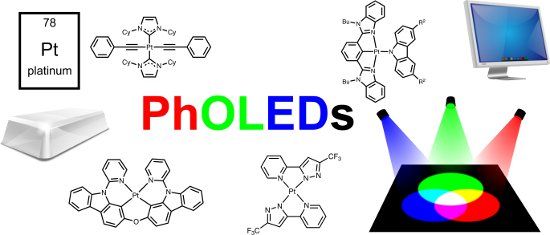
- ][30]. Apart from the strong σ-donor ability, the great interest for these ligands relies on the robustness that they confer to the resulting complexes, upon coordination onto both early [31] and late transition metals [32][33]. In this regard, the group of Chi employed carbene-based chelates as

Graphical Abstract

Figure 1: Molecular structure of neutral platinum(II) complex 1 bearing four monodentate ligands; cy = cycloh...

Figure 2: Chemical structure of the dinuclear Pt complexes 2a–b and 3 [20].

Figure 3: Molecular structure of platinum(II) complexes bearing isoquinolinylpyrazolates; dip = 2,6-diisoprop...

Figure 4: Selected neutral platinum(II) complexes featuring dianionic biazolate and neutral bipyridines [27].

Figure 5: Selected neutral platinum(II) complexes from bipyrazolate and carbene-based chelates [34,35].

Figure 6: Cyclometalated thiazol-2-ylidene platinum(II) complexes with different acetylacetonate ligands [37].

Figure 7: Neutral platinum(II) complexes 13–15 bearing azolate ligands [13].

Figure 8: Chemical structure of neutral platinum(II) complexes 16–18 bearing azine-pyrazolato bidentate ligan...
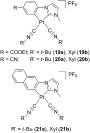
Figure 9: Molecular structure of carbene-containing cyclometallated alkynylplatinum(II) complexes 19–21 [41].

Figure 10: Chemical structure of platinum(II) complexes 22a–d bearing asymmetric C^N^N tridentate ligands [53].
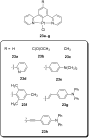
Figure 11: Chemical structure of platinum(II) complexes 23 bearing bis-cyclometalating 2,6-dipyridylbenzene ty...

Figure 12: Molecular structure of dendritic carbazole-containing alkynyl-platinum(II) complexes 24a–d [62].

Figure 13: Molecular structure of bipolar alkynyl-platinum(II) complexes 25 bearing carbazole and electron-acc...

Figure 14: Molecular structures of neutral platinum(II) complexes comprising donor-acceptor alkynyls (26) or e...

Figure 15: Chemical structure of the asymmetric Pt(II) derivatives 28 bearing triazole and tetrazole moieties ...

Figure 16: Molecular structure of the tetradentate platinum complexes 29–32 bearing N^C^C^N and C^C^C^N ligand...

Figure 17: Chemical structure of the tetradentate Pt complexes 33–38 based on N^C^C^N-type of ligands [80-84].

Figure 18: Chemical structure of the macrocyclic tetradentate platinum complexes reported by Wang and co-worke...

Figure 19: Molecular structure of complex 41–46 [88,89].

Figure 20: Molecular structure of asymmetric derivatives 47–49 based on triaryl-type of bridge [90].

Figure 21: Chemical structure of the asymmetric tetradentate derivatives 50 and 51 based on spirofluorene link...

Figure 22: Molecular structure of the pyridylazolate-based complexes 52–54 reported by Chi and co-workers [97].
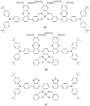
Figure 23: Chemical structure of the red-to-NIR emitting complexes 55–57 bearing donor–acceptor triphenylamino...

Figure 24: Molecular structures of the Pt(IV) derivatives 58 and 59 employed as triplet emitters in solution-p...
Three-component coupling of aryl iodides, allenes, and aldehydes catalyzed by a Co/Cr-hybrid catalyst
- Kimihiro Komeyama,
- Shunsuke Sakiyama,
- Kento Iwashita,
- Itaru Osaka and
- Ken Takaki
Beilstein J. Org. Chem. 2018, 14, 1413–1420, doi:10.3762/bjoc.14.118
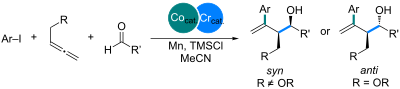
- organolithium, organomagnesium, organozinc, and organochromium A, to facilitate addition reactions of appropriate carbon electrophiles such as aldehydes (Scheme 1, top) [1]. In contrast, π-electrophilic carbon-connected late transition metals B facilitate the carbometalation of carbon–carbon multiple bonds

Graphical Abstract

Scheme 1: Nucleophilic and π-electrophilic characters of organometallics depending on the central metals.

Scheme 2: Ni/Cr or Co/Cr-catalyzed NHK reaction.

Scheme 3: Functionalization of alkynes via carbocobaltation.

Scheme 4: Cyclization/borylation of alkynyl iodoarenes using the Co/Cr catalyst.

Scheme 5: Three-component coupling of aryl iodides, arenes, and aldehydes using Co/Cr catalyst (this work).

Scheme 6: Screening of aldehydes in the Co/Cr-catalyzed three-component coupling reaction. All yields are det...

Scheme 7: Screening of aryl iodides in the Co/Cr-catalyzed three-component coupling reaction. All yields are ...

Scheme 8: Screening of allenes in the Co/Cr-catalyzed three-component coupling reaction. All yields are deter...

Scheme 9: Reversed diastereoselectivity using allenyl ethers 5 and 6. a4-chlorobenzaldehyde was used instead ...

Scheme 10: Stoichiometric reaction of phenylchromium(II or III) reagents (reaction 1) and the three-component ...

Scheme 11: The origin of the diastereoselectivity in the present three-component coupling.

Scheme 12: Plausible reaction mechanism of the three-component coupling.
A survey of chiral hypervalent iodine reagents in asymmetric synthesis
- Soumen Ghosh,
- Suman Pradhan and
- Indranil Chatterjee
Beilstein J. Org. Chem. 2018, 14, 1244–1262, doi:10.3762/bjoc.14.107
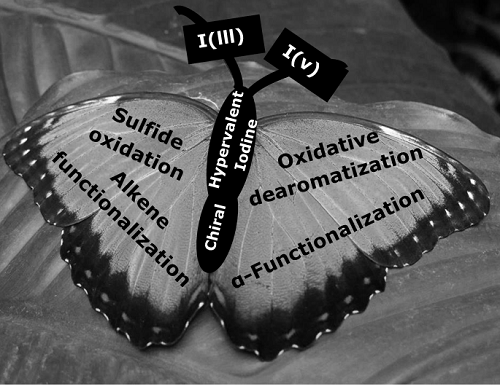
- environmentally friendly, mild and economic reagents have been used in catalytic or stoichiometric amounts as an alternative to transition metals for delivering enantioenriched molecules. Varieties of different chiral reagents and their use for demanding asymmetric transformations have been documented over the
- application due to their reduced toxicity, ready availability and lower costs as replacement for transition metals leading to several “metal-free” like chemical transformations. The ongoing demand of modern synthetic chemistry for the development of catalytic enantioselective C–C bond formation reactions
- for carbonyl α-functionalizations are still considered as highly demandable in synthetic organic chemistry. In this regard transition metals have been successfully applied and even allow accomplishing such transformations asymmetrically. On the other hand, diaryliodonium salts are known to transfer

Graphical Abstract
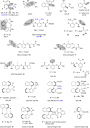
Scheme 1: An overview of different chiral iodine reagents or precursors thereof.

Scheme 2: Asymmetric oxidation of sulfides by chiral hypervalent iodine reagents.

Scheme 3: Oxidative dearomatization of naphthol derivatives by Kita et al.

Scheme 4: [4 + 2] Diels–Alder dimerization reported by Birman et al.

Scheme 5: m-CPBA guided catalytic oxidative naphthol dearomatization.

Scheme 6: Oxidative dearomatization of phenolic derivatives by Ishihara et al.

Scheme 7: Oxidative spirocyclization applying precatalyst 11 developed by Ciufolini et al.

Scheme 8: Asymmetric hydroxylative dearomatization.

Scheme 9: Enantioselective oxylactonization reported by Fujita et al.

Scheme 10: Dioxytosylation of styrene (47) by Wirth et al.

Scheme 11: Oxyarylation and aminoarylation of alkenes.

Scheme 12: Asymmetric diamination of alkenes.

Scheme 13: Stereoselective oxyamination of alkenes reported by Wirth et al.

Scheme 14: Enantioselective and regioselective aminofluorination by Nevado et al.

Scheme 15: Fluorinated difunctionalization reported by Jacobsen et al.

Scheme 16: Aryl rearrangement reported by Wirth et al.

Scheme 17: α-Arylation of β-ketoesters.

Scheme 18: Asymmetric α-oxytosylation of carbonyls.

Scheme 19: Asymmetric α-oxygenation and α-amination of carbonyls reported by Wirth et al.

Scheme 20: Asymmetric α-functionalization of ketophenols using chiral quaternary ammonium (hypo)iodite salt re...

Scheme 21: Oxidative Intramolecular coupling by Gong et al.

Scheme 22: α-Sulfonyl and α-phosphoryl oxylation of ketones reported by Masson et al.

Scheme 23: α-Fluorination of β-keto esters.
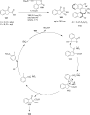
Scheme 24: Alkynylation of β-ketoesters and amides catalyzed by phase-transfer catalyst.
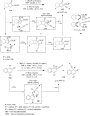
Scheme 25: Alkynylation of β-ketoesters and dearomative alkynylation of phenols.
Imide arylation with aryl(TMP)iodonium tosylates
- Souradeep Basu,
- Alexander H. Sandtorv and
- David R. Stuart
Beilstein J. Org. Chem. 2018, 14, 1034–1038, doi:10.3762/bjoc.14.90
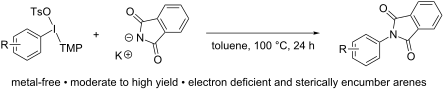
- , transition metals feature prominently in such methods, but even recent examples employ stoichiometric metal mediators [4]. Metal-free methods by classic SNAr are also attractive, but only possible on very electron-deficient arene substrates [5]. Diaryliodonium salts are useful reagents for metal-free aryl

Graphical Abstract

Scheme 1: Imides as an important scaffold.

Scheme 2: Scope of compatible aryl groups. Conditions: 1 (0.5 mmol, 1 equiv), potassium phthalimide (2.5 mmol...

Scheme 3: One-pot synthesis of anilines.
Mechanochemistry of nucleosides, nucleotides and related materials
- Olga Eguaogie,
- Joseph S. Vyle,
- Patrick F. Conlon,
- Manuela A. Gîlea and
- Yipei Liang
Beilstein J. Org. Chem. 2018, 14, 955–970, doi:10.3762/bjoc.14.81
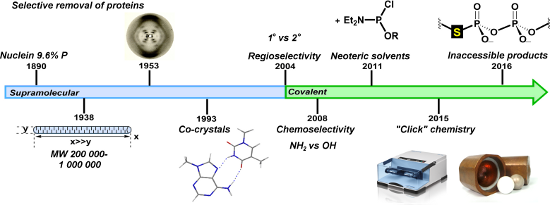
- presence of L-tartaric after grinding the racemate [112]. Heinicke briefly summarised early investigations into potential prebiotic α-amino acid preparation under “tribochemical stress” in the presence of transition metals [113] and more recently, Hernández and co-workers demonstrated that an efficient
- , consideration of primordial nucleoside and nucleotide mechanochemistry has been much more limited with greater focus upon precursor mechanosynthesis under high-energy plasma conditions [116][117] or extra-terrestrial delivery of concentrated transition metals [118]. In this general context, although Orgel and

Graphical Abstract

Figure 1: Examples of equipment used to perform mechanochemistry on nucleoside and nucleotide substrates (not...

Figure 2: Ganciclovir.

Scheme 1: Nucleoside tritylation effected by hand grinding in a heated mortar and pestle.

Scheme 2: Persilylation of ribonucleoside hydroxy groups (and in situ acylation of cytidine) in a MBM.

Scheme 3: Nucleoside amine and carboxylic acid Boc protection using an improvised attritor-type mill.

Scheme 4: Nucleobase Boc protection via transient silylation using an improvised attritor-type mill.

Scheme 5: Chemoselective N-acylation of an aminonucleoside using LAG in a MBM.

Scheme 6: Azide–alkyne cycloaddition reactions performed in a copper vessel in a MBM.

Figure 3: a) Custom-machined copper vessel and zirconia balls used to perform CuAAC reactions (showing: upper...

Scheme 7: Thiolate displacement reactions of nucleoside derivatives in a MBM.

Scheme 8: Selenocyanate displacement reactions of nucleoside derivatives in a MBM.

Scheme 9: Nucleobase glycosidation reactions and subsequent deacetylation performed in a MBM.

Scheme 10: Regioselective phosphorylation of nicotinamide riboside in a MBM.

Scheme 11: Preparation of nucleoside phosphoramidites in a MBM using ionic liquid-stabilised chlorophosphorami...

Scheme 12: Preparation of a nucleoside phosphite triester using LAG in a MBM.

Scheme 13: Internucleoside phosphate coupling linkages in a MBM.

Scheme 14: Preparation of ADPR analogues using in a MBM.

Scheme 15: Synthesis of pyrophosphorothiolate-linked dinucleoside cap analogues in a MBM to effect hydrolytic ...

Figure 4: Early low temperature mechanised ball mill as described by Mudd et al. – adapted from reference [78].

Scheme 16: Co-crystal grinding of alkylated nucleobases in an amalgam mill (N.B. no frequency was recorded in ...

Figure 5: Materials used to prepare a smectic phase.

Figure 6: Structures of 5-fluorouracil (5FU) and nucleoside analogue prodrugs subject to mechanochemical co-c...

Scheme 17: Preparation of DNA-SWNT complex in a MBM.



