Search results
Search for "donor" in Full Text gives 881 result(s) in Beilstein Journal of Organic Chemistry. Showing first 200.
Bismuth(III) triflate: an economical and environmentally friendly catalyst for the Nazarov reaction
Beilstein J. Org. Chem. 2024, 20, 1167–1178, doi:10.3762/bjoc.20.99
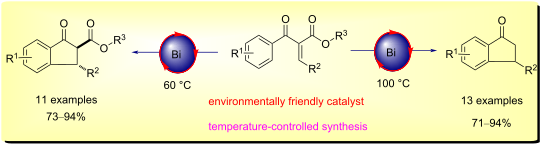
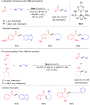
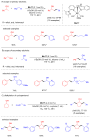
- ). With the optimized conditions in hand, we explored the substrate scope (Figure 3). In general, substrates with electron donor groups provided a better yield when compared to those obtained with electroneutral or electron-withdrawing groups. Particularly for substrates 9ai,fc,gc, there was no formation


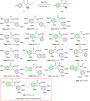
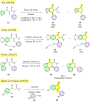


Manganese-catalyzed C–C and C–N bond formation with alcohols via borrowing hydrogen or hydrogen auto-transfer
Beilstein J. Org. Chem. 2024, 20, 1111–1166, doi:10.3762/bjoc.20.98
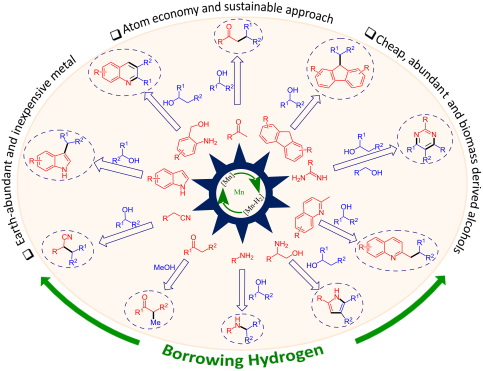
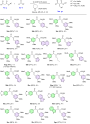
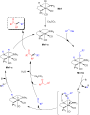
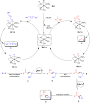
- friendly and atom-economical process for C–C and C–N bond formations utilizing alcohol as an alkylating agent and hydrogen donor, producing water as the only side-product [6][7][8][9]. Notably, alcohols are inexpensive, abundant and can be obtained from biomass, which makes this method even more attractive
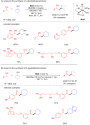
- mol % t-BuOK, t-AmOH, argon atmosphere), various substituted ketones were selectively alkylated with benzyl alcohols as alkyl source and hydrogen donor at 140 °C for 24 h and afforded up to 98% yield of the C-alkylated products (Scheme 26). In addition, numerous substituted benzylic, aliphatic, and
- step, the hydrogenation of the formed intermediate took place via the outer sphere mechanism to deliver the desired alkylated nitrile products (Scheme 54). In 2019, Rueping and El-Seplegy reported the well-defined manganese-PNP complex-catalyzed alkylation of nitriles with alcohols as a hydrogen donor























Structure–property relationships in dicyanopyrazinoquinoxalines and their hydrogen-bonding-capable dihydropyrazinoquinoxalinedione derivatives
Beilstein J. Org. Chem. 2024, 20, 1037–1052, doi:10.3762/bjoc.20.92
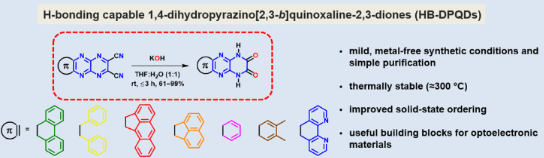
- * level of theory (depicted in Figure 4 and Figure 5). Figure 4 reveals that the HOMOs of 1a–7a are predominantly localized on the π-donor units, such as benzene and naphthalene, with an illustration in the case of 6a. On the contrary, the LUMOs are delocalized across the entire π-systems, while also
- 3a in comparison to other compounds within the DCPQ family of compounds. As shown in Figure 5 and Table 1, the donor–acceptor character of the H-bonding counterparts is considerably muted and the HOMO and LUMO in these cases are both relatively delocalized. The HOMO energies of DPQD 1b–7b are also




Synthesis and properties of 6-alkynyl-5-aryluracils
Beilstein J. Org. Chem. 2024, 20, 898–911, doi:10.3762/bjoc.20.80
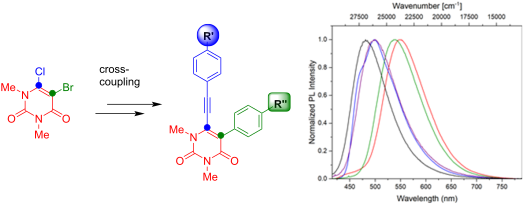
- ). The products 5a–t were obtained in 95 to 25% yields, with an average yield of 56%. Furthermore, the method was shown to be highly tolerant towards different functional groups and their combinations. A higher yield tended to be observed when a donor group was located on the arylalkyne at the 6-position
- (5k, 5l, 5r). However, this effect seems to be neutralized when using an electron-rich arylboronic acid (5m). Lower yields are obtained when an acceptor group is present on the arylalkyne (5p, 5q). This leads to the suggestion that an electron-donor group activates and an electron-withdrawing group
- deactivates the compound for the subsequent Suzuki reaction. Furthermore, lower yields were generally observed when a strong electron-donor or -acceptor was attached to the phenyl group at position 5. Higher yields could be obtained by reducing the steric hindrance at position 5 by introducing a 5-membered




Advancements in hydrochlorination of alkenes
Beilstein J. Org. Chem. 2024, 20, 787–814, doi:10.3762/bjoc.20.72
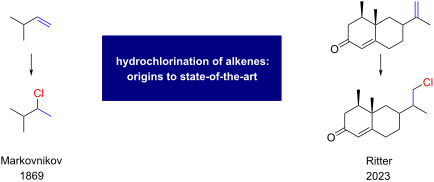
- be generated in situ through the reaction of "reactive" chlorides with a proton donor. For instance, the reaction of acetyl chloride with ethanol is exothermic, accompanied by vigorous HCl gas evolution. It is crucial to emphasize that HCl solutions in MeOH, produced from AcCl and MeOH, pose
- reported. In surface-mediated reactions, the proton donor is typically Si–OH or Al–OH. For clarity in discussing subsequent reactions, we have separated the in situ HCl gas synthesis from the hydrochlorination. It is important to note that these reactions are one-pot processes rather than two-pot reactions
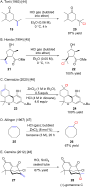
- DHB as a hydride donor and thus give the fully reduced product 142. However, when both DHB and TosCl were present, the reaction of the radical with TosCl was significantly faster leading to 143 in 92% yield. In 2012, Boger demonstrated the efficiency of iron(III) catalysts for the hydrochlorination of






SOMOphilic alkyne vs radical-polar crossover approaches: The full story of the azido-alkynylation of alkenes
Beilstein J. Org. Chem. 2024, 20, 701–713, doi:10.3762/bjoc.20.64
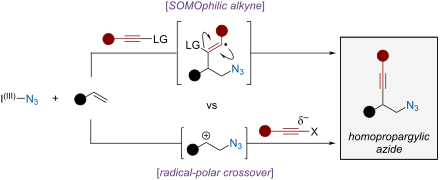
- generate a large quantity of iodanyl radical from Ts-ABZ (3) homolysis and from the addition–elimination on Ph-EBX (2). Since no quencher is present in the mixture, we wondered if the accumulation of those radicals could be responsible for the low yields obtained. Addition of (TMS)3SiH, a H• donor
- , suppressed the reaction by reducing PhEBX (2) (Table 1, entry 6). Using diisopropyl ether as a milder donor had no effect on the reaction (Table 1, entry 7). Next, we tested reducing agents expected to react with the iodanyl radical. The addition of ʟ-ascorbic acid led to no improvement of yield and
- Hantzsch ester suppressed the formation of the desired product (Table 1, entries 8 and 9). Carrying out the reaction in the presence of sodium formate, which can play a dual role of H• donor and reductant [48][49], only led to a decreased of Ph-EBX (2) conversion, along with a diminished yield (Table 1


New variochelins from soil-isolated Variovorax sp. H002
Beilstein J. Org. Chem. 2024, 20, 692–700, doi:10.3762/bjoc.20.63
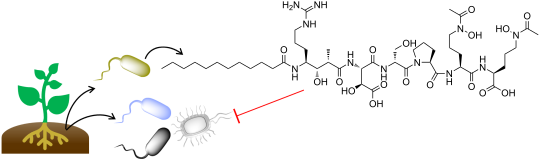
- 2xR2A three times, and the pellets were resuspended with 500 mL of 2xR2A. The OD600 values of the donor (E. coli S17-1 λpir) and recipient (Variovorax sp. H002) cells were set to 2.0 and mixed in a 1:1 ratio. The mixtures were spotted onto 2xR2A plates and incubated at 30 °C for two days. The colonies


Evaluation of the enantioselectivity of new chiral ligands based on imidazolidin-4-one derivatives
Beilstein J. Org. Chem. 2024, 20, 684–691, doi:10.3762/bjoc.20.62
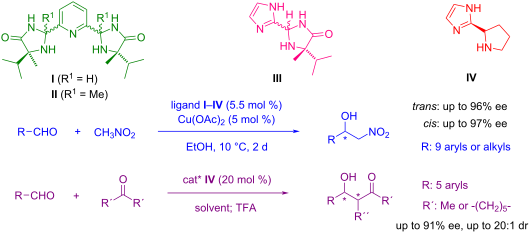
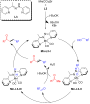
- donor ability to pyridine. This change reduces the ring size within the ligand structure, potentially increasing the space available for coordinating reacting species, thereby possibly enhancing catalytic activity and enantioselectivity. We also aimed to assess the impact of alkyl groups at the 5


Palladium-catalyzed three-component radical-polar crossover carboamination of 1,3-dienes or allenes with diazo esters and amines
Beilstein J. Org. Chem. 2024, 20, 661–671, doi:10.3762/bjoc.20.59
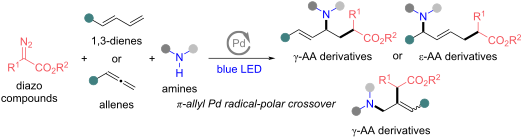
- yields (4v–ab, 51–77%). α-Diazo esters with benzyl, cyclobutanemethyl, and adamantyl groups could be transformed smoothly to the products 4v, 4w, and 4x in 64%, 69% and 77% yields, respectively. Gratifyingly, except for acceptor-substituted diazo esters, donor/acceptor-substituted diazo compounds were
- . 1,2-Adducts could be produced fluently with diazo substrates containing alkyl-substituted esters. Benzyl- (6r, 57%), cyclobutanemethyl- (6s, 81%), methoxyethyl- (6t, 66%), and adamantyl- (6u, 82%) substituted diazo esters underwent this photoinitiated radical reaction well. The donor/acceptor



A laterally-fused N-heterocyclic carbene framework from polysubstituted aminoimidazo[5,1-b]oxazol-6-ium salts
Beilstein J. Org. Chem. 2024, 20, 621–627, doi:10.3762/bjoc.20.54
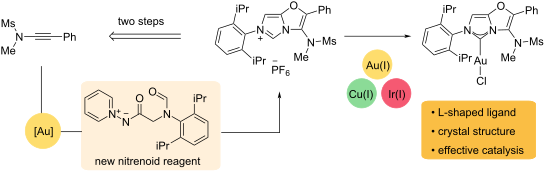
- contrast to the most widely used ‘umbrella-like’ NHCs (Figure 1) [2][3]. An extended π-system influences the donor and acceptor properties of the carbene whilst substitution on the polycycle can position groups adjacent to the active centre. The imidazo[1,5-a]pyridin-3-ylidene motif (ImPy), independently


Switchable molecular tweezers: design and applications
Beilstein J. Org. Chem. 2024, 20, 504–539, doi:10.3762/bjoc.20.45
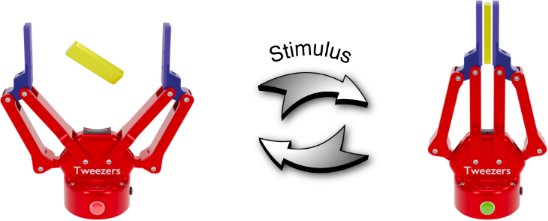
- a parallel direction, as the bulky -OMe groups are located outside the tweezer’s cavity to avoid steric hindrance with each other. When protonated, the pyridinium group acts as a hydrogen-bond donor for the two methoxy groups and triggers the rotation of the respective benzene rings along with the
- bisalkynylplatinum(II)–terpyridine clips [54]. The dimer showed photocatalytic activity in the photooxidation of a secondary amine to the corresponding imine that could be deactivated and reactivated by opening or closing the tweezers. Variations on multidentate N-donor ligands have also been developed by Lehn and
- electronic or geometrical properties upon oxidation or reduction. TTF and derivatives tweezers One of the most widely used electroactive moieties is tetrathiafulvalene (TTF). Its electron-donor π-system can form non-covalent interactions with various electron-poor π-systems, and those interactions can be




Ligand effects, solvent cooperation, and large kinetic solvent deuterium isotope effects in gold(I)-catalyzed intramolecular alkene hydroamination
Beilstein J. Org. Chem. 2024, 20, 479–496, doi:10.3762/bjoc.20.43
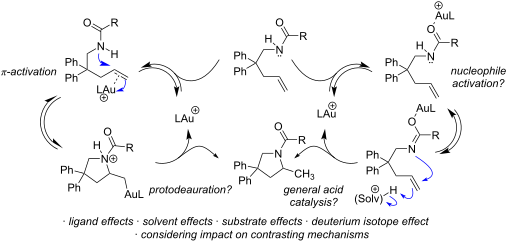
- require geminal substitution or backbone heteroatoms, internal alkenes are often not tolerated, and intermolecular reactions require high temperatures which can lead to significant catalyst decomposition [20]. This is usually addressed by employing bulky or strong donor ligands [21][22]. Novel strategies
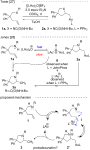
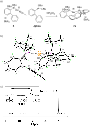
- ligand with the greatest π-acceptor character and weakest donor character, namely L = PhOP(o-biphenyl)2 (Table 1) [38]. Notable amounts of scatter and a narrow range of observed rates, however, reveal the differences to be relatively minor (Table 1, entry 1, krel(4a/4c) = 3.6). Nevertheless, each
- effect of MeOH co-solvent on the 1a → 3a transformation was due to its role as a hydrogen bonding donor (proton source), or due to its role as a hydrogen bonding acceptor (Lewis base) [44]. To this end, we examined the impact of different alcohols (varied acidity and polarity) and different non-protic







Synthesis of 2,2-difluoro-1,3-diketone and 2,2-difluoro-1,3-ketoester derivatives using fluorine gas
Beilstein J. Org. Chem. 2024, 20, 460–469, doi:10.3762/bjoc.20.41
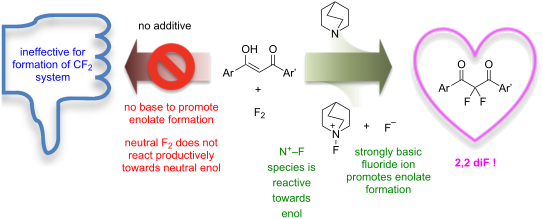
- acidic than their non-fluorinated homologues owing to the dominant π-donor effect of the 2-fluoro group [51][52]. On this basis, quinuclidine with pKaH(MeCN) ≈ 18.0–19.5 (estimated using pKaH(water) = 11.0 and pKaH(DMSO) = 9.8), is not predicted to be sufficiently basic to offer significant acceleration


Green and sustainable approaches for the Friedel–Crafts reaction between aldehydes and indoles
Beilstein J. Org. Chem. 2024, 20, 379–426, doi:10.3762/bjoc.20.36
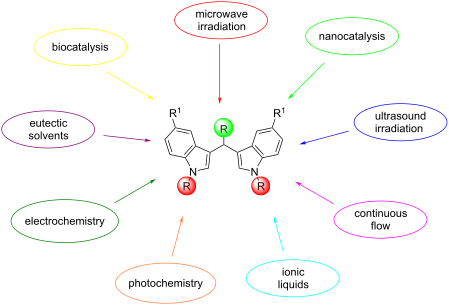
- (Scheme 10). With catalyst 26 prepared, its use was then studied as a halogen-bond donor in the catalytic synthesis of 28 (Scheme 11) [93][94]. Having identified the optimum reaction conditions, the general applicability was studied by reacting various indoles with a range of aldehydes and ketones to
- produce a wide range of bis(indolyl)methanes 28 in good to excellent yields (62–93%) [93][94]. Regarding the mechanism of action of this methodology, two halogen bonds are formed between the bidentate halogen-bond donor 26 and the oxygen of the carbonyl group (Scheme 12). This increases the
- excellent yields (85–98%) in a more facile manner. The reaction mechanism is similar to other halogen-bond donor catalysts (Scheme 14). While the broad substrate scope is a crucial benefit of this approach, the use of a toxic solvent and the slow reaction rates were some of the drawbacks that would need to




Mechanisms for radical reactions initiating from N-hydroxyphthalimide esters
Beilstein J. Org. Chem. 2024, 20, 346–378, doi:10.3762/bjoc.20.35
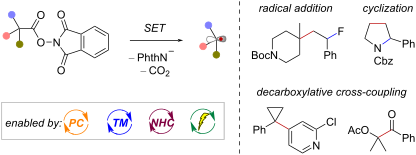
- electrochemical conditions and can be influenced by a number of factors, including the nature of the electron donor, the use of Brønsted and Lewis acids, and the possibility of forming charge-transfer complexes. Such versatility creates many opportunities to influence the reaction conditions, providing a number
- transfer complexes with a donor species 6 or via LUMO lowering activation with Brønsted and Lewis acids 7 (Scheme 2B), collectively offering a number of variables to influence their reactivity. Upon reduction, RAEs give rise to a radical anion 8 with a weakened N–O bond (BDE < 70 kcal/mol) [33]. While
- resulting concentration of radicals. In such instances, opting for a stronger catalytic reductant or utilizing a stoichiometric electron donor can greatly improve the efficiency of radical generation. On the other hand, additional factors such as the ability of Brønsted and Lewis acid additives to promote








Substitution reactions in the acenaphthene analog of quino[7,8-h]quinoline and an unusual synthesis of the corresponding acenaphthylenes by tele-elimination
Beilstein J. Org. Chem. 2024, 20, 243–253, doi:10.3762/bjoc.20.24
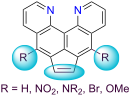
- corresponding acenaphthylene by the classical method using chloranil. The potential activity of 5(8)-nitro groups in dipyridoacenaphthylene in nucleophilic substitution reactions was shown, and a 5,8-dimethoxy derivative containing both donor substituents and an acenaphthylene fragment was synthesized




Photochromic derivatives of indigo: historical overview of development, challenges and applications
Beilstein J. Org. Chem. 2024, 20, 228–242, doi:10.3762/bjoc.20.23
- involved in the main indigo chromophore comprising a C=C double bond substituted by two acceptors and two donor groups (Figure 4) [18]. Notably, the benzene rings make just a small contribution to the chromophore. In other words, the primary chromophore of indigo consists of two intersecting merocyanine





Optimizations of lipid II synthesis: an essential glycolipid precursor in bacterial cell wall synthesis and a validated antibiotic target
Beilstein J. Org. Chem. 2024, 20, 220–227, doi:10.3762/bjoc.20.22
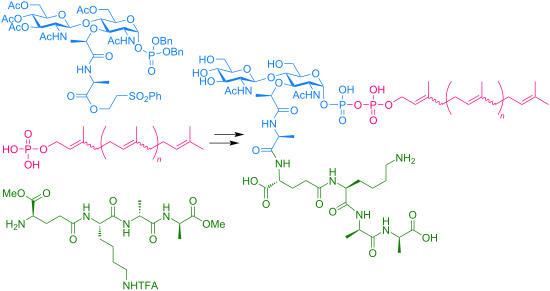
- observations, we initially noted that at room temperature, the degradation rate of glycosyl donor 1a exceeded the rate of product formation. This led to a complex mixture consisting of the target product 3a, acceptor 2a, and various degraded products of donor 1a. This situation posed challenges, as even
- prolonged reaction times did not enhance the product yield, and the subsequent purification of the target product became a difficult task. However, when we conducted the reaction at lower temperatures, the degradation of glycosyl donor 1a slowed down, and the reaction proceeded at a moderate rate


Chiral phosphoric acid-catalyzed transfer hydrogenation of 3,3-difluoro-3H-indoles
Beilstein J. Org. Chem. 2024, 20, 205–211, doi:10.3762/bjoc.20.20
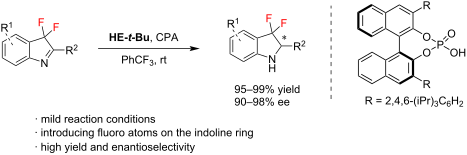
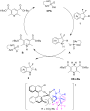
- . The CPA catalyst is regenerated from salt B through proton transfer. We deduced that the steric repulsion between the bulky 2,4,6-triisopropylphenyl-substitutents in the chiral phosphoric acid CPA-6 and the carboxylic ester group of the Hantzsch ester hydrogen donor contribute to the high


Comparison of glycosyl donors: a supramer approach
Beilstein J. Org. Chem. 2024, 20, 181–192, doi:10.3762/bjoc.20.18
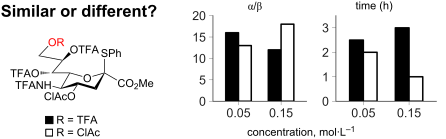
- sialylation of the primary hydroxy group of the same galactose derivative 3 [54] (see Scheme 1), which eventually led to unprecedented conclusions concerning the very possibility of comparison of chemical properties of different glycosyl donors. Results Synthesis of glycosyl donor 2 Sialyl donor 2 was
- section and Supporting Information File 1 for the details). Diol 7 was converted into glycosyl donor 2 by O-trifluoroacetylation with trifluoroacetic anhydride and sodium trifluoroacetate under previously developed [36][55] conditions. Supramer analysis As we know that the concentrations of reactants can
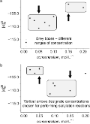
- optical rotation (SR, [α]D) of solutions of sialyl donor 1 in MeCN revealed a considerable scatter of SR values at different concentrations. For this reason, the classical version of the supramer analysis (vide supra) cannot be directly used for revealing the critical concentrations and the corresponding



Synthesis of the 3’-O-sulfated TF antigen with a TEG-N3 linker for glycodendrimersomes preparation to study lectin binding
Beilstein J. Org. Chem. 2024, 20, 173–180, doi:10.3762/bjoc.20.17
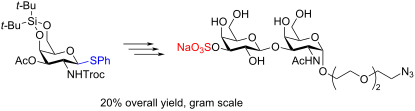
- TEG-N3 spacer attached is described. The synthesis of the TF antigen comprises seven steps, from a known N-Troc-protected galactosamine donor, with an overall yield of 31%. Both the spacer (85%) and the galactose moiety (79%) were introduced using thioglycoside donors in NIS/AgOTf-promoted
- -linked TEG-spacer glycosides with per-acetylated lactose and 2-phthalimidoglucosamine [1][2] worked well with 2-chloroethanol as a spacer (68%, pure α) but failed with the TEG-Cl spacer [12], why we instead decided to use a thioglycoside donor to introduce the spacer. To ensure α-selectivity a di-tert
- -butylsilyl-4,6-acetal-protected donor, as developed by the Kiso group [13][14], was chosen. After some initial testing the known N-Troc-protected donor 3 [15][16] (Scheme 1) was selected [17]. Since donor 3 possessed a Troc group, which contains 3 chlorine atoms, nucleophilic introduction of an azido group


Tandem Hock and Friedel–Crafts reactions allowing an expedient synthesis of a cyclolignan-type scaffold
Beilstein J. Org. Chem. 2024, 20, 162–169, doi:10.3762/bjoc.20.15
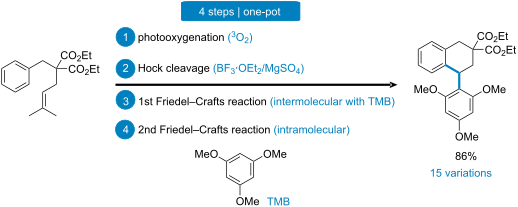
- 1,3,5-trimethoxybenzene (5). In the ortho position, while a methyl group (product 12a) showed little difference, the yields were more modest when a π-donor substituent (R1 = F, Cl, OMe) was present (12b–d). However, with the exception of the methyl group (12e), the yields were improved when a π-donating
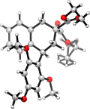
- -donor substituents, while highly electron-deficient substituents (CN, NO2) precluded the cyclization. Overall, this sequence led to valuable 1-aryltetralines structurally related to medicinally relevant cyclolignan natural products. X-ray crystallographic structure of product 6 (CCDC 2301977). The




Perspectives on push–pull chromophores derived from click-type [2 + 2] cycloaddition–retroelectrocyclization reactions of electron-rich alkynes and electron-deficient alkenes
Beilstein J. Org. Chem. 2024, 20, 125–154, doi:10.3762/bjoc.20.13
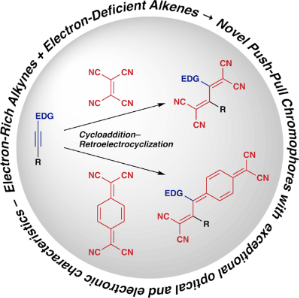
- physicochemical properties of the family of these compounds that have been investigated is provided to clarify their potential for future applications. Keywords: click chemistry; donor–acceptor conjugate; intramolecular charge transfer; photoluminescence; photoinduced electron transfer; Introduction Push–pull
- . A study confirmed that with appropriate molecular design, the π-conjugation relationship between the donor and acceptor moieties in TCBDs and DCNQs can be retained despite their non-planarity [14]. Diederich et al. synthesized a plethora of push–pull chromophores by employing anilino groups as EDGs
- ]. In addition to anilino groups, a myriad of donor entities, including urea-substituted phenyl groups [18][19], carbazoles [20], phenothiazines [21][22], thiophenes [23][24][25][26], tetrathiafulvalenes (TTFs) [27], extended TTFs [28], ferrocenes [27][29][30][31][32][33][34][35][36][37][38][39][40][41


Visible-light-induced radical cascade cyclization: a catalyst-free synthetic approach to trifluoromethylated heterocycles
Beilstein J. Org. Chem. 2024, 20, 118–124, doi:10.3762/bjoc.20.12
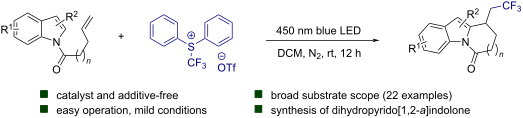
- NMR (Figure S3 in Supporting Information File 1) [30] and high-resolution mass spectrometry. You and co-workers proposed a reaction pathway involving the combination of the indole substrate and Umemoto’s reagent to form an electron donor–acceptor (EDA) complex [31]. We excluded the possibility of an




Multi-redox indenofluorene chromophores incorporating dithiafulvene donor and ene/enediyne acceptor units
Beilstein J. Org. Chem. 2024, 20, 59–73, doi:10.3762/bjoc.20.8
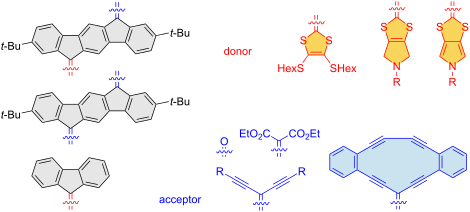
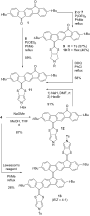
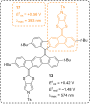
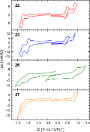
- Sciences, Beijing, China 10.3762/bjoc.20.8 Abstract Large donor–acceptor scaffolds derived from polycyclic aromatic hydrocarbons (PAHs) with tunable HOMO and LUMO energies are important for several applications, such as organic photovoltaics. Here, we present a large selection of PAHs based on central
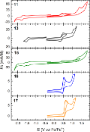
- indenofluorene (IF) or fluorene cores and containing various dithiafulvene (DTF) donor units that gain aromaticity upon oxidation and a variety of acceptor units, such as vinylic diesters, enediynes, and cross-conjugated radiaannulenes (RAs) that gain aromaticity upon reduction. In some cases, the DTF units are
- a subsequent Glaser–Hay coupling reaction, a RA acceptor unit was introduced to provide a DTF-IF-RA donor–acceptor scaffold with a low-energy charge-transfer absorption and multi-redox behavior. Keywords: alkynes; chromophores; fused-ring systems; heterocycles; redox chemistry; Introduction