


Search results
Search for "quaternary" in Full Text gives 416 result(s) in Beilstein Journal of Organic Chemistry. Showing first 200.
Icilio Guareschi and his amazing “1897 reaction”
- Gian Cesare Tron,
- Alberto Minassi,
- Giovanni Sorba,
- Mara Fausone and
- Giovanni Appendino
Beilstein J. Org. Chem. 2021, 17, 1335–1351, doi:10.3762/bjoc.17.93
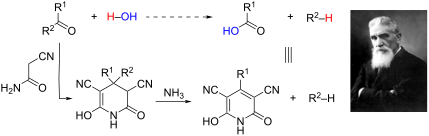
- ]. Guareschi imides have been extensively investigated because of their bioactivity profile, the use as building blocks to access other classes of heterocycles as well as quaternary centres, and their remarkable chemistry [54]. By far, the most intriguing reaction of these is the so-called “1897 reaction

Graphical Abstract
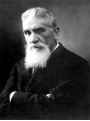
Figure 1: Icilio Guareschi (1847–1918). (Source: Annali della Reale Accademia di Agricoltura di Torino 1919, ...

Scheme 1: Vitamin B6 (pyridoxine, 1), gabapentin (2), and thymol (3).

Figure 2: Baliatico (Nursing) by Francesco Scaramuzza (275 cm × 214 cm, Parma, Complesso Museale della Pilott...
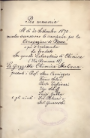
Figure 3: Schiff’s fictitious report on the foundation of the Gazzetta Chimica Italiana (Image reproduced fro...

Scheme 2: Reaction of thymol (3) with chloroform under the basic conditions of the Guareschi–Lustgarten react...

Figure 4: The chemistry building of Turin University in a historical picture. Note, that one of the “mysterio...

Scheme 3: Triacetonamine (6) and the related compounds phorone (7), α-eucaine (8), and tropinone (9).

Scheme 4: Taxonomy of the Guareschi pyridone syntheses.

Scheme 5: The catalytic cycle of the “1897 reaction”.

Scheme 6: Resonance forms of the radical 10.

Figure 5: The wet chamber used by Guareschi to restore parchments (Gorrini, G. L'incendio della R. Biblioteca...
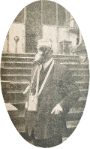
Figure 6: The Guareschi mask. (Servizio Chimico Militare. L'opera di Icilio Guareschi precursore della masche...
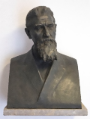
Figure 7: Guareschi’s bust at the Dipartimento di Scienza e Tecnologia del Farmaco of Turin University. Permi...
A comprehensive review of flow chemistry techniques tailored to the flavours and fragrances industries
- Guido Gambacorta,
- James S. Sharley and
- Ian R. Baxendale
Beilstein J. Org. Chem. 2021, 17, 1181–1312, doi:10.3762/bjoc.17.90
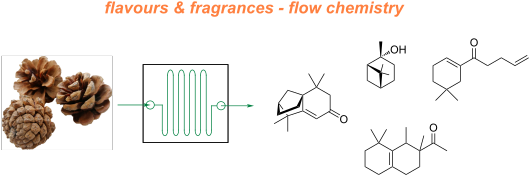
- -cost [135]. These fibres are also suitable for flow systems as they can be easily shaped into the reactors. As an example, Tao’s group optimised several reactions in batch exploiting a quaternary ammonium functionalised PANF as catalyst (PANQAB-8F). They also reported the Henry reaction of 4

Graphical Abstract

Figure 1: Representative shares of the global F&F market (2018) segmented on their applications [1].

Figure 2: General structure of an international fragrance company [2].

Figure 3: The Michael Edwards fragrance wheel.

Figure 4: Examples of oriental (1–3), woody (4–7), fresh (8–10), and floral (11 and 12) notes.

Figure 5: A basic depiction of batch vs flow.

Scheme 1: Examples of reactions for which flow processing outperforms batch.

Scheme 2: Some industrially important aldol-based transformations.

Scheme 3: Biphasic continuous aldol reactions of acetone and various aldehydes.

Scheme 4: Aldol synthesis of 43 in flow using LiHMDS as the base.

Scheme 5: A semi-continuous synthesis of doravirine (49) involving a key aldol reaction.

Scheme 6: Enantioselective aldol reaction using 5-(pyrrolidin-2-yl)tetrazole (51) as catalyst in a microreact...

Scheme 7: Gröger's example of asymmetric aldol reaction in aqueous media.

Figure 6: Immobilised reagent column reactor types.

Scheme 8: Photoinduced thiol–ene coupling preparation of silica-supported 5-(pyrrolidin-2-yl)tetrazole 63 and...

Scheme 9: Continuous-flow approach for enantioselective aldol reactions using the supported catalyst 67.

Scheme 10: Ötvös’ employment of a solid-supported peptide aldol catalyst in flow.

Scheme 11: The use of proline tetrazole packed in a column for aldol reaction between cyclohexanone (65) and 2...

Scheme 12: Schematic diagram of an aminosilane-grafted Si-Zr-Ti/PAI-HF reactor for continuous-flow aldol and n...

Scheme 13: Continuous-flow condensation for the synthesis of the intermediate 76 to nabumetone (77) and Microi...

Scheme 14: Synthesis of ψ-Ionone (80) in continuous-flow via aldol condensation between citral (79) and aceton...

Scheme 15: Synthesis of β-methyl-ionones (83) from citral (79) in flow. The steps are separately described, an...

Scheme 16: Continuous-flow synthesis of 85 from 84 described by Gavriilidis et al.

Scheme 17: Continuous-flow scCO2 apparatus for the synthesis of 2-methylpentanal (87) and the self-condensed u...

Scheme 18: Chen’s two-step flow synthesis of coumarin (90).

Scheme 19: Pechmann condensation for the synthesis of 7-hydroxyxcoumarin (93) in flow. The setup extended to c...

Scheme 20: Synthesis of the dihydrojasmonate 35 exploiting nitro derivative proposed by Ballini et al.

Scheme 21: Silica-supported amines as heterogeneous catalyst for nitroaldol condensation in flow.

Scheme 22: Flow apparatus for the nitroaldol condensation of p-hydroxybenzaldehyde (102) to nitrostyrene 103 a...

Scheme 23: Nitroaldol reaction of 64 to 105 employing a quaternary ammonium functionalised PANF.

Scheme 24: Enantioselective nitroaldol condensation for the synthesis of 108 under flow conditions.

Scheme 25: Enatioselective synthesis of 1,2-aminoalcohol 110 via a copper-catalysed nitroaldol condensation.

Scheme 26: Examples of Knoevenagel condensations applied for fragrance components.

Scheme 27: Flow apparatus for Knoevenagel condensation described in 1989 by Venturello et al.

Scheme 28: Knoevenagel reaction using a coated multichannel membrane microreactor.

Scheme 29: Continuous-flow apparatus for Knoevenagel condensation employing sugar cane bagasse as support deve...

Scheme 30: Knoevenagel reaction for the synthesis of 131–135 in flow using an amine-functionalised silica gel. ...

Scheme 31: Continuous-flow synthesis of compound 137, a key intermediate for the synthesis of pregabalin (138)...
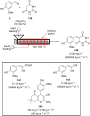
Scheme 32: Continuous solvent-free apparatus applied for the synthesis of compounds 140–143 using a TSE. Throu...

Scheme 33: Lewis et al. developed a spinning disc reactor for Darzens condensation of 144 and a ketone to furn...

Scheme 34: Some key industrial applications of conjugate additions in the F&F industry.

Scheme 35: Continuous-flow synthesis of 4-(2-hydroxyethyl)thiomorpholine 1,1-dioxide (156) via double conjugat...

Scheme 36: Continuous-flow system for Michael addition using CsF on alumina as the catalyst.

Scheme 37: Calcium chloride-catalysed asymmetric Michael addition using an immobilised chiral ligand.

Scheme 38: Continuous multistep synthesis for the preparation of (R)-rolipram (173). Si-NH2: primary amine-fun...

Scheme 39: Continuous-flow Michael addition using ion exchange resin Amberlyst® A26.

Scheme 40: Preparation of the heterogeneous catalyst 181 developed by Paixão et al. exploiting Ugi multicompon...

Scheme 41: Continuous-flow system developed by the Paixão’s group for the preparation of Michael asymmetric ad...

Scheme 42: Continuous-flow synthesis of nitroaldols catalysed by supported catalyst 184 developed by Wennemers...

Scheme 43: Heterogenous polystyrene-supported catalysts developed by Pericàs and co-workers.

Scheme 44: PANF-supported pyrrolidine catalyst for the conjugate addition of cyclohexanone (65) and trans-β-ni...

Scheme 45: Synthesis of (−)-paroxetine precursor 195 developed by Ötvös, Pericàs, and Kappe.

Scheme 46: Continuous-flow approach for the 5-step synthesis of (−)-oseltamivir (201) as devised by Hayashi an...

Scheme 47: Continuous-flow enzyme-catalysed Michael addition.

Scheme 48: Continuous-flow copper-catalysed 1,4 conjugate addition of Grignard reagents to enones. Reprinted w...

Scheme 49: A collection of commonly encountered hydrogenation reactions.

Figure 7: The ThalesNano H-Cube® continuous-flow hydrogenator.

Scheme 50: Chemoselective reduction of an α,β-unsaturated ketone using the H-Cube® reactor.

Scheme 51: Incorporation of Lindlar’s catalyst into the H-Cube® reactor for the reduction of an alkyne.

Scheme 52: Continuous-flow semi-hydrogenation of alkyne 208 to 209 using SACs with H-Cube® system.

Figure 8: The standard setups for tube-in-tube gas–liquid reactor units.

Scheme 53: Homogeneous hydrogenation of olefins using a tube-in-tube reactor setup.
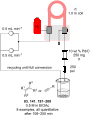
Scheme 54: Recyclable heterogeneous flow hydrogenation system.

Scheme 55: Leadbeater’s reverse tube-in-tube hydrogenation system for olefin reductions.

Scheme 56: a) Hydrogenation using a Pd-immobilised microchannel reactor (MCR) and b) a representation of the i...

Scheme 57: Hydrogenation of alkyne 238 exploiting segmented flow in a Pd-immobilised capillary reactor.

Scheme 58: Continuous hydrogenation system for the preparation of cyrene (241) from (−)-levoglucosenone (240).

Scheme 59: Continuous hydrogenation system based on CSMs developed by Hornung et al.

Scheme 60: Chemoselective reduction of carbonyls (ketones over aldehydes) in flow.

Scheme 61: Continuous system for the semi-hydrogenation of 256 and 258, developed by Galarneau et al.

Scheme 62: Continuous synthesis of biodiesel fuel 261 from lignin-derived furfural acetone (260).

Scheme 63: Continuous synthesis of γ-valerolacetone (263) via CTH developed by Pineda et al.

Scheme 64: Continuous hydrogenation of lignin-derived biomass (products 265, 266, and 267) using a sustainable...

Scheme 65: Ru/C or Rh/C-catalysed hydrogenation of arene in flow as developed by Sajiki et al.

Scheme 66: Polysilane-immobilized Rh–Pt-catalysed hydrogenation of arenes in flow by Kobayashi et al.

Scheme 67: High-pressure in-line mixing of H2 for the asymmetric reduction of 278 at pilot scale with a 73 L p...
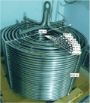
Figure 9: Picture of the PFR employed at Eli Lilly & Co. for the continuous hydrogenation of 278 [287]. Reprinted ...

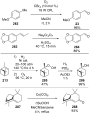
Scheme 68: Continuous-flow asymmetric hydrogenation using Oppolzer's sultam 280 as chiral auxiliary.
Scheme 69: Some examples of industrially important oxidation reactions in the F&F industry. CFL: compact fluor...

Scheme 70: Gold-catalysed heterogeneous oxidation of alcohols in flow.
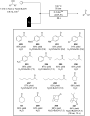
Scheme 71: Uozumi’s ARP-Pt flow oxidation protocol.

Scheme 72: High-throughput screening of aldehyde oxidation in flow using an in-line GC.

Scheme 73: Permanganate-mediated Nef oxidation of nitroalkanes in flow with the use of in-line sonication to p...

Scheme 74: Continuous-flow aerobic anti-Markovnikov Wacker oxidation.

Scheme 75: Continuous-flow oxidation of 2-benzylpyridine (312) using air as the oxidant.

Scheme 76: Continuous-flow photo-oxygenation of monoterpenes.

Scheme 77: A tubular reactor design for flow photo-oxygenation.

Scheme 78: Glucose oxidase (GOx)-mediated continuous oxidation of glucose using compressed air and the FFMR re...

Scheme 79: Schematic continuous-flow sodium hypochlorite/TEMPO oxidation of alcohols.

Scheme 80: Oxidation using immobilised TEMPO (344) was developed by McQuade et al.

Scheme 81: General protocol for the bleach/catalytic TBAB oxidation of aldehydes and alcohols.

Scheme 82: Continuous-flow PTC-assisted oxidation using hydrogen peroxide. The process was easily scaled up by...

Scheme 83: Continuous-flow epoxidation of cyclohexene (348) and in situ preparation of m-CPBA.

Scheme 84: Continuous-flow epoxidation using DMDO as oxidant.

Scheme 85: Mukayama aerobic epoxidation optimised in flow mode by the Favre-Réguillon group.

Scheme 86: Continuous-flow asymmetric epoxidation of derivatives of 359 exploiting a biomimetic iron catalyst.

Scheme 87: Continuous-flow enzymatic epoxidation of alkenes developed by Watts et al.

Scheme 88: Engineered multichannel microreactor for continuous-flow ozonolysis of 366.

Scheme 89: Continuous-flow synthesis of the vitamin D precursor 368 using multichannel microreactors. MFC: mas...

Scheme 90: Continuous ozonolysis setup used by Kappe et al. for the synthesis of various substrates employing ...

Scheme 91: Continuous-flow apparatus for ozonolysis as developed by Ley et al.

Scheme 92: Continuous-flow ozonolysis for synthesis of vanillin (2) using a film-shear flow reactor.

Scheme 93: Examples of preparative methods for ajoene (386) and allicin (388).

Scheme 94: Continuous-flow oxidation of thioanisole (389) using styrene-based polymer-supported peroxytungstat...

Scheme 95: Continuous oxidation of thiosulfinates using Oxone®-packed reactor.

Scheme 96: Continuous-flow electrochemical oxidation of thioethers.

Scheme 97: Continuous-flow oxidation of 400 to cinnamophenone (235).

Scheme 98: Continuous-flow synthesis of dehydrated material 401 via oxidation of methyl dihydrojasmonate (33).

Scheme 99: Some industrially important transformations involving Grignard reagents.

Scheme 100: Grachev et al. apparatus for continuous preparation of Grignard reagents.

Scheme 101: Example of fluidized Mg bed reactor with NMR spectrometer as on-line monitoring system.

Scheme 102: Continuous-flow synthesis of Grignard reagents and subsequent quenching reaction.

Figure 10: Membrane-based, liquid–liquid separator with integrated pressure control [52]. Adapted with permission ...

Scheme 103: Continuous-flow synthesis of 458, an intermediate to fluconazole (459).

Scheme 104: Continuous-flow synthesis of ketones starting from benzoyl chlorides.

Scheme 105: A Grignard alkylation combining CSTR and PFR technologies with in-line infrared reaction monitoring....

Scheme 106: Continuous-flow preparation of 469 from Grignard addition of methylmagnesium bromide.

Scheme 107: Continuous-flow synthesis of Grignard reagents 471.

Scheme 108: Preparation of the Grignard reagent 471 using CSTR and the continuous process for synthesis of the ...

Scheme 109: Continuous process for carboxylation of Grignard reagents in flow using tube-in-tube technology.

Scheme 110: Continuous synthesis of propargylic alcohols via ethynyl-Grignard reagent.

Scheme 111: Silica-supported catalysed enantioselective arylation of aldehydes using Grignard reagents in flow ...

Scheme 112: Acid-catalysed rearrangement of citral and dehydrolinalool derivatives.

Scheme 113: Continuous stilbene isomerisation with continuous recycling of photoredox catalyst.

Scheme 114: Continuous-flow synthesis of compound 494 as developed by Ley et al.

Scheme 115: Selected industrial applications of DA reaction.

Scheme 116: Multistep flow synthesis of the spirocyclic structure 505 via employing DA cycloaddition.

Scheme 117: Continuous-flow DA reaction developed in a plater flow reactor for the preparation of the adduct 508...

Scheme 118: Continuous-flow DA reaction using a silica-supported imidazolidinone organocatalyst.

Scheme 119: Batch vs flow for the DA reaction of (cyclohexa-1,5-dien-1-yloxy)trimethylsilane (513) with acrylon...

Scheme 120: Continuous-flow DA reaction between 510 and 515 using a shell-core droplet system.

Scheme 121: Continuous-flow synthesis of bicyclic systems from benzyne precursors.

Scheme 122: Continuous-flow synthesis of bicyclic scaffolds 527 and 528 for further development of potential ph...

Scheme 123: Continuous-flow inverse-electron hetero-DA reaction to pyridine derivatives such as 531.

Scheme 124: Comparison between batch and flow for the synthesis of pyrimidinones 532–536 via retro-DA reaction ...

Scheme 125: Continuous-flow coupled with ultrasonic system for preparation of ʟ-ascorbic acid derivatives 539 d...

Scheme 126: Two-step continuous-flow synthesis of triazole 543.

Scheme 127: Continuous-flow preparation of triazoles via CuAAC employing 546-based heterogeneous catalyst.

Scheme 128: Continuous-flow synthesis of compounds 558 through A3-coupling and 560 via AgAAC both employing the...

Scheme 129: Continuous-flow photoinduced [2 + 2] cycloaddition for the preparation of bicyclic derivatives of 5...

Scheme 130: Continuous-flow [2 + 2] and [5 + 2] cycloaddition on large scale employing a flow reactor developed...

Scheme 131: Continuous-flow preparation of the tricyclic structures 573 and 574 starting from pyrrole 570 via [...

Scheme 132: Continuous-flow [2 + 2] photocyclization of cinnamates.

Scheme 133: Continuous-flow preparation of cyclobutane 580 on a 5-plates photoreactor.

Scheme 134: Continuous-flow [2 + 2] photocycloaddition under white LED lamp using heterogeneous PCN as photocat...

Figure 11: Picture of the parallel tube flow reactor (PTFR) "The Firefly" developed by Booker-Milburn et al. a...

Scheme 135: Continuous-flow acid-catalysed [2 + 2] cycloaddition between silyl enol ethers and acrylic esters.

Scheme 136: Continuous synthesis of lactam 602 using glass column reactors.

Scheme 137: In situ generation of ketenes for the Staudinger lactam synthesis developed by Ley and Hafner.

Scheme 138: Application of [2 + 2 + 2] cycloadditions in flow employed by Ley et al.

Scheme 139: Examples of FC reactions applied in F&F industry.

Scheme 140: Continuous-flow synthesis of ibuprofen developed by McQuade et al.

Scheme 141: The FC acylation step of Jamison’s three-step ibuprofen synthesis.

Scheme 142: Synthesis of naphthalene derivative 629 via FC acylation in microreactors.

Scheme 143: Flow system for rapid screening of catalysts and reaction conditions developed by Weber et al.

Scheme 144: Continuous-flow system developed by Buorne, Muller et al. for DSD optimisation of the FC acylation ...

Scheme 145: Continuous-flow FC acylation of alkynes to yield β-chlorovinyl ketones such as 638.

Scheme 146: Continuous-flow synthesis of tonalide (619) developed by Wang et al.

Scheme 147: Continuous-flow preparation of acylated arene such as 290 employing Zr4+-β-zeolite developed by Kob...

Scheme 148: Flow system applied on an Aza-FC reaction catalysed by the thiourea catalyst 648.

Scheme 149: Continuous hydroformylation in scCO2.

Scheme 150: Two-step flow synthesis of aldehyde 655 through a sequential Heck reaction and subsequent hydroform...

Scheme 151: Single-droplet (above) and continuous (below) flow reactors developed by Abolhasani et al. for the ...

Scheme 152: Continuous hydroformylation of 1-dodecene (655) using a PFR-CSTR system developed by Sundmacher et ...

Scheme 153: Continuous-flow synthesis of the aldehyde 660 developed by Eli Lilly & Co. [32]. Adapted with permissio...

Scheme 154: Continuous asymmetric hydroformylation employing heterogenous catalst supported on carbon-based sup...

Scheme 155: Examples of acetylation in F&F industry: synthesis of bornyl (S,R,S-664) and isobornyl (S,S,S-664) ...

Scheme 156: Continuous-flow preparation of bornyl acetate (S,R,S-664) employing the oscillating flow reactor.

Scheme 157: Continuous-flow synthesis of geranyl acetate (666) from acetylation of geraniol (343) developed by ...

Scheme 158: 12-Ttungstosilicic acid-supported silica monolith-catalysed acetylation in flow.

Scheme 159: Continuous-flow preparation of cyclopentenone 676.

Scheme 160: Two-stage synthesis of coumarin (90) via acetylation of salicylaldehyde (88).

Scheme 161: Intensification process for acetylation of 5-methoxytryptamine (677) to melatonin (678) developed b...

Scheme 162: Examples of macrocyclic musky odorants both natural (679–681) and synthetic (682 and 683).

Scheme 163: Flow setup combined with microwave for the synthesis of macrocycle 686 via RCM.

Scheme 164: Continuous synthesis of 2,5-dihydro-1H-pyrroles via ring-closing metathesis.

Scheme 165: Continuous-flow metathesis of 485 developed by Leadbeater et al.

Figure 12: Comparison between RCM performed using different routes for the preparation of 696. On the left the...

Scheme 166: Continuous-flow RCM of 697 employed the solid-supported catalyst 698 developed by Grela, Kirschning...

Scheme 167: Continuous-flow RORCM of cyclooctene employing the silica-absorbed catalyst 700.

Scheme 168: Continuous-flow self-metathesis of methyl oleate (703) employing SILP catalyst 704.

Scheme 169: Flow apparatus for the RCM of 697 using a nanofiltration membrane for the recovery and reuse of the...

Scheme 170: Comparison of loadings between RCMs performed with different routes for the synthesis of 709.
N-tert-Butanesulfinyl imines in the asymmetric synthesis of nitrogen-containing heterocycles
- Joseane A. Mendes,
- Paulo R. R. Costa,
- Miguel Yus,
- Francisco Foubelo and
- Camilla D. Buarque
Beilstein J. Org. Chem. 2021, 17, 1096–1140, doi:10.3762/bjoc.17.86


Graphical Abstract

Scheme 1: General strategy for the enantioselective synthesis of N-containing heterocycles from N-tert-butane...

Scheme 2: Methodologies for condensation of aldehydes and ketones with tert-butanesulfinamides (1).

Scheme 3: Transition models for cis-aziridines and trans-aziridines.

Scheme 4: Mechanism for the reduction of N-tert-butanesulfinyl imines.

Scheme 5: Transition models for the addition of organomagnesium and organolithium compounds to N-tert-butanes...

Scheme 6: Synthesis of 2,2-dibromoaziridines 15 from aldimines 14 and bromoform, and proposed non-chelation-c...

Scheme 7: Diastereoselective synthesis of aziridines from tert-butanesulfinyl imines.

Scheme 8: Synthesis of vinylaziridines 22 from aldimines 14 and 1,3-dibromopropene 23, and proposed chelation...

Scheme 9: Synthesis of vinylaziridines 27 from aldimines 14 and α-bromoesters 26, and proposed transition sta...

Scheme 10: Synthesis of 2-chloroaziridines 28 from aldimines 14 and dichloromethane, and proposed transition s...

Scheme 11: Synthesis of cis-vinylaziridines 30 and 31 from aldimines 14 and bromomethylbutenolide 29.

Scheme 12: Synthesis of 2-chloro-2-aroylaziridines 36 and 32 from aldimines 14, arylnitriles 34, and silyldich...

Scheme 13: Synthesis of trifluoromethylaziridines 39 and proposed transition state of the aziridination.

Scheme 14: Synthesis of aziridines 42 and proposed state transition.

Scheme 15: Synthesis of 1-substituted 2-azaspiro[3.3]heptanes, 1-phenyl-2-azaspiro[3.4]octane and 1-phenyl-2-a...

Scheme 16: Synthesis of 1-substituted 2,6-diazaspiro[3.3]heptanes 48 from chiral imines 14 and 1-Boc-azetidine...

Scheme 17: Synthesis of β-lactams 52 from chiral imines 14 and dimethyl malonate (49).

Scheme 18: Synthesis of spiro-β-lactam 57 from chiral (RS)-N-tert-butanesulfinyl isatin ketimine 53 and ethyl ...

Scheme 19: Synthesis of β-lactam 60, a precursor of (−)-batzelladine D (61) and (−)-13-epi-batzelladine D (62)...

Scheme 20: Rhodium-catalyzed asymmetric synthesis of 3-substituted pyrrolidines 66 from chiral imine (RS)-63 a...

Scheme 21: Asymmetric synthesis of 1,3-disubstituted isoindolines 69 and 70 from chiral imine 67.

Scheme 22: Asymmetric synthesis of cis-2,5-disubstituted pyrrolidines 73 from chiral imine (RS)-71.

Scheme 23: Asymmetric synthesis of 3-hydroxy-5-substituted pyrrolidin-2-ones 77 from chiral imine (RS)-74.

Scheme 24: Asymmetric synthesis of 4-hydroxy-5-substituted pyrrolidin-2-ones 80 from chiral imines 79.

Scheme 25: Asymmetric synthesis of 3-pyrrolines 82 from chiral imines 14 and ethyl 4-bromocrotonate (81).

Scheme 26: Asymmetric synthesis of γ-amino esters 84, and tetramic acid derivative 86 from chiral imines (RS)-...

Scheme 27: Asymmetric synthesis of α-methylene-γ-butyrolactams 90 from chiral imines (Z,SS)-87 and ethyl 2-bro...

Scheme 28: Asymmetric synthesis of methylenepyrrolidines 92 from chiral imines (RS)-14 and 2-(trimethysilylmet...

Scheme 29: Synthesis of dibenzoazaspirodecanes from cyclic N-tert-butanesulfinyl imines.

Scheme 30: Stereoselective synthesis of cyclopenta[c]proline derivatives 103 from β,γ-unsaturated α-amino acid...

Scheme 31: Stereoselective synthesis of alkaloids (−)-angustureine (107) and (−)-cuspareine (108).

Scheme 32: Stereoselective synthesis of alkaloids (−)-pelletierine (112) and (+)-coniine (117).

Scheme 33: Synthesis of piperidine alkaloids (+)-dihydropinidine (122a), (+)-isosolenopsin (122b) and (+)-isos...

Scheme 34: Stereoselective synthesis of the alkaloids(+)-sedamine (125) from chiral imine (SS)-119.

Scheme 35: Stereoselective synthesis of trans-5-hydroxy-6-substituted-2-piperidinones 127 and 129 from chiral ...

Scheme 36: Stereoselective synthesis of trans-5-hydroxy-6-substituted ethanone-2-piperidinones 132 from chiral...

Scheme 37: Stereoselective synthesis of trans-3-benzyl-5-hydroxy-6-substituted-2-piperidinones 136 from chiral...

Scheme 38: Stereoselective synthesis of trans-5-hydroxy-6-substituted 2-piperidinones 139 from chiral imine 138...

Scheme 39: Stereoselective synthesis of ʟ-hydroxypipecolic acid 145 from chiral imine 144.

Scheme 40: Synthesis of 1-substituted isoquinolones 147, 149 and 151.

Scheme 41: Stereoselective synthesis of 3-substituted dihydrobenzo[de]isoquinolinones 154.

Scheme 42: Enantioselective synthesis of alkaloids (S)-1-benzyl-6,7-dimethoxy-1,2,3,4-tetrahydroisoquinoline (...

Scheme 43: Enantioselective synthesis of alkaloids (−)-cermizine B (171) and (+)-serratezomine E (172) develop...

Scheme 44: Stereoselective synthesis of (+)-isosolepnosin (177) and (+)-solepnosin (178) from homoallylamine d...

Scheme 45: Stereoselective synthesis of tetrahydroquinoline derivatives 184, 185 and 187 from chiral imines (RS...

Scheme 46: Stereoselective synthesis of pyridobenzofuran and pyridoindole derivatives 193 from homopropargylam...

Scheme 47: Stereoselective synthesis of 2-substituted 1,2,5,6-tetrahydropyridines 196 from chiral imines (RS)-...

Scheme 48: Stereoselective synthesis of 2-substituted trans-2,6-disubstituted piperidine 199 from chiral imine...

Scheme 49: Stereoselective synthesis of cis-2,6-disubstituted piperidines 200, and alkaloid (+)-241D, from chi...

Scheme 50: Stereoselective synthesis of 6-substituted piperidines-2,5-diones 206 and 1,7-diazaspiro[4.5]decane...

Scheme 51: Stereoselective synthesis of spirocyclic oxindoles 210 from chiral imines (RS)-53.

Scheme 52: Stereoselective synthesis of azaspiro compound 213 from chiral imine 211.

Scheme 53: Stereoselective synthesis of tetrahydroisoquinoline derivatives from chiral imines (RS)-214.

Scheme 54: Stereoselective synthesis of (−)-crispine A 223 from chiral imine (RS)-214.

Scheme 55: Synthesis of (−)-harmicine (228) using tert-butanesulfinamide through haloamide cyclization.

Scheme 56: Stereoselective synthesis of tetraponerines T1–T8.

Scheme 57: Stereoselective synthesis of phenanthroindolizidines 246a and (−)-tylophorine (246b), and phenanthr...

Scheme 58: Stereoselective synthesis of indoline, tetrahydroquinoline and tetrahydrobenzazepine derivatives 253...

Scheme 59: Stereoselective synthesis of (+)-epohelmin A (258) and (+)-epohelmin B (260) from aldimine (RS)-79.

Scheme 60: Stereoselective synthesis of (−)-epiquinamide (266) from chiral aldimine (SS)-261.

Scheme 61: Synthesis synthesis of (–)-hippodamine (273) and (+)-epi-hippodamine (272) using chiral sulfinyl am...

Scheme 62: Stereoselective synthesis of (+)-grandisine D (279) and (+)-amabiline (283).

Scheme 63: Stereoselective synthesis of (−)-epiquinamide (266) and (+)-swaisonine (291) from aldimine (SS)-126....

Scheme 64: Stereoselective synthesis of (+)-C(9a)-epi-epiquinamide (294).

Scheme 65: Stereoselective synthesis of (+)-lasubine II (298) from chiral aldimine (SS)-109.

Scheme 66: Stereoselective synthesis of (−)-epimyrtine (300a) and (−)-lasubine II (ent-302) from β-amino keton...

Scheme 67: Stereoselective synthesis of (−)-tabersonine (310), (−)-vincadifformine (311), and (−)-aspidospermi...

Scheme 68: Stereoselective synthesis of (+)-epohelmin A (258) and (+)-epohelmin B (260) from aldehyde 313 and ...

Scheme 69: Total synthesis of (+)-lysergic acid (323) from N-tert-butanesulfinamide (RS)-1.
Recent advances in palladium-catalysed asymmetric 1,4–additions of arylboronic acids to conjugated enones and chromones
- Jan Bartáček,
- Jan Svoboda,
- Martin Kocúrik,
- Jaroslav Pochobradský,
- Alexander Čegan,
- Miloš Sedlák and
- Jiří Váňa
Beilstein J. Org. Chem. 2021, 17, 1048–1085, doi:10.3762/bjoc.17.84
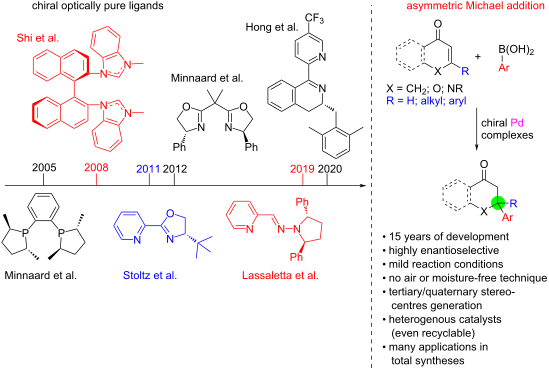
- simple modification (temperature, catalyst loading) combined with the iterative addition of boronic acids (1 equiv immediately and 1 equiv after 3 hours) [49]. Following Stoltz's works [11][27][47][48][49][51][52], Stanley et al. published the first example for the formation of all-carbon quaternary
- the solvent (86% yield, 71% ee, Scheme 19) [54]. Significant successes of the Stanley group were achieved in the subsequent study of the as yet unexplored asymmetric addition of arylboronic acids to 3-aryl-2-cyclohexenones, where double benzyl quaternary stereogenic centres were formed [55]. The
- boronic acids, there were enantioselectivities of about 90% ee and average to excellent yields of 43–97% (Table 36) [62]. This catalytic system worked for 3-unsubstituted enones but was much more powerful in the case of addition reactions to 3-substituted enones that lead to all-carbon quaternary

Graphical Abstract

Scheme 1: Synthesis of optically pure 4-phenylchroman-2-one [34].

Scheme 2: Synthesis of (R)-tolterodine [3].

Scheme 3: Catalytic cycle of the Pd(II)-catalysed 1,4-addition of organoboron reagents to enones [3,26,35].

Scheme 4: Enantioselective β-arylation of cyclohexanone [38].

Scheme 5: Application of L2/Pd(OAc)2 in the total synthesis of terpenes [8].
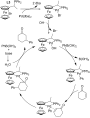
Scheme 6: Plausible catalytic cycle for the addition of phenylboronic acid to 2-cyclohexenone catalysed by L3...

Scheme 7: Microwave-assisted addition of phenylboronic acid to 2-cyclohexenone catalysed by L4/Pd2(dba)3·CHCl3...
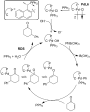
Scheme 8: Plausible catalytic cycle of the addition of phenylboronic acid to 2-cyclohexenone catalysed by pal...
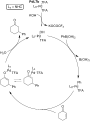
Scheme 9: Proposed catalytic cycle for the addition of phenylboronic acids to 2-cyclohexenone catalysed by Pd...

Scheme 10: Usage of addition reactions of boronic acids to various chromones in the syntheses of potentially a...

Scheme 11: Multigram-scale synthesis of ABBV-2222 [6].

Scheme 12: Application of the asymmetric addition of phenylboronic acid to a chromone derivative for the total...

Scheme 13: Plausible catalytic cycle for the addition of phenylboronic acid to 3-methyl-2-cyclohexenone cataly...

Scheme 14: Total syntheses of naturally occurring terpenoids [10,11].

Scheme 15: Use of the L9/Pd(TFA)2 catalytic system for the synthesis of intermediates of biologically active c...

Scheme 16: Usage of a Michael addition catalysed by L9/Pd(TFA)2 in the total synthesis of (–)-ar-tenuifolene [12].

Scheme 17: Synthesis of terpenoids by Michael addition to 3-methyl-2-cyclopentenone [13].

Scheme 18: Rh-catalysed isomerisation of 3-alkyl-3-arylcyclopentanones to 1-tetralones [53].

Scheme 19: Addition reaction of phenylboronic acid to 3-methyl-2-cyclohexenone catalysed by L9/Pd(TFA)2 in wat...

Scheme 20: Micellar nanoreactor PdL10c for the synthesis of flavanones [58].
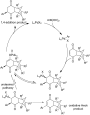
Scheme 21: Plausible catalytic cycle for the desymmetrisation of polycyclic cyclohexenediones by the addition ...

Scheme 22: Attempt to use the catalytic system L2/Pd(TFA)2 for the addition of phenylboronic acid to 3-methyl-...

Scheme 23: Ring opening of an enantioenriched tetrahydropyran-2-one derivative as alternative strategy to line...

Scheme 24: Synthesis of biologically active compounds from addition products [14-16].

Scheme 25: Chiral 1,10-phenantroline derivative L15 as ligand for the Pd-catalysed addition reactions of pheny...

Scheme 26: The Rh-catalysed addition reaction of phenylboronic acid to a 3-substituted enone [20].
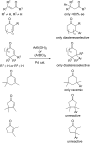
Scheme 27: Underdeveloped methodologies [14,15,65-67].
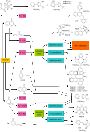
Scheme 28: Flowchart for the selection of the proper catalytic system.
Synthesis of 10-O-aryl-substituted berberine derivatives by Chan–Evans–Lam coupling and investigation of their DNA-binding properties
- Peter Jonas Wickhorst,
- Mathilda Blachnik,
- Denisa Lagumdzija and
- Heiko Ihmels
Beilstein J. Org. Chem. 2021, 17, 991–1000, doi:10.3762/bjoc.17.81
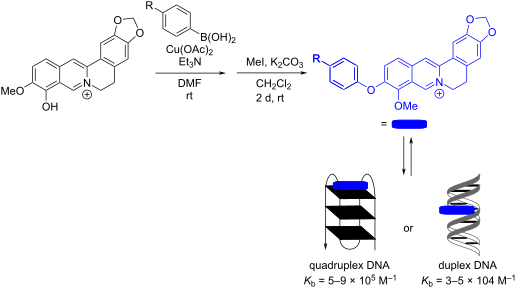
- , specifically because of the decreased electron density at the 9-oxyanion by linear conjugation with the quaternary nitrogen atom [39]. Nevertheless, the reactivity of intermediate 6 is still relatively low, as indicated by the low yields of the Cu2+-catalyzed coupling reaction, thus resembling the parent

Graphical Abstract

Figure 1: Structures and numbering of berberine (1a), berberrubine (1b) and 9-O-aryl-substituted berberine de...

Scheme 1: Synthesis of 10-O-arylated berberine derivatives 5a–e.

Scheme 2: Cu2+-catalyzed demethylation of berberrubine (1b).

Figure 2: Temperature dependent emission spectra of derivatives 5a and 5d (c = 10 µM, with 0.25% v/v DMSO) in...

Figure 3: Photometric titration of 5a (A) and 5d (B) (cLigand = 20 μM) with ct DNA (1) in BPE buffer (cNa+ = ...

Figure 4: Fluorimetric titration of 5a (A) and 5d (B, cLigand = 20 μM) with ct DNA (1) in BPE buffer (cNa+ = ...

Figure 5: CD and LD spectra of ct DNA (1 and 2, cDNA = 20 μM; in BPE buffer: 10 mM, pH 7.0; with 5% v/v DMSO)...
Prins cyclization-mediated stereoselective synthesis of tetrahydropyrans and dihydropyrans: an inspection of twenty years
- Asha Budakoti,
- Pradip Kumar Mondal,
- Prachi Verma and
- Jagadish Khamrai
Beilstein J. Org. Chem. 2021, 17, 932–963, doi:10.3762/bjoc.17.77
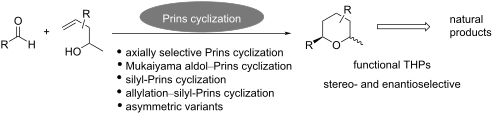
- cyclization reaction of allyl bromide (228) with a carbonyl compound promoted by BBIMBr/SnBr2 complex under solvent-free conditions has been explored [97]. The mechanism of the reaction was shown to include a Barbier reaction of allyl bromide with an aldehyde in the presence of SnBr3 and a quaternary ammonium

Graphical Abstract

Scheme 1: General strategy for the synthesis of THPs.
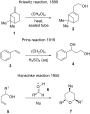
Scheme 2: Developments towards the Prins cyclization.

Scheme 3: General stereochemical outcome of the Prins cyclization.

Scheme 4: Regioselectivity in the Prins cyclization.

Scheme 5: Mechanism of the oxonia-Cope reaction in the Prins cyclization.

Scheme 6: Cyclization of electron-deficient enantioenriched alcohol 27.

Scheme 7: Partial racemization through 2-oxonia-Cope allyl transfer.

Scheme 8: Partial racemization by reversible 2-oxonia-Cope rearrangement.

Scheme 9: Rychnovsky modification of the Prins cyclization.

Scheme 10: Synthesis of (−)-centrolobine and the C22–C26 unit of phorboxazole A.

Scheme 11: Axially selective Prins cyclization by Rychnovsky et al.

Scheme 12: Mechanism for the axially selectivity Prins cyclization.

Scheme 13: Mukaiyama aldol–Prins cyclization reaction.

Scheme 14: Application of the aldol–Prins reaction.

Scheme 15: Hart and Bennet's acid-promoted Prins cyclization.

Scheme 16: Tetrahydropyran core of polycarvernoside A as well as (−)-clavoslide A and D.

Scheme 17: Scheidt and co-workers’ route to tetrahydropyran-4-one.

Scheme 18: Mechanism for the Lewis acid-catalyzed synthesis of tetrahydropyran-4-one.

Scheme 19: Hoveyda and co-workers’ strategy for 2,6-disubstituted 4-methylenetetrahydropyran.

Scheme 20: Funk and Cossey’s ene-carbamates strategy.

Scheme 21: Yadav and Kumar’s cyclopropane strategy for THP synthesis.

Scheme 22: 2-Arylcylopropylmethanolin in centrolobine synthesis.

Scheme 23: Yadav and co-workers’ strategy for the synthesis of THP.

Scheme 24: Yadav and co-workers’ Prins–Ritter reaction sequence for 4-amidotetrahydropyran.

Scheme 25: Yadav and co-workers’ strategy to prelactones B, C, and V.

Scheme 26: Yadav and co-workers’ strategy for the synthesis of (±)-centrolobine.
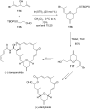
Scheme 27: Loh and co-workers’ strategy for the synthesis of zampanolide and dactylolide.

Scheme 28: Loh and Chan’s strategy for THP synthesis.

Scheme 29: Prins cyclization of cyclohexanecarboxaldehyde.

Scheme 30: Prins cyclization of methyl ricinoleate (127) and benzaldehyde (88).

Scheme 31: AlCl3-catalyzed cyclization of homoallylic alcohol 129 and aldehyde 130.

Scheme 32: Martín and co-workers’ stereoselective approach for the synthesis of highly substituted tetrahydrop...

Scheme 33: Ene-IMSC strategy by Marko and Leroy for the synthesis of tetrahydropyran.

Scheme 34: Marko and Leroy’s strategy for the synthesis of tetrahydropyrans 146.

Scheme 35: Sakurai dimerization/macrolactonization reaction for the synthesis of cyanolide A.

Scheme 36: Hoye and Hu’s synthesis of (−)-dactyloide by intramolecular Sakurai cyclization.

Scheme 37: Minehan and co-workers’ strategy for the synthesis of THPs 157.

Scheme 38: Yu and co-workers’ allylic transfer strategy for the construction of tetrahydropyran 161.

Scheme 39: Reactivity enhancement in intramolecular Prins cyclization.

Scheme 40: Floreancig and co-workers’ Prins cyclization strategy to (+)-dactyloide.

Scheme 41: Panek and Huang’s DHP synthesis from crotylsilanes: a general strategy.

Scheme 42: Panek and Huang’s DHP synthesis from syn-crotylsilanes.

Scheme 43: Panek and Huang’s DHP synthesis from anti-crotylsilanes.

Scheme 44: Roush and co-workers’ [4 + 2]-annulation strategy for DHP synthesis [82].

Scheme 45: TMSOTf-promoted annulation reaction.

Scheme 46: Dobb and co-workers’ synthesis of DHP.

Scheme 47: BiBr3-promoted tandem silyl-Prins reaction by Hinkle et al.

Scheme 48: Substrate scope of Hinkle and co-workers’ strategy.

Scheme 49: Cho and co-workers’ strategy for 2,6 disubstituted 3,4-dimethylene-THP.

Scheme 50: Furman and co-workers’ THP synthesis from propargylsilane.

Scheme 51: THP synthesis from silyl enol ethers.

Scheme 52: Rychnovsky and co-workers’ strategy for THP synthesis from hydroxy-substituted silyl enol ethers.

Scheme 53: Li and co-workers’ germinal bissilyl Prins cyclization strategy to (−)-exiguolide.

Scheme 54: Xu and co-workers’ hydroiodination strategy for THP.

Scheme 55: Wang and co-workers’ strategy for tetrahydropyran synthesis.

Scheme 56: FeCl3-catalyzed synthesis of DHP from alkynylsilane alcohol.

Scheme 57: Martín, Padrón, and co-workers’ proposed mechanism of alkynylsilane Prins cyclization for the synth...

Scheme 58: Marko and co-workers’ synthesis of 2,6-anti-configured tetrahydropyran.

Scheme 59: Loh and co-workers’ strategy for 2,6-syn-tetrahydropyrans.

Scheme 60: Loh and co-workers’ strategy for anti-THP synthesis.

Scheme 61: Cha and co-workers’ strategy for trans-2,6-tetrahydropyran.
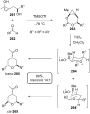
Scheme 62: Mechanism proposed by Cha et al.

Scheme 63: TiCl4-mediated cyclization to trans-THP.

Scheme 64: Feng and co-workers’ FeCl3-catalyzed Prins cyclization strategy to 4-hydroxy-substituted THP.

Scheme 65: Selectivity profile of the Prins cyclization under participation of an iron ligand.

Scheme 66: Sequential reactions involving Prins cyclization.

Scheme 67: Banerjee and co-workers’ strategy of Prins cyclization from cyclopropane carbaldehydes and propargy...

Scheme 68: Mullen and Gagné's (R)-[(tolBINAP)Pt(NC6F5)2][SbF6]2-catalyzed asymmetric Prins cyclization strateg...

Scheme 69: Yu and co-workers’ DDQ-catalyzed asymmetric Prins cyclization strategy to trisubstituted THPs.

Scheme 70: Lalli and Weghe’s chiral-Brønsted-acid- and achiral-Lewis-acid-promoted asymmetric Prins cyclizatio...

Scheme 71: List and co-workers’ iIDP Brønsted acid-promoted asymmetric Prins cyclization strategy.

Scheme 72: Zhou and co-workers’ strategy for chiral phosphoric acid (CPA)-catalyzed cascade Prins cyclization.

Scheme 73: List and co-workers’ approach for asymmetric Prins cyclization using chiral imidodiphosphoric acid ...
Synthetic reactions driven by electron-donor–acceptor (EDA) complexes
- Zhonglie Yang,
- Yutong Liu,
- Kun Cao,
- Xiaobin Zhang,
- Hezhong Jiang and
- Jiahong Li
Beilstein J. Org. Chem. 2021, 17, 771–799, doi:10.3762/bjoc.17.67

- atom transfer) occurs in nitrogen radical 14 to give radical 16, which further transforms to radical 17 after the addition of sulfur dioxide. Finally, HAT happens between 15 and 17, yielding quaternary ammonium salt 18 and product 12, respectively. In 2017, Chen and colleagues [47] accomplished the

Graphical Abstract

Scheme 1: The electron transfer process in EDA complexes.

Scheme 2: Synthesis of benzo[b]phosphorus oxide 3 initiated by an EDA complex.

Scheme 3: Mechanism of the synthesis of quinoxaline derivative 7.

Scheme 4: Synthesis of imidazole derivative 10 initiated by an EDA complex.

Scheme 5: Synthesis of sulfamoylation product 12 initiated by an EDA complex.

Scheme 6: Mechanism of the synthesis of sulfamoylation product 12.

Scheme 7: Synthesis of indole derivative 22 initiated by an EDA complex.

Scheme 8: Synthesis of perfluoroalkylated pyrimidines 26 initiated by an EDA complex.

Scheme 9: Synthesis of phenanthridine derivative 29 initiated by an EDA complex.

Scheme 10: Synthesis of cis-tetrahydroquinoline derivative 32 initiated by an EDA complex.

Scheme 11: Mechanism of the synthesis of cis-tetrahydroquinoline derivative 32.

Scheme 12: Synthesis of phenanthridine derivative 38 initiated by an EDA complex.

Scheme 13: Synthesis of spiropyrroline derivative 40 initiated by an EDA complex.

Scheme 14: Synthesis of benzothiazole derivative 43 initiated by an EDA complex.

Scheme 15: Synthesis of perfluoroalkyl-s-triazine derivative 45 initiated by an EDA complex.

Scheme 16: Synthesis of indoline derivative 47 initiated by an EDA complex.

Scheme 17: Mechanism of the synthesis of spirocyclic indoline derivative 47.

Scheme 18: Synthesis of cyclobutane product 50 initiated by an EDA complex.

Scheme 19: Mechanism of the synthesis of spirocyclic indoline derivative 50.

Scheme 20: Synthesis of 1,3-oxazolidine compound 59 initiated by an EDA complex.

Scheme 21: Synthesis of trifluoromethylated product 61 initiated by an EDA complex.

Scheme 22: Synthesis of indole alkylation product 64 initiated by an EDA complex.

Scheme 23: Synthesis of perfluoroalkylation product 67 initiated by an EDA complex.

Scheme 24: Synthesis of hydrotrifluoromethylated product 70 initiated by an EDA complex.

Scheme 25: Synthesis of β-trifluoromethylated alkyne product 71 initiated by an EDA complex.

Scheme 26: Mechanism of the synthesis of 2-phenylthiophene derivative 74.

Scheme 27: Synthesis of allylated product 80 initiated by an EDA complex.

Scheme 28: Synthesis of trifluoromethyl-substituted alkynyl product 84 initiated by an EDA complex.

Scheme 29: Synthesis of dearomatized fluoroalkylation product 86 initiated by an EDA complex.

Scheme 30: Mechanism of the synthesis of dearomatized fluoroalkylation product 86.

Scheme 31: Synthesis of C(sp3)–H allylation product 91 initiated by an EDA complex.

Scheme 32: Synthesis of perfluoroalkylation product 93 initiated by an EDA complex.

Scheme 33: Synthesis of spirocyclic indolene derivative 95 initiated by an EDA complex.

Scheme 34: Synthesis of perfluoroalkylation product 97 initiated by an EDA complex.

Scheme 35: Synthesis of alkylated indole derivative 100 initiated by an EDA complex.

Scheme 36: Mechanism of the synthesis of alkylated indole derivative 100.

Scheme 37: Synthesis of arylated oxidized indole derivative 108 initiated by an EDA complex.

Scheme 38: Synthesis of 4-ketoaldehyde derivative 111 initiated by an EDA complex.

Scheme 39: Mechanism of the synthesis of 4-ketoaldehyde derivative 111.

Scheme 40: Synthesis of perfluoroalkylated olefin 118 initiated by an EDA complex.

Scheme 41: Synthesis of alkylation product 121 initiated by an EDA complex.

Scheme 42: Synthesis of acylation product 123 initiated by an EDA complex.

Scheme 43: Mechanism of the synthesis of acylation product 123.

Scheme 44: Synthesis of trifluoromethylation product 126 initiated by an EDA complex.

Scheme 45: Synthesis of unnatural α-amino acid 129 initiated by an EDA complex.

Scheme 46: Synthesis of thioether derivative 132 initiated by an EDA complex.

Scheme 47: Synthesis of S-aryl dithiocarbamate product 135 initiated by an EDA complex.

Scheme 48: Mechanism of the synthesis of S-aryl dithiocarbamate product 135.

Scheme 49: Synthesis of thioether product 141 initiated by an EDA complex.

Scheme 50: Mechanism of the synthesis of borate product 144.

Scheme 51: Synthesis of boronation product 148 initiated by an EDA complex.

Scheme 52: Synthesis of boration product 151 initiated by an EDA complex.

Scheme 53: Synthesis of boronic acid ester derivative 154 initiated by an EDA complex.

Scheme 54: Synthesis of β-azide product 157 initiated by an EDA complex.

Scheme 55: Decarboxylation reaction initiated by an EDA complex.

Scheme 56: Synthesis of amidated product 162 initiated by an EDA complex.

Scheme 57: Synthesis of diethyl phenylphosphonate 165 initiated by an EDA complex.

Scheme 58: Mechanism of the synthesis of diethyl phenylphosphonate derivative 165.

Scheme 59: Synthesis of (Z)-2-iodovinyl phenyl ether 168 initiated by an EDA complex.

Scheme 60: Mechanism of the synthesis of (Z)-2-iodovinyl phenyl ether derivative 168.

Scheme 61: Dehalogenation reaction initiated by an EDA complex.
DNA with zwitterionic and negatively charged phosphate modifications: Formation of DNA triplexes, duplexes and cell uptake studies
- Yongdong Su,
- Maitsetseg Bayarjargal,
- Tracy K. Hale and
- Vyacheslav V. Filichev
Beilstein J. Org. Chem. 2021, 17, 749–761, doi:10.3762/bjoc.17.65
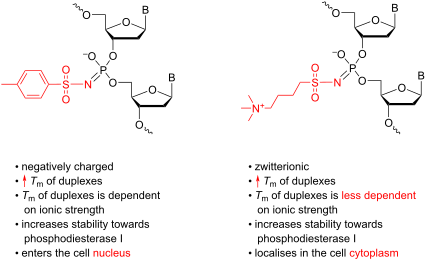
- ON (TG4T) with all phosphates replaced by a 4-(trimethylammonio)butylsulfonyl phosphoramidate group (N+, Scheme 1). The sequence was designed to obtain the formally charge-neutral zwitterionic N+TG4T [38]. Each negatively charged phosphoramidate is neutralised by the positively charged quaternary

Graphical Abstract

Figure 1: Illustration of H-bonding in a DNA duplex and a parallel triplex. A) Depiction of Watson–Crick base...

Scheme 1: The synthesis of ONs with Ts and N+ modification using the Staudinger reaction during the solid-pha...

Figure 2: Percentage of intact ONs after 120 min. A) N+ONs; B) Ts-ONs. Percentage of intact ONs was determine...
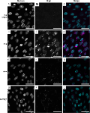
Figure 3: Representative images of mouse NIH 3T3 fibroblasts incubated with either (A–C) no oligo or 20 µM of...
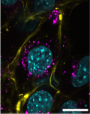
Figure 4: Representative confocal microscopy section showing the FAM vesicles inside the cell. Mouse NIH 3T3 ...
α,γ-Dioxygenated amides via tandem Brook rearrangement/radical oxygenation reactions and their application to syntheses of γ-lactams
- Mikhail K. Klychnikov,
- Radek Pohl,
- Ivana Císařová and
- Ullrich Jahn
Beilstein J. Org. Chem. 2021, 17, 688–704, doi:10.3762/bjoc.17.58
- unit cyclized exclusively in the 5-exo-trig mode and provided the pyrrolidone 12f with a quaternary center at C4 in moderate yield and similar diastereoselectivity as for 12a–d (Table 3, entry 7); a product of potentially competing 6-endo cyclization was not detected. Amides 9g,k with trisubstituted
- ratio of lactam 12f with a quaternary center at C4 did not change at all, neither at room temperature nor at 50 °C (Table 4, entry 6). Lactam 12g with a benzyl group as well as pyrrolidones 12i–k bearing branched 1-arylethyl groups on the nitrogen required warming to 50 °C to induce epimerization at C3

Graphical Abstract
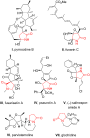
Figure 1: Selected alkaloids containing the pyrrolidone motif.
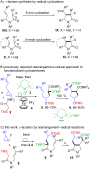
Scheme 1: A) Classical γ-lactam synthesis by atom transfer radical cyclizations; B) previously developed tand...
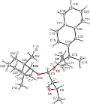
Figure 2: X-ray crystal structure of the major (2R,4S)-alkoxyamine hydrochloride derived from 9j. Displacemen...

Scheme 2: Formation of the α-(aminoxy)amides 9o,p.

Figure 3: X-ray crystal structure of the minor cis-diastereomers of the keto lactam 13j (left) and the hydrox...
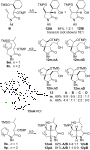
Scheme 3: Thermal radical cyclization reactions of amides 9l–p bearing cyclic units. Conditions: a) t-BuOH, 1...

Scheme 4: Epimerization of spirolactams 12m,n.

Scheme 5: The Dess–Martin oxidation of lactams 12l–o. Conditions: a) DMP (1.3 equiv), t-BuOH (10 mol %), CH2Cl...
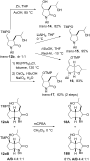
Scheme 6: Selected transformations of the lactams trans-12b and 12o.

Scheme 7: Diastereoselectivity for the formation of α-(aminoxy)amides 9i–k.

Scheme 8: Rationalization of the diastereoselectivity for the formation of the α-(aminoxy)amide 9l.
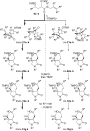
Scheme 9: Rationalization of the thermal radical cyclization diastereoselectivity of alkoxyamines 9a–k. (S)-C...
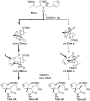
Scheme 10: The stereochemical course for the formation of products 12m,n by thermal radical cyclization of alk...
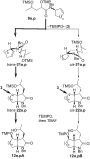
Scheme 11: Formation of bicycles 12o,p.
19F NMR as a tool in chemical biology
- Diana Gimenez,
- Aoife Phelan,
- Cormac D. Murphy and
- Steven L. Cobb
Beilstein J. Org. Chem. 2021, 17, 293–318, doi:10.3762/bjoc.17.28
- IDPs upon tertiary and quaternary complex formation [79]. The Myc-Max heterodimer is a well-known oncogenic transcription factor complex able to bind to enhancer box (E-box) regions (5’-CACGTG-3’) of DNA with low-nanomolar affinity, what triggers its biological function as a transcriptional regulator
- tagging and PRE NMR spectroscopy to probe and trace the conformational changes experienced by disordered Myc upon Myc‐Max heterodimerization. Going beyond, they also employed 19F NMR to interrogate the changes induced in the Myc-Max heterodimer structure upon full quaternary complex formation in the
- agreement to those predicted for modelled MTSL-TFET pairs in adjacent subunits in the X-ray structure, showing only small discrepancies. Overall, the results of this work clearly demonstrated the value of solution 19F NMR for quaternary structure determination and as an alternative approach for generating

Graphical Abstract

Figure 1: Selected examples of 19F-labelled amino acid analogues used as probes in chemical biology.

Figure 2: (a) Sequences of the antimicrobial peptide MSI-78 and pFtBSer-containing analogs and cartoon repres...

Figure 3: (a) Chemical structures of a selection of trifluoromethyl tags. (b) Comparative analysis showing th...

Figure 4: (a) First bromodomain of Brd4 with all three tryptophan residues displayed in blue and labelled by ...

Figure 5: (a) Enzymatic hydroxylation of GBBNF in the presence of hBBOX (b) 19F NMR spectra showing the conve...

Figure 6: (a) In-cell enzymatic hydrolysis of the fluorinated anandamide analogue ARN1203 catalyzed by hFAAH....

Figure 7: (a) X-ray crystal structure of CAM highlighting the location the phenylalanine residues replaced by...

Figure 8: 19F PREs of 4-F, 5-F, 6-F, 7-FTrp49 containing MTSL-modified S52CCV-N. The 19F NMR resonances of ox...

Figure 9: 19F NMR as a direct probe of Ud NS1A ED homodimerization. Schematic representation showing the loca...

Figure 10: (a) Representative spectrum of a 182 μM sample of Aβ1-40-tfM35 at varying times indicating the majo...

Figure 11: Illustration of the conformational switch induced by SDS in 4-tfmF-labelled α-Syn. Also shown are t...

Figure 12: (a) Structural models of the Myc‐Max (left), Myc‐Max‐DNA (middle) and Myc‐Max‐BRCA1 complexes (righ...

Figure 13: (a) Side (left) and bottom (right) views of the pentameric apo ELIC X-ray structure (PDB ID: 3RQU) ...

Figure 14: (a) General structure of a selection of recently developed 19F-labelled nucleotides for their use a...

Figure 15: Monitoring biotransformation of the fluorinated pesticide cyhalothrin by the fungus C. elegans. The...

Figure 16: Following the biodegradation of emerging fluorinated pollutants by 19F NMR. The spectra are from cu...

Figure 17: Discovery of new fluorinated natural products by 19F NMR. The spectrum is of the culture supernatan...

Figure 18: Application of 19F NMR to investigate the biosynthesis of nucleocidin. The spectra are from culture...

Figure 19: Detection of new fluorofengycins (indicated by arrows) in culture supernatants of Bacillus sp. CS93...

Figure 20: Measurement of β-galactosidase activity in MCF7 cancer cells expressing lacZ using 19F NMR. The deg...

Figure 21: Detection of ions using 19F NMR. (a) Structure of TF-BAPTA and its 19F iCEST spectra in the presenc...

Figure 22: (a) The ONOO−-mediated decarbonylation of 5-fluoroisatin and 6-fluoroisatin. The selectivity of (b)...
Multiswitchable photoacid–hydroxyflavylium–polyelectrolyte nano-assemblies
- Alexander Zika and
- Franziska Gröhn
Beilstein J. Org. Chem. 2021, 17, 166–185, doi:10.3762/bjoc.17.17
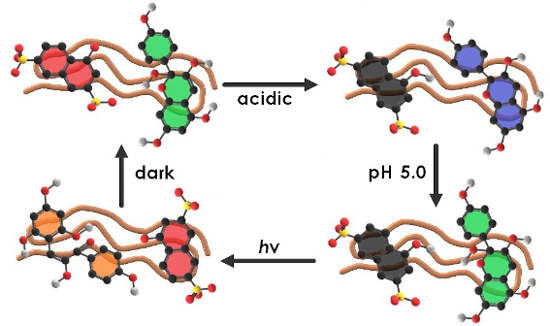
- quaternary amines with hydroxy groups is not common but has been observed [90][91][92]. The electrostatic interaction of naphthol-based molecule ions are known to be at least of ΔH = −50 kJ/mol [32]. This suggests that here not only one charge interacts, instead, for ΔH3 it has to be between three charges

Graphical Abstract

Scheme 1: The chemical network of reactions for 4-hydroxyflavylium (left) and the write-lock-erase cycle (rig...

Scheme 2: The building blocks used for the self-assembly in this study: pelargonidin chloride (Flavy), 1-naph...

Scheme 3: Overview of the different states of the multi-switchable system consisting of Flavy, 1N36S, and pol...
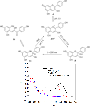
Figure 1: Top: pelargonidin cation (Flavy) and network of chemical reactions; bottom: corresponding UV–vis sp...
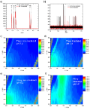
Figure 2: Characterization of Flavy: a) 1H NMR spectrum at pH 7.0 (form A) before and after irradiation; b) 13...

Scheme 4: Overview of the different states of the two main cycles switching the system consisting of 1N36S, F...

Figure 3: UV–vis spectroscopy of the ternary nano-assemblies for cycle I (a) and cycle II (b).

Figure 4: Dynamic light scattering: Electric field autocorrelation function g1(τ) and distribution of relaxat...

Figure 5: Static light scattering data from the assemblies of cycle I; a) A, non-irradiated, spherical partic...

Figure 6: Comparison of cycle I and cycle II in AFM.

Figure 7: a) ζ-Potential and b) effective surface charge density for cycle I; c) ζ-potential and d) effective...

Figure 8: Isothermal titration calorimetry of poly(allylamine) into the cell containing Flavy and 1N36S in aq...

Figure 9: Polar surface area of Flavy in form of A (left) and B (right).

Figure 10: Hydrodynamic radii of the nano-assemblies as function of the loading ratio: a) cycle I, b) cycle II....

Figure 11: UV–vis spectra of the nano-assemblies of cycle II at l = 0.75.

Figure 12: ζ-Potential of the nano-assemblies of cycle II depending on the concentration ratio.

Scheme 5: Different mixing orders of the assemblies. The major part of this study focuses on route i.
Recent progress in the synthesis of homotropane alkaloids adaline, euphococcinine and N-methyleuphococcinine
- Dimas J. P. Lima,
- Antonio E. G. Santana,
- Michael A. Birkett and
- Ricardo S. Porto
Beilstein J. Org. Chem. 2021, 17, 28–41, doi:10.3762/bjoc.17.4
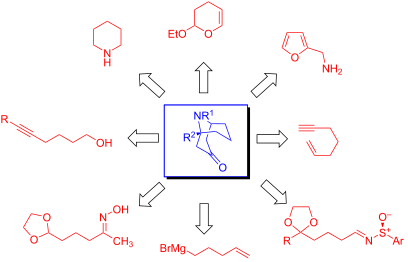
- ), isolated from the Colorado blue spruce Picea pungens, are members of this alkaloid family. Their unique bicyclic system with a quaternary stereocenter, and the potent biological activity exerted by these homotropane alkaloids, make them attractive synthetic targets. This work aims briefly to review the
- have provided new opportunities to develop synthetic strategies [21][22][23]. Structurally, it has an unsymmetrical bicyclic arrangement, incorporating a secondary amine and bearing a quaternary center. Since the pioneering Tursch’s work [24], a variety of approaches to obtain these alkaloids have been
- occurred by removing the TBDMS and formyl (CHO) groups via treatment with TBAF in dry THF and lithium–ethylenediamine complex, respectively. Finally, the resulting alcohol (+)-56 was oxidized in the presence of PCC to provide (−)-adaline (1). In this work, the quaternary center was successfully generated

Graphical Abstract

Figure 1: Homotropane (azabicyclononane) systems.

Figure 2: Alkaloids (−)-adaline (1), (+)-euphococcinine (2) and (+)-N-methyleuphococcinine (3).

Scheme 1: Synthetic strategies before 1995.

Scheme 2: Synthesis (±)-adaline (1) and (±)-euphococcinine (2). Reagents and conditions: i) 1. dihydropyran, ...

Scheme 3: Synthesis (+)-euphococcinine (2). Reagents and conditions: i) H2O2, SeO2 (cat), acetone, rt, 88%; i...

Scheme 4: Synthesis (+)-euphococcinine (2). Reagents and conditions: i) 2,4-bis(4-phenoxyphenyl)-1,3-dithia-2...

Scheme 5: Synthesis of (±)-euphococcinine precursor (±)-42. Reagents and conditions: i) Bu3SnH, AIBN, toluene...

Scheme 6: Synthesis of (−)-adaline (1). Reagents and conditions: i) LiH2NBH3, THF, 40 °C, 88%; ii) TPAP, NMO,...

Scheme 7: Synthesis of (−)-adaline (1) and (−)-euphococcinine (2). Reagents and conditions: i) 1. BuLi, t-BuO...

Scheme 8: Synthesis of (−)-adaline (1). Reagents and conditions: i) Ref. [52]; ii) Et3N, TBDMSOTf, CH2Cl2, 0 °C t...

Scheme 9: Synthesis of (+)-euphococcinine (2). Reagents and conditions: i) 1. Cp2ZrCl2,AlMe3, CH2Cl2; 2. p-me...

Scheme 10: Synthesis of (−)-adaline 1. Reagents and conditions: i) 1. CuBr.DMS, Et2O/DMS, -42 ºC; 2. 1-heptyne...

Scheme 11: Synthesis of (−)-euphococcinine (2) and (−)-adaline (1). Reagents and conditions: i) 102, KHMDS, Et2...

Scheme 12: Synthesis of N-methyleuphococcinine 3. Reagents and conditions: i) 108 (1.5 equiv), 3,5-di-F-C6H3B(...
All-carbon [3 + 2] cycloaddition in natural product synthesis
- Zhuo Wang and
- Junyang Liu
Beilstein J. Org. Chem. 2020, 16, 3015–3031, doi:10.3762/bjoc.16.251
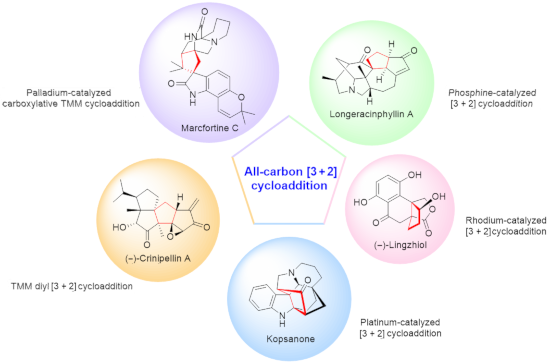
- , stereo-congested, five-membered carbocycles containing all-carbon quaternary center(s) is, at present, a distinct challenge in modern synthetic chemistry, which can be accessed through the all-carbon [3 + 2] cycloaddition. More importantly, the all-carbon [3 + 2] cycloaddition can forge vicinal all
- -carbon quaternary centers in a single step and has been demonstrated in the synthesis of complex natural products. In this review, we present the development of all-carbon [3 + 2] cycloadditions and illustrate their application in natural product synthesis reported in the last decade covering 2011–2020
- , biologically important natural products [1][2][3][4][5][6][7] (Figure 1). Meanwhile, the construction of quaternary carbon stereocenter(s) is, at present, a distinct challenge in modern synthetic chemistry [8][9][10][11]. Therefore, the synthesis of highly-substituted five-membered carbocycles bearing

Graphical Abstract

Figure 1: Highly-substituted five-membered carbocycle in biologically significant natural products.

Figure 2: Natural product synthesis featuring the all-carbon [3 + 2] cycloaddition. (Quaternary carbon center...

Scheme 1: Representative natural product syntheses that feature the all-carbon [3 + 2] cyclization as the key...
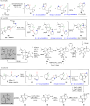
Scheme 2: (A) An intramolecular trimethylenemethane diyl [3 + 2] cycloaddition with allenyl diazo compound 38...
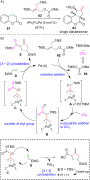
Scheme 3: (A) Palladium-catalyzed intermolecular carboxylative TMM cycloaddition [36]. (B) The proposed mechanism....

Scheme 4: Natural product syntheses that make use of palladium-catalyzed intermolecular [3 + 2] cycloaddition...
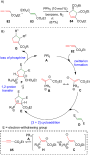
Scheme 5: (A) Phosphine-catalyzed [3 + 2] cycloaddition [17]. (B) The proposed mechanism.

Scheme 6: Lu’s [3 + 2] cycloaddition in natural product synthesis. (A) Synthesis of longeracinphyllin A (10) [41]...

Scheme 7: (A) Phosphine-catalyzed [3 + 2] annulation of unsymmetric isoindigo 100 with allene in the preparat...
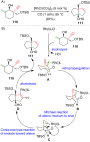
Scheme 8: (A) Rhodium-catalyzed intracmolecular [3 + 2] cycloaddition [49]. (B) The proposed catalytic cycle of t...

Scheme 9: Total synthesis of natural products reported by Yang and co-workers applying rhodium-catalyzed intr...

Scheme 10: (A) Platinum(II)-catalyzed intermolecular [3 + 2] cycloaddition of propargyl ether 139 and n-butyl ...

Scheme 11: (A) Platinum-catalyzed intramolecular [3 + 2] cycloaddition of propargylic ketal derivative 142 to ...

Scheme 12: (A) Synthesis of phyllocladanol (21) features a Lewis acid-catalyzed formal intramolecular [3 + 2] ...

Scheme 13: The recent advances of [3 + 2] annulation in natural product synthesis. (A) The preparation of melo...
Chiral anion recognition using calix[4]arene-based ureido receptors in a 1,3-alternate conformation
- Tereza Horáčková,
- Jan Budka,
- Vaclav Eigner,
- Wen-Sheng Chung,
- Petra Cuřínová and
- Pavel Lhoták
Beilstein J. Org. Chem. 2020, 16, 2999–3007, doi:10.3762/bjoc.16.249
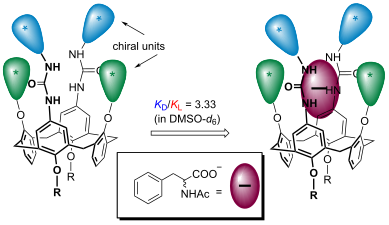
- anions is becoming more and more significant [12][13][14]. There are many strategies aiming at anion recognition in the literature. Most of the receptors, however, rely on electrostatic interactions. These systems are represented by positively charged molecules, such as quaternary N-, S-, and P

Graphical Abstract

Figure 1: Design of chiral calix[4]arene-based receptors for anions.

Scheme 1: Synthesis of the calix[4]arene-based chiral anionic receptors 7 and 8.

Figure 2: X-ray structure of 4a: (a) Top view into the cavity. (b) Side view of the same cavity.
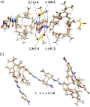
Figure 3: X-ray structure of 7a: (a) Hydrogen bonding interactions (black) in a dimeric motif, chalcogen inte...

Figure 4: X-ray structure of 7d, showing hydrogen bonds between the ureido units (green) and hydrogen bonding...

Figure 5: 1H NMR titration of 7c with N-acetyl-ᴅ-phenylalaninate and N-acetyl-ʟ-phenylalaninate (as TBA salts...
Recent developments in enantioselective photocatalysis
- Callum Prentice,
- James Morrisson,
- Andrew D. Smith and
- Eli Zysman-Colman
Beilstein J. Org. Chem. 2020, 16, 2363–2441, doi:10.3762/bjoc.16.197
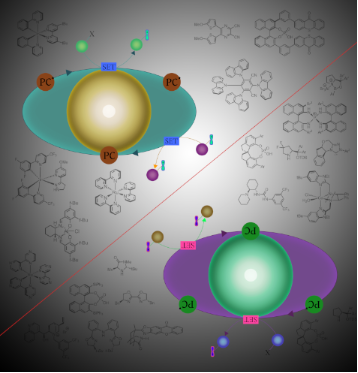
- hydrolysis provides the radical conjugate addition (RCA) products 55 with a quaternary stereocentre in excellent yields and enantioselectivities (21 examples, up to 99:1 er). The quantum yield was measured to be <1 (Φ = 0.4) for the iridium-catalysed reaction, suggesting that a radical chain process is not

Graphical Abstract

Scheme 1: Amine/photoredox-catalysed α-alkylation of aldehydes with alkyl bromides bearing electron-withdrawi...

Scheme 2: Amine/HAT/photoredox-catalysed α-functionalisation of aldehydes using alkenes.

Scheme 3: Amine/cobalt/photoredox-catalysed α-functionalisation of ketones and THIQs.

Scheme 4: Amine/photoredox-catalysed α-functionalisation of aldehydes or ketones with imines. (a) Using keton...

Scheme 5: Bifunctional amine/photoredox-catalysed enantioselective α-functionalisation of aldehydes.
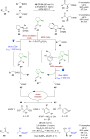
Scheme 6: Bifunctional amine/photoredox-catalysed α-functionalisation of aldehydes using amine catalysts via ...
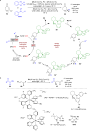
Scheme 7: Amine/photoredox-catalysed RCA of iminium ion intermediates. (a) Synthesis of quaternary stereocent...

Scheme 8: Bifunctional amine/photoredox-catalysed RCA of enones in a radical chain reaction initiated by an i...

Scheme 9: Bifunctional amine/photoredox-catalysed RCA reactions of iminium ions with different radical precur...

Scheme 10: Bifunctional amine/photoredox-catalysed radical cascade reactions between enones and alkenes with a...

Scheme 11: Amine/photocatalysed photocycloadditions of iminium ion intermediates. (a) External photocatalyst u...
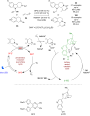
Scheme 12: Amine/photoredox-catalysed addition of acrolein (94) to iminium ions.

Scheme 13: Dual NHC/photoredox-catalysed acylation of THIQs.

Scheme 14: NHC/photocatalysed spirocyclisation via photoisomerisation of an extended Breslow intermediate.

Scheme 15: CPA/photoredox-catalysed aza-pinacol cyclisation.

Scheme 16: CPA/photoredox-catalysed Minisci-type reaction between azaarenes and α-amino radicals.
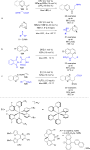
Scheme 17: CPA/photoredox-catalysed radical additions to azaarenes. (a) α-Amino radical or ketyl radical addit...
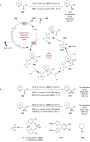
Scheme 18: CPA/photoredox-catalysed reduction of azaarene-derived substrates. (a) Reduction of ketones. (b) Ex...
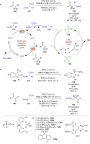
Scheme 19: CPA/photoredox-catalysed radical coupling reactions of α-amino radicals with α-carbonyl radicals. (...
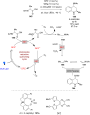
Scheme 20: CPA/photoredox-catalysed Povarov reaction.
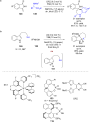
Scheme 21: CPA/photoredox-catalysed reactions with imines. (a) Decarboxylative imine generation followed by Po...

Scheme 22: Bifunctional CPA/photocatalysed [2 + 2] photocycloadditions.

Scheme 23: PTC/photocatalysed oxygenation of 1-indanone-derived β-keto esters.

Scheme 24: PTC/photoredox-catalysed perfluoroalkylation of 1-indanone-derived β-keto esters via a radical chai...
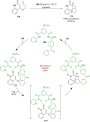
Scheme 25: Bifunctional hydrogen bonding/photocatalysed intramolecular [2 + 2] photocycloadditions of quinolon...
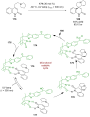
Scheme 26: Bifunctional hydrogen bonding/photocatalysed intramolecular RCA cyclisation of a quinolone.

Scheme 27: Bifunctional hydrogen bonding/photocatalysed intramolecular [2 + 2] photocycloadditions of quinolon...

Scheme 28: Bifunctional hydrogen bonding/photocatalysed [2 + 2] photocycloaddition reactions. (a) First use of...

Scheme 29: Bifunctional hydrogen bonding/photocatalysed deracemisation of allenes.

Scheme 30: Bifunctional hydrogen bonding/photocatalysed deracemisation reactions. (a) Deracemisation of sulfox...

Scheme 31: Bifunctional hydrogen bonding/photocatalysed intramolecular [2 + 2] photocycloaddition of coumarins....
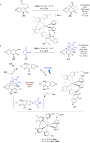
Scheme 32: Bifunctional hydrogen bonding/photocatalysed [2 + 2] photocycloadditions of quinolones. (a) Intramo...
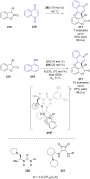
Scheme 33: Hydrogen bonding/photocatalysed formal arylation of benzofuranones.

Scheme 34: Hydrogen bonding/photoredox-catalysed dehalogenative protonation of α,α-chlorofluoro ketones.

Scheme 35: Hydrogen bonding/photoredox-catalysed reductions. (a) Reduction of 1,2-diketones. (b) Reduction of ...

Scheme 36: Hydrogen bonding/HAT/photocatalysed deracemisation of cyclic ureas.

Scheme 37: Hydrogen bonding/HAT/photoredox-catalysed synthesis of cyclic sulfonamides.
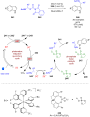
Scheme 38: Hydrogen bonding/photoredox-catalysed reaction between imines and indoles.

Scheme 39: Chiral cation/photoredox-catalysed radical coupling of two α-amino radicals.
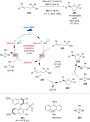
Scheme 40: Chiral phosphate/photoredox-catalysed hydroetherfication of alkenols.

Scheme 41: Chiral phosphate/photoredox-catalysed synthesis of pyrroloindolines.

Scheme 42: Chiral anion/photoredox-catalysed radical cation Diels–Alder reaction.

Scheme 43: Lewis acid/photoredox-catalysed cycloadditions of carbonyls. (a) Formal [2 + 2] cycloaddition of en...
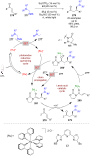
Scheme 44: Lewis acid/photoredox-catalysed RCA reaction using a scandium Lewis acid between α-amino radicals a...

Scheme 45: Lewis acid/photoredox-catalysed RCA reaction using a copper Lewis acid between α-amino radicals and...

Scheme 46: Lewis acid/photoredox-catalysed synthesis of 1,2-amino alcohols from aldehydes and nitrones using a...

Scheme 47: Lewis acid/photocatalysed [2 + 2] photocycloadditions of enones and alkenes.

Scheme 48: Meggers’s chiral-at-metal catalysts.
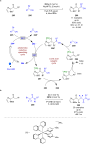
Scheme 49: Lewis acid/photoredox-catalysed α-functionalisation of ketones with alkyl bromides bearing electron...

Scheme 50: Bifunctional Lewis acid/photoredox-catalysed radical coupling reaction using α-chloroketones and α-...

Scheme 51: Lewis acid/photocatalysed RCA of enones. (a) Using aldehydes as acyl radical precursors. (b) Other ...

Scheme 52: Bifunctional Lewis acid/photocatalysis for a photocycloaddition of enones.

Scheme 53: Lewis acid/photoredox-catalysed RCA reactions of enones using DHPs as radical precursors.

Scheme 54: Lewis acid/photoredox-catalysed functionalisation of β-ketoesters. (a) Hydroxylation reaction catal...

Scheme 55: Bifunctional copper-photocatalysed alkylation of imines.

Scheme 56: Copper/photocatalysed alkylation of imines. (a) Bifunctional copper catalysis using α-silyl amines....
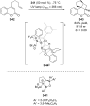
Scheme 57: Bifunctional Lewis acid/photocatalysed intramolecular [2 + 2] photocycloaddition.

Scheme 58: Bifunctional Lewis acid/photocatalysed [2 + 2] photocycloadditions (a) Intramolecular cycloaddition...

Scheme 59: Bifunctional Lewis acid/photocatalysed rearrangement of 2,4-dieneones.

Scheme 60: Lewis acid/photocatalysed [2 + 2] cycloadditions of cinnamate esters and styrenes.
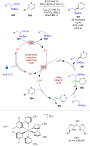
Scheme 61: Nickel/photoredox-catalysed arylation of α-amino acids using aryl bromides.

Scheme 62: Nickel/photoredox catalysis. (a) Desymmetrisation of cyclic meso-anhydrides using benzyl trifluorob...

Scheme 63: Nickel/photoredox catalysis for the acyl-carbamoylation of alkenes with aldehydes using TBADT as a ...

Scheme 64: Bifunctional copper/photoredox-catalysed C–N coupling between α-chloro amides and carbazoles or ind...
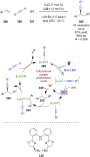
Scheme 65: Bifunctional copper/photoredox-catalysed difunctionalisation of alkenes with alkynes and alkyl or a...

Scheme 66: Copper/photoredox-catalysed decarboxylative cyanation of benzyl phthalimide esters.

Scheme 67: Copper/photoredox-catalysed cyanation reactions using TMSCN. (a) Propargylic cyanation (b) Ring ope...

Scheme 68: Palladium/photoredox-catalysed allylic alkylation reactions. (a) Using alkyl DHPs as radical precur...
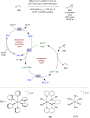
Scheme 69: Manganese/photoredox-catalysed epoxidation of terminal alkenes.
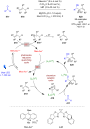
Scheme 70: Chromium/photoredox-catalysed allylation of aldehydes.
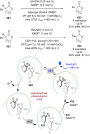
Scheme 71: Enzyme/photoredox-catalysed dehalogenation of halolactones.

Scheme 72: Enzyme/photoredox-catalysed dehalogenative cyclisation.

Scheme 73: Enzyme/photoredox-catalysed reduction of cyclic imines.

Scheme 74: Enzyme/photocatalysed enantioselective reduction of electron-deficient alkenes as mixtures of (E)/(Z...

Scheme 75: Enzyme/photoredox catalysis. (a) Deacetoxylation of cyclic ketones. (b) Reduction of heteroaromatic...

Scheme 76: Enzyme/photoredox-catalysed synthesis of indole-3-ones from 2-arylindoles.

Scheme 77: Enzyme/HAT/photoredox catalysis for the DKR of primary amines.

Scheme 78: Bifunctional enzyme/photoredox-catalysed benzylic C–H hydroxylation of trifluoromethylated arenes.
Controlling the stereochemistry in 2-oxo-aldehyde-derived Ugi adducts through the cinchona alkaloid-promoted electrophilic fluorination
- Yuqing Wang,
- Gaigai Wang,
- Anatoly A. Peshkov,
- Ruwei Yao,
- Muhammad Hasan,
- Manzoor Zaman,
- Chao Liu,
- Stepan Kashtanov,
- Olga P. Pereshivko and
- Vsevolod A. Peshkov
Beilstein J. Org. Chem. 2020, 16, 1963–1973, doi:10.3762/bjoc.16.163
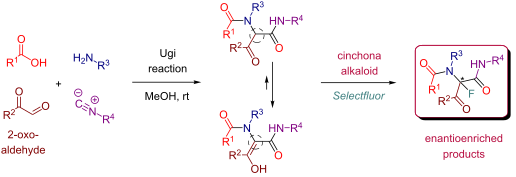
- was successfully utilized for the synthesis of several bioactive molecules [79][80][81]. Herein we present its adaptation for the enantioselective fluorination of 2-oxo-aldehyde-derived Ugi adducts 8 leading to the installment of a fluorine-bound quaternary stereocenter at the peptidyl position. It
- should be stressed that the exploration of methods for the enantioselective fluorination continues to be an important topic considering the ever-growing role of fluorine derivatives in drug design and development [82][83]. An alternative strategy to prepare related quaternary carbon-containing adducts

Graphical Abstract

Scheme 1: Post-transformations of 2-oxo-aldehyde-derived Ugi adducts 8.

Scheme 2: Synthesis of 2-oxo-aldehyde-derived Ugi adducts.

Figure 1: Molecular representation of the X-ray crystal structure of (S)-12e (slow enantiomer).
Pauson–Khand reaction of fluorinated compounds
- Jorge Escorihuela,
- Daniel M. Sedgwick,
- Alberto Llobat,
- Mercedes Medio-Simón,
- Pablo Barrio and
- Santos Fustero
Beilstein J. Org. Chem. 2020, 16, 1662–1682, doi:10.3762/bjoc.16.138
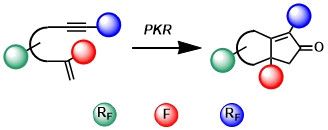
- substituents, electron-neutral and electron-rich rings with several substitution patterns performed well. However, pyridine-based 48j resulted in a low yield. Noteworthy, the PKR of chiral enynes 48 led to a bridgehead quaternary stereocenter containing a C–F bond in a single step. Besides the intrinsic
- difficulty in generating quaternary stereocenters, the goal achieved is even more significant given the attention that the asymmetric introduction of fluorine at sp3 carbon centers has received in recent years [62][63]. A gram-scale synthesis was also successfully performed in five steps starting from the

Graphical Abstract

Scheme 1: Schematic representation of the Pauson–Khand reaction.

Scheme 2: Substrates included in this review.

Scheme 3: Commonly accepted mechanism for the Pauson–Khand reaction.

Scheme 4: Regioselectivity of the PKR.

Scheme 5: Variability at the acetylenic and olefinic counterpart.

Scheme 6: Pauson–Khand reaction of fluoroolefinic enynes reported by the group of Ishizaki [46].

Scheme 7: PKR of enynes bearing fluorinated groups on the alkynyl moiety, reported by the group of Ishizaki [46]....

Scheme 8: Intramolecular PKR of 1,7-enynes reported by the group of Billard [47].

Scheme 9: Intramolecular PKR of 1,7-enynes reported by the group of Billard [48].

Scheme 10: Intramolecular PKR of 1,7-enynes by the group of Bonnet-Delpon [49]. Reaction conditions: i) Co(CO)8 (1...

Scheme 11: Intramolecular PKR of 1,6-enynes reported by the group of Ichikawa [50].

Scheme 12: Intramolecular Rh(I)-catalyzed PKR reported by the group of Hammond [52].

Scheme 13: Intramolecular PKR of allenynes reported by the group of Osipov [53].

Scheme 14: Intramolecular PKR of 1,7-enynes reported by the group of Osipov [53].

Scheme 15: Intramolecular PKR of fluorine-containing 1,6-enynes reported by the Konno group [54].

Scheme 16: Diastereoselective PKR with enantioenriched fluorinated enynes 34 [55].

Scheme 17: Intramolecular PKR reported by the group of Martinez-Solorio [56].

Scheme 18: Fluorine substitution at the olefinic counterpart.

Scheme 19: Synthesis of fluorinated enynes 37 [59].

Scheme 20: Fluorine-containing substrates in PKR [59].
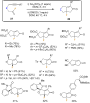
Scheme 21: Pauson Khand reaction for fluorinated enynes by the Fustero group: scope and limitations [59].

Scheme 22: Synthesis of chloro and bromo analogues [59].

Scheme 23: Dimerization pathway [59].

Scheme 24: Synthesis of fluorine-containing N-tethered 1,7-enynes [61].

Scheme 25: Intramolecular PKR of chiral N-tethered fluorinated 1,7-enynes [61].

Scheme 26: Examples of further modifications to the Pauson−Khand adducts [61].

Scheme 27: Asymmetric synthesis the fluorinated enynes 53.

Scheme 28: Intramolecular PKR of chiral N-tethered 1,7-enynes 53 [64].

Scheme 29: Intramolecular PKR of chiral N-tethered 1,7-enyne bearing a vinyl fluoride [64].

Scheme 30: Catalytic intramolecular PKR of chiral N-tethered 1,7-enynes [64].

Scheme 31: Model fluorinated alkynes used by Riera and Fustero [70].

Scheme 32: PKR with norbornadiene and fluorinated alkynes 58 [71].

Scheme 33: Nucleophilic addition/detrifluoromethylation and retro Diels-Alder reactions [70].

Scheme 34: Tentative mechanism for the nucleophilic addition/retro-aldol reaction sequence.

Scheme 35: Catalytic PKR with norbornadiene [70].

Scheme 36: Scope of the PKR of trifluoromethylalkynes with norbornadiene [72].

Scheme 37: DBU-mediated detrifluoromethylation [72].

Scheme 38: A simple route to enone 67, a common intermediate in the total synthesis of α-cuparenone.

Scheme 39: Effect of the olefin partner in the regioselectivity of the PKR with trifluoromethyl alkynes [79].

Scheme 40: Intermolecular PKR of trifluoromethylalkynes with 2-norbornene reported by the group of Konno [54].

Scheme 41: Intermolecular PKR of diarylalkynes with 2-norbornene reported by the group of Helaja [80].

Scheme 42: Intermolecular PKR reported by León and Fernández [81].

Scheme 43: PKR reported with cyclopropene 73 [82].
Antibacterial scalarane from Doriprismatica stellata nudibranchs (Gastropoda, Nudibranchia), egg ribbons, and their dietary sponge Spongia cf. agaricina (Demospongiae, Dictyoceratida)
- Cora Hertzer,
- Stefan Kehraus,
- Nils Böhringer,
- Fontje Kaligis,
- Robert Bara,
- Dirk Erpenbeck,
- Gert Wörheide,
- Till F. Schäberle,
- Heike Wägele and
- Gabriele M. König
Beilstein J. Org. Chem. 2020, 16, 1596–1605, doi:10.3762/bjoc.16.132
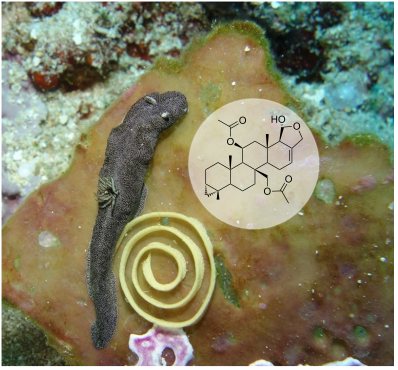
- five methyl groups, nine methylene and eight methine moieties (one olefin: C-16 (δ 117.5), and two oxygen bearing groups: C-11 (δ 68.4) and C-19 (δ 98.9)), and seven quaternary carbons, as obvious from a DEPT135 spectrum. The 1H NMR spectrum showed unusual upfield resonances, diagnostic for a

Graphical Abstract
Figure 1: Doriprismatica stellata nudibranch, egg ribbon, and Spongia cf. agaricina specimen.

Figure 2: The structurally new 12-deacetoxy-4-demethyl-11,24-diacetoxy-3,4-methylenedeoxoscalarin (relative s...

Figure 3: Superimposed HPLC–MS chromatogram of Doriprismatica stellata nudibranch, egg ribbon, and Spongia cf...

Figure 4: Proposed relative configuration of 12-deacetoxy-4-demethyl-11,24-diacetoxy-3,4-methylenedeoxoscalar...
Azidophosphonium salt-directed chemoselective synthesis of (E)/(Z)-cinnamyl-1H-triazoles and regiospecific access to bromomethylcoumarins from Morita–Baylis–Hillman adducts
- Soundararajan Karthikeyan,
- Radha Krishnan Shobana,
- Kamarajapurathu Raju Subimol,
- J. Helen Ratna Monica and
- Ayyanoth Karthik Krishna Kumar
Beilstein J. Org. Chem. 2020, 16, 1579–1587, doi:10.3762/bjoc.16.130
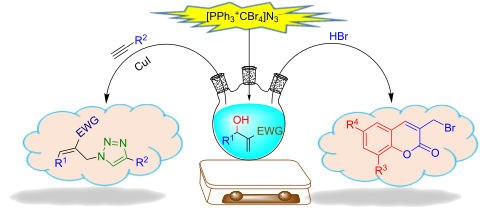
- transformations employed quaternary phosphonium salts as favourable catalysts [36]. Their synthetic utility was not only confined to catalysis, but they were also used as intermediates for the synthesis of 1H-indazoles [37], as promoters for stereoselective rearrangements [38], and as temporary protectors of O,P
- -acetals [39], which branded them as promising motifs. The above reports and the Lewis acid character of quaternary phosphonium salts (QPS) [40][41][42][43][44][45][46][47][48] qualifies them as reliable catalysts for the proposed methodology. The most elaborate process in the proposed methodology is the
- protection and elimination of the allylic hydroxy group. We believe that this crucial strategy could be primarily resolved by a quaternary phosphonium salt. After the initial screening of various quaternary phosphonium salts, the azidophosphonium salt [Ph3P+CBr3]N3−, reported by Blanco and co-workers, was

Graphical Abstract

Scheme 1: Literature-reported cycloaddition reactions of MBH acetates involving azides and alkynes [24-28].

Scheme 2: Synthetic methodologies for triazolations of MBH adducts. a) Literature-reported indirect triazolat...
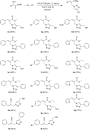
Scheme 3: Scope of the one-pot cascade reaction of the unprotected Morita–Baylis–Hillman adducts 3a–q.

Figure 1: Proposed mechanism for the synthesis of 1,4-disubstituted triazoles.

Scheme 4: Comparative analysis of the sequential one-pot reaction.

Figure 2: Proposed mechanism for the synthesis of 3-(bromomethyl)coumarins.
4-Hydroxy-3-methyl-2(1H)-quinolone, originally discovered from a Brassicaceae plant, produced by a soil bacterium of the genus Burkholderia sp.: determination of a preferred tautomer and antioxidant activity
- Dandan Li,
- Naoya Oku,
- Yukiko Shinozaki,
- Yoichi Kurokawa and
- Yasuhiro Igarashi
Beilstein J. Org. Chem. 2020, 16, 1489–1494, doi:10.3762/bjoc.16.124
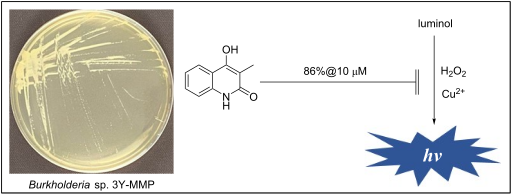
- singlet exchangeable proton (δH 11.30). The four methine unit (C5–C6–C7–C8) was connected to the two quaternary carbons (δC 137.4 and 115.8: C8a and C4a) to form a disubstituted benzene ring by HMBC correlations H5/C8a, H6/C4a, H7/C8a, H8/C4a, and H8/C8a. On the other hand, the remaining parts were

Graphical Abstract

Figure 1: Structures of compounds 1–5.

Figure 2: COSY-deduced spin-system (bold lines) and key HMBC correlations (arrows) for compound 1, and struct...

Figure 3: Extinction of luminol chemiluminescence by 1.
[3 + 2] Cycloaddition with photogenerated azomethine ylides in β-cyclodextrin
- Margareta Sohora,
- Leo Mandić and
- Nikola Basarić
Beilstein J. Org. Chem. 2020, 16, 1296–1304, doi:10.3762/bjoc.16.110
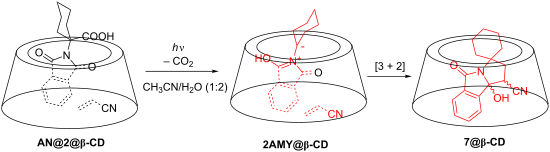
- , 1C), 28.0 (t, 1C), 26.5 (t, 1C), 21.7 (t, 1C), 11.7 (t, 1C), signals for 2 quaternary C-atoms were not observed; MS m/z (% relative intensity): 282 (100), 283 (18.4), 284 (1.6). Preparative irradiation of phthalimide 3 with AN and with β-CD Phthalimide 3 (150 mg, 0.461 mmol) was dissolved in CH3CN

Graphical Abstract

Figure 1: Phthalimide derivatives 1–3 and the corresponding azomethine ylides 1AMY-3AMY.

Scheme 1: Irradiation of 1 in the presence of acrylonitrile (AN).

Figure 2: Dependence of the chemical shift of the H-atom at the cyclohexane 2 position in compound 2 on the β...

Scheme 2: Complexation of 2 with β-CD, and formation of a ternary complex AN@2@β-CD.

Scheme 3: Photochemistry of 2 in the presence of AN, with or without β-CD.

Scheme 4: Photochemistry of 3 in the presence of AN, with or without β-CD.
Oxime radicals: generation, properties and application in organic synthesis
- Igor B. Krylov,
- Stanislav A. Paveliev,
- Alexander S. Budnikov and
- Alexander O. Terent’ev
Beilstein J. Org. Chem. 2020, 16, 1234–1276, doi:10.3762/bjoc.16.107
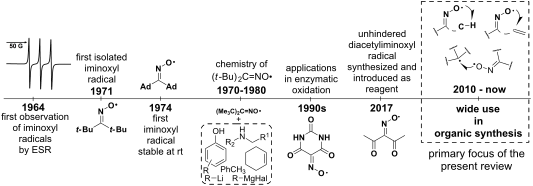
- (products 135a,d–h) and alkyl substituents (products 135b,c) at the oxime fragment (R1). An oxime with a disubstituted double bond (R2 = Me) also reacts with the formation of isoxazoline 135g having a quaternary carbon atom. Under the action of t-BuOOH (TBHP), β,γ-unsaturated oximes 136 undergo a cascade

Graphical Abstract

Figure 1: Imine-N-oxyl radicals (IV) discussed in the present review and other classes of N-oxyl radicals (I–...
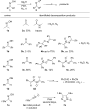
Figure 2: The products of decomposition of iminoxyl radicals generated from oximes by oxidation with Ag2O.

Scheme 1: Generation of oxime radicals and study of the kinetics of their decay by photolysis of the solution...

Scheme 2: Synthesis of di-tert-butyliminoxyl radical and its decomposition products.

Scheme 3: The proposed reaction pathway of the decomposition of di-tert-butyliminoxyl radical (experimentally...

Scheme 4: Monomolecular decomposition of the tert-butyl(triethylmethyl)oxime radical.

Scheme 5: The synthesis and stability of the most stable dialkyl oxime radicals – di-tert-butyliminoxyl and d...

Scheme 6: The formation of iminoxyl radicals from β-diketones under the action of NO2.

Scheme 7: Synthesis of the diacetyliminoxyl radical.

Scheme 8: Examples of long-living oxime radicals with electron-withdrawing groups and the conditions for thei...

Figure 3: The electronic structure iminoxyl radicals and their geometry compared to the corresponding oximes.

Figure 4: Bond dissociation enthalpies (kcal/mol) of oximes and N,N-disubstituted hydroxylamines calculated o...

Scheme 9: Examples demonstrating the low reactivity of the di-tert-butyliminoxyl radical towards the substrat...

Scheme 10: The reactions of di-tert-butyliminoxyl radical with unsaturated hydrocarbons involving hydrogen ato...

Scheme 11: Possible mechanisms of reaction of di-tert-butyliminoxyl radical with alkenes.

Scheme 12: Products of the reaction between di-tert-butyliminoxyl radical and phenol derivatives.

Scheme 13: The reaction of di-tert-butyliminoxyl radical with amines.

Scheme 14: Reaction of di-tert-butyliminoxyl radicals with organolithium reagents.

Scheme 15: Cross-dehydrogenative C–O coupling of 1,3-dicarbonyl compounds with oximes under the action of mang...

Scheme 16: Cross-dehydrogenative C–O coupling of 1,3-dicarbonyl compounds with oximes under the action of Cu(BF...

Scheme 17: Oxidative C–O coupling of benzylmalononitrile (47) with 3-(hydroxyimino)pentane-2,4-dione (19).

Scheme 18: The proposed mechanism of the oxidative coupling of benzylmalononitrile (47) with diacetyl oxime (19...

Scheme 19: Oxidative C–O coupling of pyrazolones with oximes under the action of Fe(ClO4)3.

Scheme 20: The reaction of diacetyliminoxyl radical with pyrazolones.

Scheme 21: Oxidative C–O coupling of oximes with acetonitrile, ketones, and esters.

Scheme 22: Intramolecular cyclizations of oxime radicals to form substituted isoxazolines or cyclic nitrones.

Scheme 23: TEMPO-mediated oxidative cyclization of oximes with C–H bond cleavage.

Scheme 24: Proposed reaction mechanism of oxidative cyclization of oximes with C–H bond cleavage.

Scheme 25: Selectfluor/Bu4NI-mediated C–H oxidative cyclization of oximes.

Scheme 26: Oxidative cyclization of N-benzyl amidoximes to 1,2,4-oxadiazoles.

Scheme 27: The formation of quinazolinone 73a from 5-phenyl-4,5-dihydro-1,2,4-oxadiazole 74 under air.

Scheme 28: DDQ-mediated oxidative cyclization of thiohydroximic acids.

Scheme 29: Plausible mechanism of the oxidative cyclization of thiohydroximic acids.

Scheme 30: Silver-mediated oxidative cyclization of α-halogenated ketoximes and 1,3-dicarbonyl compounds.

Scheme 31: Possible pathway of one-pot oxidative cyclization of α-halogenated ketoximes and 1,3-dicarbonyl com...

Scheme 32: T(p-F)PPT-catalyzed oxidative cyclization of oximes with the formation of 1,2,4-oxadiazolines.

Scheme 33: Intramolecular cyclization of iminoxyl radicals involving multiple C=C and N=N bonds.

Scheme 34: Oxidative cyclization of β,γ- and γ,δ-unsaturated oximes employing the DEAD or TEMPO/DEAD system wi...

Scheme 35: Cobalt-catalyzed aerobic oxidative cyclization of β,γ-unsaturated oximes.

Scheme 36: Manganese-catalyzed aerobic oxidative cyclization of β,γ-unsaturated oximes.

Scheme 37: Visible light photocatalytic oxidative cyclization of β,γ-unsaturated oximes.

Scheme 38: TBAI/TBHP-mediated radical cascade cyclization of the β,γ-unsaturated oximes.

Scheme 39: TBAI/TBHP-mediated radical cascade cyclization of vinyl isocyanides with β,γ-unsaturated oximes.

Scheme 40: tert-Butylnitrite-mediated oxidative cyclization of unsaturated oximes with the introduction of an ...

Scheme 41: Transformation of unsaturated oxime to oxyiminomethylisoxazoline via the confirmed dimeric nitroso ...

Scheme 42: tert-Butylnitrite-mediated oxidative cyclization of unsaturated oximes with the introduction of a n...

Scheme 43: Synthesis of cyano-substituted oxazolines from unsaturated oximes using the TBN/[RuCl2(p-cymene)]2 ...

Scheme 44: Synthesis of trifluoromethylthiolated isoxazolines from unsaturated oximes.

Scheme 45: Copper-сatalyzed oxidative cyclization of β,γ-unsaturated oximes with the introduction of an azido ...

Scheme 46: TBHP-mediated oxidative cascade cyclization of β,γ-unsaturated oximes and unsaturated N-arylamides.

Scheme 47: Copper-сatalyzed oxidative cyclization of unsaturated oximes with the introduction of an amino grou...

Scheme 48: TEMPO-mediated oxidative cyclization of unsaturated oximes followed by elimination.

Scheme 49: Oxidative cyclization of β,γ-unsaturated oximes with the introduction of a trifluoromethyl group.

Scheme 50: Oxidative cyclization of unsaturated oximes with the introduction of a nitrile group.

Scheme 51: Oxidative cyclization of β,γ-unsaturated oximes to isoxazolines with the introduction of a nitrile ...

Scheme 52: Oxidative cyclization of β,γ-unsaturated oximes to isoxazolines with the introduction of a sulfonyl...

Scheme 53: Oxidative cyclization of β,γ- and γ,δ-unsaturated oximes to isoxazolines with the introduction of a...

Scheme 54: Oxidative cyclization of β,γ-unsaturated oximes to isoxazolines with the introduction of a thiocyan...

Scheme 55: PhI(OAc)2-mediated oxidative cyclization of oximes with C–S and C–Se bond formation.

Scheme 56: PhI(OAc)2-mediated oxidative cyclization of unsaturated oximes accompanied by alkoxylation.

Scheme 57: PhI(OAc)2-mediated cyclization of unsaturated oximes to methylisoxazolines.

Scheme 58: Oxidative cyclization-alkynylation of unsaturated oximes.

Scheme 59: TEMPO-mediated oxidative cyclization of C-glycoside ketoximes to C-glycosylmethylisoxazoles.

Scheme 60: Silver-сatalyzed oxidative cyclization of β,γ-unsaturated oximes with formation of fluoroalkyl isox...

Scheme 61: Oxidative cyclization of β,γ-unsaturated oximes with the formation of haloalkyl isoxazolines.

Scheme 62: Cyclization of β,γ-unsaturated oximes into haloalkyl isoxazolines under the action of the halogenat...

Scheme 63: Synthesis of haloalkyl isoxazoles and cyclic nitrones via oxidative cyclization and 1,2-halogen shi...

Scheme 64: Electrochemical oxidative cyclization of diaryl oximes.

Scheme 65: Copper-сatalyzed cyclization and dioxygenation oximes containing a triple C≡C bond.

Scheme 66: Photoredox-catalyzed sulfonylation of β,γ-unsaturated oximes by sulfonyl hydrazides.

Scheme 67: Oxidative cyclization of β,γ-unsaturated oximes with introduction of sulfonate group.

Scheme 68: Ultrasound-promoted oxidative cyclization of β,γ-unsaturated oximes.
Synthesis of esters of diaminotruxillic bis-amino acids by Pd-mediated photocycloaddition of analogs of the Kaede protein chromophore
- Esteban P. Urriolabeitia,
- Pablo Sánchez,
- Alexandra Pop,
- Cristian Silvestru,
- Eduardo Laga,
- Ana I. Jiménez and
- Carlos Cativiela
Beilstein J. Org. Chem. 2020, 16, 1111–1123, doi:10.3762/bjoc.16.98
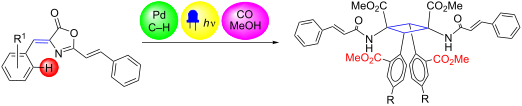
- )=C bond disappeared and two new signals appeared at around 68–69 ppm (quaternary C) and 51–60 ppm (CH). These facts are consistent with the expected hybridization change from Csp2 to Csp3 after formation of the cyclobutane ring. Determination of the crystal structure of complex 4a, which is shown in

Graphical Abstract

Figure 1: (a) General scheme for truxillic acid derivatives; (b) general scheme for symmetric 1,3-diaminotrux...

Figure 2: (a) (Z)-4-Arylidene-2-aryl-5(4H)-oxazolones used for the synthesis of 1,3-diaminotruxillic derivati...

Figure 3: (Z)-4-Arylidene-2((E)-styryl)-5(4H)-oxazolones 2a–j used in this work and overall reaction scheme.

Figure 4: Molecular drawing of the oxazolone 2c.

Scheme 1: Ortho-palladation of oxazolones 2 by treatment with Pd(OAc)2 and different structures obtained for ...

Scheme 2: [2 + 2] Photocycloaddition of cyclopalladated complexes 3 in solution to give the dinuclear cyclobu...

Figure 5: Molecular drawing of cyclobutane ortho-palladated 4a. Ellipsoids are shown at the 50% probability l...

Scheme 3: Release of the 1,3-diaminotruxillic bis-amino ester derivatives 5 by methoxycarbonylation of the Pd...
Copper-catalysed alkylation of heterocyclic acceptors with organometallic reagents
- Yafei Guo and
- Syuzanna R. Harutyunyan
Beilstein J. Org. Chem. 2020, 16, 1006–1021, doi:10.3762/bjoc.16.90
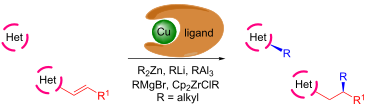
- ). Meldrum’s acid and its derivatives are versatile reagents in organic synthesis that can be transformed into a wide range of compounds. In 2006, the group of Fillion described the highly enantioselective synthesis of all-carbon benzylic quaternary stereocentres via a conjugate addition of dialkylzinc

Graphical Abstract
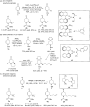
Scheme 1: Copper-catalysed ACA of organometallics to piperidones. A) addition of organozinc reagents; B) addi...

Scheme 2: Copper-catalysed ACA of alkenylalanes to N-substituted-2,3-dehydro-4-piperidones.

Scheme 3: Copper-catalysed asymmetric addition of dialkylzinc reagents to N-acyl-4-methoxypyridinium salts fo...

Scheme 4: Copper-catalysed ACA of organozirconium reagents to N-substituted 2,3-dehydro-4-piperidones and lac...

Scheme 5: Copper-catalysed ACA of Grignard reagents to chromones and coumarins and further derivatisation of ...

Scheme 6: Copper-catalysed ACA of Grignard reagents to N-protected quinolones.

Scheme 7: Copper-catalysed ACAs of organometallics to conjugated unsaturated lactams.

Scheme 8: Copper-catalysed ACA of Et2Zn to 5,6-dihydro-2-pyranone.

Scheme 9: Copper-catalysed ACA of Grignard reagents to pyranone and 5,6-dihydro-2-pyranone.

Scheme 10: Copper-catalysed AAA of an organozirconium reagent to heterocyclic acceptors.

Scheme 11: Copper-catalysed ring opening of an oxygen-bridged substrate with trialkylaluminium reagents.

Scheme 12: Copper-catalysed ring opening of oxabicyclic substrates with organolithium reagents (selected examp...

Scheme 13: Copper-catalysed ring opening of polycyclic meso hydrazines.

Scheme 14: Copper-catalysed ACA of Grignard reagents to alkenyl-substituted aromatic N-heterocycles.

Scheme 15: Copper-catalysed ACA of Grignard reagents to β-substituted alkenylpyridines.

Scheme 16: Copper-catalysed ACA of organozinc reagents to alkylidene Meldrum’s acids.
Diversity-oriented synthesis of 17-spirosteroids
- Benjamin Laroche,
- Thomas Bouvarel,
- Martin Louis-Sylvestre and
- Bastien Nay
Beilstein J. Org. Chem. 2020, 16, 880–887, doi:10.3762/bjoc.16.79
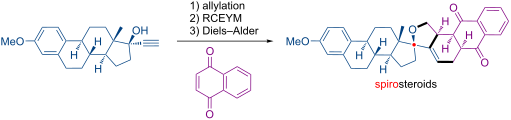
- ), lynestrenol (2) and desogestrel (3) gave alkylated products 5–7 in good yields and were readily engaged in the RCEYM reaction. The RCEYM reaction was then undertaken post alkylation. In fact, these quaternary propargyl ethers are particularly hindered. For such hindered substrates, we previously employed the

Graphical Abstract
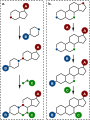
Scheme 1: Two diversity-oriented strategies: (a) Diversity installed during the construction of the skeleton;...
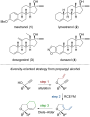
Figure 1: Structure of four 17-ethynyl-17-hydroxysteroids 1–4 (top) and how they could be used to generate di...

Scheme 2: Synthesis of spirocyclic steroid derivatives by the RCEYM reaction. Conditions: (a) NaH (2 equiv), ...

Figure 2: Structure of metathesis catalysts.
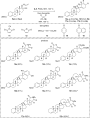
Scheme 3: One-pot RCEYM/Diels–Alder reaction strategy applied to the mestranol and lynestrenol cores. Notes: a...

Figure 3: Rationale for the observed stereochemistry: (a) NOESY correlations observed on compound 16b, showin...



