Search results
Search for "ethanol" in Full Text gives 781 result(s) in Beilstein Journal of Organic Chemistry. Showing first 200.
Construction of CF2 moieties in FDA-approved drugs (2016–2025): industrial routes, mechanisms, and scale-up considerations
Beilstein J. Org. Chem. 2026, 22, 1122–1150, doi:10.3762/bjoc.22.91
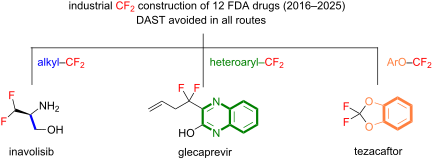
- electrophilic nature of alkylidene 28, the reaction also produced 29, an addition product of 28 with ethanol, as well as an addition product of 28 with water. Screening of Lewis acids revealed that the addition of magnesium chloride effectively suppressed the formation of the water adduct, and although the by
- toluene as solvent under reflux conditions afforded product 78 in 18% yield associated with significant decomposition to hydrogen fluoride (route b), reaction under neat conditions (route c) or using ethanol as solvent (route d) gave product 80 in 42% (solvent-free) or 91% yield (in ethanol), respectively
- treatment with iodomethyl pivalate and isopropylmagnesium chloride – undergoes first elimination of ethanol to generate the imine in situ, followed by addition and hydrolysis of the tert-butyl ester, conveniently delivering 75 as a single stereoisomer in 30% yield. However, this step requires a low






Controlled supramolecular assemblies of luminescent tridentate cyclometalated alkynylgold(III) amphiphiles in aqueous media
Beilstein J. Org. Chem. 2026, 22, 1097–1106, doi:10.3762/bjoc.22.88
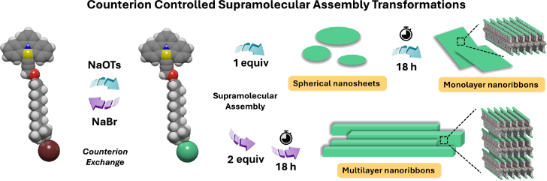
- (92 mg, 0.13 mmol) and 20% trimethylamine in ethanol (1 mL) in dichloromethane (2 mL) was heated at 50 °C for 24 h in a Schlenk tube. The resulting mixture was cooled to room temperature and precipitated with dichloromethane and diethyl ether. The precipitate was filtered off and was washed with


One-pot four-component sequential synthesis of S-alkyl dithiocarbamates using lipase as a biocatalyst
Beilstein J. Org. Chem. 2026, 22, 1048–1056, doi:10.3762/bjoc.22.83
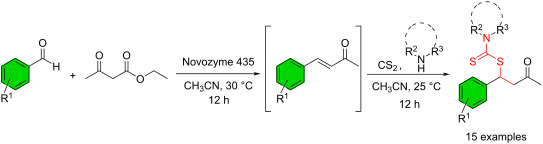
- , after the formation of the Michael acceptor 3a in acetonitrile, the solvent was removed under reduced pressure, and various solvents with the amine and CS2 were added to the reaction mixture. It was found that the reactions in ethanol (Table 1, entry 6), THF (Table 1, entry 7), and H2O (Table 1, entry 8


The role of spacer length and flexibility in peptide self-assembly
Beilstein J. Org. Chem. 2026, 22, 986–996, doi:10.3762/bjoc.22.77
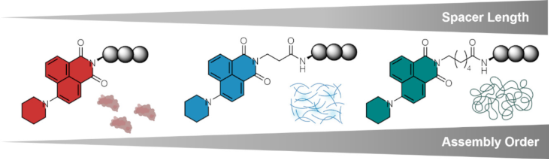
- -yl)-1H,3H-benzo[de]isochromene-1,3-dione (2) with good yield (79%, Figures S1–S6 in Supporting Information File 1) after purification through recrystallization from ethanol [36]. Compound 2 was used as the precursor for the synthesis of the C6-/C3-, and C0-spacer building blocks 3, 4, and 5. To
- . Synthetic scheme for the naphthalene–peptide conjugates C6-Nap-ICA 6, C3-Nap-ICA 7, and C0-Nap-ICA 8. Conditions: i) piperidine, 2-methoxyethanol, 125 °C, overnight; ii) 6-aminohexanoic acid, ethanol, reflux, overnight; iii) H2N-Ile-Cys-Ala-Clt-resin, PyBOP®, N,N’-DIPEA, DMF, rt, overnight; iv) TFA (95
- %), TIPS (2.5%), H2O (2.5%), rt, 2 h; v) 3-aminopropanoic acid, ethanol, reflux, overnight; vi) H2N-Ile-Cys-Ala-Clt-resin, PyBOP®, N,N’-DIPEA, DMF, rt, overnight; vii) TFA (95%), TIPS (2.5%), H2O (2.5%), rt, 2 h; viii) ʟ-isoleucine, ethanol, reflux, overnight, ix) H2N-Cys-Ala-Clt-resin, PyBOP®, N,N’-DIPEA


Synthesis of sterically shielded piperidine nitroxides via acid-catalyzed heterocyclization of β-aminoketone derivatives with ketones
Beilstein J. Org. Chem. 2026, 22, 948–954, doi:10.3762/bjoc.22.74
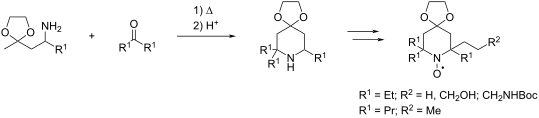
- % aqueous ethanol are virtually indistinguishable from those reported for pure aqueous solution [12][21]. Notably, compound 7a was reduced by glutathione alone in the absence of ascorbate, precluding accurate second-order rate determination under standard conditions. This enhanced reactivity likely stems


Recent advances in copper-catalyzed direct hydroamination of alkenes with (hetero)aromatic amines
Beilstein J. Org. Chem. 2026, 22, 925–947, doi:10.3762/bjoc.22.73
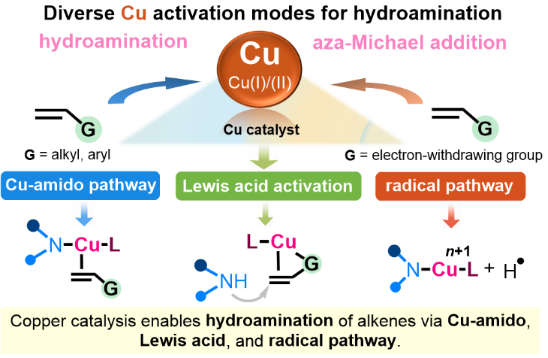
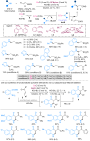
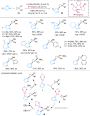
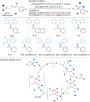
- -supported copper nanocomplex, Cu(0)NC@PHA, derived from cellulose-based poly(hydroxamic acid) ligands [50]. The supported Cu(0) NPs catalyzed aza-Michael addition reactions of aromatic amines with various α,β-unsaturated esters 33 in ethanol at room temperature. The heterogeneous catalyst exhibited high







Synthesis and structural elucidation of a novel bis-spirooxindole from isatin and ethylenediamine
Beilstein J. Org. Chem. 2026, 22, 813–820, doi:10.3762/bjoc.22.63
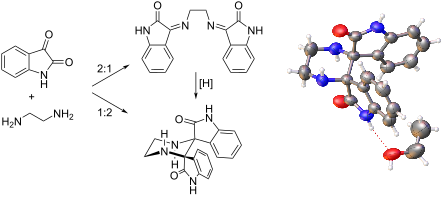
- geometrical isomers (E/E, E/Z, Z/Z). These spectroscopic data are in agreement with those of previously described diiminoisatin derivatives [21]. When the reaction was carried out with an excess of ethylenediamine, a completely different product was obtained (Scheme 4b). Refluxing an ethanol solution of
- ) was dissolved in ethanol (60 mL) and a solution of ethylenediamine (2.25 mL, 39.70 mmol, 2.0 equiv) in ethanol (60 mL) was added dropwise. The mixture was heated at reflux for 6 h and then allowed to crystallize at 4 °C for 72 h. The solid was collected by filtration and washed with cold ethanol to
- (305 mg, 0.95 mmol, 76%). Synthesis of 30. 5-Methylisatin (29, 1.50 g, 9.8 mmol, 1 equiv) was dissolved in ethanol (30 mL) and a solution of ethylenediamine (1.3 mL, 19.6 mmol, 2.0 equiv) in ethanol (30 mL) was added dropwise. The mixture was heated at reflux for 6 h. The solvent was removed under


Knoevenagel condensation of 4,5- and 1,8-diazafluorenes
Beilstein J. Org. Chem. 2026, 22, 803–812, doi:10.3762/bjoc.22.62
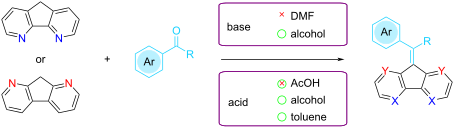
- ). Therefore, we changed the solvent in the reactions of 1,8-diazafluorene (2) to ethanol or toluene. As a result, condensation products of 2 with various donor- and acceptor-substituted benzaldehydes were obtained in moderate to good yields in both solvents (Table 1). Note, the yields were generally higher in
- washed sequentially with water, methanol, hexane, then dried in air. General method (A2) for the condensation in other acidic conditions A mixture of diazafluorene (30.0 mg, 0.18 mmol), ammonium acetate (60.5 mg, 0.79 mmol), and aldehyde (0.20 mmol), glacial acetic acid (0.02 mL, 0.36 mmol), ethanol or




Anti-invasive and cytotoxic evaluation of a (+)-pinoresinol-based semisynthetic library against glioblastoma
Beilstein J. Org. Chem. 2026, 22, 691–704, doi:10.3762/bjoc.22.54
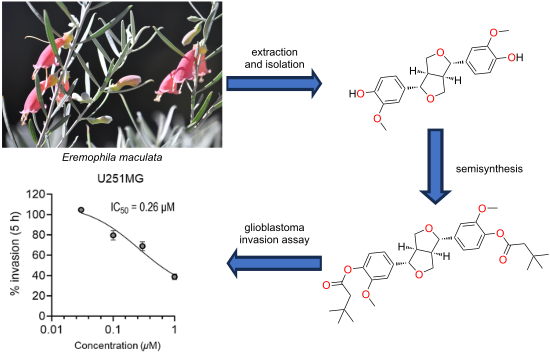
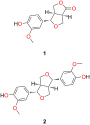
- appropriate test compound was added, and the inserts were placed into the wells with corresponding medium plus compound. The plates were incubated for 5 h in an incubator at 37 °C and 5% CO2. Cell fixing and staining After 5 h of incubation, 700 µL of 80% ethanol was added to the empty wells of the plate. The
- inserts were gently lifted, and a cotton-tipped applicator was used to remove the medium and uninvaded cells from the top of the inserts before being placed into ethanol to fix the cells (7−10 min). The inserts were lifted, any excess ethanol was removed with a cotton-tipped applicator, and the inserts
- were placed upside down to dry. Ethanol was removed from the wells, and 700 µL of 0.2% w/v crystal violet solution was added to each well. The dried inserts were placed into this solution for 10 min to stain the cells. After 10 min, the inserts were gently lifted and rinsed in autoclaved water 2−3



Photoorganocatalytic trifluoromethylation of (het)arenes in green conditions
Beilstein J. Org. Chem. 2026, 22, 662–671, doi:10.3762/bjoc.22.50
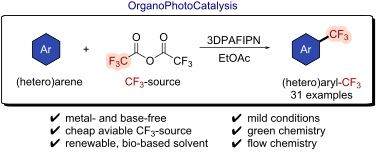
- ; in contrast, ethyl acetate is assessed as “Preferred,” “Some issues,” and “Recommended” [21]. Importantly, ethyl acetate can be produced from renewable feedstocks, namely, bio-acetic acid and bio-ethanol, both derived from biobased materials. According to the GSK solvent guide, the key drawbacks of




Experimental and DFT studies on the regioselective methanolysis of 5-azido-9-oxabicyclo[6.1.0]nonan-4-yl 4-nitrobenzoate isomers
Beilstein J. Org. Chem. 2026, 22, 547–556, doi:10.3762/bjoc.22.40
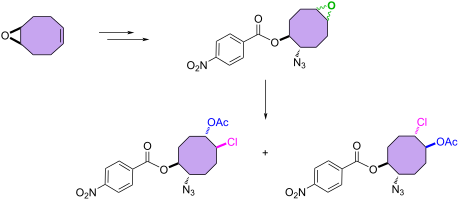
- accordance with those reported in the literature [22]. (1S*,8S*,Z)-8-Azidocyclooct-4-en-1-ol (7) Cyclooctene monoepoxide 6 (2.00 g, 16.11 mmol) was dissolved in a 3:2 mixture of ethanol/water (80 mL). NaN3 (6.28 g, 96.60 mmol) and NH4Cl (1.72 g, 32.16 mmol) were added and the reaction mixture was refluxed


Structural reassignment of compound 968, an allosteric glutaminase inhibitor
Beilstein J. Org. Chem. 2026, 22, 455–460, doi:10.3762/bjoc.22.33
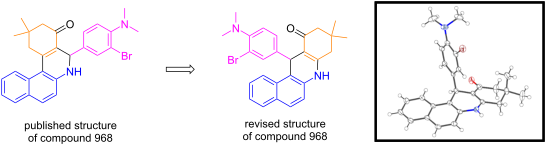
- ethanol to yield the title compound as a light gray powder (4.05 g, 72%). 1H NMR (400 MHz, DMSO-d6) δ 9.72 (s, 1H), 7.91 (d, J = 8.7 Hz, 2H), 7.76 (t, J = 6.9 Hz, 2H), 7.41 (t, J = 7.3 Hz, 1H), 7.35 (d, J = 1.8 Hz, 1H), 7.29 (m, 2H), 7.71 (dd, J = 8.3, 1.8 Hz, 1H), 6.90 (d, J = 8.2 Hz, 1H), 5.70 (s, 1H


Synthesis and anti-cancer activity of naphthalimide–organylselanyl conjugates
Beilstein J. Org. Chem. 2026, 22, 416–435, doi:10.3762/bjoc.22.29
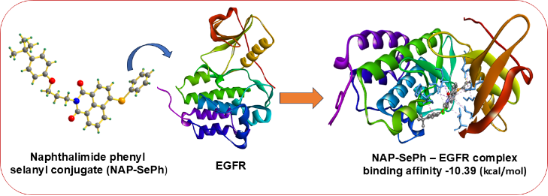
- ethanol, and the reaction mixture was refluxed for 8 hours. The progress of the reaction was monitored by TLC. After completion, the reaction mixture was cooled to room temperature and the solvent was removed under reduced pressure. The resulting residue was dissolved in 30 mL of chloroform and washed
- , 1182, 1060, 941, 823, 545 cm−1. Synthetic procedure of compound 12 Bromonaphthalic anhydride (1.3 g, 4.8 mmol) was added to a stirred solution of amine 11 (1.0 g, 4.8 mmol) in ethanol (25 mL). The reaction mixture was refluxed for 2 h, and the progress of the reaction was monitored by TLC. After
- completion, the reaction mixture was allowed to cool to room temperature, and the resulting precipitate was filtered, washed with ethanol, and dried to afford bromo compound 12 as an off-white powder (1.5 g, 66%). mp: 125 °C; 1H NMR (400 MHz, CDCl3) δ 8.64 (d, J = 7.2 Hz, 1H), 8.56 (d, J = 8.6 Hz, 1H), 8.39




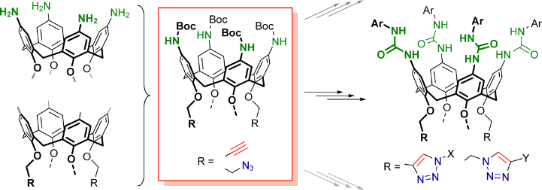
Cone p-aminocalix[4]arenes enriched with ‘clickable’ alkyne or azide functionalities
Beilstein J. Org. Chem. 2026, 22, 399–415, doi:10.3762/bjoc.22.28
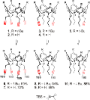
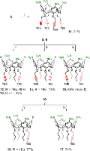
- homogeneous reduction using tin(II) chloride in ethanol was used after fine-tuning of the published reaction conditions [9]: the reduction was conducted by gentle heating of a mixture of calixarene 11, SnCl2·2H2O, aqueous HCl and ethanol at 70 °C (instead of prolonged boiling of the reaction mixture) in a






Dialkylaminoalkylation of β-ketosulfones via ring-opening of 3-sulfonylpyrrolidines
Beilstein J. Org. Chem. 2026, 22, 383–389, doi:10.3762/bjoc.22.26
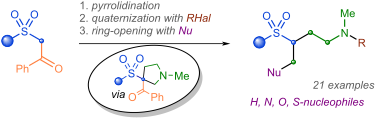
- modifications and the use of the obtained compounds as building blocks. We also examined other nucleophiles suitable for the described domino-sequence. Thus, application of ethanol as solvent resulted in a mixture of the desired product 4b with the corresponding intermediate C (NMR ratio 88:12), however, longer




Recent advances in the cleavage of non-activated amides
Beilstein J. Org. Chem. 2026, 22, 352–369, doi:10.3762/bjoc.22.23
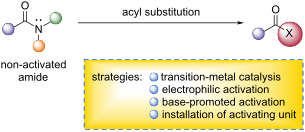
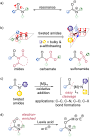
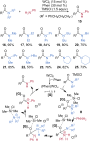
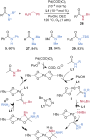
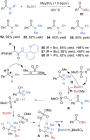
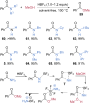
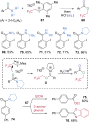
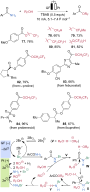
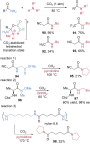
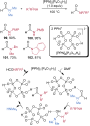
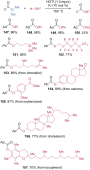
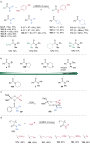
- enabled the formation of ethyl ester 75 and benzoxazole 76 when ethanol and 2-aminophenol were employed as nucleophiles, respectively. Chen et al. recently investigated an environmentally benign approach to amide C–N bond cleavage using electrochemical activation (Scheme 14) [62]. In the presence of
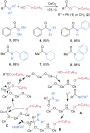
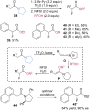
- nucleophiles with alcohols enables esterification of the amide (Scheme 20) [68]. Using ethanol, isopropanol, and phenol as nucleophiles, the sterically demanding α-adamantyl N,N-dimethylamide was efficiently converted into the corresponding esters 147–152 in high to excellent yields, whereas the extremely
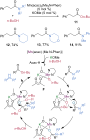
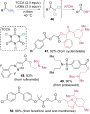
- bidentate chelation, as depicted in the proposed transition state AH, which facilitates nucleophilic attack of alcohols at the carbonyl center and subsequent C–N bond cleavage. Under the optimized conditions, tert-butyl benzamidonicotinate reacted smoothly with methanol, ethanol, and butanol to afford alkyl










A mild and atom-efficient four-component cascade strategy for the construction of biologically relevant 4-hydroxyquinolin-2(1H)-one derivatives
Beilstein J. Org. Chem. 2026, 22, 244–256, doi:10.3762/bjoc.22.18
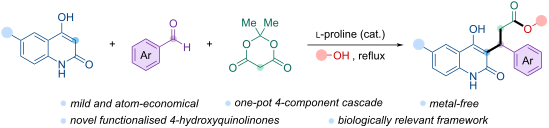
- the presence of catalytic DMF in ethanol (Scheme 3a) [40]. A small amount of ethanol ensured homogeneity of the reaction mixture, allowed gradual temperature increase, and prevented sudden charring. DMF, with its high boiling point, acted as a homogenizer by preventing solidification after ethanol
- -unsaturated malonate 6 with 2a–c, various bases (sodium methoxide, triethylamine, potassium hydroxide) and solvents (ethanol, DMF, pyridine) were tested, mostly at room temperature, with an additional attempt at refluxing in ethanol/DMF. The desired malonate Michael adduct 7 (isolated and fully characterized
- boiling methanol in the presence of ʟ-proline yielded the corresponding methyl esters 10a–c in good yields (57–69%). Similarly, using ethanol under the same conditions afforded the ethyl esters 9a–c with moderate yields (46–50%). Thus, we developed a novel multicomponent organocatalyzed cascade reaction


Configuration–packing synergy enabling integrated crystalline-state RTP and amorphous-state TADF
Beilstein J. Org. Chem. 2026, 22, 224–236, doi:10.3762/bjoc.22.16
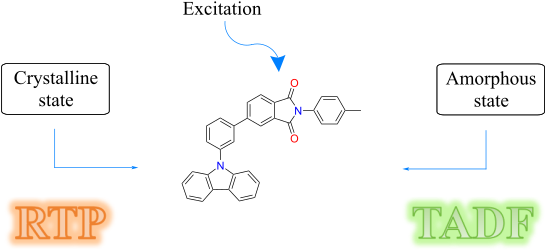
- Technology Co., Ltd.; 3-(9H-carbazol-9-yl)phenylboronic acid (5) was obtained from Sukailu Co., Ltd.; glacial acetic acid, anhydrous sodium sulfate, dichloromethane, n-hexane, ethanol, chloroform, and tetrahydrofuran were supplied by Guangzhou Chemical Reagents Co., Ltd. All reagents were used as received


Base-promoted deacylation of 2-acetyl-2,5-dihydrothiophenes and their oxygen-mediated hydroxylation
Beilstein J. Org. Chem. 2026, 22, 192–204, doi:10.3762/bjoc.22.13
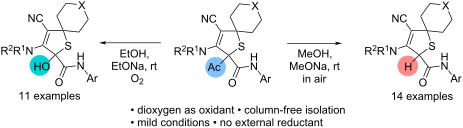
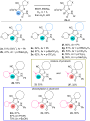
- afforded product 2a in a slightly decreased yield (44%, Table 1, entry 7). To our surprise, when ethanol was replaced with methanol, the deacylated product 3a was isolated as the major product in 71% yield (Table 1, entry 8). In this case, dihydrothiophene 2a formed only in a trace amount. In contact with
- % (Table 2, entry 2). In a more concentrated ethanol solution (1 mL) the product was obtained in 70% yield (Table 2, entry 3). When the residue was quenched with concentrated HCl (1 mL), the product was isolated in reduced yield (58%, Table 2, entry 4). Adding 0.25 mL of acid (HCl) after quenching the
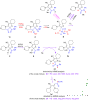
- ethanol (Scheme 5, VII). However, under these conditions only decomposition of 4g was observed, and neither deacetylated nor hydroxylated products were isolated. Interestingly, chromatography of 4g on neutral alumina resulted in elimination of the sulfonylimine group to give compounds 5g. Therefore, the




Improved synthesis and physicochemical characterization of the selective serotonin 2A receptor agonist 25CN-NBOH
Beilstein J. Org. Chem. 2026, 22, 175–184, doi:10.3762/bjoc.22.11
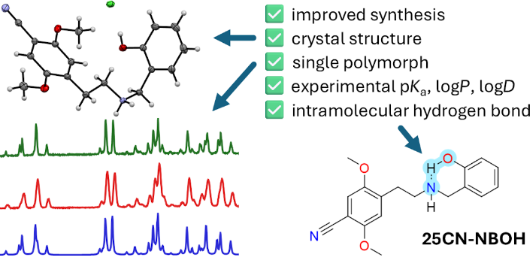
- recrystallized from ethanol (Figure 3, purple), a similar pattern is observed, indicating a high degree of crystallinity. Furthermore, samples of 1·HCl prepared either by rapid precipitation in organic solvents, as described in the Experimental section (red), or material isolated from a saturated solution of 1
- -NBOH (1), providing easier access to this compound. When the hydrochloride salt 1·HCl was precipitated and recrystallized from ethanol, a single and stable, nonhygroscopic polymorph with a well-defined melting point formed. A crystal structure determined by SCXRD confirmed the structural assignment
- ). Acetonitrile (Ph. Eur.), absolute ethanol (Reag. Ph. Eur.), ethyl acetate (HPLC grade), dichloromethane (HPLC grade), ammonia (25%, analytical reagent grade), and diethyl ether (reagent grade) were purchased from VWR (Radnor, PA, USA). Sodium hydrogencitrate sesquihydrate (99%), salicylaldehyde (≥98


Circumventing Mukaiyama oxidation: selective S–O bond formation via sulfenamide–alcohol coupling
Beilstein J. Org. Chem. 2026, 22, 158–166, doi:10.3762/bjoc.22.9
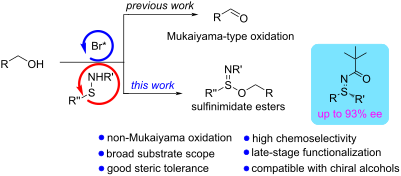
- investigated the scope of alcohols in the NBS-promoted coupling with sulfenamides under the optimized conditions (Scheme 4). A series of linear alcohols, including simple aliphatic alcohols such as ethanol, 1-propanol, 1-butanol, and 1-octanol, as well as aromatic-substituted alcohols like 3-phenyl-1-propanol


Synthesis of new tetra- and pentacyclic, methylenedioxy- and ethylenedioxy-substituted derivatives of the dibenzo[c,f][1,2]thiazepine ring system
Beilstein J. Org. Chem. 2025, 21, 2645–2656, doi:10.3762/bjoc.21.205
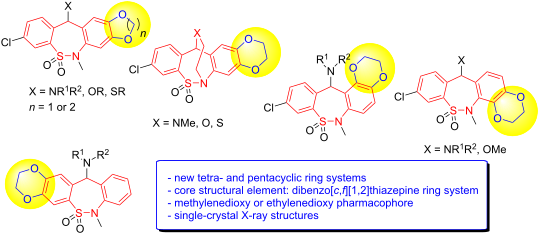
- ) dissolved in water (7.5 mL) was added and the solution was stirred at room temperature for 19 h. Water (15 mL) was added to the yellow solution and the ethanol was removed by evaporation in vacuo. Water (10 mL) was added and the solution was neutralized with aqueous HCl solution (0.50 mL of conc. HCl


Thiazolidinones: novel insights from microwave synthesis, computational studies, and potentially bioactive hybrids
Beilstein J. Org. Chem. 2025, 21, 2618–2636, doi:10.3762/bjoc.21.203
- ], diammonium phosphate (DAP) [43], and tetrabutylammonium bromide (TBAB) [44]. Organic bases like morpholine [45], triethylamine [46], ethanolamine, and piperidine [47] and heterogeneous catalysts from Cu [48], Ti [49], and Zn [50] metal compounds have also been used. Common solvents are ethanol [51], toluene
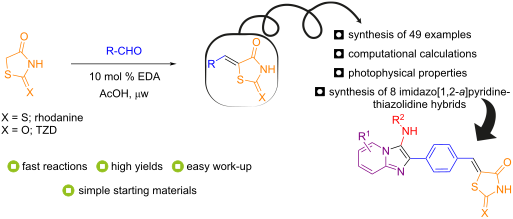
- to replace AcOH by ethanol (Table 1, entry 10), however, the use of ethanol with piperidine was controversial. We found out that, during the reaction with benzaldehyde (1a) and rhodanine (2a), a multicomponent reaction was taking place by a substitution process, leading directly to 2-amino-5
- (H3PW12O40, HPW) as a catalyst in ethanol under microwave (μw) heating (Scheme 5) [63]. These intermediates were then subjected to the previously optimized Knoevenagel condensation conditions with rhodanine or thiazolidine-2,4-dione (Scheme 6). Notably, the hybrid compounds 9a–d, 10a–d were obtained in good






Silica gel with covalently attached bambusuril macrocycle for dicyanoaurate sorption from water
Beilstein J. Org. Chem. 2025, 21, 2604–2611, doi:10.3762/bjoc.21.201
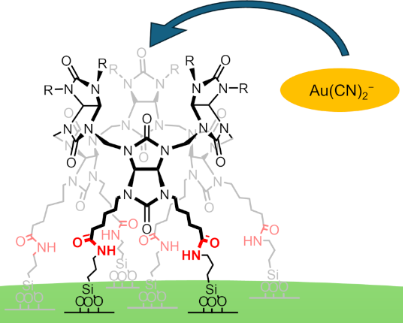
- toluene, ethanol and acetone to remove unreacted APTES and dried in vacuo (50 °C) overnight in order to get a-SG [15][16]. Further, to prepare covalent SG-NHCO-BU1, a-SG (0.9 g) was suspended in DMF (15 mL) and shaken at ambient temperature for 30 min. BU1 (0.1 g, 1 equiv) was dissolved in a minimum


Assembly strategy for thieno[3,2-b]thiophenes via a disulfide intermediate derived from 3-nitrothiophene-2,5-dicarboxylate
Beilstein J. Org. Chem. 2025, 21, 2489–2497, doi:10.3762/bjoc.21.191
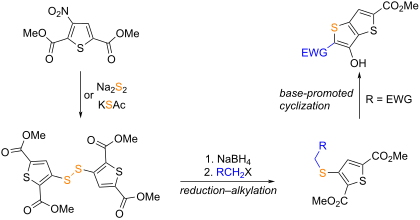
- , entry 1). However, methanol proved to be an ineffective solvent due to the rapid decomposition of NaBH4 and poor solubility of substrate 3. Most of the starting material was recovered unchanged after complete decomposing NaBH4. In contrast, when ethanol (Table 2, entry 2) or isopropanol (Table 2, entry
- , but it was obtained as a mixture of ester forms, namely dimethyl and diethyl esters in ethanol, and dimethyl and diisopropyl esters in isopropanol. These results indicate that the reaction with alcohol solvents resulted in partial transesterification of the methoxycarbonyl groups, while reductive